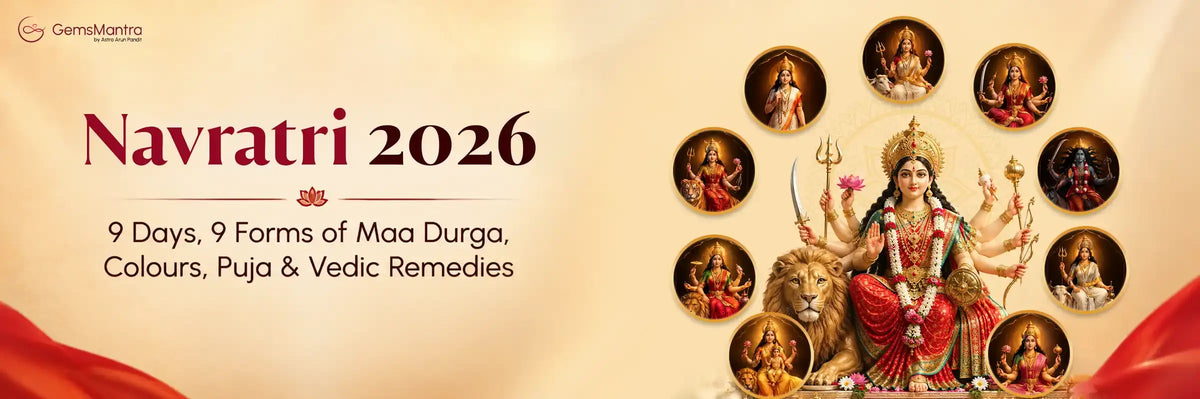
Navratri 2026: 9 Days, 9 Forms of Maa Durga, Colours, Puja & Vedic Remedies
Quick Answer: Navratri 2026 is a nine-day Hindu festival dedicated to Maa Durga and her nine forms, known as Navadurga. Sharad Navratri is observed with prayers, fasting, Ghatasthapana, mantra chanting and traditional worship. It is also an important time for devotees to focus on spiritual practices, devotion and positive intentions.
|
Navratri 2026 at a Glance |
Festival dates: October 11 - October 19, 2026
Vijayadashami (Dussehra): October 20, 2026
Durga Ashtami & Maha Navami: October 19, 2026
Worship: Nine forms of Maa Durga (Navadurga)
Muhurat: Check your local Panchang for exact timings
Navratri 2026 Date and 9 Days
Sharad Navratri 2026 begins on October 11, 2026, and ends on October 19, 2026. Vijayadashami or Dussehra will be observed on October 20, 2026. Ghatasthapana marks the beginning of Navratri. In the 2026 calendar, Durga Ashtami and Maha Navami are observed on October 19. Exact puja Muhurat can vary according to location and local Panchang.
|
Day |
Date |
Form of Maa Durga |
|
Day 1 |
October 11 |
Maa Shailputri |
|
Day 2 |
October 12 |
Maa Brahmacharini |
|
Day 3 |
October 13 |
Maa Chandraghanta |
|
Day 4 |
October 14 |
Maa Kushmanda |
|
Day 5 |
October 15 |
Maa Skandamata |
|
Day 6 |
October 16 |
Maa Katyayani |
|
Day 7 |
October 17 |
Maa Kalaratri |
|
Day 8 |
October 18 |
Maa Mahagauri |
|
Day 9 |
October 19 |
Maa Siddhidatri |
|
Vijayadashami |
October 20 |
Dussehra |
What Is Navratri and Why Is It Celebrated?
Navratri means nine nights and is dedicated to Shakti, the divine feminine power. During Sharad Navratri, devotees worship different forms of Maa Durga and follow traditions such as fasting, puja, mantra chanting, temple visits and devotional activities.
The festival is also associated with the victory of good over evil. For many devotees, Navratri is a time for prayer, discipline, devotion and spiritual reflection.
9 Forms of Maa Durga
The nine forms of Maa Durga are collectively known as Navadurga. Each form represents a different aspect of Shakti and is traditionally worshipped during the nine days.
Maa Shailputri
Maa Shailputri is the first form of Navadurga. She is traditionally associated with strength, stability and purity. Devotees begin Navratri by offering prayers to Maa Shailputri.
Maa Brahmacharini
Maa Brahmacharini represents devotion, patience and spiritual discipline. Her worship is traditionally associated with determination and inner strength.
Maa Chandraghanta
Maa Chandraghanta is recognised by the crescent moon on her forehead. She is traditionally worshipped for courage, peace and protection.
Maa Kushmanda
Maa Kushmanda is the fourth form of Maa Durga. Traditional beliefs associate her with creative energy, vitality and the power of creation.
Maa Skandamata
Maa Skandamata is the mother of Lord Kartikeya, also known as Skanda. Her worship is traditionally connected with motherhood, compassion and protection.
Maa Katyayani
Maa Katyayani is described as a powerful warrior form of Maa Durga. Devotees traditionally worship her for courage, strength and protection.
Maa Kalaratri
Maa Kalaratri represents the powerful aspect of Shakti. Her worship is traditionally associated with courage and protection from fear and negativity.
Maa Mahagauri
Maa Mahagauri represents purity, calmness and peace. Devotees offer special prayers to her as part of Navratri worship.
Maa Siddhidatri
Maa Siddhidatri is the ninth form of Navadurga. She is traditionally associated with spiritual accomplishment and divine blessings.
Navratri 2026 Colours
Wearing a particular colour on each day of Navratri is a popular tradition in many parts of India. Colour lists can vary between regions and families, so devotees can follow their local tradition.
A commonly followed 2026 colour sequence is:
|
Day |
Maa Durga Form |
Colour |
|
Day 1 |
Maa Shailputri |
Orange |
|
Day 2 |
Maa Brahmacharini |
White |
|
Day 3 |
Maa Chandraghanta |
Red |
|
Day 4 |
Maa Kushmanda |
Royal Blue |
|
Day 5 |
Maa Skandamata |
Yellow |
|
Day 6 |
Maa Katyayani |
Green |
|
Day 7 |
Maa Kalaratri |
Grey |
|
Day 8 |
Maa Mahagauri |
Purple |
|
Day 9 |
Maa Siddhidatri |
Peacock Green |
Ghatasthapana and Navratri Puja
Ghatasthapana, also known as Kalash Sthapana, marks the beginning of Navratri worship. A Kalash is traditionally placed in the puja area along with other sacred items.
Common items for a traditional setup may include:
· Kalash
· Coconut
· Clean water
· Mango leaves or other customary leaves
· Barley seeds
· Diya
· Flowers
· Kumkum
· Rice and other puja essentials
The exact Ghatasthapana Muhurat should be checked according to the local Panchang because timings can differ by location.
Simple Navratri Puja Vidhi
A simple daily Navratri routine can include cleaning the puja area, lighting a diya, offering flowers and fruits, praying to Maa Durga and chanting a suitable mantra.
Devotees observing a vrat can follow the fasting practices followed by their family or regional tradition.
Navratri does not require an elaborate setup. Regular prayer, devotion and discipline are important parts of the festival.
Vedic Remedies and Spiritual Practices for Navratri
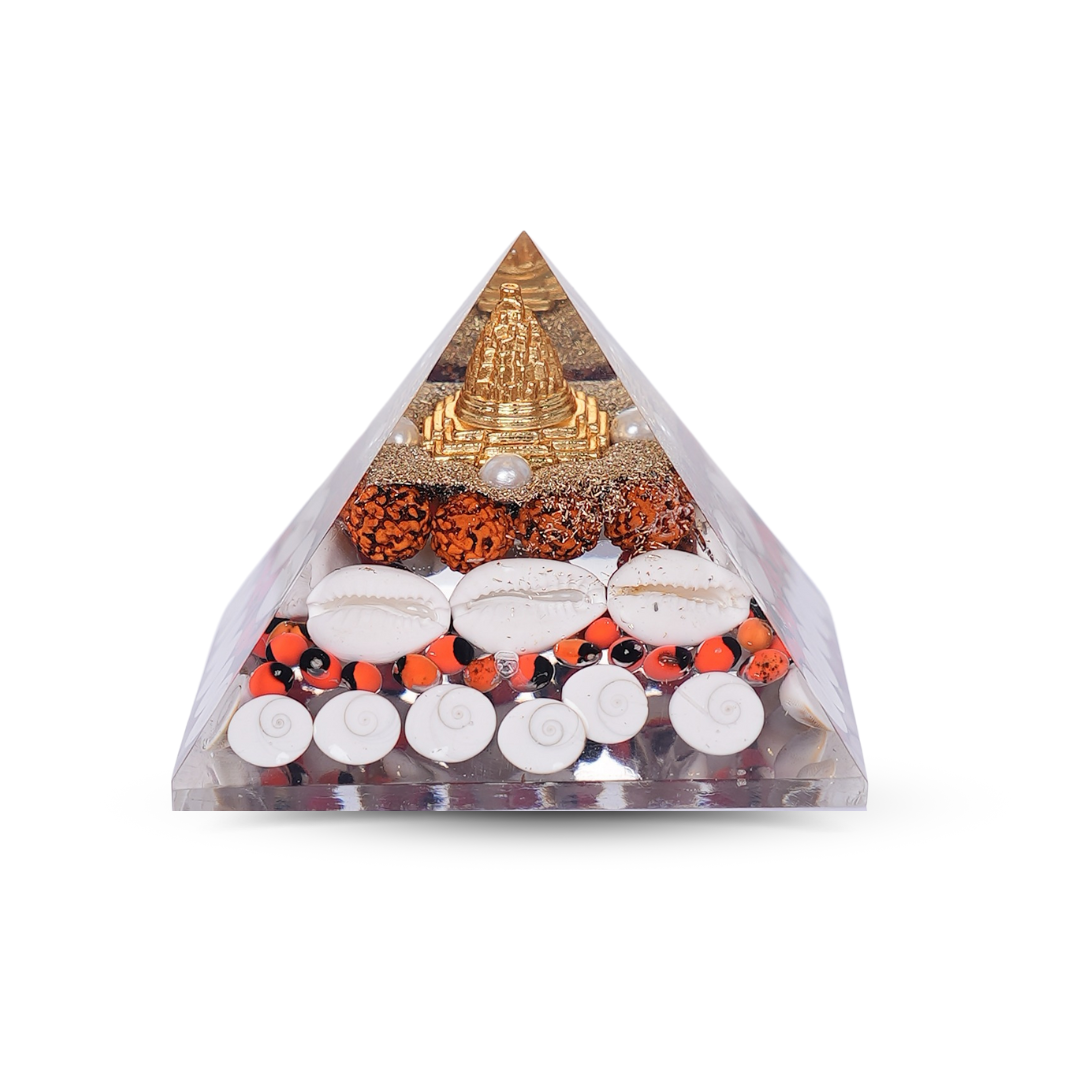
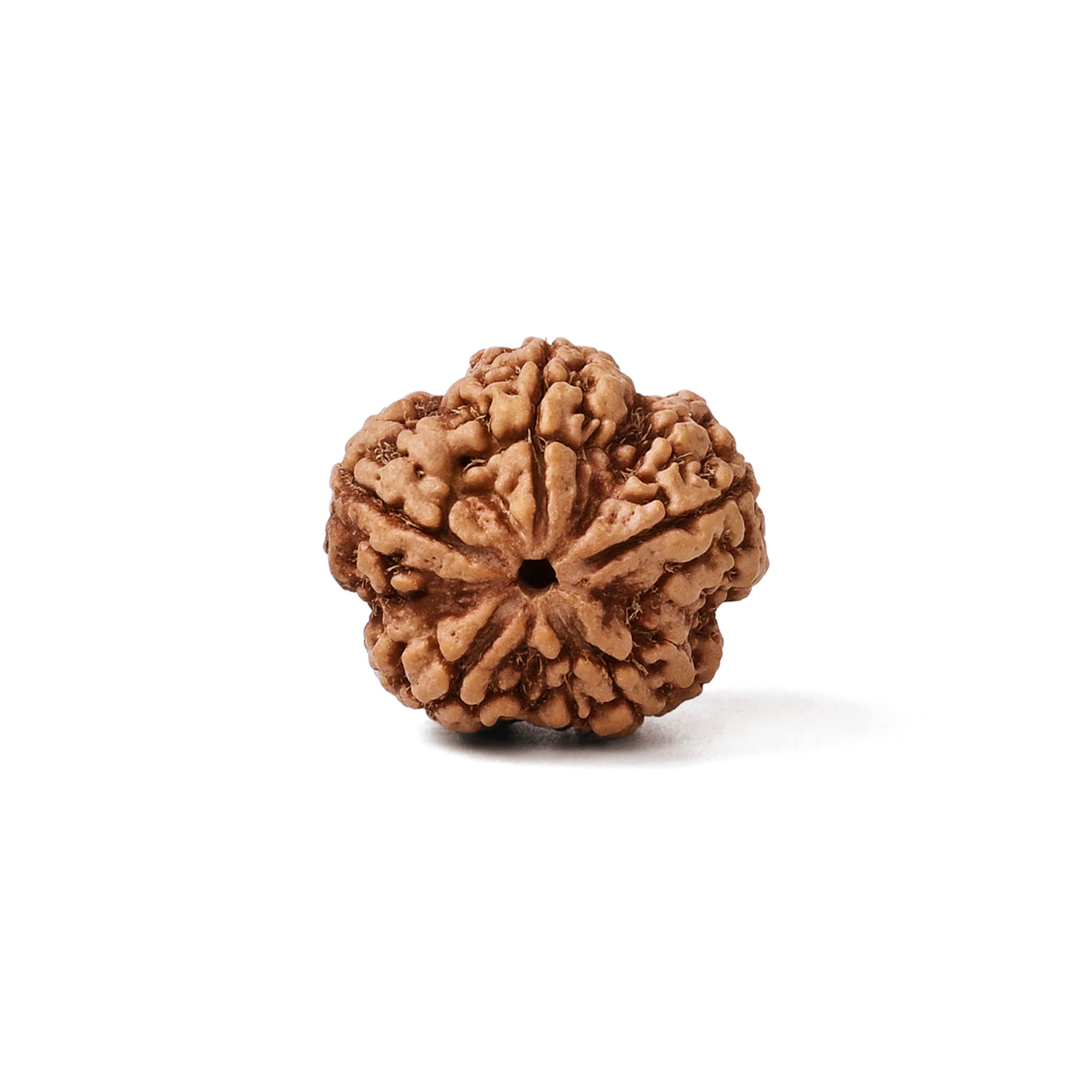
Many devotees include traditional Vedic products such as Rudraksha, Malas, Crystals, Yantras & Gemstones in their spiritual routine.
At GemsMantra, you can find a range of traditional Vedic products suitable for personal spiritual practices, including:
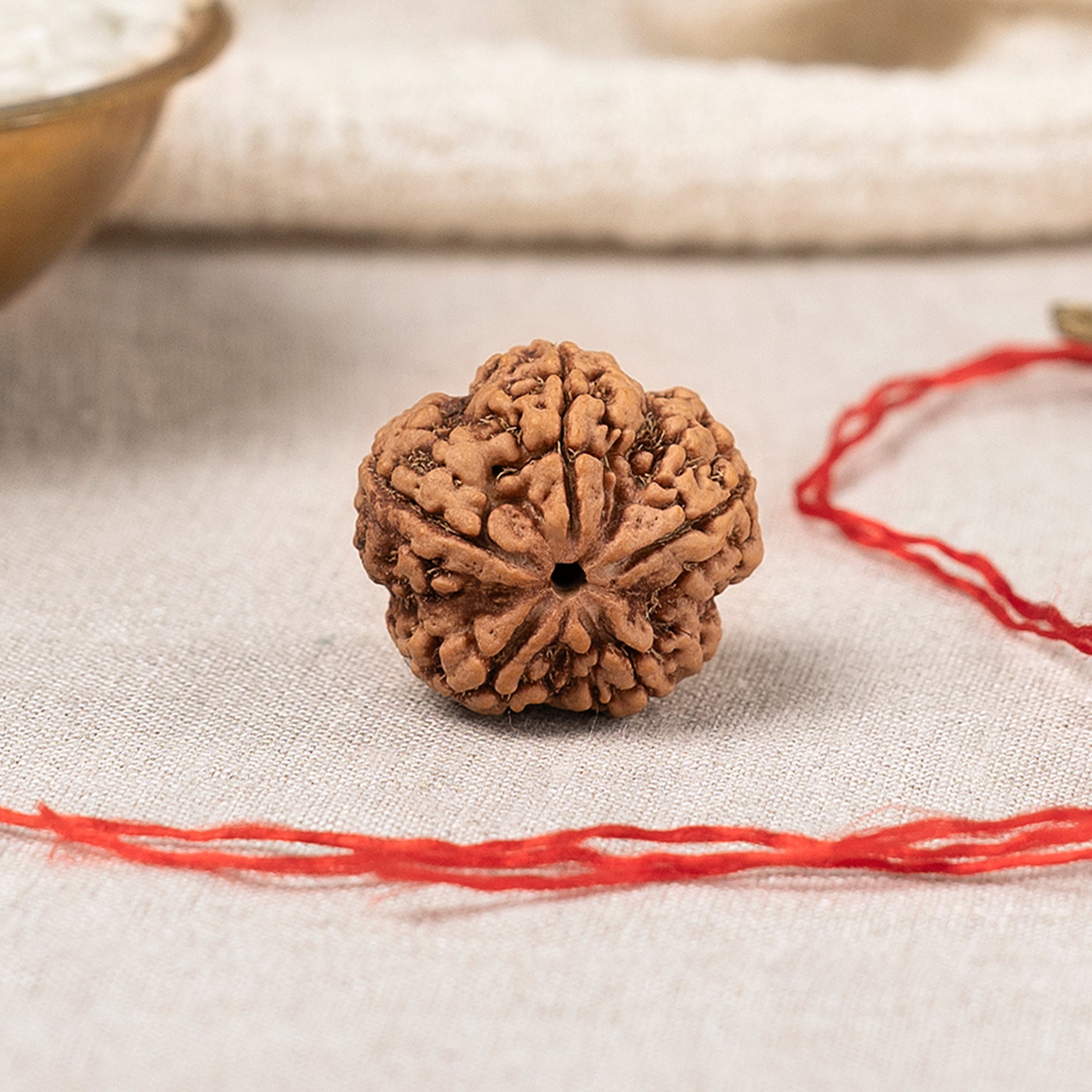
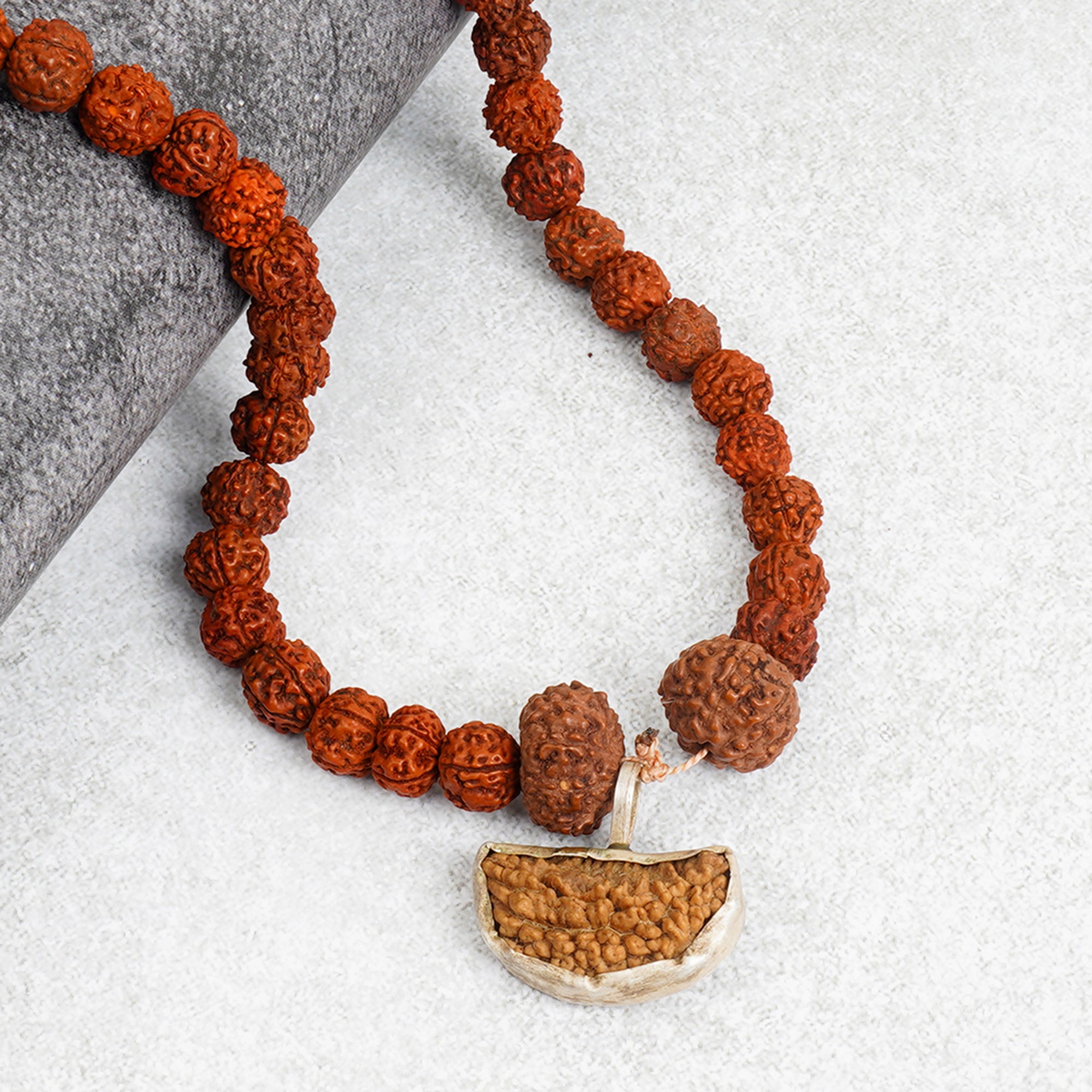
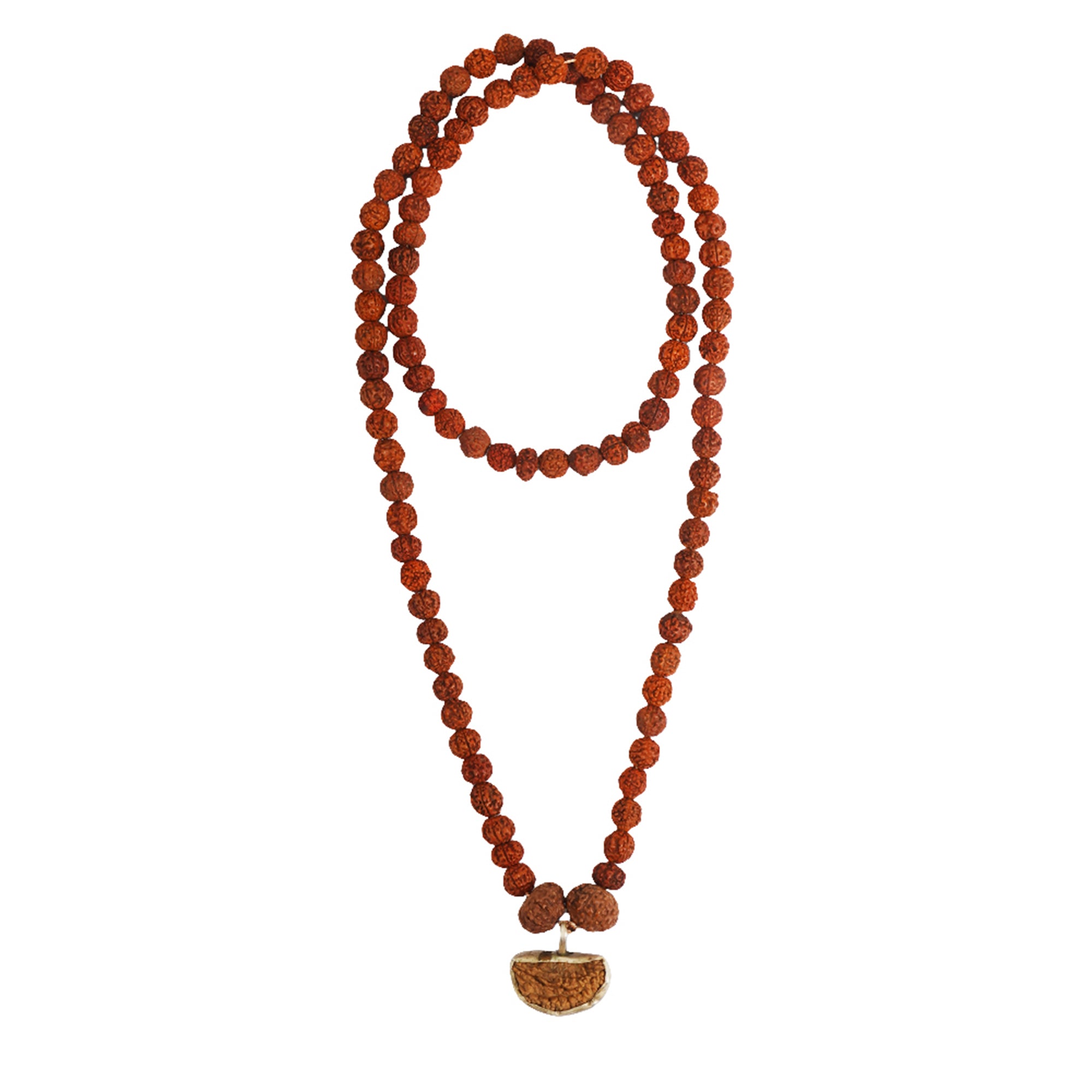
· Rudraksha - traditional Rudraksha beads and malas
· Gemstones - natural gemstones associated with Vedic astrology
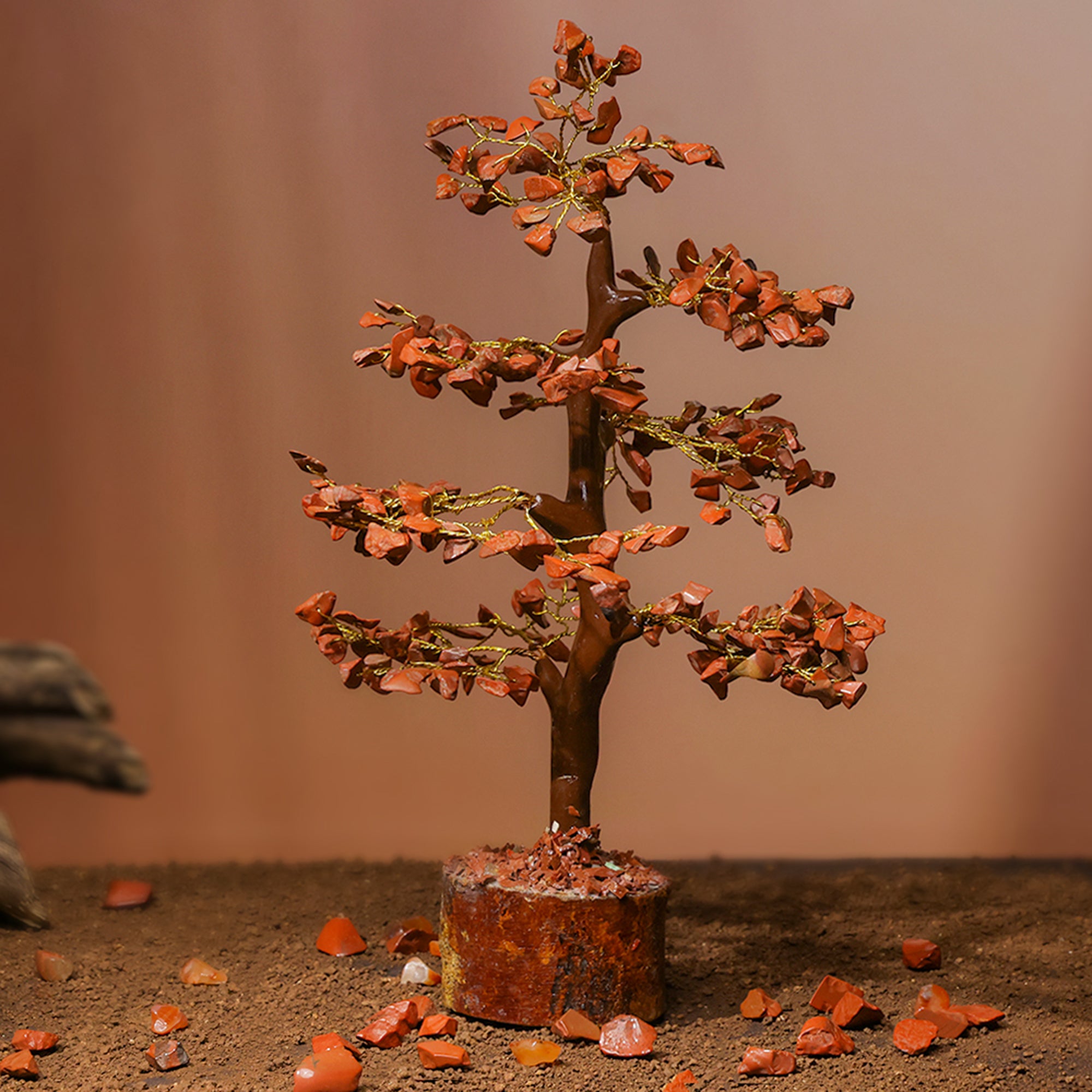
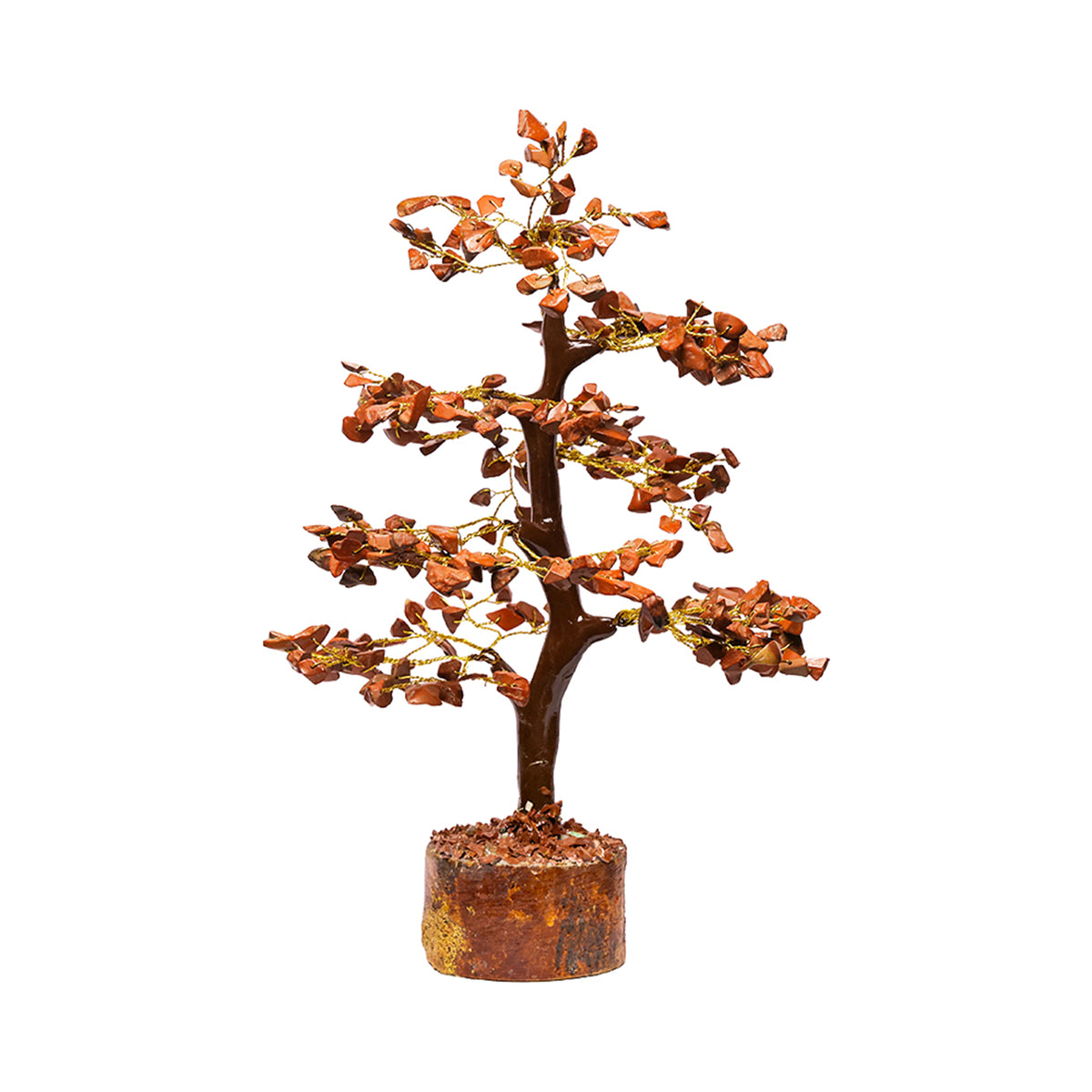
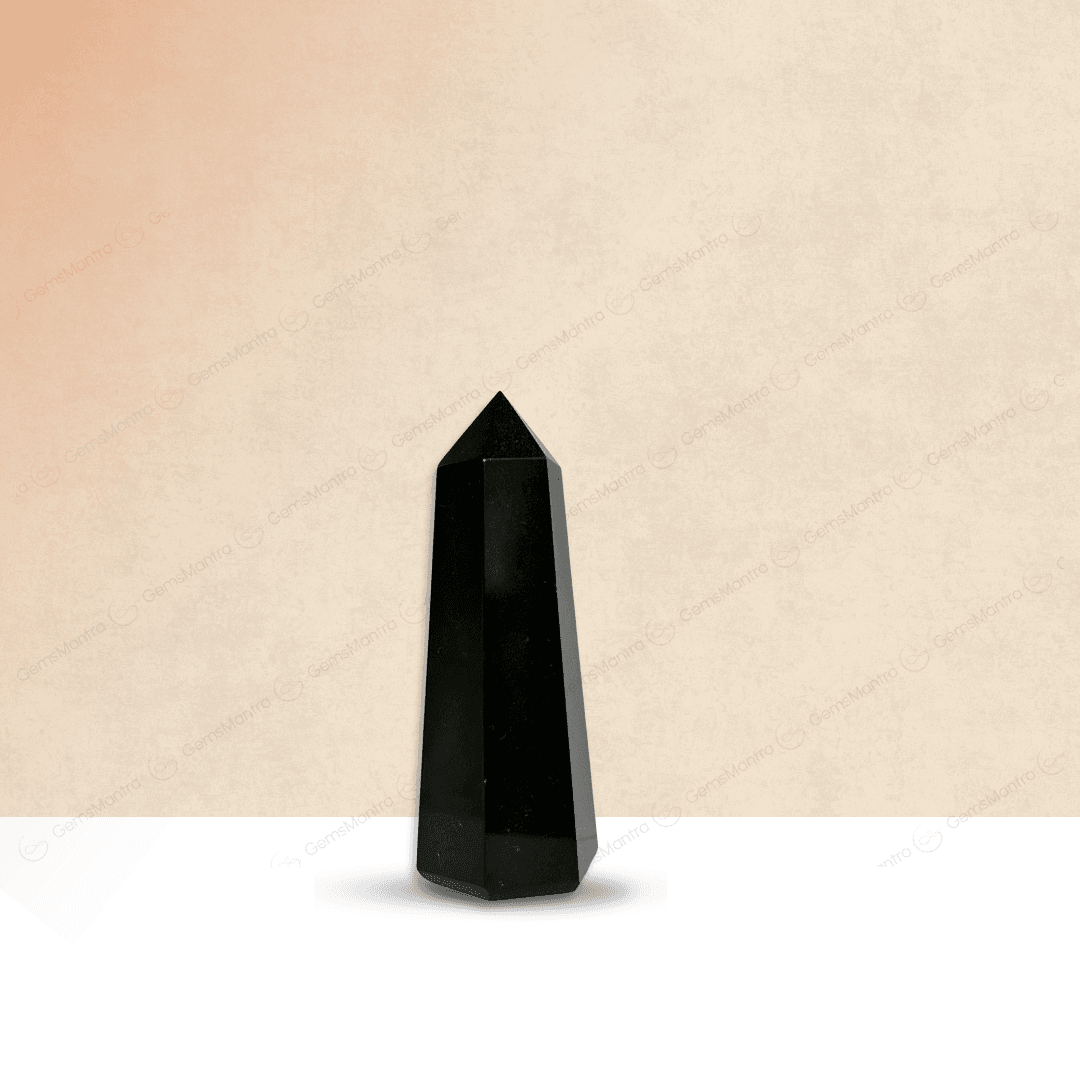
· Crystals - crystals used in meditation and spiritual practices
· Malas - suitable for traditional japa and mantra chanting
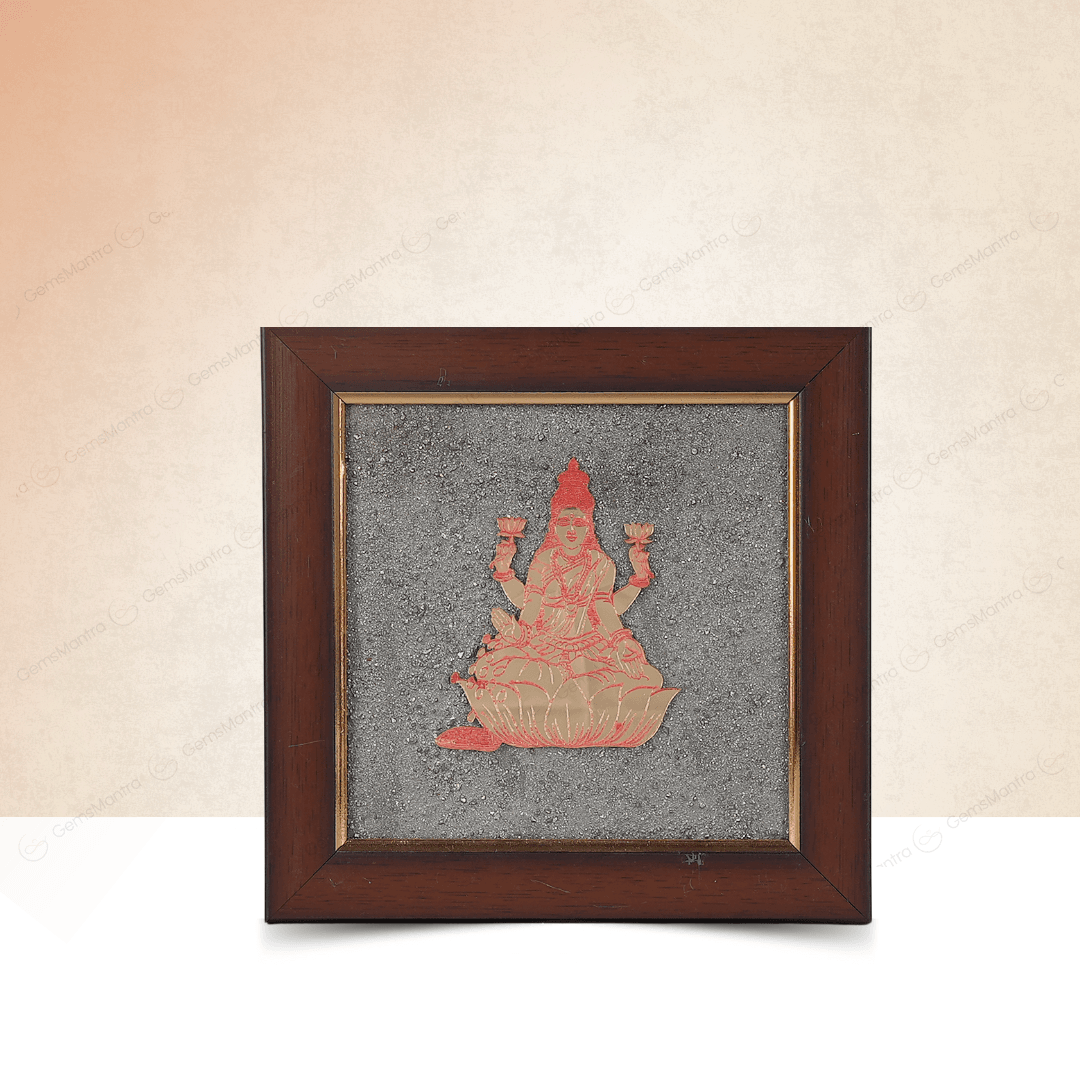
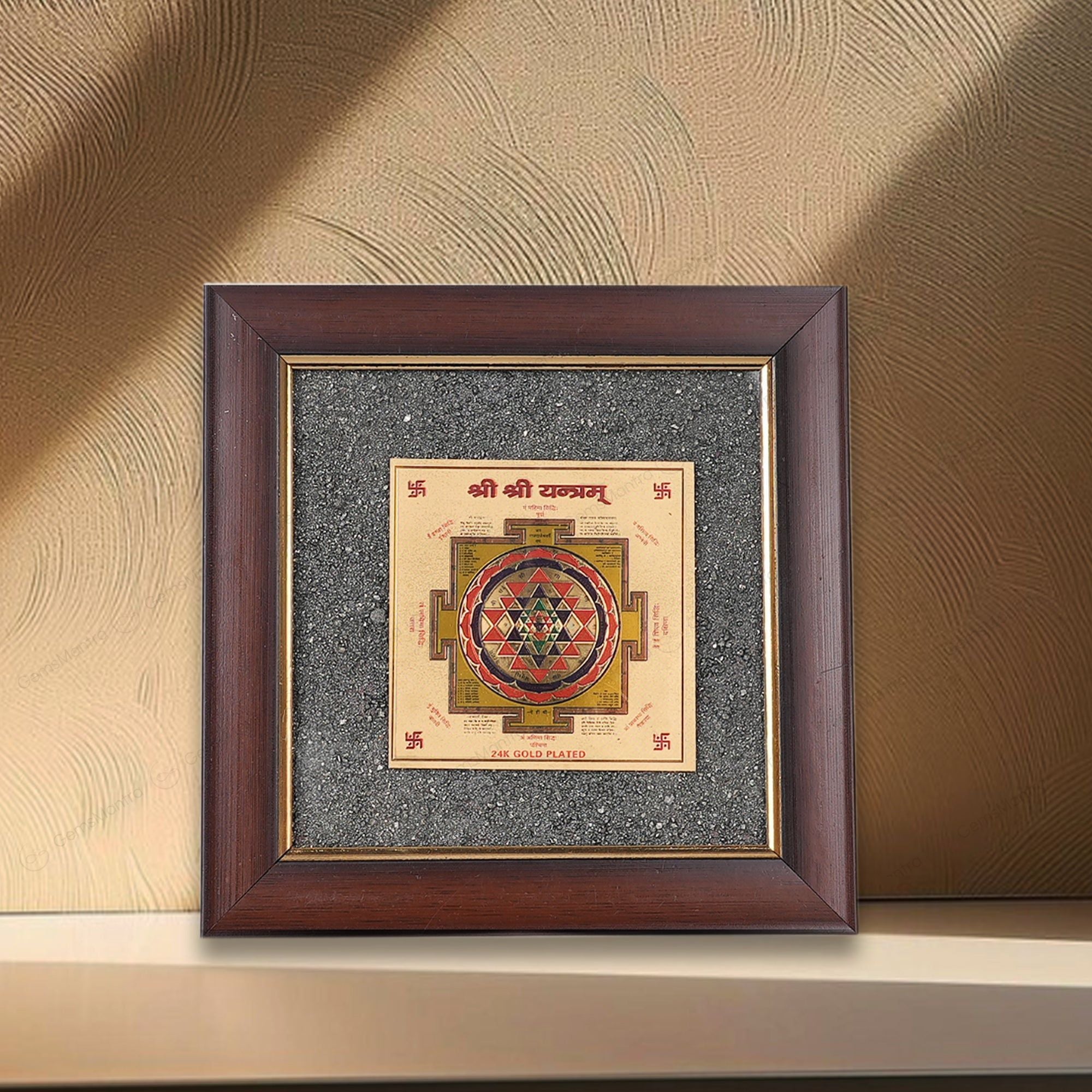
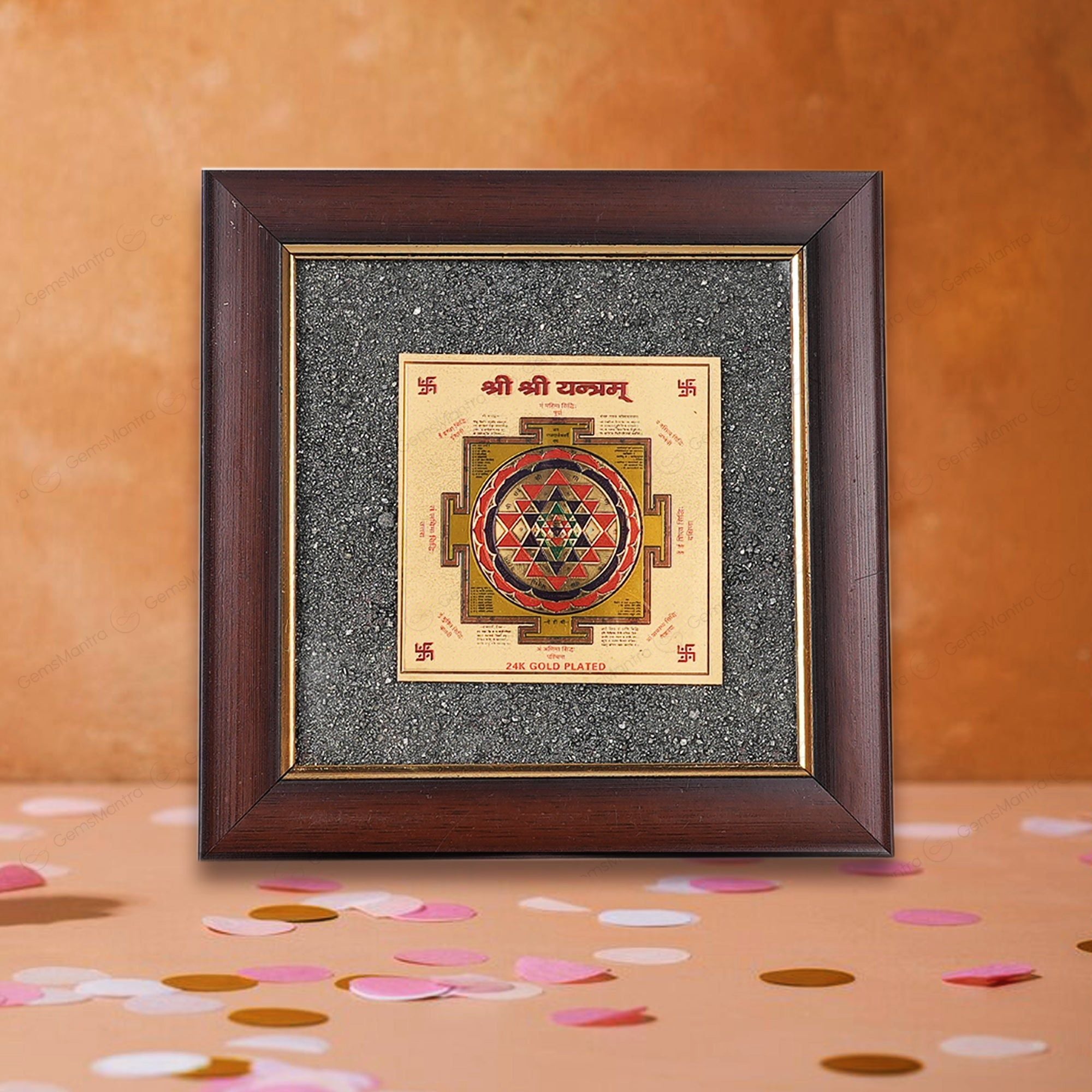
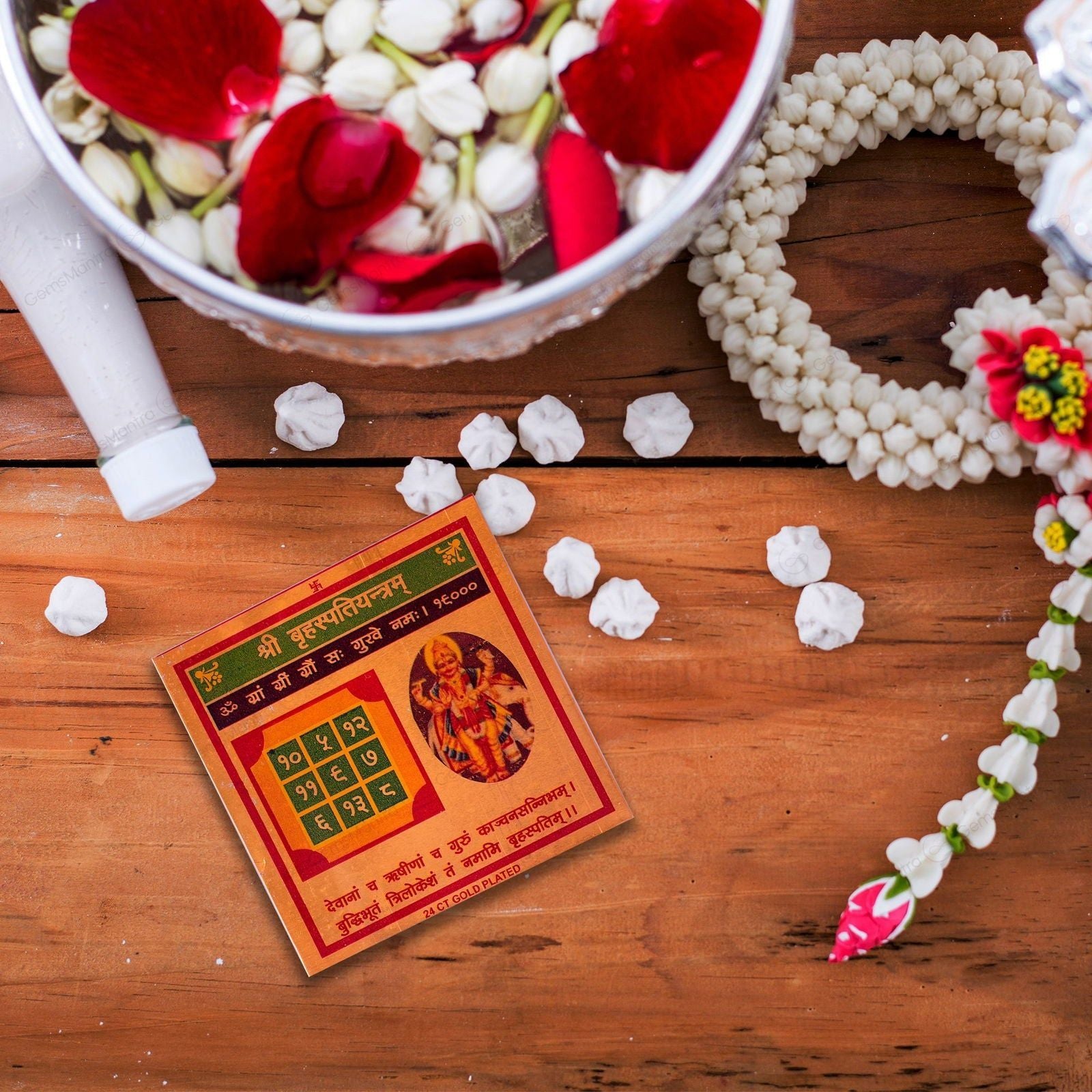
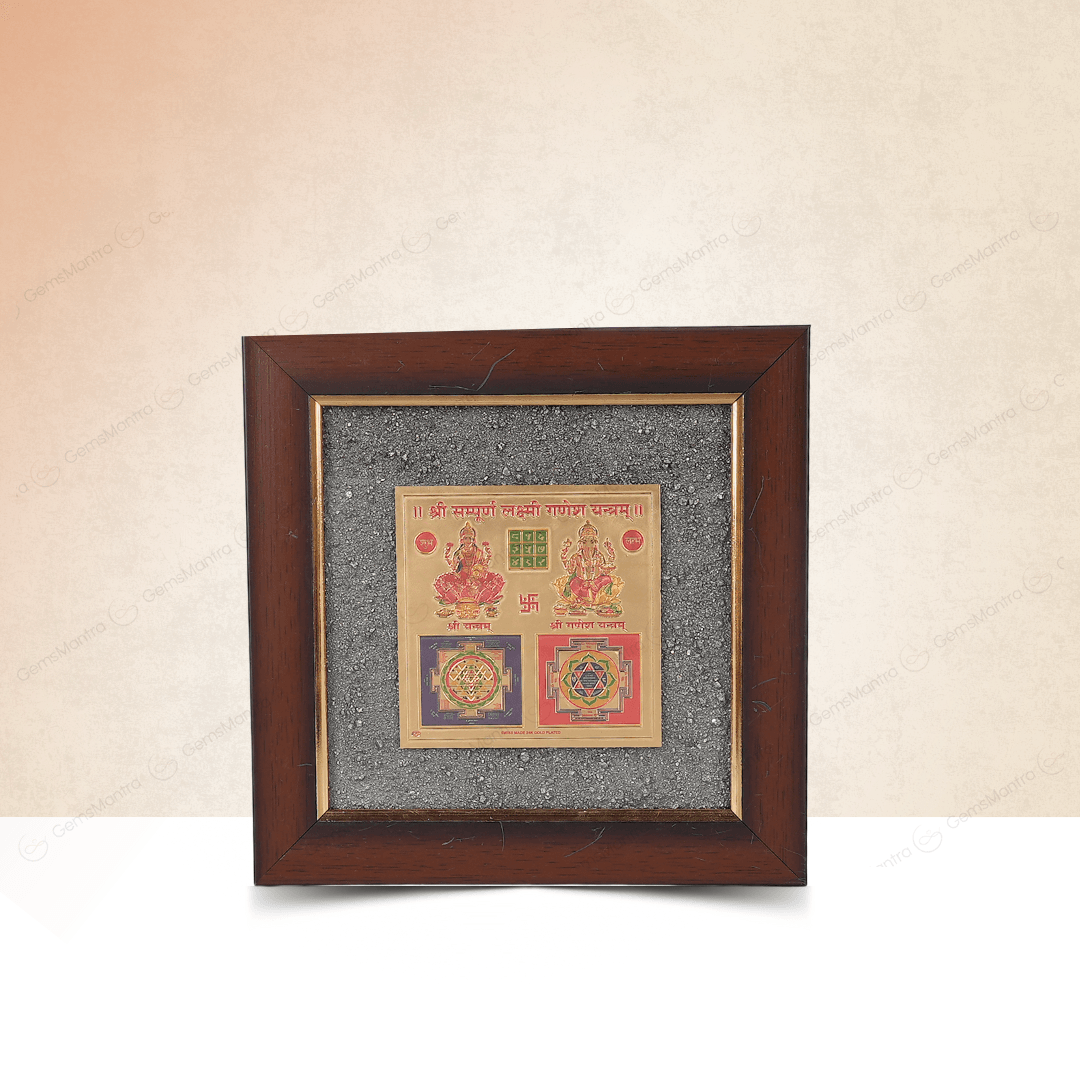
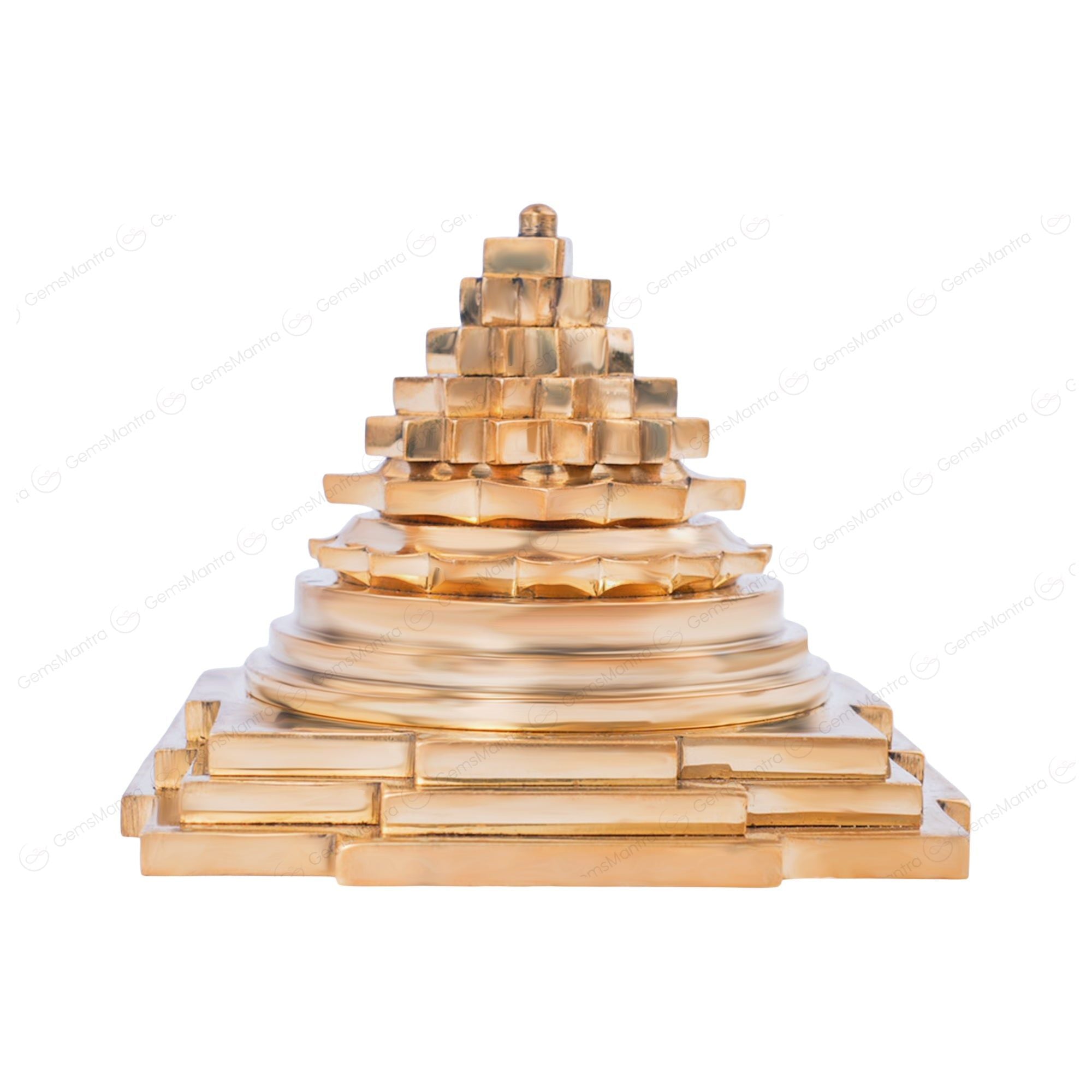
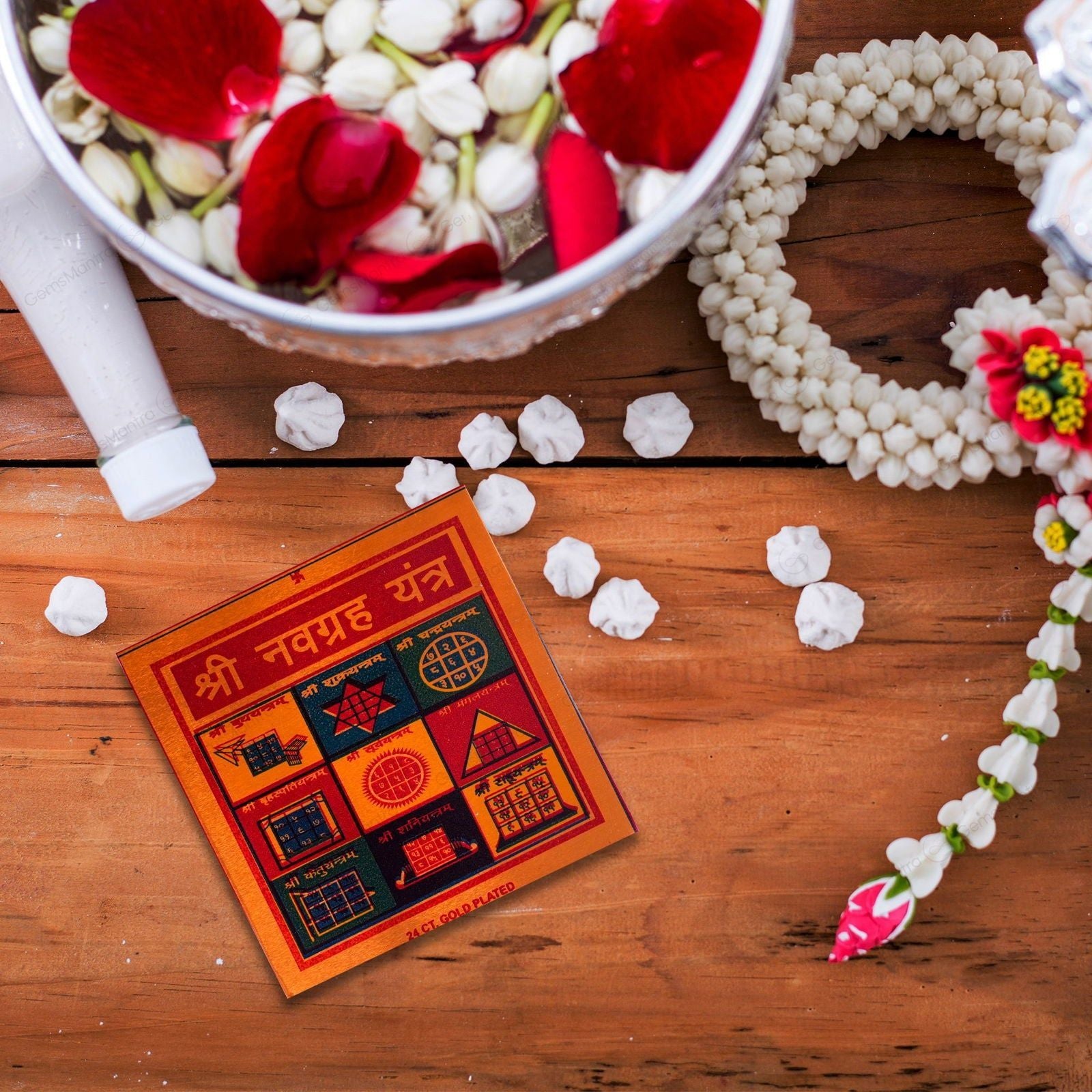
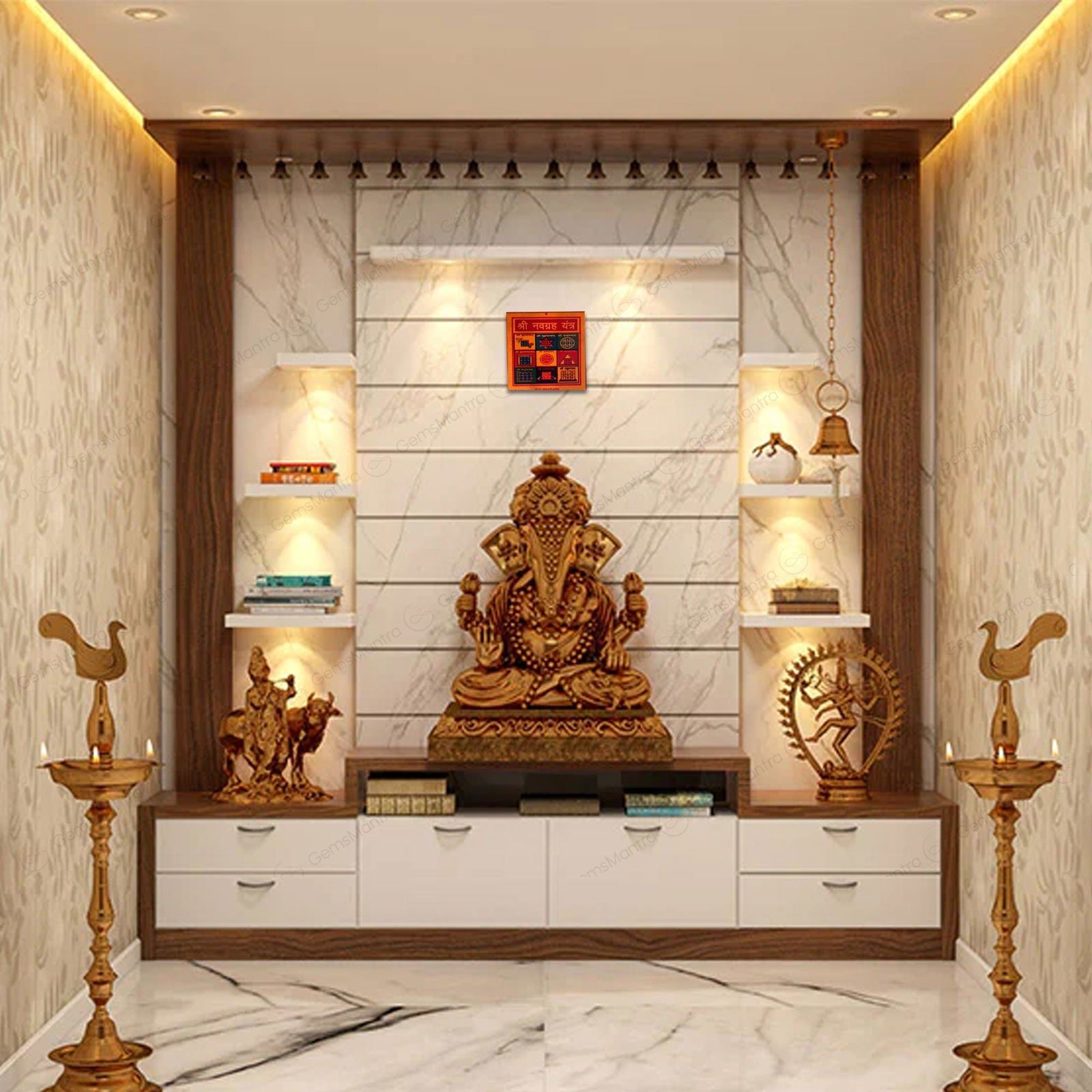
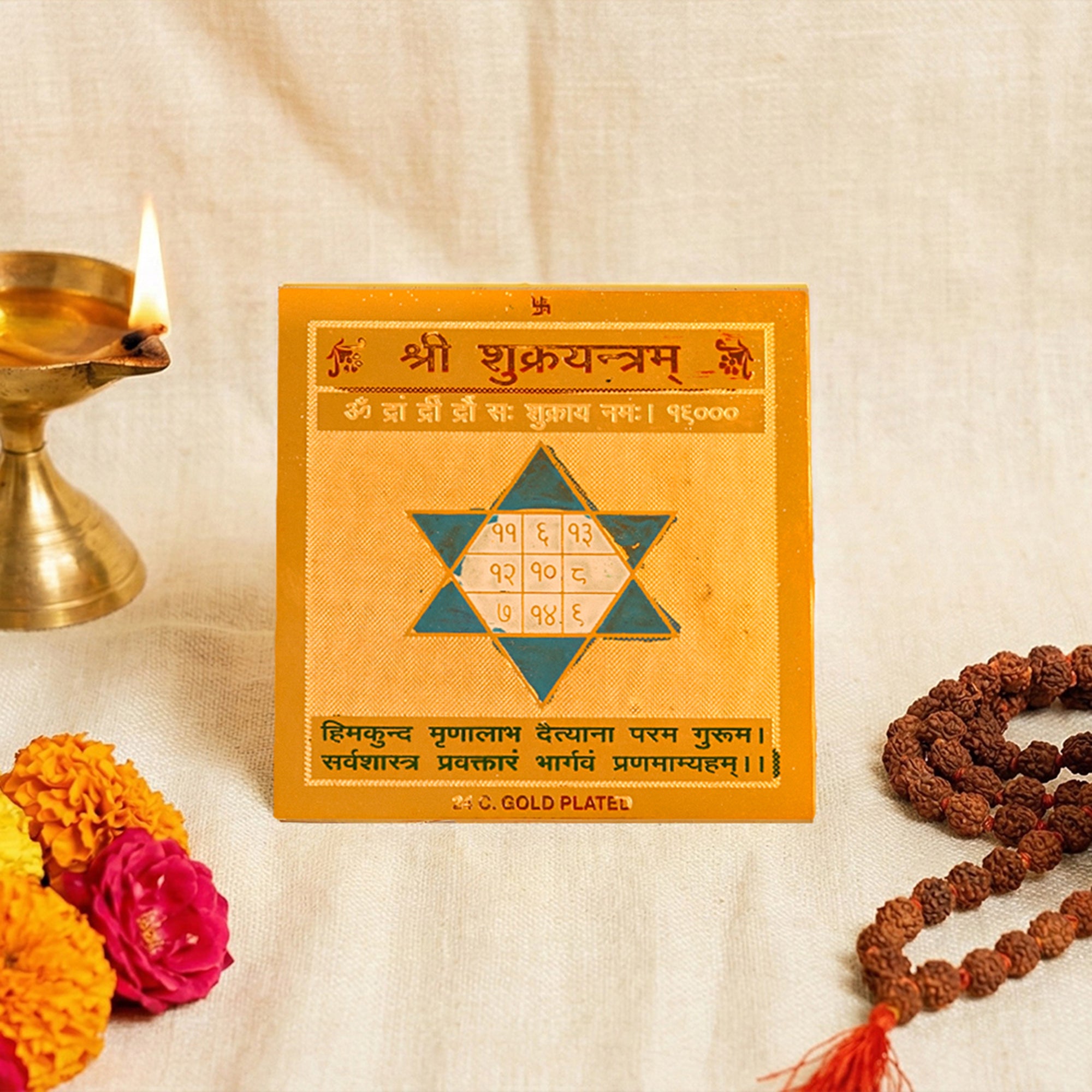
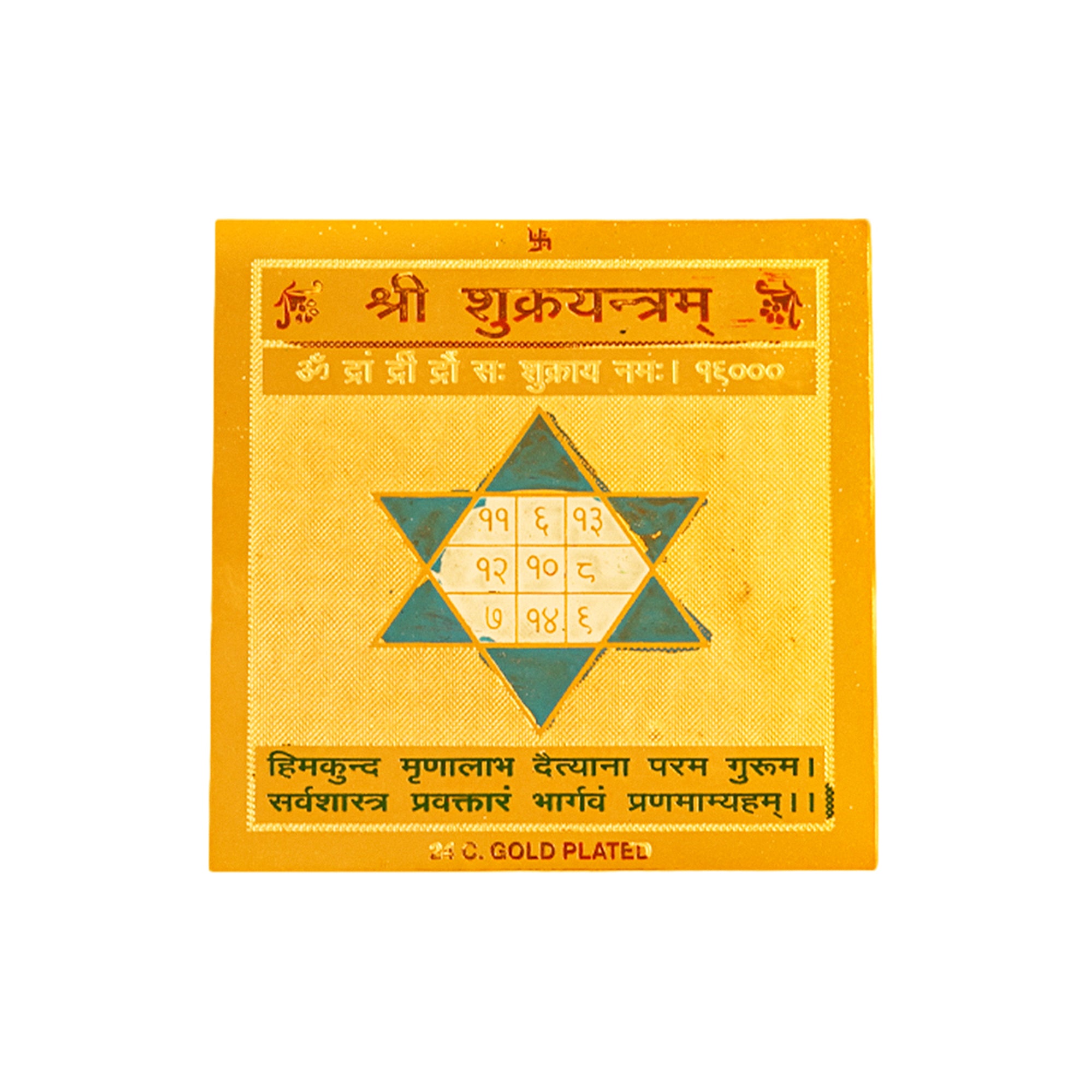
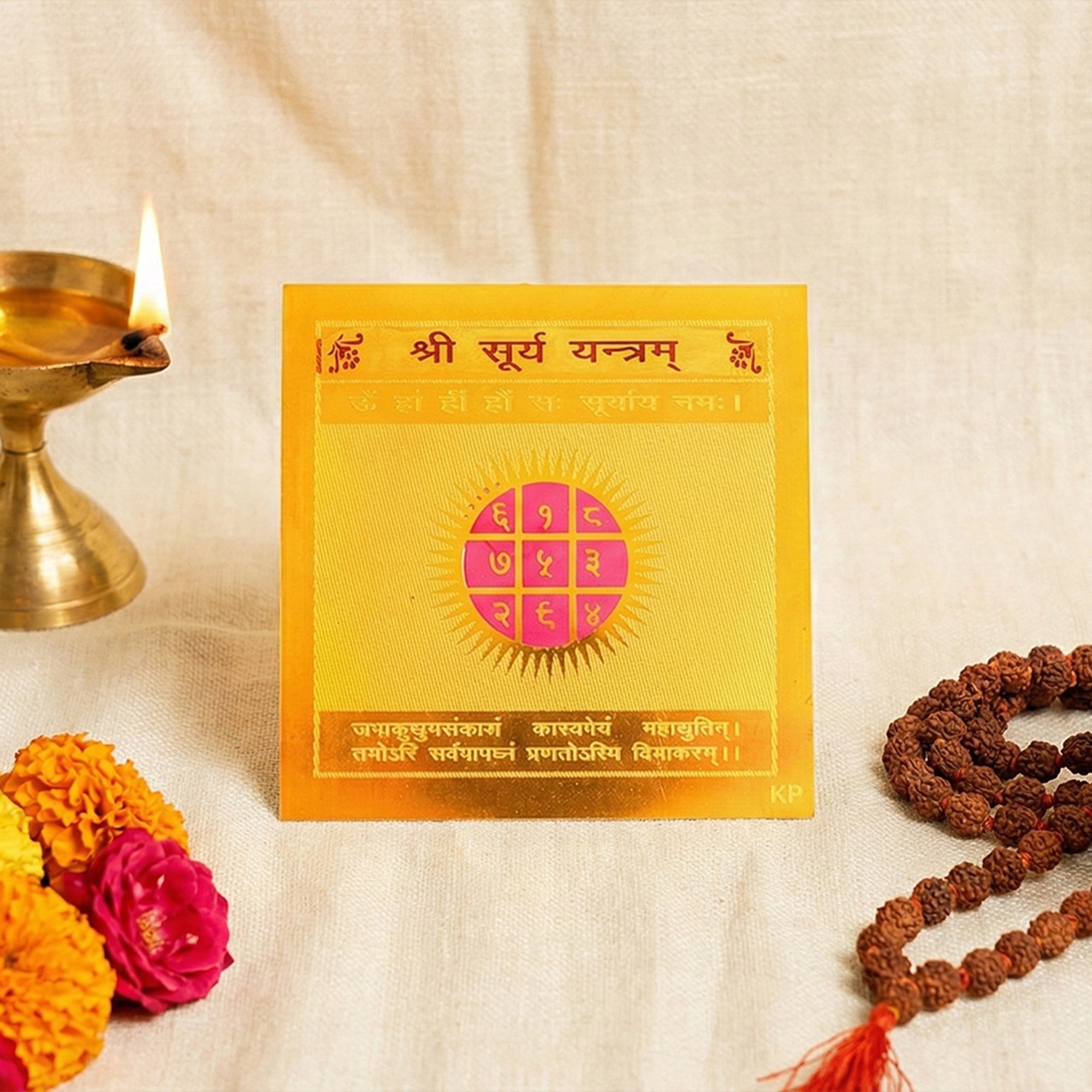
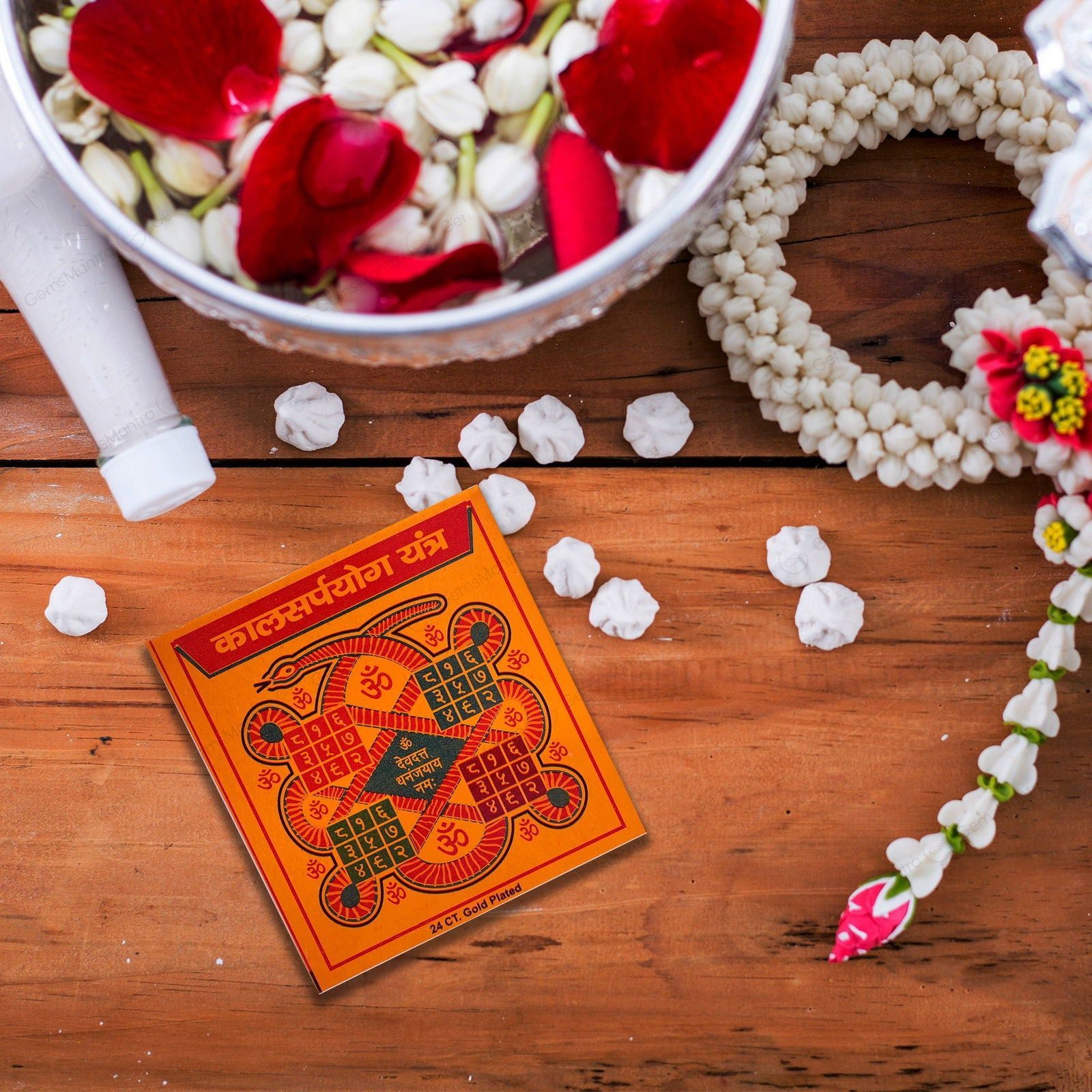
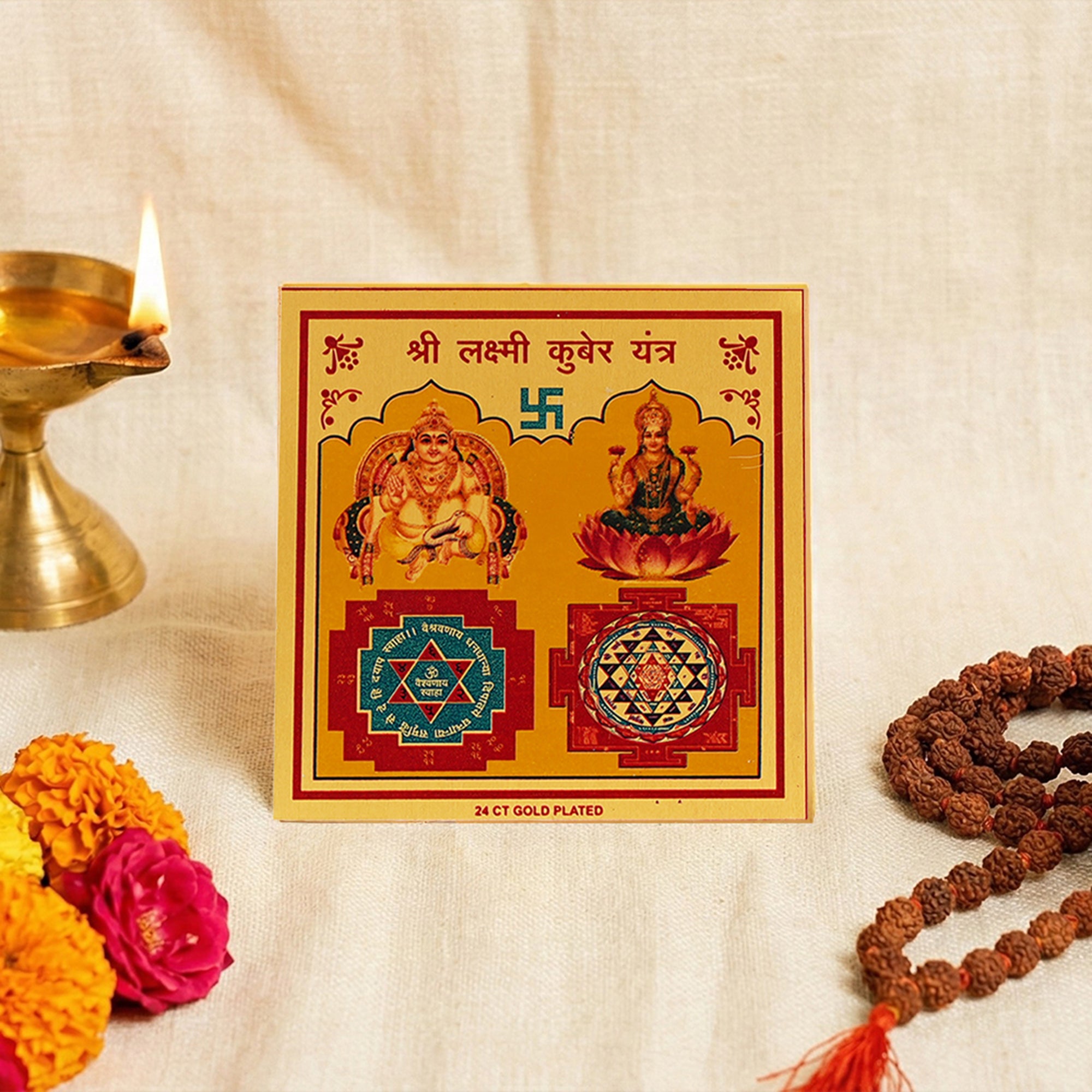
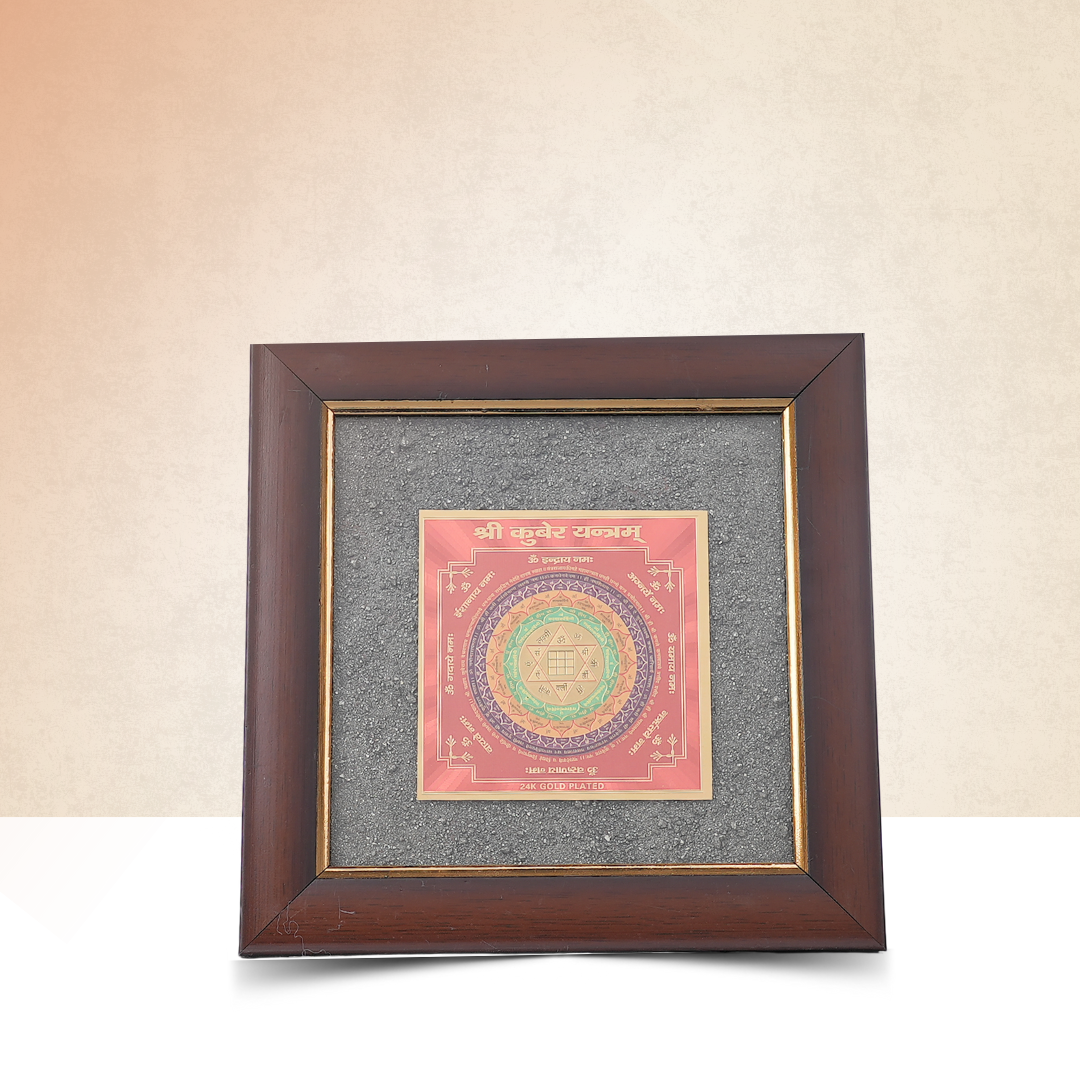
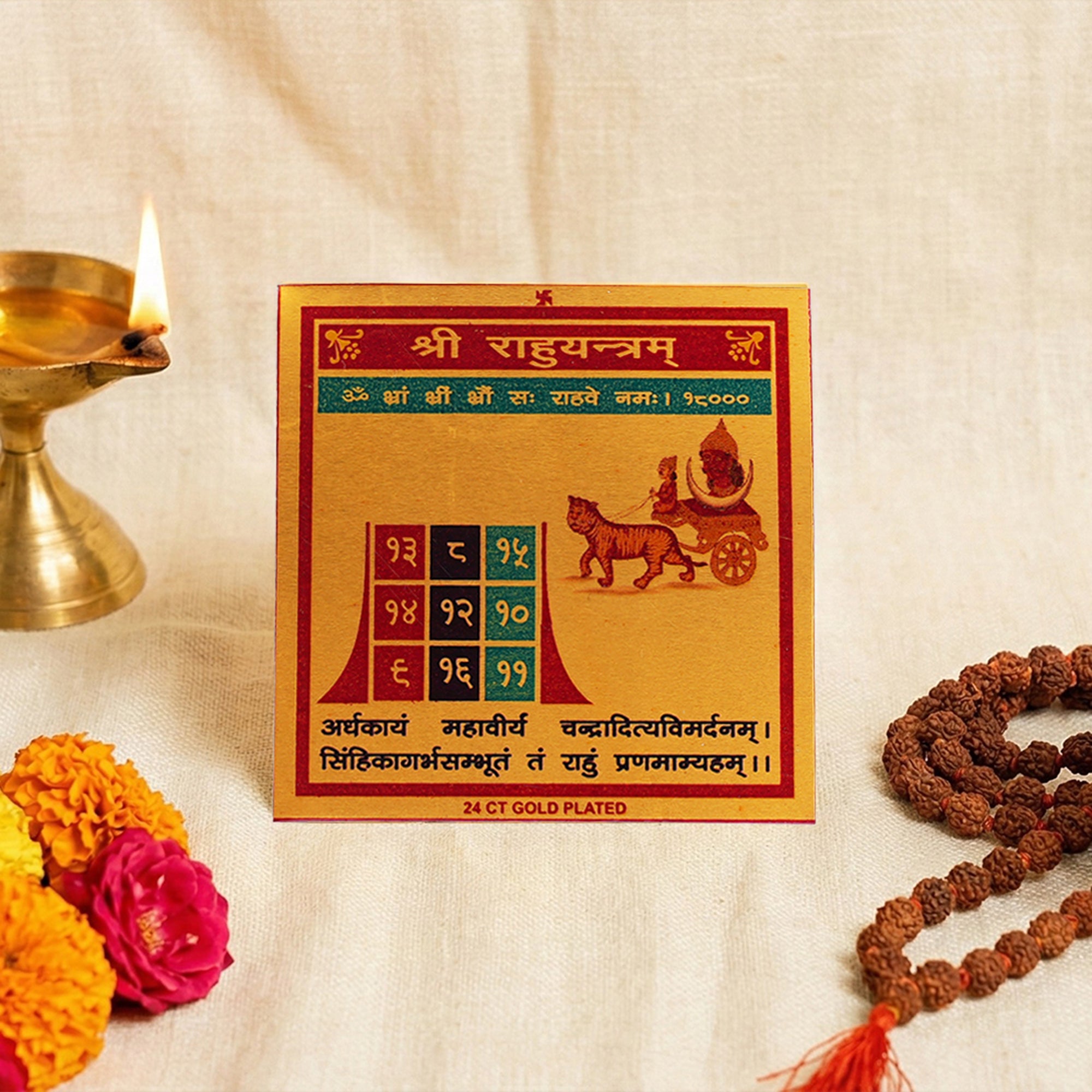
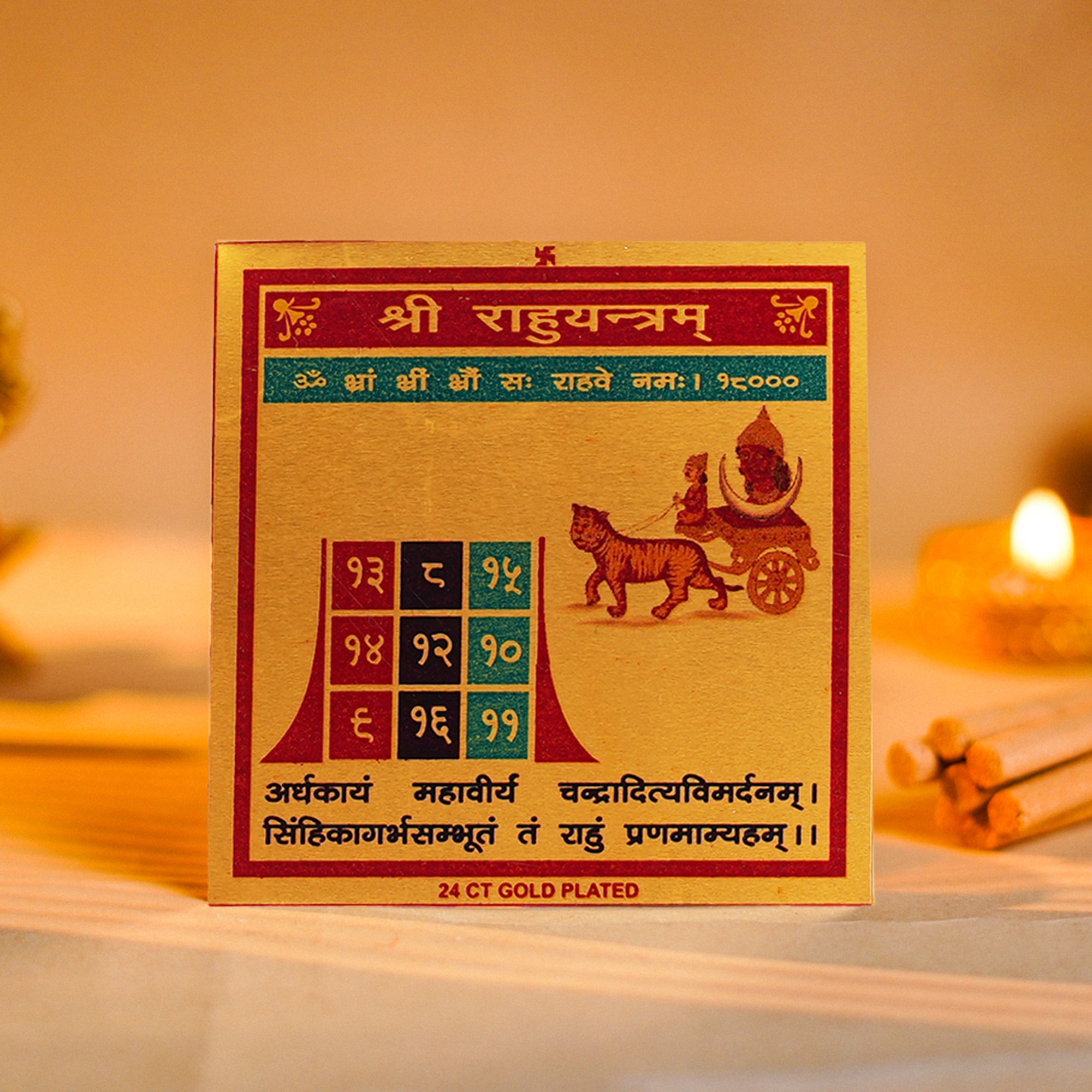
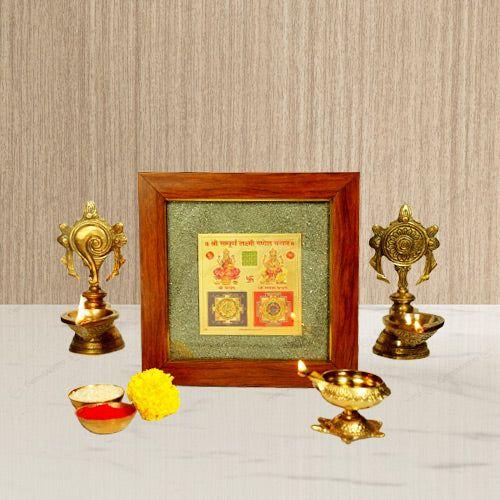
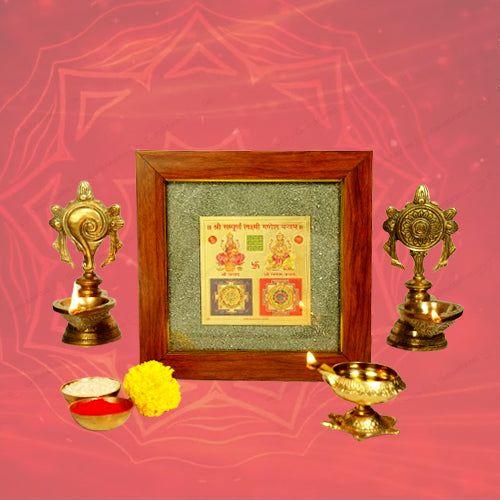
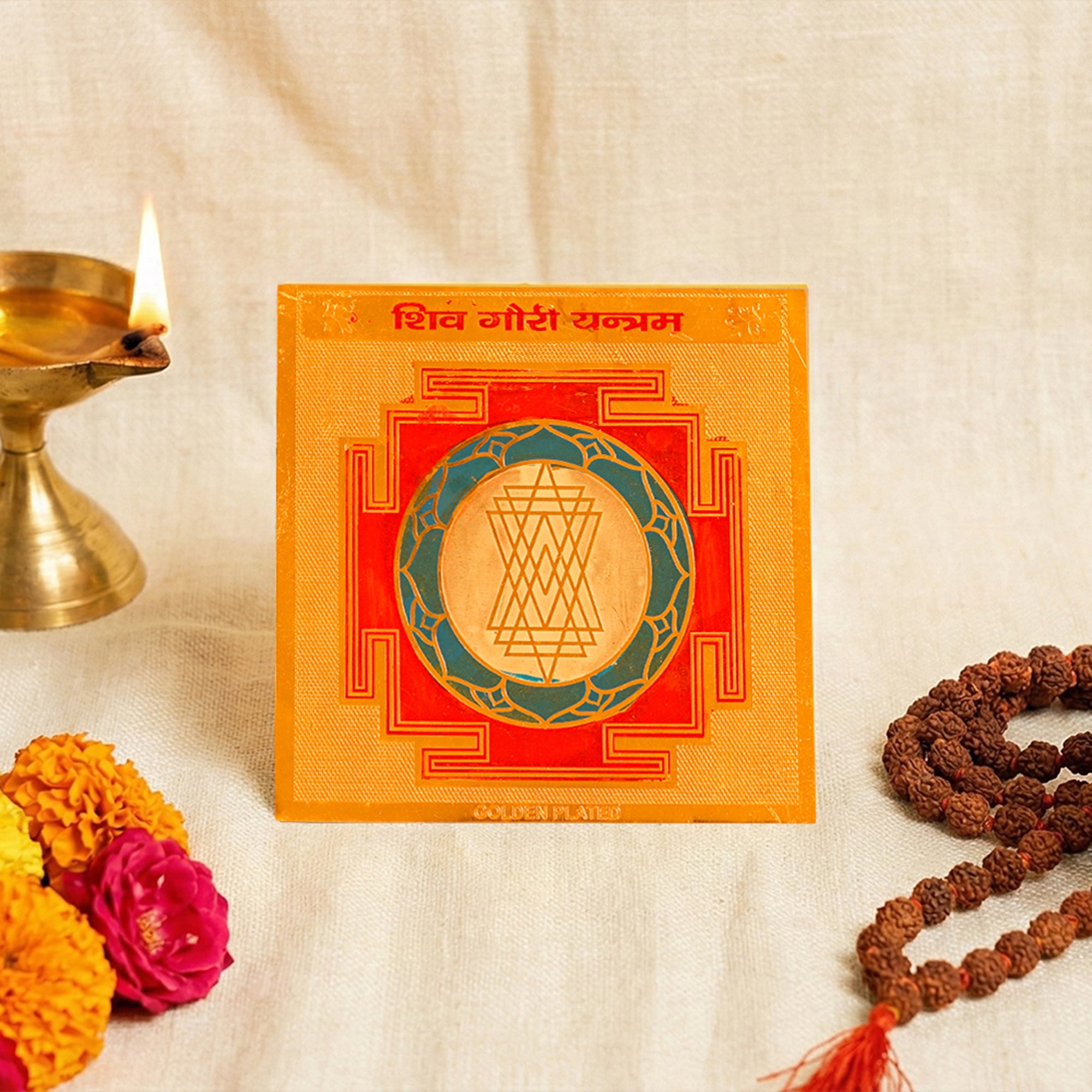
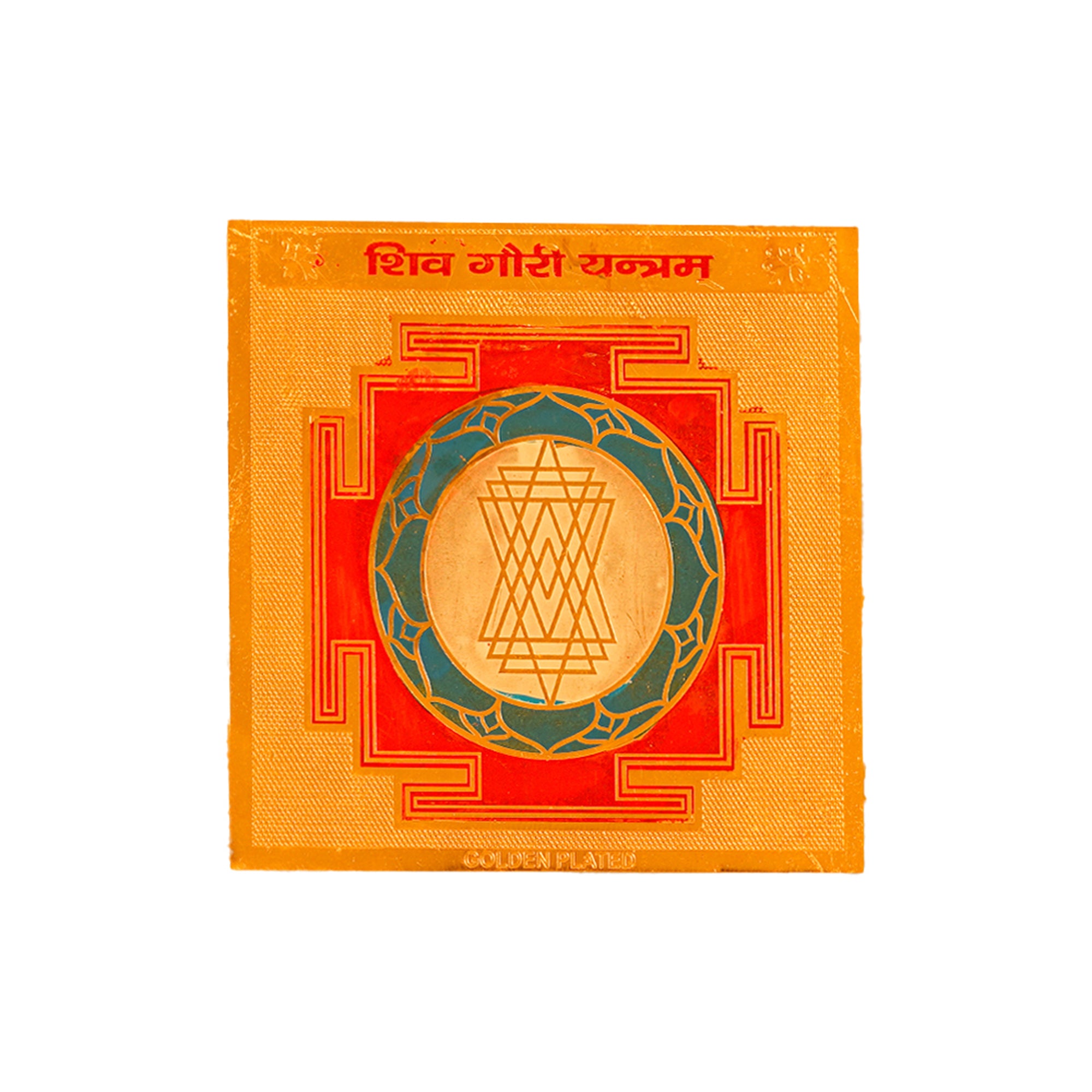
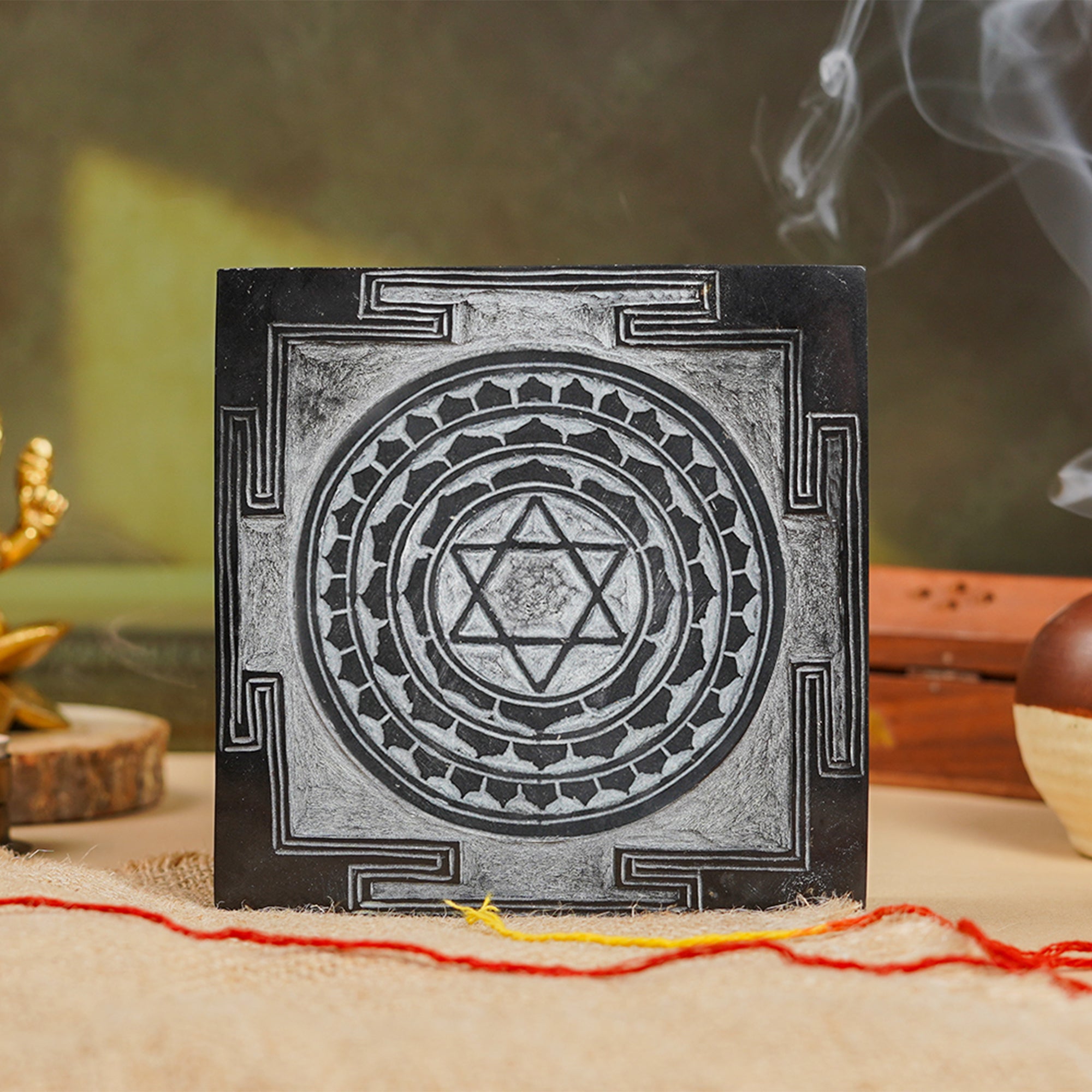
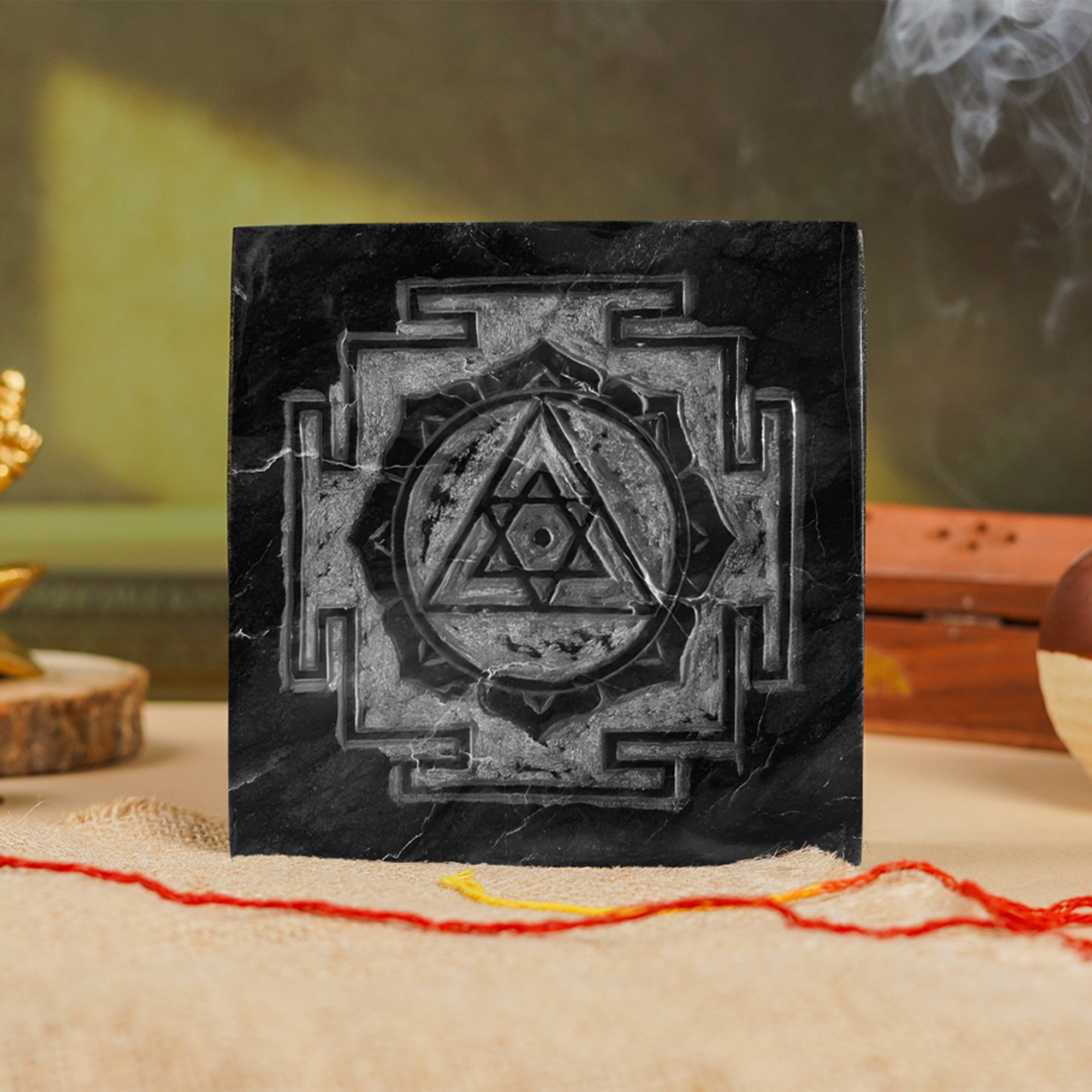
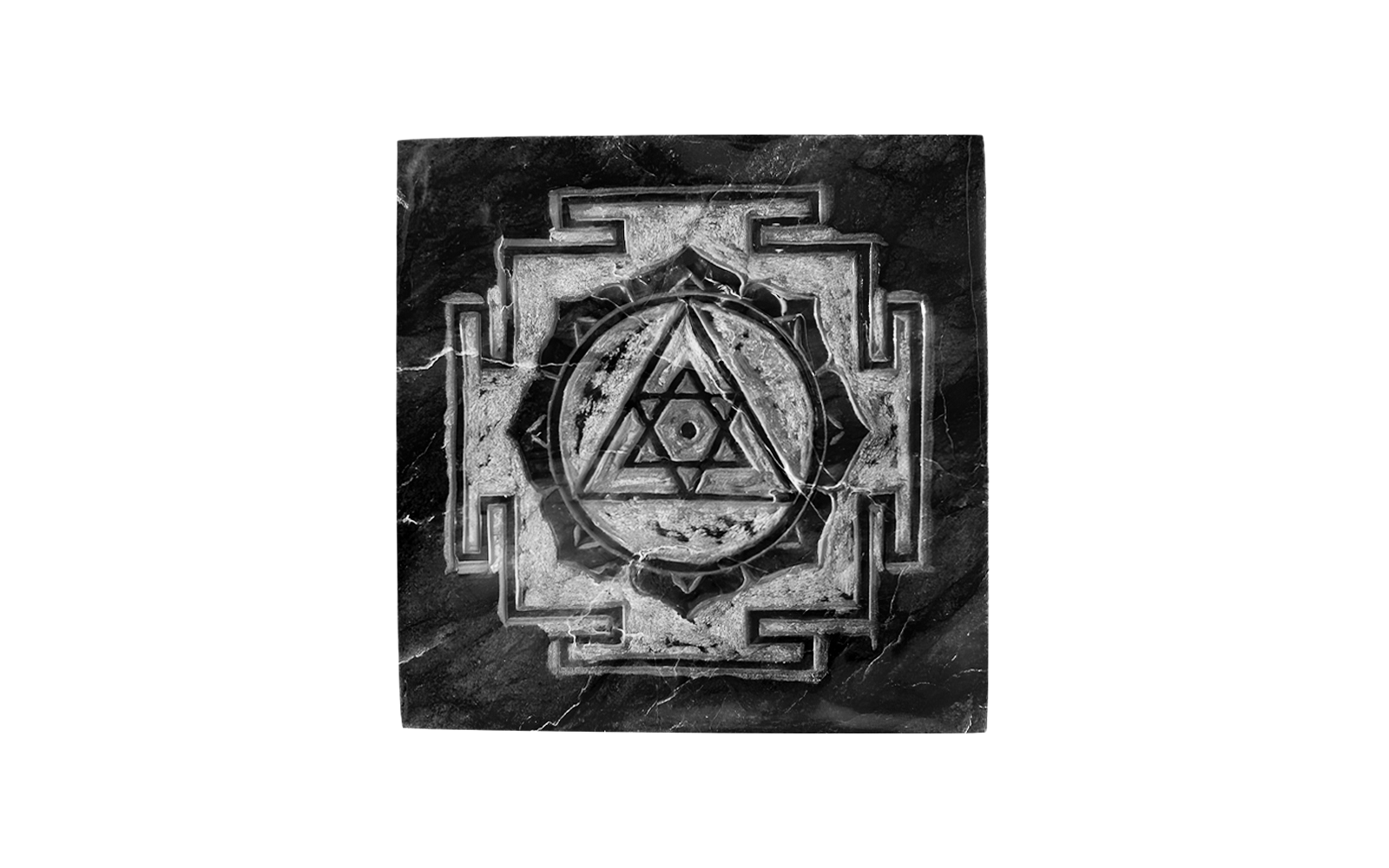
· Yantras - traditional products used as part of puja
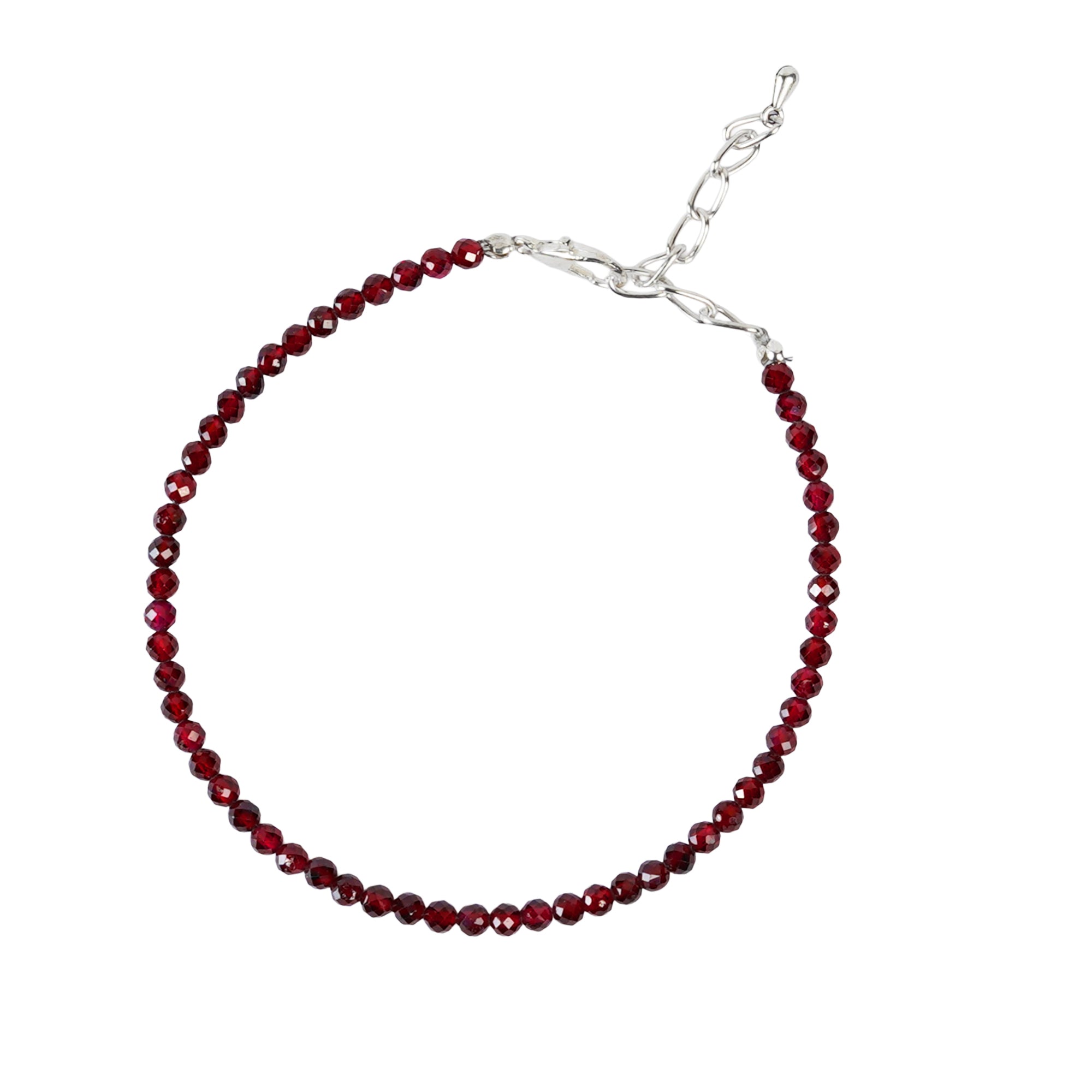
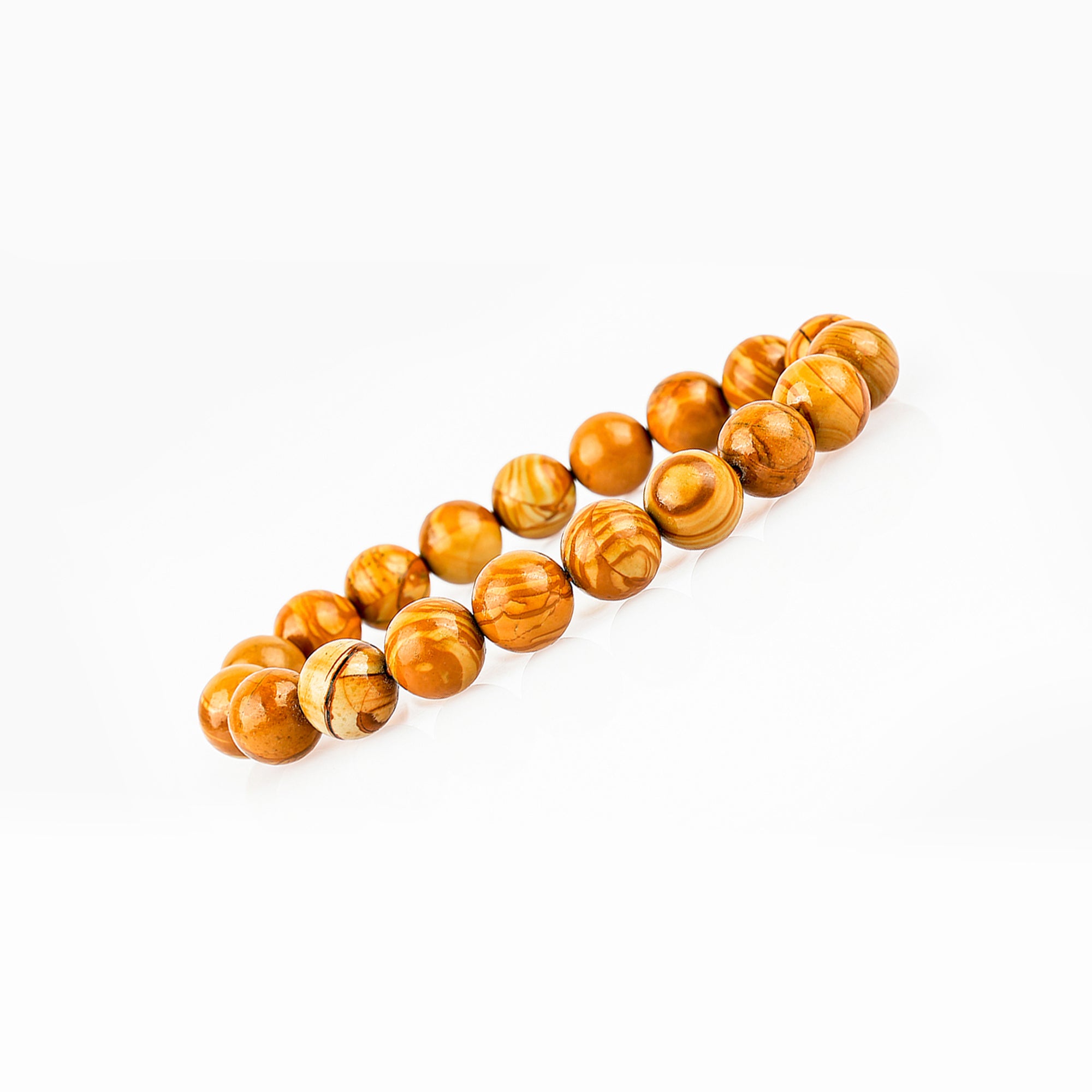
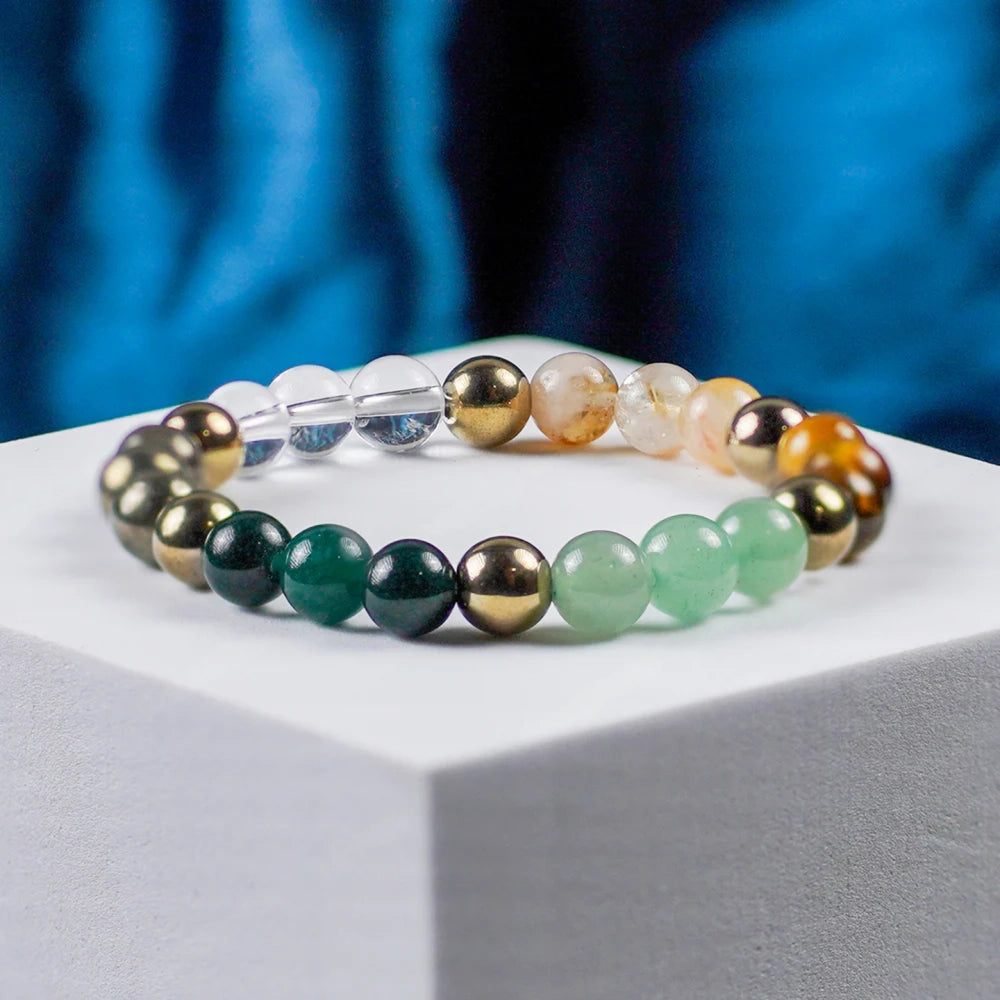
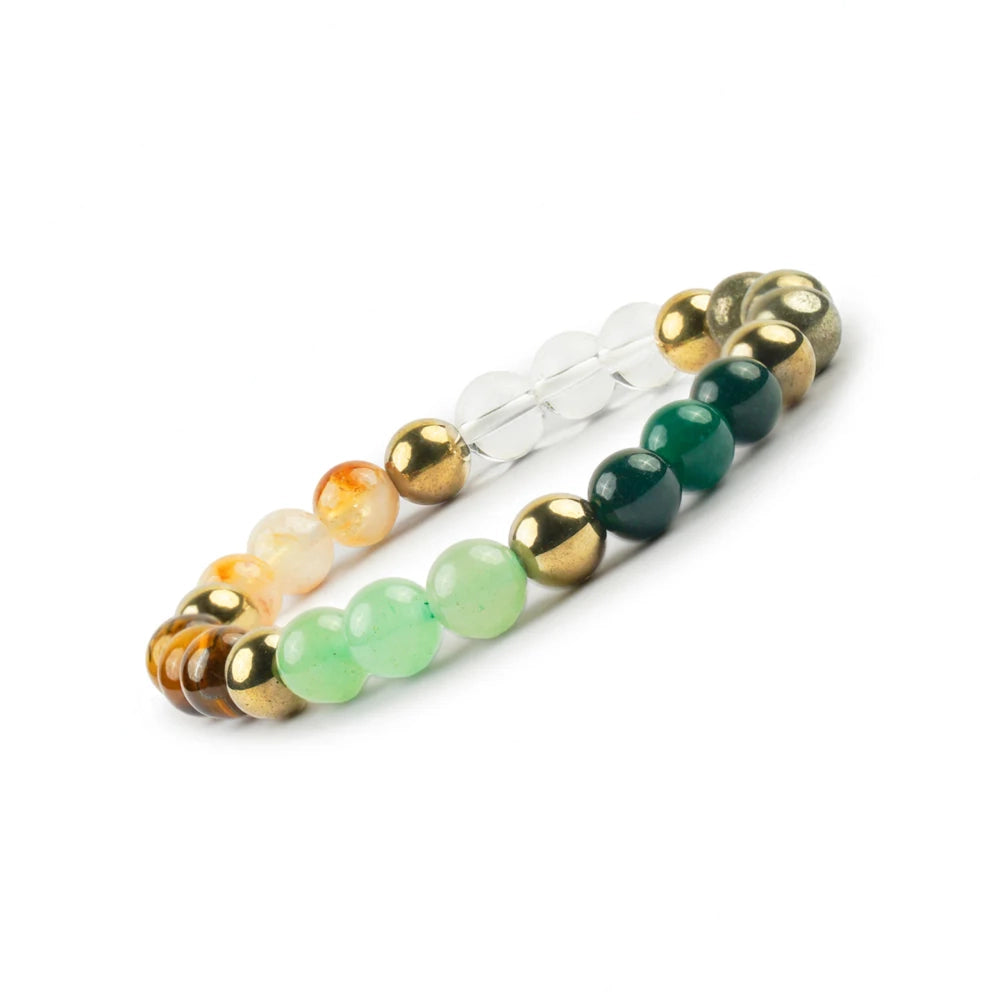
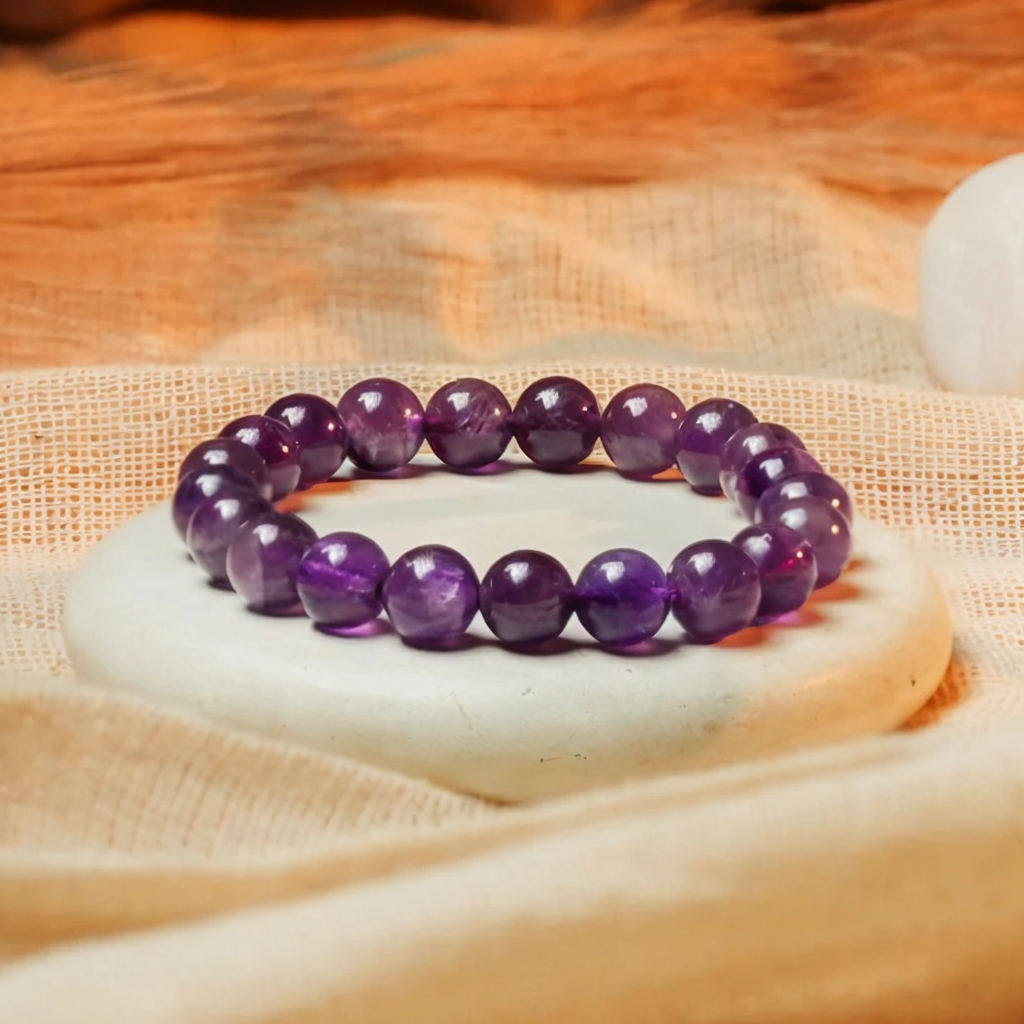
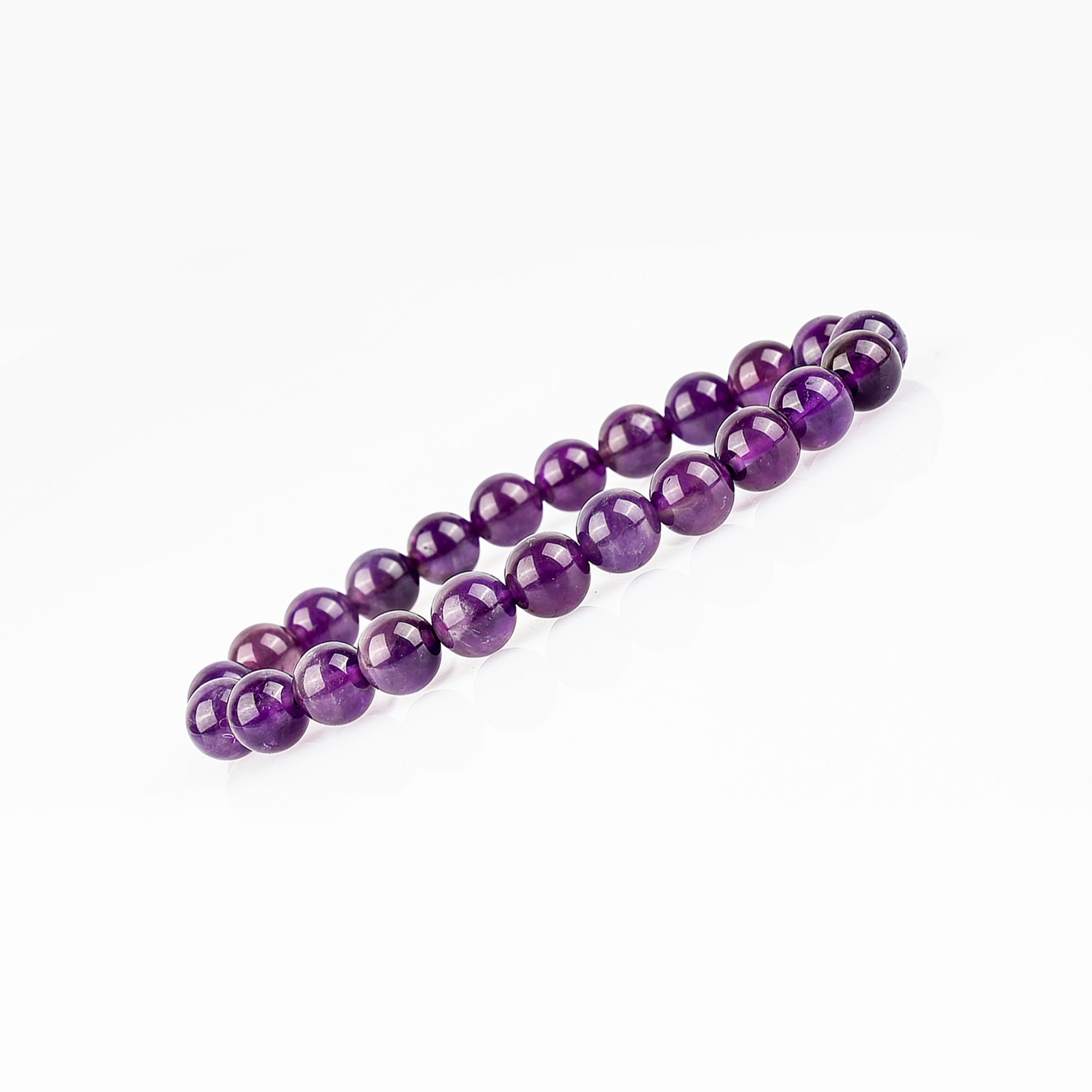
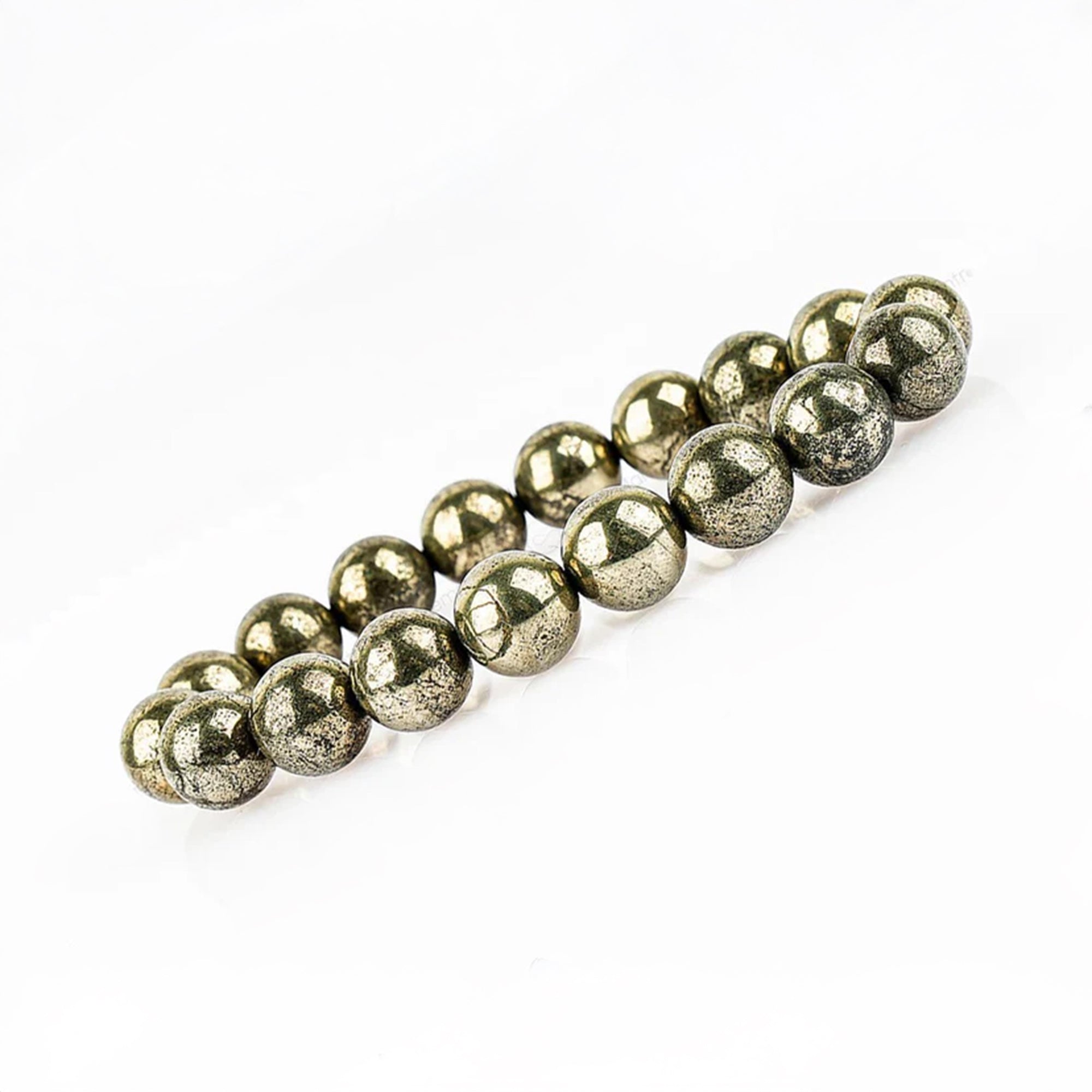
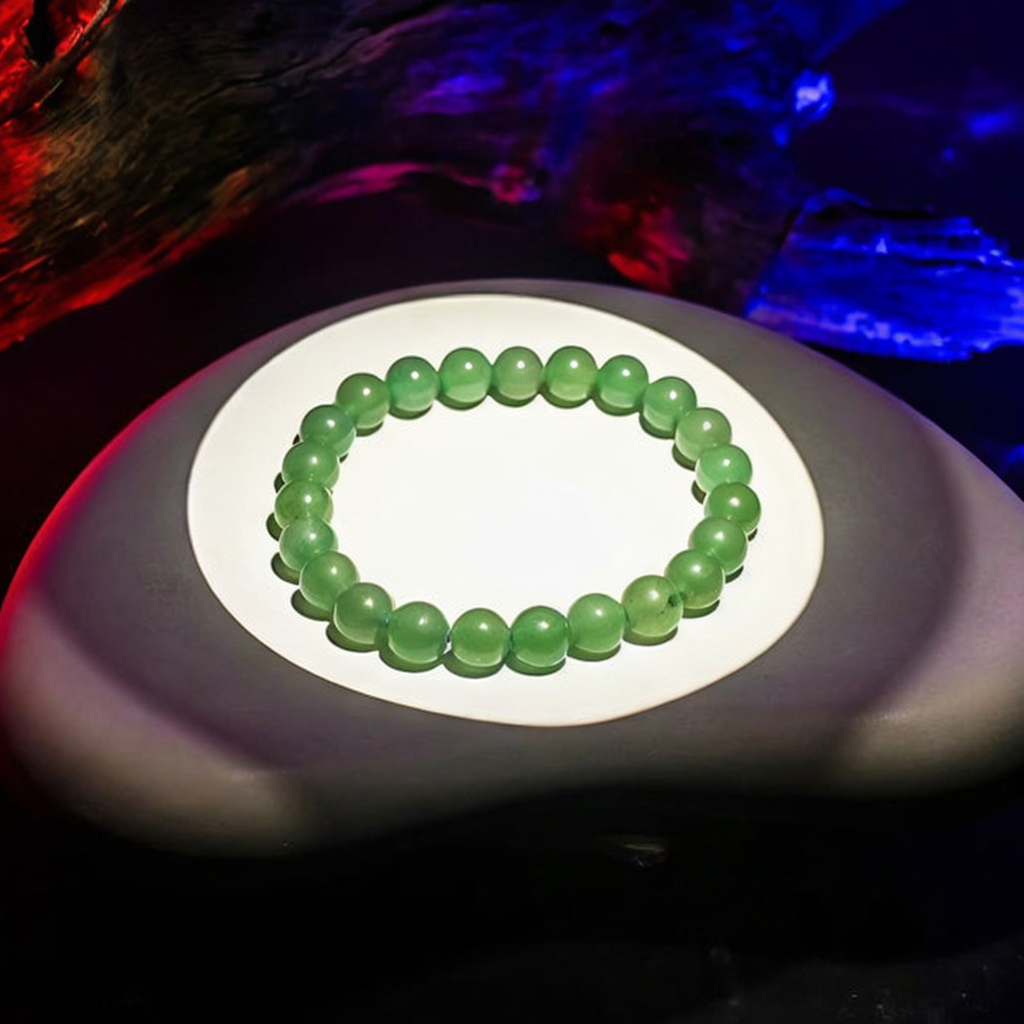
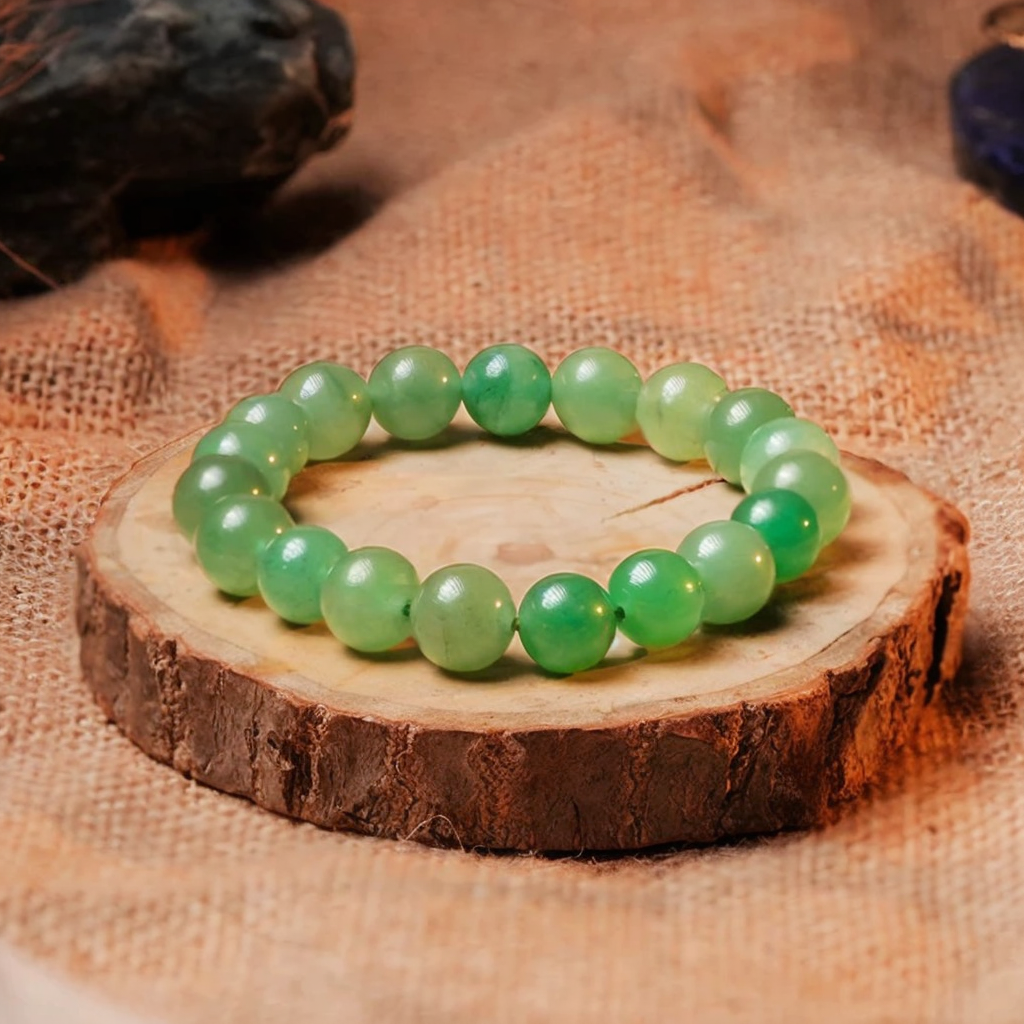
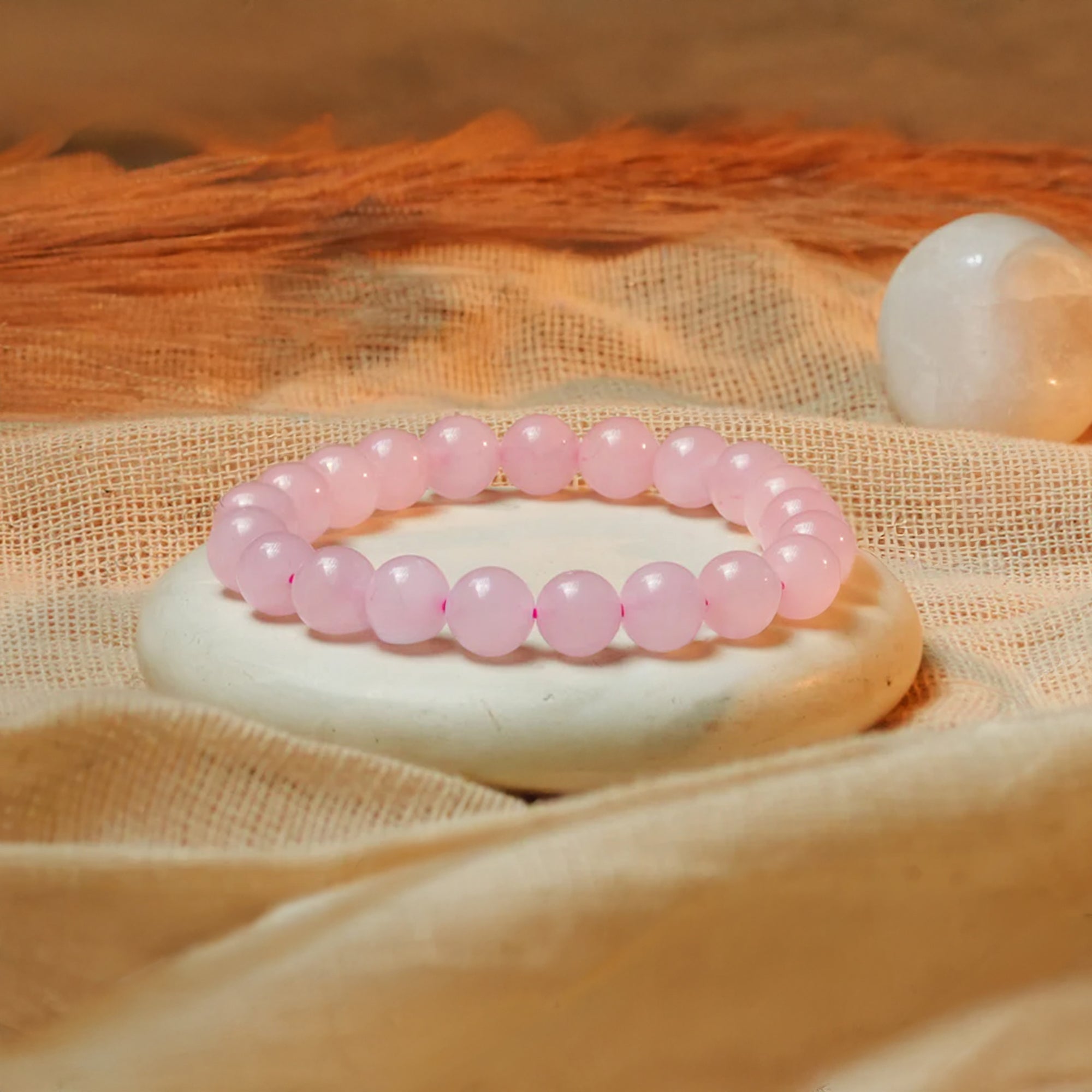
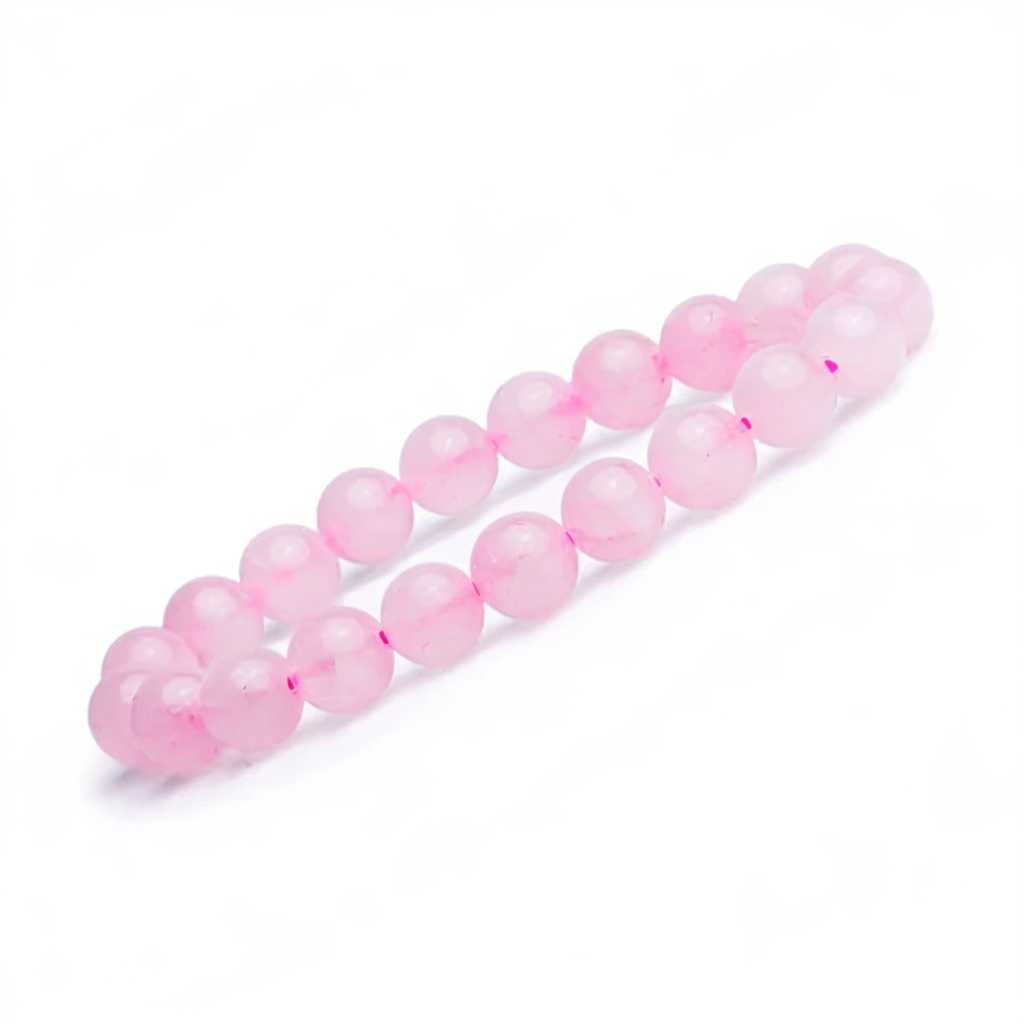
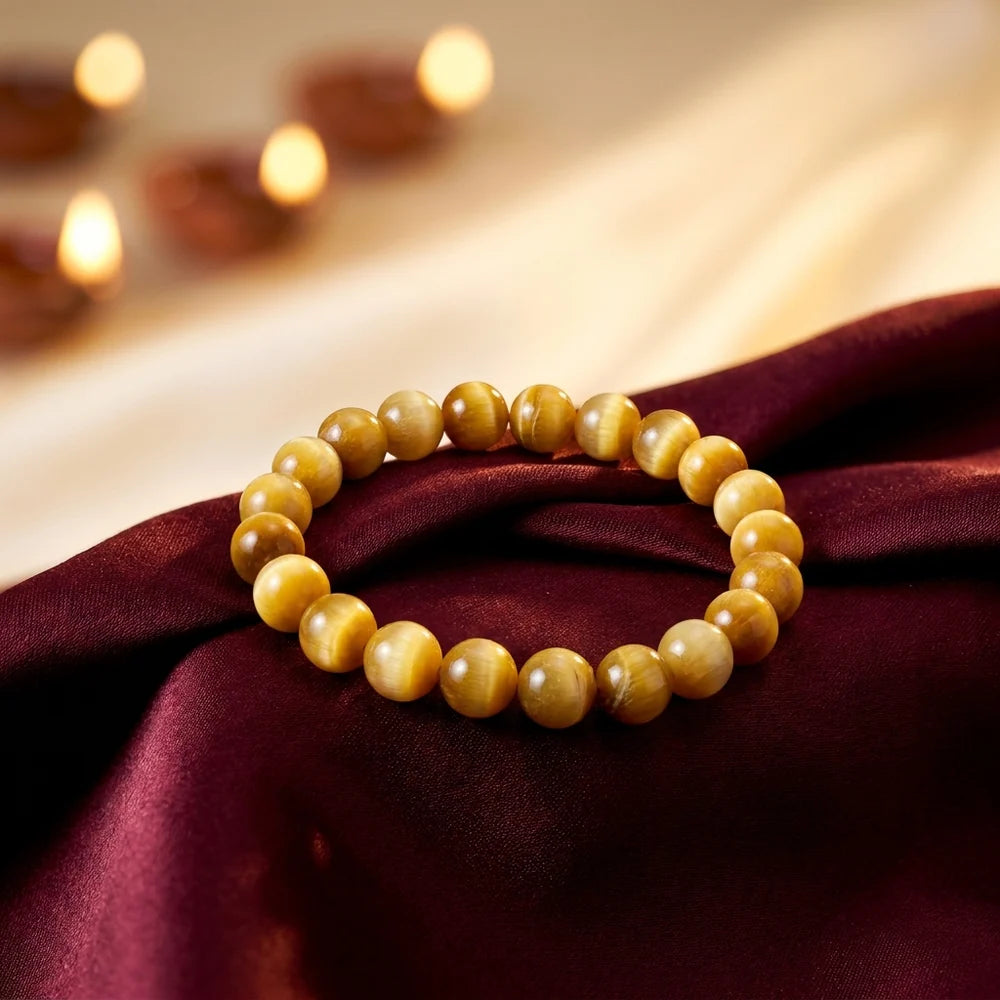
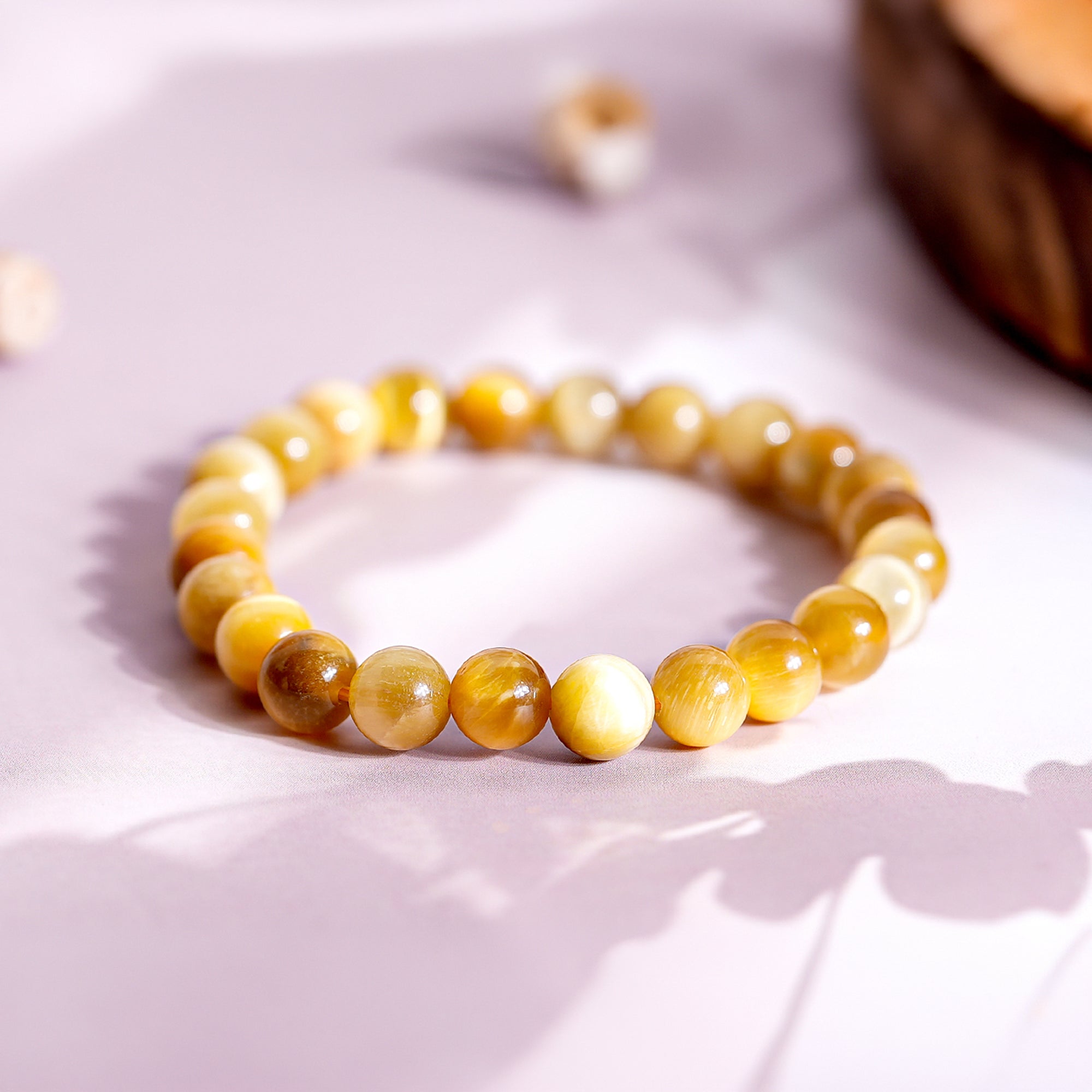
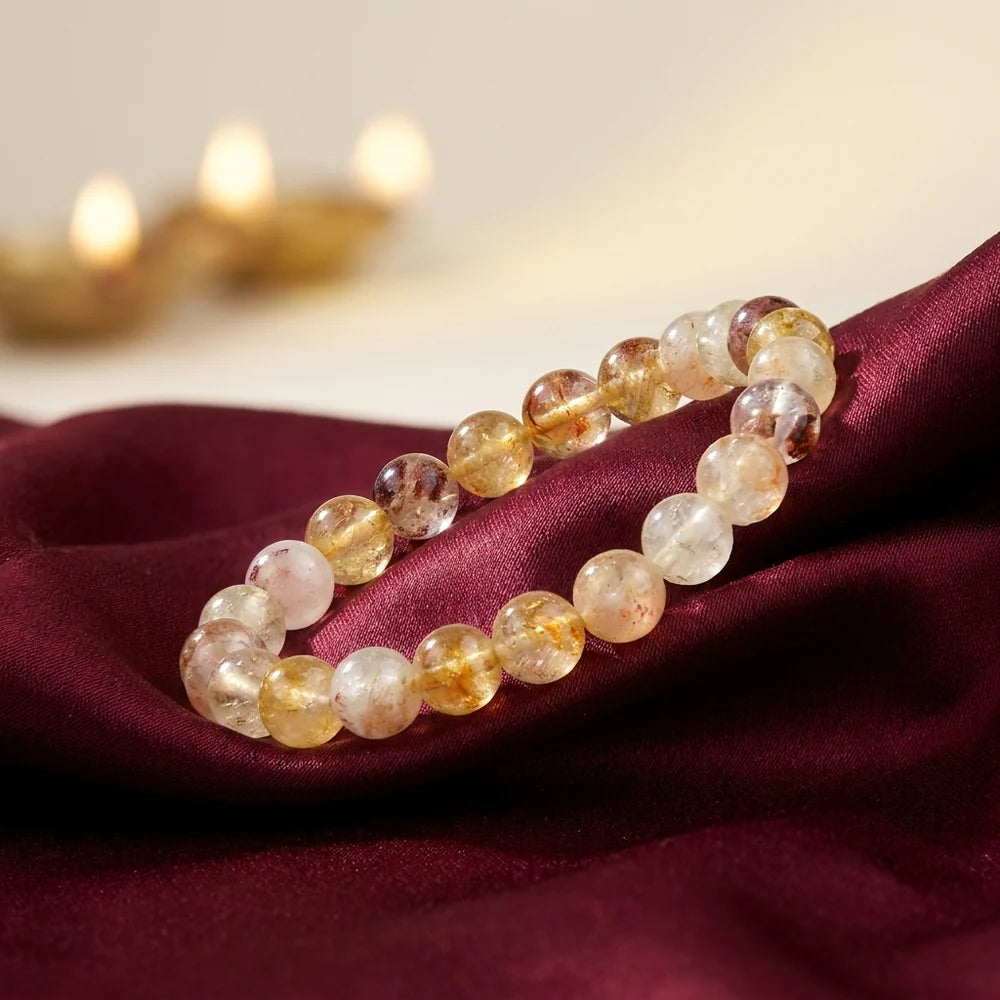
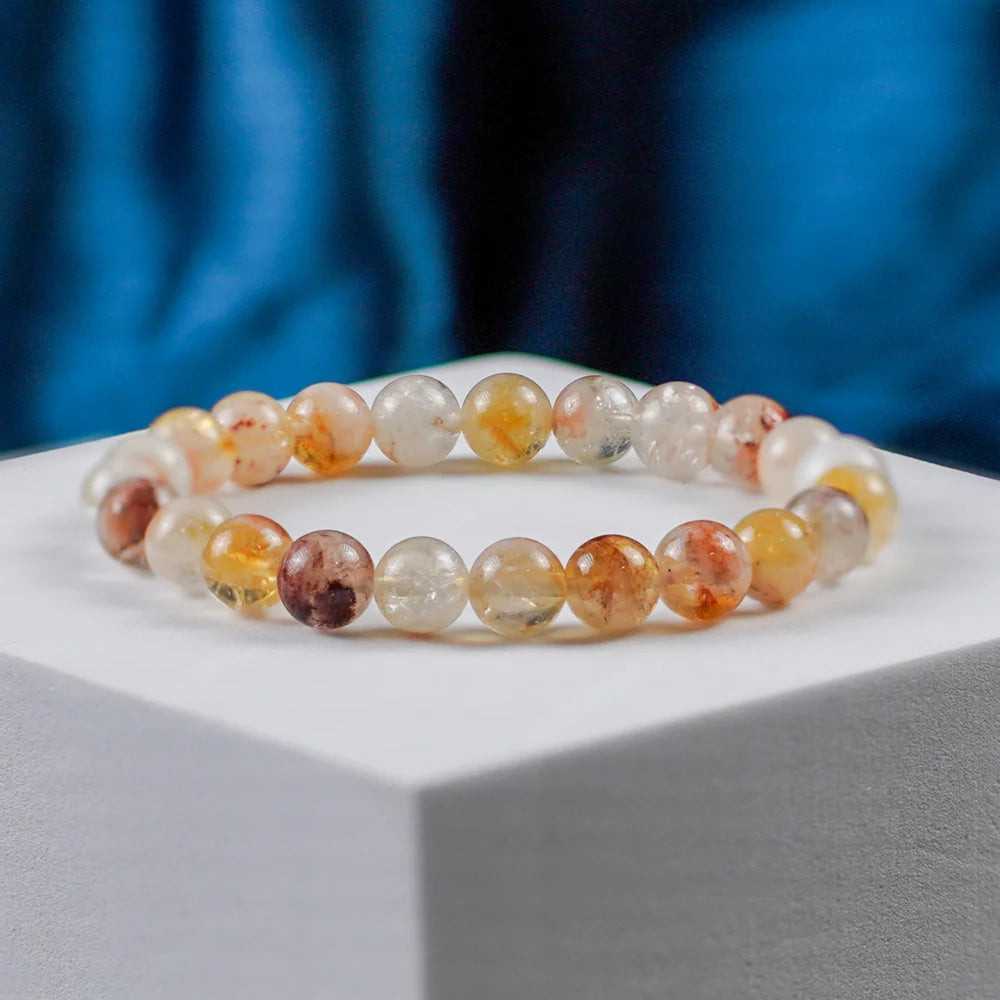
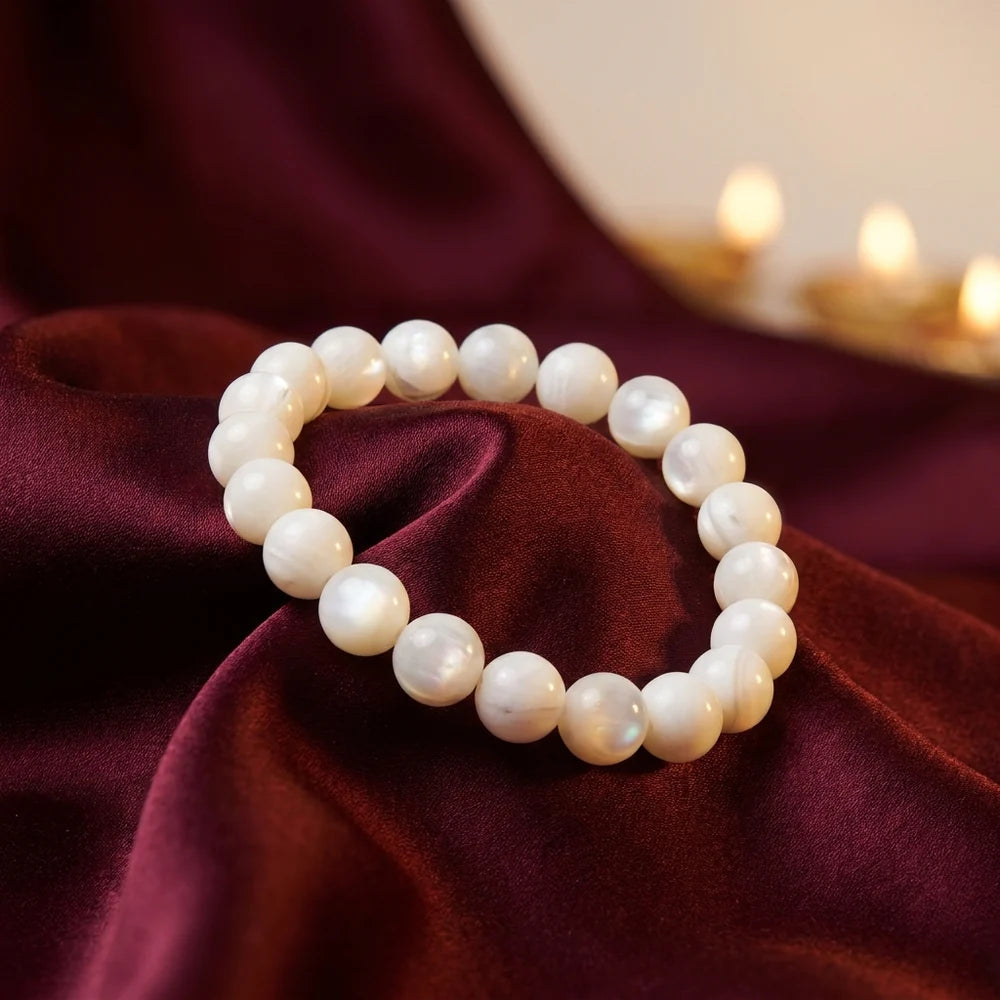
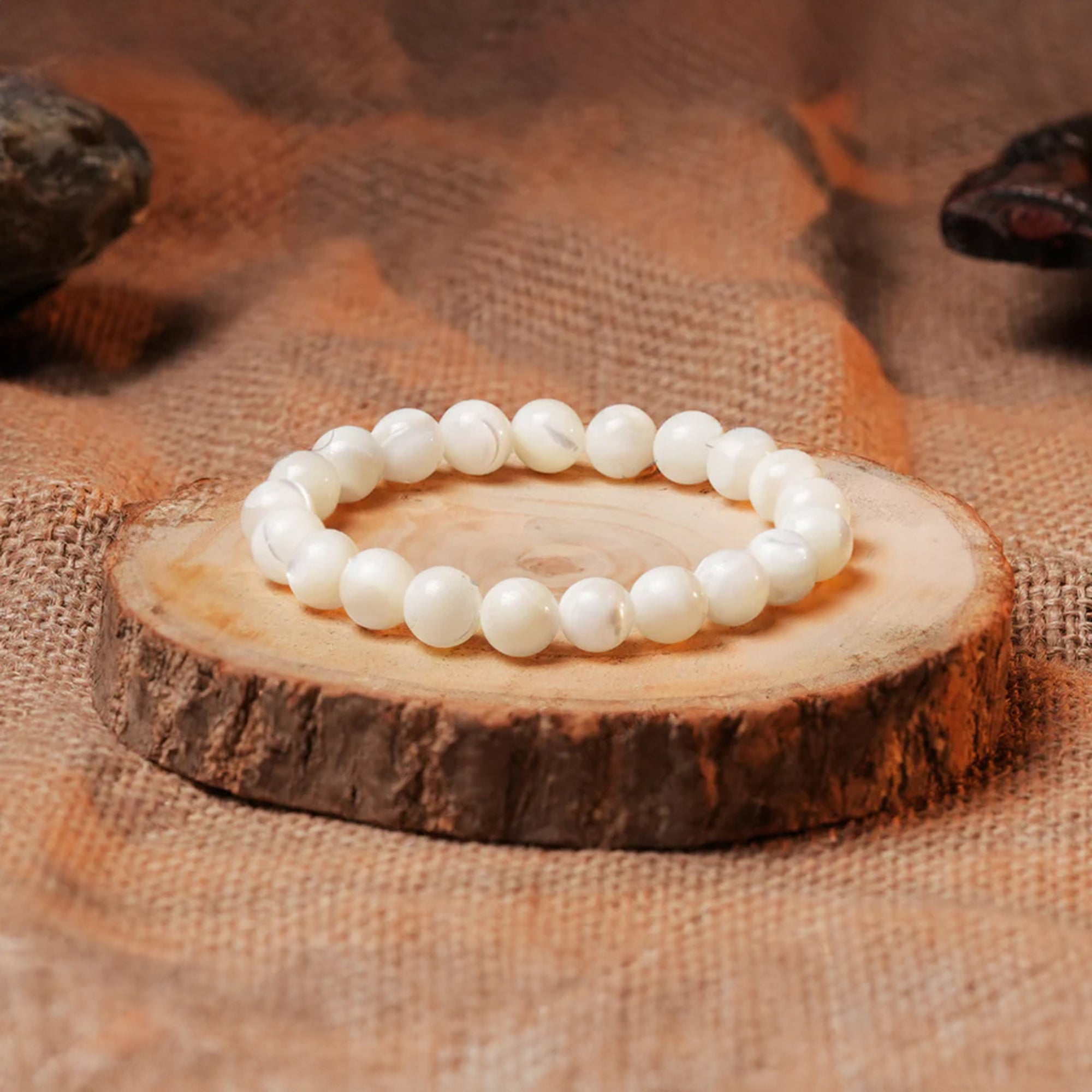
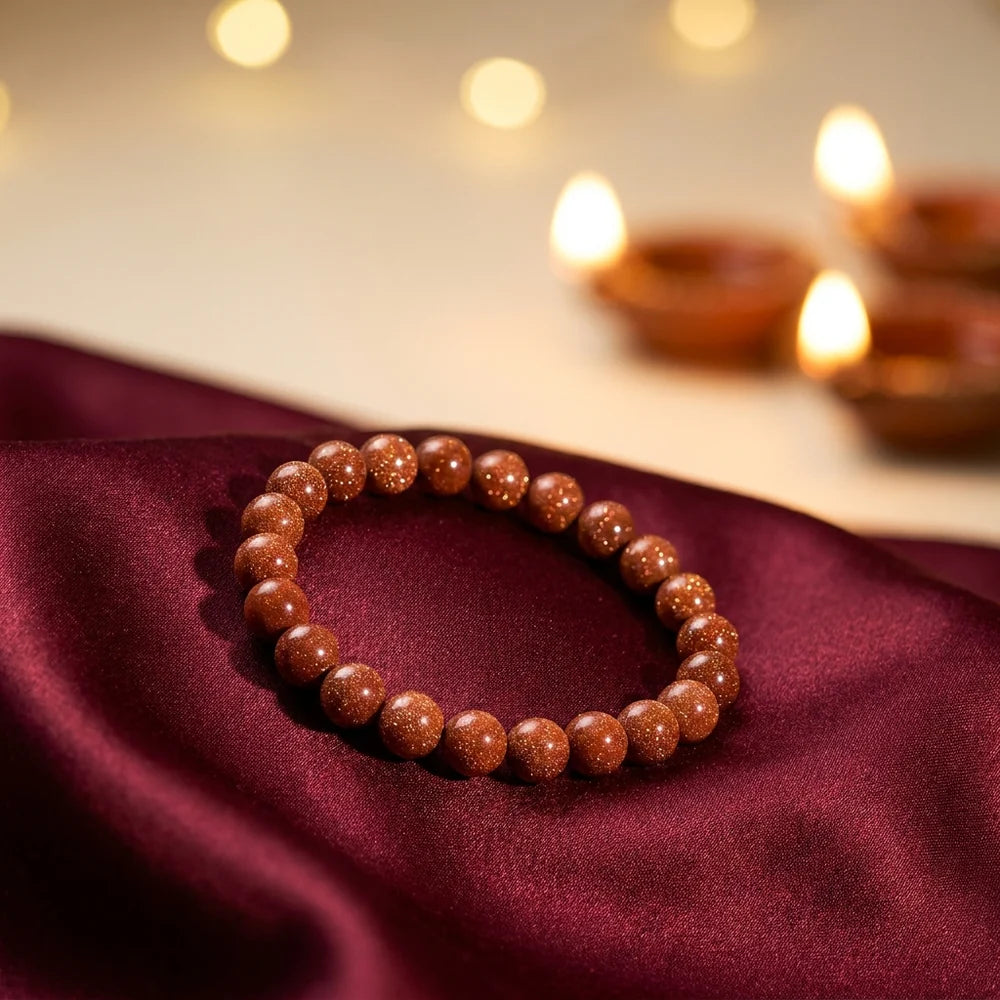
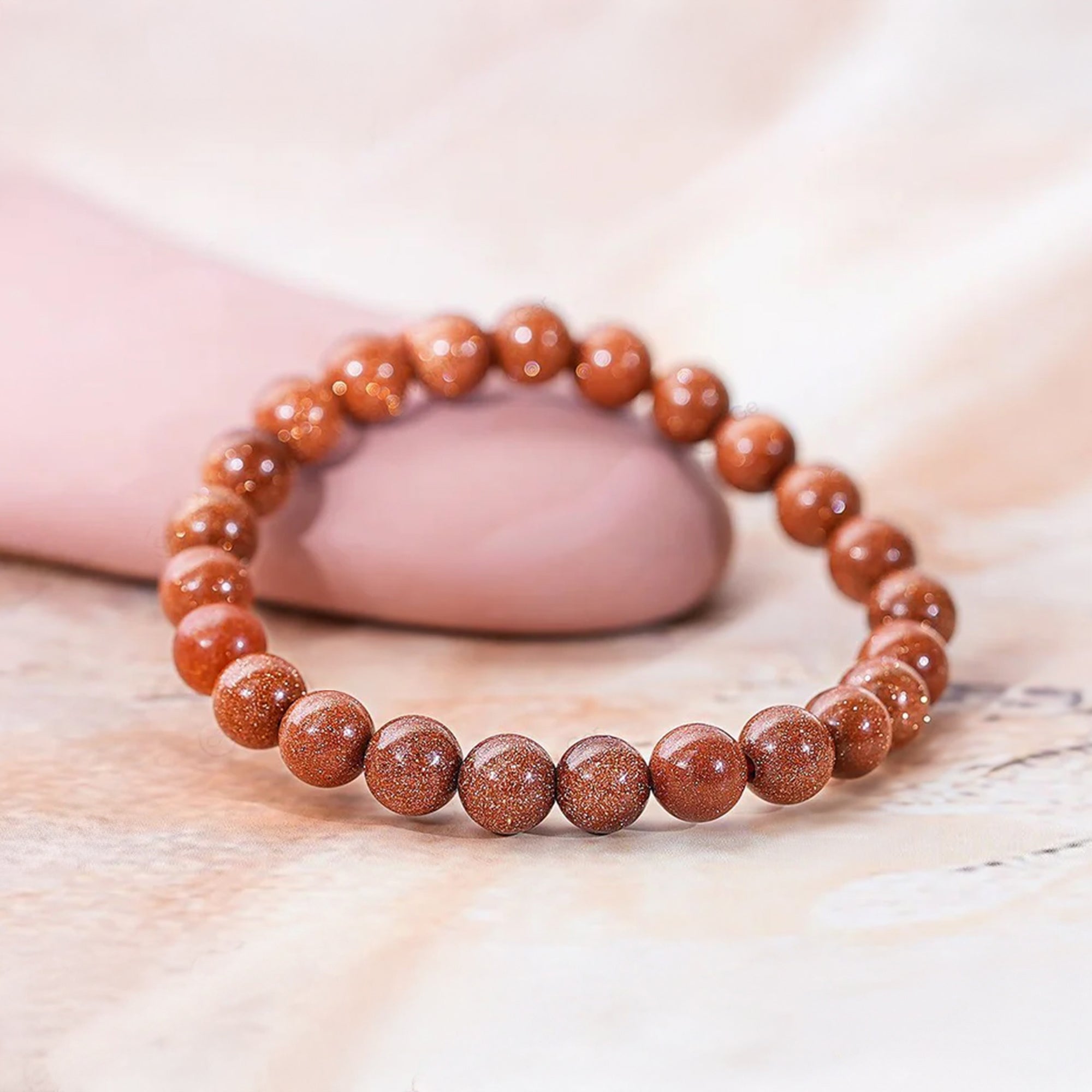
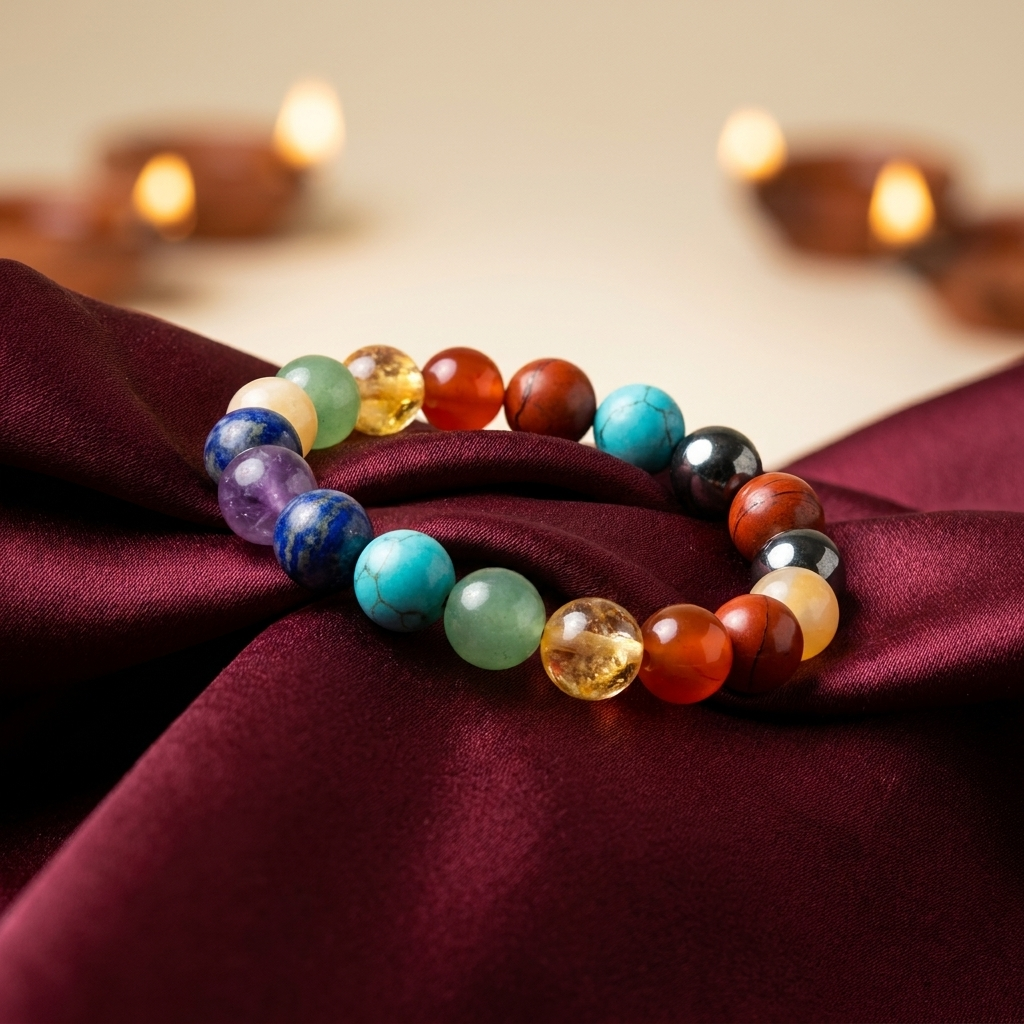
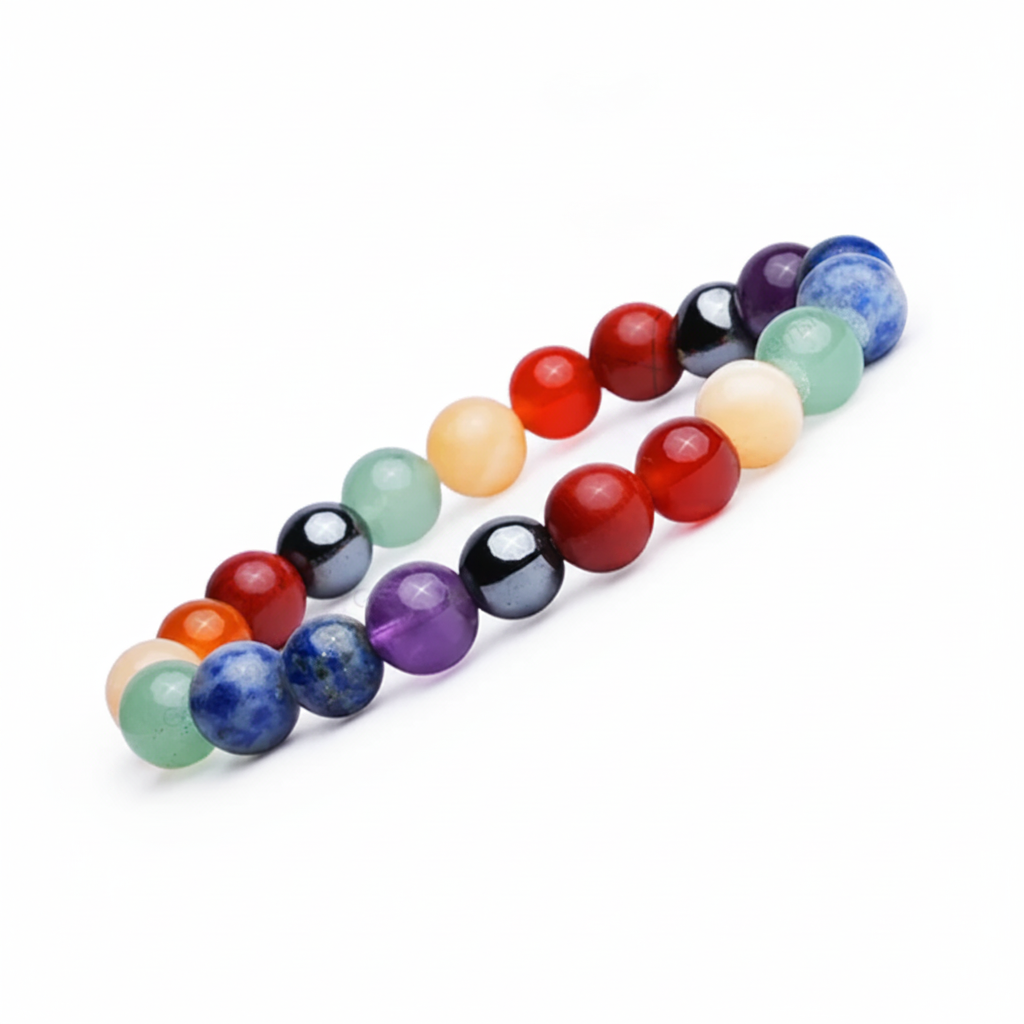
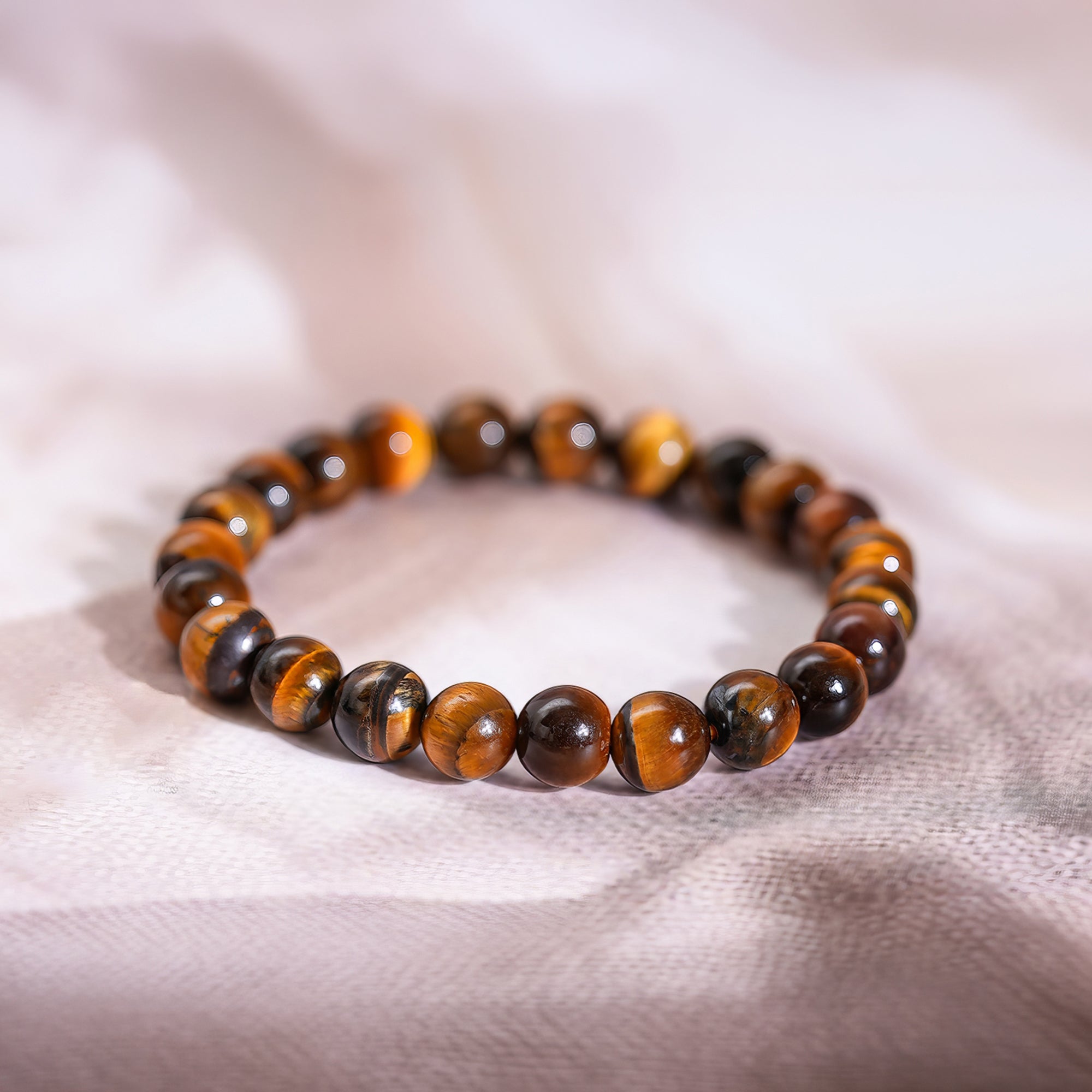
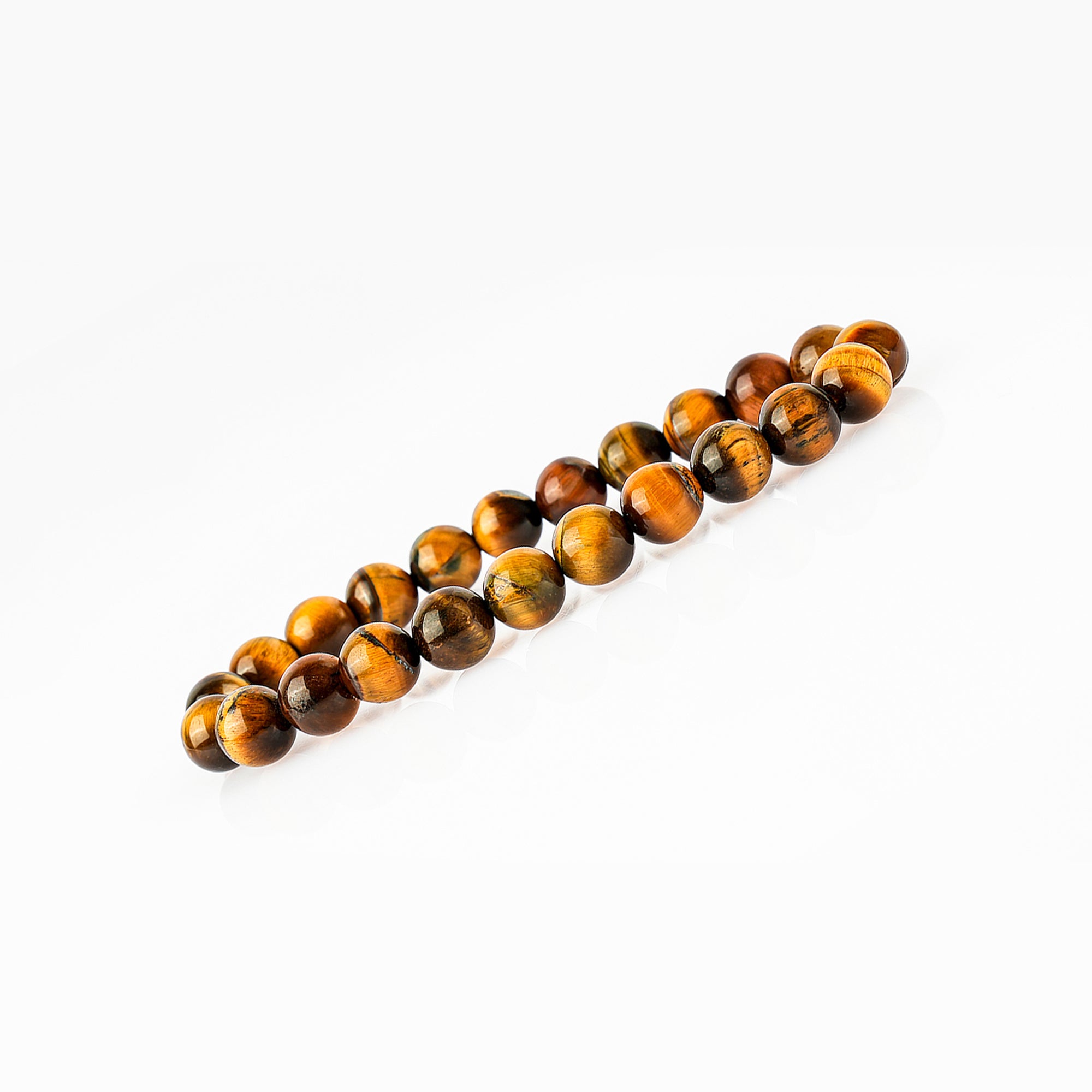
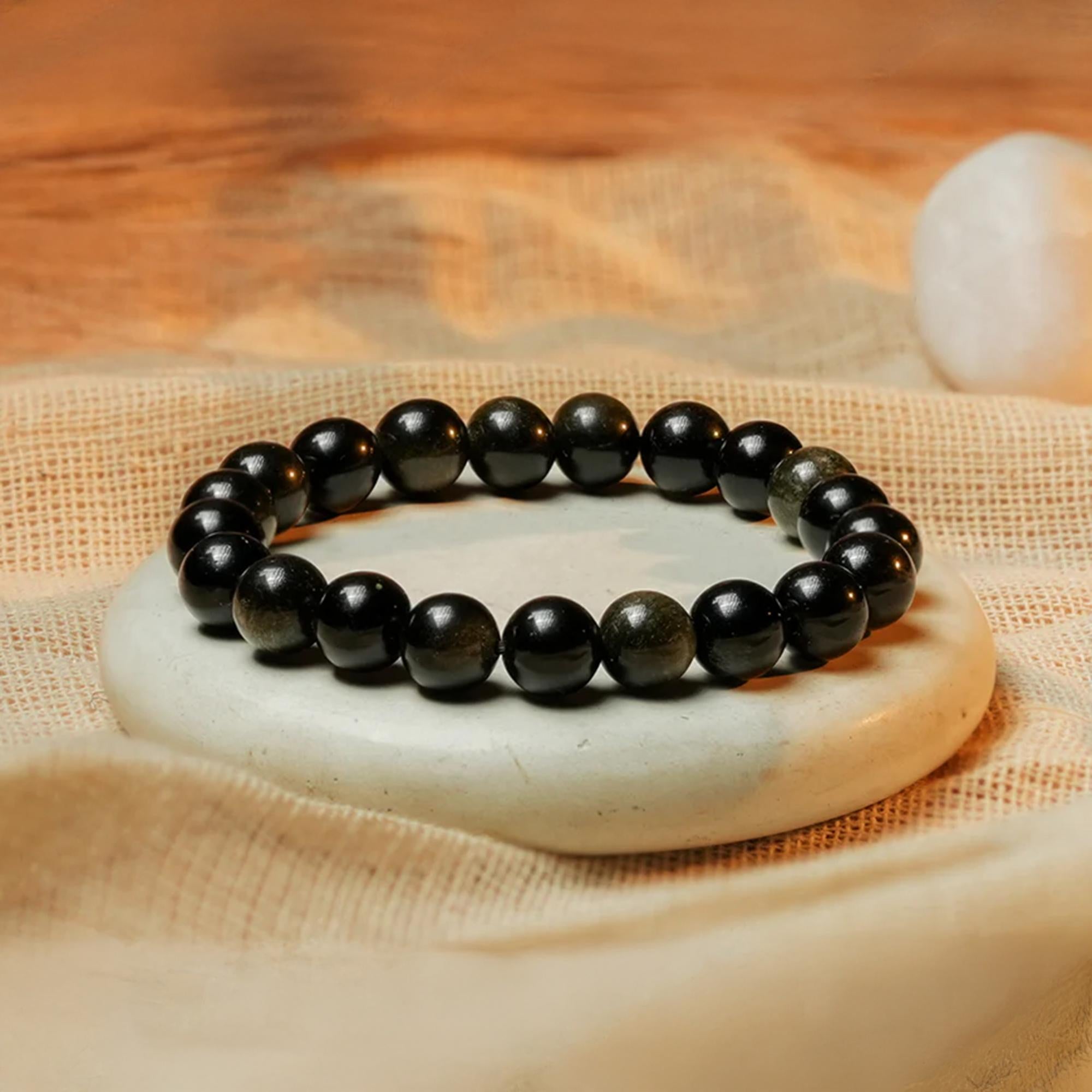
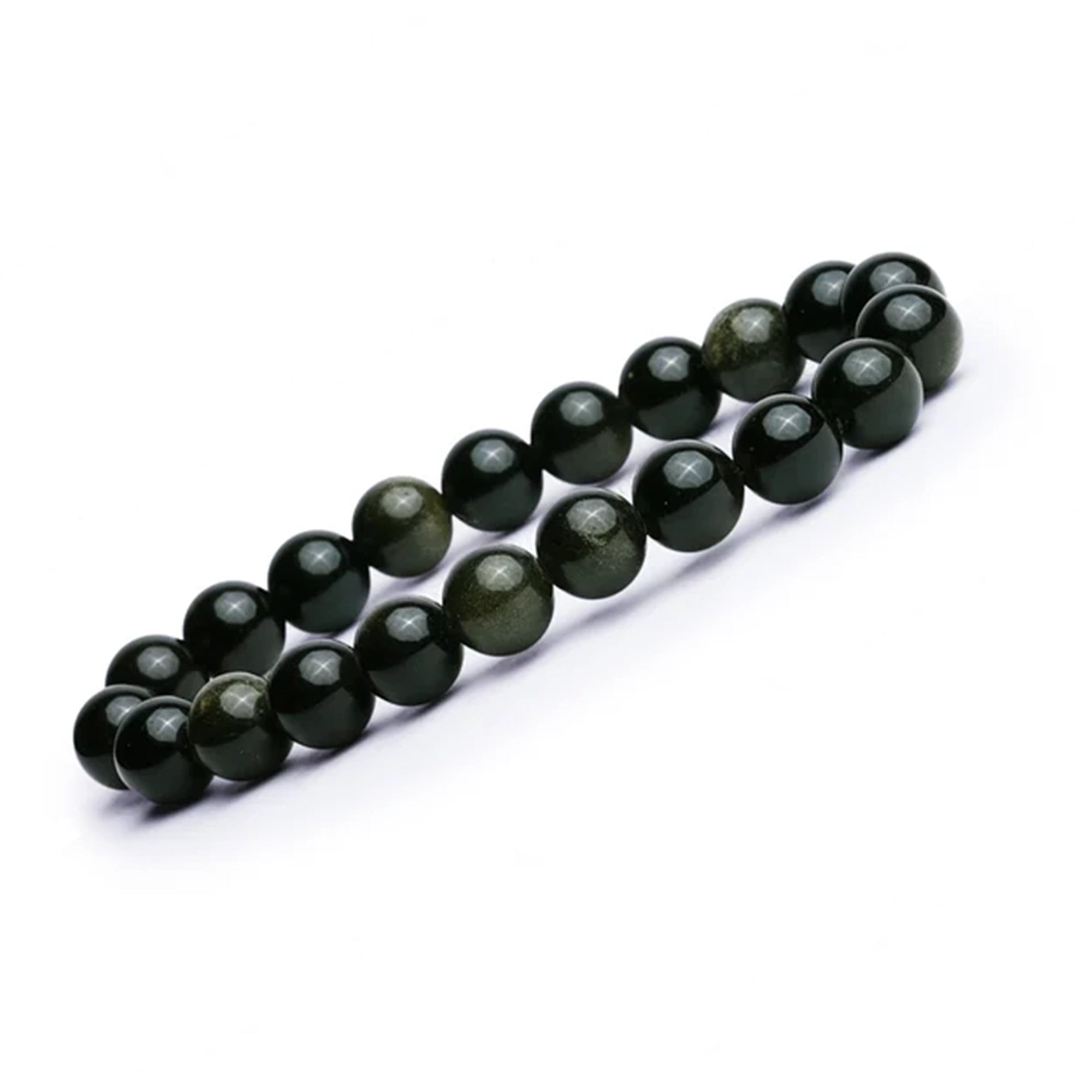
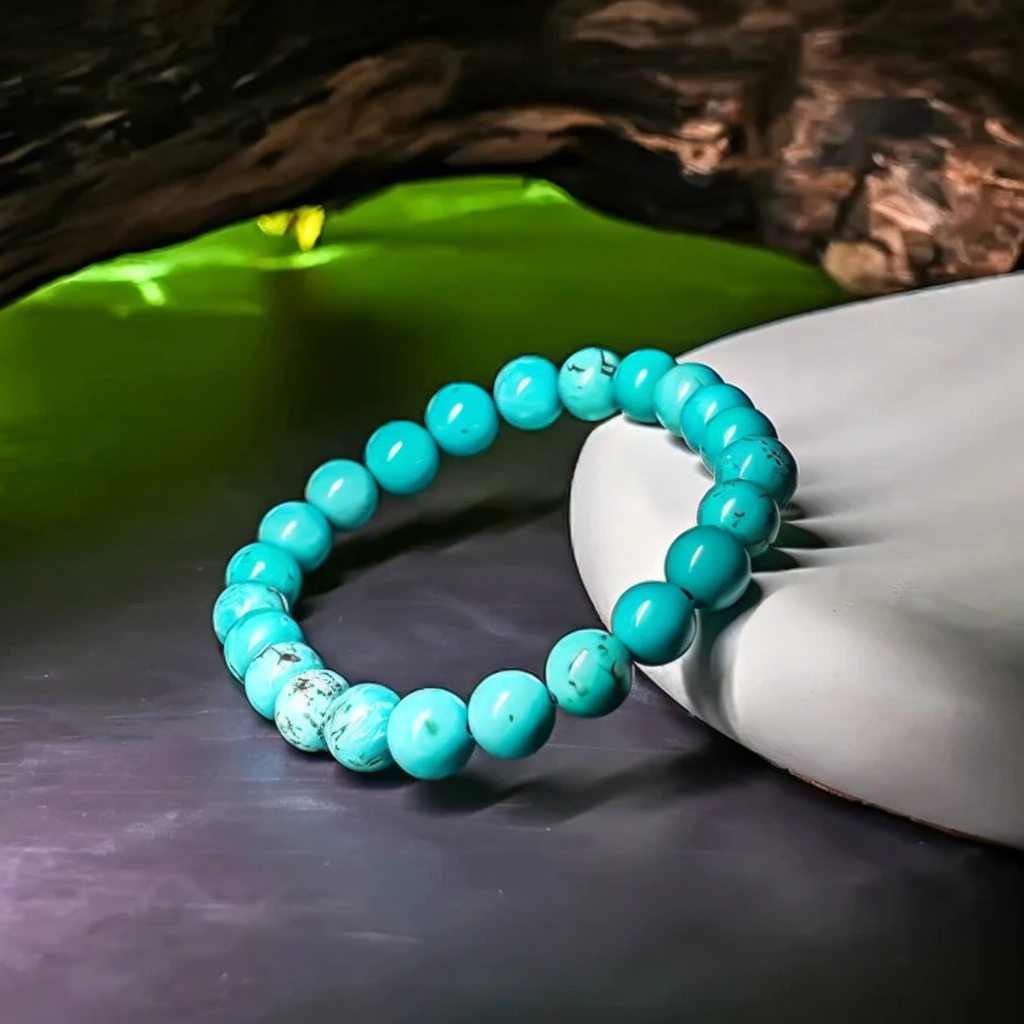
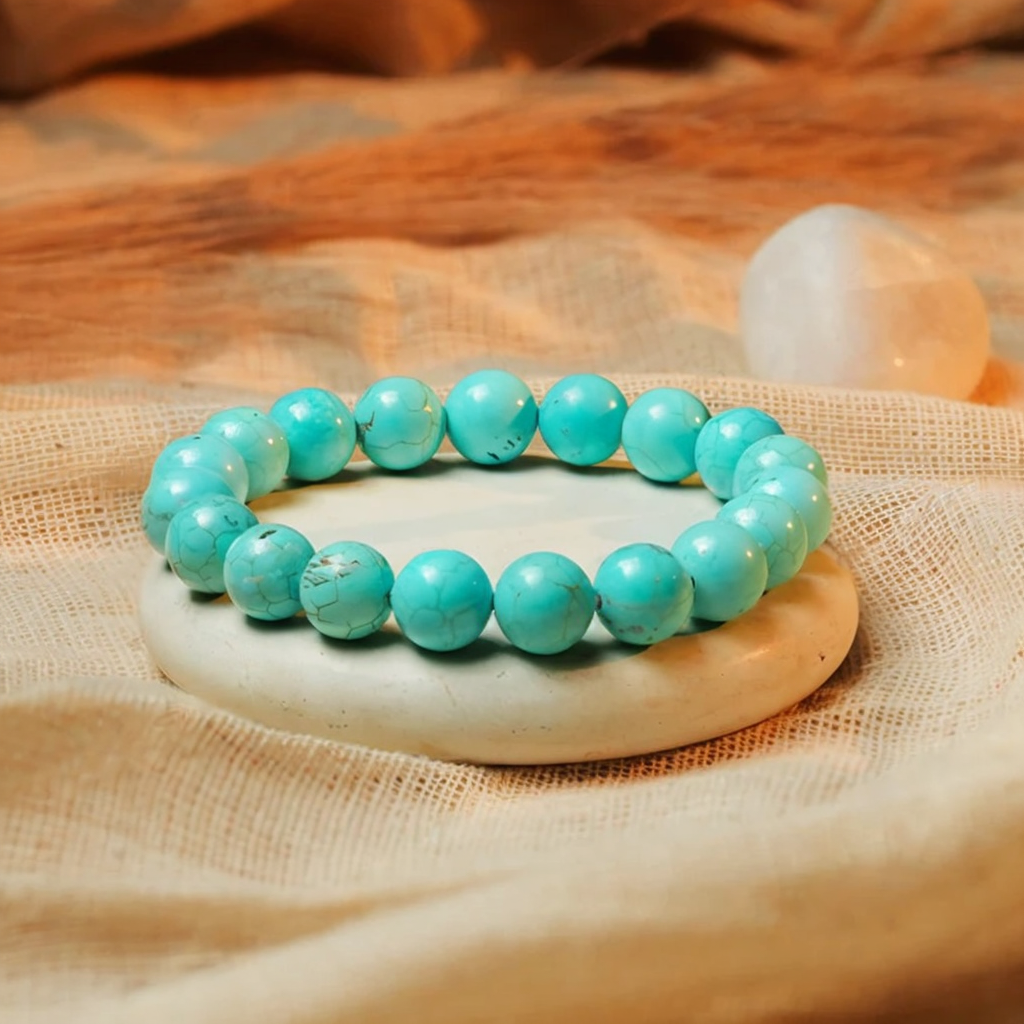
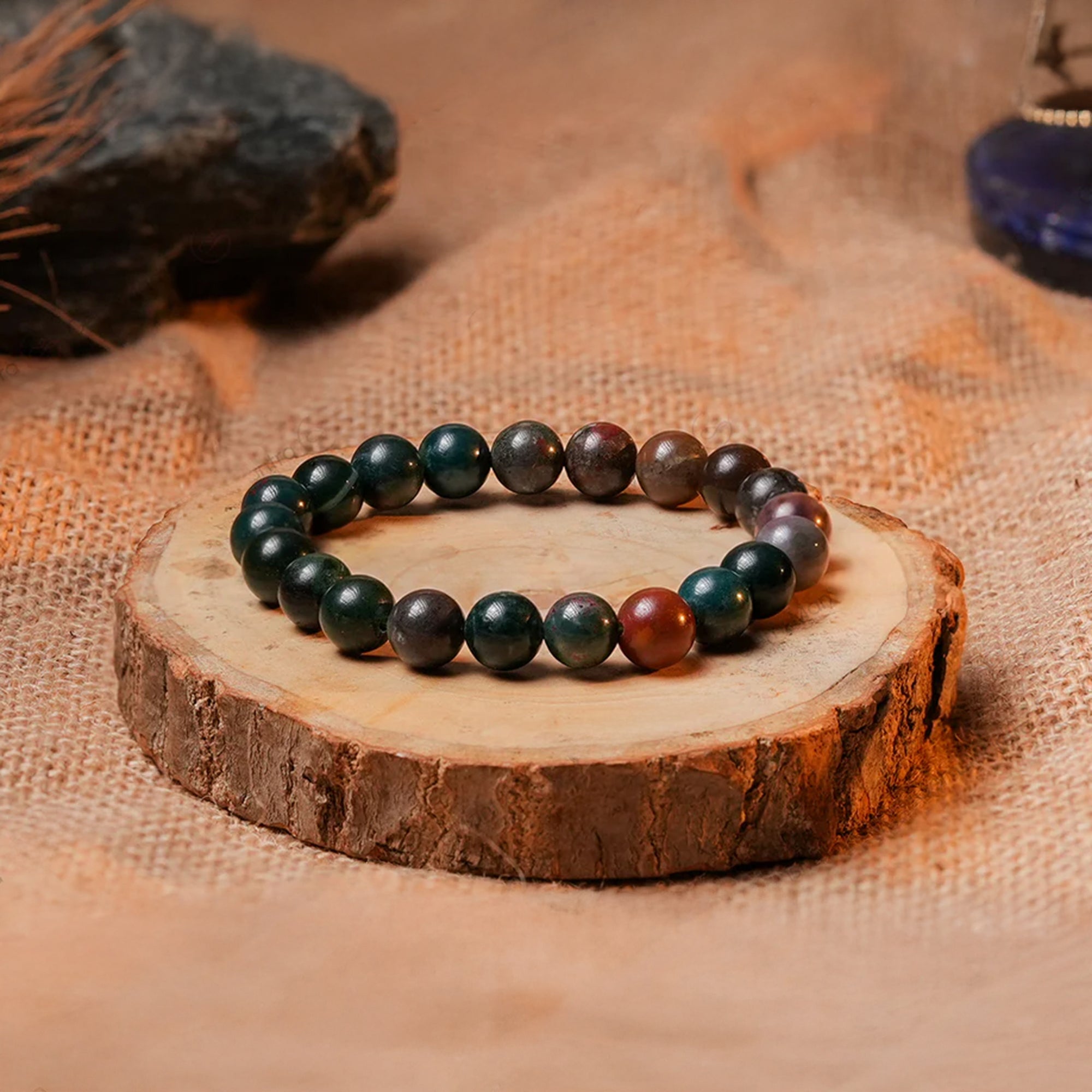
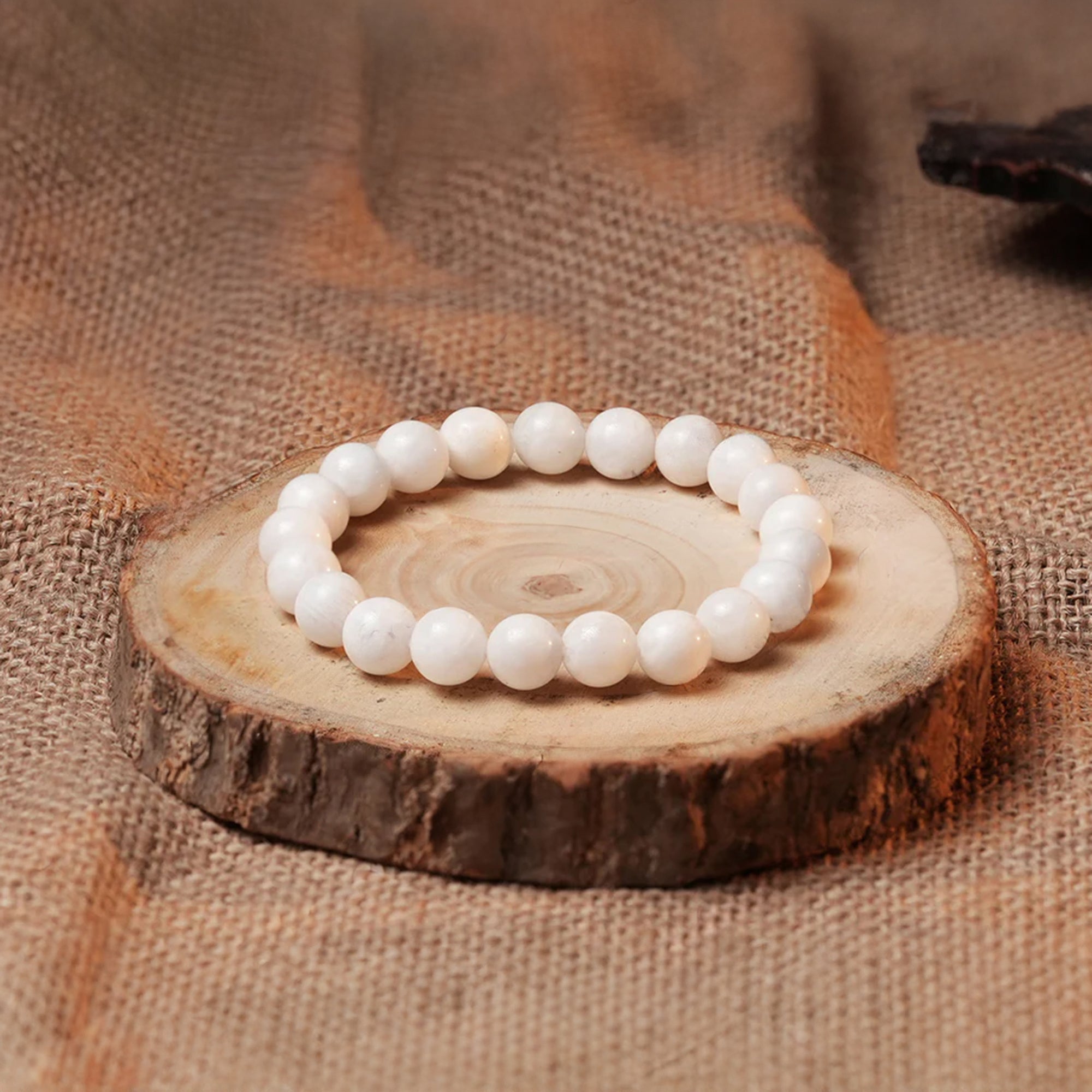
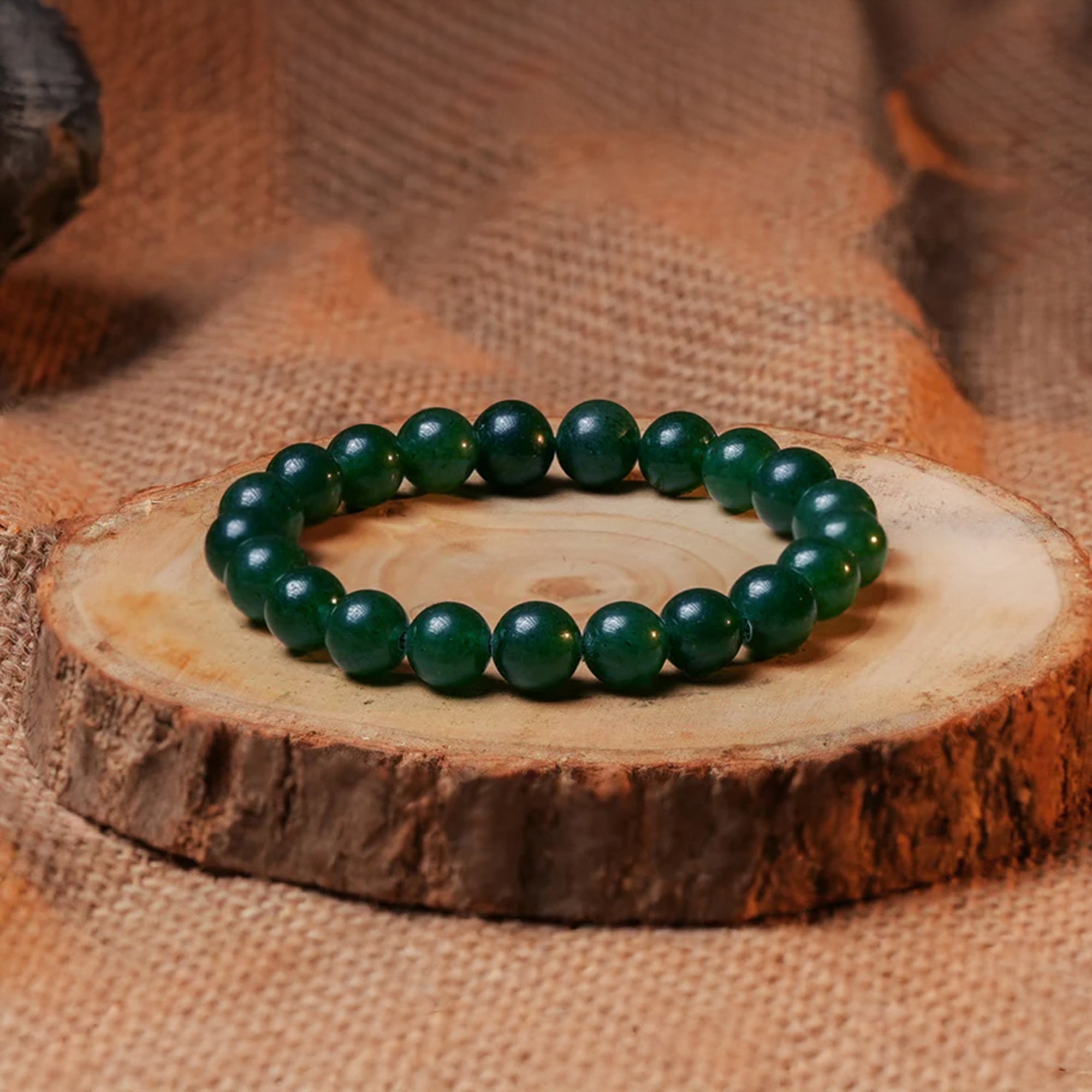
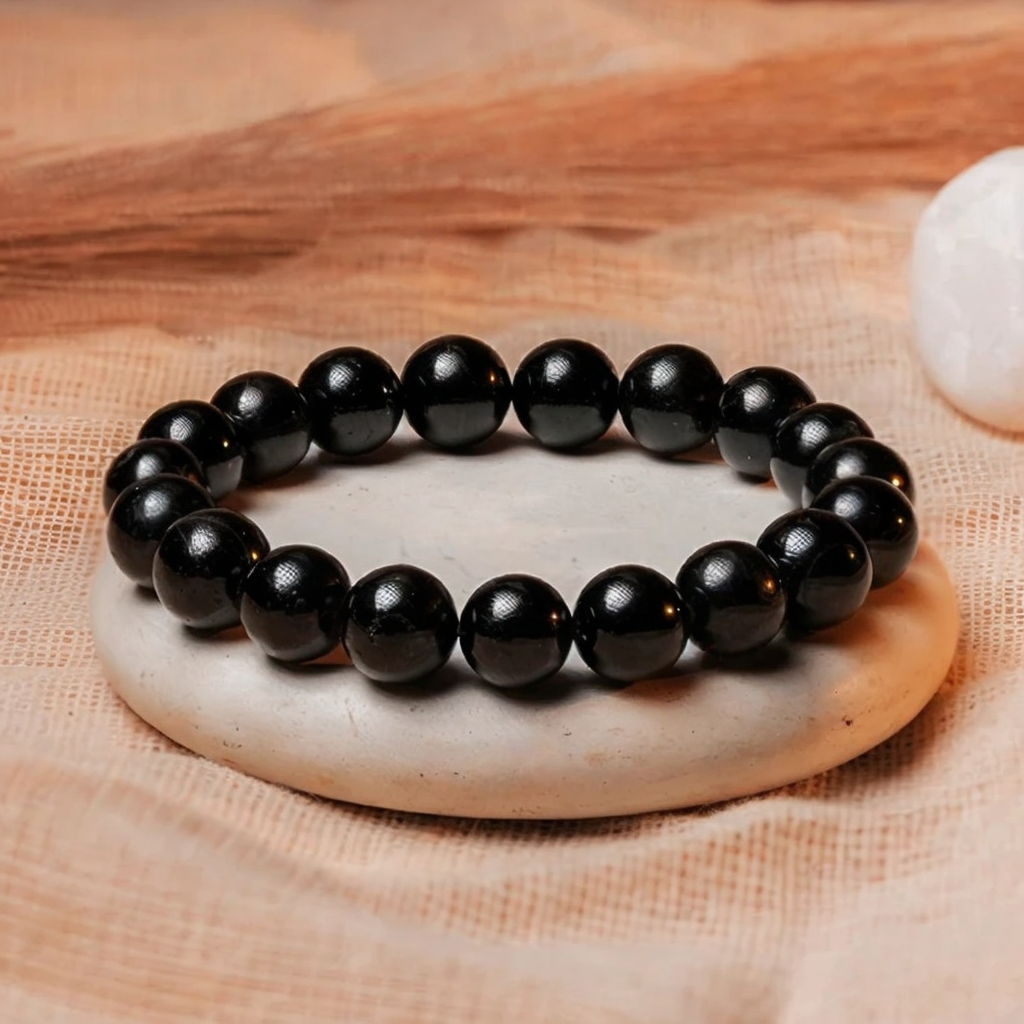
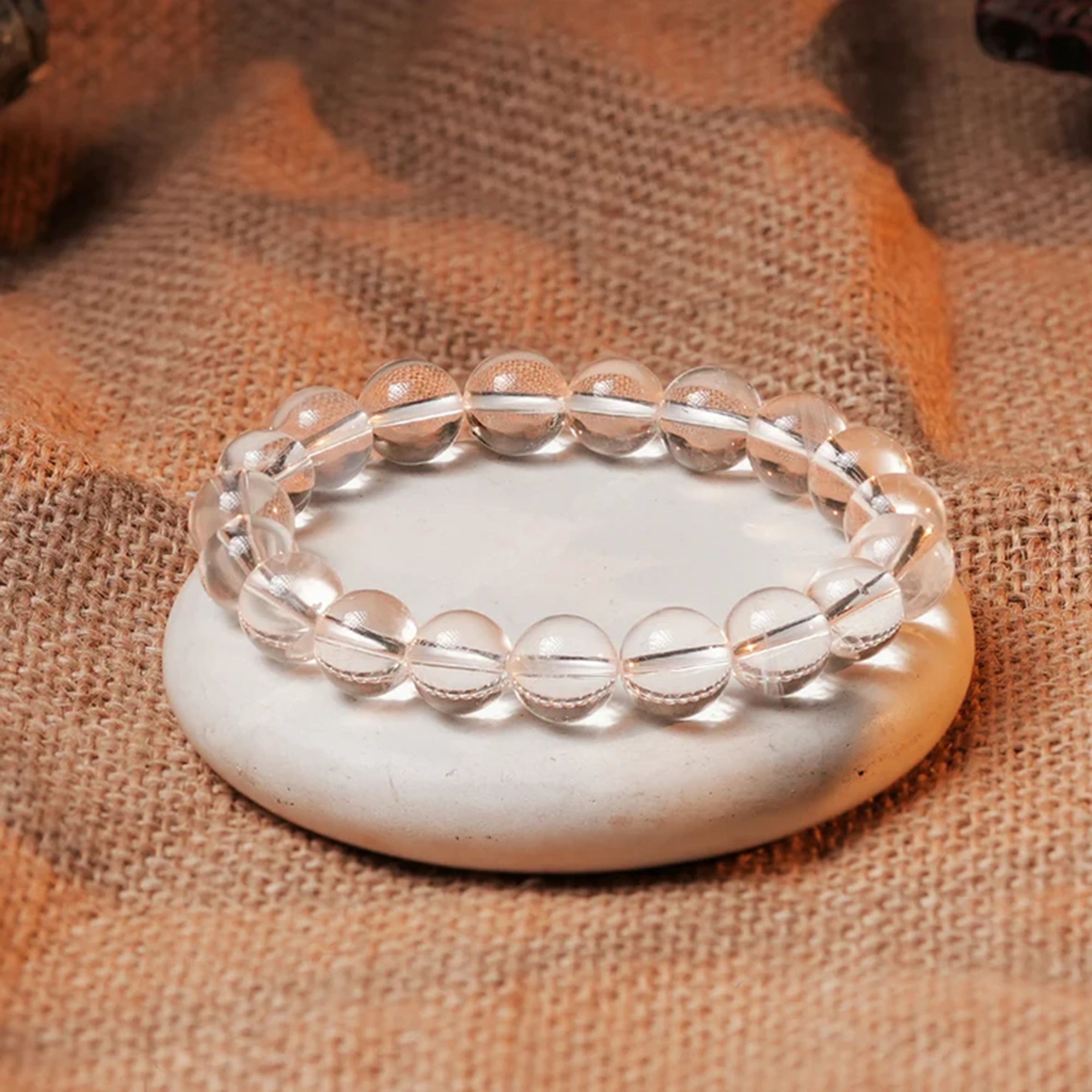
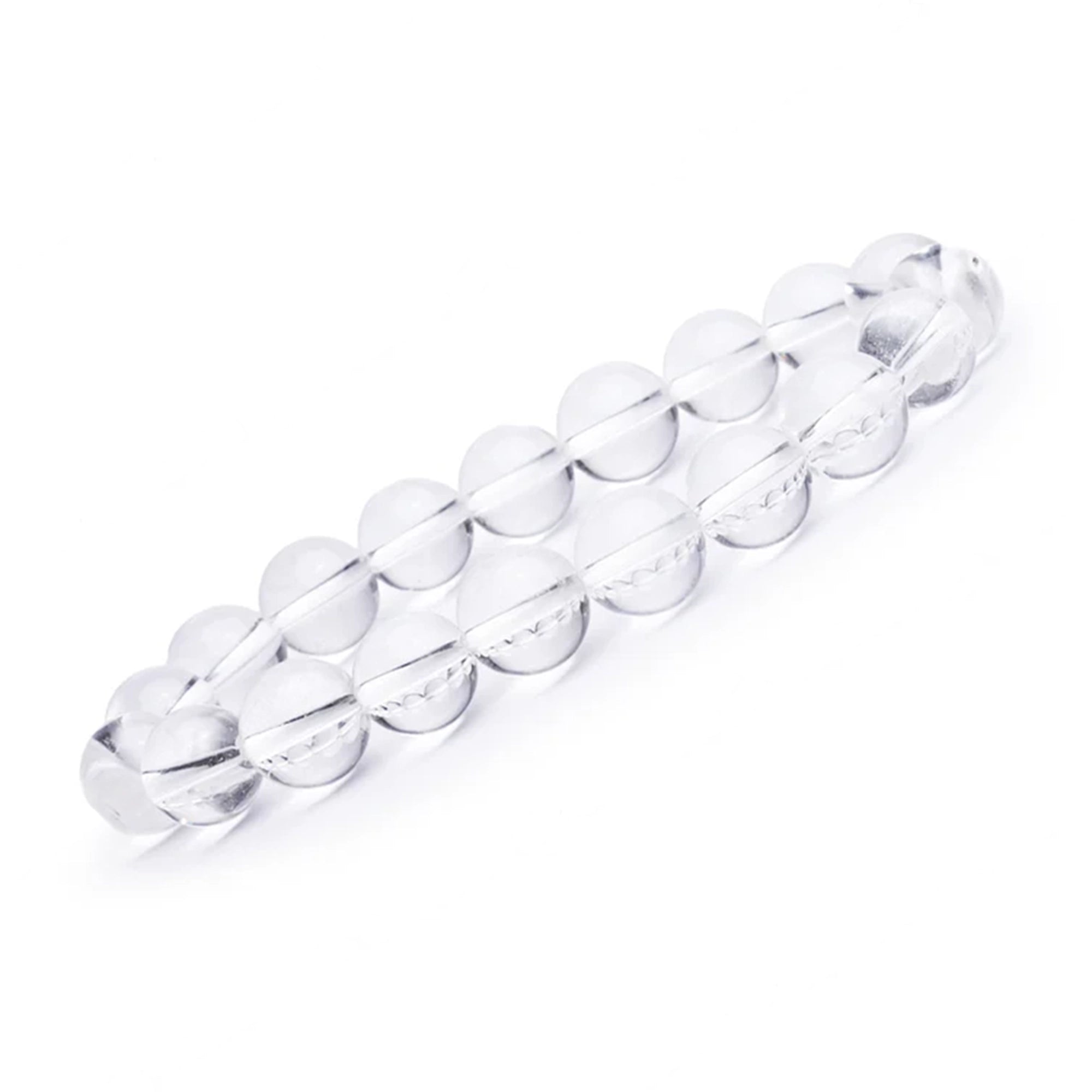
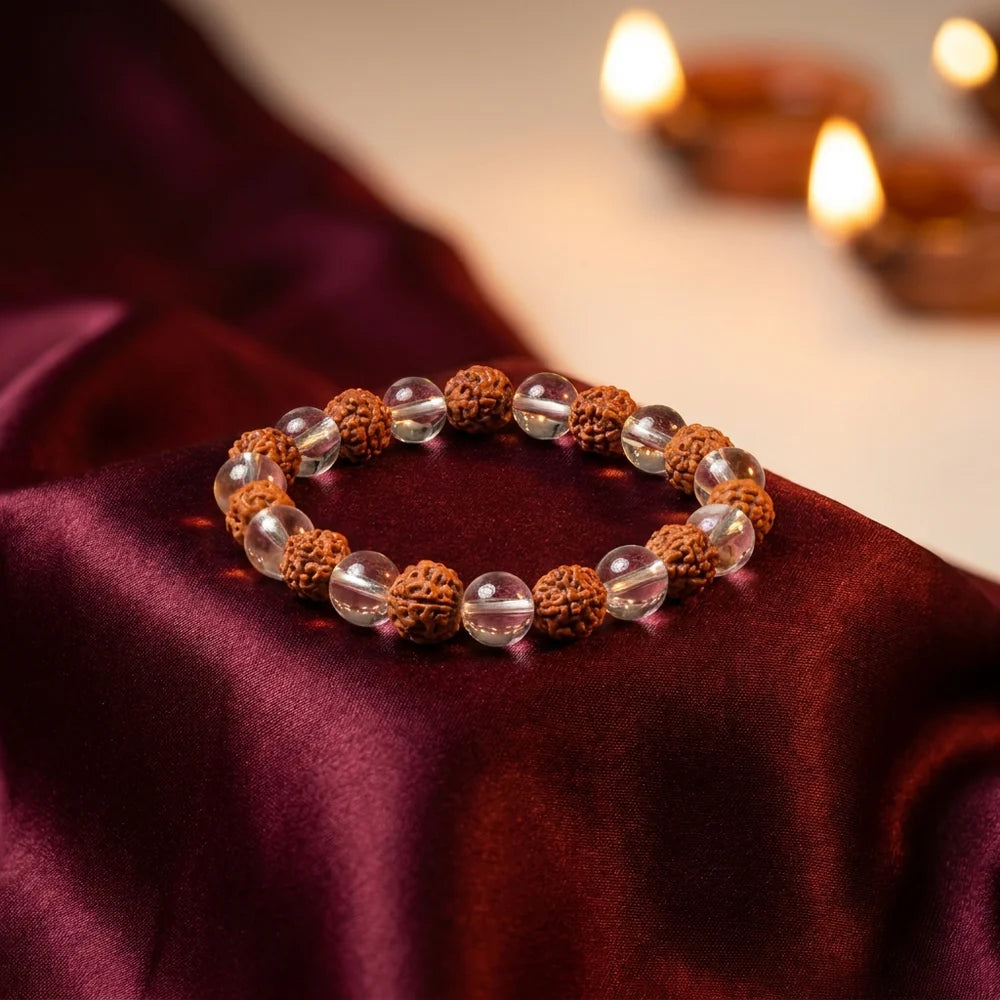
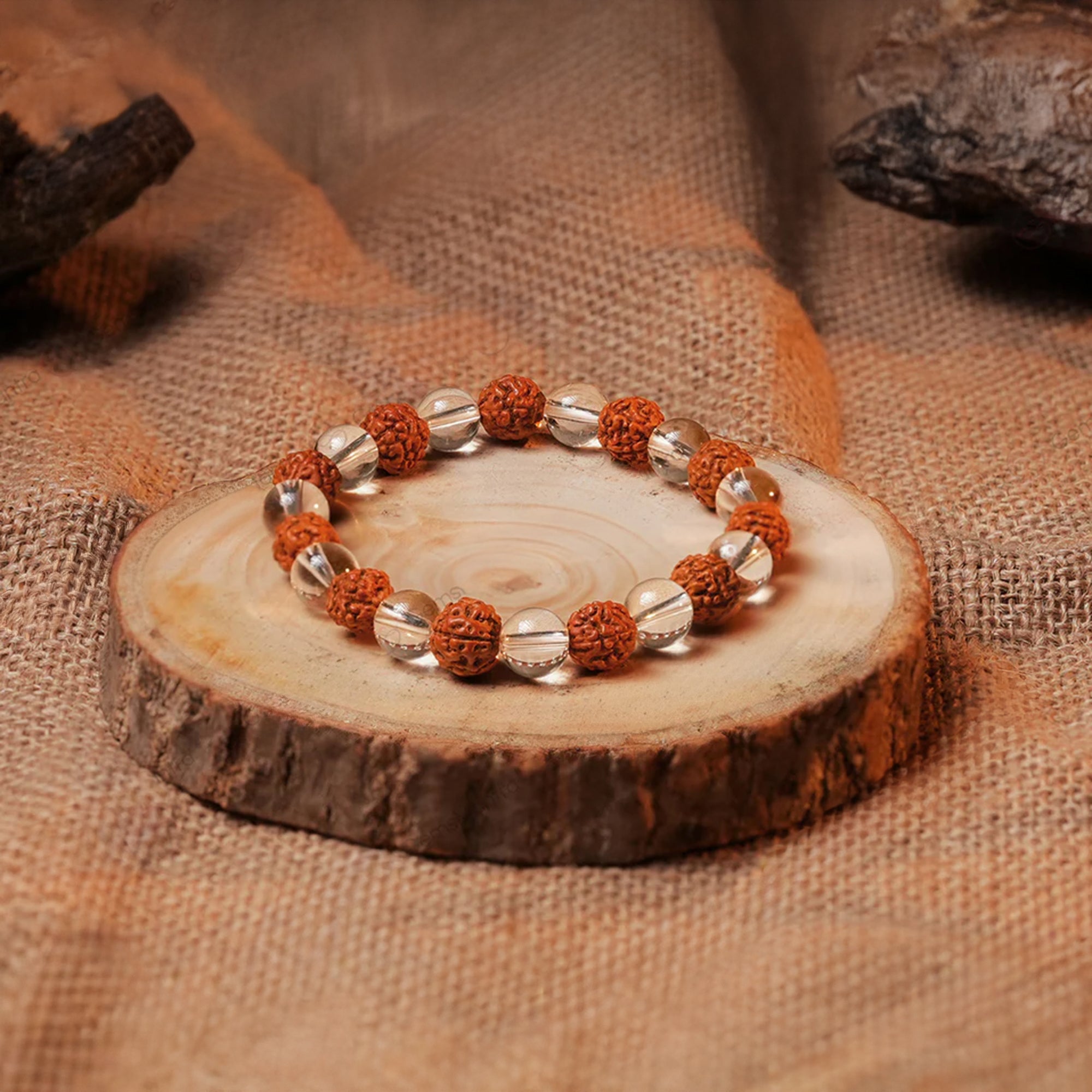
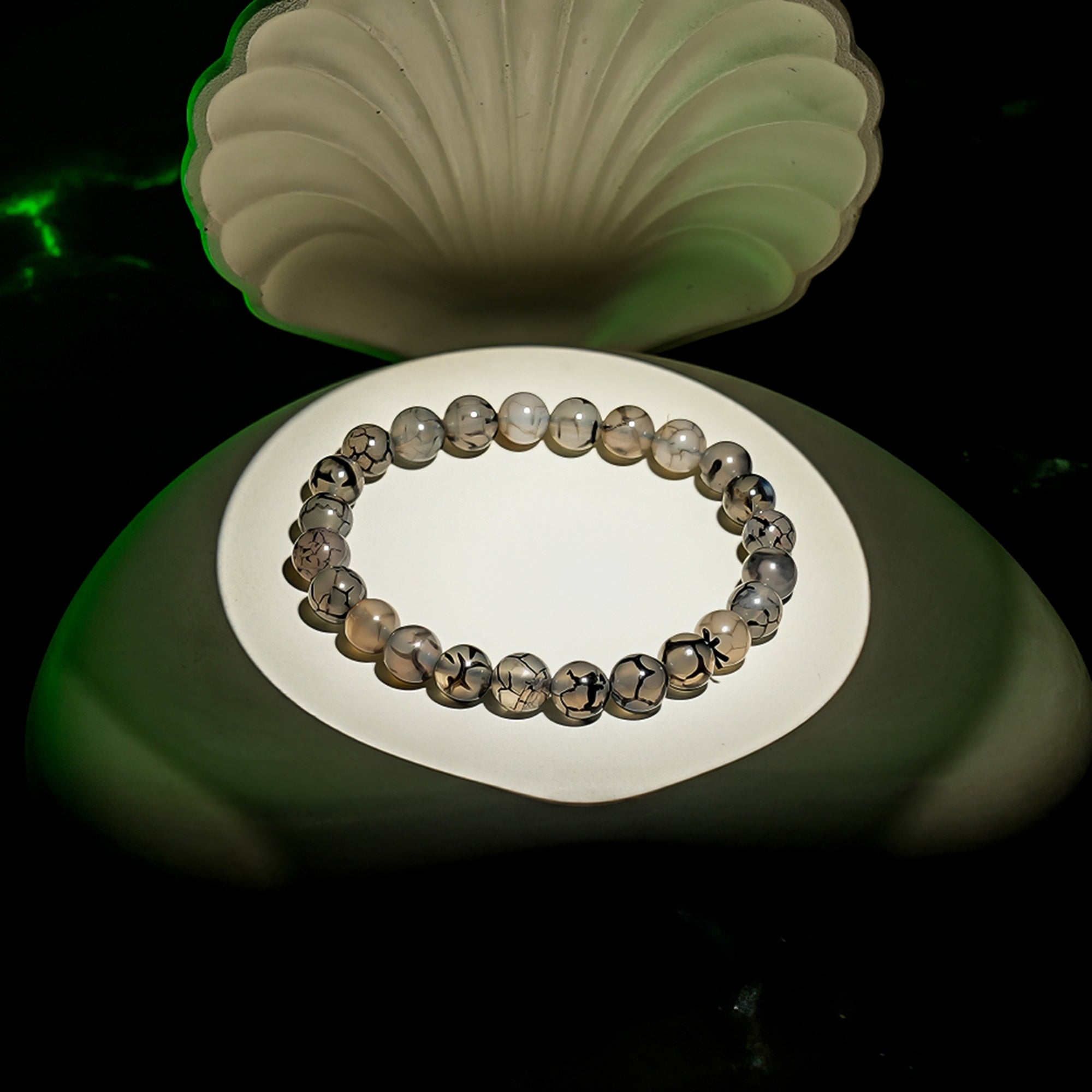
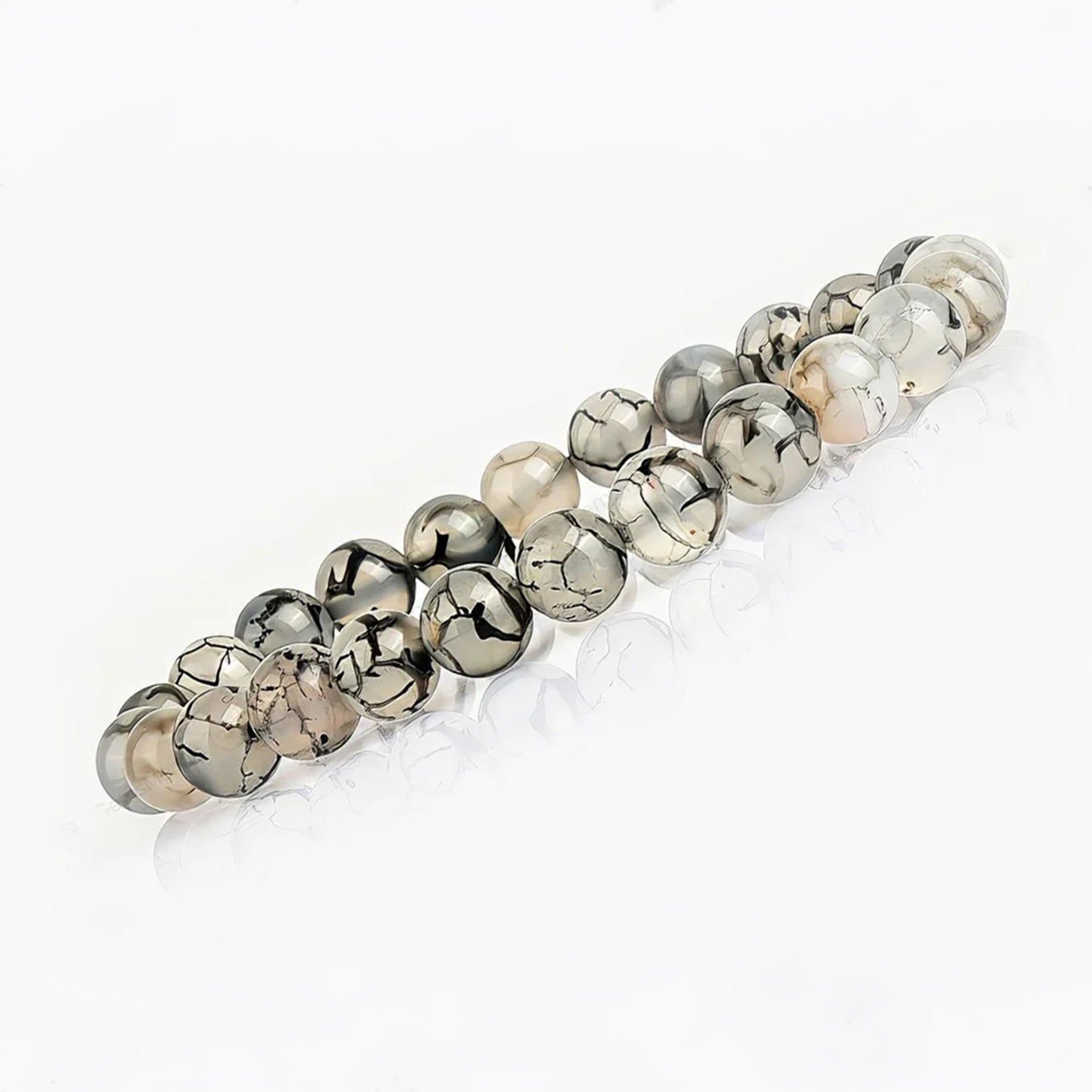
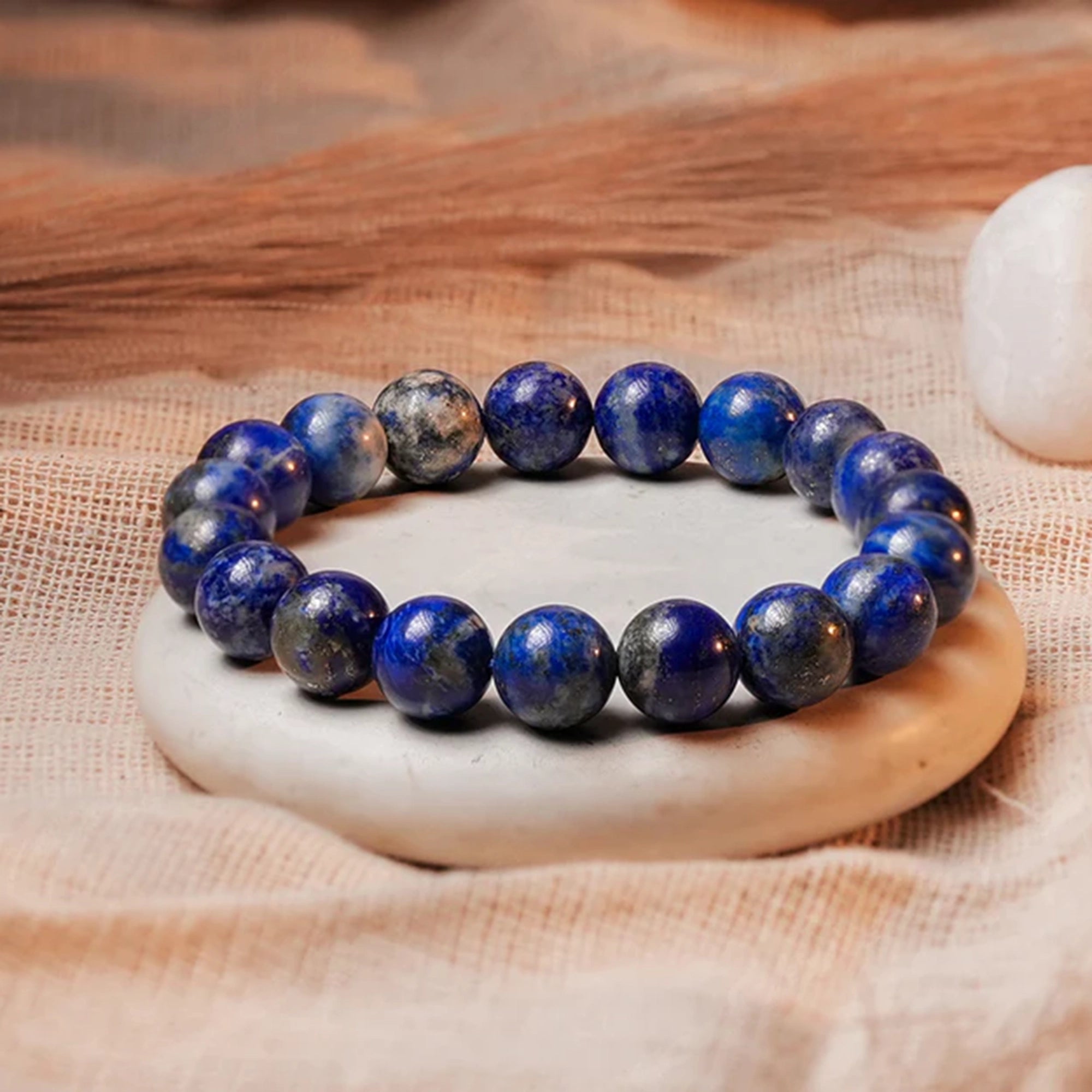
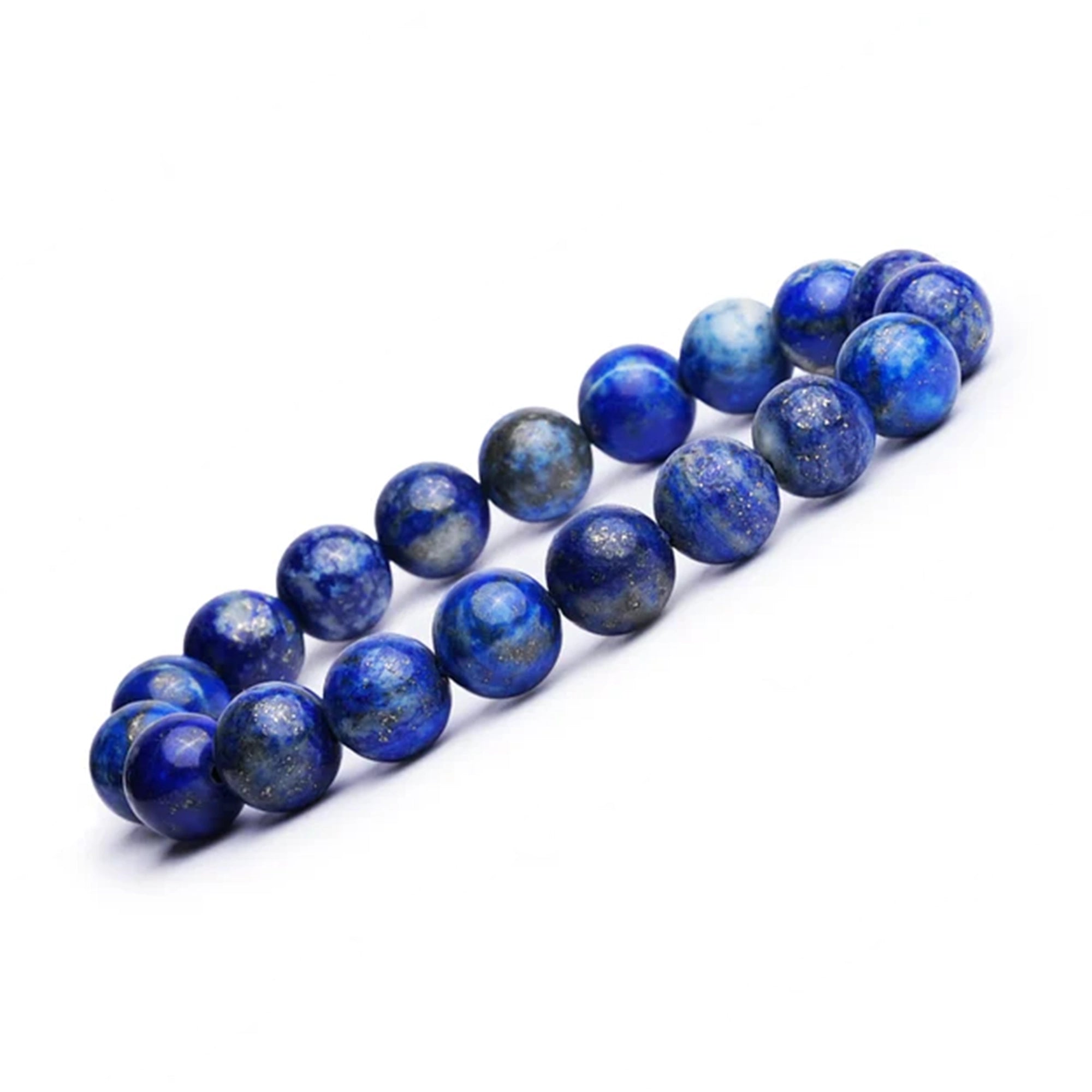
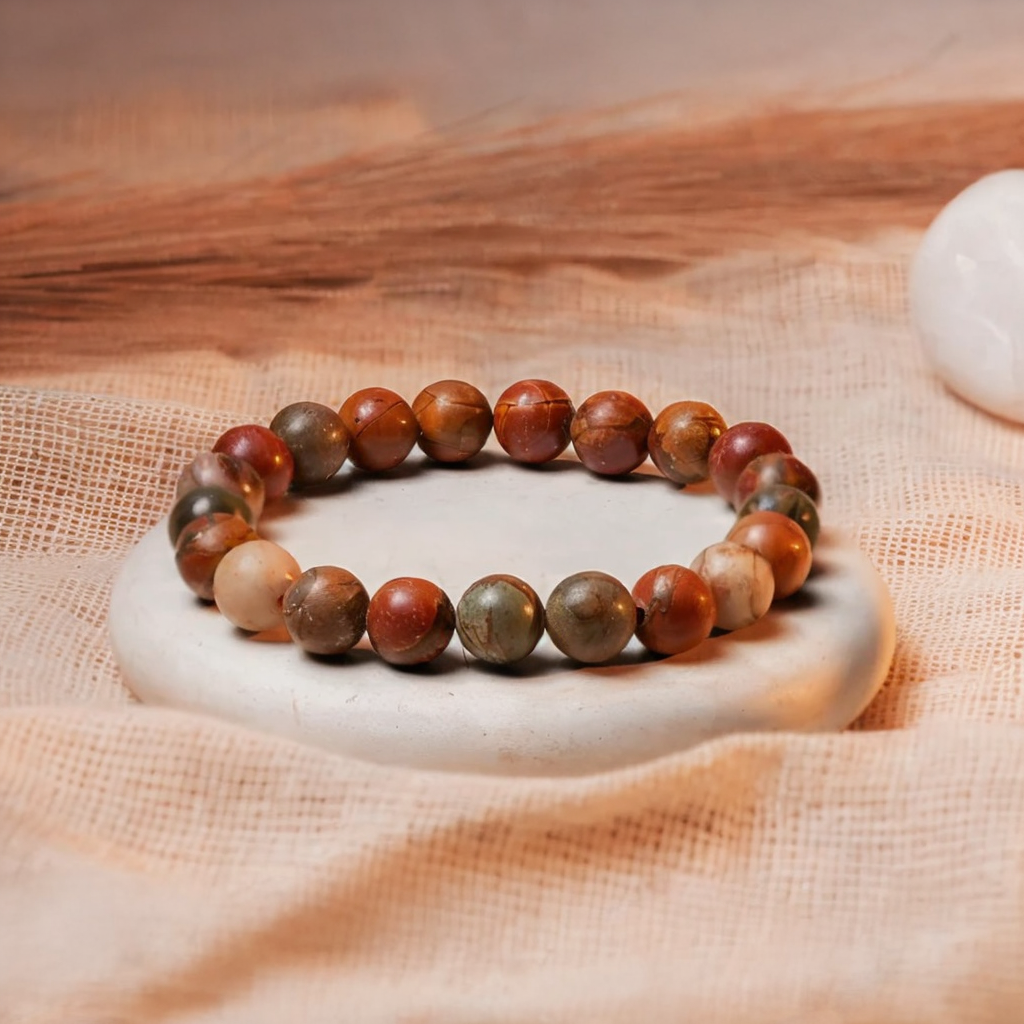
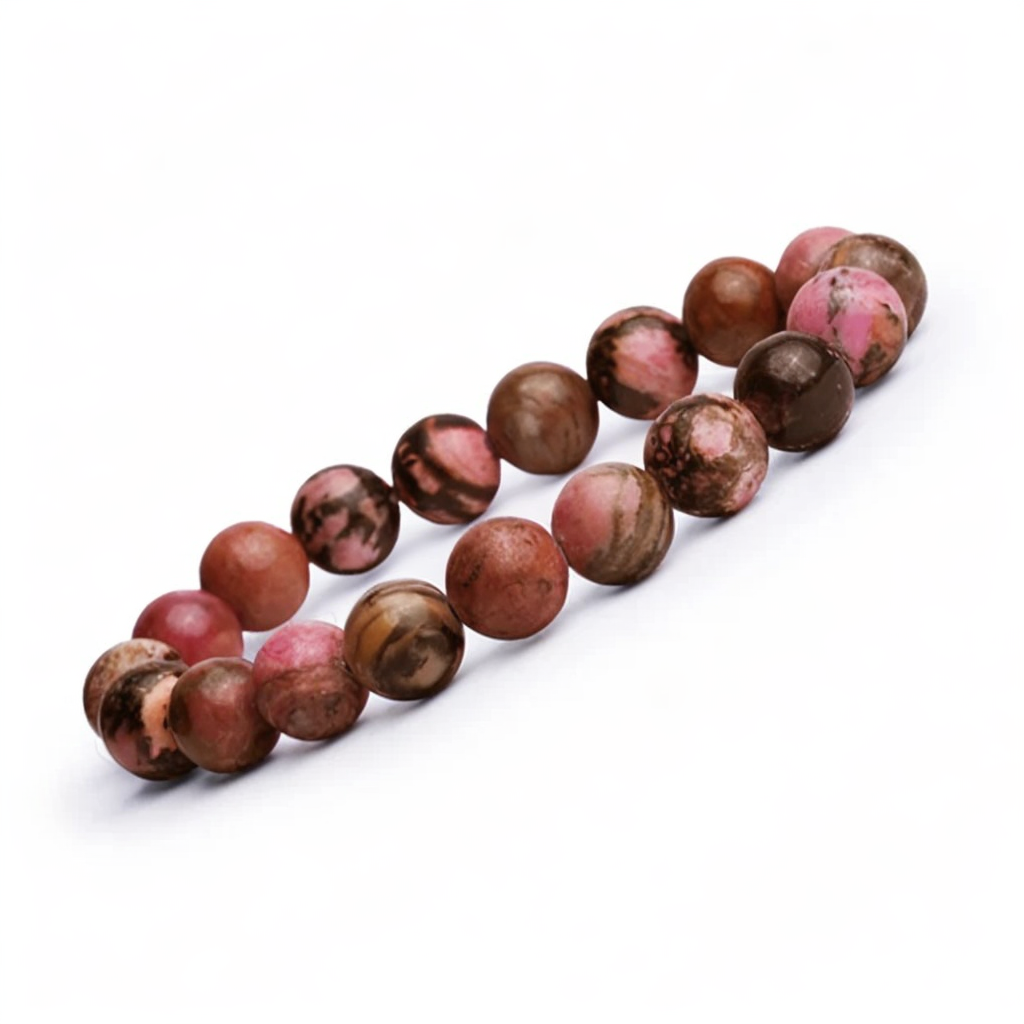
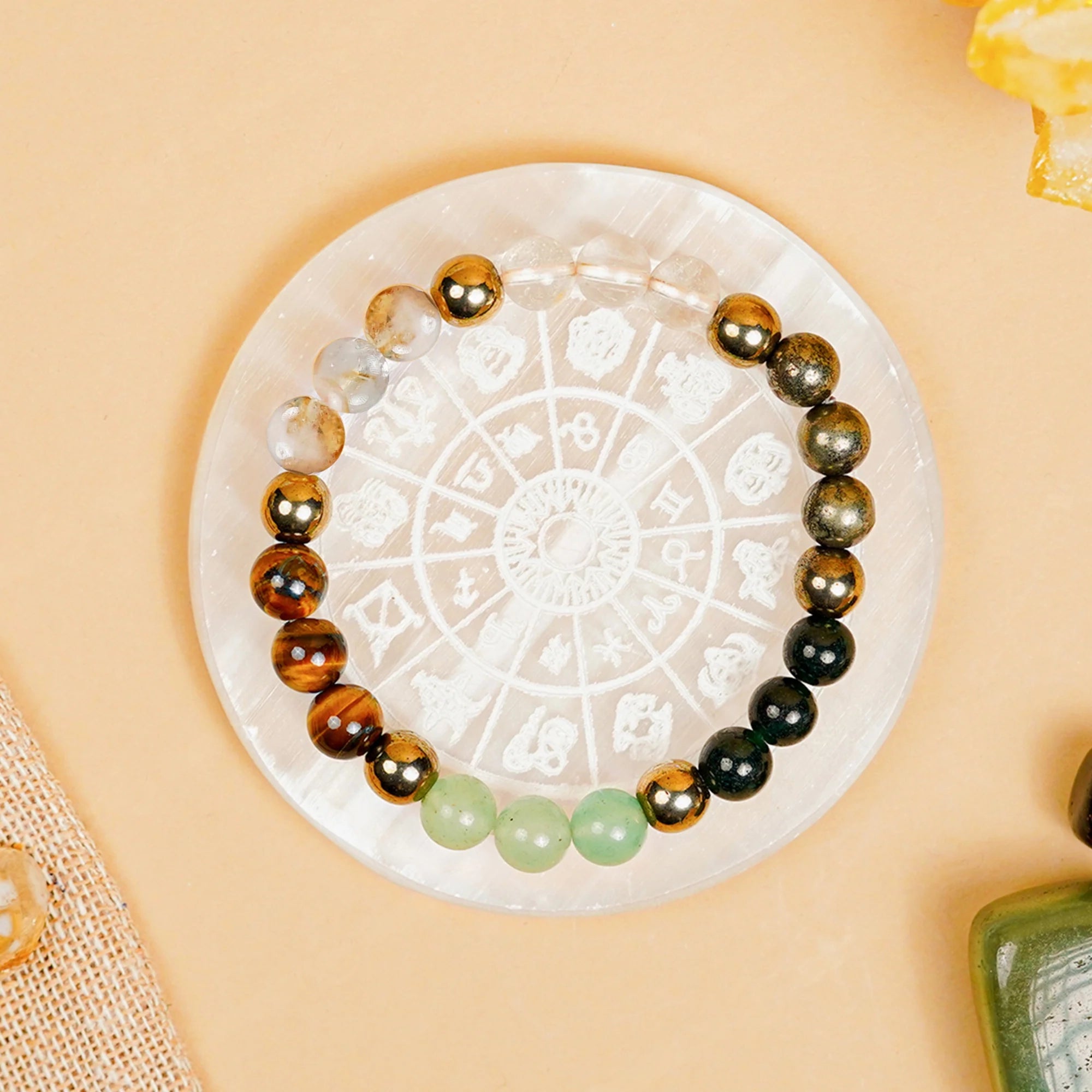
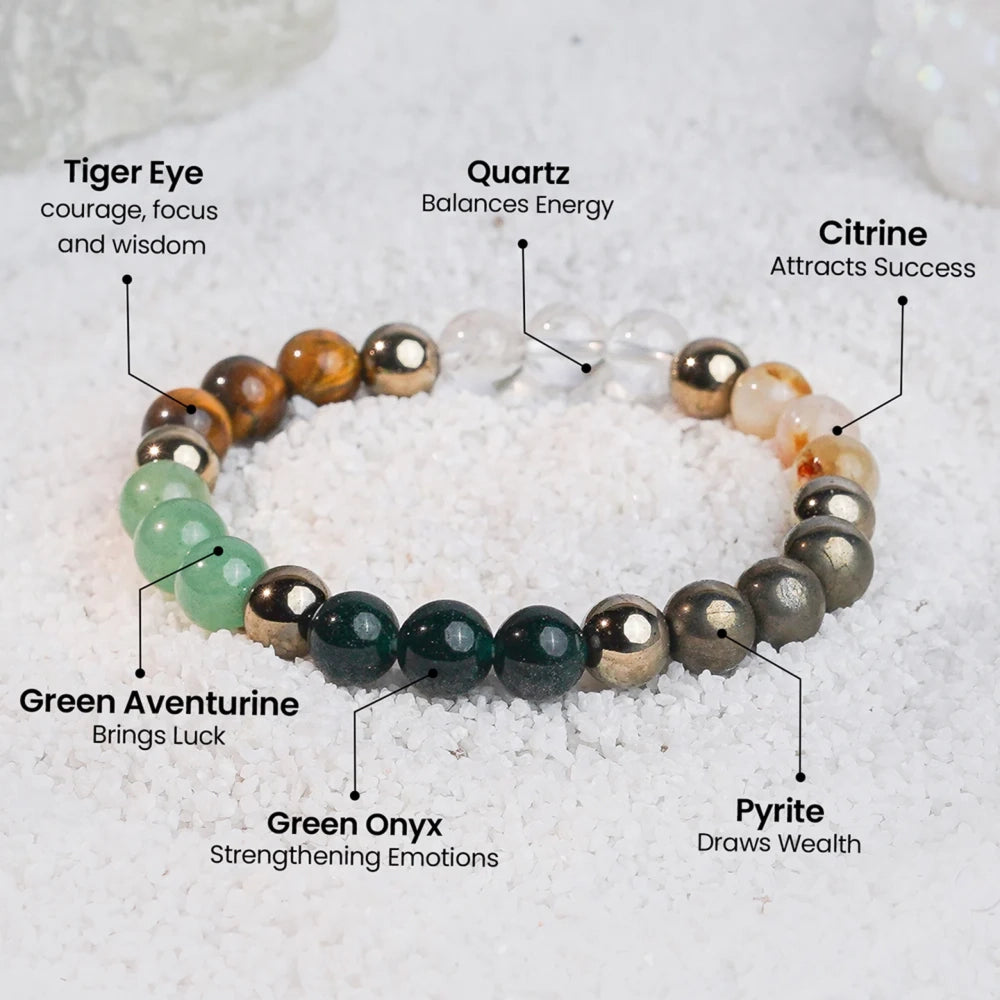
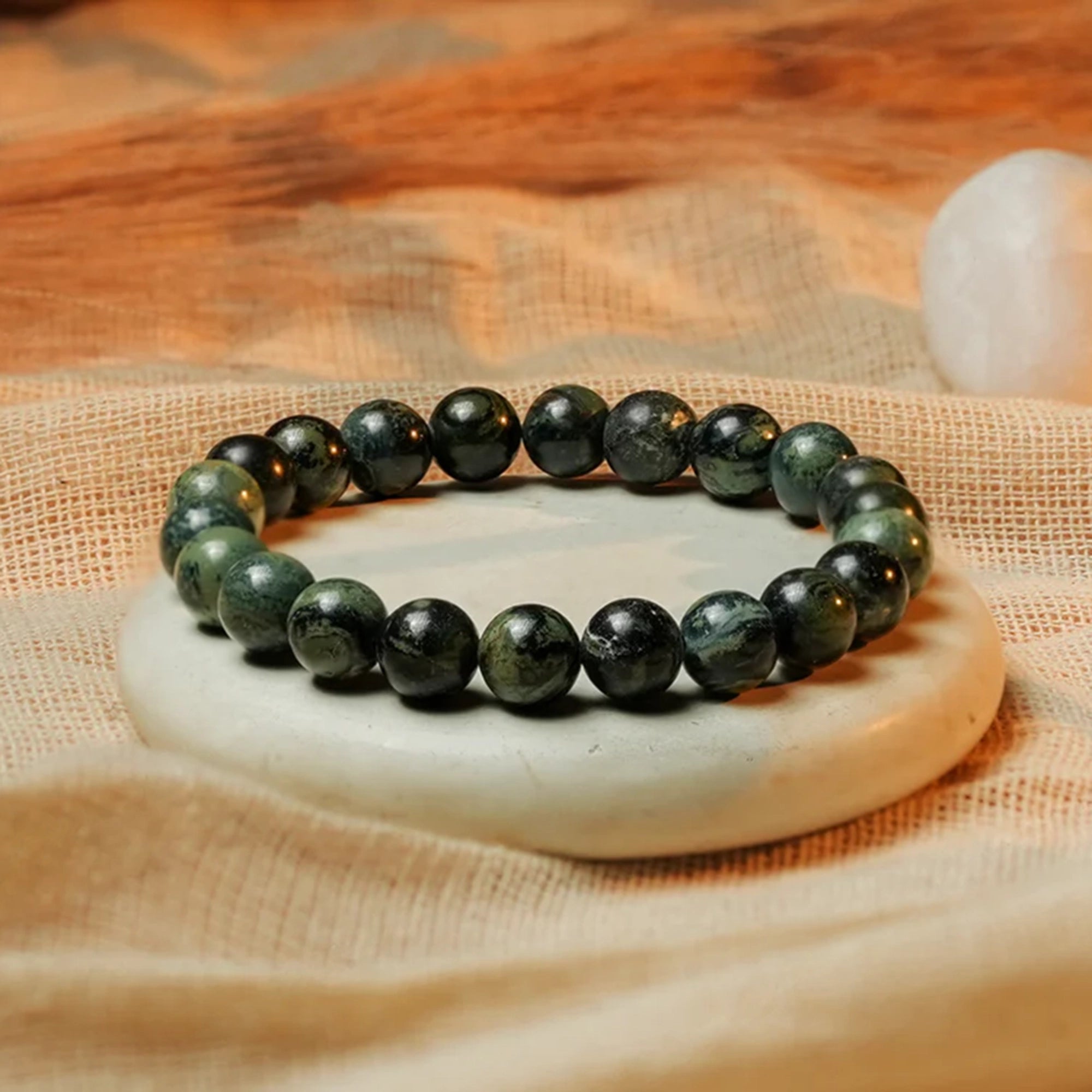
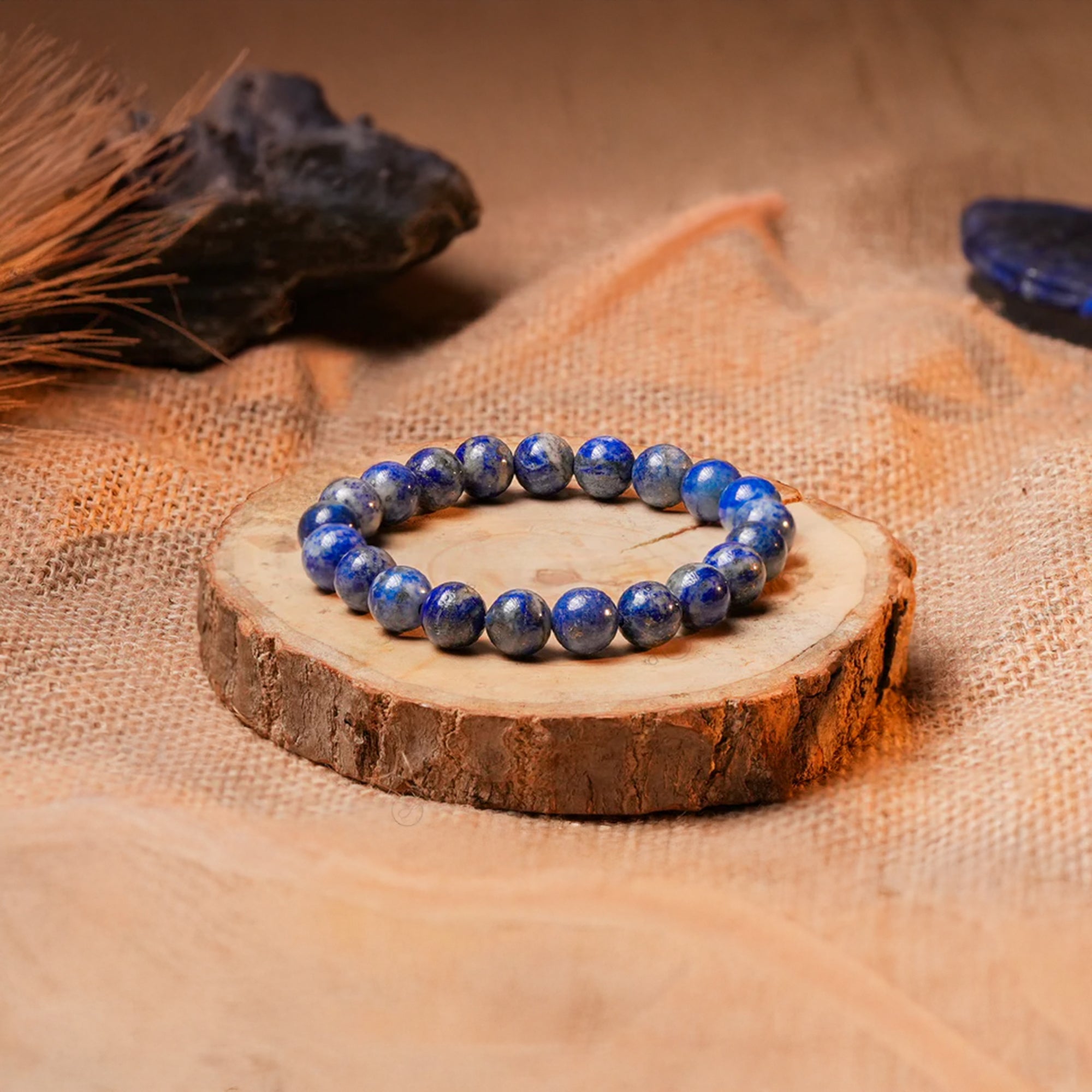
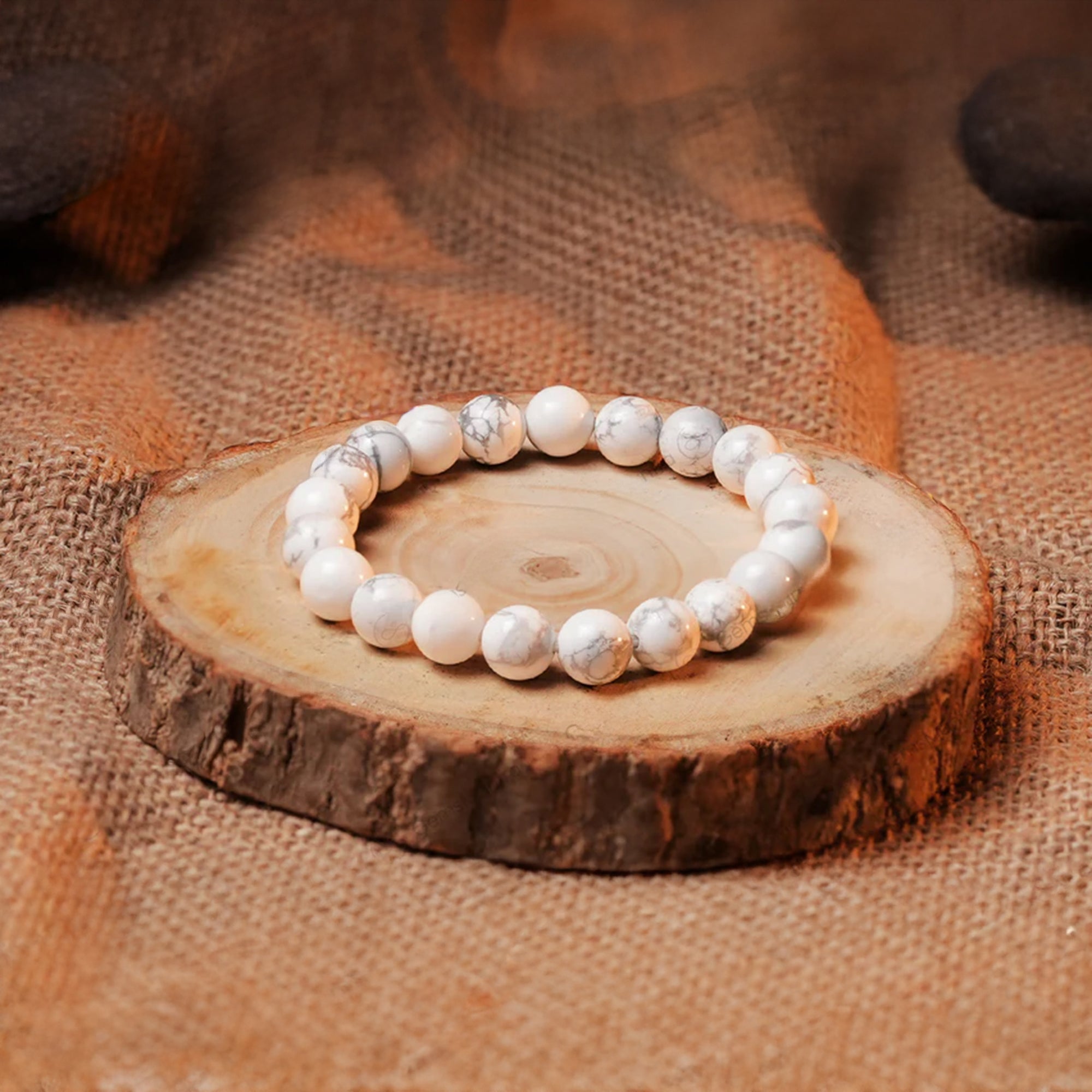
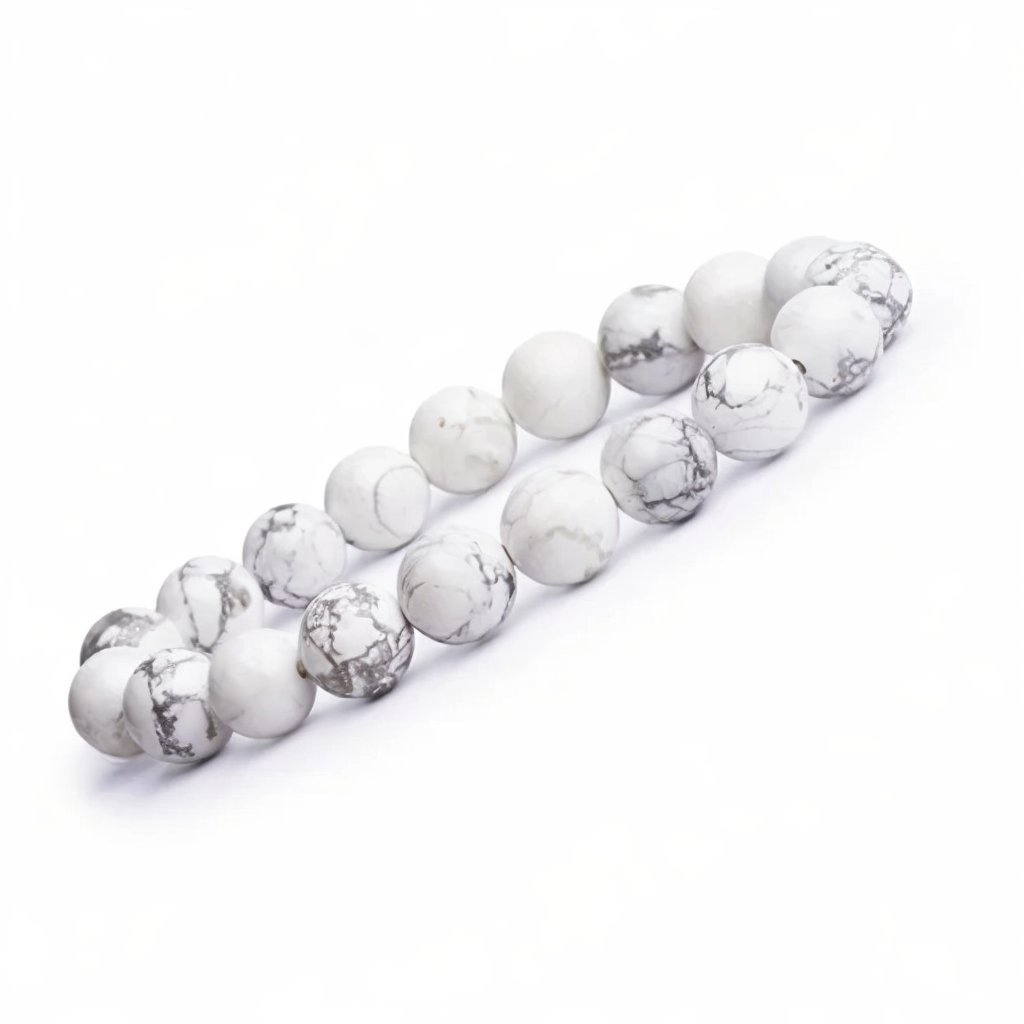
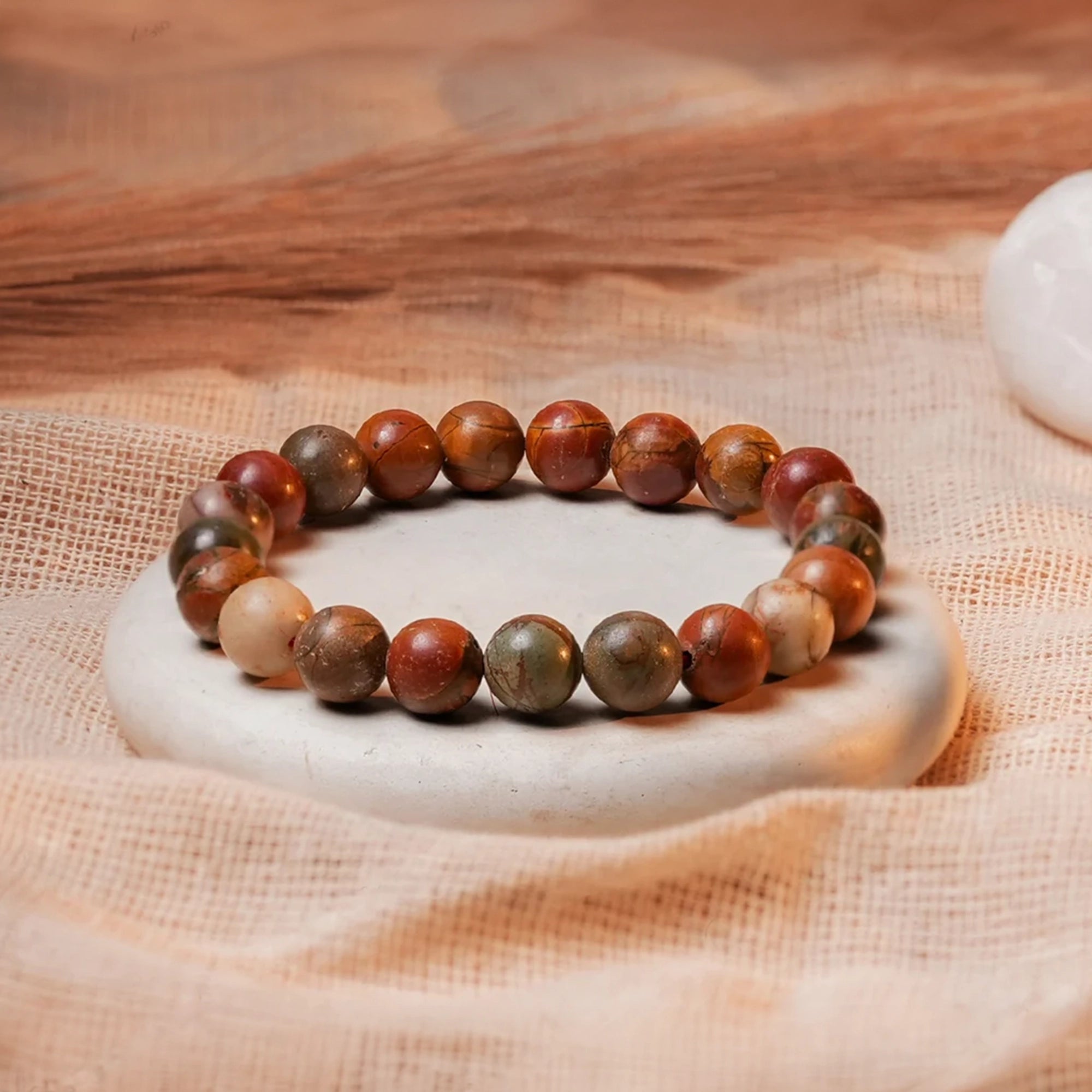
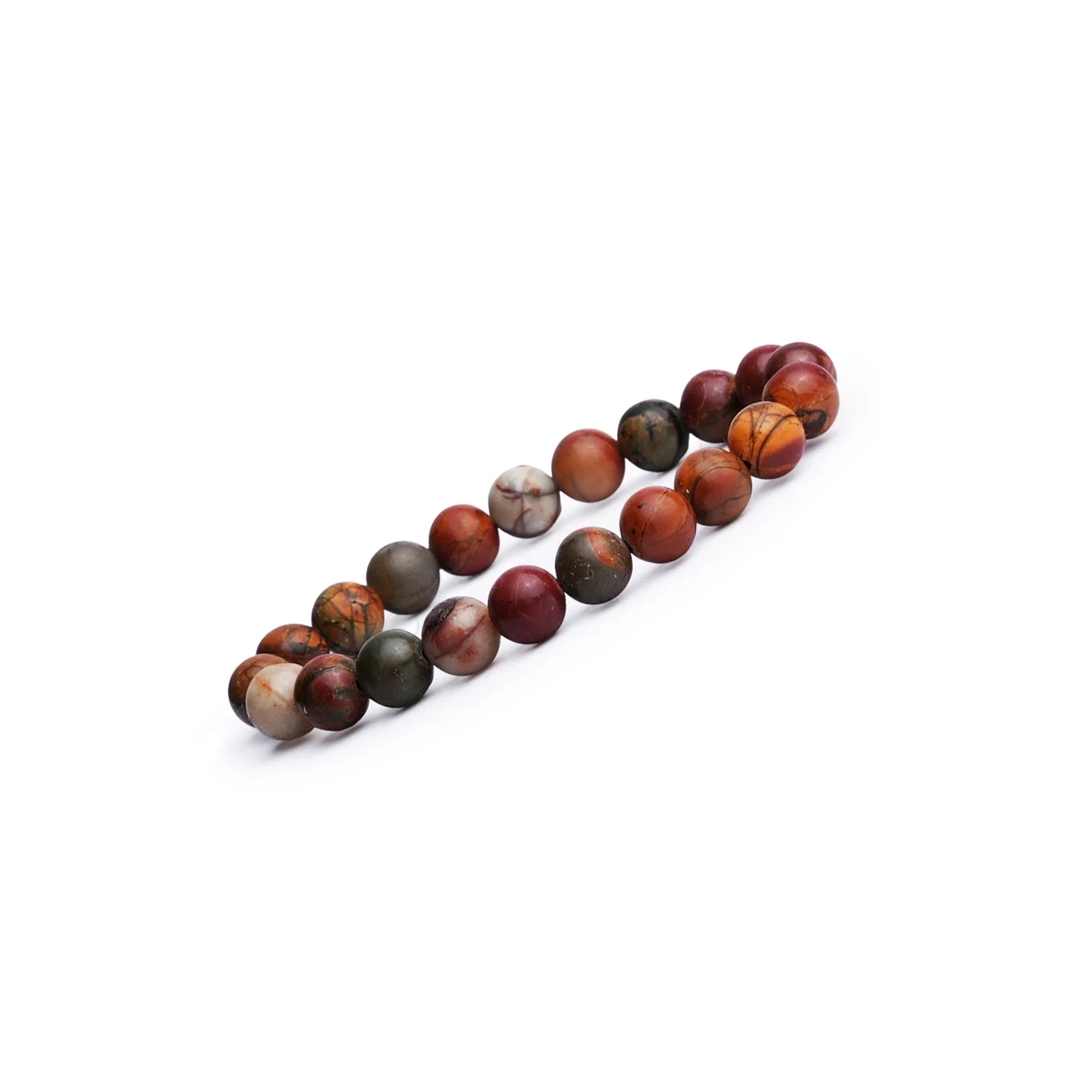
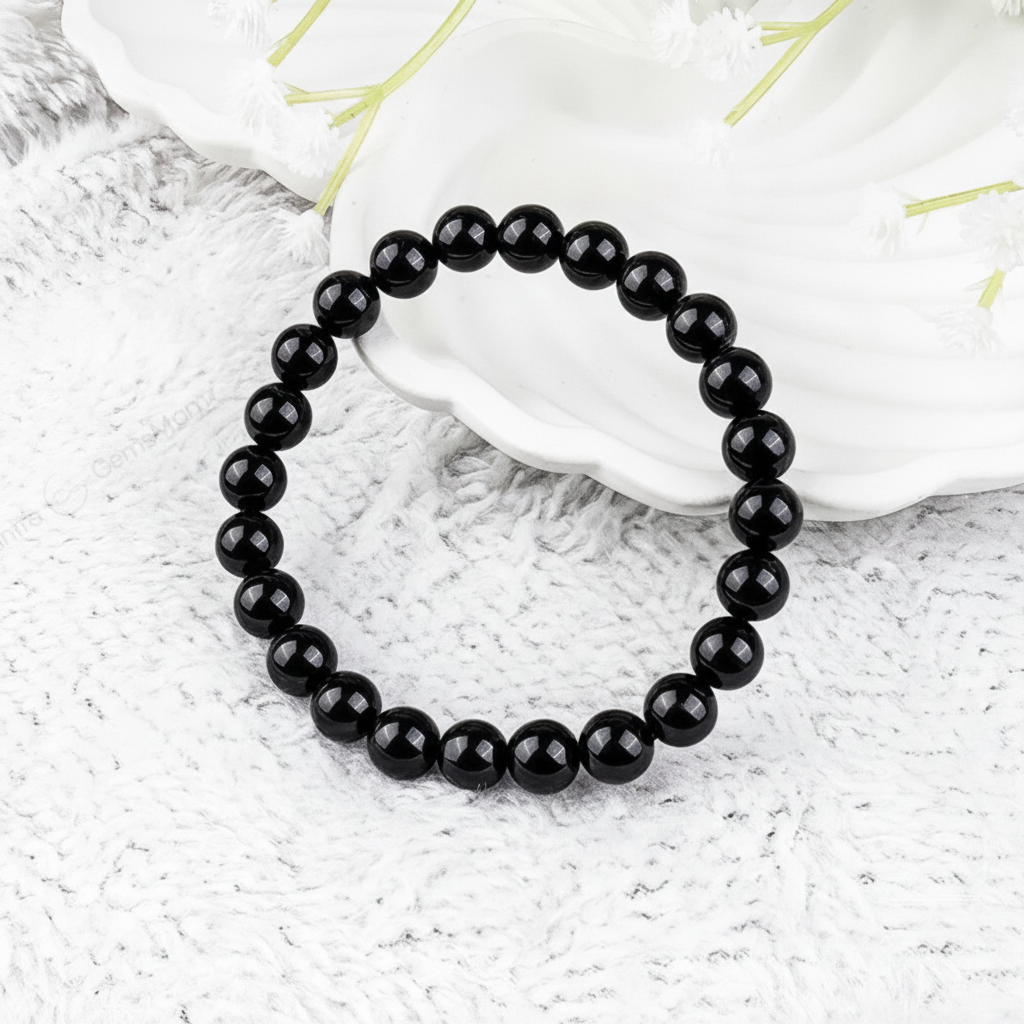
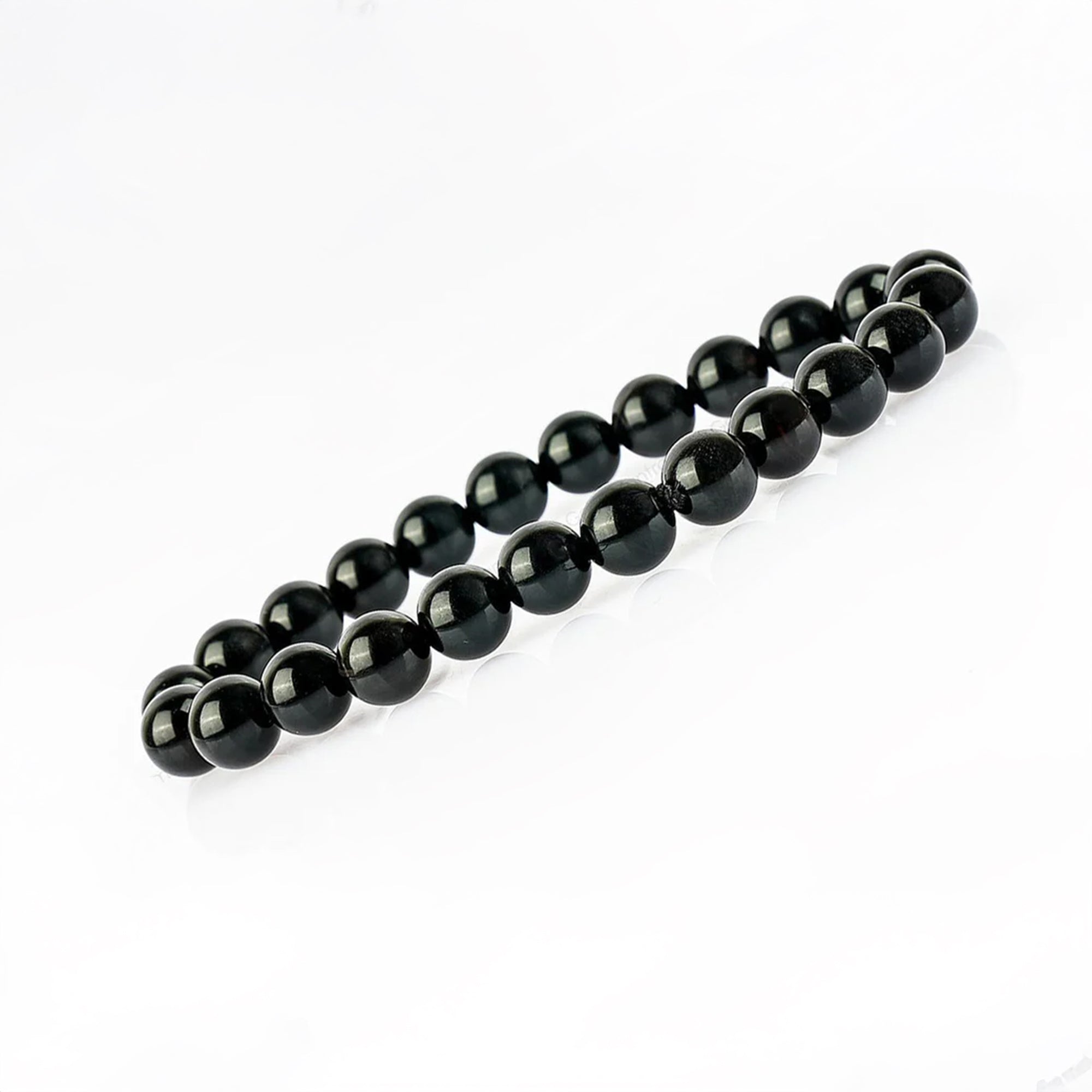
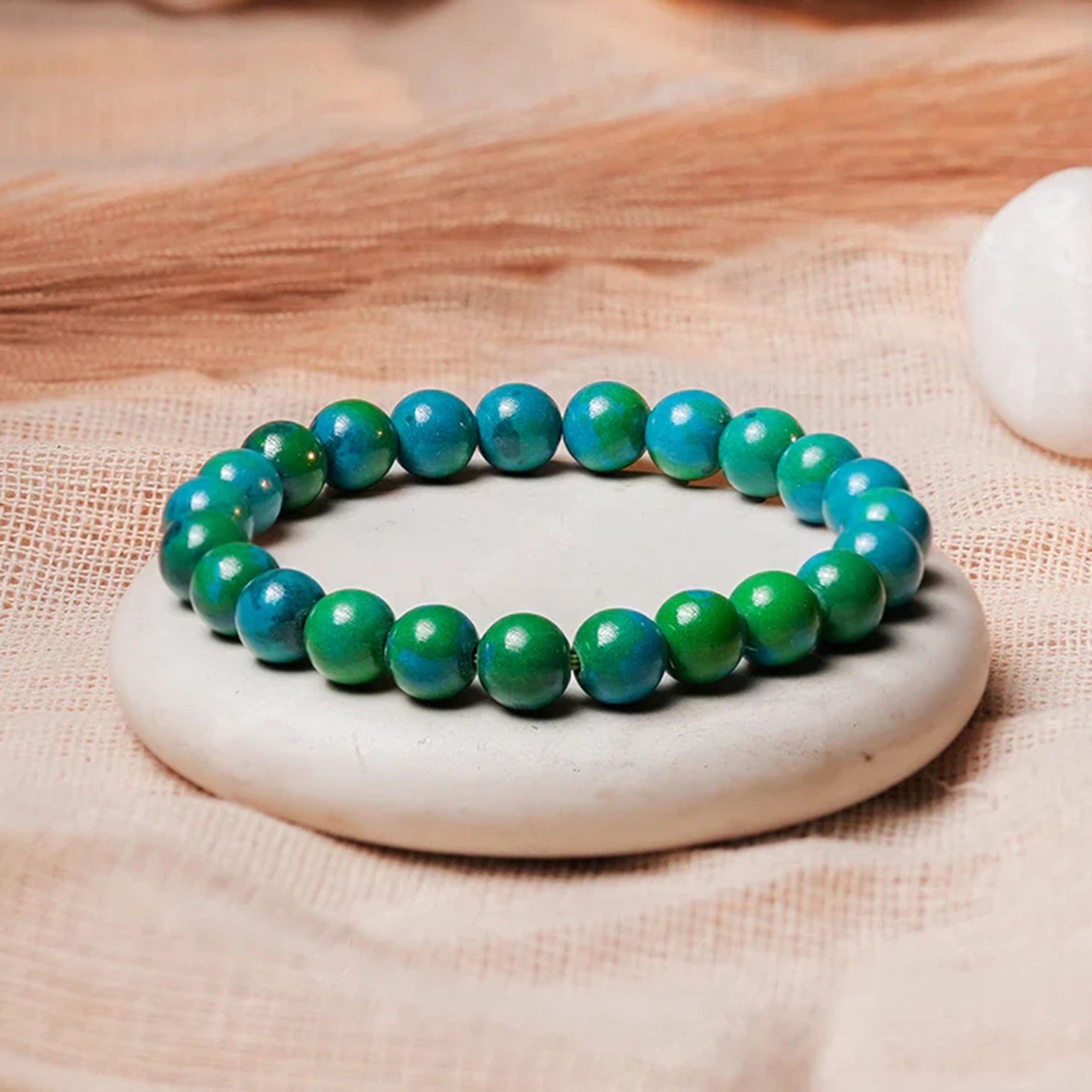
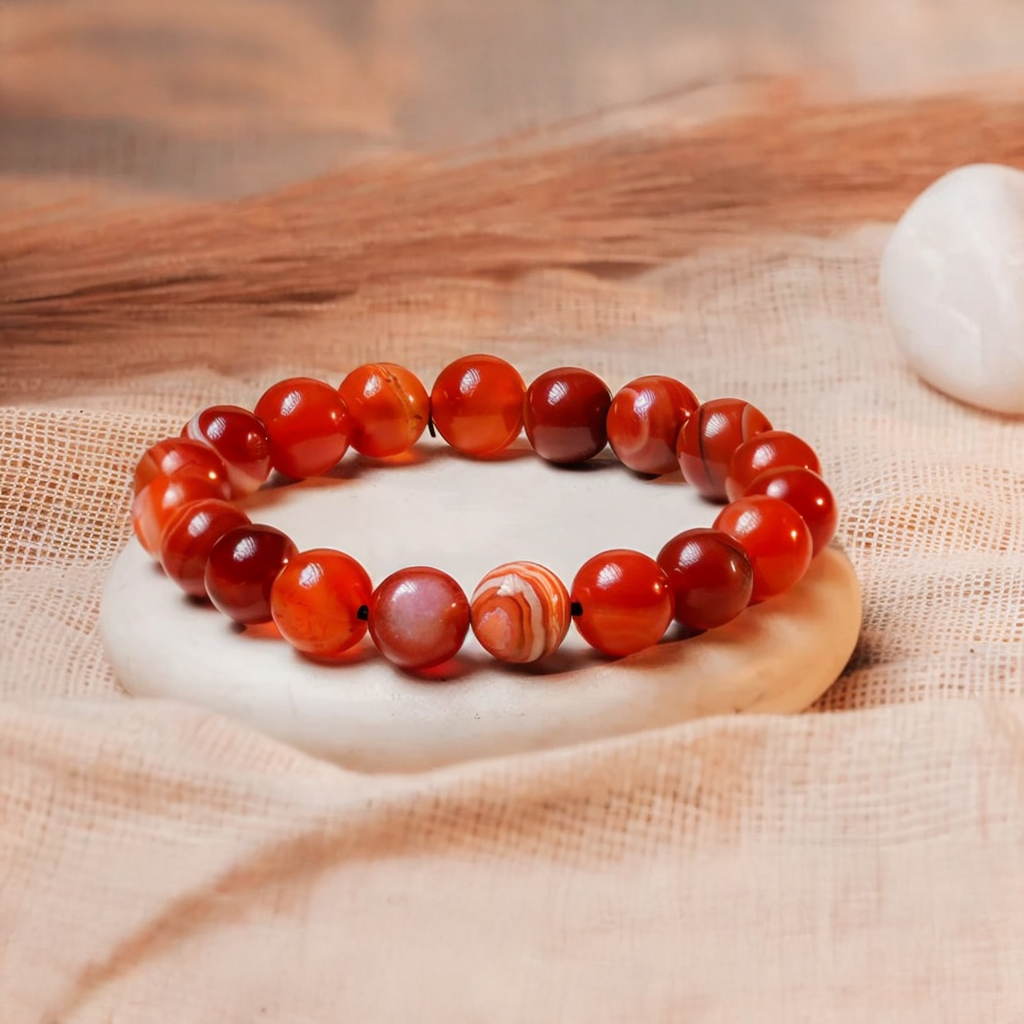
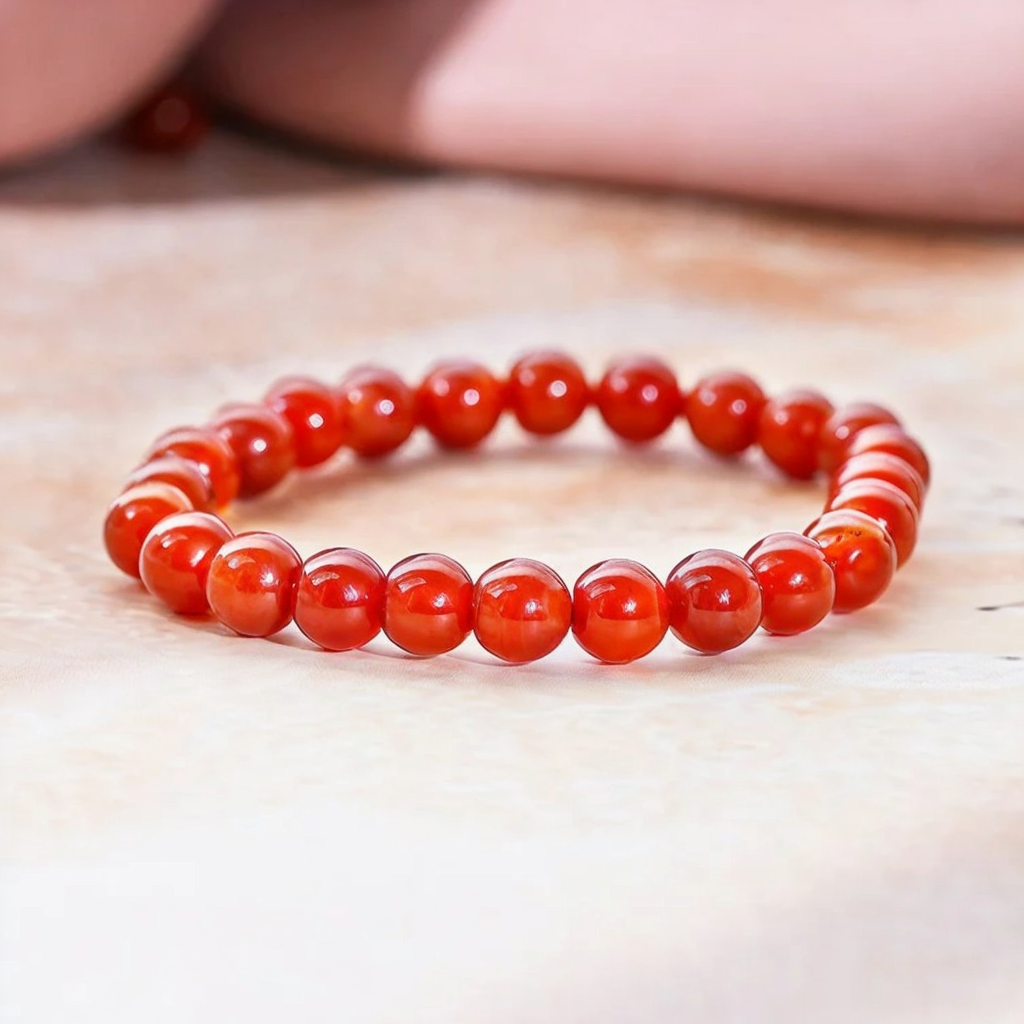
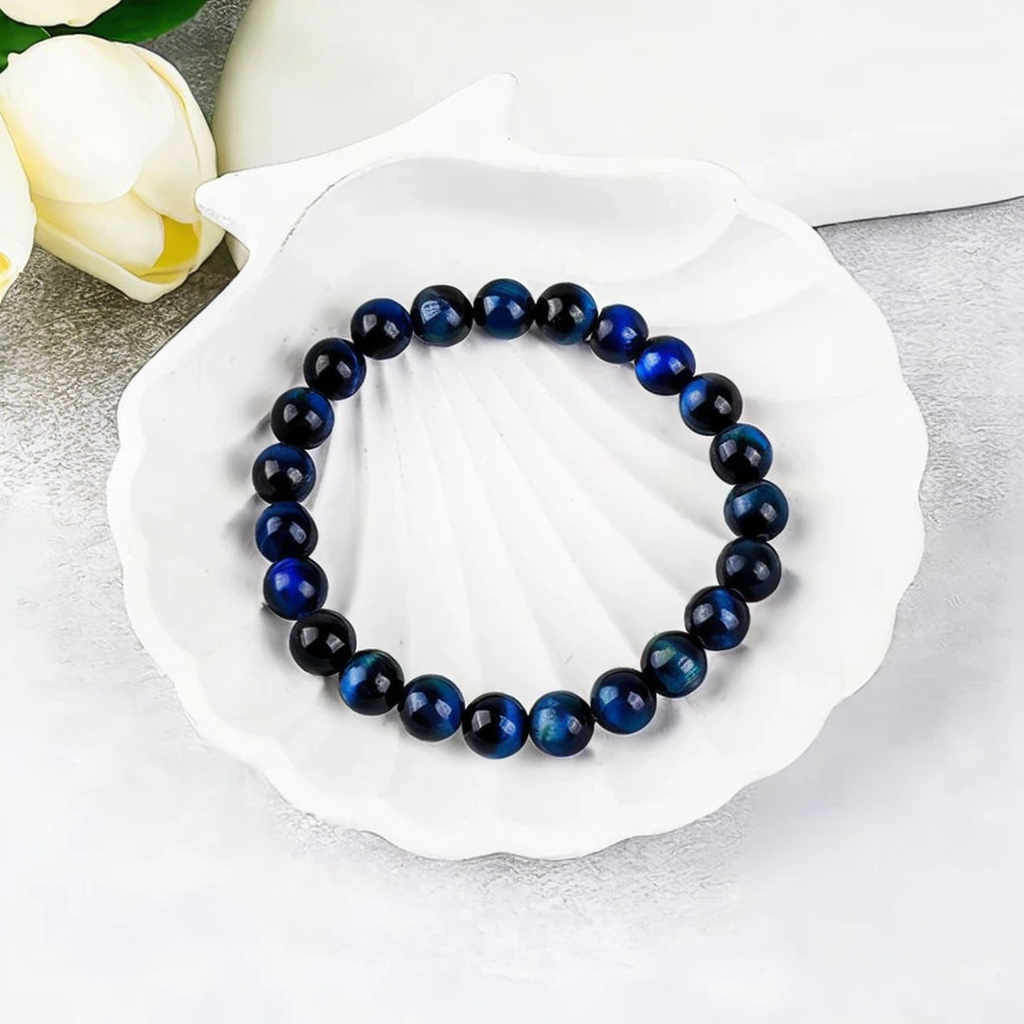
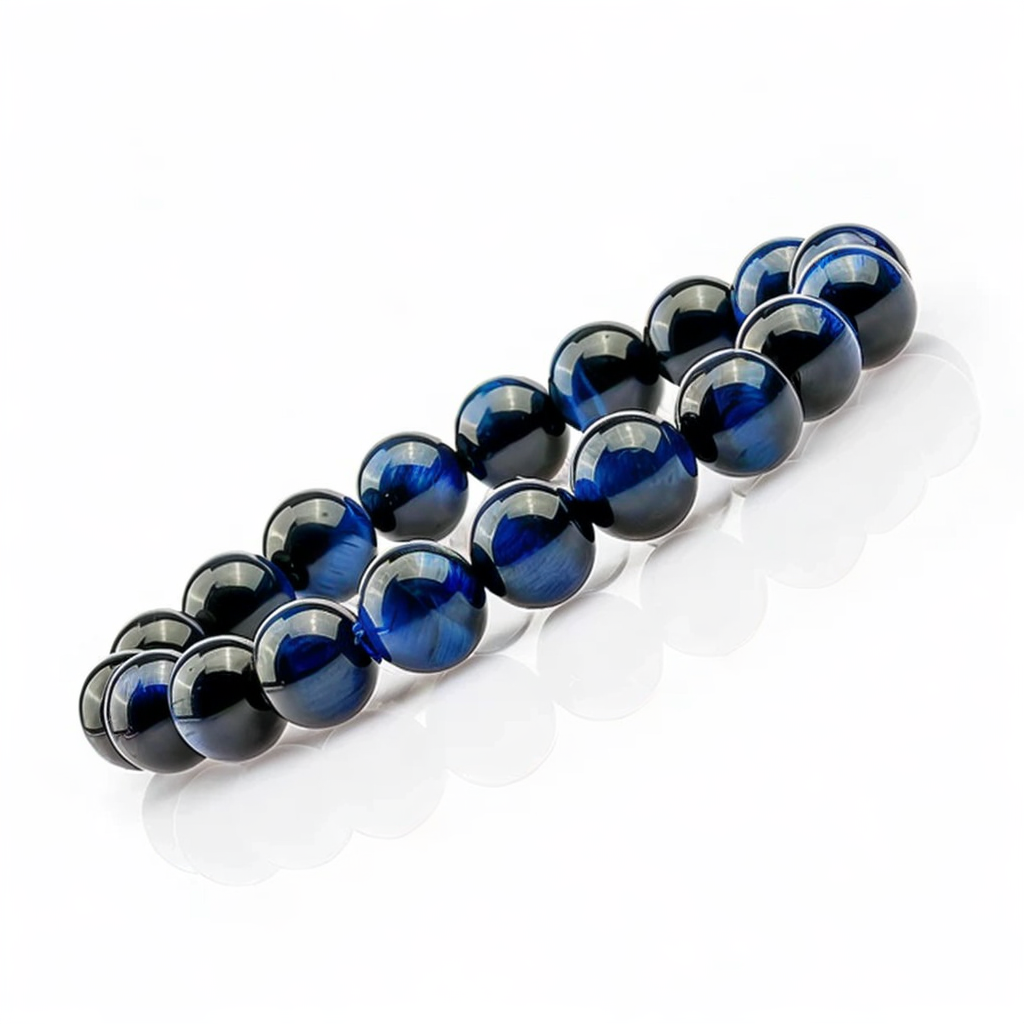
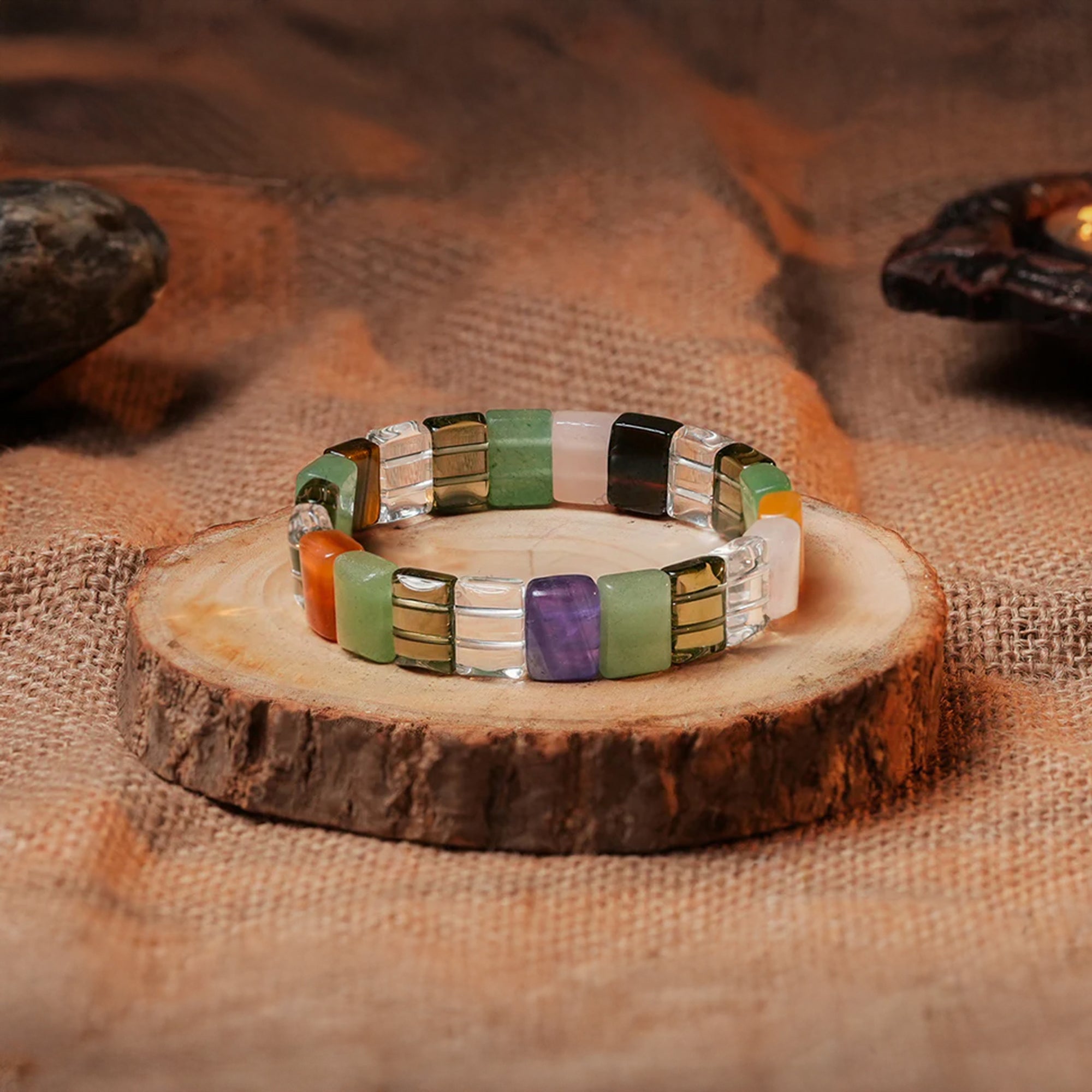
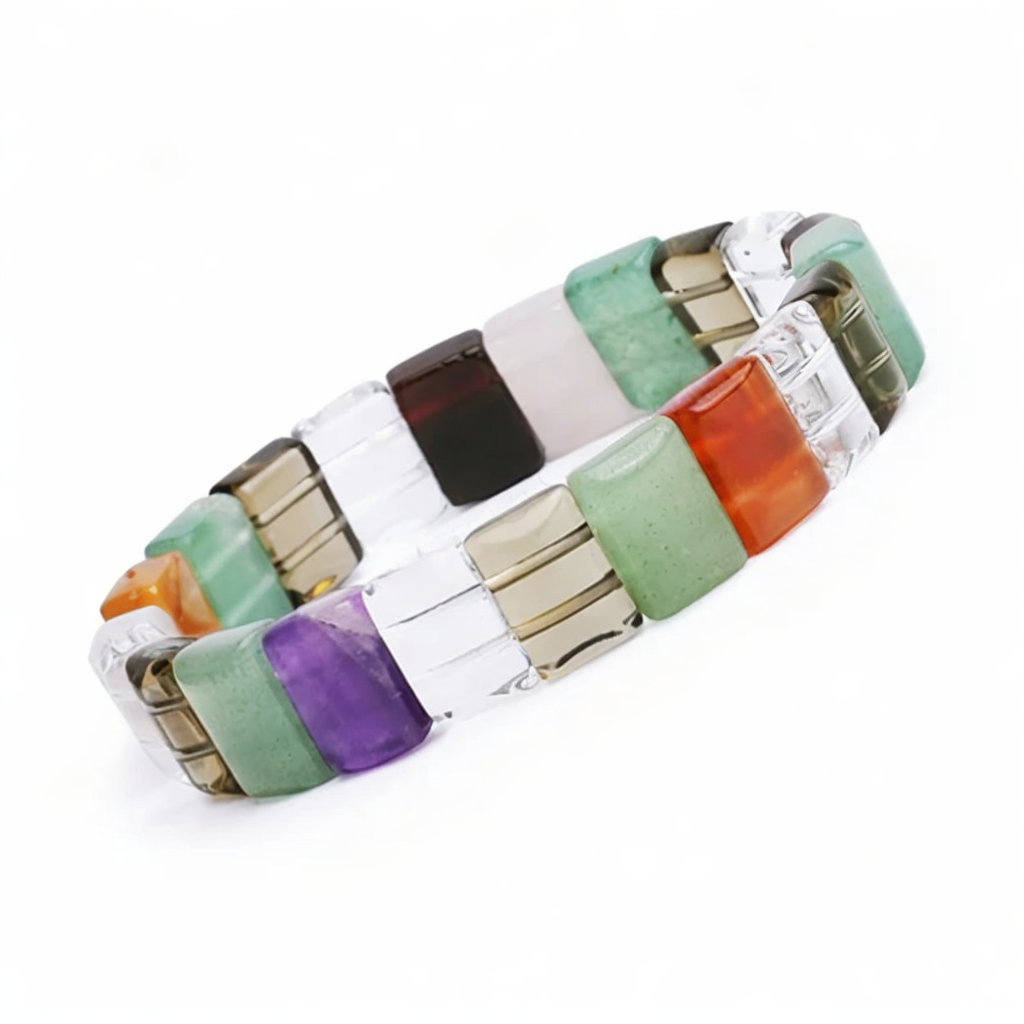
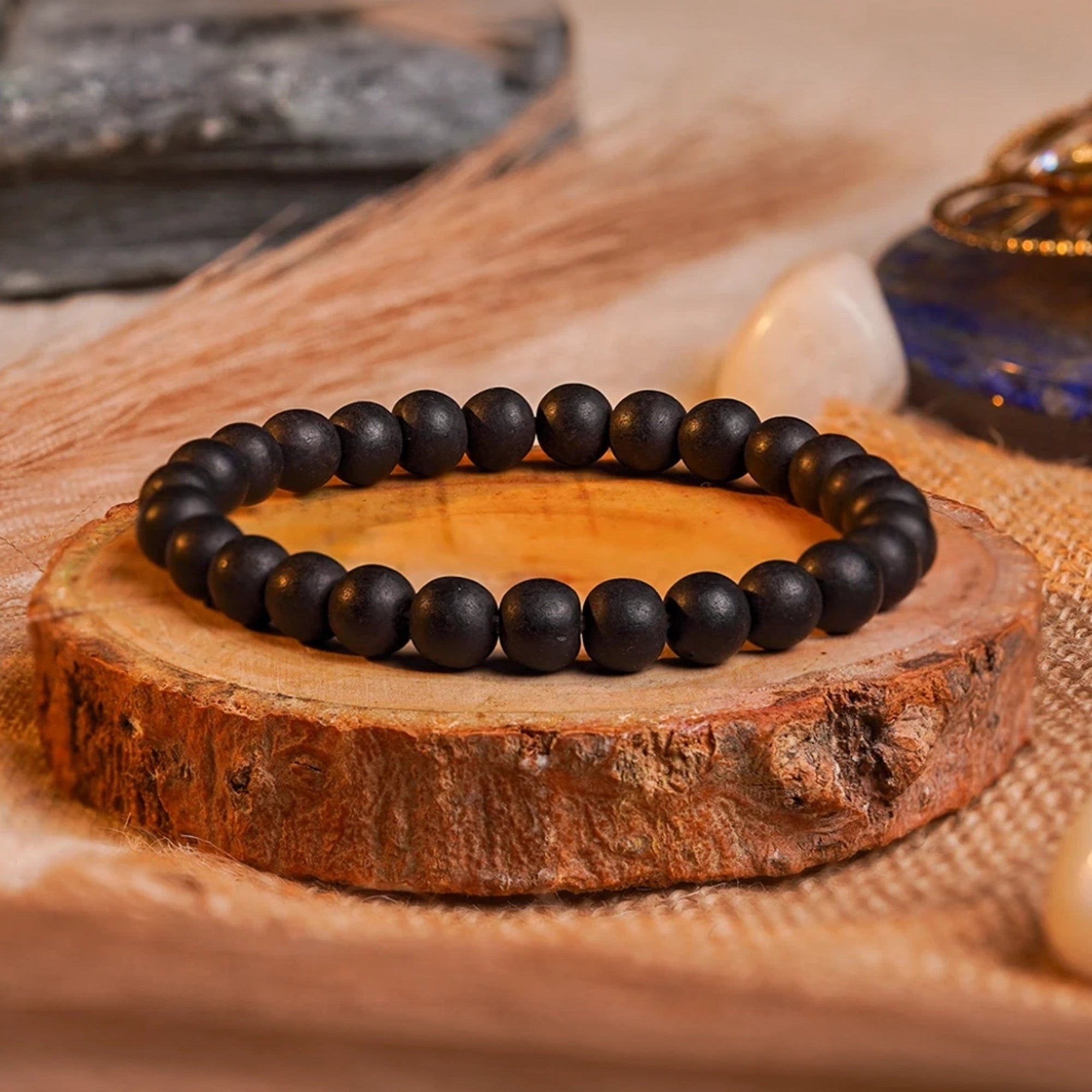
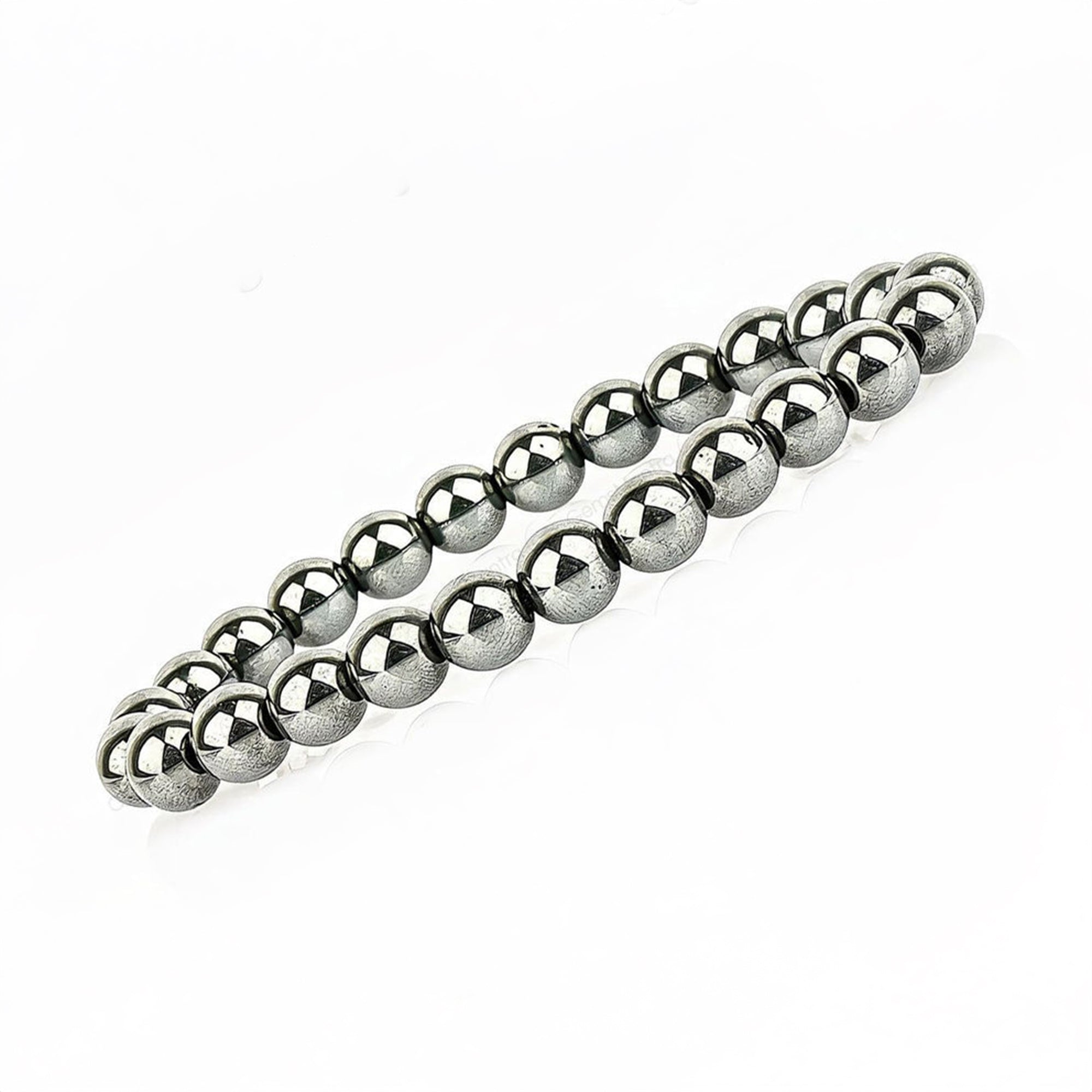
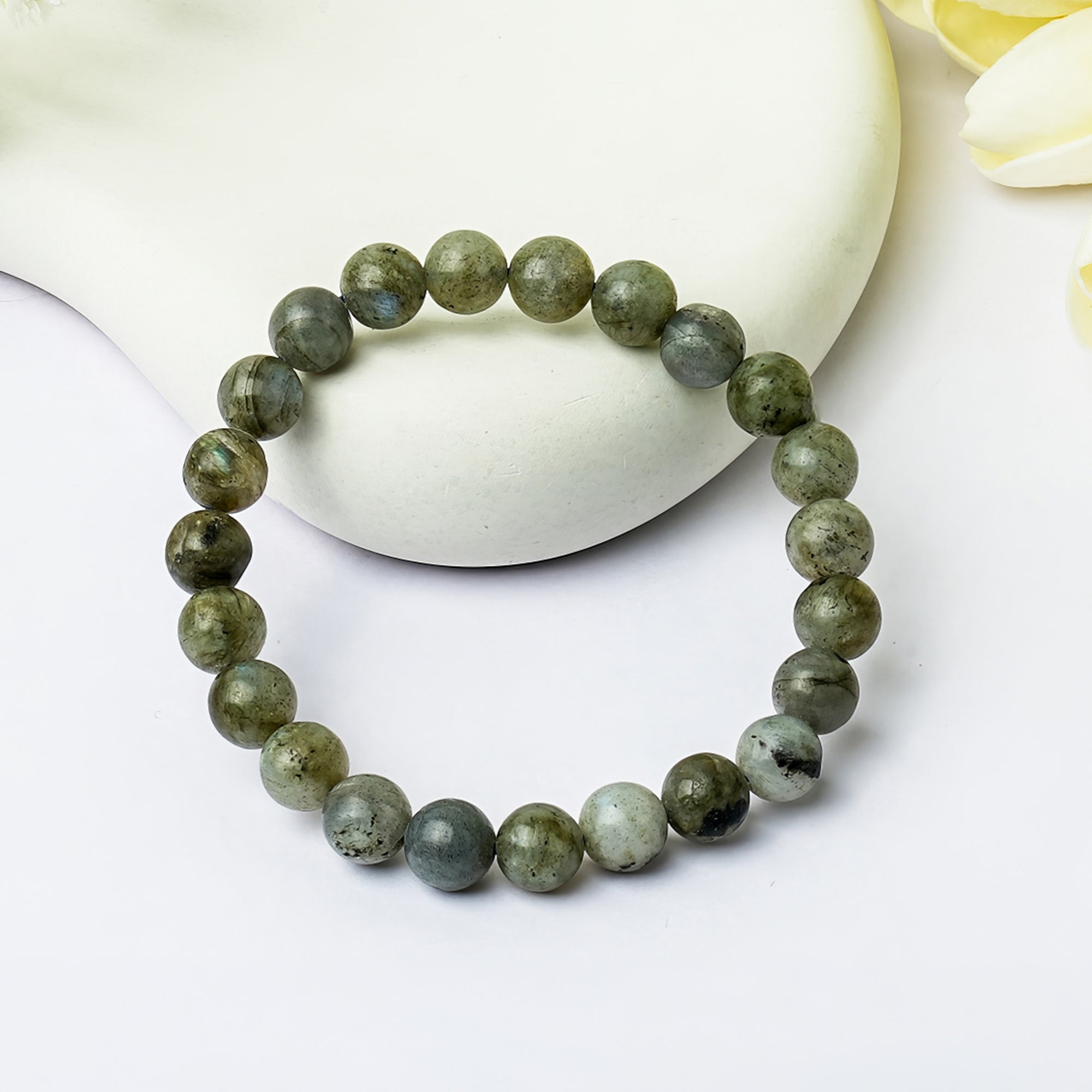
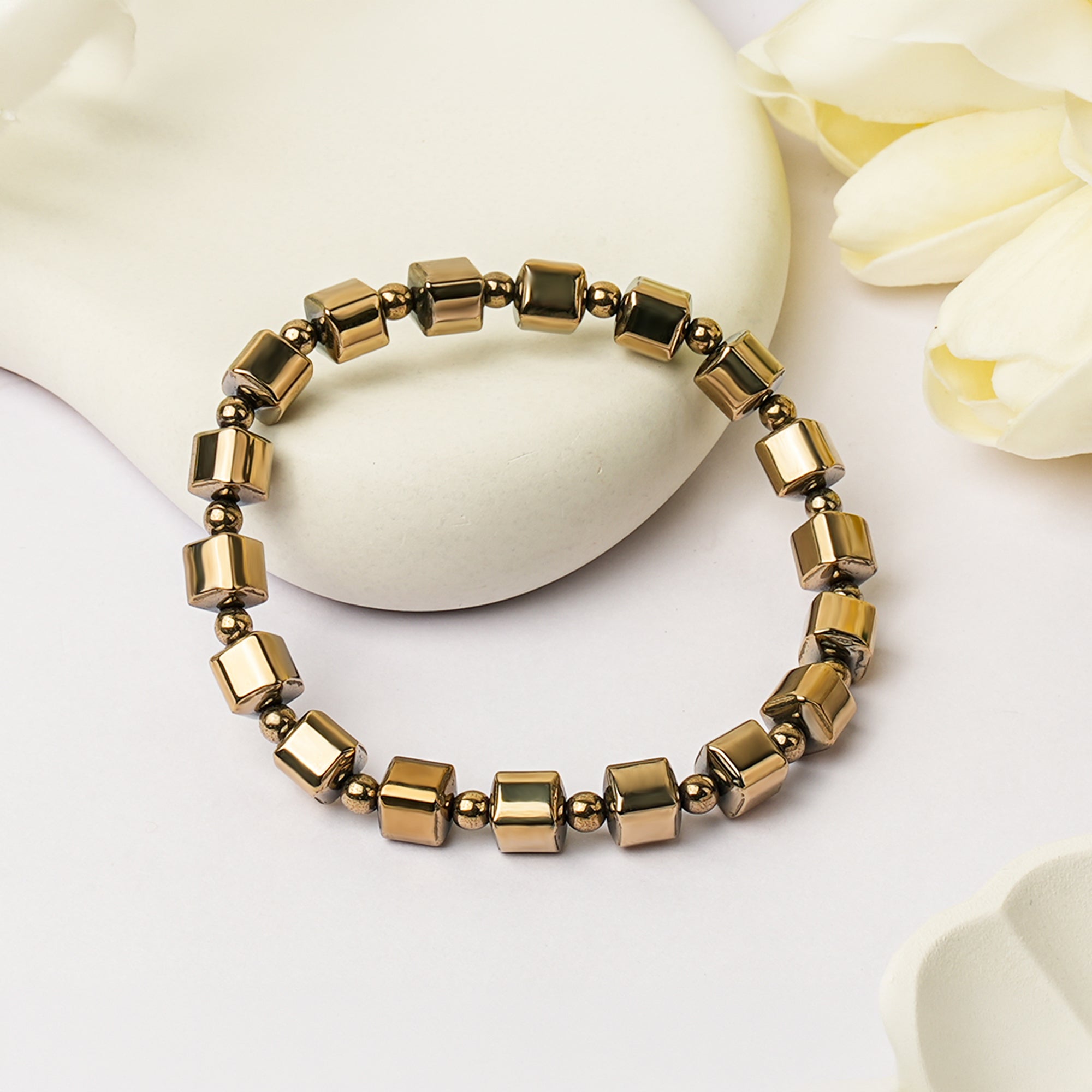
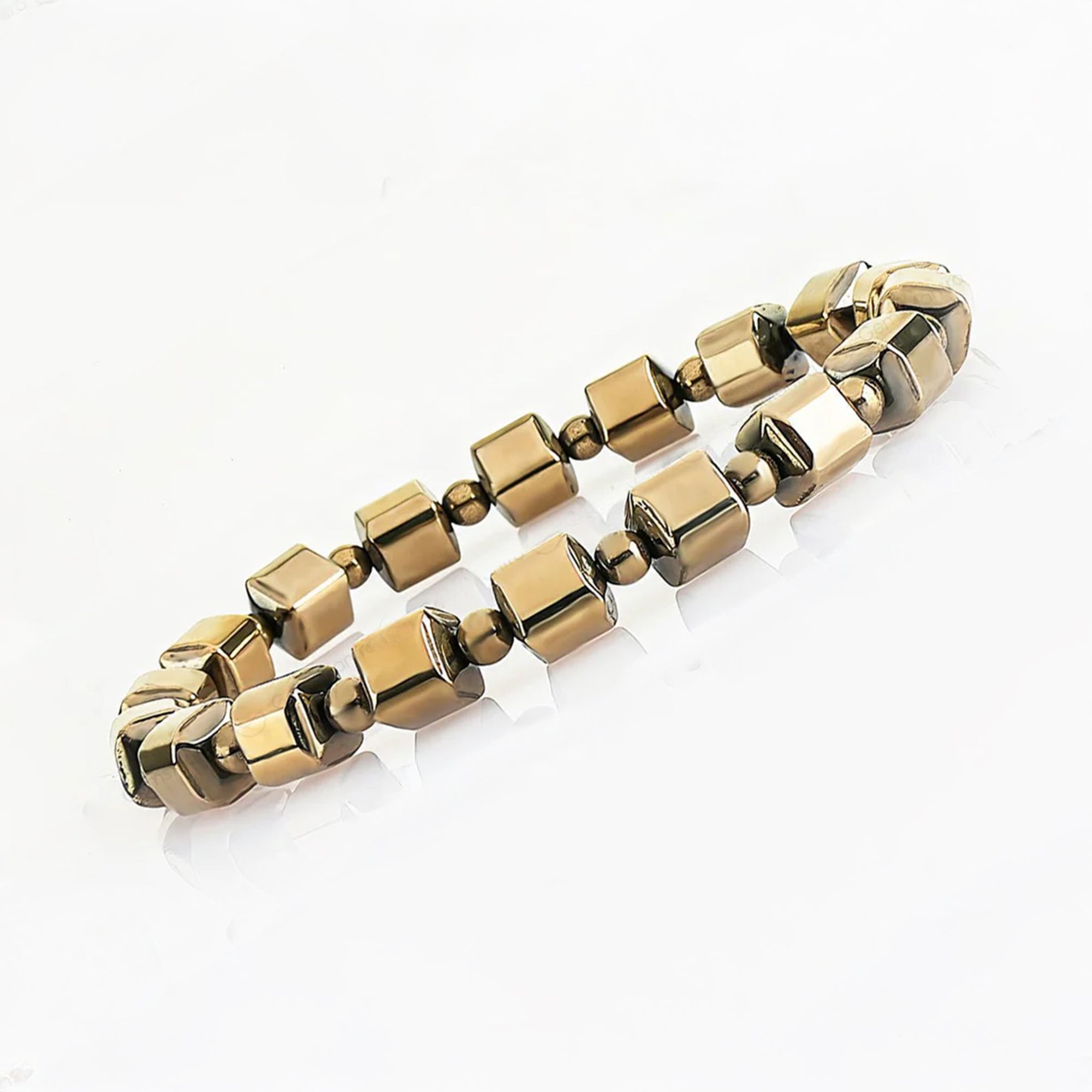
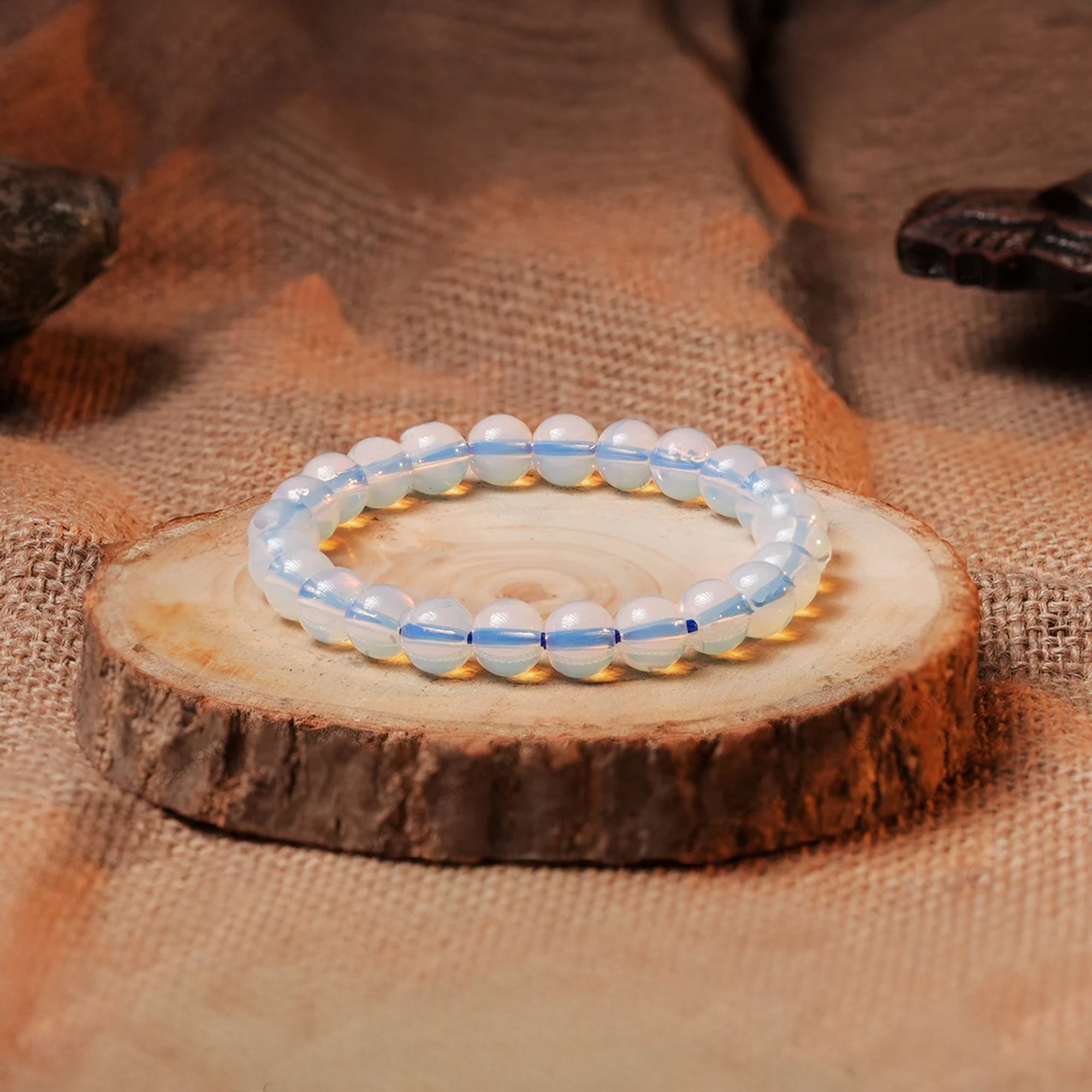
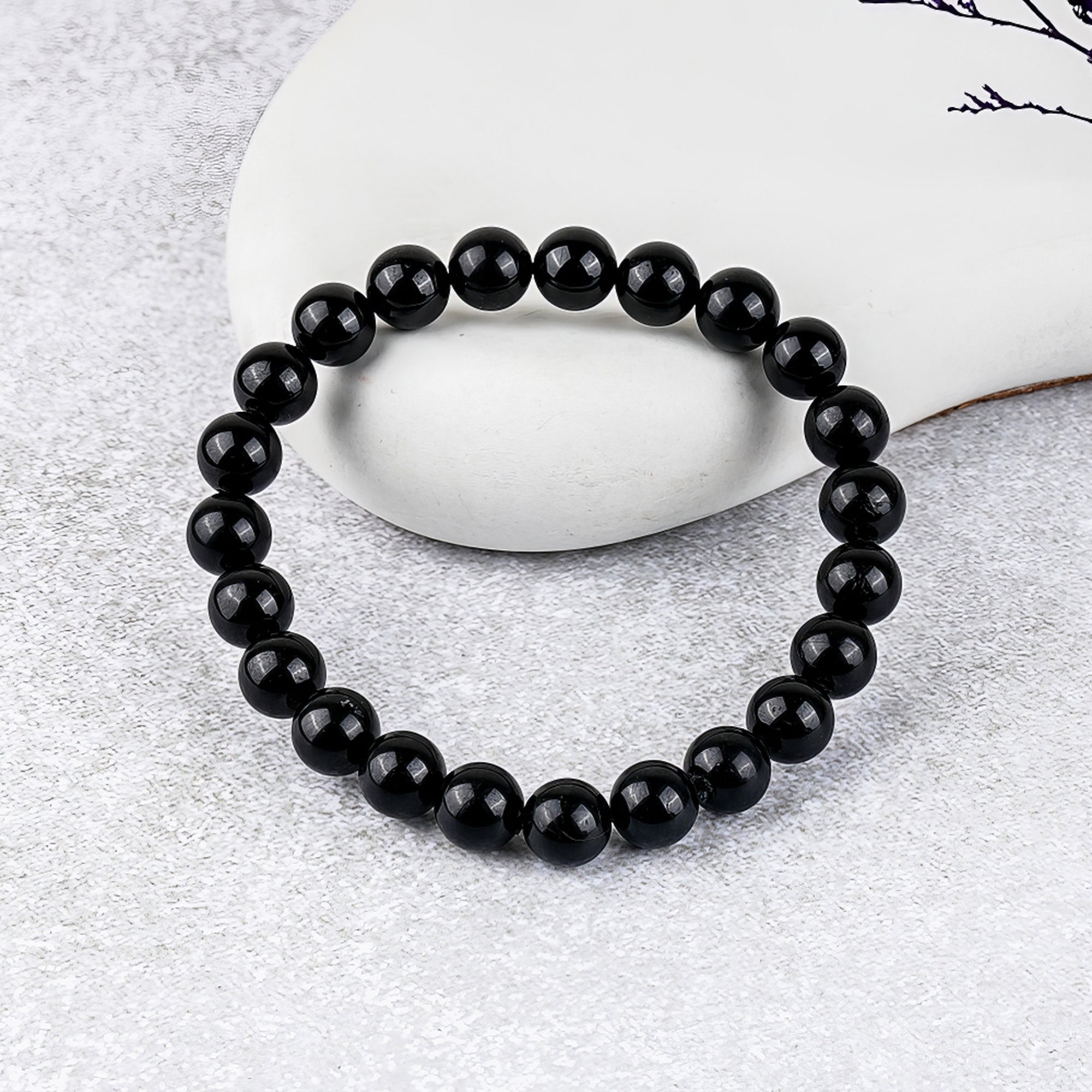
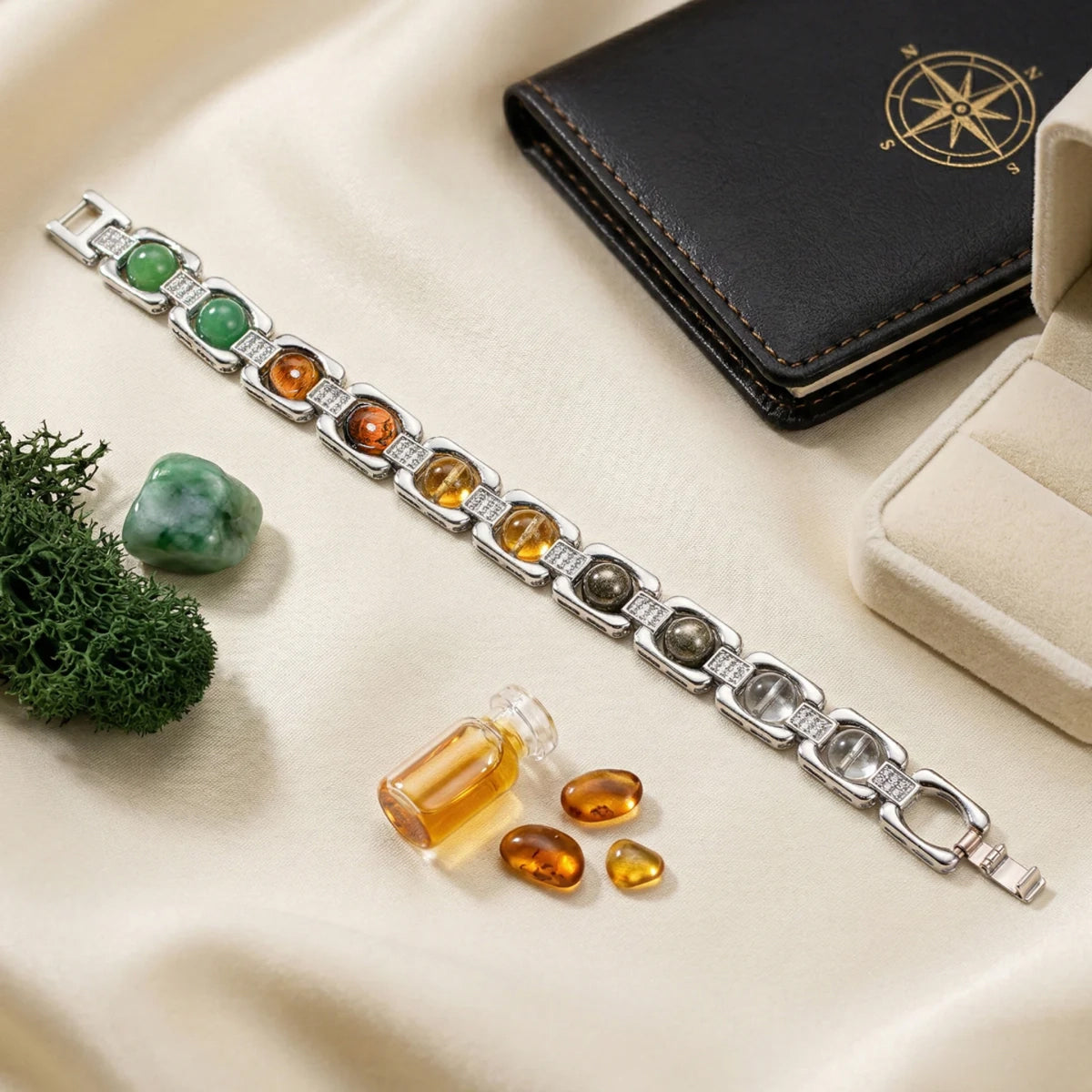
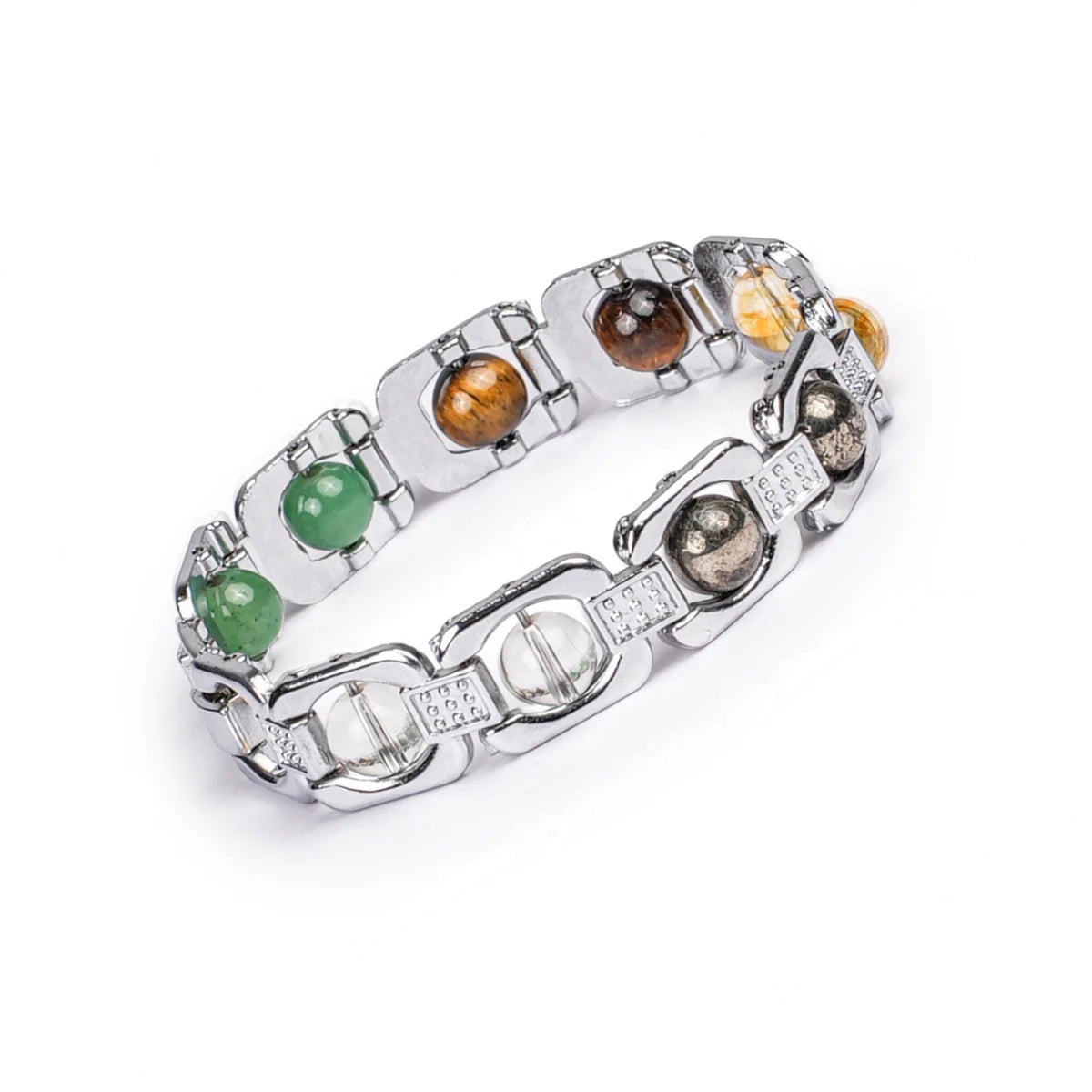
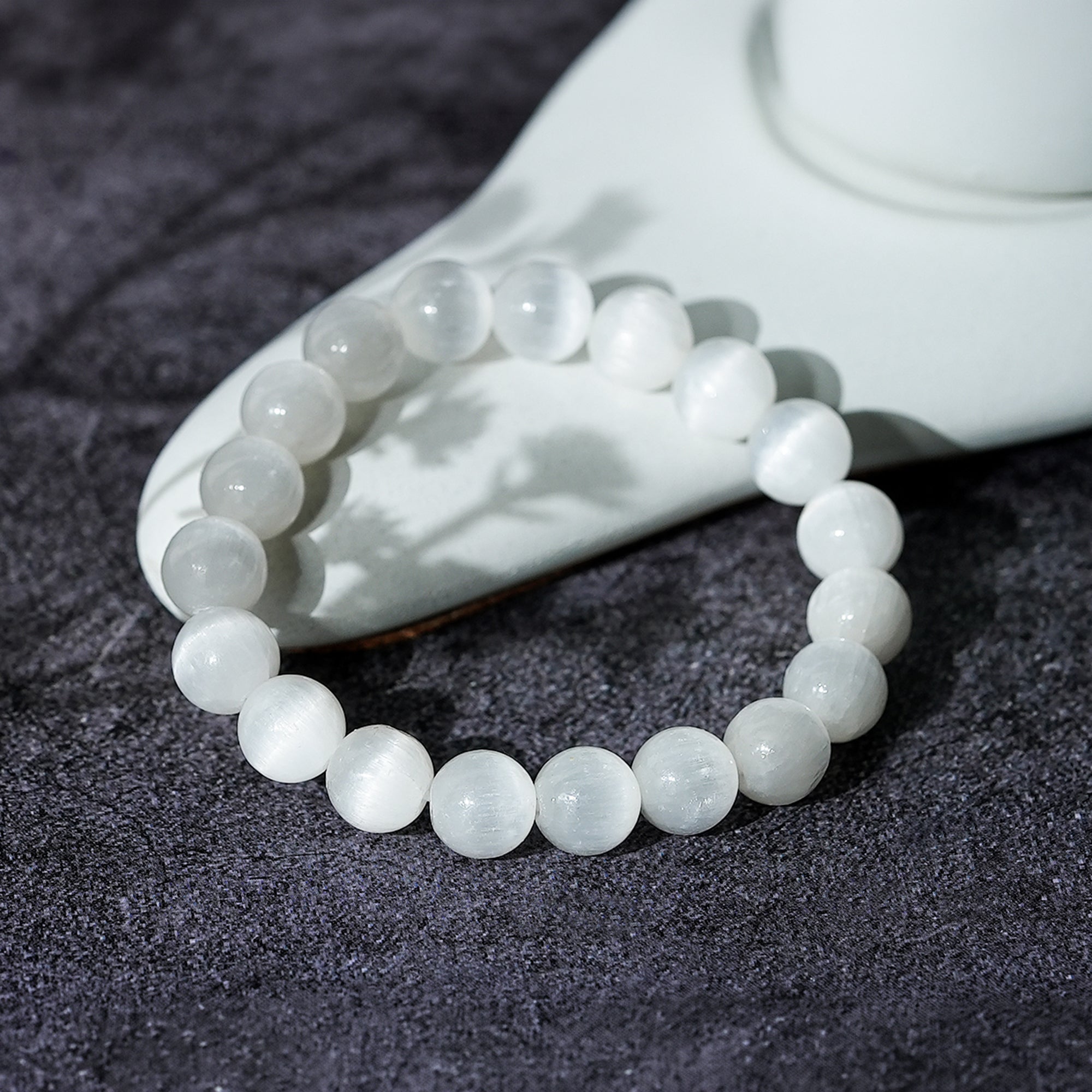
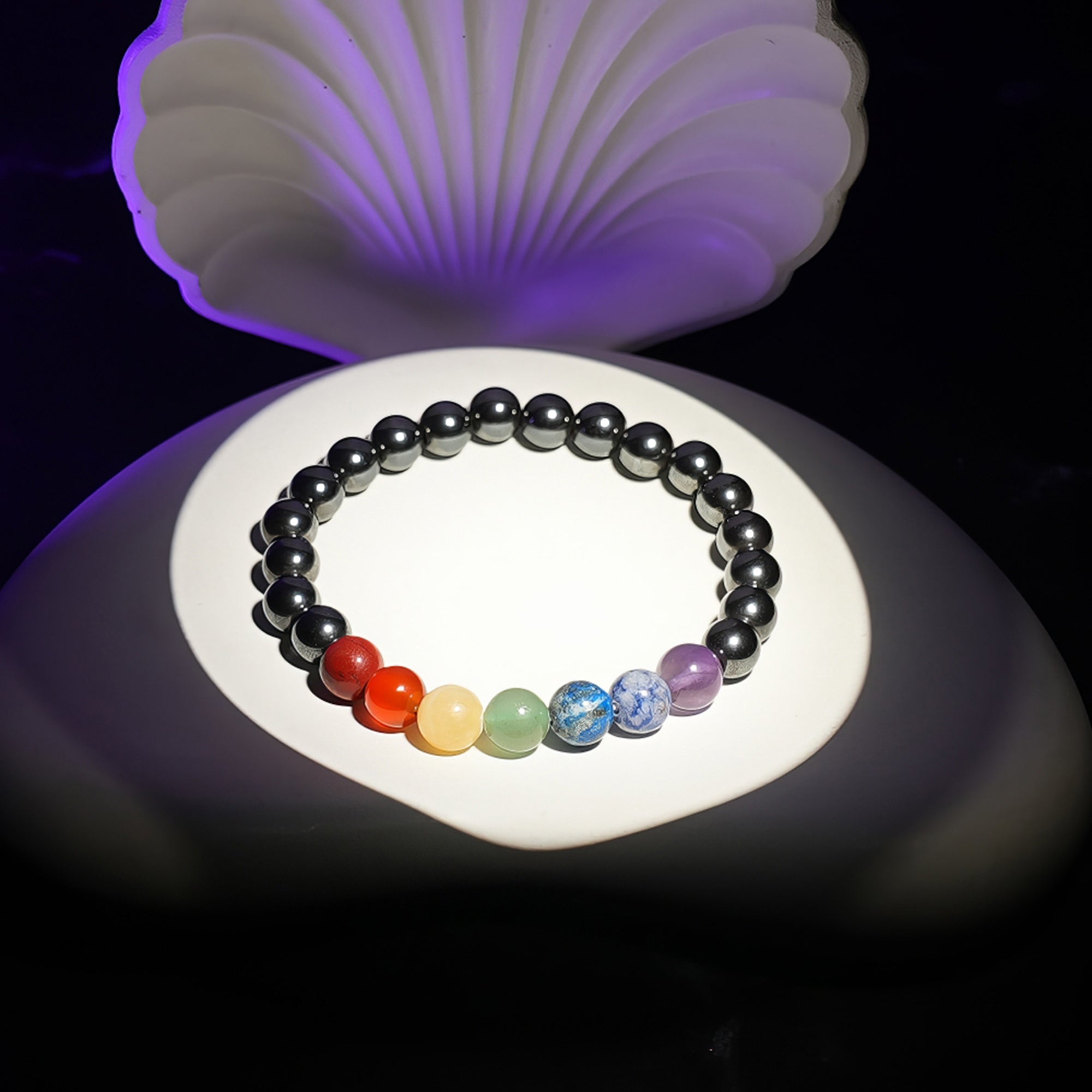
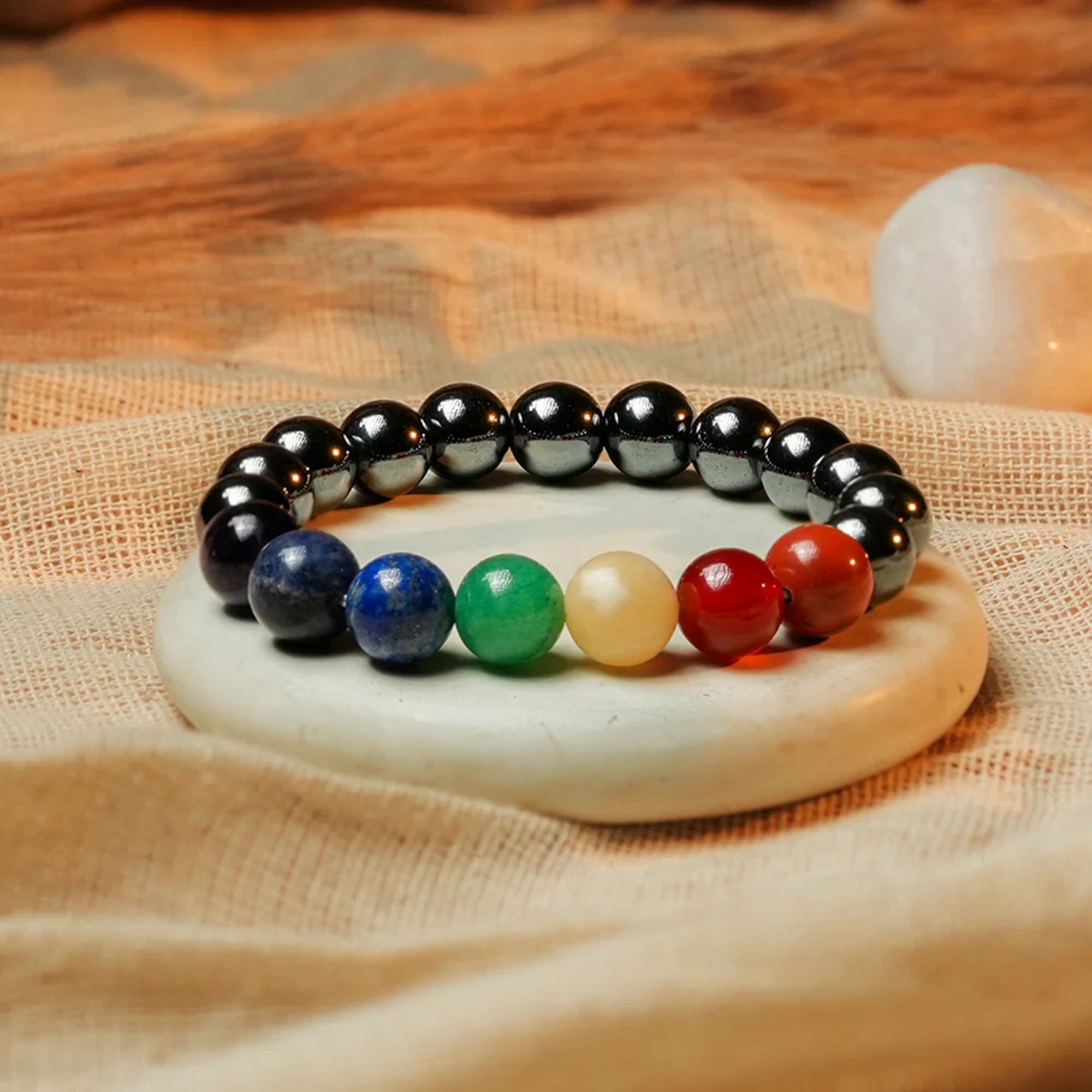
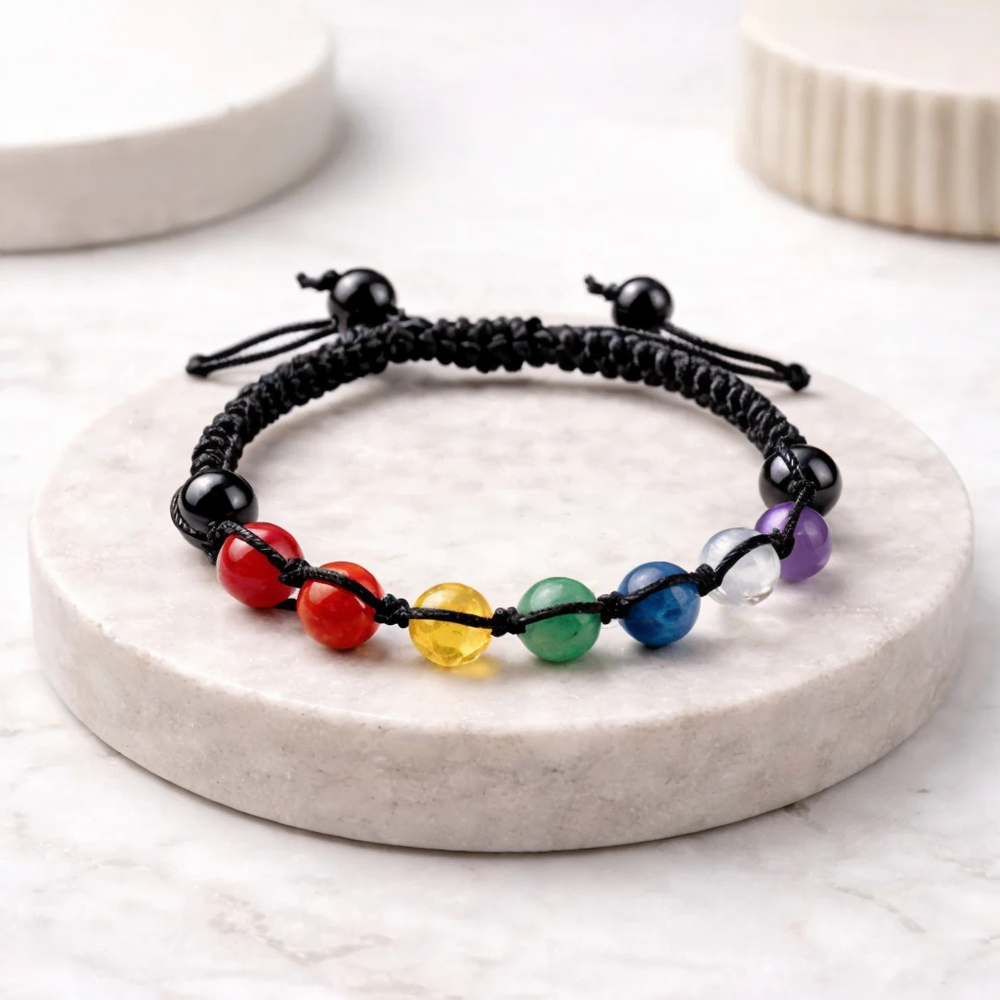
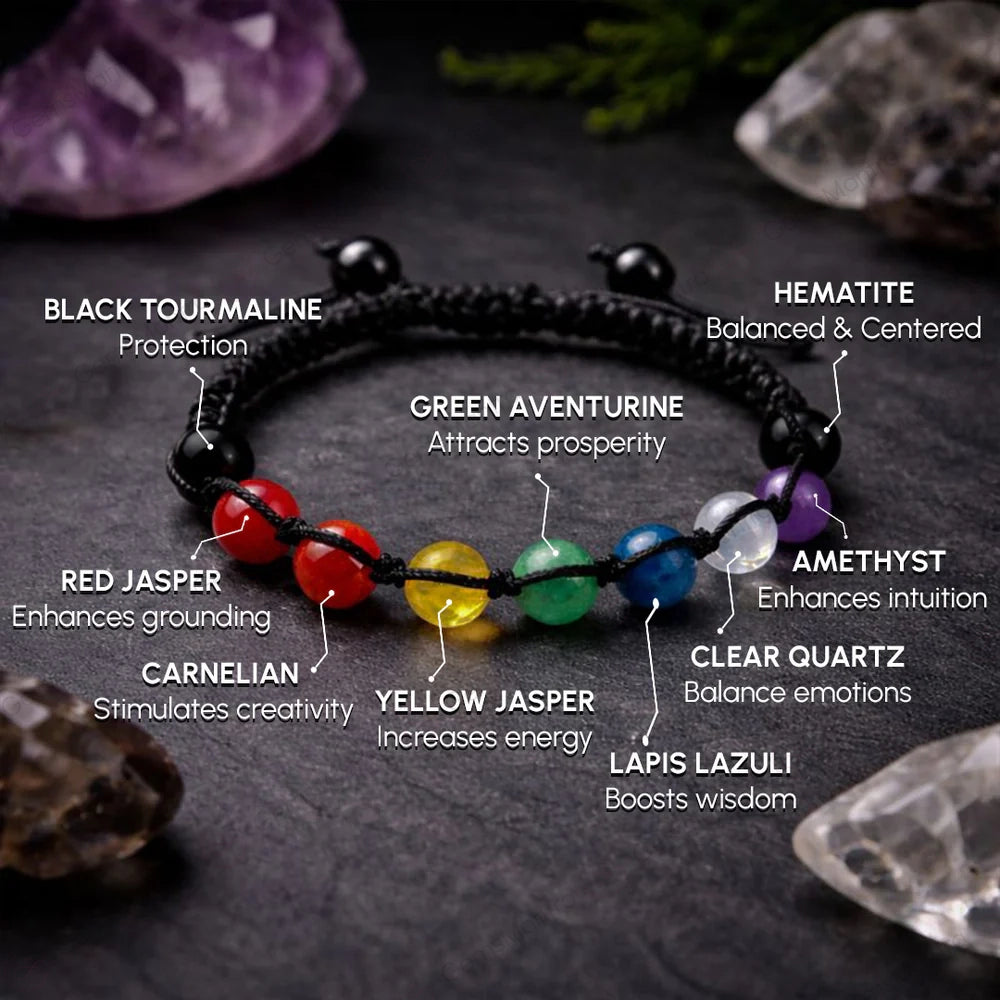
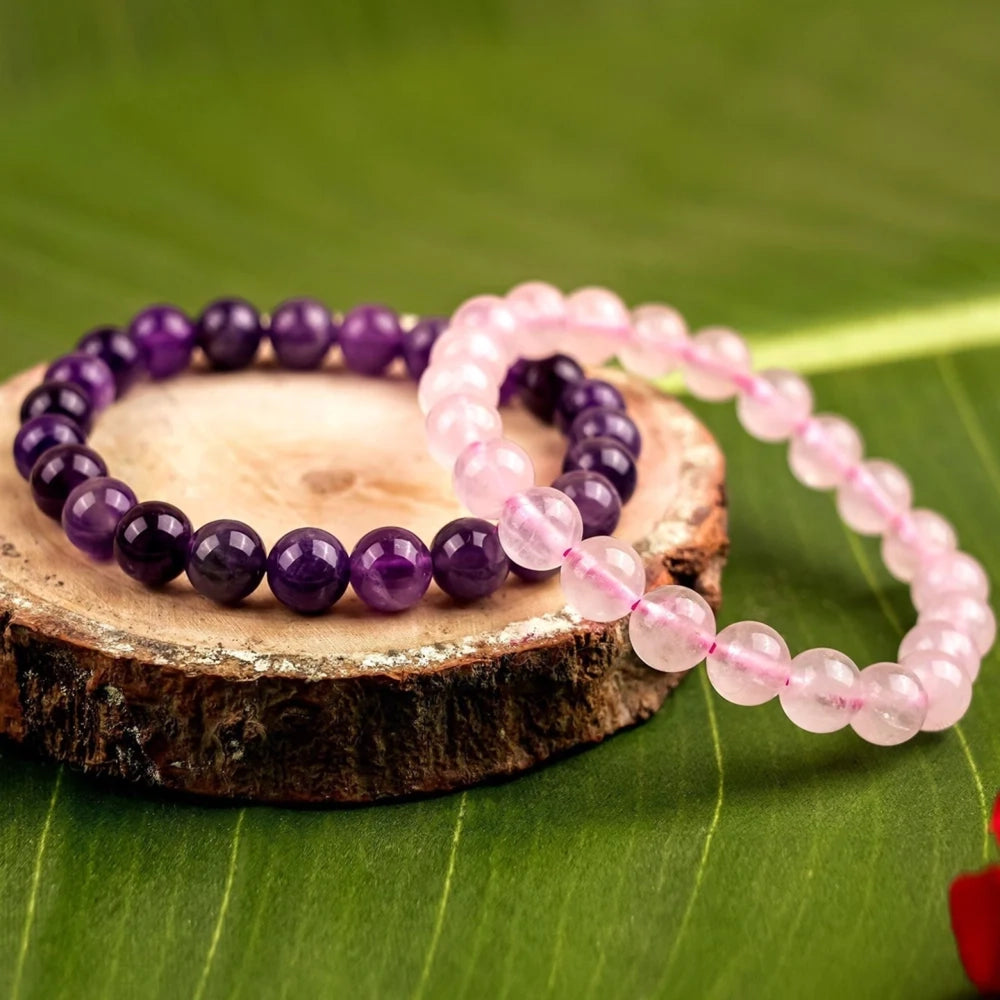
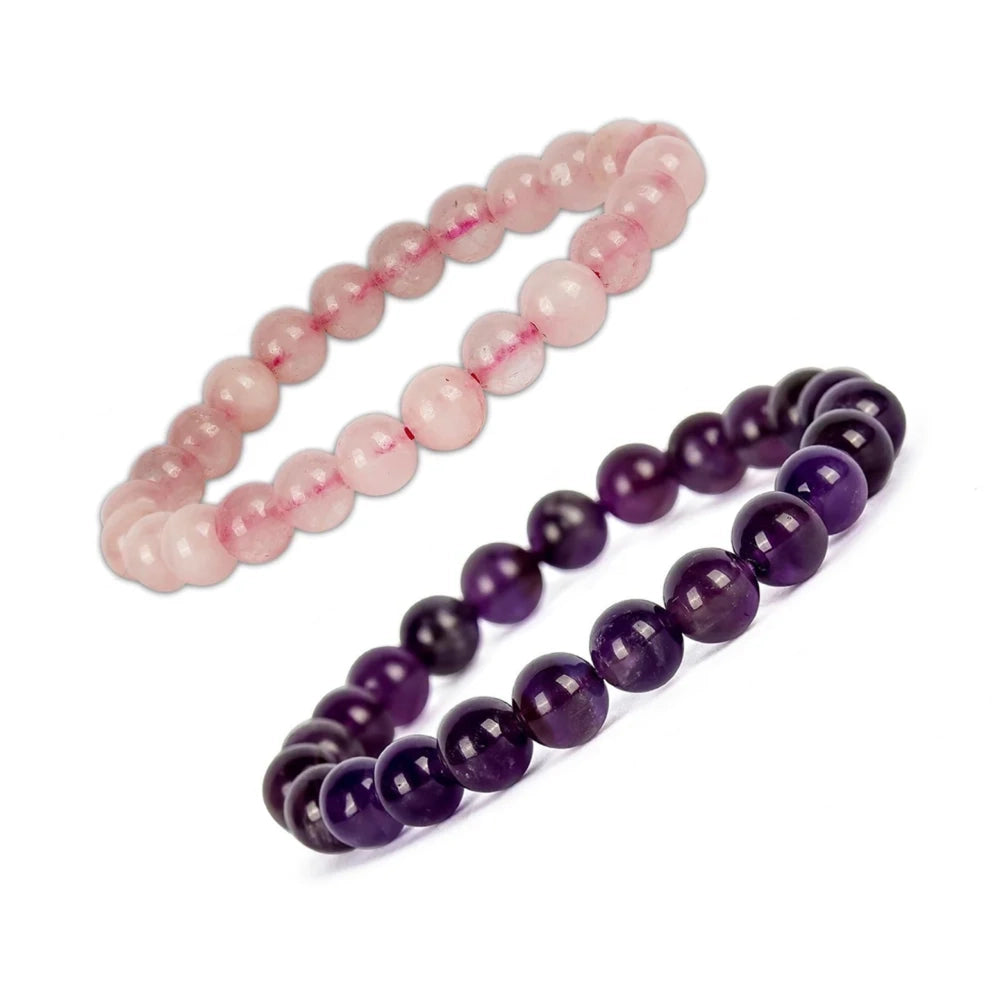
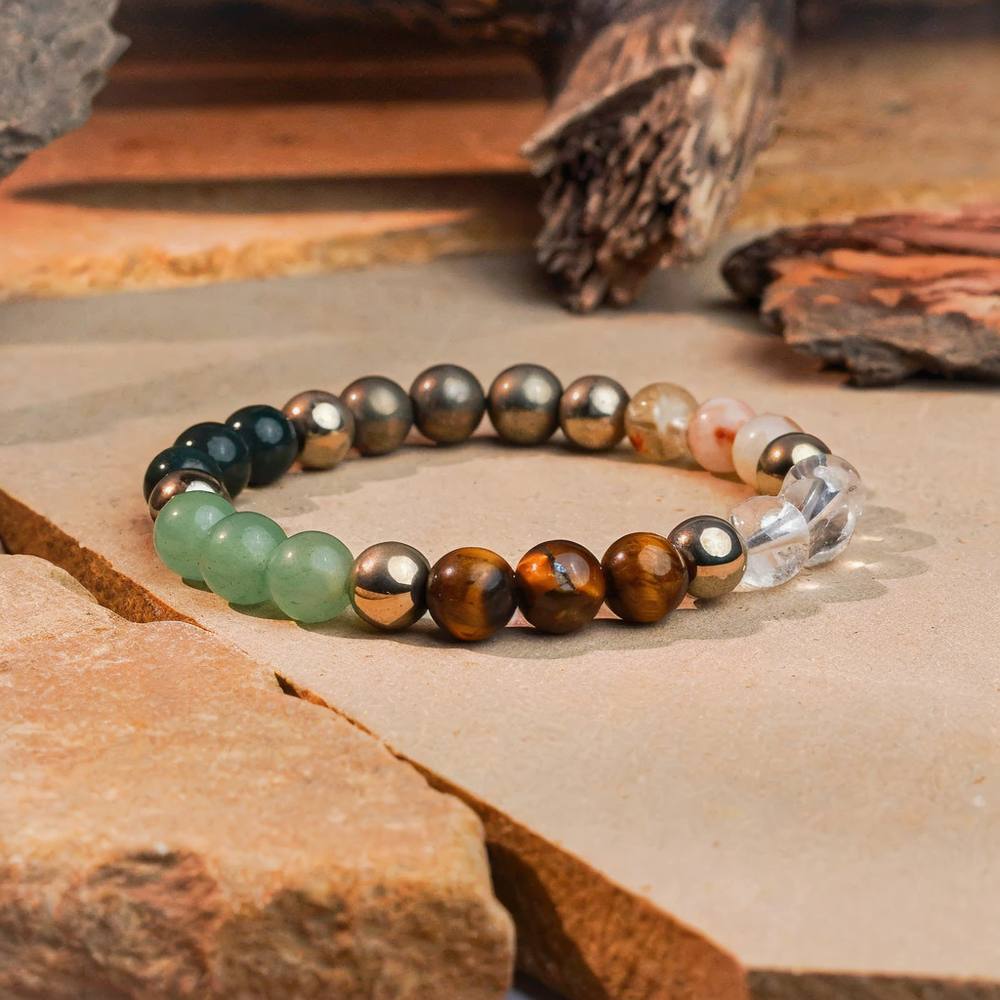
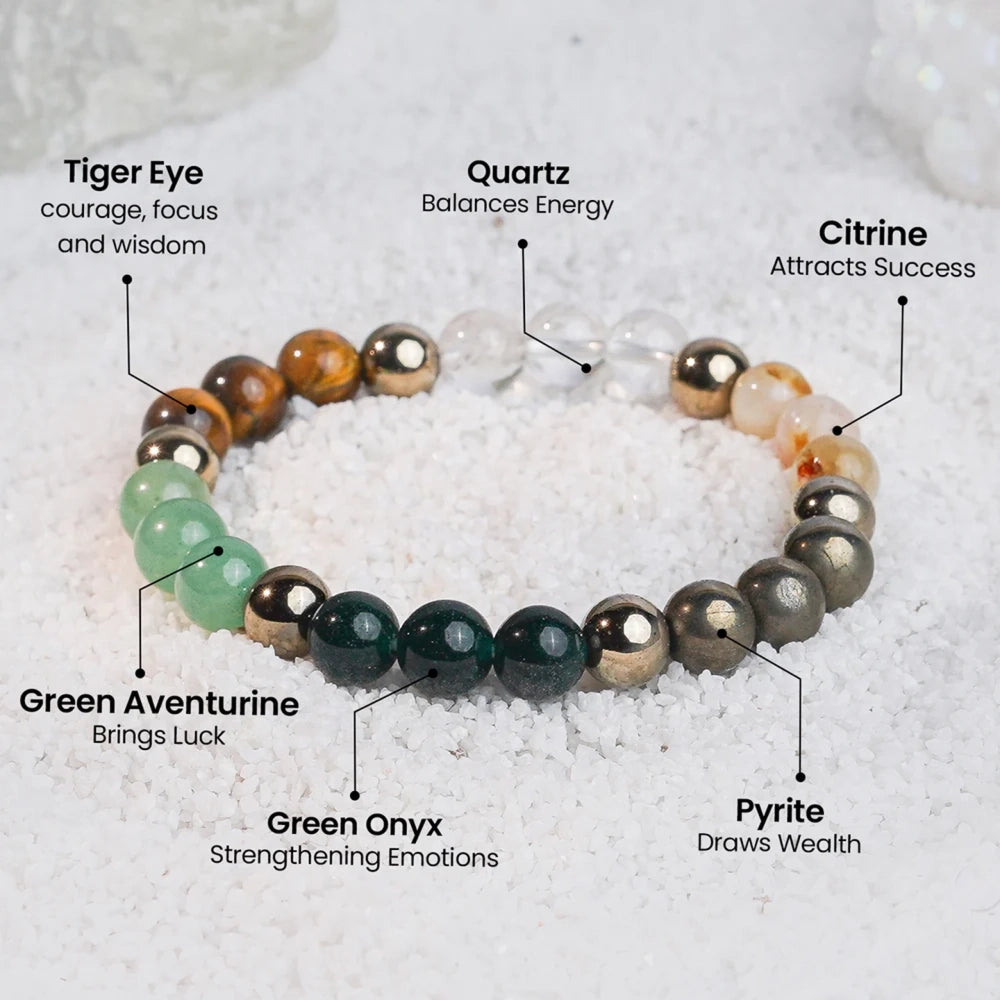
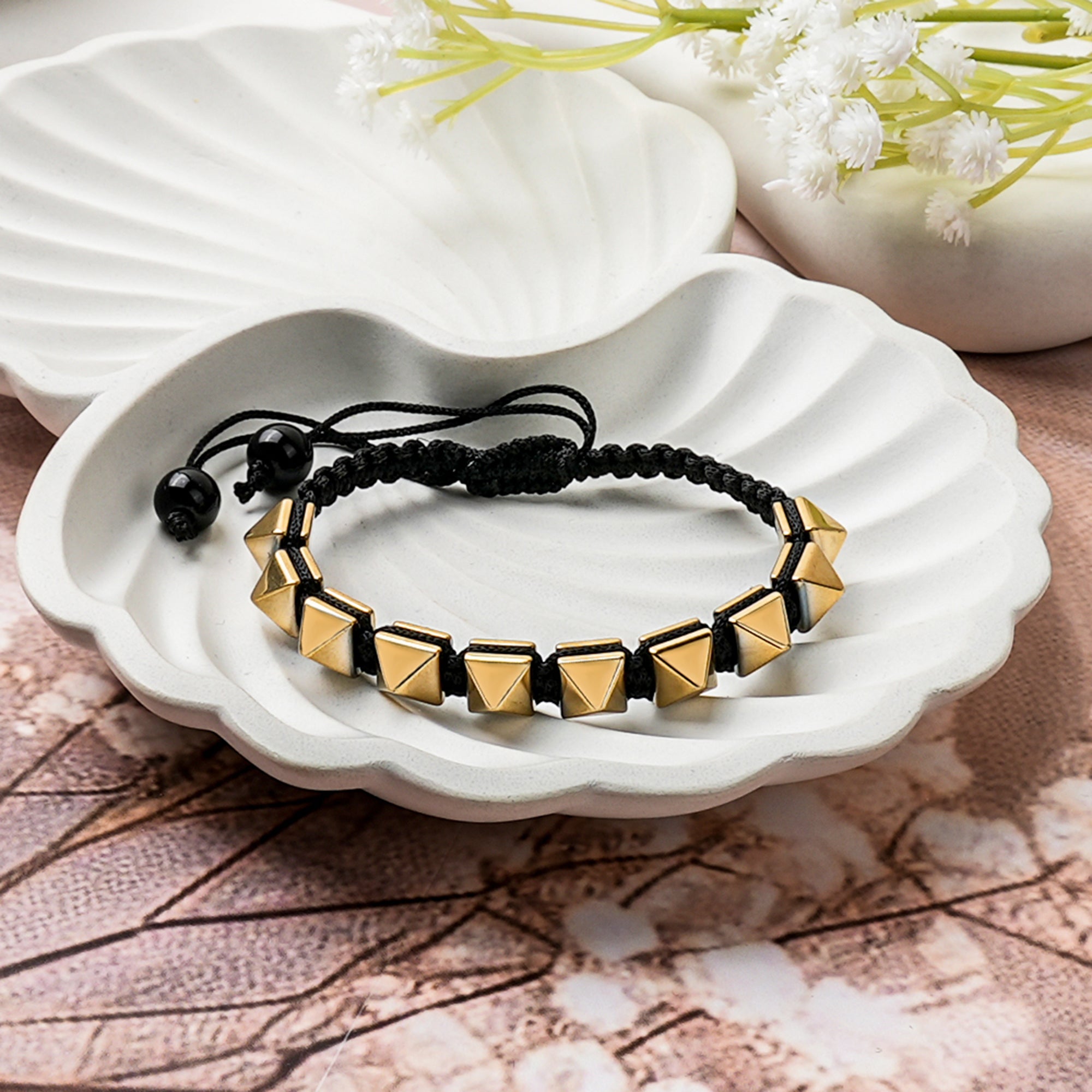
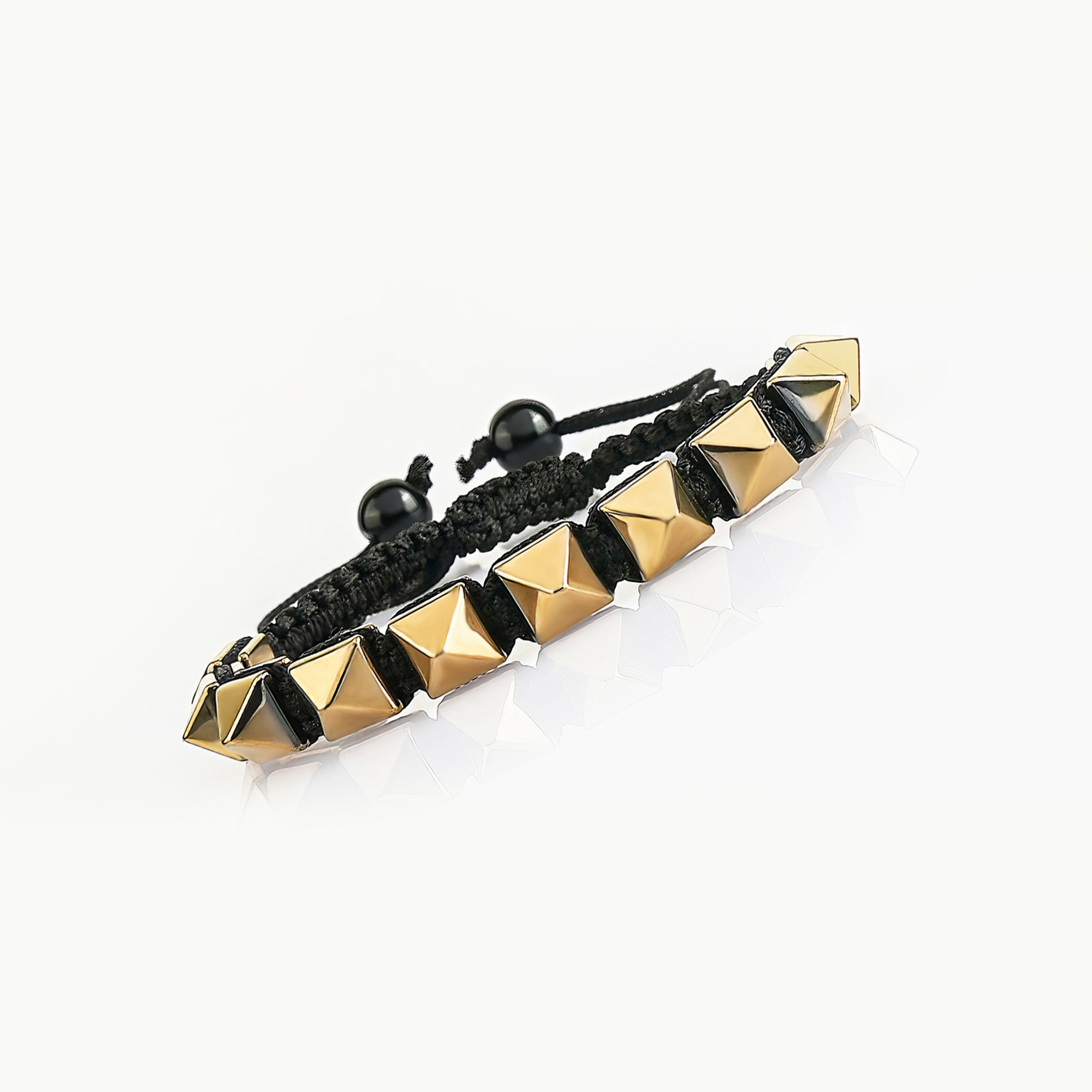
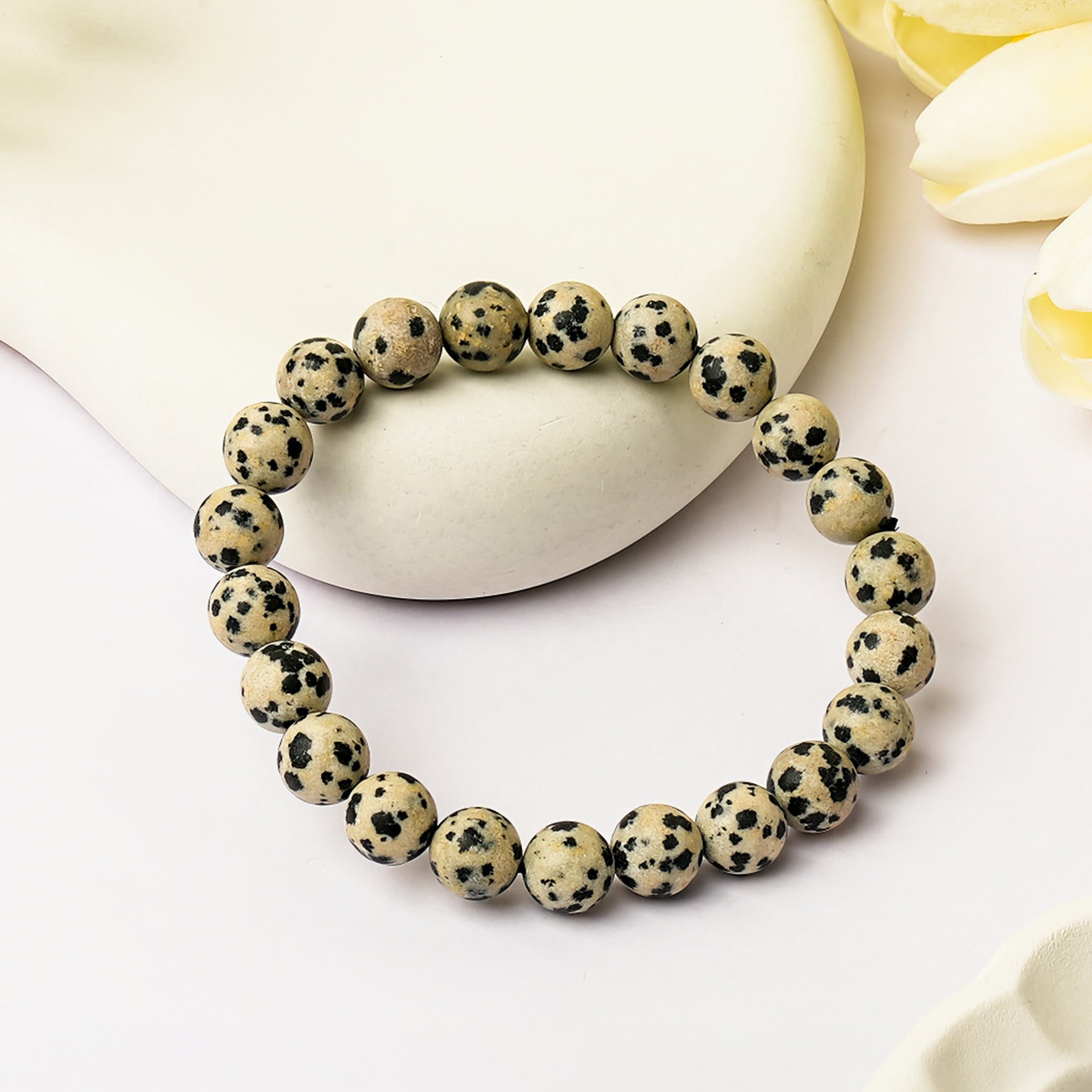
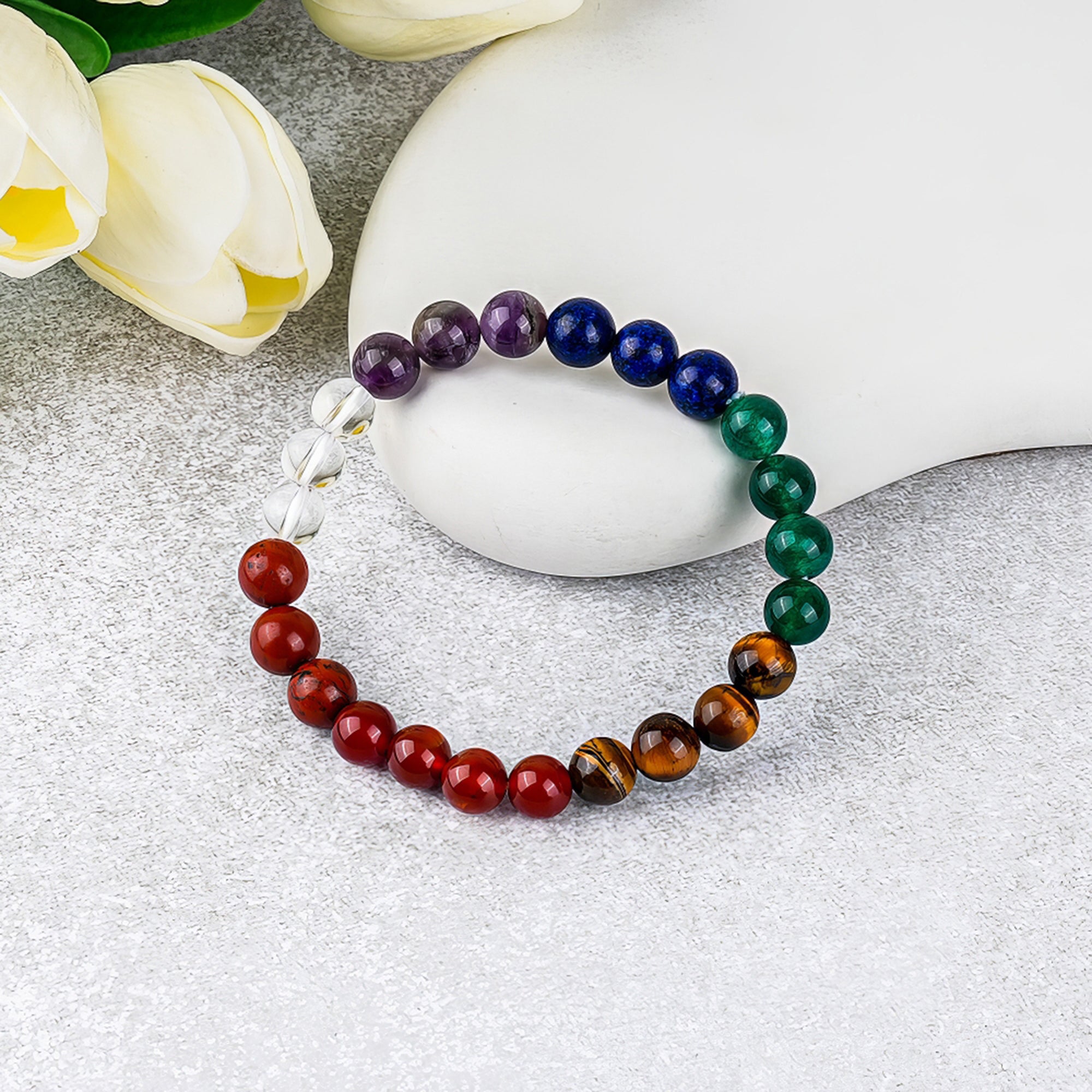
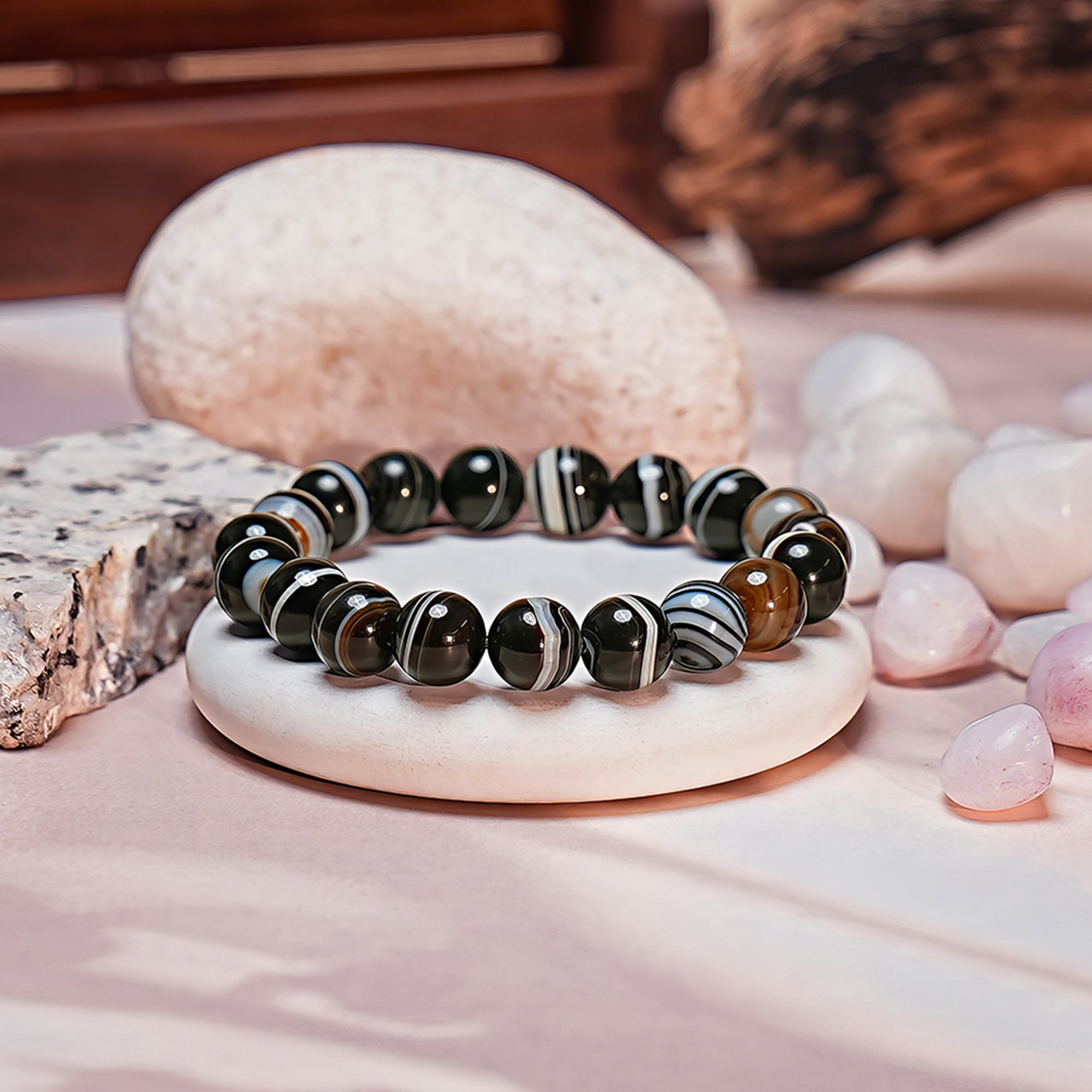
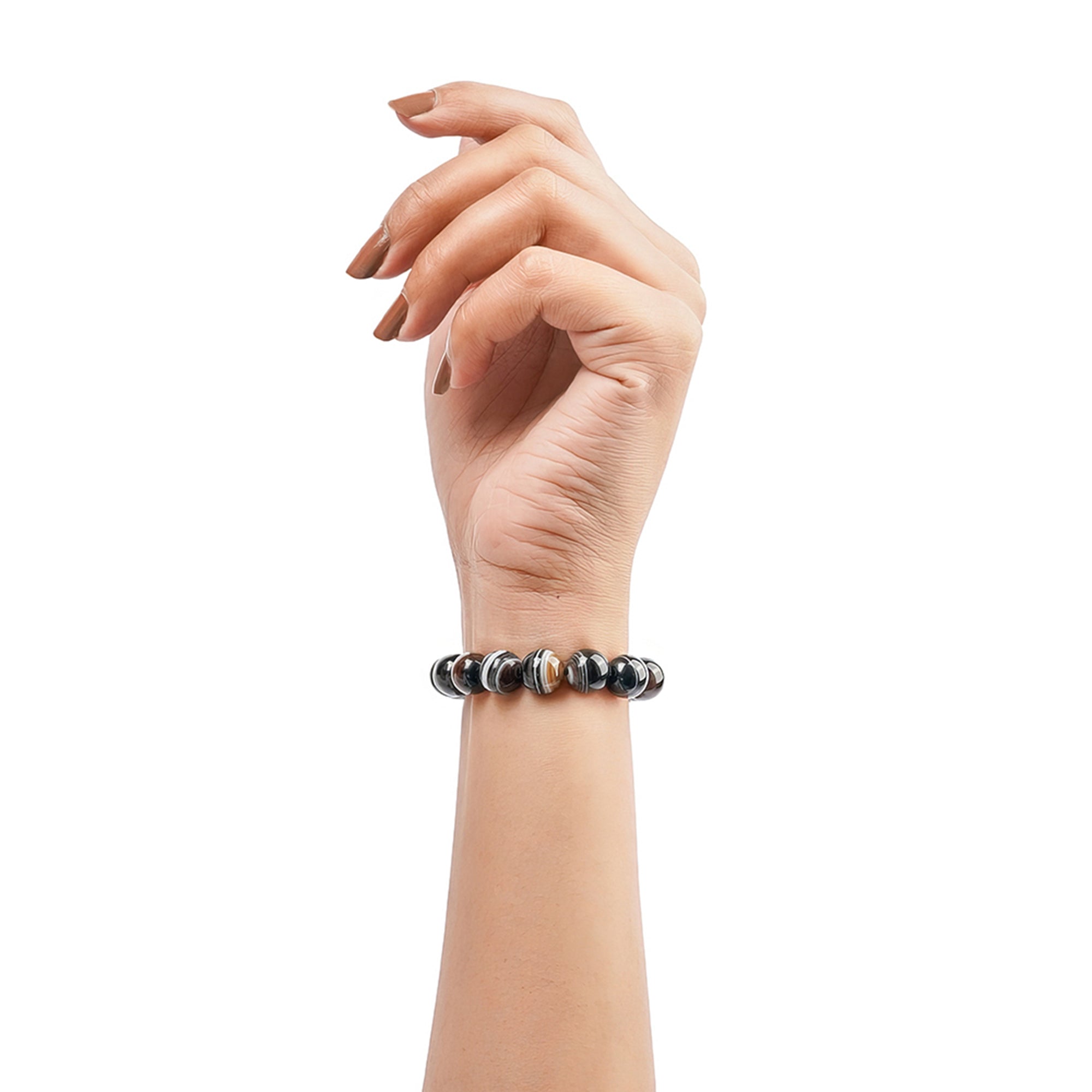
· Gemstone & Crystal Bracelets - wearable options for personal spiritual routines
Shop Navratri Products at GemsMantra
The Navratri Sale 2026 is now live at GemsMantra, featuring special offers on selected traditional Vedic products. Devotees looking for products for personal use or festive gifting can browse the Navratri collection, along with Rudraksha, gemstone, bracelet, crystal and Vedic product collections.
Whether you are looking for a traditional Rudraksha, a gemstone bracelet, a mala for japa or a Vedic product for your puja setup, GemsMantra offers different options in one place.
Shop the GemsMantra Navratri Sale 2026 and explore traditional Vedic products for Navratri, spiritual practices and festive gifting.
Simple Spiritual Practices for Navratri
You can observe Navratri with simple daily practices such as:
· Start your day with a prayer to Maa Durga.
· Keep your puja space clean.
· Light a diya during worship.
· Chant a Durga mantra according to your tradition.
· Offer flowers or fruits.
· Read or listen to devotional texts.
· Follow your chosen fasting routine.
· Spend some quiet time in prayer or meditation.
· Perform Kanya Puja according to your family tradition.
Which Vedic Products Can You Use During Navratri?
There is no single gemstone or Rudraksha that every person must use during Navratri. Different products have different traditional associations.
For example, devotees may choose a Rudraksha mala for japa, a Yantra for their traditional puja setup, crystals for meditation, or a gemstone based on their individual astrological requirements.
GemsMantra’s Rudraksha, Gemstone, Crystal, Mala, Yantra and Bracelet collections provide different options for devotees following traditional Vedic practices.
The right product should be selected according to its traditional purpose rather than simply because it is associated with Navratri.
Final Thoughts
Navratri 2026 is a nine-day celebration dedicated to Maa Durga and her nine forms. From Ghatasthapana and daily puja to traditional colours, fasting, mantra chanting and spiritual practices, devotees can celebrate Navratri according to their family and regional customs.
For those looking to add traditional Vedic products to their Navratri routine, GemsMantra offers Rudraksha, gemstones, crystals, malas, Yantras and bracelets, along with the Navratri Sale 2026 for festive shopping and gifting.
Written by Bhupesh Bhandari


Key Highlights
- Navratri 2026 Date and 9 Days
- What Is Navratri and Why Is It Celebrated?
- 9 Forms of Maa Durga
- Navratri 2026 Colours
- Ghatasthapana and Navratri Puja
- Simple Navratri Puja Vidhi
- Vedic Remedies and Spiritual Practices for Navratri
- Simple Spiritual Practices for Navratri
- Which Vedic Products Can You Use During Navratri?

















![Pearls (Moti) – 4.67 Carat / 5.1 Ratti [GM09958] – view 2](http://gemsmantra.com/cdn/shop/files/GM09909_BACK_09098aab-2edc-4bd3-9a21-edfb80d9607e.jpg?v=1780376524&width=1600)
![Pearls (Moti) – 4.67 Carat / 5.1 Ratti [GM09958] – GemsMantra](http://gemsmantra.com/cdn/shop/files/GM09909_FRONT_12e33cb9-f6a5-4e24-8f0b-b5478b5e2501.jpg?v=1780376524&width=1600)
![Gomed – 5.815 Carat / 6.4 Ratti [GM09242] – Hessonite – GemsMantra](http://gemsmantra.com/cdn/shop/files/FRONT_GM09242_bda7f3f4-2b7e-4e05-bf24-125035a4522a.jpg?v=1773224043&width=1600)
![Gomed – 5.815 Carat / 6.4 Ratti [GM09242] – view 2](http://gemsmantra.com/cdn/shop/files/GM09242.jpg?v=1783417342&width=1040)
![Keshi Pearls (Moti) – 4.41 Carat / 4.9 Ratti [GM09826] – view 2](http://gemsmantra.com/cdn/shop/files/GM09826_BACK_8d3ab21b-fe0f-46d9-8a57-611ac8591e7a.jpg?v=1780640983&width=1600)
![Keshi Pearls (Moti) – 4.41 Carat / 4.9 Ratti [GM09826] – GemsMantra](http://gemsmantra.com/cdn/shop/files/GM09826_FRONT_6698404e-2267-4bac-8565-71c2fe9ebf6e.jpg?v=1780640983&width=1600)
![Keshi Pearls (Moti) – 5.18 Carat / 5.7 Ratti [GM09820] – view 2](http://gemsmantra.com/cdn/shop/files/GM09820_BACK_939b991d-ce86-4751-b091-d0173b8db0a7.jpg?v=1780640943&width=1600)
![Keshi Pearls (Moti) – 5.18 Carat / 5.7 Ratti [GM09820] – GemsMantra](http://gemsmantra.com/cdn/shop/files/GM09820_FRONT_f6374281-801f-40c0-a329-cbaf3690343f.jpg?v=1780640943&width=1600)
![Pearls (Moti) – 4.59 Carat / 5 Ratti [GM09910] – view 2](http://gemsmantra.com/cdn/shop/files/GM09910_BACK_9281c5aa-1222-4686-b1a6-f27bc793ffdb.jpg?v=1780376441&width=1600)
![Pearls (Moti) – 4.59 Carat / 5 Ratti [GM09910] – GemsMantra](http://gemsmantra.com/cdn/shop/files/GM09910_FRONT_23e54297-857d-4453-9eec-a82ff7e8d0d6.jpg?v=1780376442&width=1600)
![Citrine (Sunela) – 6.78 Carat / 7.5 Ratti [GM10073] – GemsMantra](http://gemsmantra.com/cdn/shop/files/GM10073_FRONT_6ae4f459-0d82-4a42-8431-cbab1544b278.jpg?v=1782815858&width=1600)
![Citrine (Sunela) – 6.78 Carat / 7.5 Ratti [GM10073] – view 2](http://gemsmantra.com/cdn/shop/files/GM10073_BACK_05e27007-11e2-4706-bd51-9f989b33b1a0.jpg?v=1782815858&width=1600)
![Red Coral (Moonga) – 6.85 Carat / 7.5 Ratti [GM10096] – GemsMantra](http://gemsmantra.com/cdn/shop/files/GM10096_FRONT_1c83a6b6-7aac-43b4-875b-e16531718d86.jpg?v=1782816339&width=1600)
![Red Coral (Moonga) – 6.85 Carat / 7.5 Ratti [GM10096] – view 2](http://gemsmantra.com/cdn/shop/files/GM10096_BACK_e218ce43-8bca-4a3f-8602-ee7c61fc2717.jpg?v=1782816339&width=1600)
![Blue Sapphire (Neelam) – 3.9 Carat / 4.3 Ratti [GM08023] – GemsMantra](http://gemsmantra.com/cdn/shop/files/GM08023_FRONT_17b39e3a-b2b6-4db9-a2ac-88b8426c80b4.jpg?v=1768452164&width=1600)
![Blue Sapphire (Neelam) – 3.9 Carat / 4.3 Ratti [GM08023] – view 2](http://gemsmantra.com/cdn/shop/files/GM08023_BACK_2e6a97f6-1d65-4958-9584-6b414dff4000.jpg?v=1768452164&width=1600)
![Ruby (Manik) – 4.65 Carat / 5.1 Ratti [GM09471] – GemsMantra](http://gemsmantra.com/cdn/shop/files/GM09471_FRONT_44984dd8-f923-4a87-b909-6bbaa6db769b.jpg?v=1779257575&width=1600)
![Ruby (Manik) – 4.65 Carat / 5.1 Ratti [GM09471] – view 2](http://gemsmantra.com/cdn/shop/files/GM09471_BACK_2d301f32-00a9-4477-a68d-914ee6168e79.jpg?v=1779257574&width=1600)
![Ruby (Manik) – 3.45 Carat / 3.8 Ratti [GM09653] – GemsMantra](http://gemsmantra.com/cdn/shop/files/GM09653_FRONT_fc0ca4bb-2b2b-4669-baa2-eb3b923cf711.jpg?v=1782816065&width=1600)
![Ruby (Manik) – 3.45 Carat / 3.8 Ratti [GM09653] – view 2](http://gemsmantra.com/cdn/shop/files/GM09653_BACK_43c51cac-1e77-4b0e-a083-16e7a0dcbe22.jpg?v=1782816065&width=1600)
![Citrine (Sunela) – 8.84 Carat / 9.7 Ratti [GM09257] – GemsMantra](http://gemsmantra.com/cdn/shop/files/GM09257_BACK_915b7b51-09d8-4bda-a91f-0137f5268e53.jpg?v=1774435987&width=1600)
![Citrine (Sunela) – 8.84 Carat / 9.7 Ratti [GM09257]](http://gemsmantra.com/cdn/shop/files/preview_images/02e04f6a074a4a95b2d74b7f97ade90d.thumbnail.0000000000.jpg?v=1786969348)

![Opal – 5.46 Carat / 6 Ratti [GM09925] – GemsMantra](http://gemsmantra.com/cdn/shop/files/GM09925_FRONT_5bccd8be-1e7f-4361-93ed-20fcfbb3d33b.jpg?v=1780379315&width=1600)
![Blue Sapphire (Neelam) – 6.3 Carat / 6.9 Ratti [GM08004] – GemsMantra](http://gemsmantra.com/cdn/shop/files/GM08004_FRONT_0daa1b08-8e78-4863-a171-b7e9ea6f4b5f.jpg?v=1768894804&width=1600)
![Blue Sapphire (Neelam) – 6.3 Carat / 6.9 Ratti [GM08004] – view 2](http://gemsmantra.com/cdn/shop/files/GM08004_BACK_6e2562ca-bf34-49a8-8d88-1d5eaf7c2581.jpg?v=1768894804&width=1600)
![Blue Sapphire (Neelam) – 4.04 Carat / 4.4 Ratti [GM02668] – GemsMantra](http://gemsmantra.com/cdn/shop/files/GM02668_FRONT_0e57a369-e856-4413-a65c-755342d0acf3.jpg?v=1748516516&width=1600)
![Blue Sapphire (Neelam) – 4.04 Carat / 4.4 Ratti [GM02668] – view 2](http://gemsmantra.com/cdn/shop/files/GM02668_BACK_a9f5d2ee-33db-4240-9c11-cf103bbeaaa9.jpg?v=1748516516&width=1600)