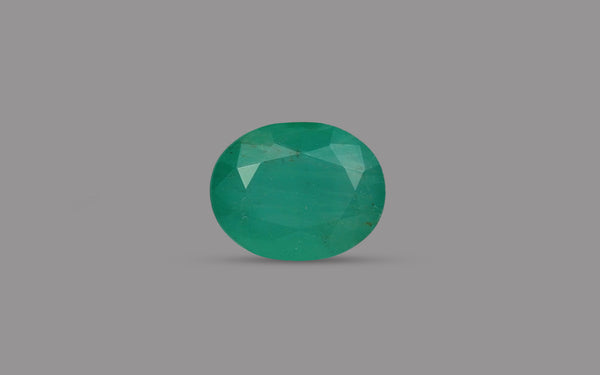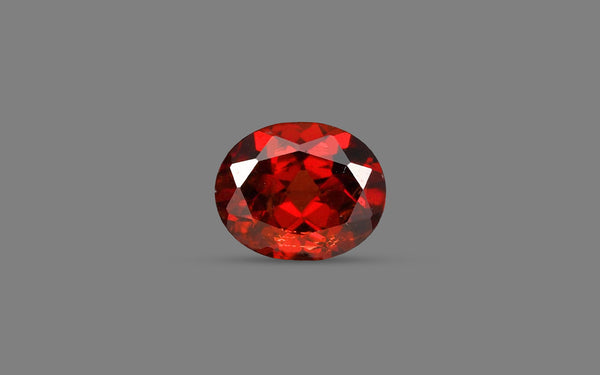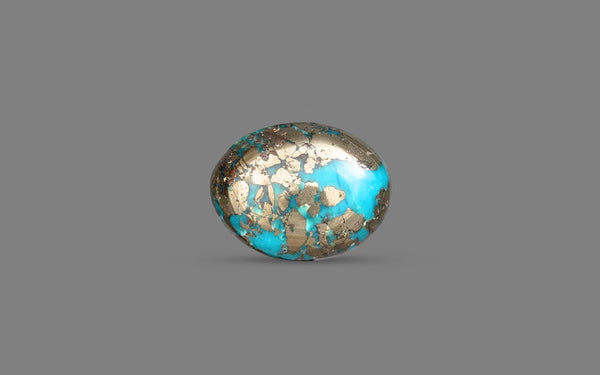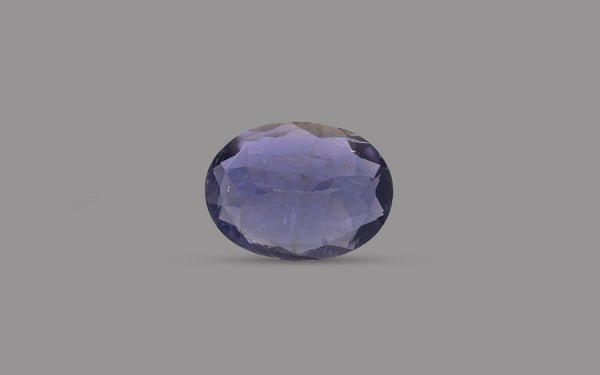
Amethyst Stone (Jamunia Stone)
Amethyst, Jamunia or Katela is one of the most popular and most familiar gemstones in the world. Its beautiful purple shade, which ranges from soft lavender to deep violet. Amethyst in Vedic astrology is related to Saturn (Shani), the planet of discipline, karma, and change.About Amethyst Stone (Jamunia)
Amethyst is a type of solid quartz that is also called Jamunia, Katela, or Amethyst Ratna. It is a type of quartz mineral, and the purple colour it has comes from small amounts of iron in its crystal structure. The word amethyst comes from the Greek words a (not) and methustos (high). A long time ago, people believed that wearing amethyst would protect them from drunkenness and acting badly.
Amethyst in Vedic astrology has a direct connection with Saturn (Shani), one of the strongest and most dreaded planets in the birth chart. Saturn is the ruler of discipline, hard work, karma, longevity and justice. When Saturn is strong and in a good place, it can bring success, security, and spiritual knowledge. It may cause delays, economic pressures, and confusion when it is weak or sick.
Amethyst is known by several traditional names, Jamunia and Katela in Hindi, and Amethyst Ratna or Neelam substitute in Vedic astrology. In Western astrology, it is the birthstone for February and is connected to the zodiac sign Pisces.
How to Wear an Amethyst Stone
Wearing amethyst correctly is important to receive its full astrological benefit. In Vedic traditions, specific guidelines related to the finger, metal, day, and purification must be followed before wearing a Jamunia ring or an amethyst pendant.
| Aspect | Recommendation |
|---|---|
| Auspicious Day | Saturday (Shaniwar) |
| Auspicious Time | Evening, after sunset, during Krishna Paksha (waning moon phase) |
| Ideal Metal | Silver or Platinum |
| Ideal Finger | The middle finger of the working hand |
| Mantra to Chant | "Om Sham Shanishcharaye Namah" (ॐ शं शनैश्चराय नमः) |
| Recommended Carat Weight | Minimum 5 to 7 carats (or as advised by your astrologer) |
Wear the Jamunia ring after dipping it in a paste of raw milk, honey and Gangajal for at least 20-30 minutes. Wipe with a soft cloth and wash with clean water. Chant the Saturn mantra, "Om Sham Shanishcharaye Namah" - 108 times and then place the ring on your middle finger. This procedure can be used to vibrate the stone and tune it to the vibrations of Saturn. If you are unsure if this is the right gemstone for you, you can browse through the entire gemstone collection.
Benefits of Wearing Amethyst Benefits of Amethyst StoneBenefits of Amethyst Stone
- May Reduce the Effects of Weak Saturn:
- May Support Mental Clarity and Focus:
- May Promote Emotional Balance and Calm:
- May Enhance Spiritual Growth and Intuition:
- May Offer Protection from Negativity:
- May Support Career Growth and Financial Stability:
Amethyst is said to be one of the finest cures for a weak or malefic Saturn. Wearing it may also reduce delays, hindrances and sufferings that occur with Shani Dasha or Sadesati and can also offer a stronger stability and development in life.
Amethyst may help to eliminate brain fog, improve focus and assist in making clearer judgments. It may be of tremendous use, particularly for students, researchers and anybody in a profession requiring a lot of mental effort.
Amethyst is a very calming energy. It may also help with tension, mood swings, and negative thinking patterns. This might help you feel calmer and in a balanced emotional state.
Amethyst is Strongly Connected to the Crown and Third Eye Chakras. It may aid meditation, boost intuition and guide the user to a greater spiritual awareness and inner clarity.
Amethyst is said to provide a field of protection to the wearer. It could be used to protect against evil eye, negative energies, psychic disturbances and malevolent external forces.
Saturn controls discipline and hard work, both prerequisites to career success. Wearing amethyst can enhance these traits and can bring fame, money and career advancement.
These are mere recommendations and benefits can vary based on the right astrological readings
Who Should Wear an Amethyst Stone
- People Experiencing Shani Sadesati, Mahadasha, or Antardasha:
- Those with Weak or Afflicted Saturn:
- Aquarius and Capricorn Ascendants:
- Professionals in Knowledge-Based Fields:
- Those Seeking Spiritual Growth:
Wearers of amethyst may get a lot of benefit during the time that they are experiencing any of the difficult Saturn periods. The real Amethyst stone may help calm Saturn’s intense energy and reduce the challenges, frustrations, and misunderstandings that often come during these periods.
When Saturn is ill-placed, debilitated, or afflicted on the birth chart, amethyst can be used to reinforce its positive effects. This could help ease greater concentration, more stable development, and challenges in everyday life.
Saturn, according to Vedic astrology, is the ruling planet of both Aquarius (Kumbha) and Capricorn (Makar). People born under these signs may be considered as the most appropriate to wear the amethyst stone.
Amethyst may enhance focus, memory and logical reasoning. This is especially useful for scientists, physicians, mathematicians, researchers, instructors and students who have to be able to concentrate mentally for lengthy periods of time.
Amethyst is strongly associated with the Third Eye and Crown Chakras, the energy centres of intuition and higher awareness. It may help with meditation, spirituality and a better contact with their inner self.
However, remember that these are mere observations, results for individuals may vary. If you truly want to know if this stone is right for you, it is recommended to get an astrologer consultation.
Types of Amethyst Stone
The types of amethyst are commonly categorised based on origin, colour, and variety. Understanding the different types of amethyst stone and the amethyst stone price per kg helps buyers identify the right gemstone for their astrological and jewellery needs.
Amethyst by Origin
| Origin | Characteristics |
|---|---|
| Brazil | Brazil amethyst stone is most widely available; large crystals; rich purple colour; popular for both jewellery and astrology |
| Zambia / Africa | Deep, rich colour with excellent clarity; considered one of the finest varieties for astrological use |
| Uruguay | Darker, more saturated purple than Brazilian; smaller crystals but higher quality colour |
| India | Available in light to medium shades; affordable; widely used in the domestic jewellery market |
Amethyst by Colour
| Colour Grade | Description |
|---|---|
| Light Lavender | Soft, pale purple; generally lower amethyst price per carat; used in fashion jewellery |
| Medium Purple | Balanced, clear purple tone; good astrological value |
| Deep Violet / Siberian | Rich, deep purple with red and blue flashes; the most prized and valuable variety |
| Pink Amethyst | Rare, soft pink-purple hue; mined in Patagonia, Argentina; used in both jewellery and crystal healing |
Raw vs Faceted Amethyst
Raw amethyst refers to the stone in its natural, uncut form, rough crystals or clusters as they appear in nature. Many people keep raw amethyst in their homes or workspaces for its energy. For astrological use, however, a properly faceted and polished amethyst set in a ring or pendant is generally recommended, as it allows the stone to stay in contact with the skin.
Special Variety - Green Amethyst (Prasiolite)
Green amethyst, also known as Prasiolite, is a rare variety of amethyst with a pale green hue. It is found primarily in Brazil and is believed to carry unique healing properties, particularly connected to the Heart Chakra. This Brazilian amethyst stone is not used for Saturn-related astrological remedies but is popular in jewellery and emotional healing.
Quality & Pricing (Buyer Guide)
The amethyst stone price in India can vary based on origin, colour intensity, clarity, cut, carat weight, and certification. Being one of the more abundant semi-precious gemstones, amethyst is generally more affordable than many other astrological stones, but quality still matters significantly for astrological use.
Amethyst Stone Price Range in India
| Quality | Price Range (INR per Carat) | Description |
|---|---|---|
| Low | ₹150 – ₹500 | Light colour, visible inclusions; suitable for fashion jewellery only |
| Medium | ₹500 – ₹2,000 | Good colour, decent clarity; acceptable for astrological use |
| Premium | ₹2,000 – ₹10,000 | Deep purple, high clarity; ideal for astrological purposes |
| High Premium | ₹10,000 – ₹1,50,000+ | Siberian quality, collector grade; deep violet with red/blue flash |
Factors Affecting Amethyst Price
- Colour: The most important pricing factor to buy amethyst. The best amethyst price is paid for deep purple, a bit of red and blue hue, (Siberian) quality. Stones which are either too light or too dark sell at a lower natural amethyst stone price in India.
- Clarity: Natural amethyst is mostly eye-clean. Rocks that have visible inclusions, colour zoning, or fracturing are also sold at a lower amethyst cost per carat.
- Cut: A well-cut amethyst displays better colour and brilliance. Fine cutting adds to the overall value.
- Carat Weight: Amethyst is available in large sizes, so the amethyst price in India does not increase exponentially with weight, unlike rarer gemstones. You can use a carat to ratti calculator to understand the right weight.
- Origin: African (Zambian) and Uruguayan amethysts tend to be the most valued for colour richness. Brazilian amethyst is the most widely available.
- Treatment: Natural, untreated amethyst is always preferred for astrological use. Heat-treated stones may have enhanced colour but carry less astrological potency.
It is recommended to purchase amethyst through trusted sources, such as GemsMantra, to ensure you receive an original amethyst stone that has been lab tested.
Buyer Beware
Due to the popularity of the amethyst gem, there are fake stones, treated stones, and falsely represented types of amethyst raw stone in the market. Customers should take the time to ensure they buy an original amethyst.
- Synthetic Amethyst: Lab-created amethyst looks visually identical to natural amethyst. It is made from synthetic quartz in a controlled environment. While attractive, synthetic amethyst may not hold the same astrological significance. Always ask for a certificate confirming natural origin.
- Heat-Treated or Colour-Enhanced Stones: Many amethysts in the market are heated to deepen or alter their colour. Heavily heated amethyst may turn yellow or orange (and be sold as Citrine). While mild heat treatment is common in the industry, significantly treated stones may not carry full astrological benefits.
- Confusion with Similar Stones: Amethyst can be confused with Purple Sapphire, Tanzanite or Fluorite because of their close colour. They are totally different minerals that are of varying hardness and astronomical characteristics. The stone should always be verified by certification.
- Importance of Certification: It is always worth purchasing a certified original purple amethyst stone through a reputable seller. The recognition of certified labs such as GIA, IGI, GRS, or GJEPC will prove that the stone is natural and has not been treated, as it is claimed and correctly identified. At GemsMantra, we carefully source all our amethyst gemstones and have them certified by internationally reputable gemological laboratories.
Clean & Care
Amethyst has a moderate hardness of 7 on the Mohs scale, and thus is moderately hard and can be worn in day-to-day jewellery. Nevertheless, it still needs appropriate care to help it retain its colour and energy with time.
| Care Aspect | Best Practice |
|---|---|
| Cleaning | Use warm, soapy water with a soft brush or a damp cloth |
| Storage | Store separately in a soft pouch or lined jewellery box |
Store separately in a soft pouch or lined jewellery box
- Do not leave under direct sunlight too long - amethyst may fade under prolonged UV light.
- Do not expose to extreme heat - too much heat can permanently change the colour of the stone.
- Do not use harsh chemicals, perfumes and cleaning agents on the stone.
- Do not use ultrasonic or steam cleaners - inclusions in the stone can break off.
- Take off amethyst jewellery prior to physical activity, gardening or housework.
- Keep it different from other hard gemstones, such as diamonds or sapphires, to avoid scratches.
- Once a month, to replenish its power, lay the stone in the moonlight all night.
FAQs
1. What is amethyst called in Hindi?
Amethyst is known as Jamunia or Katela in Hindi. Also known as Amethyst Ratna, in Vedic astrology, it is thought to be a substitute for Blue Sapphire (Neelam).
2. Which planet is amethyst connected to?
In Vedic astrology, amethyst is related to Saturn (Shani). It can be useful in counteracting the adverse influences of an unfavourable or malefic Saturn in the birth chart.
3. What are the benefits of the amethyst stone?
Potential benefits of amethyst stones include mental clarity, emotional balance, spiritual development, repelling negativity, assisting during the Shani Sadesati, and enhancing concentration and career focus.
4. Who should wear an amethyst stone?
Amethyst would be best on Aquarius and Capricorn ascendants and on individuals experiencing Shani Sadesati, Mahadasha, or Antardhasa. It can also be helpful to people with a weak Saturn, those seeking spiritual development and those working in knowledge-based professions. Never neglect to ask an astrologer.
5. Who should not wear amethyst?
Taurus, Gemini, Virgo, Libra, and Sagittarius ascendants are usually recommended to steer clear of the amethyst without astrological recommendations. Ruby, Pearl and Red Coral should not be put on without consulting.
6. In which finger should an amethyst be worn?
Amethyst is supposed to be placed on the middle finger of the working (right) hand. The middle finger is associated with Saturn in Vedic astrology.
7. What metal is best for amethyst?
The most preferable metals to amethyst are silver or platinum. These are its complements to the energy of Saturn, and they might contribute to the astrological advantages of the stone.
8. When should amethyst be worn?
Krishna Paksha on Saturday evening is believed to be the most favourable time to wear amethyst. The mantra is to be repeated 108 times before putting it on: Om Sham Shanishcharaye Namah.
9. Is amethyst expensive?
Amethyst stone cost is relatively less costly than semi-precious gemstone. In India, the original amethyst stone price typically starts from around ₹500 per carat, going up to ₹1,50,000+ per carat for top-quality Siberian-grade stones.
10. What is the amethyst gemstone price in India?
The price of amethyst gemstone in India can be between ₹150 per carat (low-quality amethyst) up to ₹150,000 and above (high-quality Siberian or collector gemstones). The amethyst Brazilian stone costs less, and it is a common material used in astrology.
11. What is the methyst price per carat?
The price of amethyst stone in India per carat usually begins at around ₹380 per good-quality stone. African or Zambian varieties of deep amethyst stone colours can be very expensive.
12. What is the difference between purple amethyst and pink amethyst?
The most typical and the commonest one is purple amethyst, which is linked with Saturn and is applied as an astrological cure. Pink amethyst is a Patagonian (Argentina) variety that is less common and has a soft rose-pink tint. It is not applied to astrology related to Saturn, but mainly in jewellery and emotional crystal healing.
13. What is raw amethyst?
Raw amethyst is the uncut stone, the rough purple crystals or clumps that occur in the ground. It is popular for home decor and energy work. A set of amethyst, faceted and polished, in a ring or a pendant, is suggested for use as astrological jewellery.
14. Can I buy an original amethyst stone online?
Yes. On GemsMantra, you will be able to purchase certified natural amethyst stones online. Our stones are all sourced carefully, checked to be authentic and are lab certified.
Amethyst Stone (Jamunia Stone)
100% Natural & Lab - Certified Gemstone
Sort by
3 products
Filters