
Which Gemstone for Which Planet? The Navratna Guide
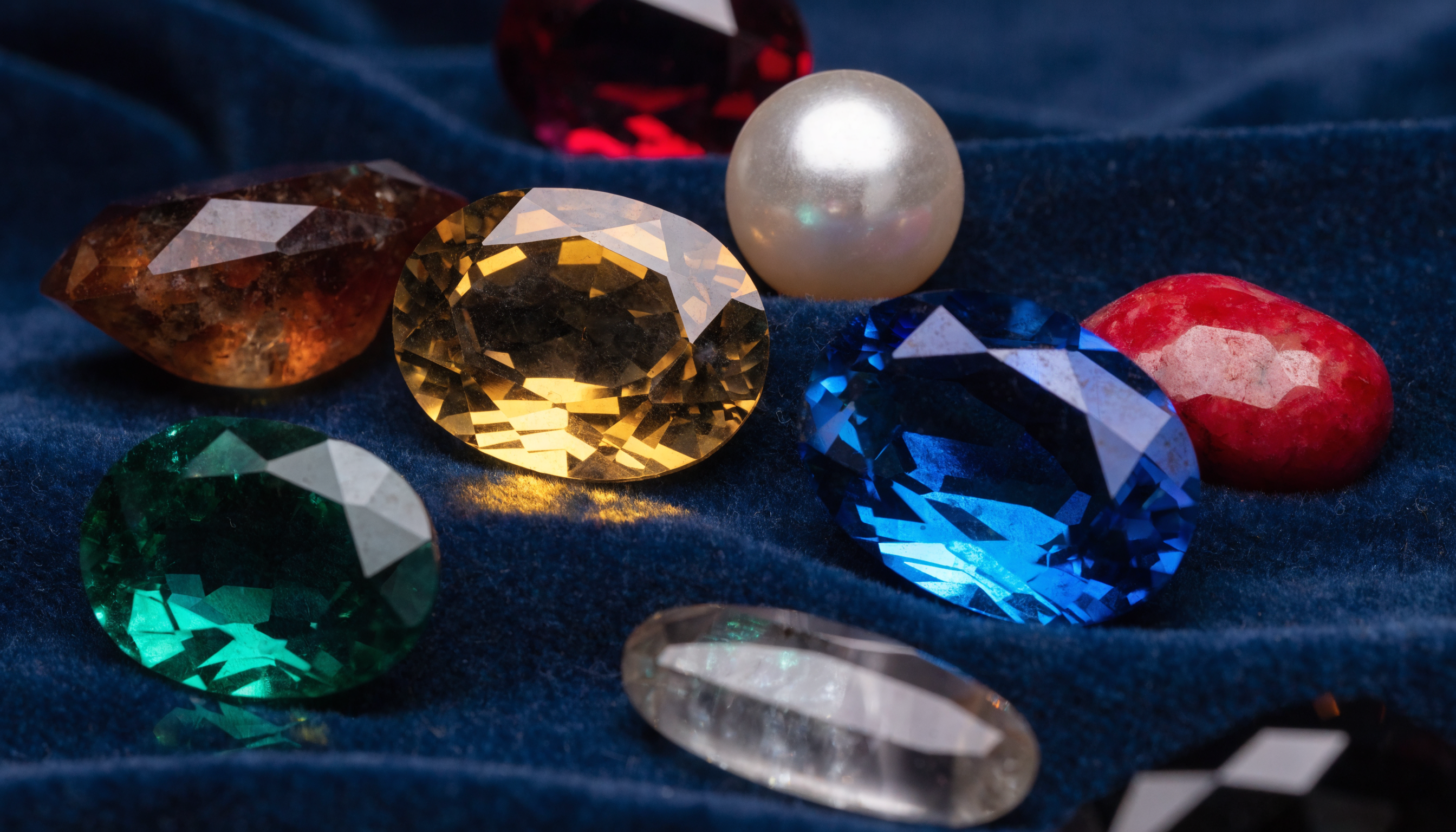
In Vedic astrology, each of the nine planets is paired with a gemstone — a Ruby for the Sun, a Pearl for the Moon, a Yellow Sapphire for Jupiter, a Blue Sapphire for Saturn. Together these are the Navratna, the nine gems. The right stone for you is the one tied to the planet your chart calls to strengthen — which is why a gemstone should be chosen on guidance, not bought on a whim.
This guide lays out the full Navratna and what each stone is traditionally worn for, then explains how to choose well and how to be sure the stone you buy is genuine — the part that protects both your faith and your money.
The nine Navratna gemstones
| Planet | Sanskrit | Gemstone | Trade name | Traditionally for |
|---|---|---|---|---|
| Sun | Surya | Ruby | Manik | Authority, vitality |
| Moon | Chandra | Pearl | Moti | Calm, emotional balance |
| Mars | Mangal | Red Coral | Moonga | Courage, energy |
| Mercury | Budh | Emerald | Panna | Intellect, communication |
| Jupiter | Brihaspati | Yellow Sapphire (most worn) | Pukhraj | Wisdom, prosperity |
| Venus | Shukra | Diamond | Heera | Love, luxury, harmony |
| Saturn | Shani | Blue Sapphire | Neelam | Discipline, fast results |
| Rahu | Rahu | Hessonite | Gomed | Clarity, protection |
| Ketu | Ketu | Cat's Eye | Lehsunia | Intuition, detachment |
How to choose the right stone
A gemstone is chosen from your birth chart, not your sun sign alone. An astrologer reads which planet most needs strengthening — or which is causing difficulty — and recommends the matching stone, along with the right weight and metal for you. The same stone that helps one person may not suit another, which is why a short consultation is worth far more than a guess.
A gemstone is a precise instrument, not a lucky charm — worn for the right planet, in the right weight, it works; worn at random, it may not.
For those wanting a gentle, widely benefic place to begin, Yellow Sapphire (Pukhraj) — the stone of Jupiter — is the most commonly recommended. Explore our certified Yellow Sapphire. More powerful stones such as Blue Sapphire (Neelam) are fast-acting and traditionally trialled for a few days before being worn permanently, and only on astrological advice — see the Blue Sapphire.
Why certification matters more than price
The gemstone market is full of lab-grown stones, heavily treated stones, and glass passed off as natural — often at natural-stone prices. Certification is your protection. A proper report confirms whether a stone is natural or lab-grown, states its treatment, origin and weight, and — most importantly — can be verified. For a stone you intend to wear for years, a certificate you can check is not a luxury; it is the whole point.
The GemsMantra standard
We come from a 53-year family lineage of Vedic practice, and we treat trust as the product. Every gemstone is individually X-ray tested and ships with a government-recognised certificate carrying a verifiable report number — so you know exactly what you are wearing, and exactly what you paid for.
How a gemstone is traditionally worn
Each stone has a traditional finger, metal and day. Yellow Sapphire is worn on the index finger in gold; Blue Sapphire on the middle finger in silver or panchdhatu; Emerald on the little finger. Stones are usually energised and first worn on the day ruled by their planet, after a simple ritual. Your astrologer's specific guidance always takes precedence over a general rule.
Common questions
Which gemstone is for which planet?
Ruby for the Sun, Pearl for the Moon, Red Coral for Mars, Emerald for Mercury, Yellow Sapphire for Jupiter, Diamond for Venus, Blue Sapphire for Saturn, Hessonite for Rahu, and Cat's Eye for Ketu.
How do I choose the right gemstone for me?
Gemstones are chosen from your birth chart, not your sun sign. An astrologer identifies which planet to strengthen and recommends the matching stone and weight. Some powerful stones should be tested before regular wear.
Which gemstone can anyone wear safely?
Yellow Sapphire (Pukhraj), the stone of Jupiter, is one of the most benefic and is widely worn — though a brief consultation is still recommended to confirm fit.
Why does certification matter?
It confirms a stone is natural rather than lab-grown or treated, states its origin and weight, and — crucially — can be verified, protecting you from imitations and overpricing.
Is Blue Sapphire (Neelam) safe to wear?
Blue Sapphire is considered fast-acting and powerful, so it is traditionally trialled for a few days before being worn permanently, and only on astrological advice.
Find the right stone — certified, not guessed
Every gemstone individually X-ray tested, with a certificate you can verify. Browse the collection, or start with the most-recommended stone.
Explore certified gemstonesSee Yellow SapphireRelated guides
Which Rudraksha Should You Wear? · The Best Crystal Bracelets for Wealth · Real vs Fake Rudraksha: How to Tell the Difference
Gemstone and planetary associations described here reflect traditional Vedic beliefs and practices. They are not medical advice and are not presented as guaranteed outcomes. For any health concern, please consult a qualified professional.
Written by Shruti Tiwari


