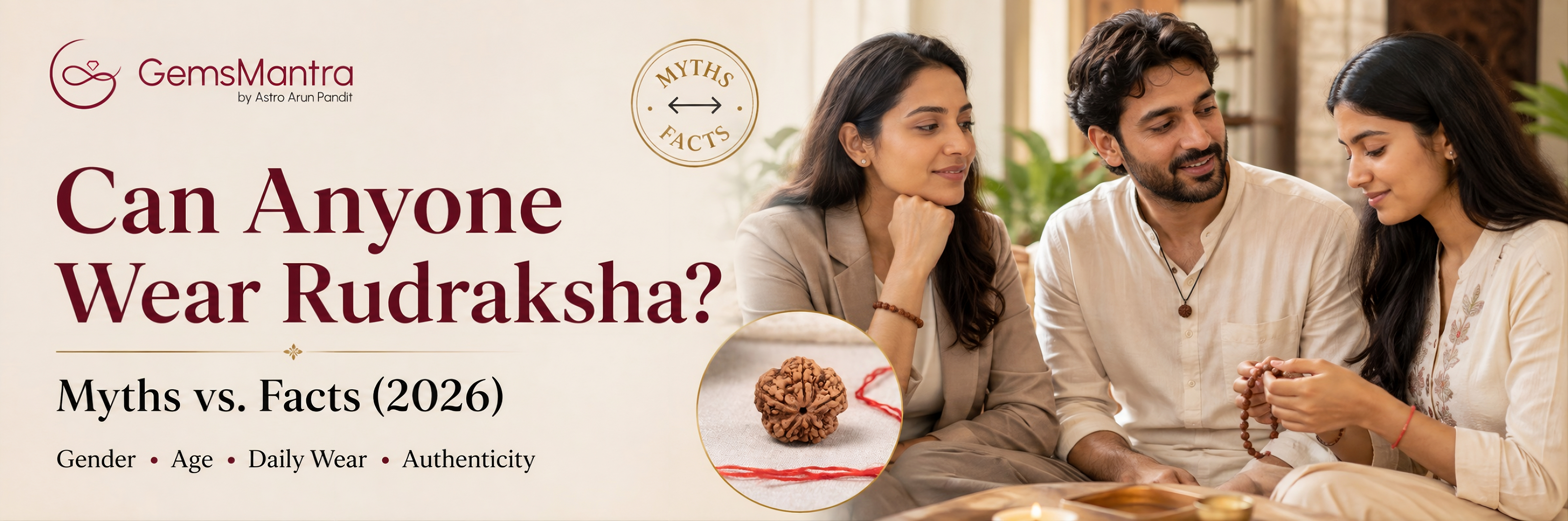
Can Anyone Wear Rudraksha? Myths vs. Facts (2026)
|
CK ANSWER |
If you are asking whether anyone can wear Rudraksha, the practical answer is broadly yes, but with one important distinction. Wearing a bead for devotion or meditation is different from selecting a specific Mukhi for a traditional astrological intention. This guide separates common myths from useful facts and explains eligibility, selection, authenticity, and everyday care without fear-based rules.
Can Anyone Wear Rudraksha, and What Does 'Anyone' Really Mean?
People from different backgrounds can generally wear Rudraksha. Gender, caste, occupation, and nationality do not, by themselves, determine whether a person may wear the bead. The important question is not only who can wear it, but also why the person wants to wear it and which form is appropriate.
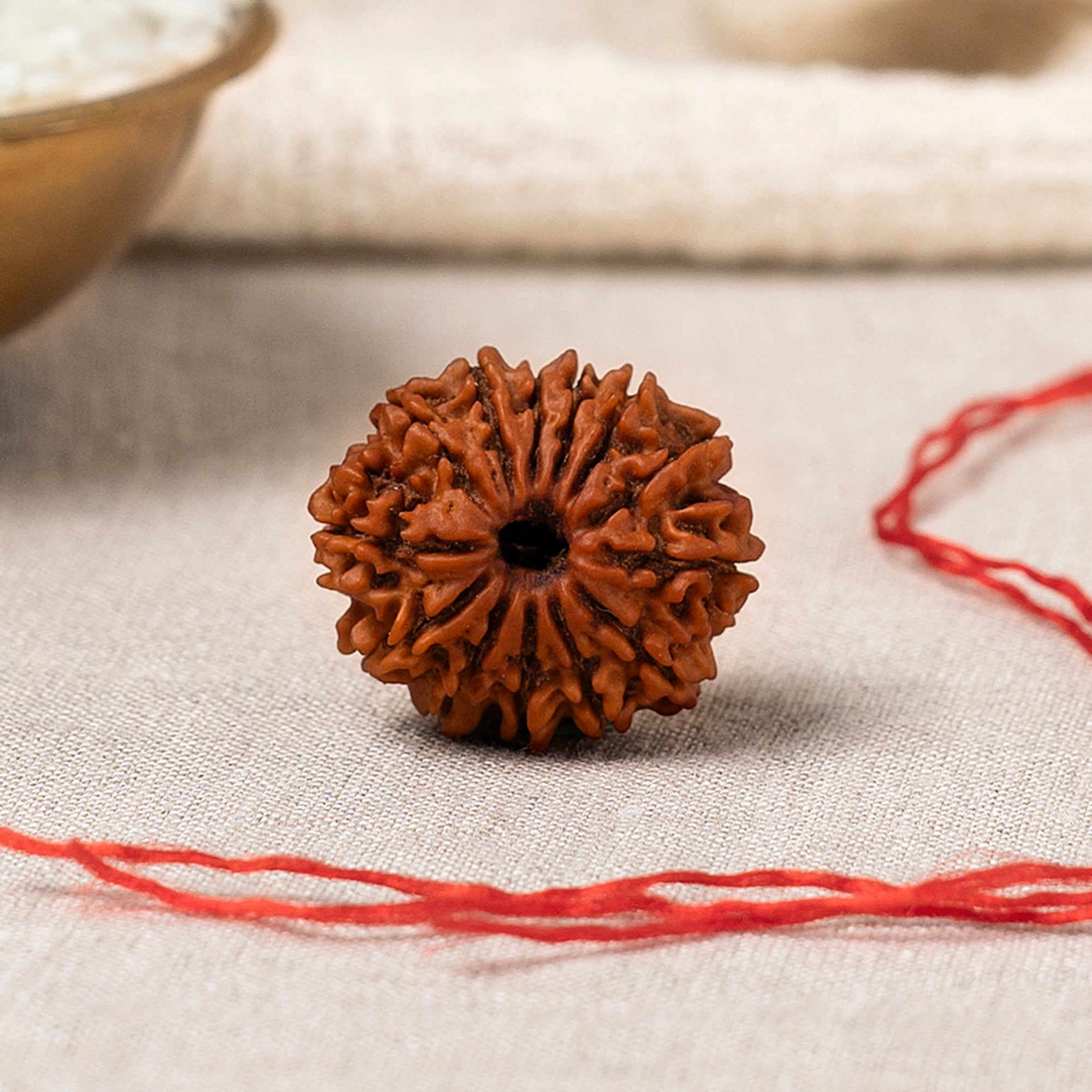
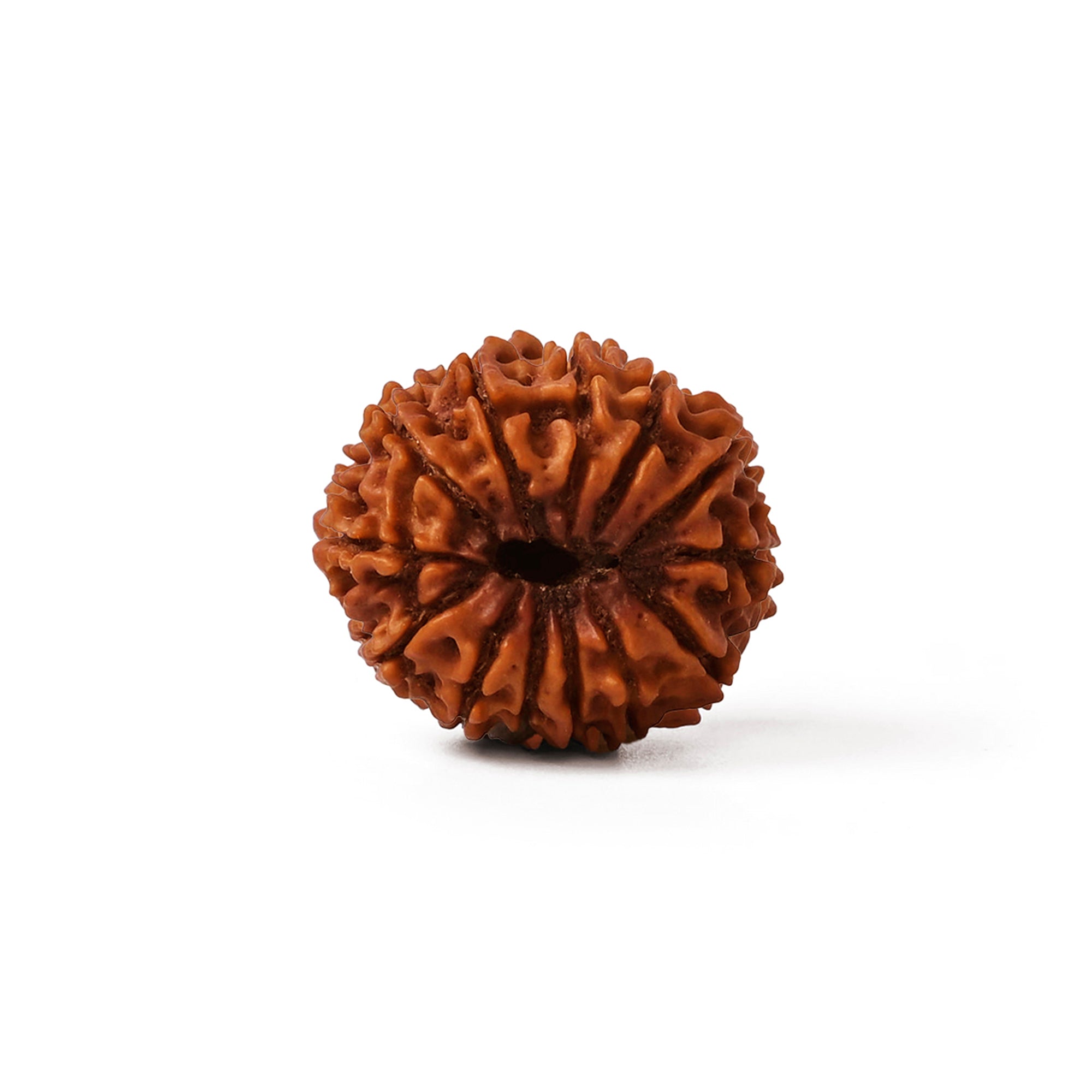
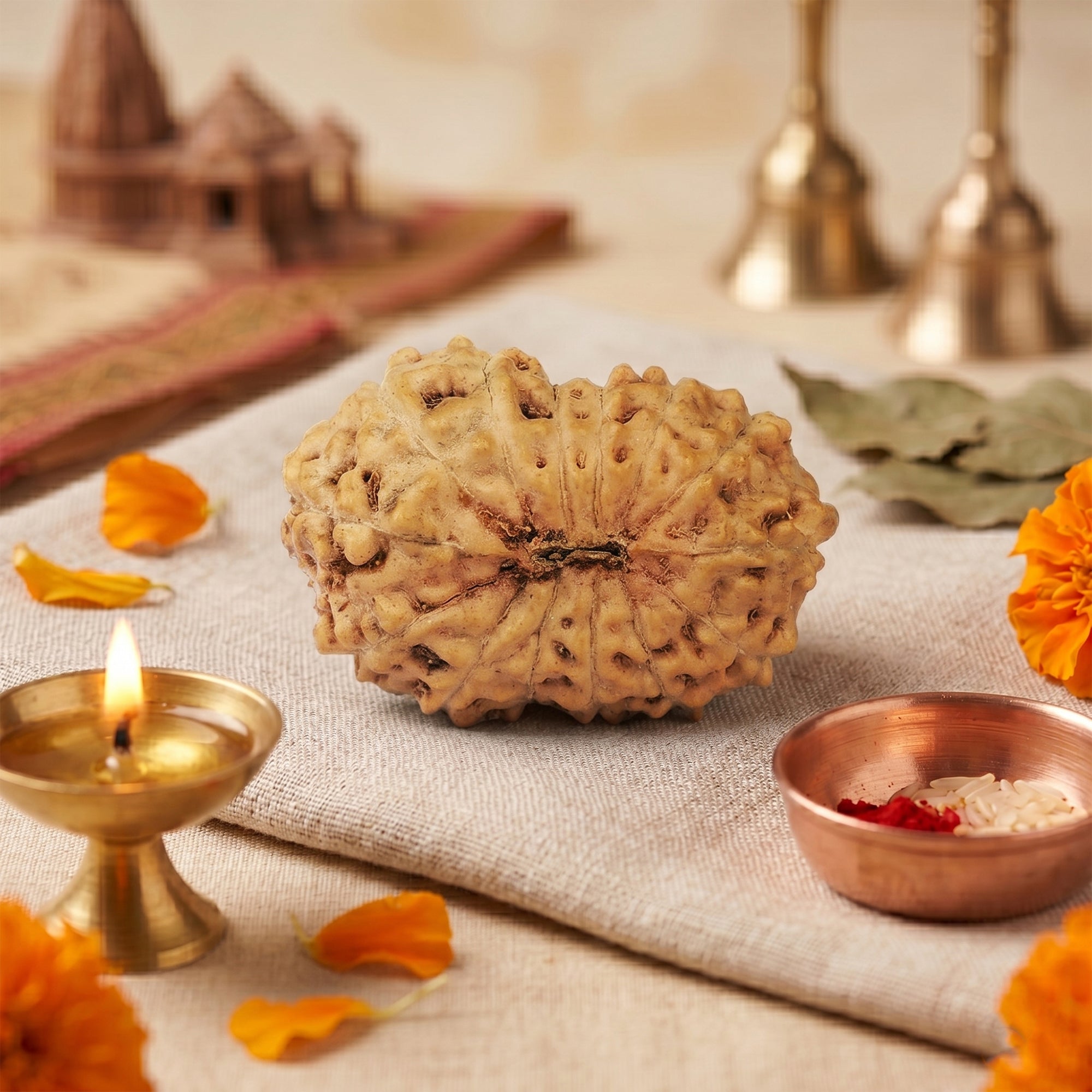
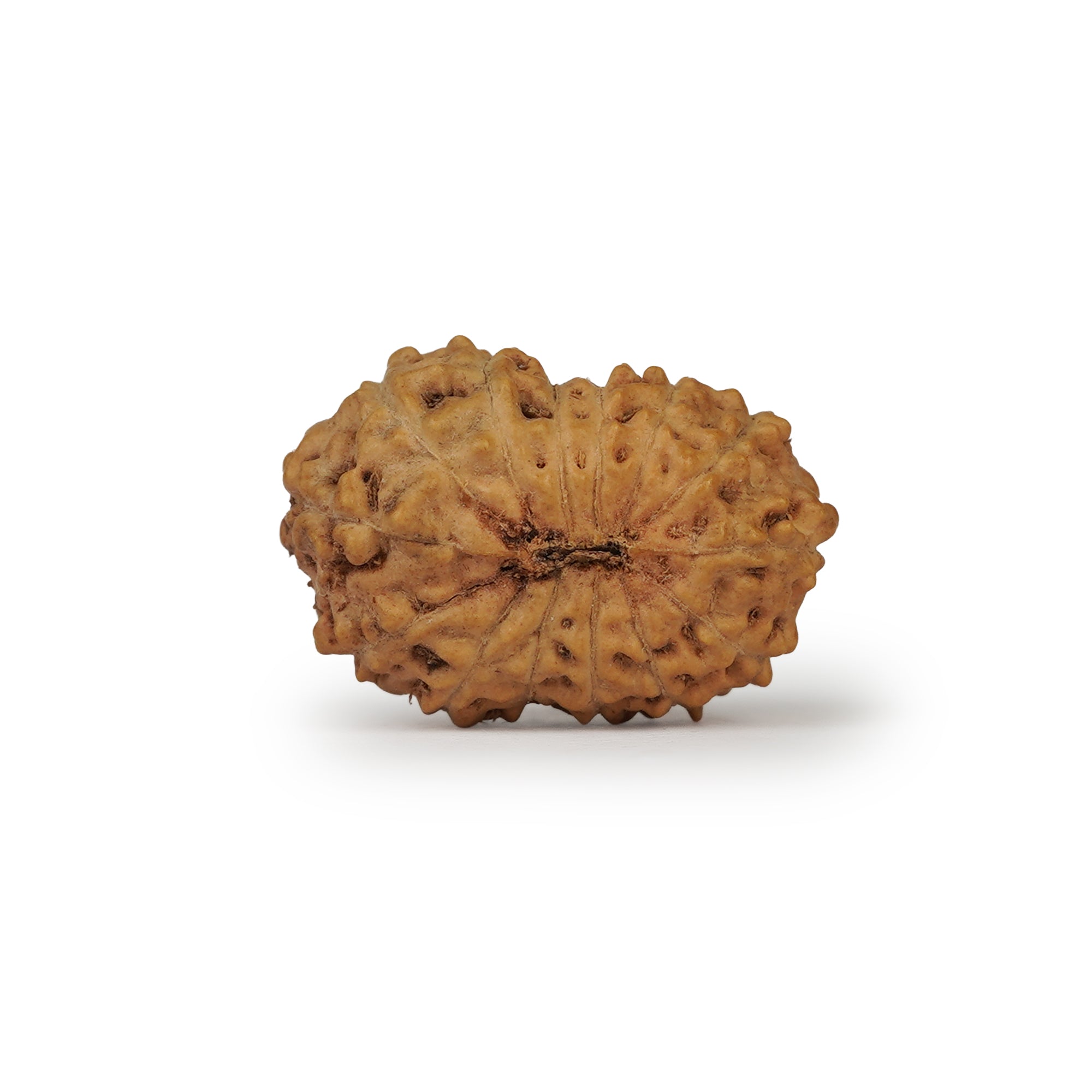
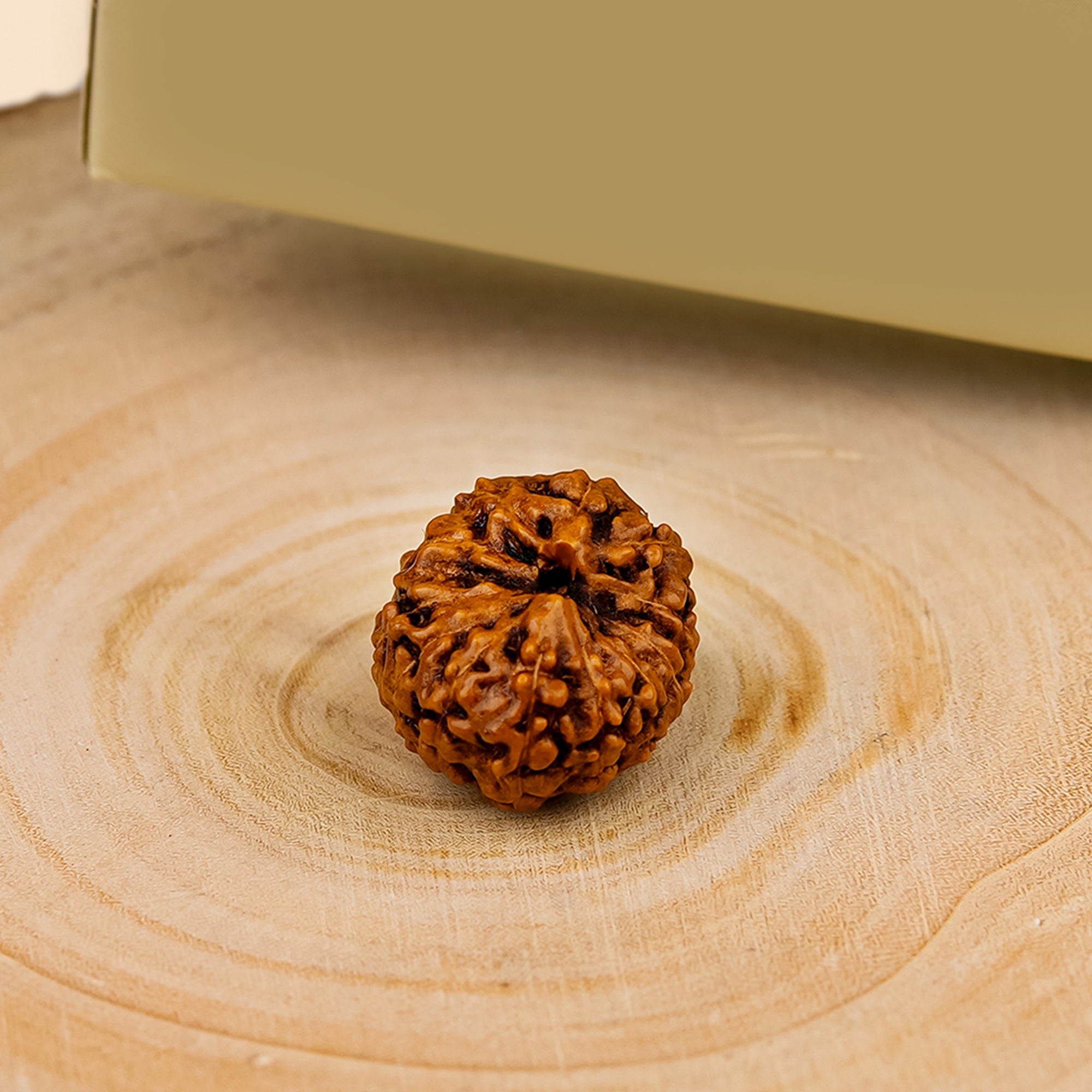
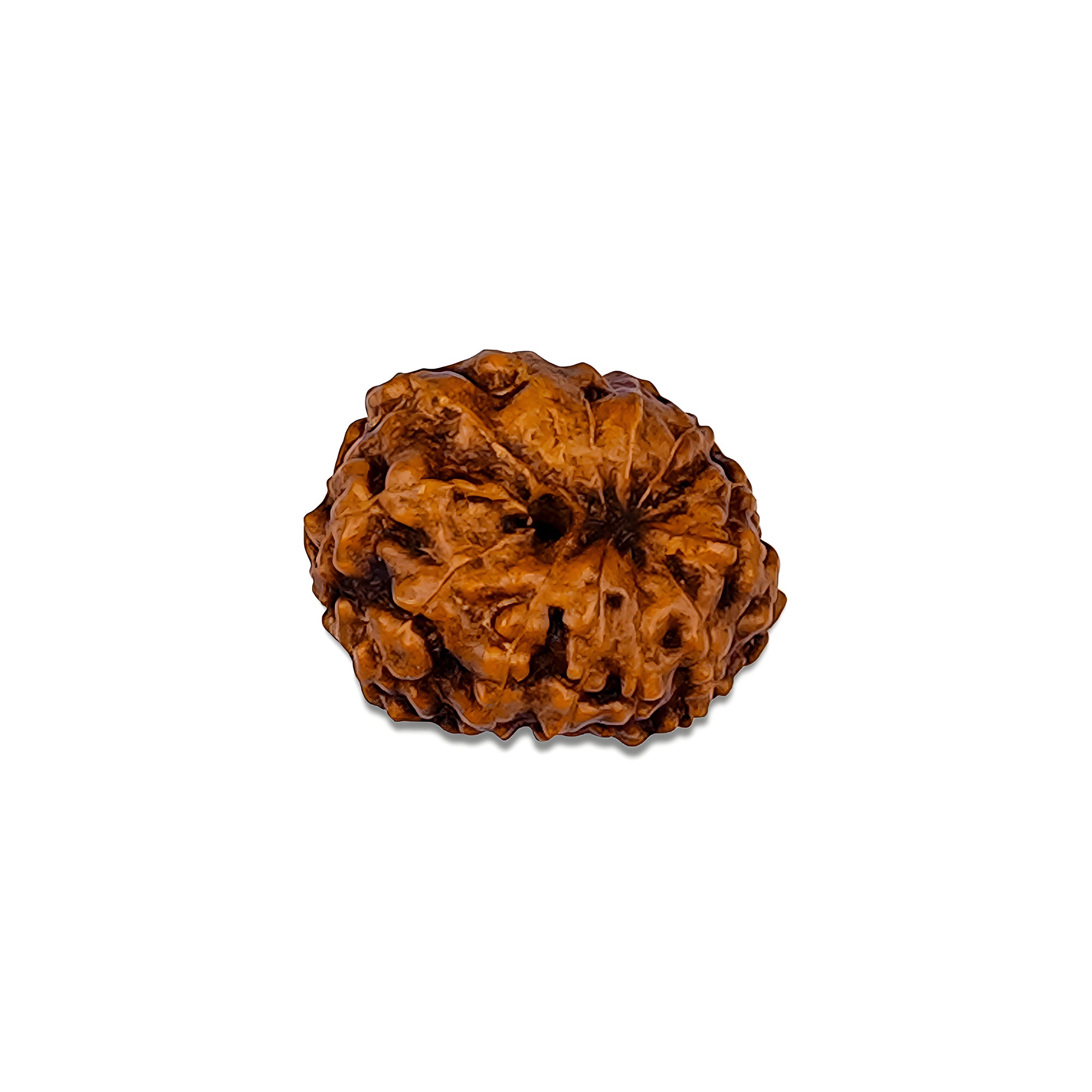
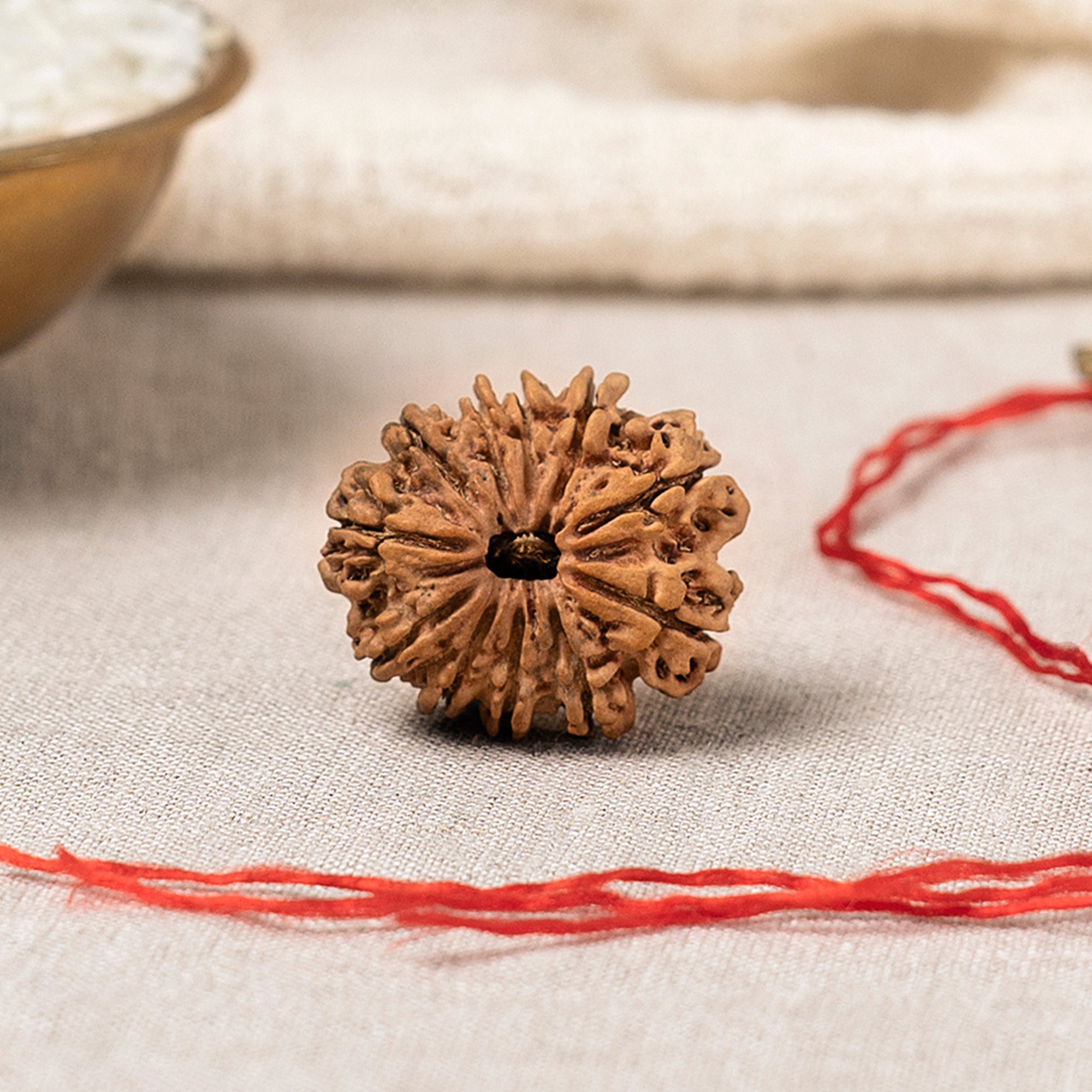
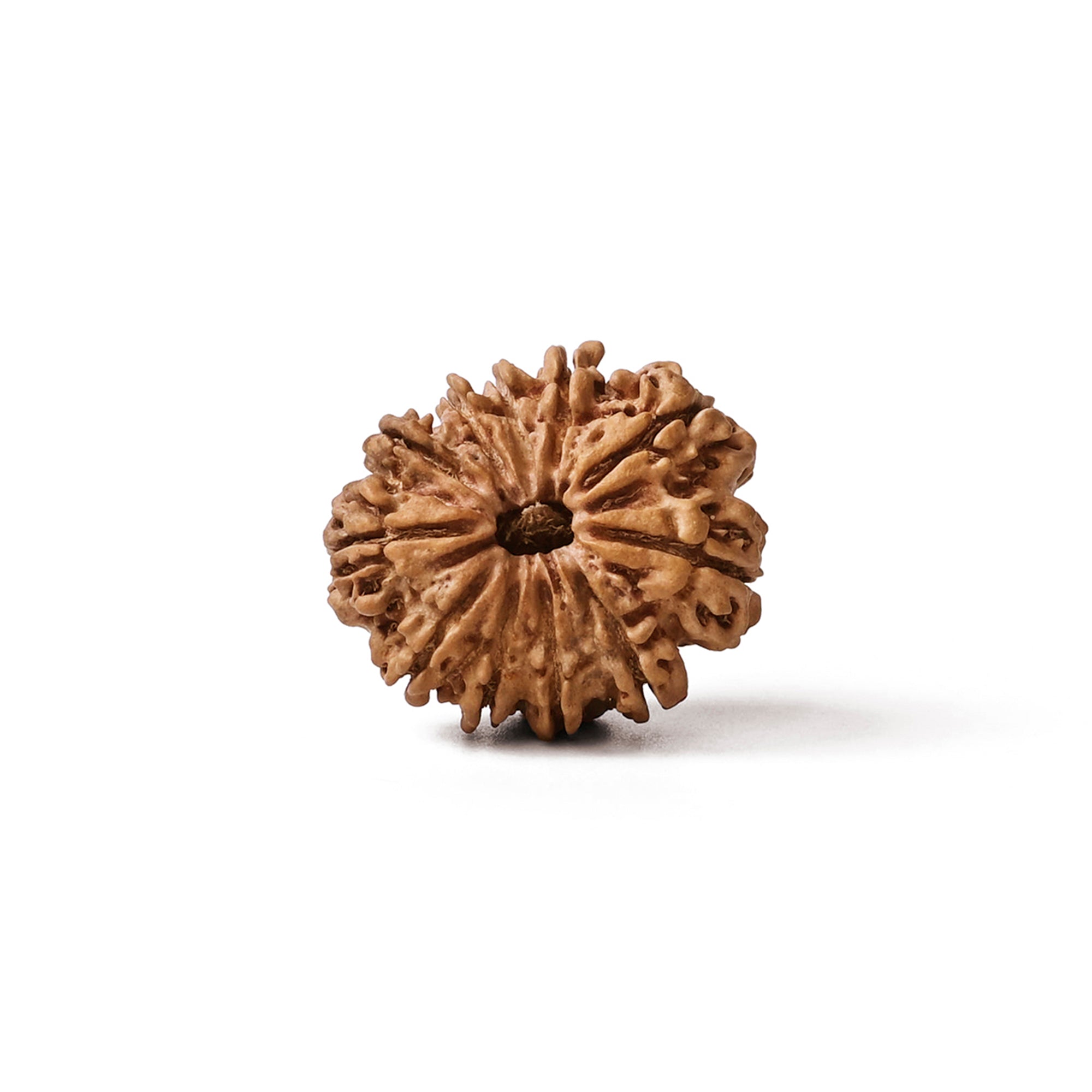
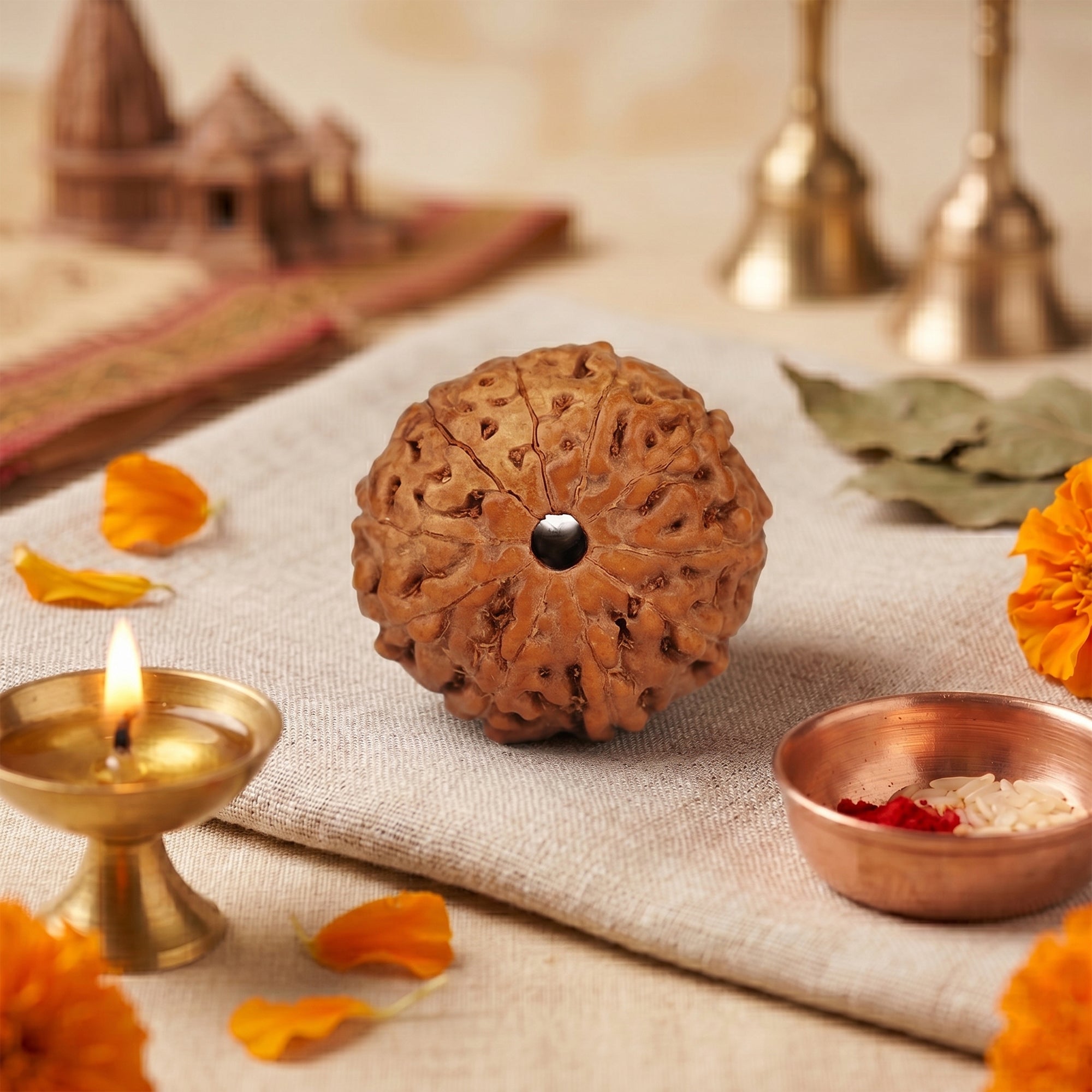
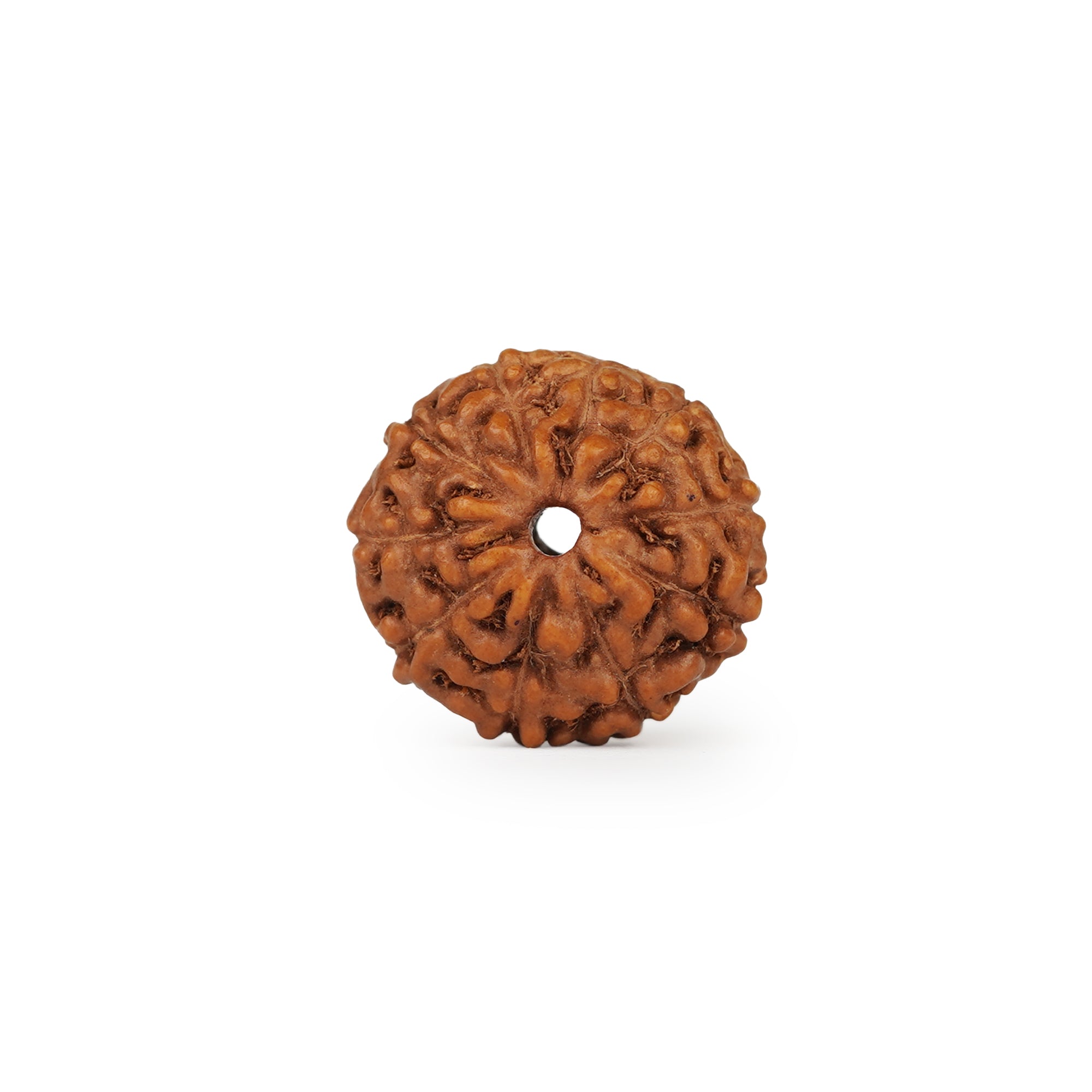
Rudraksha is the dried seed of the Elaeocarpus ganitrus tree. Its natural surface is divided into lines or faces called Mukhis. In Vedic tradition, different Mukhi types are associated with different deities, planetary ideas, and spiritual intentions. These associations are traditional beliefs, not guaranteed outcomes.
General eligibility and specific suitability are therefore separate. Someone may wear a simple bead as a devotional reminder, during japa or as part of a mala. A person choosing a rare or purpose-specific Mukhi may want guidance based on personal intention, family practice or a qualified Vedic astrologer's assessment.
|
Common myth |
Useful fact |
|
Only saints can wear Rudraksha |
Householders, students, and working professionals also wear it in contemporary practice. |
|
Women should never wear it |
Women commonly wear Rudraksha. Personal customs may differ, but gender alone is not a reason for exclusion. |
|
Every Mukhi works the same way |
Each Mukhi has different traditional associations, so selection should match the intended use. |
|
A water test proves authenticity |
No single home test confirms natural origin or internal structure. Documentation and verification matter. |
|
More beads always mean better results |
Quantity does not guarantee a stronger experience. Suitability, authenticity, and consistent practice matter more. |
Can Women Wear Rudraksha?
Yes, women can wear Rudraksha. Many women use it for prayer, meditation, and as a personal spiritual symbol. The idea that the bead is reserved only for men is a cultural assumption, not a practical rule that should be applied to every person or every tradition.
Questions about menstruation are usually answered differently by families, temples, and teachers. Some women continue wearing the bead, while others choose to remove it temporarily as part of their personal observance. This choice should be handled respectfully and without fear, shame, or promises of consequences.
Pregnant women, older women, and women with busy professional routines may also wear Rudraksha if the thread, bracelet, or pendant is comfortable and secure. Traditional spiritual associations should still be presented as beliefs, and individual experiences may vary.
For a fuller explanation of customs and practical choices, see the Rudraksha wearing rules for females.
Do Age, Religion, Caste or Profession Restrict Rudraksha?
These factors do not create a universal restriction. Children, adults, householders, professionals, and people from different religious backgrounds may wear Rudraksha when they understand its spiritual context and treat it respectfully. A person's intention and the way the bead is used matter more than a social label.
For children, the practical concern is secure wearing. A loose bead or weak thread can be misplaced or create a choking risk, so adult supervision and an age-appropriate form are important. There is no single compulsory age, but the child should be able to wear it comfortably and understand basic care.
A person does not need to be a monk or follow a temple routine to wear Rudraksha. Students may use it as a reminder during study or prayer, while professionals may wear a small pendant or bracelet. Non-Hindus may also choose it, provided they approach the symbol with respect rather than treating it as a guaranteed shortcut to a result.
Can Anyone Wear Any Mukhi Rudraksha?
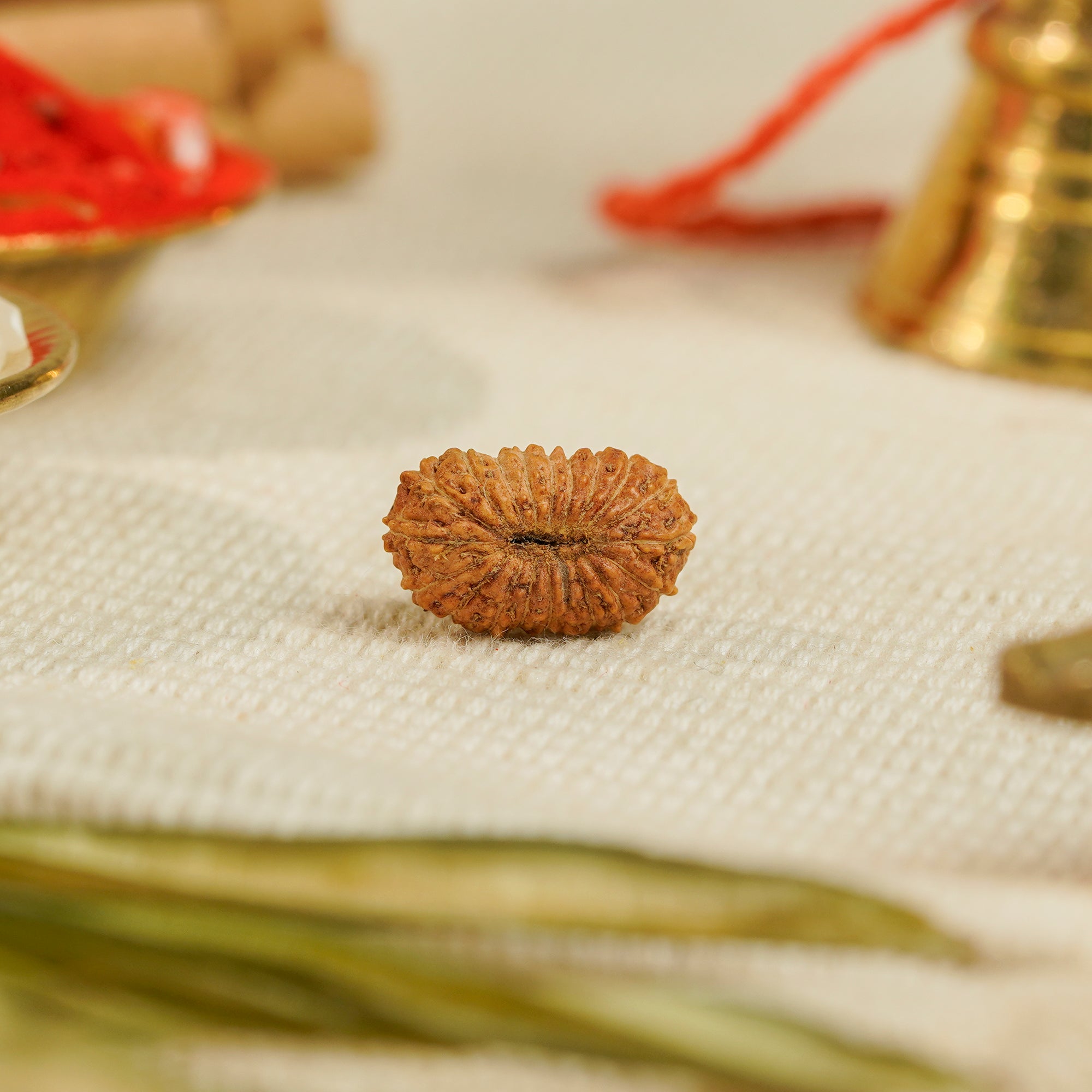
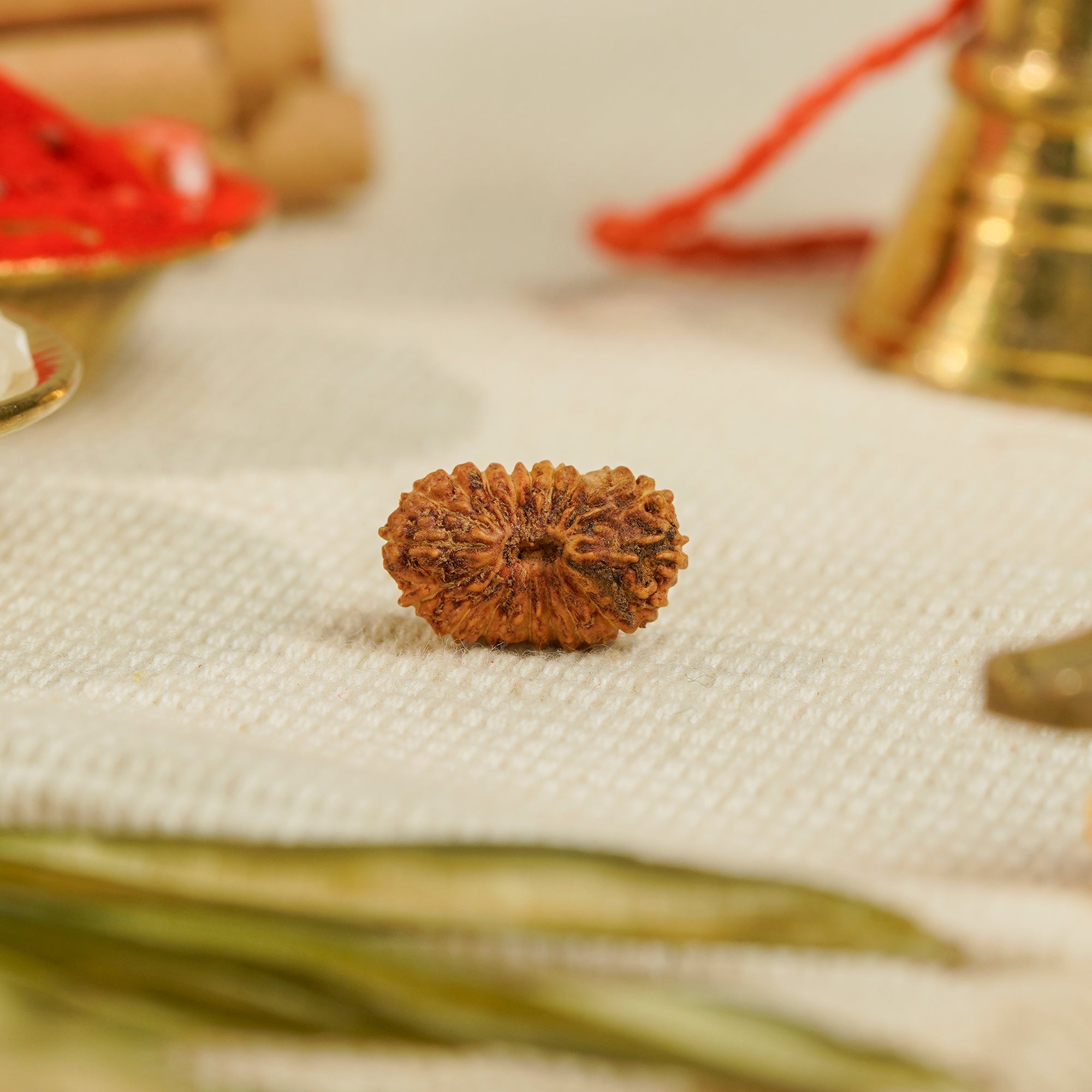
No. Broad eligibility to wear Rudraksha does not mean every Mukhi should be selected at random. Different Mukhi types have distinct traditional associations, and some are chosen for a specific devotional or astrological purpose.
Begin by deciding whether you want a bead for general spiritual practice or for a particular Vedic intention. For general daily use, 5 Mukhi is commonly discussed as an accessible starting option. Rare or higher Mukhi beads should not be chosen simply because they are expensive, uncommon or described as powerful.
When comparing options, check the Mukhi lines, origin information, certificate details and intended wearing form. A well-matched natural bead is more useful than purchasing several unrelated varieties. You can compare verified options within the natural Rudraksha collection.
Readers looking for a commonly selected daily-wear example can review the 5 Mukhi Rudraksha (Panchmukhi). It is still a traditional choice, not a universal prescription or a promise of results.

Are Strict Food and Lifestyle Rules Mandatory?
There is no single lifestyle rule followed identically by every Rudraksha wearer. Some traditions recommend a sattvic routine and specific observances, while others focus mainly on cleanliness, respectful handling, and sincere practice. Family tradition and guidance may therefore lead to different choices.
Eating a particular food does not make the bead physically change, and people should not be frightened by claims of punishment. If your teacher or household follows dietary observances, you can honour them as part of that practice. The decision should be conscious and respectful, not driven by fear.
For daily care, protect the bead from harsh chemicals, fragrances, and rough handling. Some people remove it before sleeping or bathing for comfort and protection; others continue wearing it. What matters practically is keeping the bead and thread clean, dry, and undamaged.
For a clear first-time routine covering preparation, wearing, and care, follow this step-by-step guide to wearing Rudraksha.
How Can You Identify an Original Rudraksha?
An original Rudraksha should be evaluated through its natural structure, clear documentation, and appropriate verification, not through a single viral home test. Colour, size, and whether a bead floats can vary, so those signs alone do not prove that it is genuine or fake.
Look for natural Mukhi lines that run continuously between the two poles of the bead. Be cautious of lines that appear freshly carved, glued surfaces, artificial colouring, or unclear origin claims. Visual inspection is useful, but it cannot reveal every internal detail.
Every Rudraksha bead is backed by an IGL or ISO certificate and is X-ray verified before dispatch. The certificate should match the bead being supplied, and the seller should explain what the document confirms. X-ray verification is especially relevant for examining internal structure without cutting the bead.
The keyword original Rudraksha should therefore mean more than an attractive product photograph. It should be supported by transparent identification, a suitable certificate, and information that matches the exact Mukhi and product.

How Should a Beginner Start Wearing Rudraksha?
1. Define your purpose: Decide whether you want a devotional bead, a japa mala, or a Mukhi associated with a specific traditional intention. This prevents random selection.
2. Choose the correct Mukhi: For general practice, a commonly used Mukhi may be enough. For a particular astrological purpose, seek qualified guidance instead of relying only on a short social-media claim.
3. Verify the exact bead: Check the natural lines, origin details, certificate and X-ray information where applicable. Do not assume that a high price or rare label proves authenticity.
4. Prepare it respectfully: Clean hands and a quiet prayer are sufficient for many beginners. If your tradition uses Gangajal, a Monday observance, or a mantra such as Om Namah Shivaya, follow it sincerely without treating it as a guaranteed formula.
5. Wear and care for it consistently: Use a secure thread, pendant, bracelet, or mala. Keep the bead away from harsh chemicals and inspect the string or setting regularly.
The benefits of wearing Rudraksha are described through devotional and Vedic traditions. They should not be treated as medical advice, a substitute for professional help, or a guaranteed route to success. Individual experiences may vary.
Can Rudraksha Be Worn Every Day?
Yes, Rudraksha can be worn daily if the bead is comfortable, securely mounted, and cared for properly. Daily use does not require constant ritual. A simple routine of respectful handling, occasional cleaning, and checking the thread or metal setting is usually more practical than repeatedly removing and replacing it without reason.
If the bead becomes wet, allow it to dry naturally and avoid strong cleaning products. If a thread loosens or a cap shifts, repair it before wearing again. People who prefer not to sleep or bathe with Rudraksha can keep it in a clean, dry place used for spiritual items.
Consistency in prayer or meditation may help a person build a meaningful routine, but no number of wearing hours guarantees a particular outcome. The bead should support a spiritual practice, not create anxiety about accidentally breaking a rule.
Final Takeaway
Rudraksha is not reserved only for saints, men, or people following one profession or background. Most people can wear it respectfully, but they should separate general eligibility from specific Mukhi selection. Start with a clear purpose, verify the bead, follow practical care, and treat every stated spiritual association as a traditional belief rather than a promise.
Choose carefully, avoid fear-based rules, and use Rudraksha as part of a sincere spiritual routine. If you are uncertain about a rare Mukhi or a chart-specific purpose, seek qualified guidance before making a decision.
Written by shivani saini


Key Highlights
- Can Anyone Wear Rudraksha, and What Does 'Anyone' Really Mean?
- Can Women Wear Rudraksha?
- Do Age, Religion, Caste or Profession Restrict Rudraksha?
- Can Anyone Wear Any Mukhi Rudraksha?
- Are Strict Food and Lifestyle Rules Mandatory?
- How Can You Identify an Original Rudraksha?
- How Should a Beginner Start Wearing Rudraksha?
- Can Rudraksha Be Worn Every Day?
- Final Takeaway