Nepali vs Indonesian Rudraksha, Which One Should You Choose?
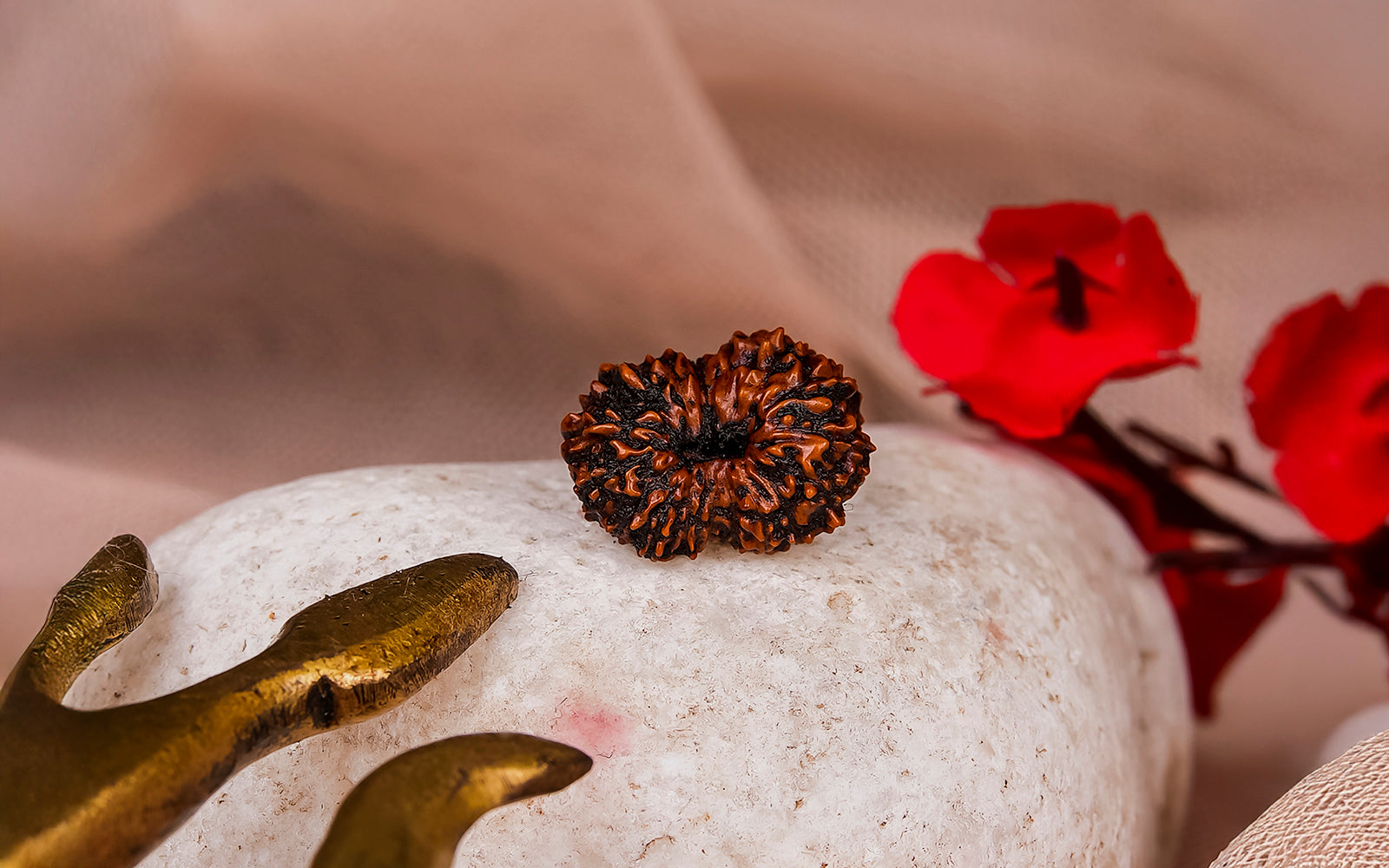
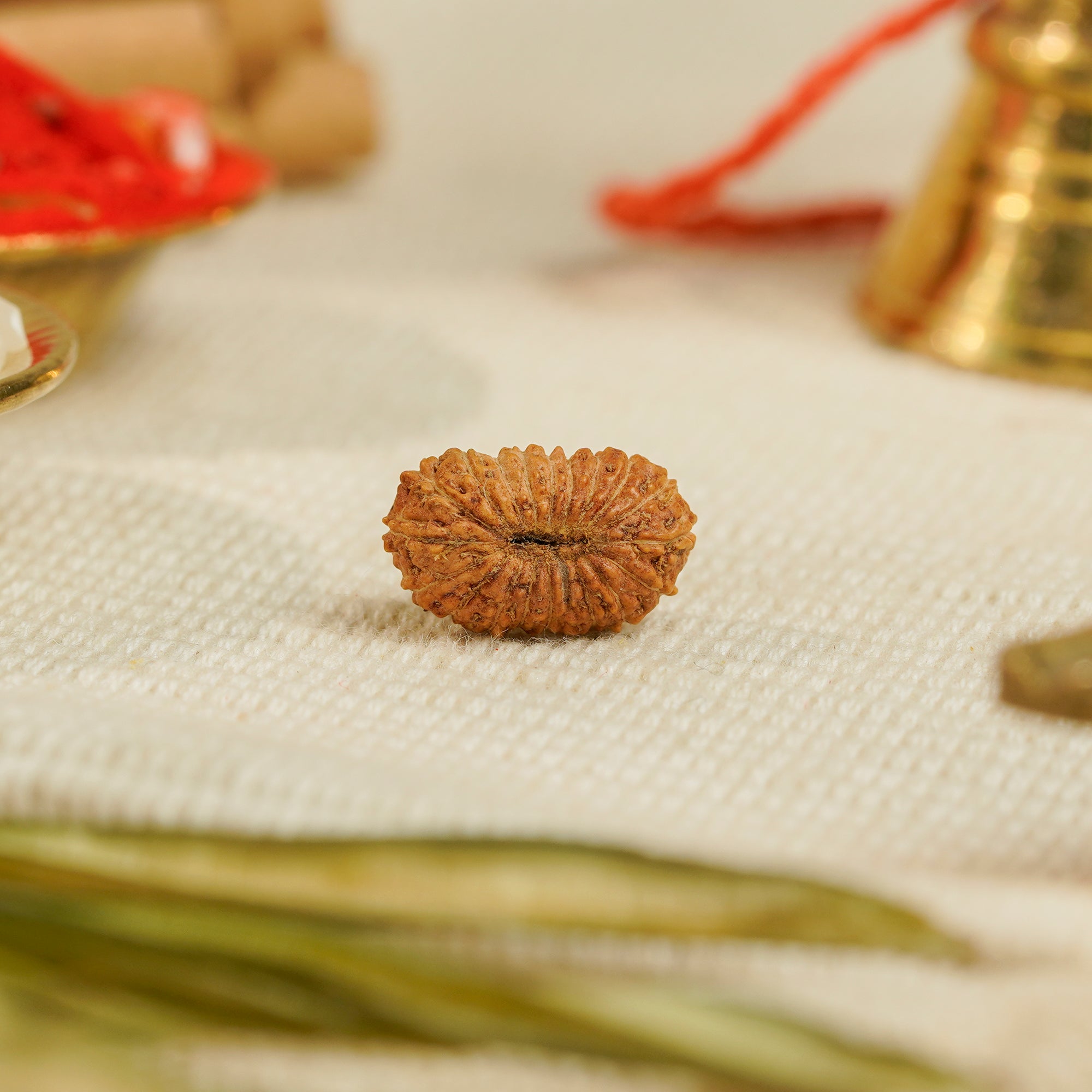
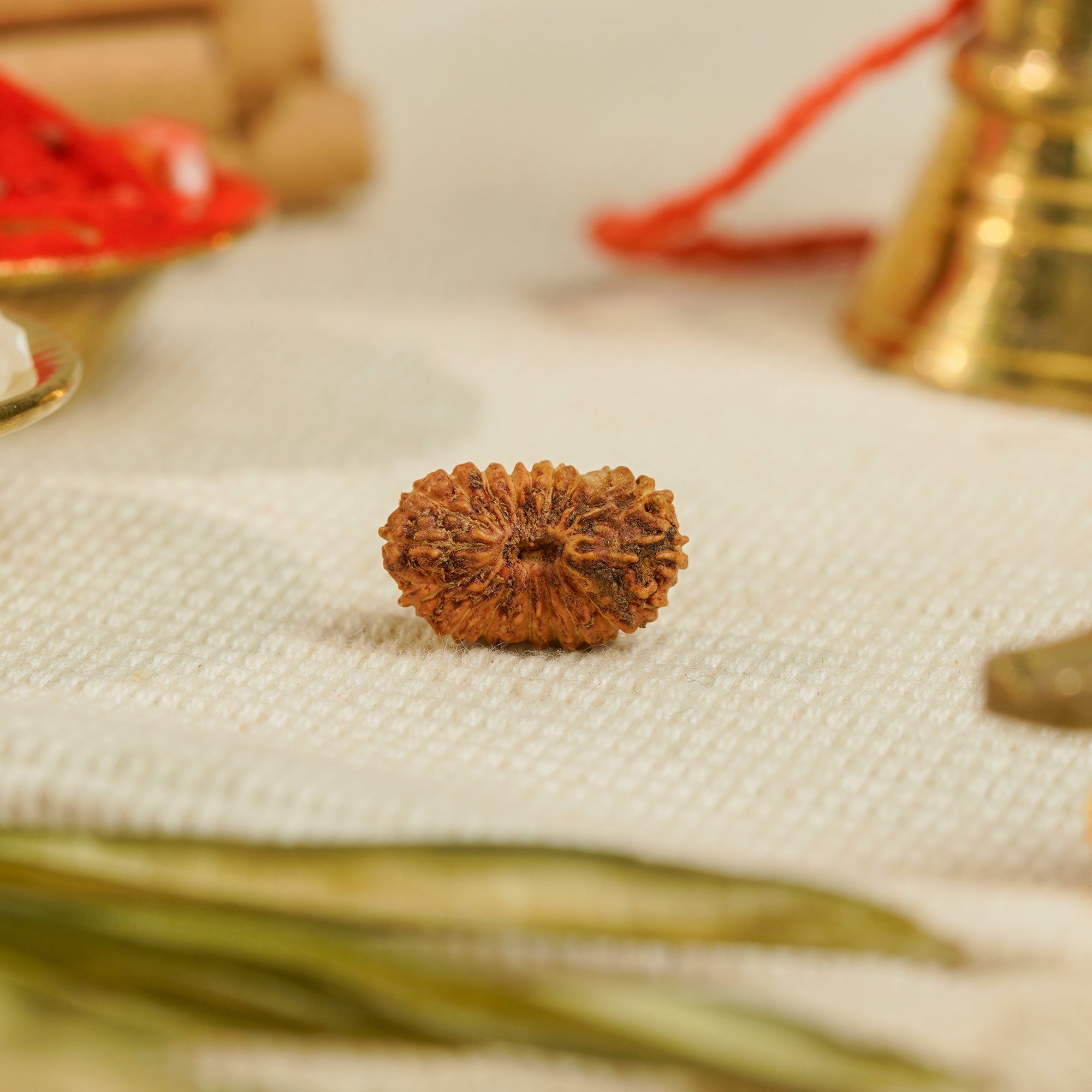
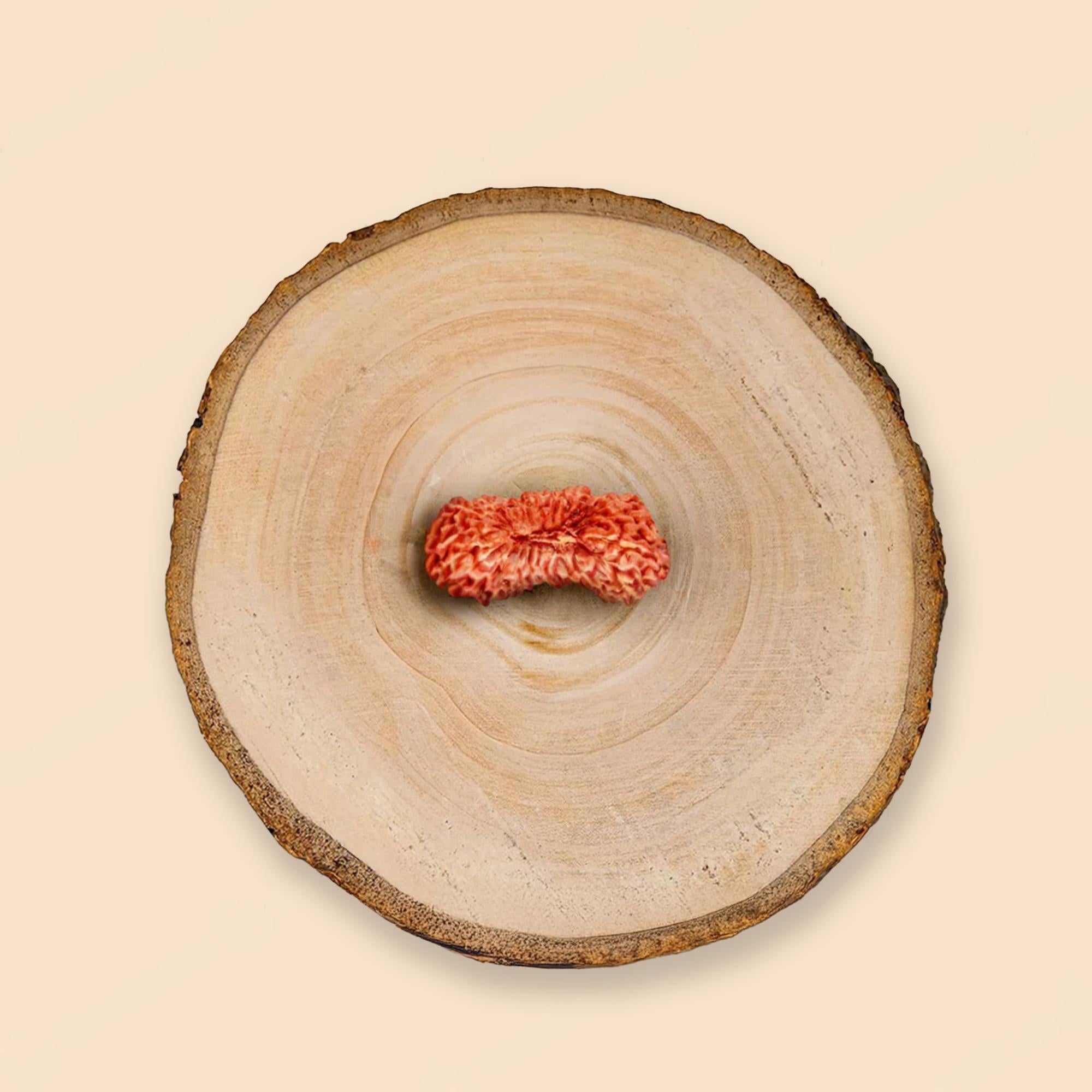
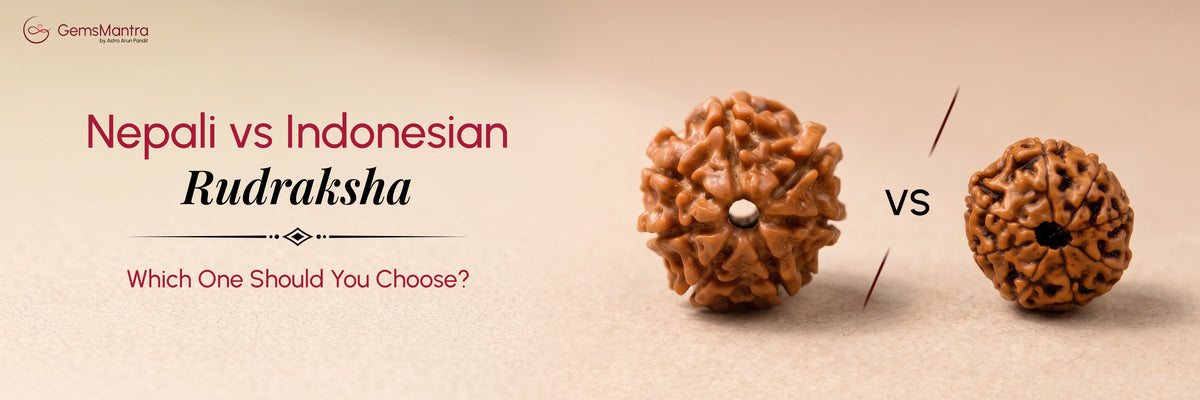
Both Nepali and Indonesian Rudraksha are natural Rudraksha beads, but they differ in size, appearance, texture and price. Nepali Rudraksha is generally larger, heavier and has deeper Mukhi lines, while Indonesian Rudraksha is usually smaller, lighter and has finer Mukhi lines.
If you prefer a large bead with clearly visible Mukhi lines, Nepali Rudraksha may be a suitable choice. If you want a lightweight Rudraksha for daily wear, a bracelet or a Japa Mala, Indonesian Rudraksha is worth considering.
Neither is automatically better than the other. Your choice should depend on your purpose, comfort, budget and personal preference.
What Is Nepali Rudraksha?
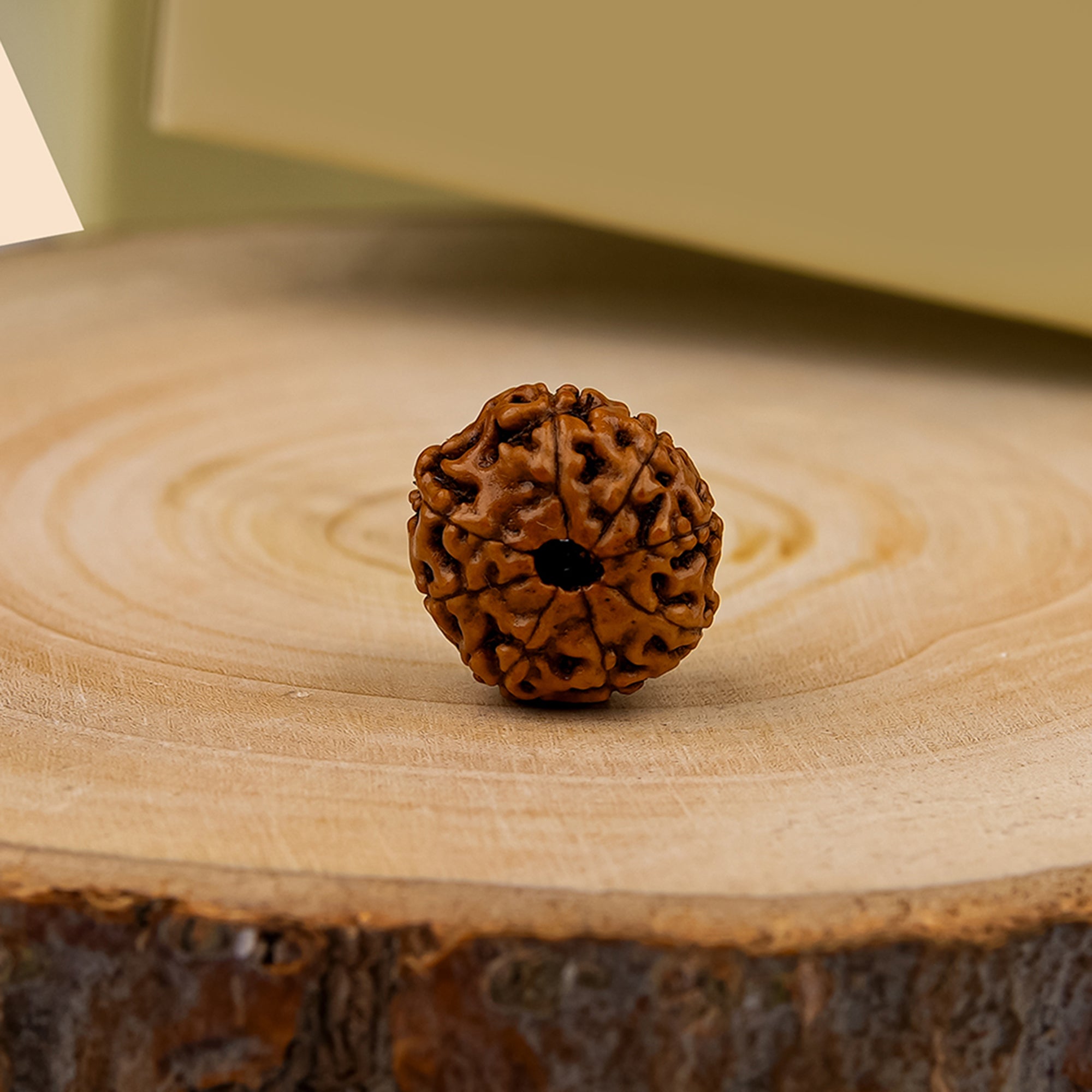
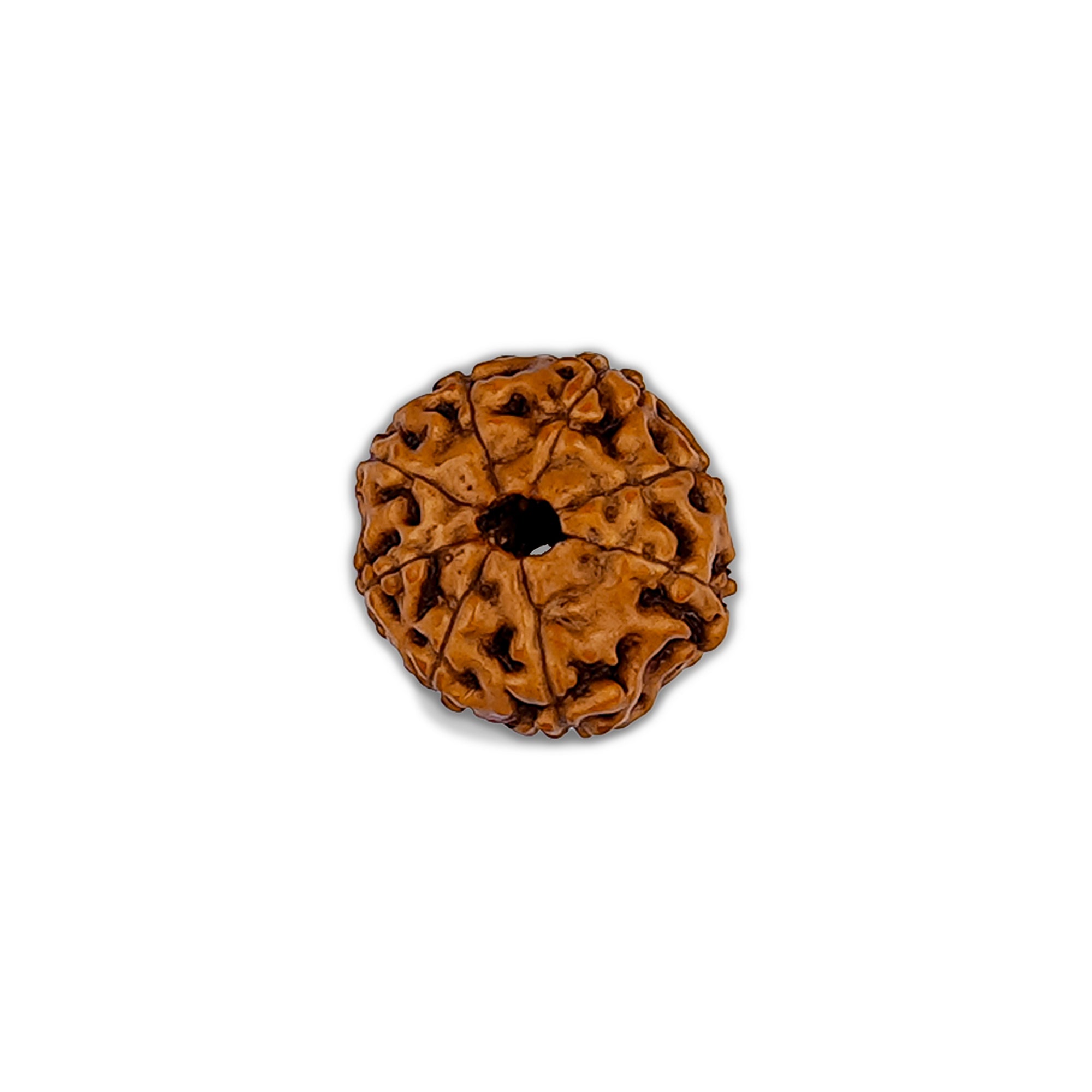
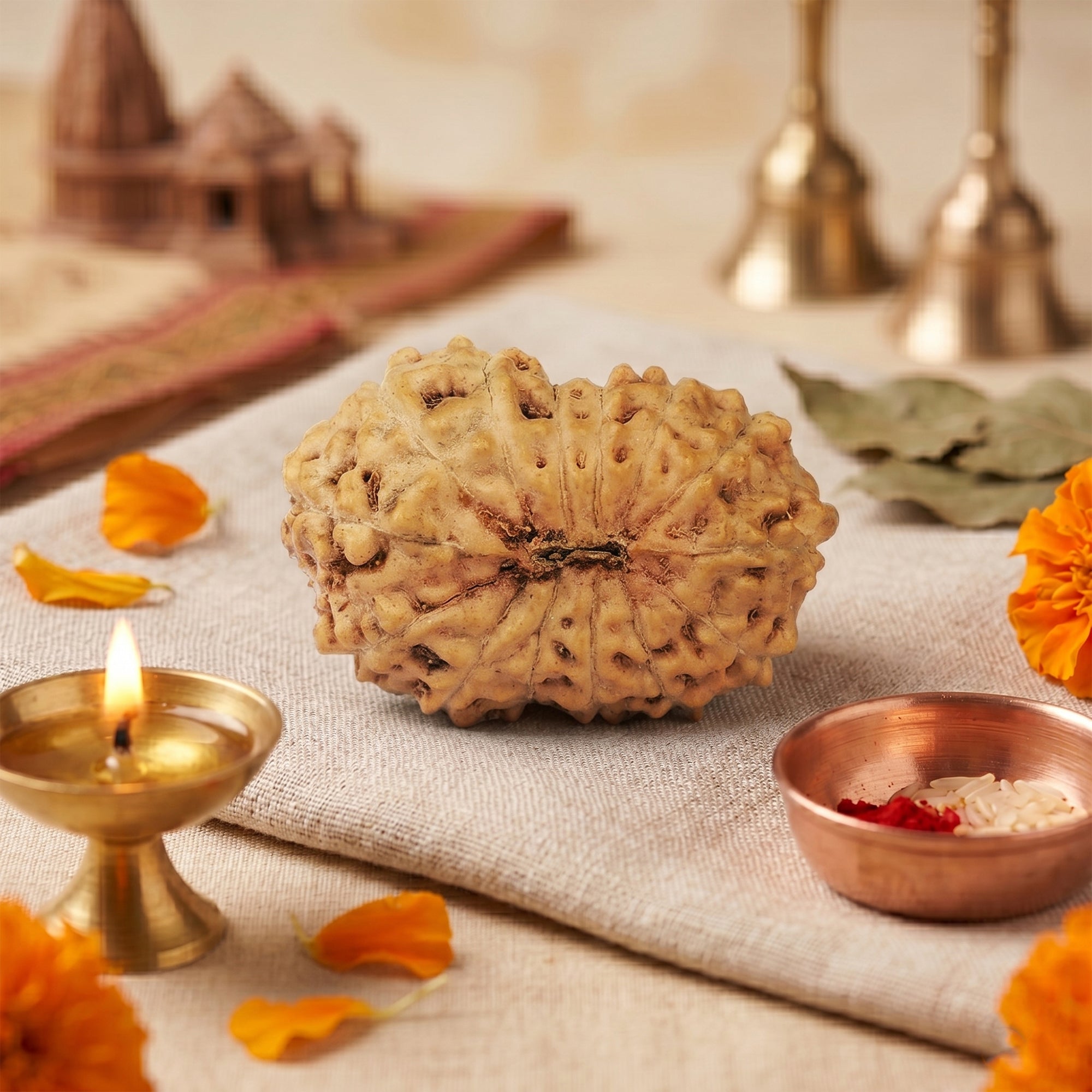
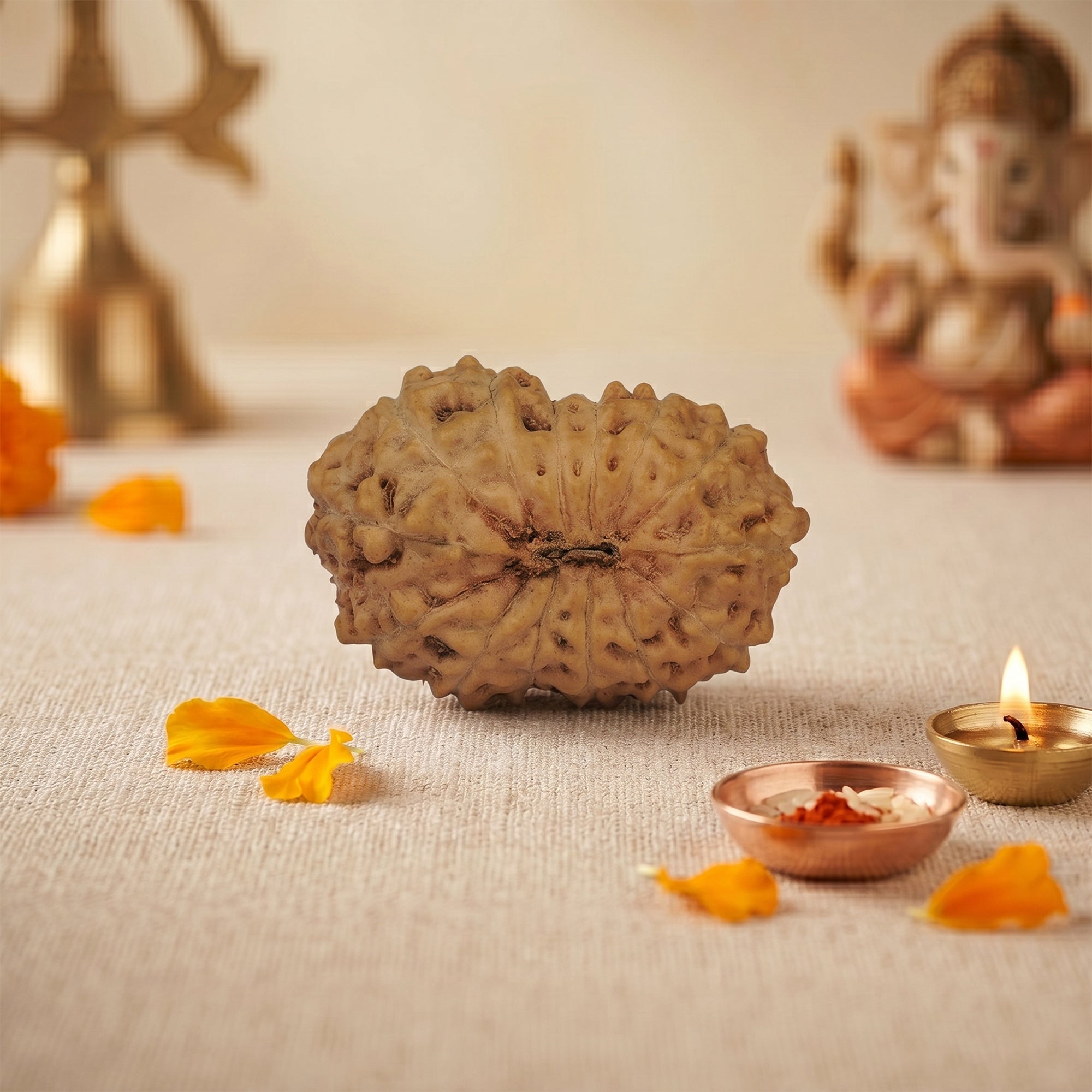
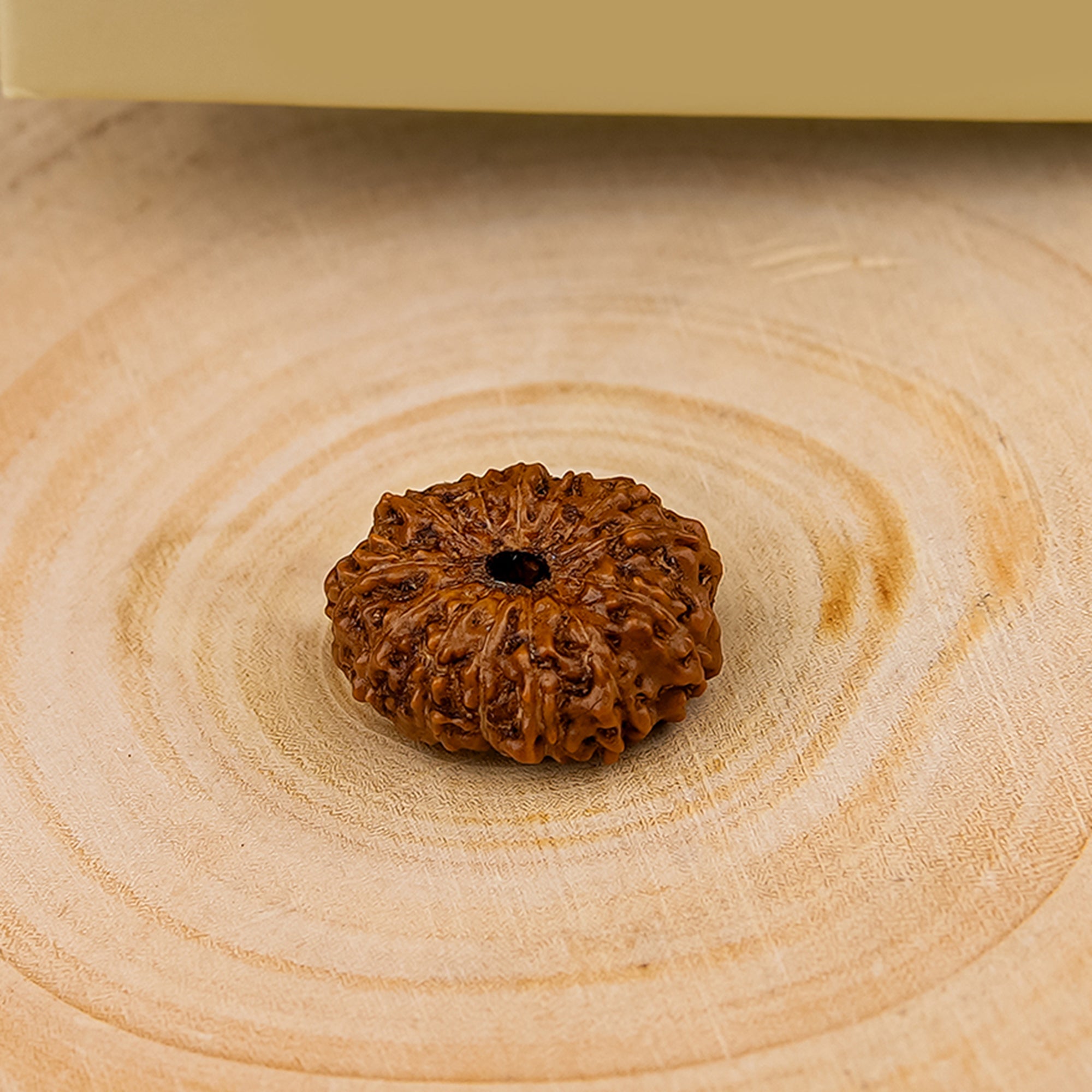
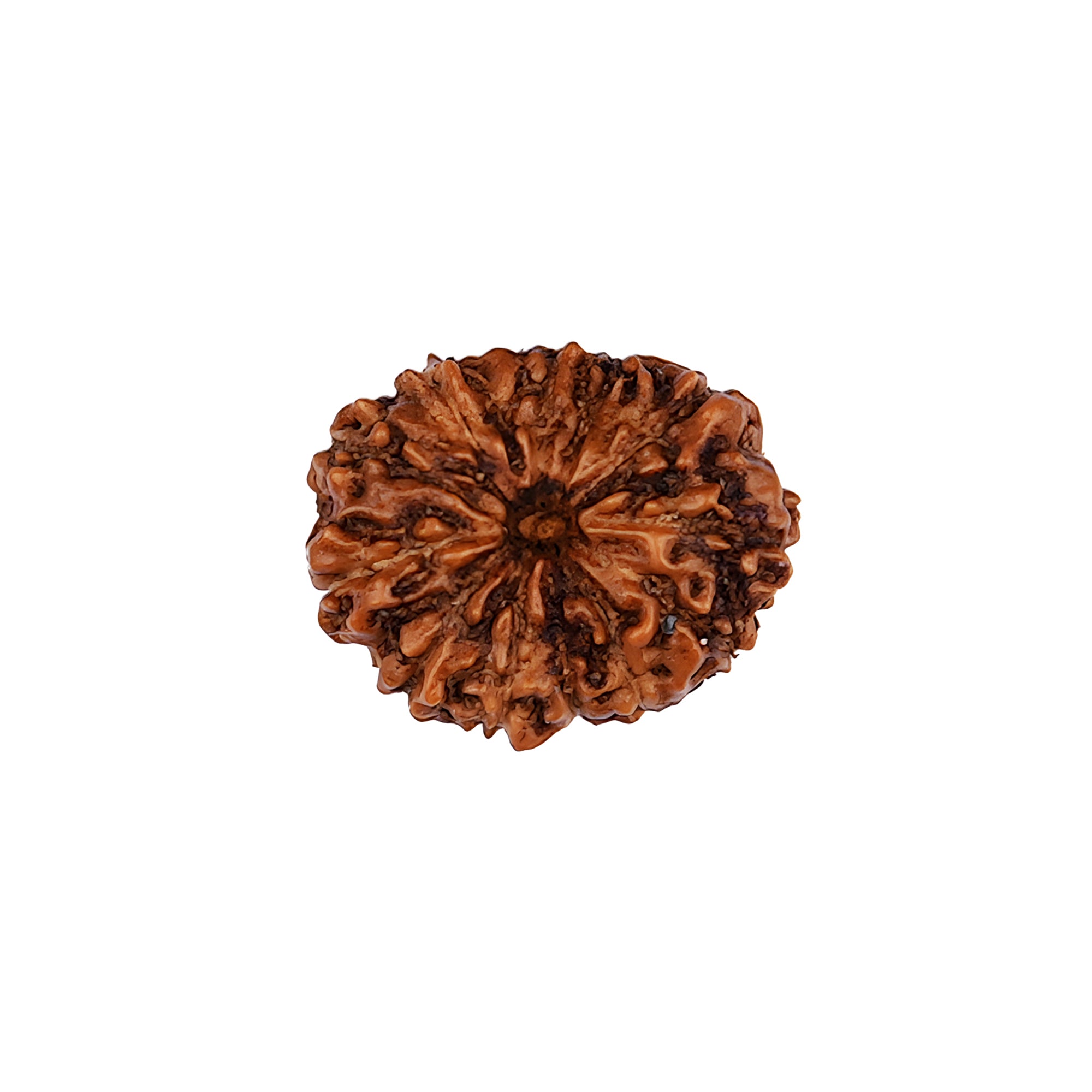
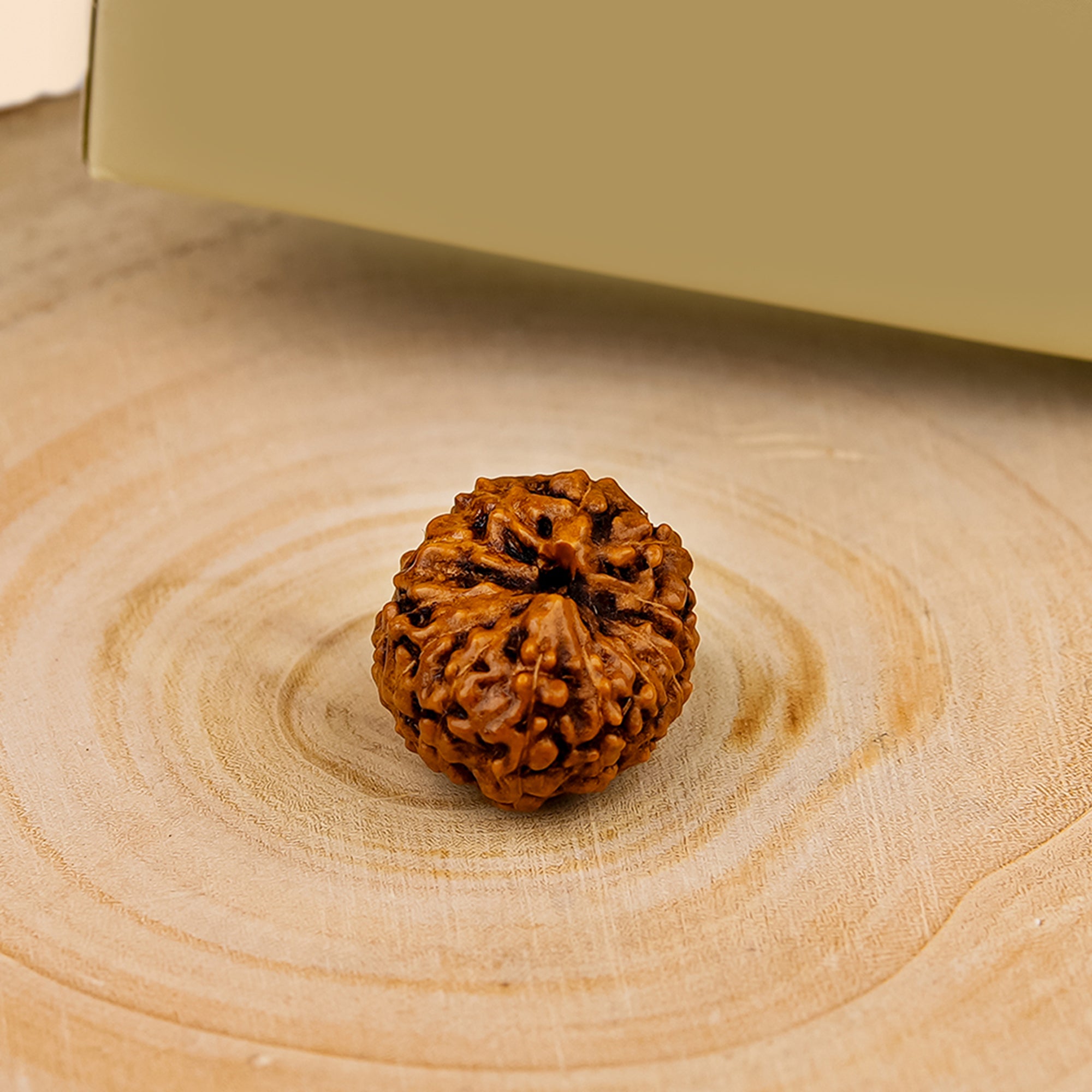
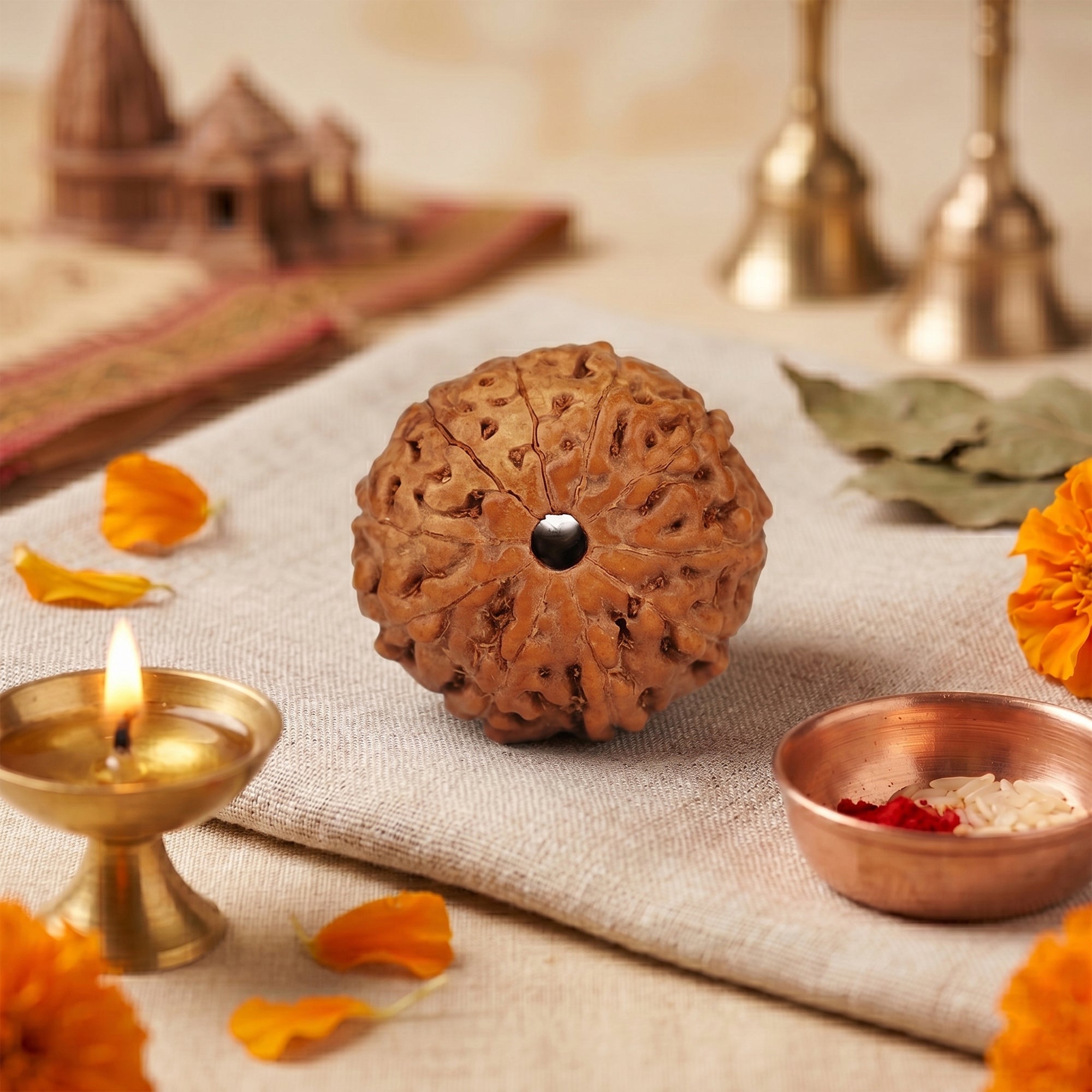
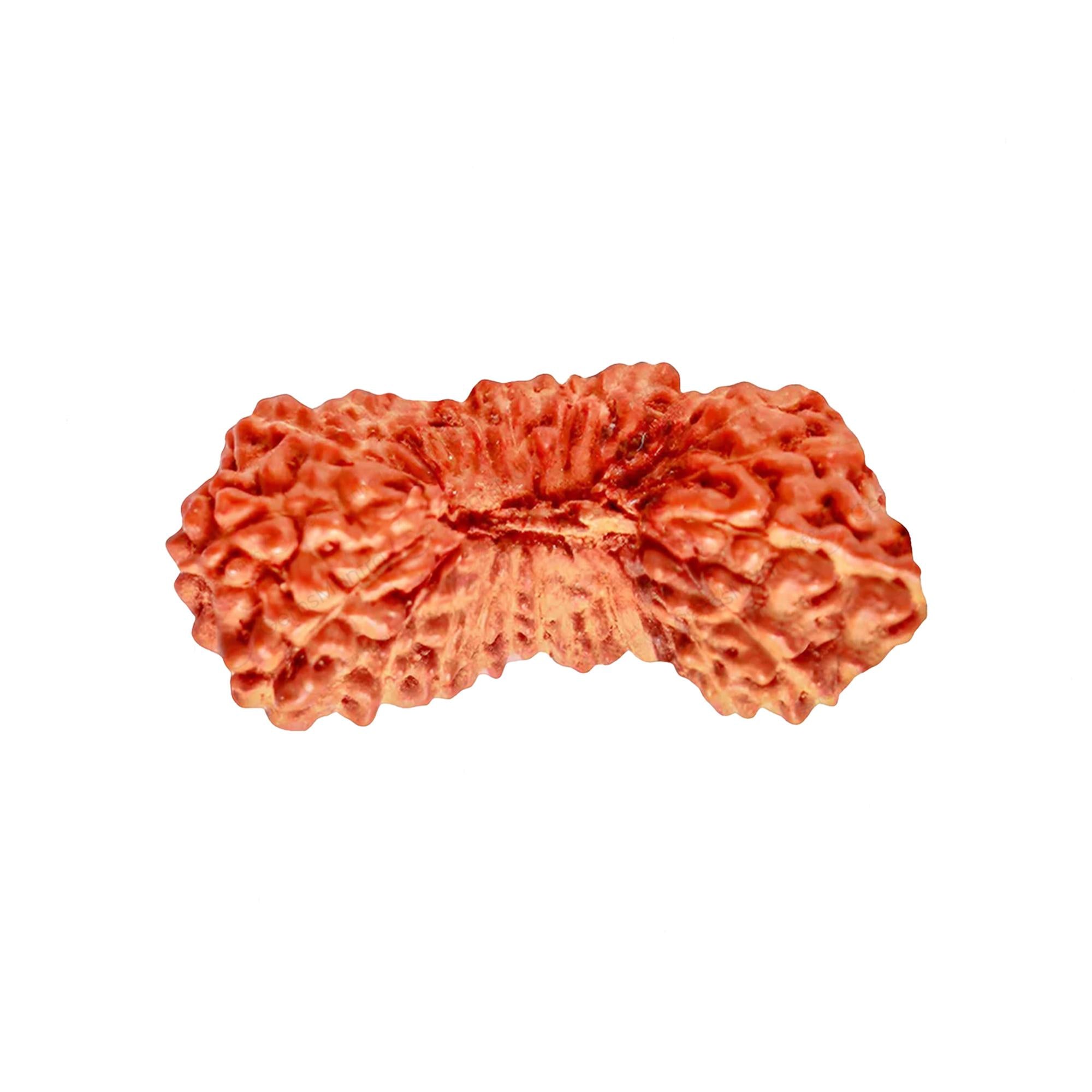
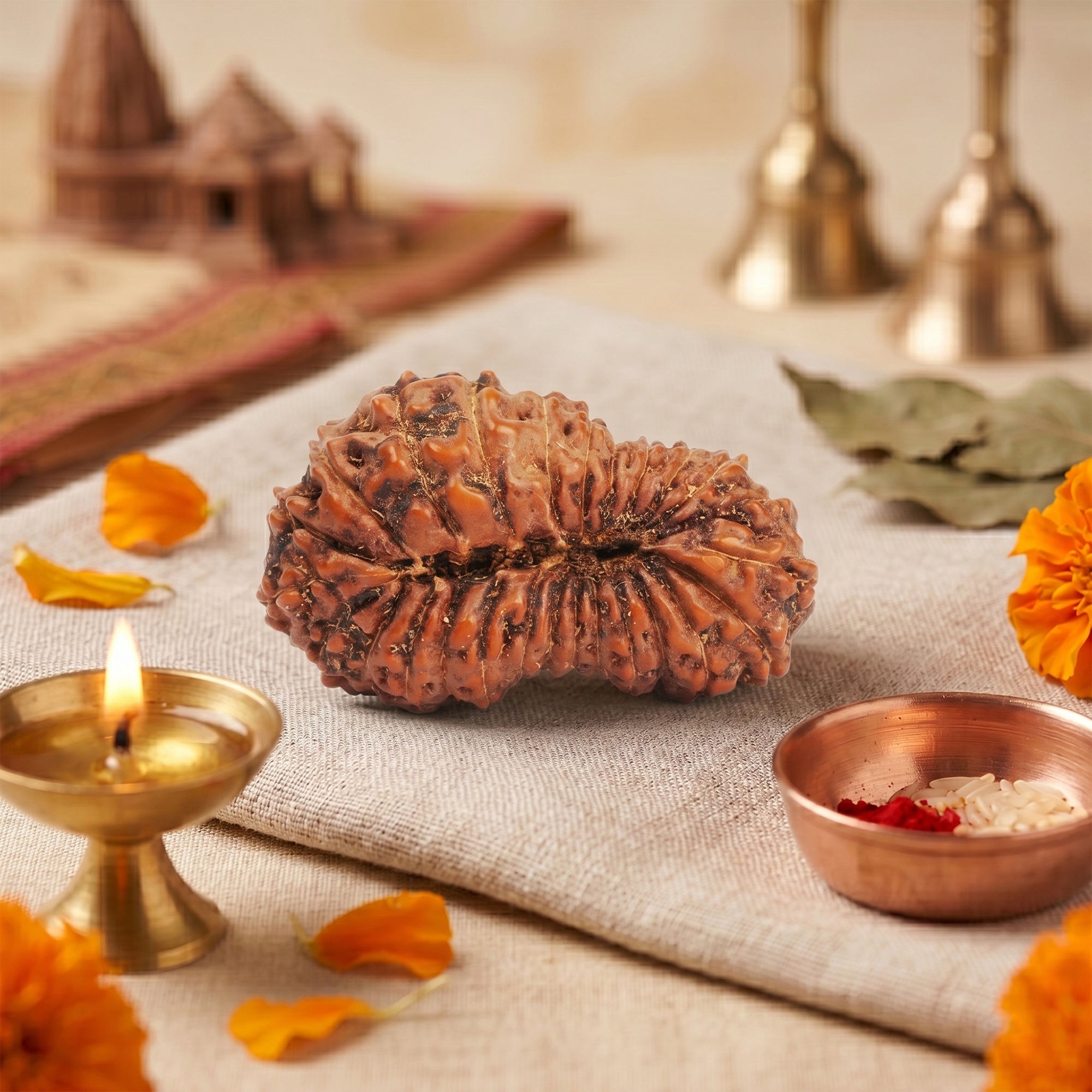
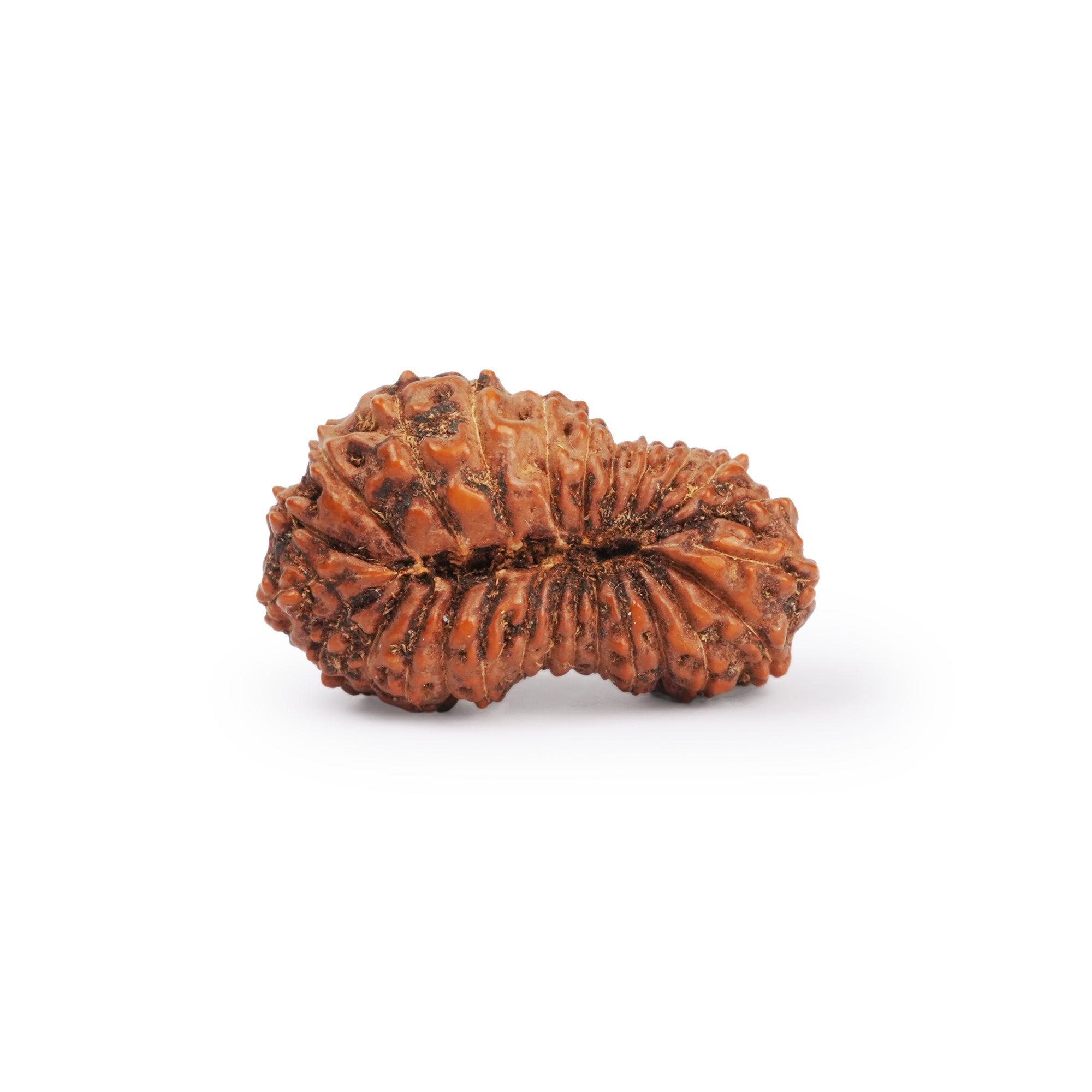
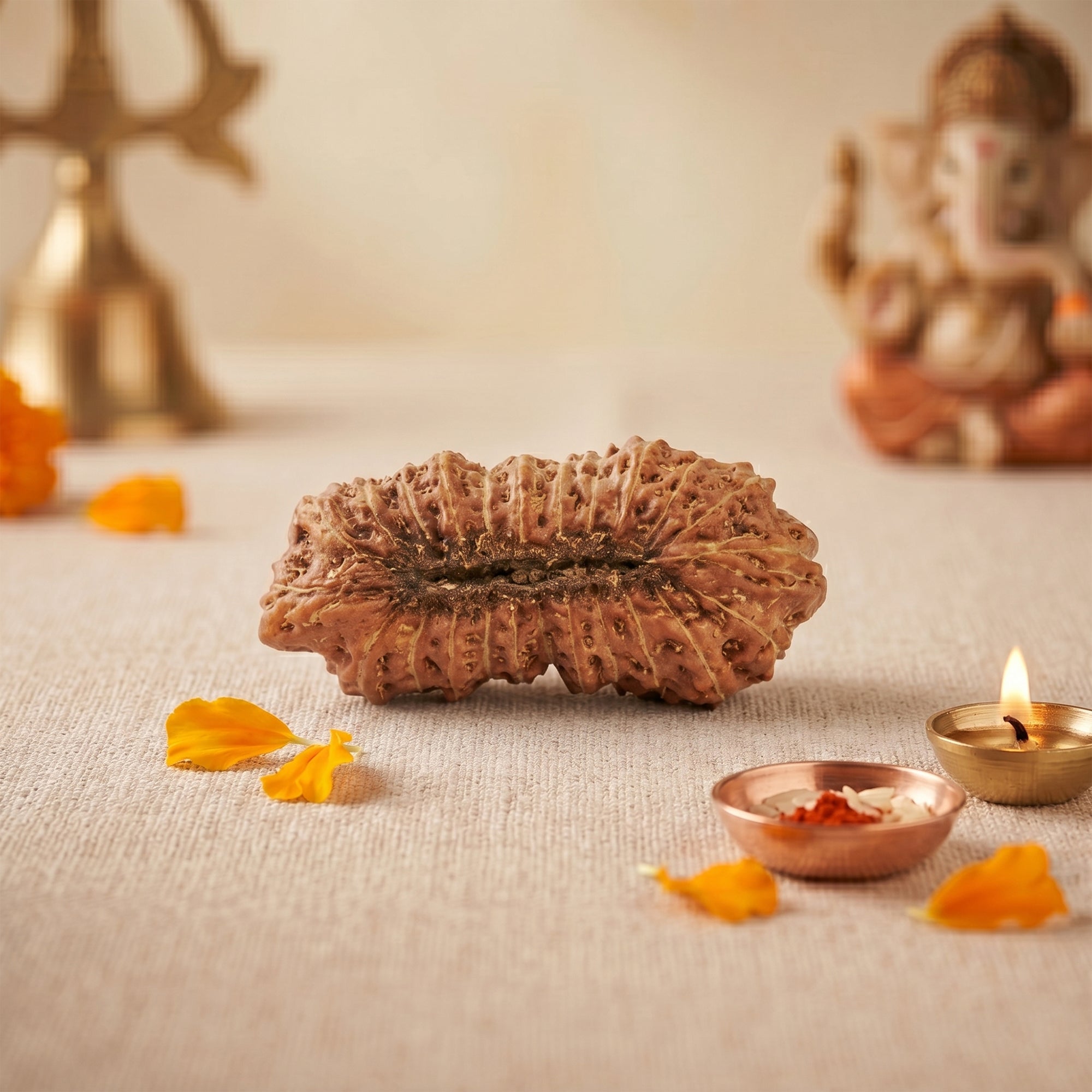
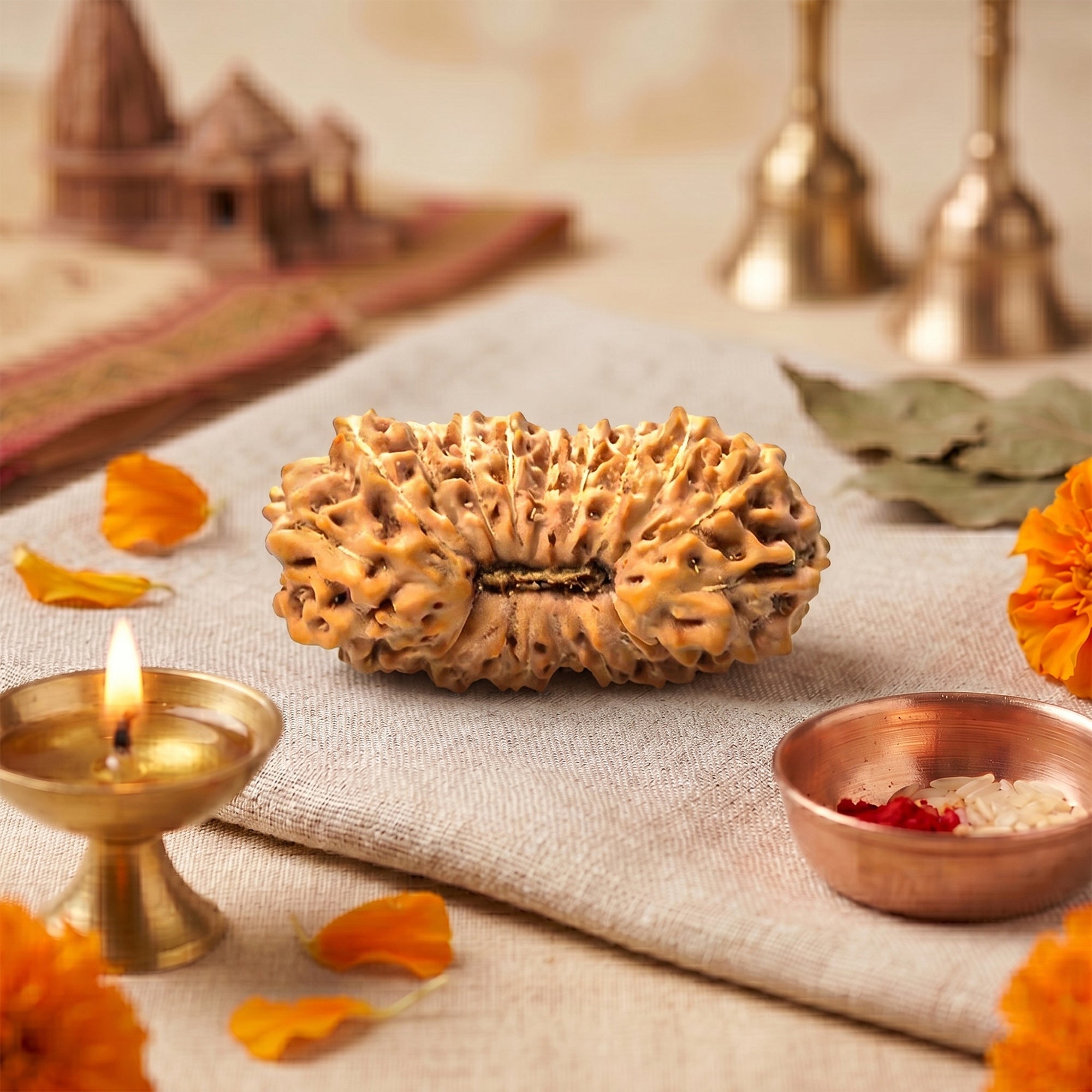
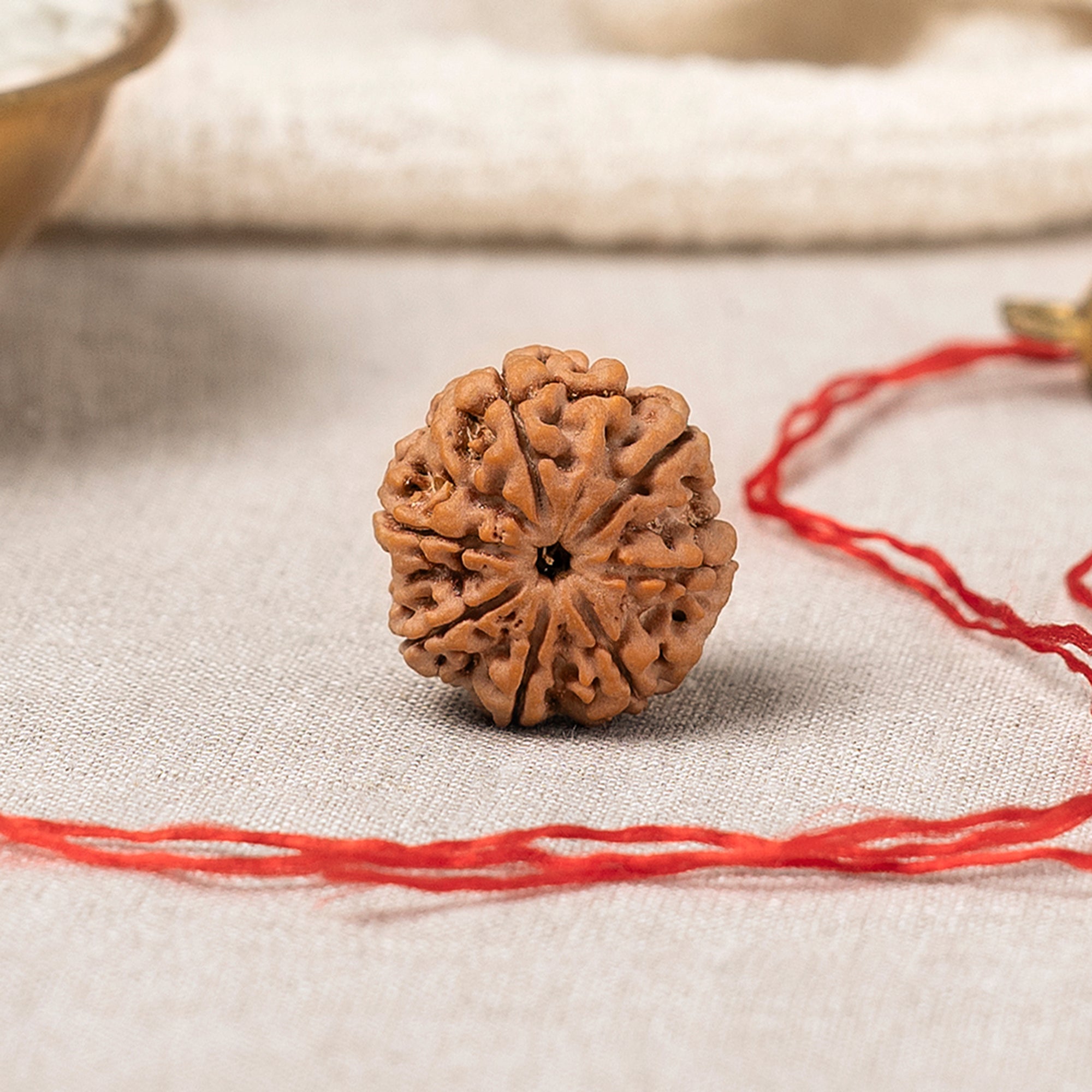
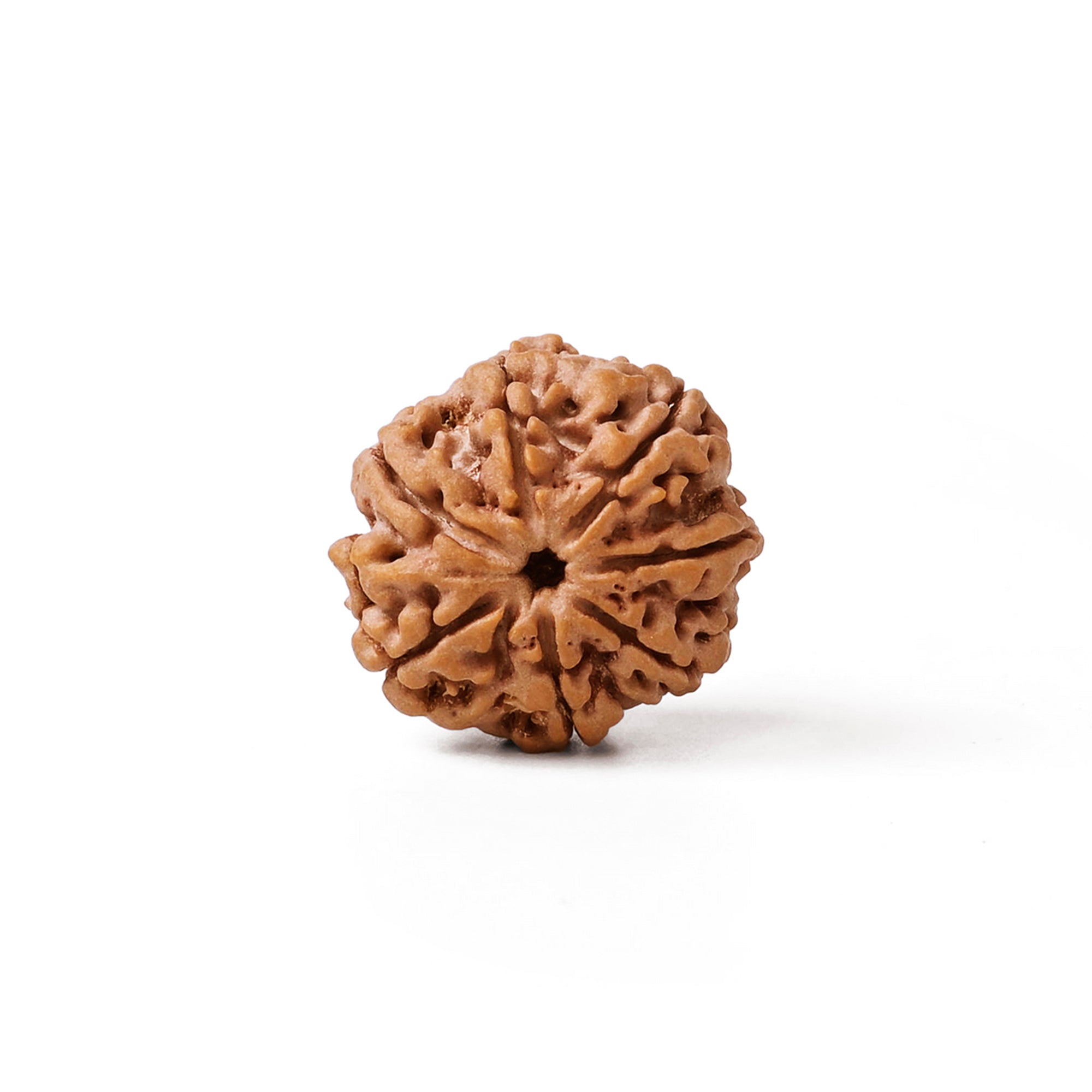
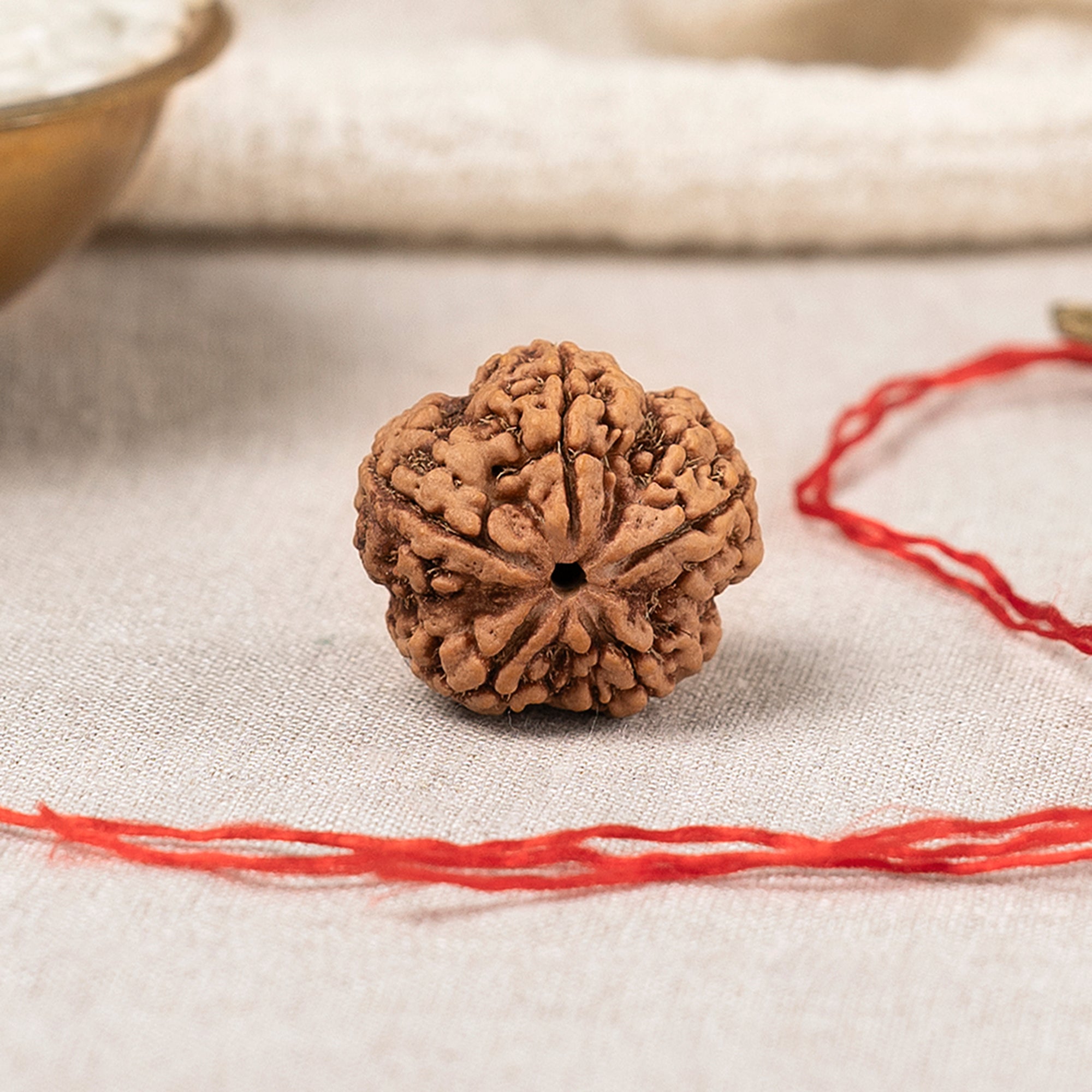
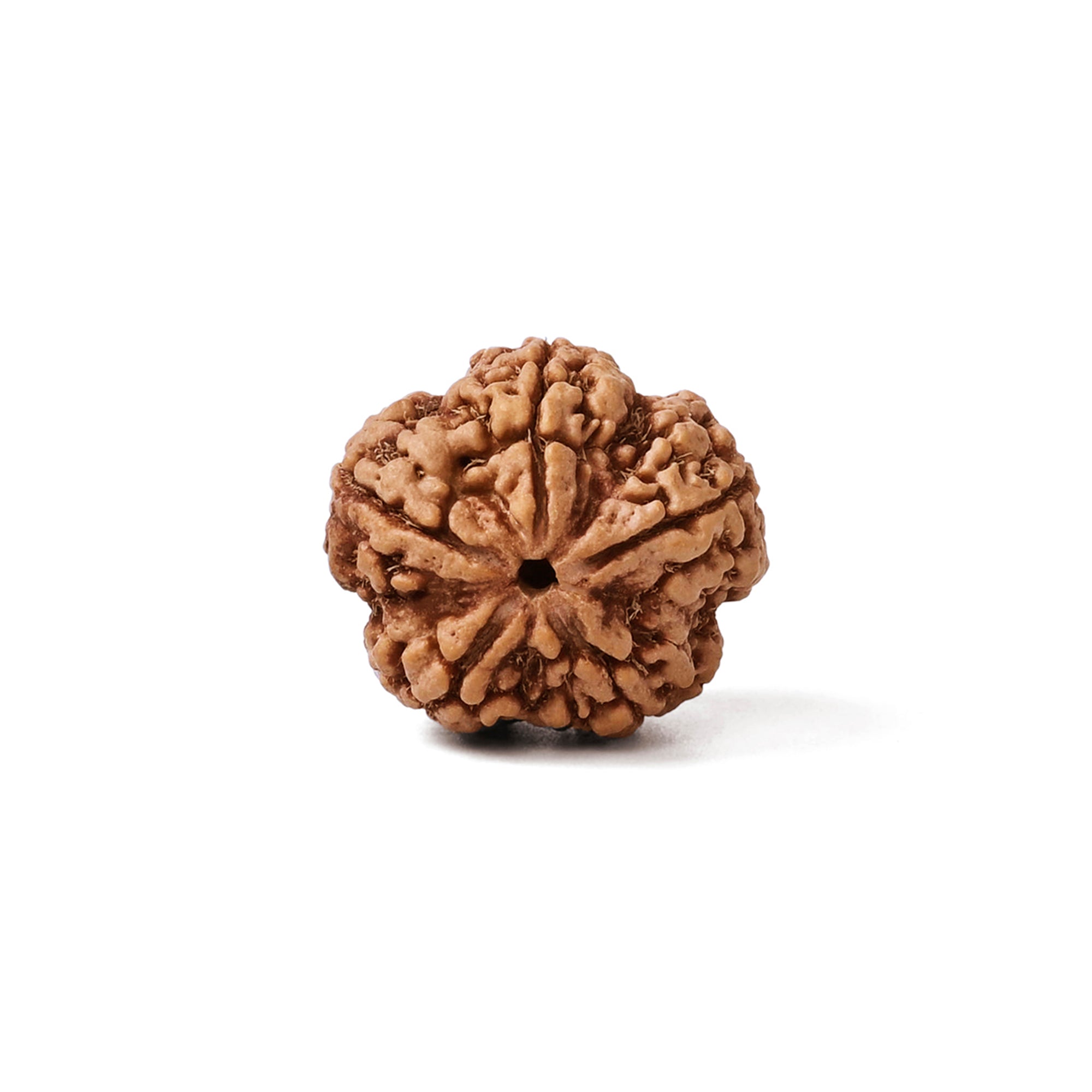
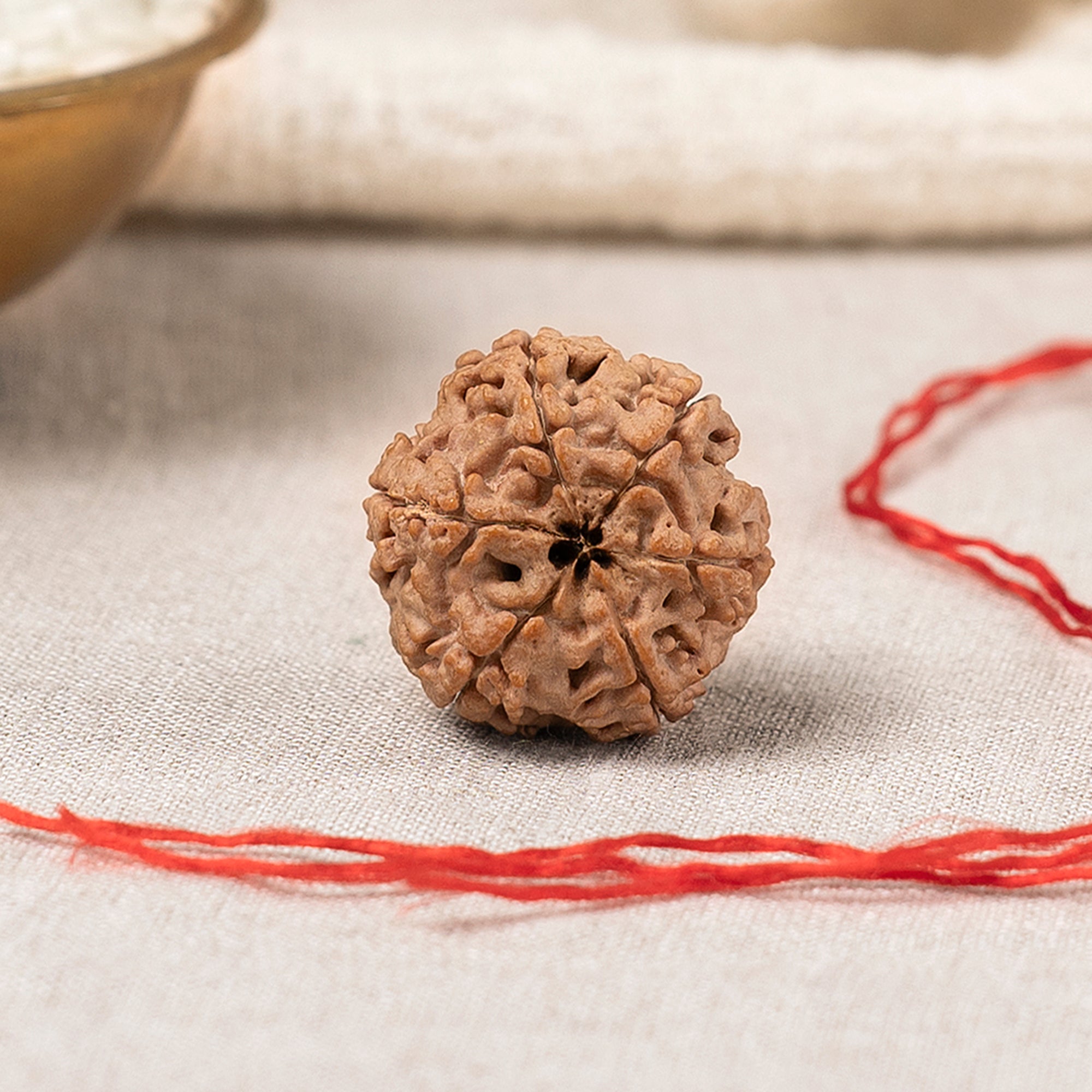
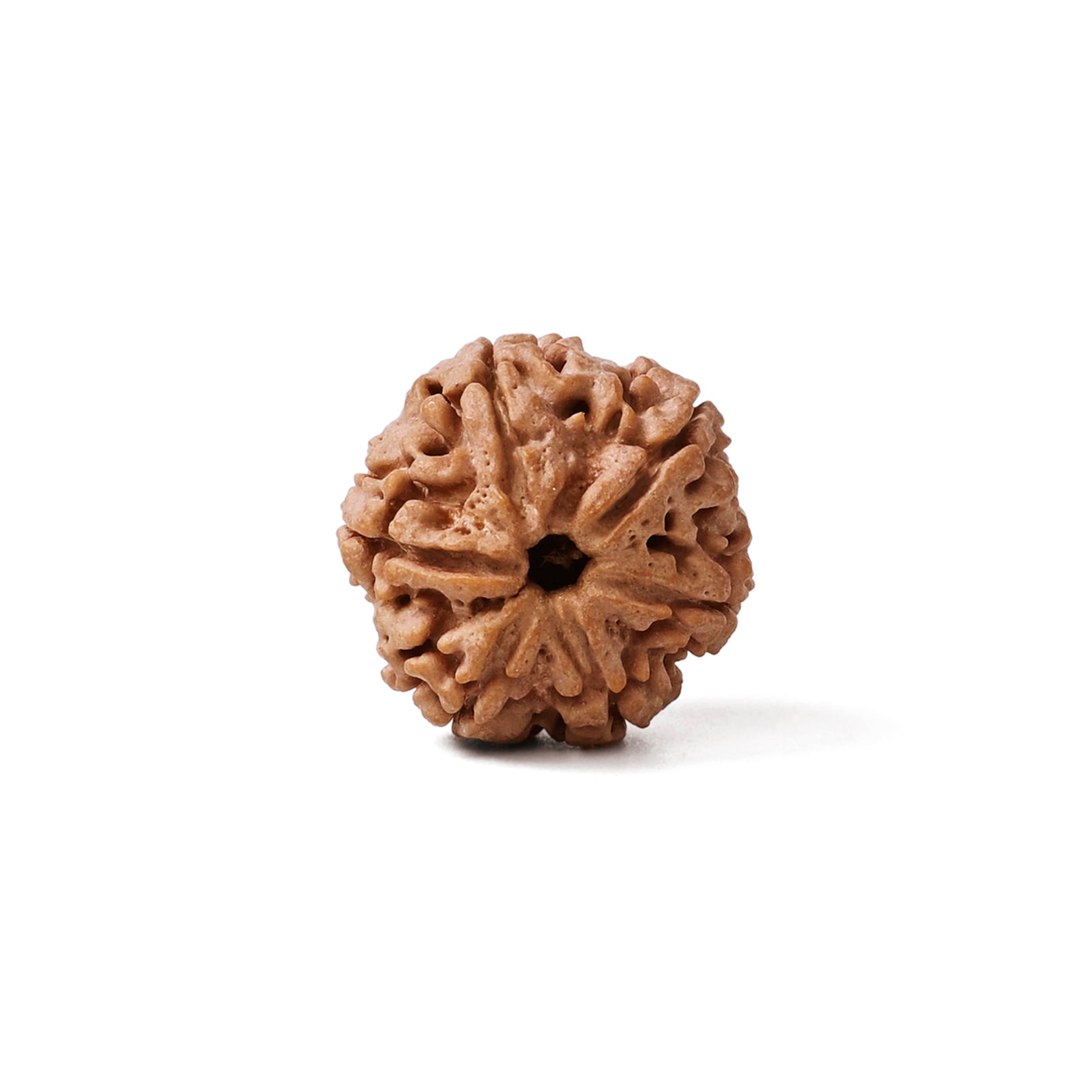
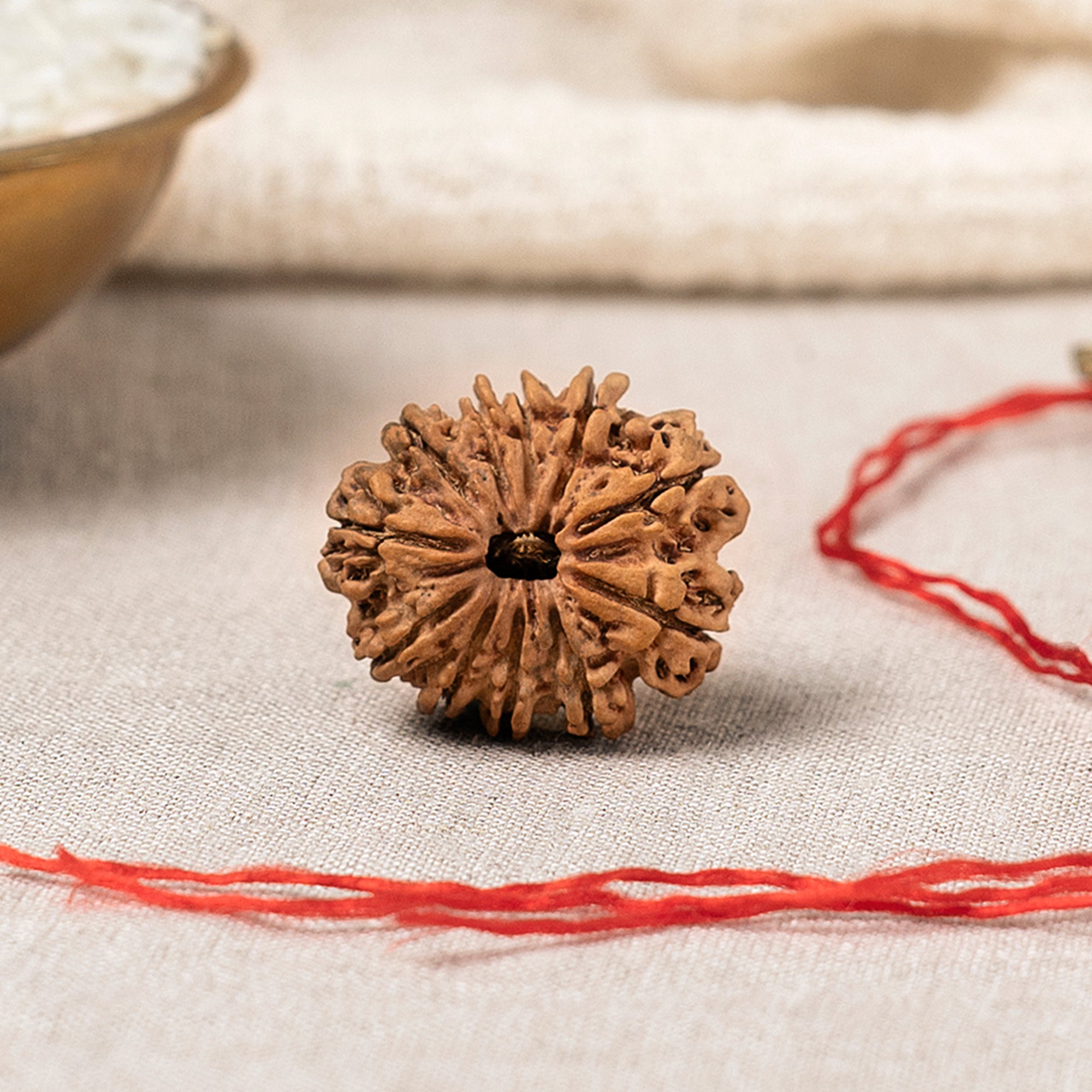
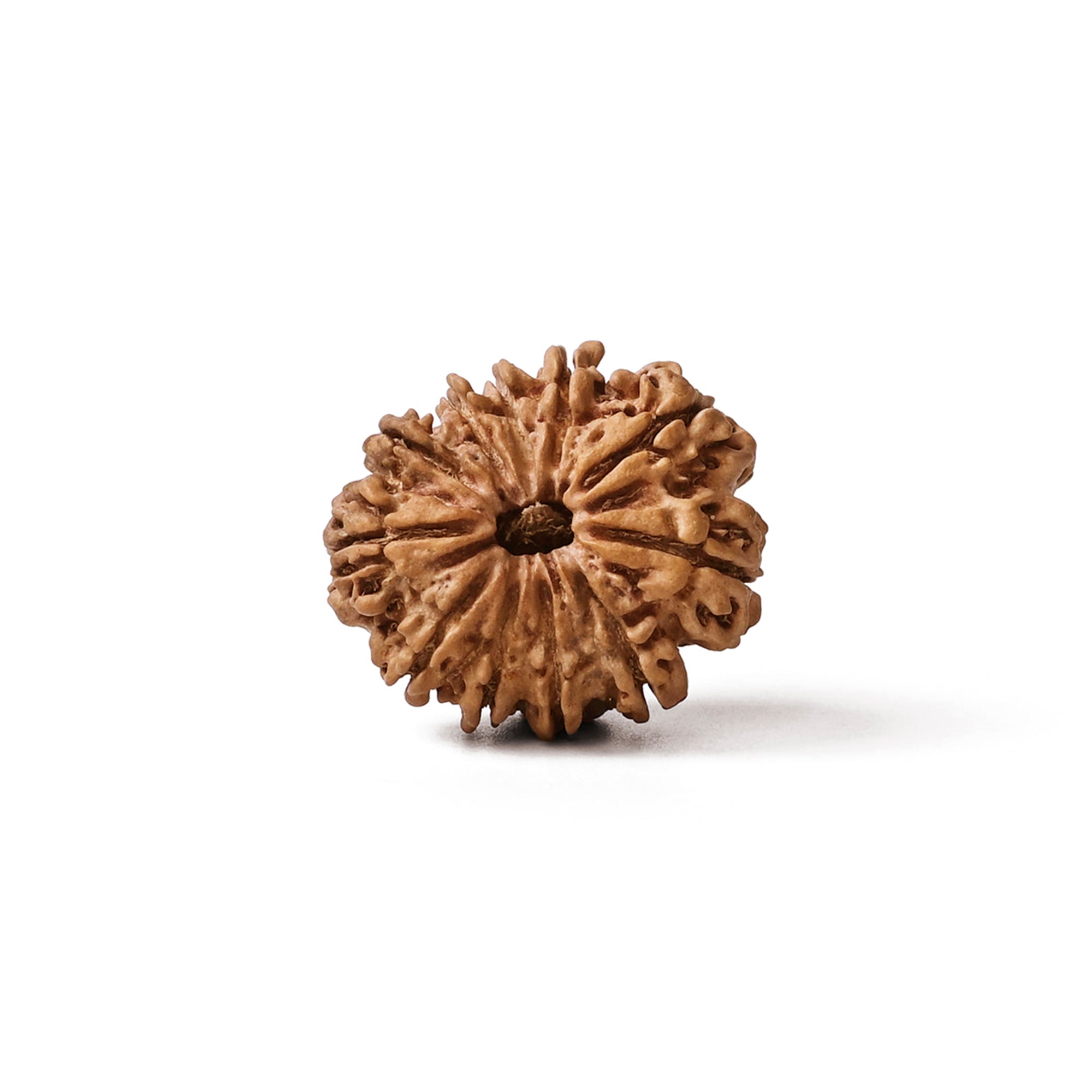
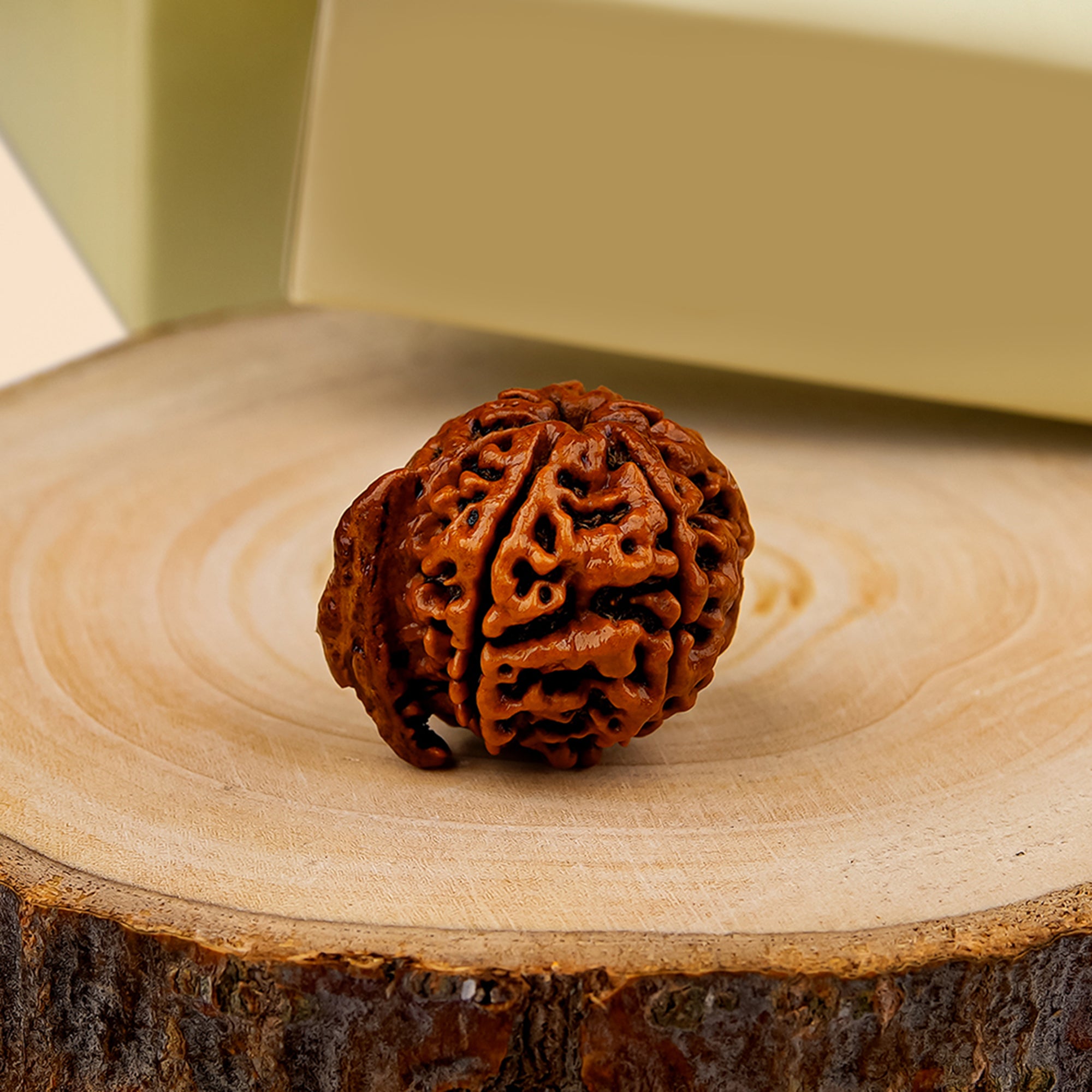
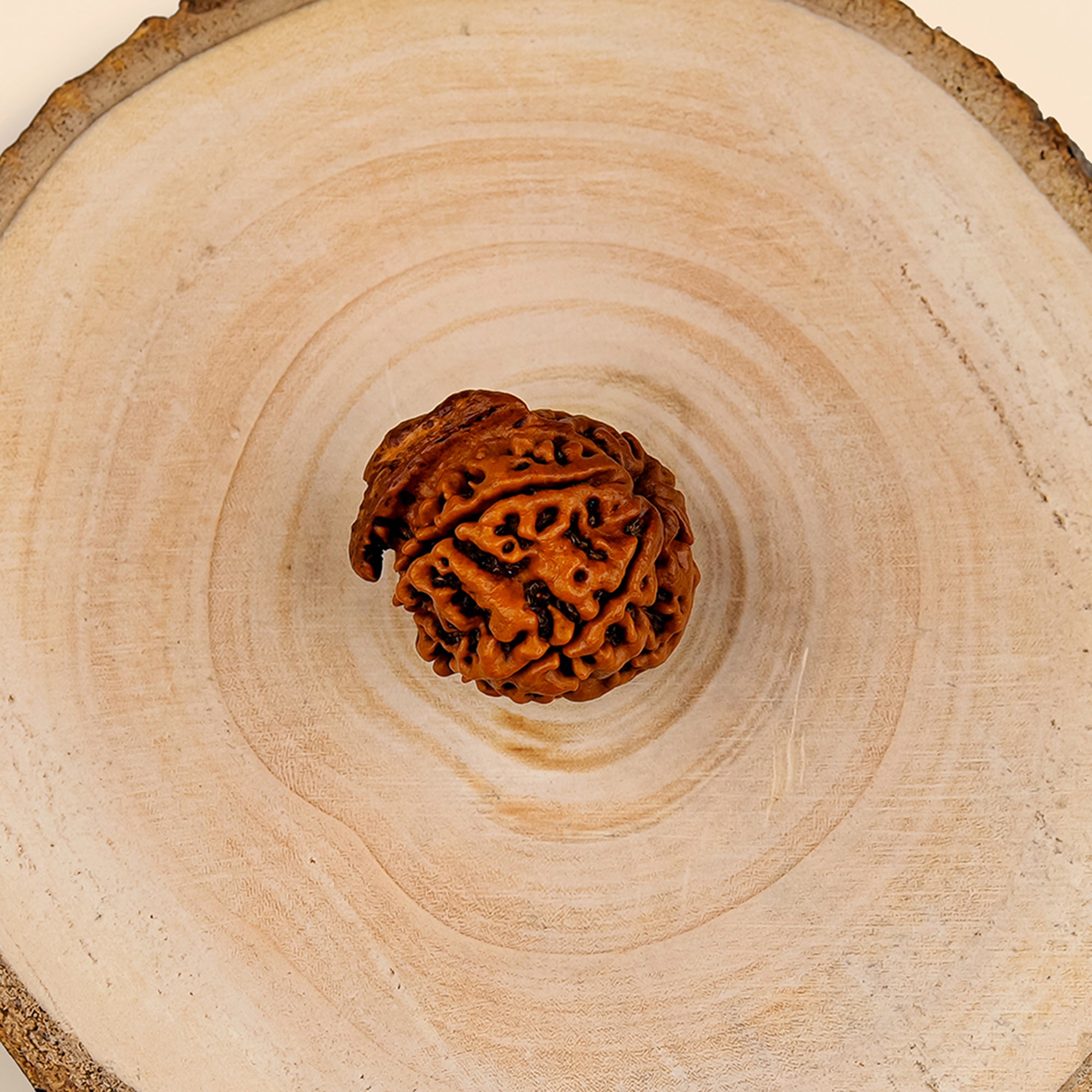
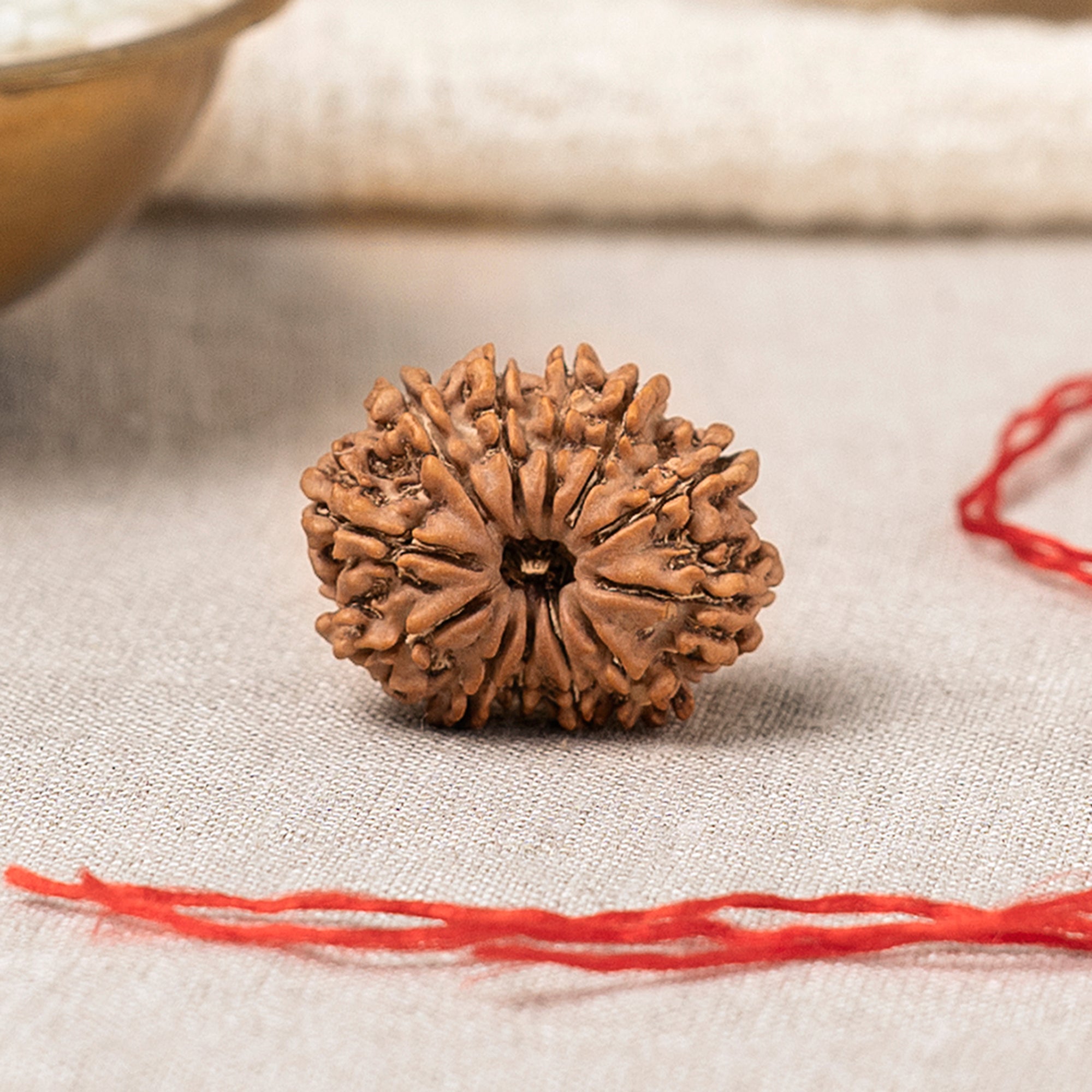
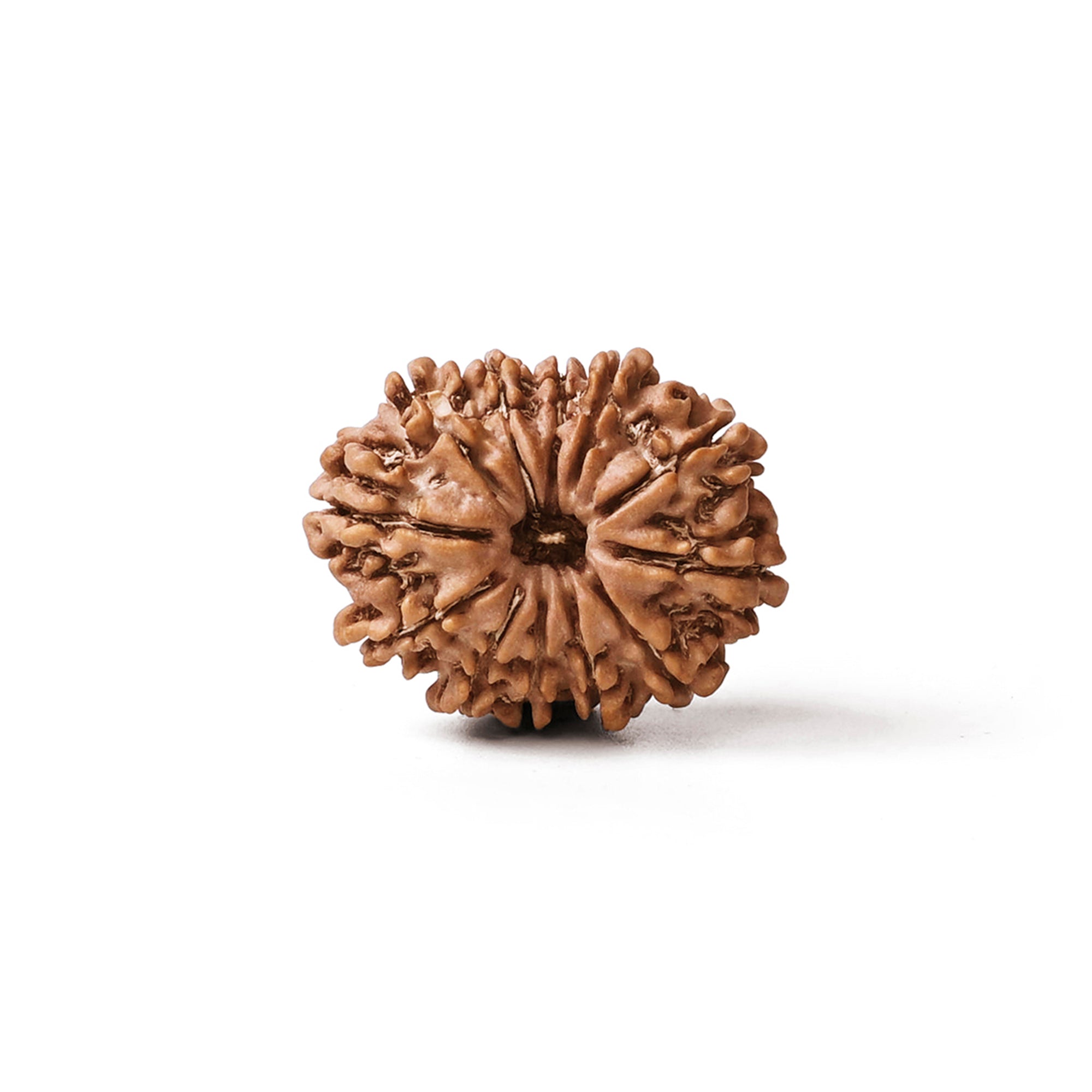
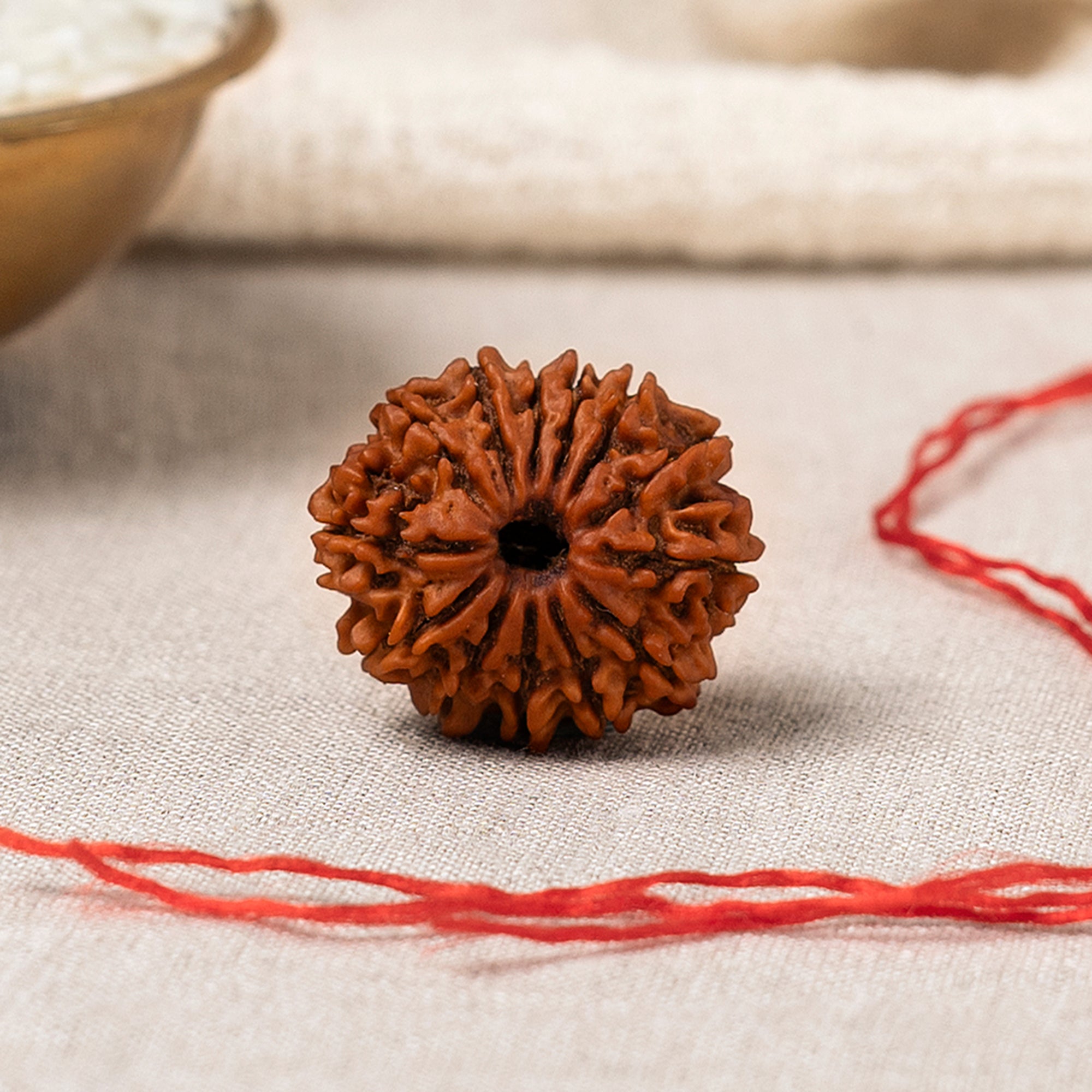
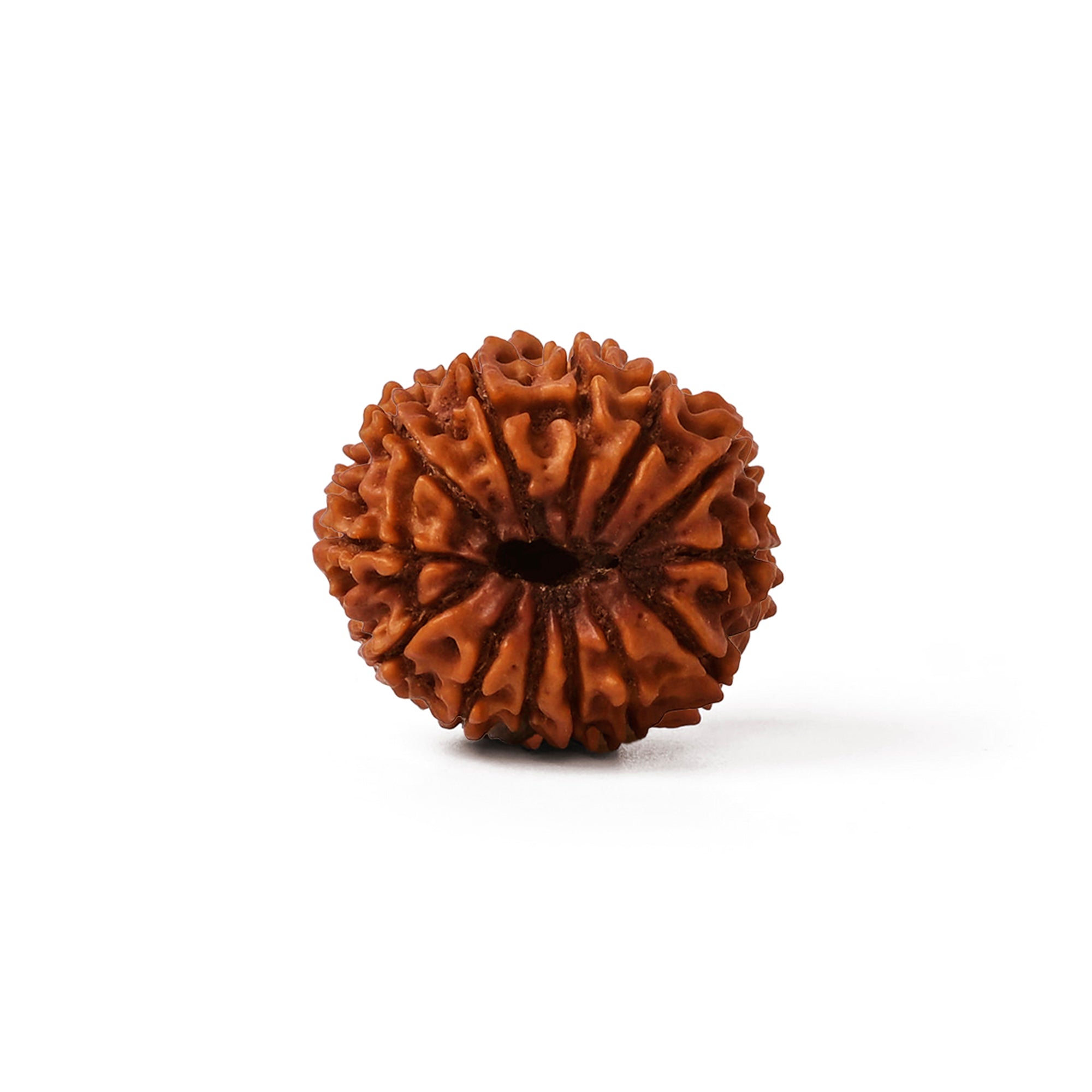
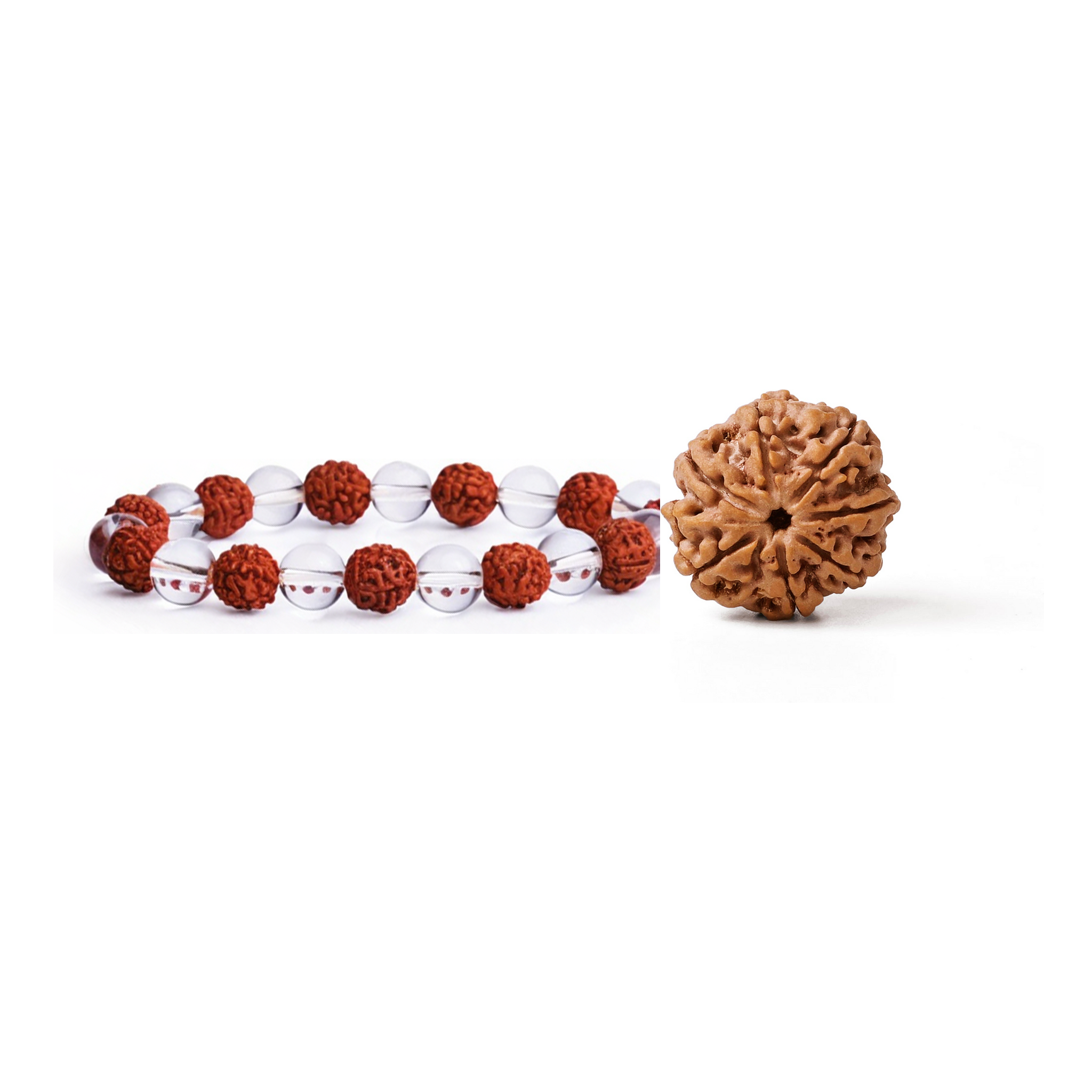
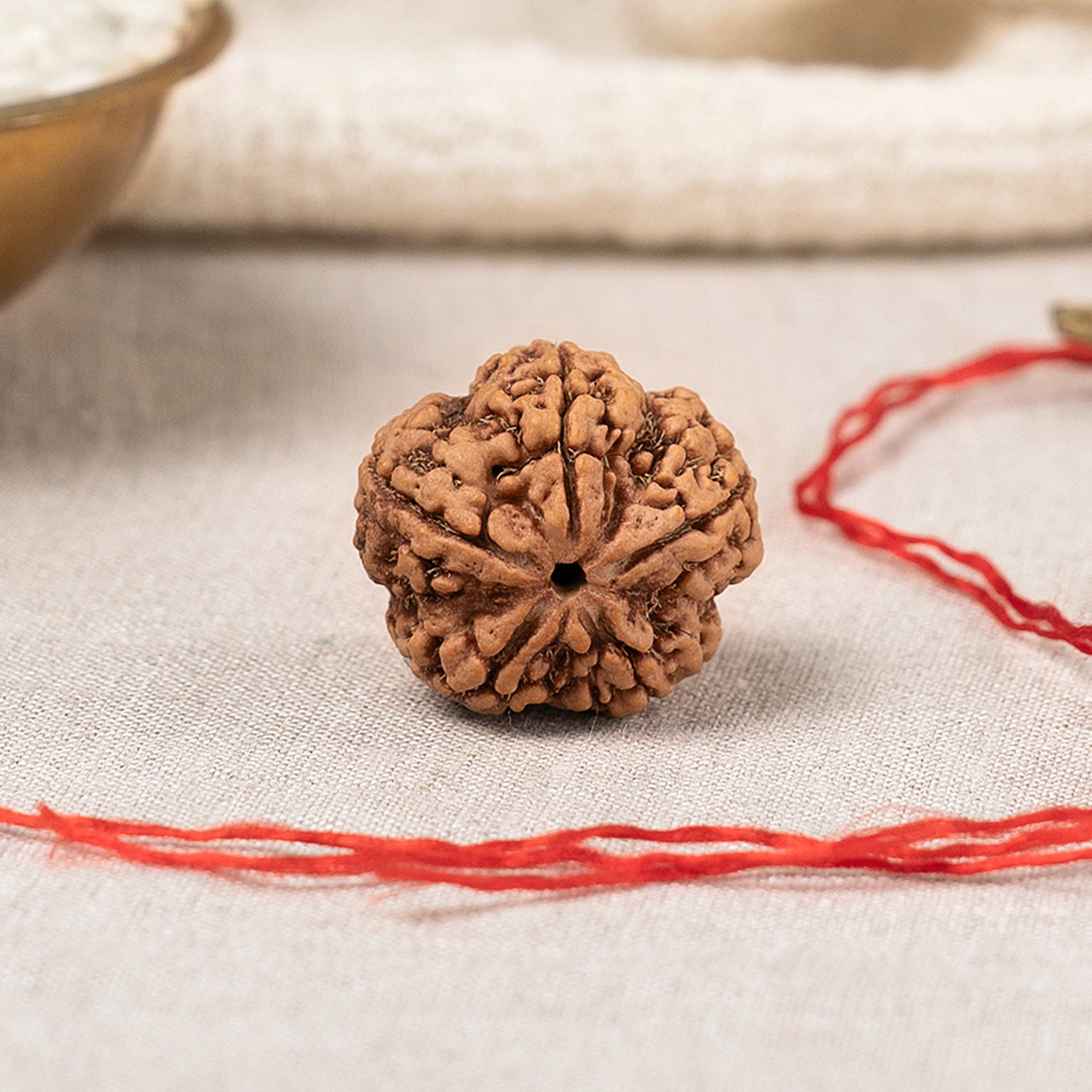
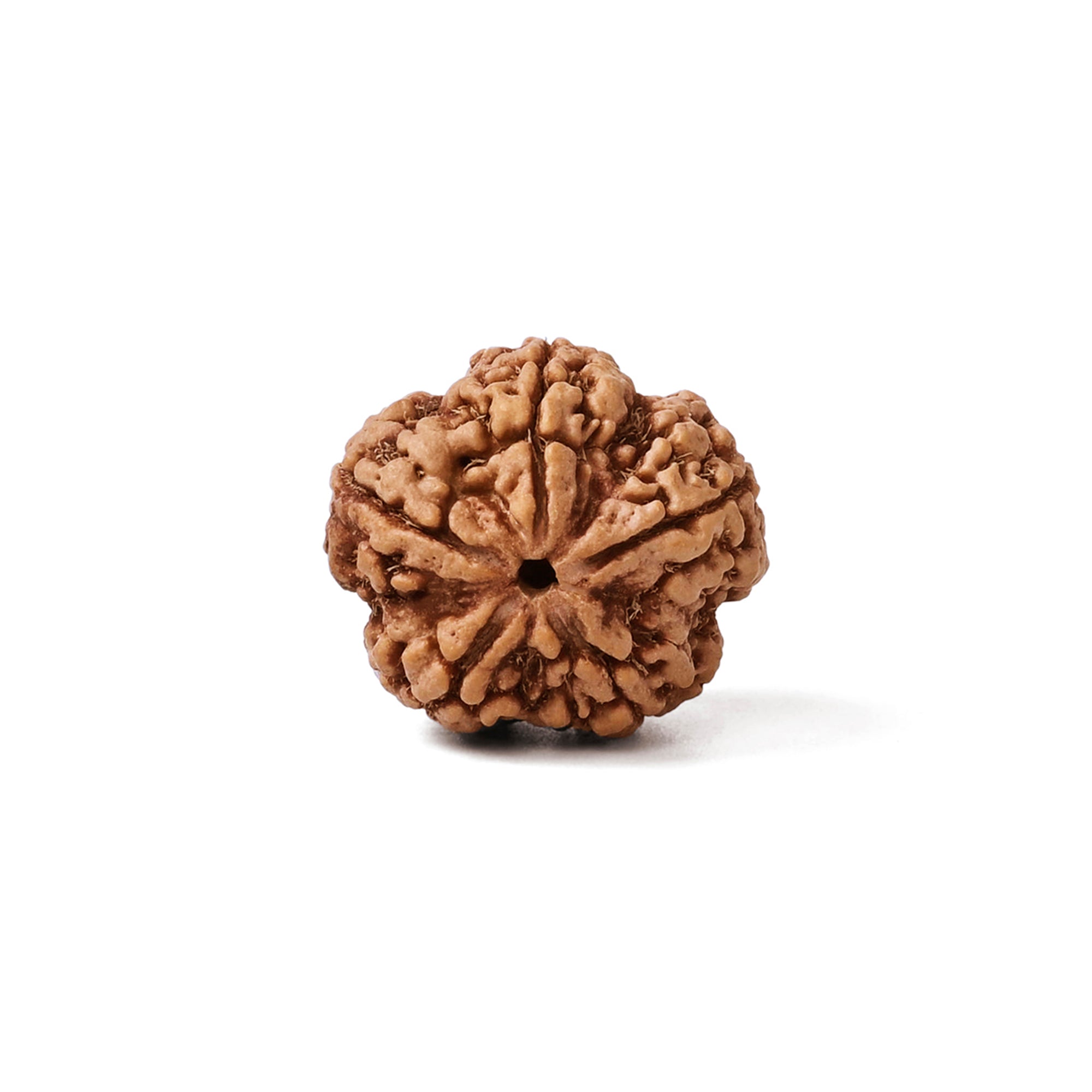
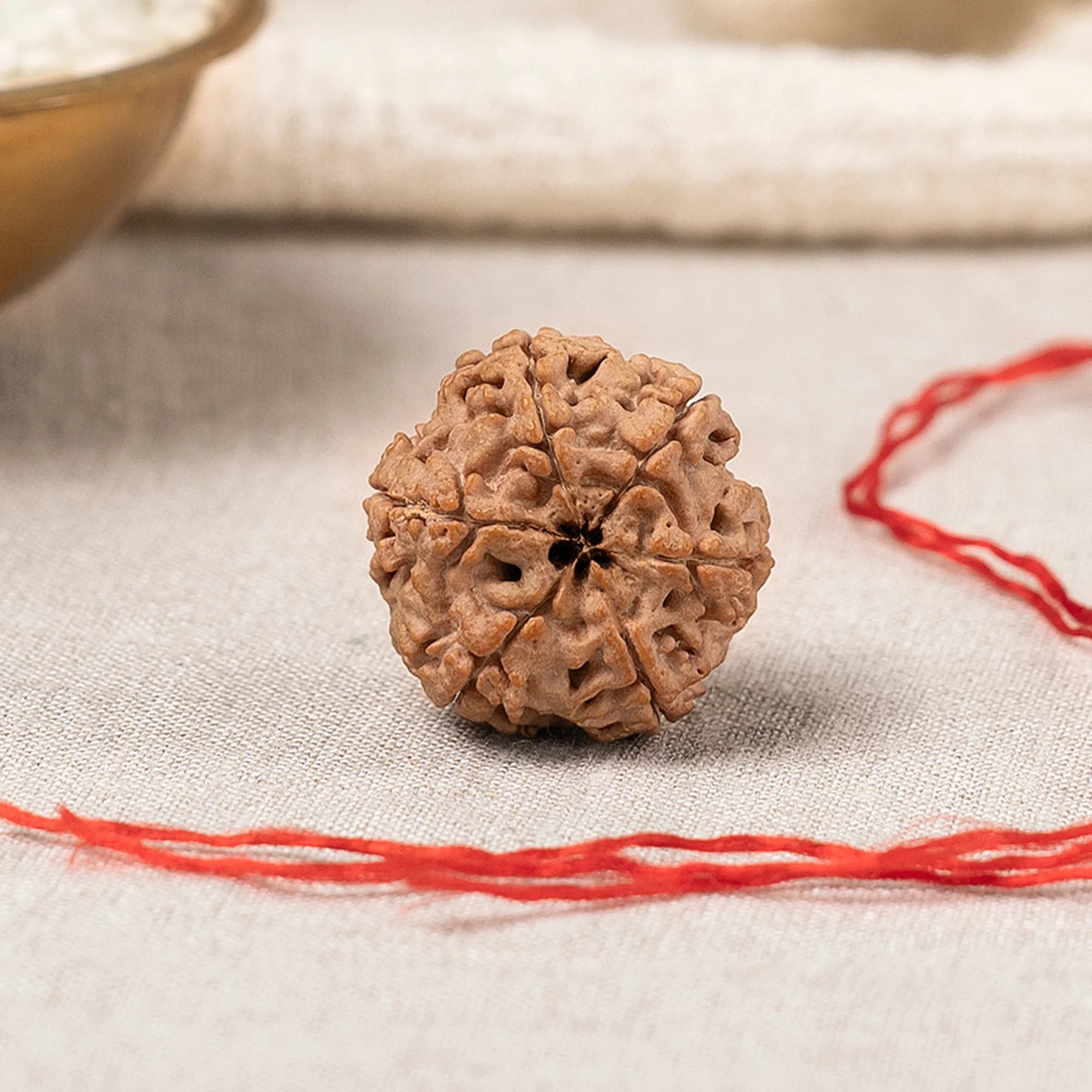
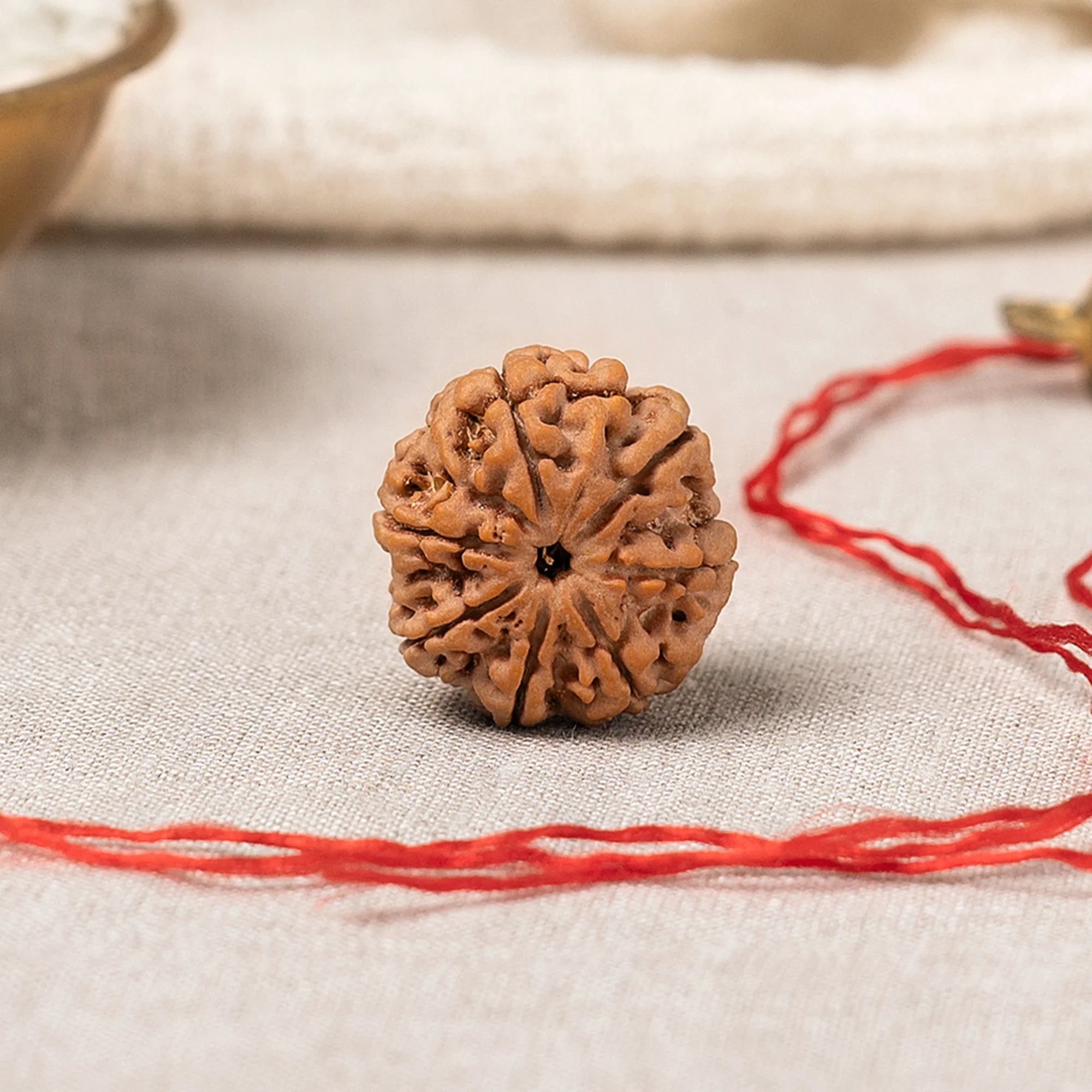
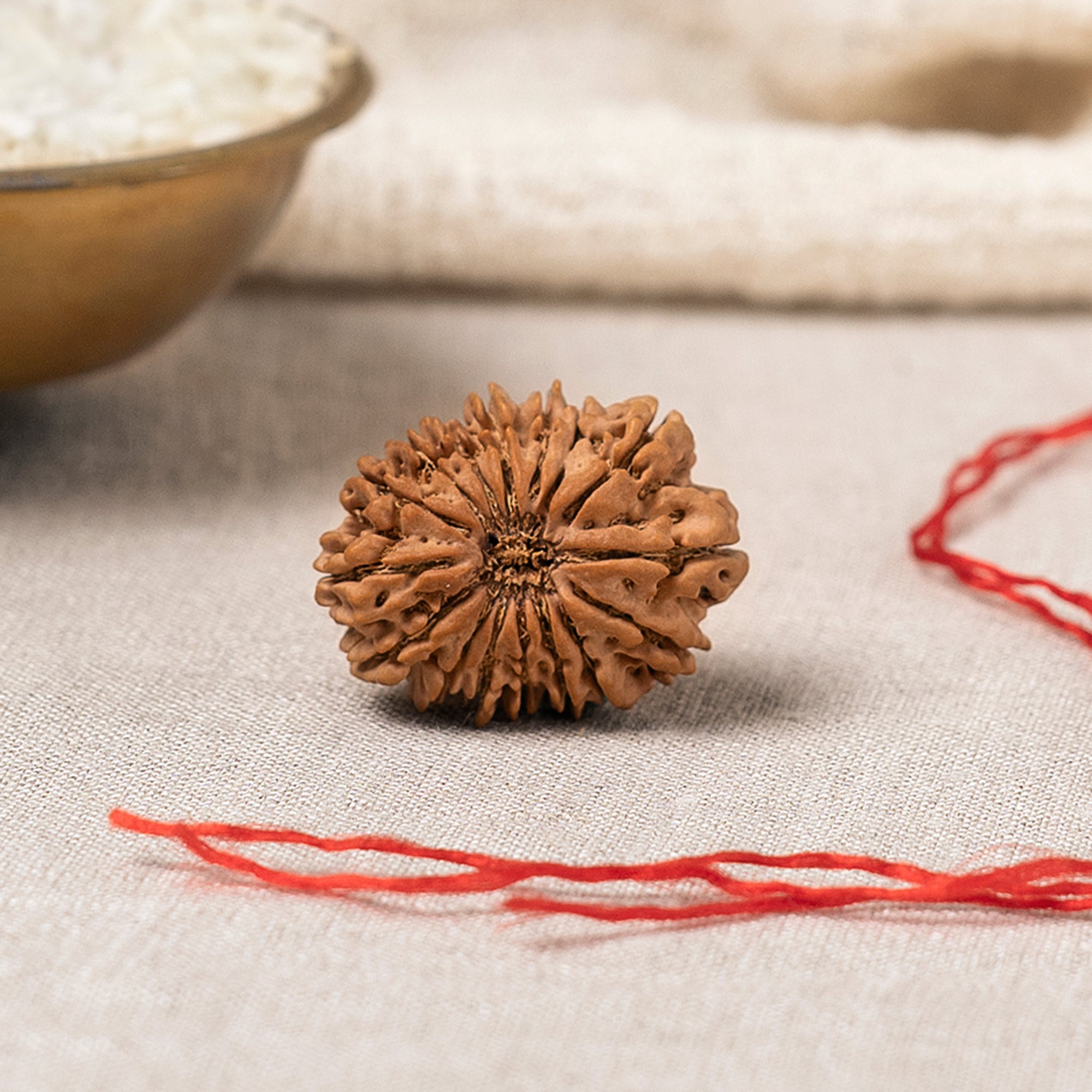
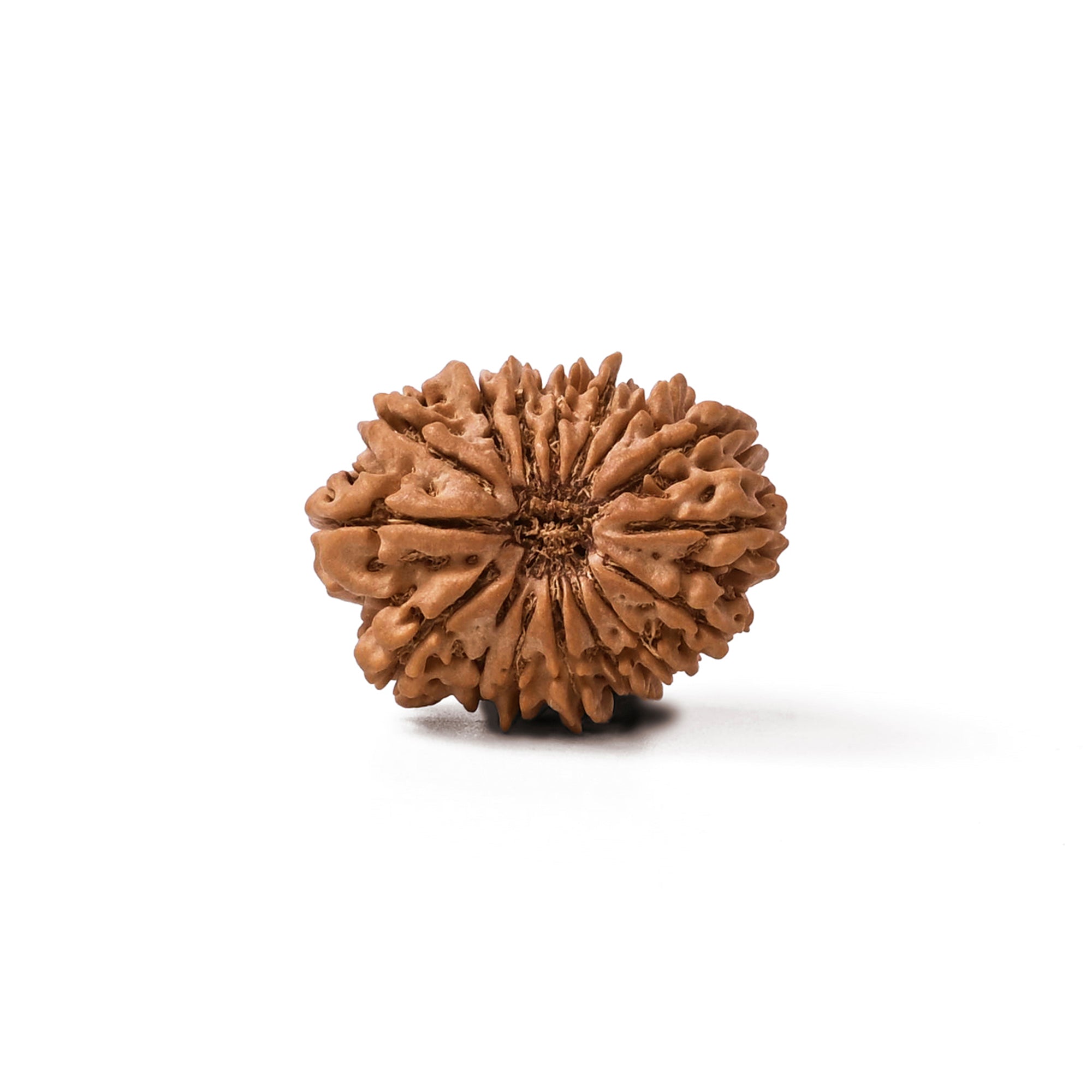
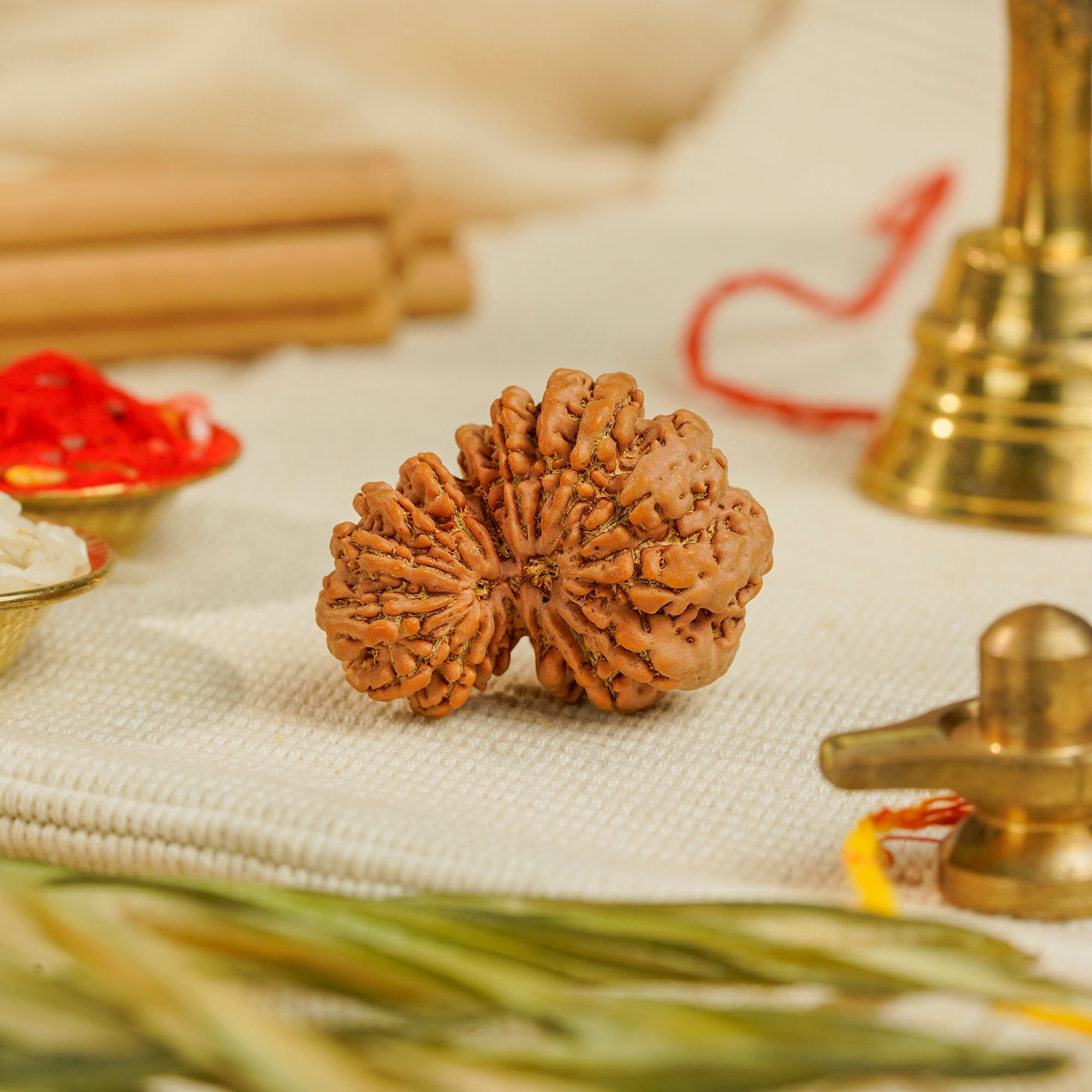
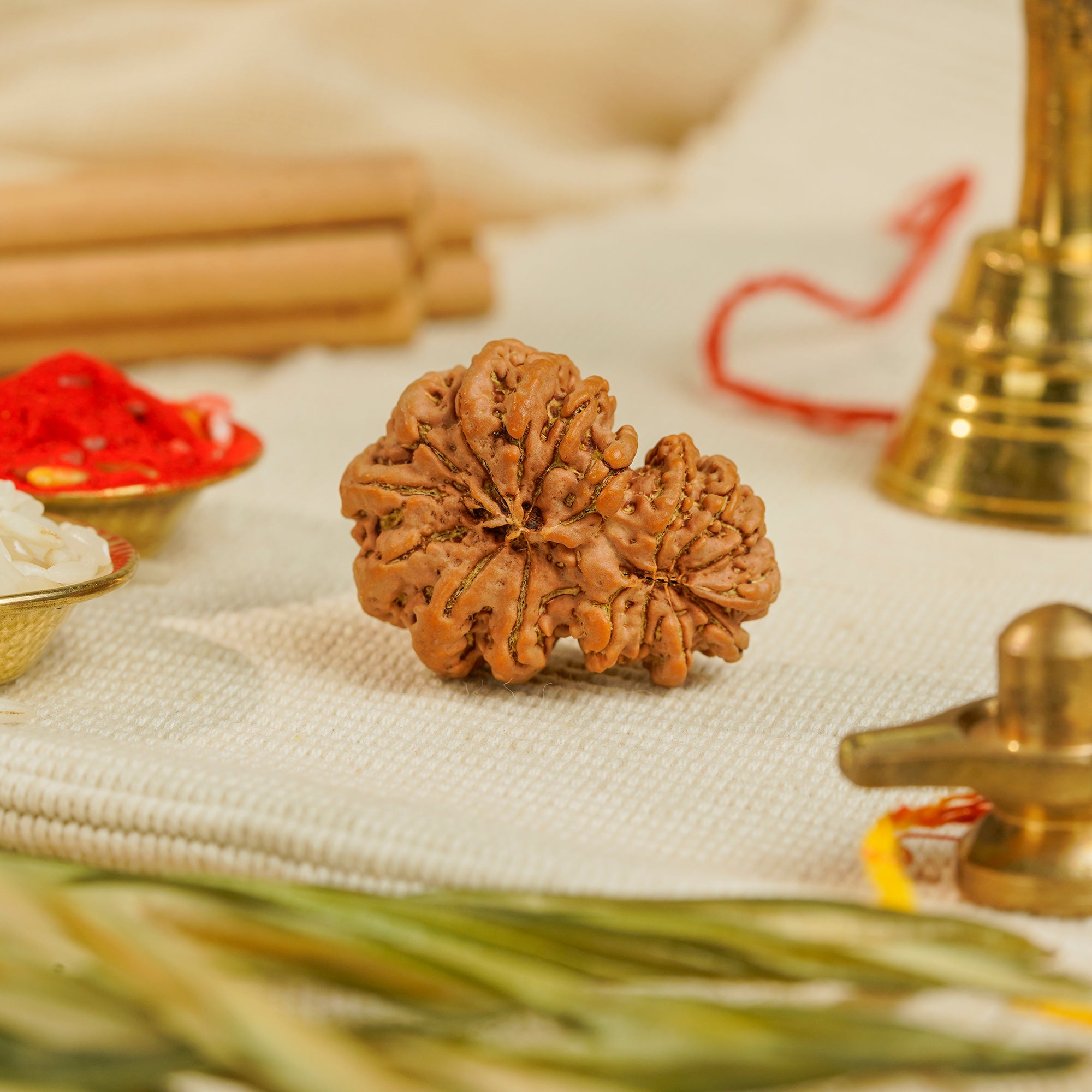
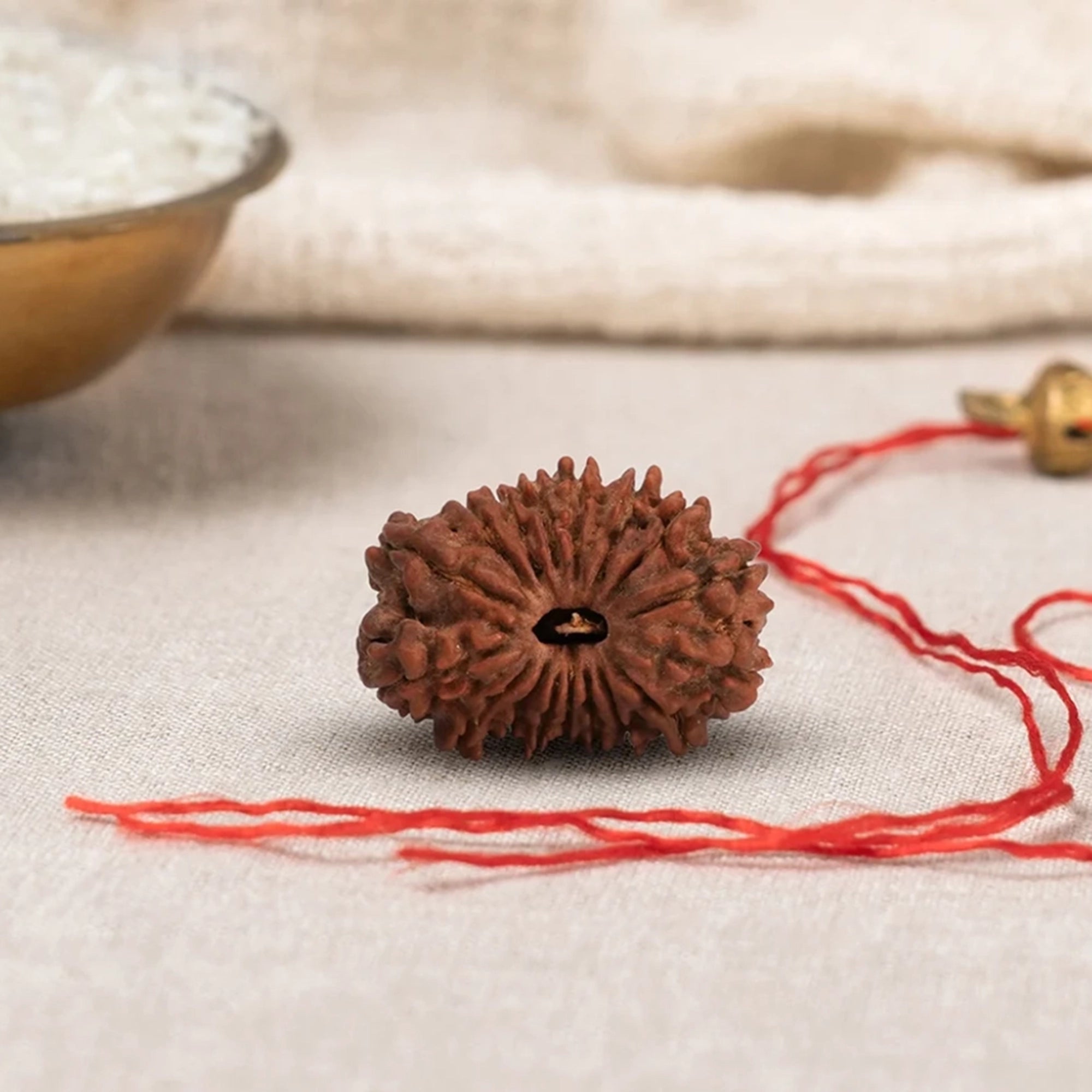
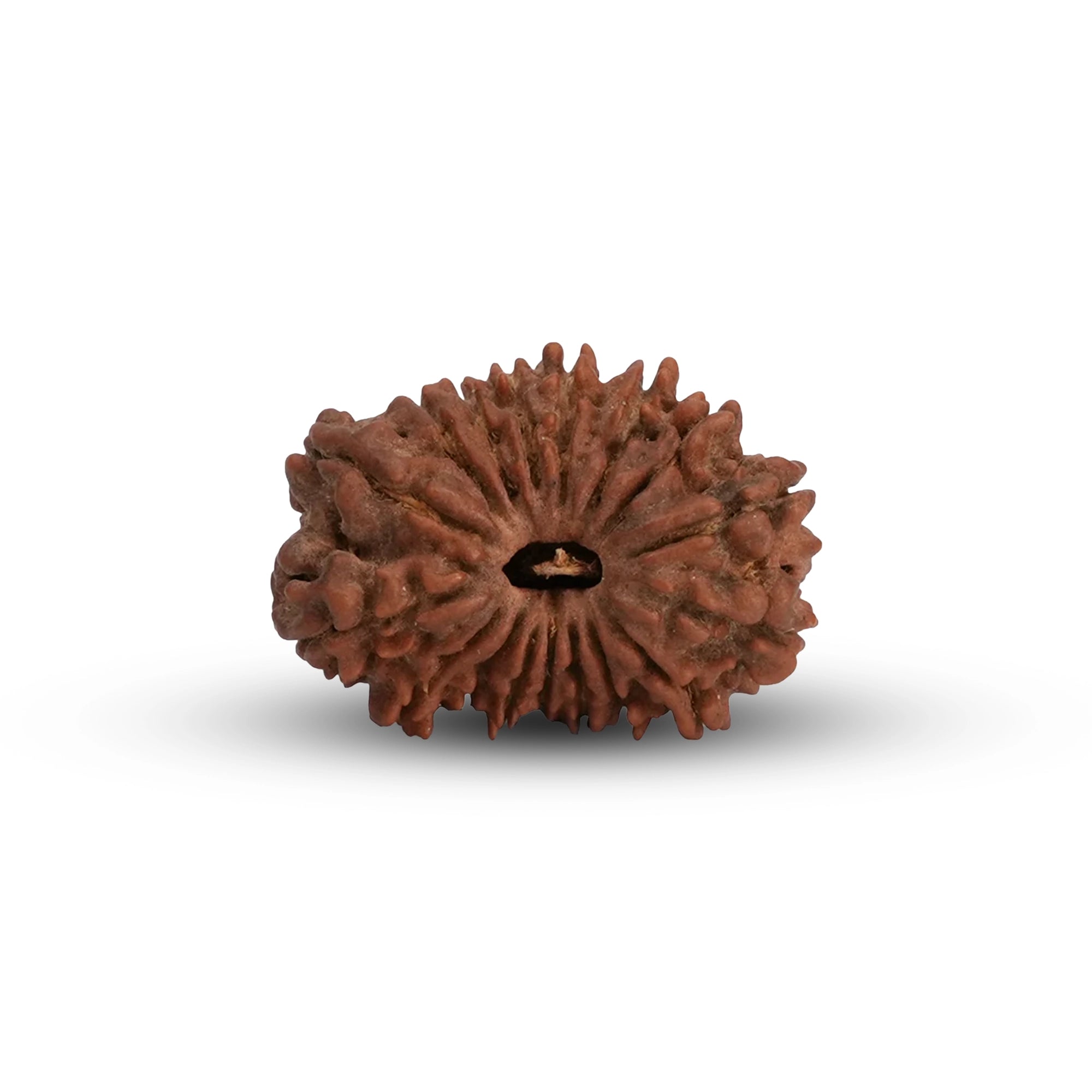
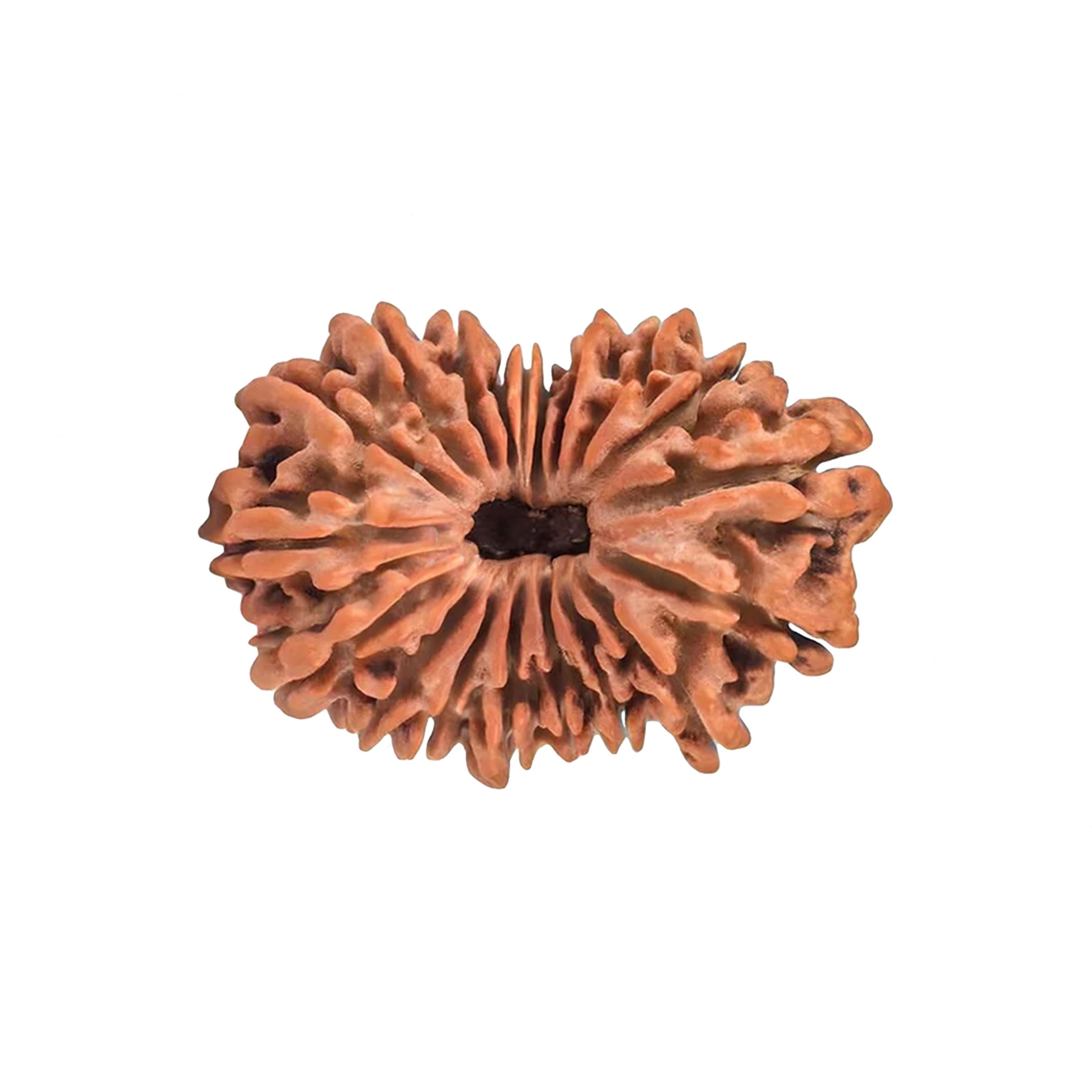
Nepali Rudraksha comes from Rudraksha trees grown in Nepal, mainly in the Himalayan region. It is known for its larger size, rough surface and deep natural Mukhi lines.
Many people prefer Nepali Rudraksha because its natural grooves are clearly visible. This makes it easier to observe and count the Mukhi lines.
· Larger Size: Generally bigger than Indonesian Rudraksha.
· Deep Mukhi Lines: Natural lines are usually broad and clearly visible.
· Rough Texture: The outer surface often has a raised and uneven texture.
· Heavier Feel: Larger beads usually feel heavier when held.
· Traditional Appearance: Its bold shape makes it popular for individual beads and pendants.
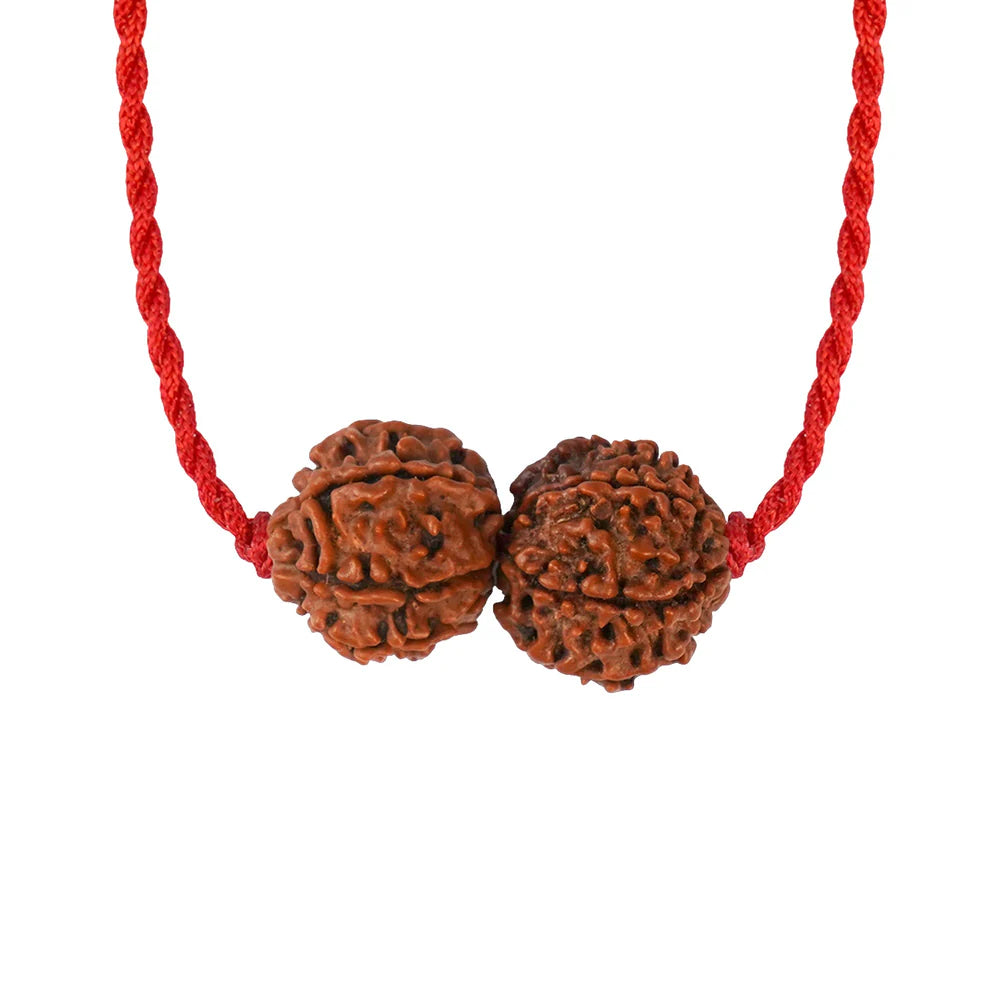
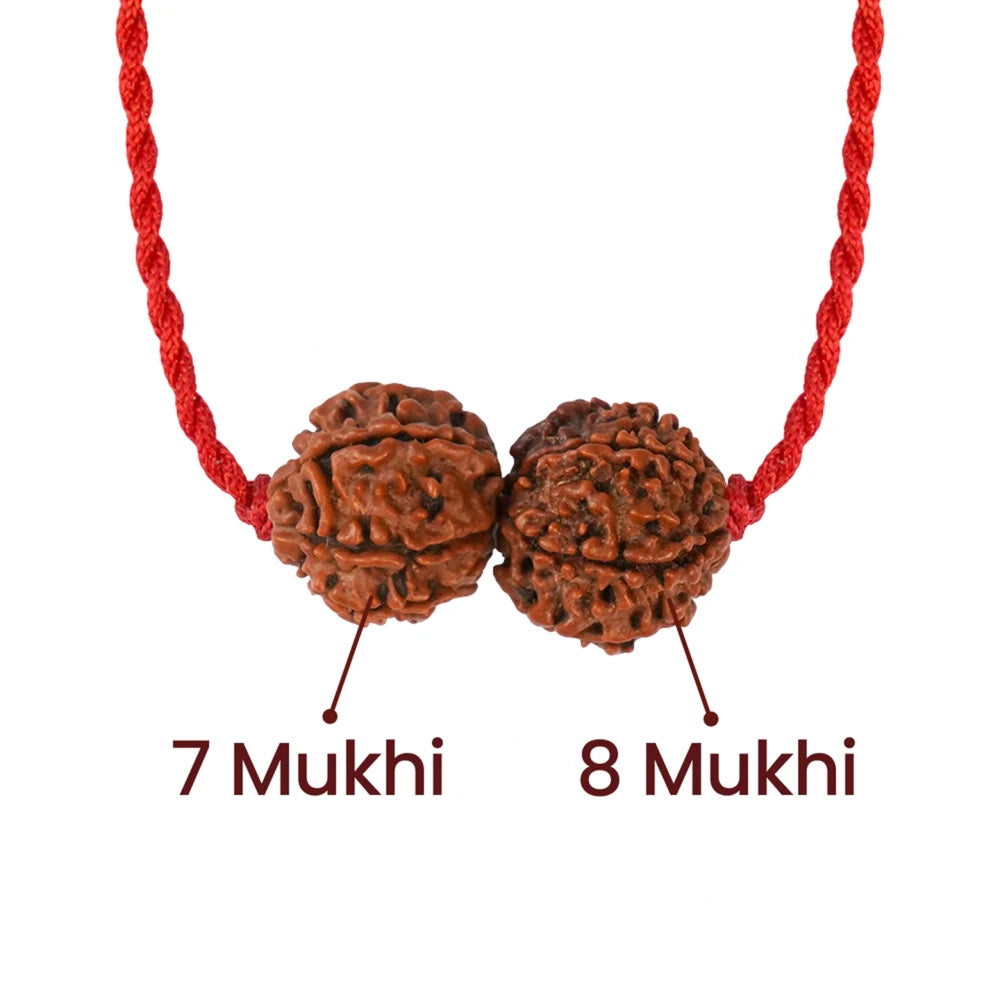
Nepali Rudraksha is available in different Mukhi types, including 1 Mukhi, 5 Mukhi, 7 Mukhi, 9 Mukhi and other varieties.
In Hindu traditions, Rudraksha is associated with Lord Shiva and is commonly worn during prayer, meditation and other spiritual practices.
What Is Indonesian Rudraksha?
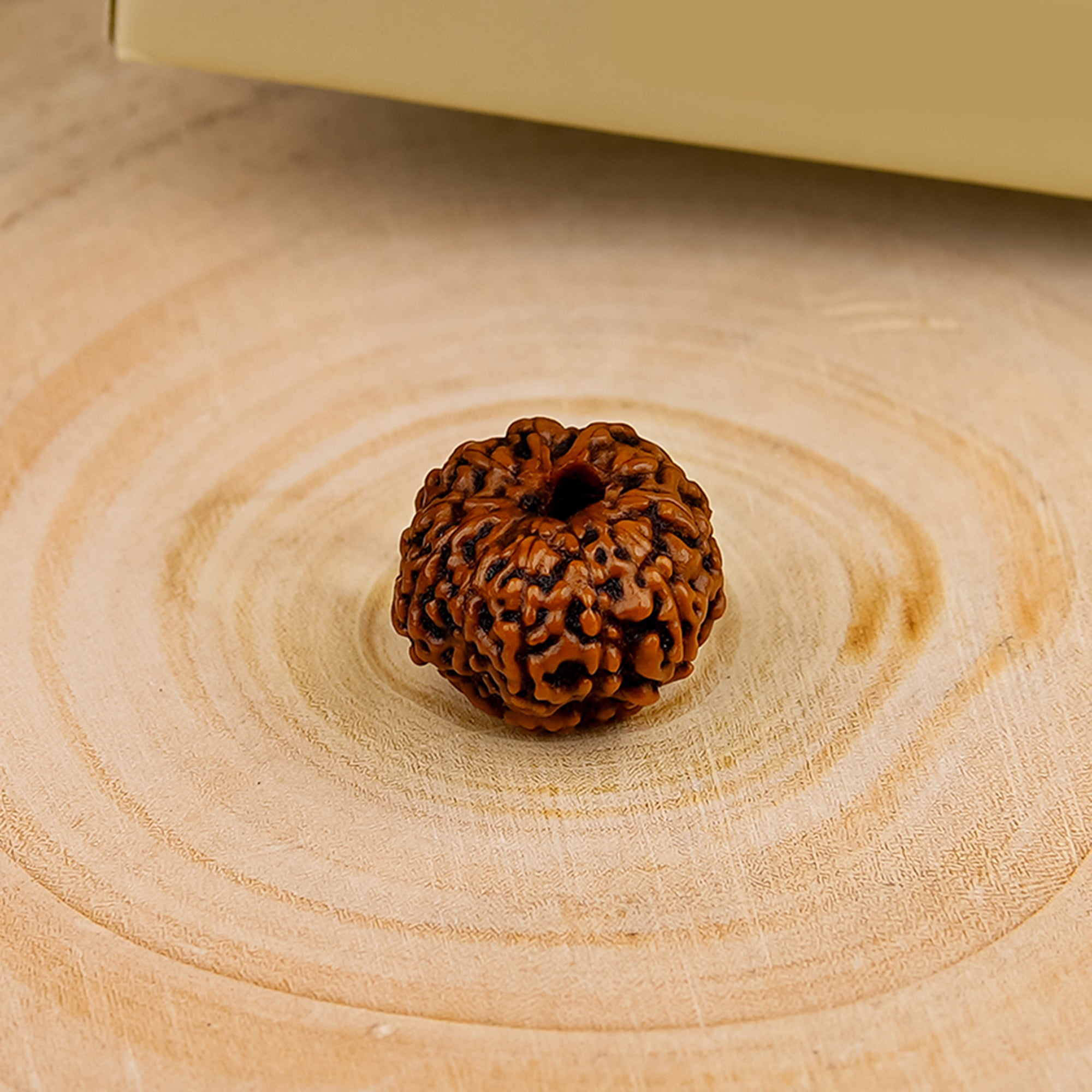
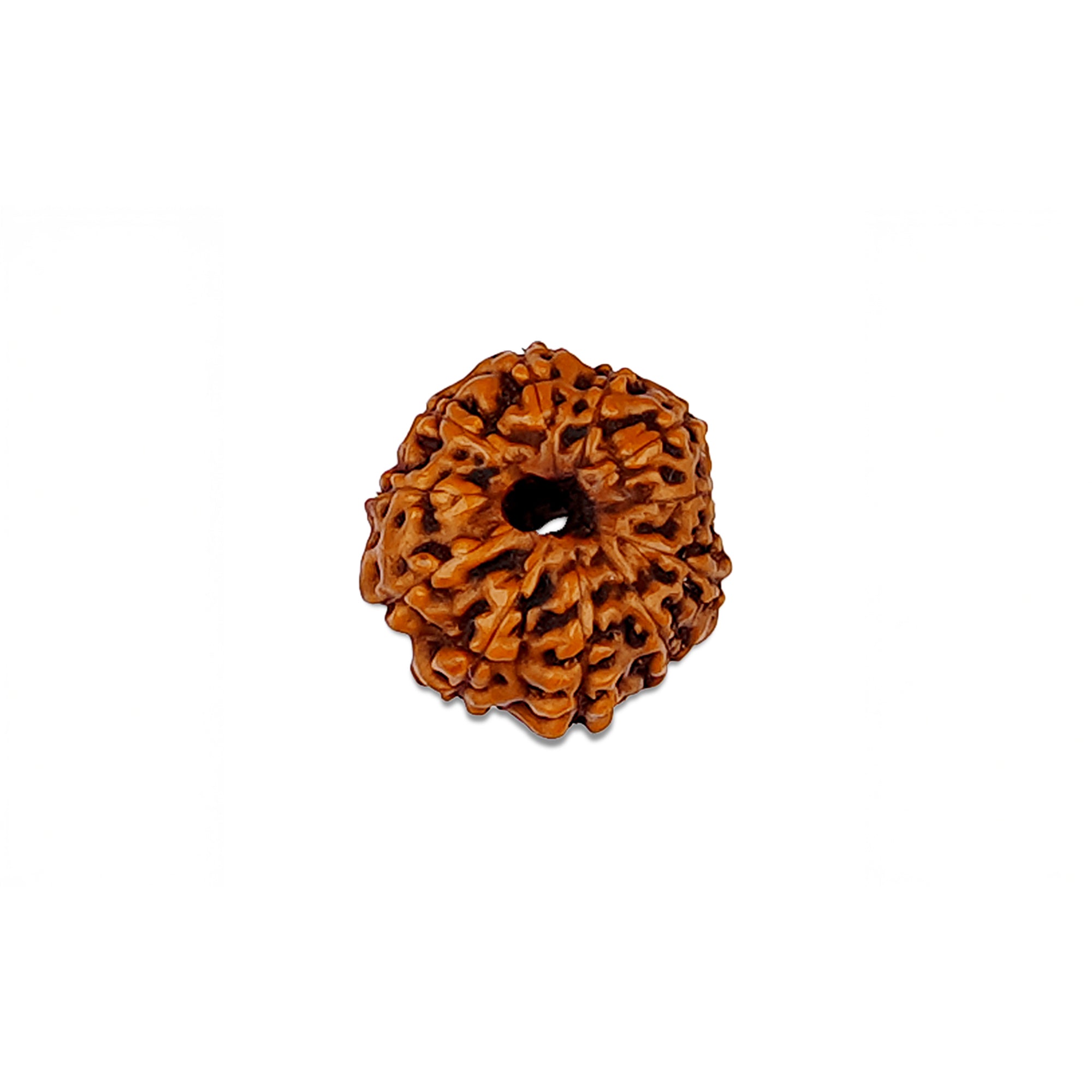
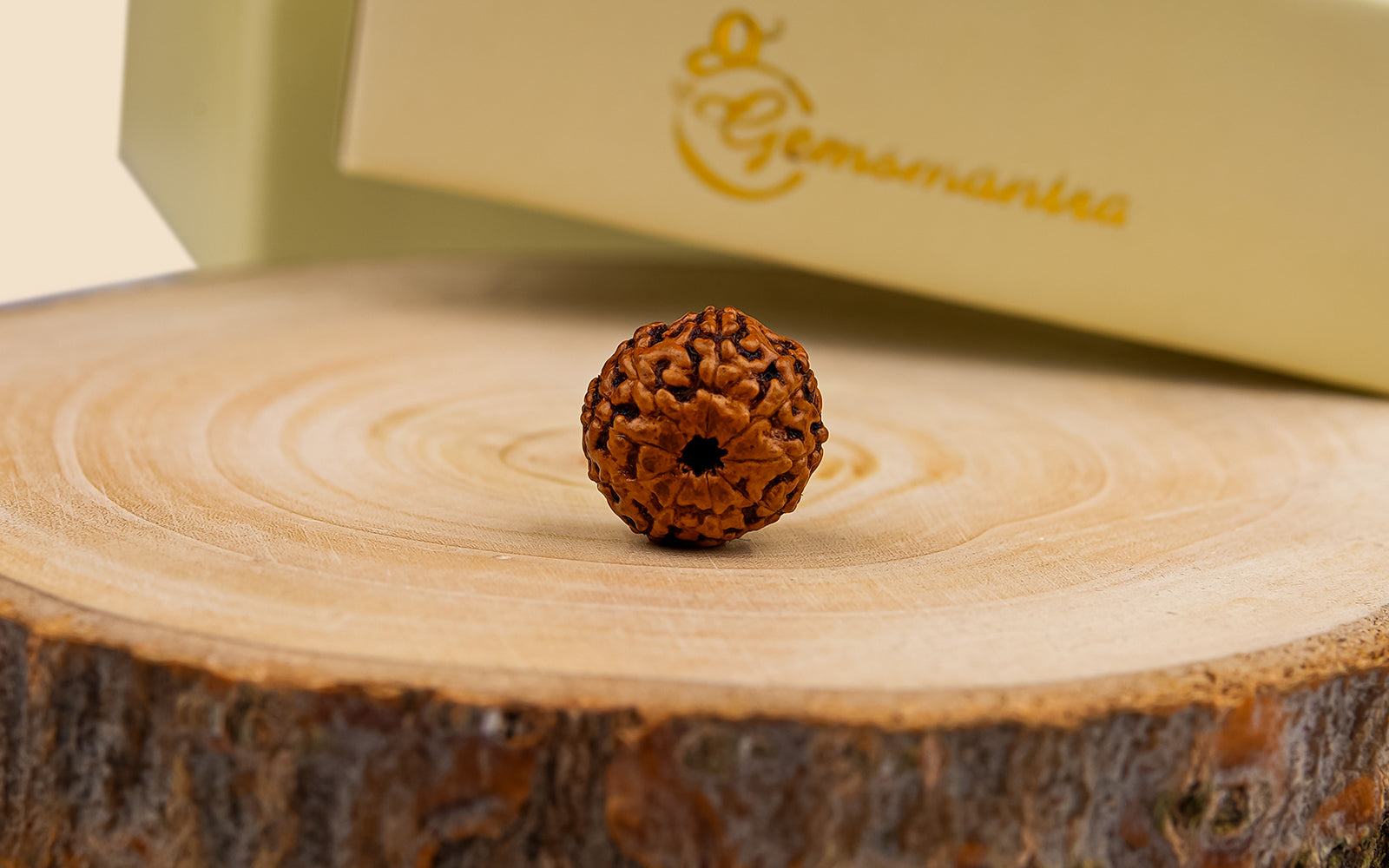
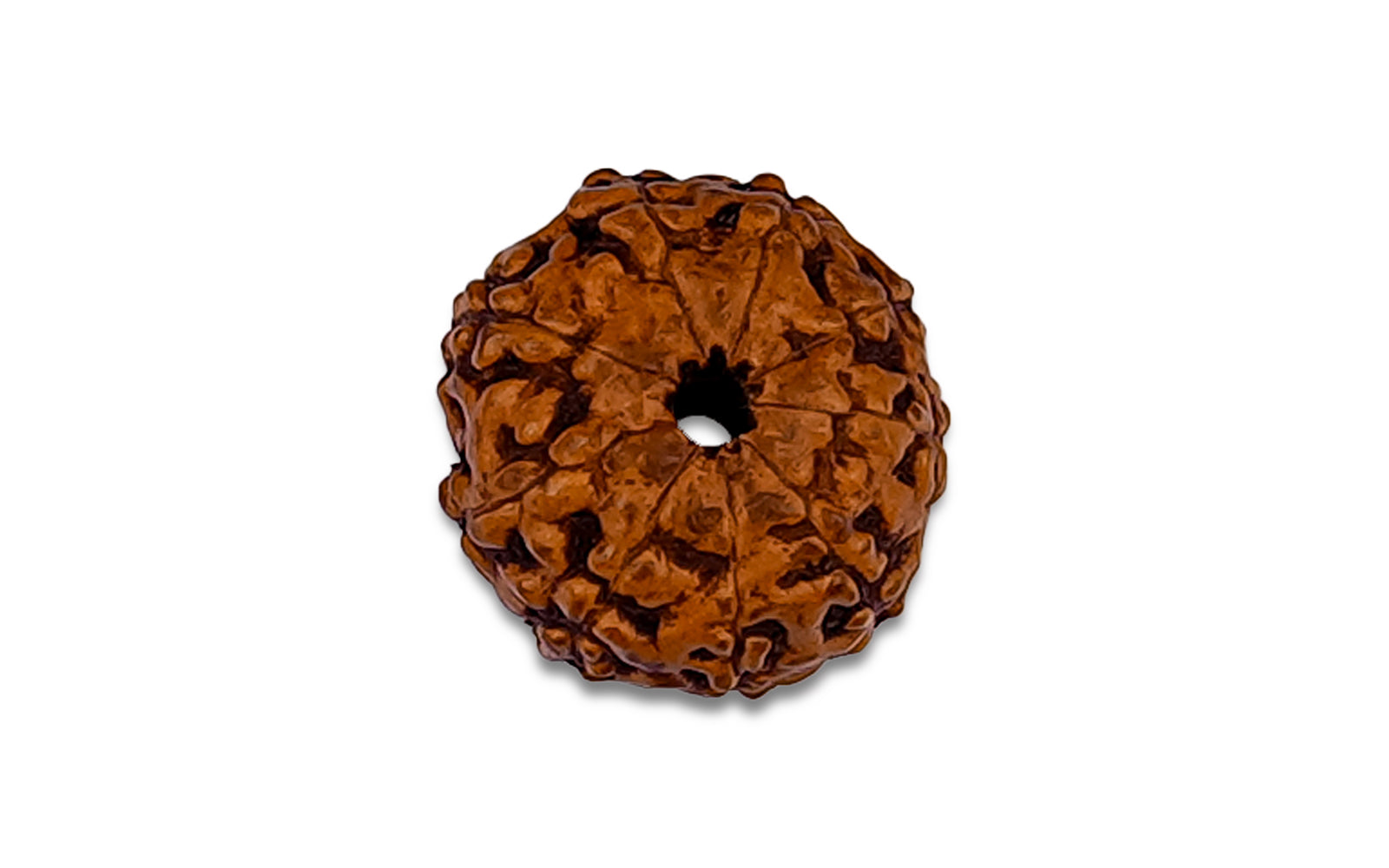
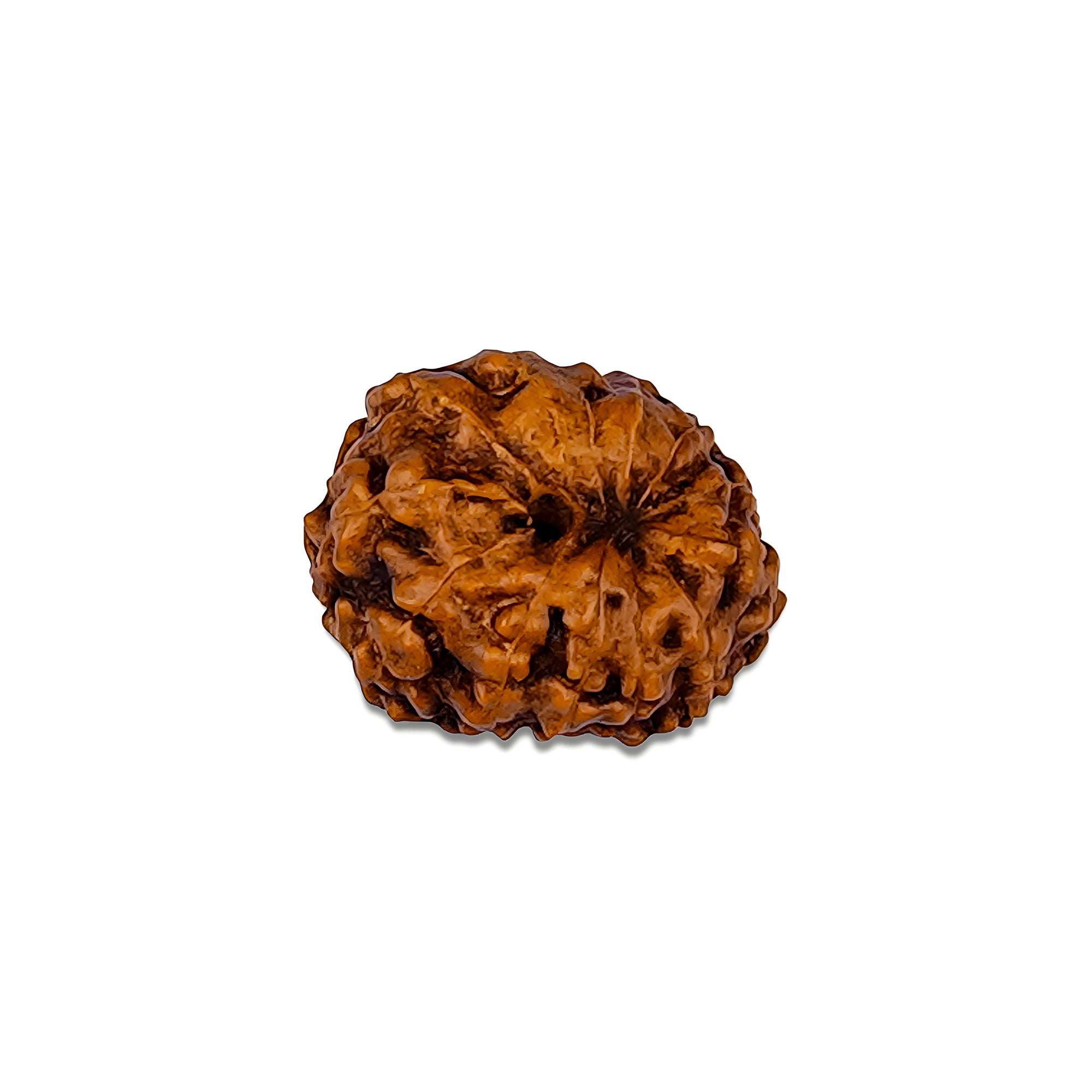
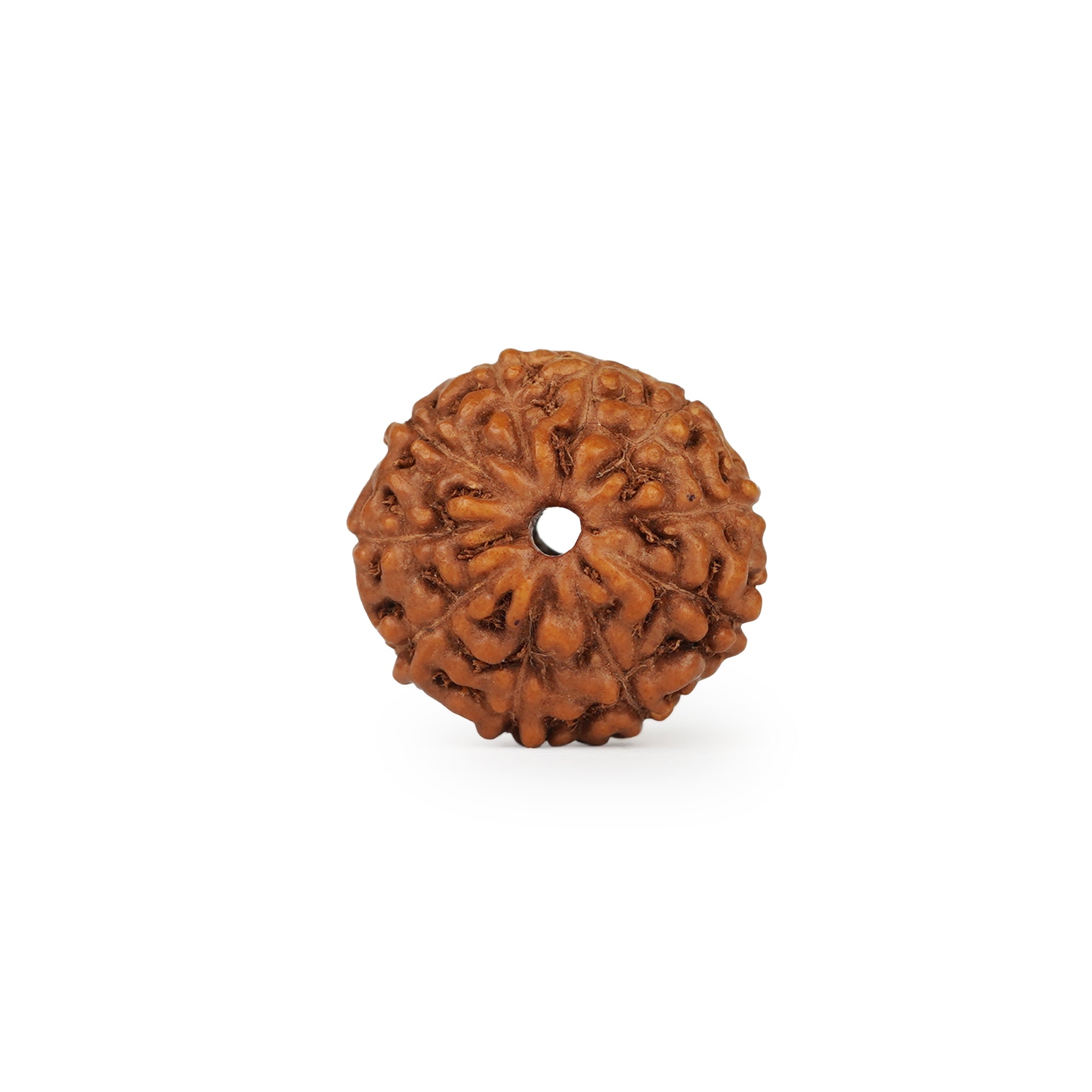
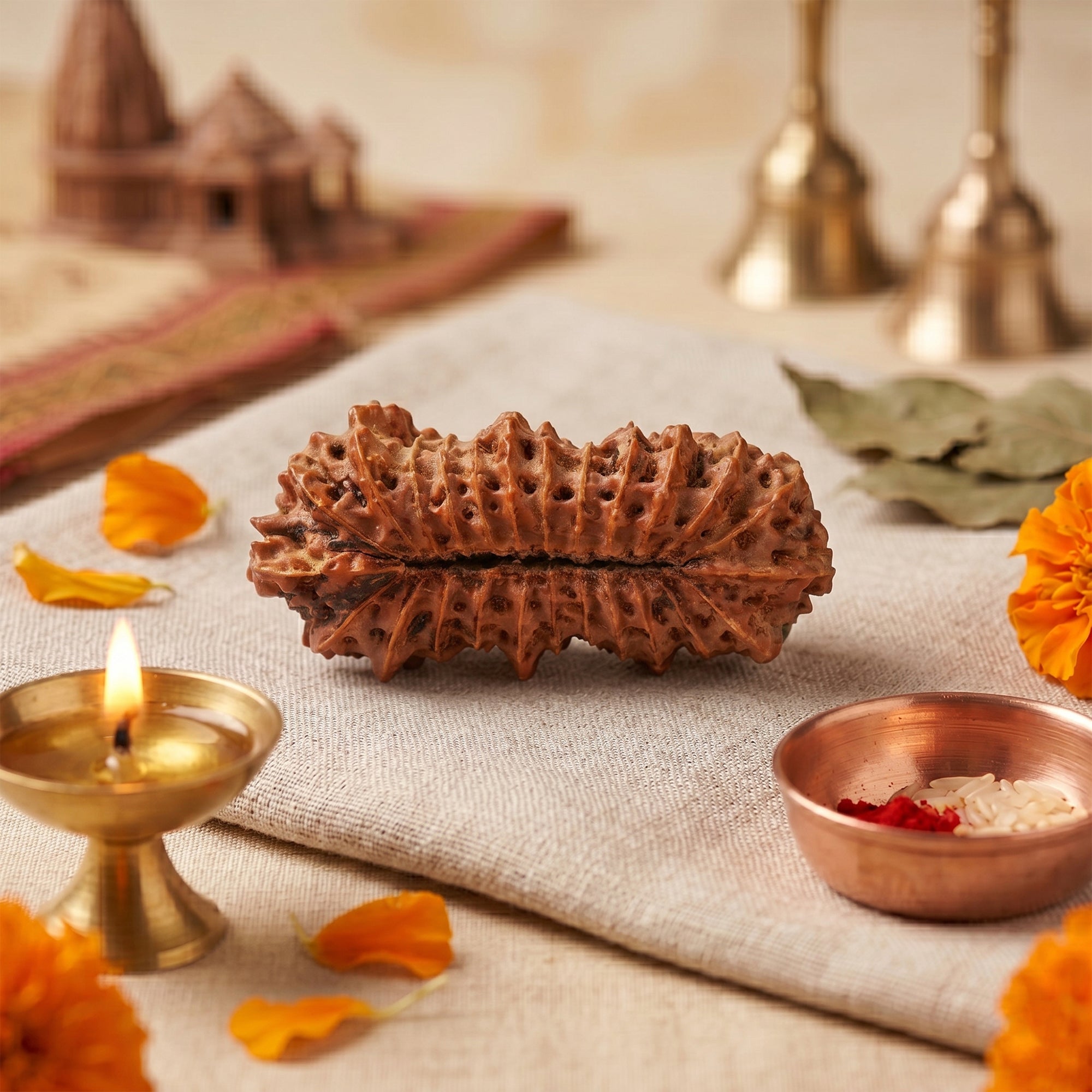
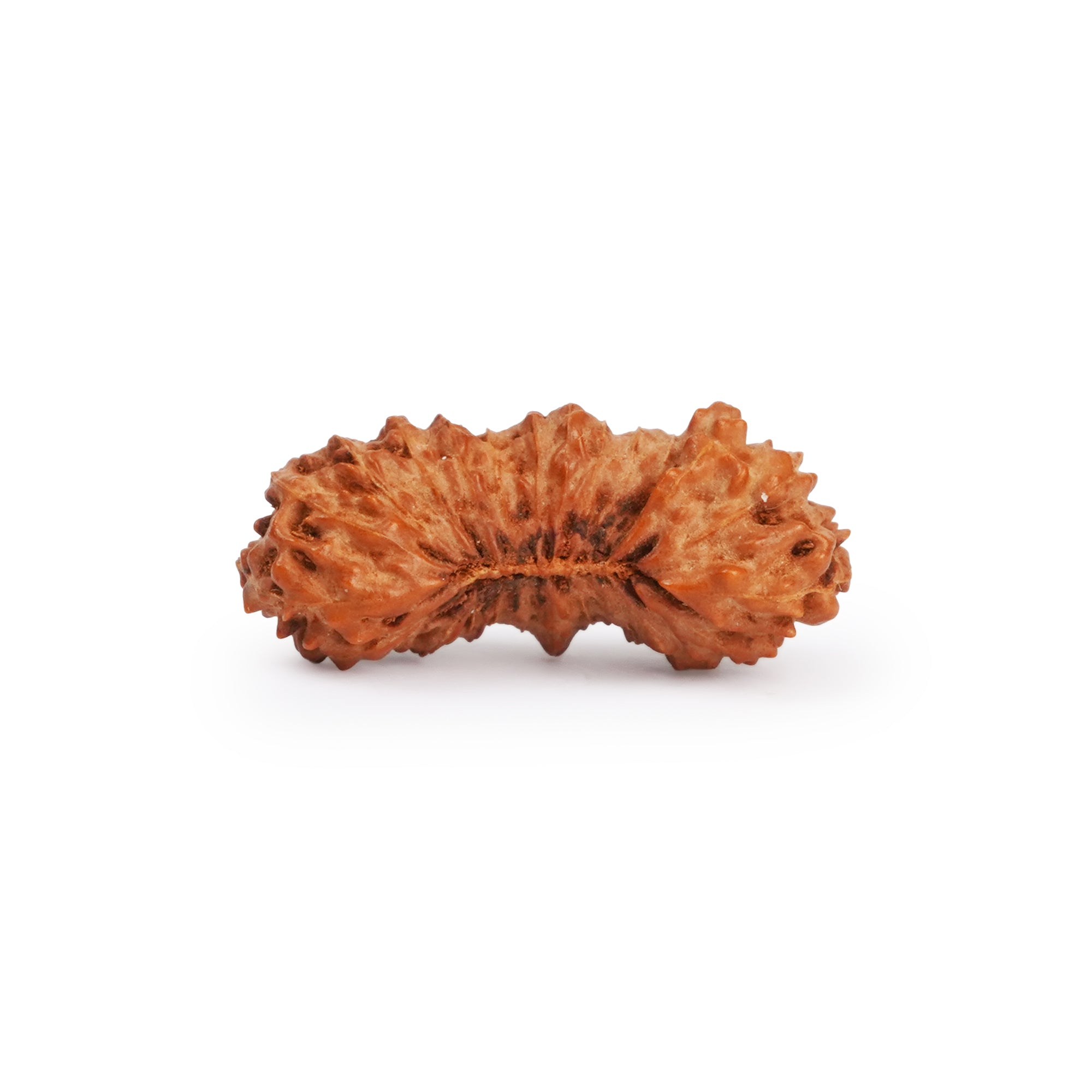
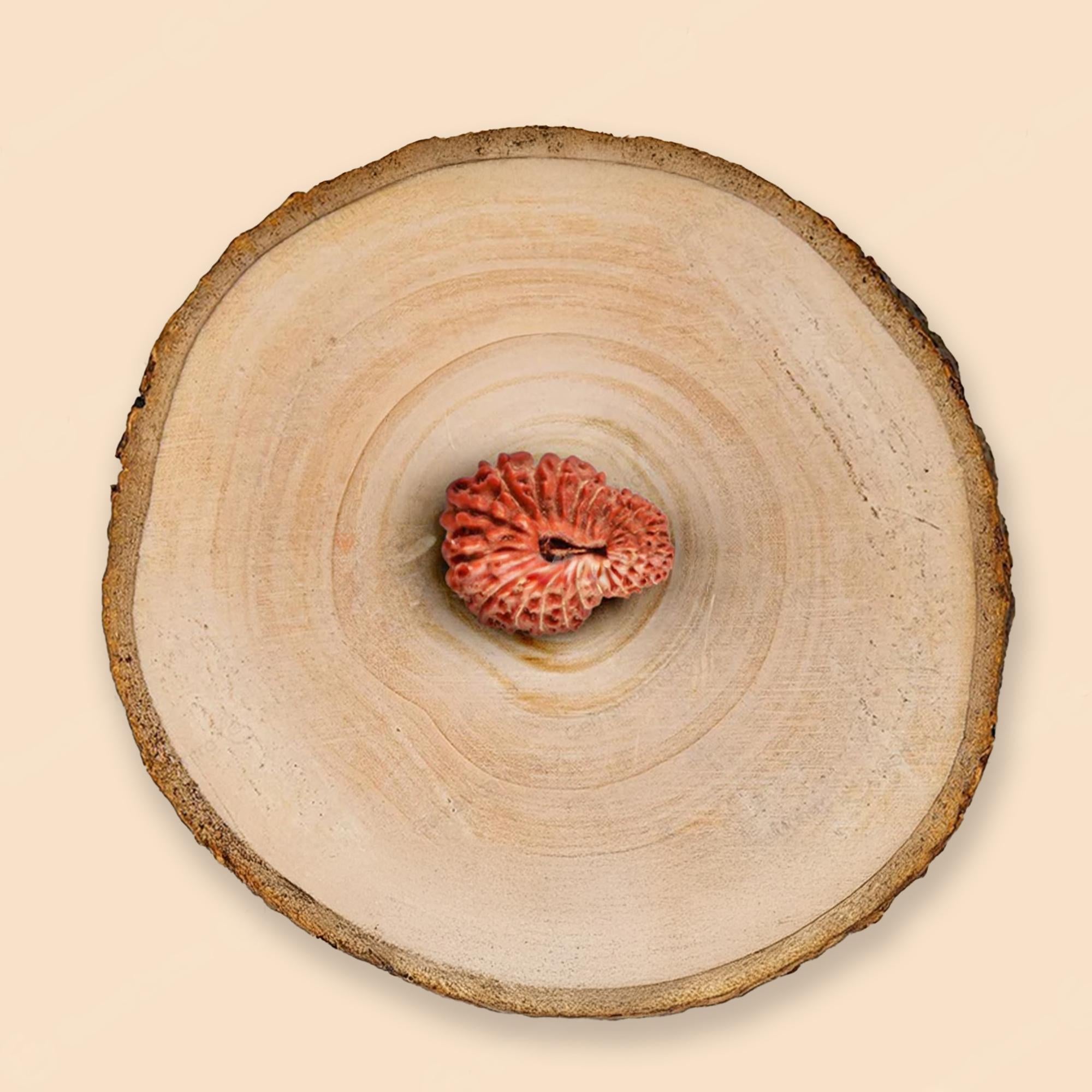
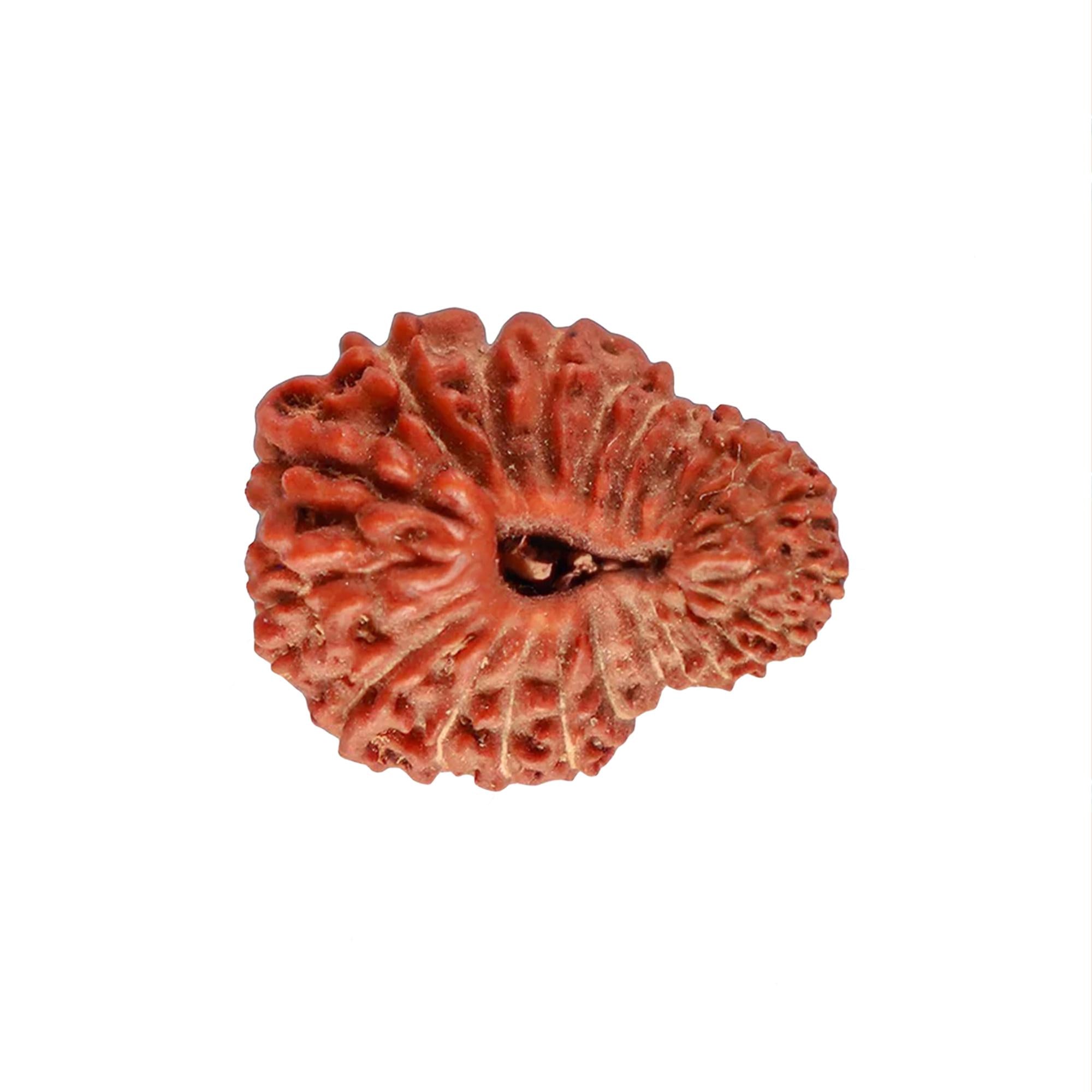
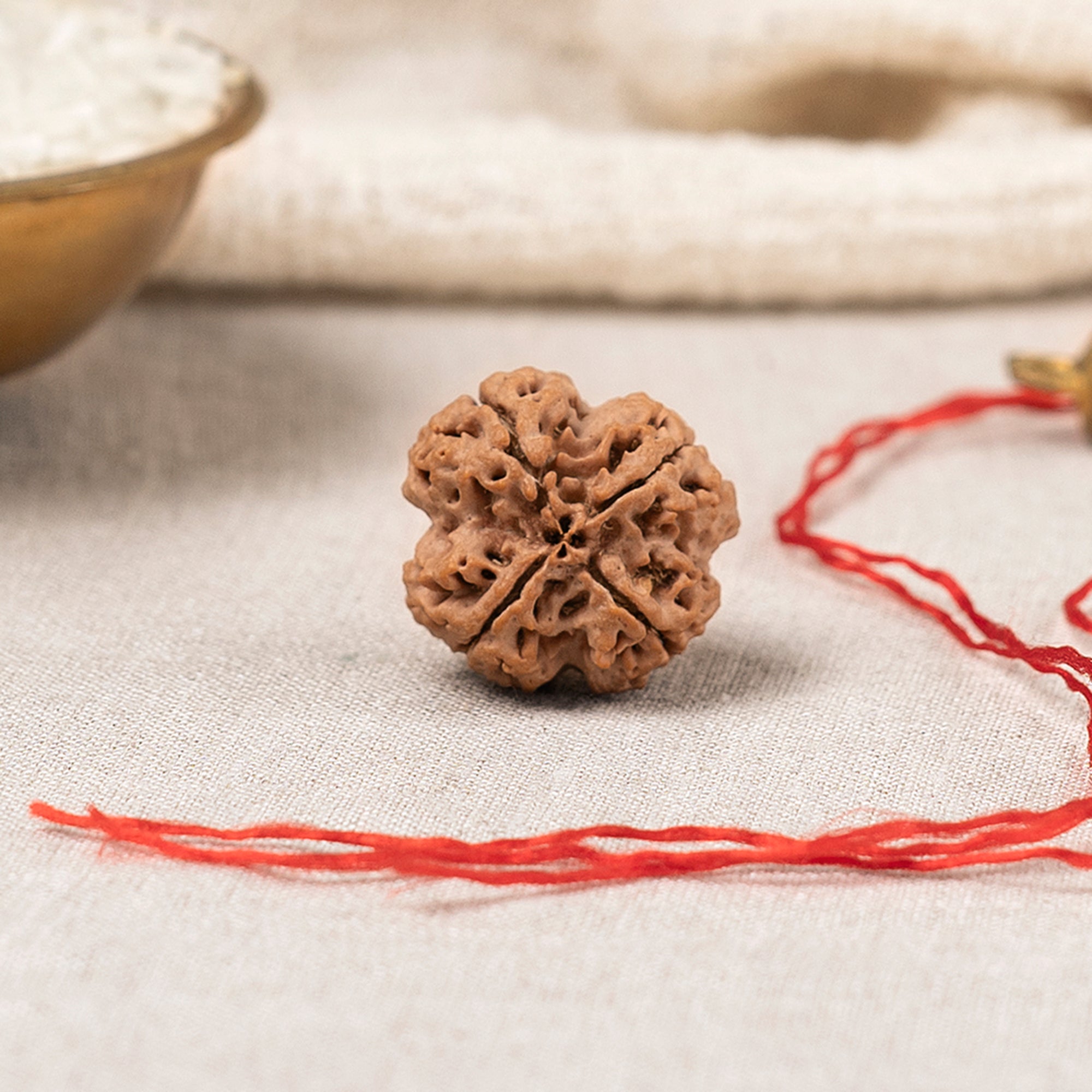
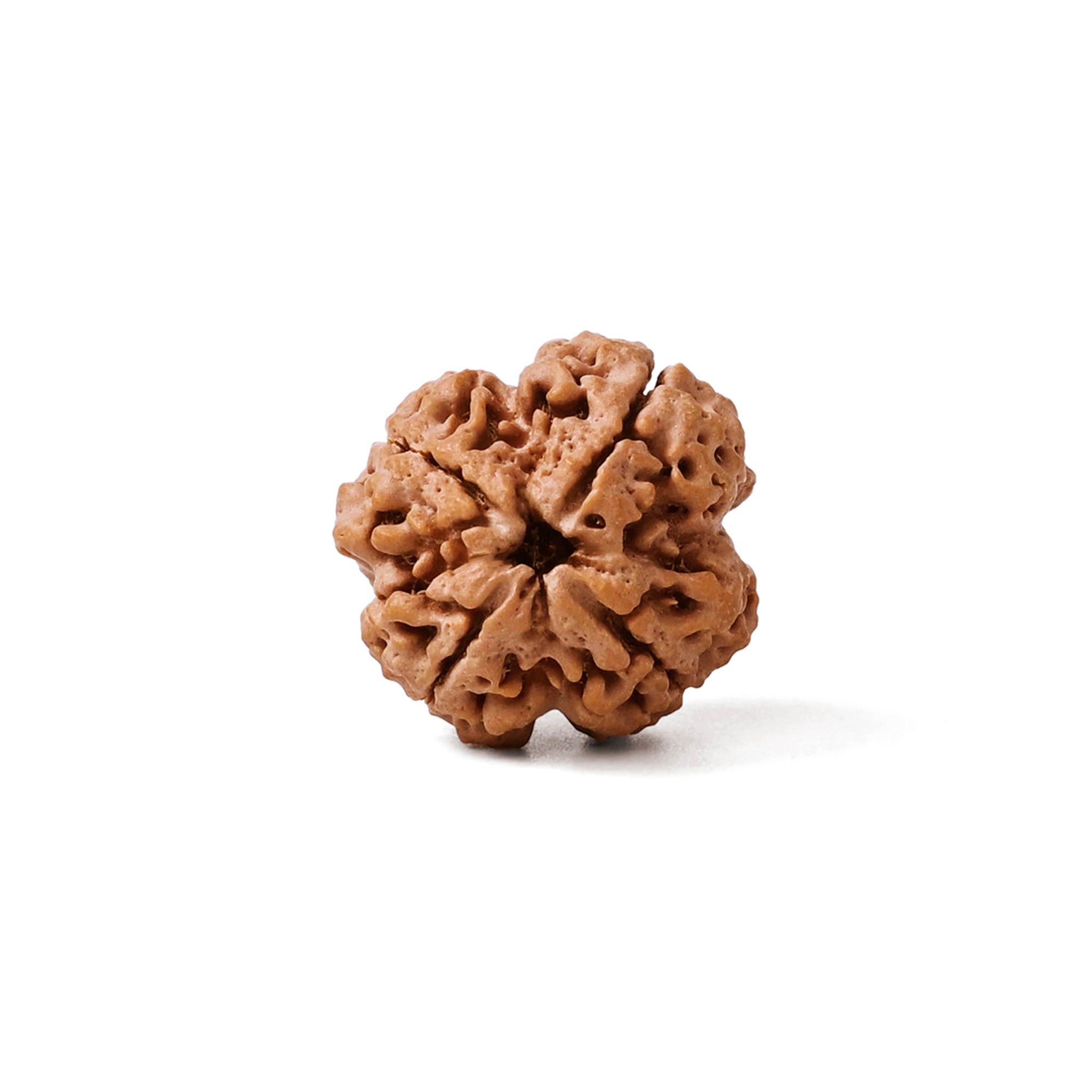
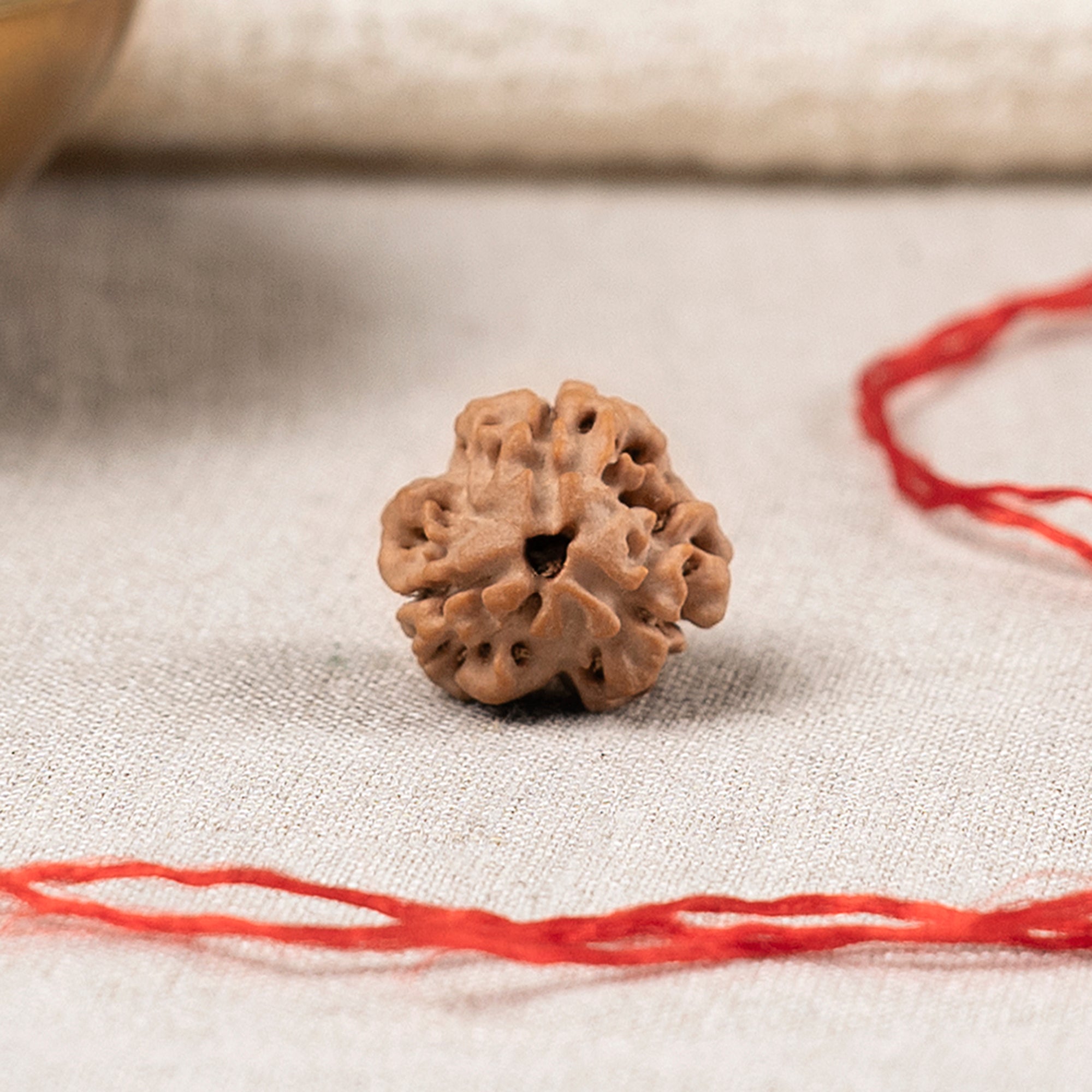
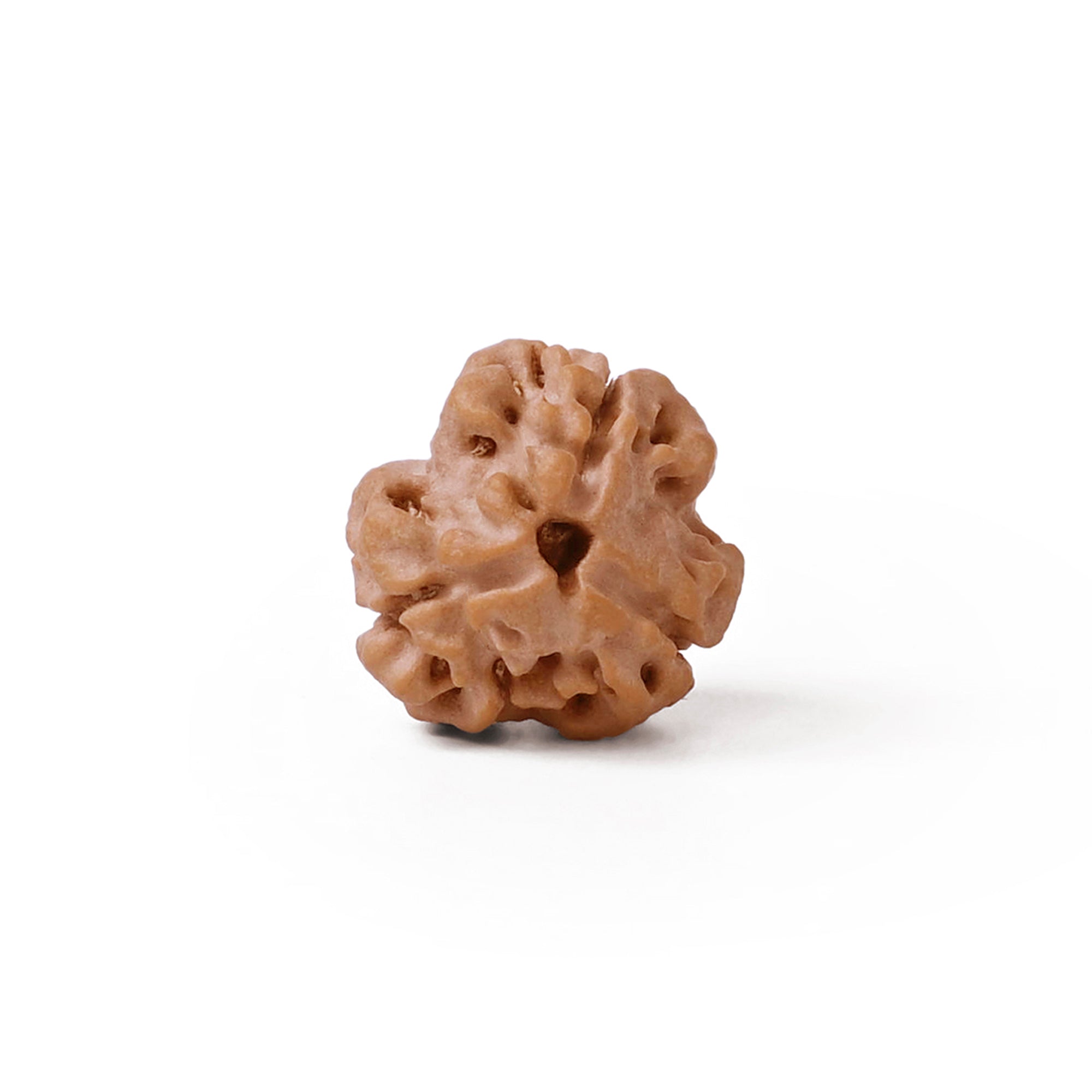
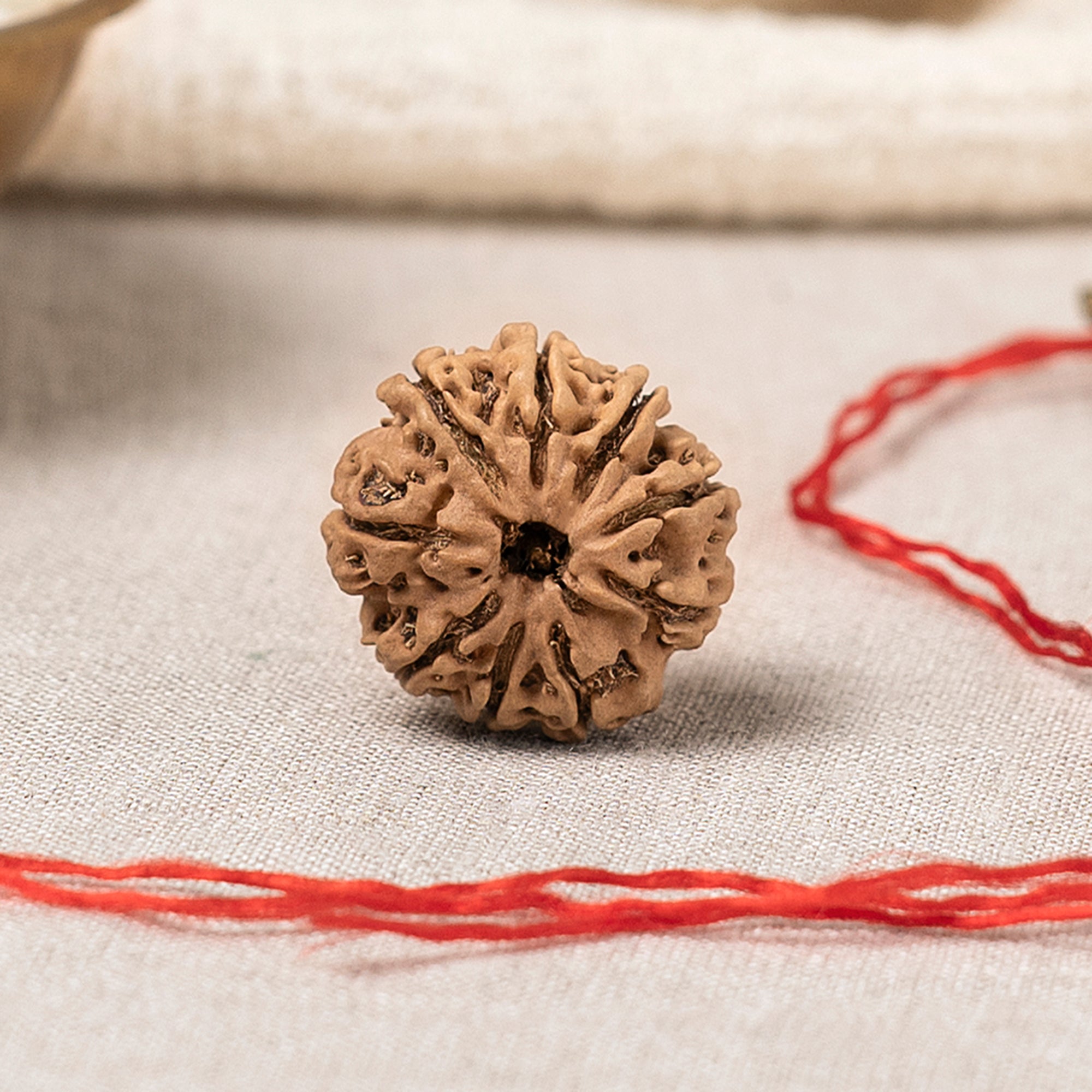
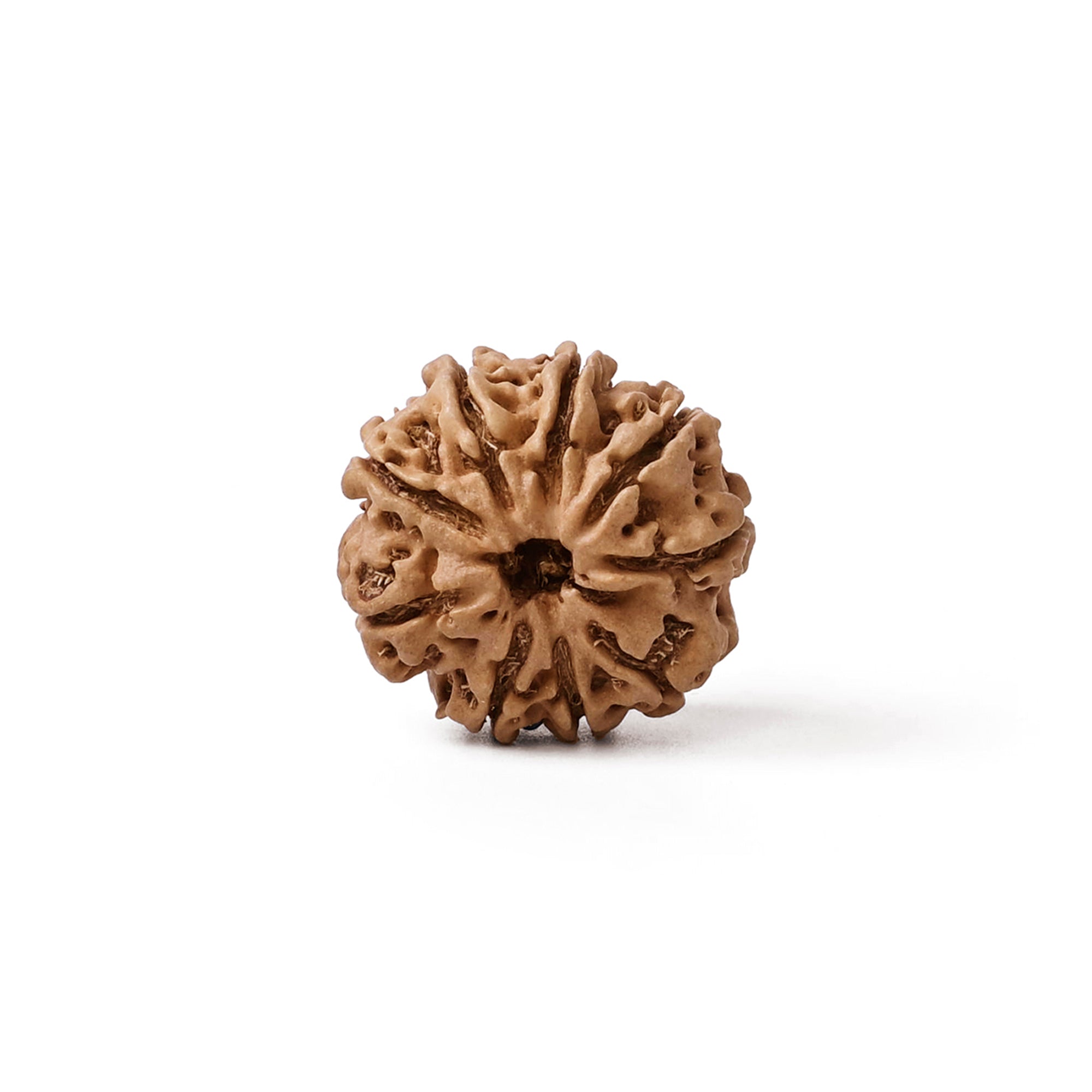
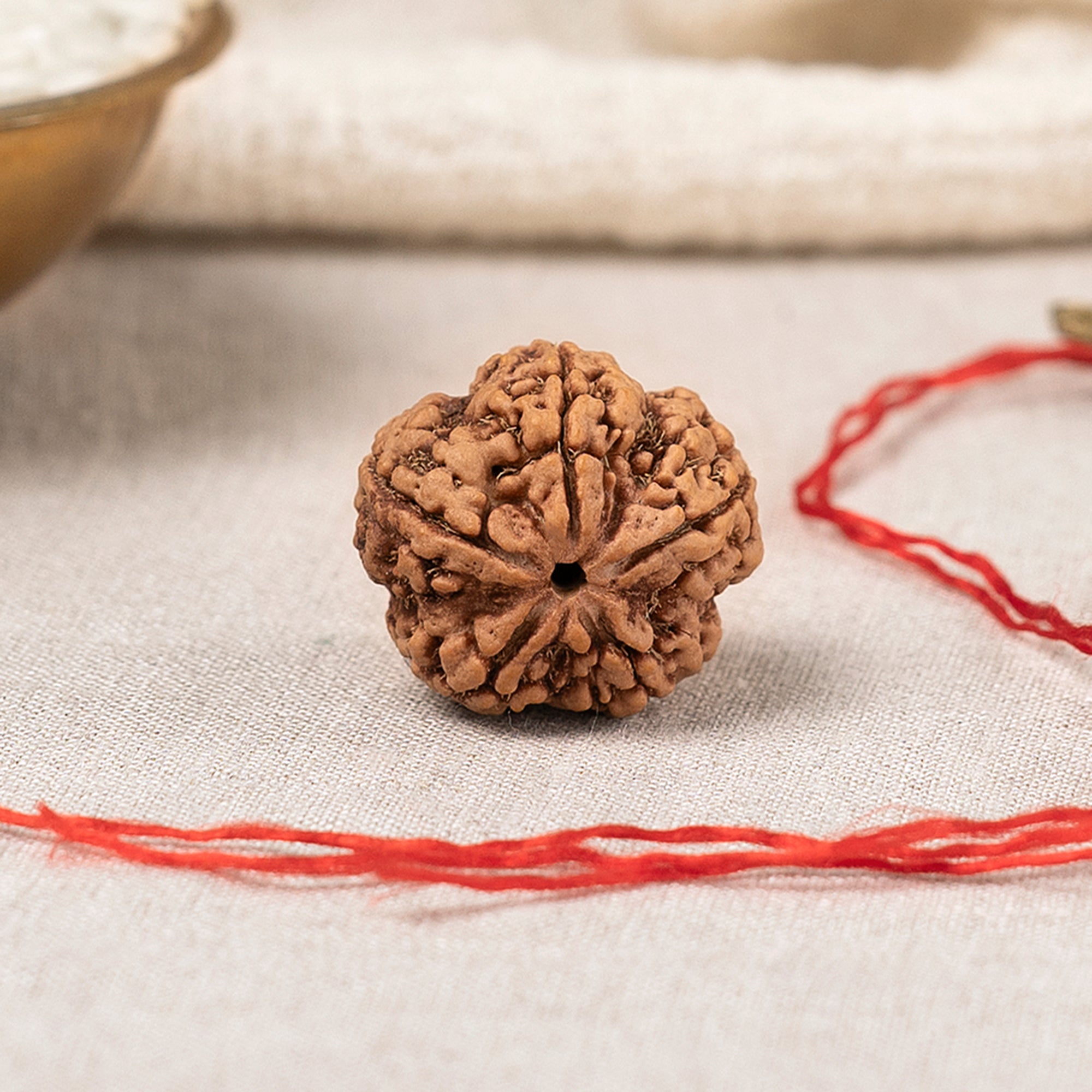
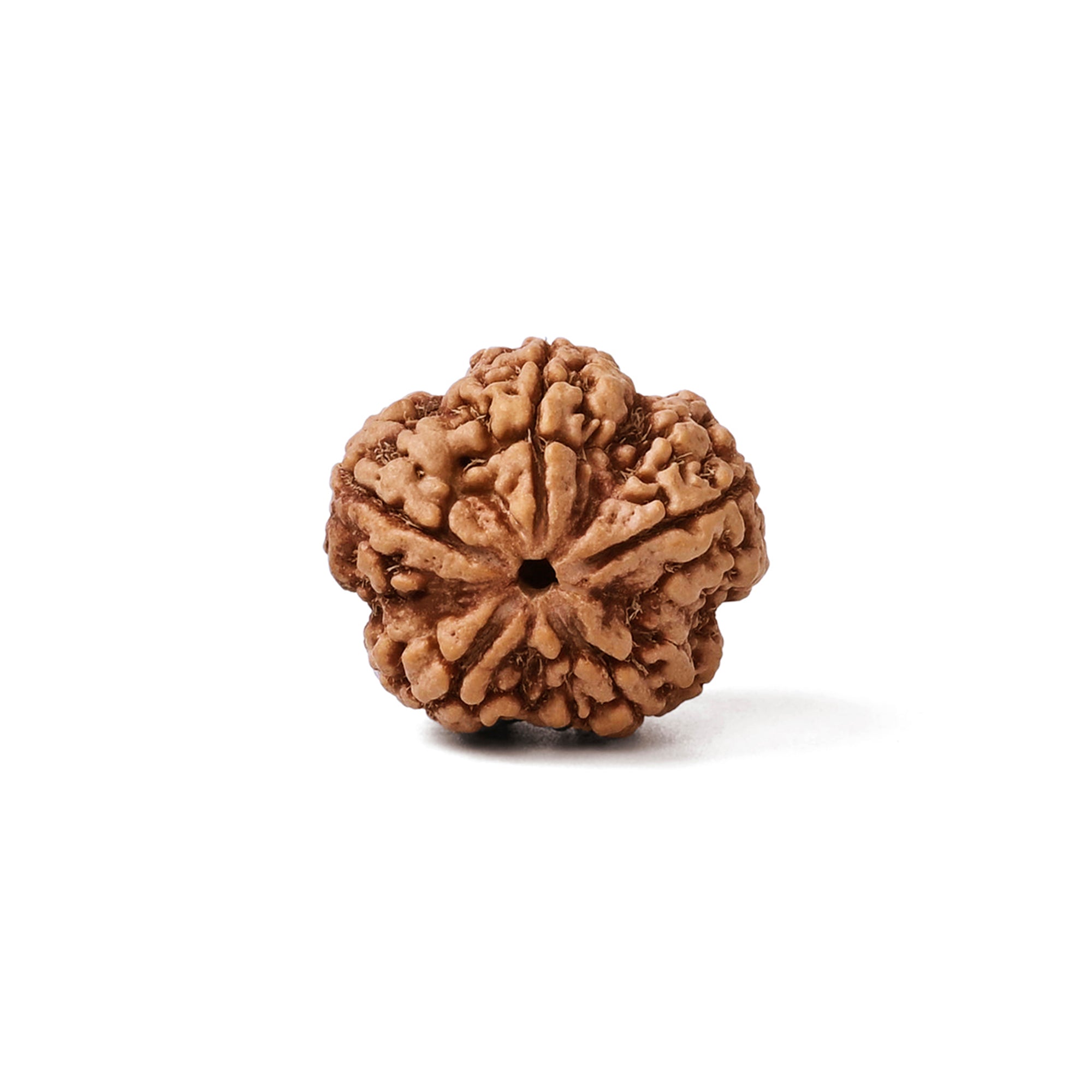
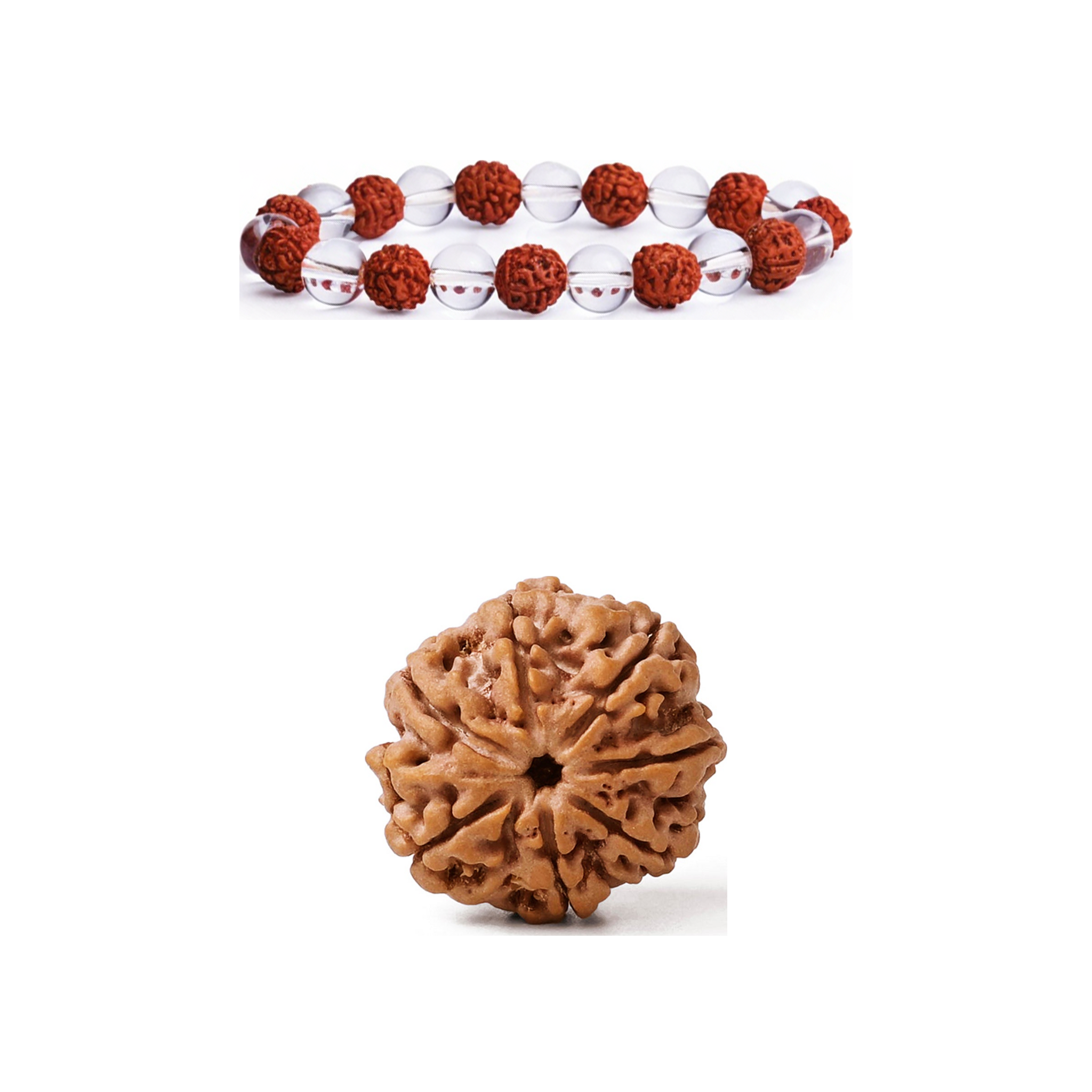
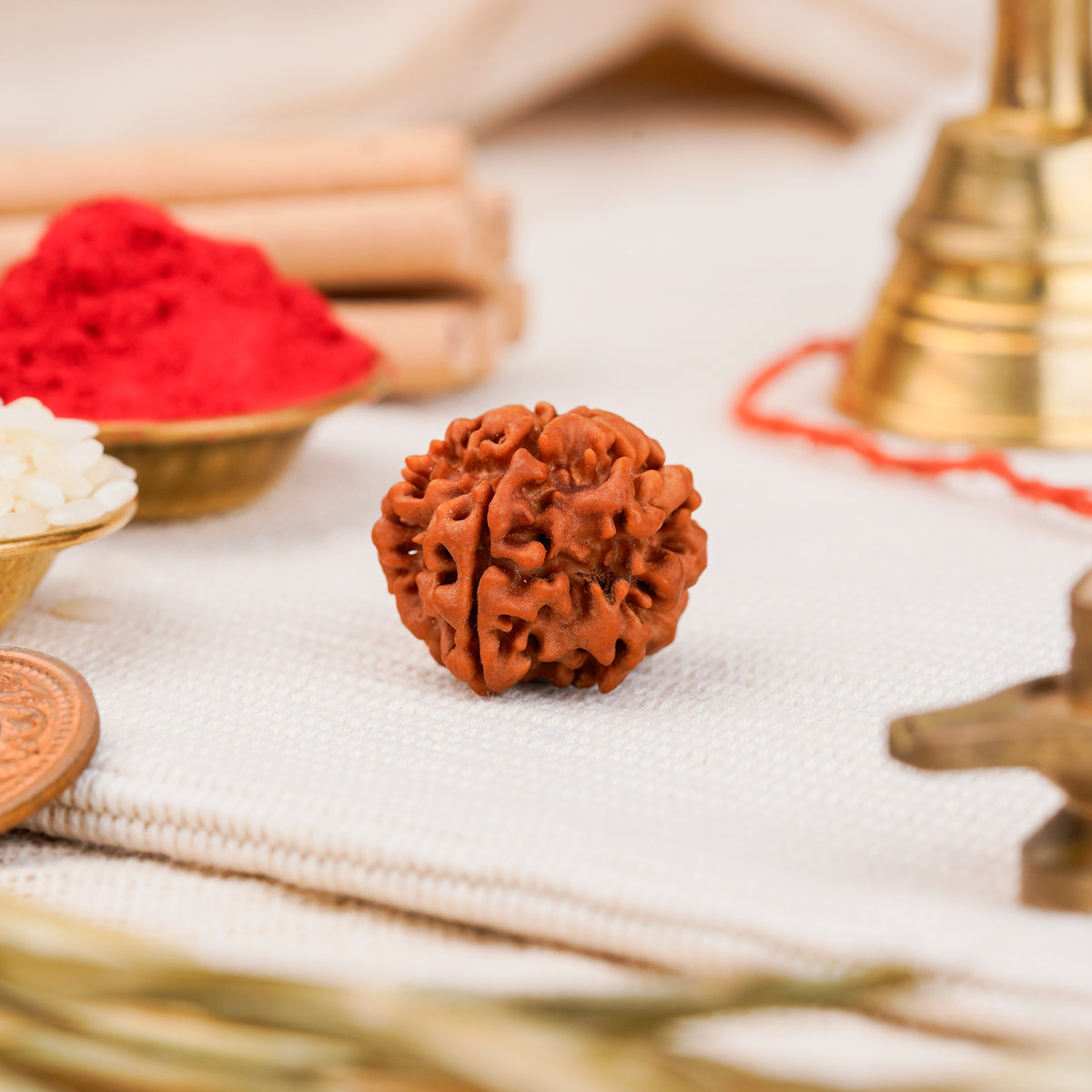
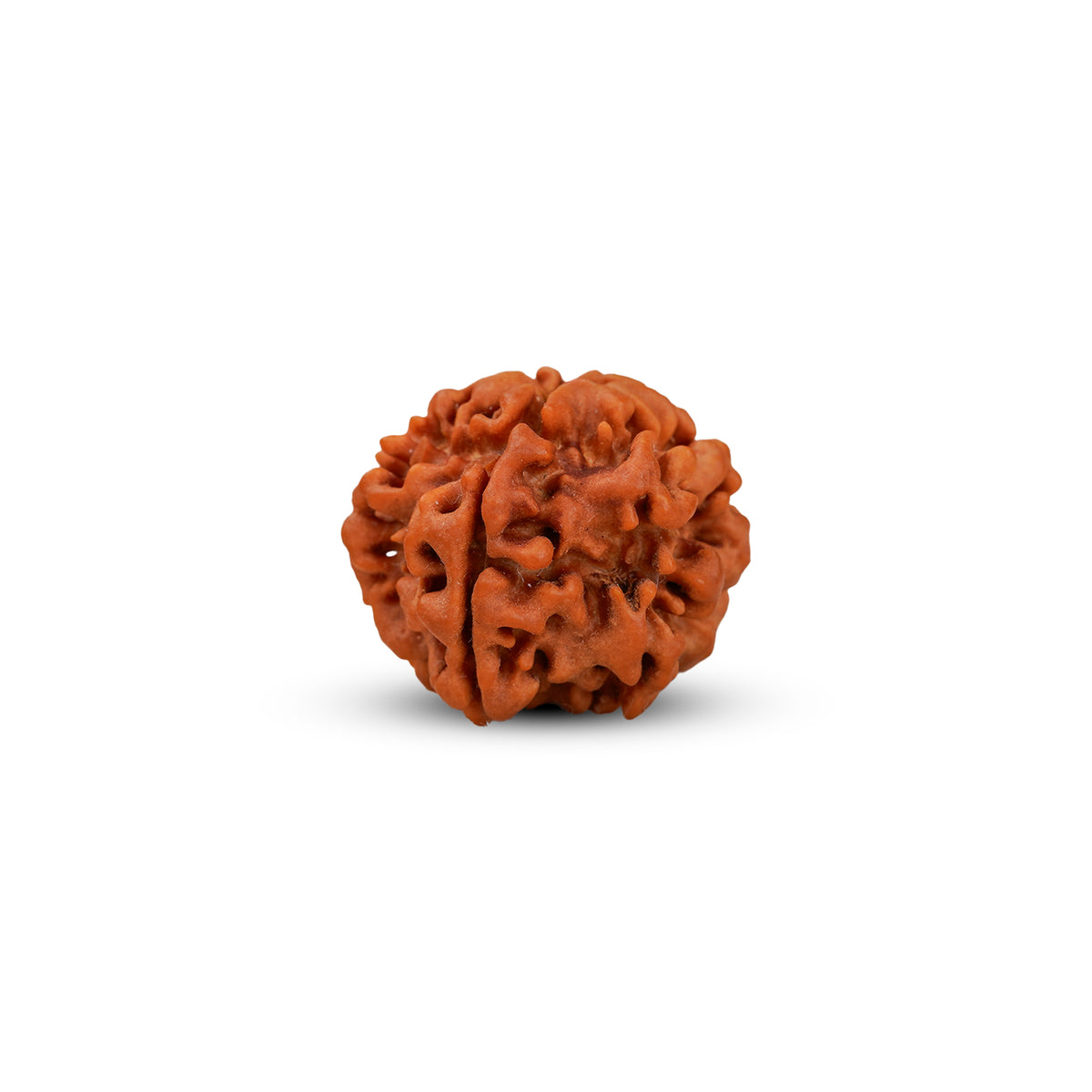
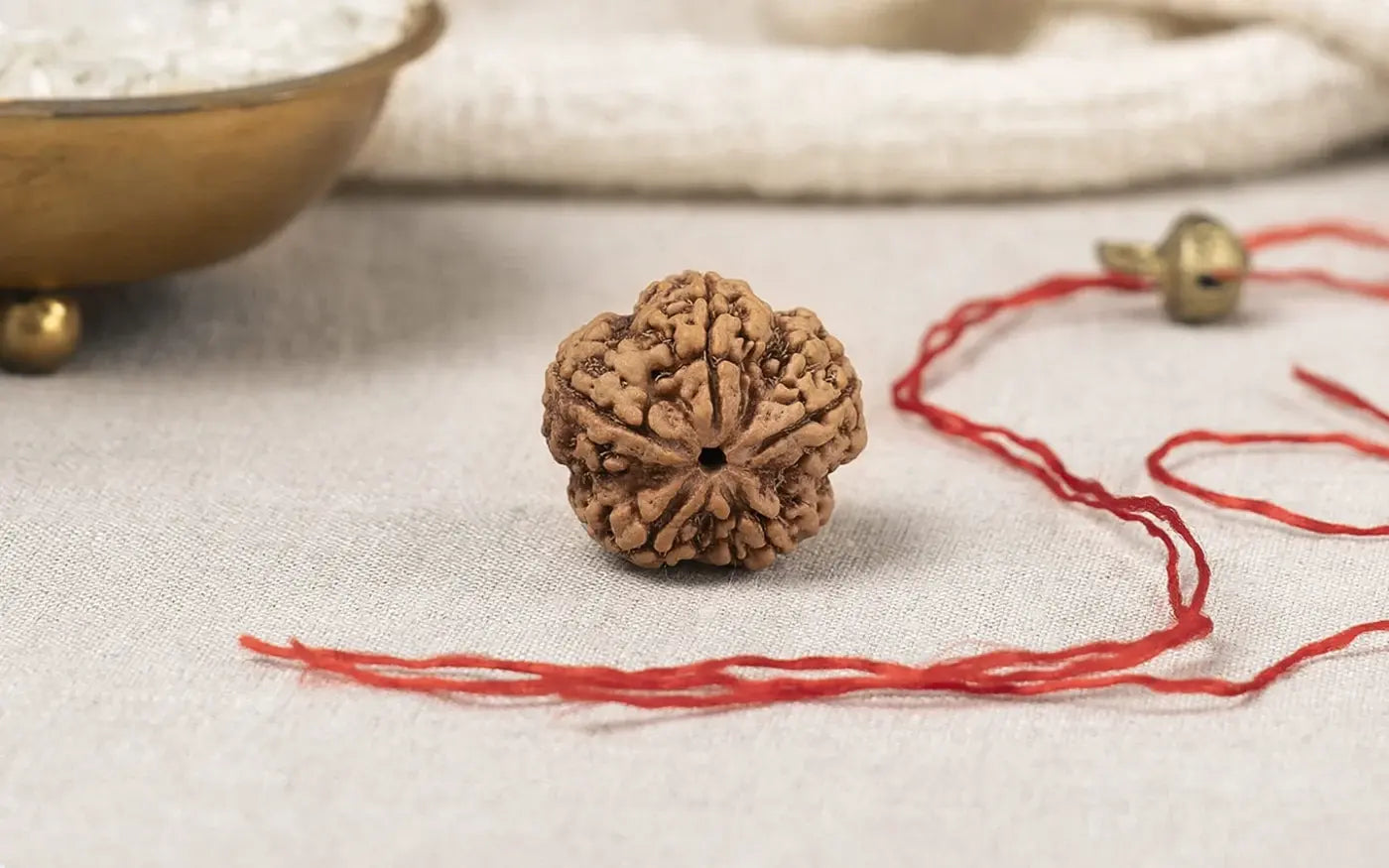
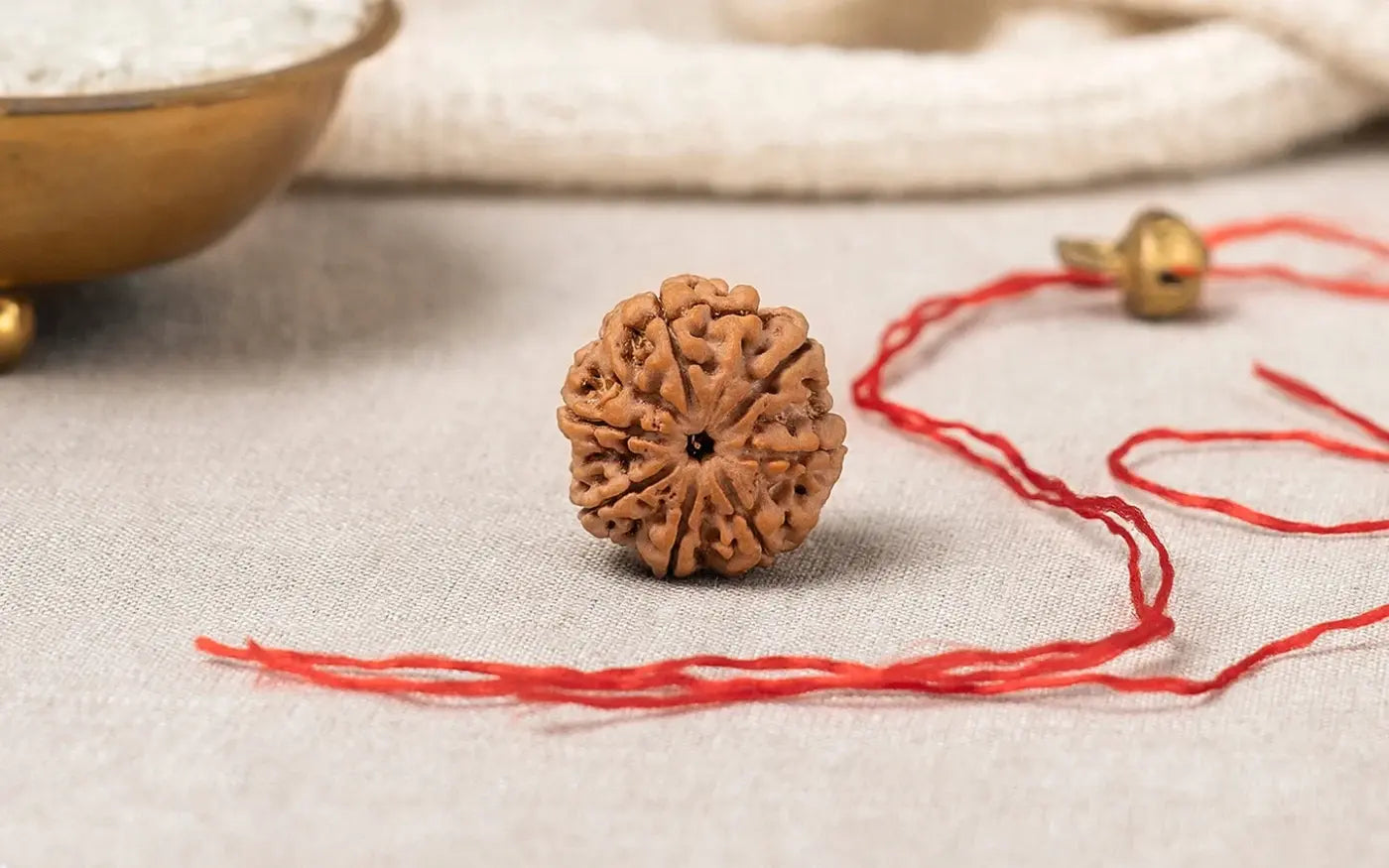
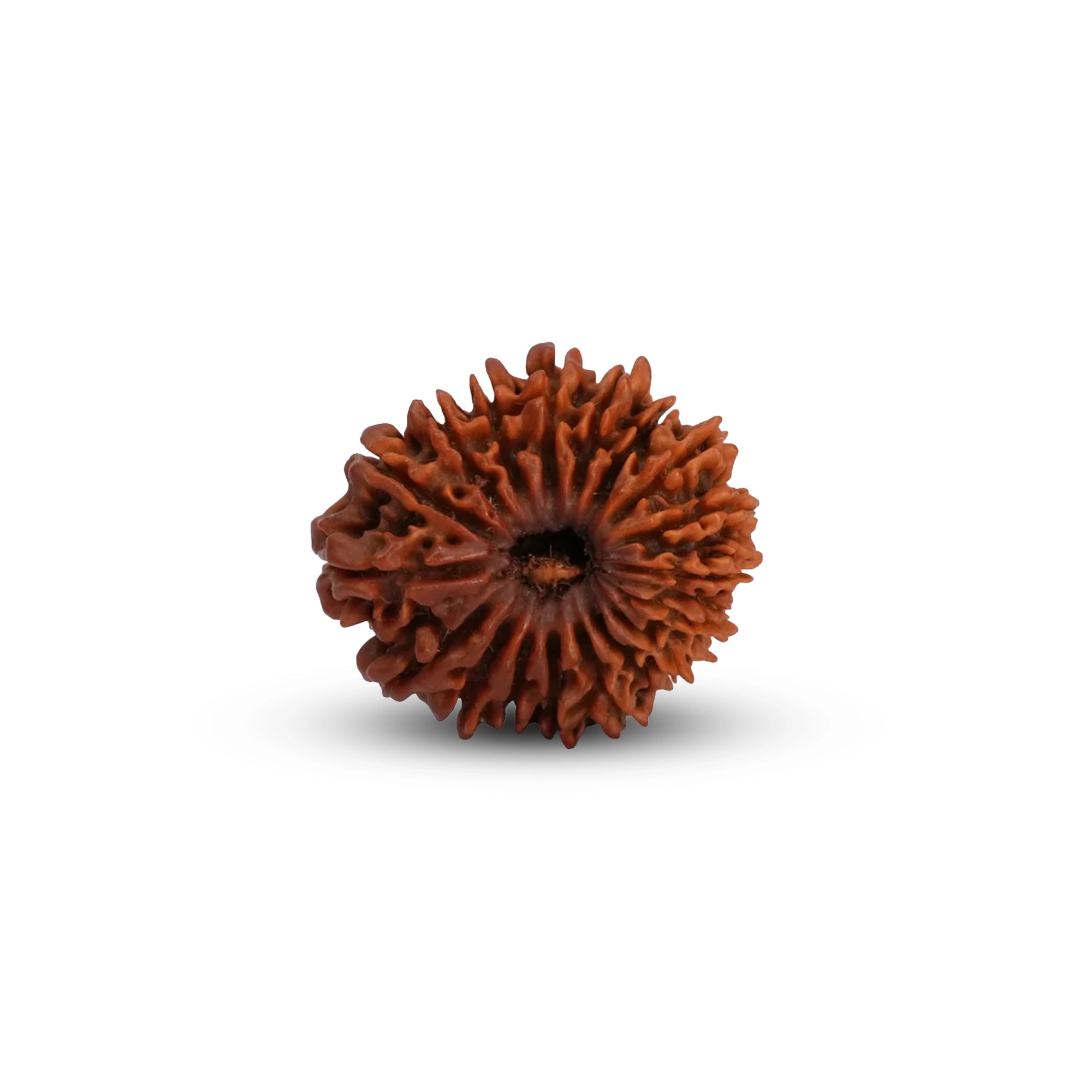
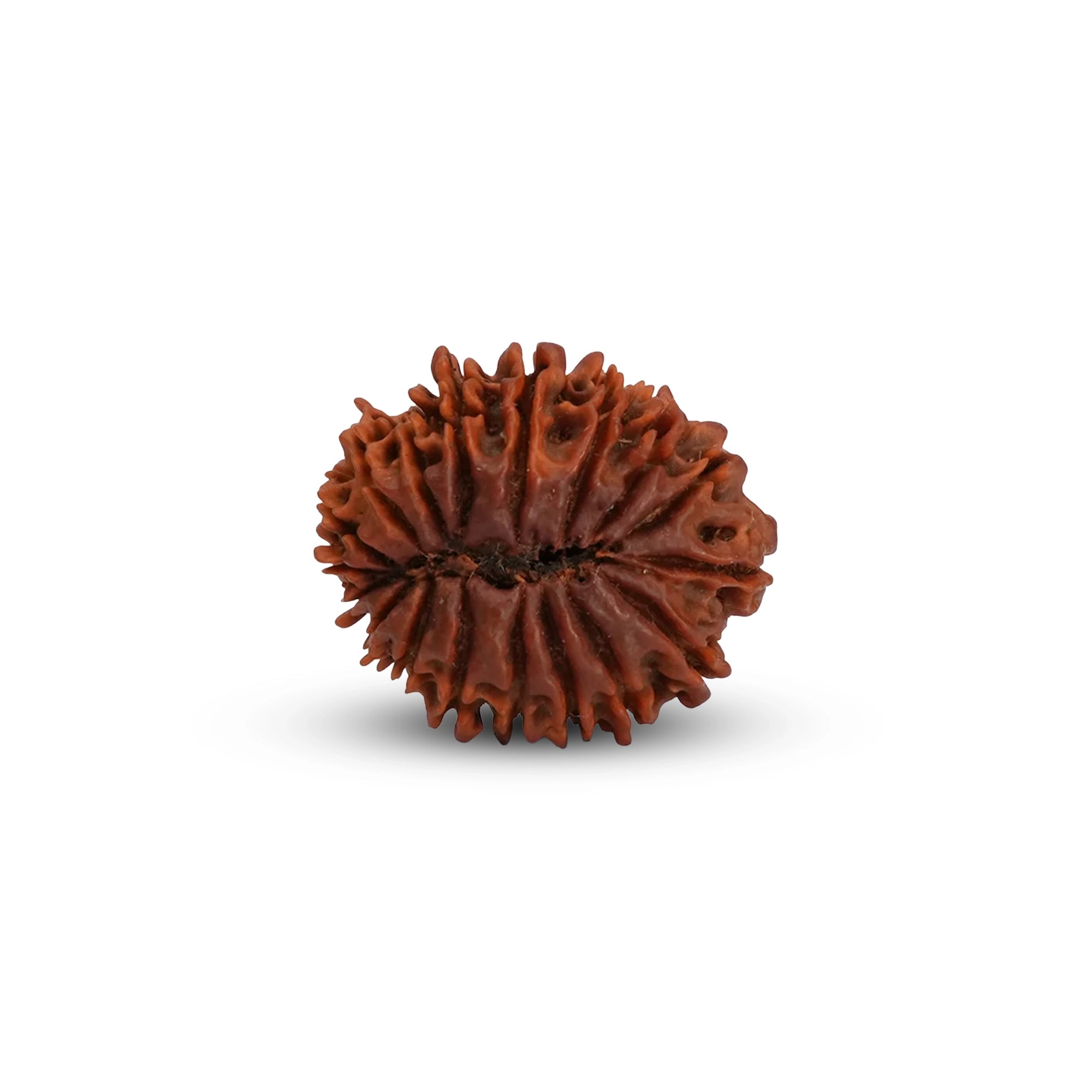
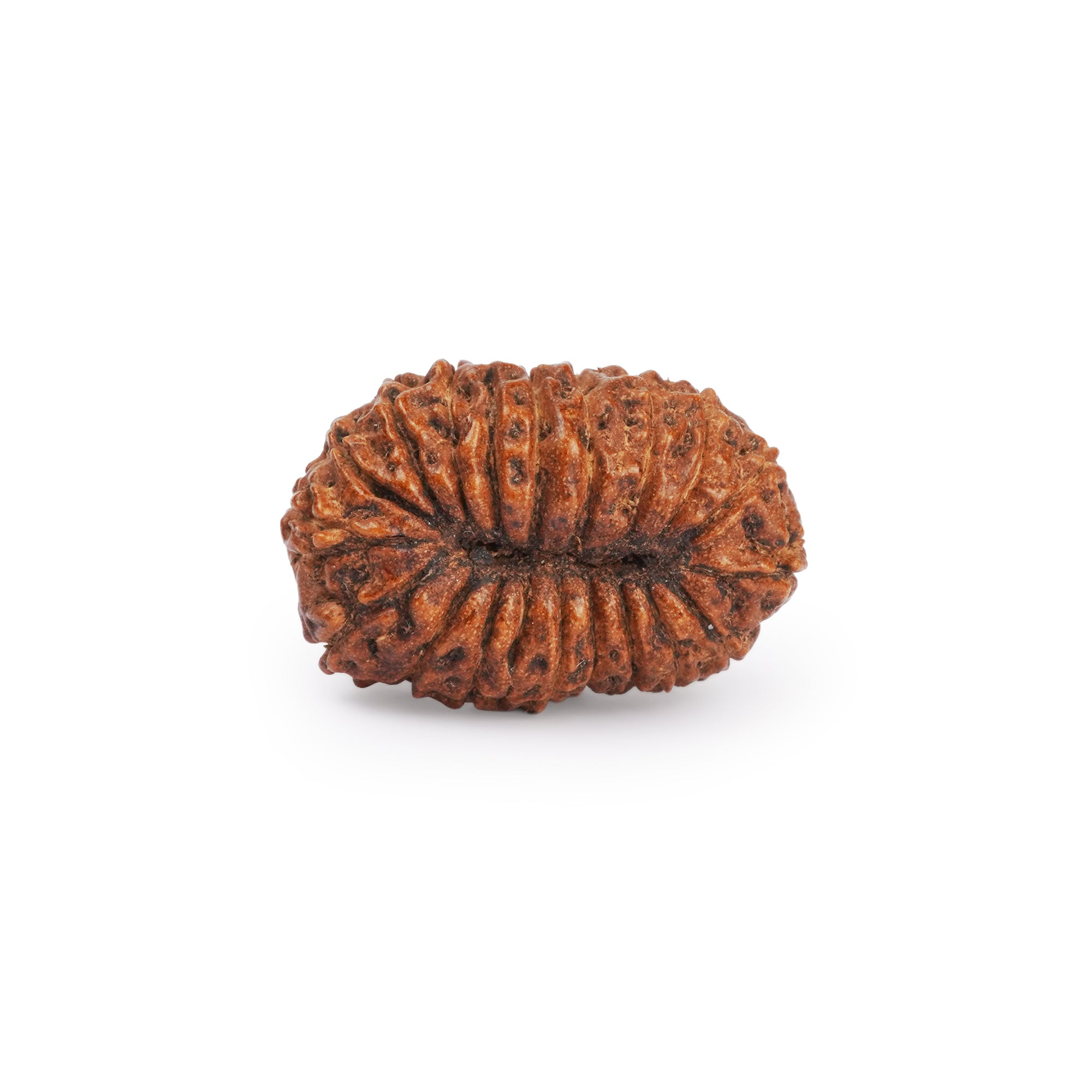
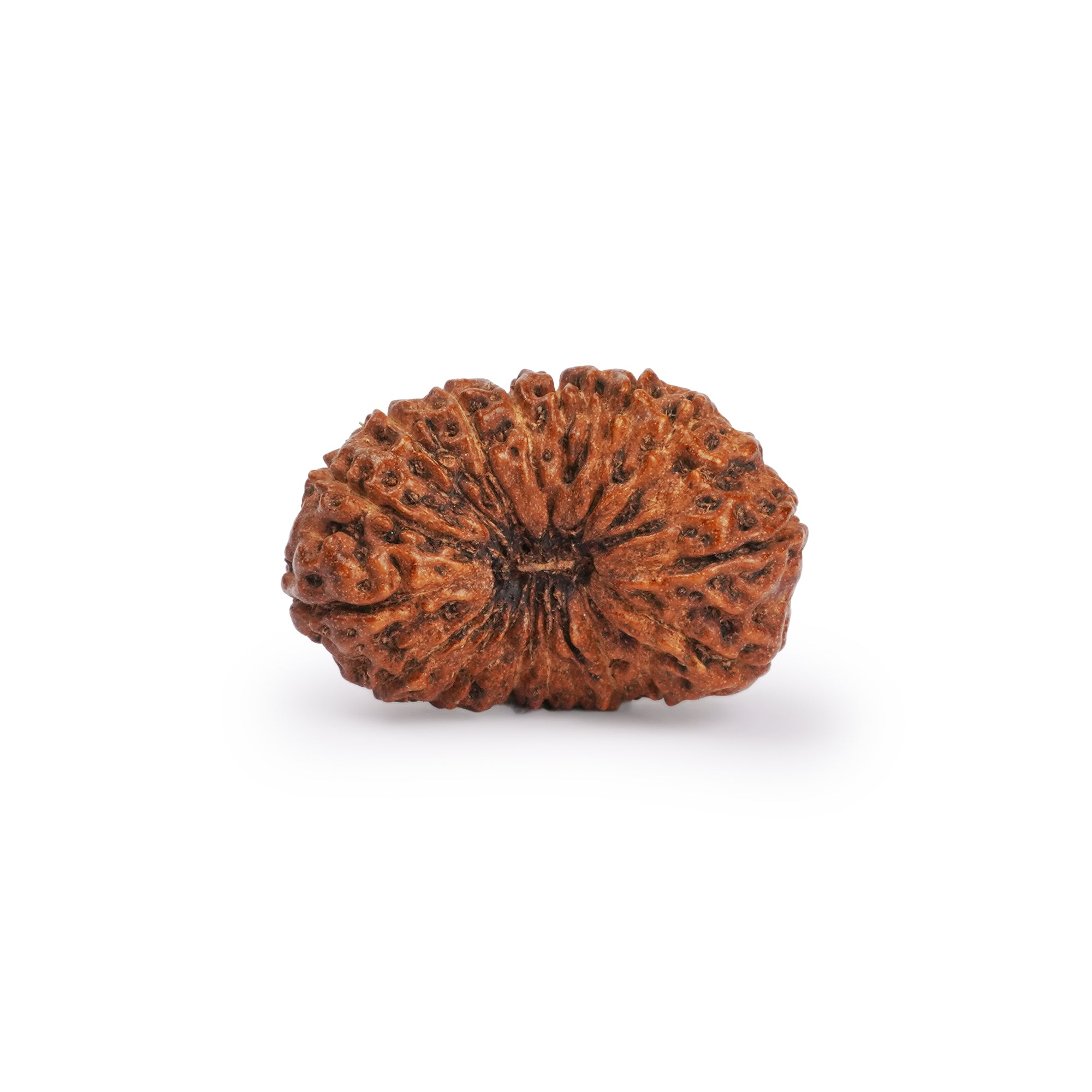
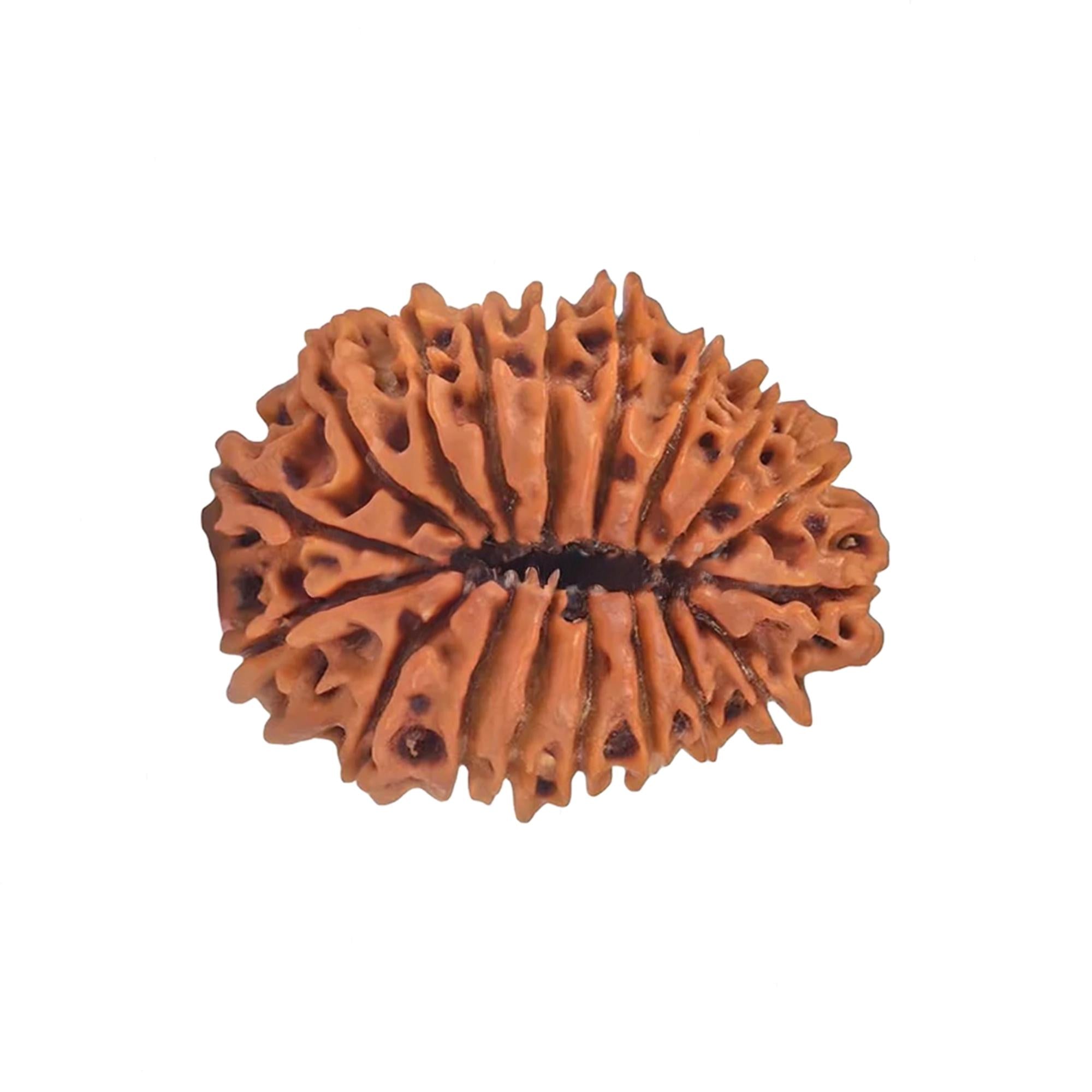
Indonesian Rudraksha is grown in Indonesia and is also known as Java Rudraksha. It is generally smaller, lighter and smoother than Nepali Rudraksha.
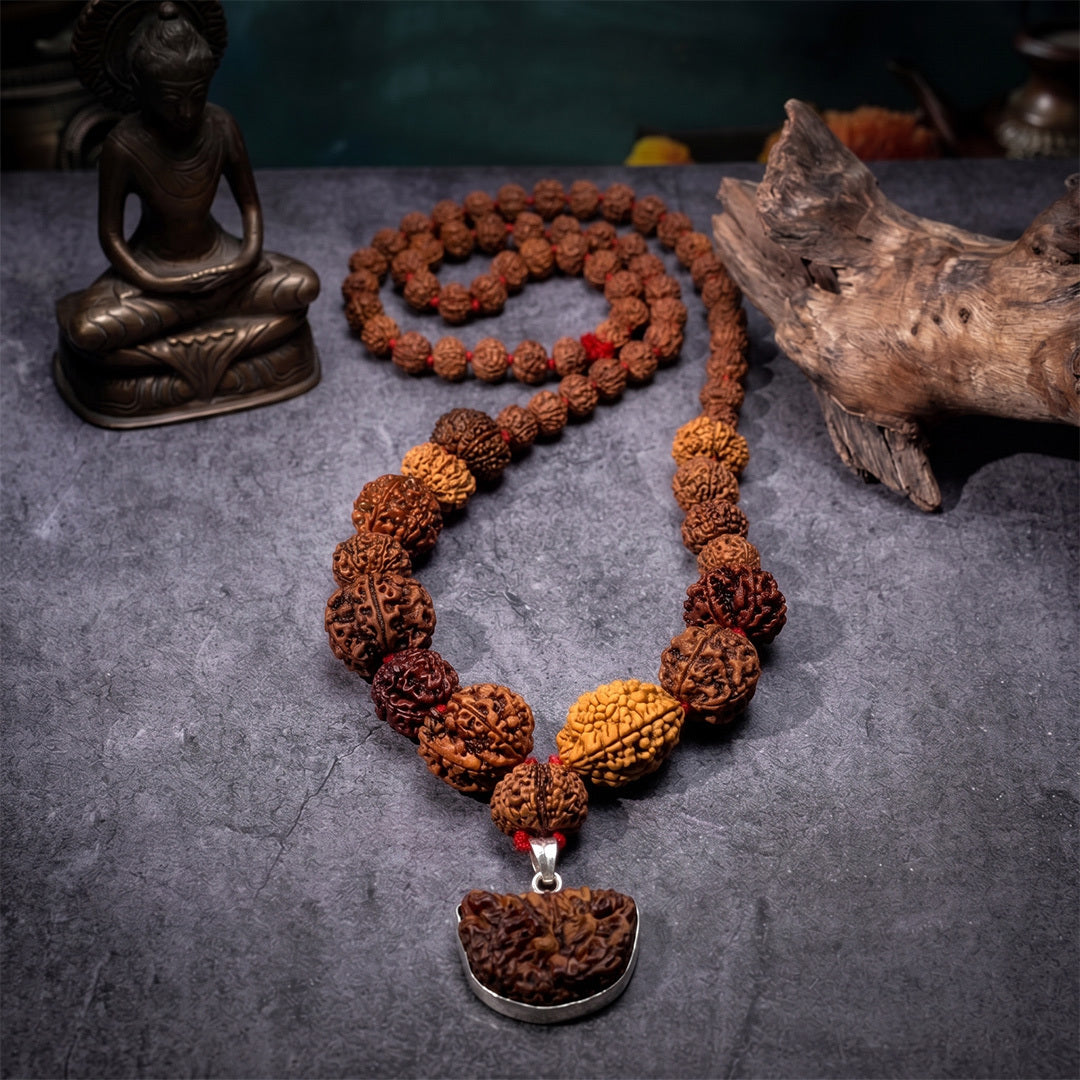
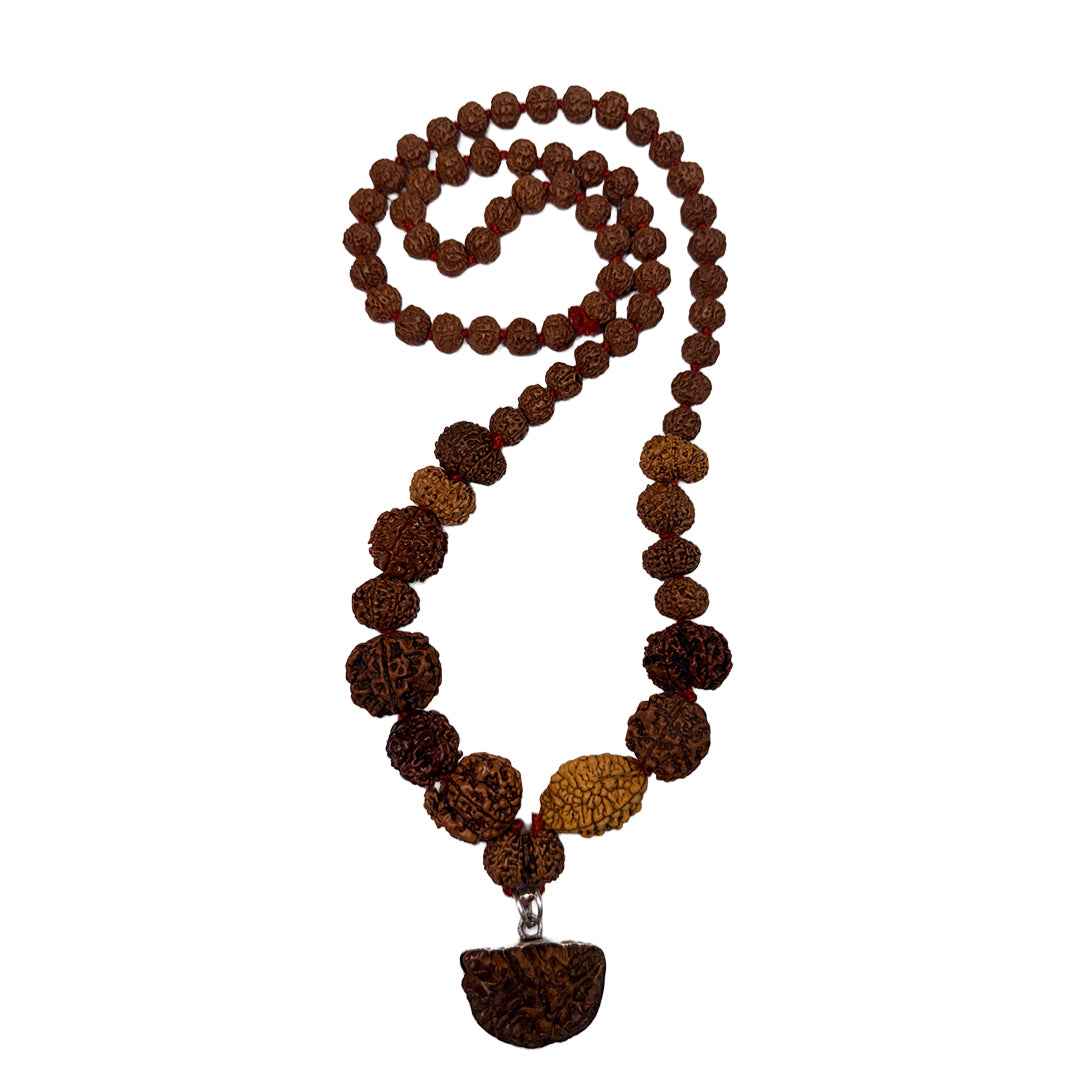
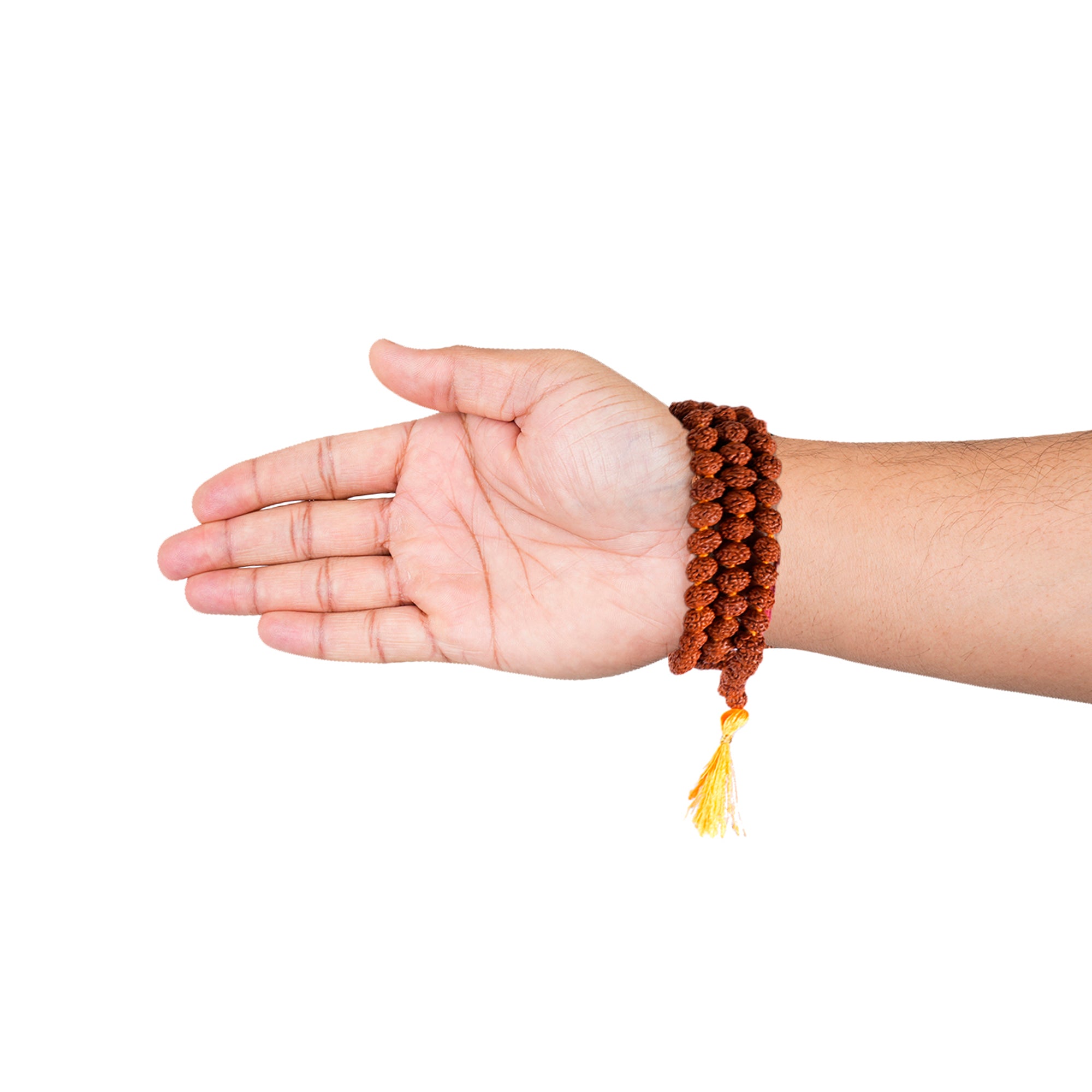
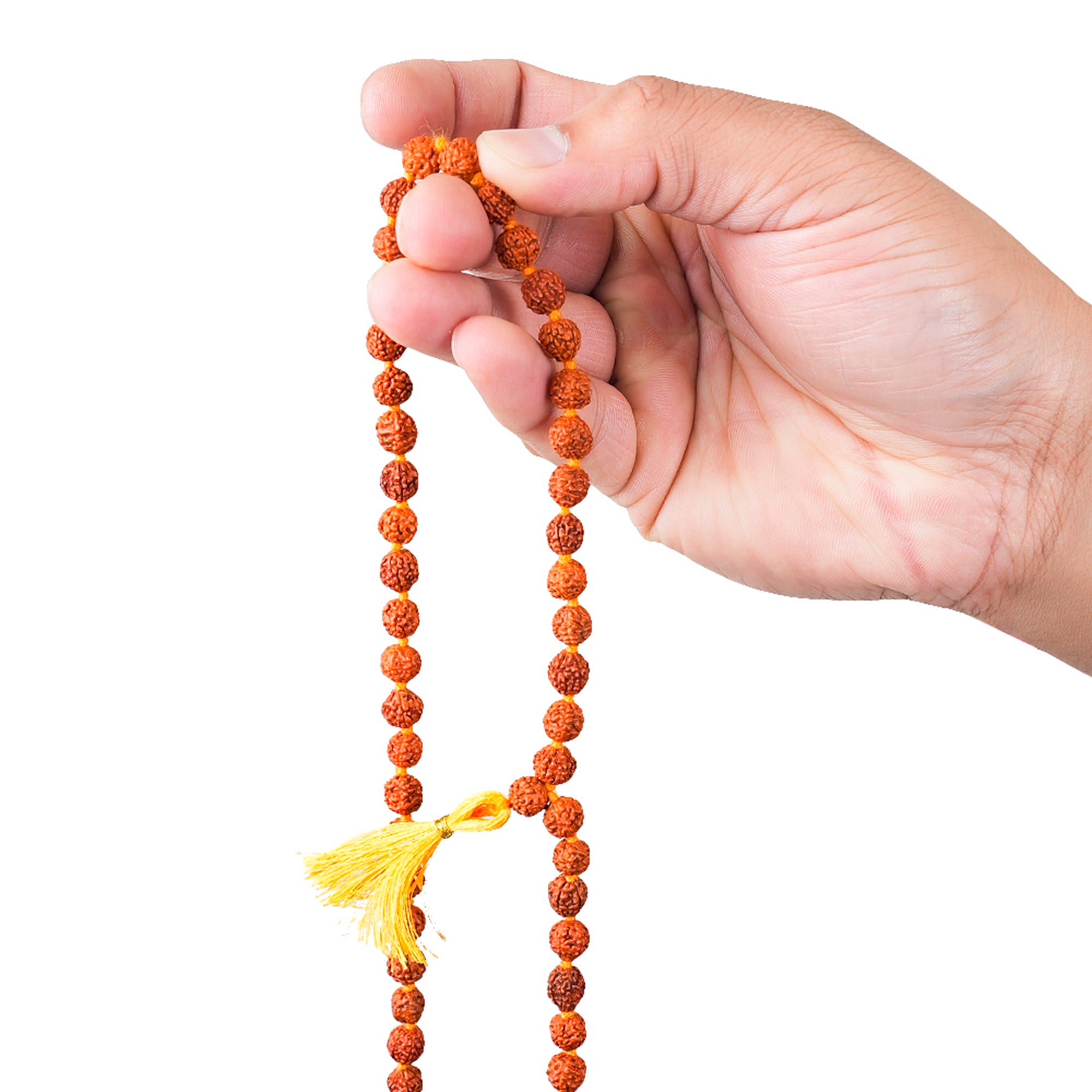
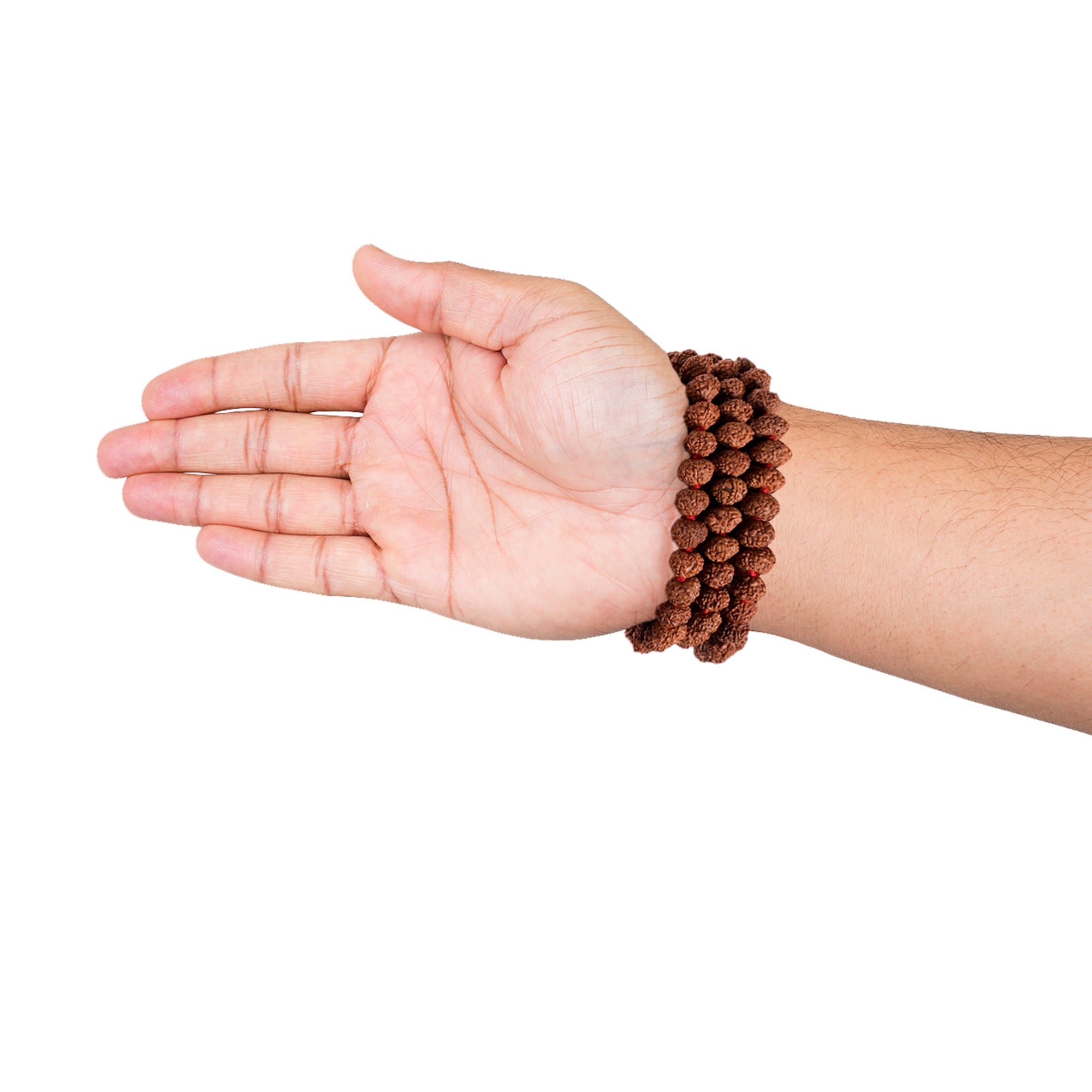
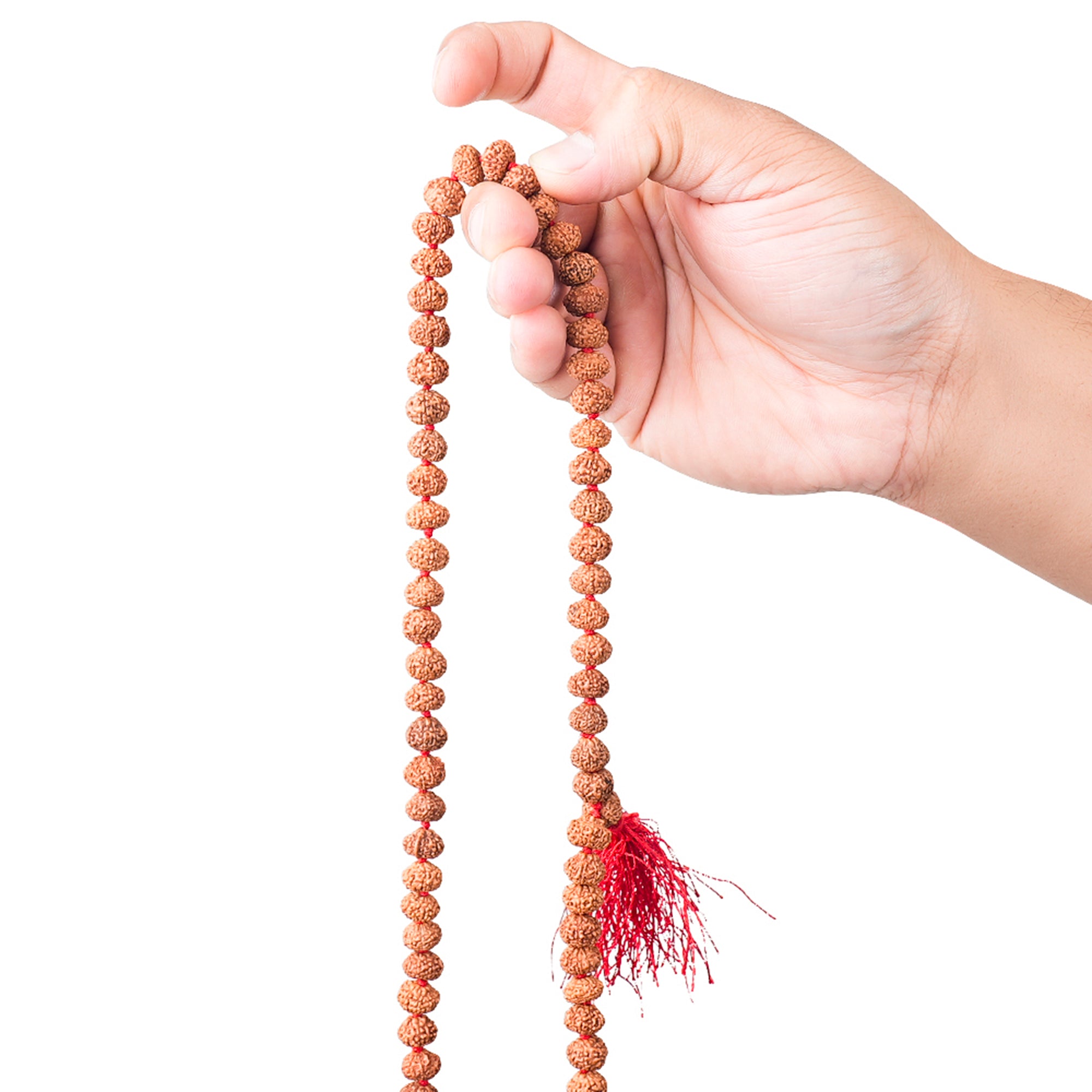
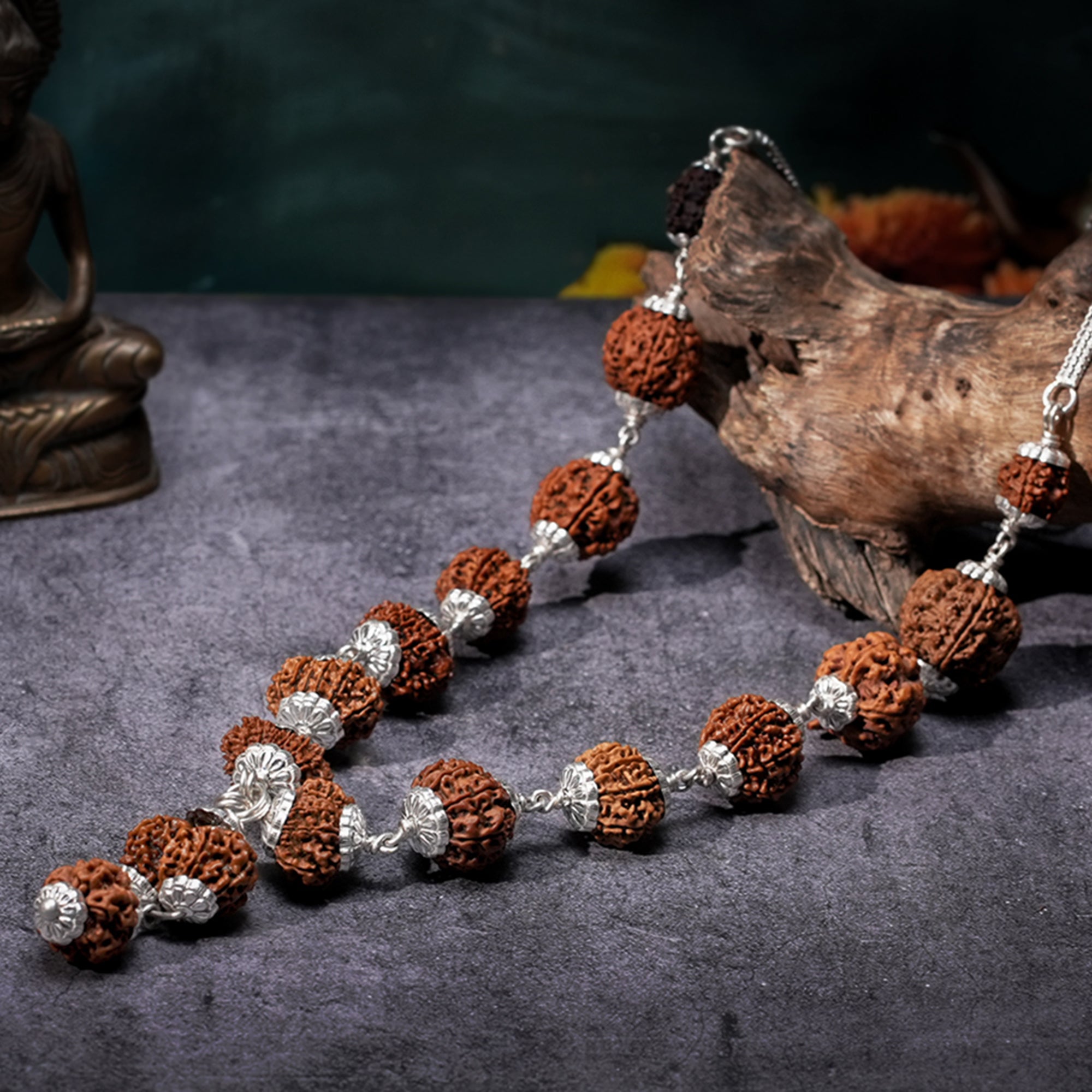
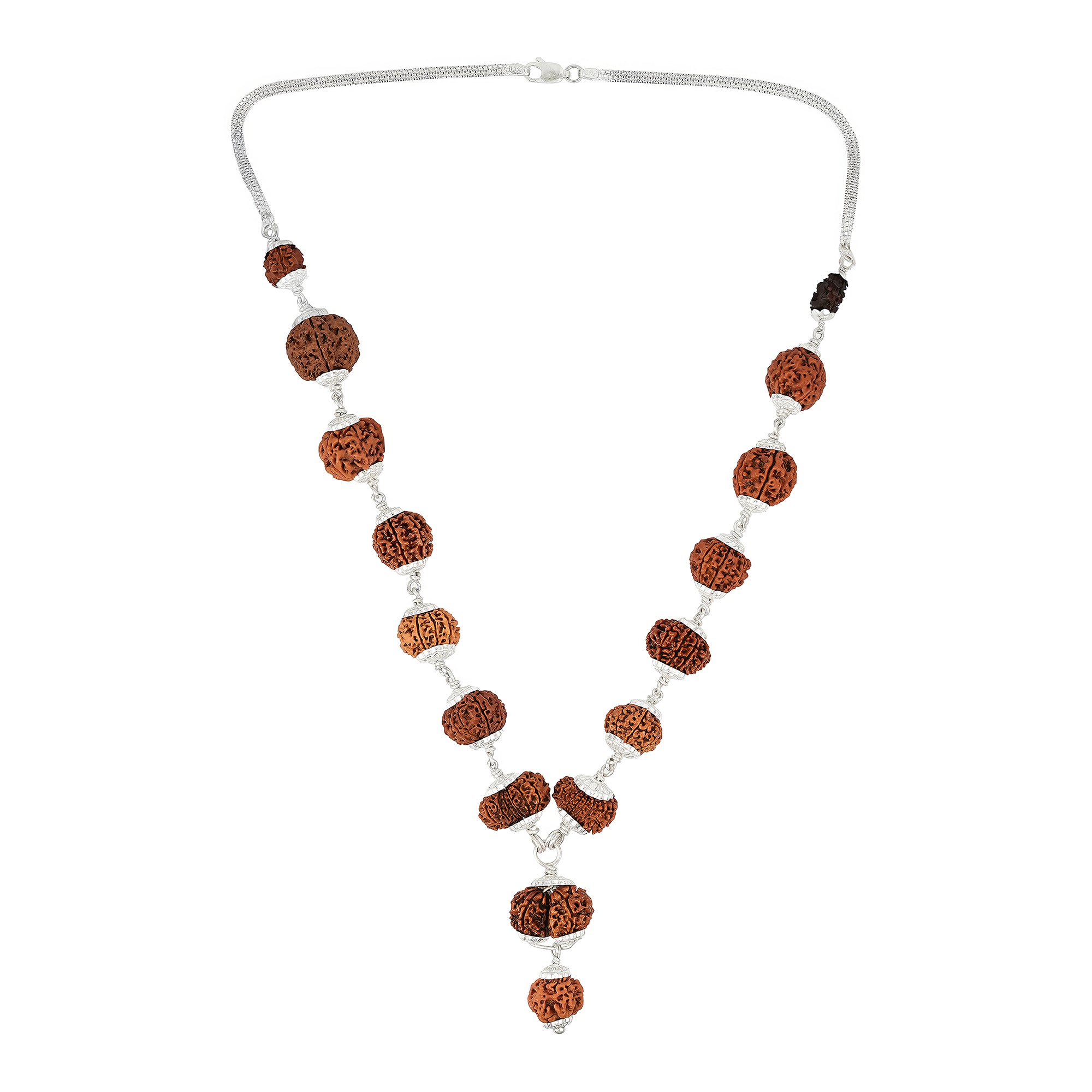
Its compact size makes it a popular choice for people who want to wear Rudraksha throughout the day. It is also commonly used to make bracelets, Kantha Malas and 108-bead Japa Malas.
· Smaller Size: Usually more compact than Nepali Rudraksha.
· Fine Mukhi Lines: Its natural grooves are often thinner and closer together.
· Smooth Surface: The outer texture is generally less raised.
· Lightweight: Smaller beads are easier to wear for long periods.
· Affordable Choice: Indonesian Rudraksha is often available at a lower price than Nepali beads of a similar Mukhi type.
Indonesian Rudraksha is also available in different Mukhi varieties. Its smaller size does not make it fake or less genuine.
Nepali vs Indonesian Rudraksha: What Are the Main Differences?
The main differences between Nepali and Indonesian Rudraksha are their size, weight, surface texture and price. Here is a simple comparison to help you understand them better.
|
Features |
Nepali Rudraksha |
Indonesian Rudraksha |
|
Origin |
Nepal |
Indonesia |
|
Size |
Generally larger |
Generally smaller |
|
Weight |
Comparatively heavier |
Comparatively lighter |
|
Mukhi Lines |
Deep and prominent |
Fine and less raised |
|
Surface |
Rough and textured |
Smoother |
|
Appearance |
Bold and noticeable |
Small and compact |
|
Common Use |
Individual beads and pendants |
Bracelets and Japa Malas |
|
Price |
Usually higher |
Usually more affordable |
These are general differences. Natural Rudraksha beads can vary in size, shape and texture, even when they come from the same region.
1. Difference in Size and Shape
Size is one of the first things people notice when comparing Nepali and Indonesian Rudraksha.
Nepali Rudraksha is generally larger and has a more prominent shape. Its natural surface can have deep ridges and visible sections. Many buyers prefer its appearance when choosing an individual Rudraksha bead.
Indonesian Rudraksha is usually smaller and more compact. Its round shape and lighter feel make it suitable for people who prefer simple and lightweight jewellery.
However, a bigger Rudraksha is not always a better Rudraksha. The natural formation, Mukhi count and authenticity should also be checked before buying.
2. Difference in Mukhi Lines
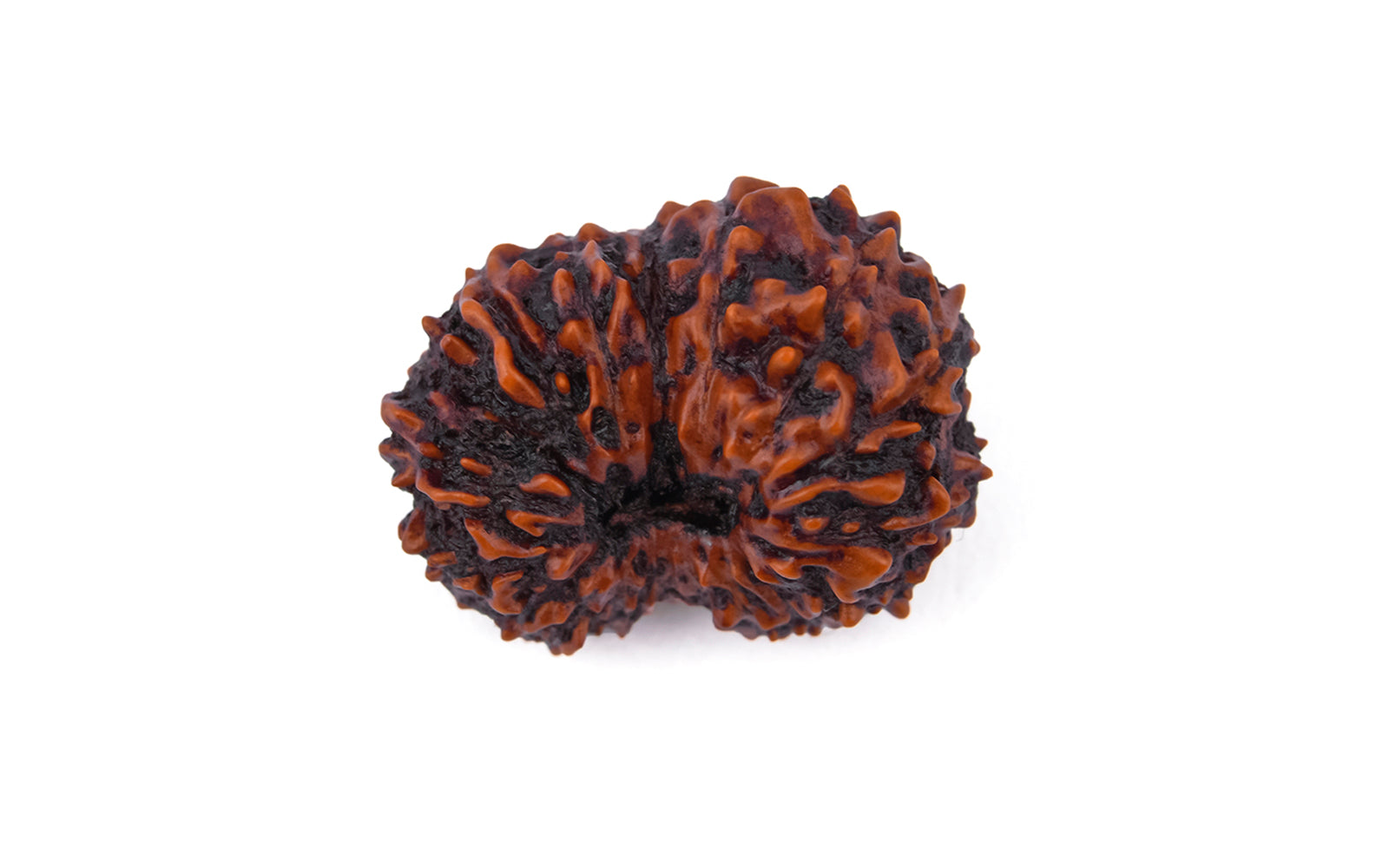
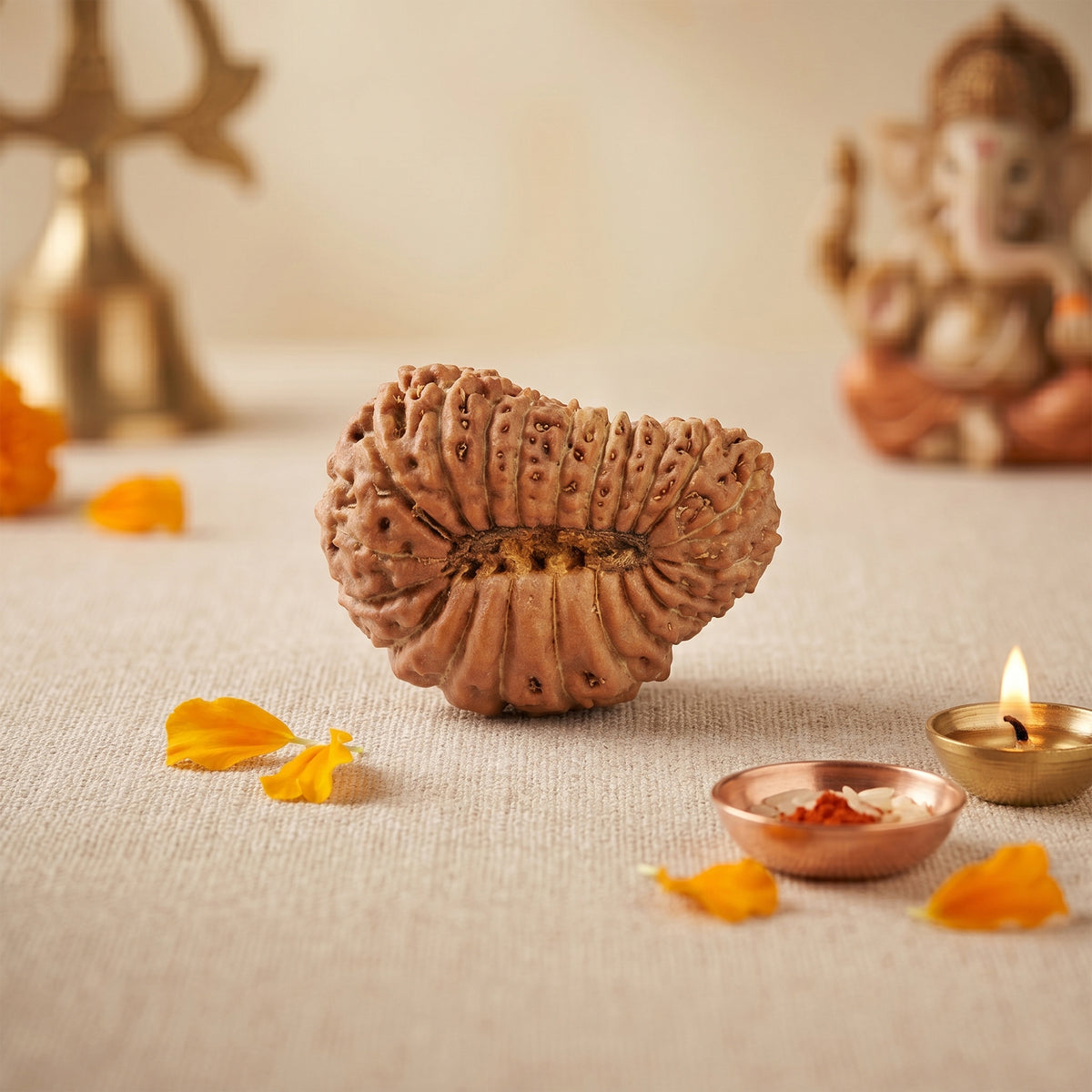
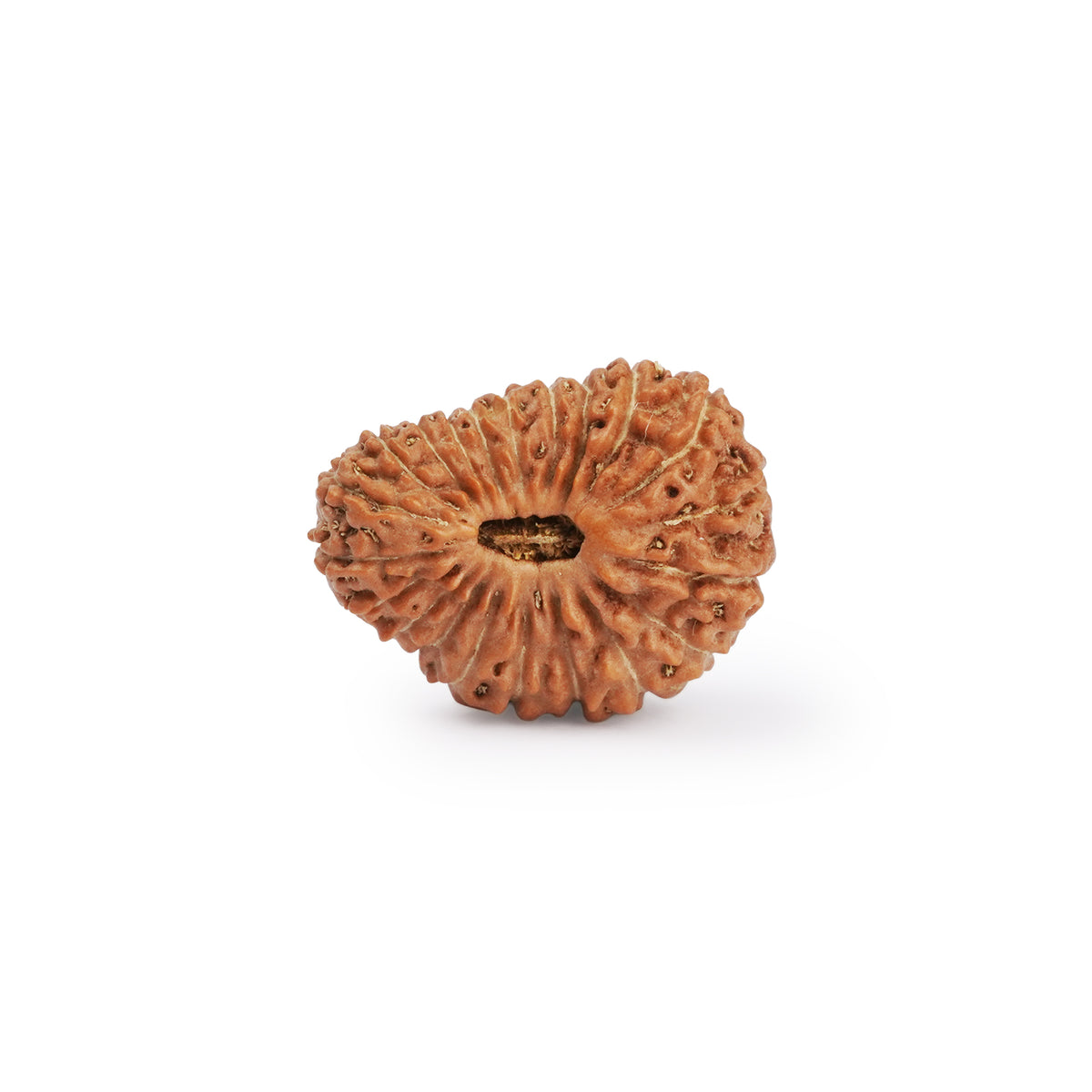
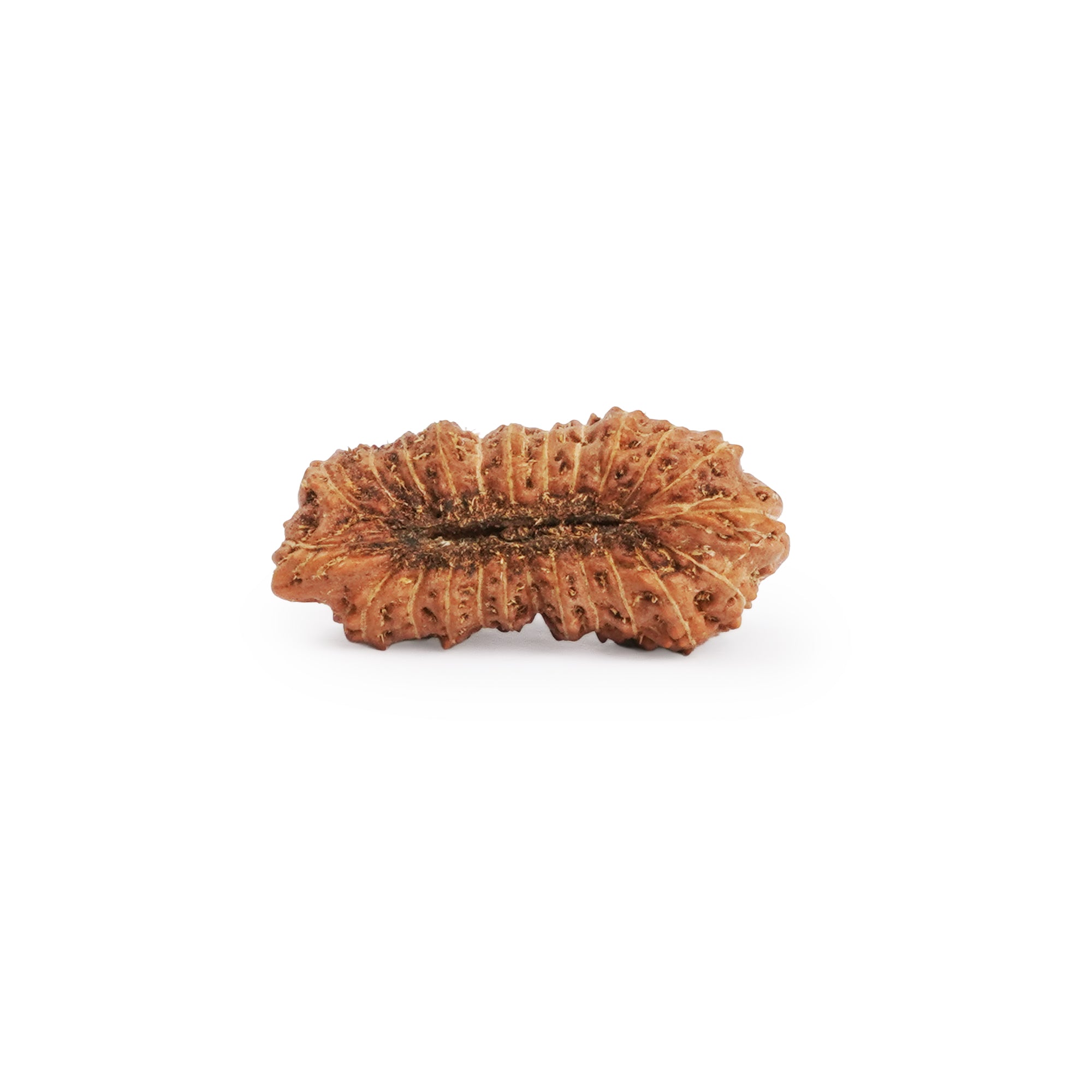
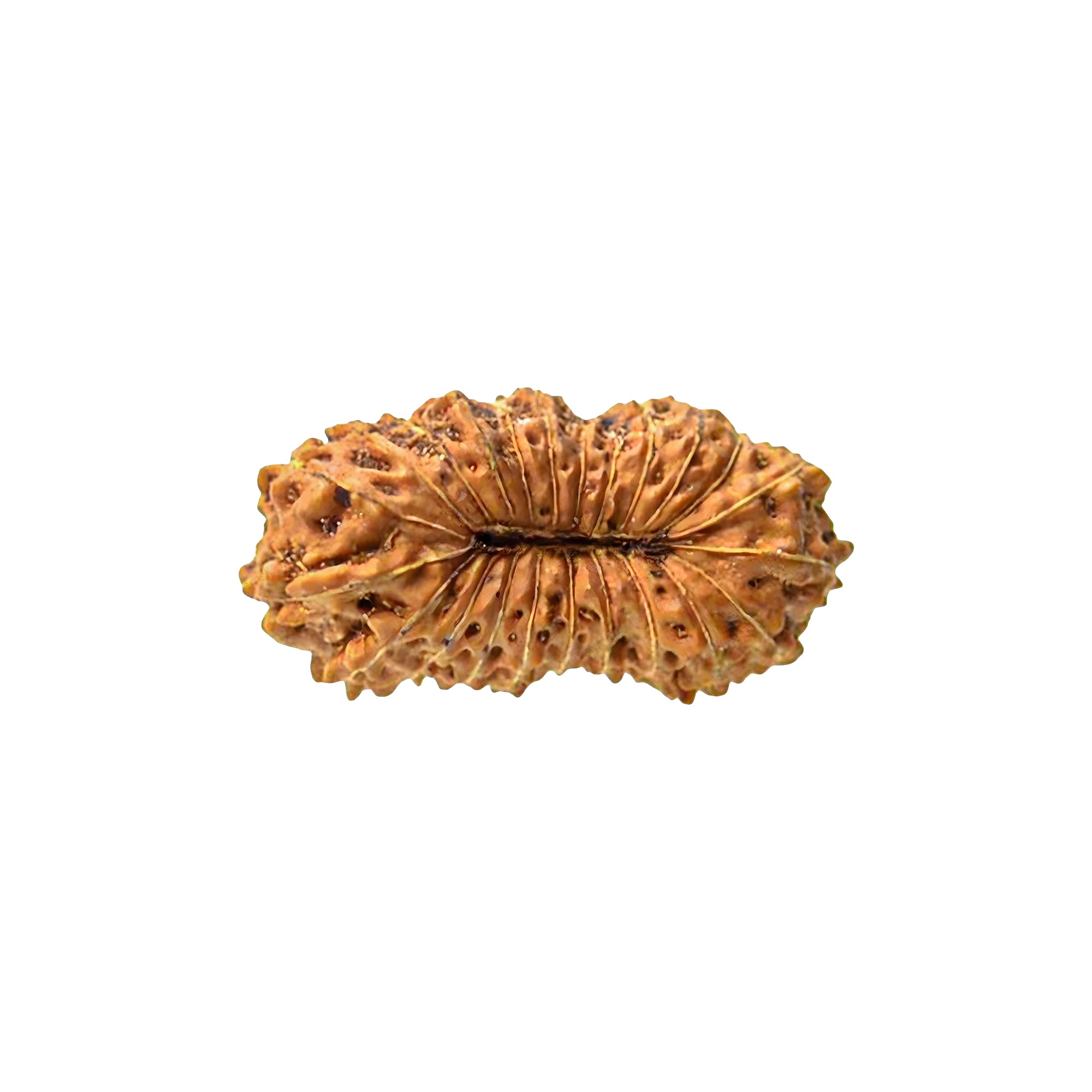
Mukhi refers to the natural lines or divisions visible on a Rudraksha bead. These lines run from one end of the bead to the other.
Nepali Rudraksha generally has deeper and wider Mukhi lines. They are often easier to identify with the naked eye.
Indonesian Rudraksha usually has finer and narrower Mukhi lines. Sometimes, you may need good lighting or magnification to see them clearly.
For buyers, this difference is important because the Mukhi count is one of the main factors used to identify a Rudraksha.
Always check that the Mukhi lines are naturally formed. Avoid beads where the lines appear to have been carved or changed.
3. Difference in Weight and Wearing Comfort
Weight can also help you decide which Rudraksha is suitable for daily use.
Nepali Rudraksha is generally heavier because of its larger size. Some people like this because the bead has a noticeable presence when worn as a pendant.
Indonesian Rudraksha is lighter and smaller. It can be a comfortable choice for people who prefer wearing a bracelet or Mala for longer periods.
Your comfort matters more than the origin alone. Choose a size that feels suitable for your daily routine.
4. Difference in Price
Price is another important factor when choosing between Nepali and Indonesian Rudraksha.
Nepali Rudraksha is often more expensive because larger and well-formed beads can be less common in the market. Its size, Mukhi type, natural formation and availability can affect the price.
Indonesian Rudraksha is generally more affordable. Its smaller size and wider availability make it a practical option for buyers who have a limited budget.
However, price should not be the only factor. A genuine Rudraksha with a clearly stated origin and proper testing is more important than simply choosing the cheapest option.
Which Rudraksha Should You Choose?
The right choice depends on how you want to wear or use your Rudraksha.
Choose Nepali Rudraksha if:
· You prefer larger Rudraksha beads.
· You want deep and clearly visible Mukhi lines.
· You like wearing an individual Rudraksha pendant.
· You prefer a bold and traditional appearance.
· You are comfortable with a higher budget.
Choose Indonesian Rudraksha if:
· You prefer smaller and lightweight beads.
· You want a comfortable bracelet for daily wear.
· You are looking for a compact Japa Mala.
· You prefer a simple and less noticeable appearance.
· You want a more affordable option.
Both types can be considered for traditional spiritual practices. The best choice is the one that matches your personal preference and intended use.
How to Identify Original Nepali and Indonesian Rudraksha?
Before buying Rudraksha, it is important to check its authenticity and stated origin. Both Nepali and Indonesian beads can be genuine, but buyers should be careful about misleading product descriptions.
1. Check the Mukhi Lines: Look for natural lines running from one end of the bead to the other.
2. Check the Surface: Observe the natural texture, shape and formation of the bead.
3. Confirm the Origin: Ask the seller whether the bead comes from Nepal or Indonesia.
4. Ask for a Lab Report: Choose a seller who can provide suitable laboratory testing and authenticity details.
5. Check Seller Information: Buy from a trusted seller who clearly mentions the Rudraksha type, origin and Mukhi count.
Do not depend only on size or appearance to identify the origin. A small Nepali bead or a larger Indonesian bead is possible. Visual checks alone cannot confirm the exact growing location.
Final Thoughts
Choosing between Nepali and Indonesian Rudraksha does not have to be difficult. Both have their own features, and neither should be considered fake or inferior simply because of its origin.
Nepali Rudraksha is a good option if you prefer larger beads, deep Mukhi lines and a prominent appearance. Indonesian Rudraksha is worth considering if you want a smaller, lighter and more affordable option for daily wear.
Before making your choice, check the natural Mukhi lines, confirm the origin and buy from a trusted seller.
At GemsMantra (by Astro Arun Pandit), you can choose from natural Nepali and Indonesian Rudraksha varieties with attention to authenticity, origin and traditional use. Choose a Rudraksha that suits your needs and feels right for your daily spiritual practice.
Written by Bhupesh Bhandari


Key Highlights
- What Is Nepali Rudraksha?
- What Is Indonesian Rudraksha?
- Nepali vs Indonesian Rudraksha: What Are the Main Differences?
- 1. Difference in Size and Shape
- 2. Difference in Mukhi Lines
- 3. Difference in Weight and Wearing Comfort
- 4. Difference in Price
- Which Rudraksha Should You Choose?
- How to Identify Original Nepali and Indonesian Rudraksha?