

The Ultimate Guide to Lapis Lazuli Benefits: Healing, Clarity, and Spiritual Power
Quick answer: Lapis lazuli (Lajward in Hindi) is a deep-blue natural rock whose colour comes from the mineral lazurite, mixed with calcite and golden pyrite. In tradition it is worn for clear communication, wisdom, intuition and calm, most often as a bracelet or pendant. These are traditional and metaphysical beliefs, not promised outcomes. Genuine lapis ranges from an even, deep blue (the finest grade) to blue with golden pyrite flecks and white calcite streaks. Common imitations are dyed howlite, magnesite or jasper, sodalite, reconstituted lapis and the Gilson imitation, and only a gem lab can confirm which you have.
Lapis Lazuli — known in Hindi as Lajward — is the deep celestial-blue stone, often flecked with golden pyrite, prized since antiquity for wisdom, truth and royalty. In Indian gemstone tradition, Lajward is most often described as an uparatna (lower-cost substitute) for blue sapphire (Neelam) and linked to Saturn (Shani); some astrologers also link it to Jupiter (Guru) because of its golden pyrite. Modern crystal-healing practice links it to the throat and third-eye chakras, which is why it is traditionally worn for clear communication, intuition, creativity and a calmer, more truthful mind. This guide covers what lapis is worn for, who should wear it, how to wear it, and how to tell genuine lapis from dyed imitations.
Looking to buy? Browse natural lapis lazuli stone — each loose stone is listed with its weight, origin and a GemsMantra report number.
In tradition, lapis is the scholar's blue: a stone associated with clear speech and inner sight rather than with wealth.
Lapis lazuli meaning and names
The name joins the Latin lapis (“stone”) with a Persian word for blue, so lapis lazuli simply means “blue stone”. In Hindi and Urdu it is Lajward (also Lazward). Spiritually it is associated with truth, wisdom and inner sight, and in Indian astrological practice with Saturn (Shani), and by some astrologers with Jupiter (Guru). It is not the same as blue sapphire (Neelam), even when it is worn as a Neelam substitute: lapis is a soft rock of 5 to 6 on the Mohs scale, depending on its mineral mix, while sapphire is corundum at 9.
What Lapis Lazuli is worn for
| Area | Traditional association |
|---|---|
| Communication & intellect | Clearer speech and expression — valued by writers, speakers and students |
| Intuition & insight | Third-eye chakra — sharper insight, meditation and inner sight |
| Calm & emotional balance | Associated in tradition with a calmer, more patient temperament |
| Wisdom & truth | Self-awareness, integrity and alignment with one's truth |
Lapis at a glance
| Property | Detail |
|---|---|
| Also known as | Lajward, Lazward |
| Planet (traditional) | Saturn (Shani) as a Neelam substitute; some astrologers link it to Jupiter |
| Chakra (crystal-healing belief) | Throat & Third Eye |
| Composition | Lazurite (which gives the blue), with calcite and pyrite |
| Colour | Deep blue, often with golden pyrite flecks and sometimes white calcite |
| Hardness | 5 to 6 on the Mohs scale, depending on its mineral mix (soft, so handle it gently) |
| Main origin | Afghanistan |
Who should wear Lapis Lazuli & how
As a crystal, lapis lazuli is worn by people seeking clearer communication, calm, creativity or stronger intuition — it is especially loved by writers, speakers, teachers and students. Which signs it is recommended for depends on the planet an astrologer links it to, so get a chart reading before wearing it as a Neelam substitute. It is worn as a bracelet or pendant; those who want it near the throat for communication wear it as a pendant. Wear it consistently, and because it is a soft stone, handle it gently.
Lapis lazuli bracelet benefits (for women and men)
A lapis bracelet is the most common way to wear it. In tradition it is worn for calm, clearer communication and focus, and the associations are the same for women and men. It can be worn on either wrist. Combination bracelets pair lapis with other stones, such as amethyst (calm) or howlite (a white stone); because howlite is one of the stones commonly dyed blue to imitate lapis, the white beads in such a bracelet should stay white. As with every GemsMantra order, a change of mind is not a reason for return: beaded bracelets and malas can be returned only if they arrive damaged, defective or incorrect, or are covered by our proven-synthetic guarantee. See our Refund Policy.
How to spot natural Lapis Lazuli
Most natural lapis is deep blue with some golden pyrite flecks and, in lower grades, white calcite streaks. The finest natural lapis is an even, saturated blue with no calcite and only light pyrite, so an even colour or little pyrite does not by itself mean a stone is fake, and pyrite does not prove it is real. Common imitations are dyed howlite, magnesite or jasper (dyed jasper is sold as “Swiss lapis”), sodalite, reconstituted (bonded) lapis, the Gilson imitation and glass, and low-grade natural lapis is often dyed or waxed. Warning signs are blue colour concentrated in cracks and pits, chalky white showing through (dyed howlite or magnesite), a dull, stripy blue (dyed jasper), and a very even dusting of sharp metallic grains (the Gilson imitation). Do not test a stone with solvents at home: acetone can strip dye or wax, and our proven-synthetic guarantee requires an unaltered stone. A lab can confirm both the stone and any treatment. Buy from a seller who states that the stone is natural lapis lazuli and whether it is dyed or waxed, and who gives a report number. For independent confirmation, ask for a report from a third-party gem lab; our loose lapis listings offer one on request, and our guide on how to verify a gemstone certificate shows what to check.
The GemsMantra standard
Our loose lapis lazuli listings describe natural lapis lazuli from Afghanistan and show the weight in carats and ratti and a GemsMantra report number. A third-party laboratory certificate is available on request. See the Lapis Lazuli collection for live prices.
Frequently asked questions
What are the benefits of lapis lazuli?
In tradition, lapis lazuli is worn for wisdom, clear communication, intuition, creativity and calm, and modern crystal-healing practice links it to the throat and third-eye chakras.
Who should wear lapis lazuli?
As a crystal, it is worn by people seeking better communication, clarity or creativity. Which signs it is recommended for depends on the planet an astrologer links it to (most often Saturn, as a substitute for Neelam, and sometimes Jupiter), so get a chart reading before wearing it as a Neelam substitute.
Which hand should I wear a lapis lazuli bracelet on?
It can be worn on either wrist; tradition sets no fixed hand for a lapis bracelet. Those who want the stone near the throat for communication usually wear it as a pendant.
How do I know if lapis lazuli is real?
Most natural lapis is deep blue, often with golden pyrite flecks and sometimes white calcite. An even blue is not a warning sign on its own, because the finest lapis is evenly coloured, and pyrite alone is not proof either way. Warning signs are colour pooling in cracks, chalky white showing through, or a very even dusting of sharp metallic grains. A gem lab can confirm the stone and whether it is dyed.
How do I care for lapis lazuli?
It is a soft stone and is often dyed or waxed, so wipe it with a soft cloth dampened in lukewarm water and dry it at once. Keep it away from acetone, alcohol, perfume, acids and other household chemicals, heat, and ultrasonic or steam cleaners. Some wearers also cleanse it ritually with moonlight or sage smoke; that is a traditional practice, not a way to clean the stone.
What is lapis lazuli called in Hindi?
In Hindi and Urdu, lapis lazuli is called Lajward (also written Lazward). In English the name means “blue stone”.
Can I wear lapis lazuli with amethyst or howlite?
Yes. Combination bracelets with amethyst or howlite are common and are worn for calm and focus in tradition. Because howlite is one of the stones commonly dyed blue to imitate lapis, the howlite beads should stay white, and if the lapis beads show colour concentrated in cracks or drill holes, ask the seller whether they are dyed.
Is lapis lazuli the same as blue sapphire (Neelam)?
No. Lapis lazuli is a soft rock coloured blue by the mineral lazurite, at 5 to 6 on the Mohs scale depending on its mineral mix. Blue sapphire (Neelam) is corundum at 9. They look different and are priced very differently, although lapis (Lajward) is sometimes worn as a lower-cost substitute (uparatna) for Neelam; see our Neelam guide.
Where can I buy natural lapis lazuli online?
Buy where each stone is described as natural lapis lazuli, with any dyeing or waxing disclosed and a report number given. For independent confirmation, ask for a report from a third-party gem lab. Browse the Lapis Lazuli collection and read how to verify a gemstone certificate.
Wear genuine lapis lazuli
Natural lapis lazuli beads; every order ships with a GemsMantra Authenticity Report.
Shop the Lapis Lazuli BraceletExplore braceletsRelated guides
Neelam (Blue Sapphire): Benefits & Who Should Wear · Lapis Lazuli collection · How to Verify a Gemstone Certificate
Crystal and gemstone associations described here reflect traditional and metaphysical beliefs. They are not medical, financial or legal advice and are not presented as guaranteed outcomes.
Frequently Asked Questions
Lapis Lazuli is a vibrant blue gemstone known for its spiritual, emotional, and healing benefits. The lapis lazuli stone benefits promote clarity, wisdom, and inner peace.
Lapis Lazuli enhances communication and emotional balance, improving relationships. The lapis lazuli crystal benefits foster open expression, empathy, and stronger connections.
Yes, Lapis Lazuli supports meditation by opening the third eye chakra, enhancing intuition and spiritual insight. The lapis lazuli stone benefits promote inner peace and spiritual growth.
Wear Lapis Lazuli as jewelry, like a lapis lazuli bracelet, or place it near the throat or third eye chakra to maximize its benefits for communication and spiritual growth.
Lapis Lazuli is especially beneficial for Sagittarius and Pisces, enhancing intuition, wisdom, and communication. The lapis lazuli crystal benefits align with their strengths and spiritual growth.
Written by Shruti Tiwari


%20is%20a%20deep-blue%20natural%20rock%20whose%20colour%20comes%20from%20the%20mineral%20lazurite,%20mixed%20with%20calcite%20and%20golden%20pyrite.%20In%20tradition%20it%20is%20worn%20for%20clear%20comm...)


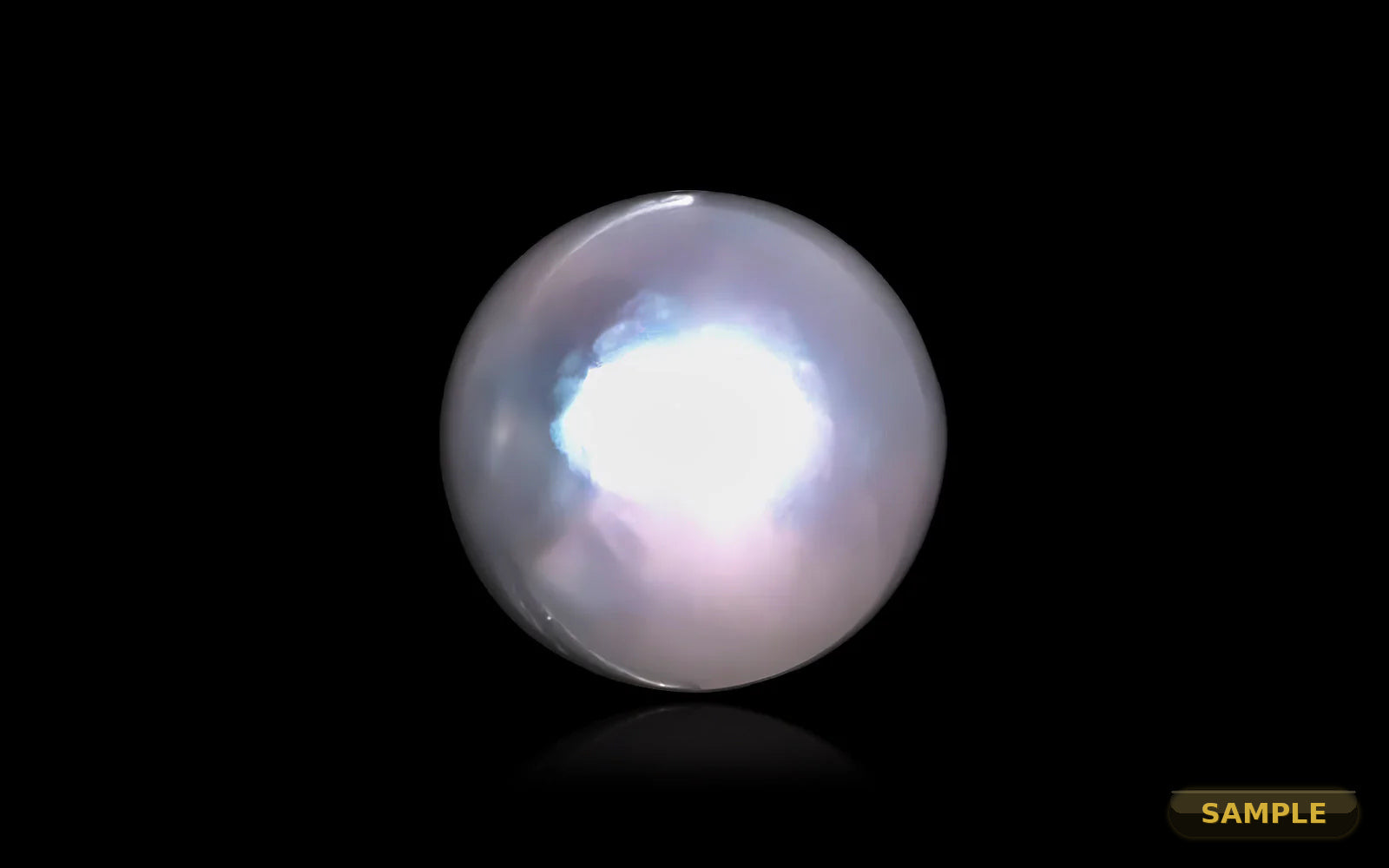
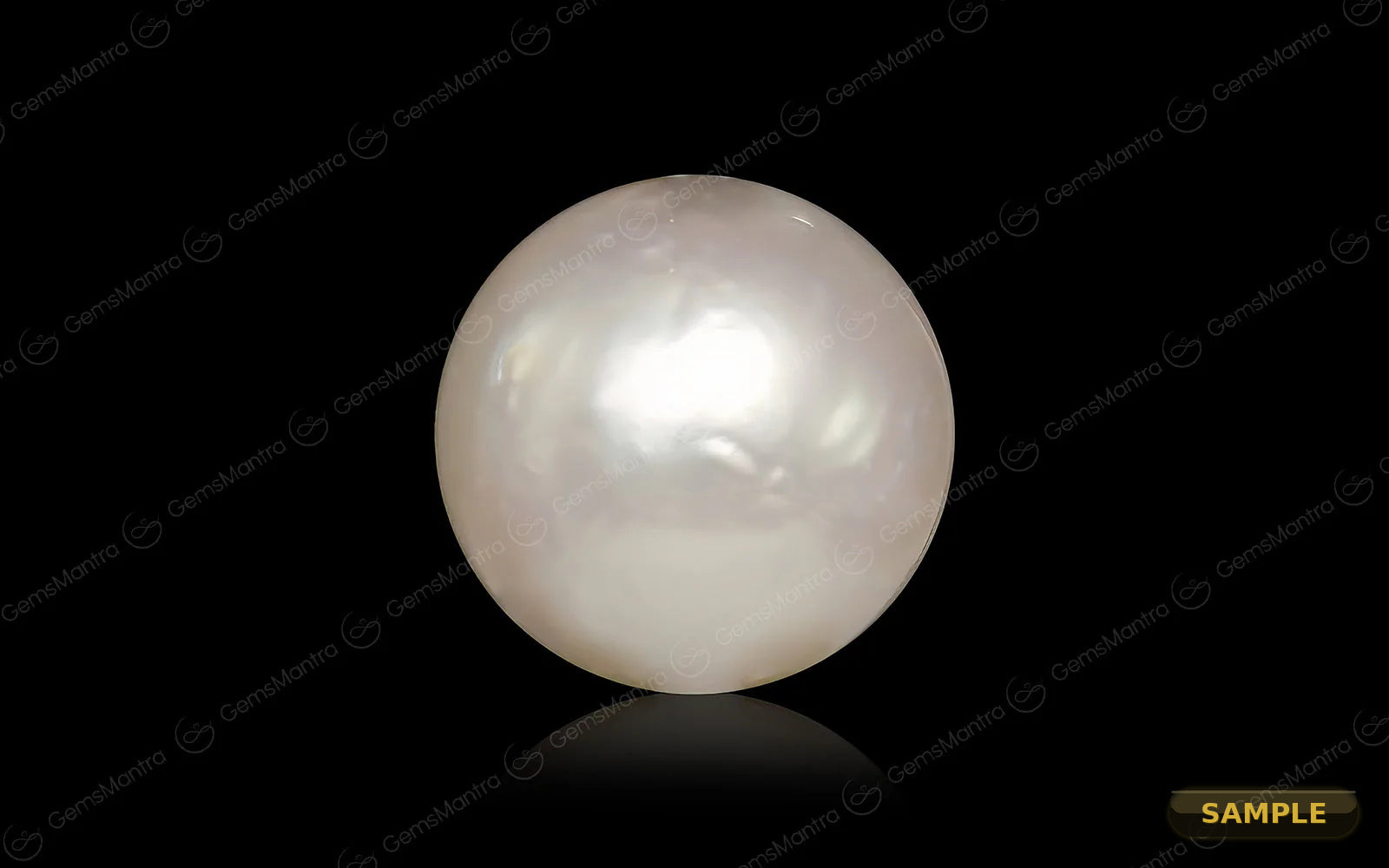
![Pearls (Moti) – 4.67 Carat / 5.1 Ratti [GM09958] – view 2](http://gemsmantra.com/cdn/shop/files/GM09909_BACK_09098aab-2edc-4bd3-9a21-edfb80d9607e.jpg?v=1780376524&width=1600)
![Pearls (Moti) – 4.67 Carat / 5.1 Ratti [GM09958] – GemsMantra](http://gemsmantra.com/cdn/shop/files/GM09909_FRONT_12e33cb9-f6a5-4e24-8f0b-b5478b5e2501.jpg?v=1780376524&width=1600)
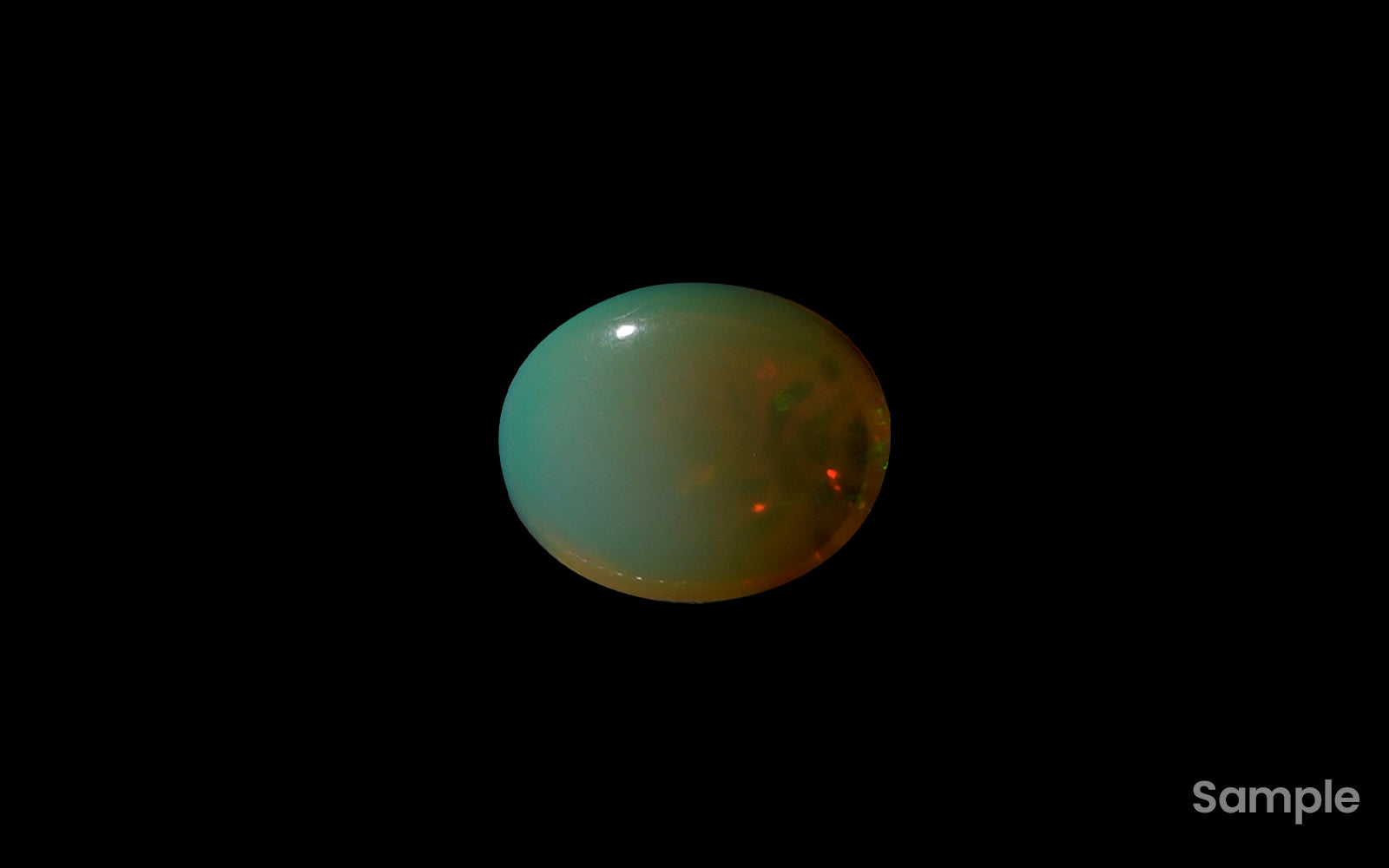
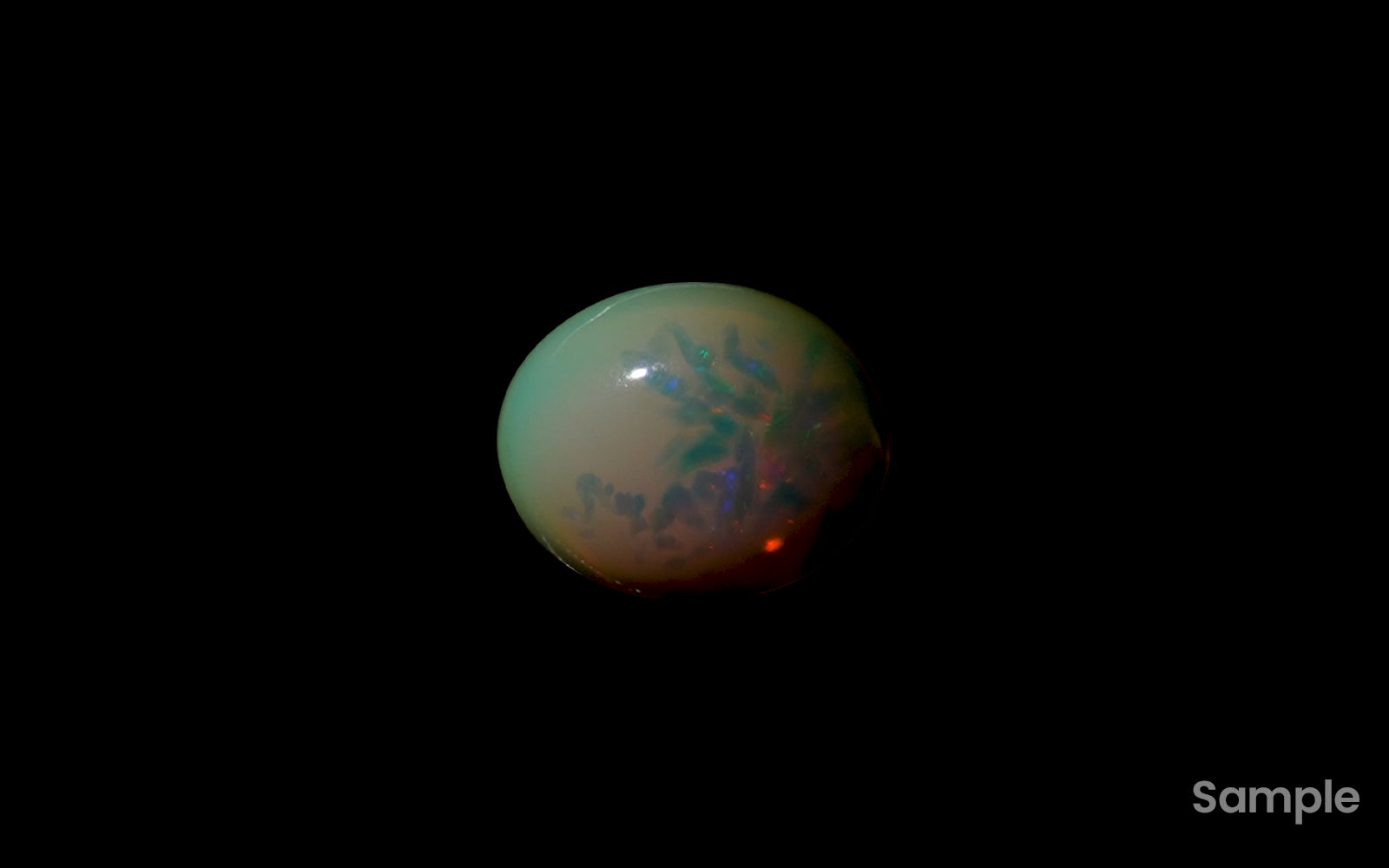
![Gomed – 5.815 Carat / 6.4 Ratti [GM09242] – Hessonite – GemsMantra](http://gemsmantra.com/cdn/shop/files/FRONT_GM09242_bda7f3f4-2b7e-4e05-bf24-125035a4522a.jpg?v=1773224043&width=1600)
![Gomed – 5.815 Carat / 6.4 Ratti [GM09242] – view 2](http://gemsmantra.com/cdn/shop/files/GM09242.jpg?v=1783417342&width=1040)
![Hessonite (Gomed) – 11.37 Carat / 12.5 Ratti [GM02791] – GemsMantra](http://gemsmantra.com/cdn/shop/files/GM02791_FRONT_9d5aa957-2791-4053-95ed-6dda9e437a20.jpg?v=1754982963&width=1600)
![Hessonite (Gomed) – 11.37 Carat / 12.5 Ratti [GM02791]](http://gemsmantra.com/cdn/shop/files/preview_images/05d8db311613461d877f9ee8d0662fd1.thumbnail.0000000000.jpg?v=1786953853)
![Keshi Pearls (Moti) – 4.41 Carat / 4.9 Ratti [GM09826] – view 2](http://gemsmantra.com/cdn/shop/files/GM09826_BACK_8d3ab21b-fe0f-46d9-8a57-611ac8591e7a.jpg?v=1780640983&width=1600)
![Keshi Pearls (Moti) – 4.41 Carat / 4.9 Ratti [GM09826] – GemsMantra](http://gemsmantra.com/cdn/shop/files/GM09826_FRONT_6698404e-2267-4bac-8565-71c2fe9ebf6e.jpg?v=1780640983&width=1600)
![Keshi Pearls (Moti) – 5.18 Carat / 5.7 Ratti [GM09820] – view 2](http://gemsmantra.com/cdn/shop/files/GM09820_BACK_939b991d-ce86-4751-b091-d0173b8db0a7.jpg?v=1780640943&width=1600)
![Keshi Pearls (Moti) – 5.18 Carat / 5.7 Ratti [GM09820] – GemsMantra](http://gemsmantra.com/cdn/shop/files/GM09820_FRONT_f6374281-801f-40c0-a329-cbaf3690343f.jpg?v=1780640943&width=1600)
![Pearls (Moti) – 4.59 Carat / 5 Ratti [GM09910] – view 2](http://gemsmantra.com/cdn/shop/files/GM09910_BACK_9281c5aa-1222-4686-b1a6-f27bc793ffdb.jpg?v=1780376441&width=1600)
![Pearls (Moti) – 4.59 Carat / 5 Ratti [GM09910] – GemsMantra](http://gemsmantra.com/cdn/shop/files/GM09910_FRONT_23e54297-857d-4453-9eec-a82ff7e8d0d6.jpg?v=1780376442&width=1600)
![Emerald (Panna) – 6.47 Carat / 7.1 Ratti [GM02884]](http://gemsmantra.com/cdn/shop/files/GM02884_FRONT.webp?v=1791890815&width=2000)
![Emerald (Panna) – 6.47 Carat / 7.1 Ratti [GM02884]](http://gemsmantra.com/cdn/shop/files/preview_images/fe87cea82f7a4d7ab61ad7240ce8fba6.thumbnail.0000000000.jpg?v=1786954243)
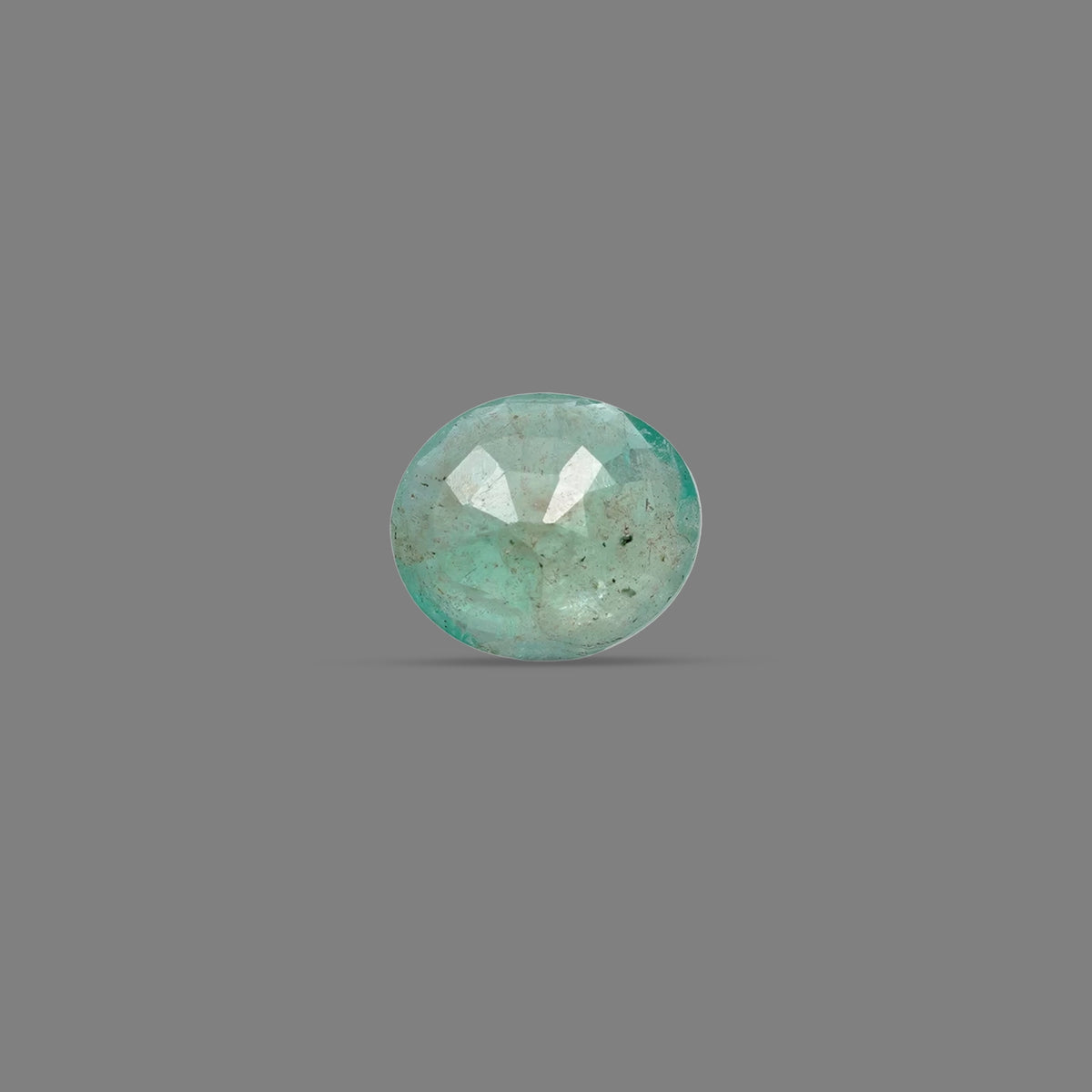
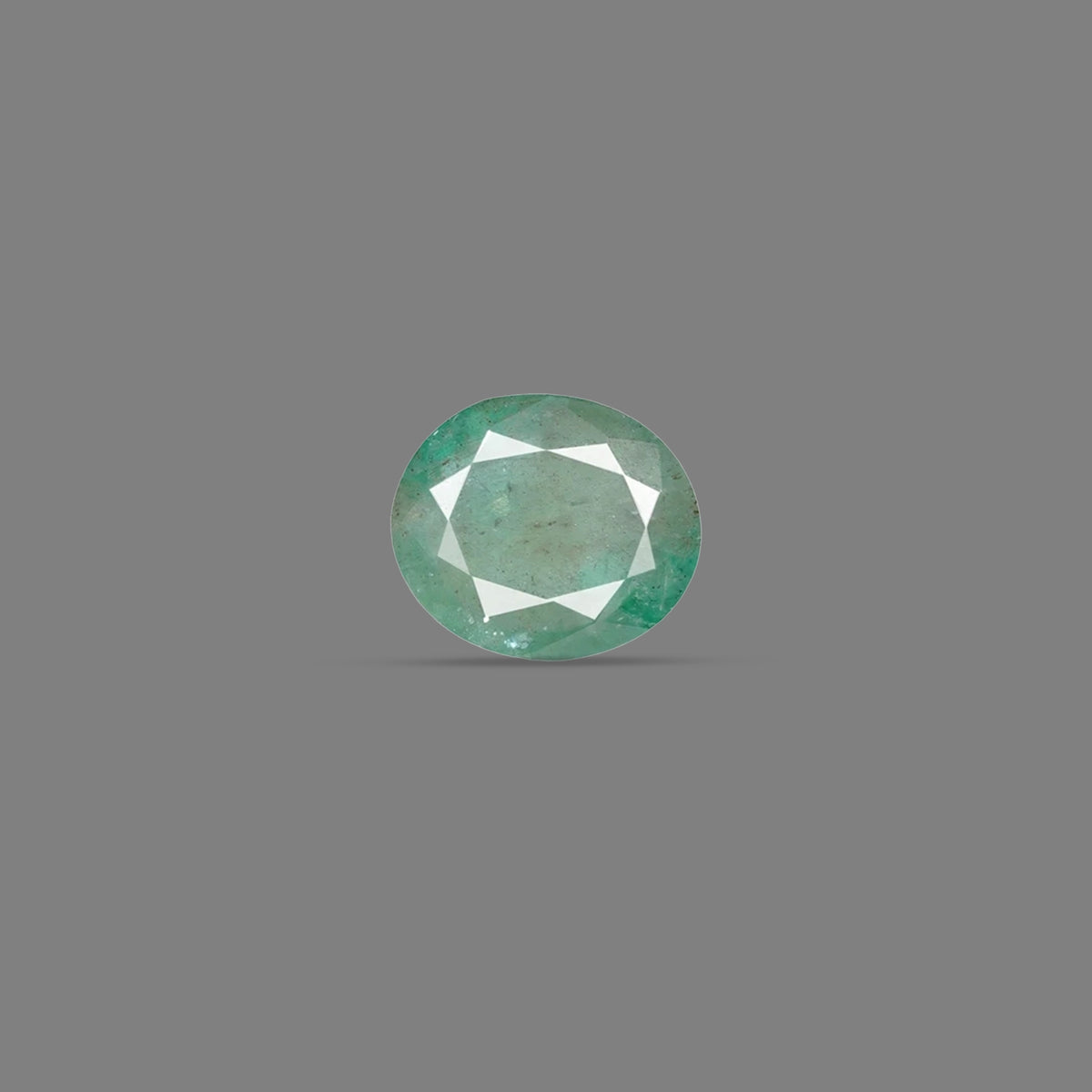
![Brazilian Emerald (Panna) – 4.05 Carat / 4.5 Ratti [GM03557]](http://gemsmantra.com/cdn/shop/files/GM03557_FRONT.webp?v=1791887125&width=2000)
![Brazilian Emerald (Panna) – 4.05 Carat / 4.5 Ratti [GM03557]](http://gemsmantra.com/cdn/shop/files/preview_images/a3c7241d08c94501b603db00b9e04b31.thumbnail.0000000000.jpg?v=1786964047)
![Brazilian Emerald (Panna) – 2.12 Carat / 2.3 Ratti [GM03577]](http://gemsmantra.com/cdn/shop/files/GM03577_FRONT.webp?v=1791887064&width=2000)
![Brazilian Emerald (Panna) – 2.12 Carat / 2.3 Ratti [GM03577]](http://gemsmantra.com/cdn/shop/files/preview_images/2cd7b60d469c4530bfb62268e8fe4cb3.thumbnail.0000000000.jpg?v=1786964184)
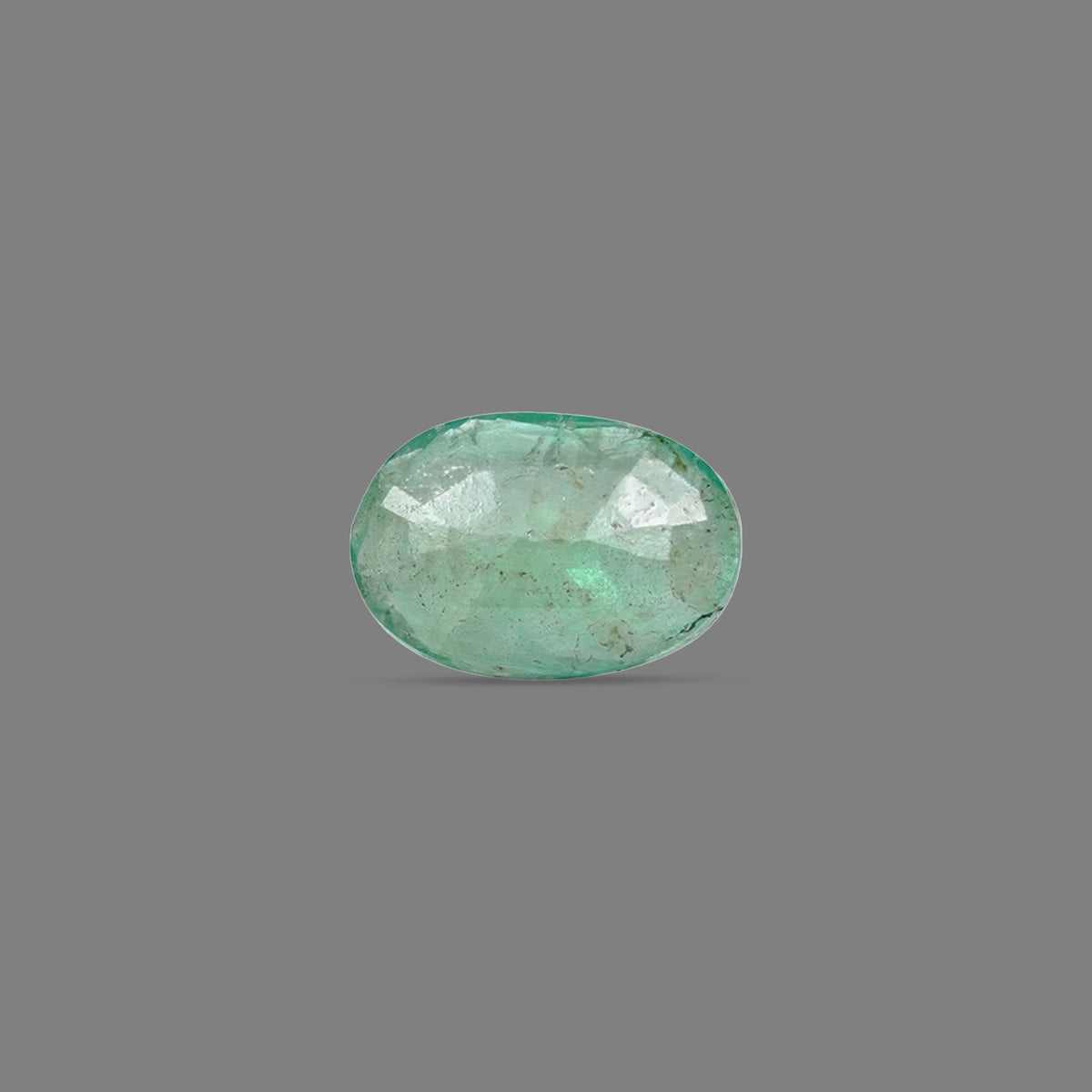
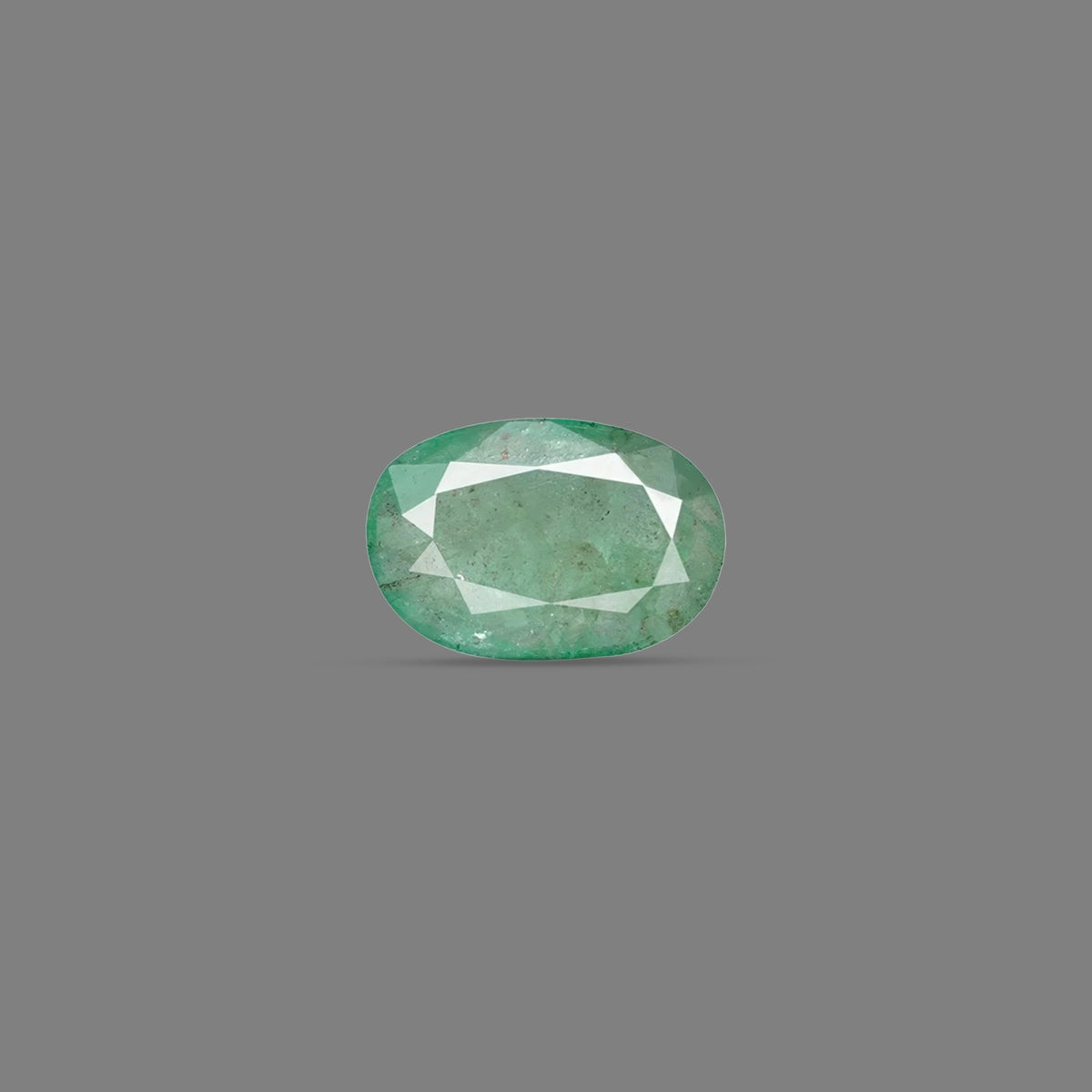
![Blue Sapphire (Neelam) – 3.75 Carat / 4.1 Ratti [GM08028]](http://gemsmantra.com/cdn/shop/files/GM08028_BACK_8d42e6e1-5261-4eb2-8d0b-e0f48df8d67b.jpg?v=1791885265&width=2000)
![Blue Sapphire (Neelam) – 3.75 Carat / 4.1 Ratti [GM08028]](http://gemsmantra.com/cdn/shop/files/GM08028_FRONT_74e2de66-5b52-4b1b-89c3-8c6f2a6c19b7.jpg?v=1791885265&width=2000)
![Opal – 4.29 Carat / 4.7 Ratti [GM09078]](http://gemsmantra.com/cdn/shop/files/GM09078_FRONT_ff3ae212-6c1e-4981-9b79-3589187b01d1.jpg?v=1791872321&width=2000)
![Opal – 4.29 Carat / 4.7 Ratti [GM09078]](http://gemsmantra.com/cdn/shop/files/GM09078_BACK_4b0b557f-2dd4-44d7-b21d-8ced2ab432c6.jpg?v=1791872321&width=2000)
![Cats Eye Quartz (Lehsunia) – 5.18 Carat / 5.7 Ratti [GM03116]](http://gemsmantra.com/cdn/shop/files/GM03116_FRONT_9669a9b2-bbc3-483e-a101-b9a8ab87d8d4.jpg?v=1791890320&width=2000)
![Cats Eye Quartz (Lehsunia) – 5.18 Carat / 5.7 Ratti [GM03116]](http://gemsmantra.com/cdn/shop/files/preview_images/58737ede6fc24b5ba0631ebc676f0160.thumbnail.0000000000.jpg?v=1786958348)
![Emerald (Panna) – 7.01 Carat / 7.7 Ratti [GM09852] – GemsMantra](http://gemsmantra.com/cdn/shop/files/GM09852_FRONT_4869f56c-e8ab-441a-bbc1-b44a357355c6.jpg?v=1780641711&width=1600)
![Emerald (Panna) – 7.01 Carat / 7.7 Ratti [GM09852] – view 2](http://gemsmantra.com/cdn/shop/files/GM09852_BACK_4fc0cea4-1dee-4f4a-a833-003fbeb11296.jpg?v=1780641711&width=1600)
![Blue Sapphire (Neelam) – 6.3 Carat / 6.9 Ratti [GM08004]](http://gemsmantra.com/cdn/shop/files/front_c0499602-70a6-4cda-ac32-a129b35f6c2f.jpg?v=1790658613&width=2000)
![Blue Sapphire (Neelam) – 6.3 Carat / 6.9 Ratti [GM08004]](http://gemsmantra.com/cdn/shop/files/back_a12a7cb3-4ef2-4ca2-a9e6-ac406564e1e2.jpg?v=1790658613&width=2000)
![Ruby (Manik) – 3.45 Carat / 3.8 Ratti [GM09653] – GemsMantra](http://gemsmantra.com/cdn/shop/files/GM09653_FRONT_fc0ca4bb-2b2b-4669-baa2-eb3b923cf711.jpg?v=1782816065&width=1600)
![Ruby (Manik) – 3.45 Carat / 3.8 Ratti [GM09653] – view 2](http://gemsmantra.com/cdn/shop/files/GM09653_BACK_43c51cac-1e77-4b0e-a083-16e7a0dcbe22.jpg?v=1782816065&width=1600)

