
Gemstone Cuts: Oval vs Cushion vs Octagon for Astrological Stones
Quick answer: Shape is a gemstone's outline (oval, cushion, octagon, round, pear); cutting style is how its facets are arranged (brilliant, step, mixed or smooth cabochon). For astrological stones, oval and cushion mixed cuts are the most common for Pukhraj and Neelam, the octagonal step cut suits Panna, and cabochons are used for cat's eye and opal. Jyotish cares more about a natural, flaw-free stone than about the shape, so choose the cut you like that is well proportioned.

Key takeaways
- Shape and cut are different things: a stone can be an oval shape with a mixed cutting style.
- Oval and cushion mixed cuts dominate coloured stones such as Pukhraj and Neelam because they keep more weight.
- The octagonal step (emerald) cut protects Panna's fragile corners and shows its colour evenly.
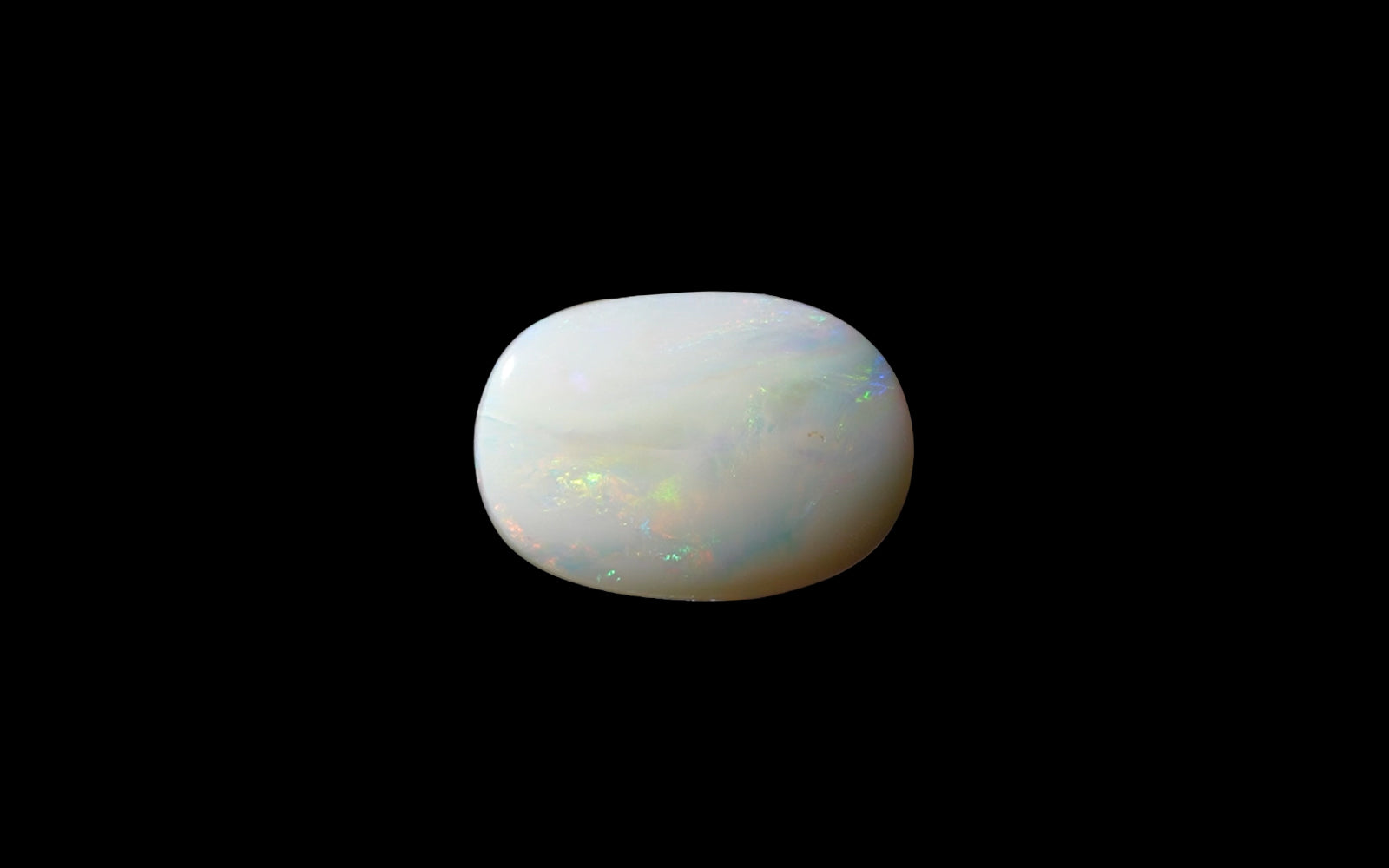
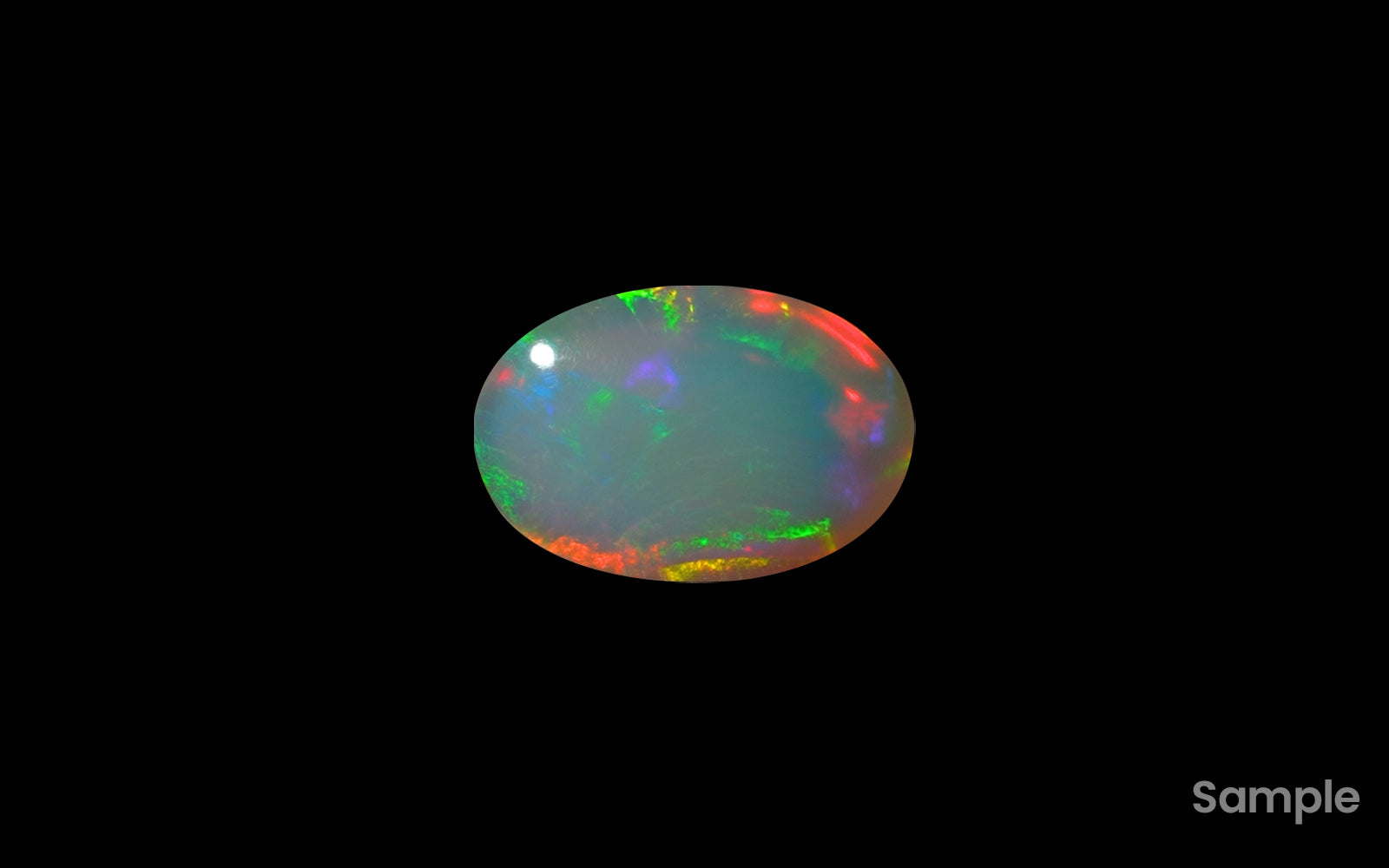
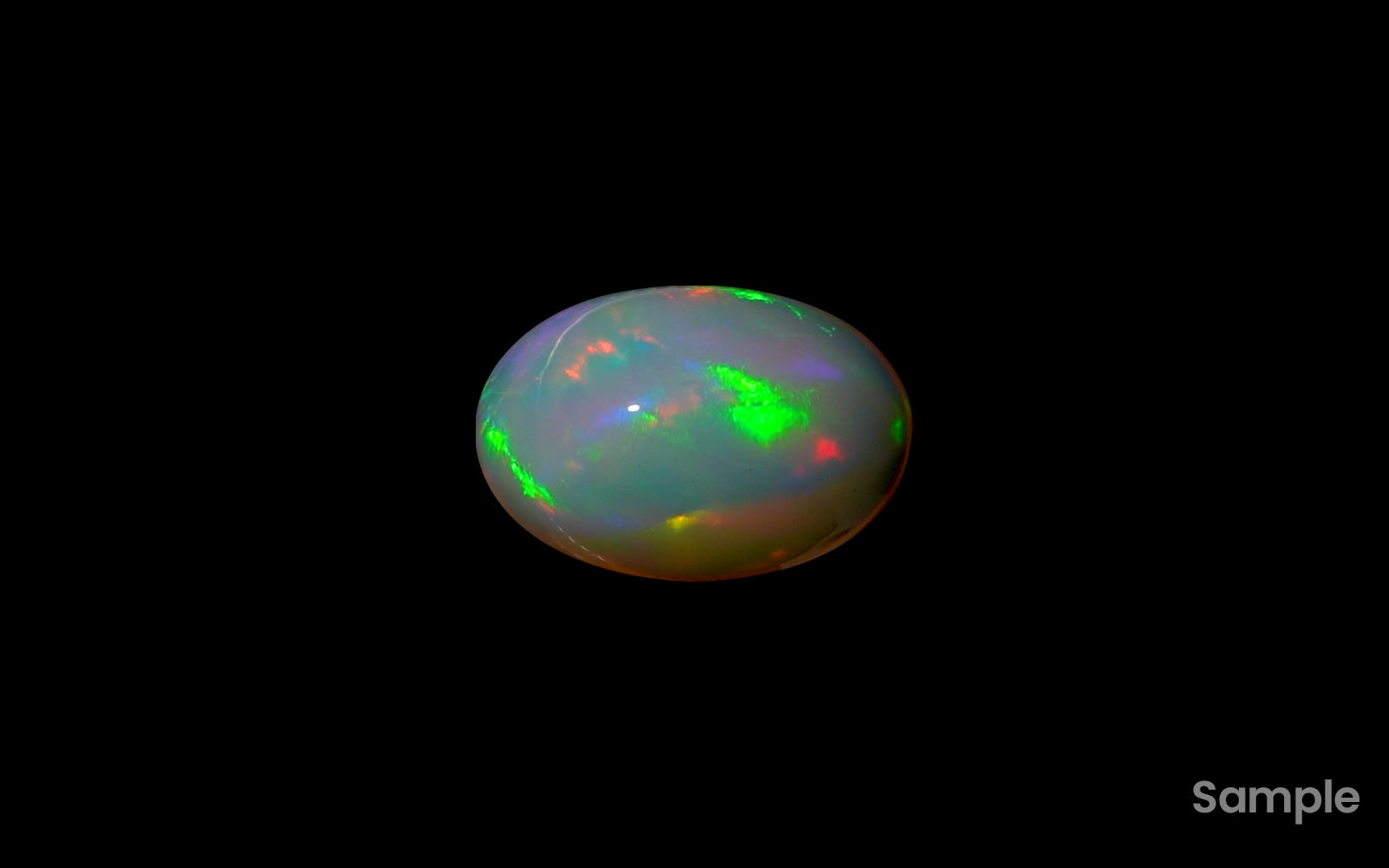
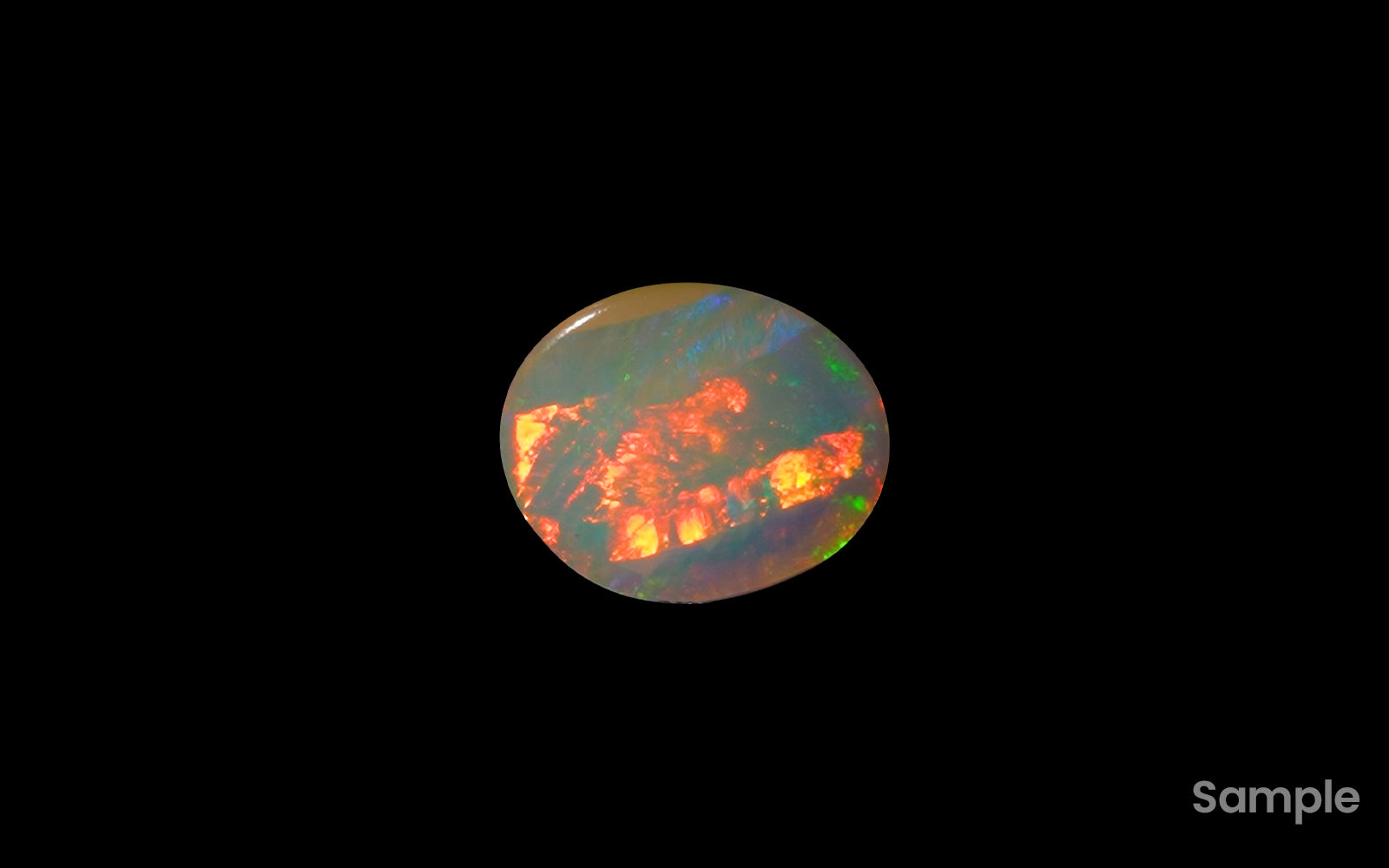
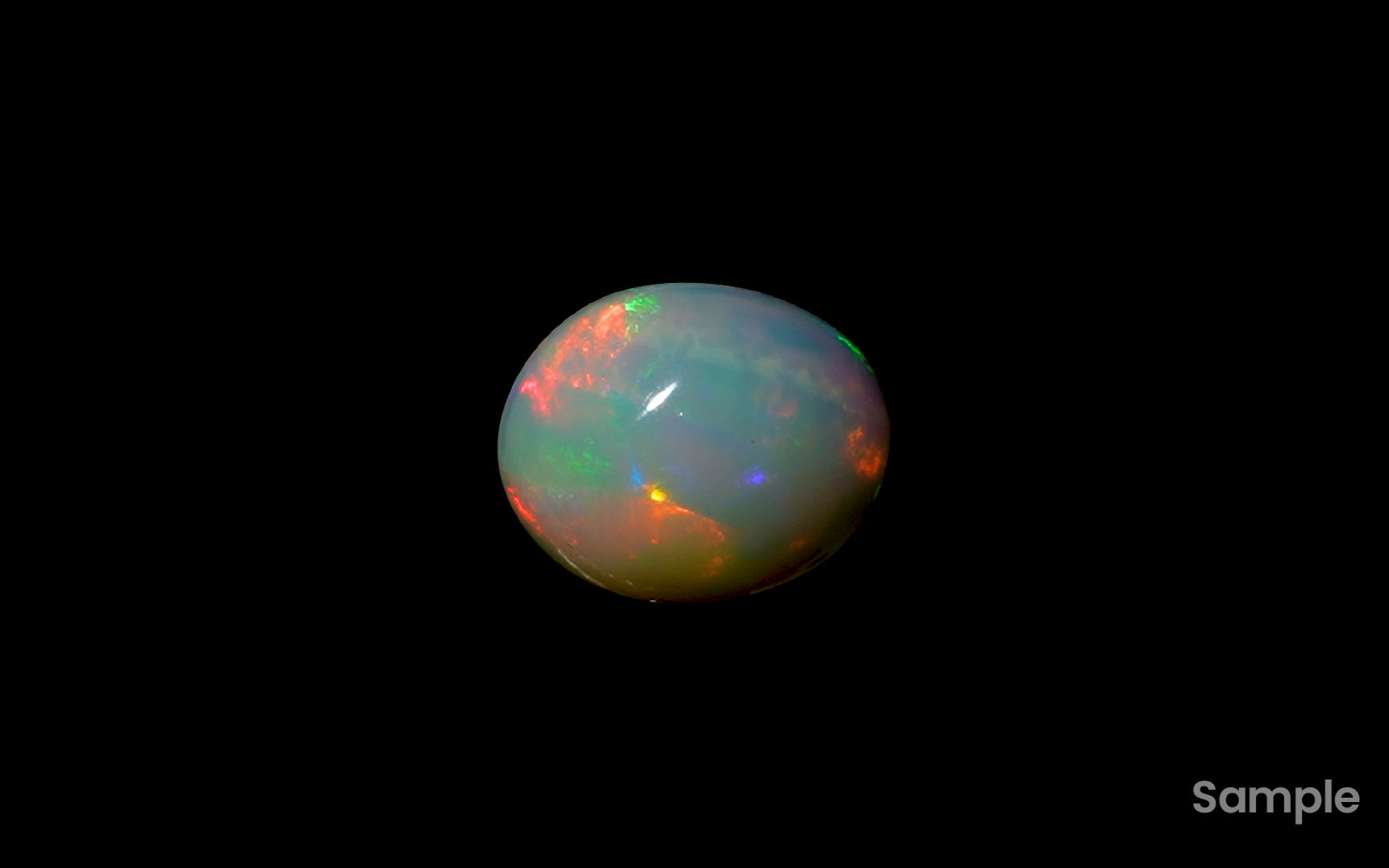
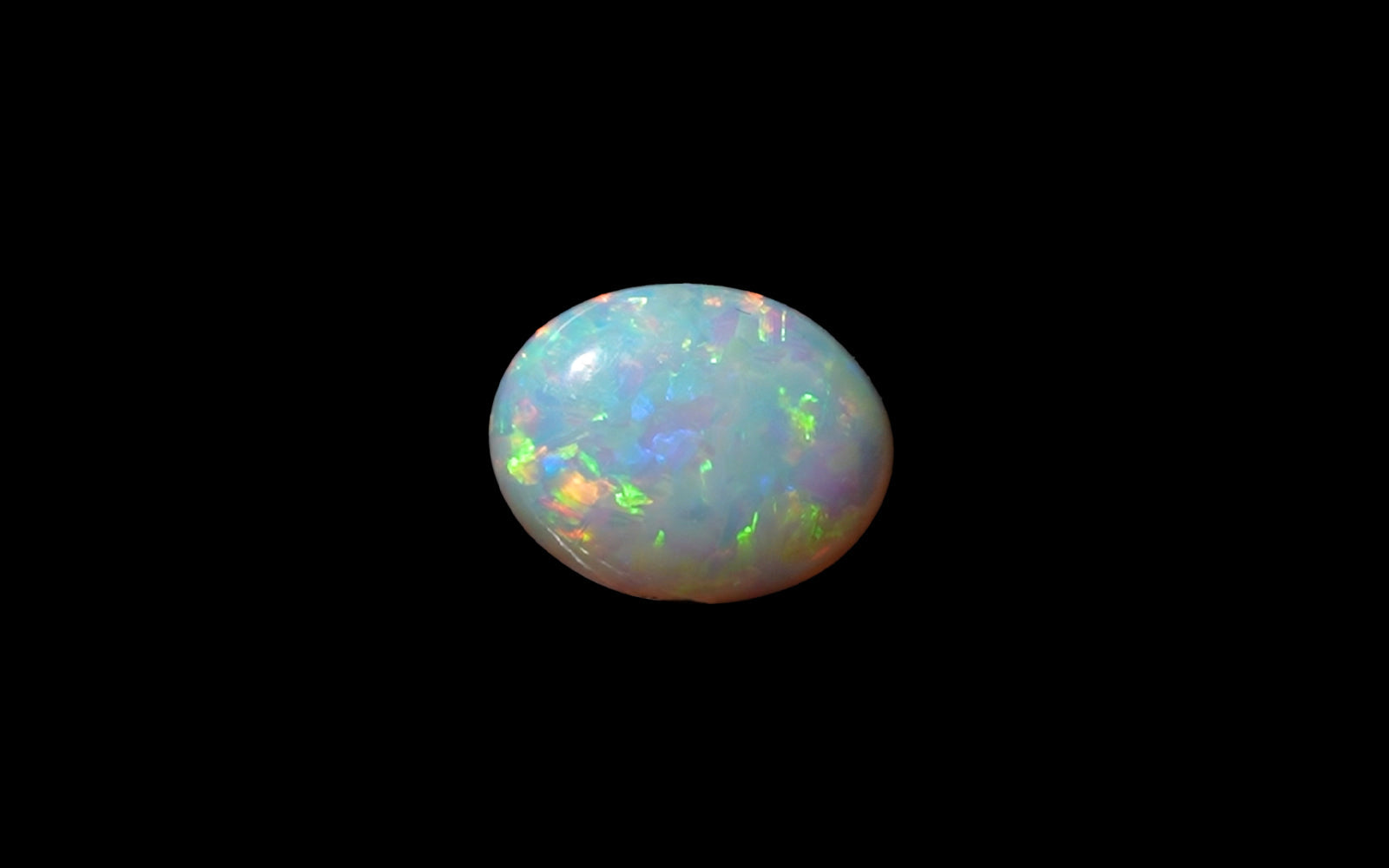
- Cat's eye and opal are cut as smooth cabochons, because facets would hide the eye or the play of colour.
- Classical jyotish focuses on flaws, not shape; a well-proportioned cut matters more than the outline.
Shape vs cut: what is the difference?
People use “cut” for two different things. A gem report separates them, and it helps to do the same:
| Term | Meaning | Examples |
|---|---|---|
| Shape | The outline of the stone seen from the top | Oval, cushion, round, octagon (emerald shape), pear, heart |
| Cutting style | How the facets are arranged | Brilliant (triangular facets), step (long parallel facets), mixed (both), cabochon (smooth dome) |
| Proportions | Depth, symmetry and polish | Decide brightness, even colour and face-up size |
A GemsMantra report lists Shape and Cutting Style as separate fields, along with weight, colour and optical data. Our guide on how to verify a gemstone certificate explains every field.
Oval vs cushion vs octagon and other cuts compared
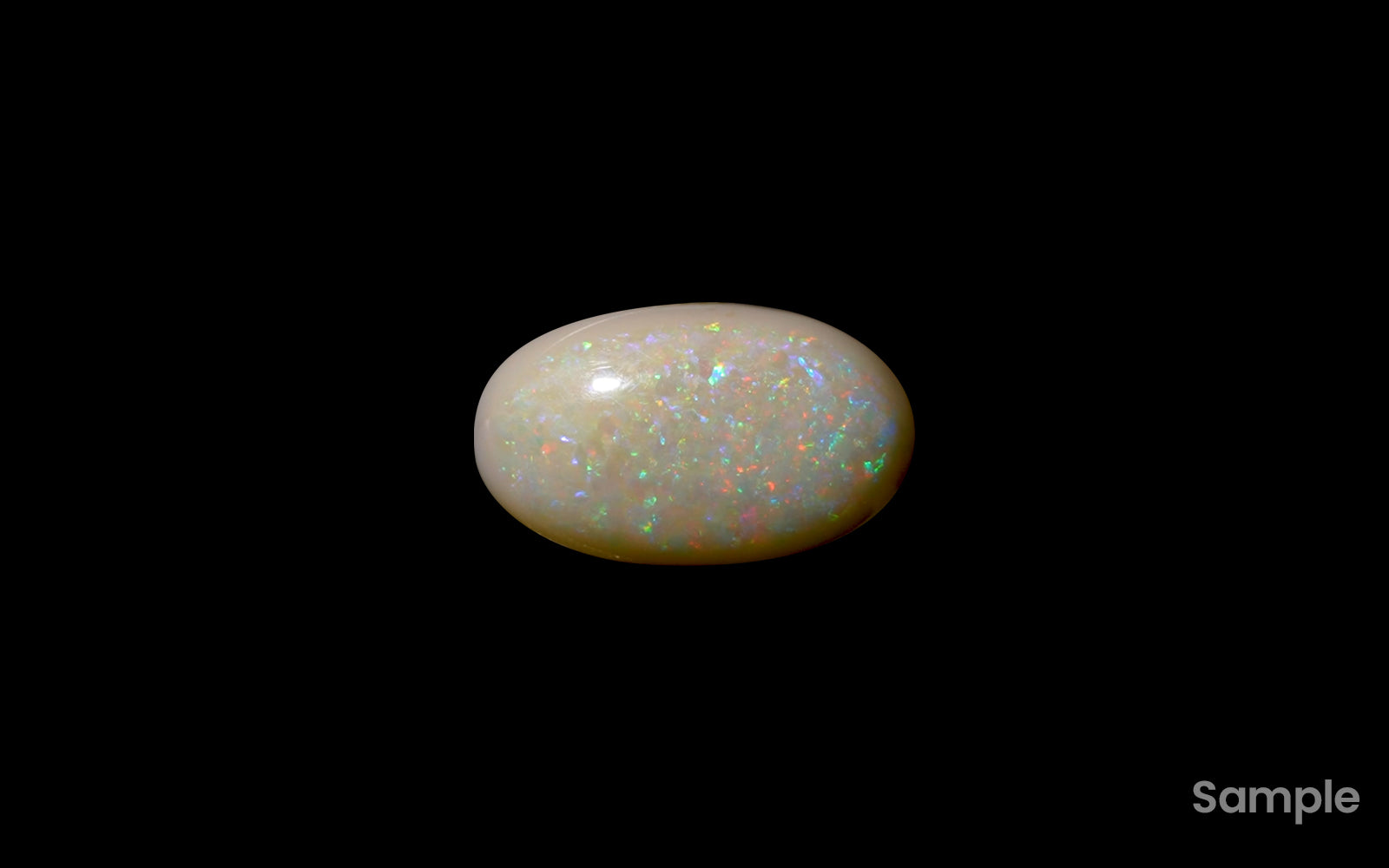
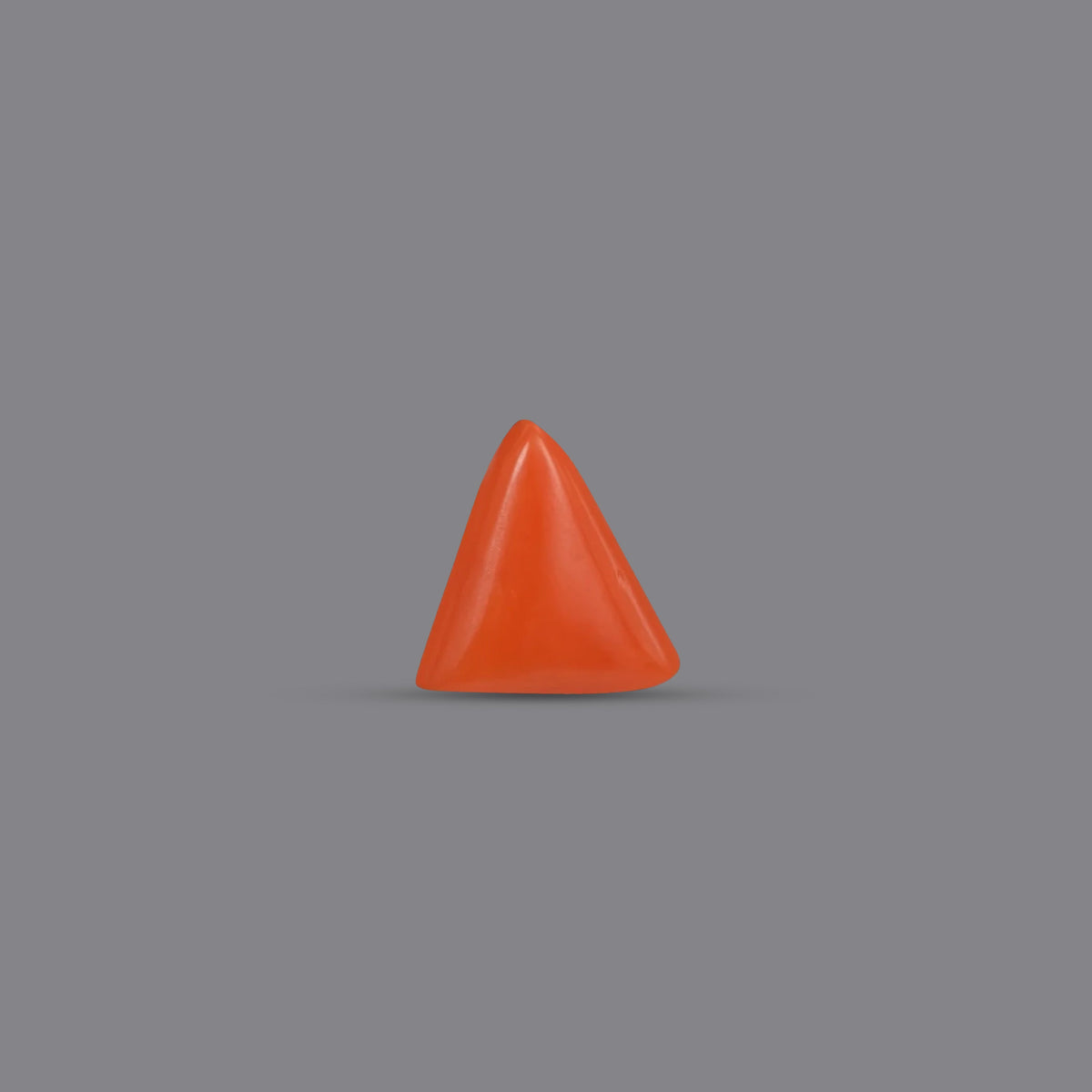
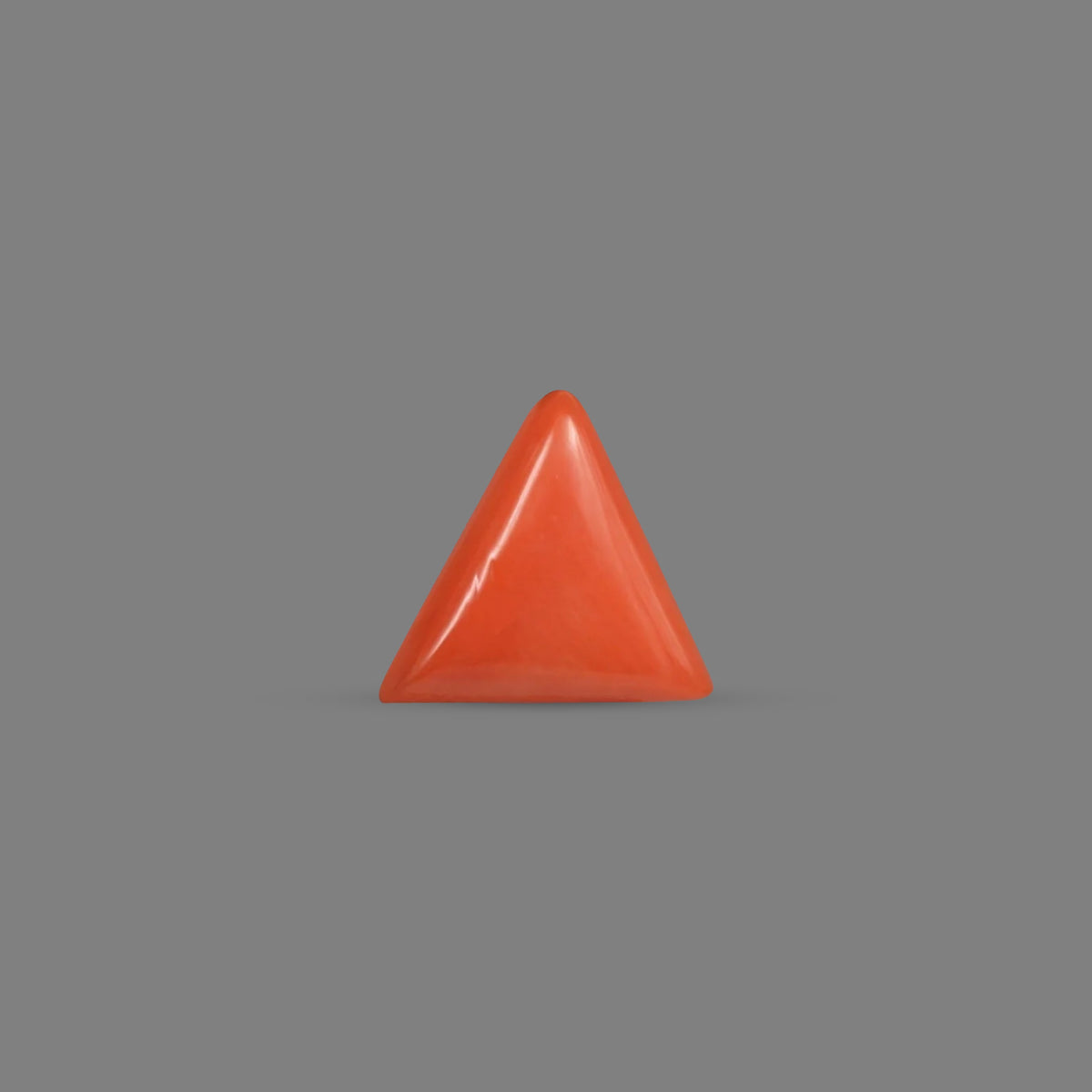
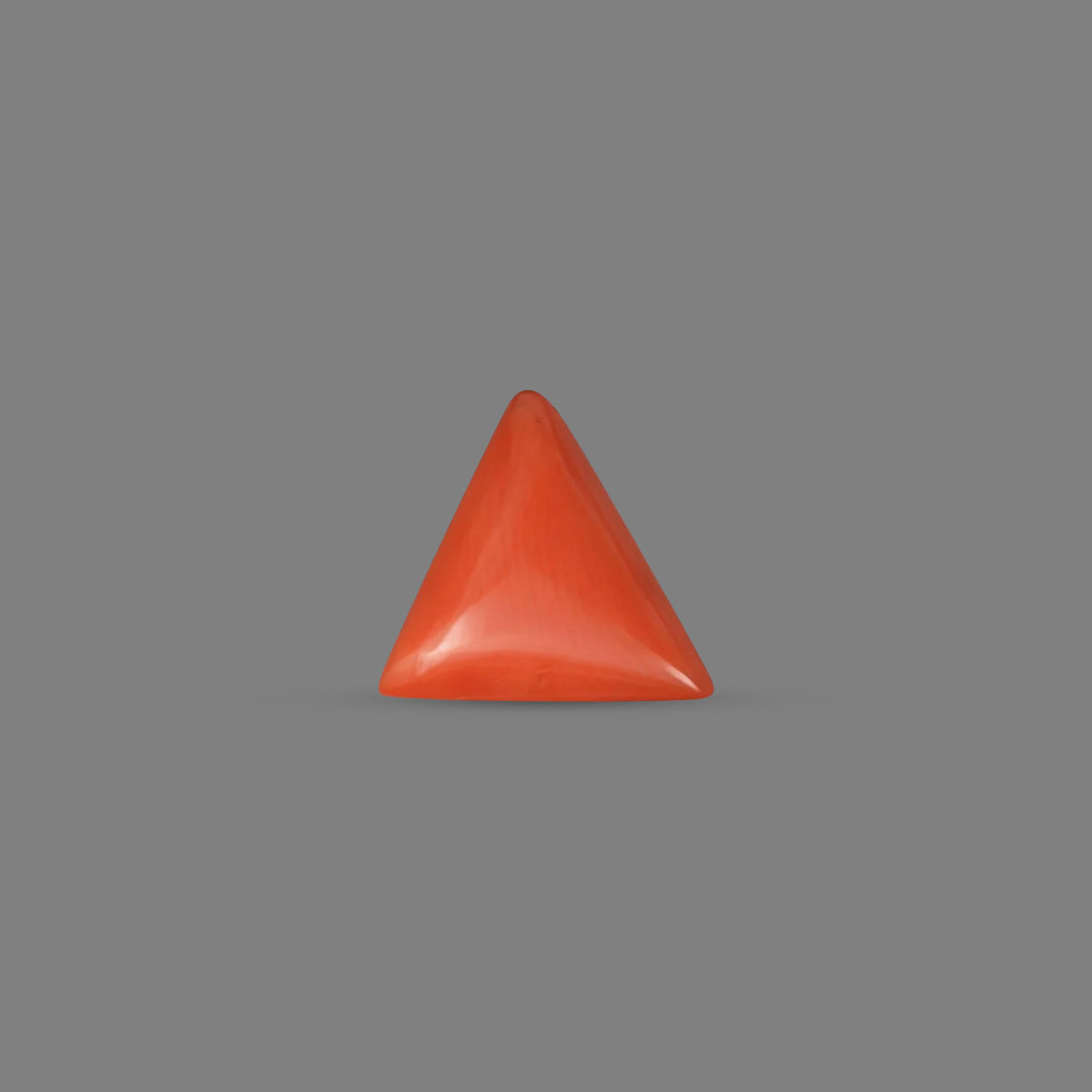
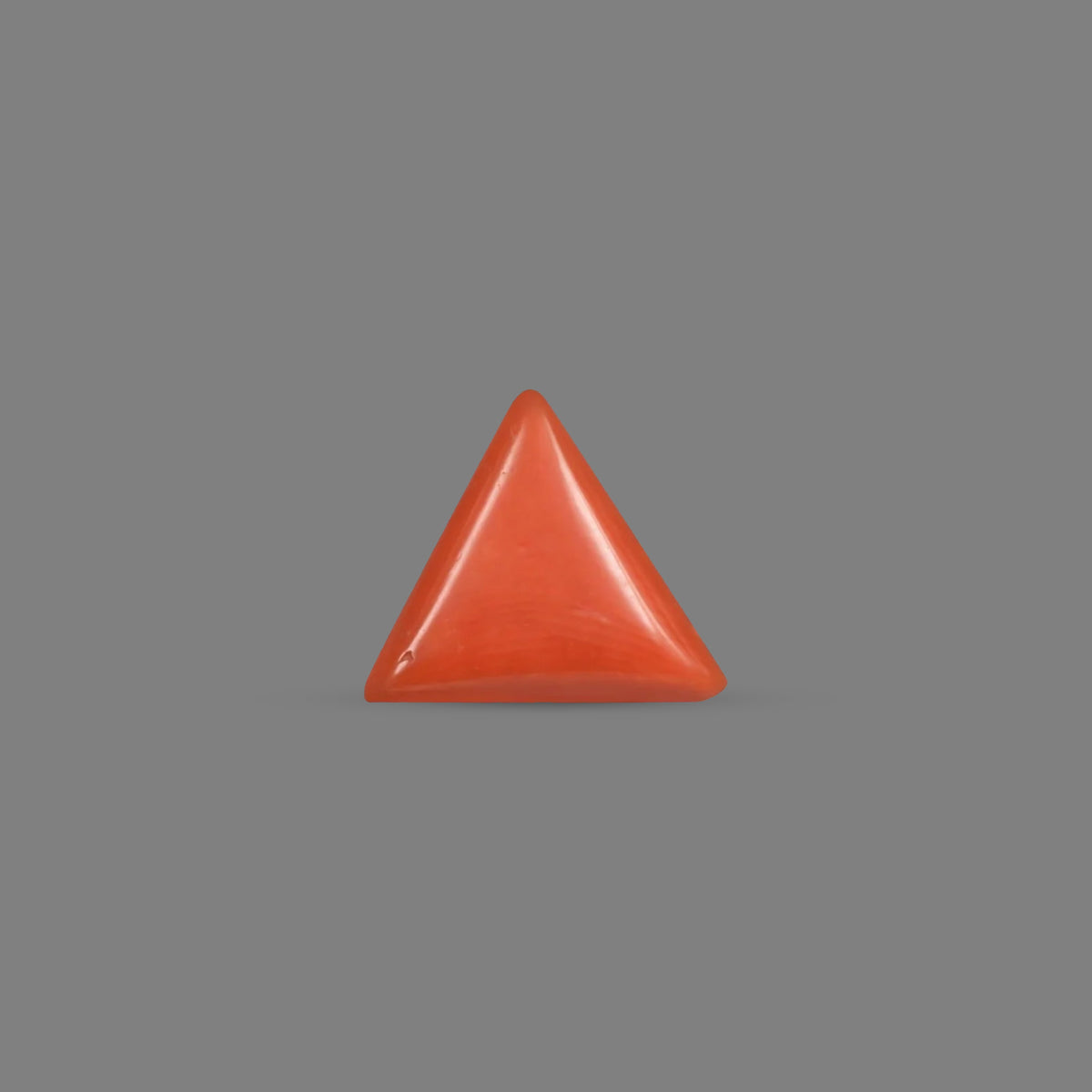
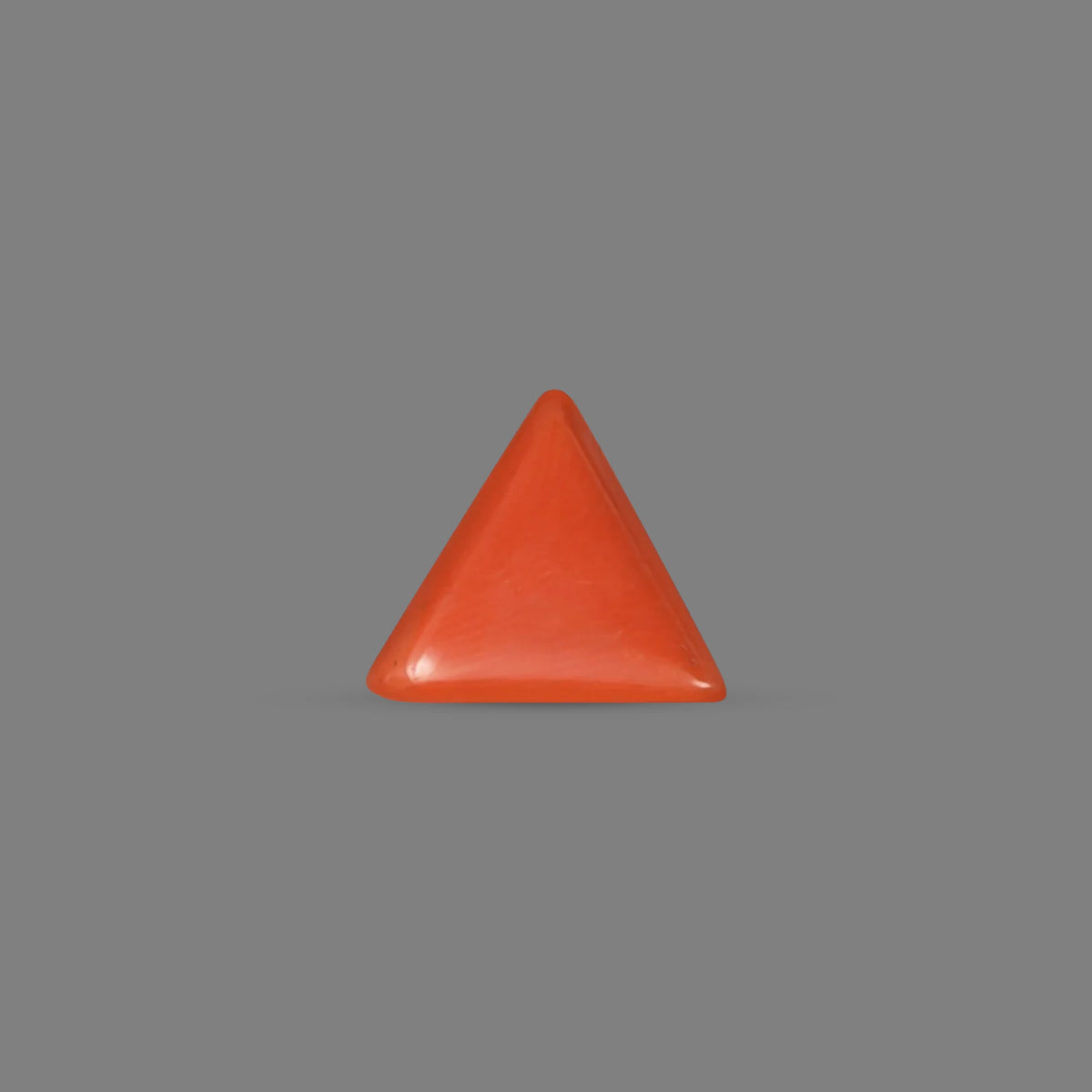
 Sample image
| Cut | Look | Weight kept from rough | Commonly used for |
|---|---|---|---|
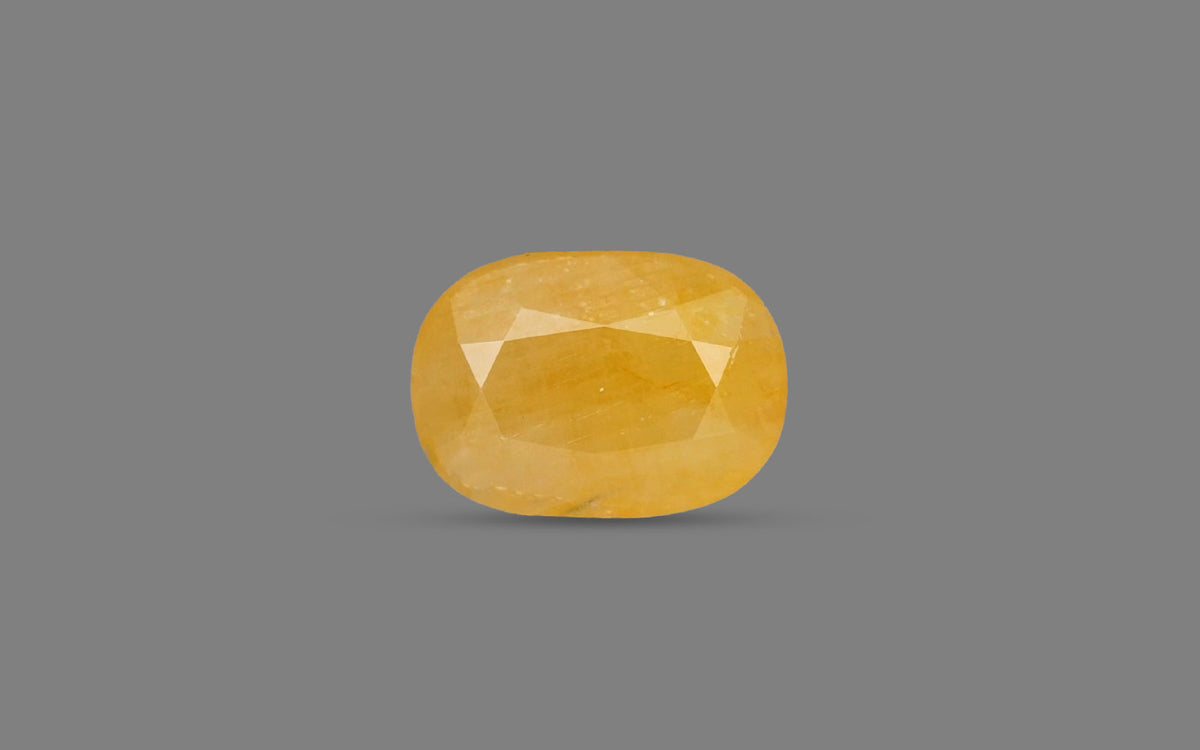
| Oval (usually mixed cut) | Soft, elongated, looks slightly larger for its weight | High | Pukhraj, Neelam, Panna, Gomed |
| Cushion (mixed cut) | Square to rectangular with rounded corners; rich colour | High | Pukhraj, Neelam, Gomed |
| Octagon / emerald cut (step cut) | Long parallel facets, calm “hall of mirrors” look | Medium | Panna, and clean stones of other types |
| Round (brilliant or mixed) | Most sparkle and symmetry | Lower | Smaller stones, white sapphire, zircon |
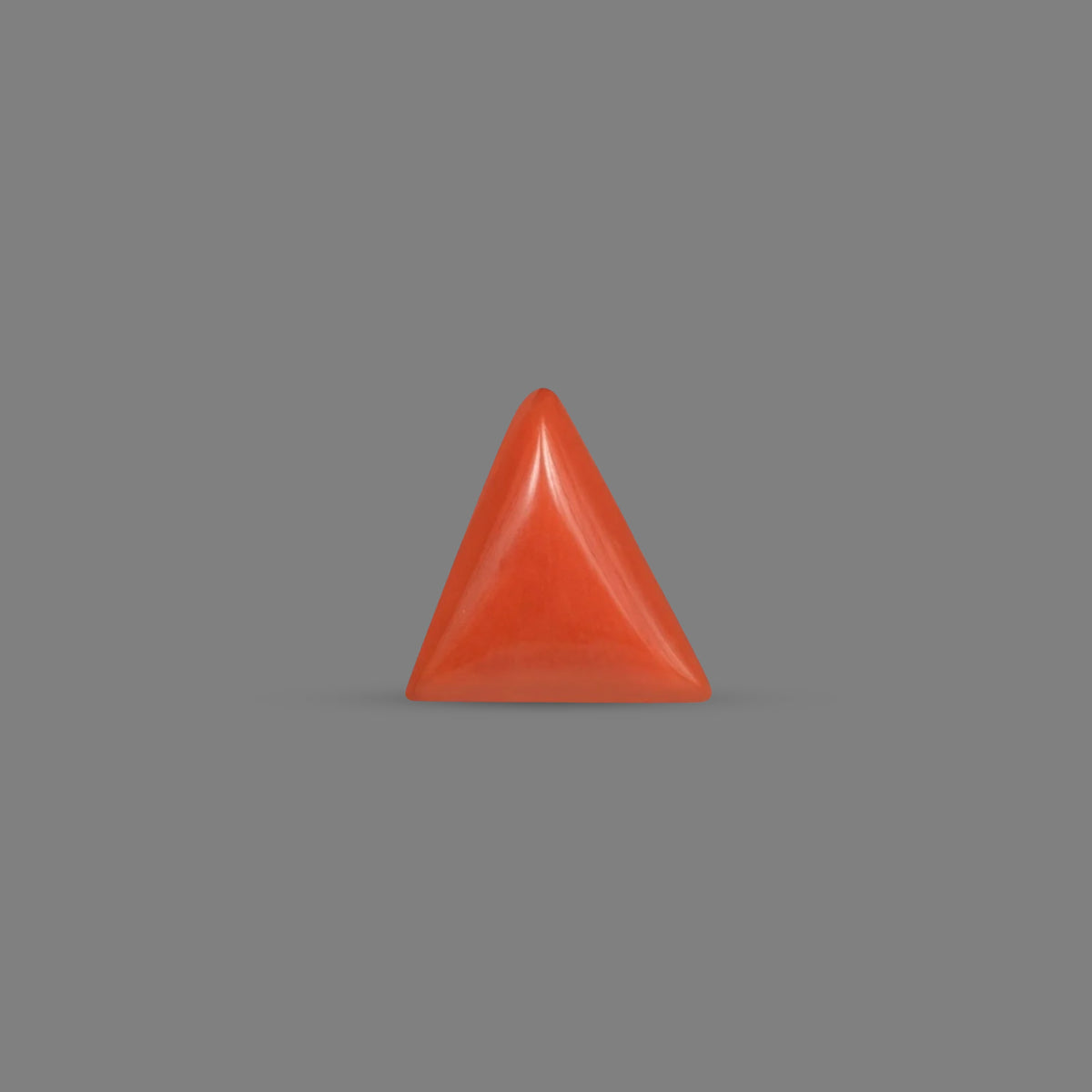
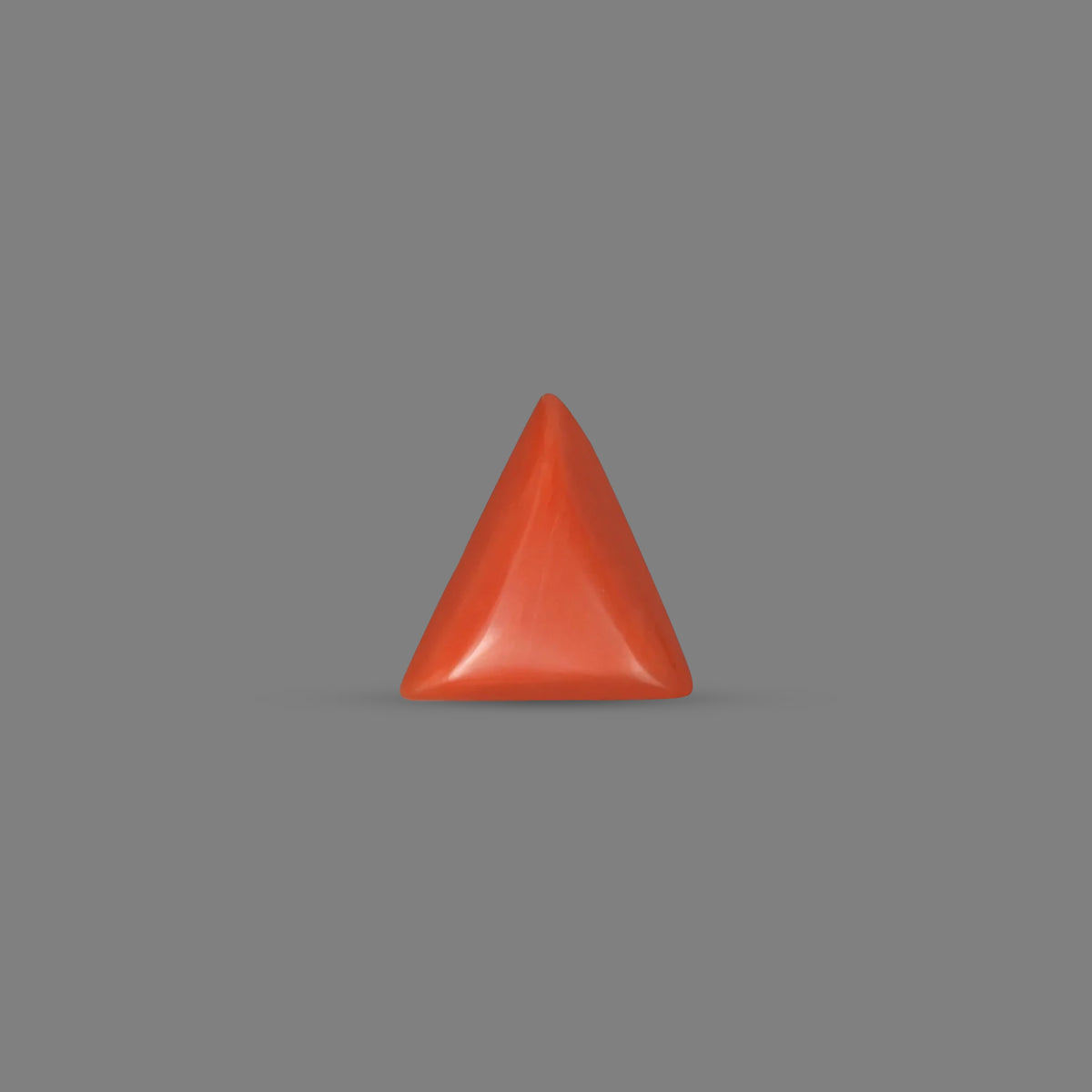
| Pear | Teardrop outline, good for pendants | Medium | Pendants and fashion rings |
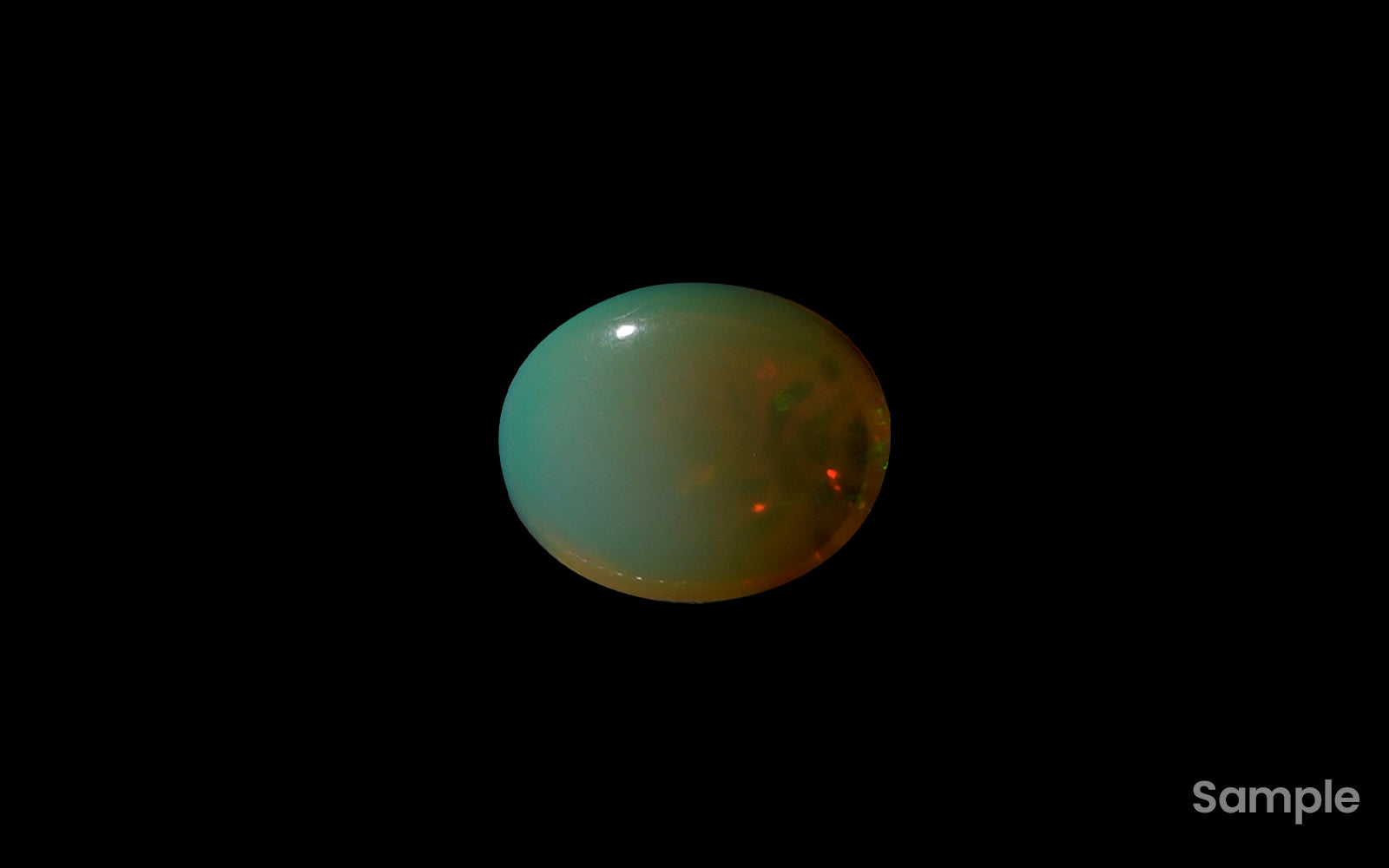
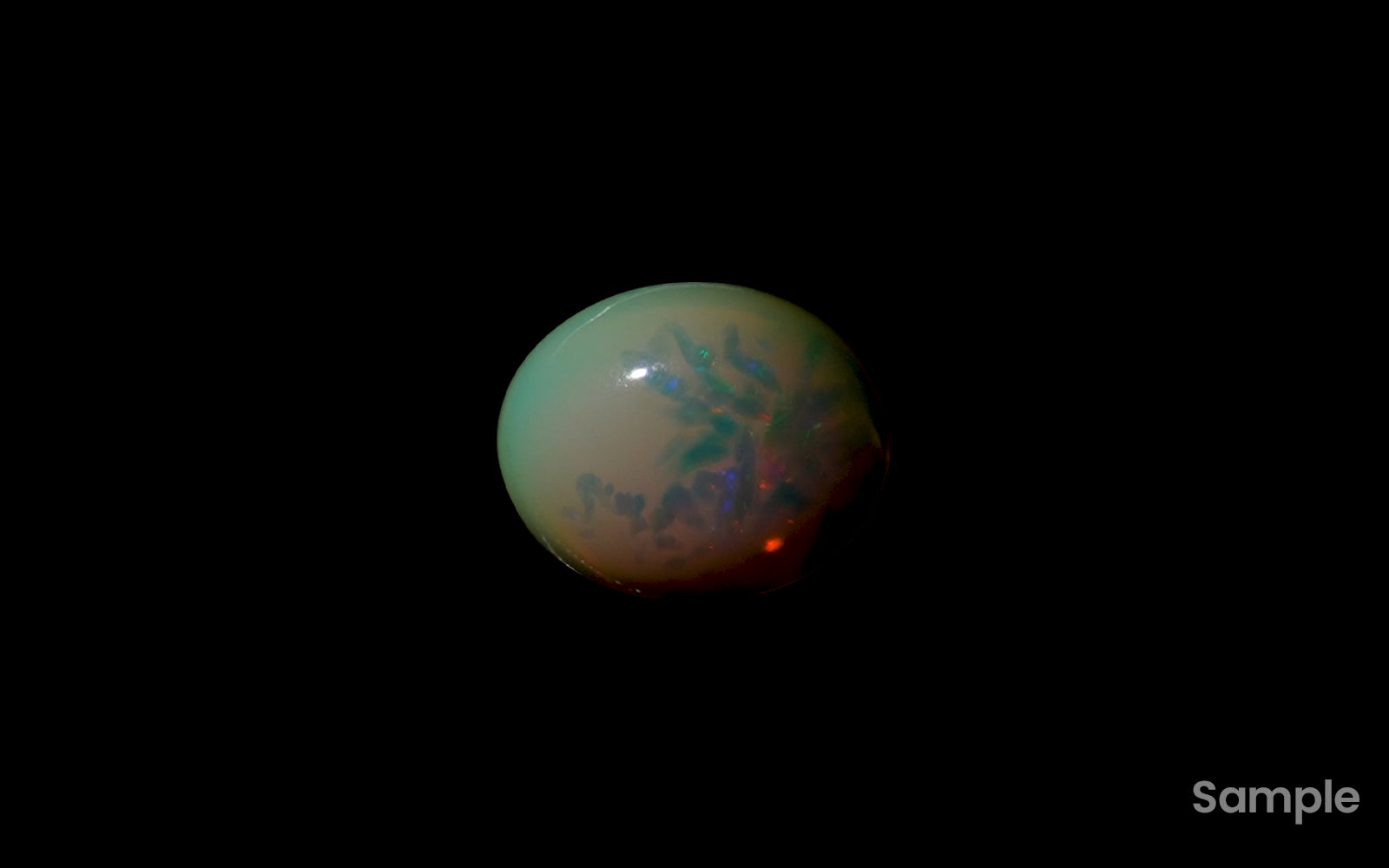
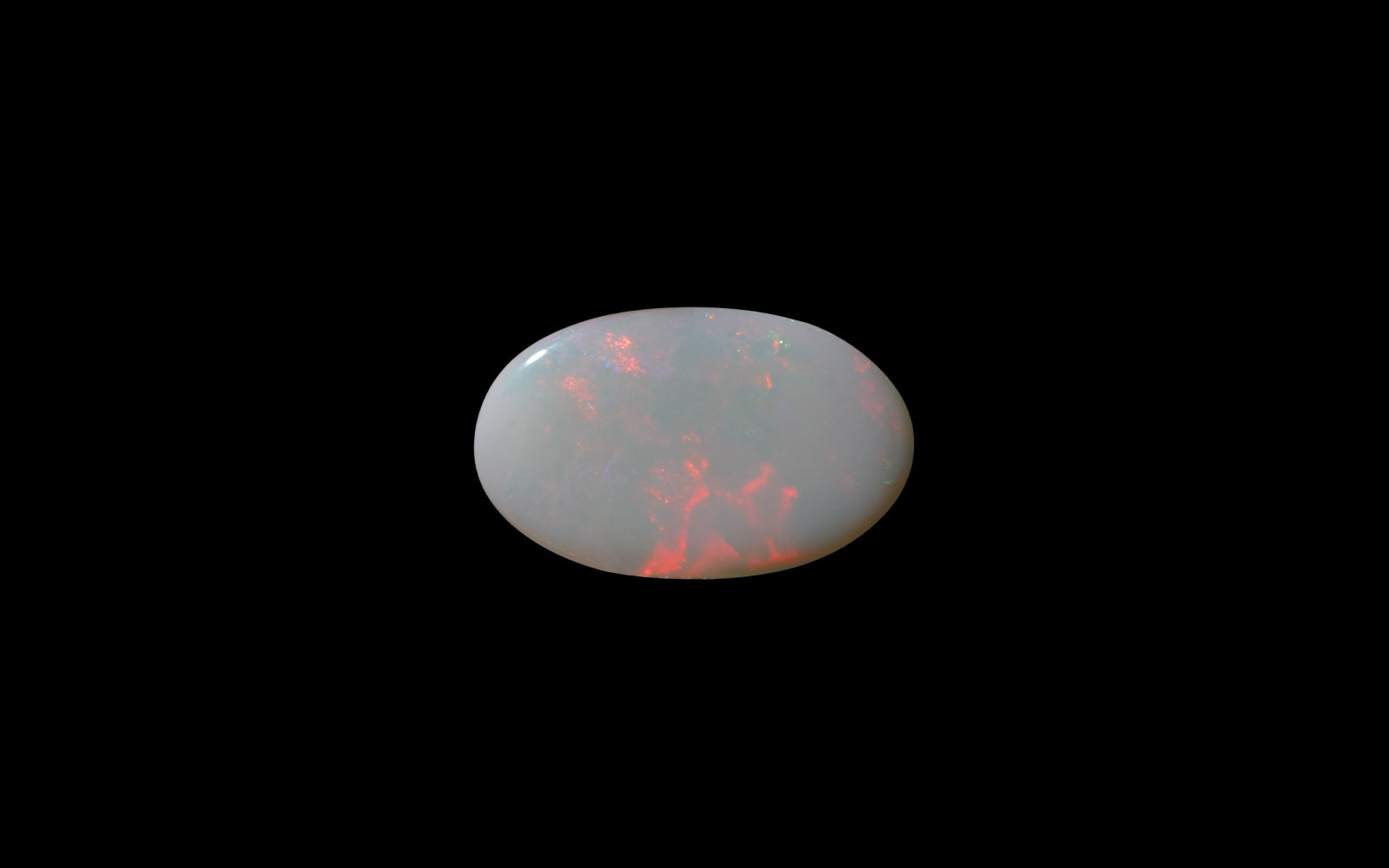
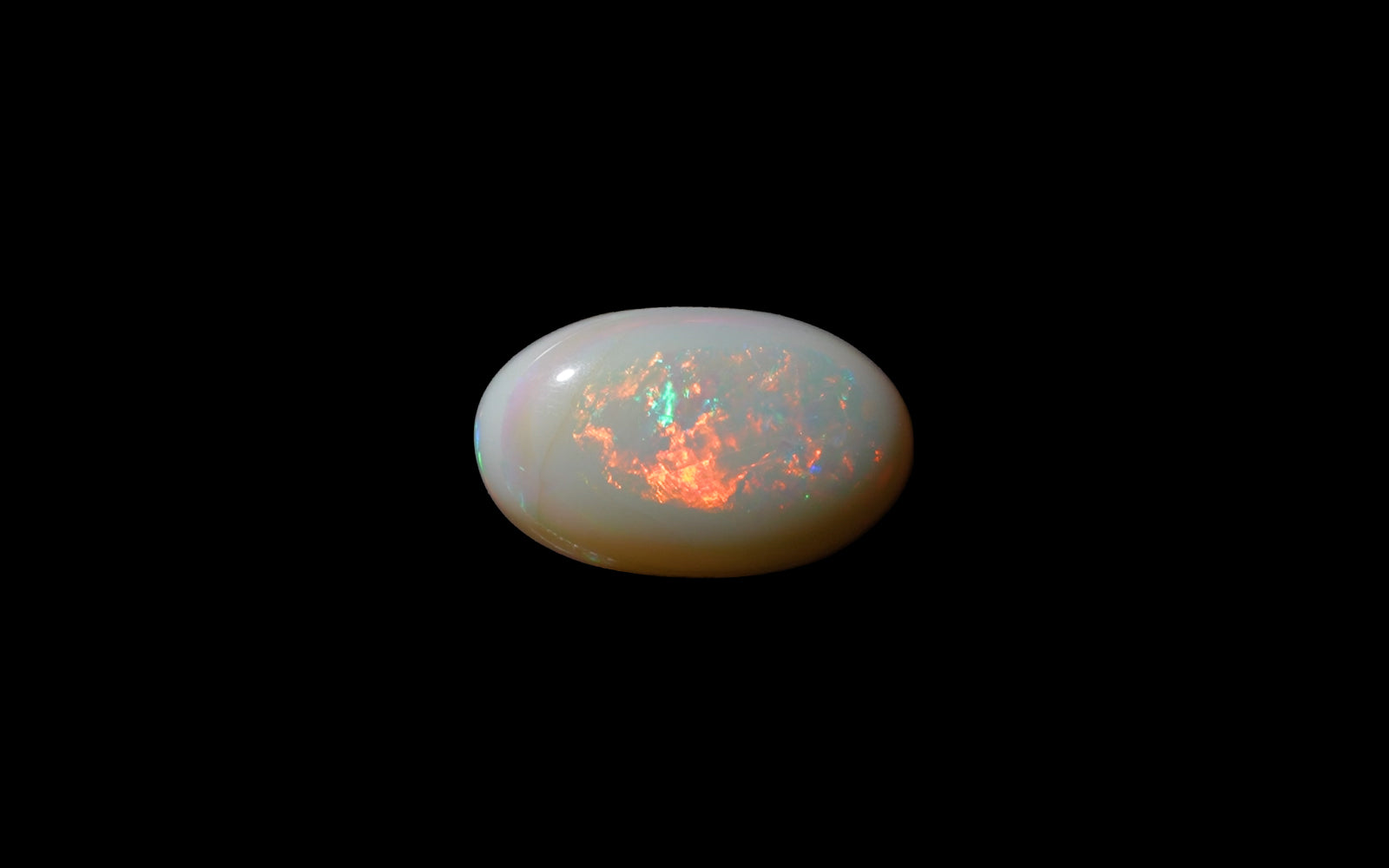
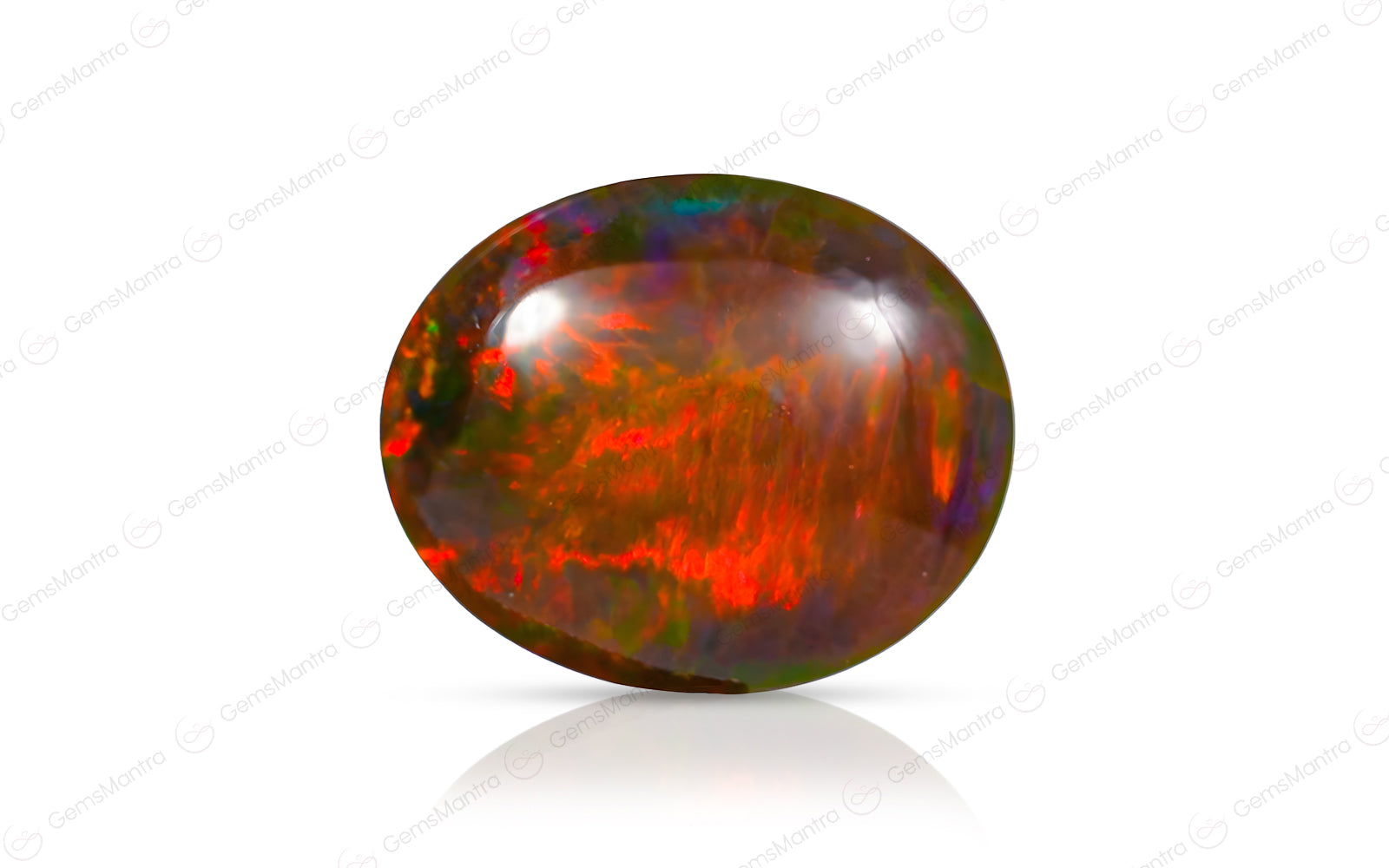
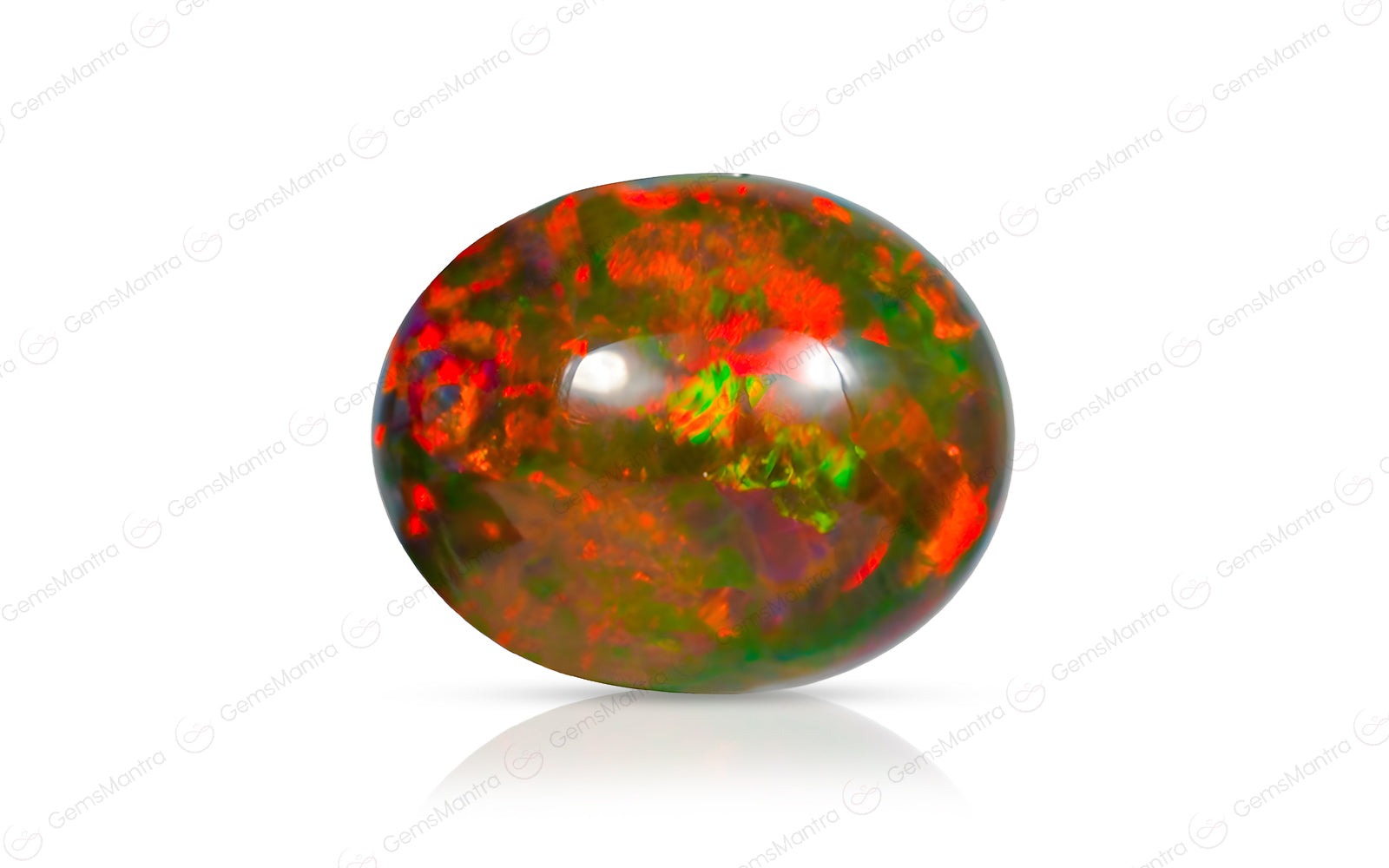
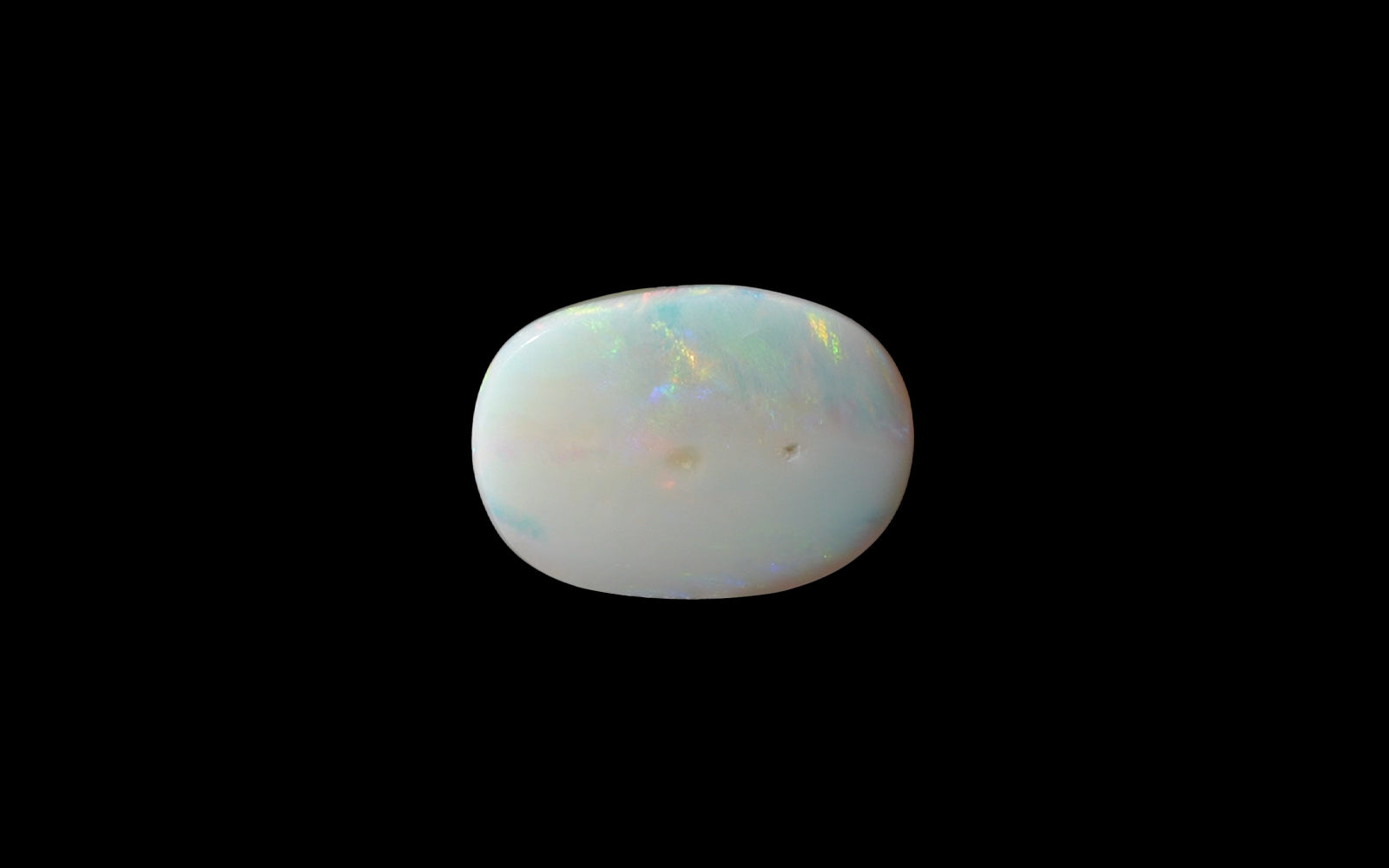
| Cabochon | Smooth dome, no facets | High | Cat's eye (Lehsunia), opal, moonstone |
“Weight kept” matters because coloured stones are priced by weight: cutters often choose ovals and cushions because they waste less of the rough crystal.
Which cut is best for an astrological gemstone?
Classical jyotish writing lists the flaws (dosha) a stone should not have, such as cracks, dullness, spots and holes. It says very little about shape. In practice most astrologers accept any symmetrical, well-polished shape. A few preferences are common:
- Smooth outlines: many people prefer ovals and cushions, which sit flat in a ring and are less likely to chip than sharp points.
- Skin contact: tradition often asks for the stone to touch the skin in an open-back ring; flat-bottomed ovals and cushions make this easier.
- Clean over clever: a slightly plain shape with no cracks is preferred over a fancy shape with visible damage.
- Right cut for the stone: cat's eye must be a cabochon to show its eye, and emerald is safest in an octagon or oval with protected corners.
Ask your astrologer if they have a view, but do not pay extra for a shape on astrological grounds alone.
Typical cuts for Pukhraj, Neelam, Panna and others
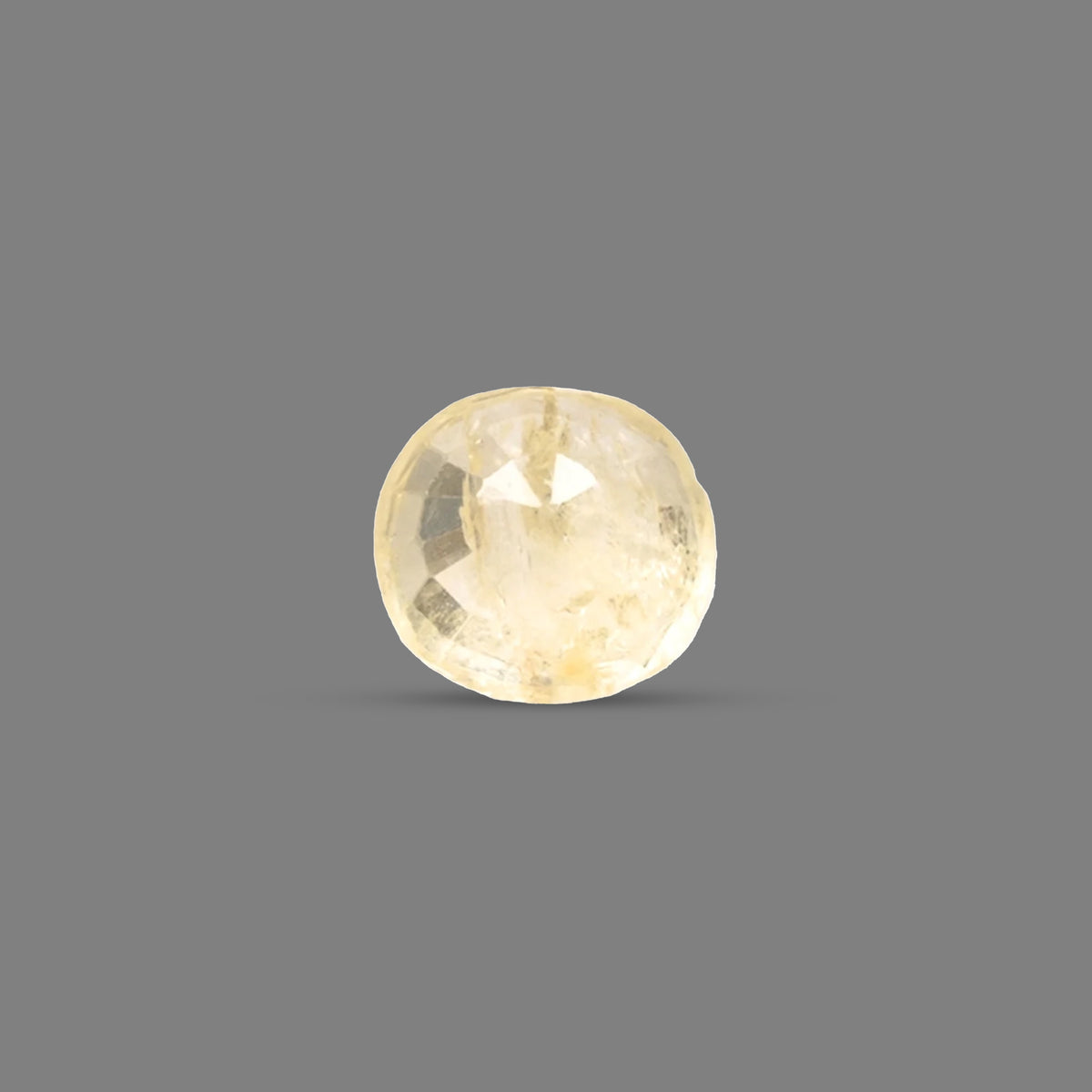
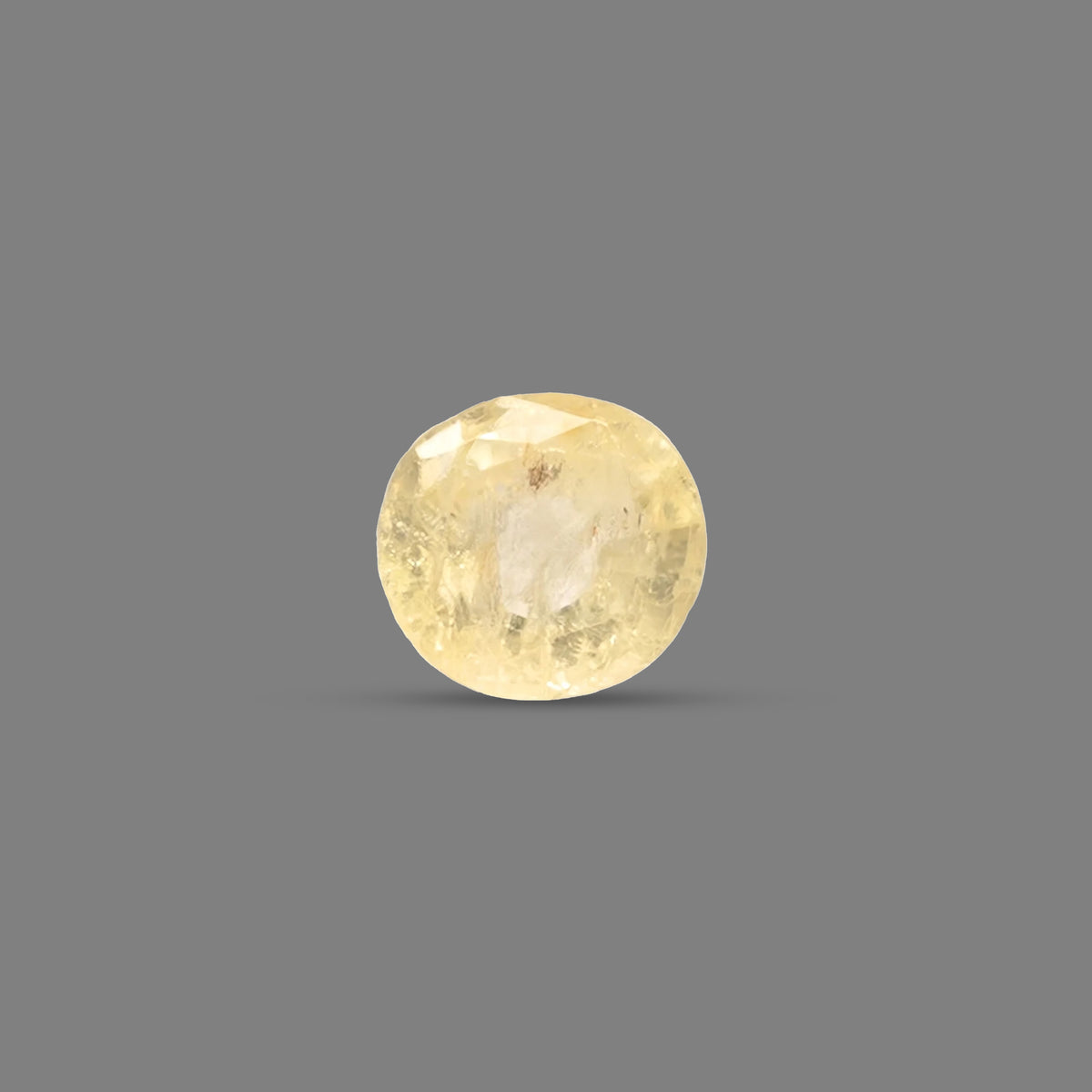
Pukhraj (yellow sapphire) and Neelam (blue sapphire) are corundum, 9 on the Mohs scale, and are usually oval or cushion mixed cuts. On 24 September 2026, of the 25 Pukhraj listings in our catalogue whose descriptions named the cut, 14 were oval and 9 were cushion mixed cuts, with 2 rectangular step cuts. Browse the Yellow Sapphire (Pukhraj) collection and the Blue Sapphire (Neelam) collection to compare.
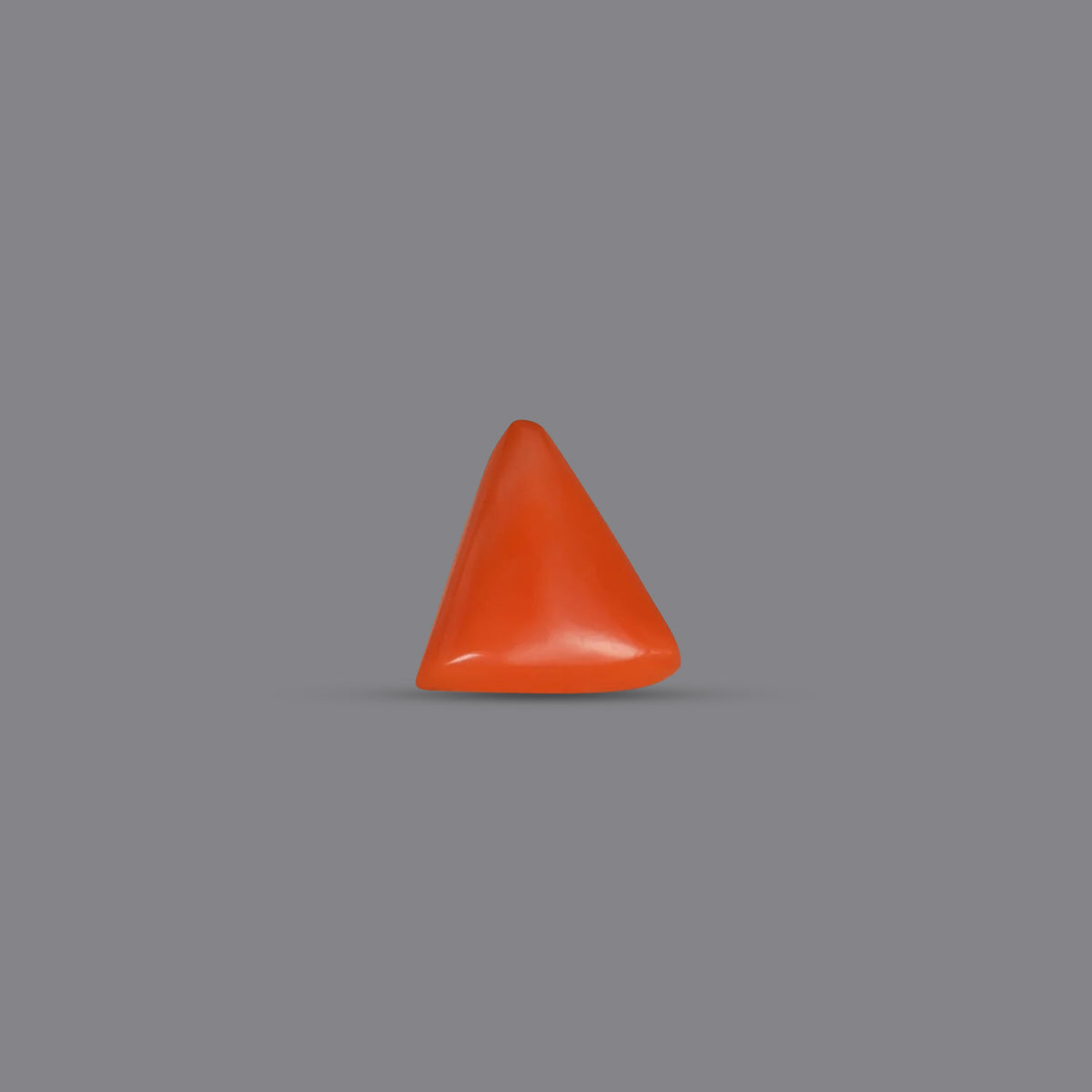
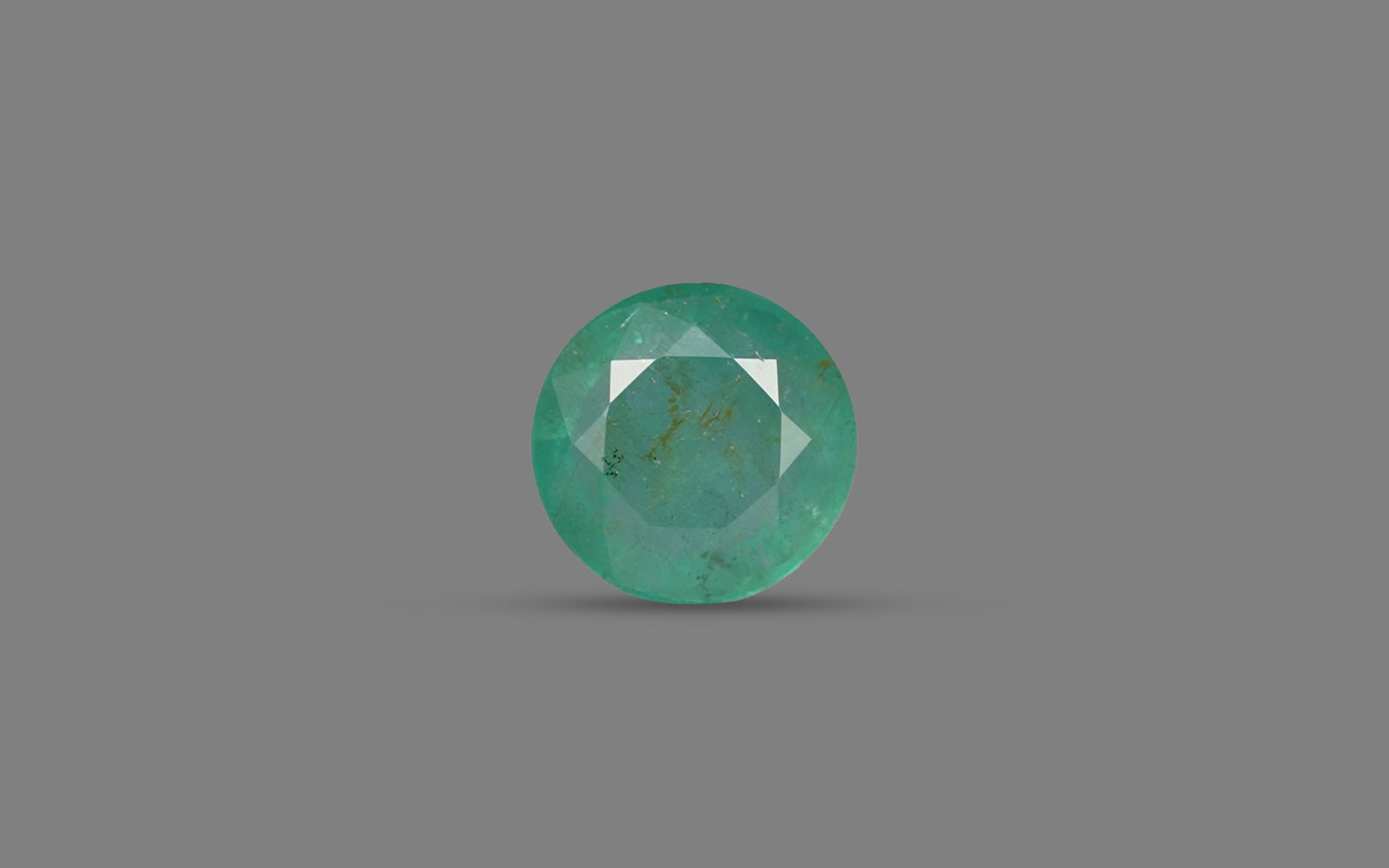
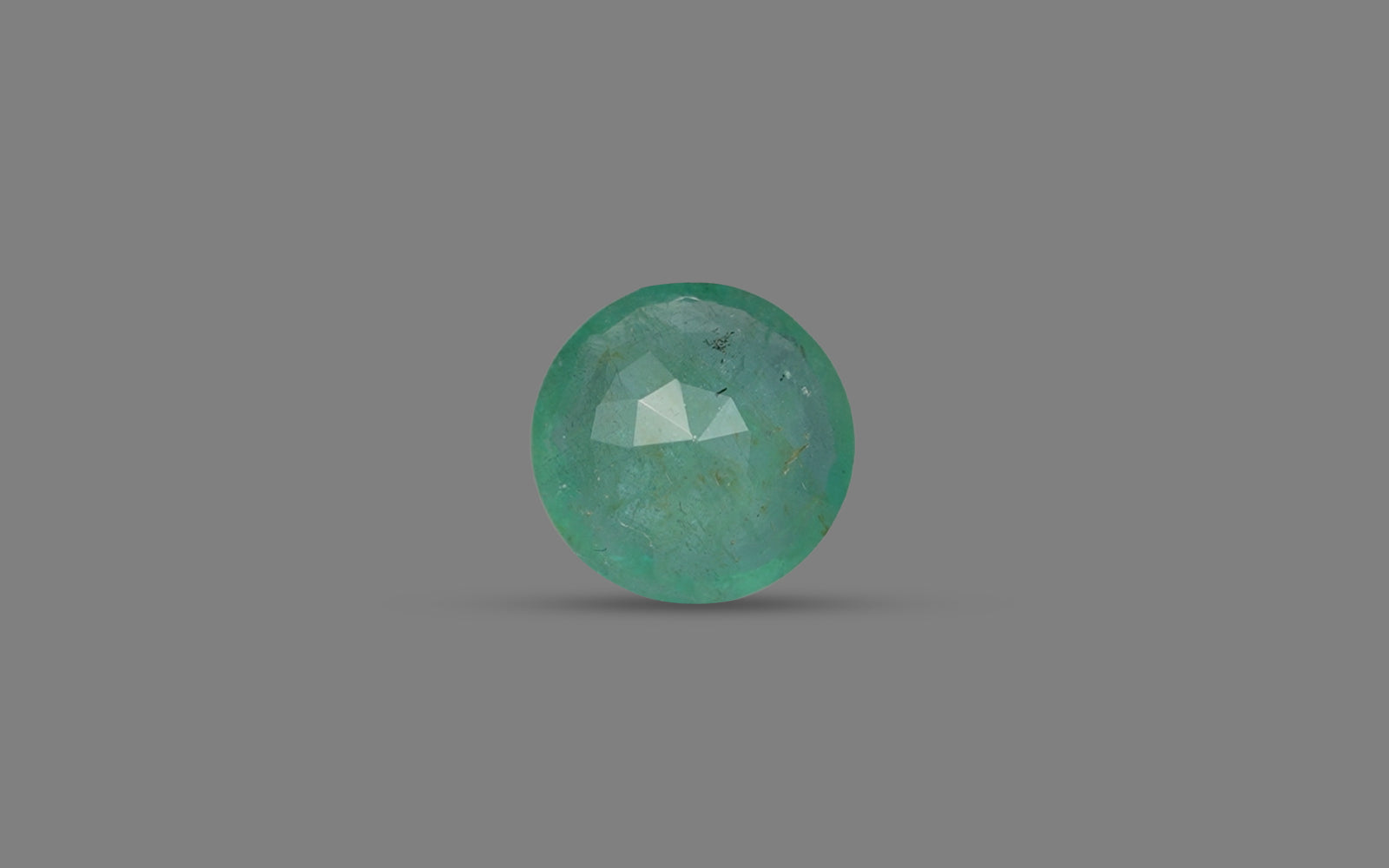
Panna (emerald) is often cut as an octagon (the “emerald cut”) or an oval. Emerald is usually included and more brittle than sapphire, and the step cut with cut corners protects it. See the Emerald (Panna) collection.
Gomed (hessonite) is usually oval or cushion, while Lehsunia (cat's eye) and opal are cut as cabochons.
![Yellow Sapphire (Pukhraj) – 3.04 Carat / 3.3 Ratti [GM10019], product photo](https://cdn.shopify.com/s/files/1/0648/0514/2781/files/GM10019_FRONT_231e827b-c638-4baf-8431-654cdde56dd0.jpg?v=1782816218&width=600)
How cut quality affects colour, size and price
Two stones of the same weight and shape can look very different. When you compare stones, check these points:
| Check | What to look for | Why it matters |
|---|---|---|
| Windowing | A pale, see-through patch in the centre | Shallow cutting lets light leak out, so the colour looks washed out |
| Extinction | Dark, dead areas when you tilt the stone | Poor angles or a very deep stone |
| Face-up size | Length and width in mm, not only carats | A deep “native” cut can hide weight underneath |
| Symmetry | Even outline and centred facets | Affects brightness and how the stone sits in a ring |
| Polish | Crisp facet edges, no scratches or chips | Also a jyotish concern, since chips count as flaws |
A well-cut stone costs more per carat but usually looks larger and more even in colour. For how weight, colour, origin and treatment affect price, see our gemstone price guide. Every GemsMantra order ships with a GemsMantra Authenticity Report you can check on our Check Certificate page. GemsMantra works with leading labs including GIA, IGI, GRS and GJEPC's IIGJ. Each stone's listing names the lab that issued its report and the report number.
Choosing a cut for your ring or pendant
- Start with the stone, not the shape. Decide the stone and weight with your astrologer first, then compare shapes within that budget.
- Match the finger. Ovals and elongated cushions flatter longer fingers; rounder cushions suit shorter ones.
- Think about the setting. Emerald and cabochons do best in a bezel or protective setting; sapphire is hard enough for prongs.
- Check the face-up size. Ask for millimetre measurements so you know how large the stone will look.
- Read the report. Confirm the shape, cutting style and weight on the report match the listing.
For help choosing, see how to choose the right gemstone or use our free gemstone calculator.
Frequently asked questions
What is the difference between gemstone shape and cut?
Shape is the outline seen from above, such as oval or cushion. Cut, or cutting style, is how the facets are arranged, such as brilliant, step, mixed or cabochon.
Which is better, an oval or a cushion cut?
Neither is better in itself. Ovals look slightly larger and more elongated; cushions look squarer with rich colour. Choose the one you like that is well proportioned.
What is the best cut for Pukhraj?
Oval and cushion mixed cuts are the most common for Pukhraj because they keep weight and show colour well. Jyotish is more concerned with a natural, flaw-free stone than with the shape.
Why is emerald cut into an octagon?
The octagonal step cut, called the emerald cut, has cut corners that protect this fairly brittle stone, and its long facets show the green colour evenly.
Does the shape of a gemstone matter in astrology?
Classical texts focus on flaws such as cracks and dullness, not on shape. Many astrologers accept any symmetrical, well-polished shape.
Why is cat's eye not faceted?
Cat's eye is cut as a smooth cabochon because facets would break up the single band of light that gives the stone its name.
What is a mixed cut?
A mixed cut combines a brilliant-style top (crown) with a step-style base (pavilion). It is the most common style for coloured stones such as sapphire.
Related reading
Compare real stones side by side
Each stone's listing names the lab that issued its report and the report number.
Free guidance on WhatsApp: +91 92178 46751 (Monday to Saturday, 10am to 7pm IST)
Spiritual and astrological associations described here come from traditional Vedic belief and crystal tradition. GemsMantra products are not medicines, and no specific outcome is guaranteed.
Written by Shruti Tiwari


;%20cutting%20style%20is%20how%20its%20facets%20are%20arranged%20(brilliant,%20step,%20mixed%20or%20smooth%20cabochon).%20For%20astrological%20sto...)

Key Highlights
- Shape vs cut: what is the difference?
- Oval vs cushion vs octagon and other cuts compared
- Which cut is best for an astrological gemstone?
- Typical cuts for Pukhraj, Neelam, Panna and others
- How cut quality affects colour, size and price
- Choosing a cut for your ring or pendant
- Frequently asked questions


![Pearls (Moti) – 4.67 Carat / 5.1 Ratti [GM09958] – view 2](http://gemsmantra.com/cdn/shop/files/GM09909_BACK_09098aab-2edc-4bd3-9a21-edfb80d9607e.jpg?v=1780376524&width=1600)
![Pearls (Moti) – 4.67 Carat / 5.1 Ratti [GM09958] – GemsMantra](http://gemsmantra.com/cdn/shop/files/GM09909_FRONT_12e33cb9-f6a5-4e24-8f0b-b5478b5e2501.jpg?v=1780376524&width=1600)
![Gomed – 5.815 Carat / 6.4 Ratti [GM09242] – Hessonite – GemsMantra](http://gemsmantra.com/cdn/shop/files/FRONT_GM09242_bda7f3f4-2b7e-4e05-bf24-125035a4522a.jpg?v=1773224043&width=1600)
![Gomed – 5.815 Carat / 6.4 Ratti [GM09242] – view 2](http://gemsmantra.com/cdn/shop/files/GM09242.jpg?v=1783417342&width=1040)
![Ceylon Blue Sapphire (Neelam) – 3.12 Carat / 3.4 Ratti [GM04063]](http://gemsmantra.com/cdn/shop/files/GM04063_FRONT_6d993389-7fd4-4e43-a6c7-c428348cd43d.jpg?v=1791886922&width=2000)
![Blue Sapphire (Neelam) – 4.04 Carat / 4.4 Ratti [GM02665]](http://gemsmantra.com/cdn/shop/files/front_6d501c4c-5dde-4caa-87da-667d6415b786.jpg?v=1790589094&width=2000)
![Blue Sapphire (Neelam) – 4.04 Carat / 4.4 Ratti [GM02665]](http://gemsmantra.com/cdn/shop/files/back_43b40801-edad-4700-867f-481a8c3e6889.jpg?v=1790589094&width=2000)
![Hessonite (Gomed) – 11.37 Carat / 12.5 Ratti [GM02791] – GemsMantra](http://gemsmantra.com/cdn/shop/files/GM02791_FRONT_9d5aa957-2791-4053-95ed-6dda9e437a20.jpg?v=1754982963&width=1600)
![Hessonite (Gomed) – 11.37 Carat / 12.5 Ratti [GM02791]](http://gemsmantra.com/cdn/shop/files/preview_images/05d8db311613461d877f9ee8d0662fd1.thumbnail.0000000000.jpg?v=1786953853)
![Keshi Pearls (Moti) – 4.41 Carat / 4.9 Ratti [GM09826] – view 2](http://gemsmantra.com/cdn/shop/files/GM09826_BACK_8d3ab21b-fe0f-46d9-8a57-611ac8591e7a.jpg?v=1780640983&width=1600)
![Keshi Pearls (Moti) – 4.41 Carat / 4.9 Ratti [GM09826] – GemsMantra](http://gemsmantra.com/cdn/shop/files/GM09826_FRONT_6698404e-2267-4bac-8565-71c2fe9ebf6e.jpg?v=1780640983&width=1600)
![Keshi Pearls (Moti) – 5.18 Carat / 5.7 Ratti [GM09820] – view 2](http://gemsmantra.com/cdn/shop/files/GM09820_BACK_939b991d-ce86-4751-b091-d0173b8db0a7.jpg?v=1780640943&width=1600)
![Keshi Pearls (Moti) – 5.18 Carat / 5.7 Ratti [GM09820] – GemsMantra](http://gemsmantra.com/cdn/shop/files/GM09820_FRONT_f6374281-801f-40c0-a329-cbaf3690343f.jpg?v=1780640943&width=1600)
![Pearls (Moti) – 4.59 Carat / 5 Ratti [GM09910] – view 2](http://gemsmantra.com/cdn/shop/files/GM09910_BACK_9281c5aa-1222-4686-b1a6-f27bc793ffdb.jpg?v=1780376441&width=1600)
![Pearls (Moti) – 4.59 Carat / 5 Ratti [GM09910] – GemsMantra](http://gemsmantra.com/cdn/shop/files/GM09910_FRONT_23e54297-857d-4453-9eec-a82ff7e8d0d6.jpg?v=1780376442&width=1600)
![Emerald (Panna) – 6.47 Carat / 7.1 Ratti [GM02884]](http://gemsmantra.com/cdn/shop/files/GM02884_FRONT.webp?v=1791890815&width=2000)
![Emerald (Panna) – 6.47 Carat / 7.1 Ratti [GM02884]](http://gemsmantra.com/cdn/shop/files/preview_images/fe87cea82f7a4d7ab61ad7240ce8fba6.thumbnail.0000000000.jpg?v=1786954243)
![Brazilian Emerald (Panna) – 4.05 Carat / 4.5 Ratti [GM03557]](http://gemsmantra.com/cdn/shop/files/GM03557_FRONT.webp?v=1791887125&width=2000)
![Brazilian Emerald (Panna) – 4.05 Carat / 4.5 Ratti [GM03557]](http://gemsmantra.com/cdn/shop/files/preview_images/a3c7241d08c94501b603db00b9e04b31.thumbnail.0000000000.jpg?v=1786964047)
![Brazilian Emerald (Panna) – 2.12 Carat / 2.3 Ratti [GM03577]](http://gemsmantra.com/cdn/shop/files/GM03577_FRONT.webp?v=1791887064&width=2000)
![Brazilian Emerald (Panna) – 2.12 Carat / 2.3 Ratti [GM03577]](http://gemsmantra.com/cdn/shop/files/preview_images/2cd7b60d469c4530bfb62268e8fe4cb3.thumbnail.0000000000.jpg?v=1786964184)
![Blue Sapphire (Neelam) – 3.75 Carat / 4.1 Ratti [GM08028]](http://gemsmantra.com/cdn/shop/files/GM08028_BACK_8d42e6e1-5261-4eb2-8d0b-e0f48df8d67b.jpg?v=1791885265&width=2000)
![Blue Sapphire (Neelam) – 3.75 Carat / 4.1 Ratti [GM08028]](http://gemsmantra.com/cdn/shop/files/GM08028_FRONT_74e2de66-5b52-4b1b-89c3-8c6f2a6c19b7.jpg?v=1791885265&width=2000)
![Yellow Sapphire (Pukhraj) – 4.79 Carat / 5.3 Ratti [GM02167]](http://gemsmantra.com/cdn/shop/files/front_12fe08b9-ad2f-49bd-8c4e-3895c3dddcc3.jpg?v=1790670431&width=2000)
![Yellow Sapphire (Pukhraj) – 4.79 Carat / 5.3 Ratti [GM02167]](http://gemsmantra.com/cdn/shop/files/back_ad90c2fe-c9fd-4b13-8d1f-a11ff72c6e7b.jpg?v=1790670430&width=2000)
![Yellow Sapphire (Pukhraj) – 4.44 Carat / 4.9 Ratti [GM02524]](http://gemsmantra.com/cdn/shop/files/front_43aaea35-2232-438e-97a1-b507057a872f.jpg?v=1790671481&width=2000)
![Yellow Sapphire (Pukhraj) – 4.44 Carat / 4.9 Ratti [GM02524]](http://gemsmantra.com/cdn/shop/files/back_b089f76a-2d36-4824-85d9-085f700c0359.jpg?v=1790671481&width=2000)
![Opal – 4.29 Carat / 4.7 Ratti [GM09078]](http://gemsmantra.com/cdn/shop/files/GM09078_FRONT_ff3ae212-6c1e-4981-9b79-3589187b01d1.jpg?v=1791872321&width=2000)
![Opal – 4.29 Carat / 4.7 Ratti [GM09078]](http://gemsmantra.com/cdn/shop/files/GM09078_BACK_4b0b557f-2dd4-44d7-b21d-8ced2ab432c6.jpg?v=1791872321&width=2000)
![Cats Eye Quartz (Lehsunia) – 5.18 Carat / 5.7 Ratti [GM03116]](http://gemsmantra.com/cdn/shop/files/GM03116_FRONT_9669a9b2-bbc3-483e-a101-b9a8ab87d8d4.jpg?v=1791890320&width=2000)
![Cats Eye Quartz (Lehsunia) – 5.18 Carat / 5.7 Ratti [GM03116]](http://gemsmantra.com/cdn/shop/files/preview_images/58737ede6fc24b5ba0631ebc676f0160.thumbnail.0000000000.jpg?v=1786958348)
![Emerald (Panna) – 7.01 Carat / 7.7 Ratti [GM09852] – GemsMantra](http://gemsmantra.com/cdn/shop/files/GM09852_FRONT_4869f56c-e8ab-441a-bbc1-b44a357355c6.jpg?v=1780641711&width=1600)
![Emerald (Panna) – 7.01 Carat / 7.7 Ratti [GM09852] – view 2](http://gemsmantra.com/cdn/shop/files/GM09852_BACK_4fc0cea4-1dee-4f4a-a833-003fbeb11296.jpg?v=1780641711&width=1600)
![Blue Sapphire (Neelam) – 6.3 Carat / 6.9 Ratti [GM08004]](http://gemsmantra.com/cdn/shop/files/front_c0499602-70a6-4cda-ac32-a129b35f6c2f.jpg?v=1790658613&width=2000)
![Blue Sapphire (Neelam) – 6.3 Carat / 6.9 Ratti [GM08004]](http://gemsmantra.com/cdn/shop/files/back_a12a7cb3-4ef2-4ca2-a9e6-ac406564e1e2.jpg?v=1790658613&width=2000)
![Blue Sapphire (Neelam) – 3.9 Carat / 4.3 Ratti [GM08023]](http://gemsmantra.com/cdn/shop/files/GM08023_BACK_2e1f1cf7-2271-49e2-bc92-ba80defc103f.jpg?v=1791885888&width=2000)
![Blue Sapphire (Neelam) – 3.9 Carat / 4.3 Ratti [GM08023]](http://gemsmantra.com/cdn/shop/files/GM08023_FRONT_15c9fd77-4361-4309-aaec-408bab87e5f7.jpg?v=1791885888&width=2000)
![Ruby (Manik) – 3.45 Carat / 3.8 Ratti [GM09653] – GemsMantra](http://gemsmantra.com/cdn/shop/files/GM09653_FRONT_fc0ca4bb-2b2b-4669-baa2-eb3b923cf711.jpg?v=1782816065&width=1600)
![Ruby (Manik) – 3.45 Carat / 3.8 Ratti [GM09653] – view 2](http://gemsmantra.com/cdn/shop/files/GM09653_BACK_43c51cac-1e77-4b0e-a083-16e7a0dcbe22.jpg?v=1782816065&width=1600)
![Citrine (Sunela) – 8.84 Carat / 9.7 Ratti [GM09257]](http://gemsmantra.com/cdn/shop/files/front_d4ec1aae-ebd2-4b23-9677-929e36818f26.jpg?v=1791266623&width=2000)
![Citrine (Sunela) – 8.84 Carat / 9.7 Ratti [GM09257]](http://gemsmantra.com/cdn/shop/files/preview_images/02e04f6a074a4a95b2d74b7f97ade90d.thumbnail.0000000000.jpg?v=1786969348)

![Opal – 5.46 Carat / 6 Ratti [GM09925] – GemsMantra](http://gemsmantra.com/cdn/shop/files/GM09925_FRONT_5bccd8be-1e7f-4361-93ed-20fcfbb3d33b.jpg?v=1780379315&width=1600)
![Blue Sapphire (Neelam) – 4.04 Carat / 4.4 Ratti [GM02668]](http://gemsmantra.com/cdn/shop/files/front_f50f64e4-8906-4e4a-a3a5-3844f4b96a3c.jpg?v=1790589204&width=2000)
![Blue Sapphire (Neelam) – 4.04 Carat / 4.4 Ratti [GM02668]](http://gemsmantra.com/cdn/shop/files/back_e2ae0118-f8f6-4e31-94ff-e3095dc7f289.jpg?v=1790589204&width=2000)
![African Ruby (Manik) – 7.8 Carat / 8.6 Ratti [GM03343]](http://gemsmantra.com/cdn/shop/files/GM03343_FRONT_c99f329b-0060-4fa8-ab72-17d46a82b059.jpg?v=1791889482&width=2000)
![African Ruby (Manik) – 7.8 Carat / 8.6 Ratti [GM03343]](http://gemsmantra.com/cdn/shop/files/preview_images/2b5e21bfa786472a8df5d83ee374ff22.thumbnail.0000000000.jpg?v=1786960623)
![Emerald (Panna) – 5.75 Carat / 6.3 Ratti [GM02375]](http://gemsmantra.com/cdn/shop/files/GM02375_BACK.webp?v=1791896033&width=2000)
![Emerald (Panna) – 5.75 Carat / 6.3 Ratti [GM02375]](http://gemsmantra.com/cdn/shop/files/GM02375_FRONT.webp?v=1791896033&width=2000)
![African Ruby (Manik) – 4.9 Carat / 5.4 Ratti [GM03400]](http://gemsmantra.com/cdn/shop/files/GM03400_FRONT_80d3911a-ca00-4022-b0d3-cace4d296921.jpg?v=1791888885&width=2000)
![African Ruby (Manik) – 4.9 Carat / 5.4 Ratti [GM03400]](http://gemsmantra.com/cdn/shop/files/preview_images/dd1e4d9f96524d8a9ff355f5bd5ac6ba.thumbnail.0000000000.jpg?v=1786961630)
![Brazilian Emerald (Panna) – 2.14 Carat / 2.4 Ratti [GM03501]](http://gemsmantra.com/cdn/shop/files/GM03501_FRONT.webp?v=1791887206&width=2000)
![Brazilian Emerald (Panna) – 2.14 Carat / 2.4 Ratti [GM03501]](http://gemsmantra.com/cdn/shop/files/preview_images/9b9db6cfaffc45758936eb9f32b069e6.thumbnail.0000000000.jpg?v=1786963008)
![Blue Sapphire (Neelam) – 4 Carat / 4.4 Ratti [R028] – GemsMantra](http://gemsmantra.com/cdn/shop/files/R028_FRONT_2d26d9d5-f99b-4ff6-a38d-617e8c445237.jpg?v=1768894870&width=1600)
![Blue Sapphire (Neelam) – 4 Carat / 4.4 Ratti [R028]](http://gemsmantra.com/cdn/shop/files/preview_images/375f8bf973a8405588122664a66896ea.thumbnail.0000000000.jpg?v=1786966506)
![Yellow Sapphire (Pukhraj) – 5.32 Carat / 5.9 Ratti [GM08059]](http://gemsmantra.com/cdn/shop/files/GM08059_FRONT_ba9f8f2f-2220-42e2-8725-701941de9a97.jpg?v=1791883032&width=2000)
![Yellow Sapphire (Pukhraj) – 5.32 Carat / 5.9 Ratti [GM08059]](http://gemsmantra.com/cdn/shop/files/preview_images/e431823d6749491b9cab6226f075c1a5.thumbnail.0000000000.jpg?v=1786964819)
![Blue Sapphire (Neelam) – 6.37 Carat / 7 Ratti [GM08006]](http://gemsmantra.com/cdn/shop/files/GM08006_FRONT_f86cec3f-0ff9-4992-9365-eda328b0d96f.jpg?v=1791886782&width=2000)
![Blue Sapphire (Neelam) – 6.37 Carat / 7 Ratti [GM08006]](http://gemsmantra.com/cdn/shop/files/preview_images/f9dc3c0572544b008e525f9973862b6f.thumbnail.0000000000.jpg?v=1786966445)
![Yellow Sapphire (Pukhraj) – 5.66 Carat / 6.2 Ratti [GM08057]](http://gemsmantra.com/cdn/shop/files/GM08057_FRONT_7a35732e-61a2-46a9-b5cd-370ac1087f2f.jpg?v=1791883171&width=2000)
![Yellow Sapphire (Pukhraj) – 5.66 Carat / 6.2 Ratti [GM08057]](http://gemsmantra.com/cdn/shop/files/preview_images/cb1a824f7981463c951a857636daa5b3.thumbnail.0000000000.jpg?v=1786964699)

