
How to Clean and Oil Rudraksha: A Simple Care Guide
Quick answer: Clean a rudraksha by soaking it in lukewarm water for a few minutes, brushing the grooves gently with a soft toothbrush, rinsing and drying it fully in the shade. Every one to three months, or whenever it looks dry, rub in a few drops of a pure oil such as sandalwood or olive oil, leave it for a few hours and wipe off the excess. Never use soap, chemicals or hot water.

Key takeaways
- Dirt, sweat and soap collect in the deep grooves (mukhis) of a rudraksha, so gentle brushing matters more than soaking.
- Use only plain lukewarm water; never soap, shampoo, bleach, jewellery dip or hot water.
- Oil the bead lightly every one to three months with a pure oil such as sandalwood or olive oil, then wipe off the excess.
- Dry it in the shade and store it in a cloth pouch or box, away from perfume and heat.
- Cleaning is physical care. The energising ritual is separate; see how to activate rudraksha.
Why a rudraksha needs cleaning
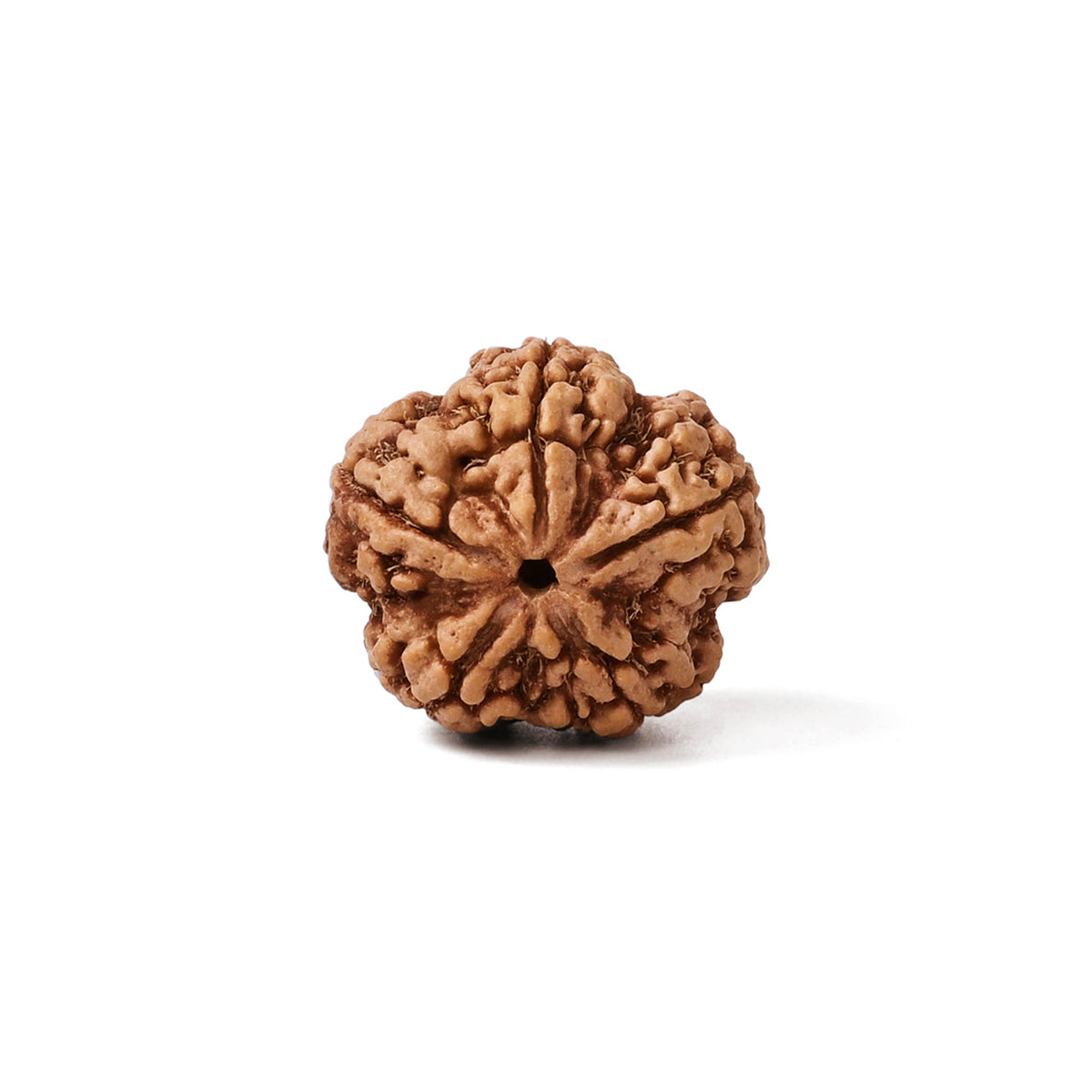
A rudraksha is the dried seed of the Elaeocarpus tree. Its surface is covered in ridges and deep vertical grooves (the mukhis), and it is naturally porous. Worn daily, those grooves fill with sweat, skin oil, dust and soap residue. Over months the bead can look dull and grey, feel dry, and in bad cases develop fine cracks.
Regular gentle cleaning keeps the lines visible and the bead supple. Tradition also treats a clean bead as a mark of respect, which is why many families clean and oil their rudraksha before festivals such as Maha Shivratri and during Sawan.
Cleaning is not the same as the energising (pran pratishtha) ritual. For that, read how to activate rudraksha.
What you need
| Item | Why |
|---|---|
| Bowl of lukewarm water | Loosens dirt without shocking the bead; avoid hot water |
| Soft toothbrush (new) | Reaches into the mukhi grooves without scratching |
| Soft cotton cloth | For patting dry |
| Pure oil: sandalwood, olive or mustard oil | Keeps the bead from drying out; use a few drops only |
| Cotton bud | Spreads oil into the grooves evenly |
Do not use soap, shampoo, dishwash liquid, lemon, vinegar, silver-cleaning dip or ultrasonic cleaners. They can strip the natural surface, discolour the bead or loosen metal caps.
How to clean a rudraksha bead: step by step
 Sample image
- Remove metal and thread if you can. If the bead is on a thread, you can clean it on the thread, but a loose bead is easier. Keep silver or gold caps out of prolonged soaking.
- Soak briefly. Place the bead in lukewarm water for 5 to 10 minutes. Long soaking is unnecessary and can make the bead swell.
- Brush the grooves. Hold the bead and brush gently along the mukhi lines with a soft toothbrush, turning it as you go. Most of the dirt sits deep in the grooves.
- Rinse. Dip it once more in clean water to wash away loosened dirt.
- Dry fully in the shade. Pat it dry with a soft cloth and leave it in a shaded, airy place for a few hours. Do not dry it in strong sun or with a hair dryer, which can crack it.
For daily wear, a light clean every two to four weeks is enough. Clean it sooner after heavy sweating, travel or exposure to smoke.
How to oil a rudraksha, and how often
- Choose a pure oil. Sandalwood oil is the traditional favourite. Plain olive oil or mustard oil are common alternatives. Avoid perfumed or mineral oils.
- Apply a few drops. Put two or three drops on a cotton bud and work the oil into the grooves and surface.
- Let it rest. Leave the bead for a few hours or overnight so the oil soaks in.
- Wipe off the excess. Wipe it with a clean cloth so it is not sticky; excess oil attracts dust.
- Repeat as needed. Every one to three months is typical, or whenever the bead looks dry or pale.

Mistakes that damage rudraksha
- Soap, shampoo and chemicals: they dry the bead and leave residue in the grooves. Take the rudraksha off before bathing with soap.
- Hot water or strong sun: sudden heat can crack the bead.
- Long soaking: overnight soaking is not needed and can weaken the thread and loosen caps.
- Heavy oiling: a thick coat turns sticky and dark and gathers dust.
- Perfume and deodorant: apply them before you put the rudraksha on, not after.
- Storing it with sharp or hard objects: keep it in a soft pouch or a small wooden box.
If colour runs off into the water, or a face line seems to lift away after cleaning, the bead may be dyed or have added lines. Read real vs fake rudraksha to see which checks work.
Storing a rudraksha and caring for a mala
When you are not wearing it, keep the rudraksha in a clean cloth pouch or a small box in your puja space, away from perfume and moisture. For a mala:
- Clean the beads a few at a time with a soft brush instead of soaking the whole strand for long.
- Check the thread and knots every few months; restring before the thread breaks.
- Keep silver or gold caps dry and wipe them with a soft cloth.
- If you use a mala for japa, many people keep it separate from the one they wear; see our how to wear rudraksha guide for wearing rules.
Every rudraksha order from GemsMantra ships with a GemsMantra Authenticity Report whose number you can check on our Check Certificate page. GemsMantra works with leading labs including GIA, IGI, GRS and GJEPC's IIGJ. Each stone's listing names the lab that issued its report and the report number. An independent X-ray report is an optional add-on on eligible beads, not a default. Browse beads in our Natural Rudraksha collection.
Frequently asked questions
How do I clean my rudraksha at home?
Soak it in lukewarm water for 5 to 10 minutes, brush the grooves gently with a soft toothbrush, rinse, pat dry and let it dry fully in the shade. Do not use soap or chemicals.
Which oil is best for rudraksha?
Sandalwood oil is the traditional choice. Pure olive oil or mustard oil are common alternatives. Use a few drops only and wipe off the excess.
How often should I oil a rudraksha?
Every one to three months is typical, or whenever the bead looks dry or pale. Over-oiling makes it sticky and dark.
Can I wear rudraksha while bathing?
Traditions differ, but soap and shampoo dry the bead and fill its grooves. If you keep it on, rinse it with plain water afterwards; many people simply remove it before bathing.
Can I clean a rudraksha with soap?
No. Soap and detergents strip the natural surface and leave residue in the mukhi grooves. Use only lukewarm water and a soft brush.
Why has my rudraksha cracked?
Cracks usually come from dryness or sudden heat, such as drying it in strong sun or with hot water. Regular light oiling and shade-drying help prevent them.
Do I need to energise a rudraksha again after cleaning?
Cleaning is physical care, not a ritual. Some people repeat a short mantra after cleaning; see how to activate rudraksha for the traditional steps.
Related reading
Looking for a genuine rudraksha?
Natural Nepali and Indonesian beads with a report number you can check.
Free guidance on WhatsApp: +91 92178 46751 (Monday to Saturday, 10am to 7pm IST)
Spiritual and astrological associations described here come from traditional Vedic belief and crystal tradition. GemsMantra products are not medicines, and no specific outcome is guaranteed.
Written by Shruti Tiwari


