
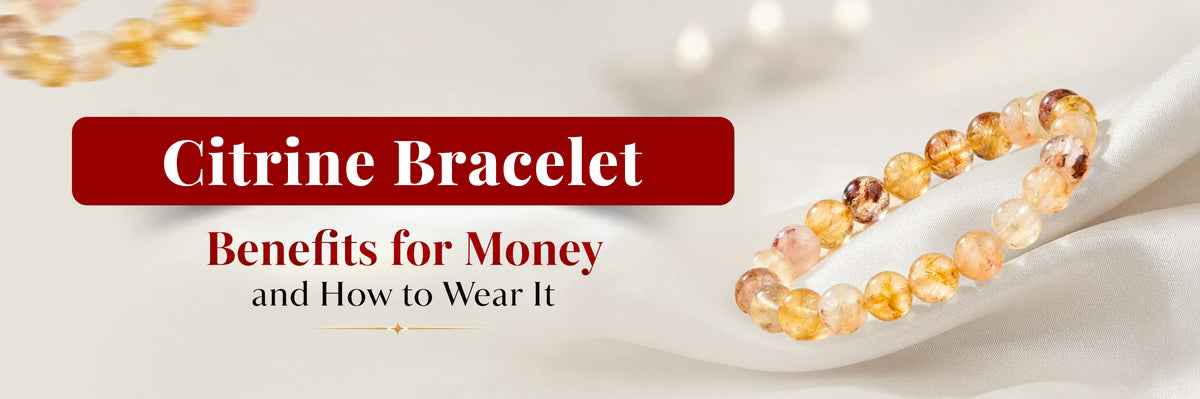
Citrine Bracelet Benefits for Money and How to Wear It
Quick answer: A citrine bracelet is a string of polished citrine (Sunela) beads, the yellow variety of quartz. In crystal tradition it is called the merchant's stone and is worn for confidence, motivation and a prosperity mindset, usually on the left wrist. These are traditional beliefs, not promised results. Much of the “citrine” sold is heat-treated amethyst, so check the colour and ask for a report number.

Key takeaways
- Citrine is yellow to golden quartz, 7 on the Mohs hardness scale, so it is tough enough for a daily bracelet.
- Crystal tradition links it with confidence, motivation and abundance. It does not guarantee money or any other result.
- Most people wear it on the left wrist and start on a Thursday, but there is no single fixed rule.
- Deep burnt-orange beads are often heated amethyst. Natural citrine is usually pale lemon to honey yellow.
- Bead bracelets cannot be returned for a change of mind at GemsMantra, so check size and colour before you order.
What is a citrine (Sunela) bracelet?
Citrine is the yellow to golden-orange variety of quartz, the same mineral family as amethyst and clear quartz. In Hindi it is called Sunela; do not confuse it with yellow topaz, which is often sold as Sunehla. It measures 7 on the Mohs hardness scale, which makes it harder than steel and tough enough for beads that knock against a desk or a steering wheel all day.
A citrine bracelet strings round citrine beads, usually 8 mm or 10 mm across, on a stretch cord. Our citrine bracelet comes in 8 mm and 10 mm bead sizes. Loose, faceted citrine for rings and pendants is a separate product; you can see those stones in our Citrine (Sunela) collection.
In Vedic jyotish, citrine is not one of the nine Navratna stones. It is traditionally treated as an upratna (substitute stone) for Pukhraj (yellow sapphire), the stone of Guru (Jupiter). Our comparison of Pukhraj vs citrine explains where the two differ in price and tradition.
Citrine bracelet benefits in crystal tradition
Citrine's reputation comes from crystal healing tradition and, in India, from its link with Jupiter. The table below lists what it is traditionally worn for. Read the right-hand column too: it keeps each belief in perspective.
| Area | Traditional association | Keep in mind |
|---|---|---|
| Money and business | Called the “merchant's stone”; kept by traders near the cash box | A reminder to act on goals, not a source of income |
| Confidence | Linked with the solar plexus chakra, self-belief and willpower | Works best alongside real preparation |
| Motivation | Worn to feel energetic and optimistic, like sunlight | No effect on health or energy has been proven |
| Jupiter (Guru) | Used in jyotish as a lower-cost substitute for Pukhraj | Ask your astrologer whether Jupiter suits your chart |
| Creativity | Worn by students, writers and people starting new work | A personal, symbolic choice |
None of these associations is a scientific or financial claim. Treat a citrine bracelet as a daily reminder of an intention you are already working on.
Is a citrine bracelet good for money?
This is the most common question, so here is a straight answer. In crystal tradition, yes: citrine is the best-known “abundance” stone, which is why it appears in most wealth bracelets, often with pyrite or tiger eye. In jyotish, its value comes from Jupiter, the planet of growth, wisdom and prosperity.
What tradition does not say is that the stone creates money by itself. People who find it useful describe it as a focus tool: they put it on while they plan their week, take a sales call or do their accounts. If your aim is prosperity, pair the bracelet with a clear plan, and see our guide to the best crystal bracelets for wealth for other stones people choose.
How to wear a citrine bracelet
- Choose the wrist. Crystal tradition says the left hand receives and the right hand gives, so most people wear citrine on the left wrist to “draw in” abundance. If you already wear a watch there, the right wrist is fine; many practitioners say intention matters more than the side.
- Pick the day. Because citrine stands in for Pukhraj, many people first wear it on a Thursday (Guru's day) in the morning.
- Cleanse it first. Rinse it briefly in clean water or keep it on a clean cloth in moonlight overnight. Pat it dry so the cord stays strong.
- Set an intention. Hold it for a minute and think of the goal you want to stay focused on. Some people chant “Om Brihaspataye Namah”, a Guru mantra; this is optional.
- Check the fit. The beads should sit snugly without pinching. 8 mm beads suit most wrists; 10 mm beads look bolder on larger wrists.
Natural vs heat-treated citrine: how to check
Natural citrine is uncommon. Gemmological references such as the GIA note that much of the citrine on the market is amethyst or smoky quartz that has been heated until it turns yellow-orange. Heated quartz is still real quartz, not glass, but the colour and price should reflect it. These checks help:
 Sample image
- Colour: natural citrine is usually pale lemon, straw or honey yellow and fairly even. Strong burnt-orange or reddish beads are more often heated.
- White bases: crystal points or clusters that are orange at the tips and milky white at the base are a classic sign of heated amethyst.
- Too perfect: identical, glassy beads with tiny round bubbles may be glass. Real quartz usually shows faint natural lines or wisps under a loupe.
- Paperwork: ask for a report that names the stone as natural quartz (citrine) and gives a number you can check. Every GemsMantra order ships with a GemsMantra Authenticity Report whose number you can enter on our Check Certificate page. GemsMantra works with leading labs including GIA, IGI, GRS and GJEPC's IIGJ. Each stone's listing names the lab that issued its report and the report number.
Our guide on how to verify a gemstone certificate shows how to read a report and spot a doubtful one.
Who wears citrine, and what to pair it with
In crystal tradition, citrine is considered a gentle stone that anyone can wear, which is why it is popular as a gift. It is often chosen by people in sales and business, students before exams, and anyone starting a new venture. In jyotish, it is usually suggested when Jupiter is weak or favourable in the chart; if you are unsure, our free bracelet calculator suggests bracelets from your date of birth.
![Citrine (Sunela) – 8.28 Carat / 9.1 Ratti [GM09266], product photo](https://cdn.shopify.com/s/files/1/0648/0514/2781/files/GM09266_FRONT.jpg?v=1774441374&width=600)
Common pairings:
- Citrine with pyrite for a “wealth” combination, as in many Dhan Yog style bracelets.
- Citrine with tiger eye for confidence and focus; see our tiger eye bracelet guide.
- Citrine with clear quartz, which crystal tradition treats as an amplifier.
- Citrine with a Pukhraj ring: they share the Jupiter association, so ask your astrologer before combining them.
For the stone itself, including loose citrine for rings, read Citrine (Sunela): benefits, how to wear and natural vs treated.
Care, sizing and what to check before you buy
| Check | What good looks like |
|---|---|
| Stone named clearly | “Natural citrine (quartz)”, not “citrine colour” or “golden crystal” |
| Bead size | 8 mm for a regular look, 10 mm for a bolder one |
| Colour | Pale to honey yellow; a range of tones within one strand is normal |
| Report number | A number you can check online, not just a printed card |
| Return terms | Read them first. At GemsMantra, bead bracelets are not returnable for a change of mind; damaged, defective or incorrect items are covered |
Daily care: take the bracelet off before bathing, swimming or applying perfume, because water and chemicals weaken the elastic faster than they harm the quartz. Keep it out of long hours of strong sun and away from sudden heat. Store it on its own so harder stones do not scratch it. Our refund policy lists exactly what can and cannot be returned.
Frequently asked questions
Which hand should I wear a citrine bracelet on?
Most people wear it on the left wrist, because crystal tradition treats the left hand as the receiving hand. The right wrist is also fine; there is no fixed rule.
Is a citrine bracelet good for money?
In crystal tradition it is the best-known abundance stone, and in jyotish it is linked with Jupiter. It is a symbolic reminder of your goals, not a guarantee of income.
Can I wear a citrine bracelet every day?
Yes. Citrine is 7 on the Mohs scale, so it handles daily wear well. Remove it before bathing or swimming to protect the elastic cord.
What is citrine called in Hindi?
Citrine is called Sunela in Hindi. It is the yellow variety of quartz and is different from yellow topaz, which is often sold as Sunehla.
How can I tell if a citrine bracelet is natural?
Natural citrine is usually pale to honey yellow. Deep burnt-orange beads are often heated amethyst, and perfectly identical beads with bubbles may be glass. Ask for a report number you can verify.
Can I wear citrine with Pukhraj?
They share the Jupiter association in jyotish, so many people do. Check with your astrologer first, especially if you already wear other planetary stones.
Who should not wear citrine?
Crystal tradition treats citrine as a gentle stone suitable for most people. If you follow jyotish and Jupiter is unfavourable in your chart, ask your astrologer before wearing it.
Related reading
Choose your citrine bracelet
Natural citrine in 8 mm and 10 mm beads, with a report number you can check.
Free guidance on WhatsApp: +91 92178 46751 (Monday to Saturday, 10am to 7pm IST)
Spiritual and astrological associations described here come from traditional Vedic belief and crystal tradition. GemsMantra products are not medicines, and no specific outcome is guaranteed.
Written by Shruti Tiwari


%20beads,%20the%20yellow%20variety%20of%20quartz.%20In%20crystal%20tradition%20it%20is%20called%20the%20merchant's%20stone%20and%20is%20worn%20for%20confidence,...)

Key Highlights
- What is a citrine (Sunela) bracelet?
- Citrine bracelet benefits in crystal tradition
- Is a citrine bracelet good for money?
- How to wear a citrine bracelet
- Natural vs heat-treated citrine: how to check
- Who wears citrine, and what to pair it with
- Care, sizing and what to check before you buy
- Frequently asked questions


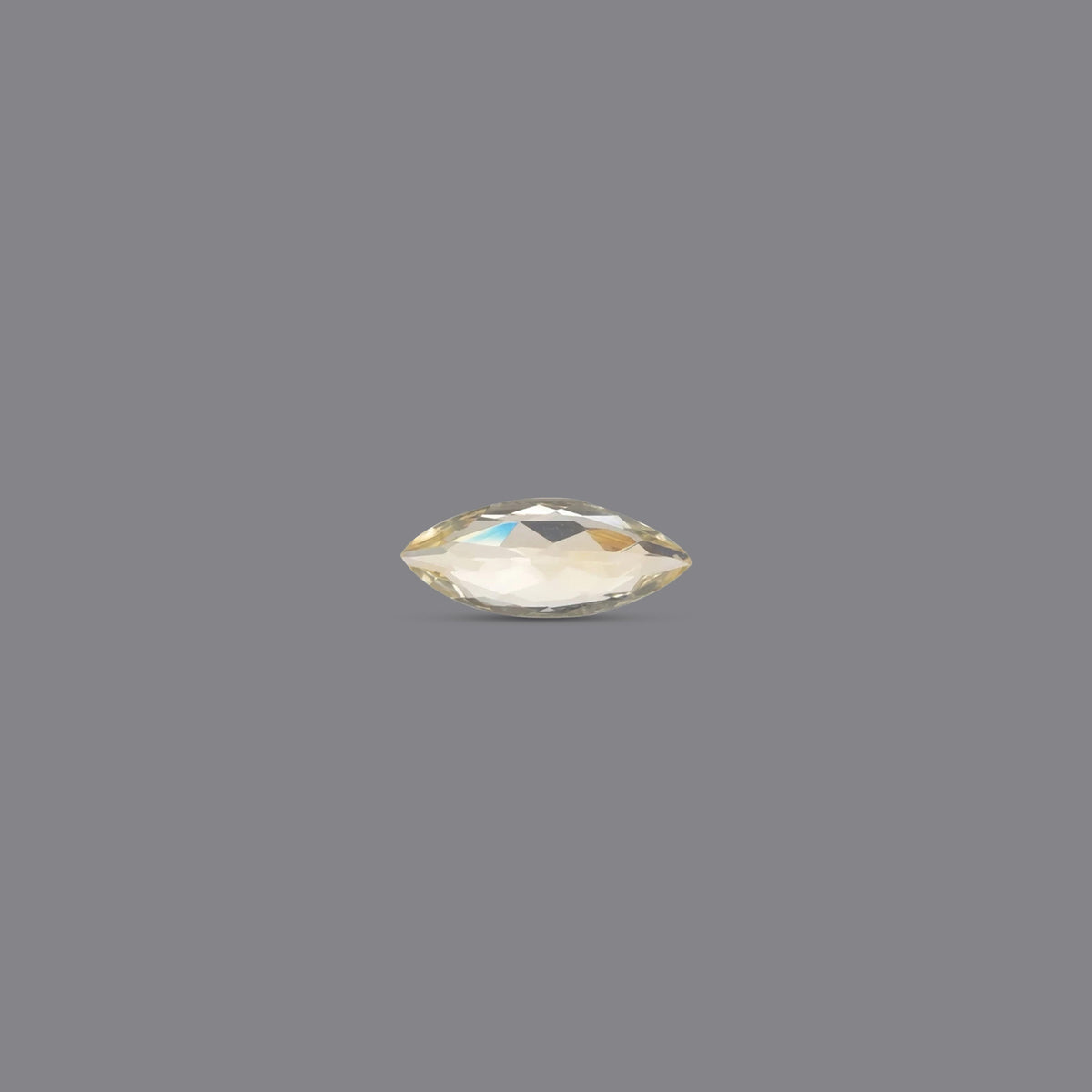
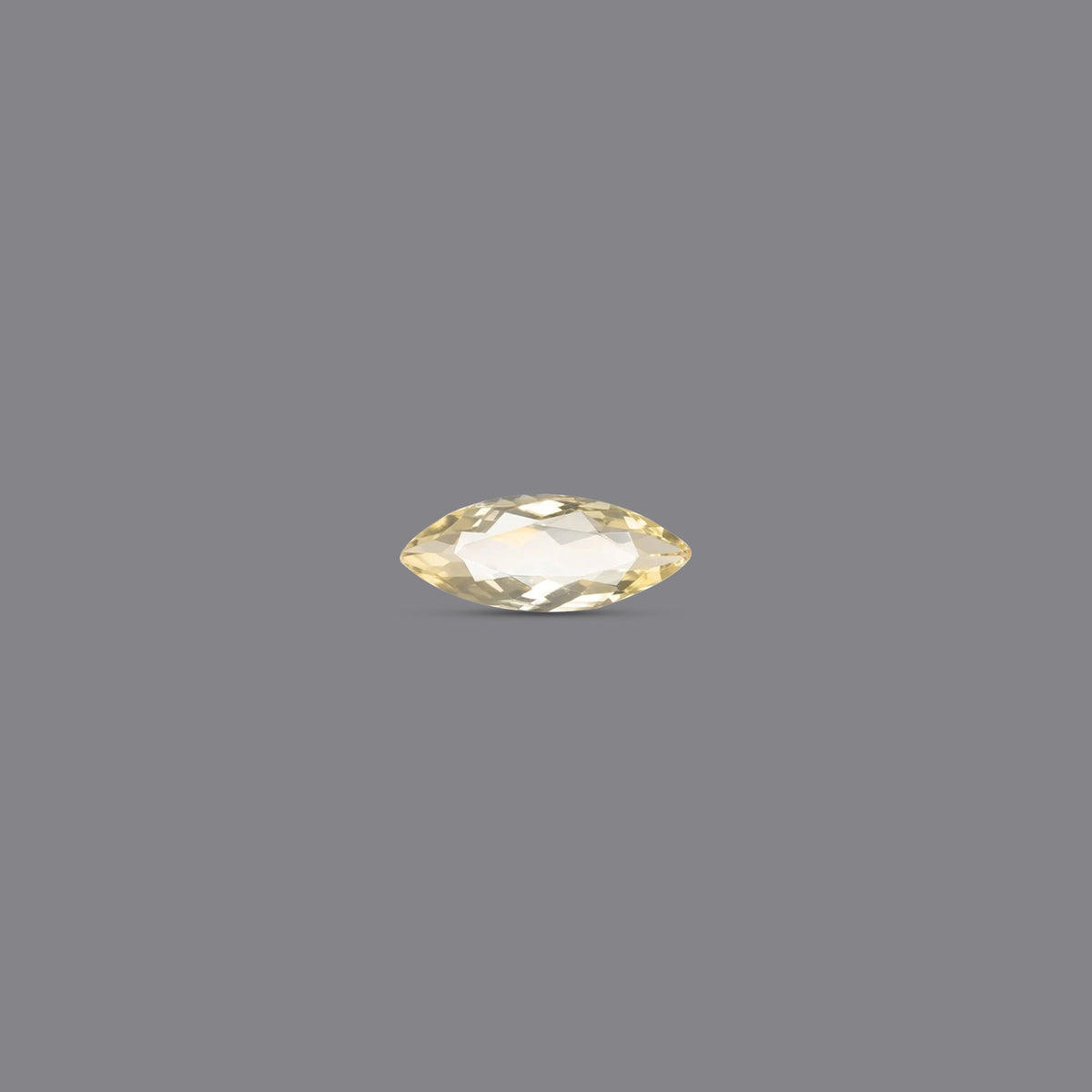
![Citrine (Sunela) – 8.84 Carat / 9.7 Ratti [GM09257]](http://gemsmantra.com/cdn/shop/files/front_d4ec1aae-ebd2-4b23-9677-929e36818f26.jpg?v=1791266623&width=2000)
![Citrine (Sunela) – 8.84 Carat / 9.7 Ratti [GM09257]](http://gemsmantra.com/cdn/shop/files/preview_images/02e04f6a074a4a95b2d74b7f97ade90d.thumbnail.0000000000.jpg?v=1786969348)
![Citrine (Sunela) – 8.28 Carat / 9.1 Ratti [GM09266]](http://gemsmantra.com/cdn/shop/files/front_0d877fa7-1f70-4bec-a8db-1e0df40b2e2a.jpg?v=1791270935&width=2000)
![Citrine (Sunela) – 8.28 Carat / 9.1 Ratti [GM09266]](http://gemsmantra.com/cdn/shop/files/preview_images/5c365a863020456d86c3ee8179987f32.thumbnail.0000000000.jpg?v=1786969435)
![Citrine (Sunela) – 6.94 Carat / 7.6 Ratti [GM09263]](http://gemsmantra.com/cdn/shop/files/front_b3f901a3-613e-4aab-8dc5-86aba451d169.jpg?v=1791270876&width=2000)
![Citrine (Sunela) – 6.94 Carat / 7.6 Ratti [GM09263]](http://gemsmantra.com/cdn/shop/files/preview_images/a9e8d25b2beb4db088c481f60e4bd12f.thumbnail.0000000000.jpg?v=1786969394)
![Citrine (Sunela) – 8.35 Carat / 9.2 Ratti [GM09261]](http://gemsmantra.com/cdn/shop/files/front_9f638b3e-548c-46e4-bafc-362b0f882275.jpg?v=1791270715&width=2000)
![Citrine (Sunela) – 8.35 Carat / 9.2 Ratti [GM09261]](http://gemsmantra.com/cdn/shop/files/preview_images/9600335348cb4cd5956a5fa2c801f1ab.thumbnail.0000000000.jpg?v=1786969393)
![Citrine (Sunela) – 8.11 Carat / 8.9 Ratti [GM09259]](http://gemsmantra.com/cdn/shop/files/front_17f029b2-0c7d-48e4-83ae-13f1f4ffe59e.jpg?v=1791266766&width=2000)
![Citrine (Sunela) – 8.11 Carat / 8.9 Ratti [GM09259]](http://gemsmantra.com/cdn/shop/files/preview_images/014641edfc1d494bb6d0c218d5f072d4.thumbnail.0000000000.jpg?v=1786969351)
![Citrine (Sunela) – 8.42 Carat / 9.3 Ratti [GM09258]](http://gemsmantra.com/cdn/shop/files/front_9bc0c6a3-c57c-4d90-92fd-24c838a65f43.jpg?v=1791266702&width=2000)
![Citrine (Sunela) – 8.42 Carat / 9.3 Ratti [GM09258]](http://gemsmantra.com/cdn/shop/files/preview_images/79aa33c75b31459980eaea214705ba22.thumbnail.0000000000.jpg?v=1786969350)
![Citrine (Sunela) – 6.99 Carat / 7.7 Ratti [GM09254]](http://gemsmantra.com/cdn/shop/files/front_c2708ed3-1a0d-4356-8a3b-13898b2616fd.jpg?v=1791266420&width=2000)
![Citrine (Sunela) – 6.99 Carat / 7.7 Ratti [GM09254]](http://gemsmantra.com/cdn/shop/files/preview_images/79f52ac18de14bafb90009eca22e4097.thumbnail.0000000000.jpg?v=1786969302)
![Citrine (Sunela) – 8.5 Carat / 9.4 Ratti [GM09253]](http://gemsmantra.com/cdn/shop/files/front_b029365a-b85e-49b8-b7cd-48e99b5abfd3.jpg?v=1791266360&width=2000)
![Citrine (Sunela) – 8.5 Carat / 9.4 Ratti [GM09253]](http://gemsmantra.com/cdn/shop/files/preview_images/17f4f266968a4d1bb4a1ea01e6f43735.thumbnail.0000000000.jpg?v=1786969308)
![Citrine (Sunela) – 8.16 Carat / 9 Ratti [GM09251]](http://gemsmantra.com/cdn/shop/files/front_b85a0922-9431-4b7e-a700-817759d5cfeb.jpg?v=1791266310&width=2000)
![Citrine (Sunela) – 8.16 Carat / 9 Ratti [GM09251]](http://gemsmantra.com/cdn/shop/files/preview_images/192dc197a4e94771ba28974ee133617b.thumbnail.0000000000.jpg?v=1786969260)
![Citrine (Sunela) – 6.98 Carat / 7.7 Ratti [GM09250]](http://gemsmantra.com/cdn/shop/files/front_679fe6f0-3d36-403b-a8a9-cf028c4e4d58.jpg?v=1791266259&width=2000)
![Citrine (Sunela) – 6.98 Carat / 7.7 Ratti [GM09250]](http://gemsmantra.com/cdn/shop/files/preview_images/89084814114248ac968626d79d1b3f41.thumbnail.0000000000.jpg?v=1786969258)
![Citrine (Sunela) – 8.58 Carat / 9.4 Ratti [GM09249]](http://gemsmantra.com/cdn/shop/files/front_e707b44f-e46e-404f-b5bc-8c9da5d6fa27.jpg?v=1791266192&width=2000)
![Citrine (Sunela) – 8.58 Carat / 9.4 Ratti [GM09249]](http://gemsmantra.com/cdn/shop/files/preview_images/79da212f0a5d4617a2c3a3aa502ecc97.thumbnail.0000000000.jpg?v=1786969261)
![Citrine (Sunela) – 7.58 Carat / 8.3 Ratti [GM09248]](http://gemsmantra.com/cdn/shop/files/front_dc06d758-420e-4281-837f-c549ba400268.jpg?v=1791266073&width=2000)
![Citrine (Sunela) – 7.58 Carat / 8.3 Ratti [GM09248]](http://gemsmantra.com/cdn/shop/files/preview_images/2a5a7c65054248f3aae8a996a1019907.thumbnail.0000000000.jpg?v=1786969209)
![Citrine (Sunela) – 8.56 Carat / 9.4 Ratti [GM10036]](http://gemsmantra.com/cdn/shop/files/front_208bed58-52ee-4350-a48b-fd4b41e18b0f.jpg?v=1791348615&width=2000)
![Citrine (Sunela) – 8.56 Carat / 9.4 Ratti [GM10036]](http://gemsmantra.com/cdn/shop/files/back_708eb8c3-a06d-43d7-a2b8-579ad09727dc.jpg?v=1791348615&width=2000)
![Citrine (Sunela) – 8.13 Carat / 8.9 Ratti [GM10035]](http://gemsmantra.com/cdn/shop/files/front_07884d49-4325-4c42-9e74-4d2d17d8387f.jpg?v=1791348494&width=2000)
![Citrine (Sunela) – 8.13 Carat / 8.9 Ratti [GM10035]](http://gemsmantra.com/cdn/shop/files/back_4afde016-90e8-45c0-9d5f-6d26a9b10d93.jpg?v=1791348494&width=2000)
![Citrine (Sunela) – 9.9 Carat / 10.9 Ratti [GM10034]](http://gemsmantra.com/cdn/shop/files/front_1e58aaef-0bef-47bf-9a19-aed317756414.jpg?v=1791348385&width=2000)
![Citrine (Sunela) – 9.9 Carat / 10.9 Ratti [GM10034]](http://gemsmantra.com/cdn/shop/files/back_2354cdad-25d3-4c43-aaae-22f819deca20.jpg?v=1791348385&width=2000)
![Citrine (Sunela) – 8.5 Carat / 9.4 Ratti [GM10031]](http://gemsmantra.com/cdn/shop/files/front_f8c5110a-9178-428e-84b3-d23fd82674bf.jpg?v=1791271748&width=2000)
![Citrine (Sunela) – 8.5 Carat / 9.4 Ratti [GM10031]](http://gemsmantra.com/cdn/shop/files/back_d2a537c5-d886-4cb4-ac9c-1ec0612e516d.jpg?v=1791271747&width=2000)
![Citrine (Sunela) – 10 Carat / 11 Ratti [GM10030]](http://gemsmantra.com/cdn/shop/files/front_5305f8e3-8da7-405a-900e-9f703642f770.jpg?v=1791271622&width=2000)
![Citrine (Sunela) – 10 Carat / 11 Ratti [GM10030]](http://gemsmantra.com/cdn/shop/files/back_5f352082-9fa2-4aa0-bf73-68862470cc87.jpg?v=1791271622&width=2000)
![Citrine (Sunela) – 8.04 Carat / 8.8 Ratti [GM10028]](http://gemsmantra.com/cdn/shop/files/front_4b00ea63-f8c4-4d77-9a5e-e0e6acbc0057.jpg?v=1791271230&width=2000)
![Citrine (Sunela) – 8.04 Carat / 8.8 Ratti [GM10028]](http://gemsmantra.com/cdn/shop/files/back_f4c23ef6-335a-4696-a5ae-64f4585069e2.jpg?v=1791271230&width=2000)
![Citrine (Sunela) – 5.27 Carat / 5.8 Ratti [GM10087]](http://gemsmantra.com/cdn/shop/files/front_a219242c-34e4-4c75-963d-1d15e3c4f354.jpg?v=1791361610&width=2000)
![Citrine (Sunela) – 5.27 Carat / 5.8 Ratti [GM10087]](http://gemsmantra.com/cdn/shop/files/back_919be7fa-721e-45c3-8b5f-cb04de9ef0b1.jpg?v=1791361611&width=2000)
![Citrine (Sunela) – 6.85 Carat / 7.5 Ratti [GM10086]](http://gemsmantra.com/cdn/shop/files/front_3ef85171-5d43-447c-a143-ec05519264f0.jpg?v=1791361518&width=2000)
![Citrine (Sunela) – 6.85 Carat / 7.5 Ratti [GM10086]](http://gemsmantra.com/cdn/shop/files/back_d104c9b0-b756-482e-ad6c-fdbffdc98dbe.jpg?v=1791361518&width=2000)
![Citrine (Sunela) – 8.59 Carat / 9.4 Ratti [GM10084]](http://gemsmantra.com/cdn/shop/files/front_1f090def-8ce2-4bae-95a0-19212a91ecb4.jpg?v=1791361356&width=2000)
![Citrine (Sunela) – 8.59 Carat / 9.4 Ratti [GM10084]](http://gemsmantra.com/cdn/shop/files/back_2cf14982-9dbe-4005-8a4b-88782021156b.jpg?v=1791361356&width=2000)
![Citrine (Sunela) – 4.45 Carat / 4.9 Ratti [GM10083]](http://gemsmantra.com/cdn/shop/files/front_3acdbd34-8a2f-476a-bc7e-54990327f7b7.jpg?v=1791361235&width=2000)
![Citrine (Sunela) – 4.45 Carat / 4.9 Ratti [GM10083]](http://gemsmantra.com/cdn/shop/files/back_643a9679-34fb-48f1-a6bb-87c179ce302c.jpg?v=1791361234&width=2000)
![Citrine (Sunela) – 3.99 Carat / 4.4 Ratti [GM10081]](http://gemsmantra.com/cdn/shop/files/front_9a2a3be4-ed68-437a-9ed5-0b9bf341fb65.jpg?v=1791361047&width=2000)
![Citrine (Sunela) – 3.99 Carat / 4.4 Ratti [GM10081]](http://gemsmantra.com/cdn/shop/files/back_a05af2b7-5489-4e2c-9255-b67eefb3438b.jpg?v=1791361047&width=2000)
![Citrine (Sunela) – 5.075 Carat / 5.6 Ratti [GM10080]](http://gemsmantra.com/cdn/shop/files/front_7001dccc-e023-4cf3-9445-f2d1c7713f84.jpg?v=1791360978&width=2000)
![Citrine (Sunela) – 5.075 Carat / 5.6 Ratti [GM10080]](http://gemsmantra.com/cdn/shop/files/back_ceda642a-824b-424d-bf40-716fe2e47a13.jpg?v=1791360978&width=2000)
![Citrine (Sunela) – 5.89 Carat / 6.5 Ratti [GM10079]](http://gemsmantra.com/cdn/shop/files/front_001a6404-2dfa-4b2c-a5cd-e6decc6fb5f4.jpg?v=1791360896&width=2000)
![Citrine (Sunela) – 5.89 Carat / 6.5 Ratti [GM10079]](http://gemsmantra.com/cdn/shop/files/back_0f95248c-eda0-4550-9e2c-efee4fe0d8c9.jpg?v=1791360896&width=2000)
![Citrine (Sunela) – 4.24 Carat / 4.7 Ratti [GM10078]](http://gemsmantra.com/cdn/shop/files/front_c04565e1-1efd-476e-a2b9-7339e7ecd2e4.jpg?v=1791360784&width=2000)
![Citrine (Sunela) – 4.24 Carat / 4.7 Ratti [GM10078]](http://gemsmantra.com/cdn/shop/files/BACK_db25f060-0e68-4c6a-a7a5-e950422acc79.jpg?v=1791360784&width=2000)
![Citrine (Sunela) – 5.24 Carat / 5.8 Ratti [GM10077]](http://gemsmantra.com/cdn/shop/files/front_6a96a066-a911-4a2e-ae25-2e473a1eb752.jpg?v=1791360630&width=2000)
![Citrine (Sunela) – 5.24 Carat / 5.8 Ratti [GM10077]](http://gemsmantra.com/cdn/shop/files/back_207960ac-3c65-45da-8851-8885661d7335.jpg?v=1791360630&width=2000)
![Citrine (Sunela) – 4.31 Carat / 4.7 Ratti [GM10076]](http://gemsmantra.com/cdn/shop/files/front_85944b94-edc8-43a4-87ed-0657023d08c5.jpg?v=1791360542&width=2000)
![Citrine (Sunela) – 4.31 Carat / 4.7 Ratti [GM10076]](http://gemsmantra.com/cdn/shop/files/back_01362a4f-7836-4b72-a676-9578d3fb7fa9.jpg?v=1791360542&width=2000)
![Citrine (Sunela) – 6.55 Carat / 7.2 Ratti [GM10075]](http://gemsmantra.com/cdn/shop/files/front_00478ef8-8f9e-4d91-8a94-e1aab2c044cf.jpg?v=1791360424&width=2000)
![Citrine (Sunela) – 6.55 Carat / 7.2 Ratti [GM10075]](http://gemsmantra.com/cdn/shop/files/back_6f8bab26-a663-41e1-9406-5ef2be0c9780.jpg?v=1791360424&width=2000)
![Citrine (Sunela) – 5.43 Carat / 6 Ratti [GM10074]](http://gemsmantra.com/cdn/shop/files/front_c8a3581d-ac5a-4f35-b76f-547bad89fe4a.jpg?v=1791360329&width=2000)
![Citrine (Sunela) – 5.43 Carat / 6 Ratti [GM10074]](http://gemsmantra.com/cdn/shop/files/back_1de1c3ec-76db-469a-a980-39e7222687fd.jpg?v=1791360329&width=2000)
![Citrine (Sunela) – 4.22 Carat / 4.6 Ratti [GM10072]](http://gemsmantra.com/cdn/shop/files/front_a798b44d-40e4-43a1-b6fe-27fe51c7cb03.jpg?v=1791359941&width=2000)
![Citrine (Sunela) – 4.22 Carat / 4.6 Ratti [GM10072]](http://gemsmantra.com/cdn/shop/files/back_db1544f7-9b08-46c7-ab28-26a262a10183.jpg?v=1791359941&width=2000)
![Citrine (Sunela) – 4.7 Carat / 5.2 Ratti [GM10071]](http://gemsmantra.com/cdn/shop/files/front_8088ad85-6386-42ac-8a63-d93f25dc102a.jpg?v=1791359852&width=2000)
![Citrine (Sunela) – 4.7 Carat / 5.2 Ratti [GM10071]](http://gemsmantra.com/cdn/shop/files/back_57c72d64-a13a-4bfa-9267-11769a5e421d.jpg?v=1791359852&width=2000)
![Citrine (Sunela) – 5.73 Carat / 6.3 Ratti [GM10070]](http://gemsmantra.com/cdn/shop/files/front_4ffd293b-6deb-4ff2-a4f4-22ac0458af3c.jpg?v=1791359777&width=2000)
![Citrine (Sunela) – 5.73 Carat / 6.3 Ratti [GM10070]](http://gemsmantra.com/cdn/shop/files/back_35a19c19-6ed2-40fa-911f-451dbb0c6c76.jpg?v=1791359777&width=2000)
![Citrine (Sunela) – 3.67 Carat / 4 Ratti [GM10069]](http://gemsmantra.com/cdn/shop/files/front_d3a2dd01-4df7-40c4-bdd1-66d82fda02a1.jpg?v=1791354223&width=2000)
![Citrine (Sunela) – 3.67 Carat / 4 Ratti [GM10069]](http://gemsmantra.com/cdn/shop/files/back_61b807b1-f176-407f-aed9-b002c218926f.jpg?v=1791354223&width=2000)
![Citrine (Sunela) – 5 Carat / 5.5 Ratti [GM10068]](http://gemsmantra.com/cdn/shop/files/front_fd74a205-fcf4-41b9-b049-3cde56b4b503.jpg?v=1791354131&width=2000)
![Citrine (Sunela) – 5 Carat / 5.5 Ratti [GM10068]](http://gemsmantra.com/cdn/shop/files/back_e7ddbad2-1334-4d8a-a1d1-7140a1af94de.jpg?v=1791354131&width=2000)
![Citrine (Sunela) – 9.01 Carat / 9.9 Ratti [GM10067]](http://gemsmantra.com/cdn/shop/files/front_63f9a4b4-ebe4-4500-ad1d-5ed0fcaf2745.jpg?v=1791353988&width=2000)
![Citrine (Sunela) – 9.01 Carat / 9.9 Ratti [GM10067]](http://gemsmantra.com/cdn/shop/files/back_af46b9b2-e8c2-41d3-b99b-3185ca930e53.jpg?v=1791353988&width=2000)
![Citrine (Sunela) – 3.88 Carat / 4.3 Ratti [GM10044]](http://gemsmantra.com/cdn/shop/files/front_41a258b5-db76-4614-b2c8-c0829e97d923.jpg?v=1791349355&width=2000)
![Citrine (Sunela) – 3.88 Carat / 4.3 Ratti [GM10044]](http://gemsmantra.com/cdn/shop/files/back_d7f0552c-36bb-4f40-b43e-7af3ba08cd24.jpg?v=1791349356&width=2000)
![Citrine (Sunela) – 3.77 Carat / 4.1 Ratti [GM10043]](http://gemsmantra.com/cdn/shop/files/FRONT_9bbf85b3-0dc7-4621-9e7d-eb101f72dd90.jpg?v=1791349289&width=2000)
![Citrine (Sunela) – 3.77 Carat / 4.1 Ratti [GM10043]](http://gemsmantra.com/cdn/shop/files/BACK_d78a6a88-f5e6-4be2-93f9-3d68e6f23718.jpg?v=1791349289&width=2000)
![Citrine (Sunela) – 3.77 Carat / 4.1 Ratti [GM10042]](http://gemsmantra.com/cdn/shop/files/front_9990a3a5-8f64-4517-8d8a-94577f5c200e.jpg?v=1791349195&width=2000)
![Citrine (Sunela) – 3.77 Carat / 4.1 Ratti [GM10042]](http://gemsmantra.com/cdn/shop/files/back_1cc1a7b1-9c04-4c92-8e3a-935373ae2c4a.jpg?v=1791349195&width=2000)
![Citrine (Sunela) – 11 Carat / 12.1 Ratti [GM09552]](http://gemsmantra.com/cdn/shop/files/front_6cdd83c2-b7c1-48e1-a451-27e6aaf71927.jpg?v=1791271072&width=2000)
![Citrine (Sunela) – 11 Carat / 12.1 Ratti [GM09552]](http://gemsmantra.com/cdn/shop/files/back_9d83a927-5d65-4c74-b2eb-5e83d8cbe3ac.jpg?v=1791271072&width=2000)

