Rudraksha Mala 108 Beads: Types, Japa Rules and Buying Guide
Quick answer: A rudraksha japa mala has 108 beads plus one larger bead called the sumeru (guru bead), 109 in total. You move one bead per mantra and never cross the sumeru. The most common is the 5 Mukhi mala, which tradition considers suitable for everyone. Before buying, check the bead count, the mukhi lines, the knots and whether the seller gives a report you can verify.

Key takeaways
- A japa mala has 108 counting beads and 1 sumeru bead. You turn back at the sumeru instead of crossing it.
- The 5 Mukhi mala is the everyday choice; other mukhi malas and combination malas are chosen for specific purposes in tradition.
- Nepali beads are generally larger with deeper lines; Indonesian (Java) beads are smaller and lighter, so the same mala can differ a lot in price.
- Count on the right hand with the thumb and middle finger; keep the index finger off the beads.
- Malas are not returnable for a change of mind at GemsMantra, so check size, bead count and paperwork before ordering.
Why does a rudraksha mala have 108 beads?
108 is a sacred number across Hindu, Buddhist and Jain practice. Traditional explanations include the 27 nakshatras × 4 padas = 108 and the 12 rashis × 9 grahas = 108. A mala with 108 beads lets you complete one full round of a mantra without counting in your head.
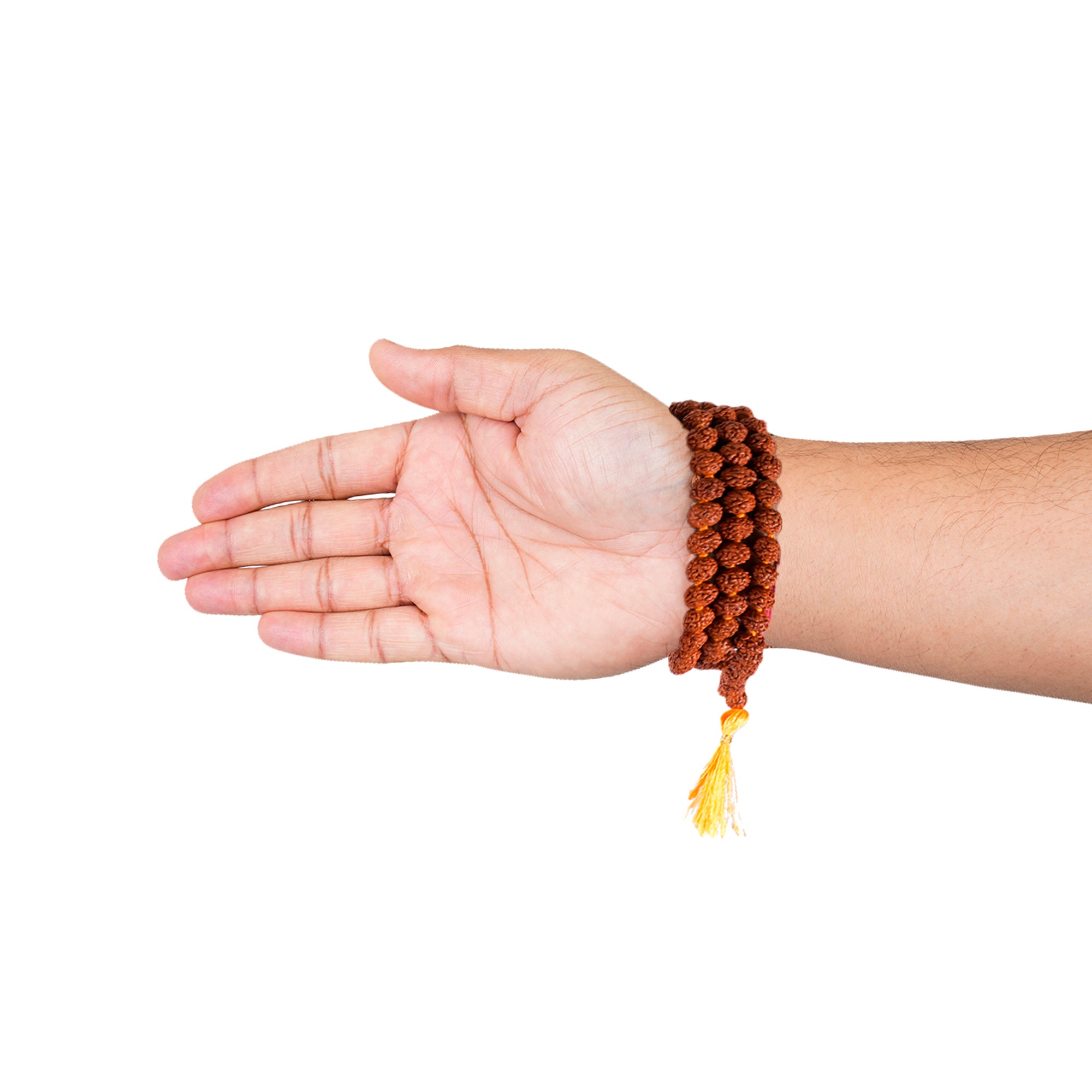
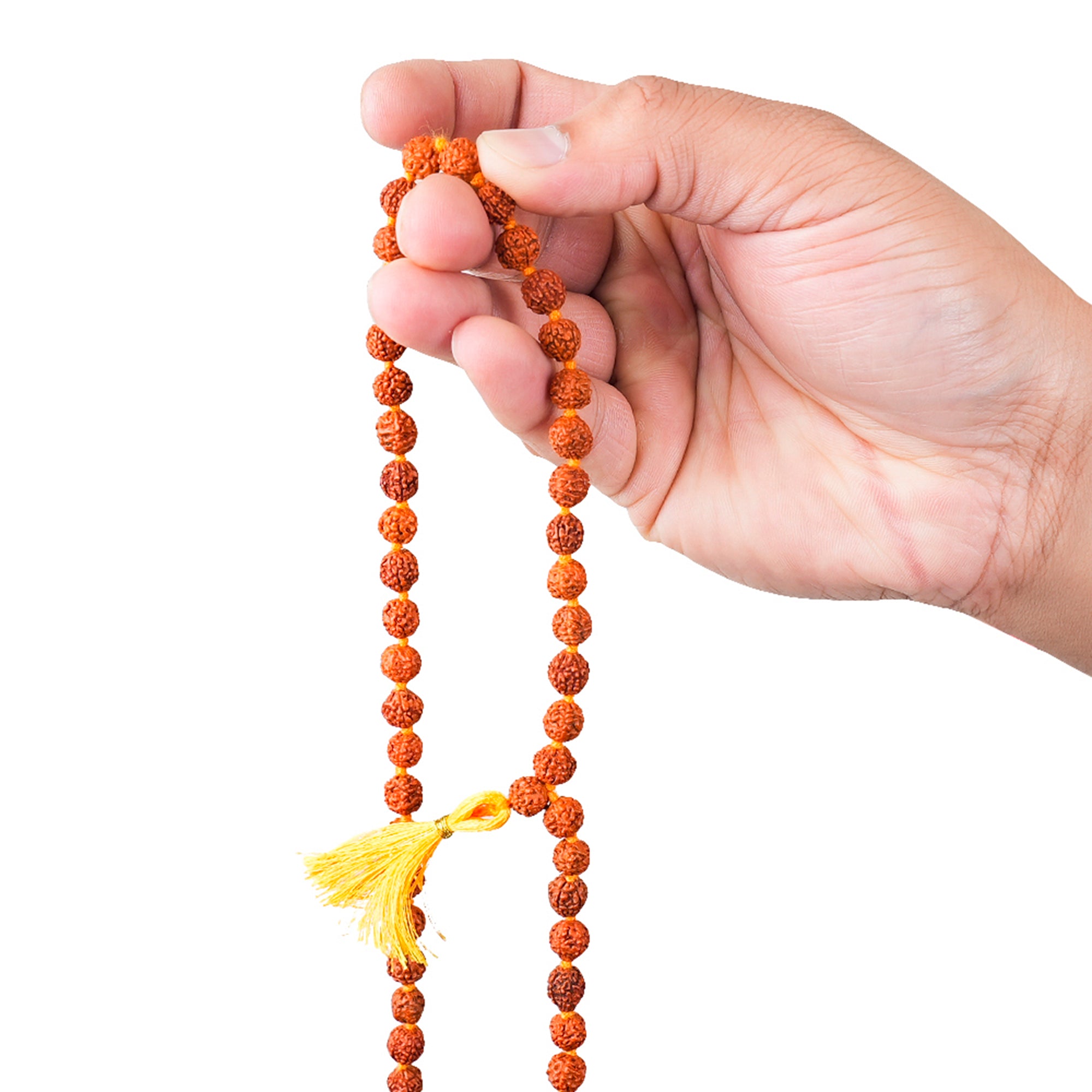
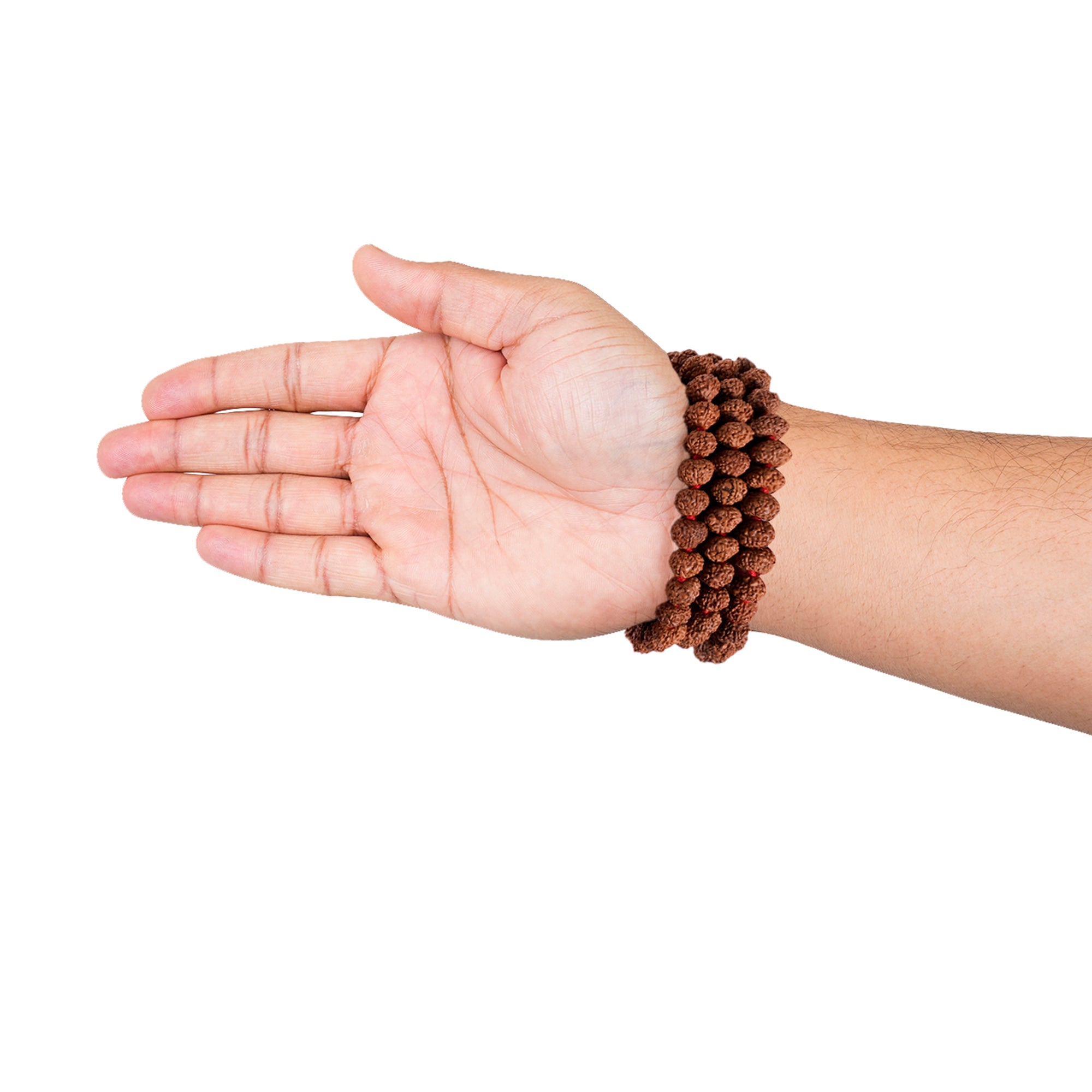
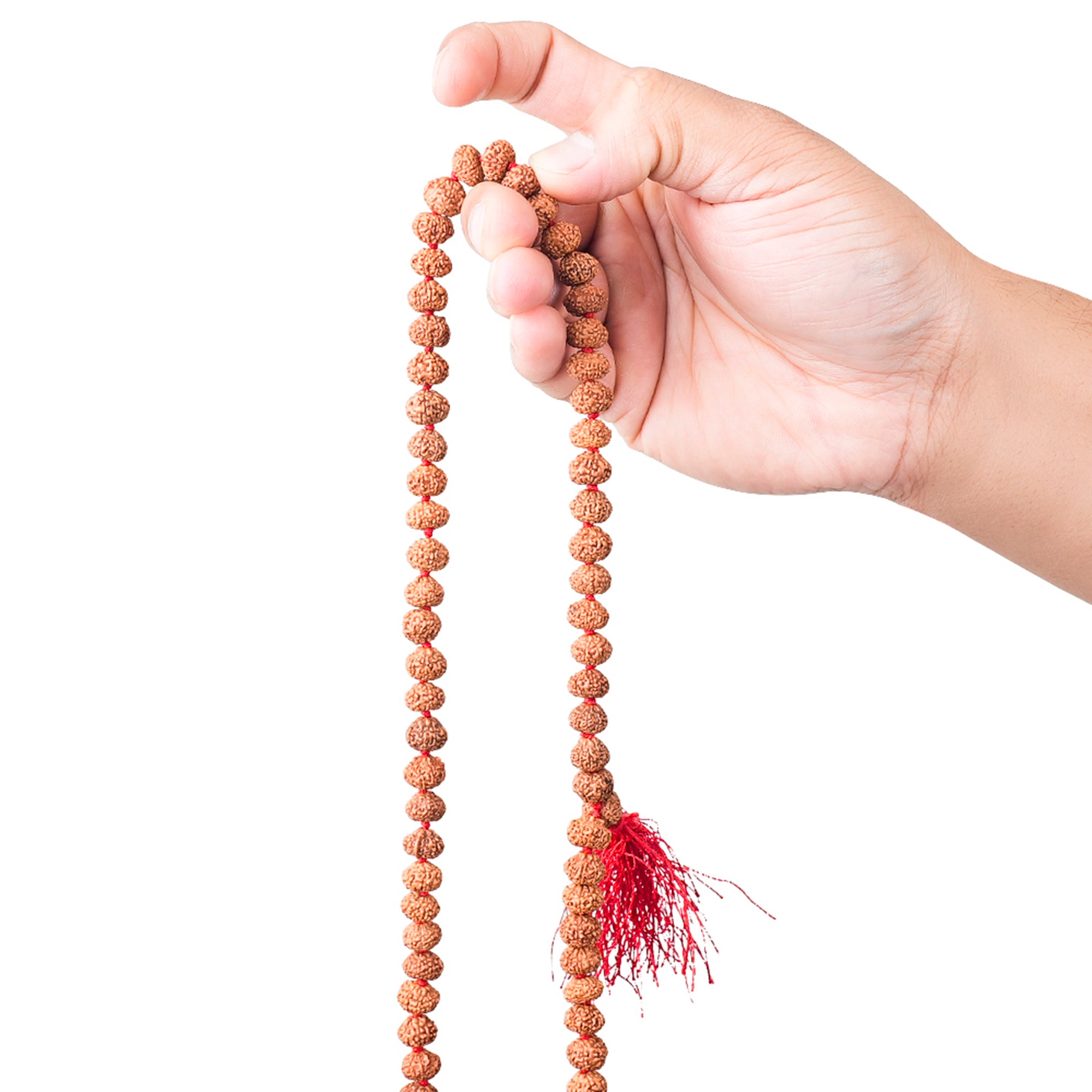
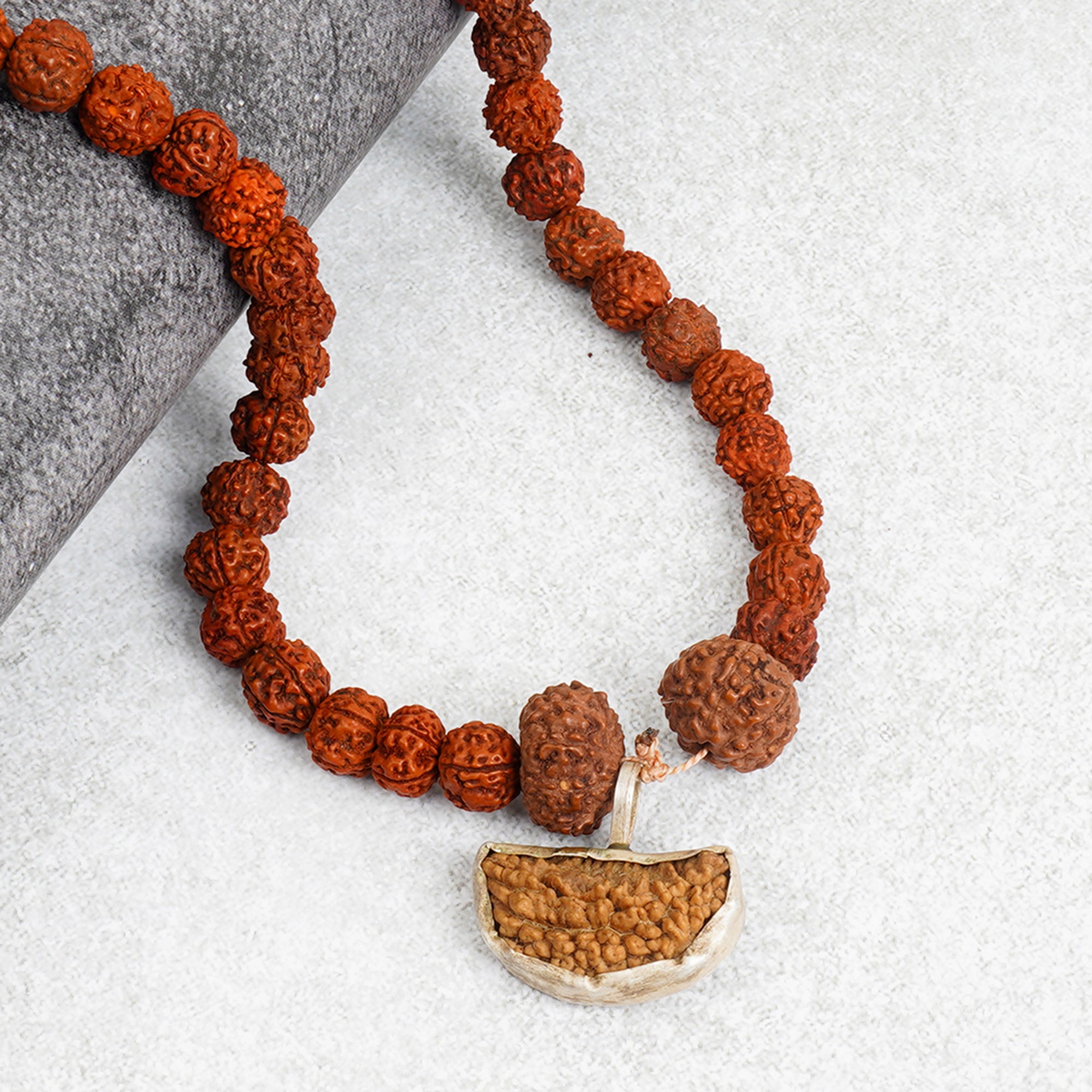
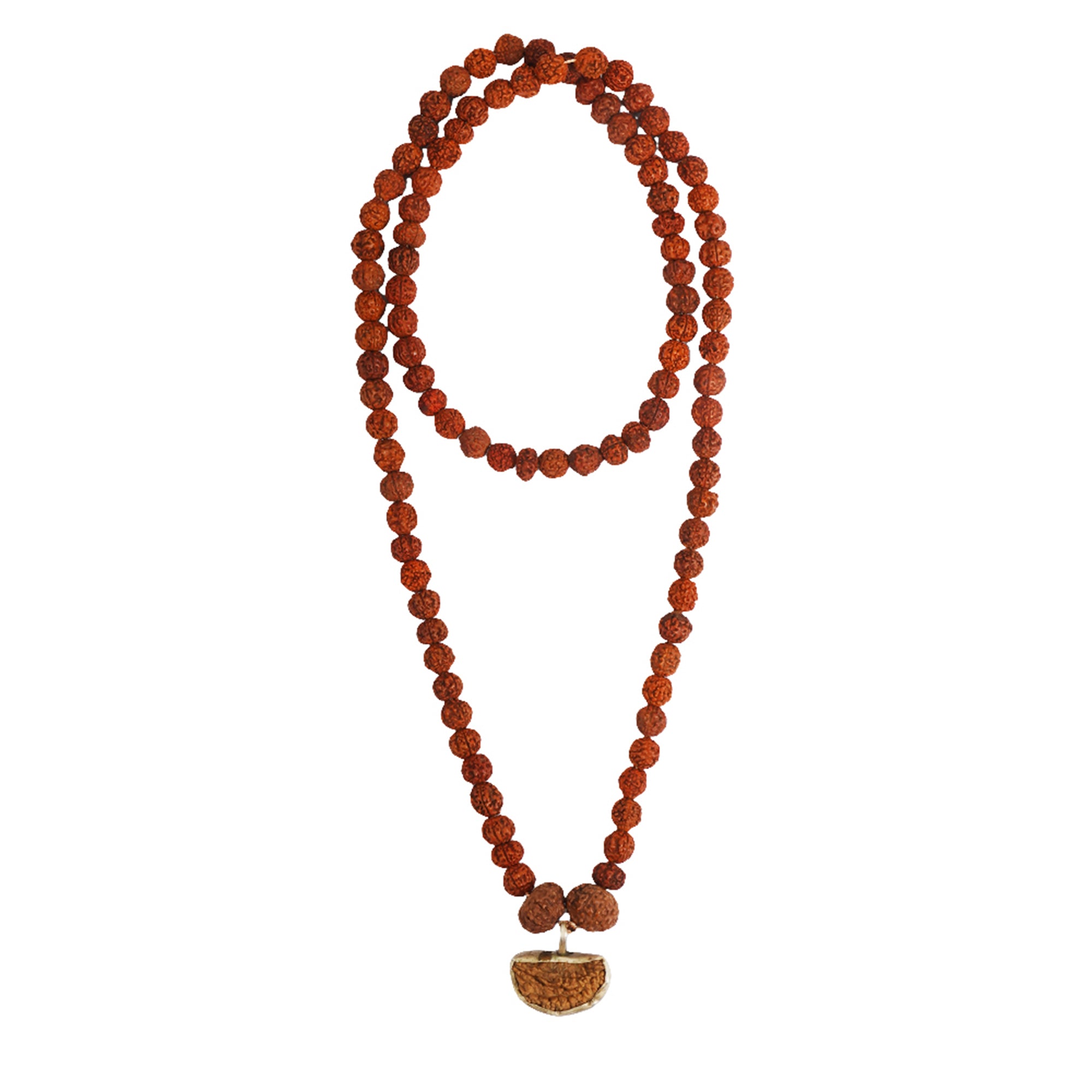
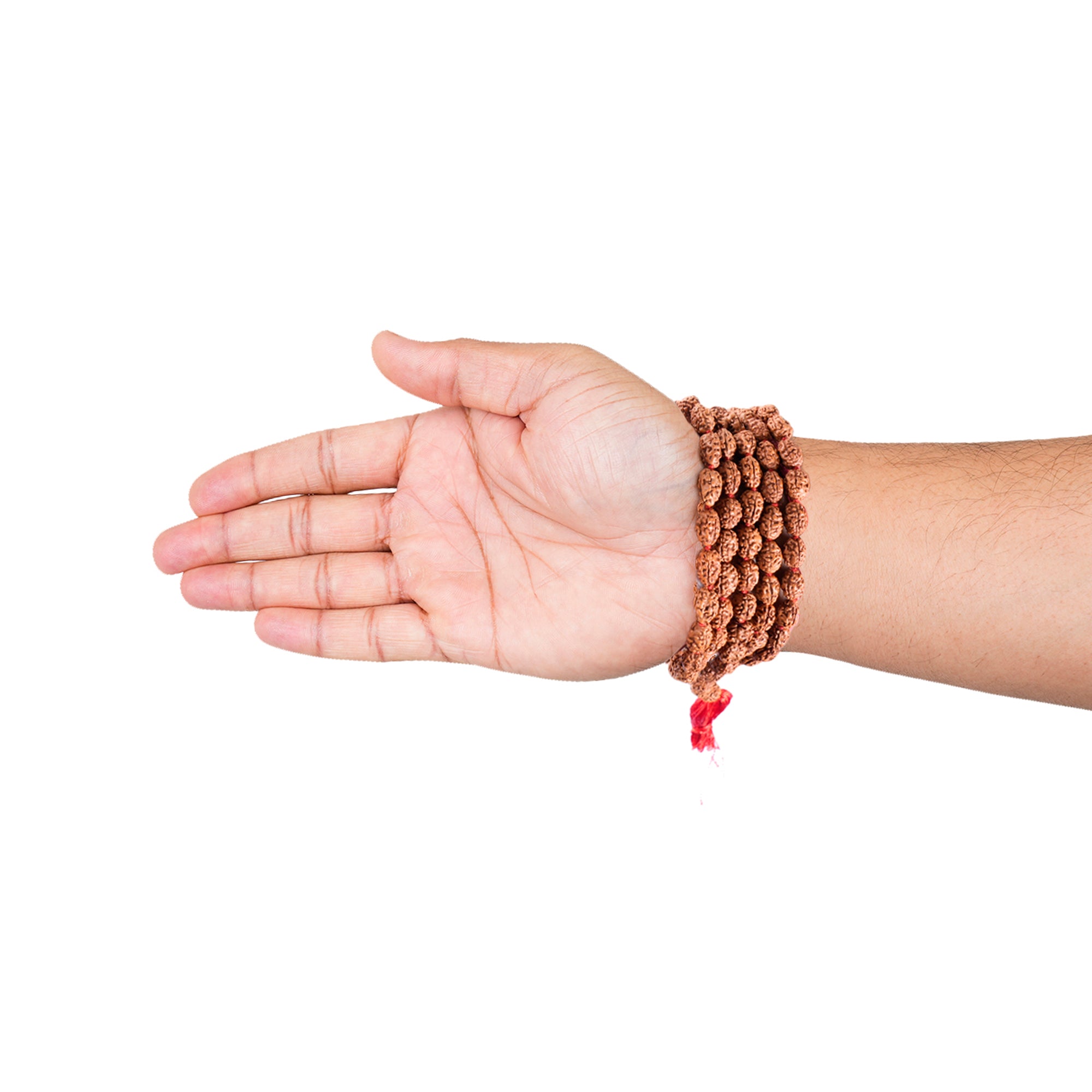
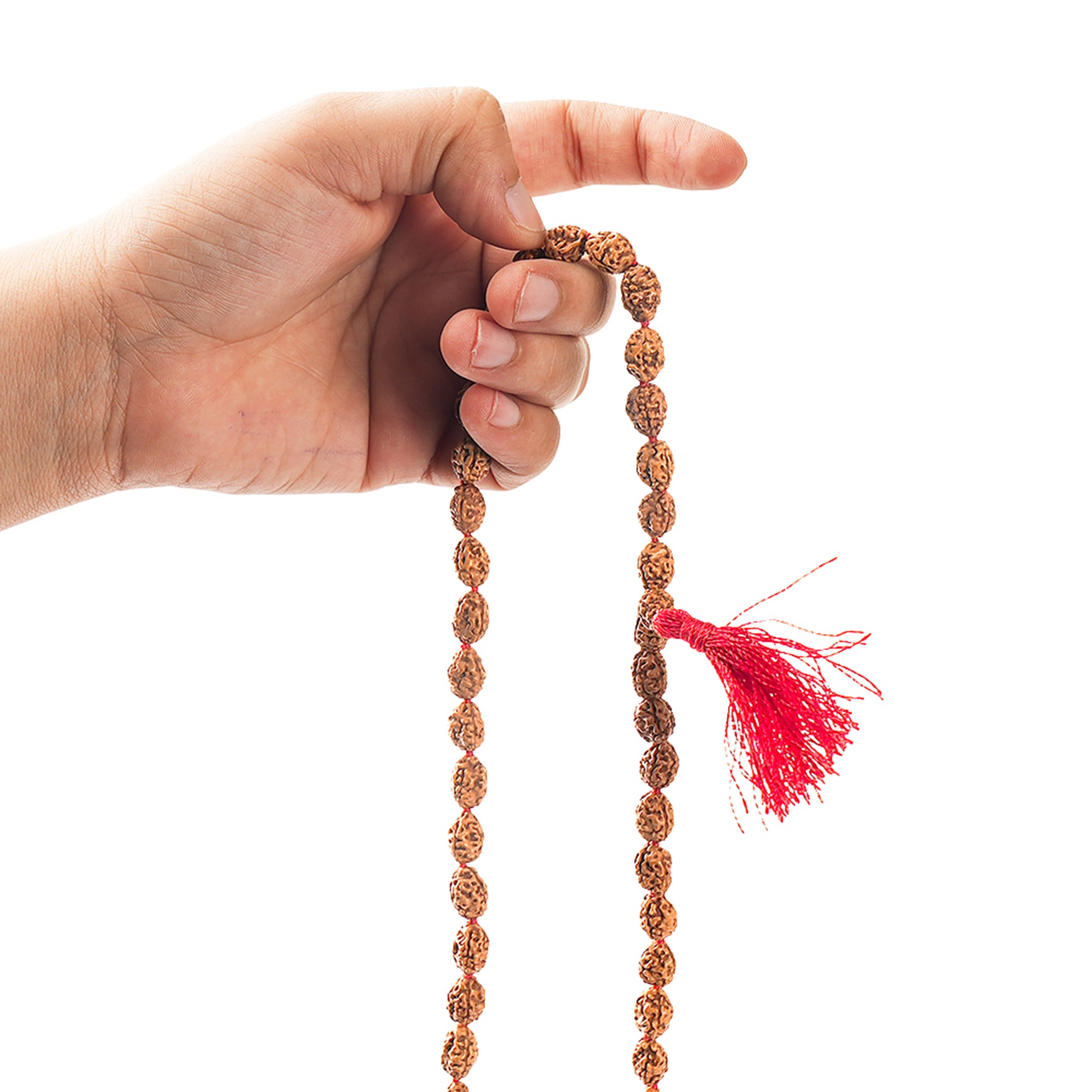
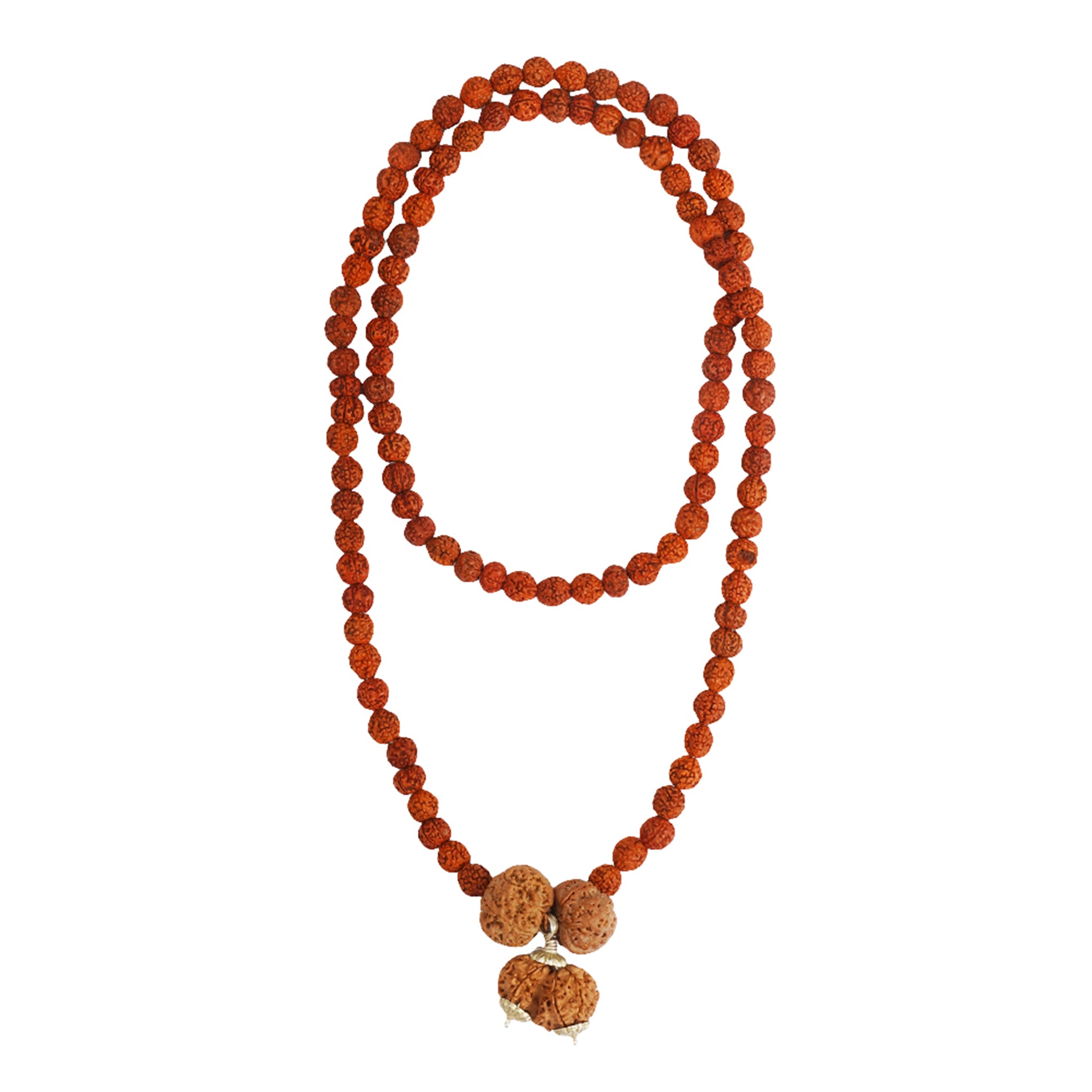
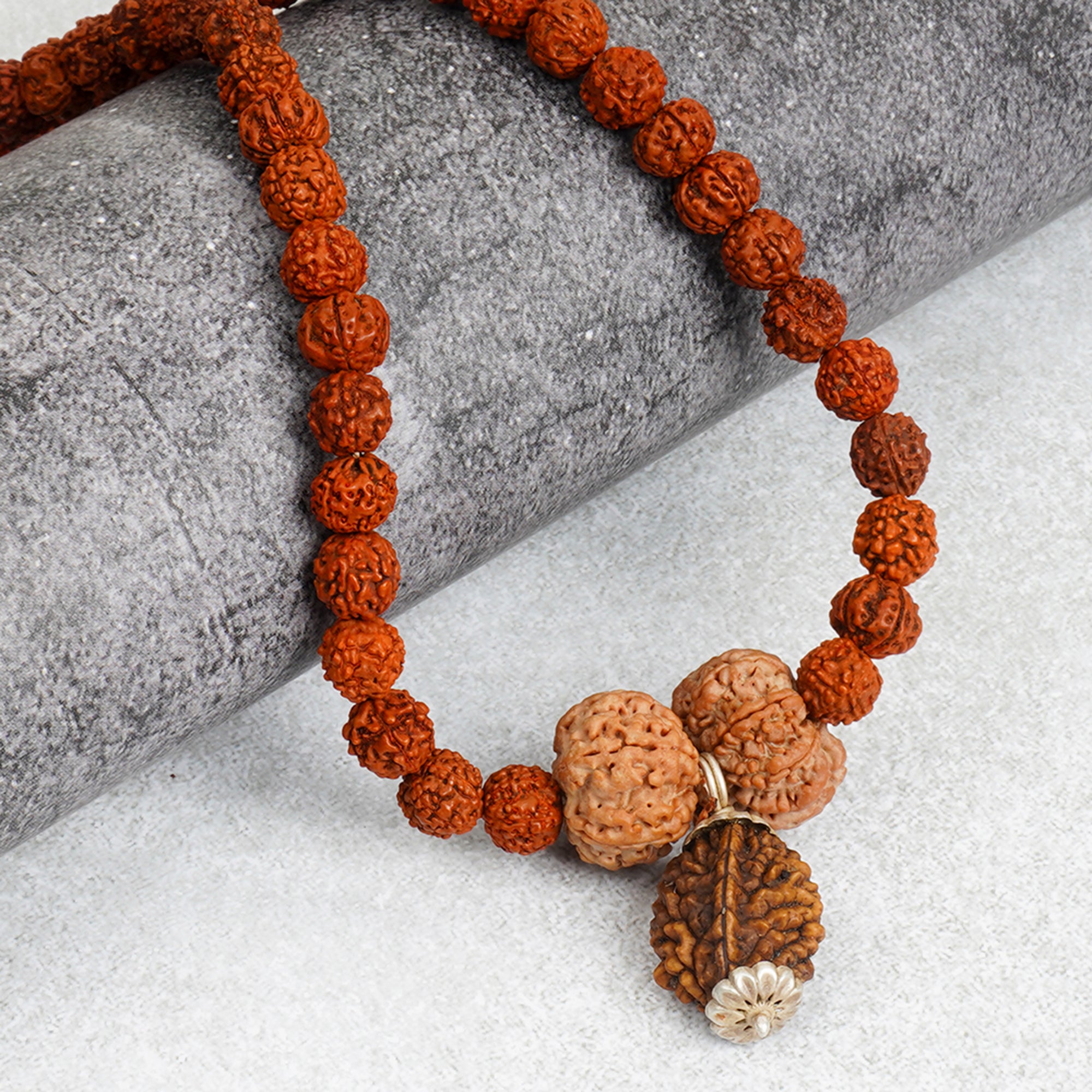
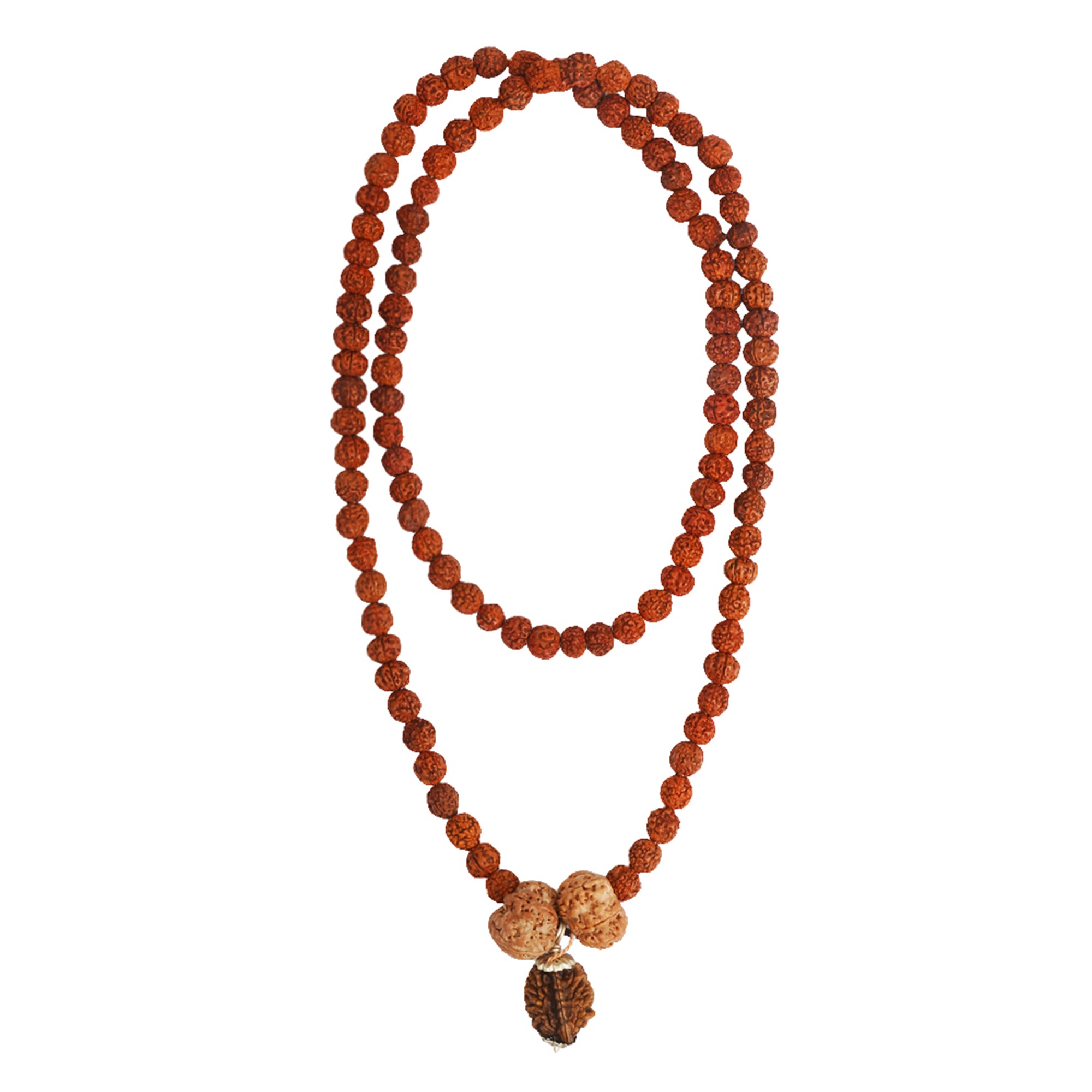
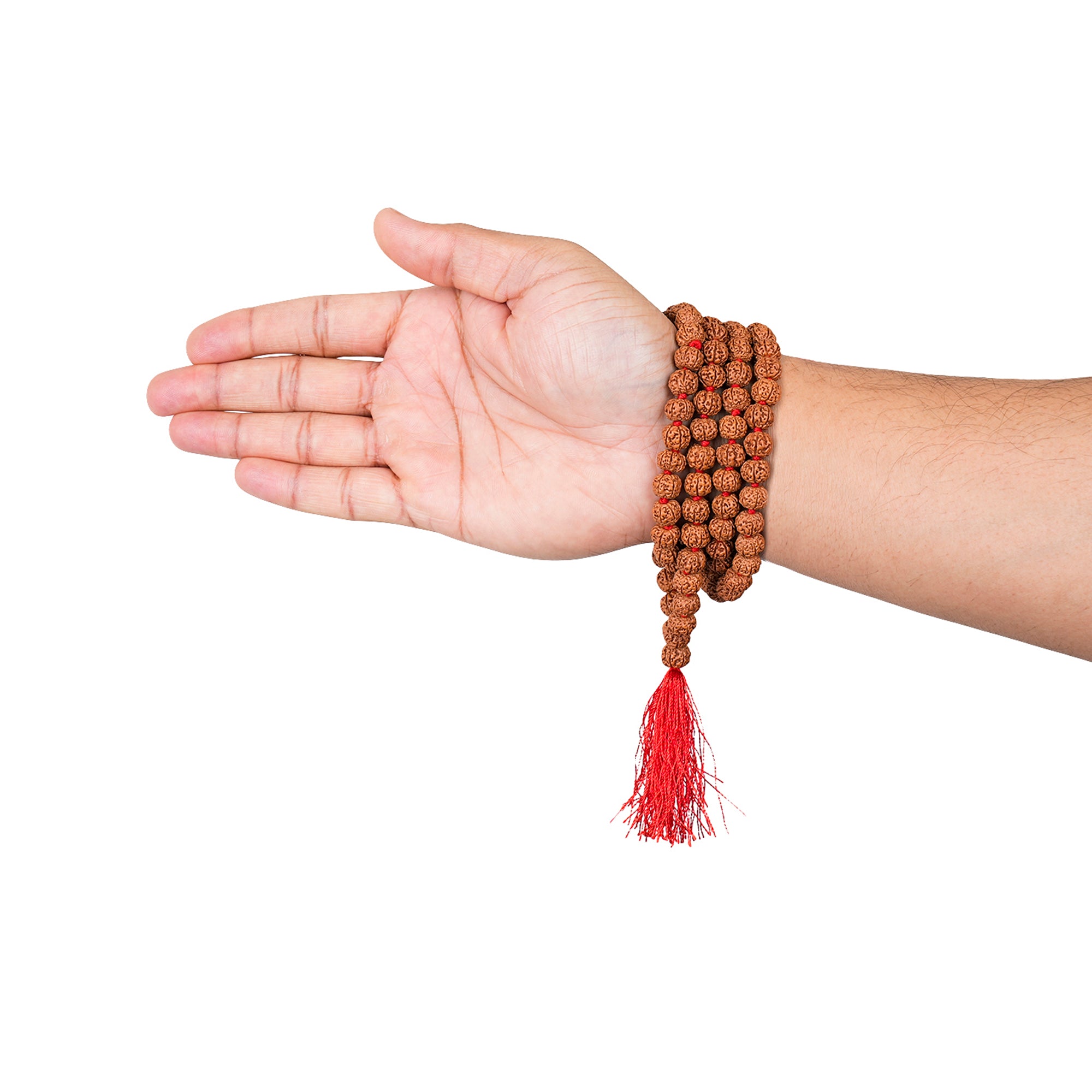
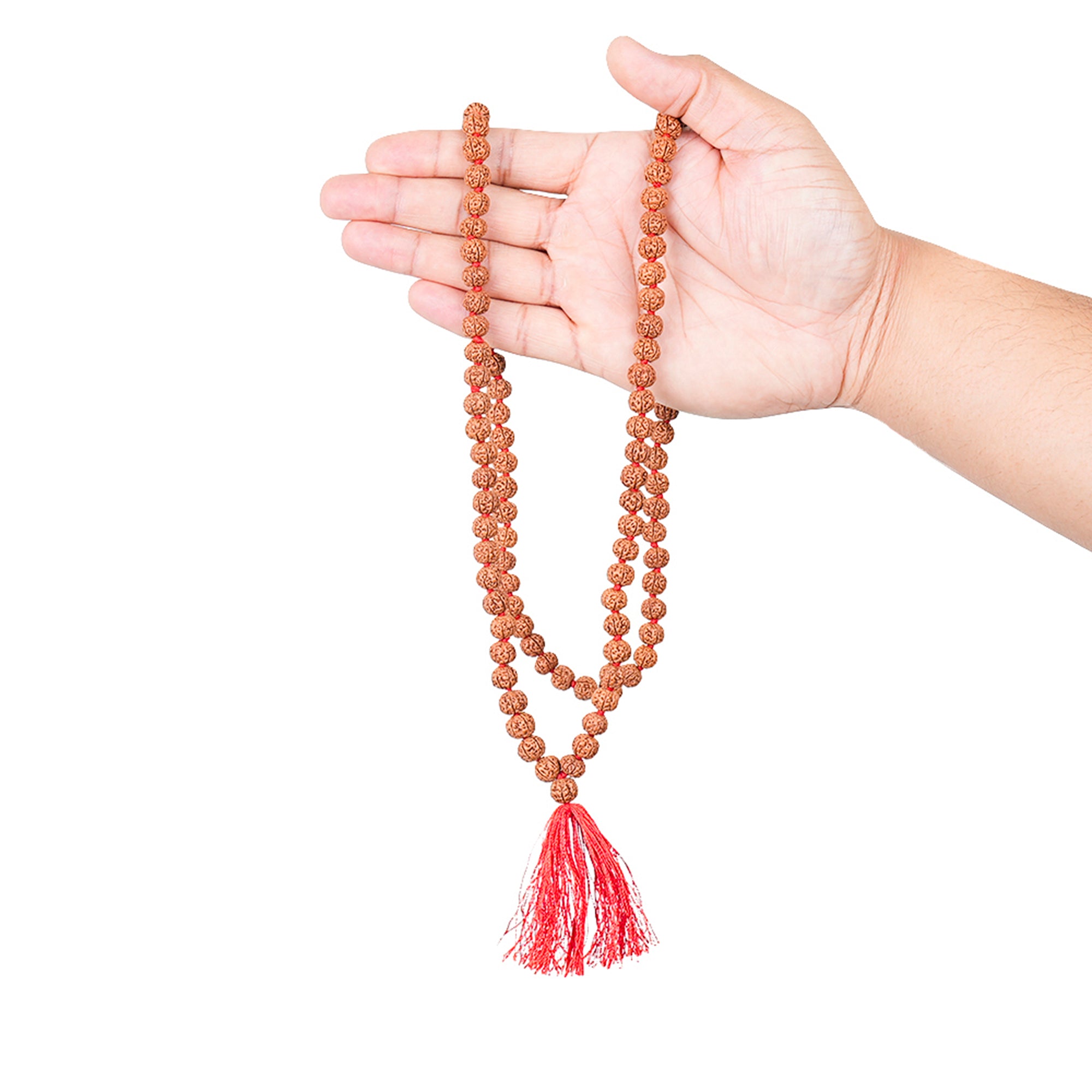
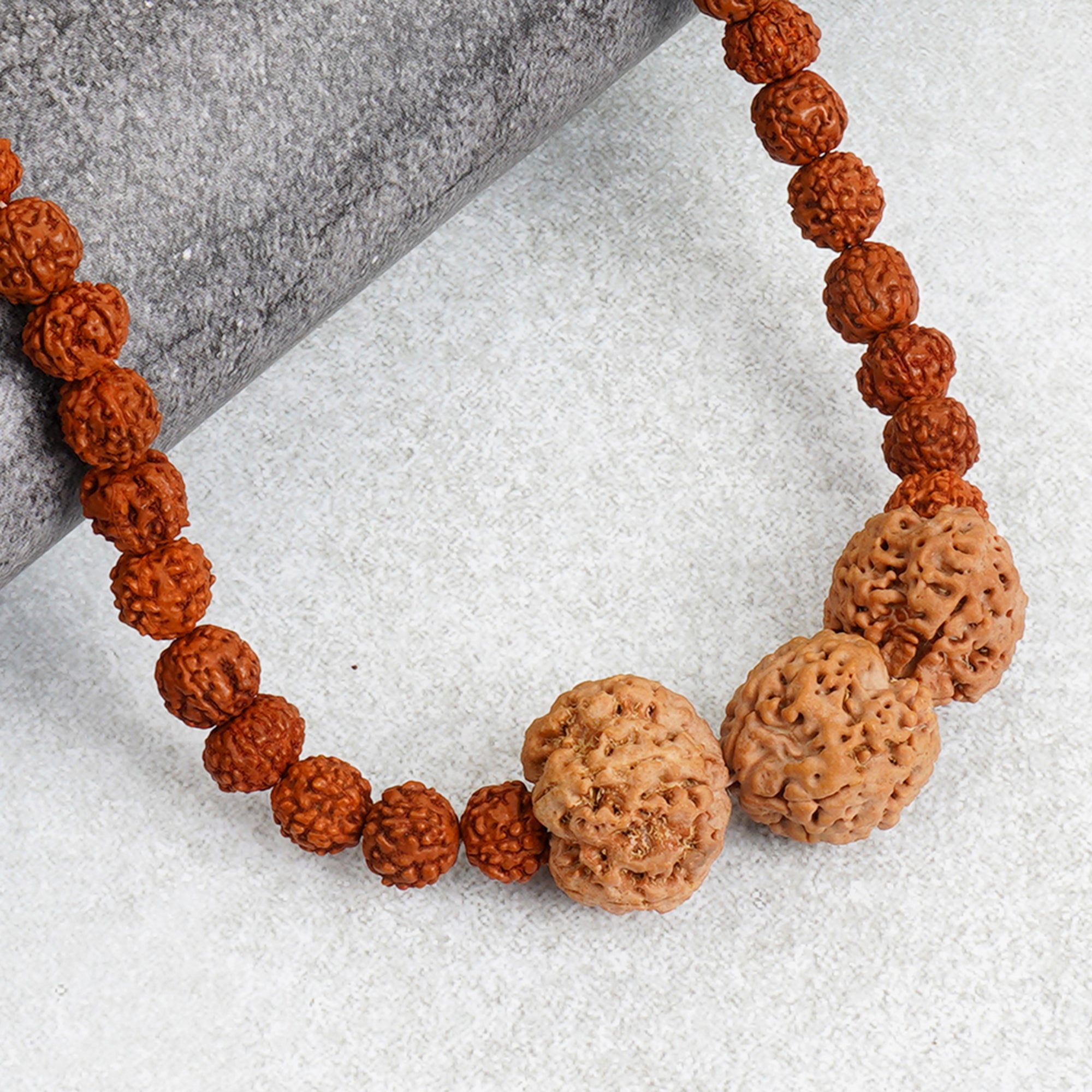
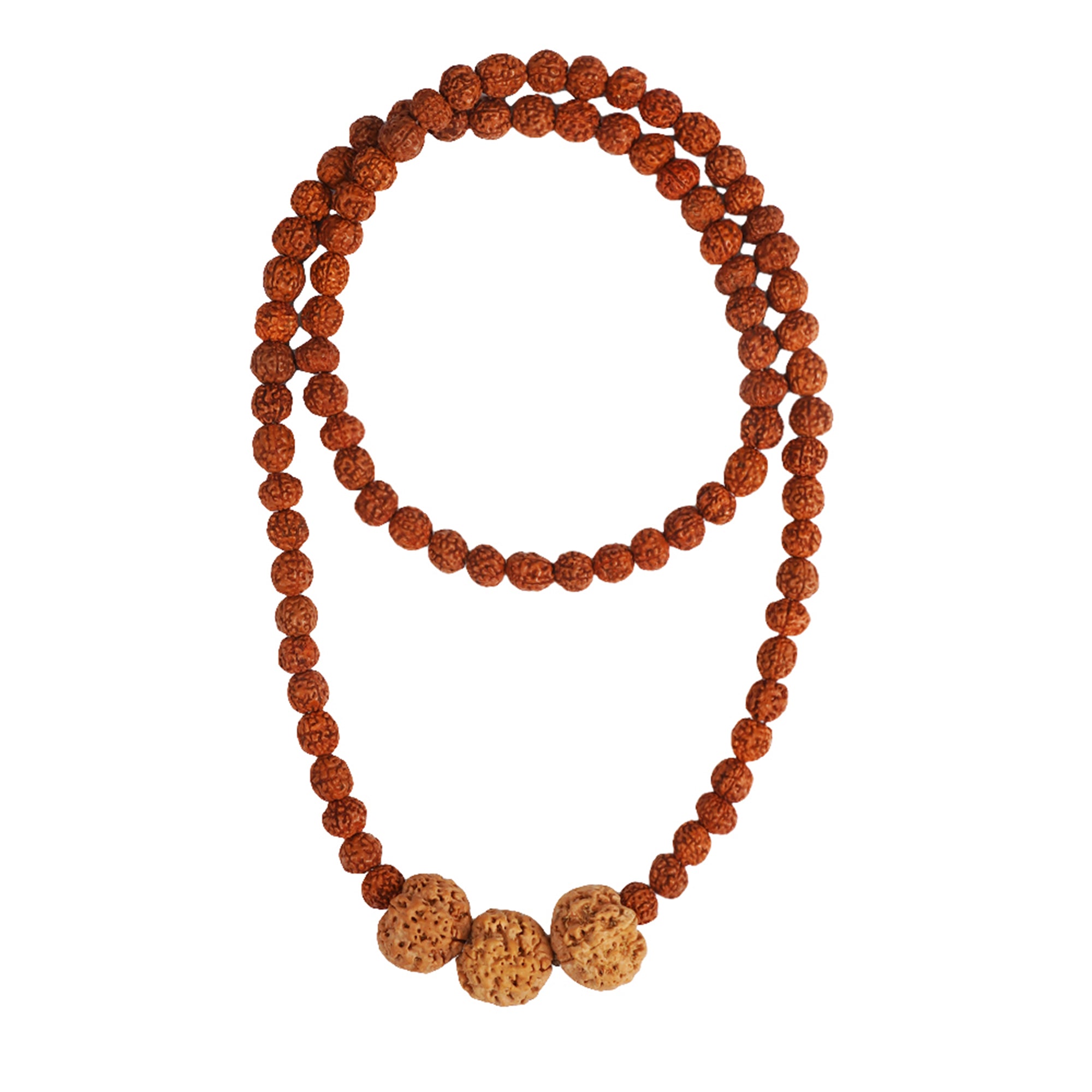
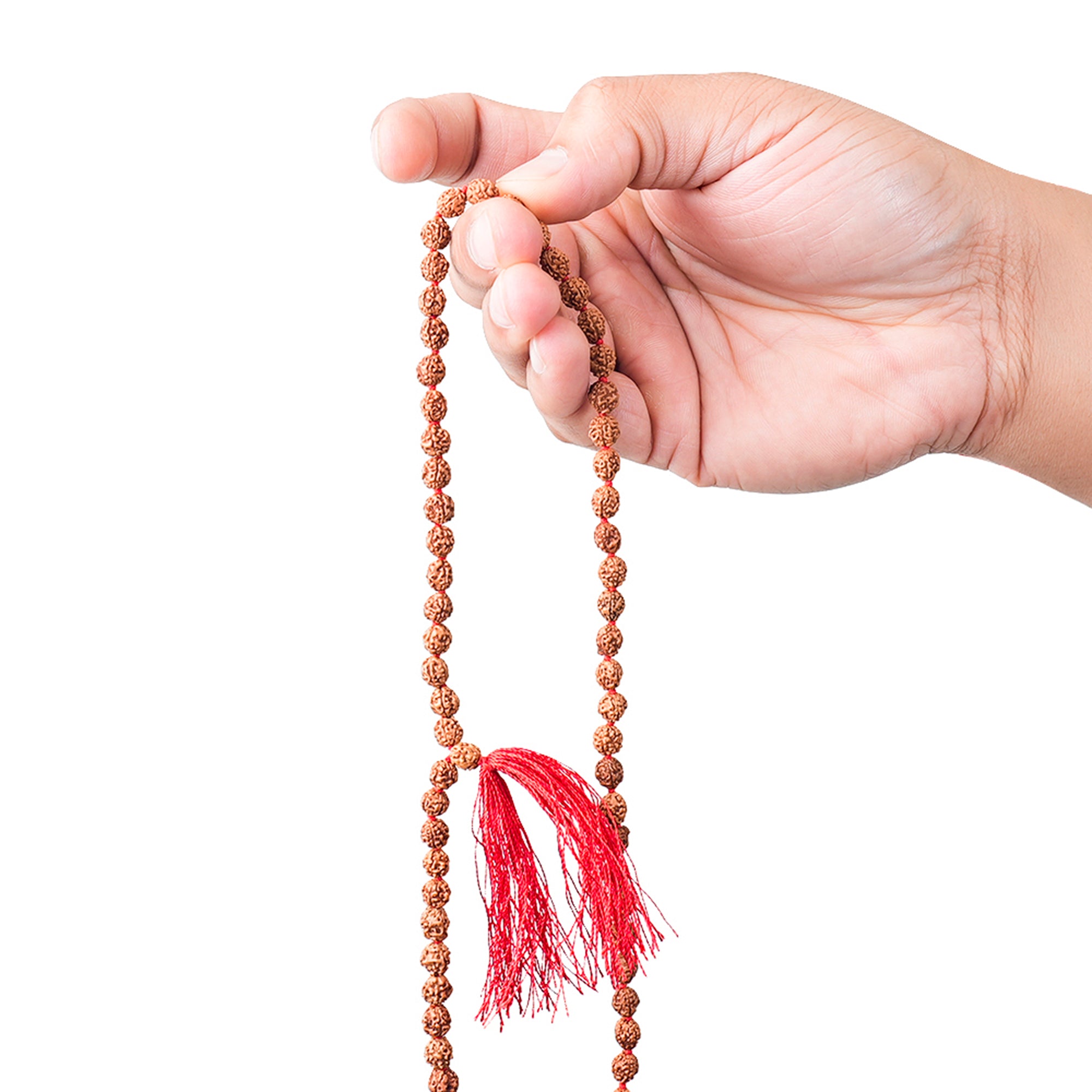
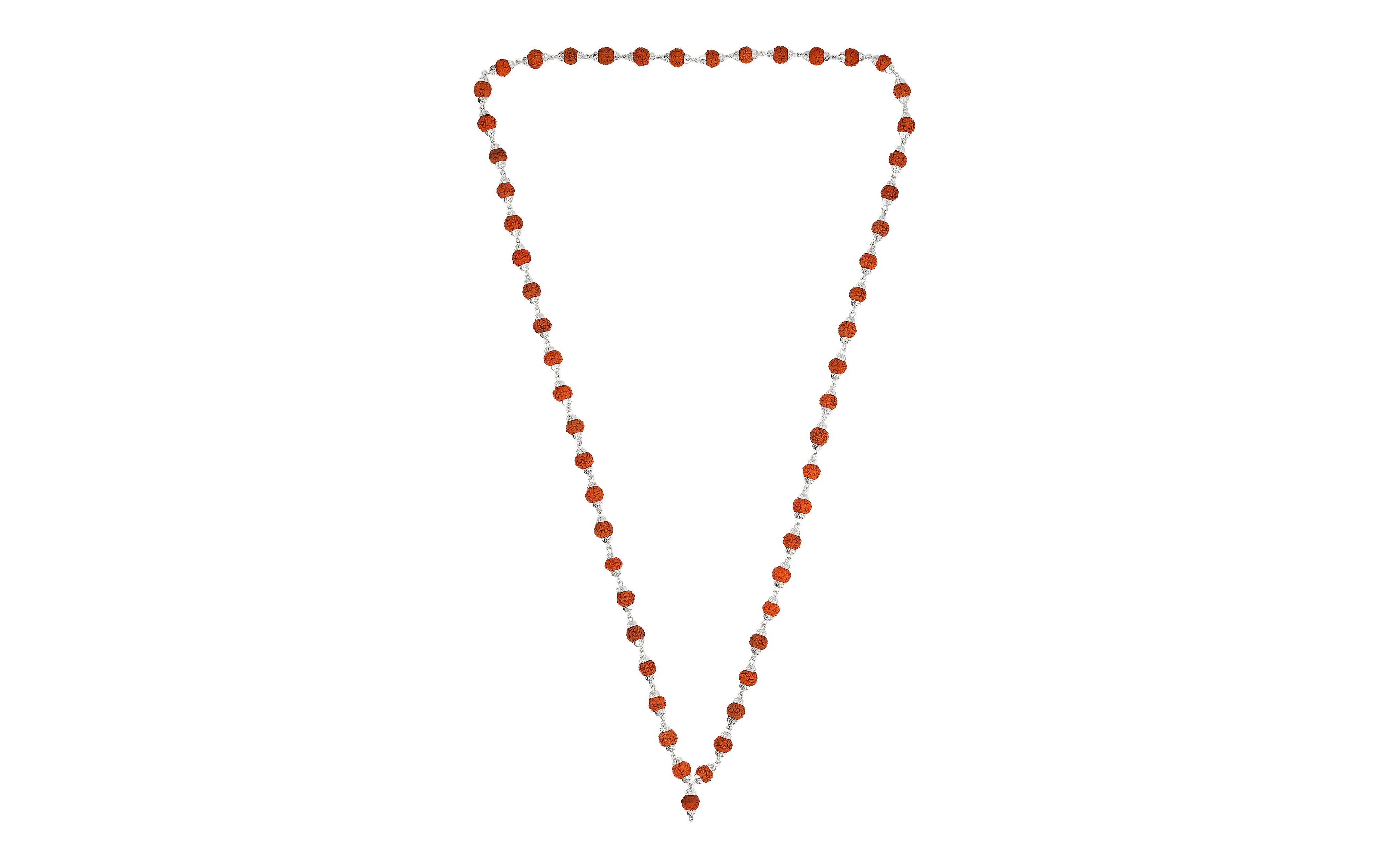
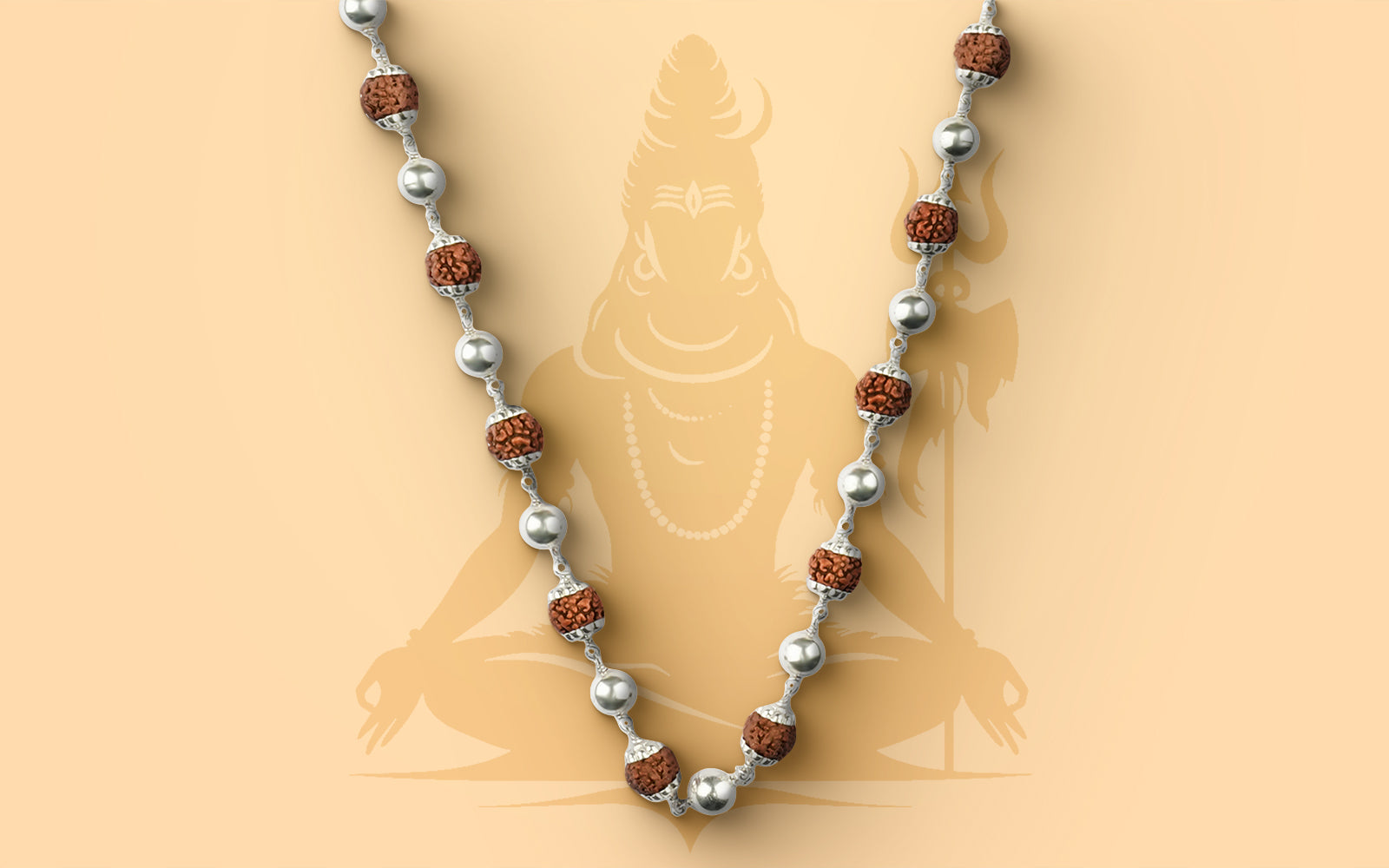
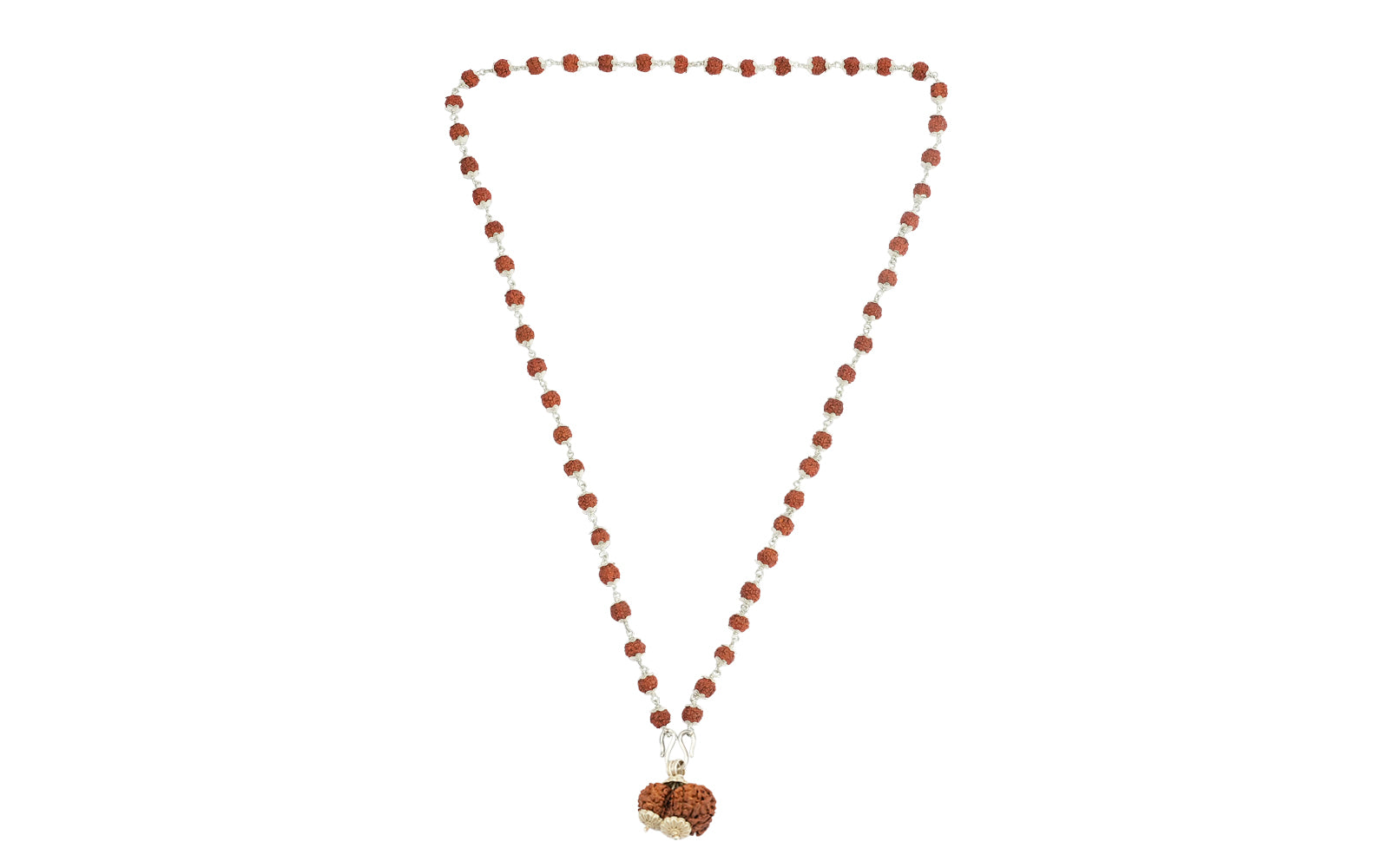
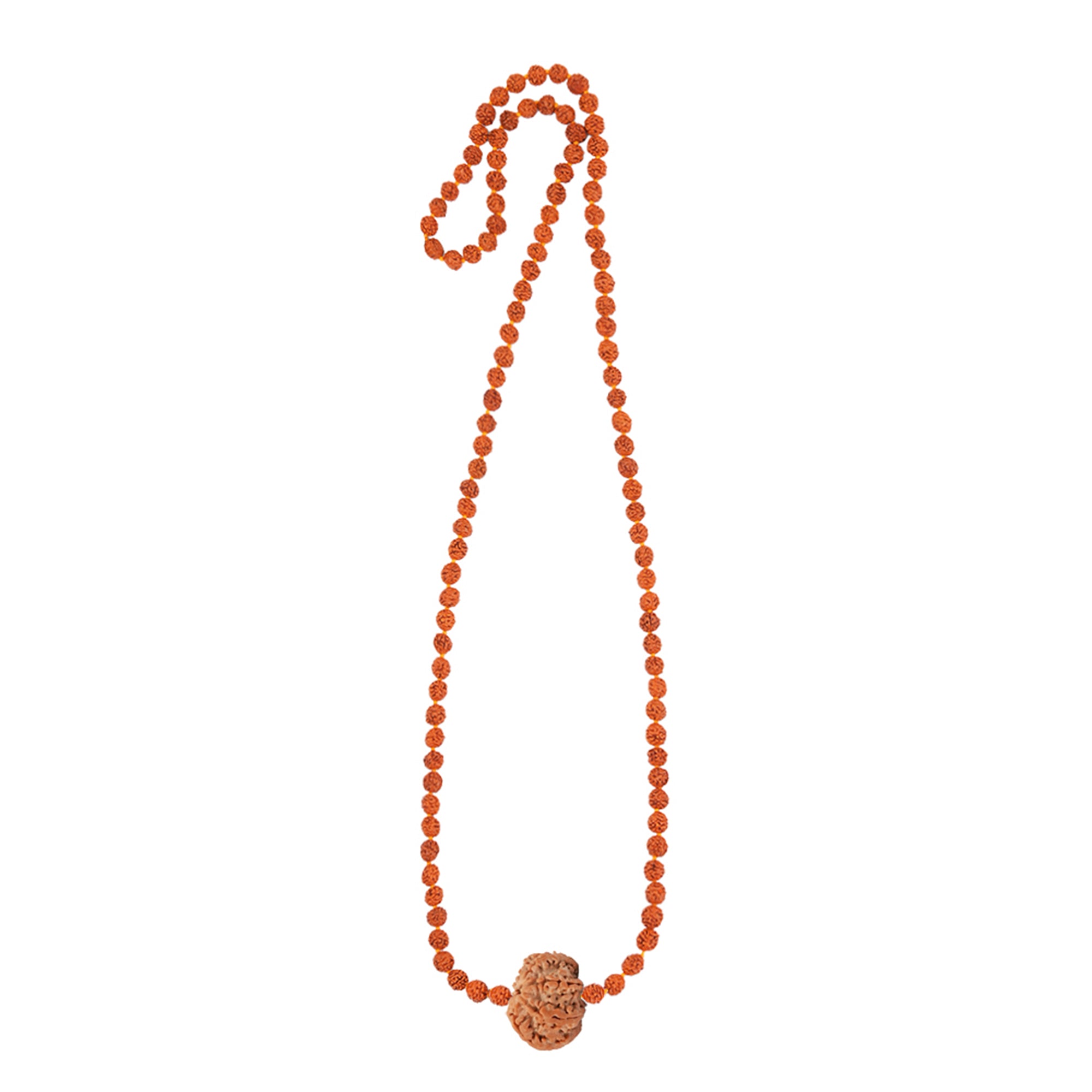
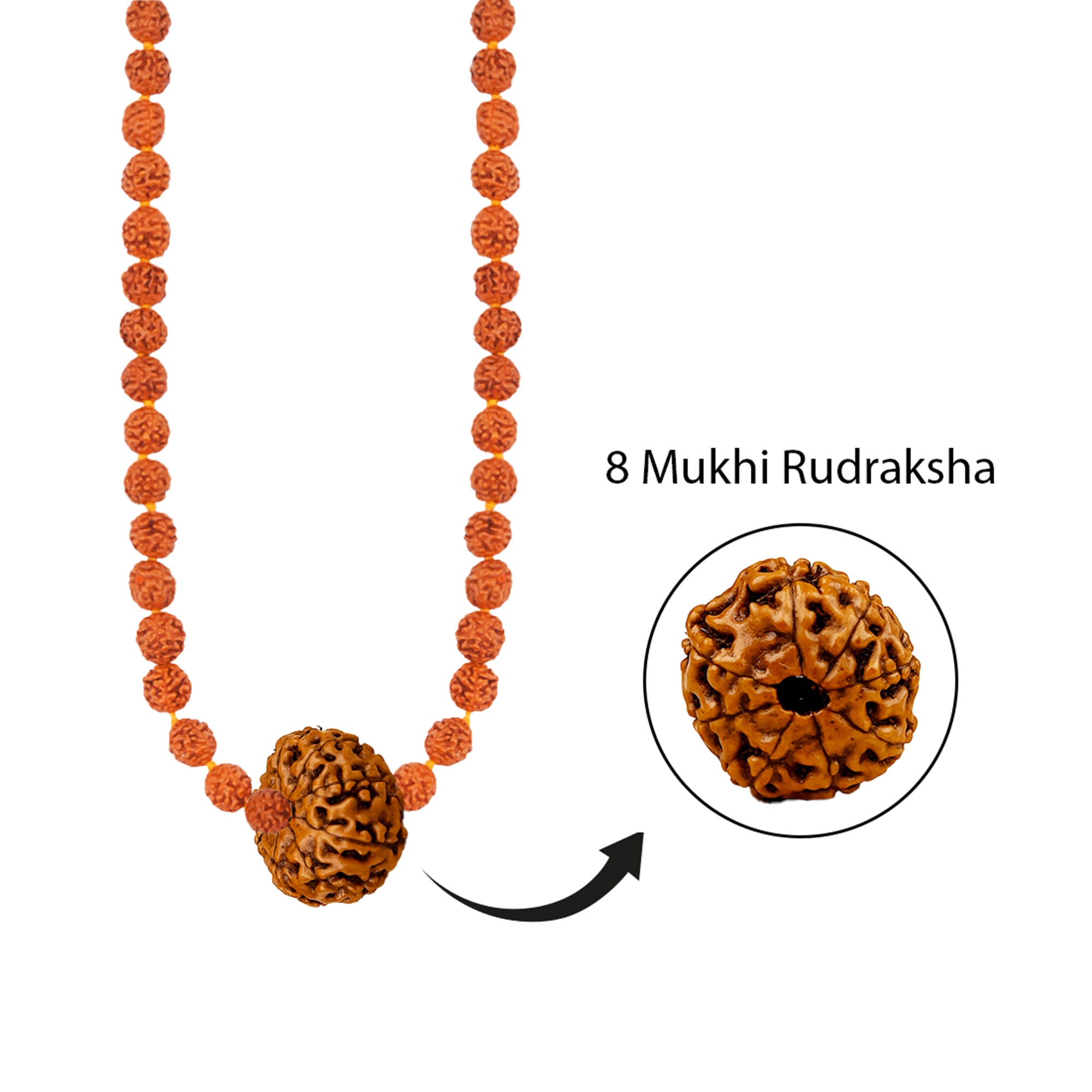
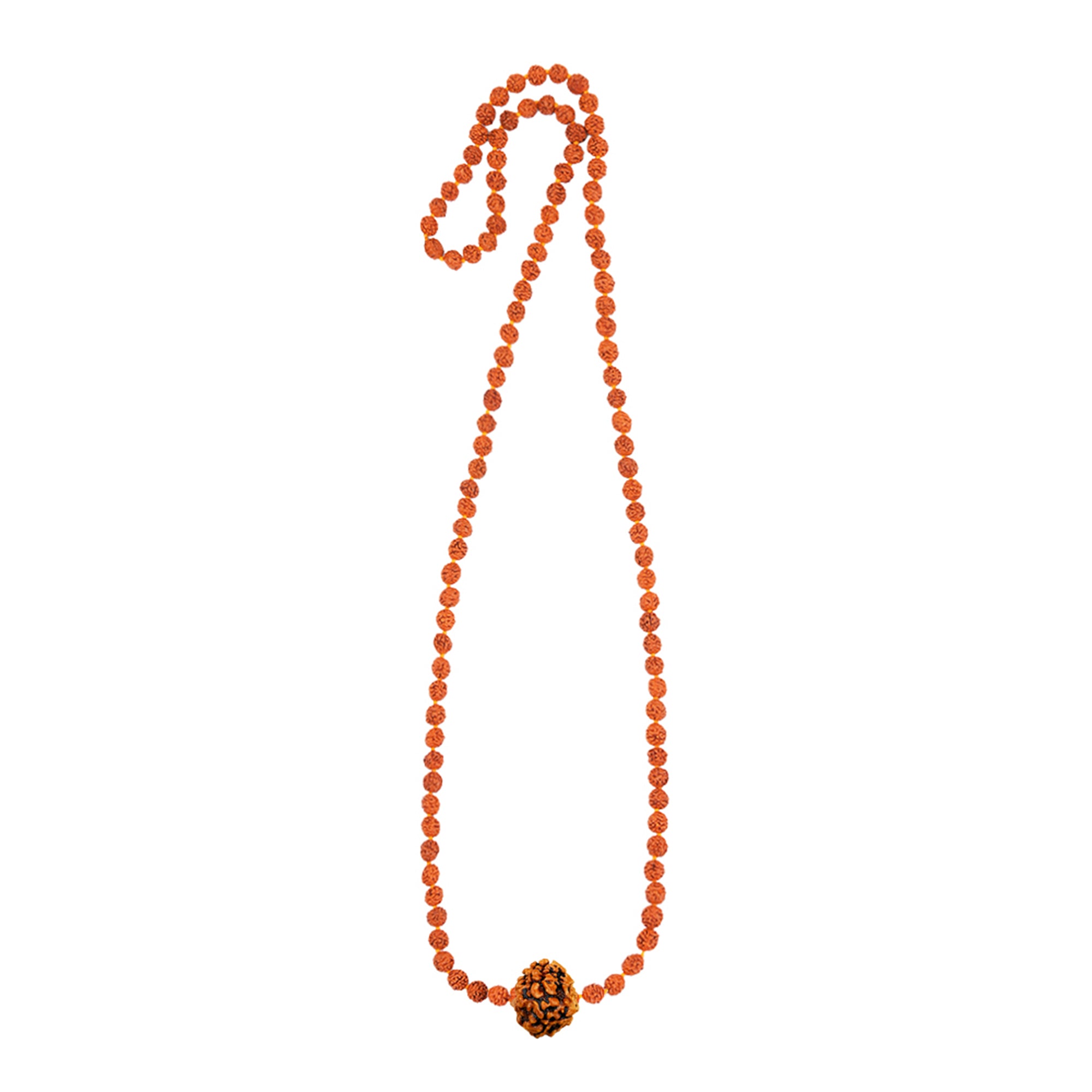
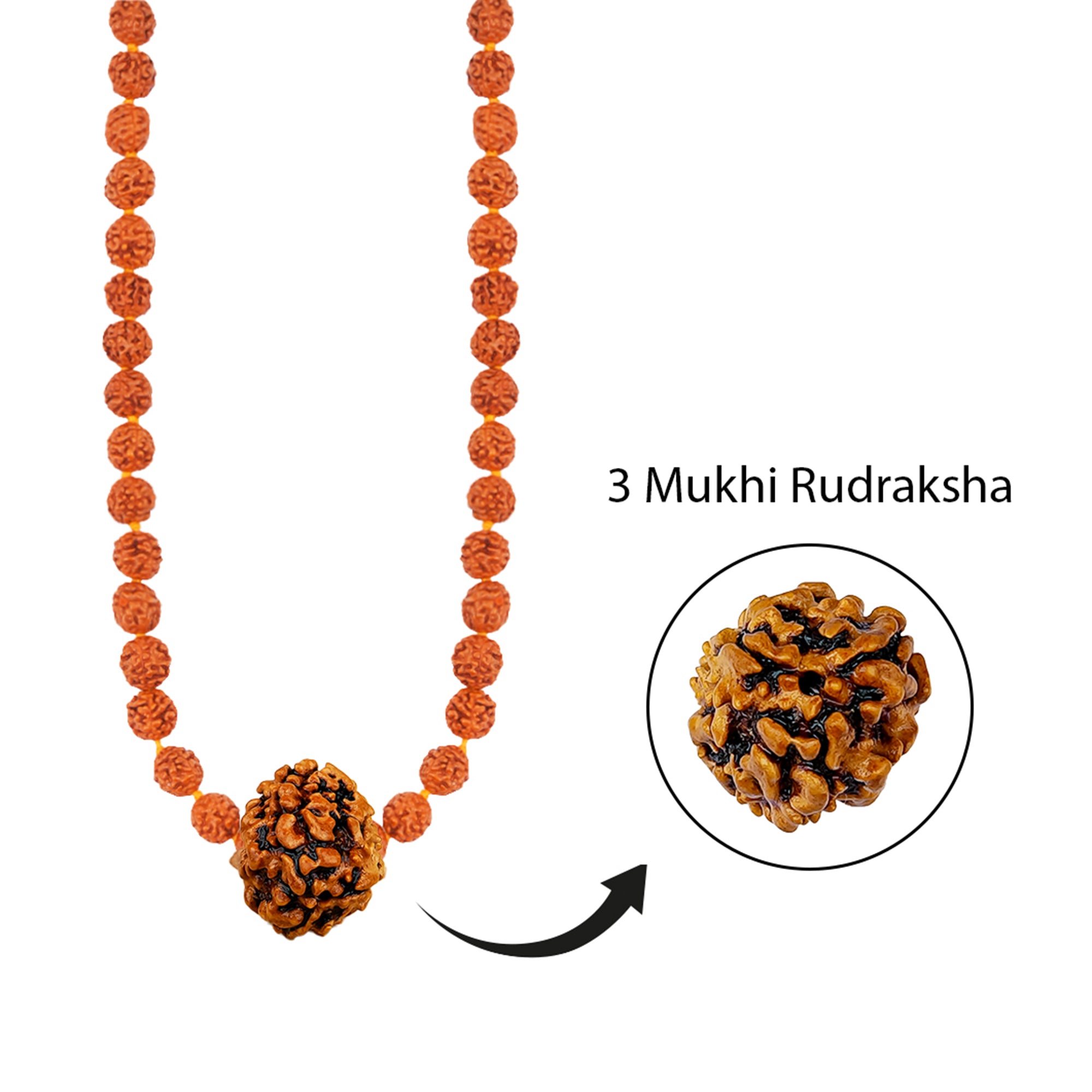
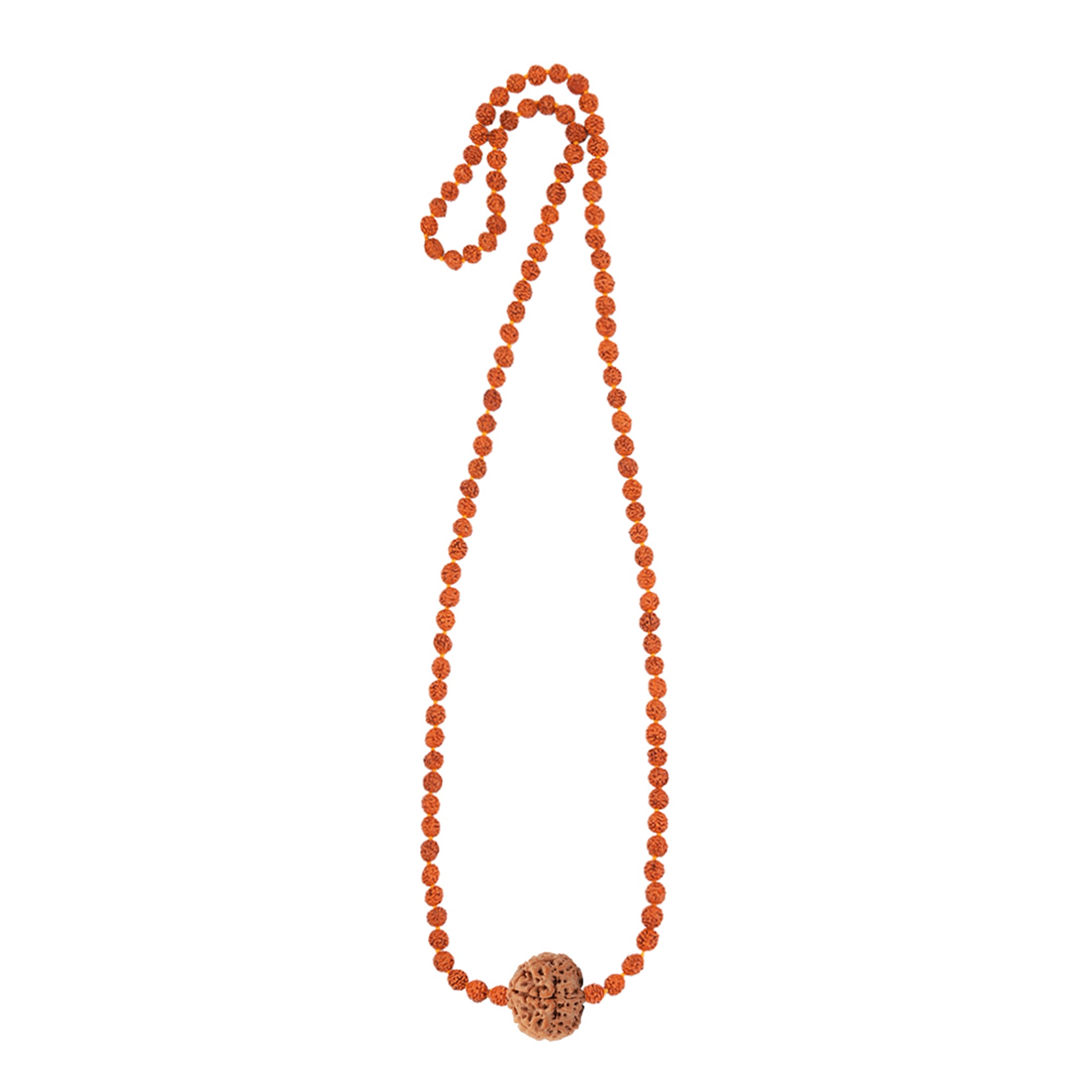
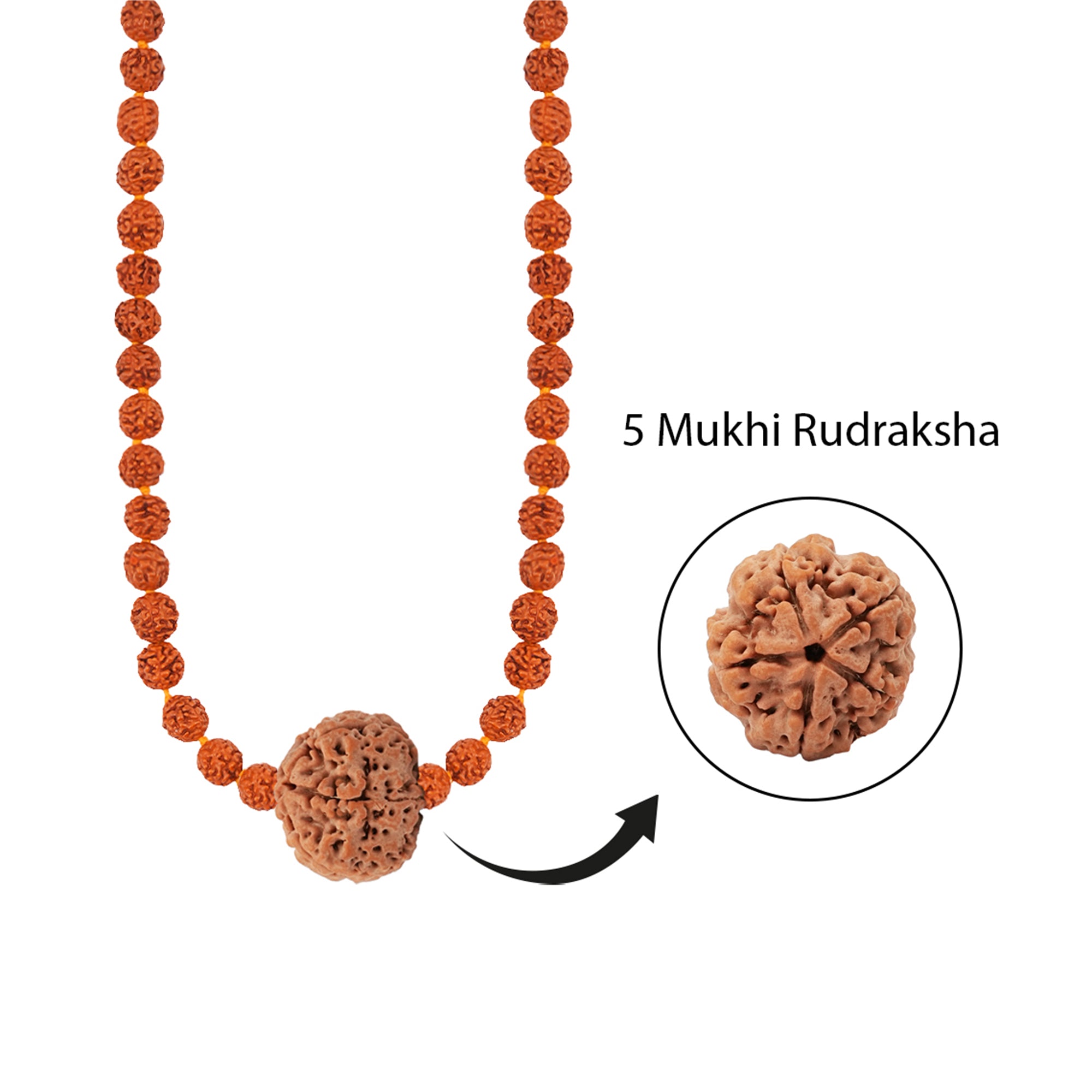
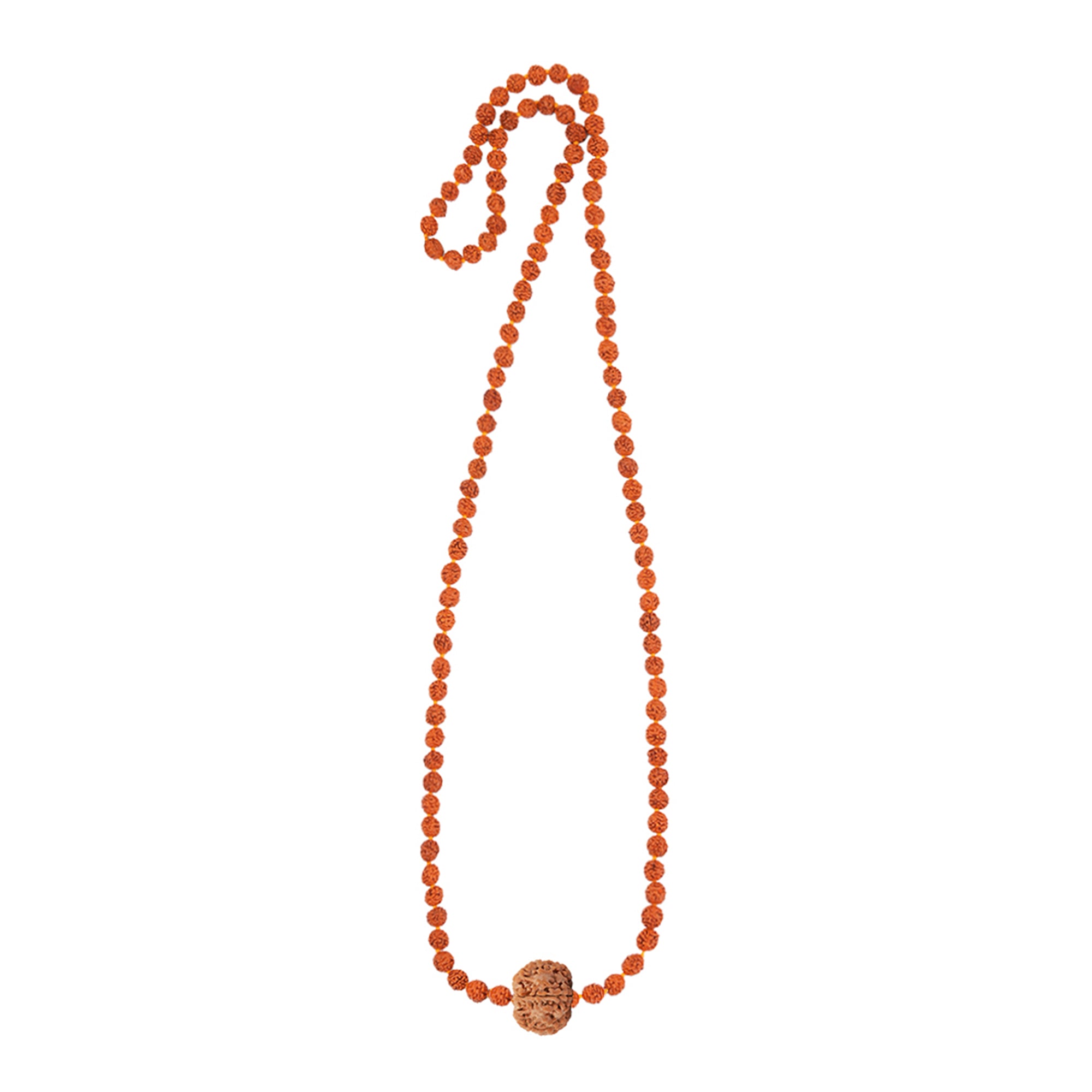
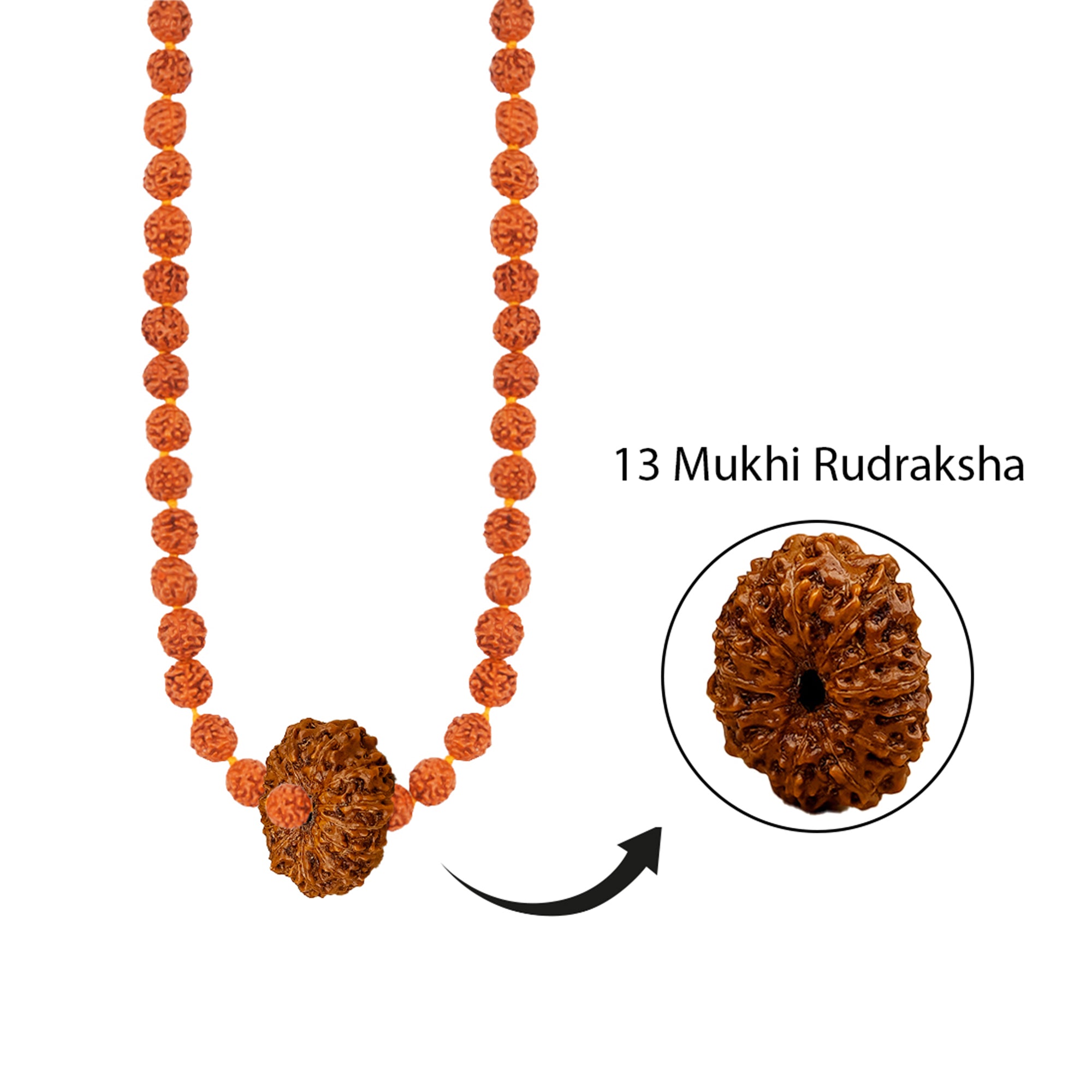
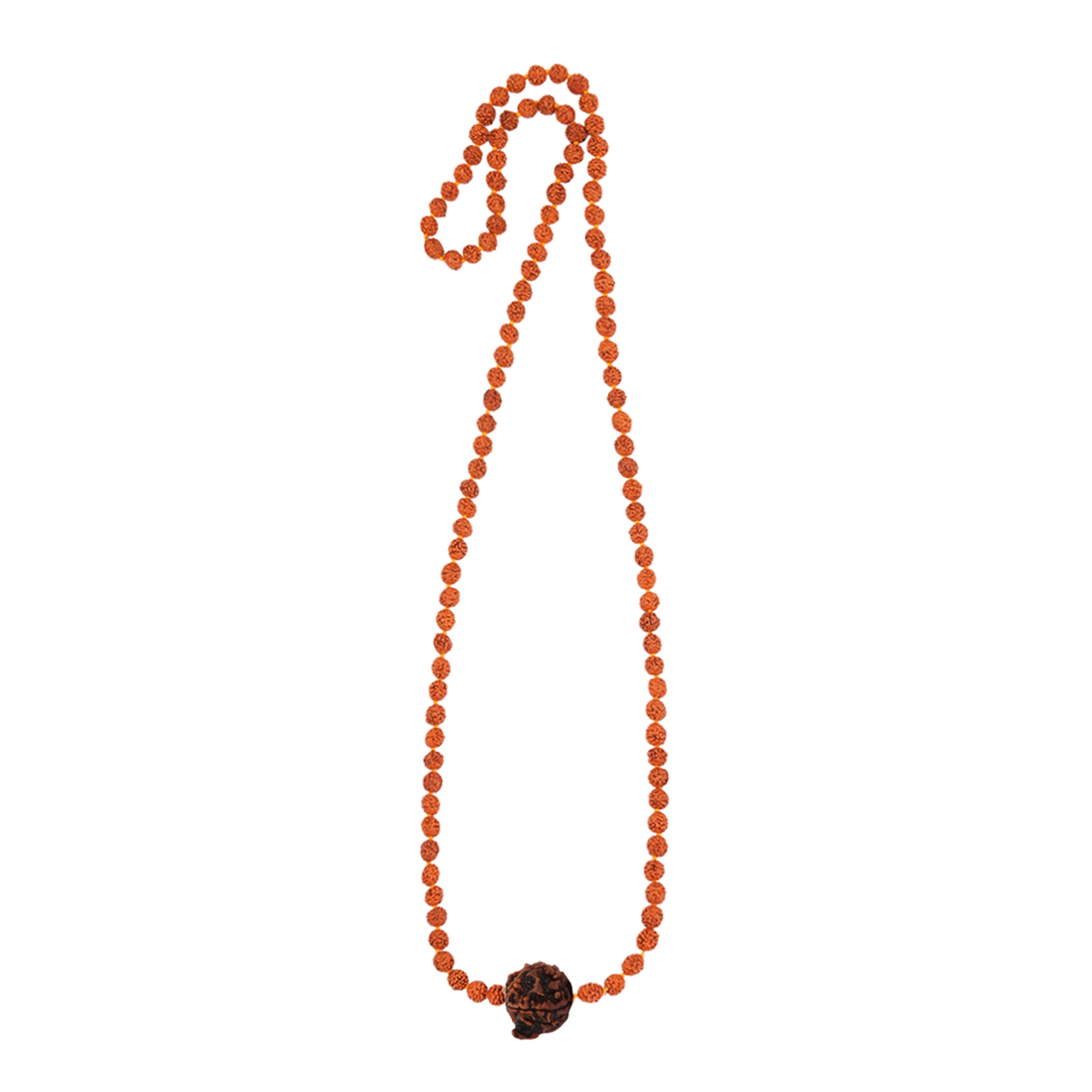
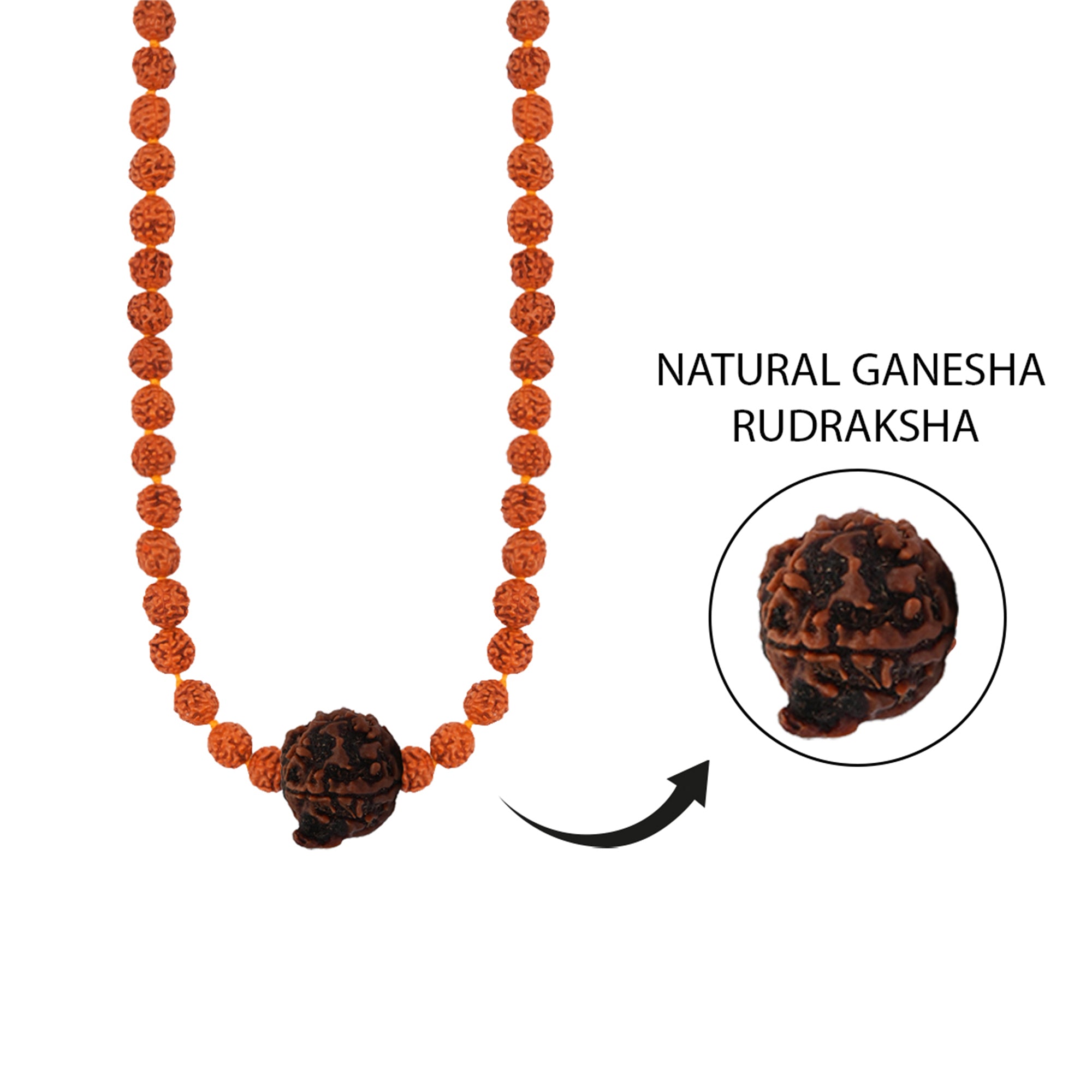
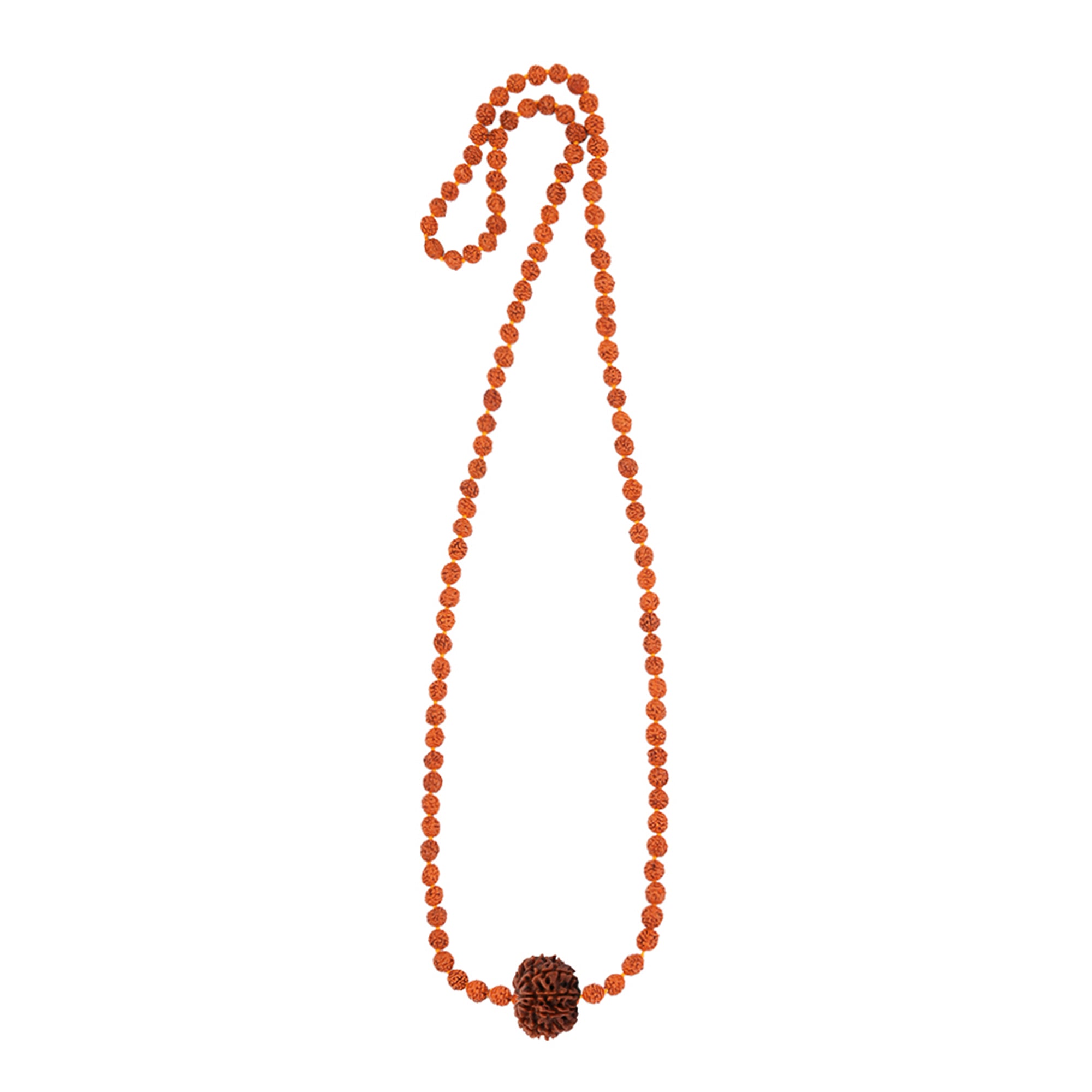
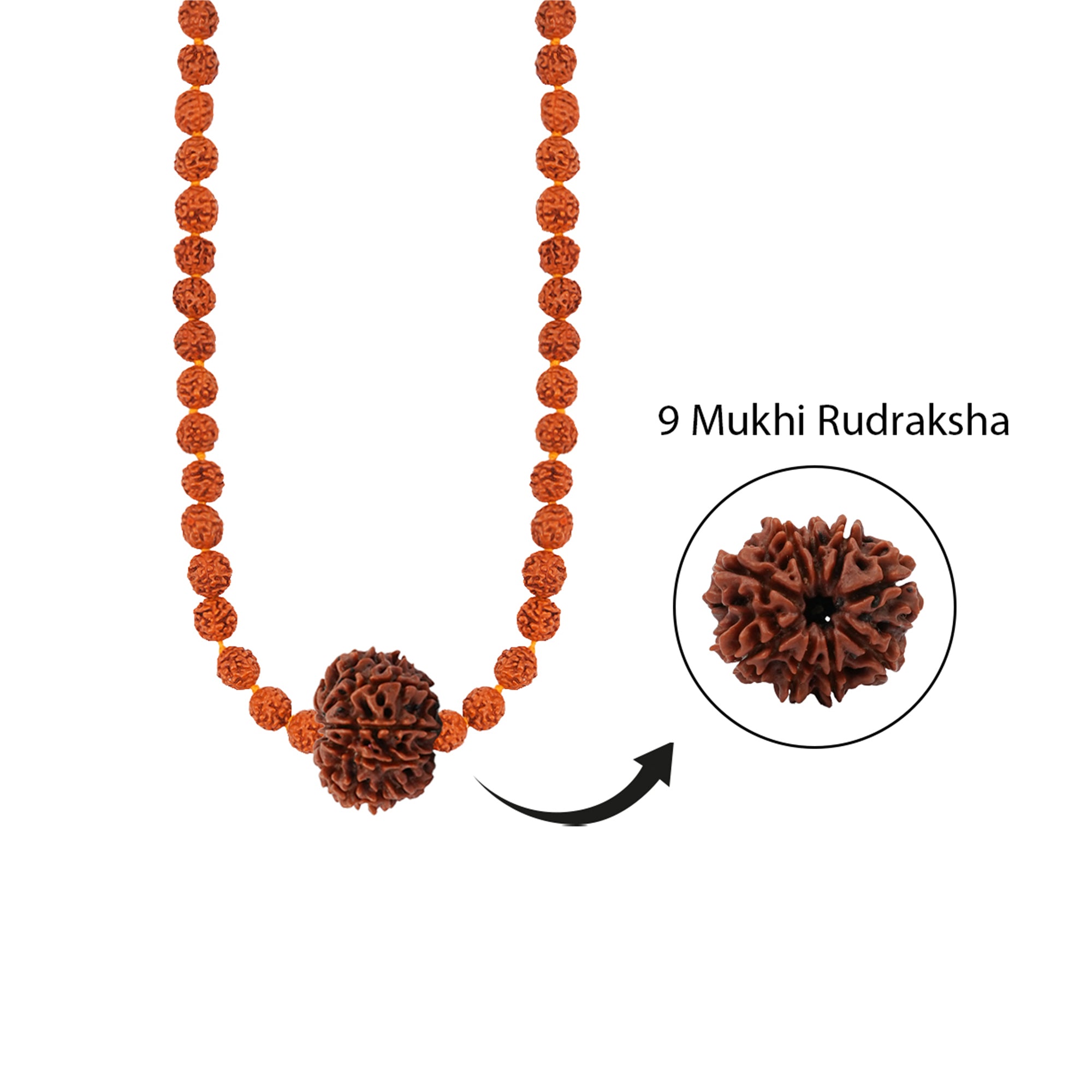
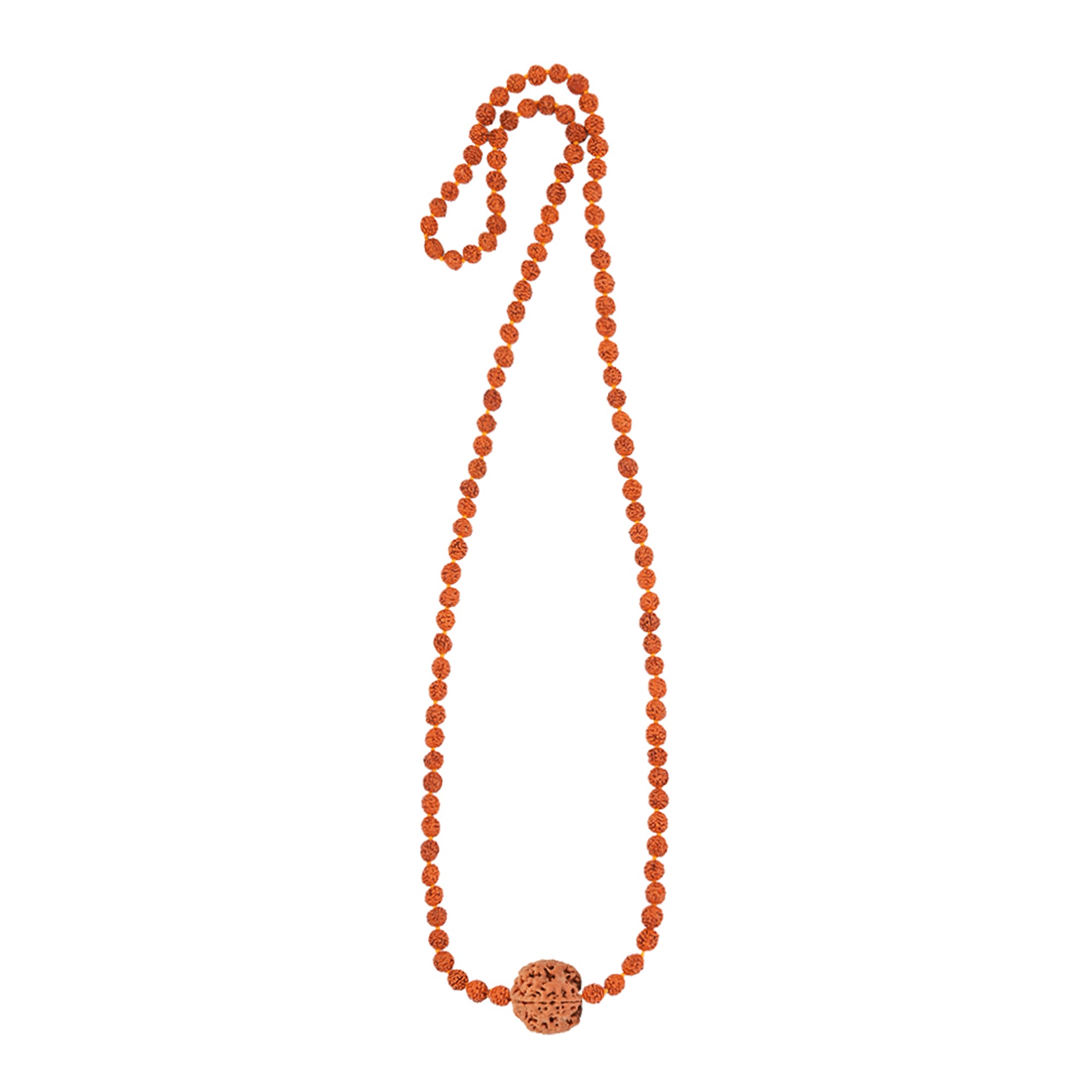
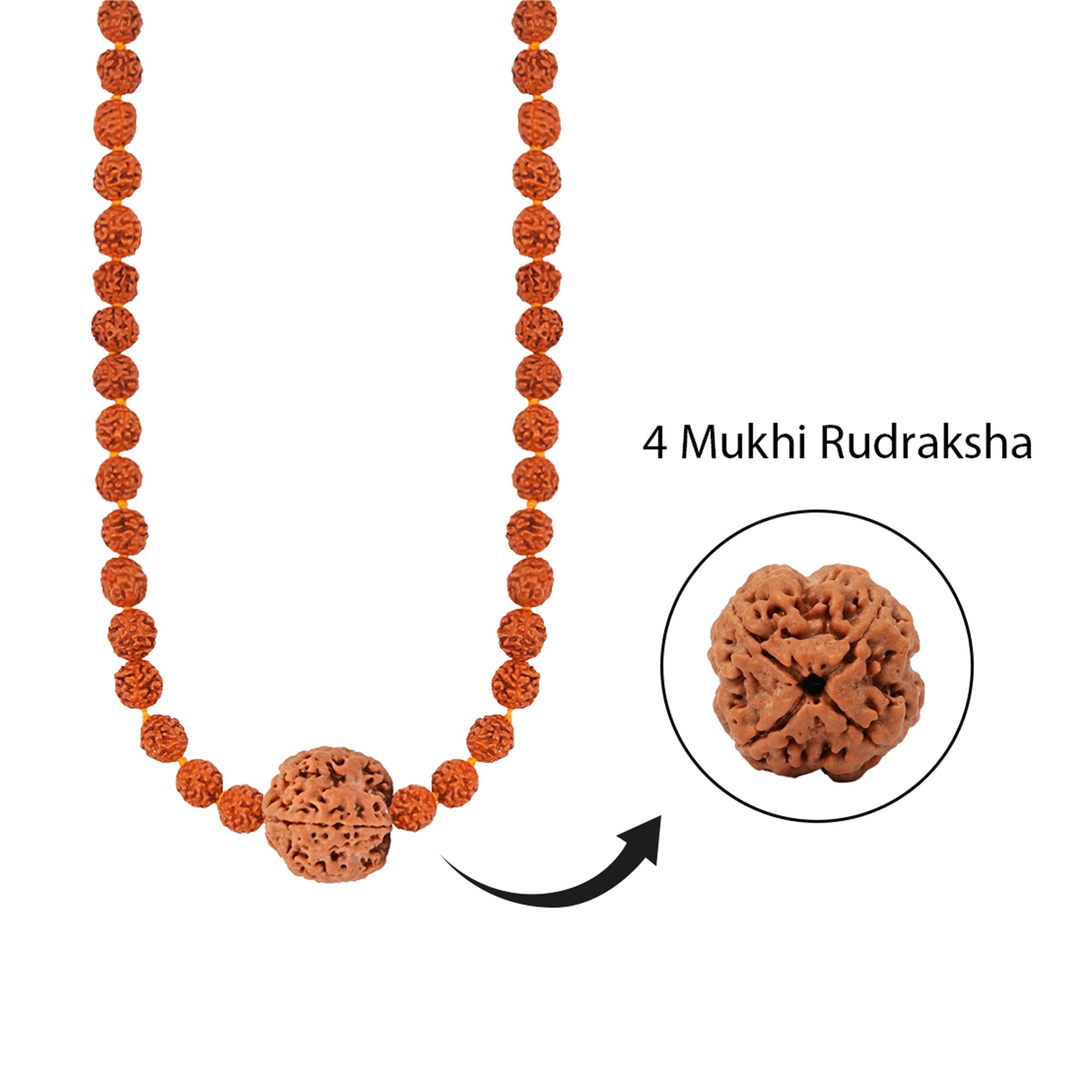
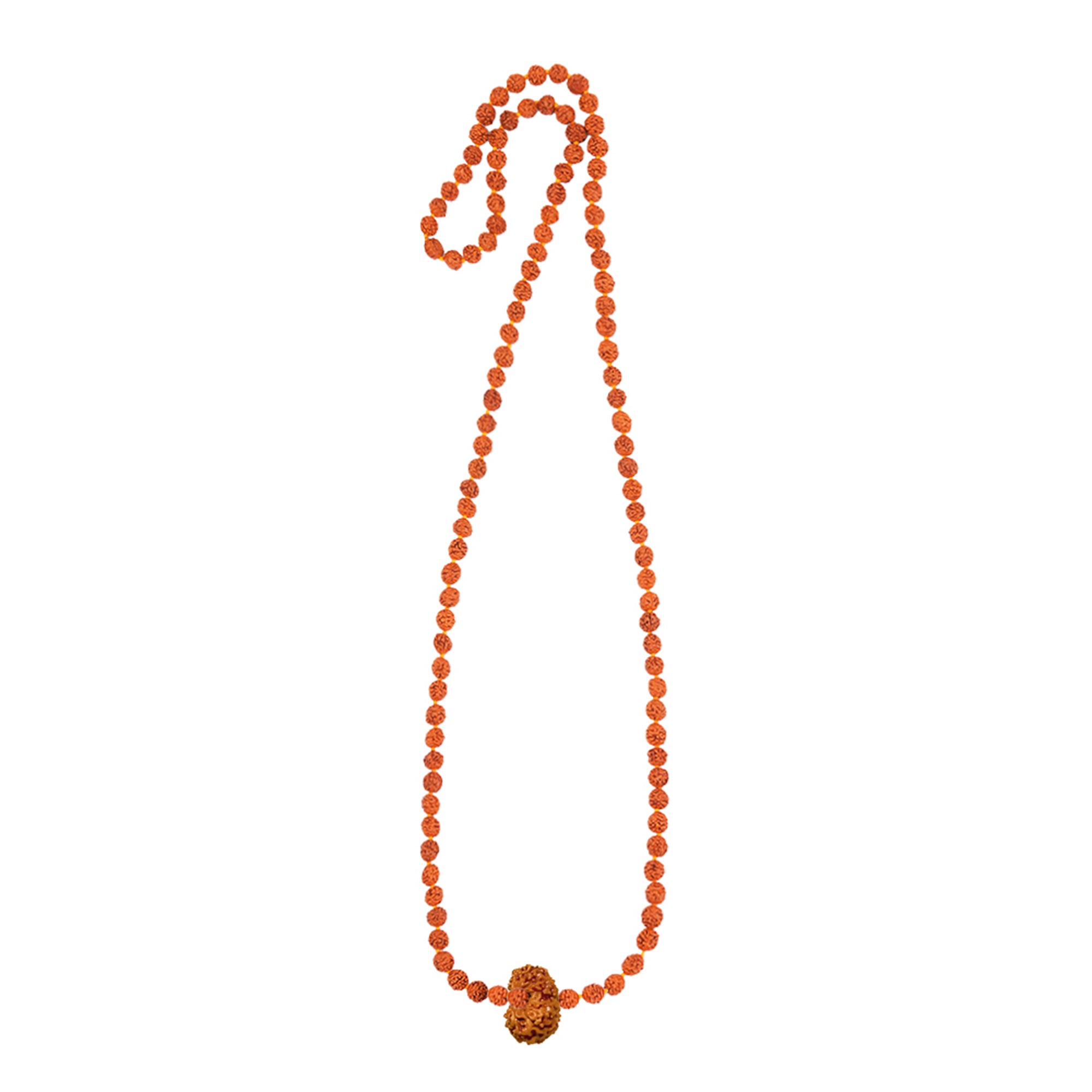
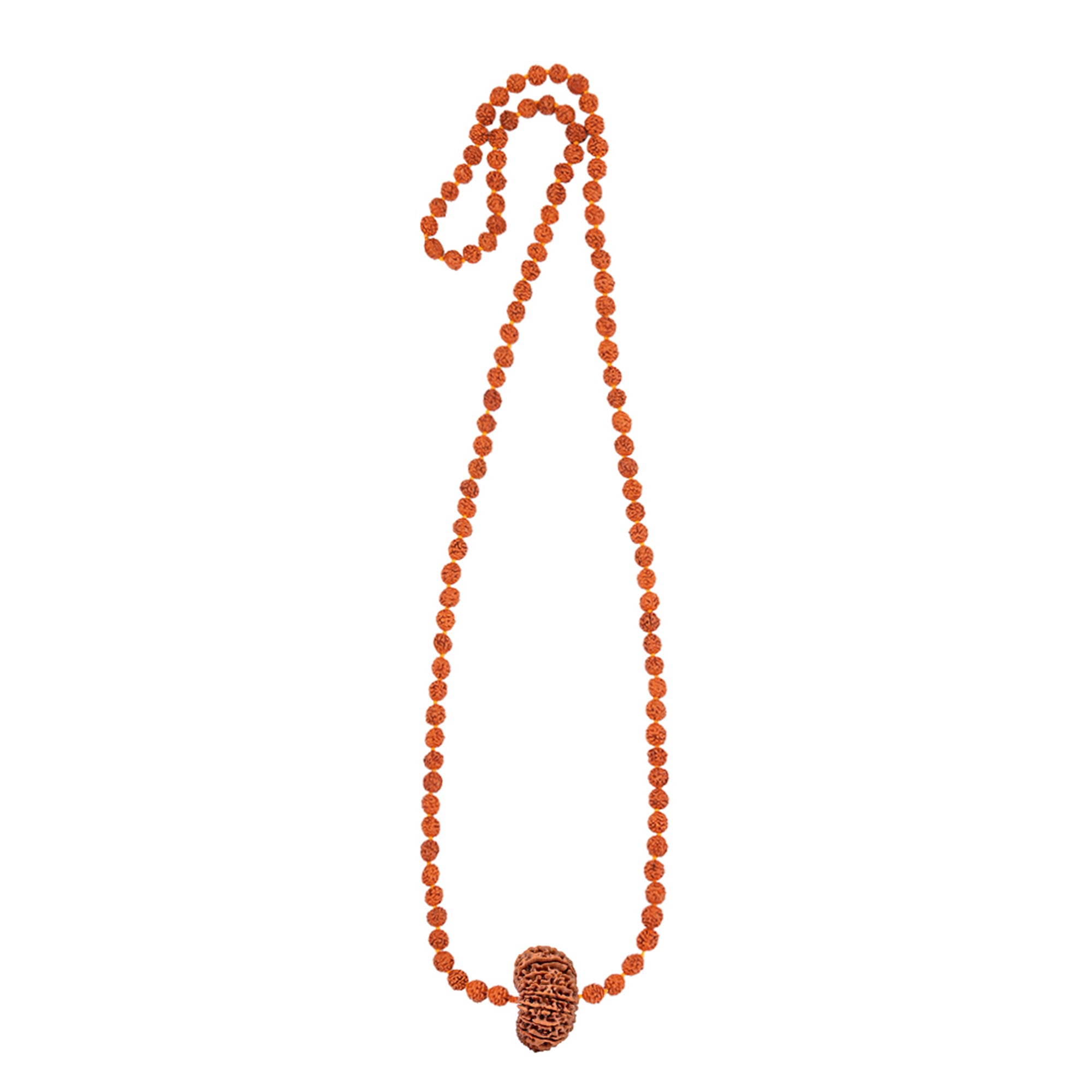
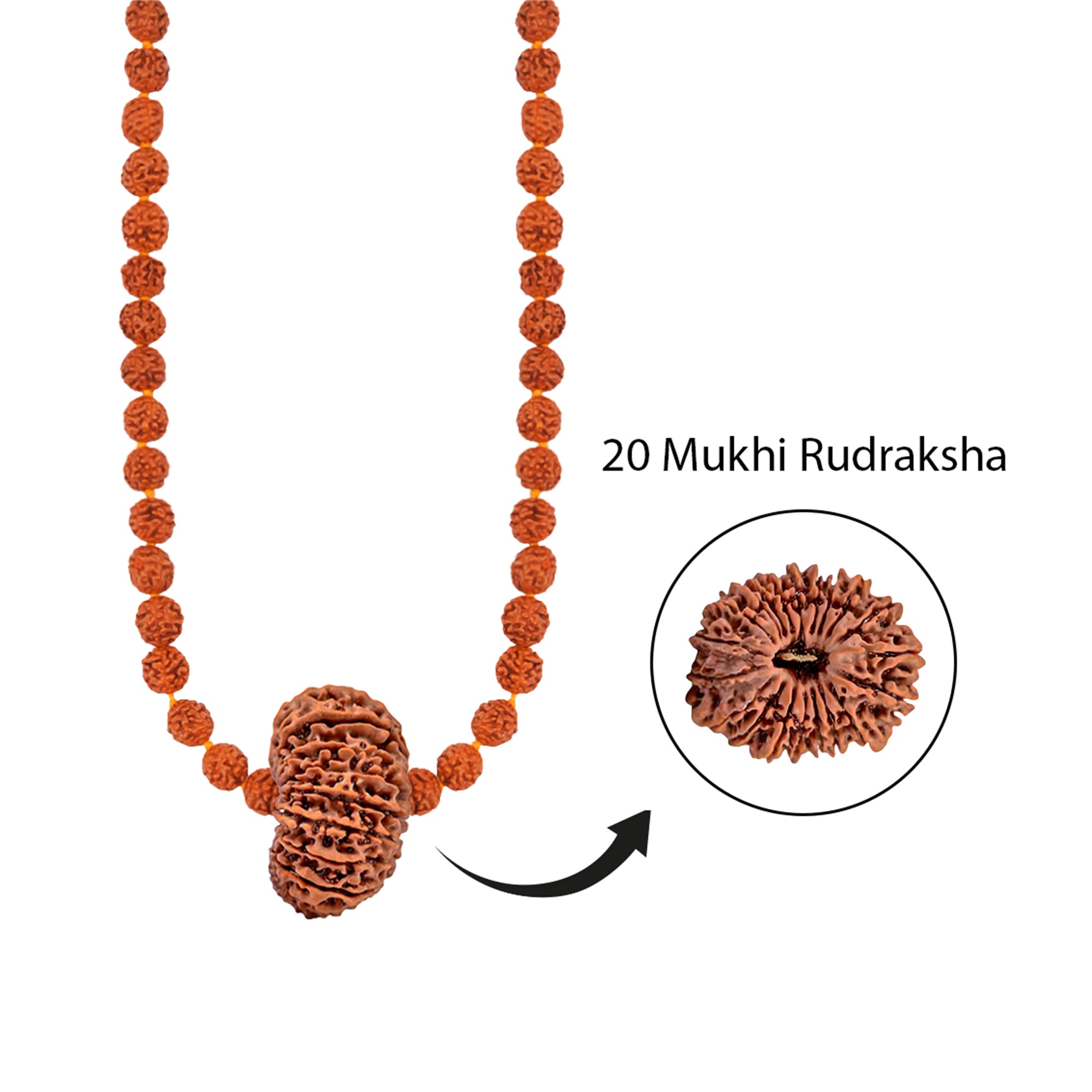
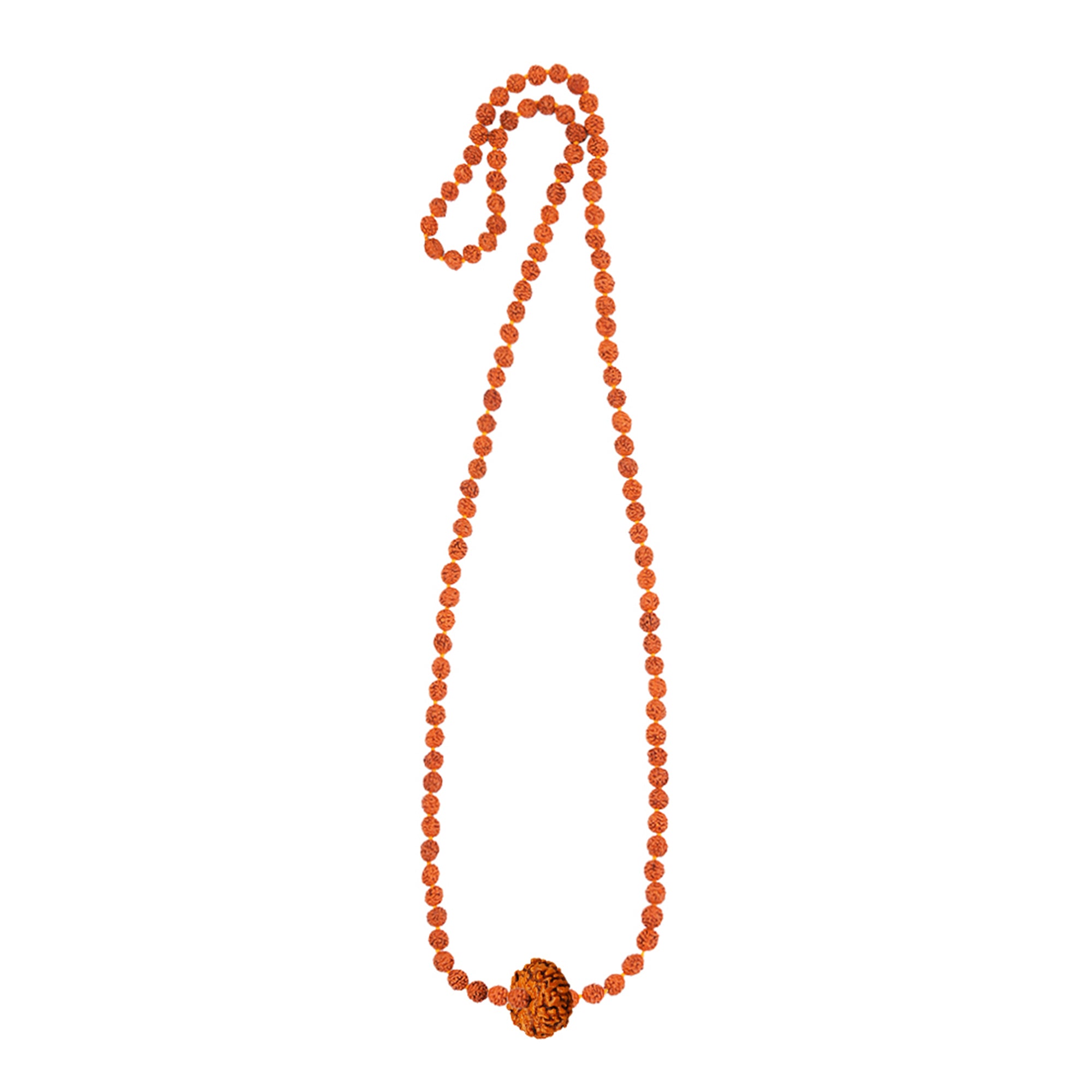
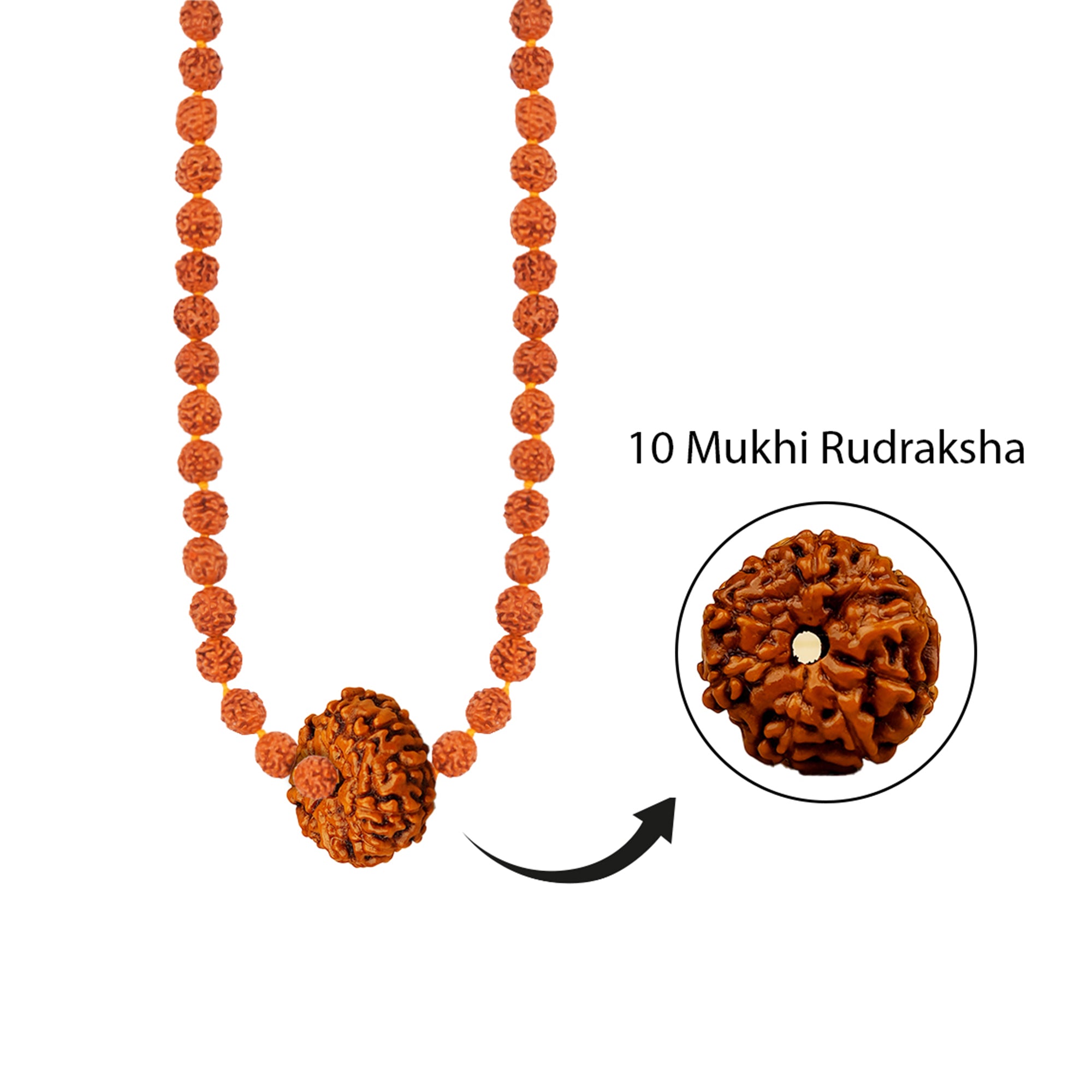
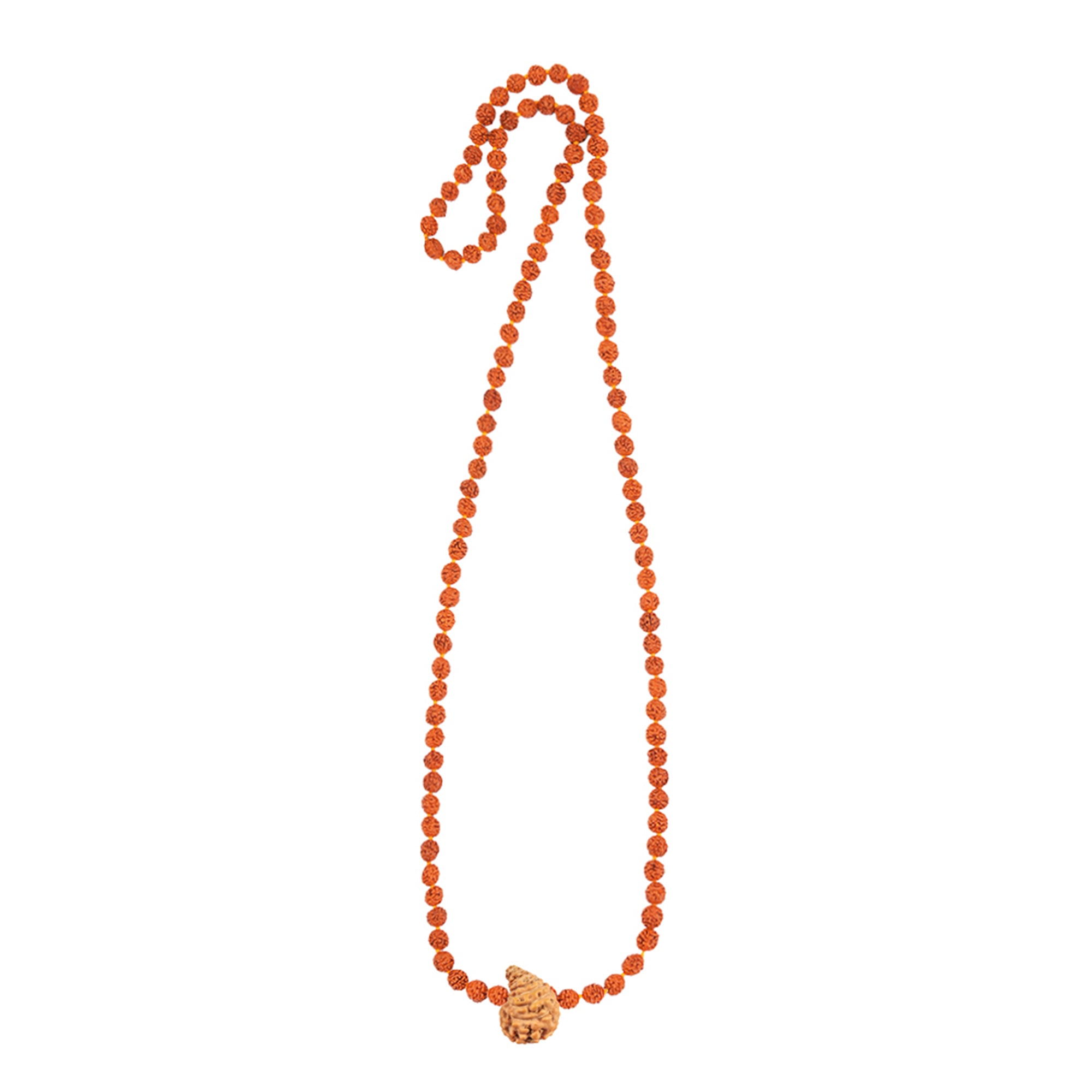
The extra, usually larger bead is the sumeru (also called the meru or guru bead). It marks the start and end of a round, often has a tassel, and is not counted. So a complete japa mala has 108 + 1 = 109 beads. Our 5 Mukhi Rudraksha Mala is strung this way, with 108 original Nepali 5 Mukhi beads and 1 sumeru, hand-strung in the traditional way.
You will also see shorter malas of 54 or 27 beads (half and quarter of 108). These are usually worn rather than used for long japa. If you want the basics of malas in general, read what is a mala and types of mala.
Types of rudraksha mala
“Rudraksha mala” covers several different products. The table shows the common types and what tradition uses each for.
| Type | What it is | Traditionally used for |
|---|---|---|
| 5 Mukhi japa mala | 108 + 1 beads of 5 Mukhi (Panchmukhi) rudraksha | Daily japa, especially Shiva mantras; considered safe for everyone |
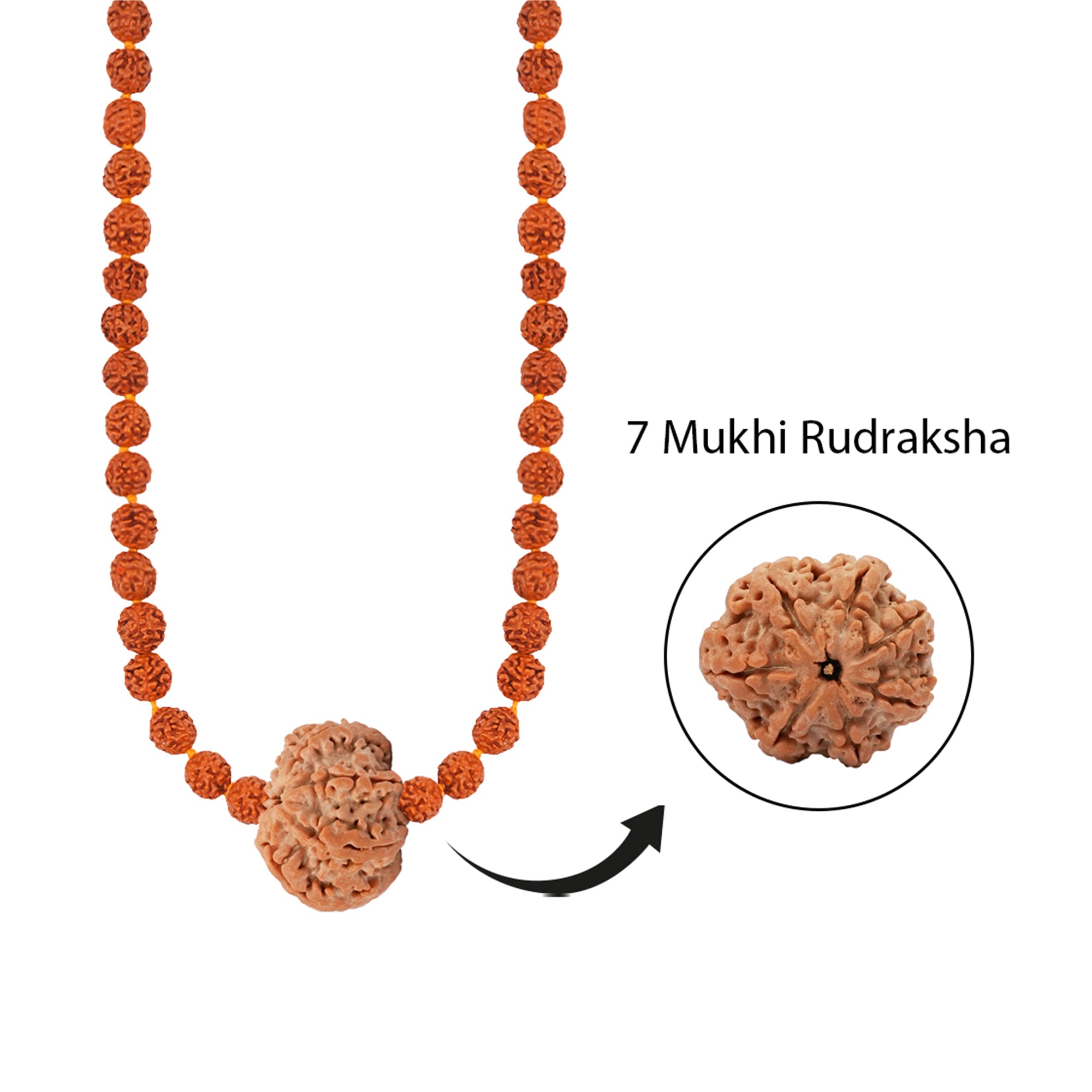
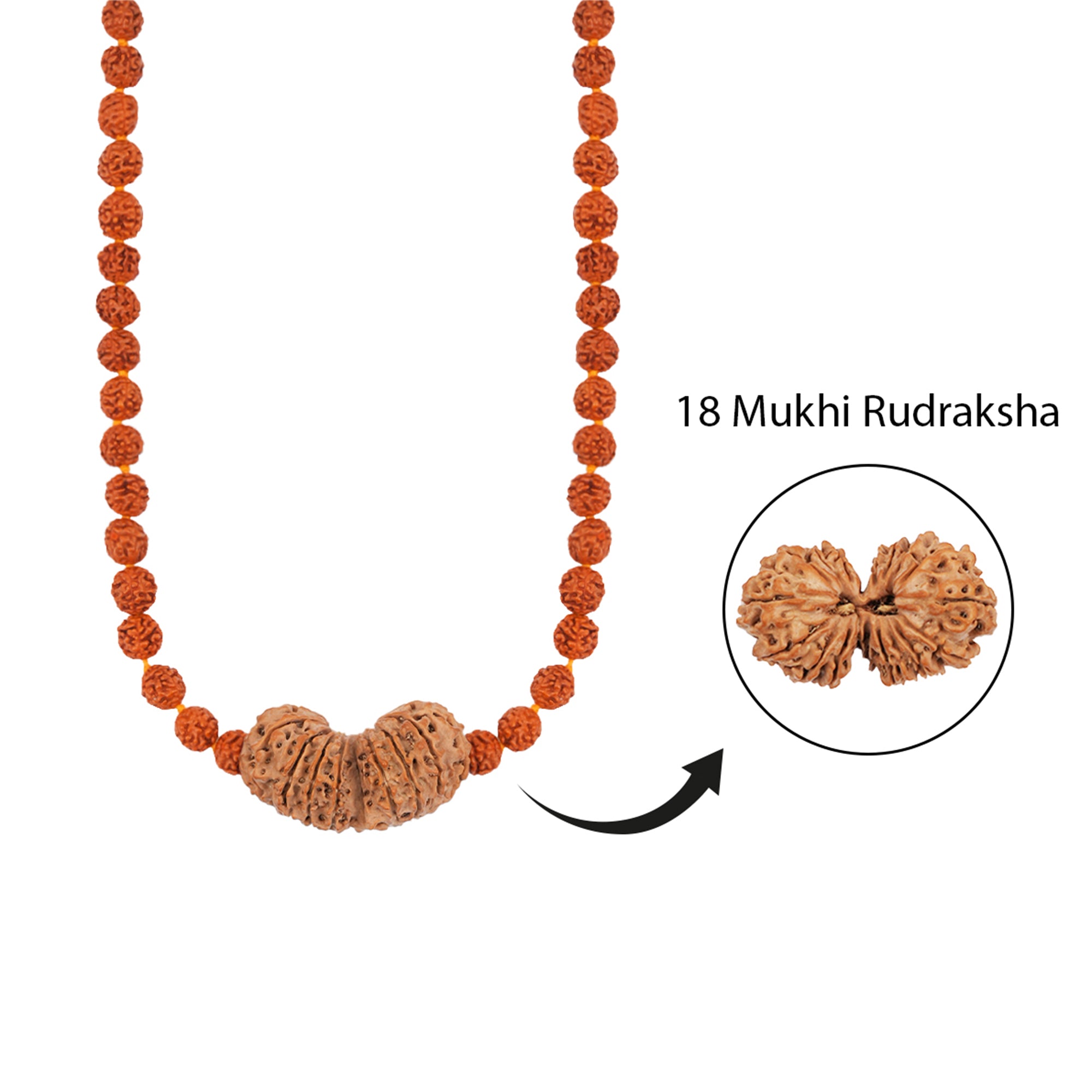
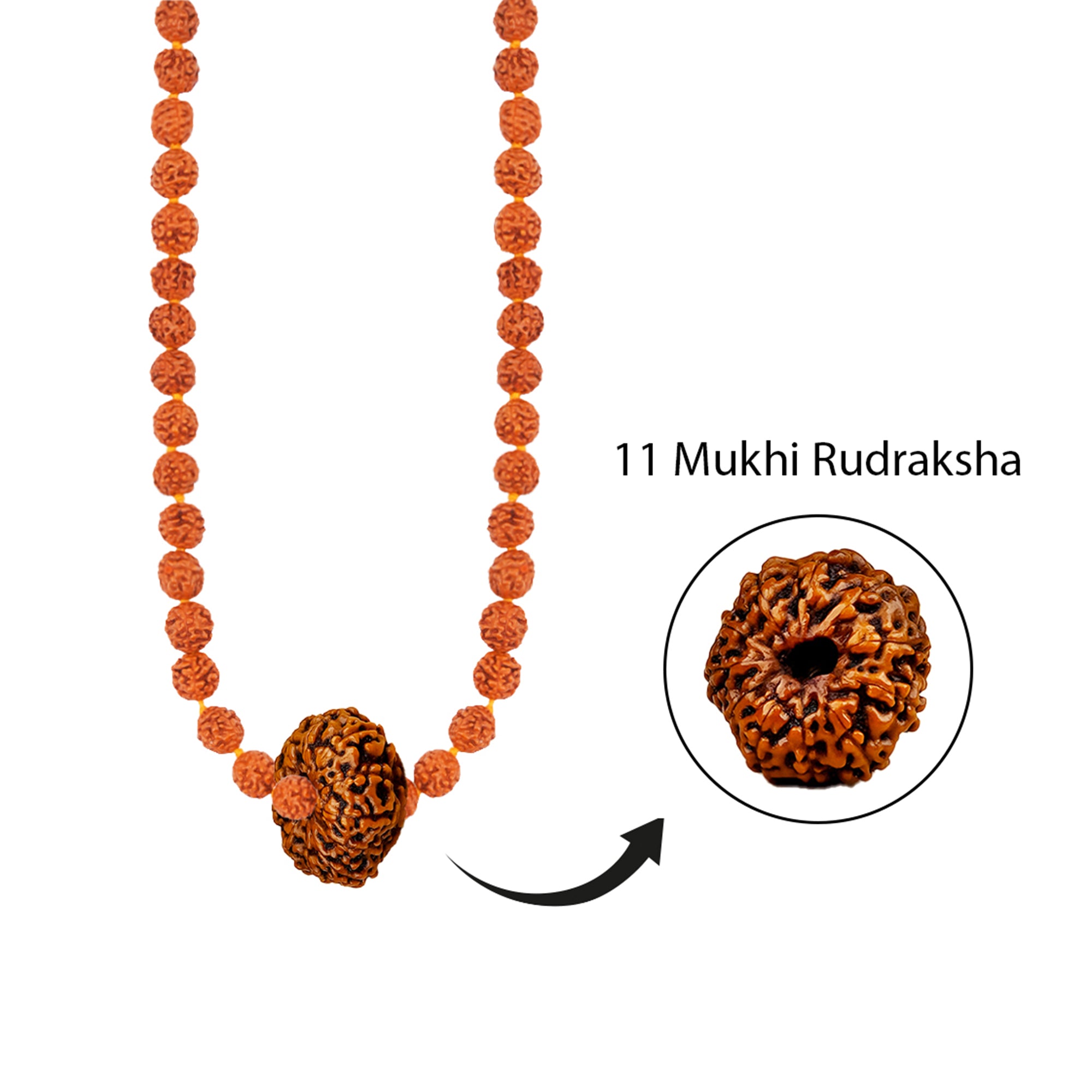
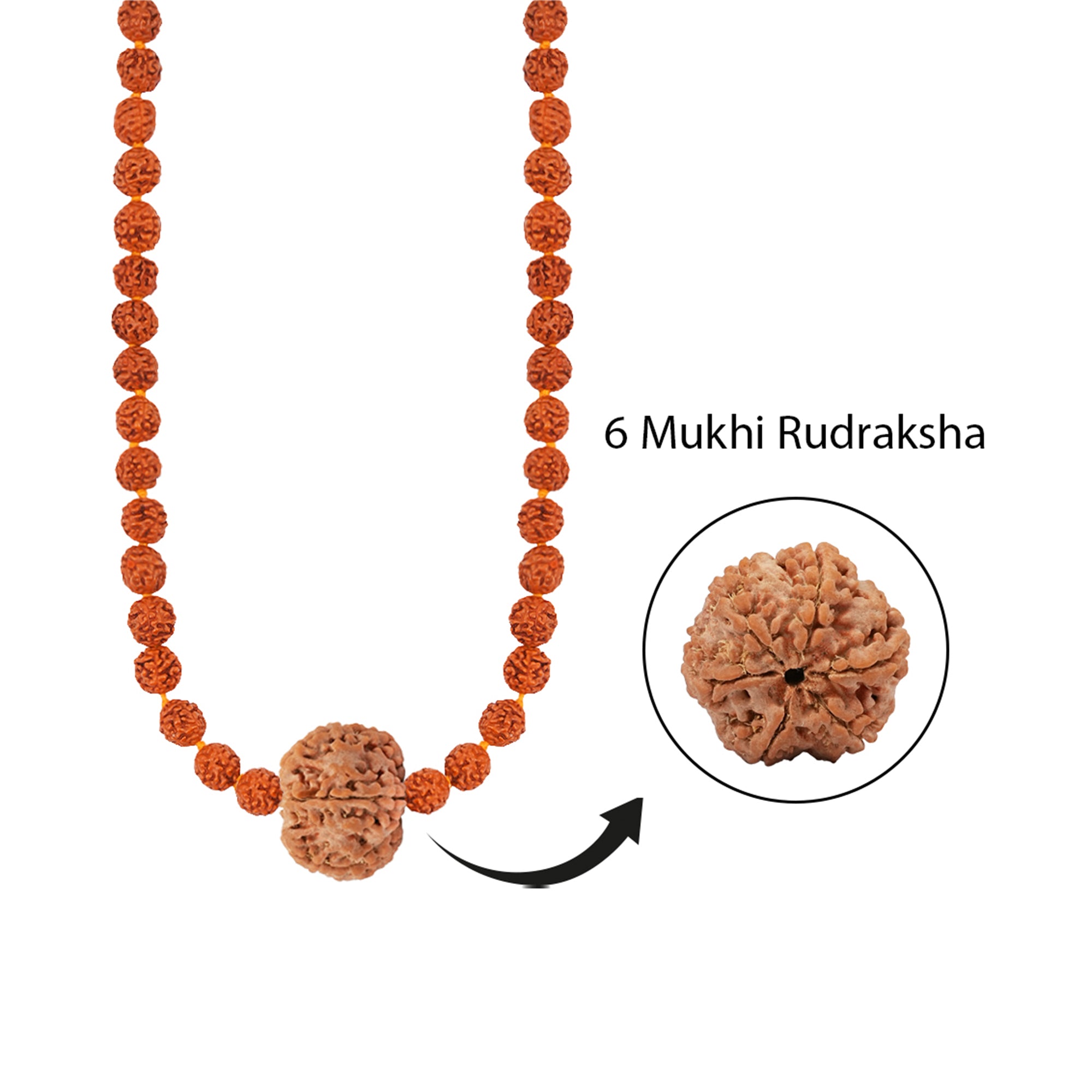
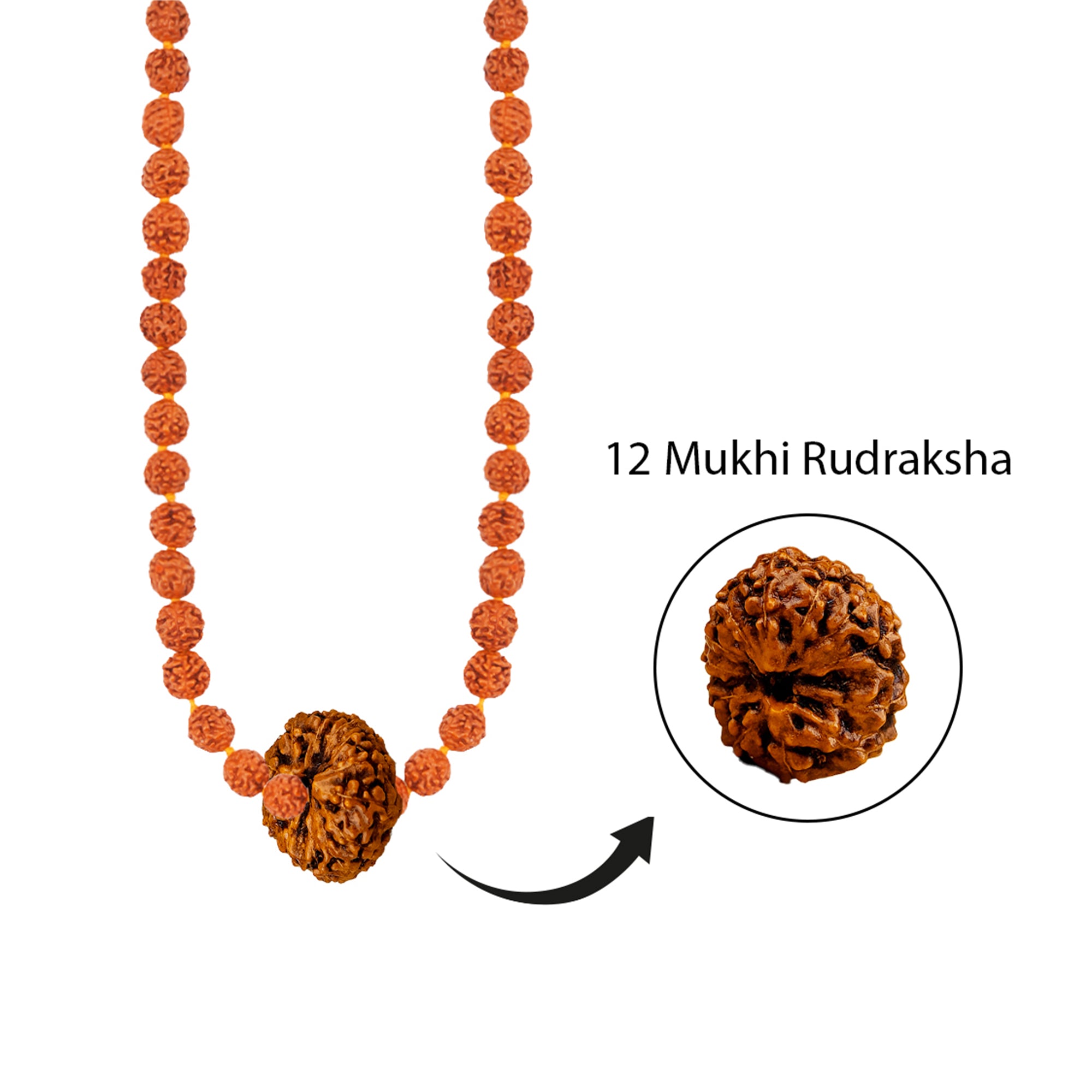
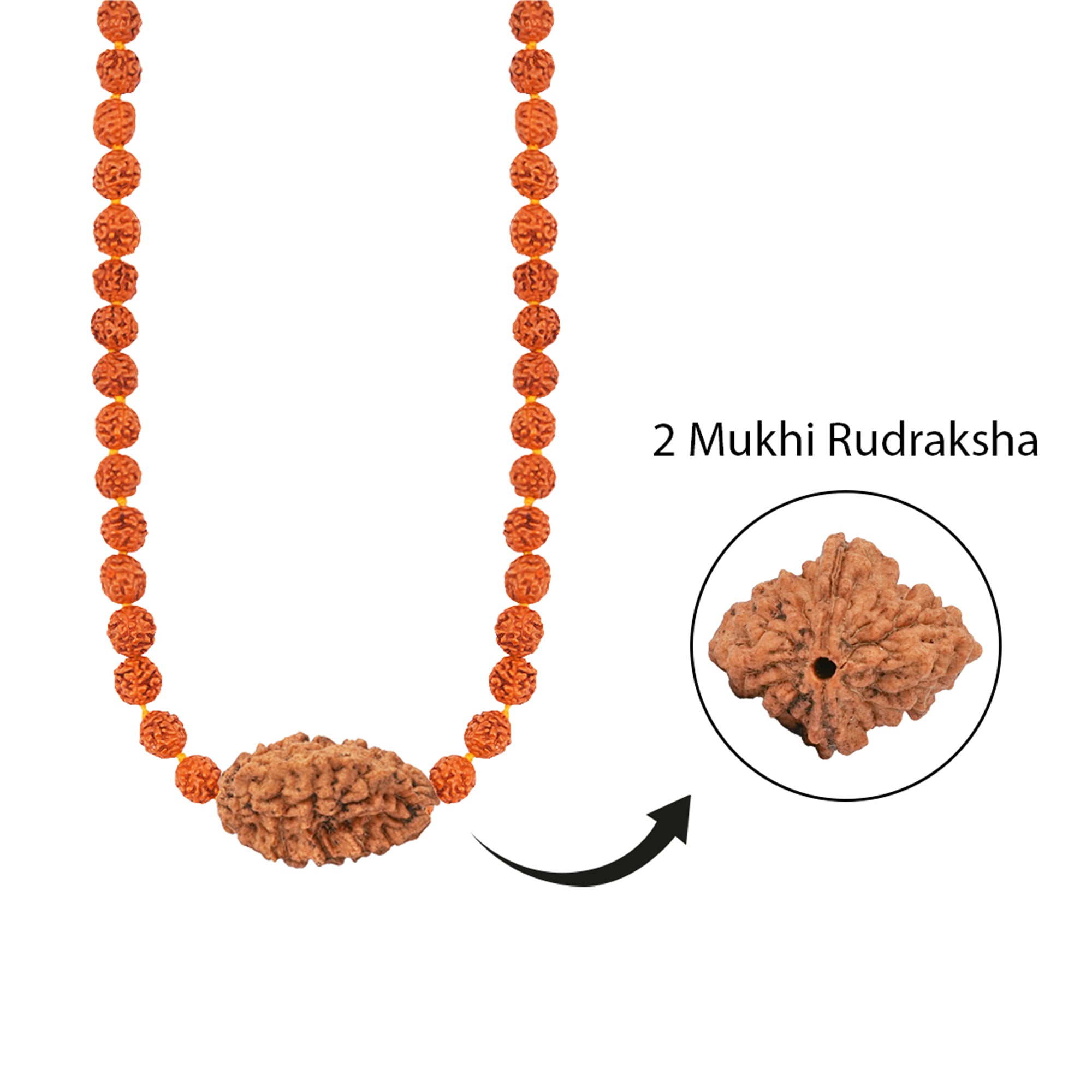
| Other single-mukhi malas | 108 beads of one mukhi, such as 2, 3, 6 or 7 Mukhi | Purpose-specific practice in tradition; 7 Mukhi is linked with Lakshmi and prosperity |
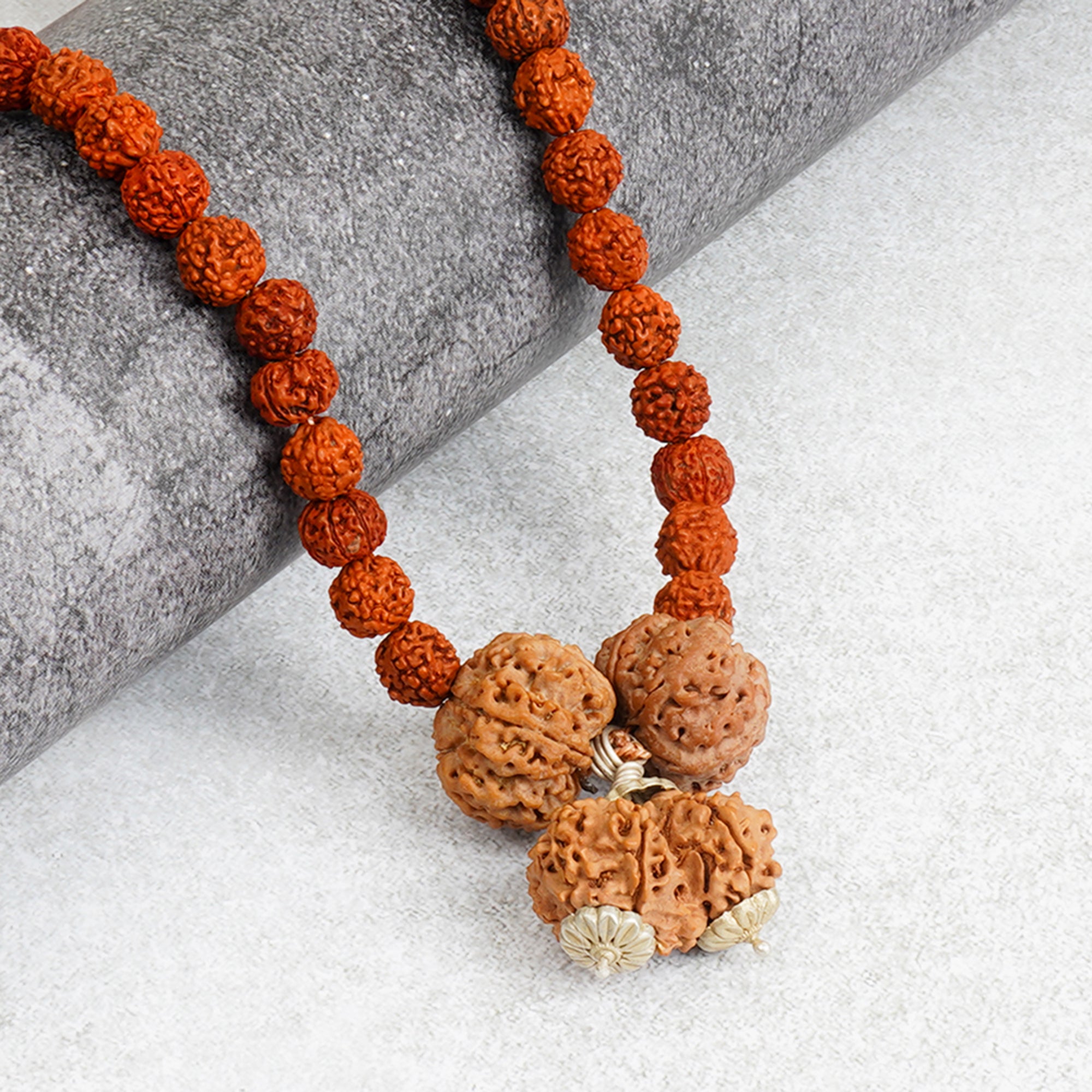
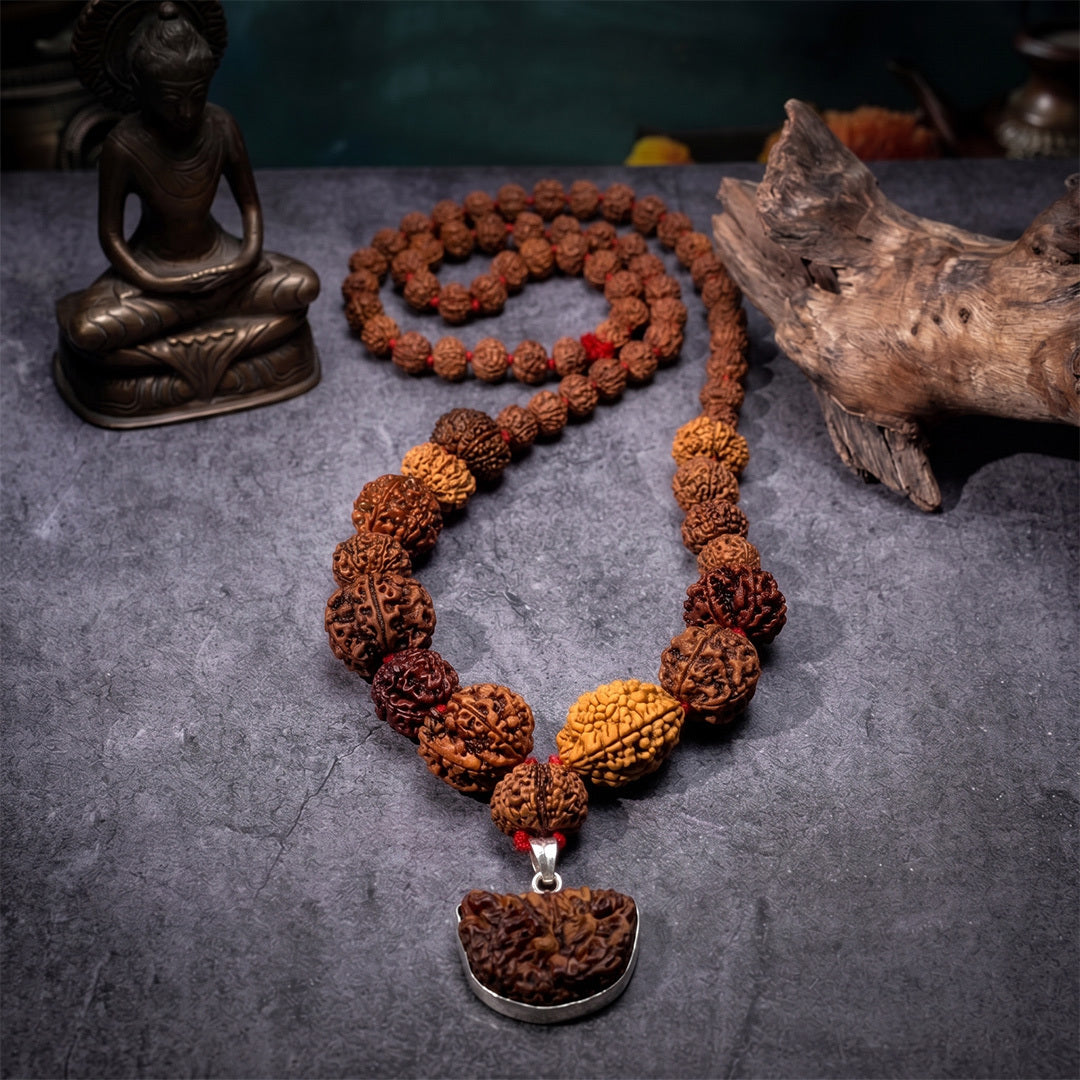
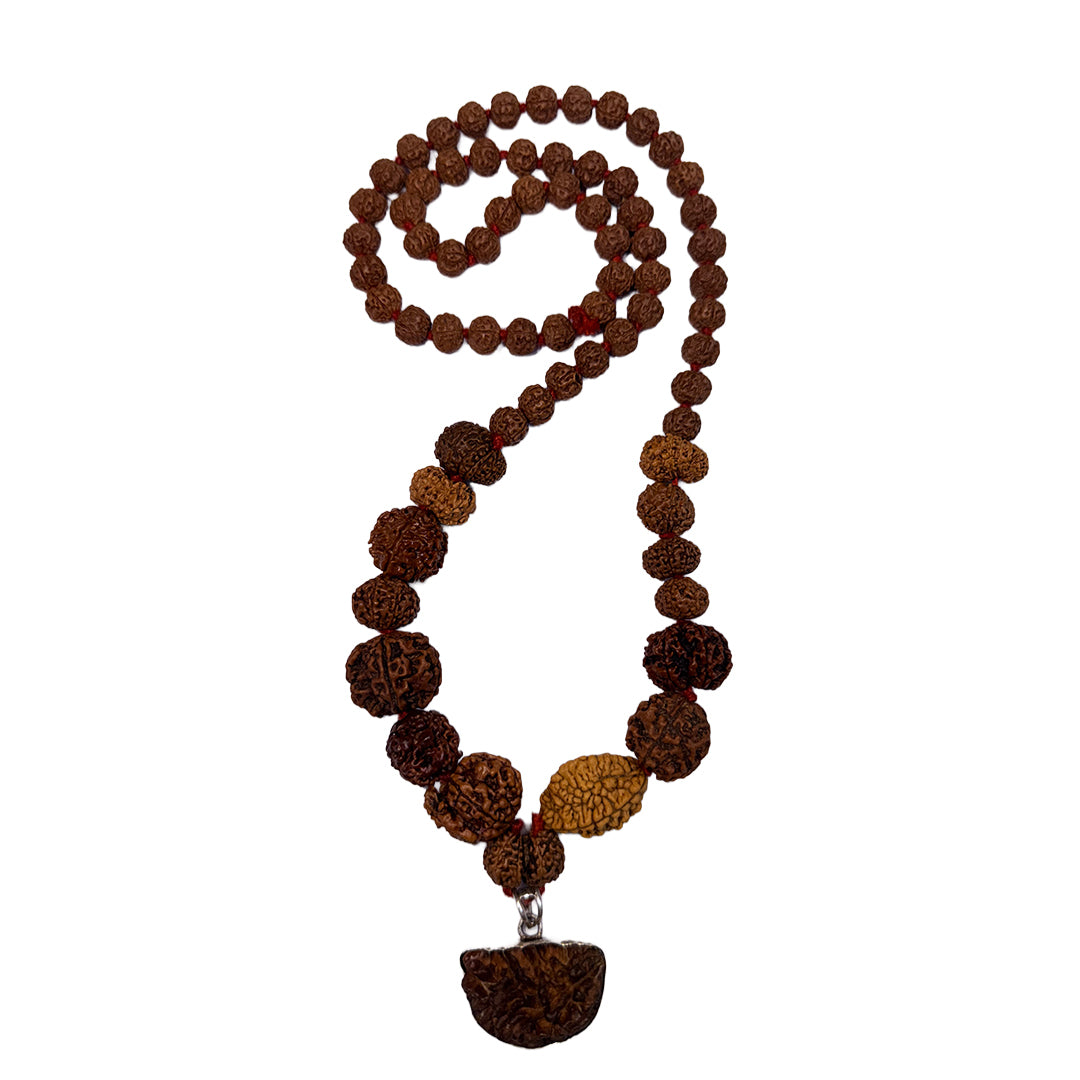
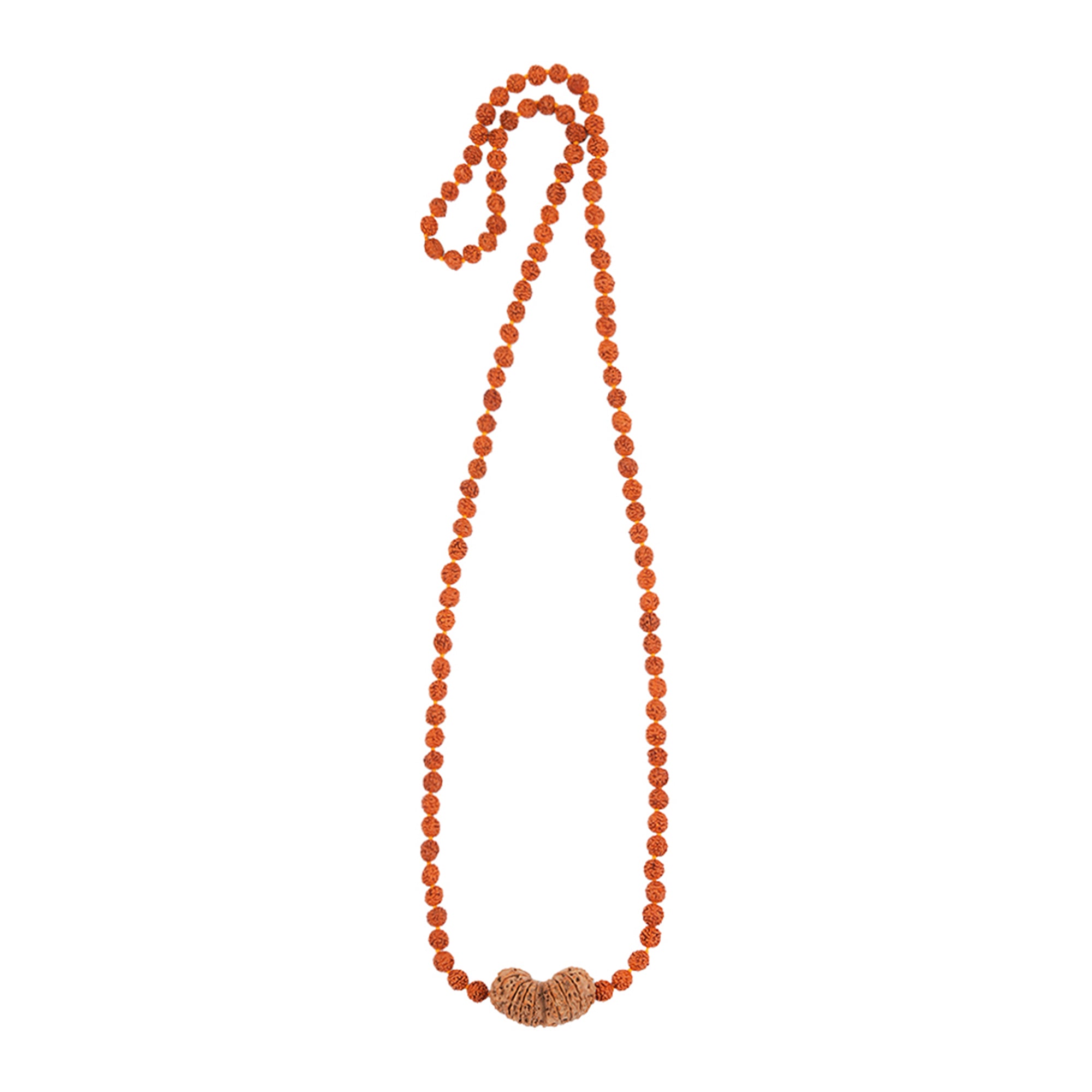
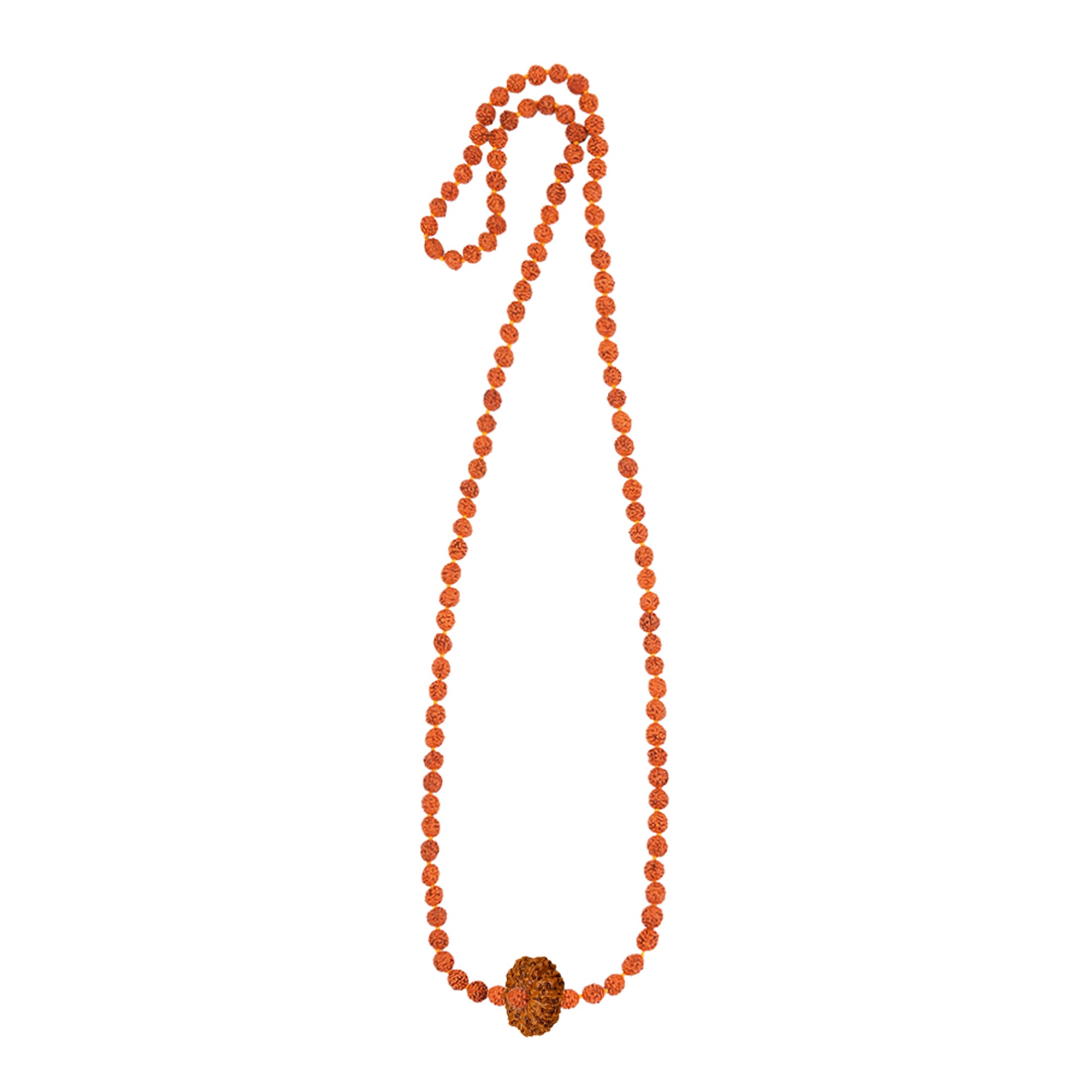
| Combination (vriddhi) malas | A mala mixing selected mukhis for a goal | Wealth, study, relationships or health, as described in tradition |
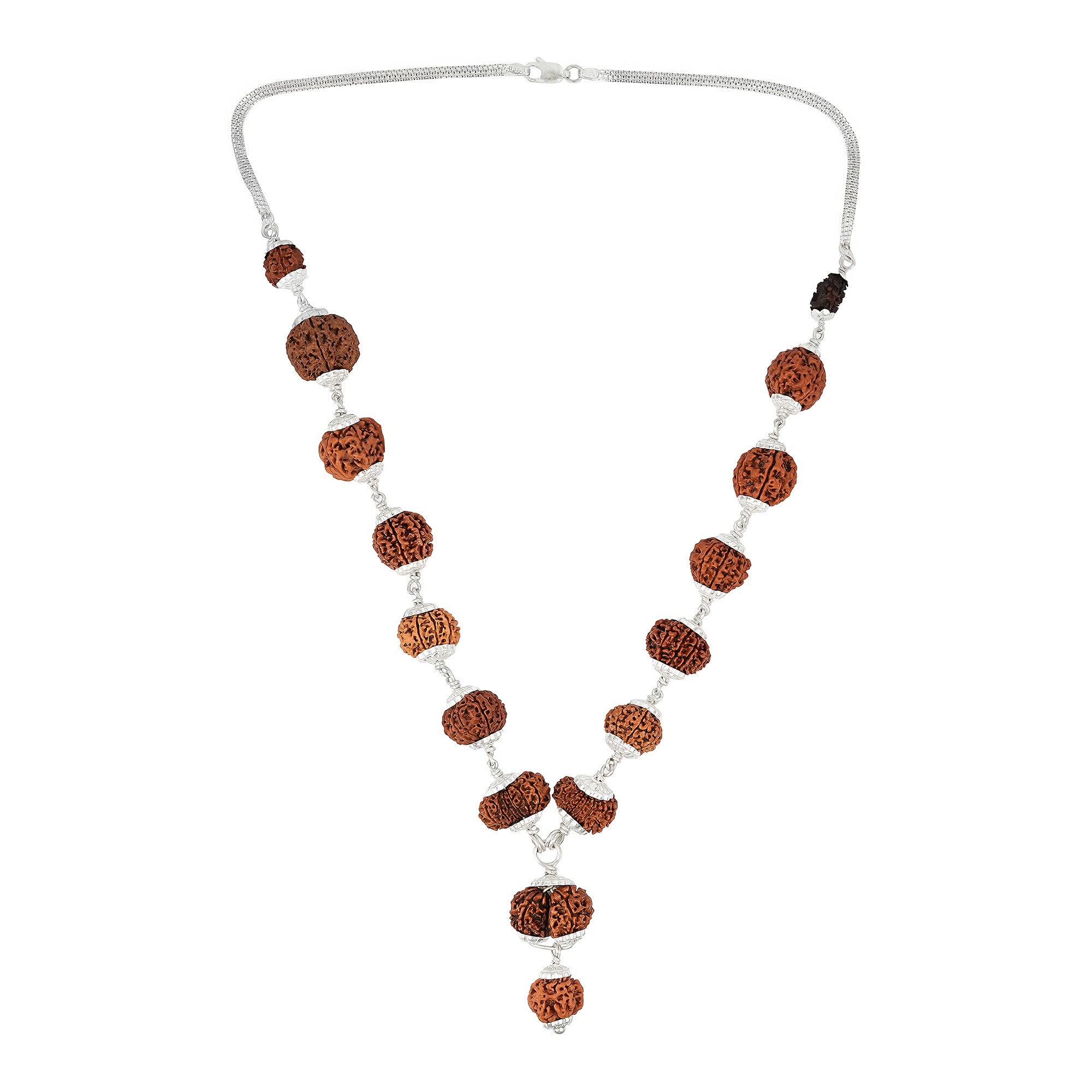
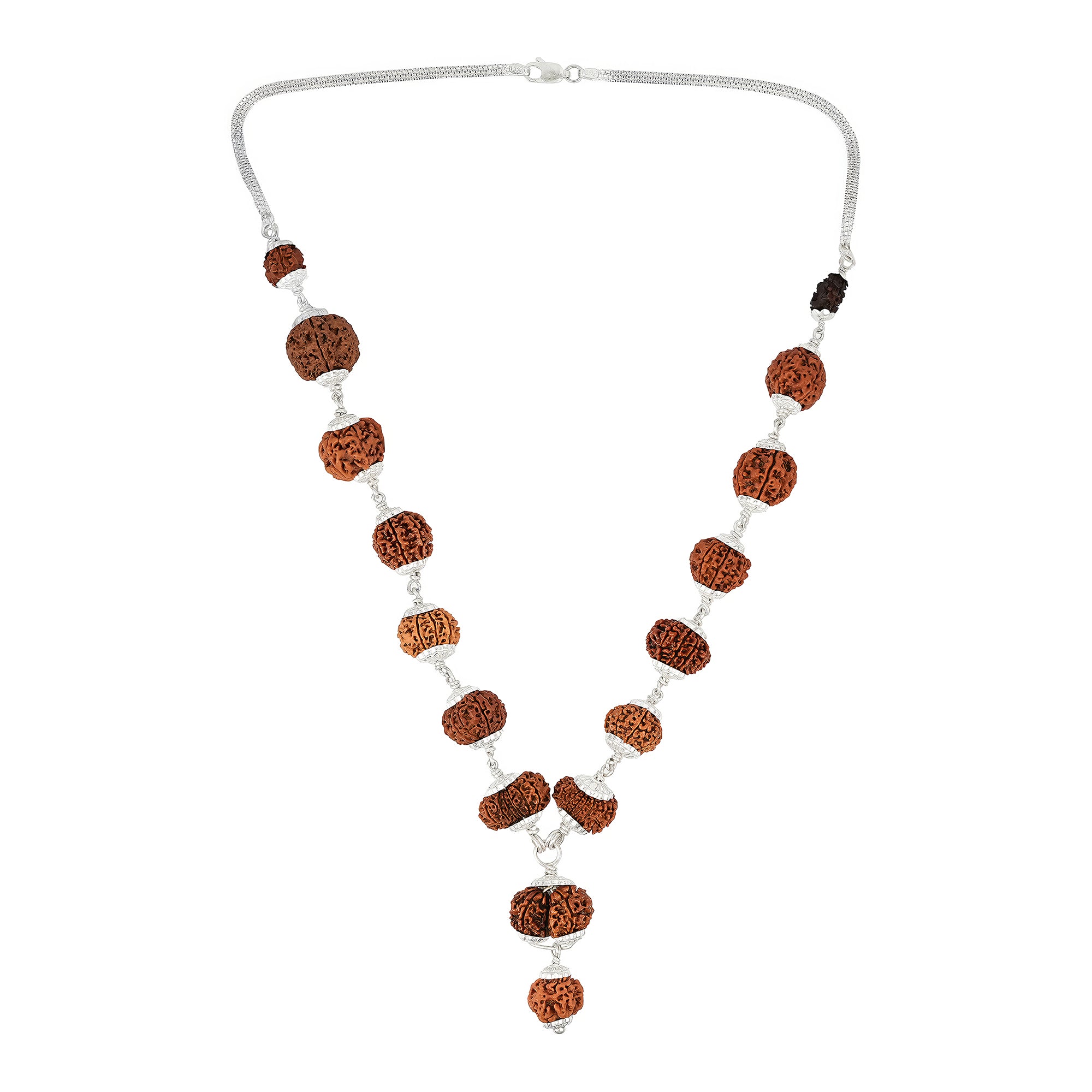
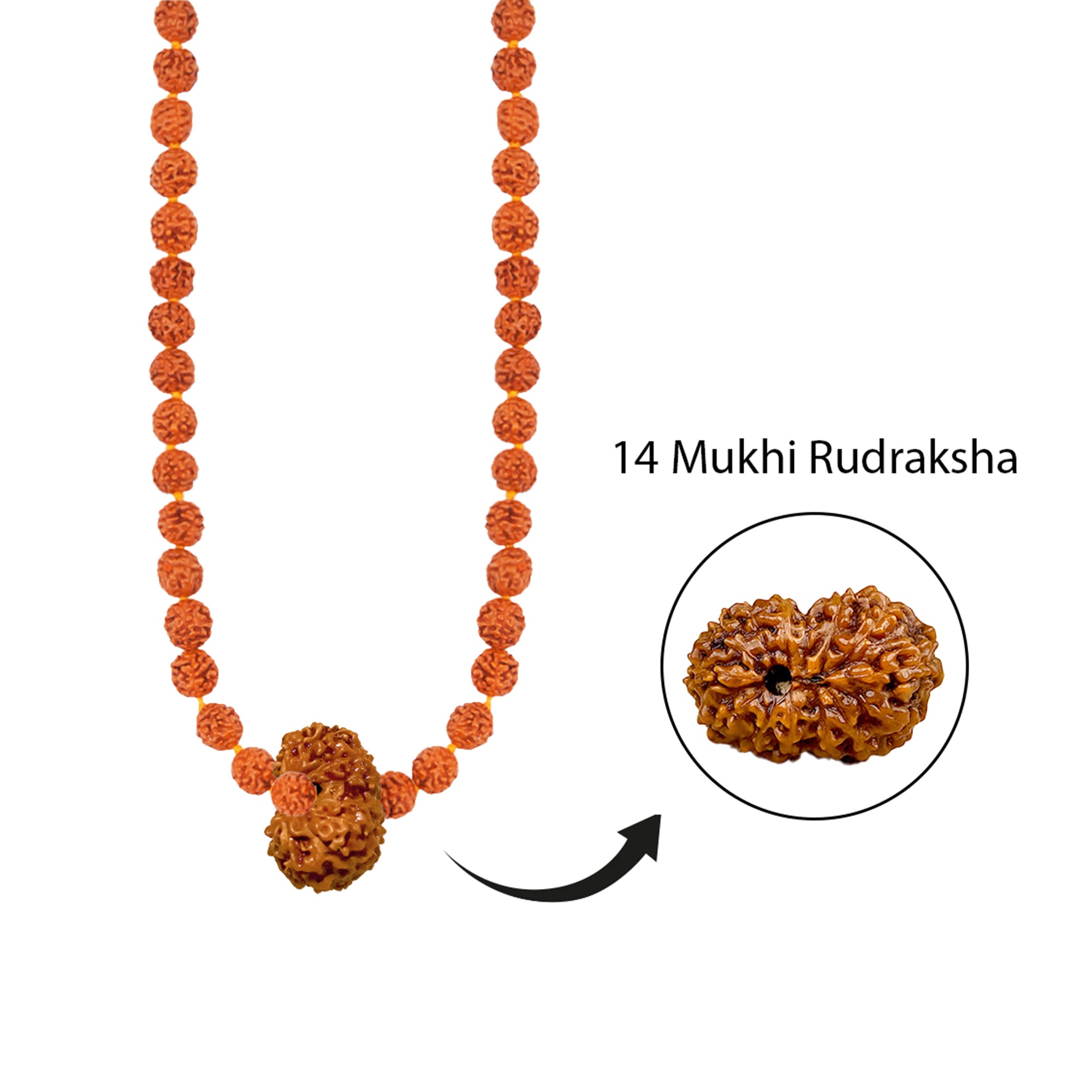
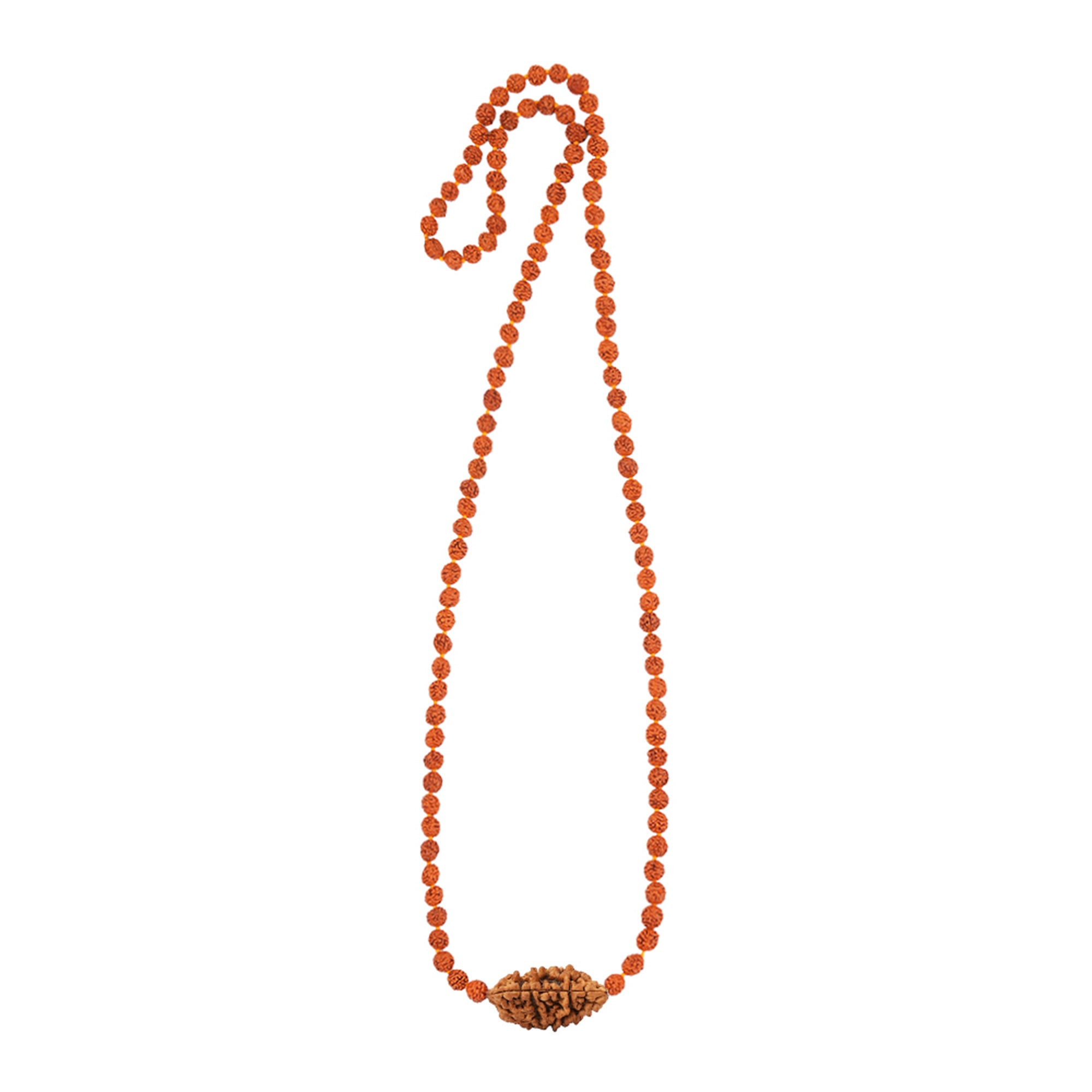
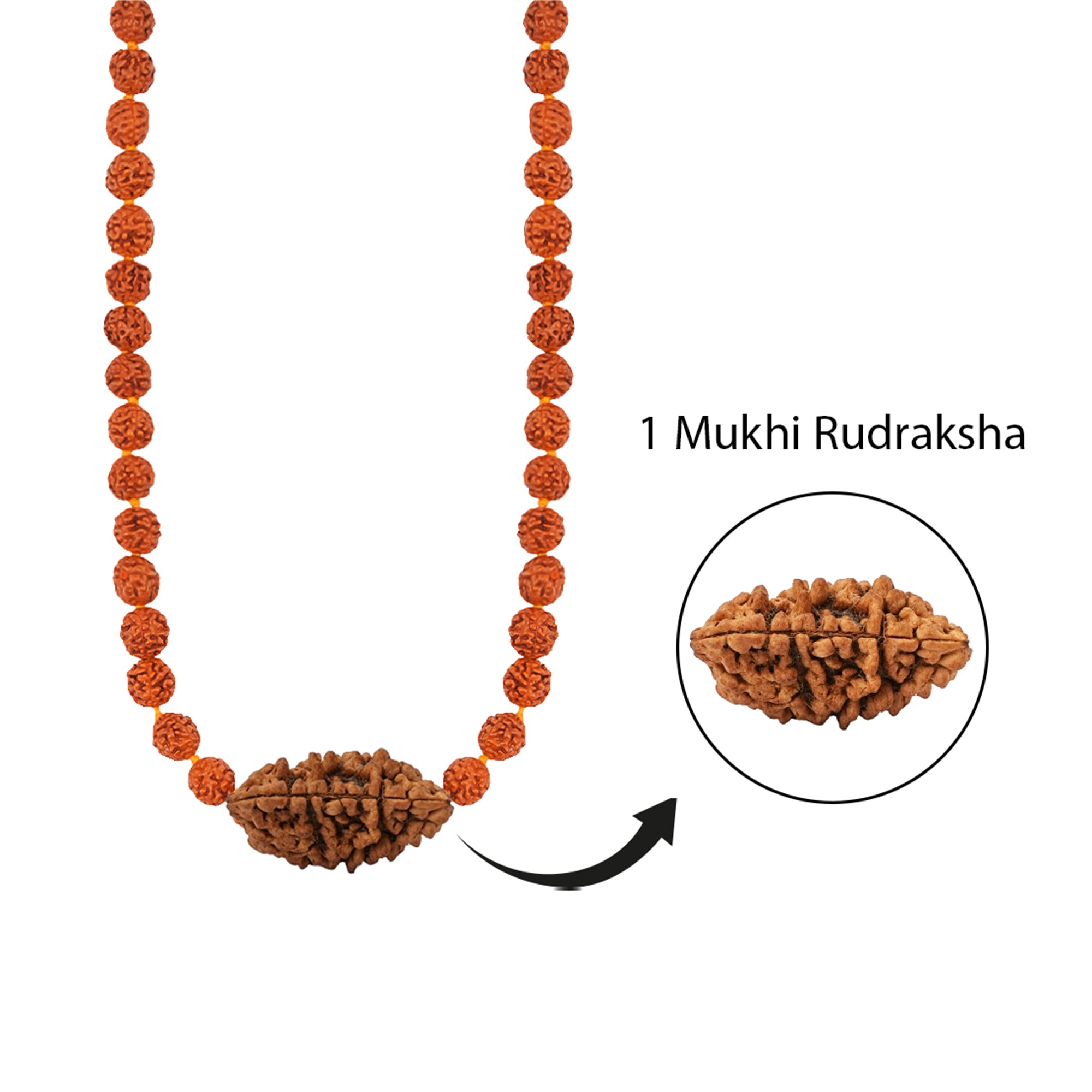
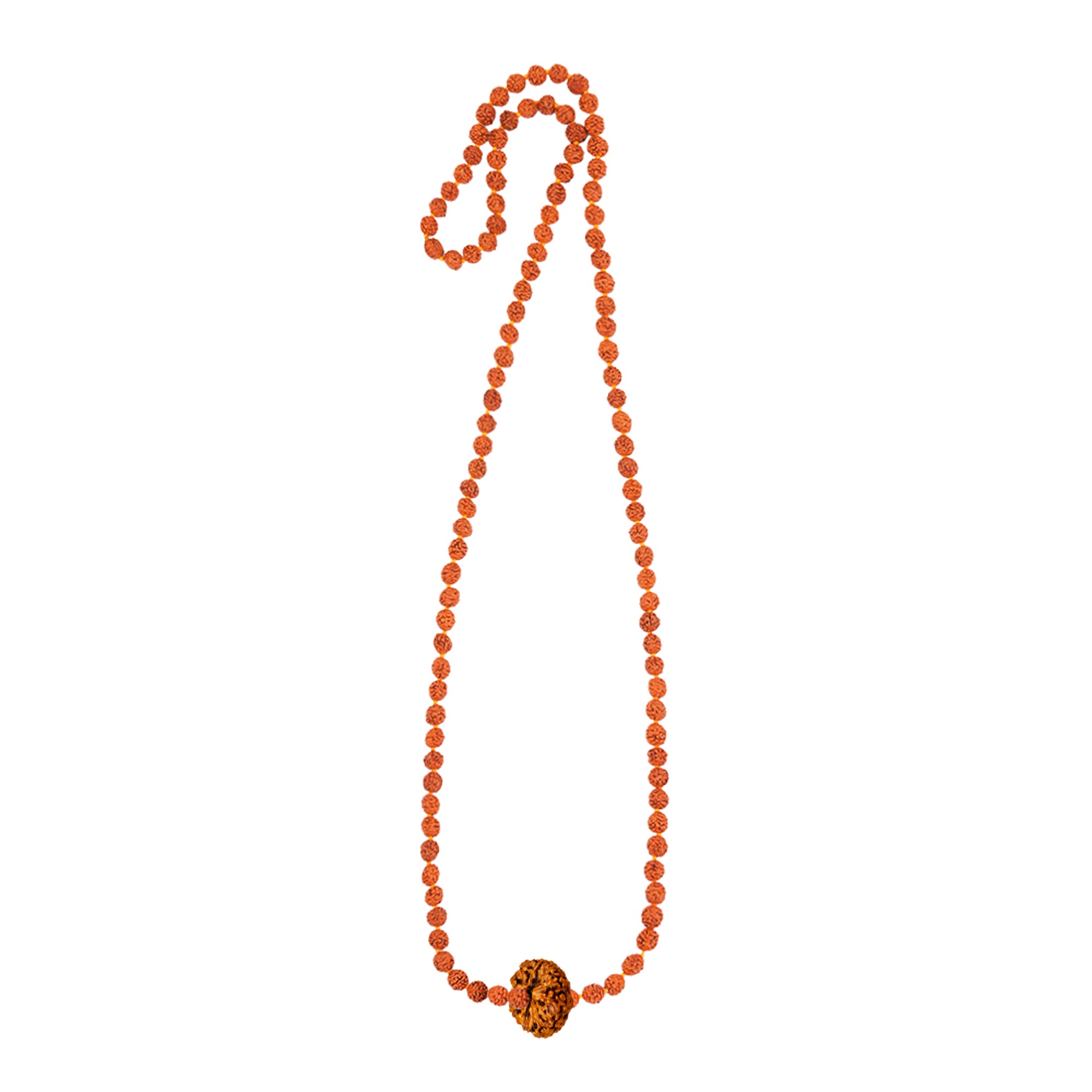
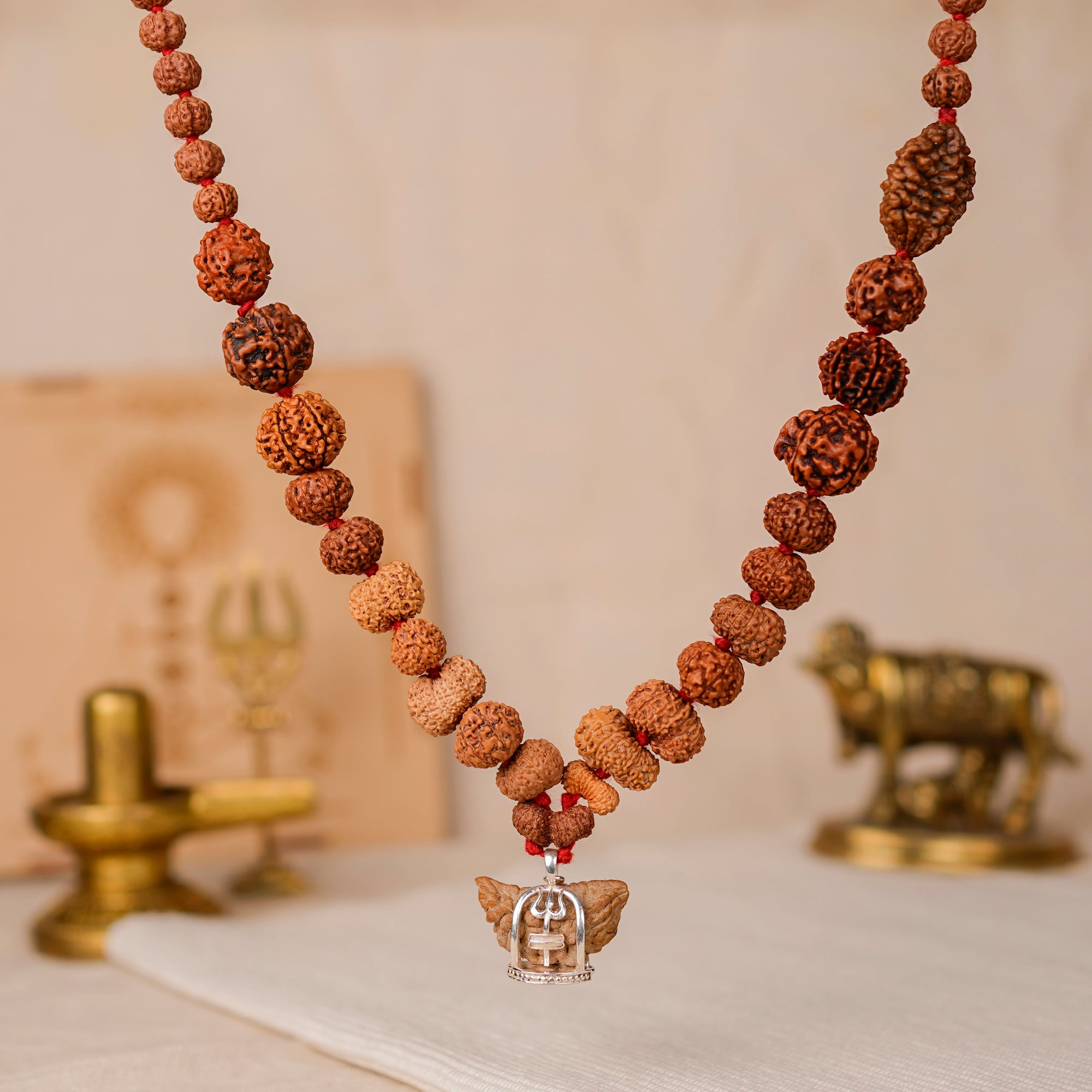
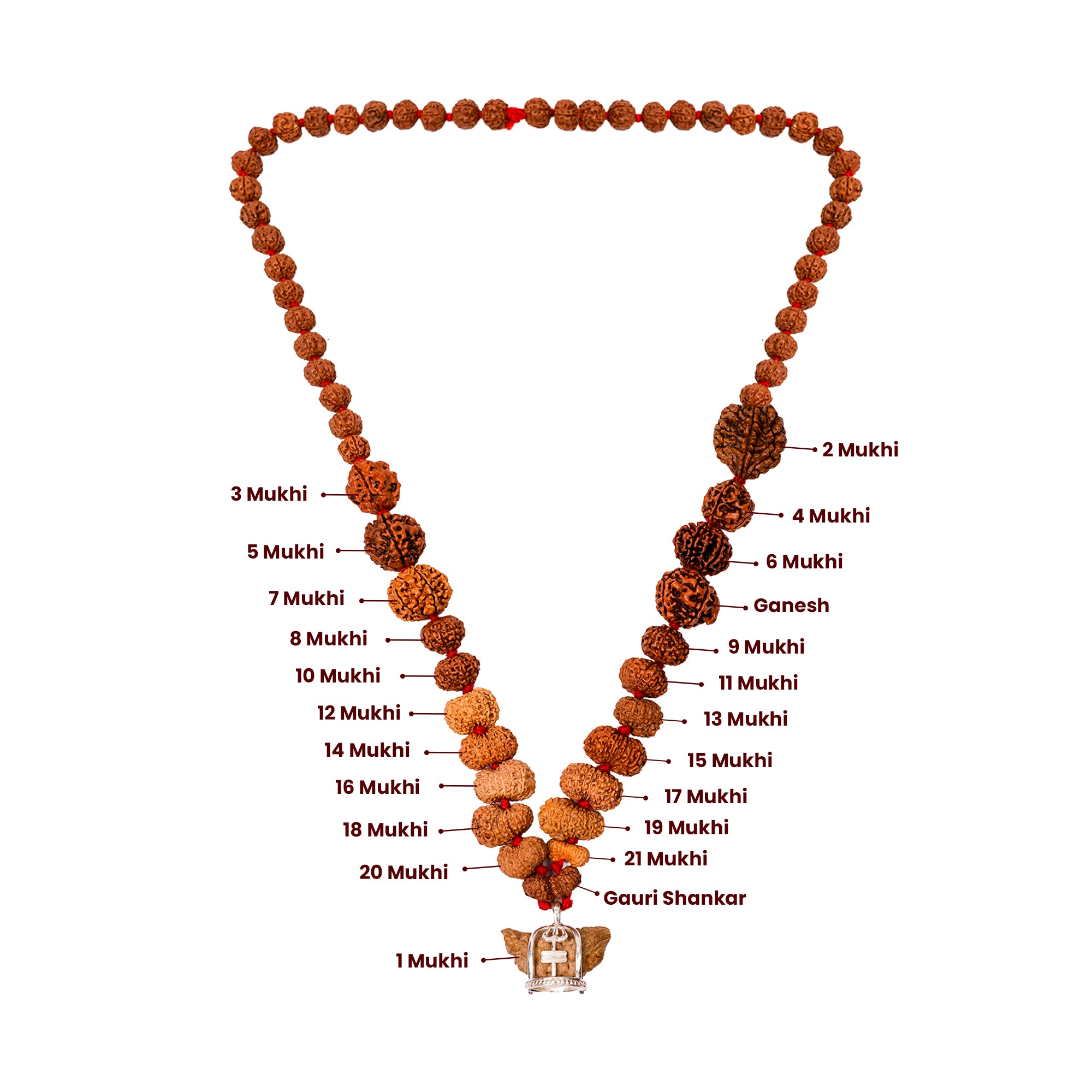
| Siddha mala | One bead of each mukhi from 1 to 14 | Advanced practice; very high price because it includes rare beads |
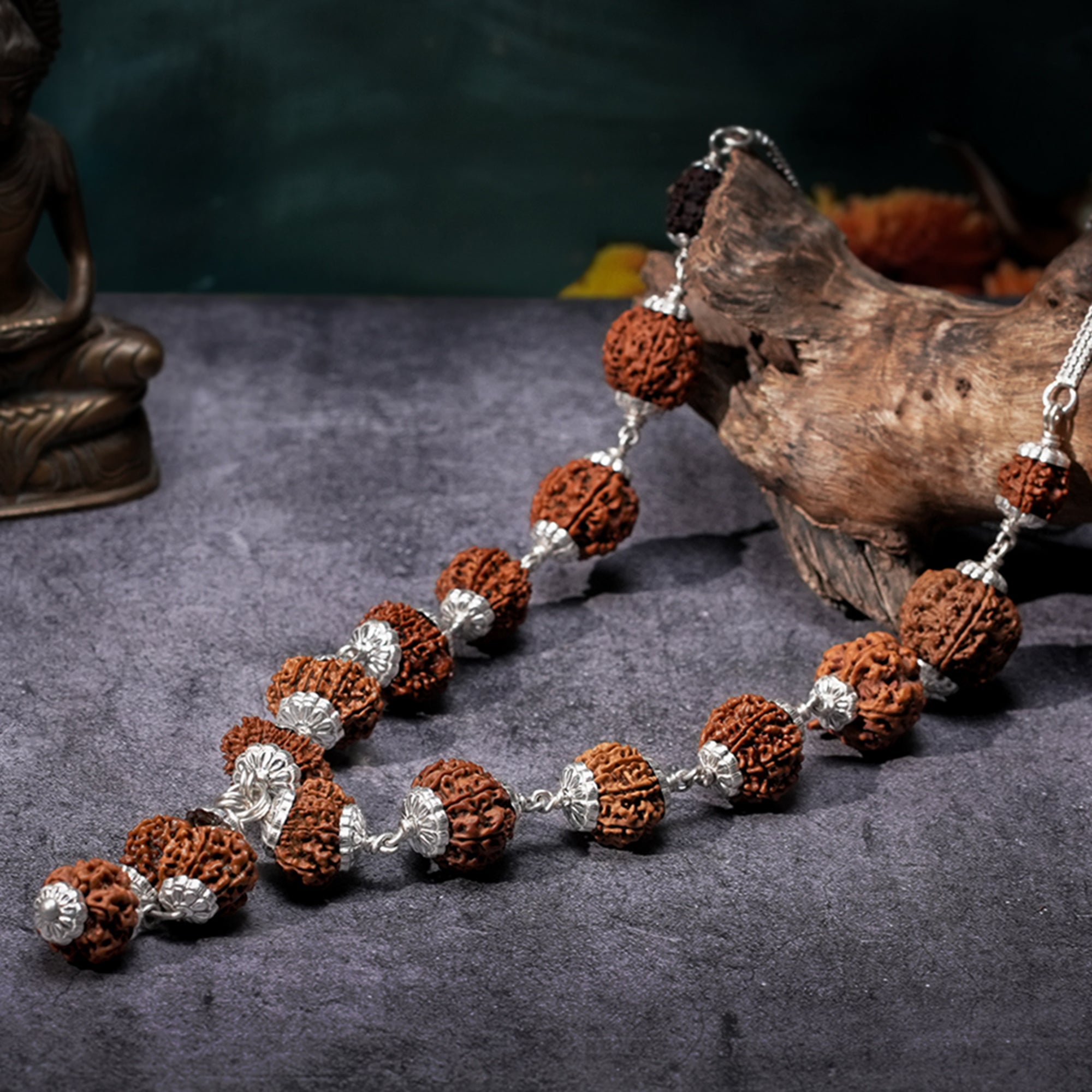
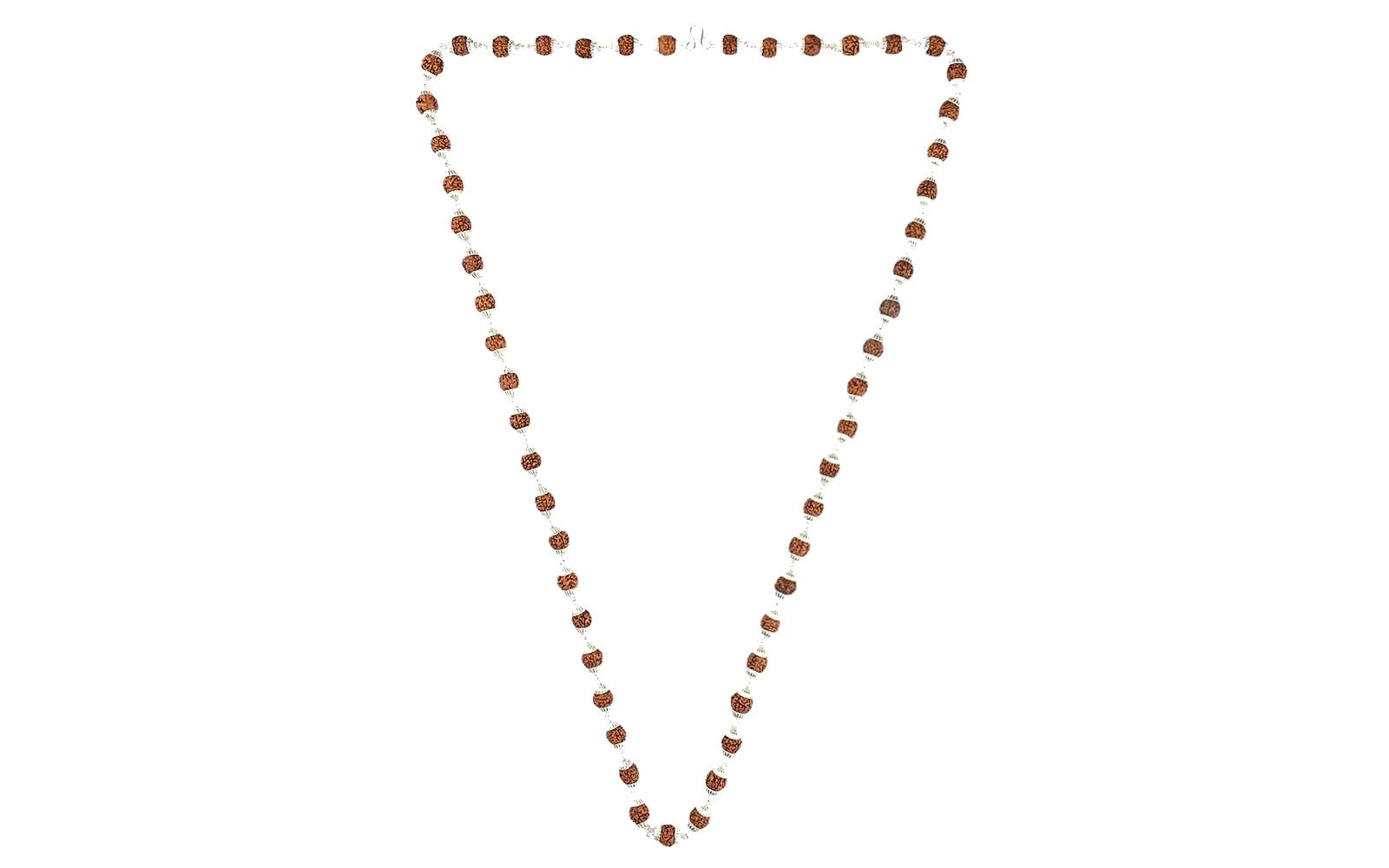
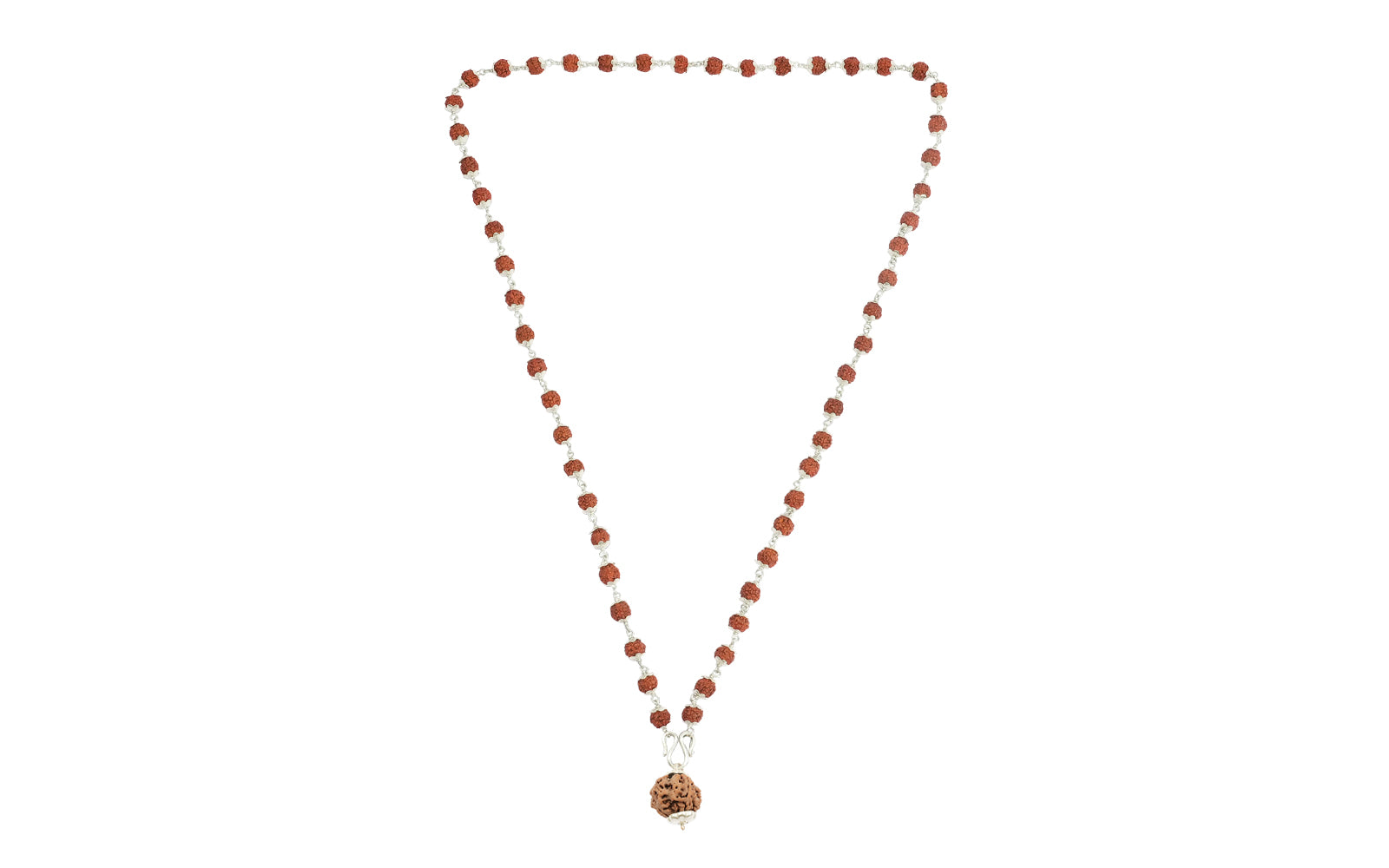
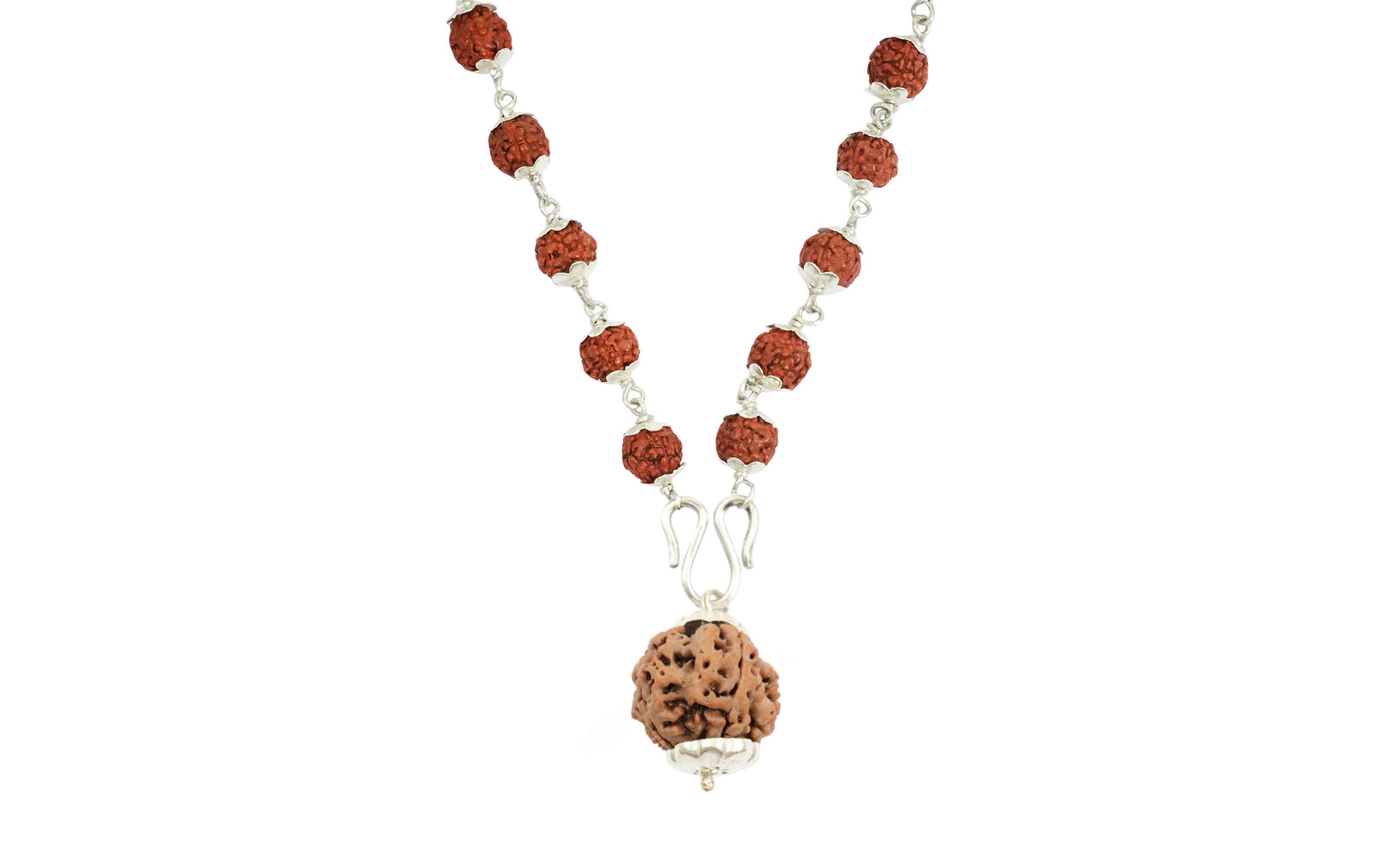
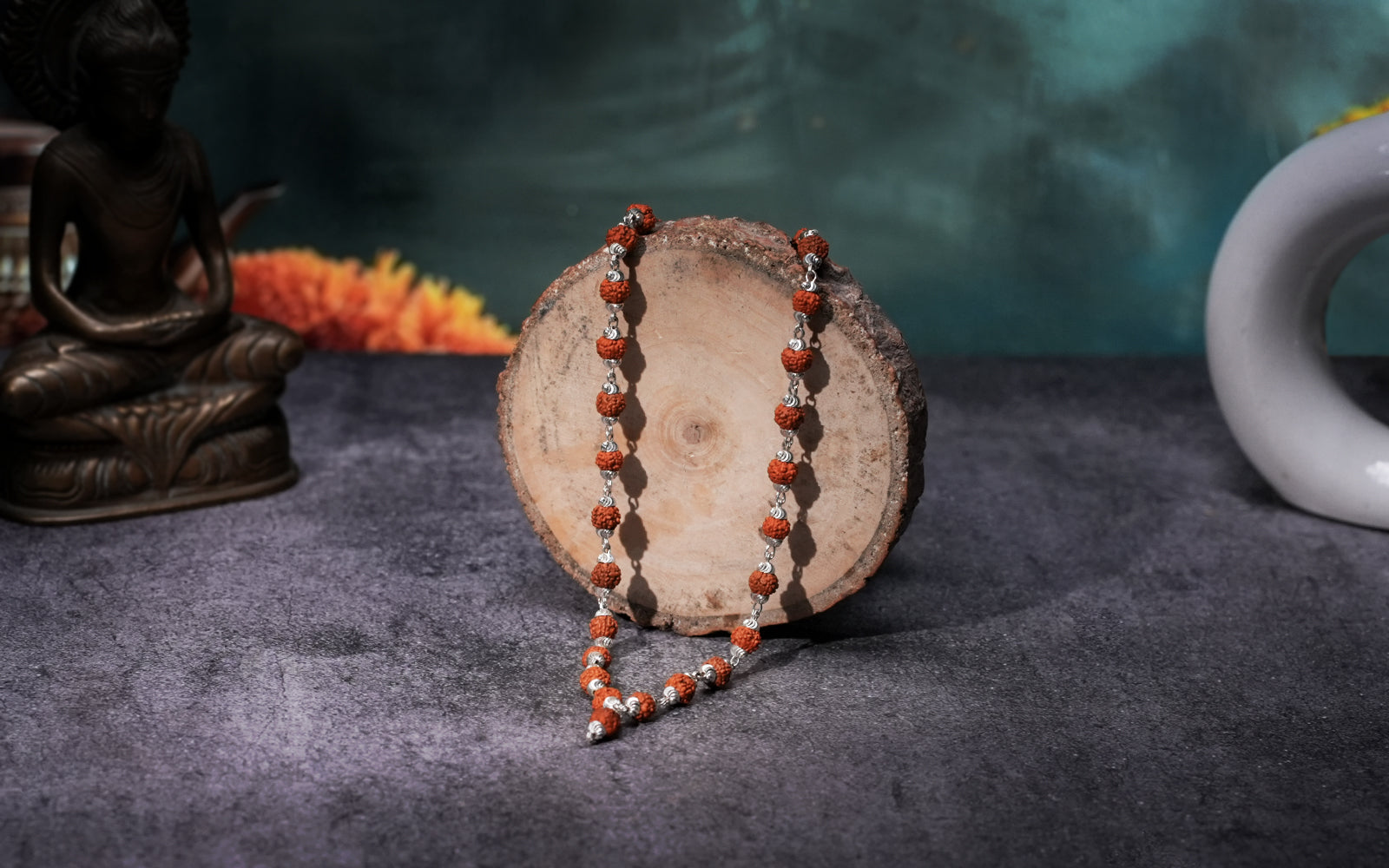
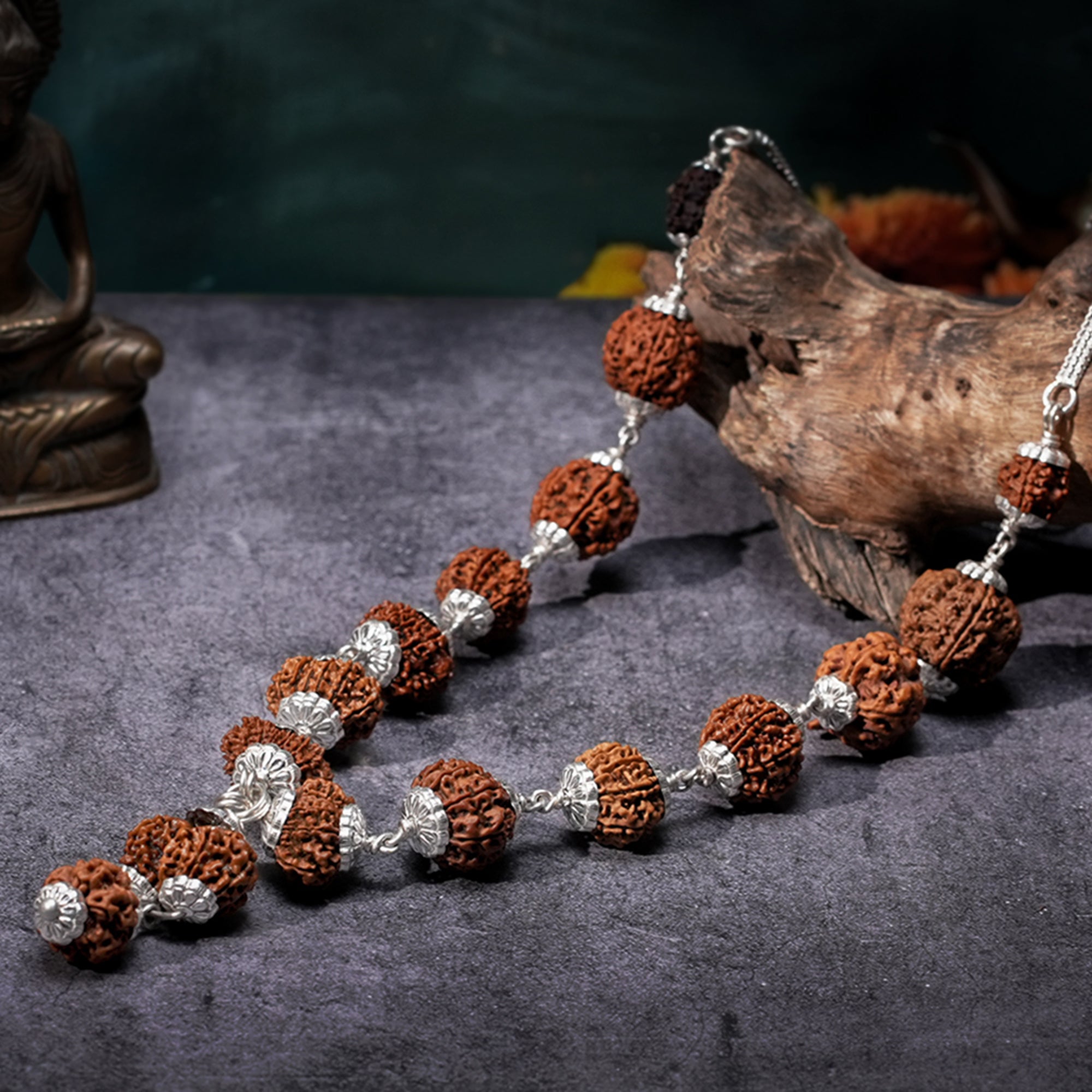
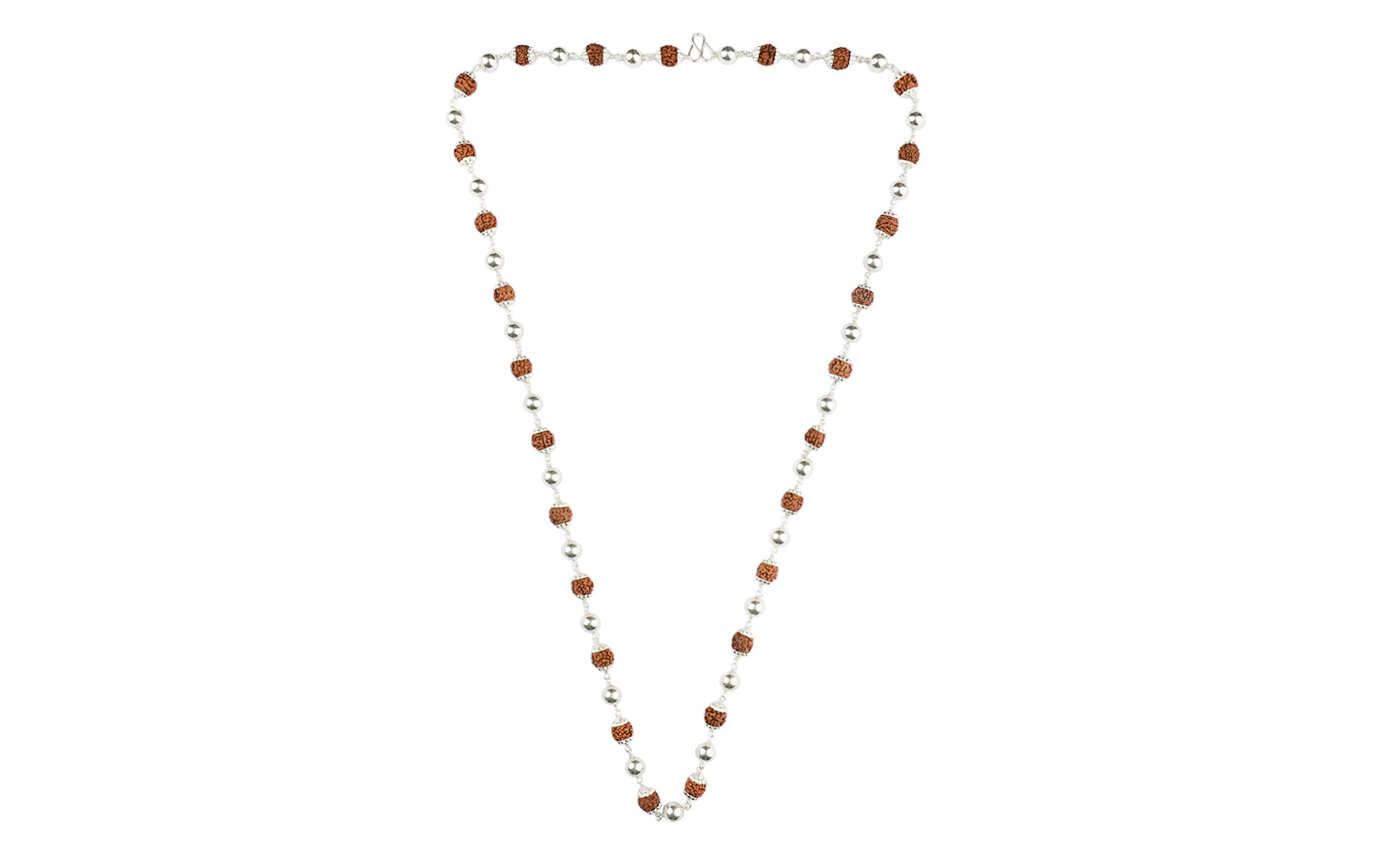
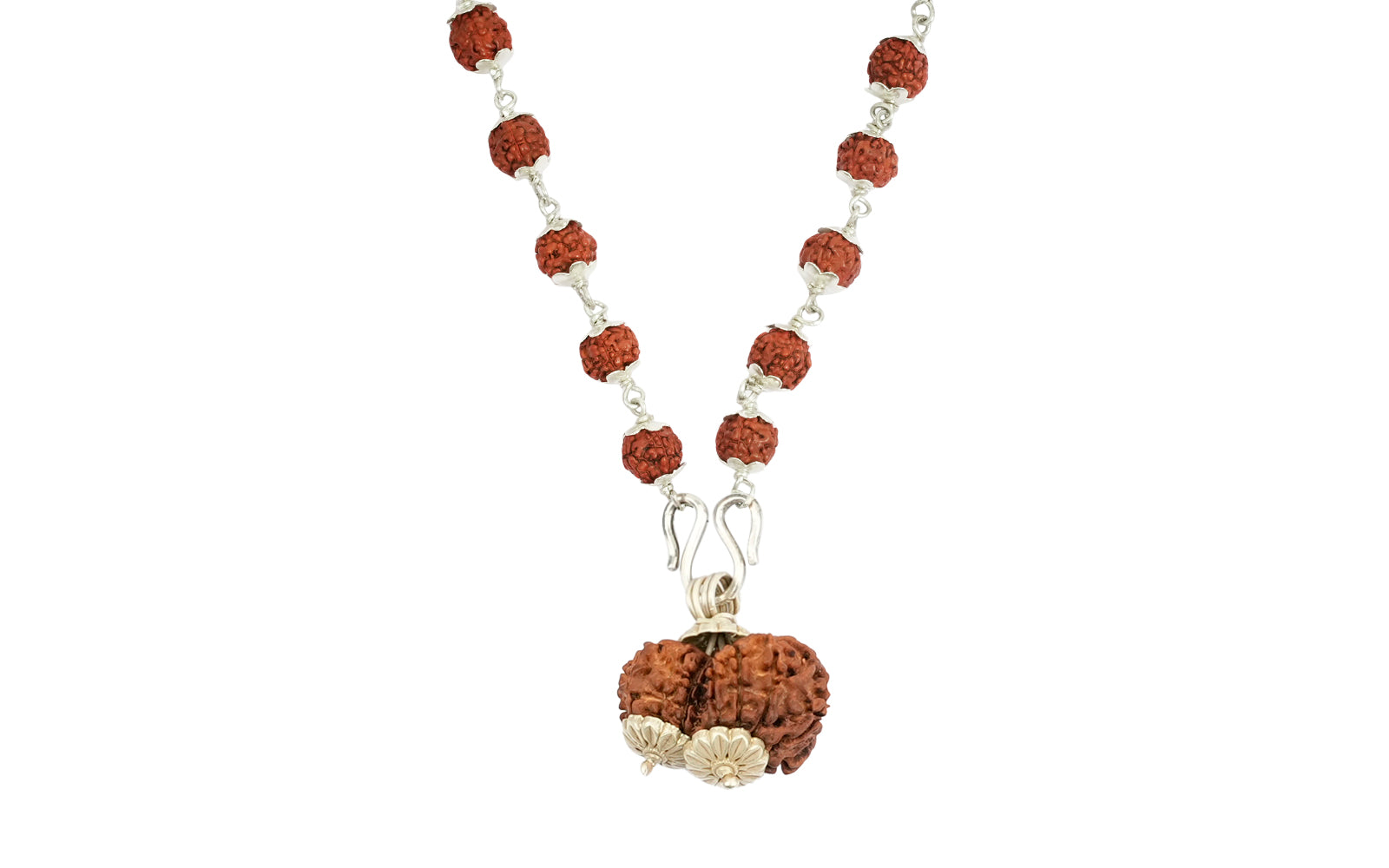
| Silver or gold capped mala | Fewer beads (often 54) set with metal caps | Wearing around the neck rather than japa |
You can see all of these in our Rudraksha Mala collection; single beads for pendants and bracelets are in the Natural Rudraksha collection. To choose a mukhi by purpose, read which rudraksha should you wear.
Nepali vs Indonesian beads: why malas differ in price
Rudraksha beads come mainly from Nepal and from Indonesia (often called Java beads). In general:
- Nepali beads are larger and heavier, with deep, clearly separated mukhi lines. They cost more per bead.
- Indonesian (Java) beads are smaller and lighter, with finer lines. A full 108-bead mala of Java beads is lighter to hold and usually costs less.
Both are natural rudraksha; origin changes size, feel and price, not whether the bead is genuine. Product titles usually say which one you are buying: for example, our 7 Mukhi Rudraksha Mala is made with Indonesian beads. For price bands by mukhi and origin, see the rudraksha price guide.

How to do japa with a rudraksha mala
 Sample image
- Sit comfortably. Morning, after a bath, facing east or north is traditional, but any quiet time works.
- Hold the mala in your right hand. Drape it over the middle finger and use the thumb to move the beads towards you. Keep the index finger away from the beads; tradition associates it with ego.
- Start next to the sumeru. Begin on the bead beside the sumeru, not on the sumeru itself.
- One mantra, one bead. Chant the mantra once for each bead, for example “Om Namah Shivaya”. 108 beads make one round.
- Do not cross the sumeru. When you reach it, turn the mala around and go back the other way for the next round.
- Keep it clean and private. Many people keep their japa mala in a cloth pouch and use it only for japa.
For wearing rules (sleep, bathing, women's practice), read how to wear rudraksha. Energising steps before first use are in how to activate rudraksha.
Japa mala vs wearing mala: can you wear a 108 bead mala?
You can. A 108-bead 5 Mukhi mala is commonly worn around the neck as well as used for japa, and our 5 Mukhi mala is described for both. Some families prefer to keep separate malas: one for japa, kept in the puja space, and one for daily wear. The practical points:
- A 108-bead mala of large Nepali beads is long and heavy; many people find 54-bead or silver-capped malas more comfortable for all-day wear.
- Remove any mala before using soap, shampoo or perfume, and before swimming.
- If the thread wears thin, have it restrung before it breaks; beads that scatter are easily lost.
What to check before buying a 108 bead rudraksha mala
| Check | What good looks like |
|---|---|
| Bead count | 108 counting beads + 1 sumeru for japa; the listing should say so |
| Mukhi lines | Clear, natural lines running from top to bottom on each bead, consistent with the stated mukhi |
| Origin | Nepali or Indonesian stated in the title or description |
| Stringing | Knots or spacers between beads so they do not rub; a firm tassel on the sumeru |
| Paperwork | A report number you can verify. Every GemsMantra order ships with a GemsMantra Authenticity Report you can check on our Check Certificate page. GemsMantra works with leading labs including GIA, IGI, GRS and GJEPC's IIGJ. Each stone's listing names the lab that issued its report and the report number. |
| Return terms | At GemsMantra, malas are not returnable for a change of mind. Damaged, defective or incorrect items are covered, and so is a bead an accredited lab proves artificial or of the wrong mukhi |
Fakes include wooden or resin beads with carved lines and cheap beads with extra lines added. Our guide to real vs fake rudraksha explains which home tests work and which are myths. Read the refund policy before you order.
Frequently asked questions
Why are there 108 beads in a rudraksha mala?
108 is a sacred number in Hindu tradition. Common explanations are 27 nakshatras × 4 padas and 12 rashis × 9 grahas, both equal to 108. It lets you finish one round of a mantra without counting.
What is the 109th bead in a mala?
It is the sumeru (meru or guru) bead. It marks the start and end of a round and is not counted. You turn back at it instead of crossing it.
Which rudraksha mala is best for daily japa?
The 5 Mukhi mala is the most common choice for daily japa. Tradition considers it suitable for everyone, especially for Shiva mantras.
Can I wear a 108 bead rudraksha mala?
Yes. Many people wear a 108-bead 5 Mukhi mala around the neck. Some keep a separate mala for japa, and some find a 54-bead mala lighter for all-day wear.
Which finger should not touch the mala during japa?
Tradition says to keep the index finger off the beads. Move them with the thumb while the mala rests on the middle finger of the right hand.
Is a Nepali or an Indonesian rudraksha mala better?
Both are natural rudraksha. Nepali beads are larger with deeper lines and cost more; Indonesian (Java) beads are smaller and lighter. Choose by budget and comfort.
Can I return a rudraksha mala?
At GemsMantra, malas are not returnable for a change of mind. You are covered if the item is damaged, defective or incorrect, or if a government-run or ISO/IEC 17025 accredited lab proves a bead artificial or of the wrong mukhi.
Related reading
Find your japa mala
108 + 1 bead 5 Mukhi malas and other rudraksha malas, each with a report number you can check.
Free guidance on WhatsApp: +91 92178 46751 (Monday to Saturday, 10am to 7pm IST)
Spiritual and astrological associations described here come from traditional Vedic belief and crystal tradition. GemsMantra products are not medicines, and no specific outcome is guaranteed.
Written by Shruti Tiwari


,%20109%20in%20total.%20You%20move%20one%20bead%20per%20mantra%20and%20never%20cross%20the%20sumeru.%20The%20most%20common%20is%20t...)