Top 19 Karungali Mala Benefits for Life and Mind
Quick answer: A karungali mala is a string of beads made from karungali, the dense dark heartwood known in English as ebony. In South Indian and Shaiva tradition it is worn for grounding, protection from negative energy, focus in japa and meditation, and support during Shani (Saturn) and Rahu–Ketu periods. Men and women can both wear it, as a 108+1 bead mala or a bracelet. These are traditional beliefs, not promised outcomes, and genuine ebony is heavy and dense, while many cheap “karungali” beads are dyed or coated wood.
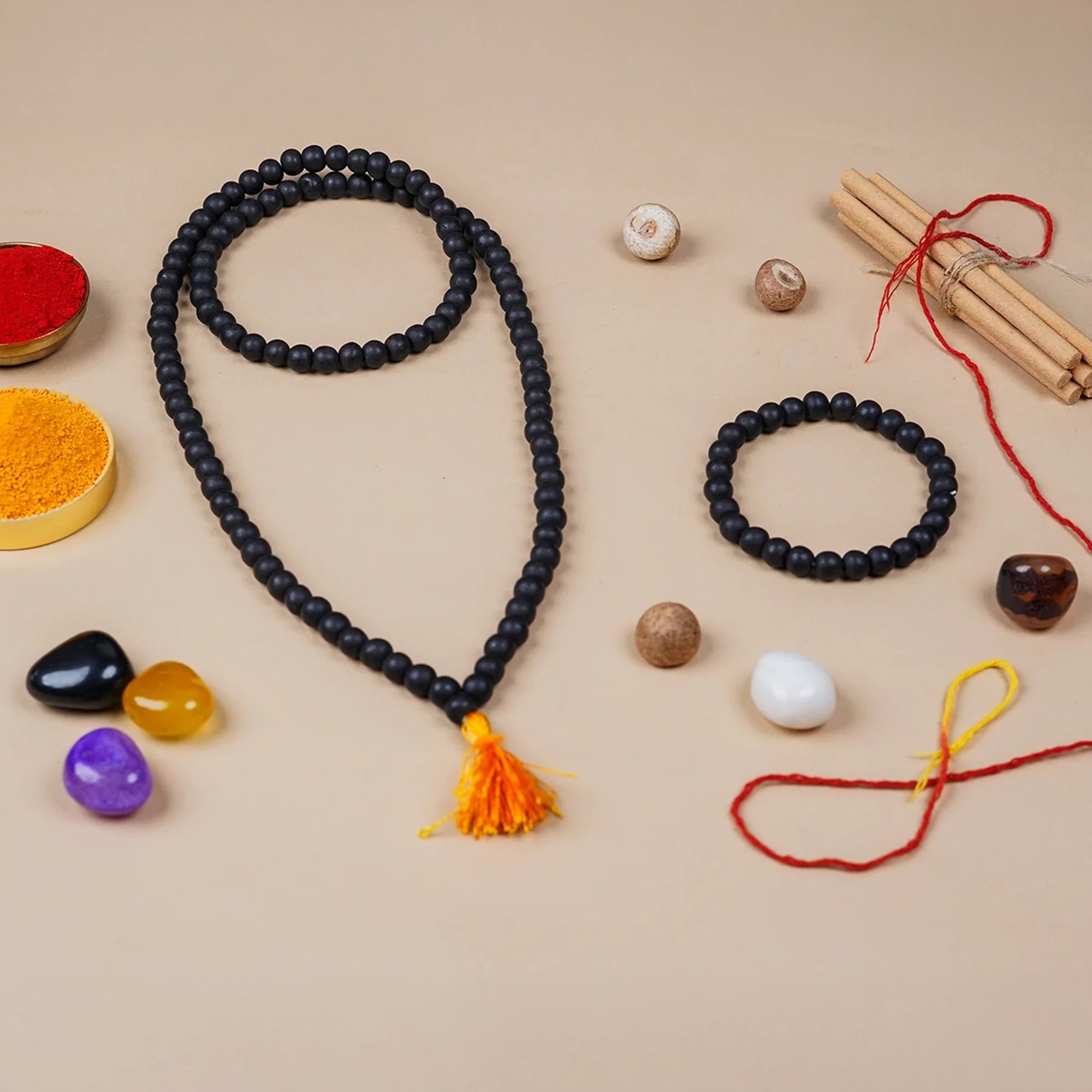
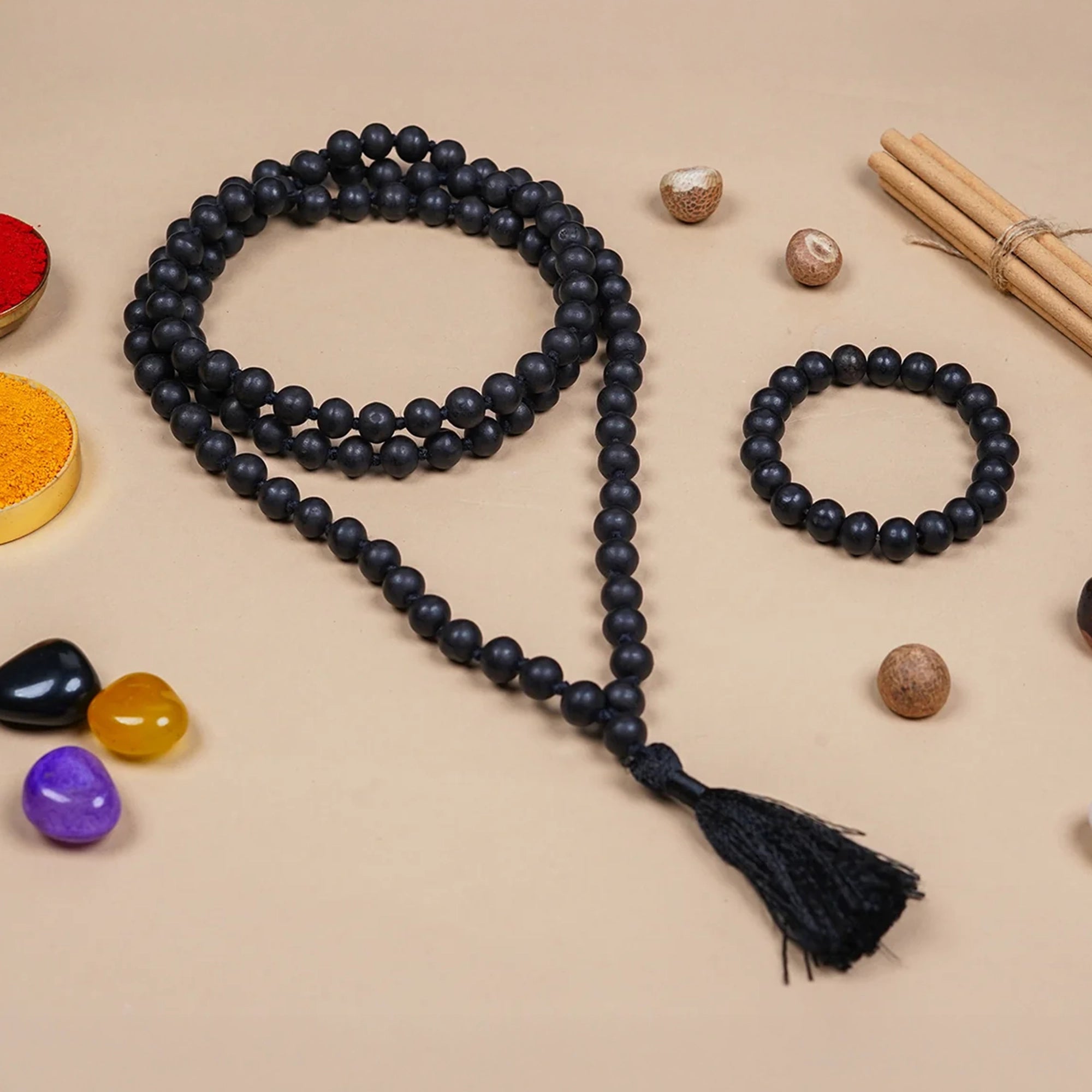
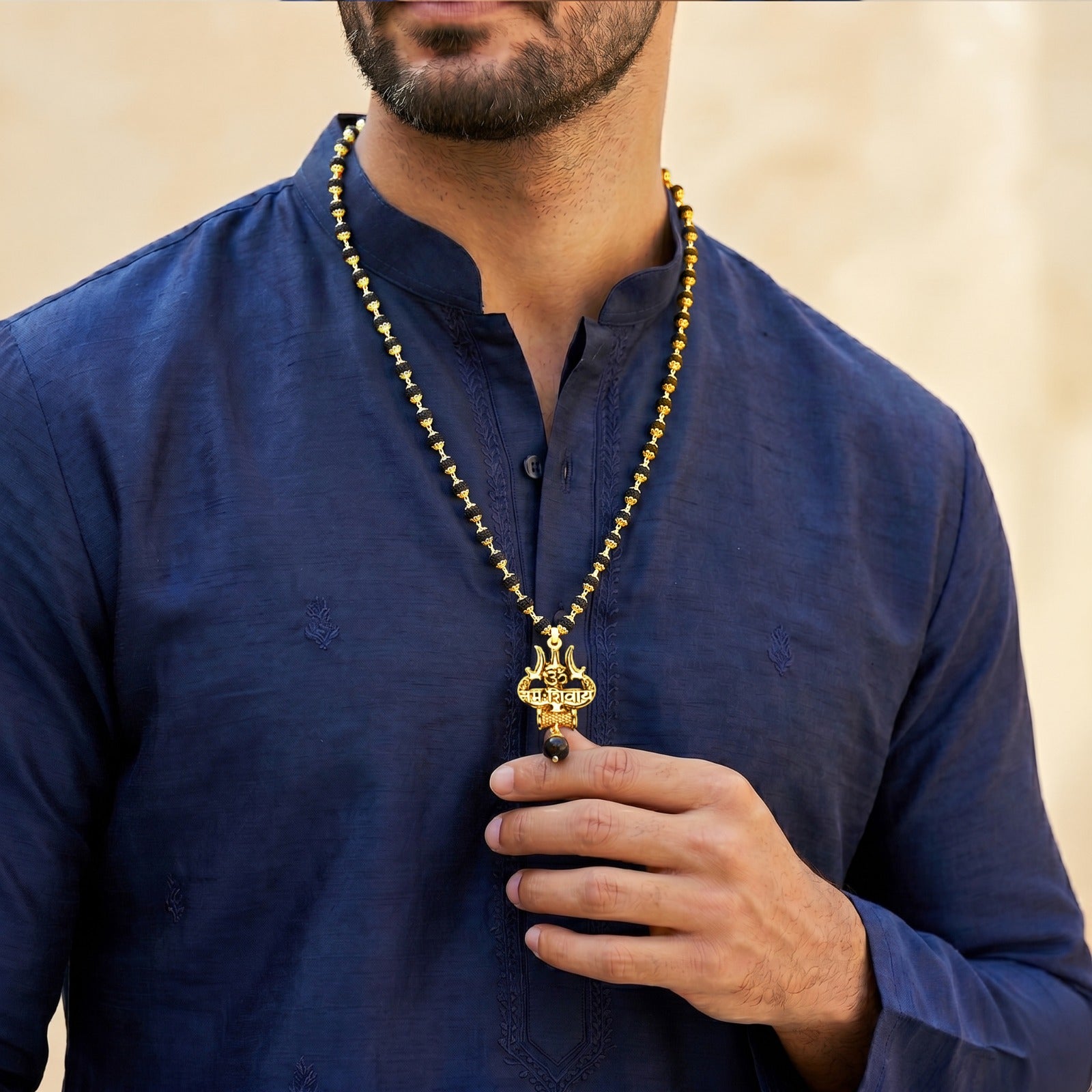
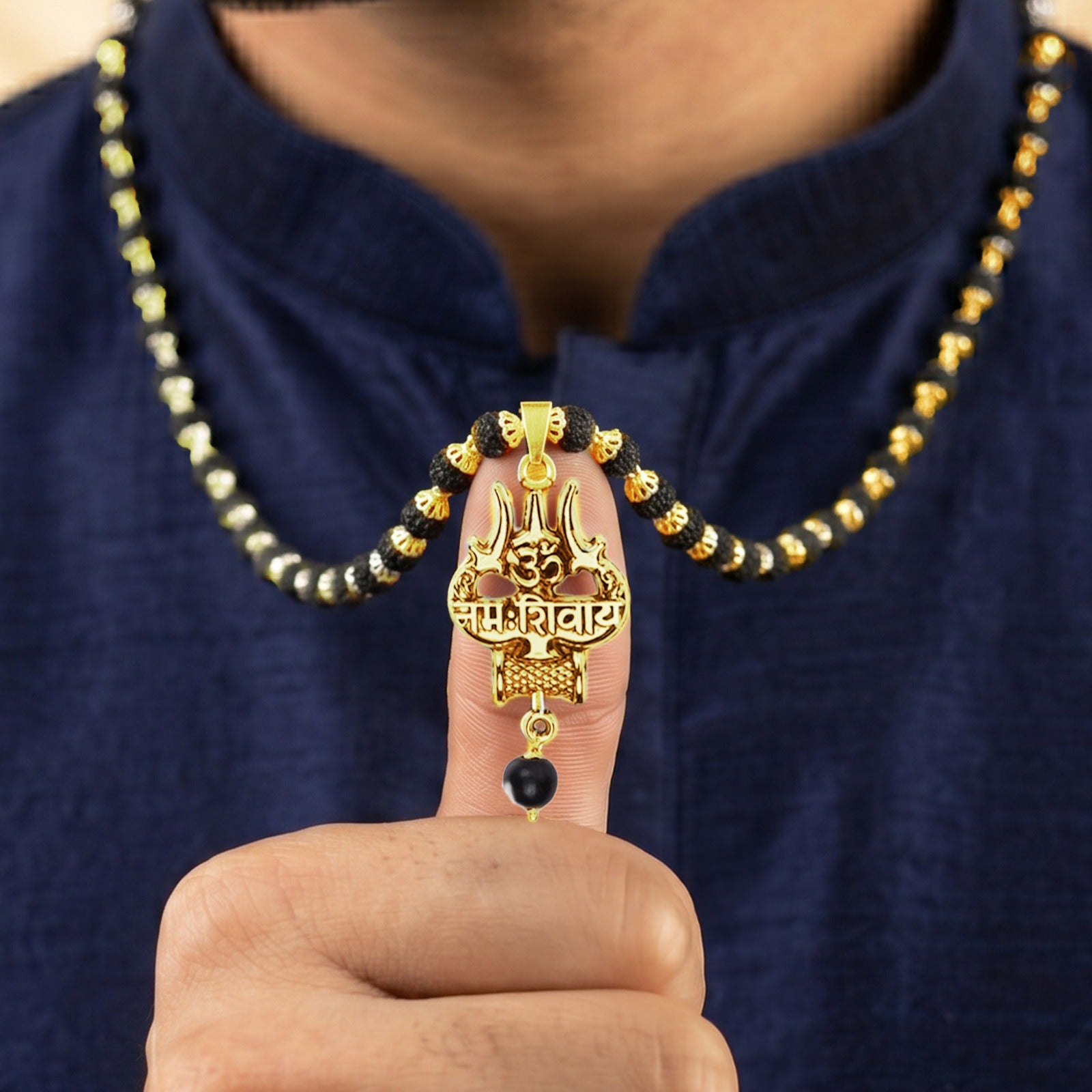
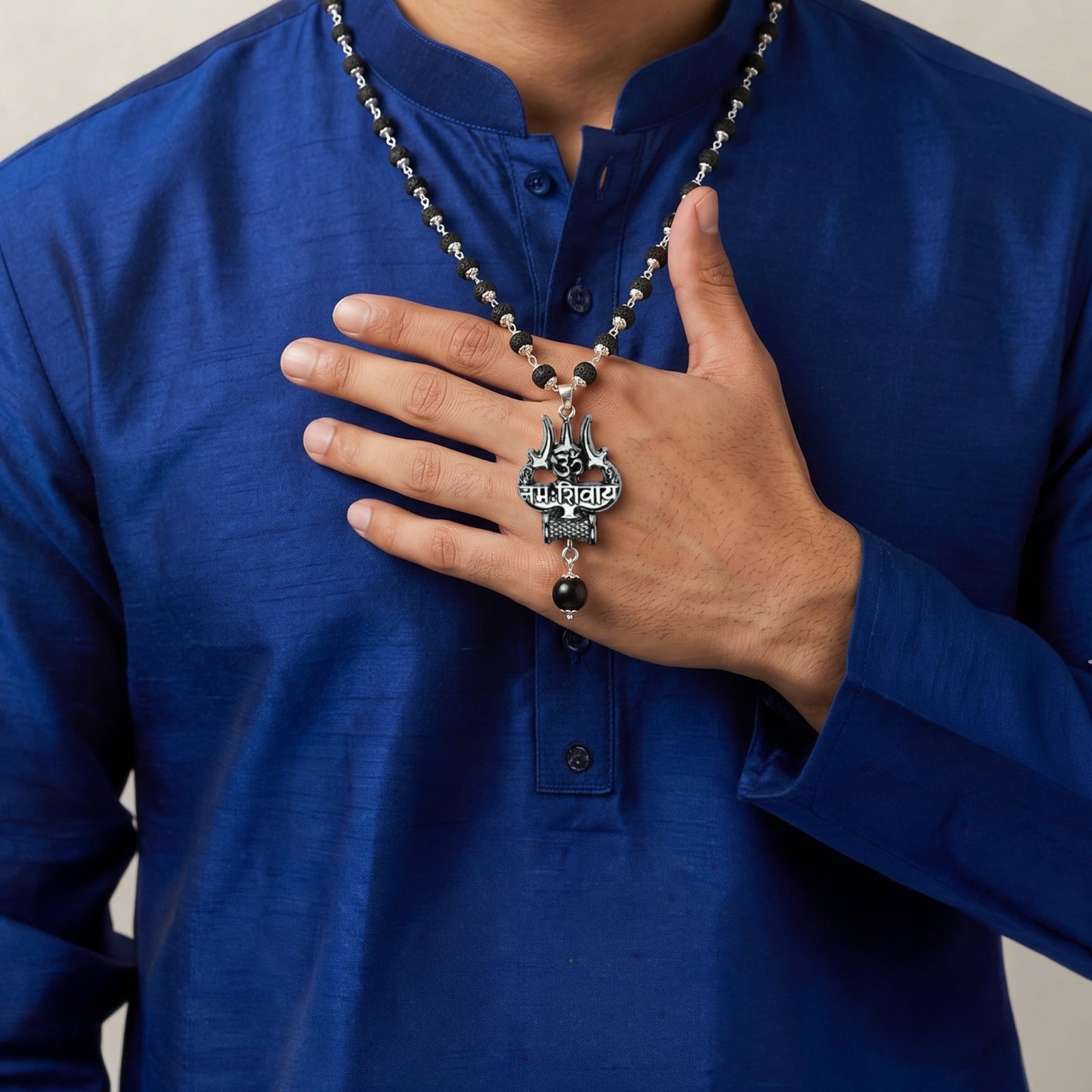
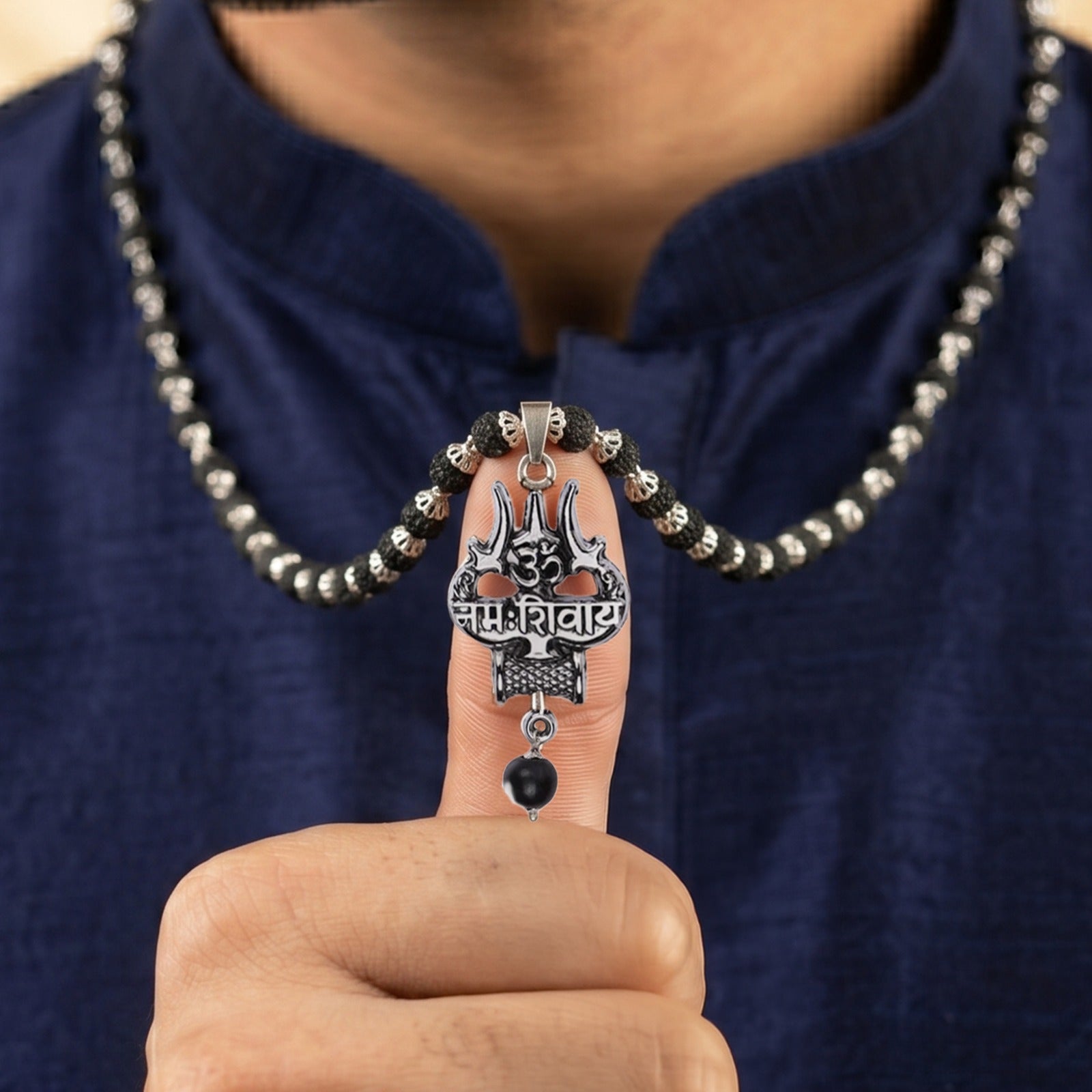
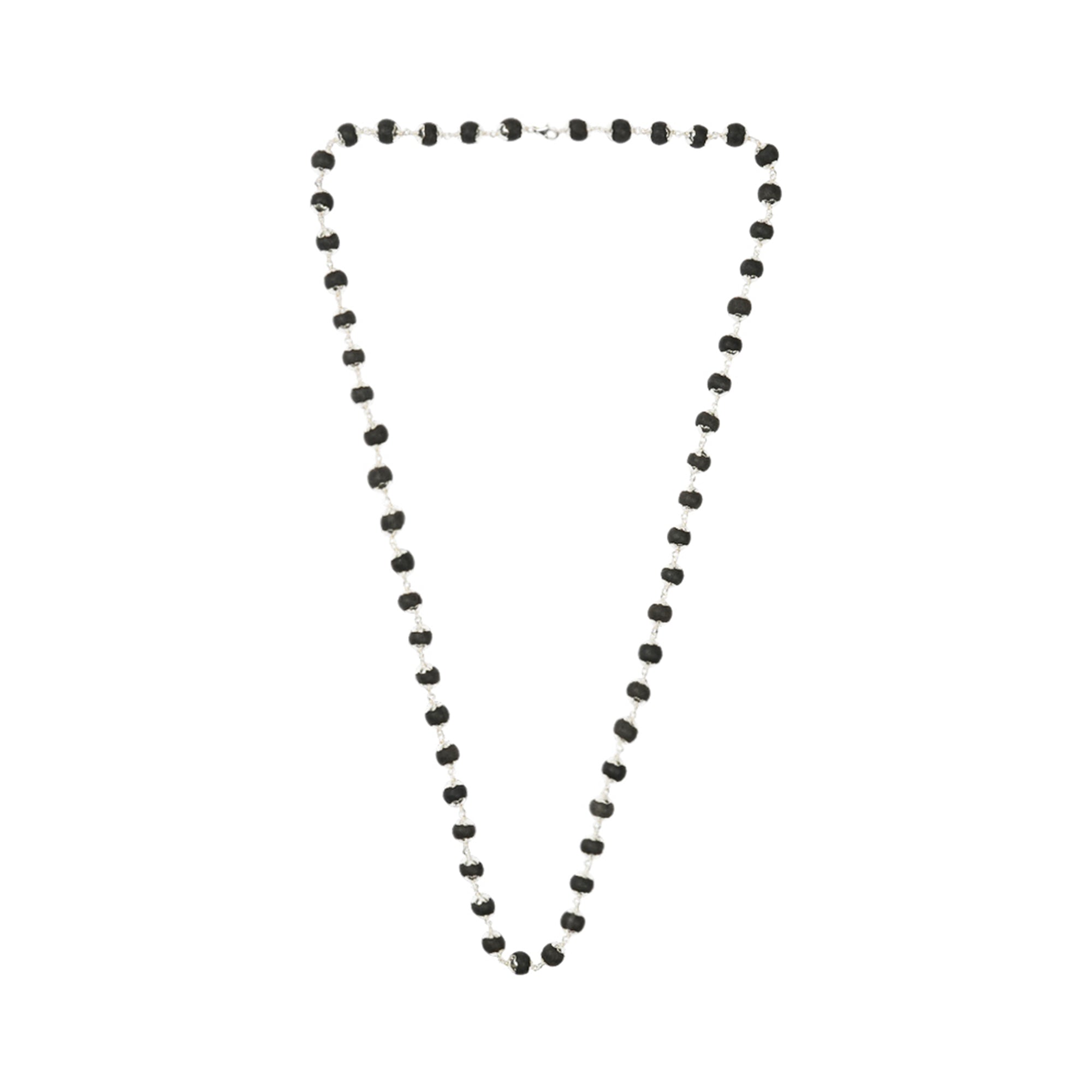
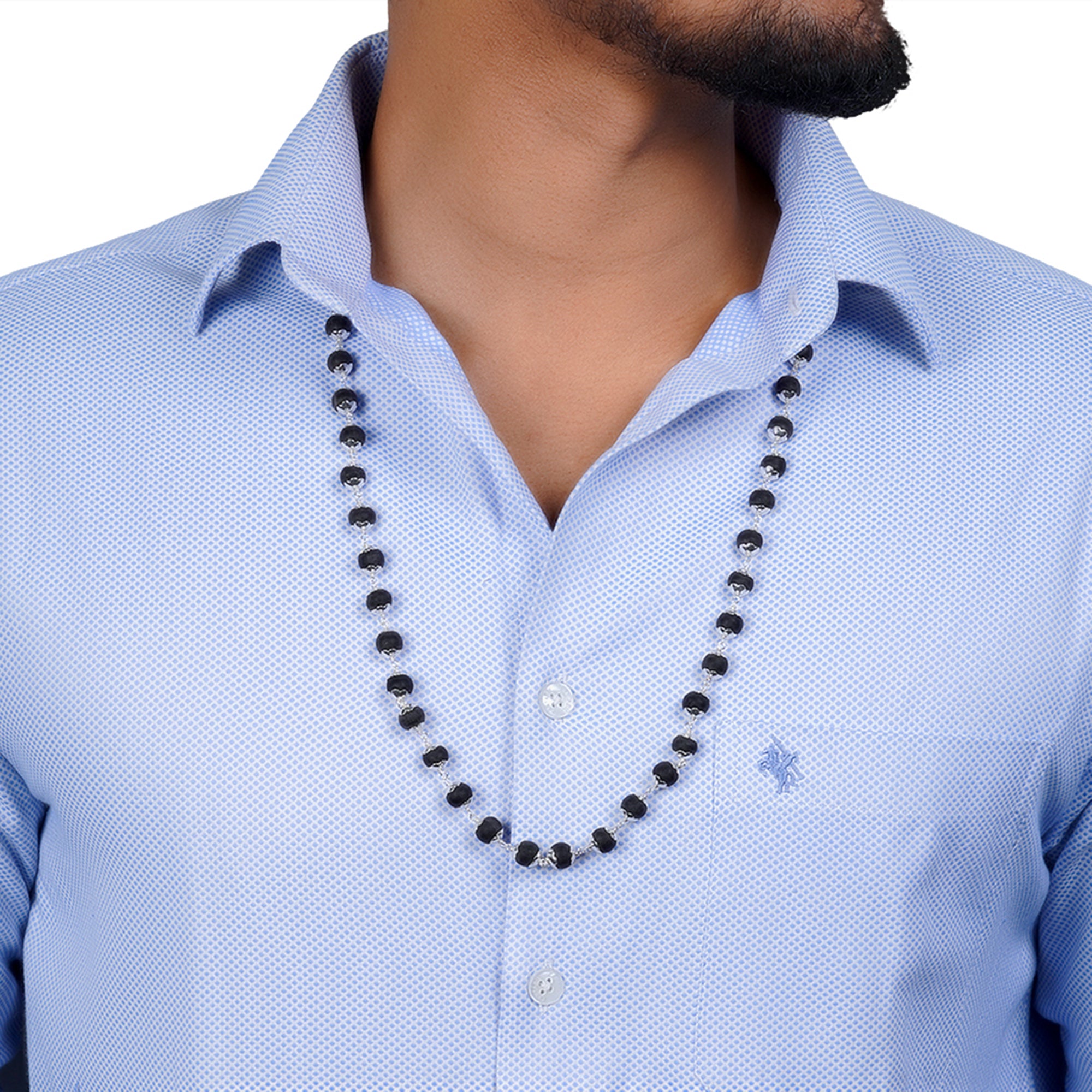
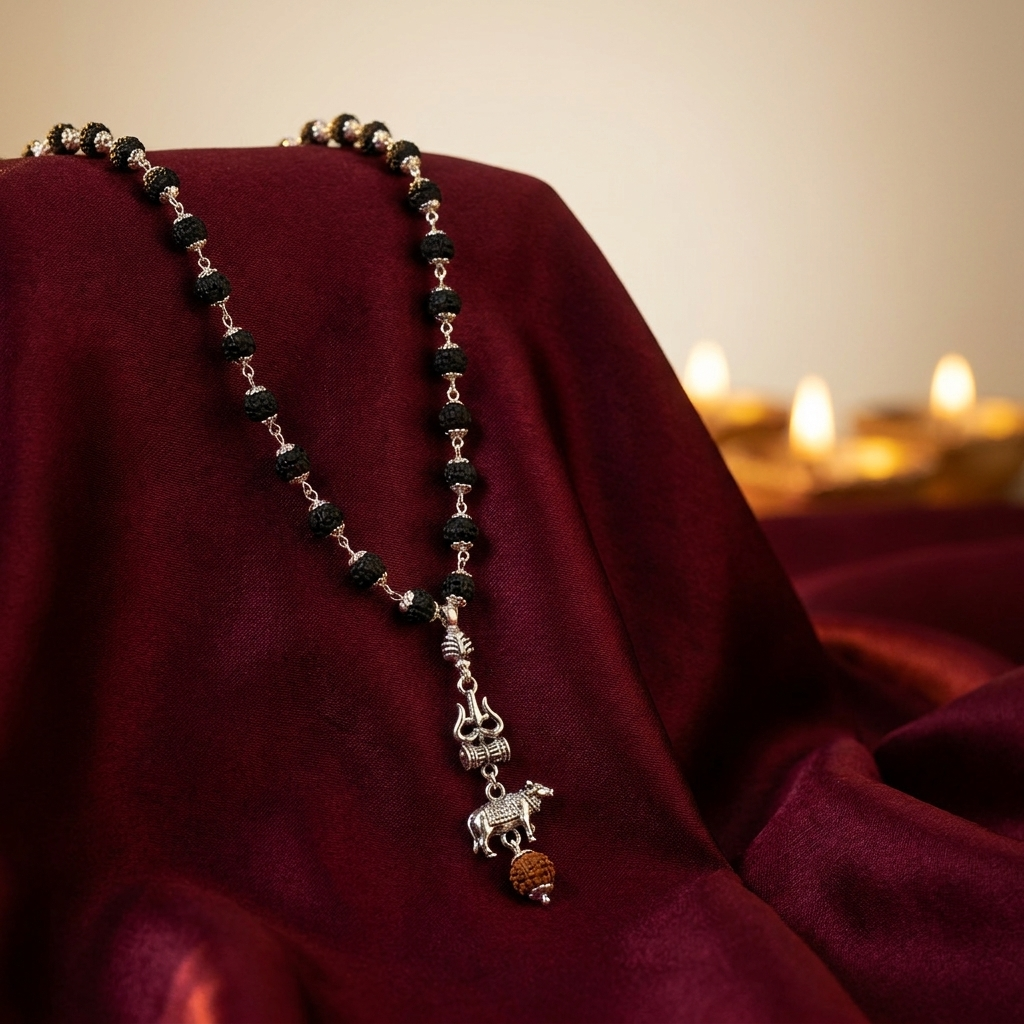
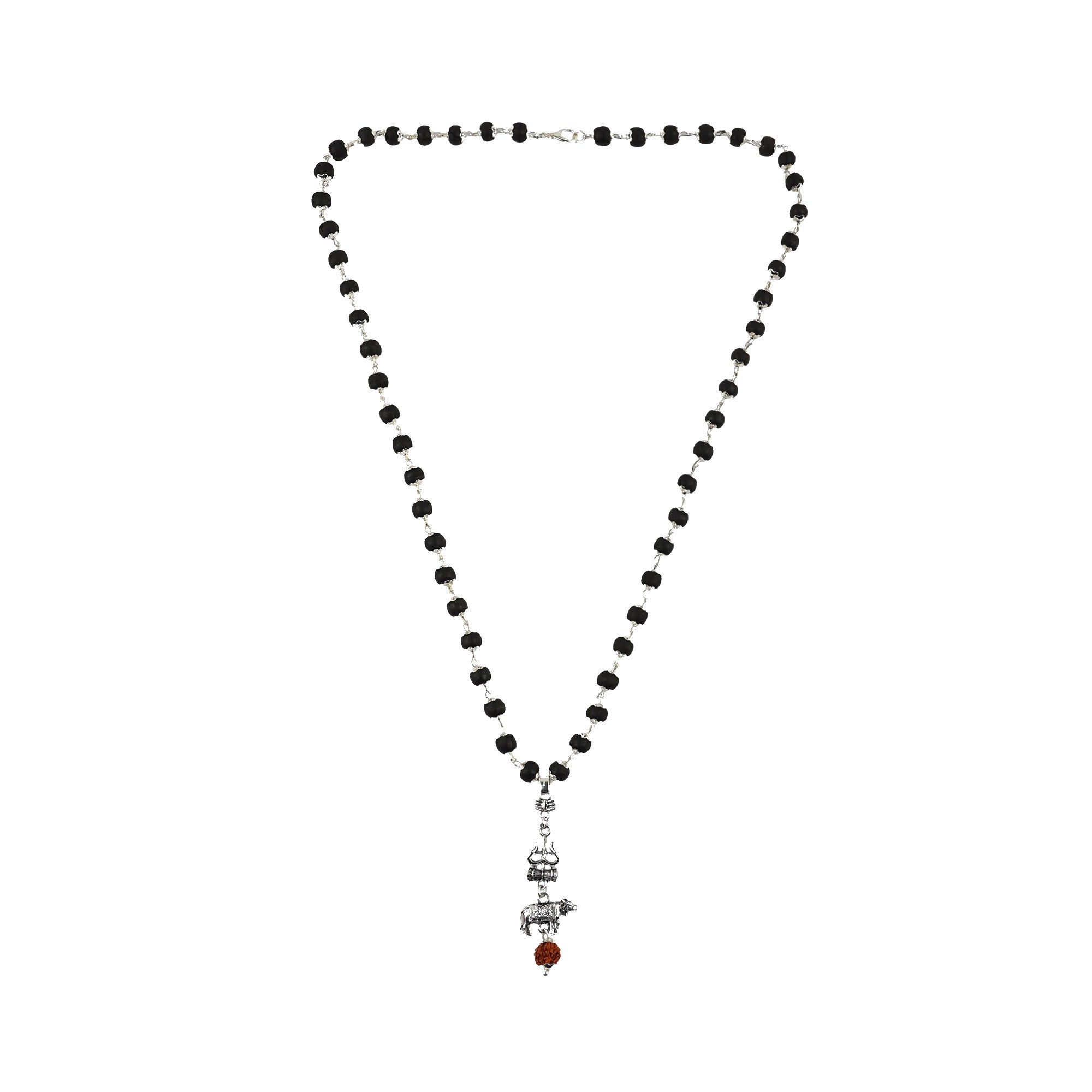
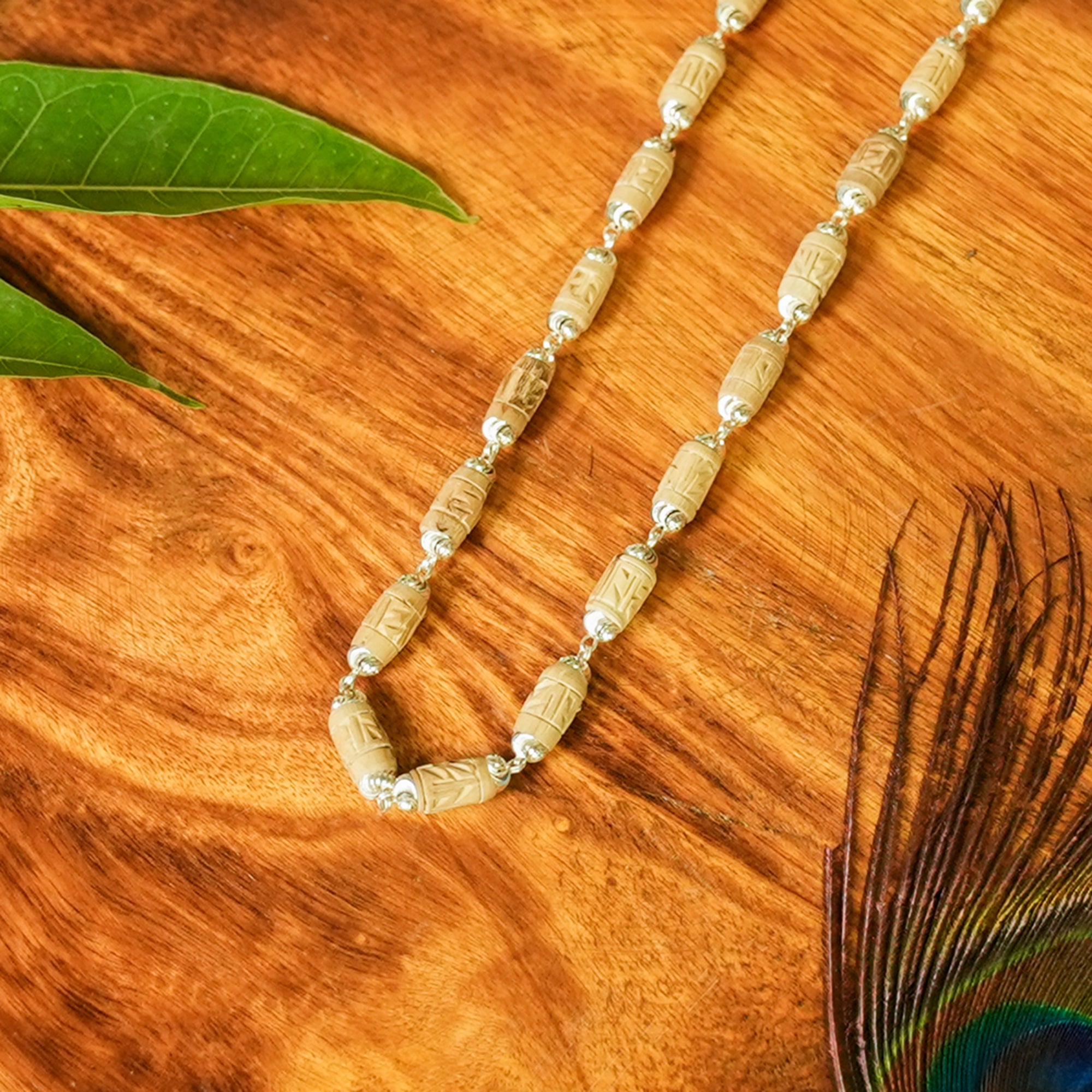
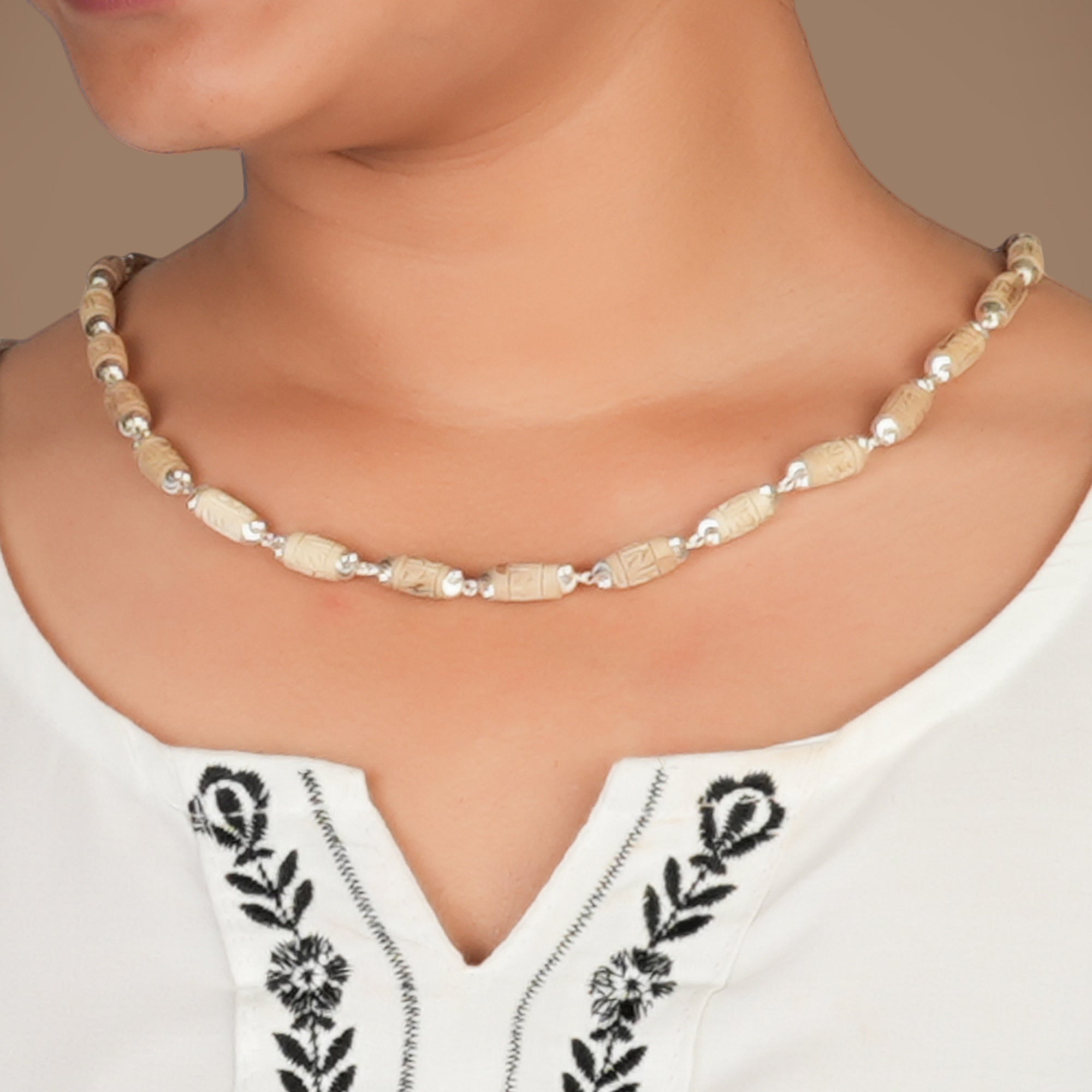
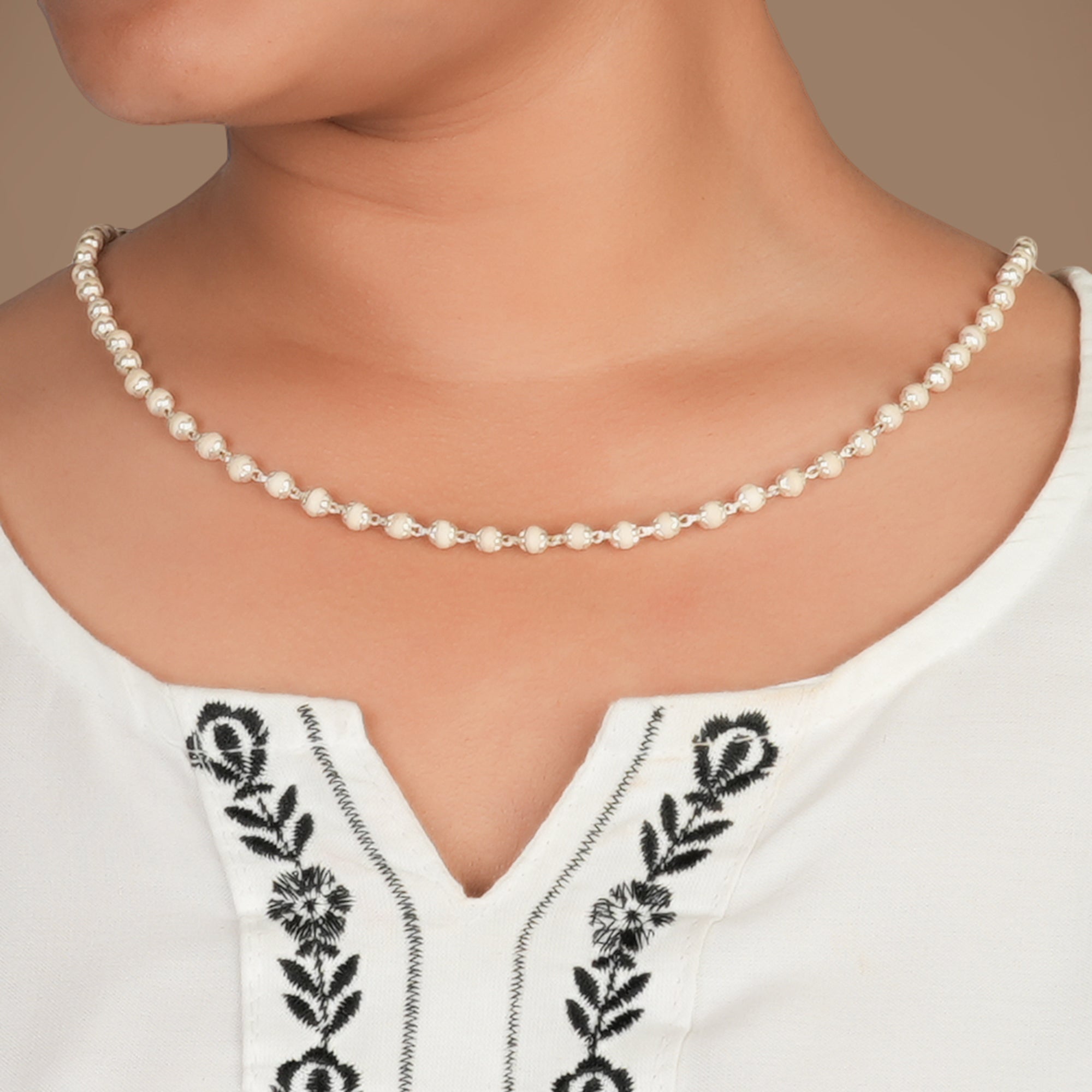
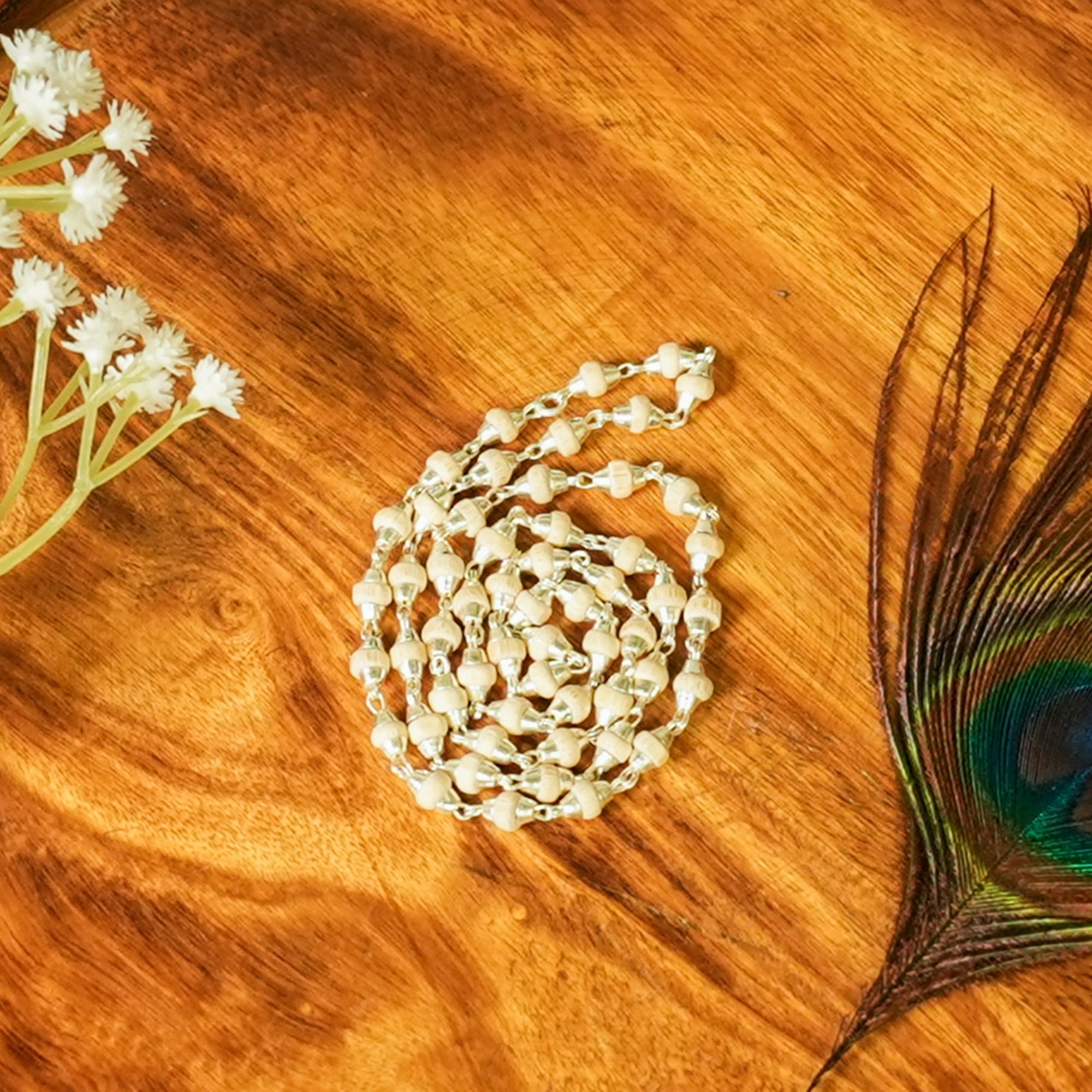
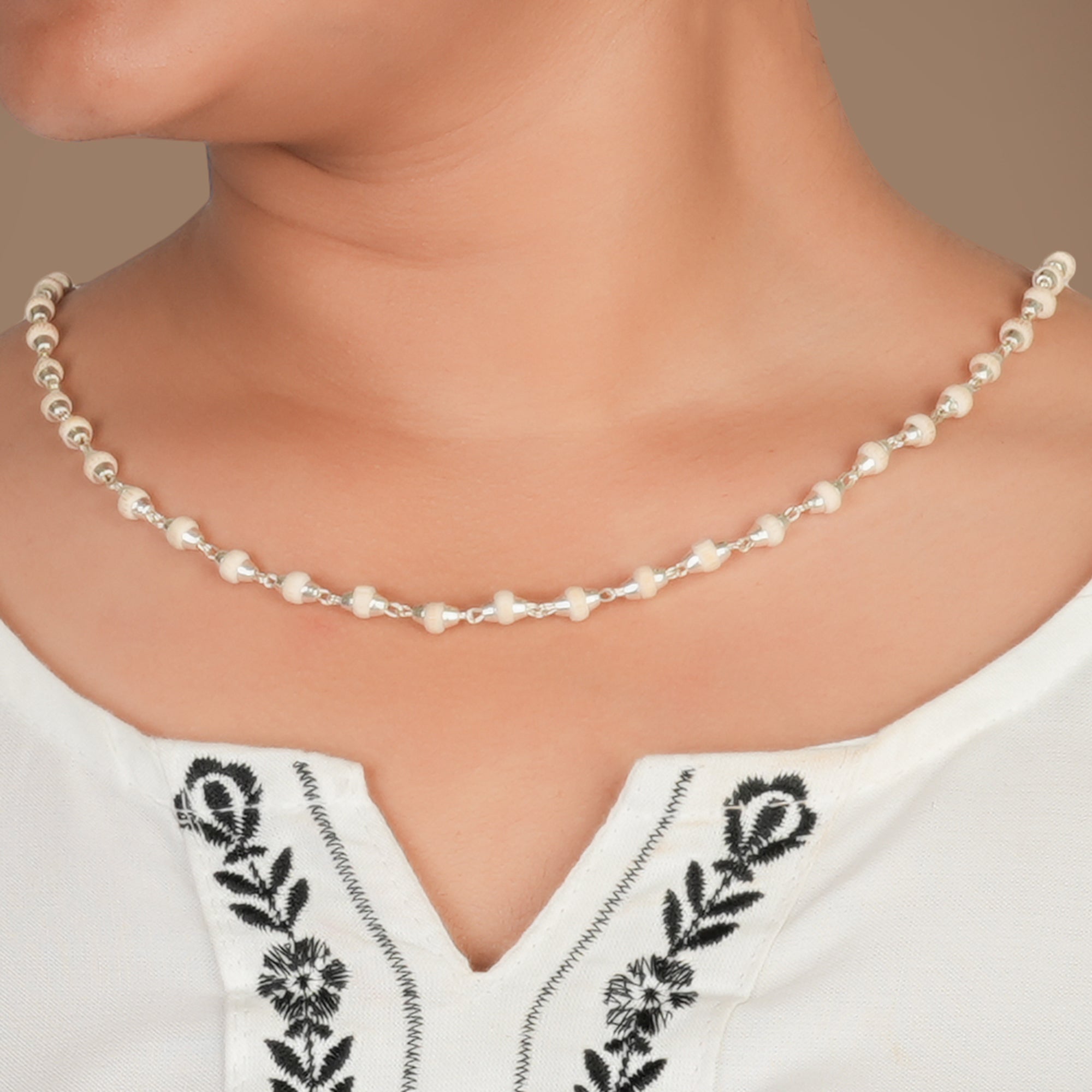
The Karungali Mala is a string of beads made from sacred Karungali (ebony) wood, worn for grounding, protection and focus. Spiritually connected to Lord Shiva and rooted in the temple traditions of South India, it is one of the most loved malas for meditation, japa and daily spiritual protection. This guide covers what the Karungali Mala is worn for, who should wear it, the traditional rules and do's & don'ts, how to wear it, and how to tell genuine ebony from fakes. Ready to shop? Browse the complete Karungali collection — malas, bracelets and Shiv Nandi designs.
What is karungali? (Karungali in Hindi, Tamil and English)
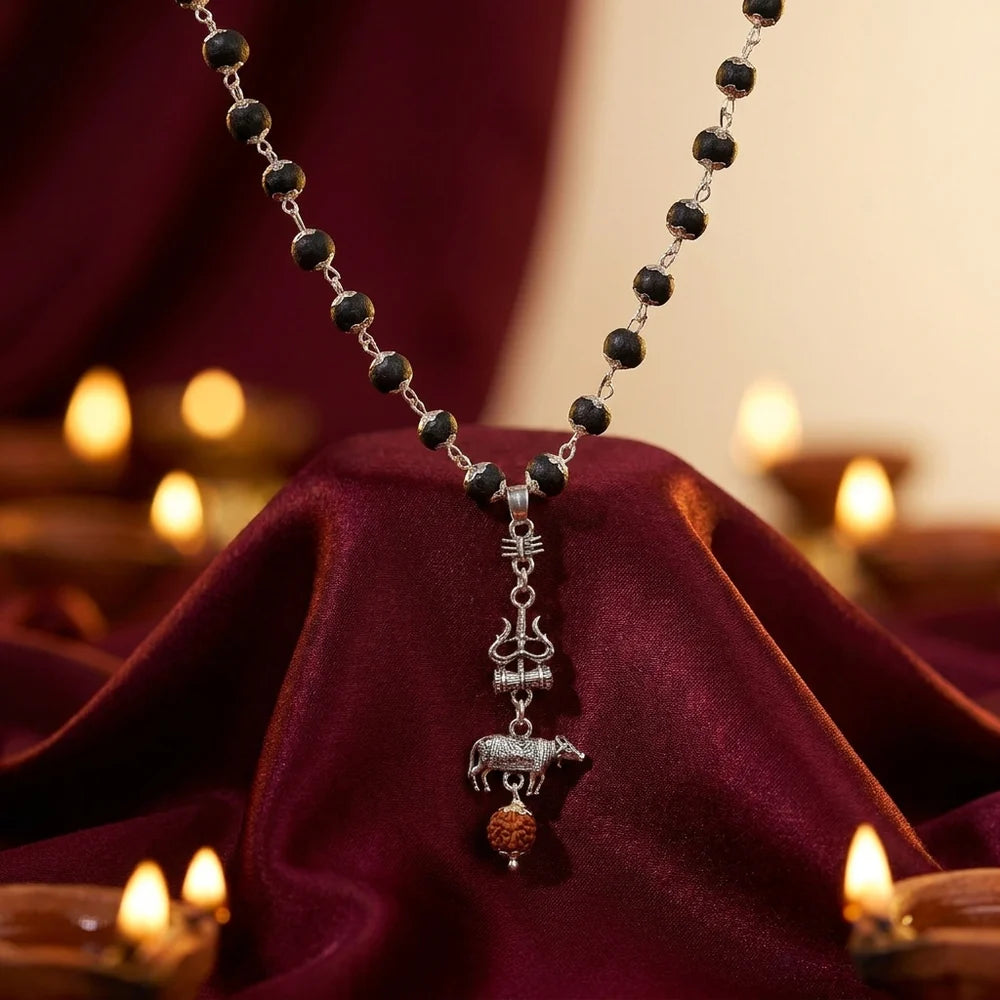
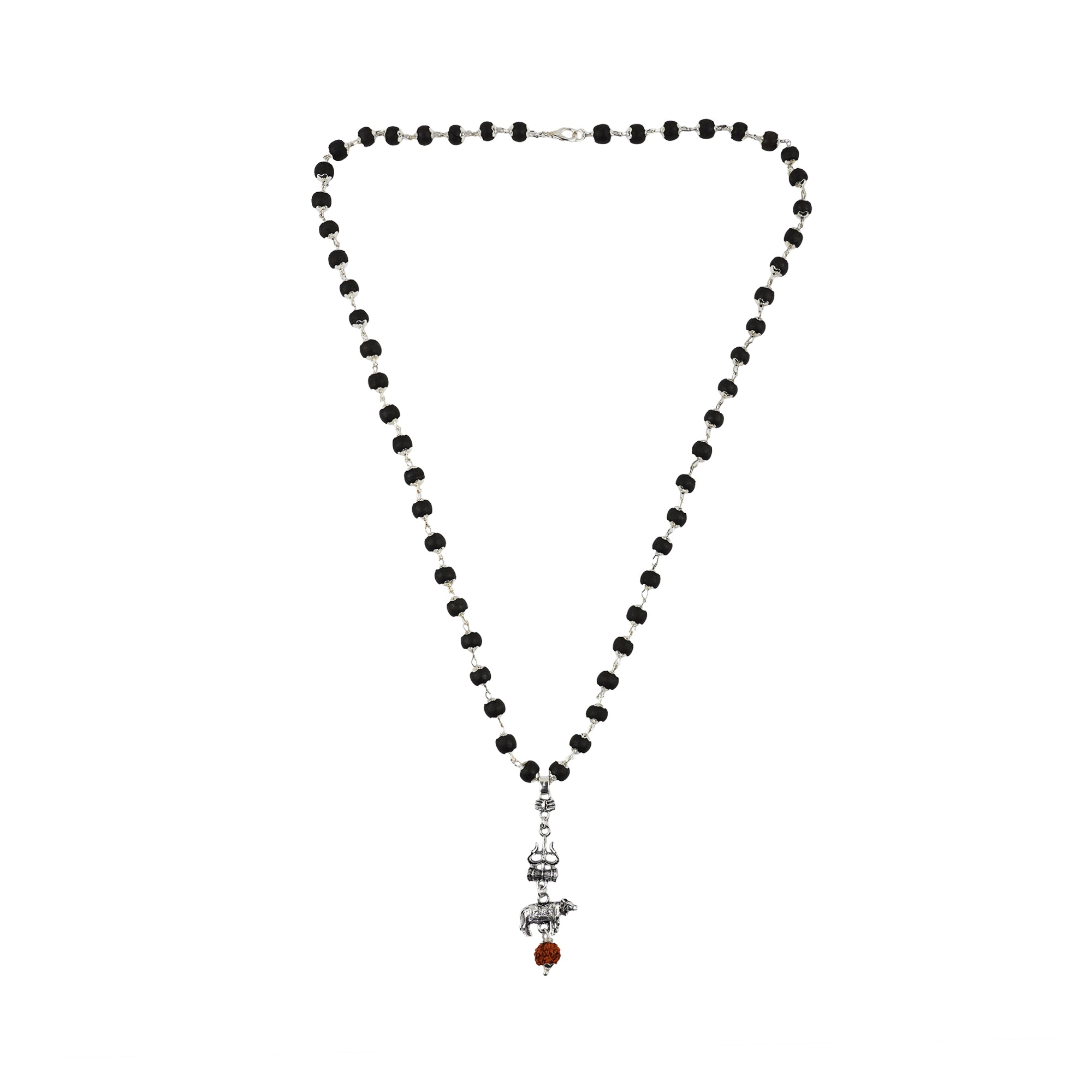
Karungali (கருங்காலி in Tamil) is the name used in South India for a very dark, dense heartwood that is sold in English as ebony. In Hindi-speaking regions ebony wood is traditionally called abnoos (आबनूस), though most buyers simply ask for a “karungali mala” (करुंगली माला). The wood is associated with Lord Shiva in temple tradition, which is why karungali malas are often worn with a 5 Mukhi Rudraksha or a Shiva pendant.
| Name | Where it is used | Meaning |
|---|---|---|
| Karungali (கருங்காலி) | Tamil Nadu and South India | Dark, dense heartwood (ebony) |
| Abnoos (आबनूस) | Hindi and Urdu | Ebony wood |
| Ebony mala | English | A mala of ebony beads |
What the Karungali Mala is worn for
In tradition, Karungali wood is believed to absorb negative vibrations and steady the mind. The Karungali Mala is most often worn for:
- Grounding & protection — a spiritual shield against negative energy and the evil eye.
- Meditation & focus — calming the mind and deepening japa and silent practice.
- Emotional steadiness — helping the wearer stay calm and resilient under pressure.
- Astrological support — traditionally worn during Shani (Saturn) periods, Sade Sati, and Rahu–Ketu transits.
Who should wear the Karungali Mala
It suits anyone seeking grounding, protection or a steadier mind — especially meditators and spiritual practitioners, people going through stress or a difficult phase, those advised support during Shani Dasha / Sade Sati or Rahu–Ketu periods, students who want focus, and practitioners who wish to avoid absorbing others' energy. Both men and women can wear it — more on that in the related guide below.
Karungali mala benefits for men and women
Tradition does not give the karungali mala different benefits for men and women: the same associations (grounding, protection, focus and steadiness) and the same rules apply to both. A bracelet or a 54-bead mala with a Shiva pendant suits daily wear for anyone, and a 108-bead mala is used for japa. Our guide can women wear the karungali mala? covers the questions women ask most.
Karungali bracelet or mala: which should you choose?
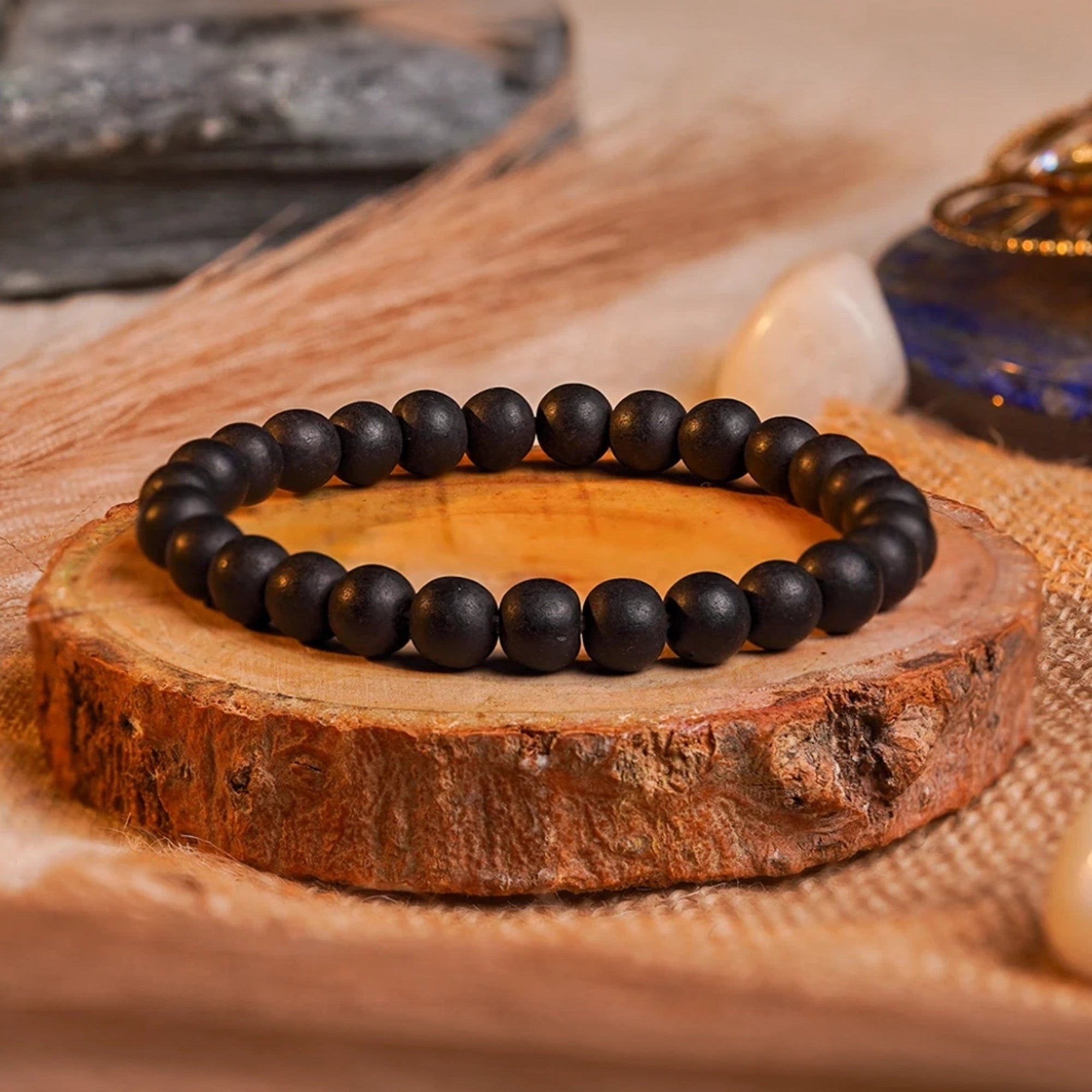
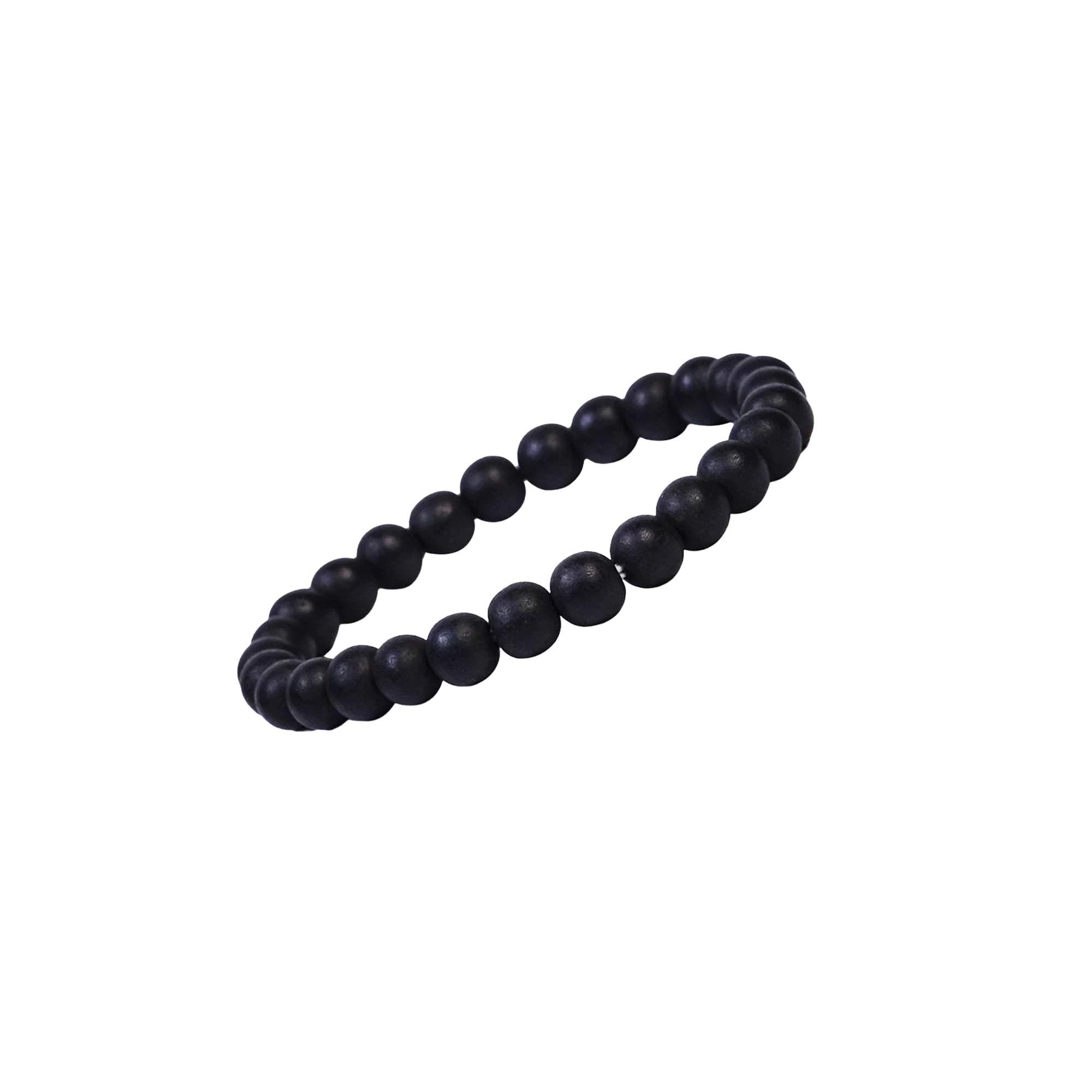
Both are worn for the same traditional reasons. A bracelet is easy to keep on all day; a mala is worn around the neck and can also be used for counting mantras. In our catalogue on 24 September 2026:
| Piece | Listed price (24 Sep 2026) |
|---|---|
| Karungali Bracelet | ₹599 |
| Karungali Mala | ₹899 |
| Karungali Mala + Bracelet combo | ₹1,100 |
| Shiv Nandi Protection Mala (Karungali) | ₹999 |
Prices change with stock; see the Karungali collection for today's designs. If you wear Rudraksha too, our comparison of Rudraksha vs karungali mala compares the two.
Karungali Mala rules — do's & don'ts
Because it is a sacred mala, tradition asks that it be treated with respect. The common rules:
Do
- Wear it in a clean state, ideally after a bath.
- Energise it first with a Shiva mantra (e.g. Om Namah Shivaya).
- Keep it personal — your mala is yours alone.
- Store it respectfully when not worn (a clean cloth or pooja space).
- Oil it lightly now and then to keep the ebony healthy.
Don't
- Don't let others wear your mala (it holds your energy).
- Don't soak it in water for long — it is wood, not stone.
- Don't wear it carelessly during impure activities, per tradition.
- Don't expose it to harsh chemicals, perfume or heat.
- Don't buy lightweight, plasticky “ebony” — it is usually fake (see below).
Treat the Karungali Mala as a spiritual companion, not just an accessory — that respect is the heart of the tradition.
How to wear it & bead count
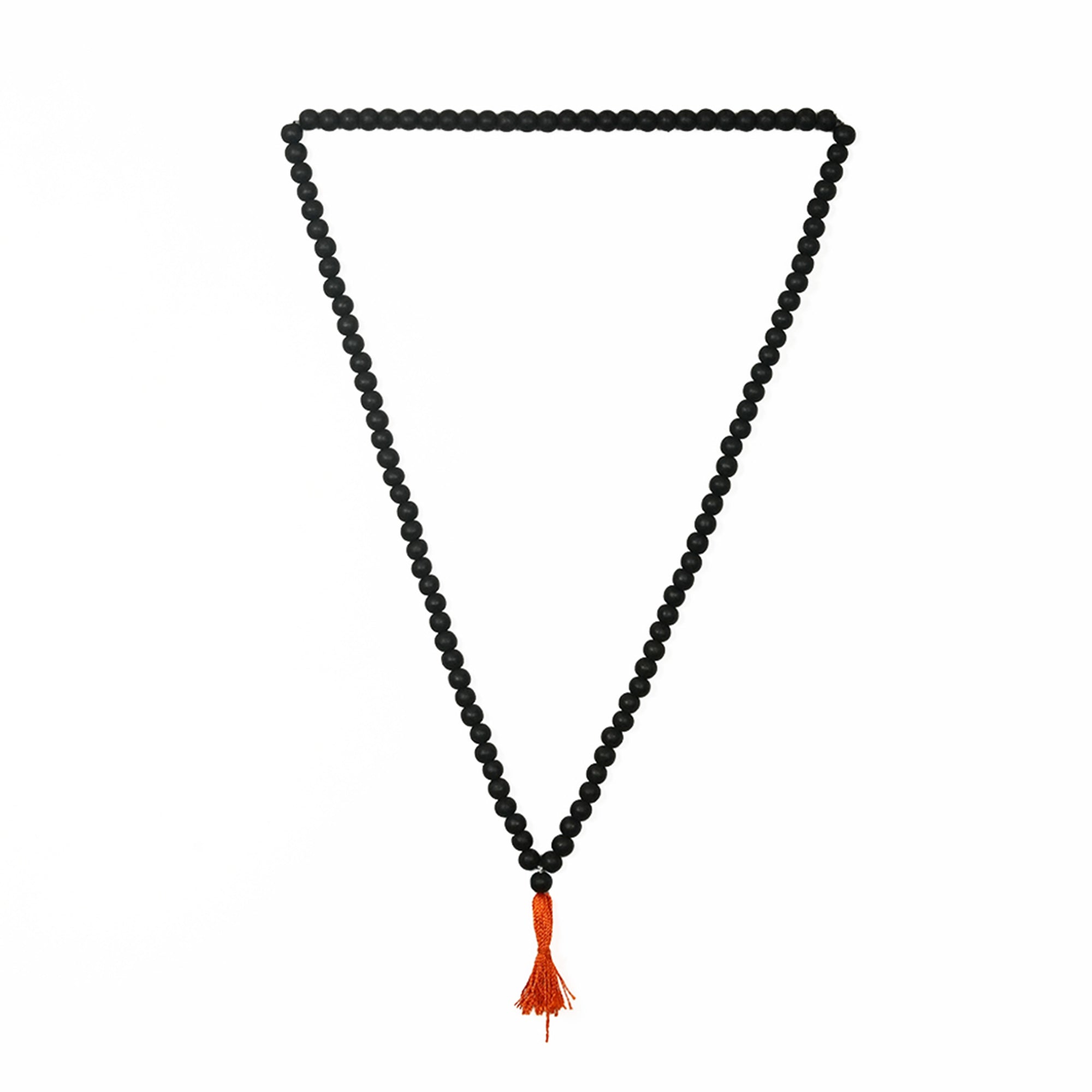
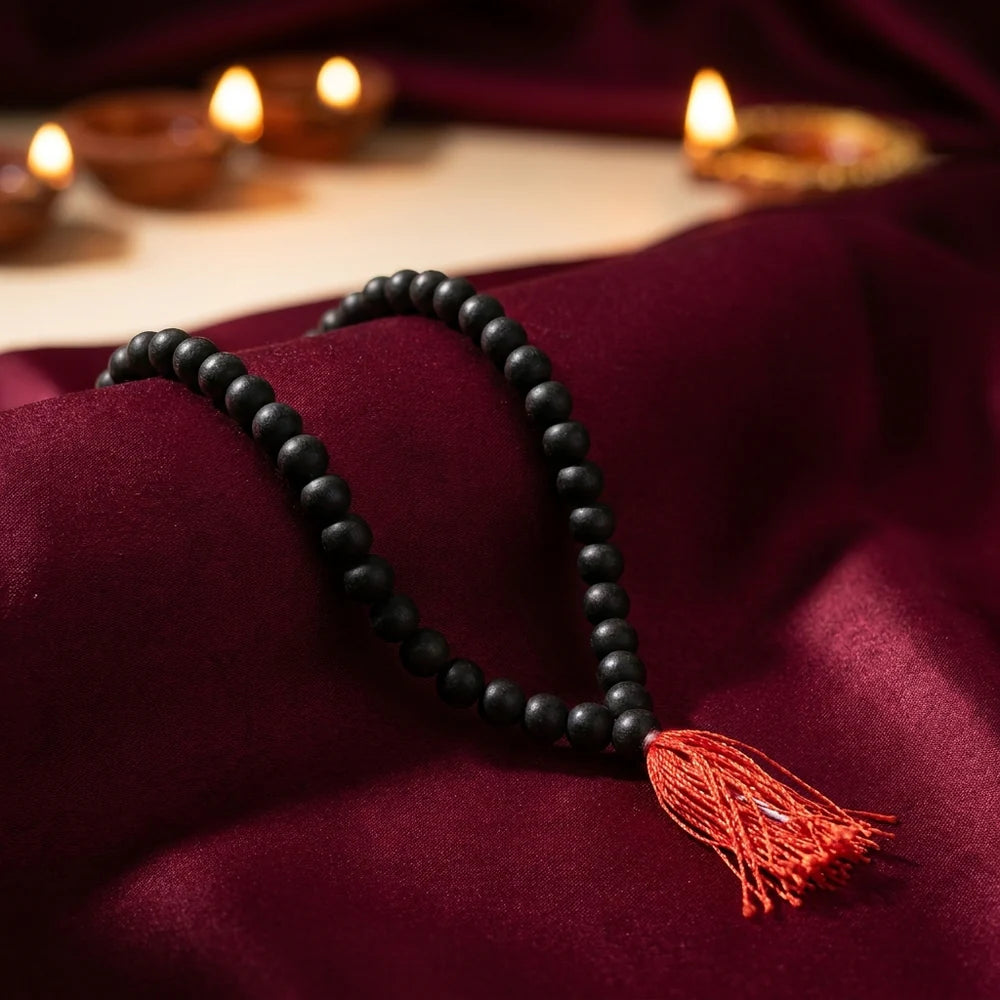
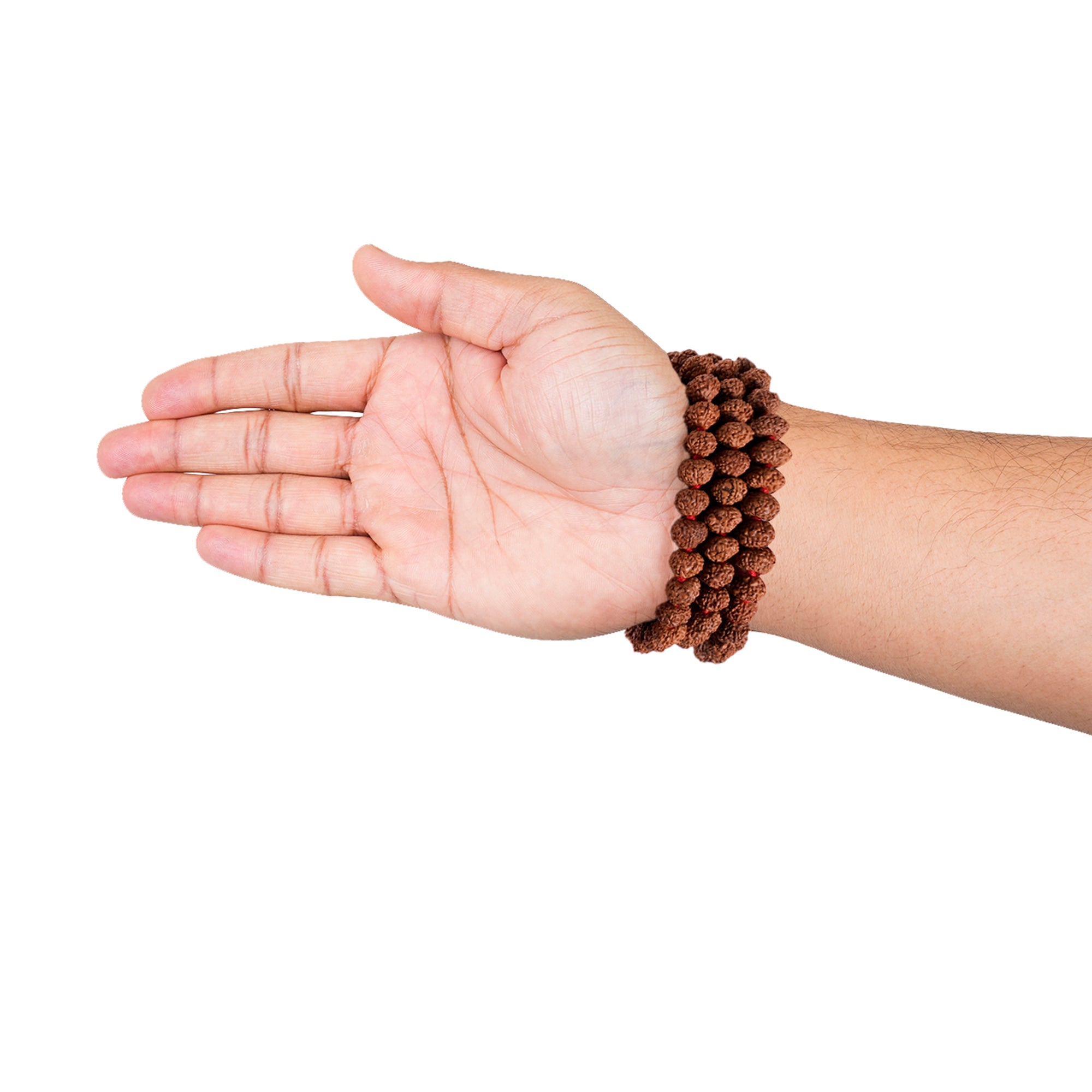
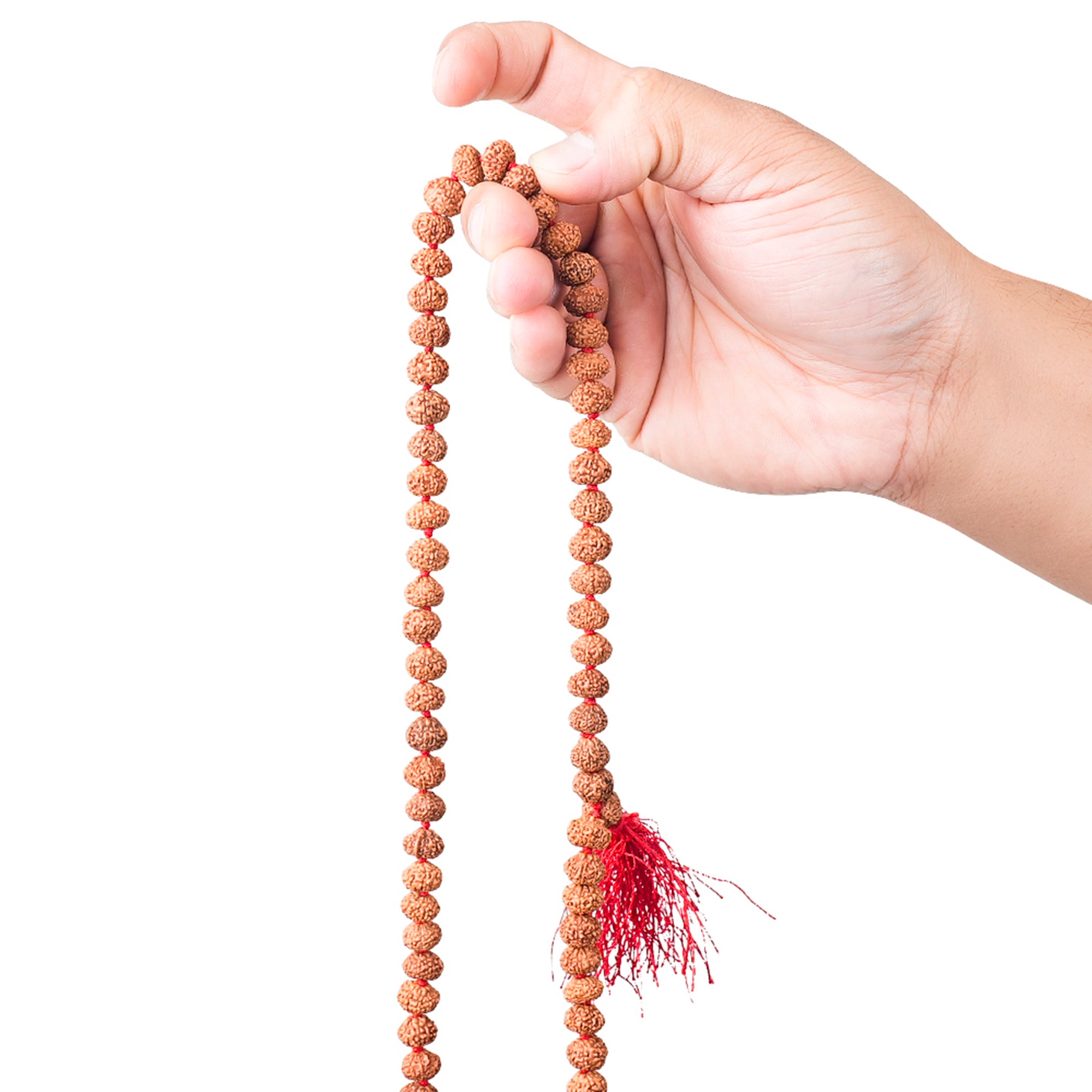
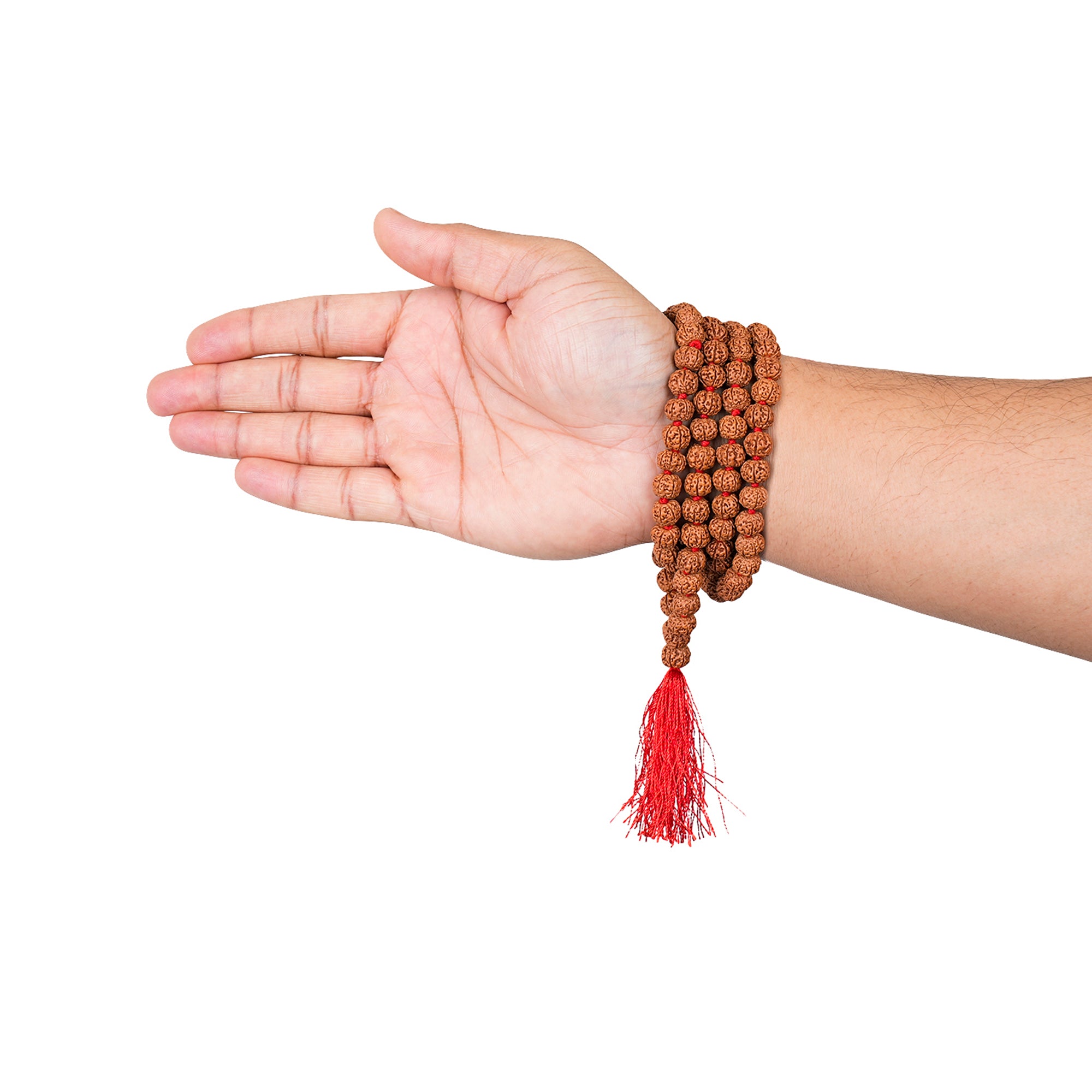
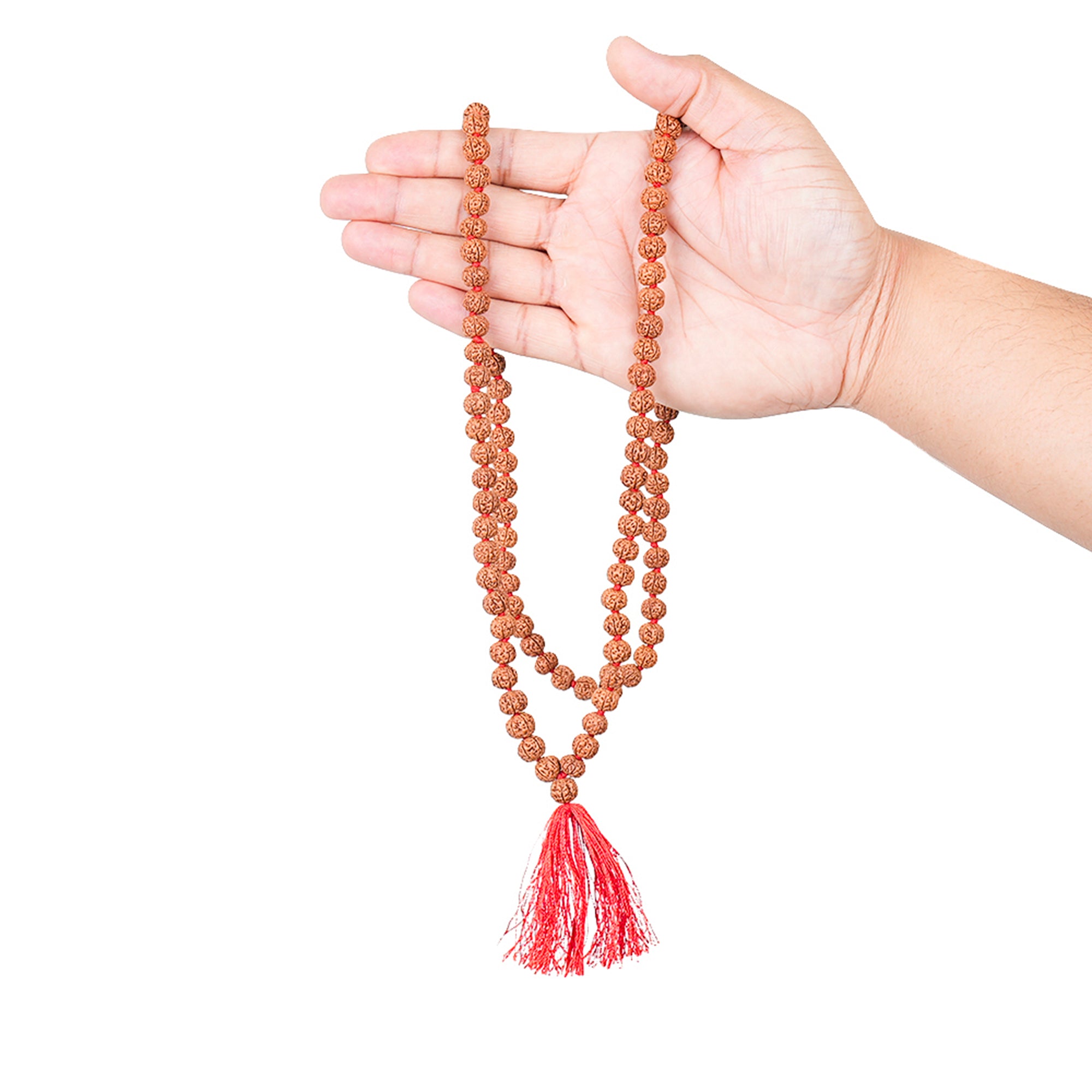
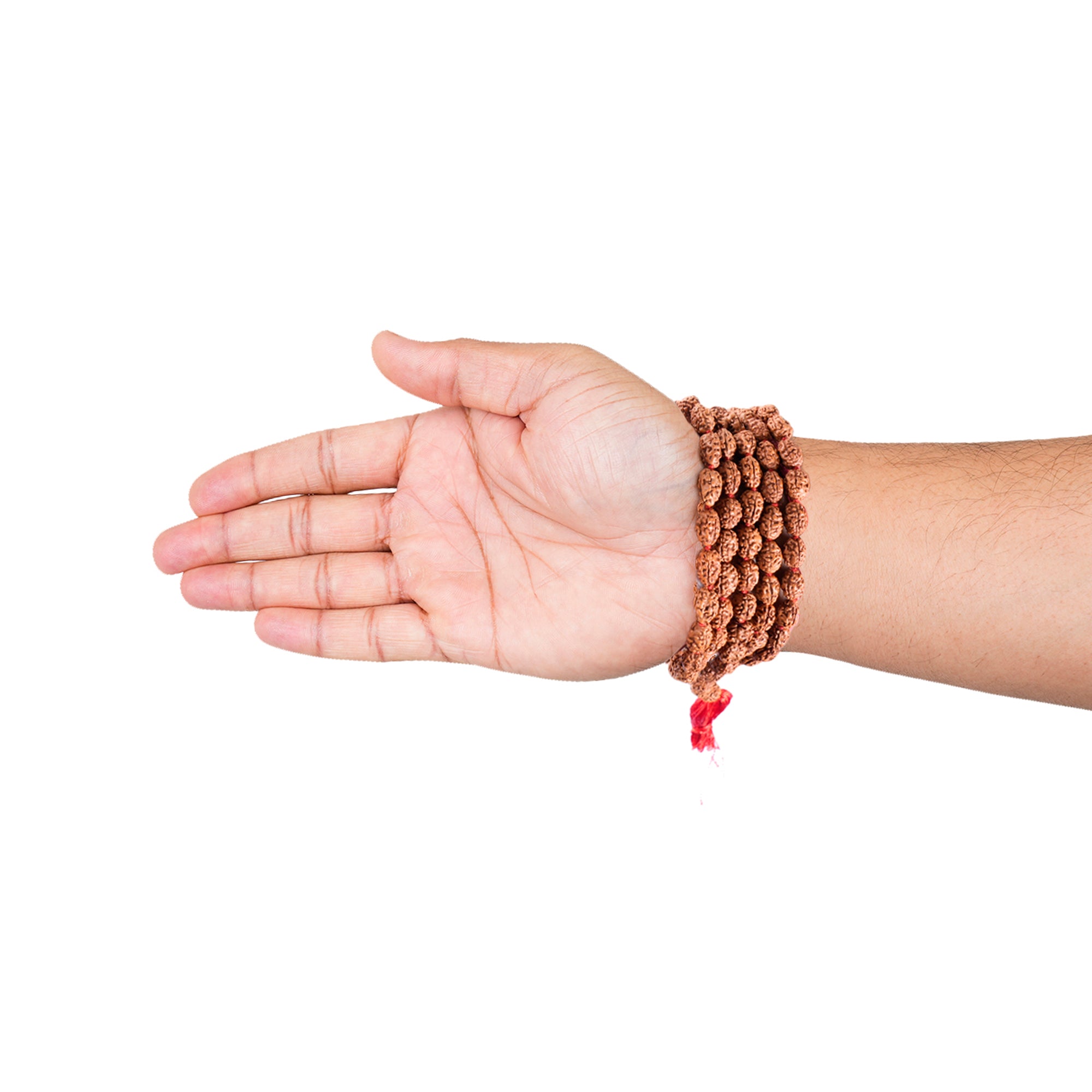
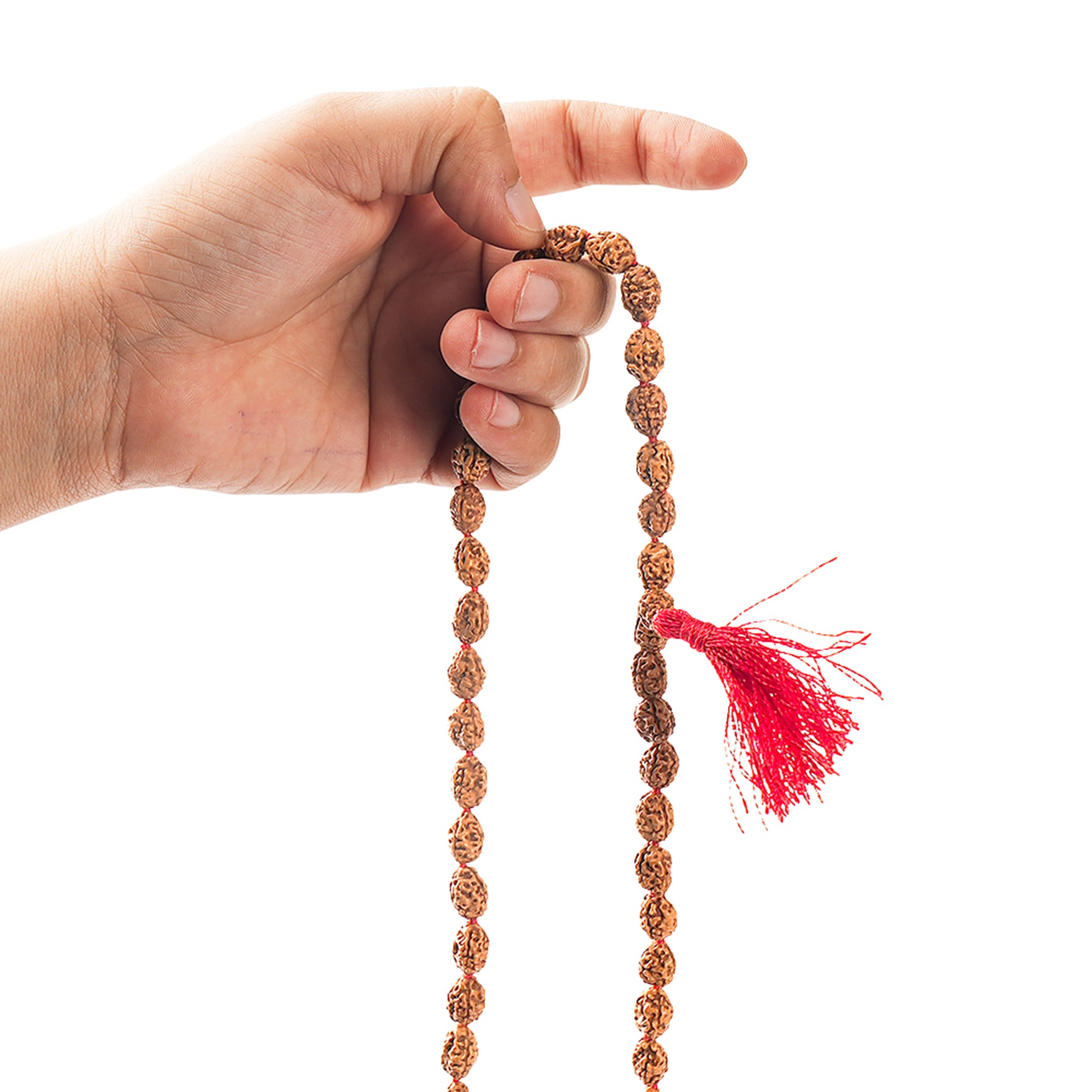
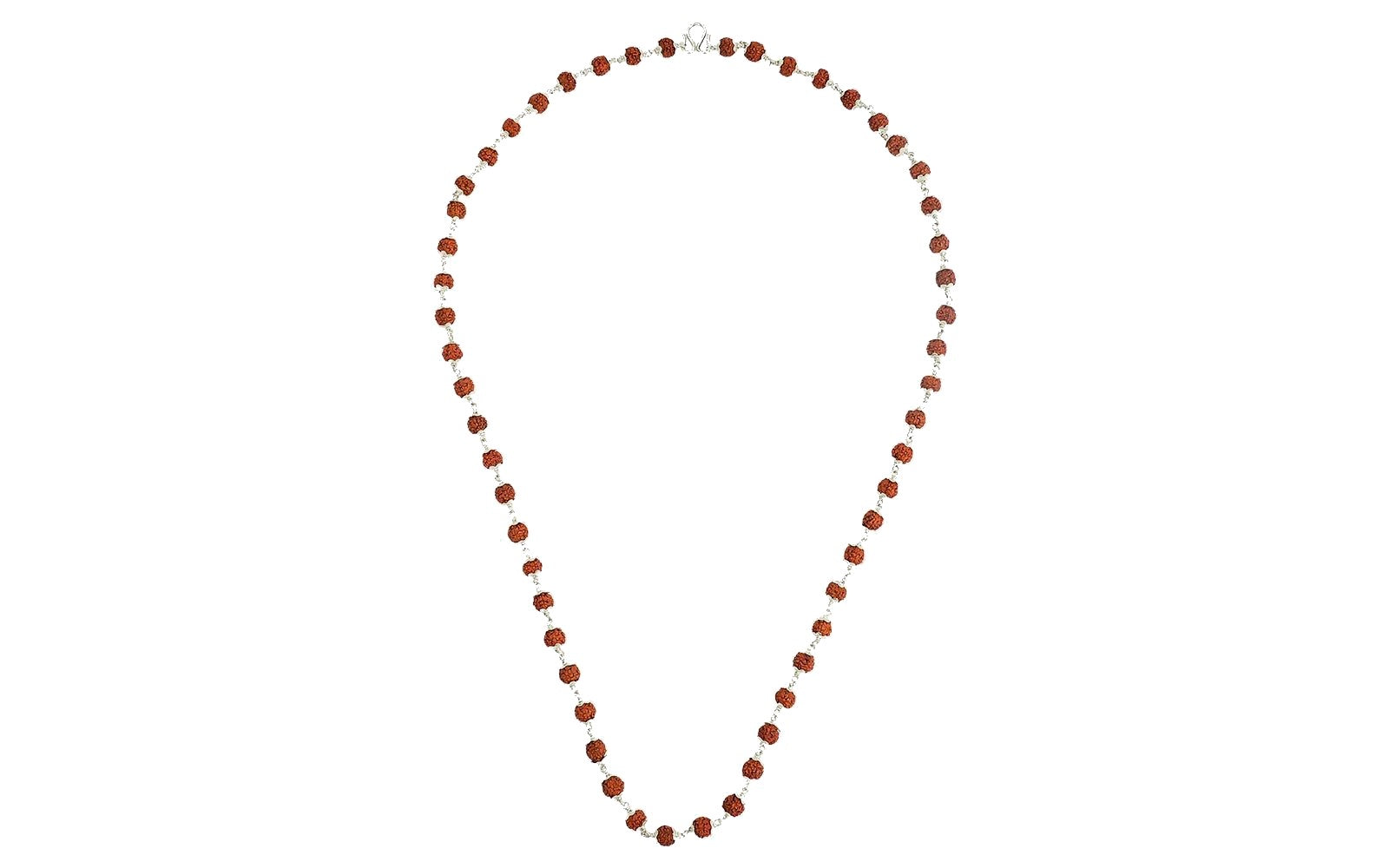
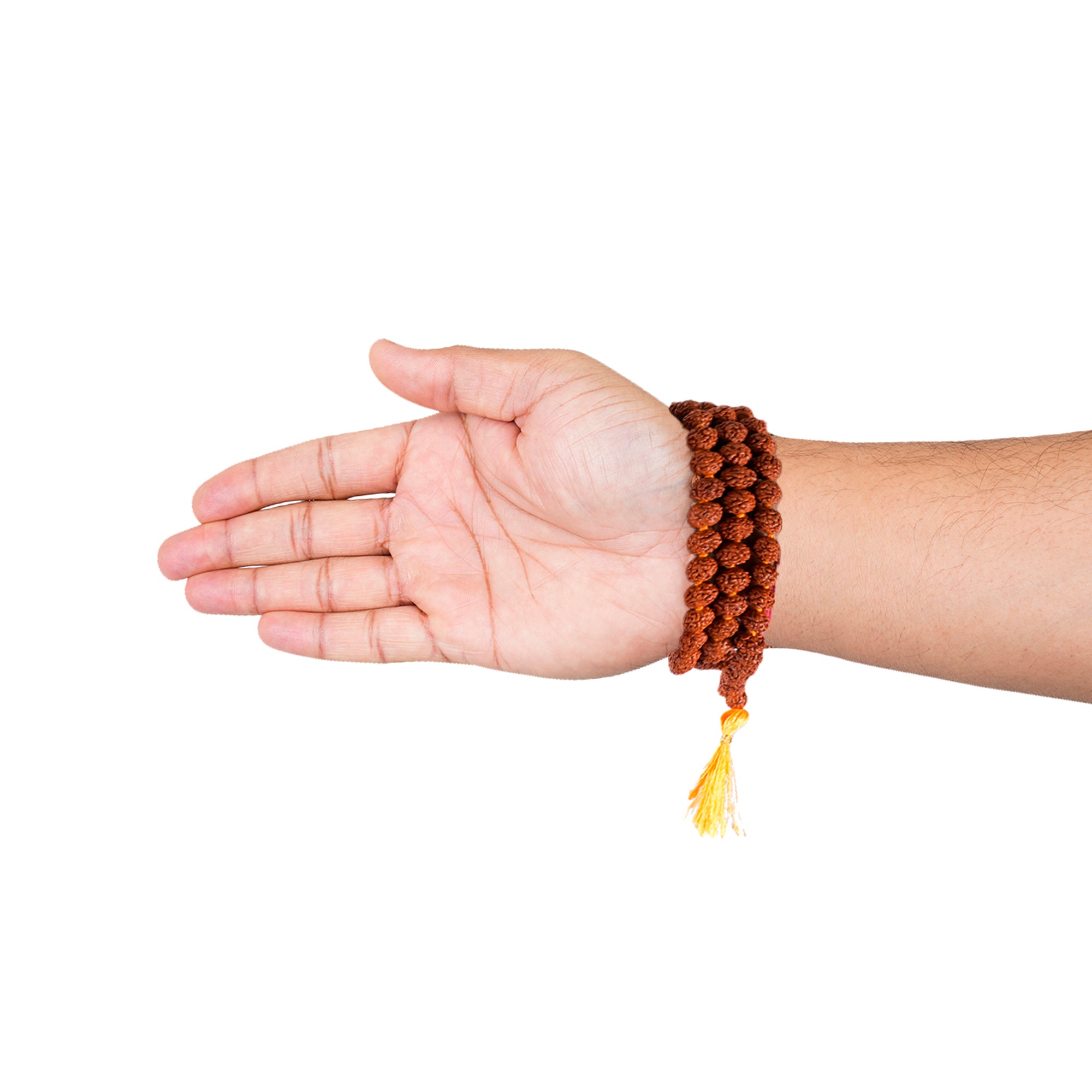
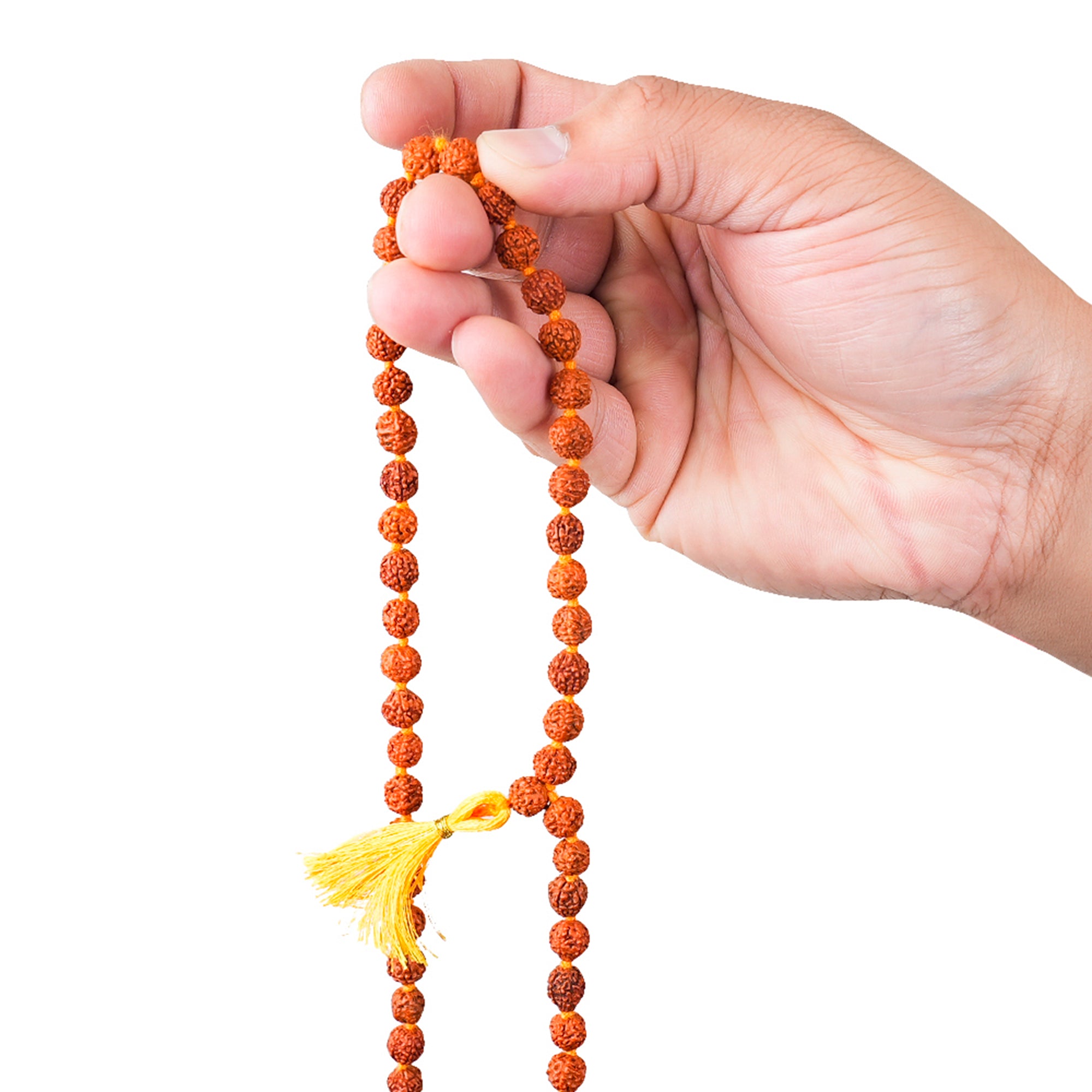
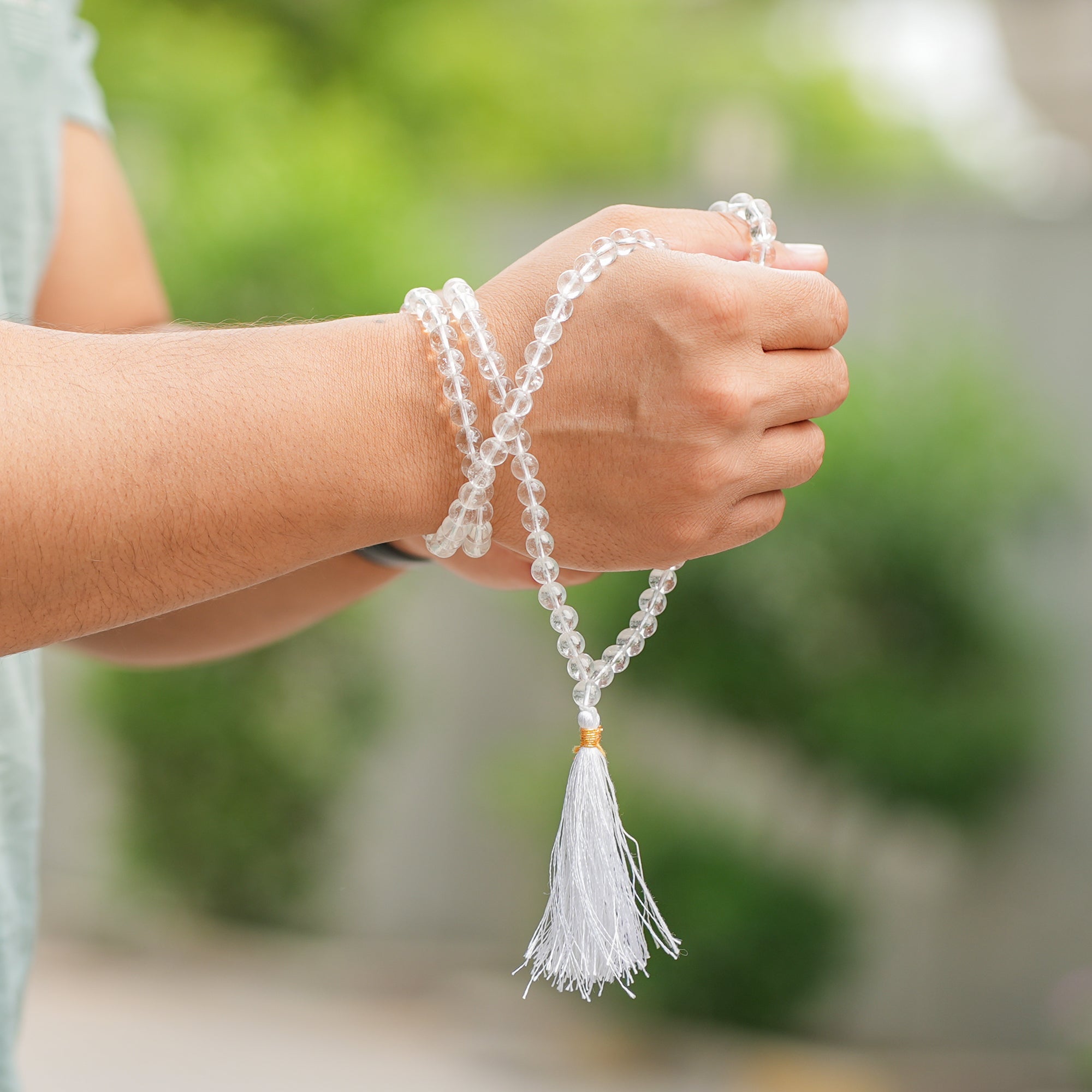
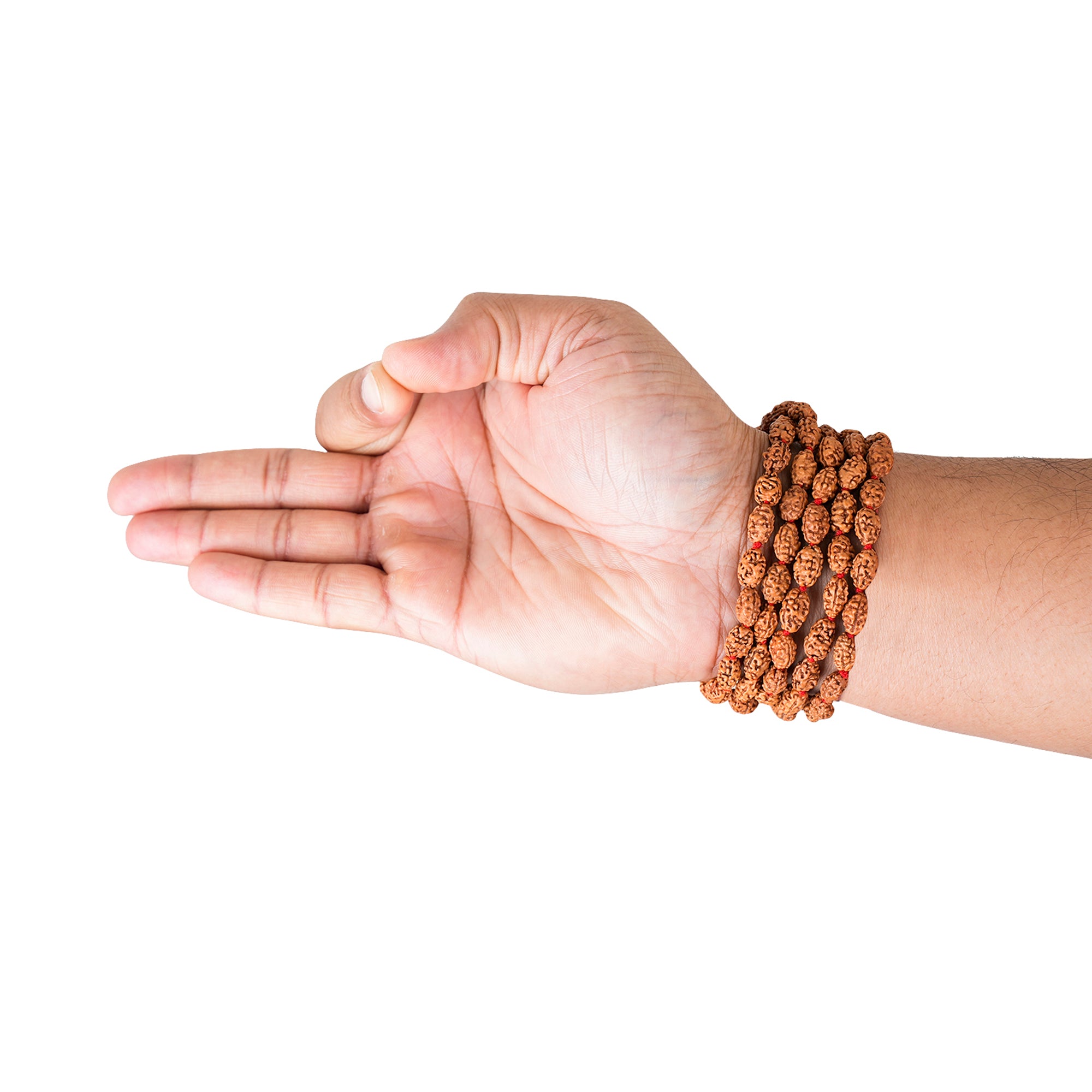
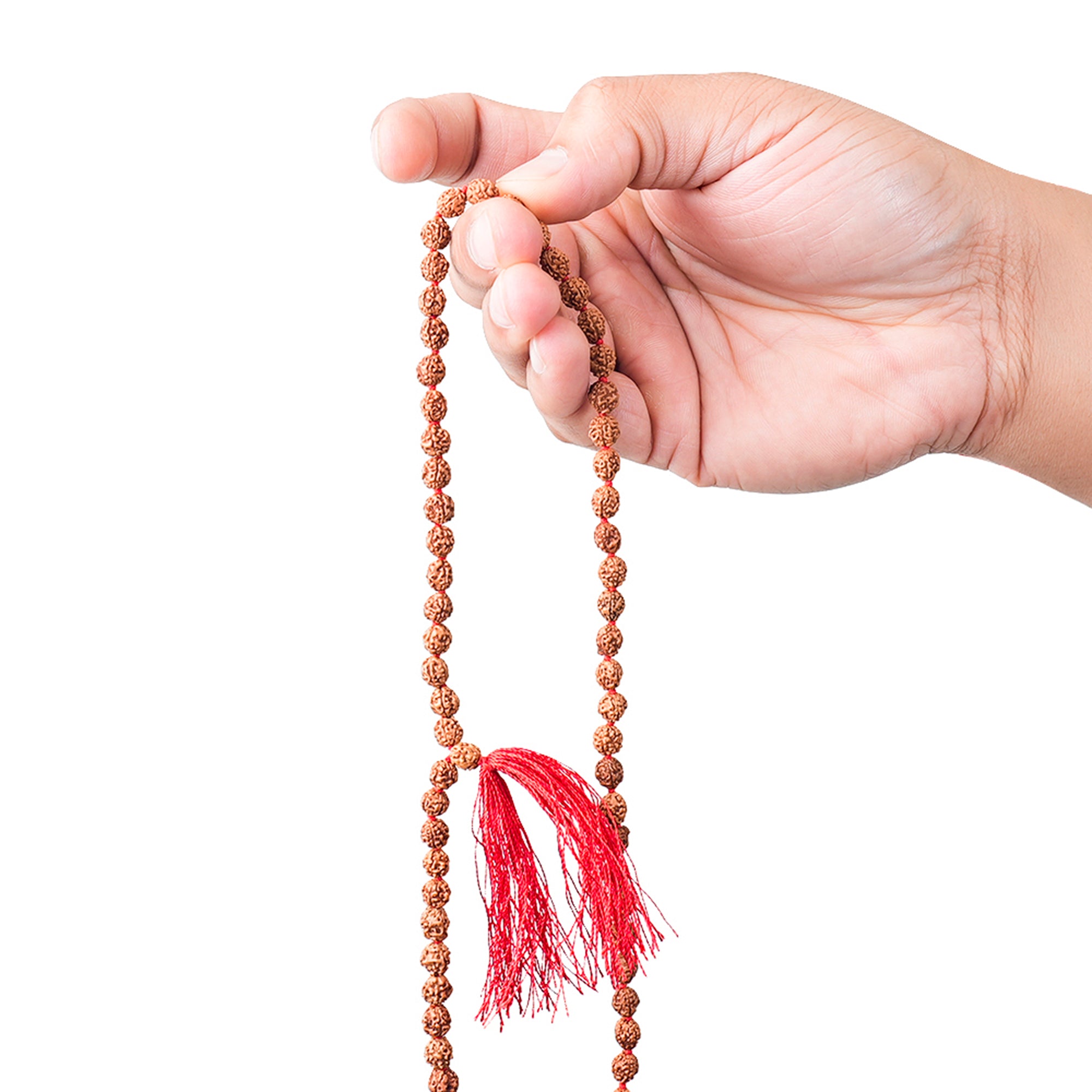
The Karungali Mala is worn around the neck or wrapped on the wrist, and used for japa by moving bead to bead with the thumb. A full mala traditionally has 108 + 1 (guru) beads, while shorter wrist malas use 54 or 27. For the full reasoning on bead counts, see the related guide below. For the step-by-step first-wearing ritual (day, mantra and cleansing), read our guide on how to wear a karungali mala.
How to spot genuine Karungali (ebony)
Real Karungali is dense, premium ebony — and widely faked with dyed/coated wood or resin. Checks:
- Weight & feel: genuine ebony is heavy and dense for its size; fakes feel light and plasticky.
- Water test: true ebony is dense enough to sink in water.
- Grain: real beads show subtle natural wood grain, not a painted-on uniform black.
- Rub test: gently warming/rubbing real Karungali gives a faint natural woody scent; colour should not rub off as dye.
 Sample image
Does a karungali mala have side effects?
Tradition does not describe harmful effects from wearing a genuine karungali mala; its cautions are about respect, such as keeping the mala personal and taking it off during impure activities. The practical risk is with fakes: dyed or coated beads can bleed colour onto skin and clothes. If your skin reacts to the beads or the thread, stop wearing it. A karungali mala is a spiritual practice, not a medical treatment.
The GemsMantra standard
Our karungali malas and bracelets are listed as original ebony (karungali) wood, and every order ships with a GemsMantra Authenticity Report with a unique report number that you can check on our Check Certificate page. Optional pooja energisation is offered at checkout on some listings. Malas and bead bracelets cannot be returned for a change of mind (only if damaged, defective or incorrect); see our Refund Policy. Explore every design in the Karungali collection.
Frequently asked questions
What are the benefits of the Karungali Mala?
In tradition it is worn for grounding, protection from negative energy, focus in meditation, emotional steadiness, and support during Shani and Rahu–Ketu periods. It is spiritually linked to Lord Shiva.
What are the rules for wearing a Karungali Mala?
Wear it clean (ideally after a bath), energise it with a Shiva mantra first, keep it personal, store it respectfully, and avoid long water contact, chemicals and heat. Don't let others wear your mala.
Can women wear the Karungali Mala?
Yes — both men and women can wear it. See our dedicated guide linked below for the full spiritual perspective.
How many beads should a Karungali Mala have?
A full mala has 108 + 1 guru bead; wrist malas commonly use 54 or 27 beads. See the related guide for details.
How do I know if my Karungali Mala is real?
Genuine ebony is heavy and dense (it sinks in water), shows natural grain rather than painted-on black, and gives a faint woody scent when rubbed. Lightweight, plasticky or colour-bleeding beads are fakes.
What is karungali called in Hindi and English?
Karungali is the South Indian (Tamil) name for a dark, dense heartwood sold in English as ebony. In Hindi and Urdu ebony wood is traditionally called abnoos, though most buyers ask for a karungali mala.
Does a karungali mala have side effects?
Tradition describes no harmful effects from a genuine karungali mala; its cautions are about respectful wear. Dyed or coated fakes can bleed colour, and if your skin reacts to the beads or thread, stop wearing it.
Is a karungali bracelet as good as a mala?
In tradition both are worn for the same reasons. A bracelet is easier to keep on all day, while a 108+1 bead mala can also be used for counting mantras during japa.
Wear a genuine Karungali Mala
Listed as original ebony wood, honestly described, with a report number you can check.
Shop the Karungali MalaExplore the full Karungali CollectionRelated guides
How Many Karungali Beads Should Be Worn — 54 or 108? · Can Women Wear the Karungali Mala? · Which Rudraksha Should You Wear? · How to Wear a Karungali Mala · Rudraksha vs Karungali Mala · Shop the Karungali Collection
The spiritual and astrological associations described here reflect traditional beliefs and practices. They are not medical, financial or legal advice and are not presented as guaranteed outcomes.
Written by Abhishek Singh


Key Highlights
- What is karungali? (Karungali in Hindi, Tamil and English)
- What the Karungali Mala is worn for
- Who should wear the Karungali Mala
- Karungali mala benefits for men and women
- Karungali bracelet or mala: which should you choose?
- Karungali Mala rules — do's & don'ts
- How to wear it & bead count
- How to spot genuine Karungali (ebony)
- Does a karungali mala have side effects?
- Frequently asked questions