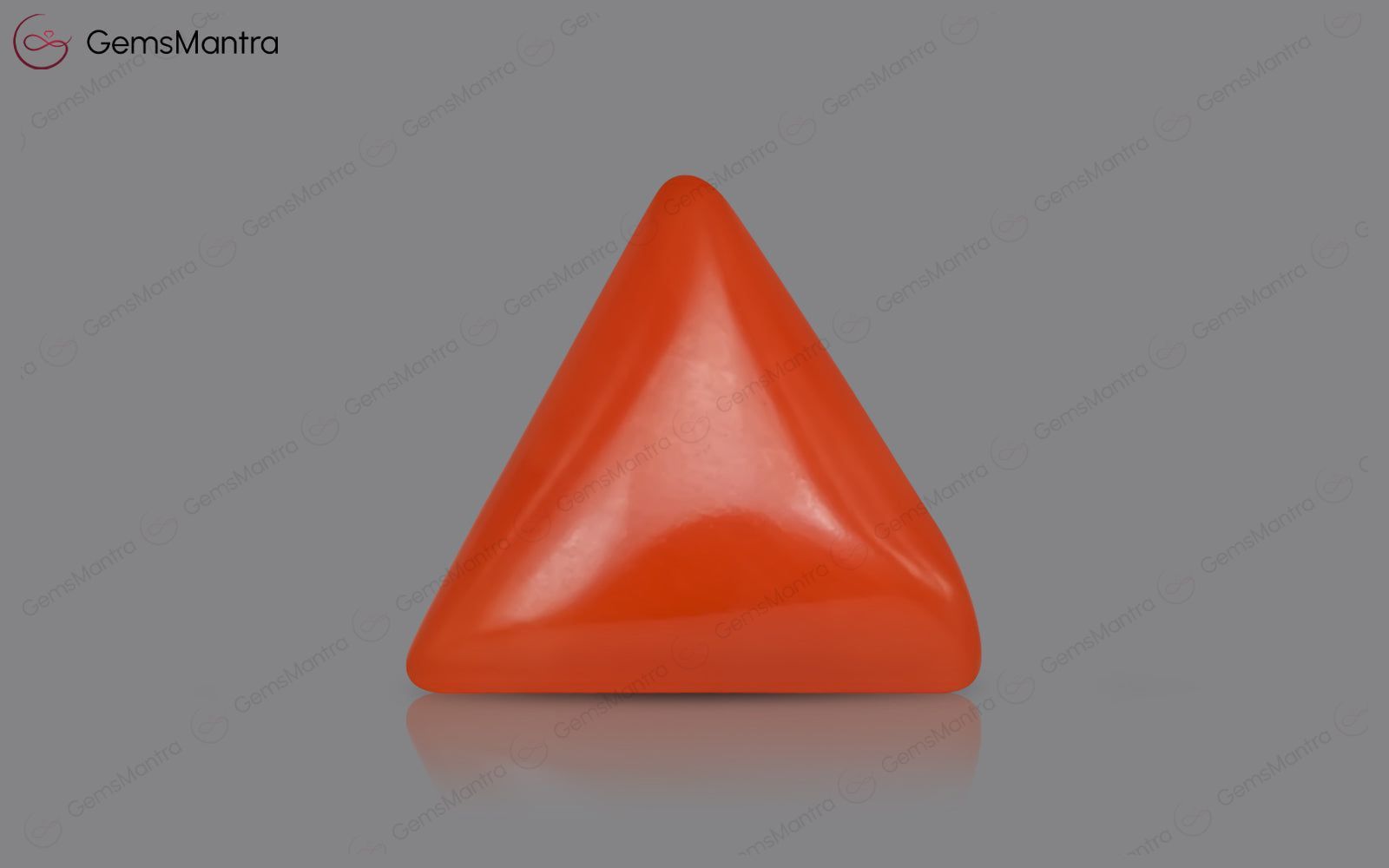
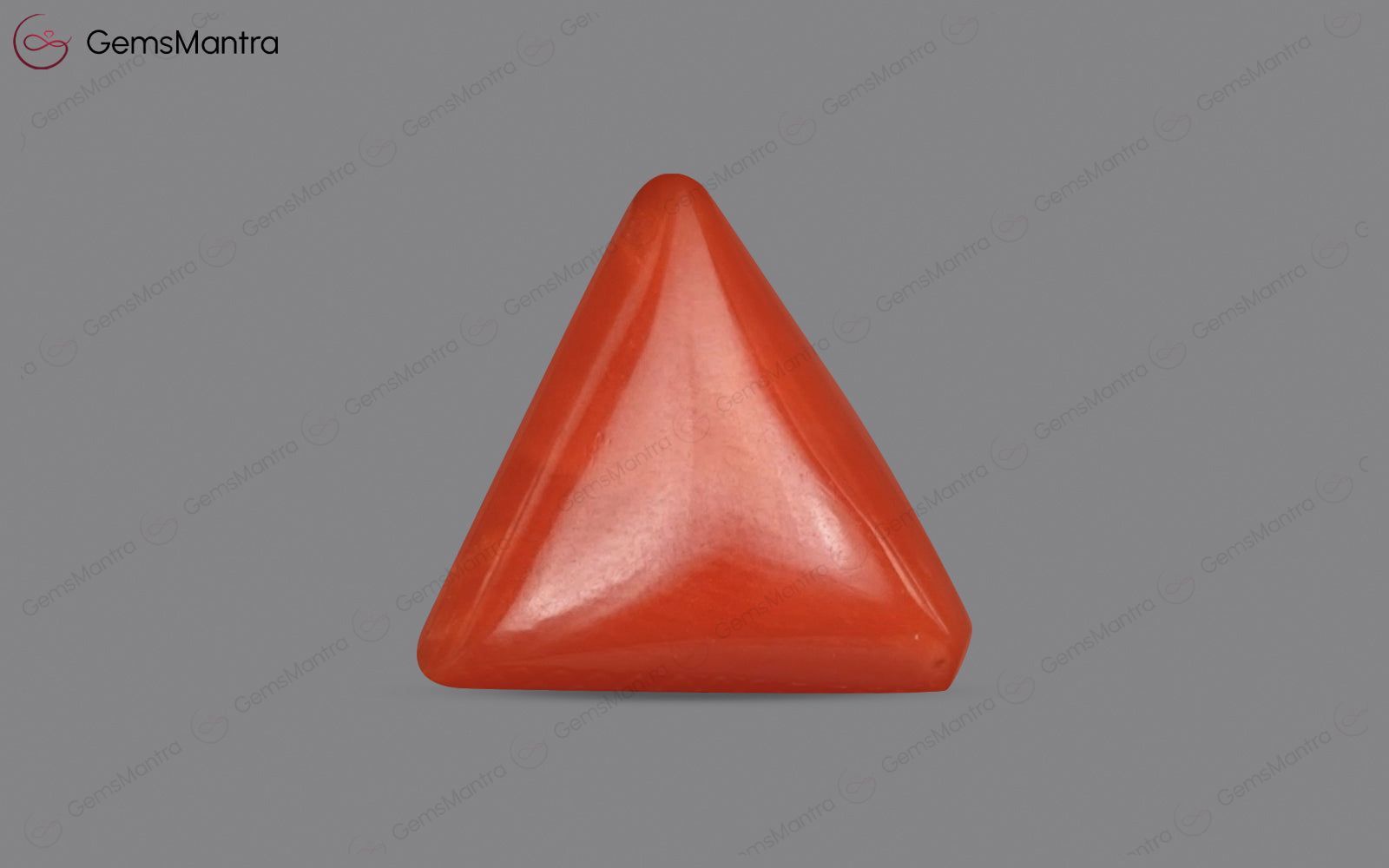
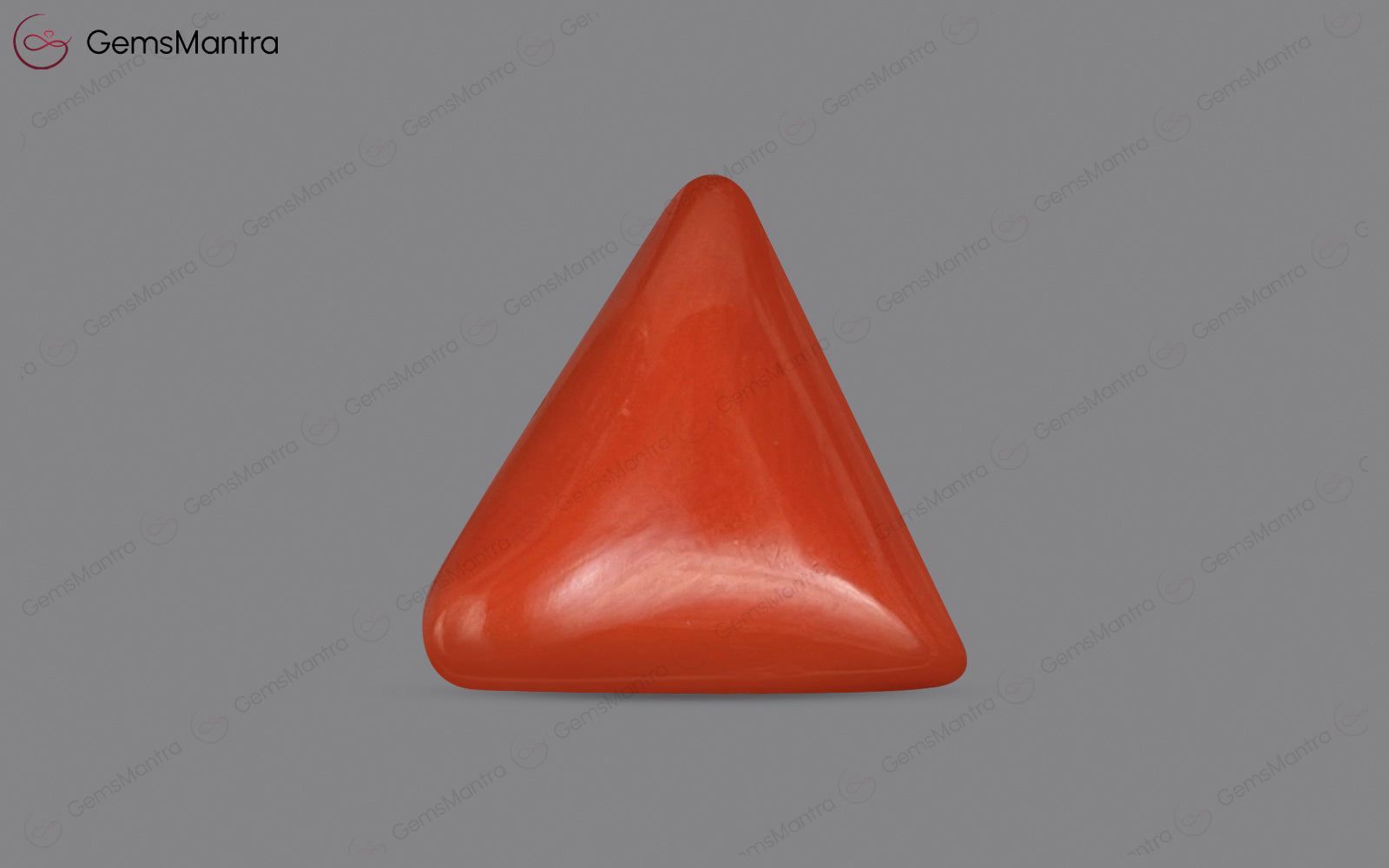
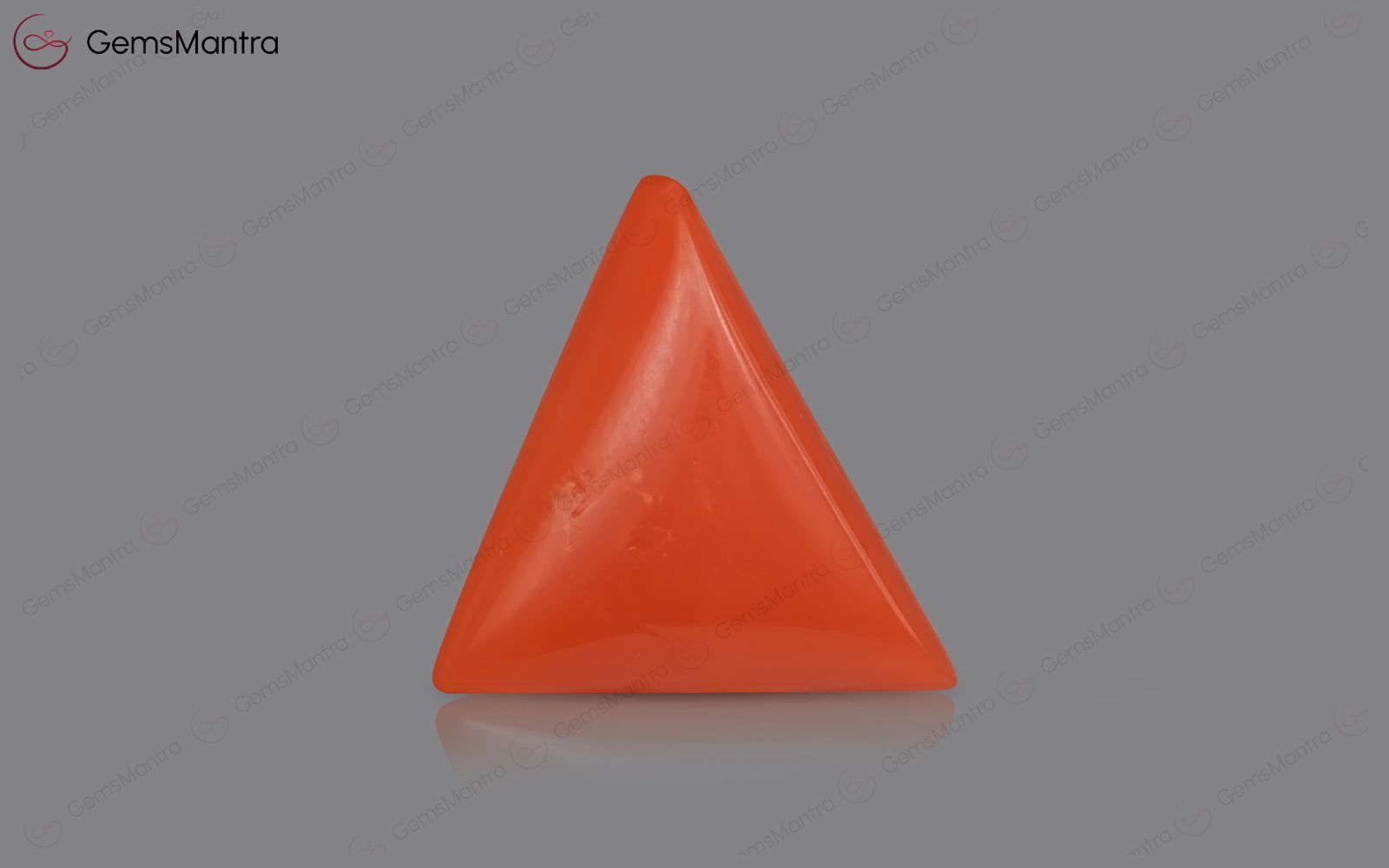
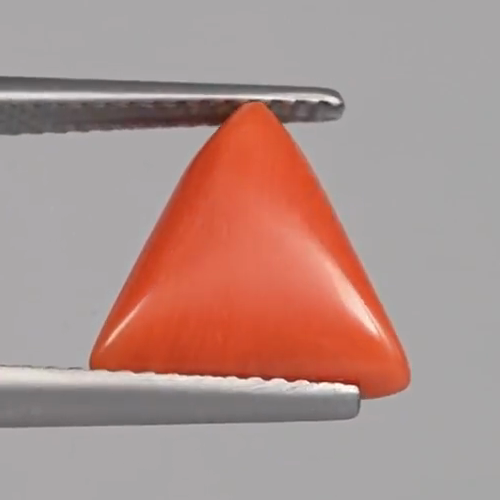
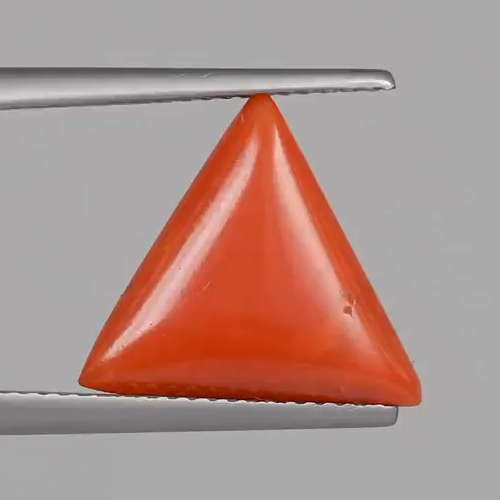
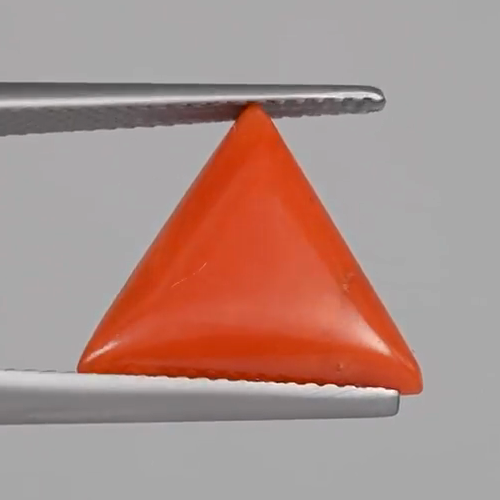
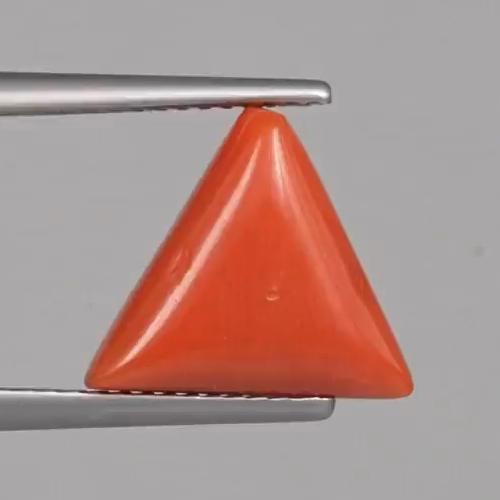
Gomed (Hessonite) vs Spessartite Garnet: Difference & Which to Wear
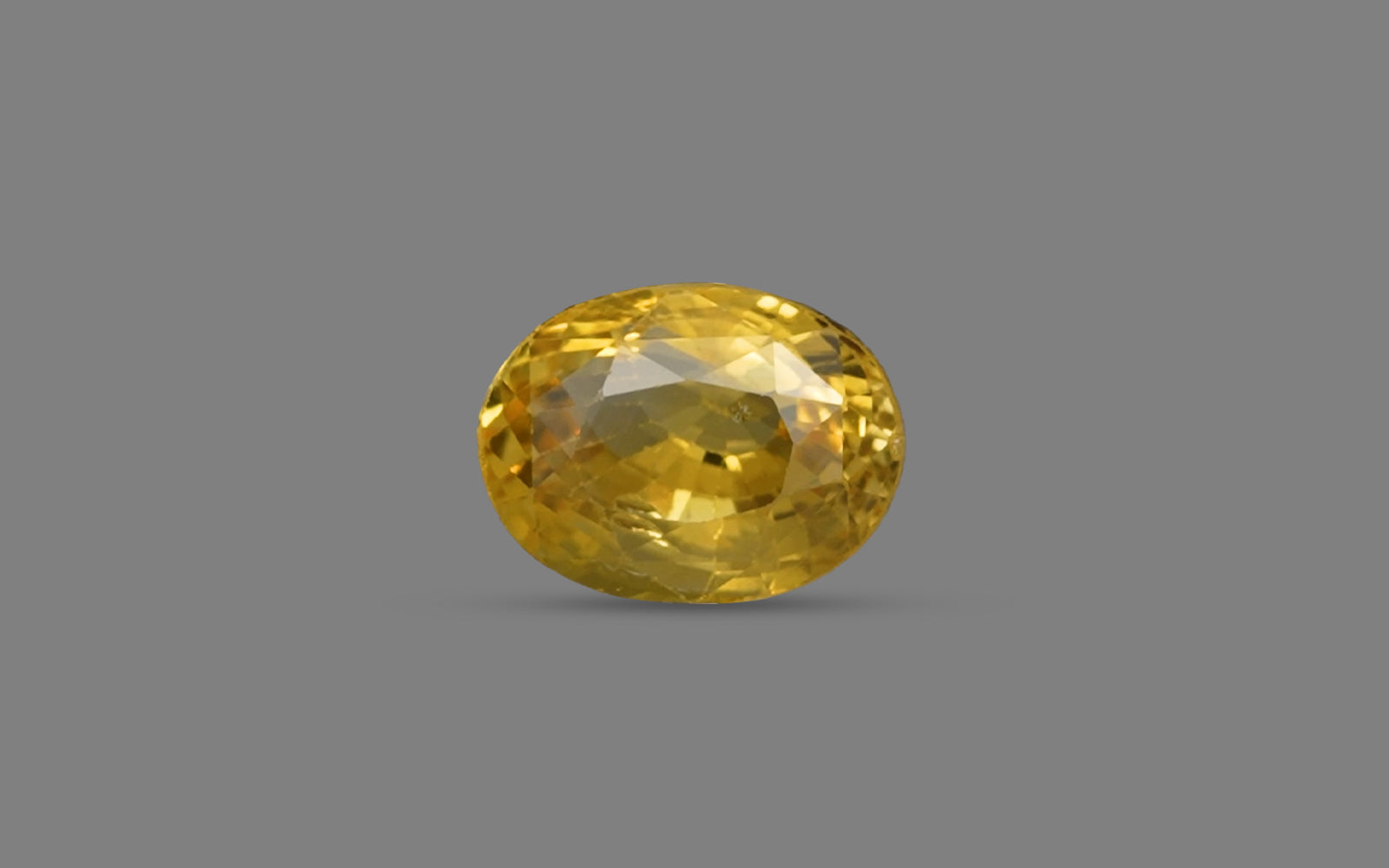
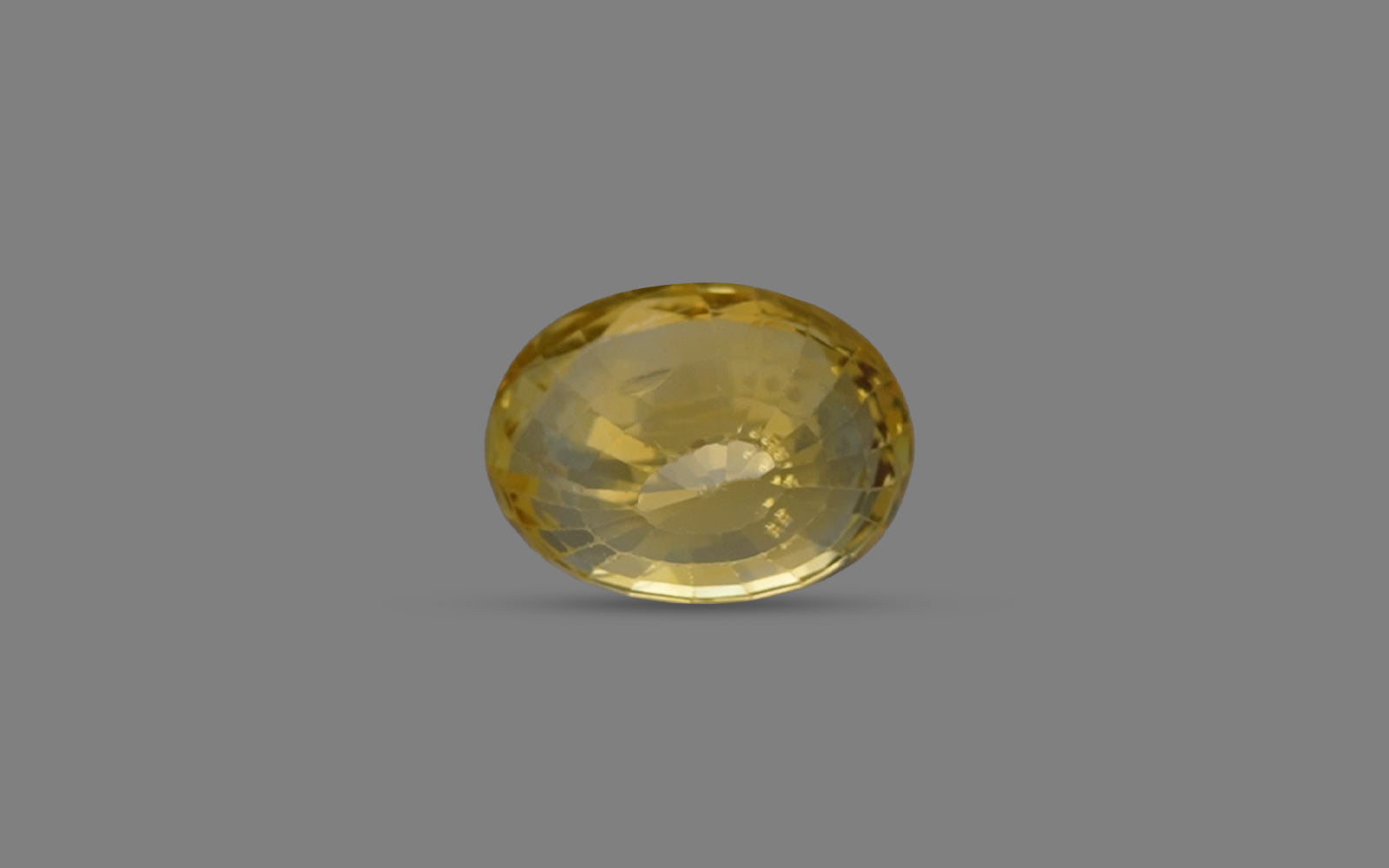
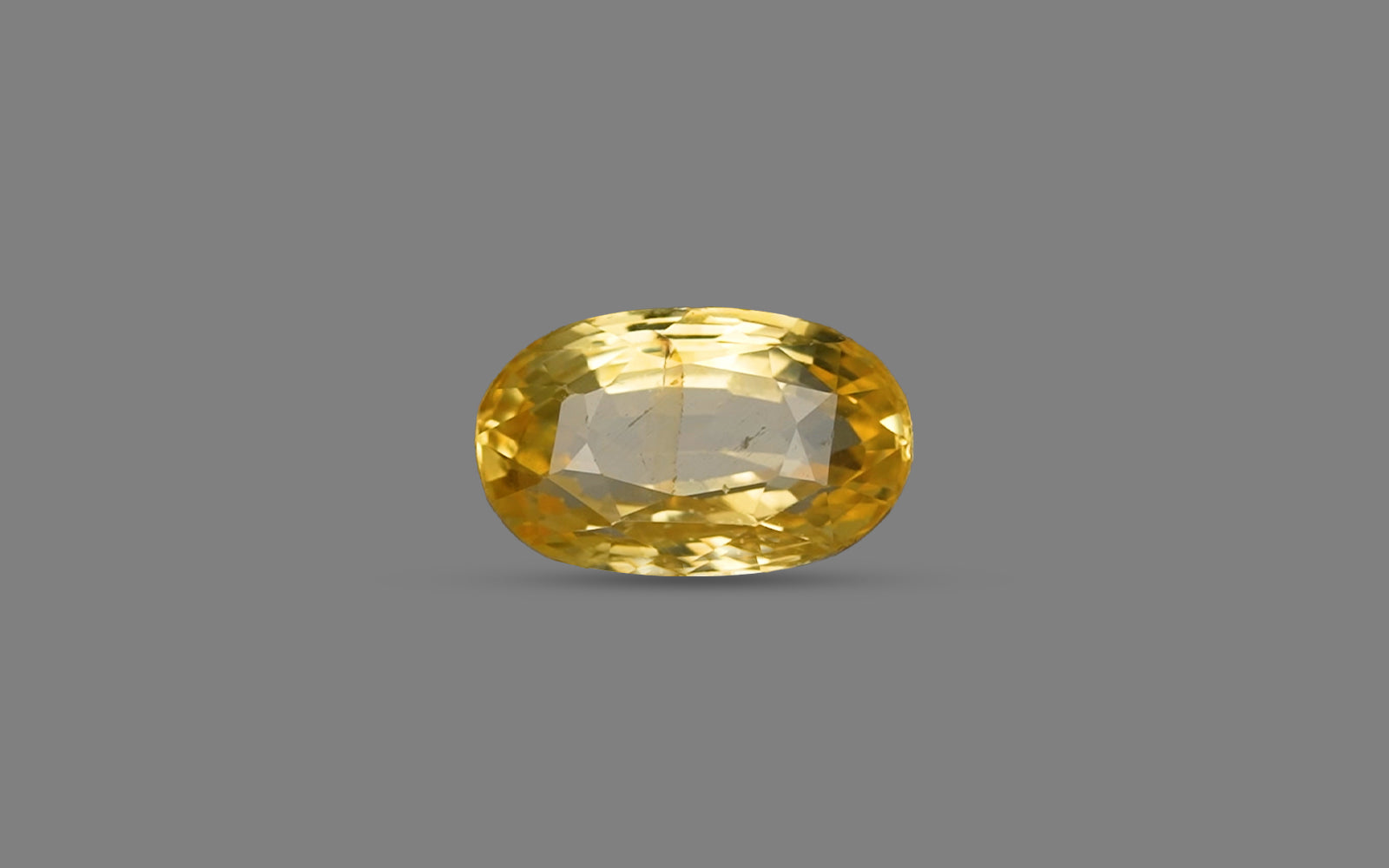
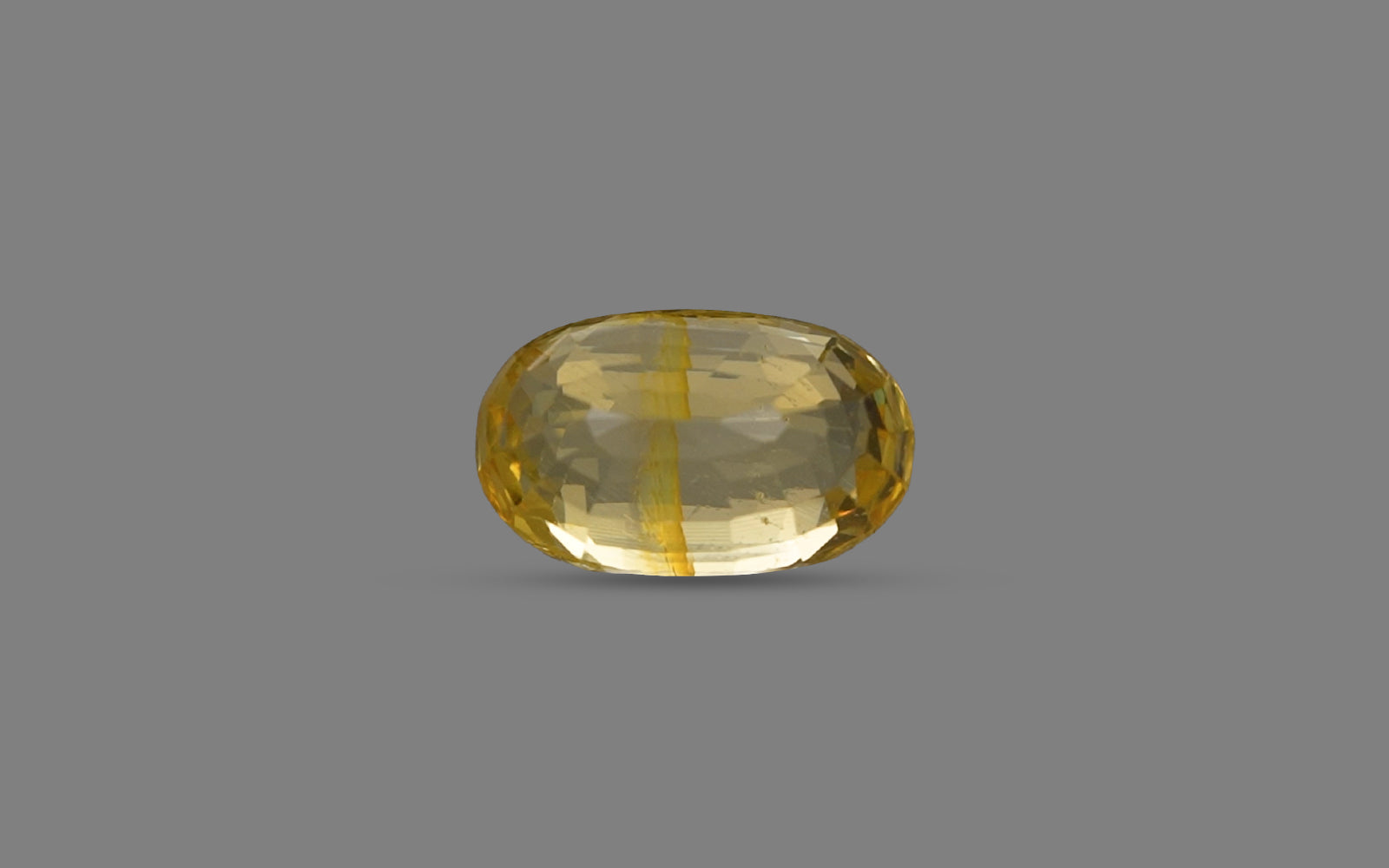
Gomed (Hessonite) and Spessartite are both garnets, both in warm honey and orange tones, so even keen buyers confuse them. They are not the same garnet. Gomed is Hessonite, a grossular garnet, and the classical gem of Rahu among the Navratna. Spessartite is a different garnet species, prized for its bright orange colour but with no traditional role in Vedic astrology. Here is how they compare, and which one is the real Rahu stone.
Want the real Rahu stone? Browse certified natural Gomed (Hessonite), each one X-ray verified with a lab certificate you can check.
Gomed vs Spessartite at a glance
| Property | Gomed (Hessonite) | Spessartite Garnet |
|---|---|---|
| Garnet type | Grossular garnet | Spessartine garnet |
| Hardness (Mohs) | 6.5 to 7.5 | 6.5 to 7.5 |
| Colour | Honey, amber to cinnamon-brown | Bright orange to mandarin |
| Category | Precious, one of the nine Navratna | Semi-precious |
| Ruling planet | Rahu, the classical gem | Not a traditional Vedic stone |
| Typical price / carat | ₹1,000 to ₹8,000+ | ₹800 to ₹6,000 |
| Astrological use | Full Rahu remedy | Collector or fashion stone |
Why they are so easily confused
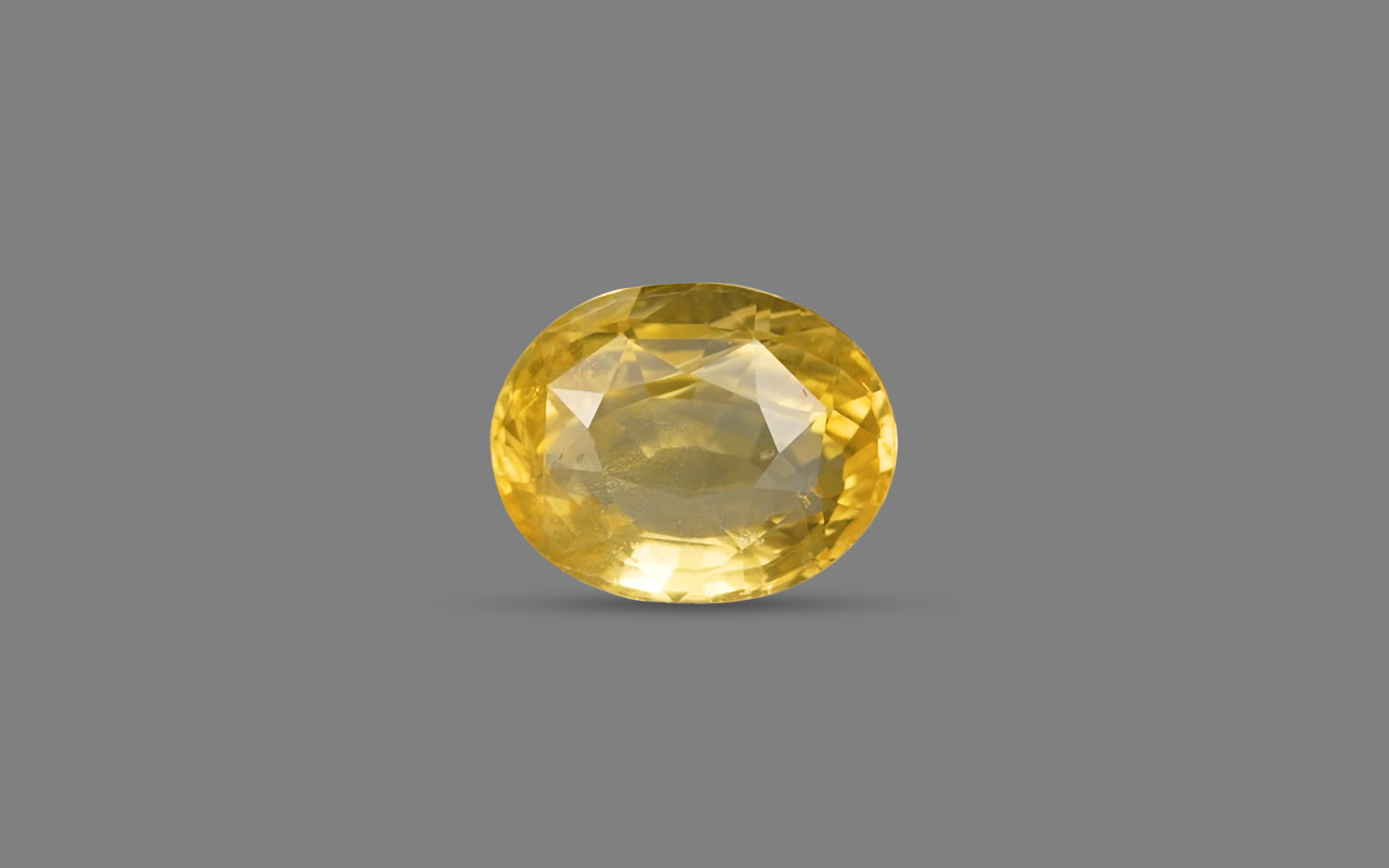
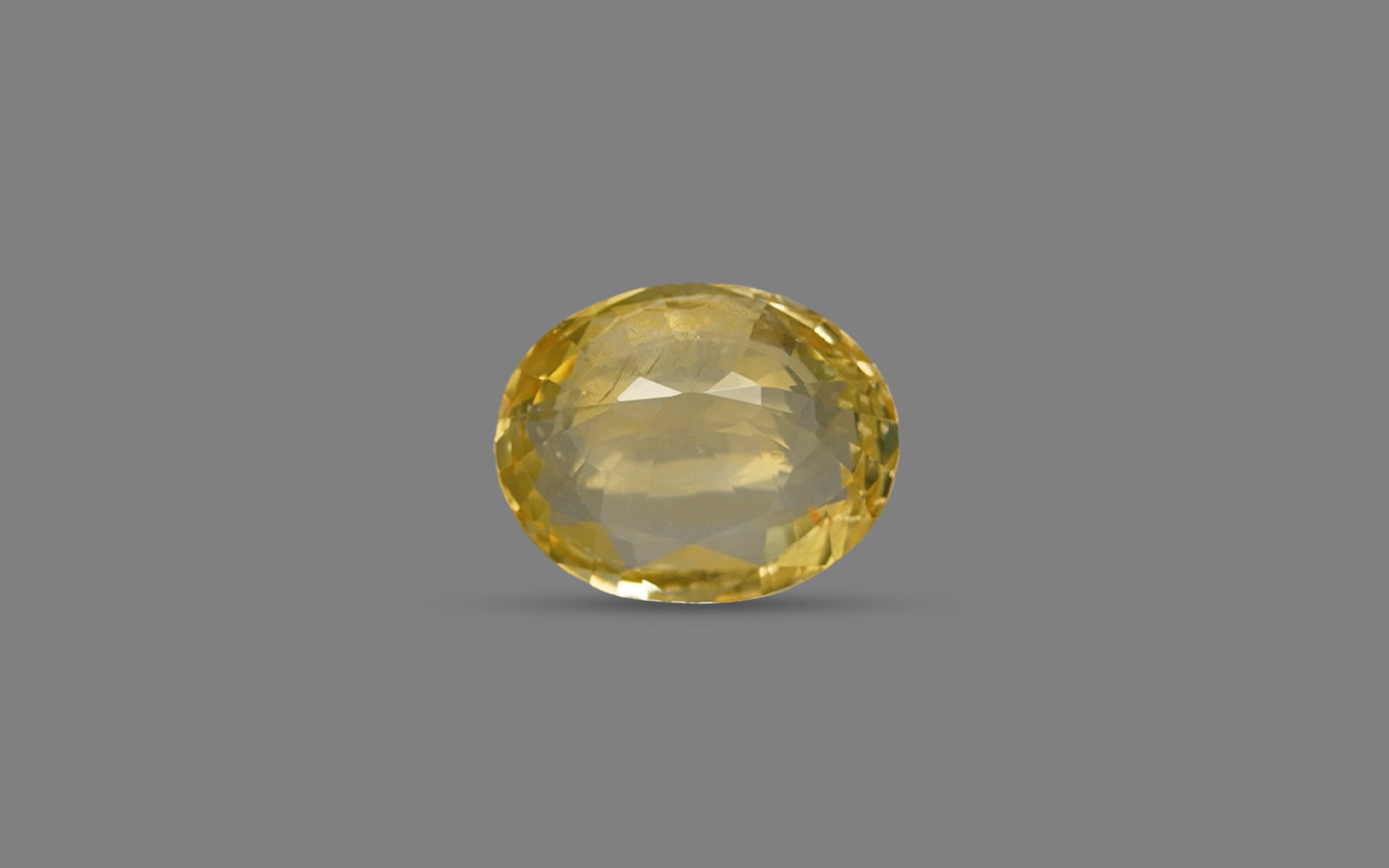
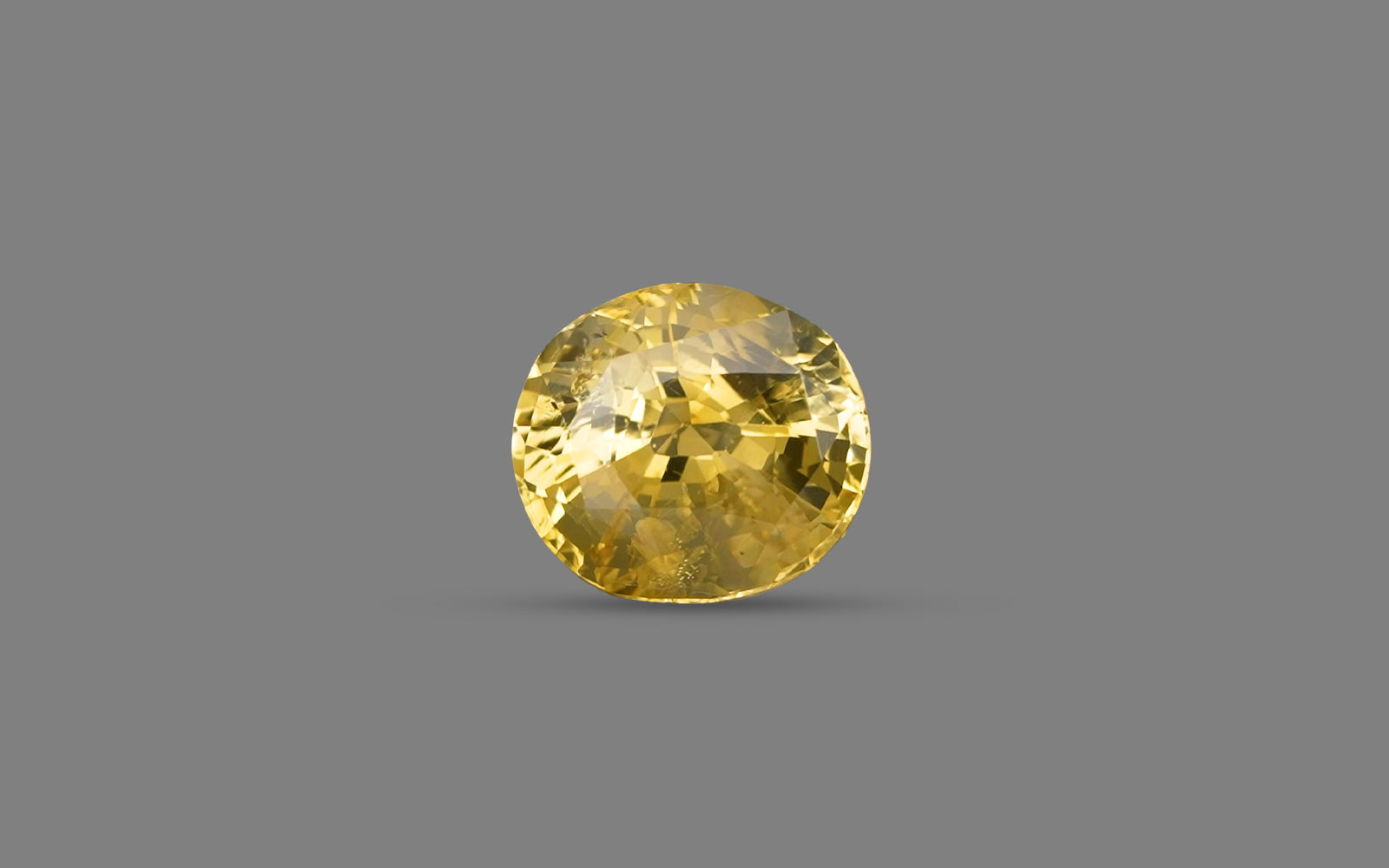
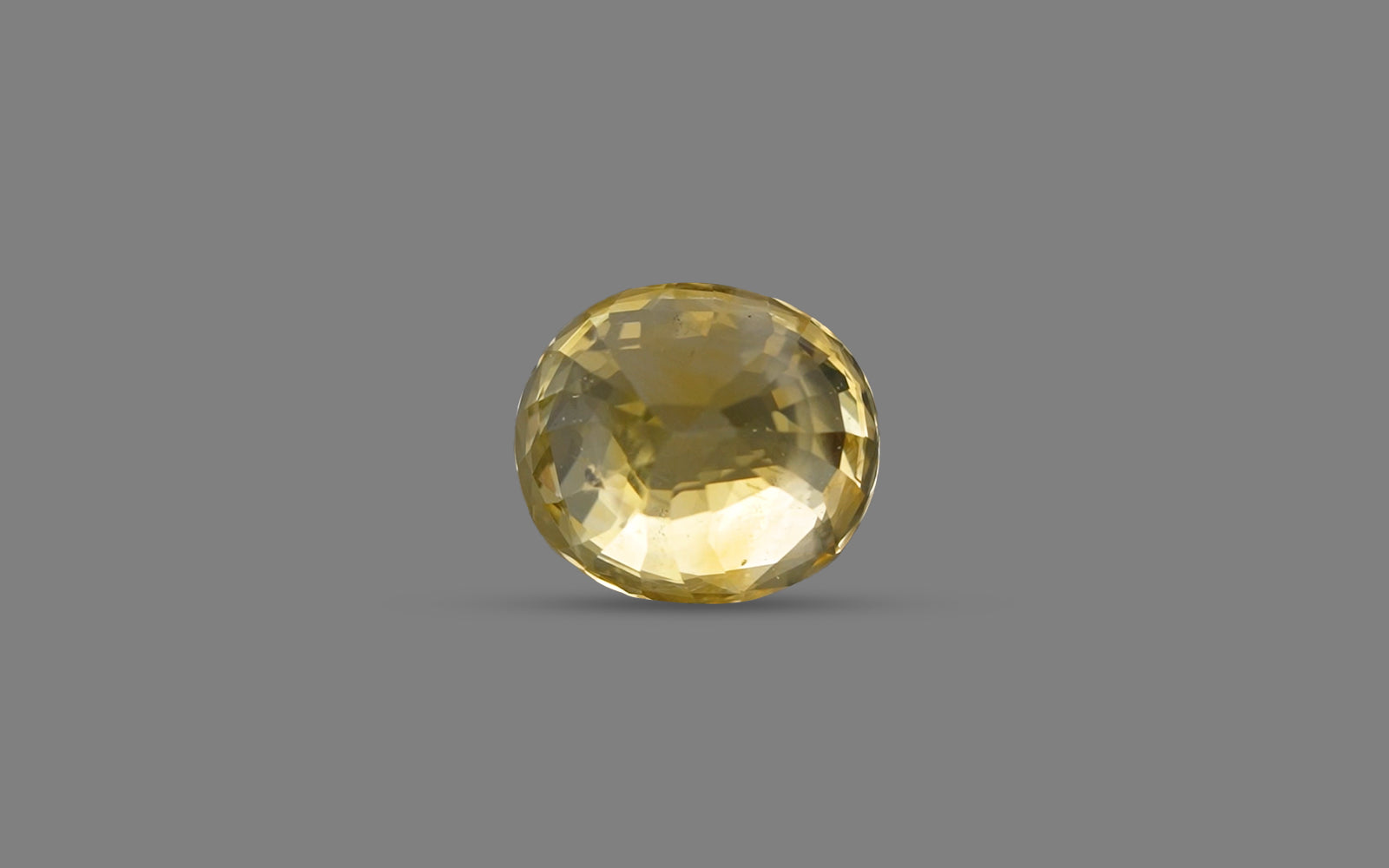
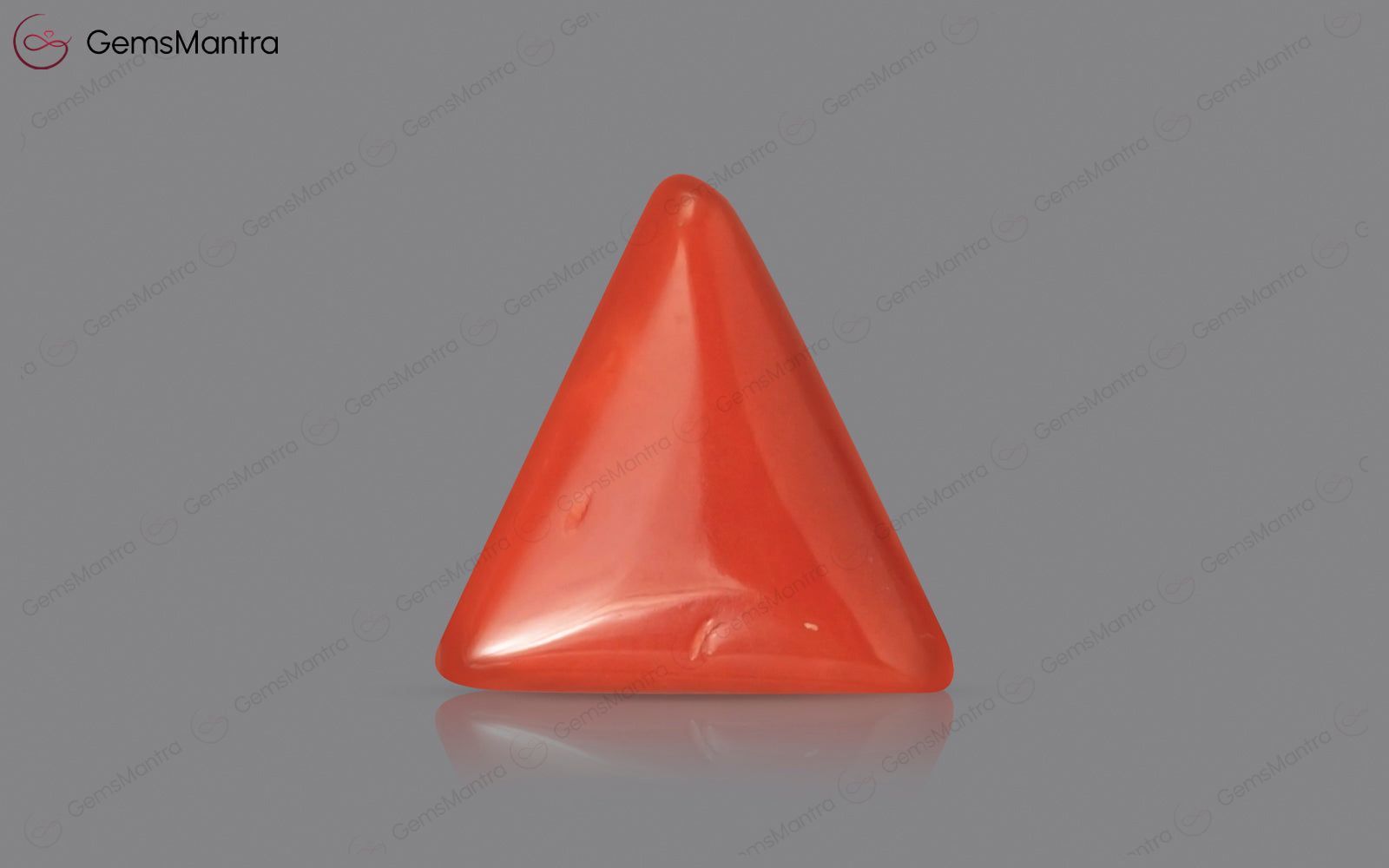
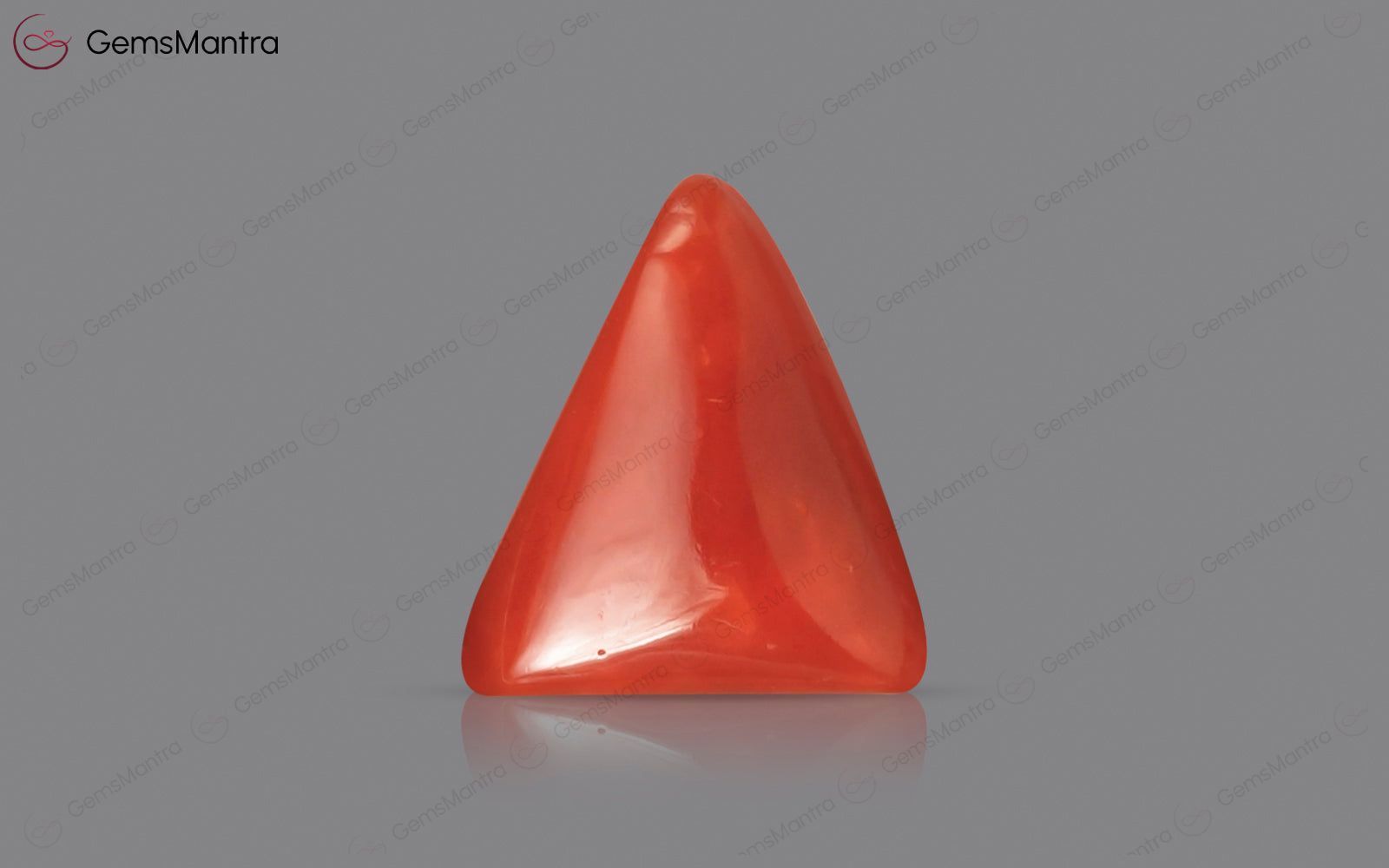
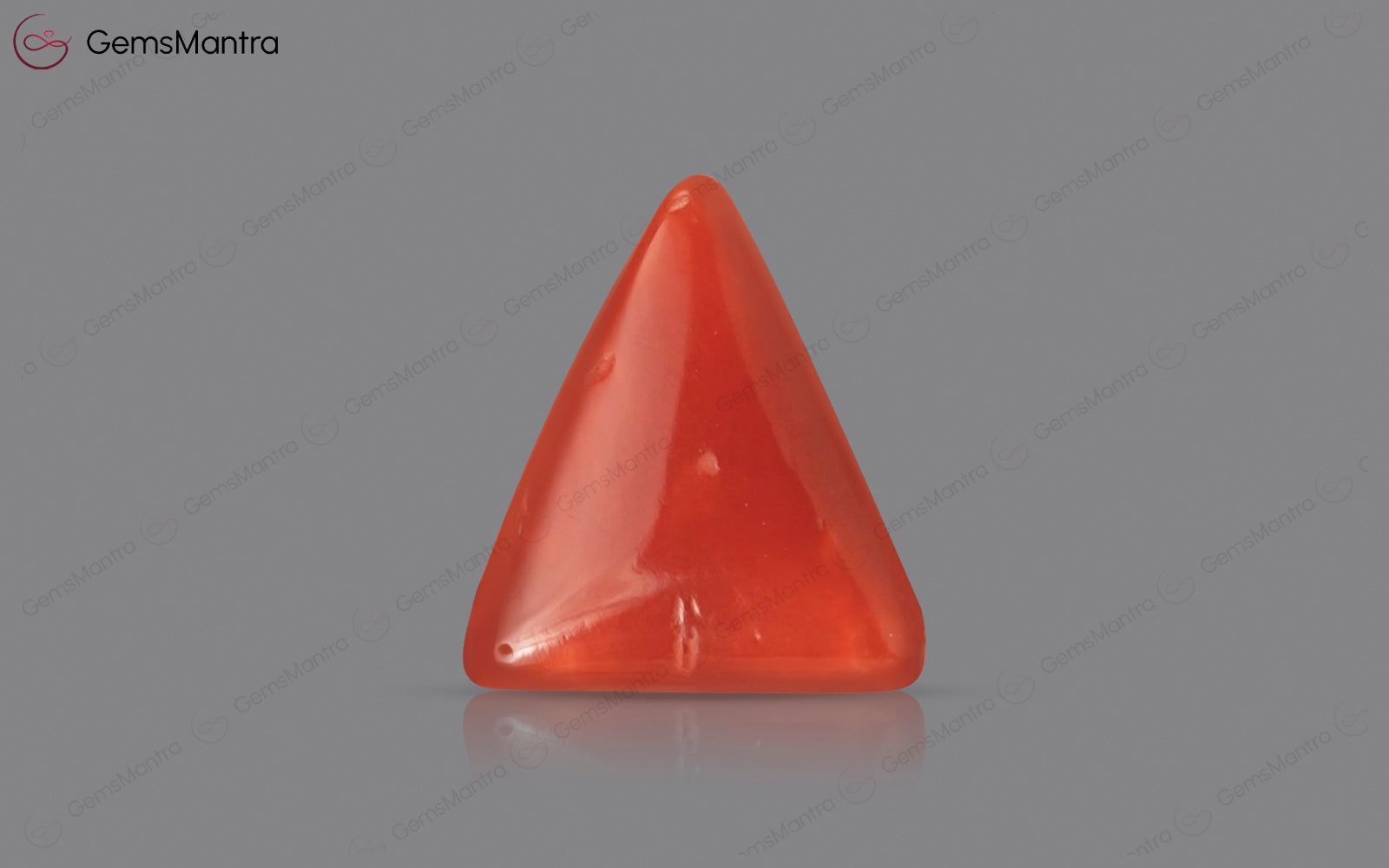
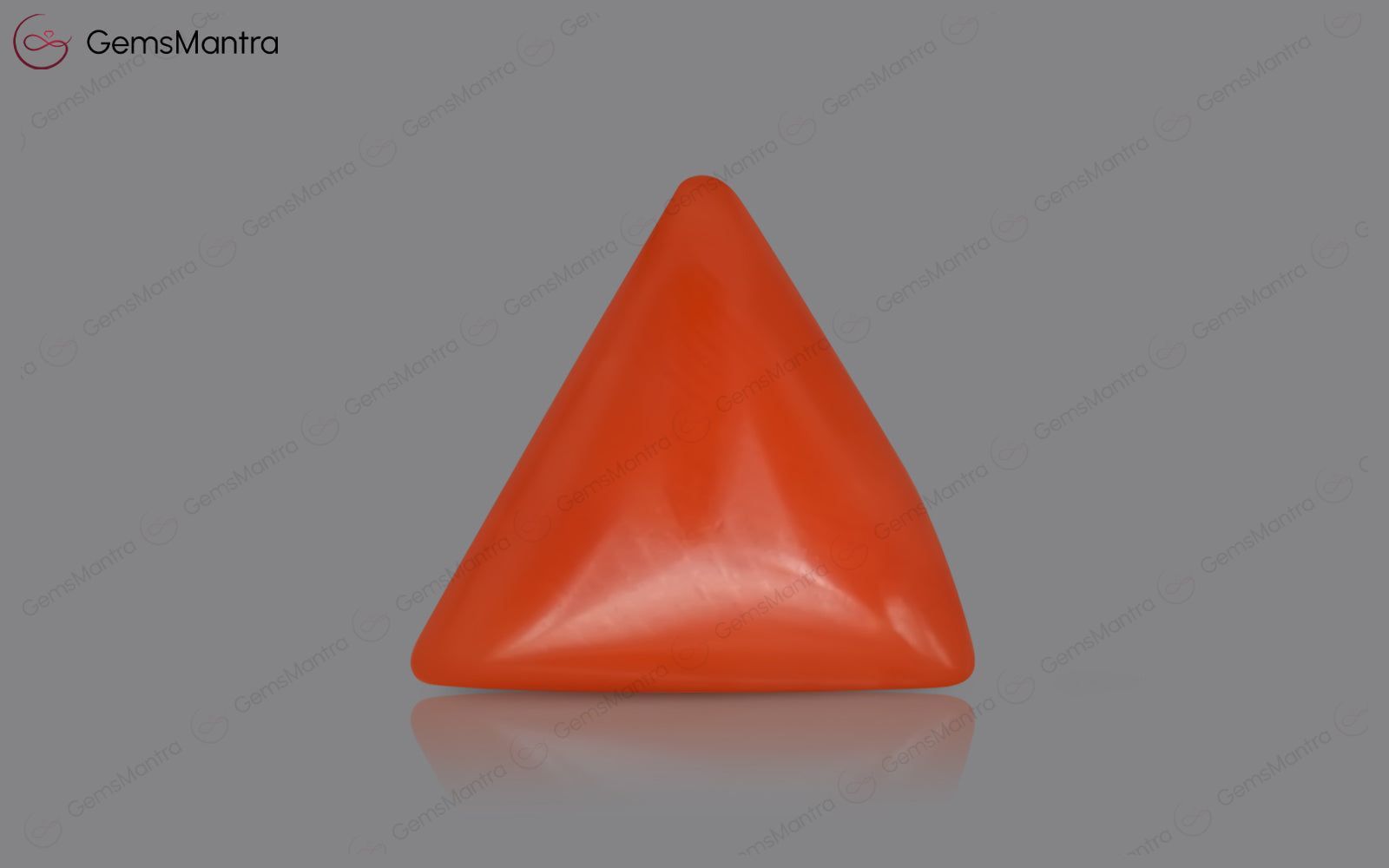
Both belong to the garnet family and share warm orange tones, so on sight they can look like the same stone. The classic hessonite look is a honey-to-cinnamon colour with soft internal swirls. Spessartite tends to be a brighter, purer orange. Because both are simply sold as “garnet”, a spessartite is sometimes offered as gomed. For a Rahu remedy, that difference matters.
Spessartite is a beautiful orange garnet, but hessonite is the one worn for Rahu. For a Rahu remedy, choose gomed.
Which should you wear?
For a Rahu remedy, worn to steady the mind, cut through confusion and calm the effects of Rahu, choose a certified natural Gomed (Hessonite). It is the classical Navratna gem of Rahu, and the honey colour with natural swirls is part of what a jyotishi looks for. Spessartite is a genuine, lovely garnet, but it has no classical role in Vedic astrology and will not stand in for gomed. Because Rahu is a shadow planet with strong effects, gomed is best worn on an astrologer's advice, and many trial it for a short period first.
How to tell Gomed from Spessartite
- Read the certificate. A genuine report names the garnet, either "Hessonite (Grossular Garnet)" or "Spessartite (Spessartine Garnet)". That settles it.
- Look at the colour. Hessonite leans honey and cinnamon with a treacle-like swirl. Spessartite is a brighter, cleaner orange.
- Ask a lab. The two garnets have different properties that a gemmologist can measure.
- Prefer X-ray or lab verification over a seller's word.
The GemsMantra standard
From a 53-year family lineage of Vedic practice, every Gomed is individually X-ray tested and ships with a government-recognised certificate carrying a verifiable report number, so you always know exactly which stone you are wearing.
Common questions
Is spessartite the same as gomed?
No. Gomed is Hessonite, a grossular garnet, while spessartite is a spessartine garnet. They are both garnets in warm tones, but only hessonite is the classical Rahu gem.
Can I wear spessartite instead of gomed for Rahu?
No. Spessartite has no classical role in Vedic astrology. For a Rahu remedy, Gomed (Hessonite) is the traditional stone. Confirm with an astrologer.
How do I tell hessonite from spessartite?
Check the certificate for the garnet type, and look at the colour. Hessonite is honey to cinnamon with swirls, while spessartite is a brighter orange.
Are both of them garnets?
Yes. Both belong to the garnet family, but they are different species with different colours and, in astrology, different roles.
Which is better for astrology?
Gomed (Hessonite), for a Rahu remedy. Spessartite is best seen as a collector or fashion garnet.
Wear the real Rahu stone
Certified natural Gomed, individually X-ray tested, with a certificate you can verify.
Explore certified GomedGomed benefits guideRelated guides
Gomed (Hessonite): Benefits, Price & Who Should Wear · Which Gemstone for Which Planet? · Manik vs Red Spinel
Gemstone and planetary associations described here reflect traditional Vedic beliefs and practices. They are not medical, financial or legal advice and are not presented as guaranteed outcomes. Prices are indicative ranges only and vary by quality and origin. Please consult a qualified astrologer before wearing any gemstone.
Written by Shruti Tiwari


%20and%20Spessartite%20are%20both%20garnets,%20both%20in%20warm%20honey%20and%20orange%20tones,%20so%20even%20keen%20buyers%20confuse%20them.%20They%20are%20not%20the%20same%20garnet.%20Gomed%20is%20Hessonite,%20a%20grossular%20garnet,%20and...)


![Pearls (Moti) – 4.67 Carat / 5.1 Ratti [GM09958] – view 2](http://gemsmantra.com/cdn/shop/files/GM09909_BACK_09098aab-2edc-4bd3-9a21-edfb80d9607e.jpg?v=1780376524&width=1600)
![Pearls (Moti) – 4.67 Carat / 5.1 Ratti [GM09958] – GemsMantra](http://gemsmantra.com/cdn/shop/files/GM09909_FRONT_12e33cb9-f6a5-4e24-8f0b-b5478b5e2501.jpg?v=1780376524&width=1600)
![Gomed – 5.815 Carat / 6.4 Ratti [GM09242] – Hessonite – GemsMantra](http://gemsmantra.com/cdn/shop/files/FRONT_GM09242_bda7f3f4-2b7e-4e05-bf24-125035a4522a.jpg?v=1773224043&width=1600)
![Gomed – 5.815 Carat / 6.4 Ratti [GM09242] – view 2](http://gemsmantra.com/cdn/shop/files/GM09242.jpg?v=1783417342&width=1040)
![Hessonite (Gomed) – 11.37 Carat / 12.5 Ratti [GM02791] – GemsMantra](http://gemsmantra.com/cdn/shop/files/GM02791_FRONT_9d5aa957-2791-4053-95ed-6dda9e437a20.jpg?v=1754982963&width=1600)
![Hessonite (Gomed) – 11.37 Carat / 12.5 Ratti [GM02791]](http://gemsmantra.com/cdn/shop/files/preview_images/05d8db311613461d877f9ee8d0662fd1.thumbnail.0000000000.jpg?v=1786953853)
![Keshi Pearls (Moti) – 4.41 Carat / 4.9 Ratti [GM09826] – view 2](http://gemsmantra.com/cdn/shop/files/GM09826_BACK_8d3ab21b-fe0f-46d9-8a57-611ac8591e7a.jpg?v=1780640983&width=1600)
![Keshi Pearls (Moti) – 4.41 Carat / 4.9 Ratti [GM09826] – GemsMantra](http://gemsmantra.com/cdn/shop/files/GM09826_FRONT_6698404e-2267-4bac-8565-71c2fe9ebf6e.jpg?v=1780640983&width=1600)
![Keshi Pearls (Moti) – 5.18 Carat / 5.7 Ratti [GM09820] – view 2](http://gemsmantra.com/cdn/shop/files/GM09820_BACK_939b991d-ce86-4751-b091-d0173b8db0a7.jpg?v=1780640943&width=1600)
![Keshi Pearls (Moti) – 5.18 Carat / 5.7 Ratti [GM09820] – GemsMantra](http://gemsmantra.com/cdn/shop/files/GM09820_FRONT_f6374281-801f-40c0-a329-cbaf3690343f.jpg?v=1780640943&width=1600)
![Pearls (Moti) – 4.59 Carat / 5 Ratti [GM09910] – view 2](http://gemsmantra.com/cdn/shop/files/GM09910_BACK_9281c5aa-1222-4686-b1a6-f27bc793ffdb.jpg?v=1780376441&width=1600)
![Pearls (Moti) – 4.59 Carat / 5 Ratti [GM09910] – GemsMantra](http://gemsmantra.com/cdn/shop/files/GM09910_FRONT_23e54297-857d-4453-9eec-a82ff7e8d0d6.jpg?v=1780376442&width=1600)
![Blue Sapphire (Neelam) – 6.3 Carat / 6.9 Ratti [GM08004]](http://gemsmantra.com/cdn/shop/files/front_c0499602-70a6-4cda-ac32-a129b35f6c2f.jpg?v=1790658613&width=2000)
![Blue Sapphire (Neelam) – 6.3 Carat / 6.9 Ratti [GM08004]](http://gemsmantra.com/cdn/shop/files/back_a12a7cb3-4ef2-4ca2-a9e6-ac406564e1e2.jpg?v=1790658613&width=2000)
![Blue Sapphire (Neelam) – 3.9 Carat / 4.3 Ratti [GM08023]](http://gemsmantra.com/cdn/shop/files/front_f6e67bad-5fb2-412d-af59-31b58bf1e630.jpg?v=1790660461&width=2000)
![Blue Sapphire (Neelam) – 3.9 Carat / 4.3 Ratti [GM08023]](http://gemsmantra.com/cdn/shop/files/back_df9ab0f8-3b8d-440b-8220-a925a2524143.jpg?v=1790660461&width=2000)
![Ruby (Manik) – 3.45 Carat / 3.8 Ratti [GM09653] – GemsMantra](http://gemsmantra.com/cdn/shop/files/GM09653_FRONT_fc0ca4bb-2b2b-4669-baa2-eb3b923cf711.jpg?v=1782816065&width=1600)
![Ruby (Manik) – 3.45 Carat / 3.8 Ratti [GM09653] – view 2](http://gemsmantra.com/cdn/shop/files/GM09653_BACK_43c51cac-1e77-4b0e-a083-16e7a0dcbe22.jpg?v=1782816065&width=1600)
![Citrine (Sunela) – 8.84 Carat / 9.7 Ratti [GM09257]](http://gemsmantra.com/cdn/shop/files/front_d4ec1aae-ebd2-4b23-9677-929e36818f26.jpg?v=1791266623&width=2000)
![Citrine (Sunela) – 8.84 Carat / 9.7 Ratti [GM09257]](http://gemsmantra.com/cdn/shop/files/preview_images/02e04f6a074a4a95b2d74b7f97ade90d.thumbnail.0000000000.jpg?v=1786969348)

![Opal – 5.46 Carat / 6 Ratti [GM09925] – GemsMantra](http://gemsmantra.com/cdn/shop/files/GM09925_FRONT_5bccd8be-1e7f-4361-93ed-20fcfbb3d33b.jpg?v=1780379315&width=1600)
![Blue Sapphire (Neelam) – 4.04 Carat / 4.4 Ratti [GM02668]](http://gemsmantra.com/cdn/shop/files/front_f50f64e4-8906-4e4a-a3a5-3844f4b96a3c.jpg?v=1790589204&width=2000)
![Blue Sapphire (Neelam) – 4.04 Carat / 4.4 Ratti [GM02668]](http://gemsmantra.com/cdn/shop/files/back_e2ae0118-f8f6-4e31-94ff-e3095dc7f289.jpg?v=1790589204&width=2000)
![Red Coral (Moonga) – 5.42 Carat / 6 Ratti [GM10098] – GemsMantra](http://gemsmantra.com/cdn/shop/files/GM10098_FRONT_bd5c0cc5-5af1-494c-b720-908abfbeaf5b.jpg?v=1782816352&width=1600)
![Red Coral (Moonga) – 5.42 Carat / 6 Ratti [GM10098] – view 2](http://gemsmantra.com/cdn/shop/files/GM10098_BACK_754f039f-a06c-4ad0-b5d6-d5df089cb4f2.jpg?v=1782816352&width=1600)

![Blue Sapphire (Neelam) – 5.14 Carat / 5.7 Ratti [GM08001]](http://gemsmantra.com/cdn/shop/files/front_7a54710f-91d4-42e0-80ba-86d47f53485d.jpg?v=1790598520&width=2000)
![Blue Sapphire (Neelam) – 5.14 Carat / 5.7 Ratti [GM08001]](http://gemsmantra.com/cdn/shop/files/back_da6e5d62-9f94-4f74-ae14-b84f97e102d5.jpg?v=1790598520&width=2000)
![Blue Sapphire (Neelam) – 3.63 Carat / 4 Ratti [GM02698]](http://gemsmantra.com/cdn/shop/files/front_7e25486d-1fb8-463f-bcb9-48c96c1235cc.jpg?v=1790596029&width=2000)
![Blue Sapphire (Neelam) – 3.63 Carat / 4 Ratti [GM02698]](http://gemsmantra.com/cdn/shop/files/back_df5d9e4d-6502-4be5-b552-c5ce5256111b.jpg?v=1790596029&width=2000)