Best Spiritual Jewellery to Wear in Sawan 2026, Complete Bracelet, Crystal & Mala Guide
|
QUICK ANSWER: For Sawan 2026 (30 July, 28 August), the best spiritual jewellery includes a Rudraksha or Sphatik Mala for daily japa, a Karungali Mala for grounding, and crystal or Rudraksha bracelets for everyday wear. Choose by goal, or start with a 5 Mukhi or 7 Chakra piece if you're new to this. |
Note: South & West India (Maharashtra, Gujarat, Karnataka, Andhra Pradesh, Tamil Nadu) observe Shravan from 13 August to 11 September, per the regional Amanta calendar. If you follow this tradition, use those dates instead.
★ Every GemsMantra Rudraksha, mala and bracelet ships with an IGL or ISO certificate. Rudraksha pieces are also X-ray verified before dispatch.
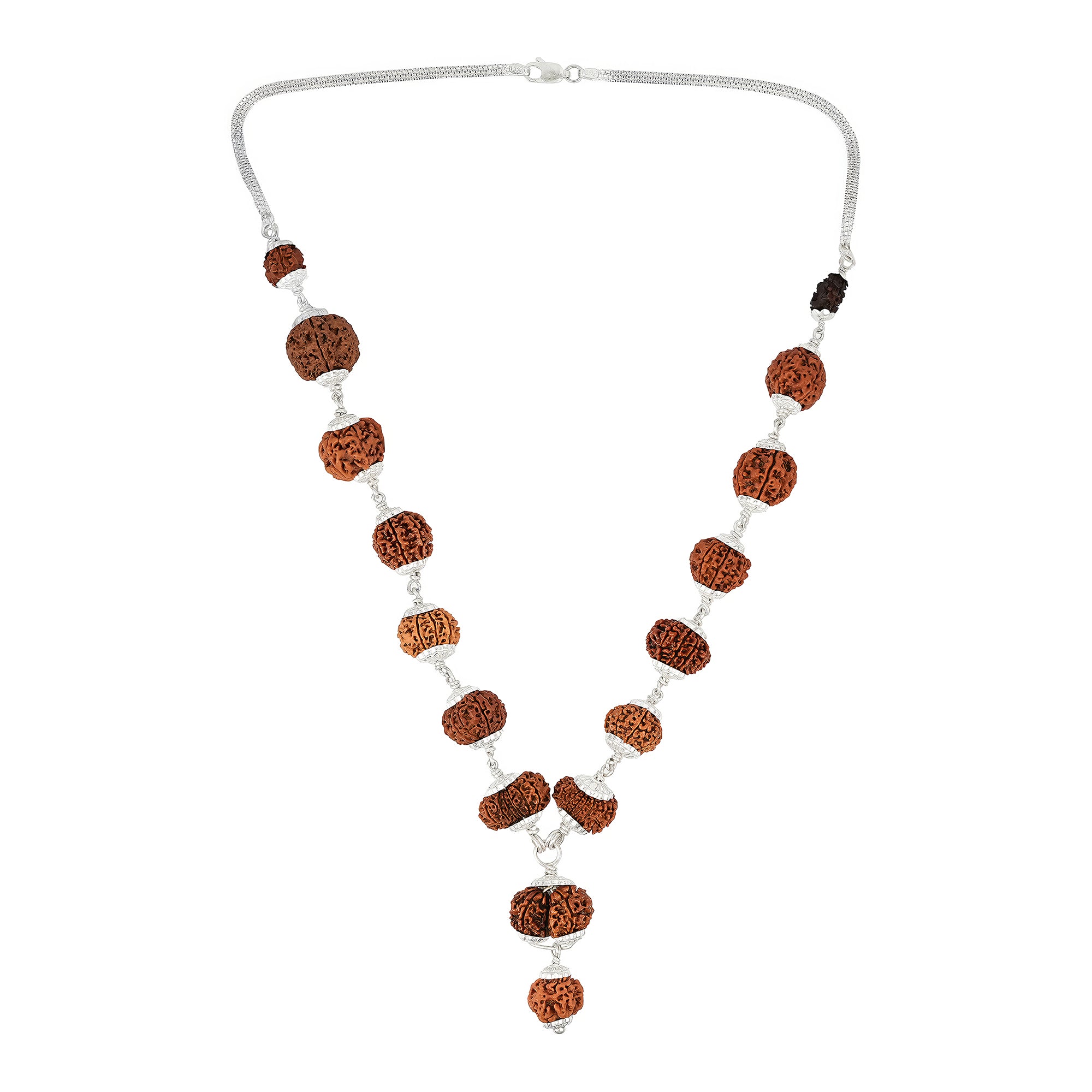
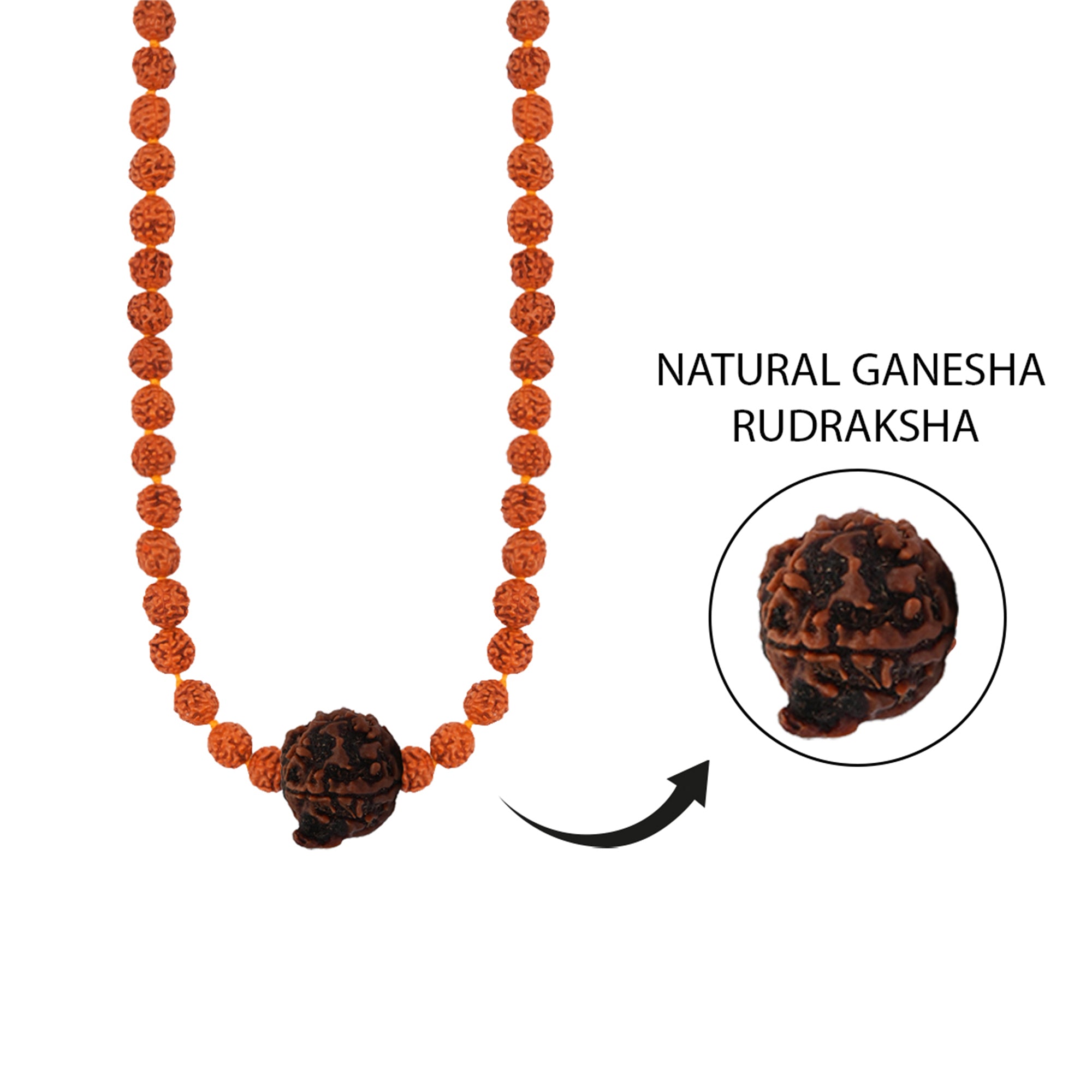
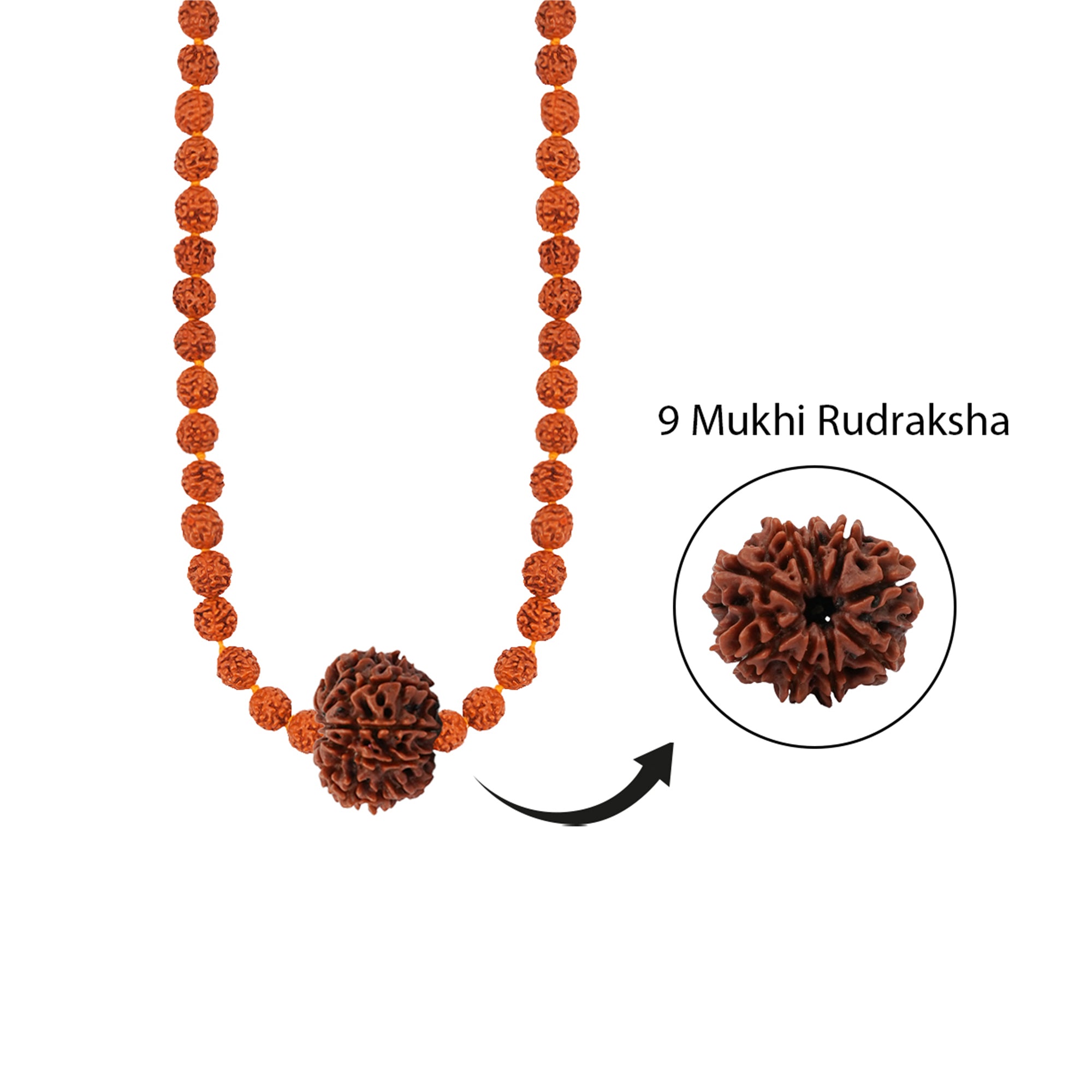
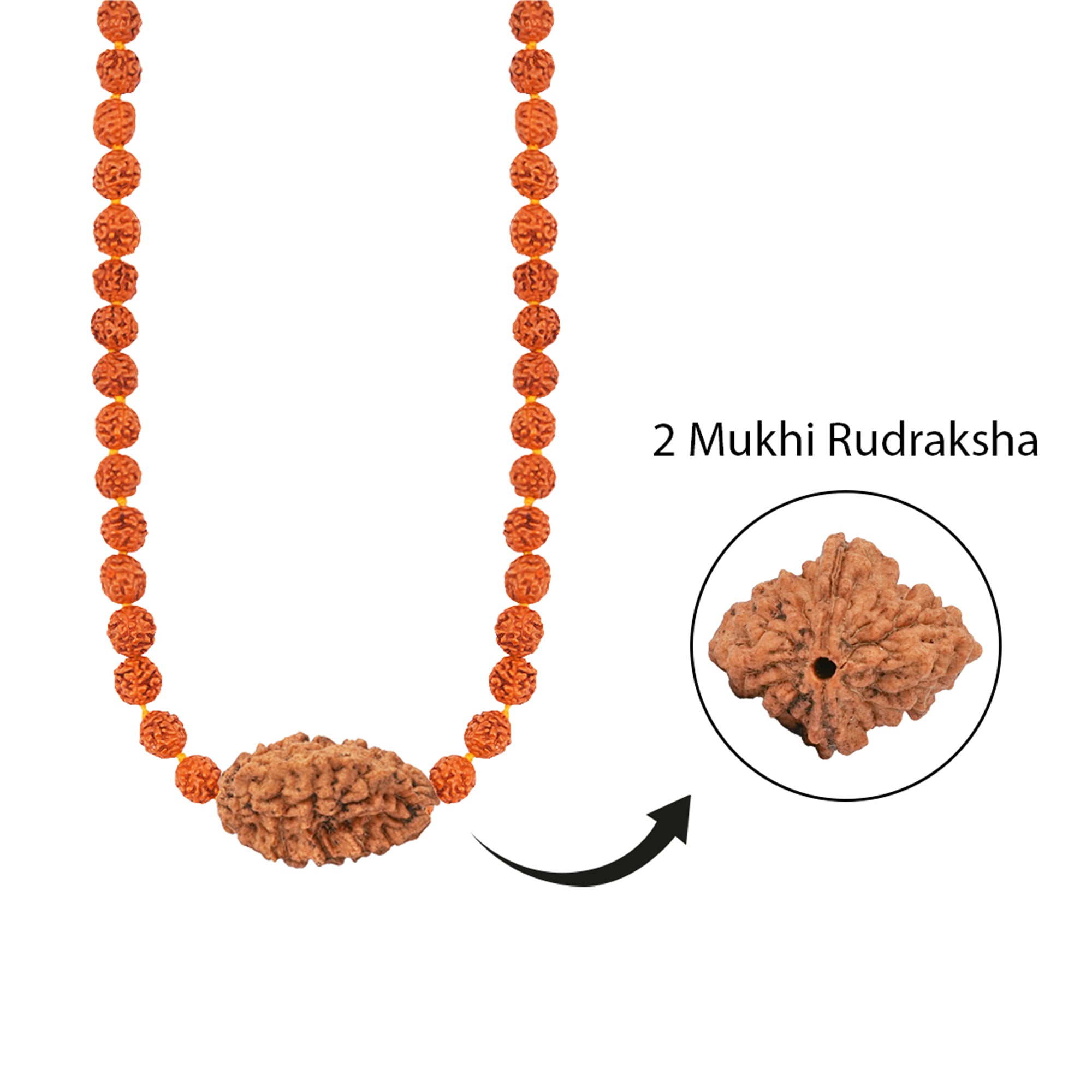
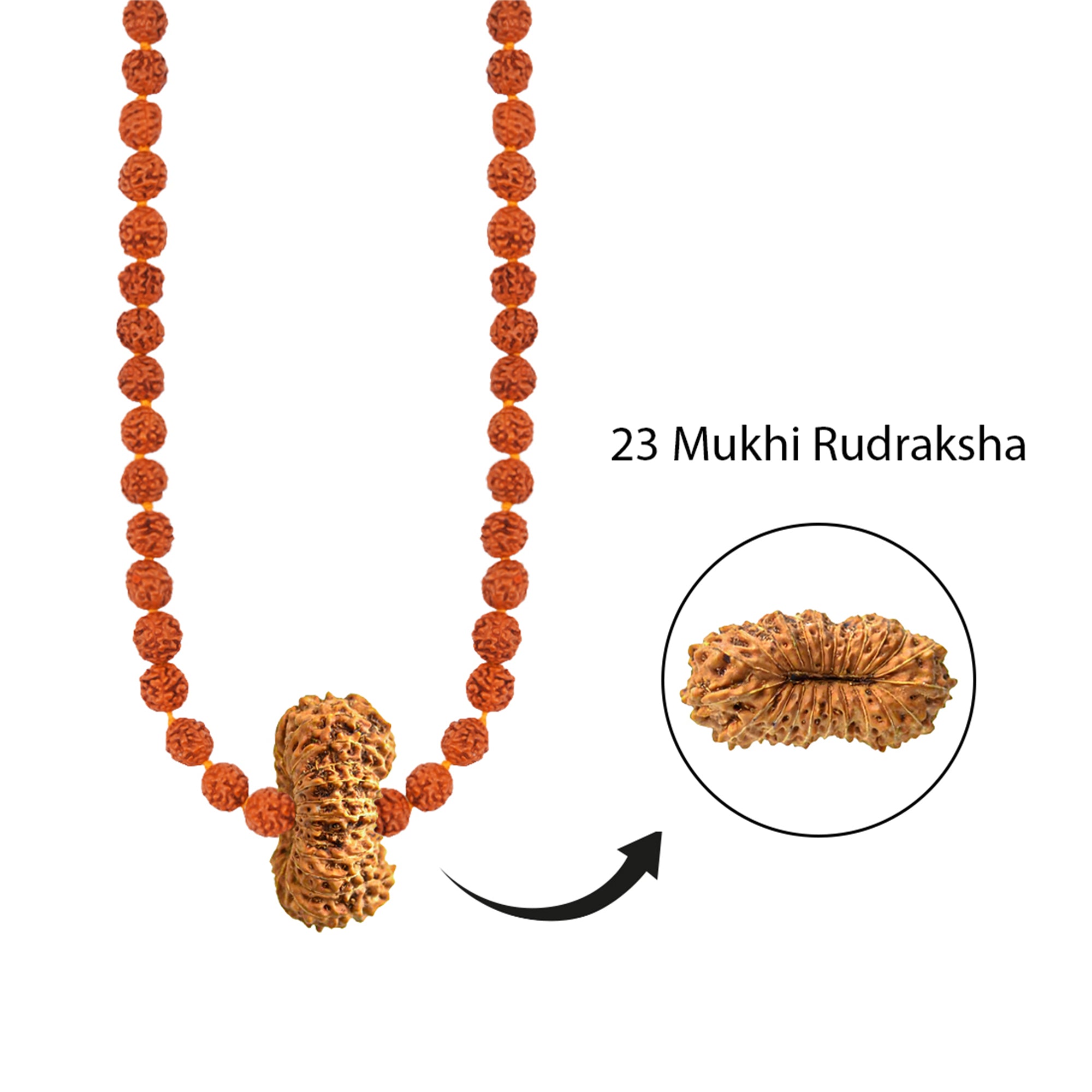
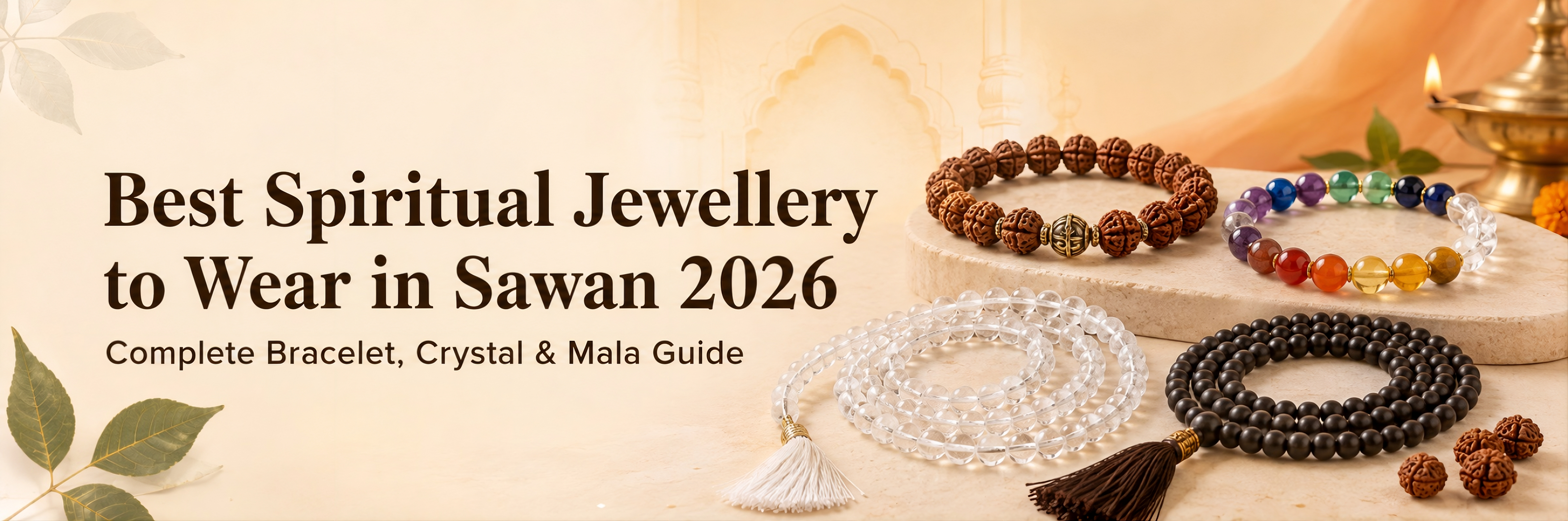
A single Rudraksha isn't the only way to carry Sawan's energy through the day. Malas, bracelets and combo sets are traditional too, and each format suits a different routine. This guide covers which piece fits which goal, the rare Mukhis worth knowing about, how to energise a new piece, and how to pair pieces together so that you can go beyond just the Mukhi count.
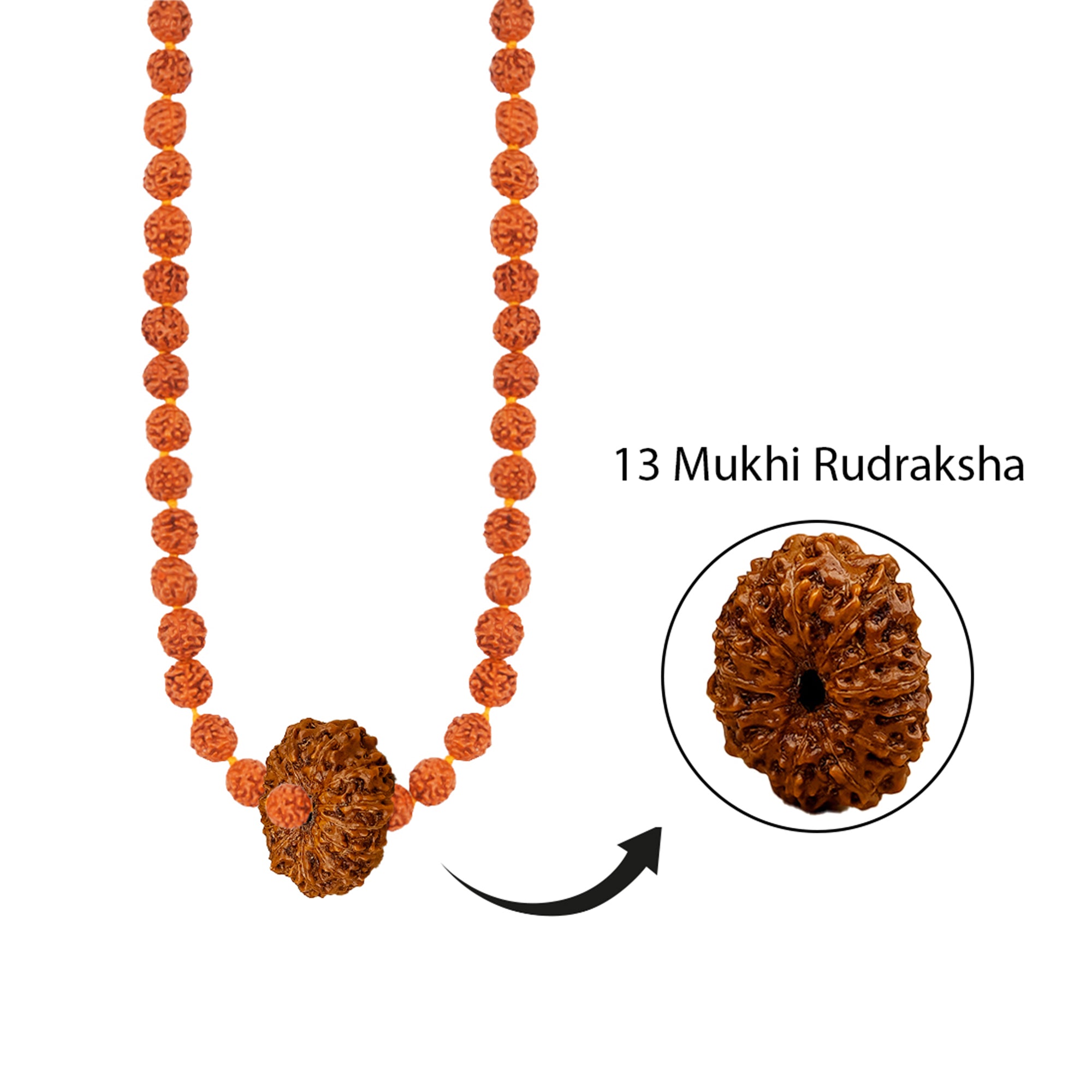
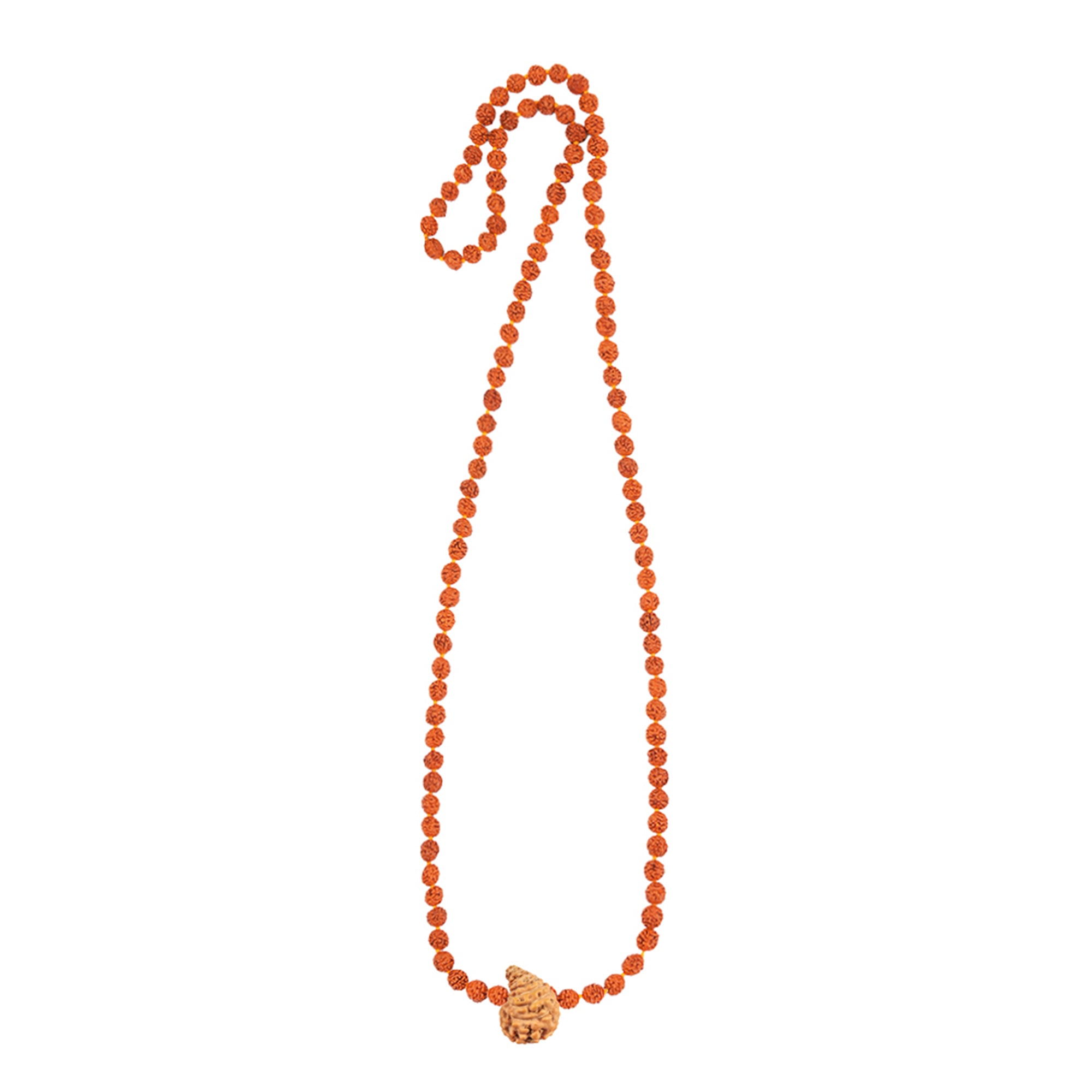
1 Mukhi & 11 Mukhi Rudraksha for Sawan, Rare Beads for Deep Devotion
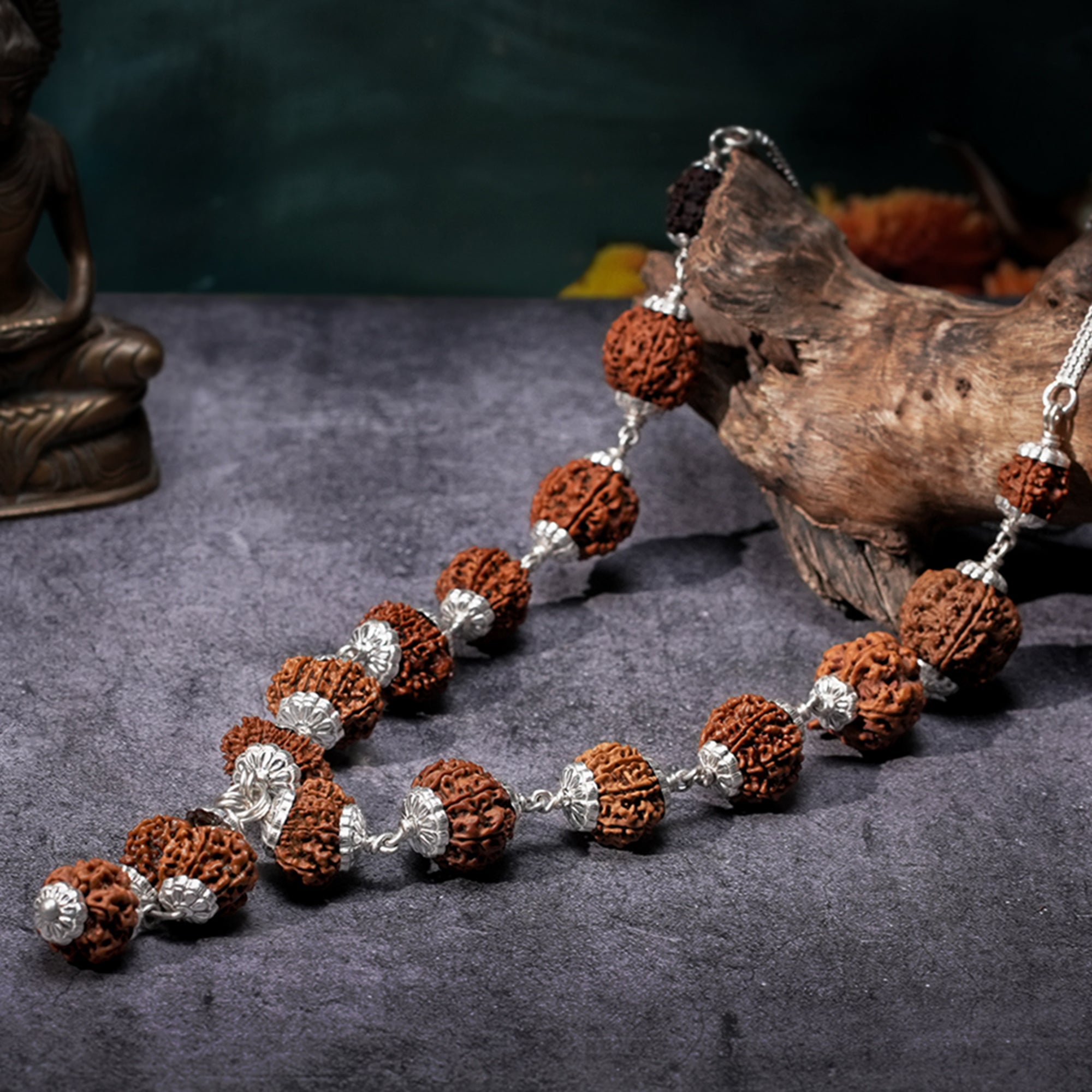
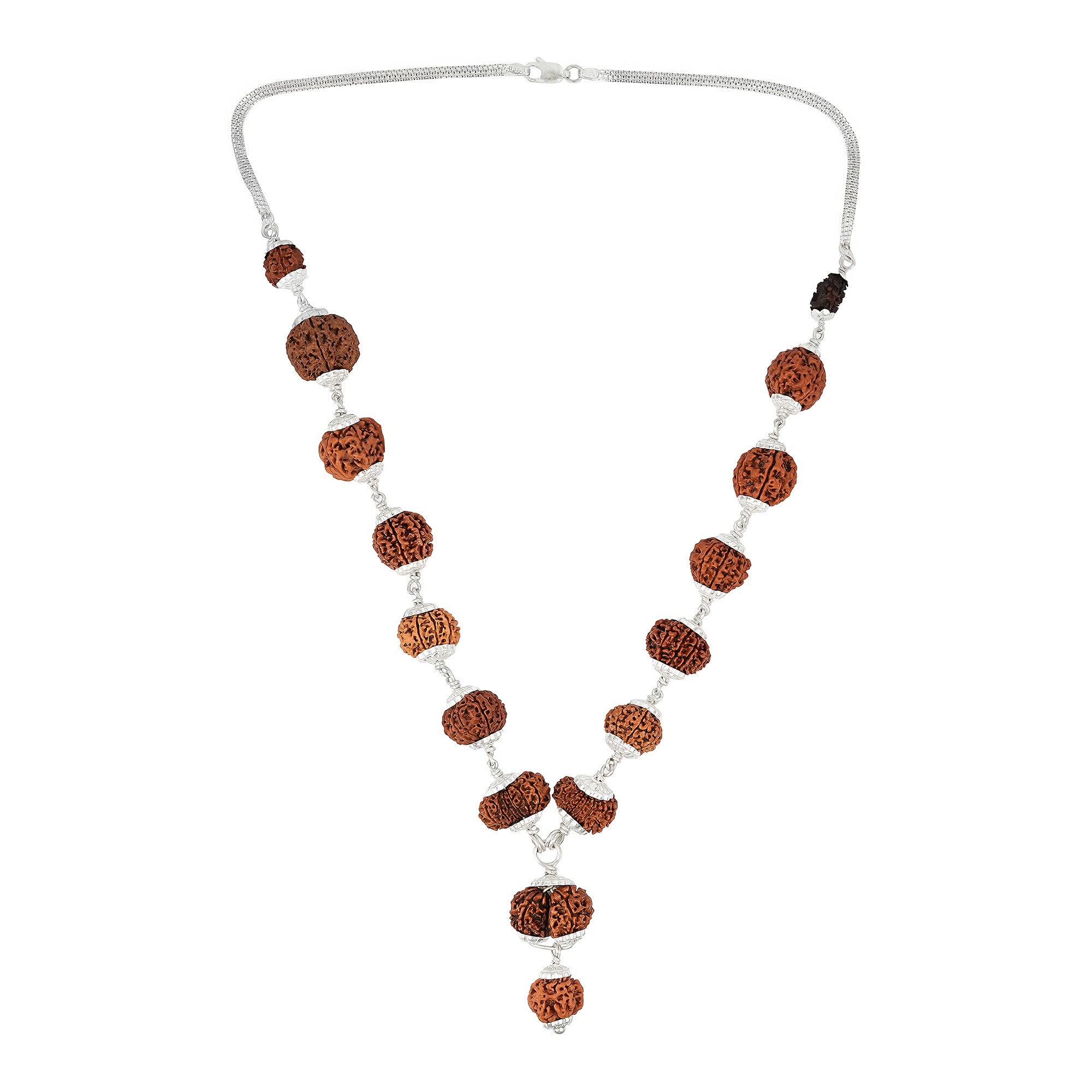
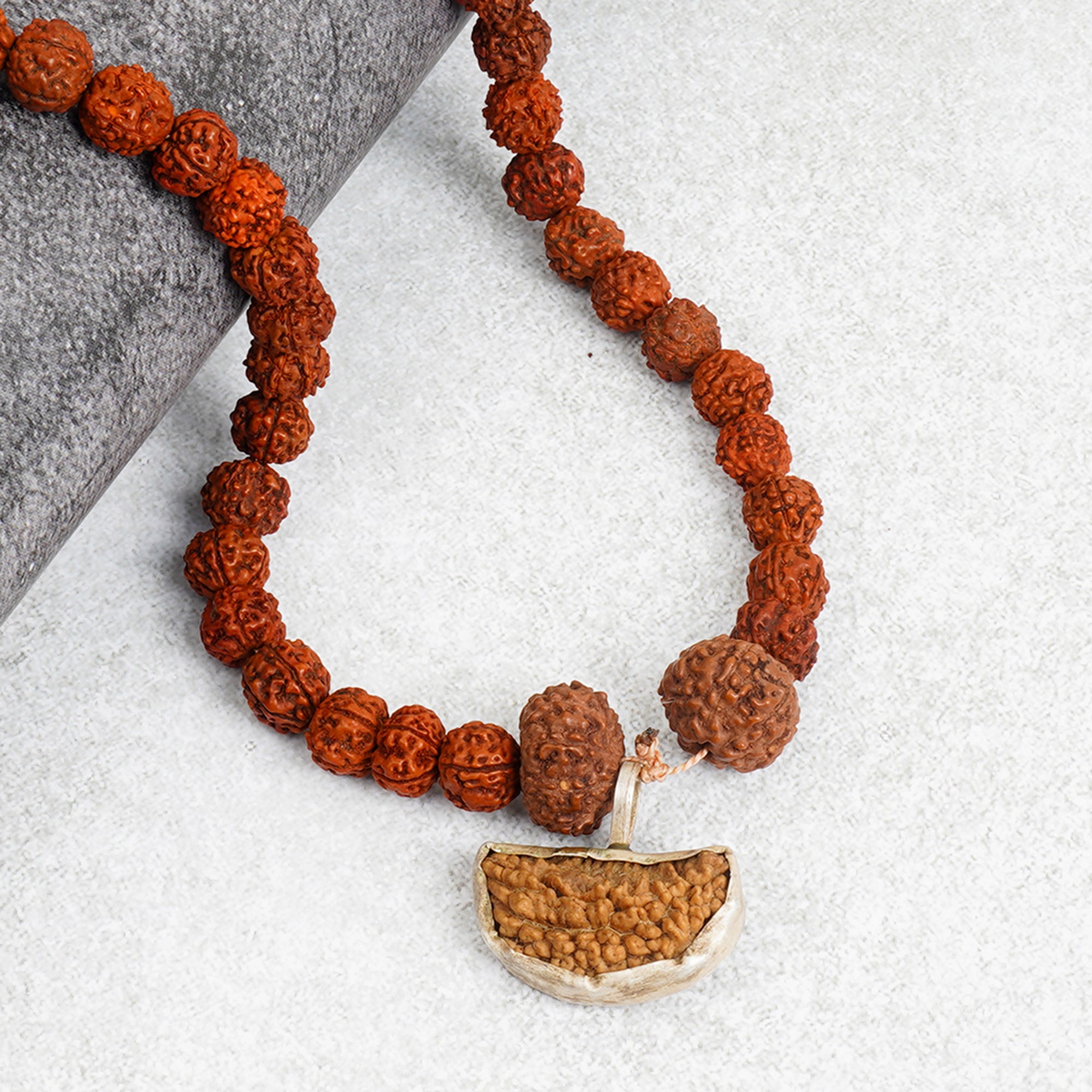
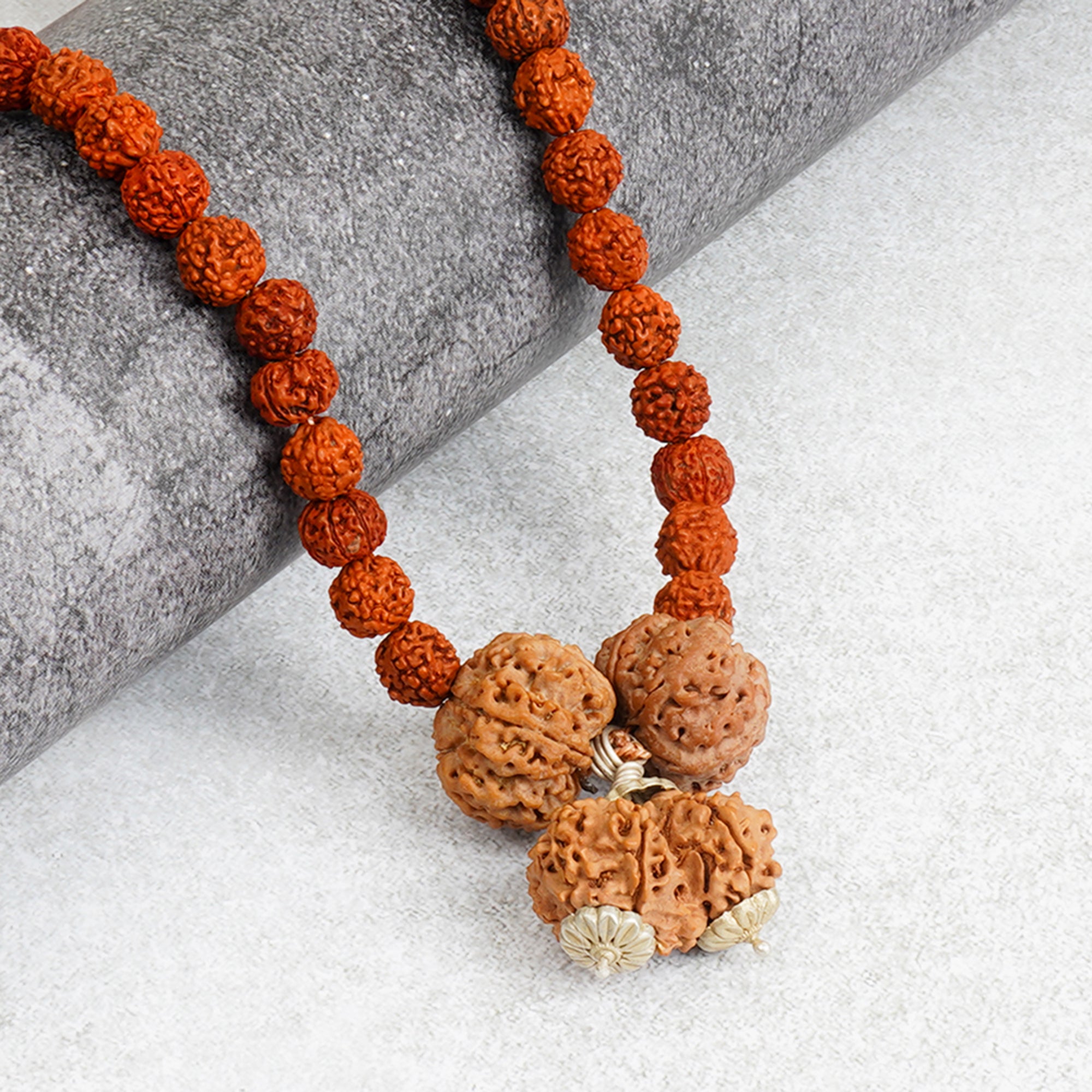
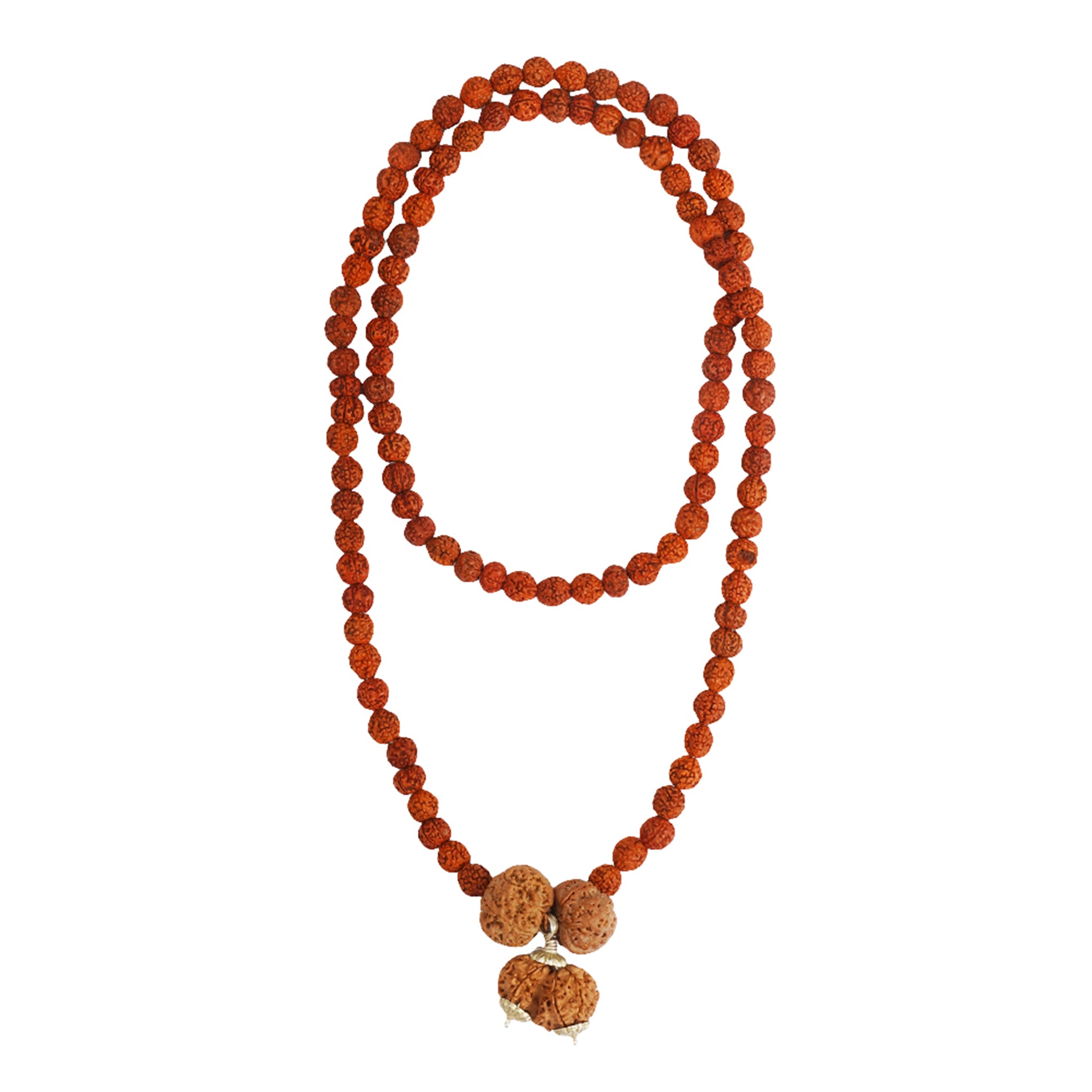
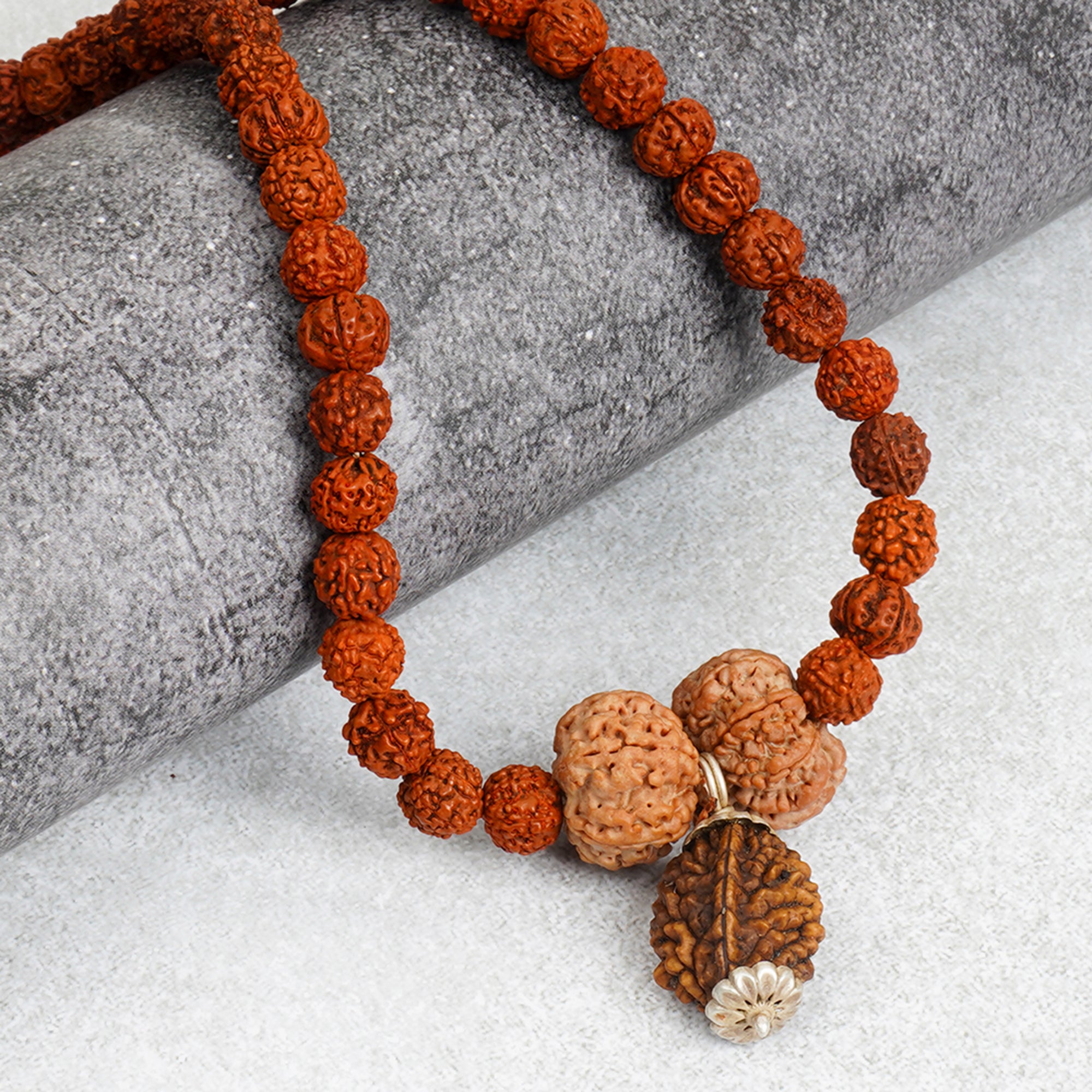
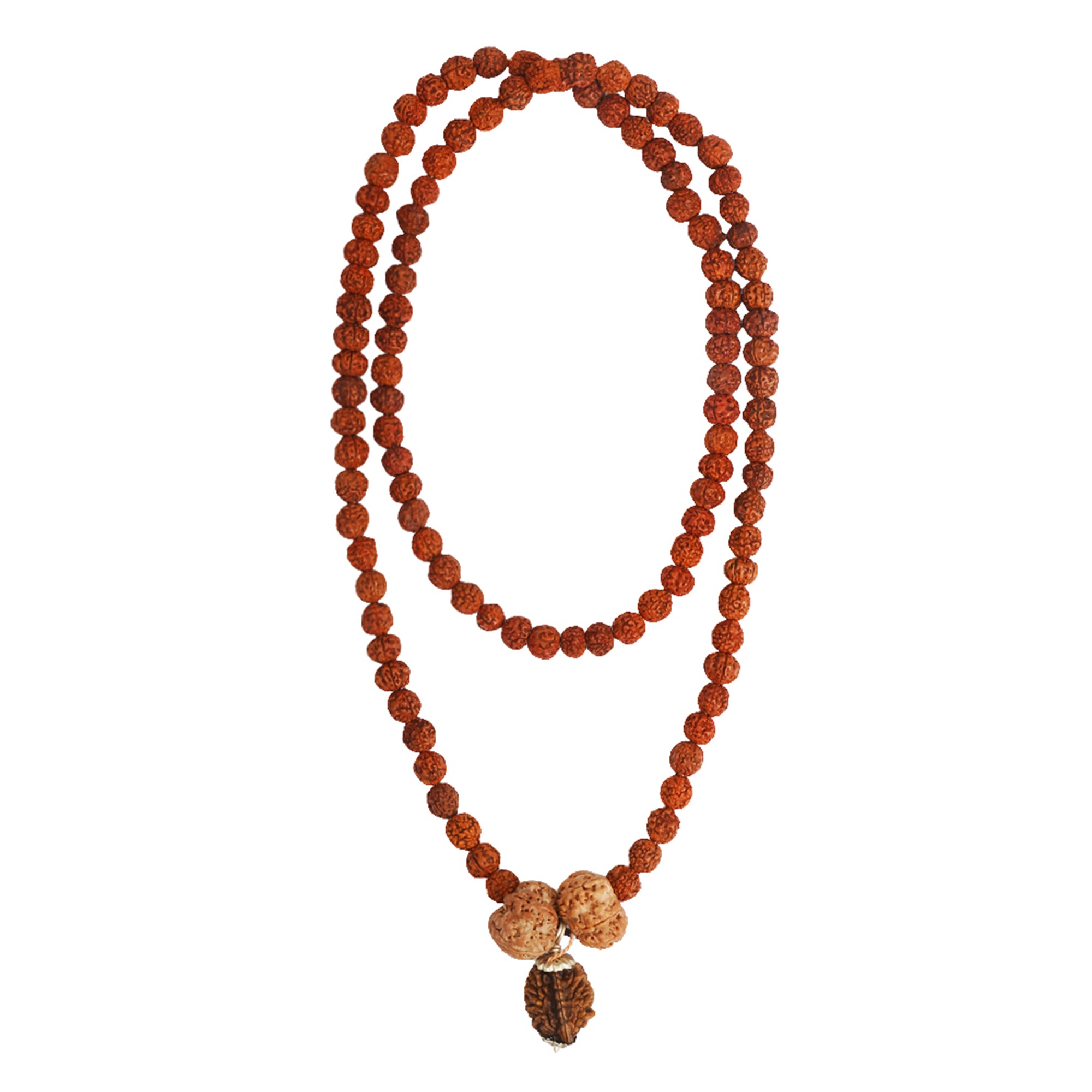
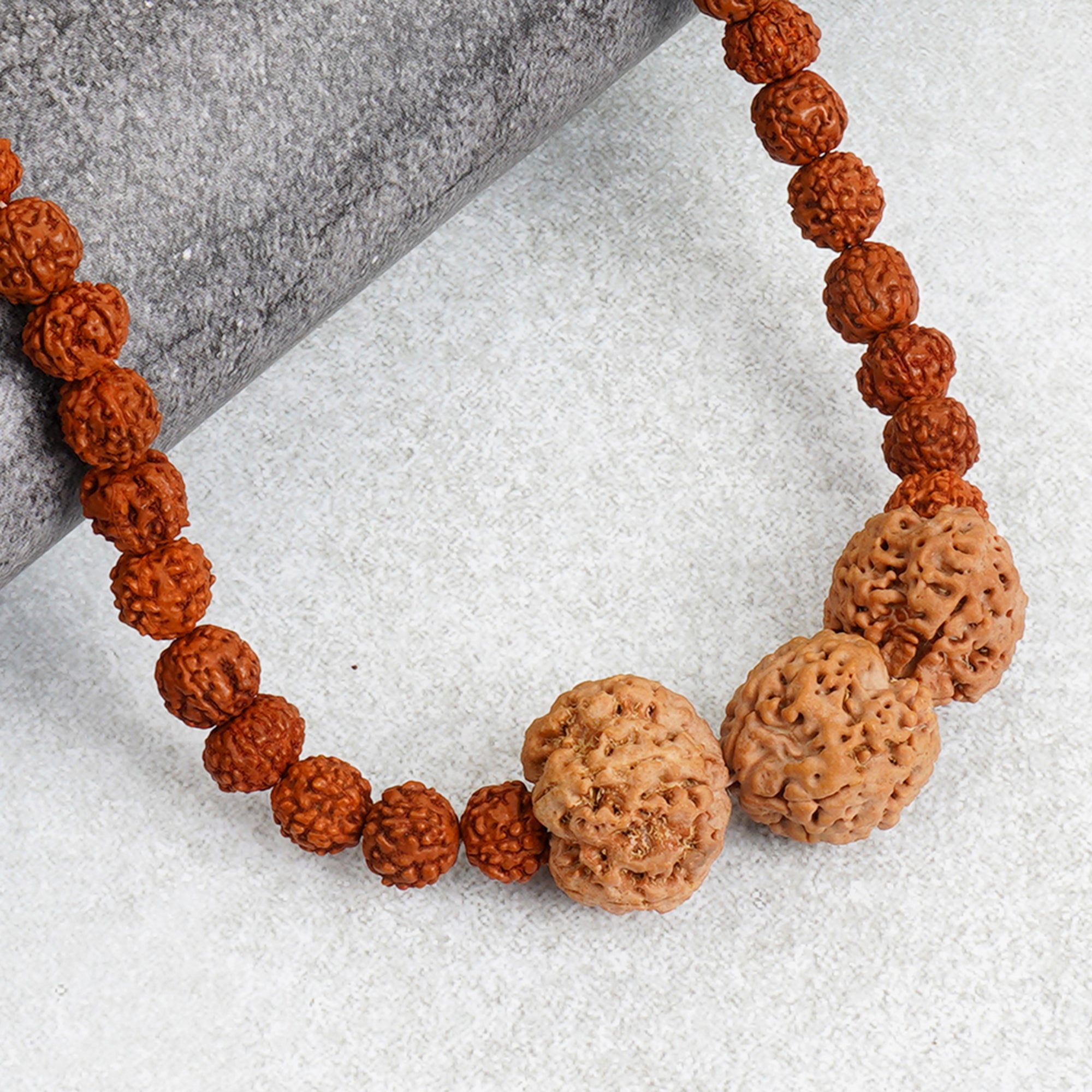
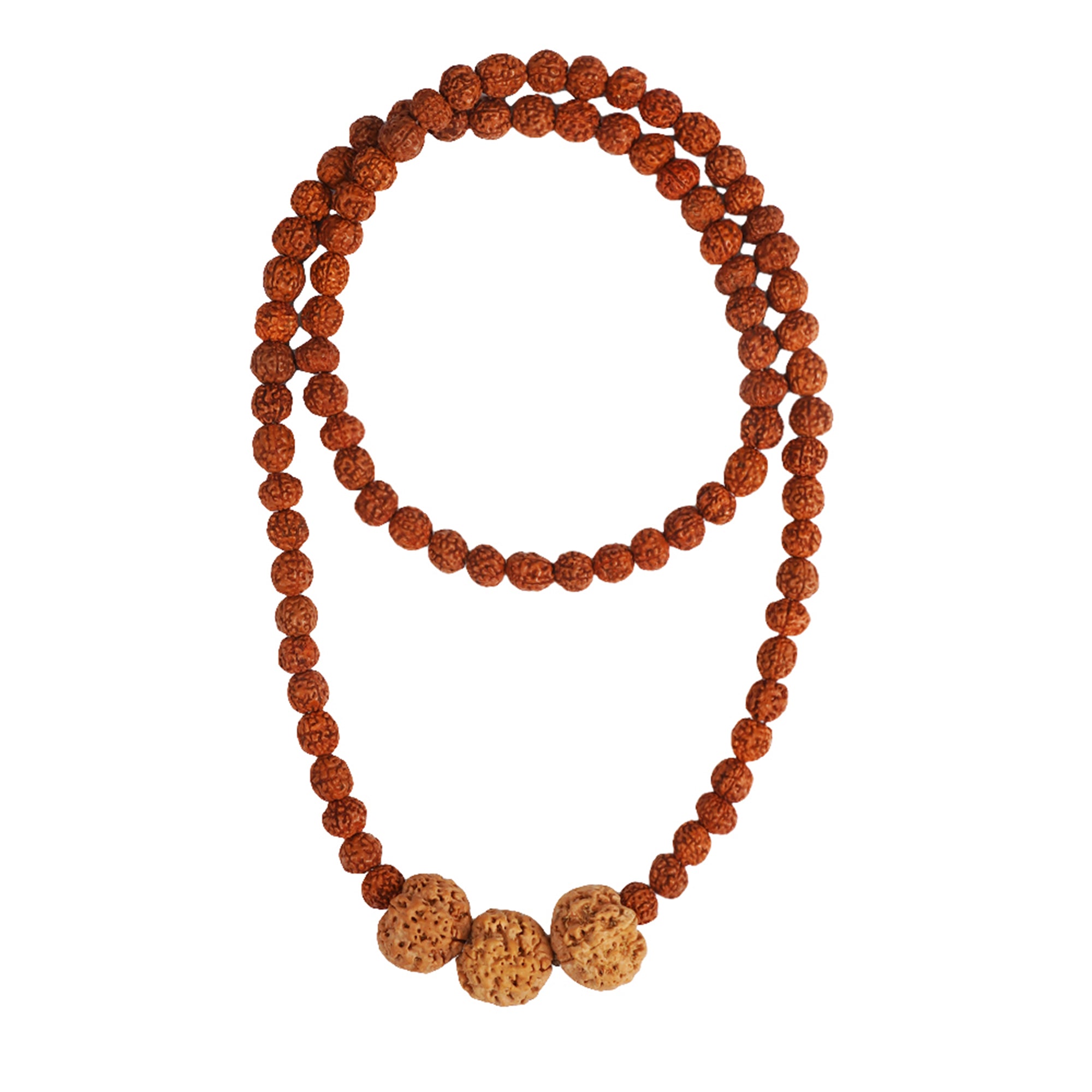
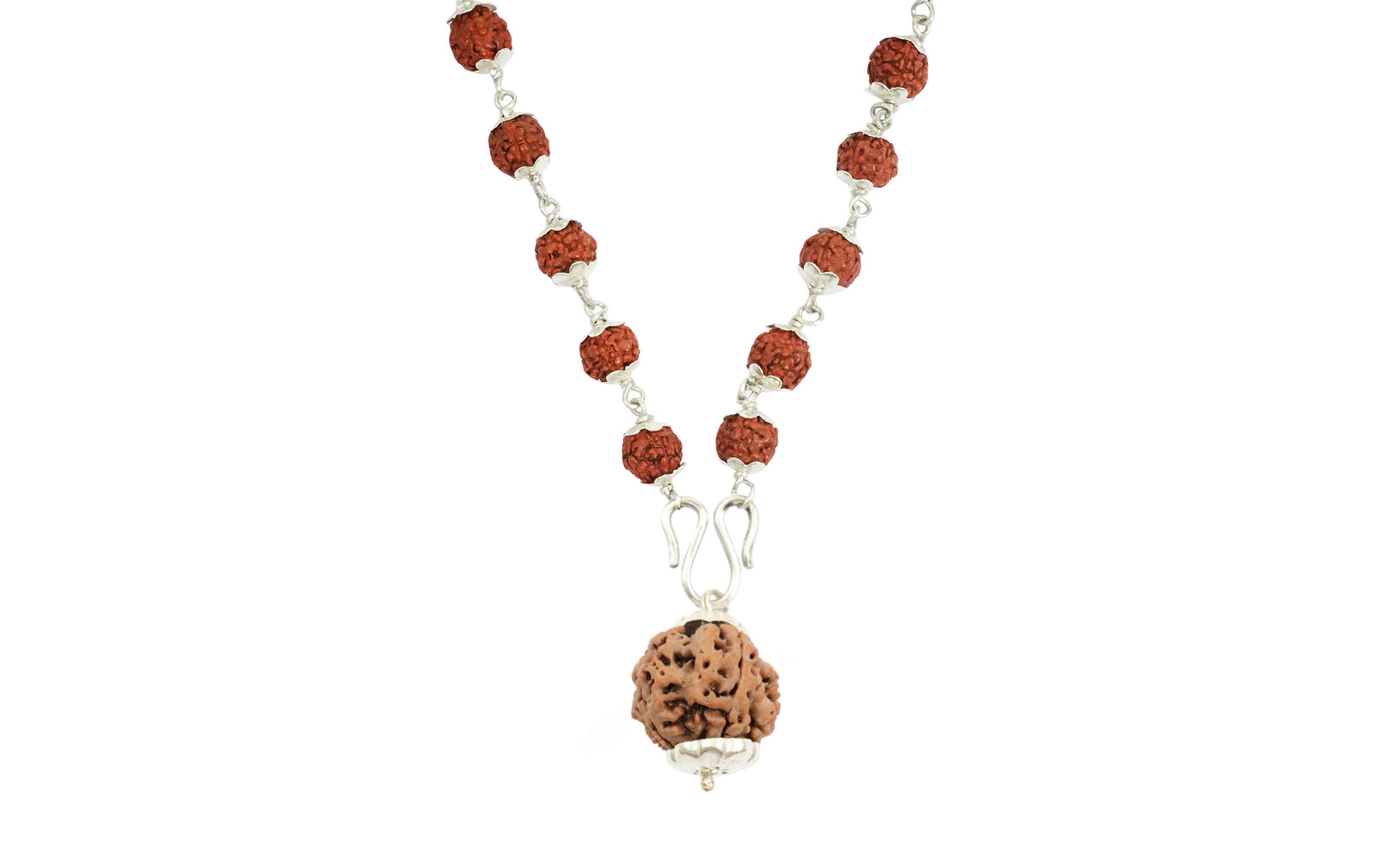
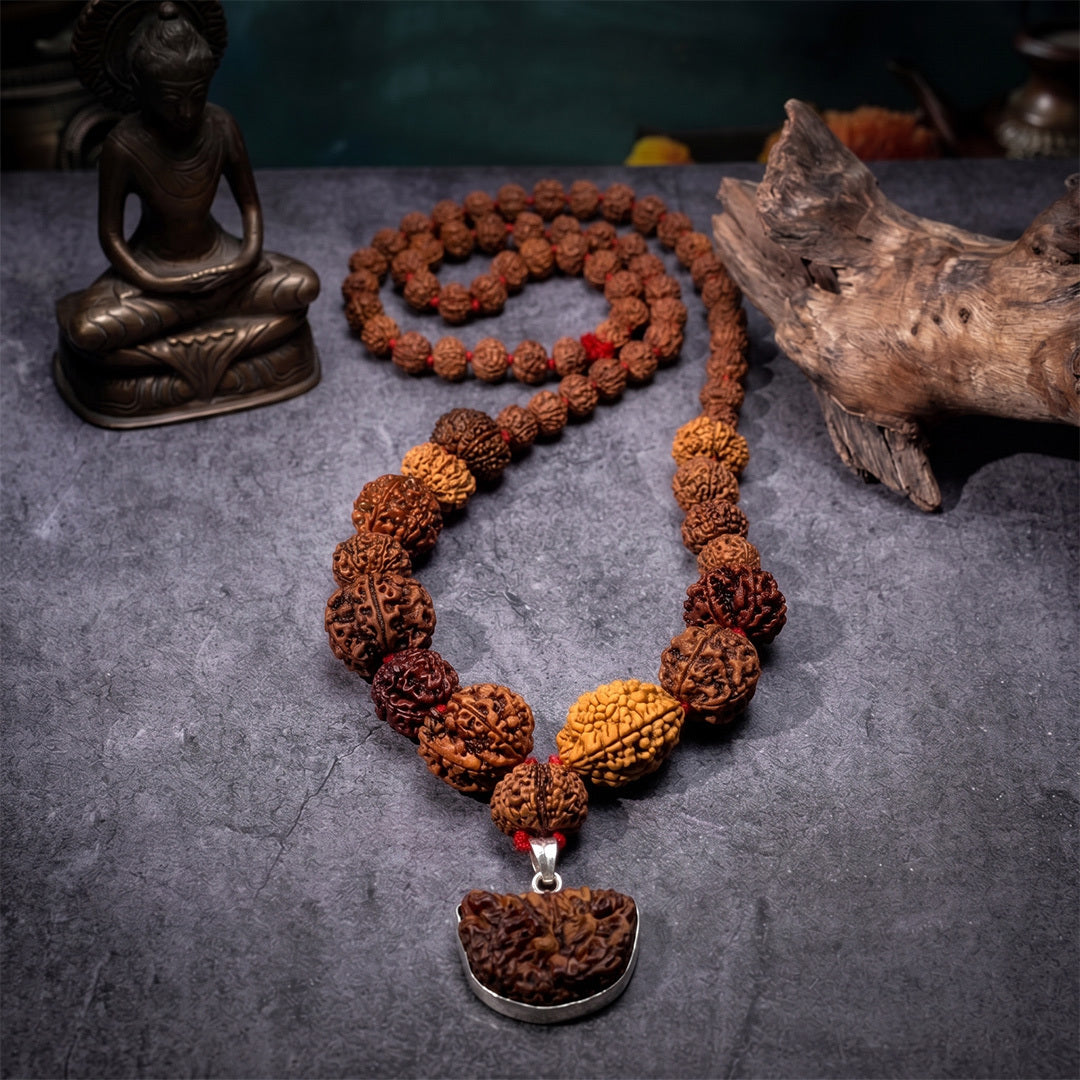
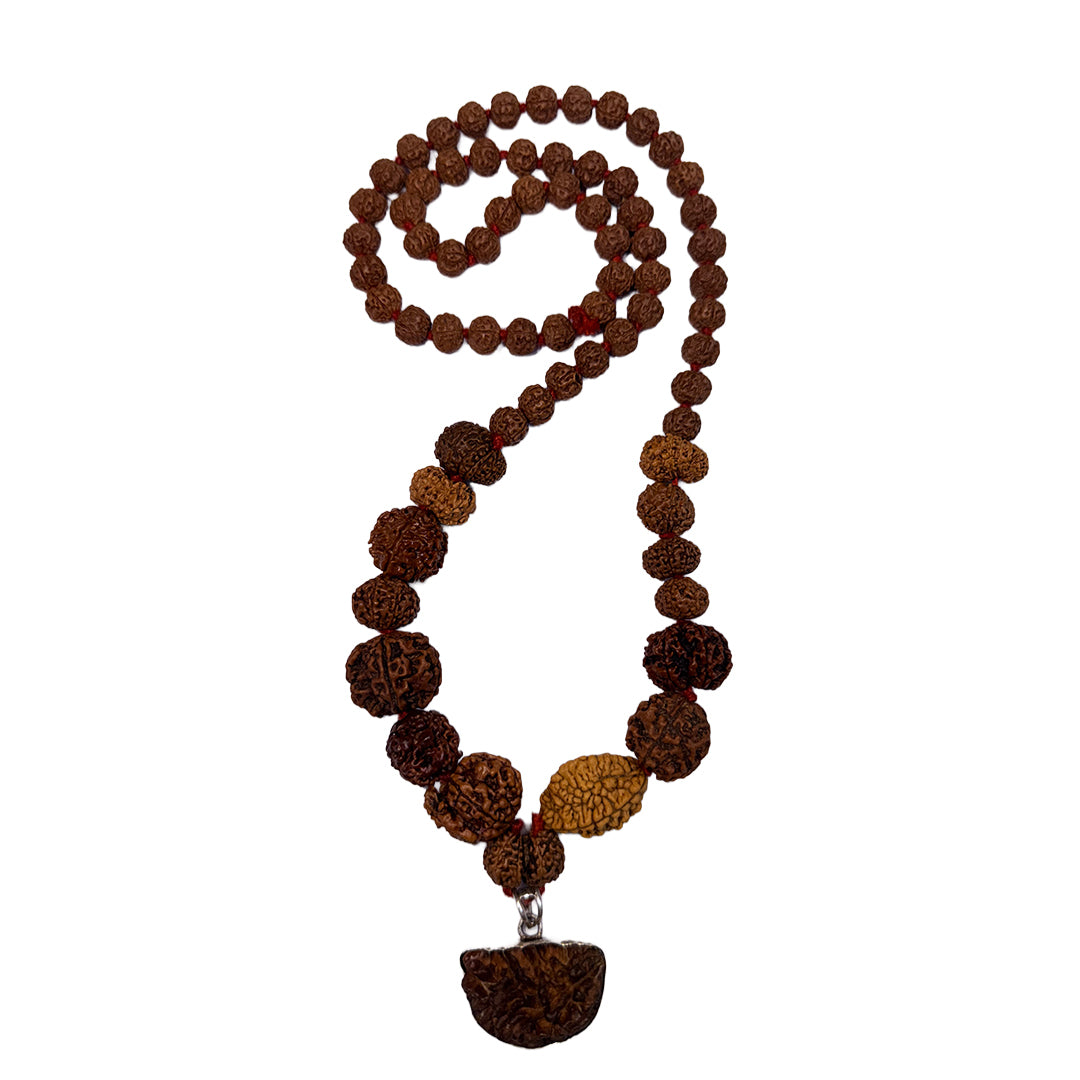
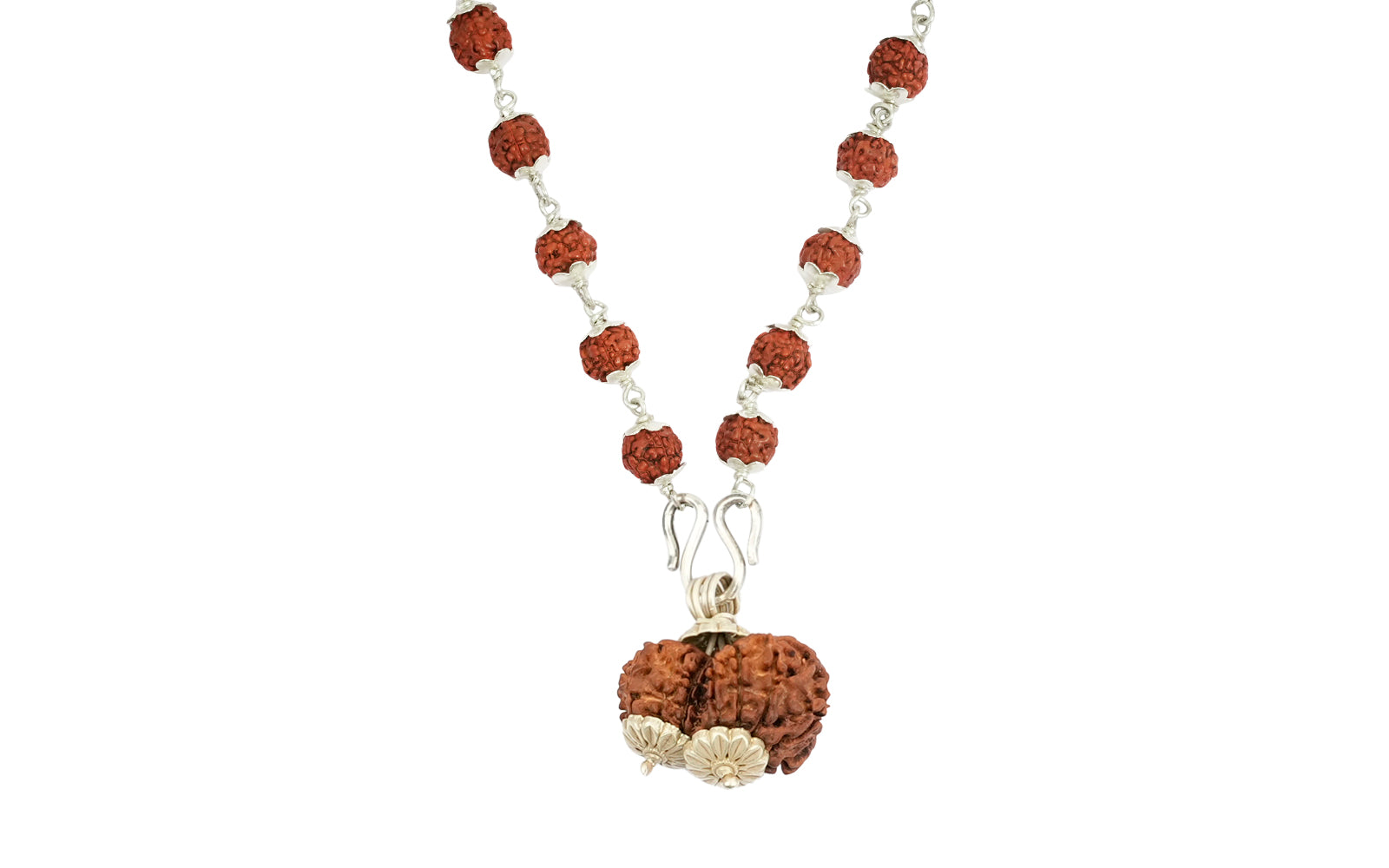
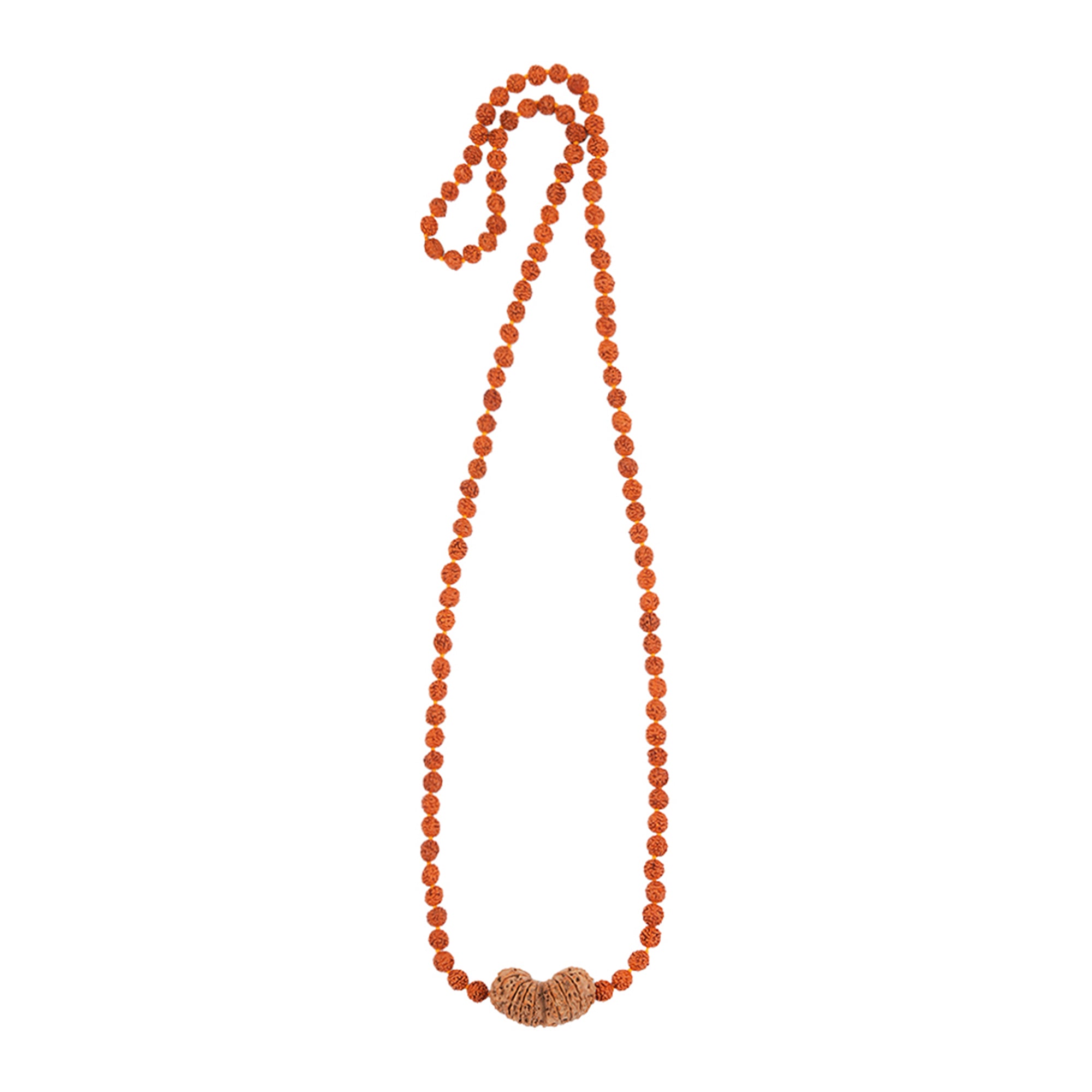
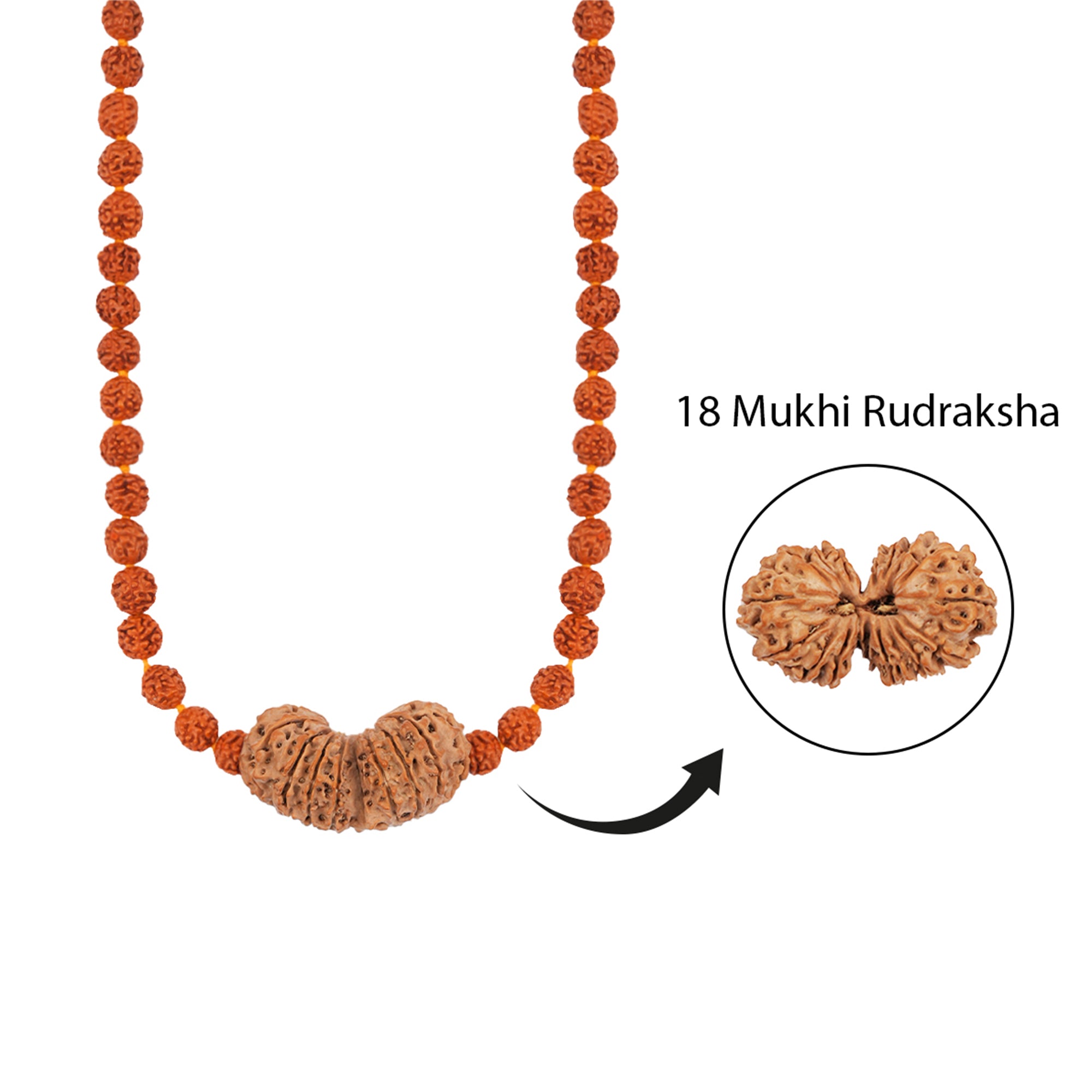
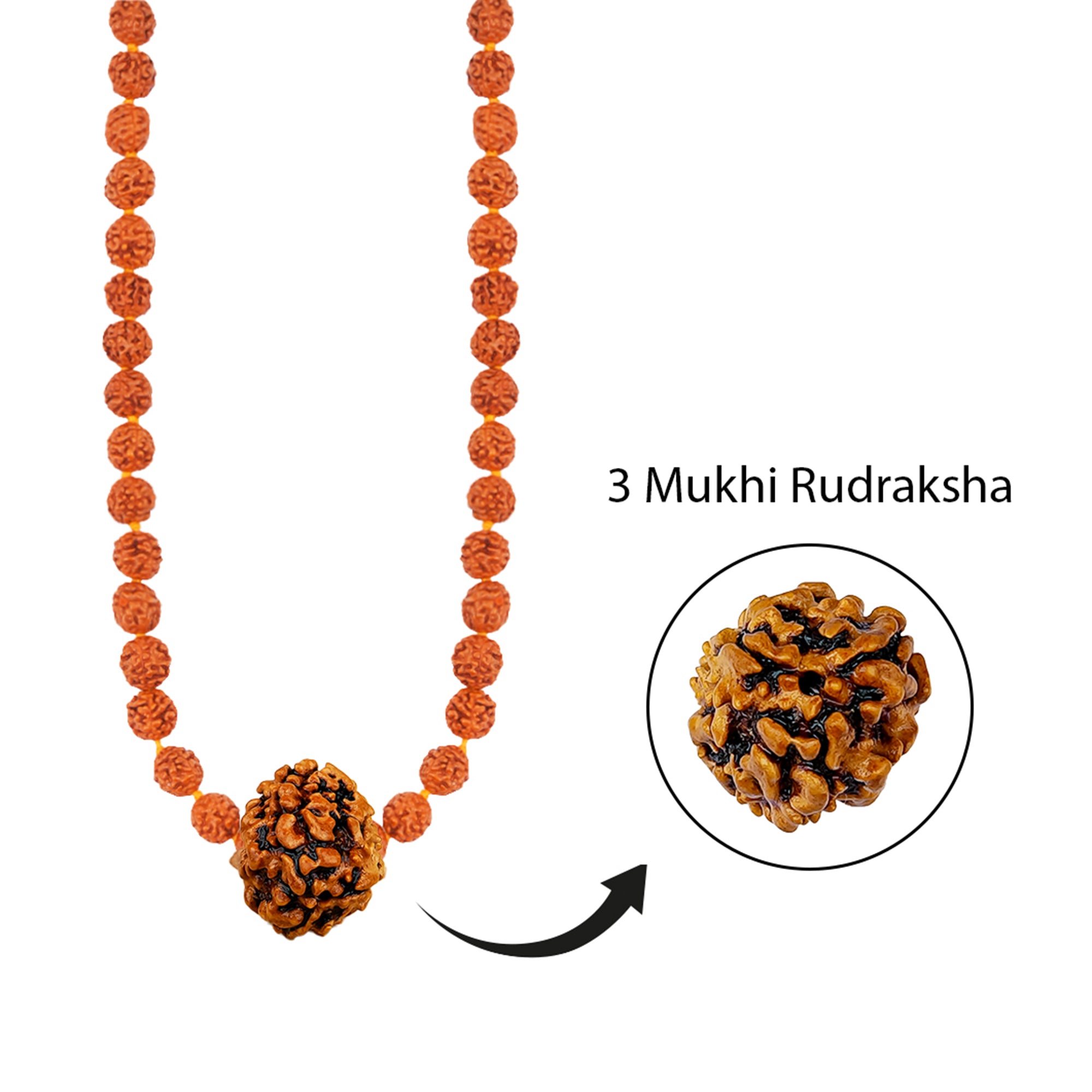
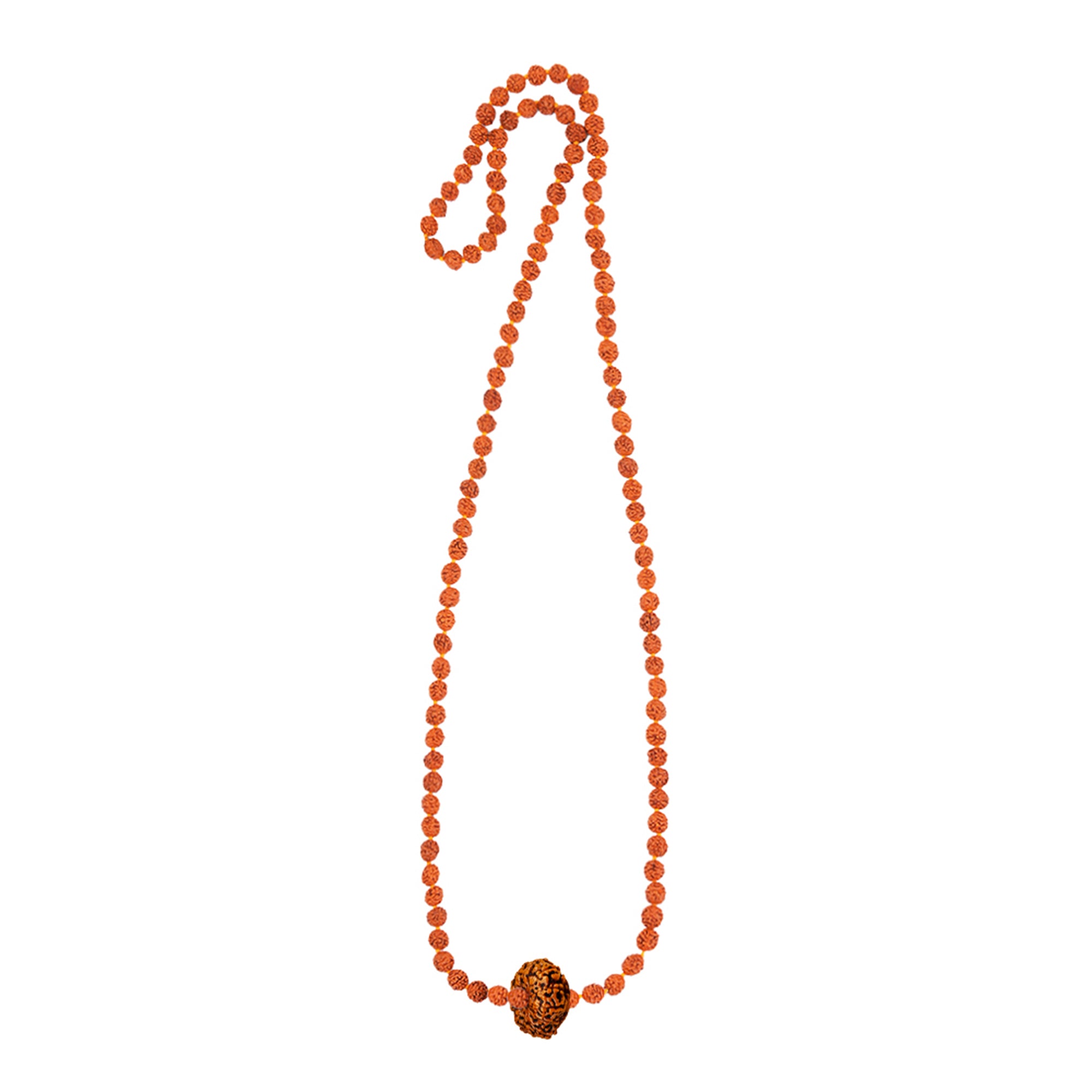
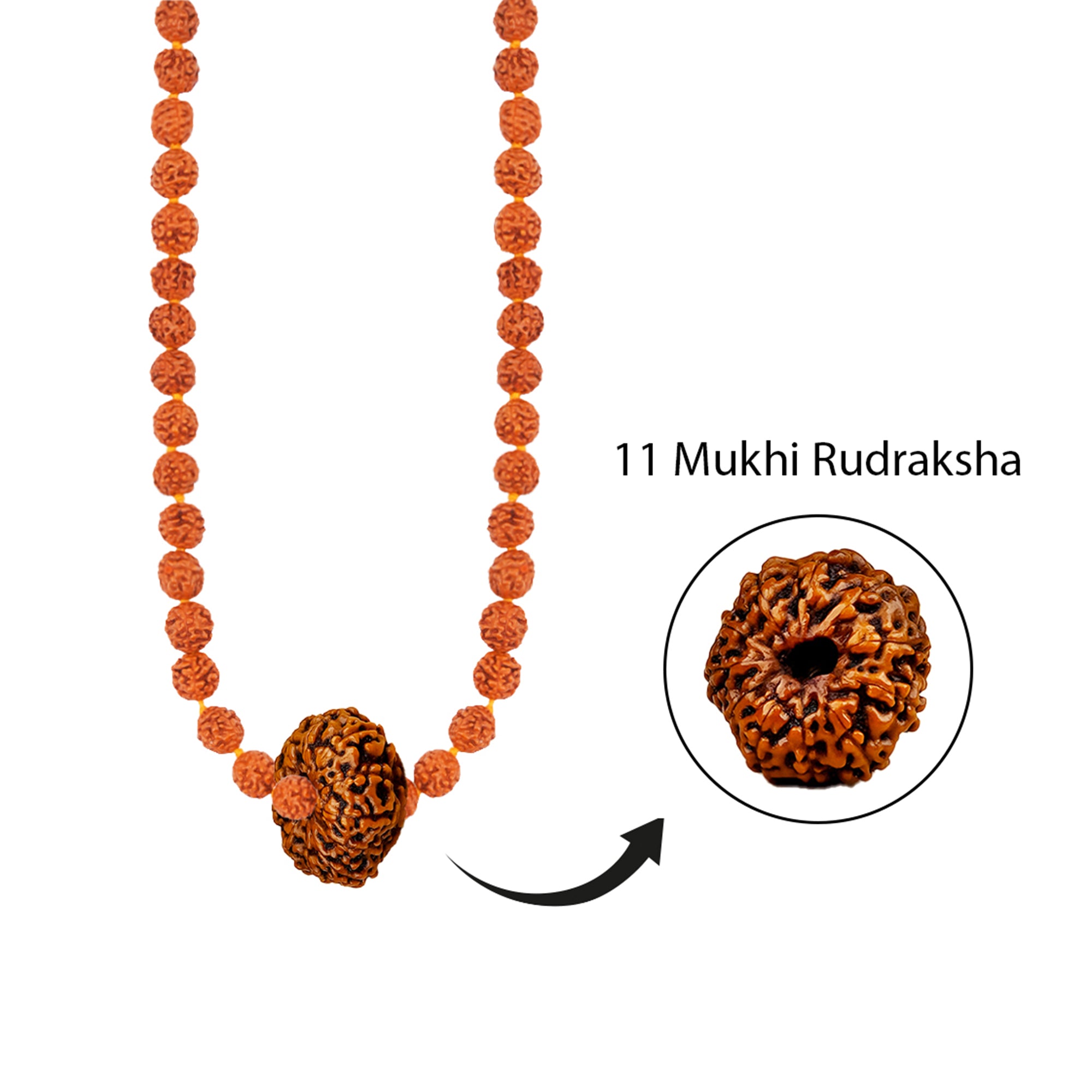
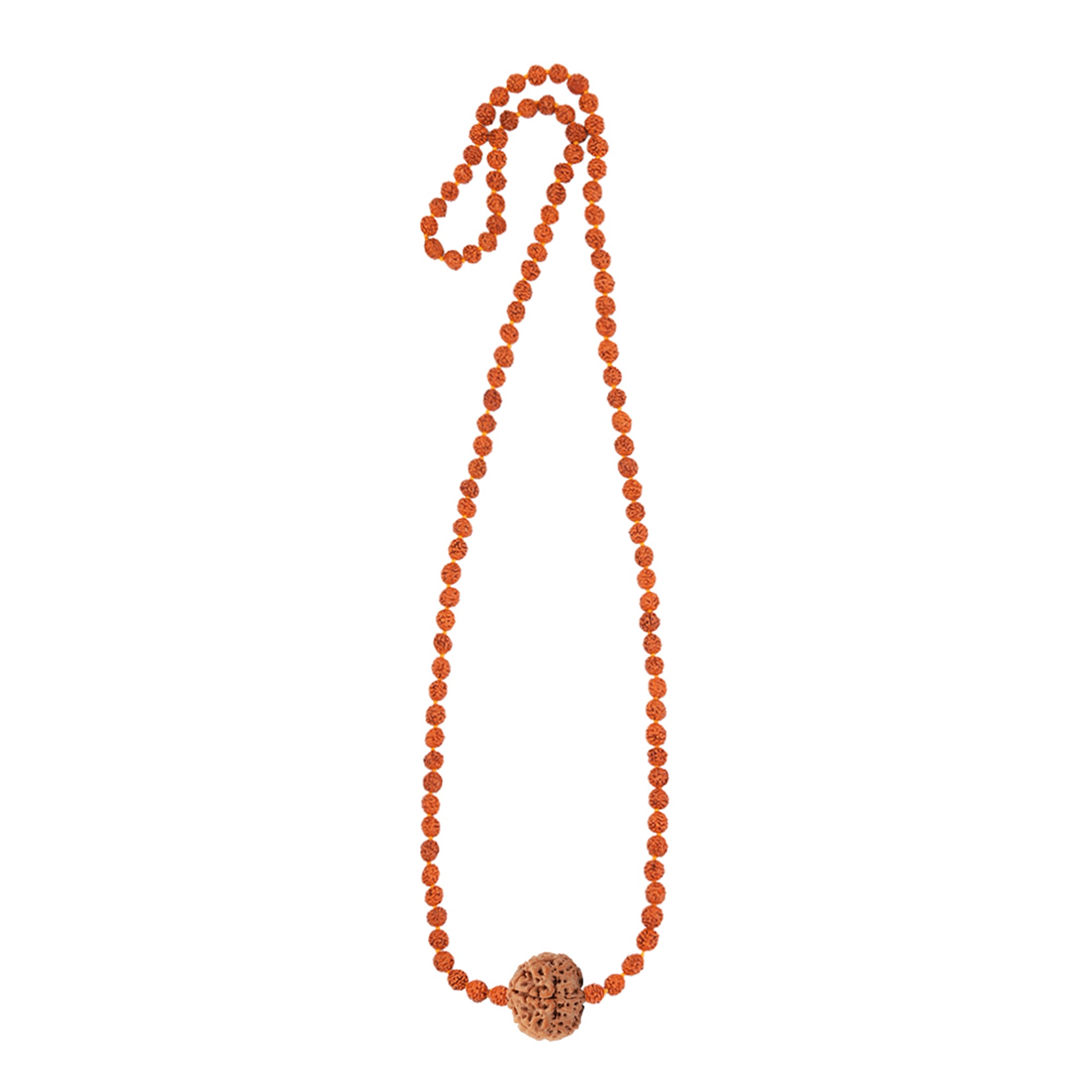
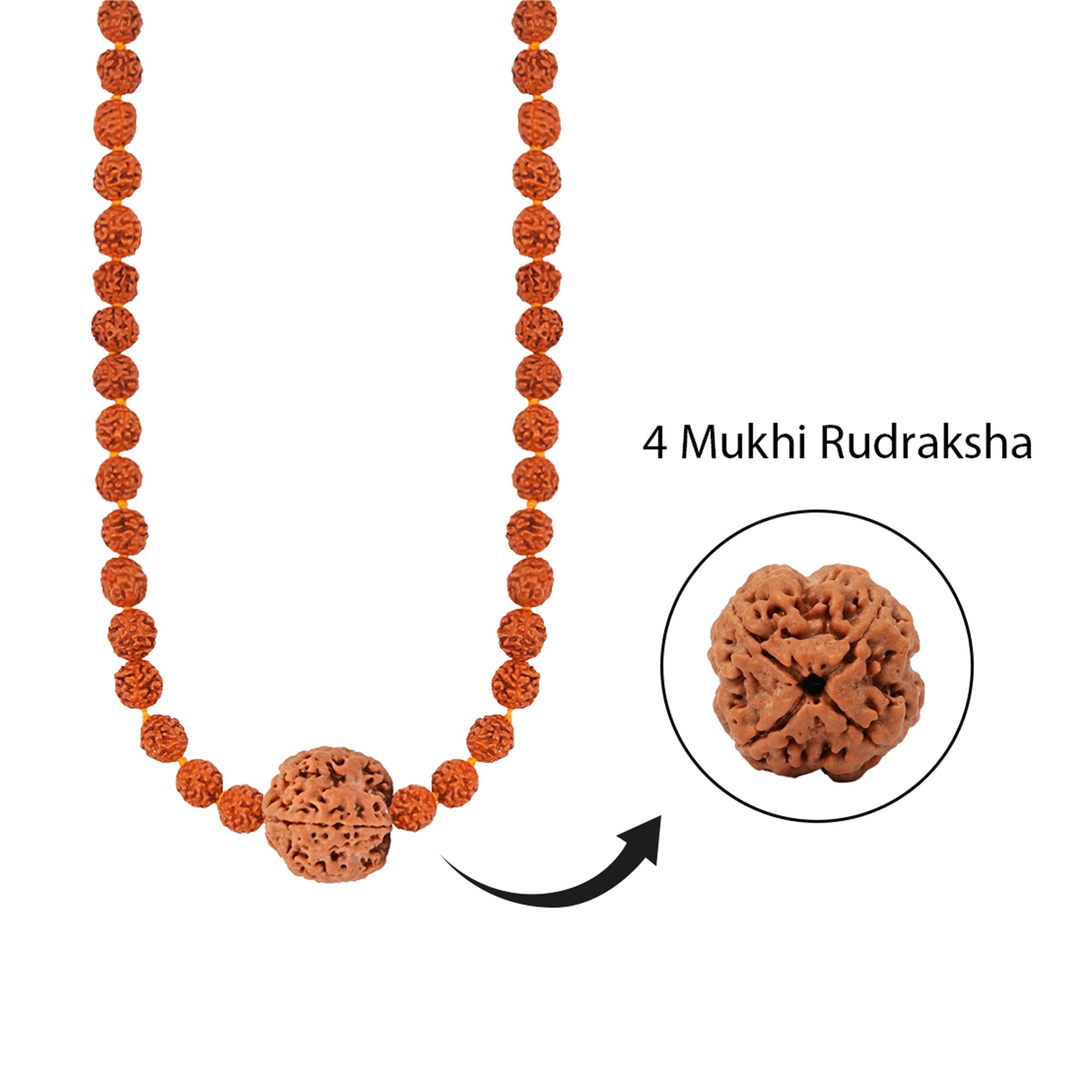
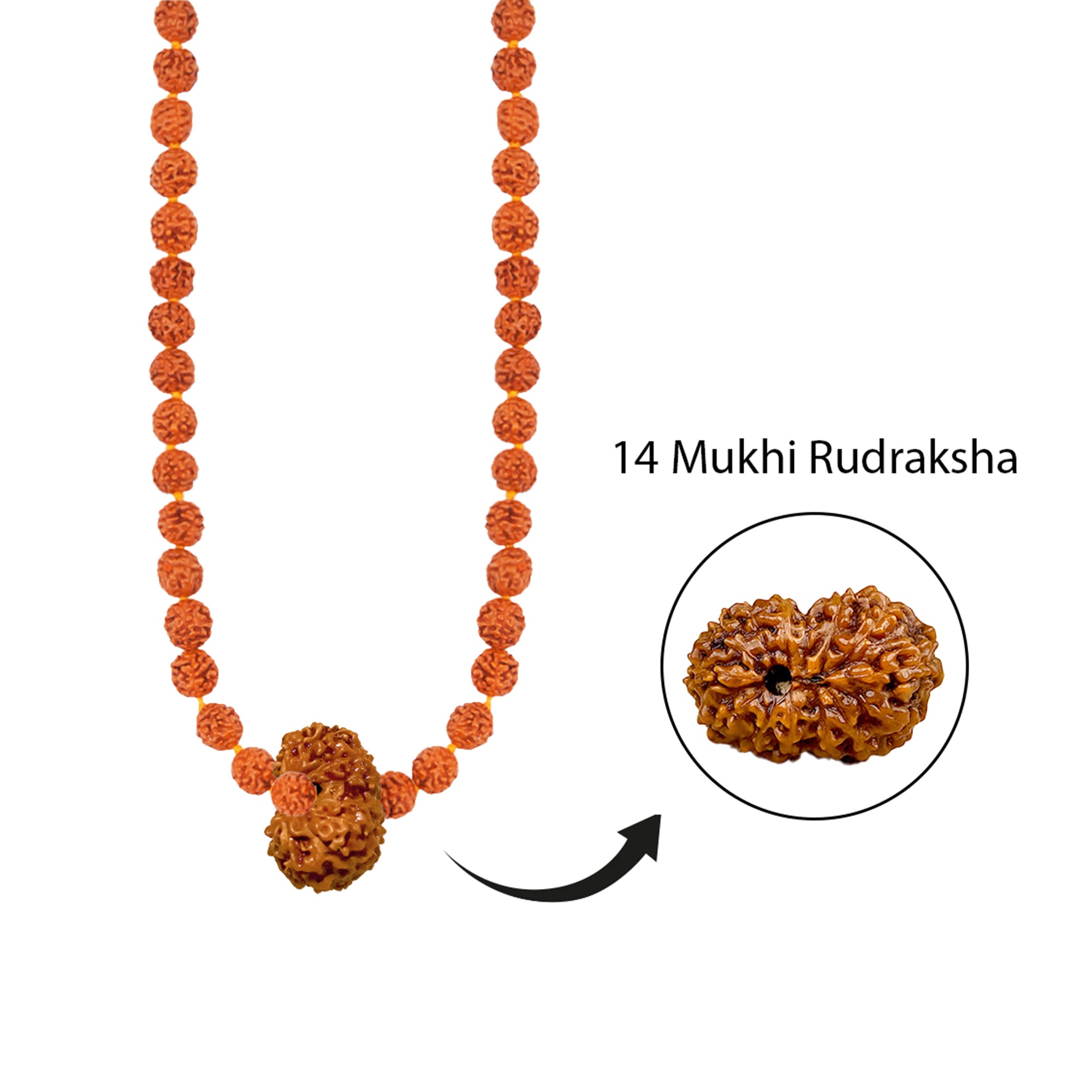
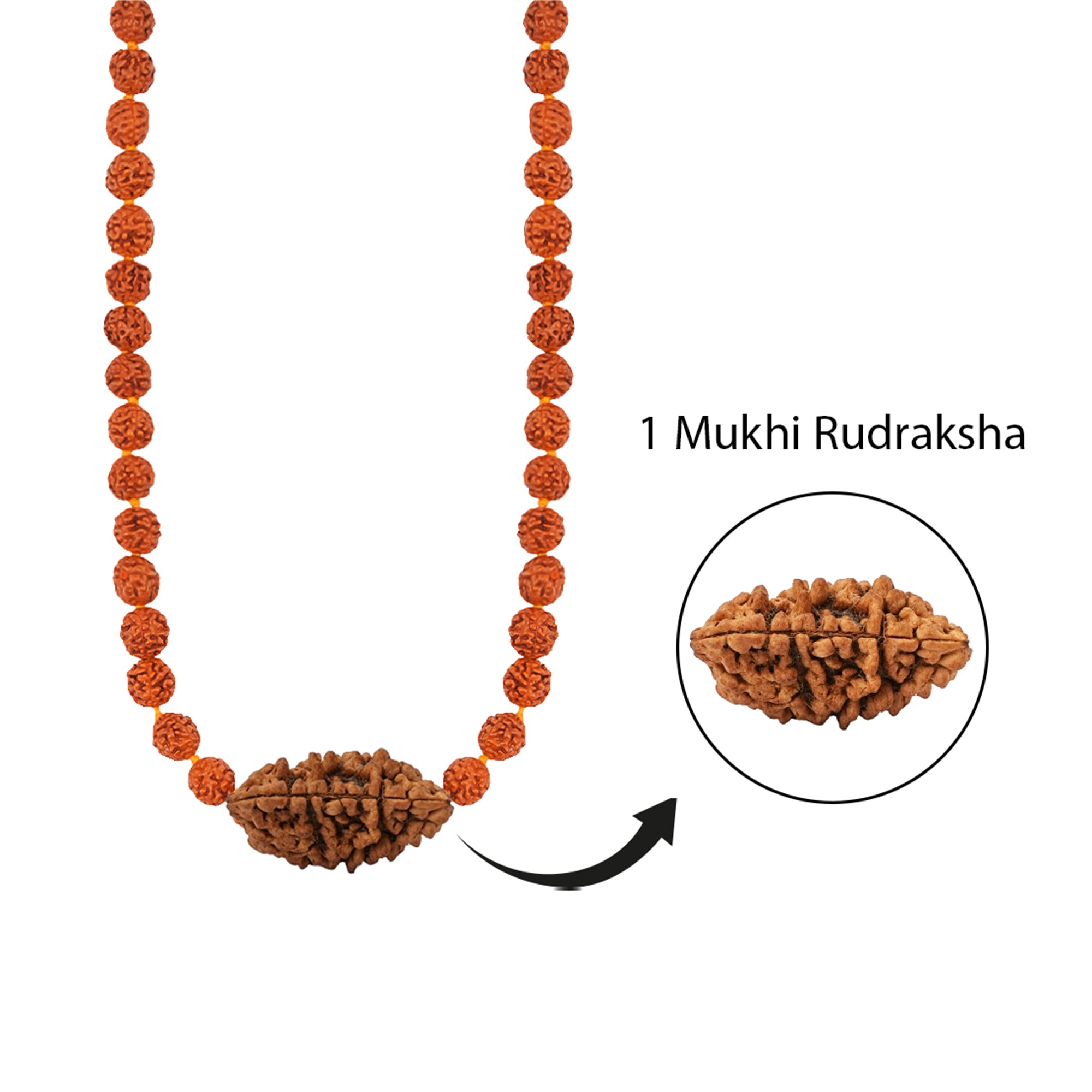
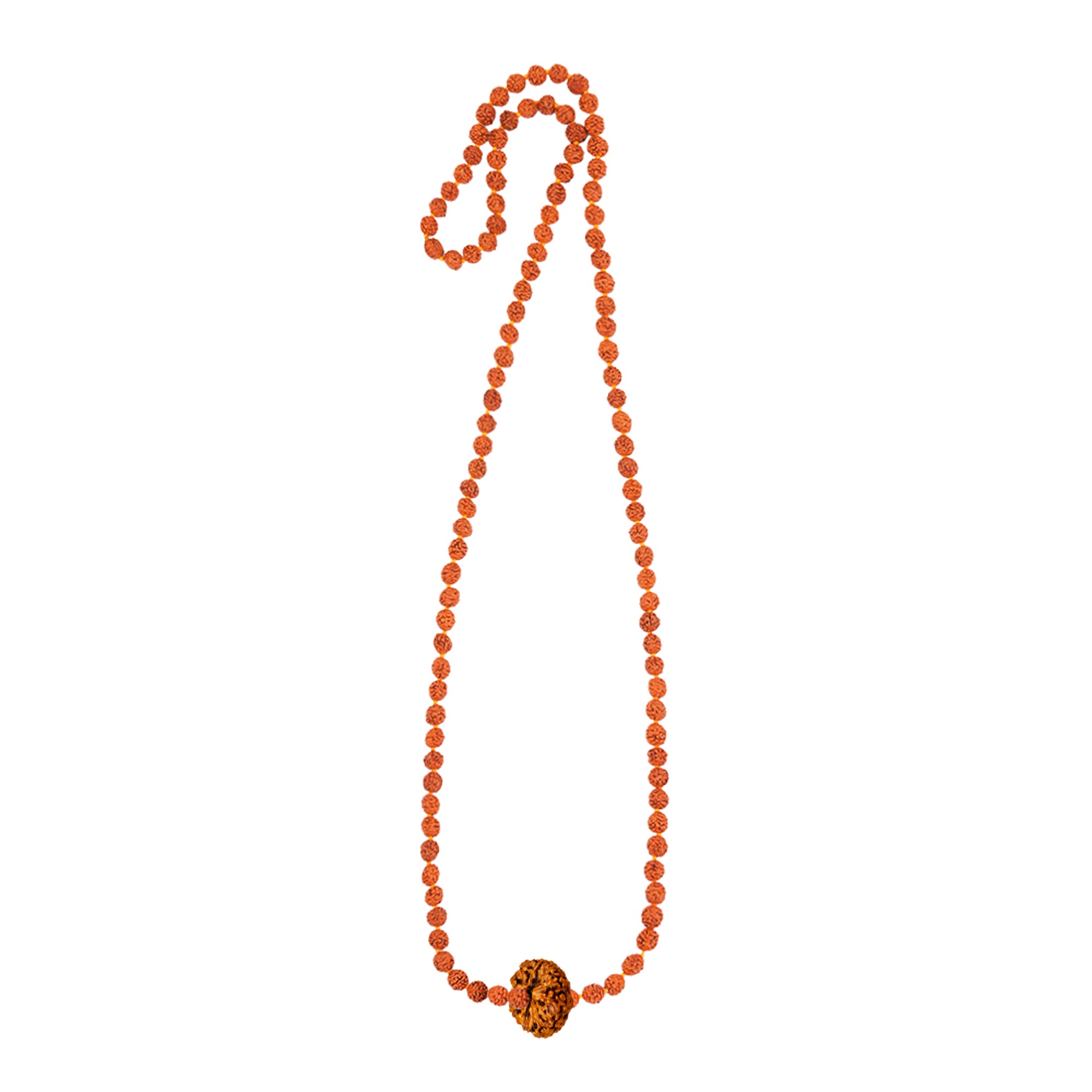
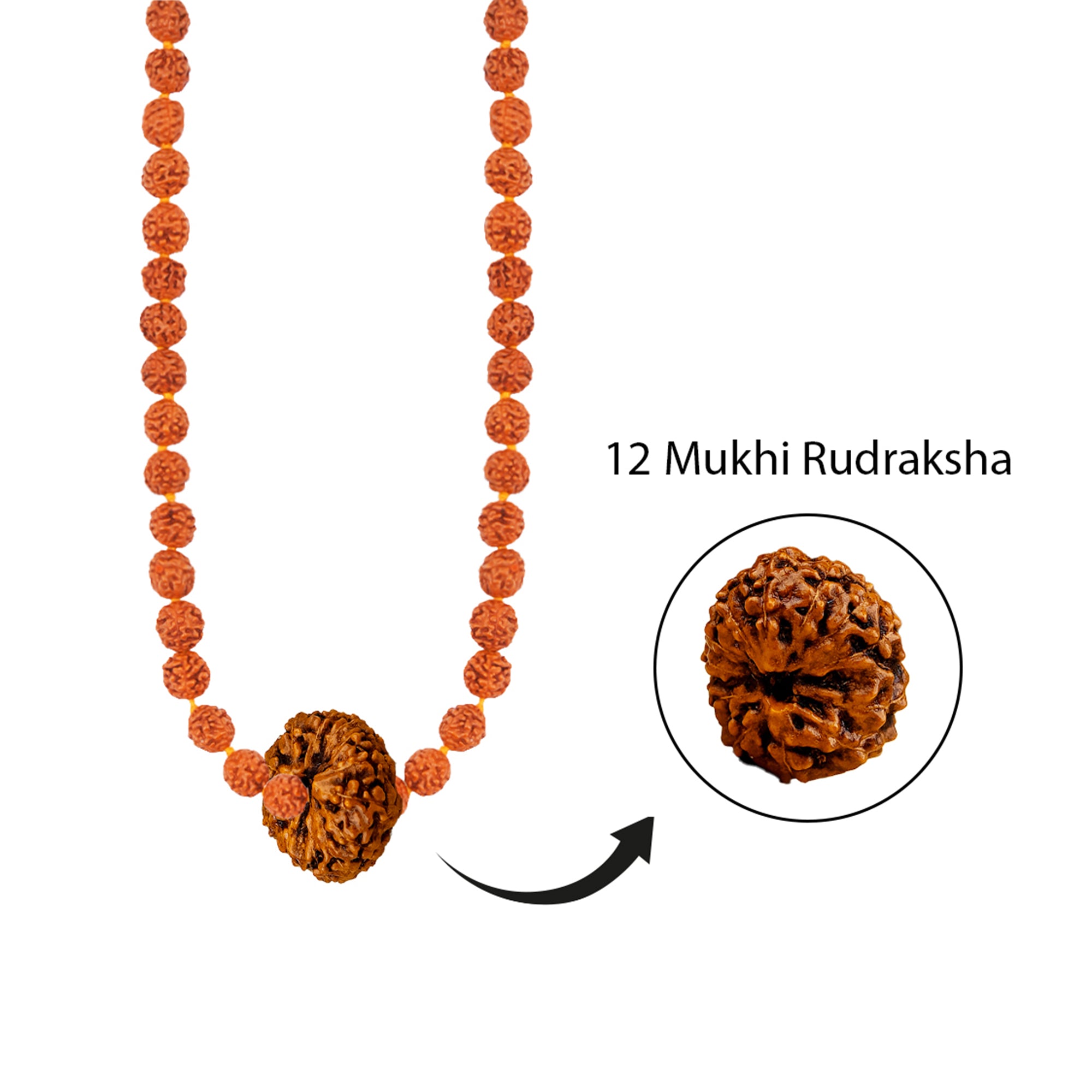
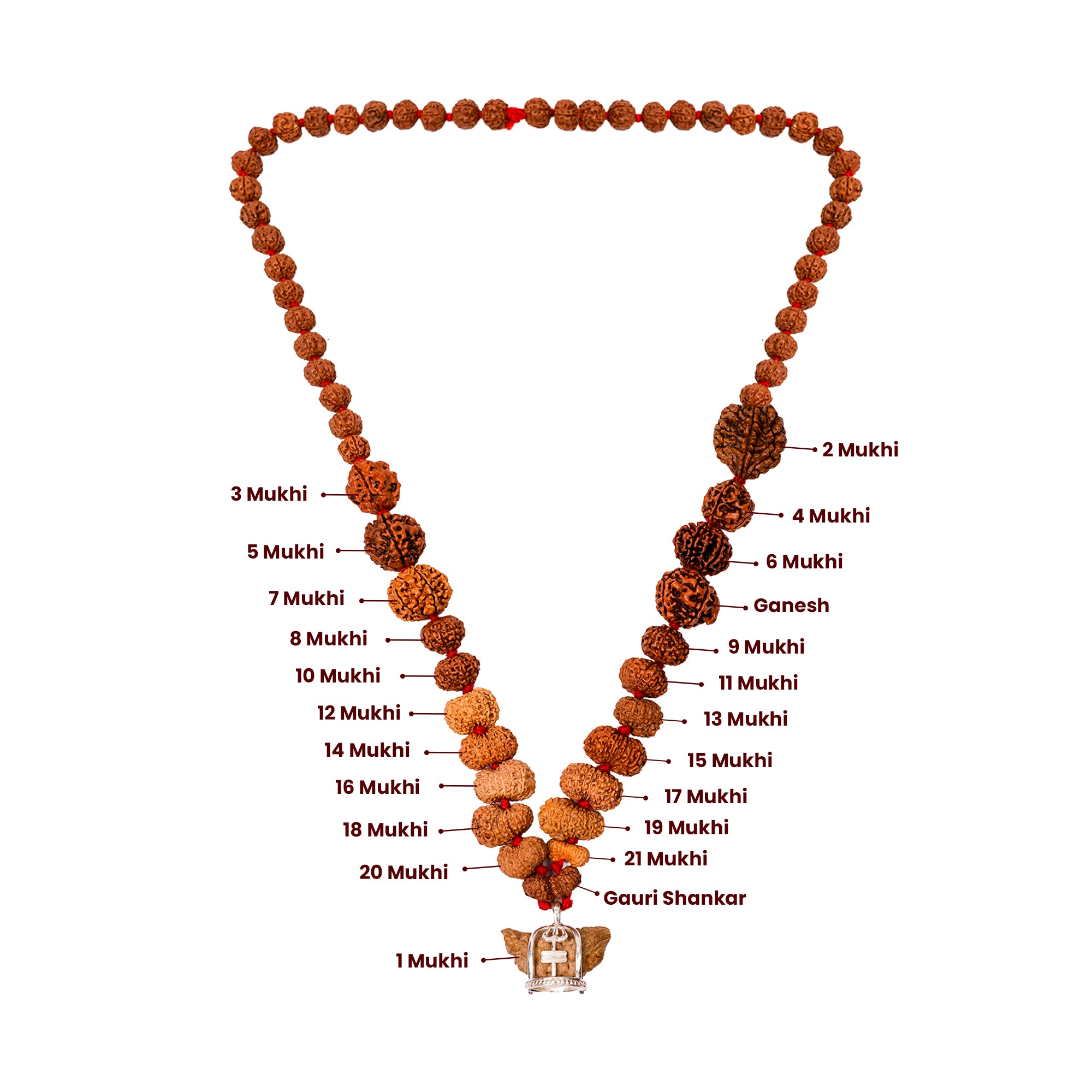
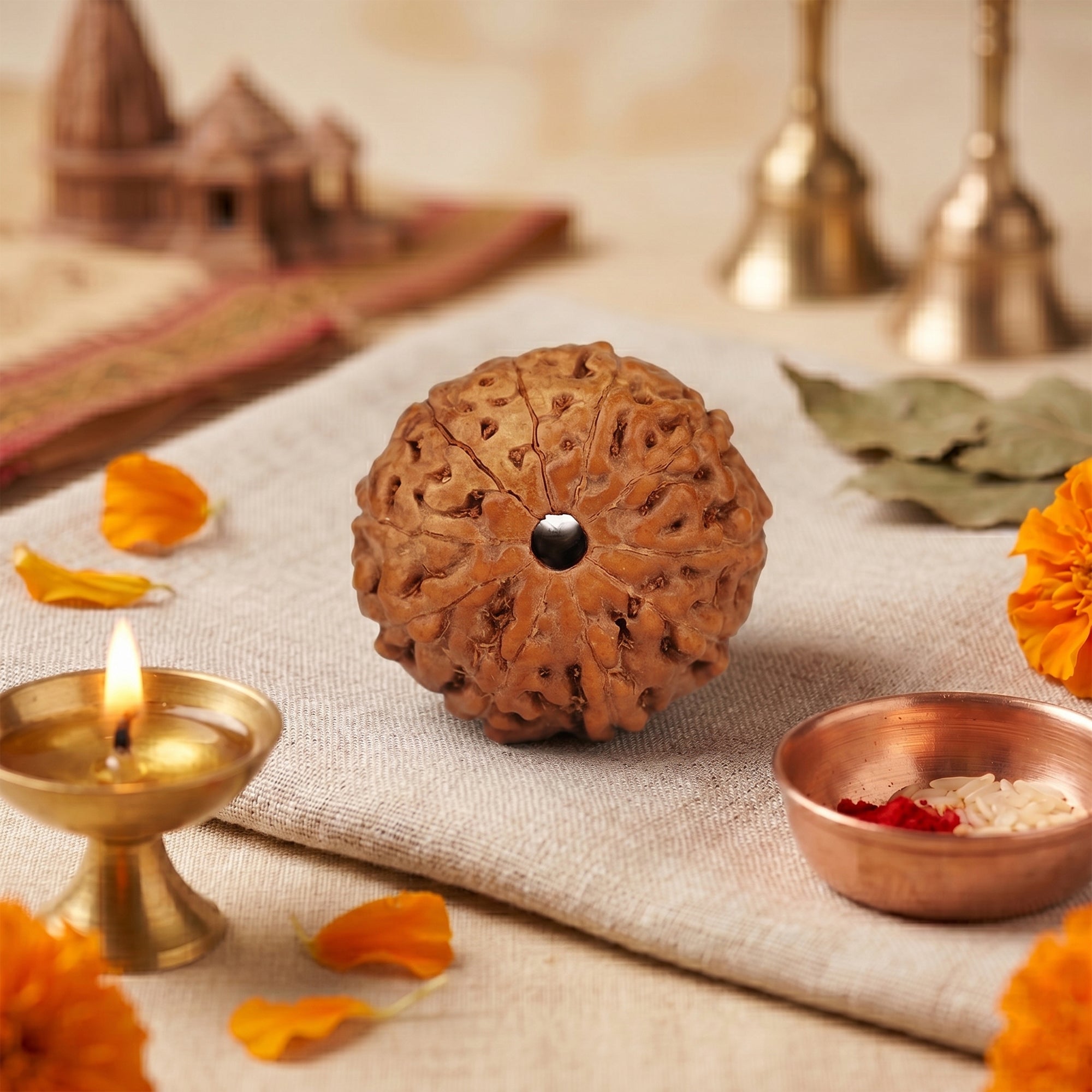
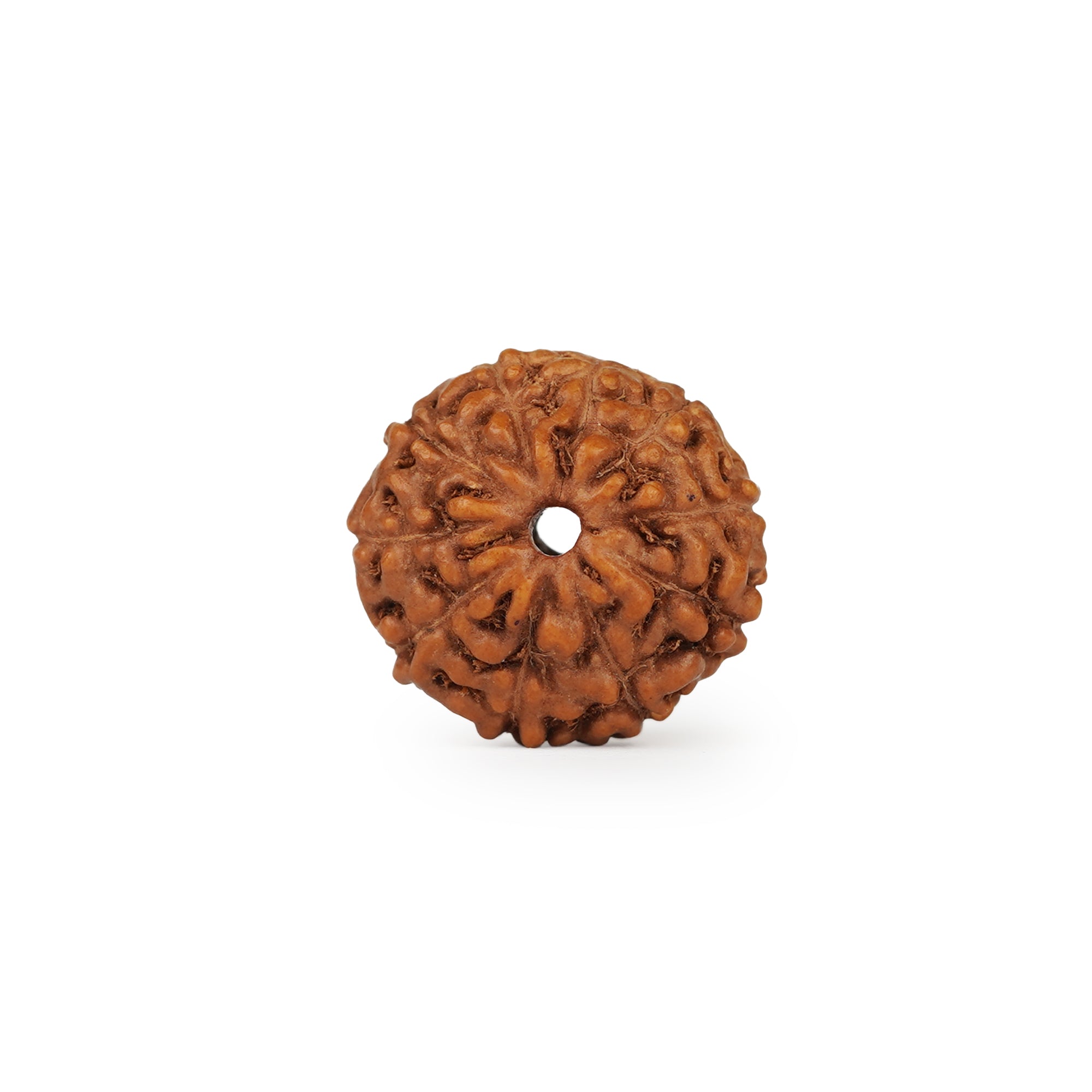
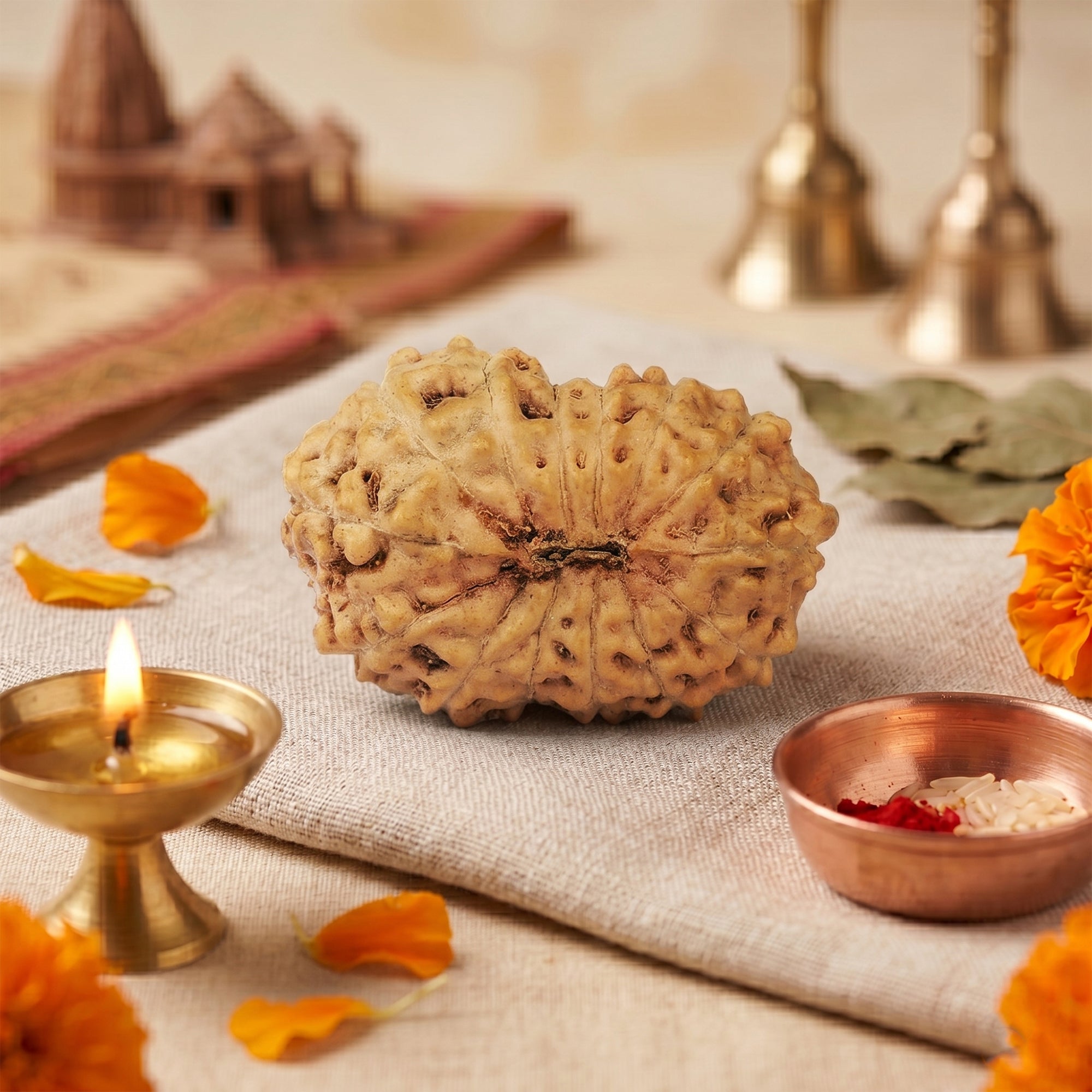
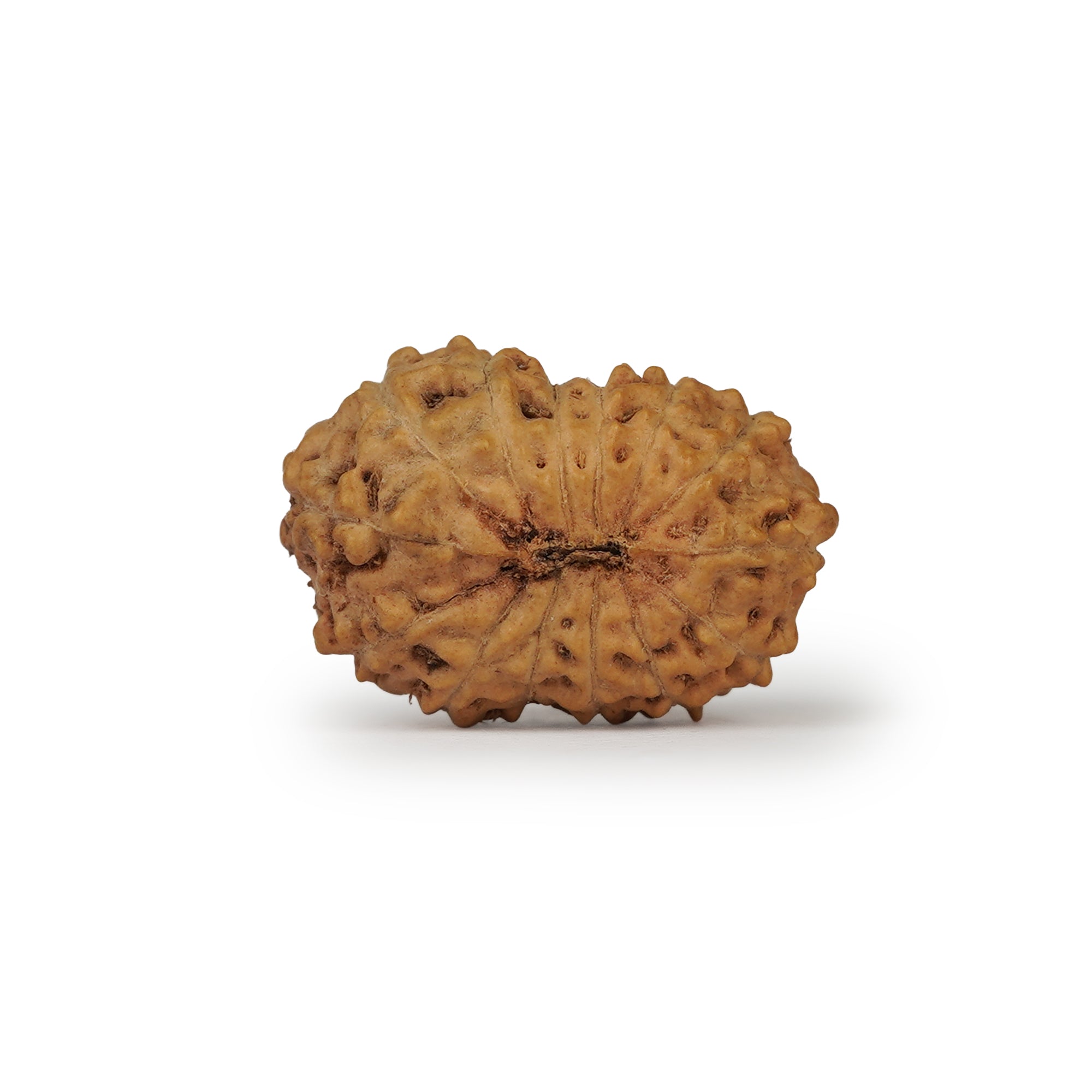
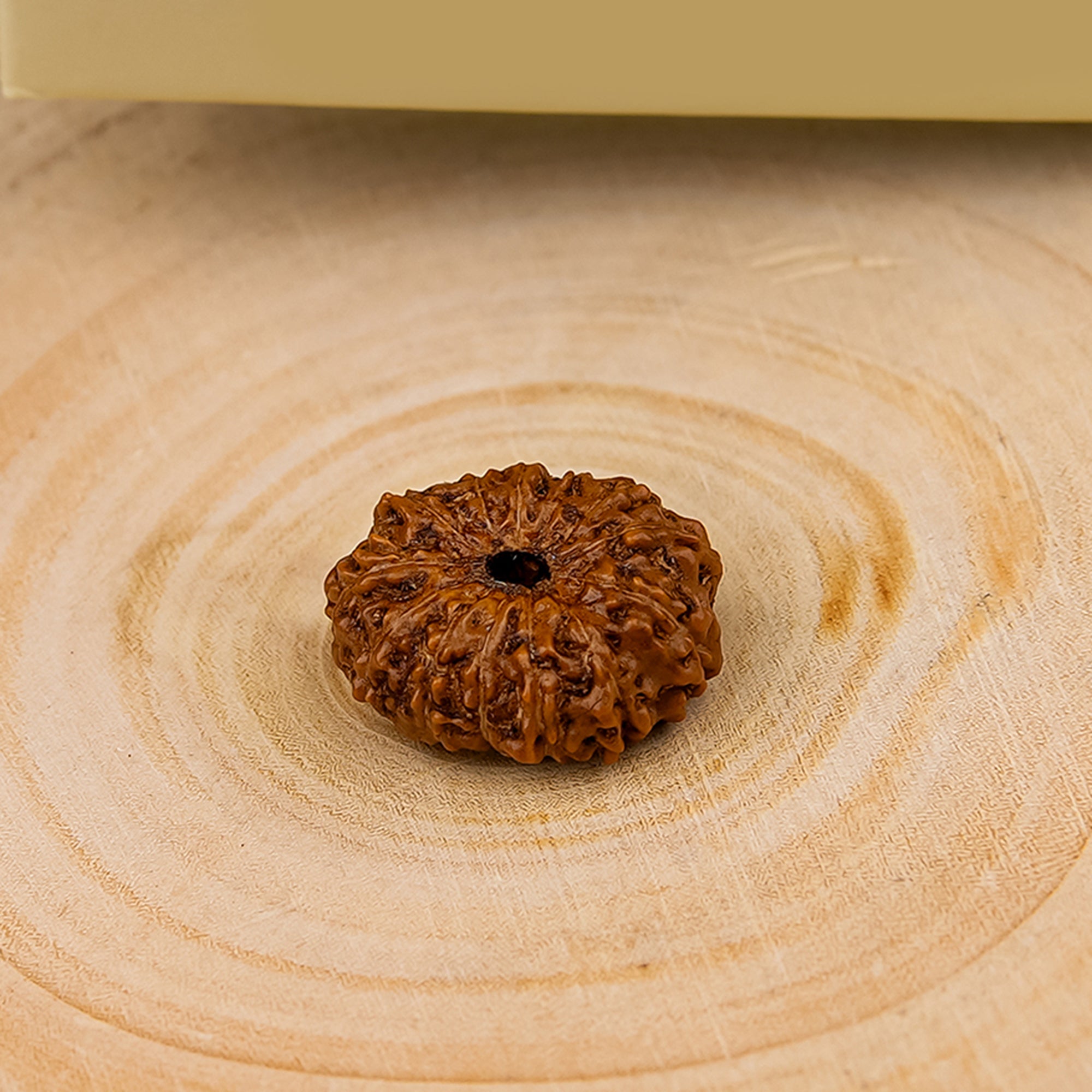
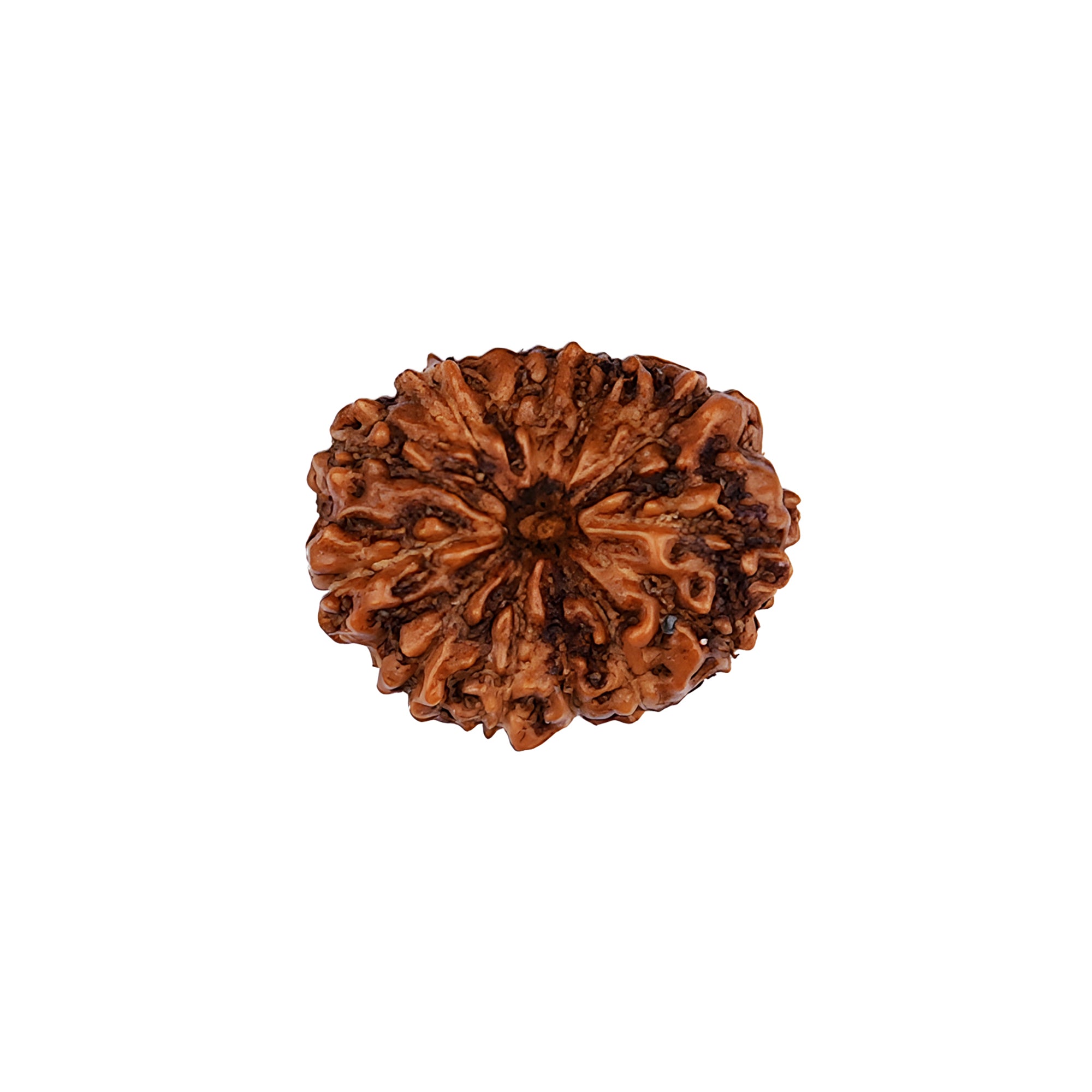
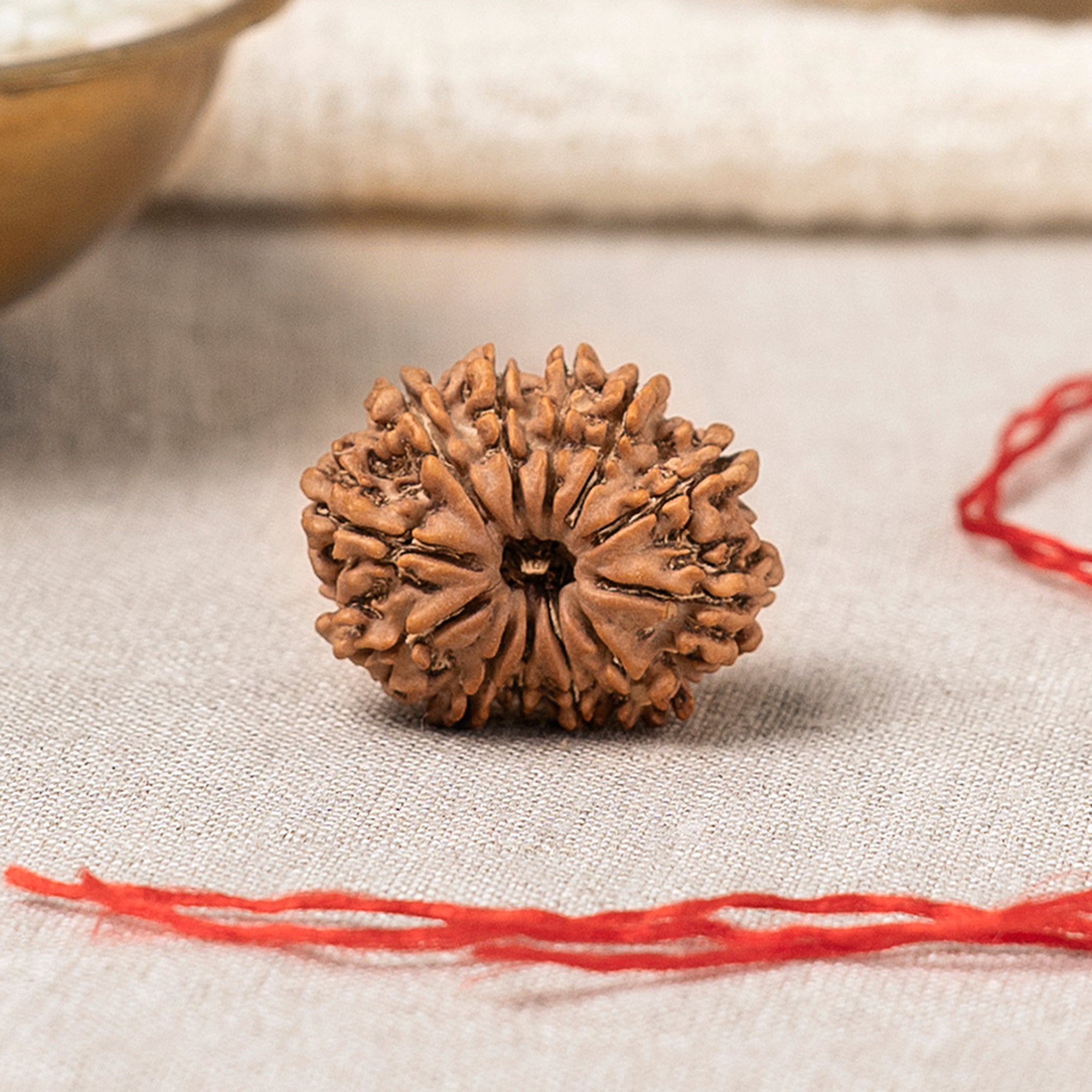
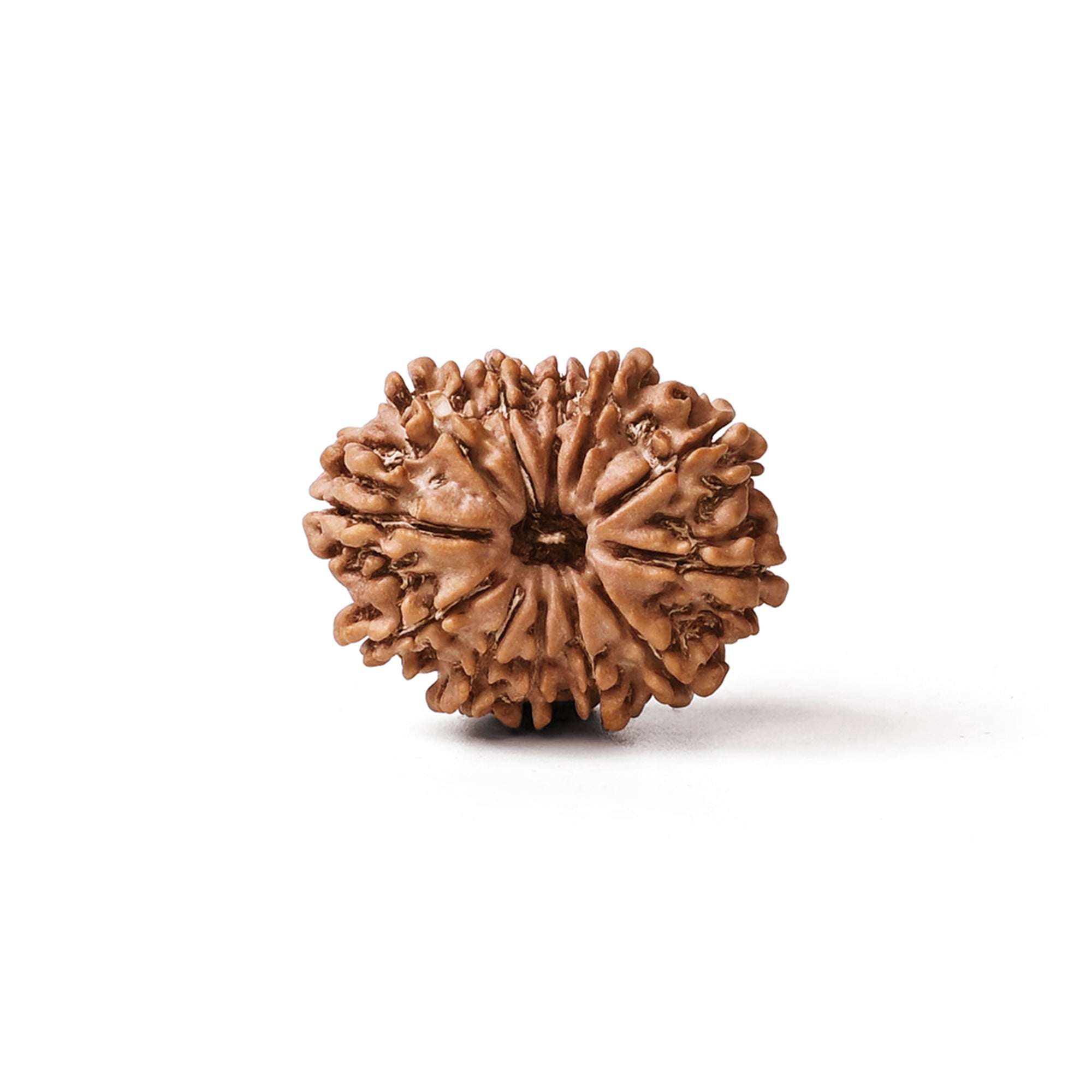
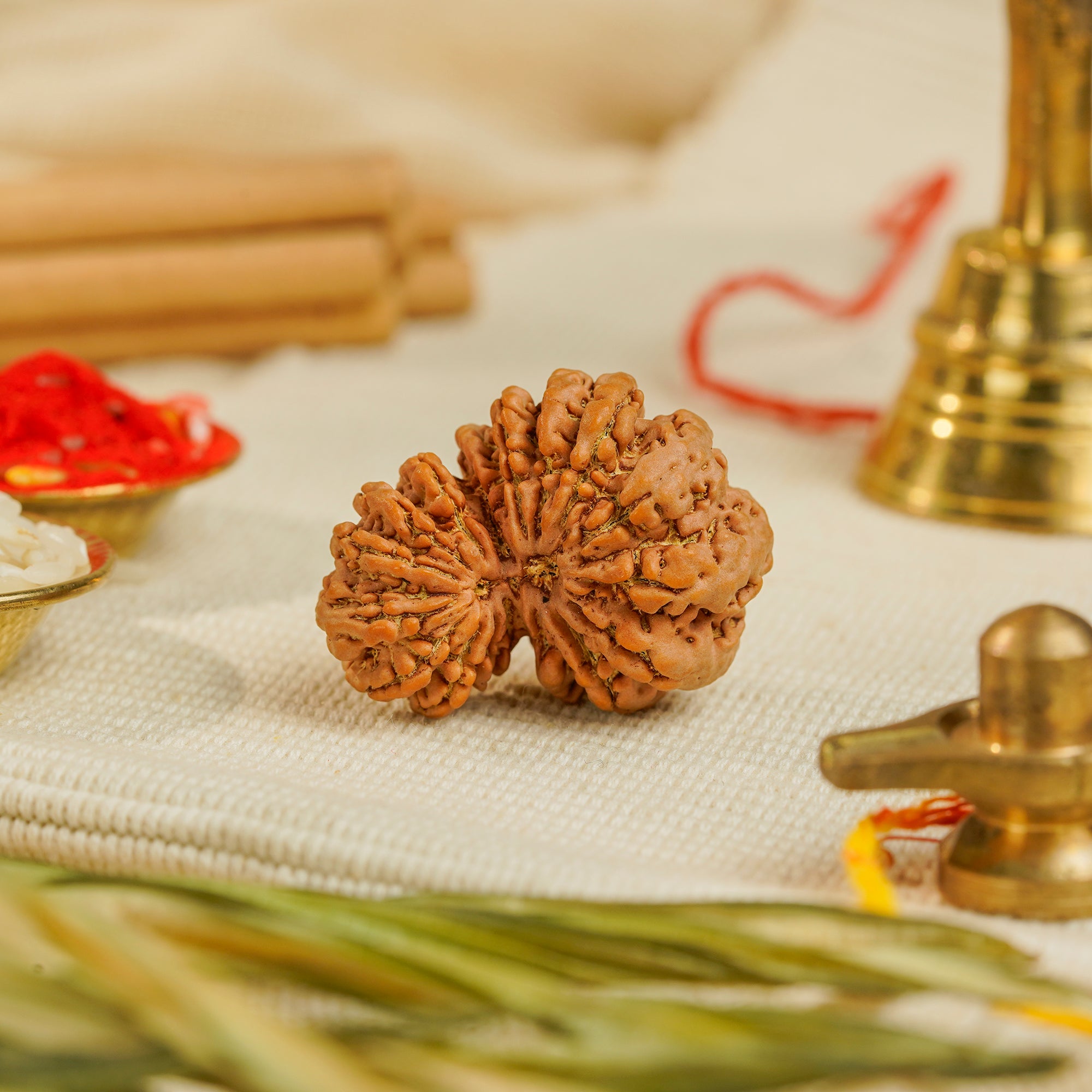
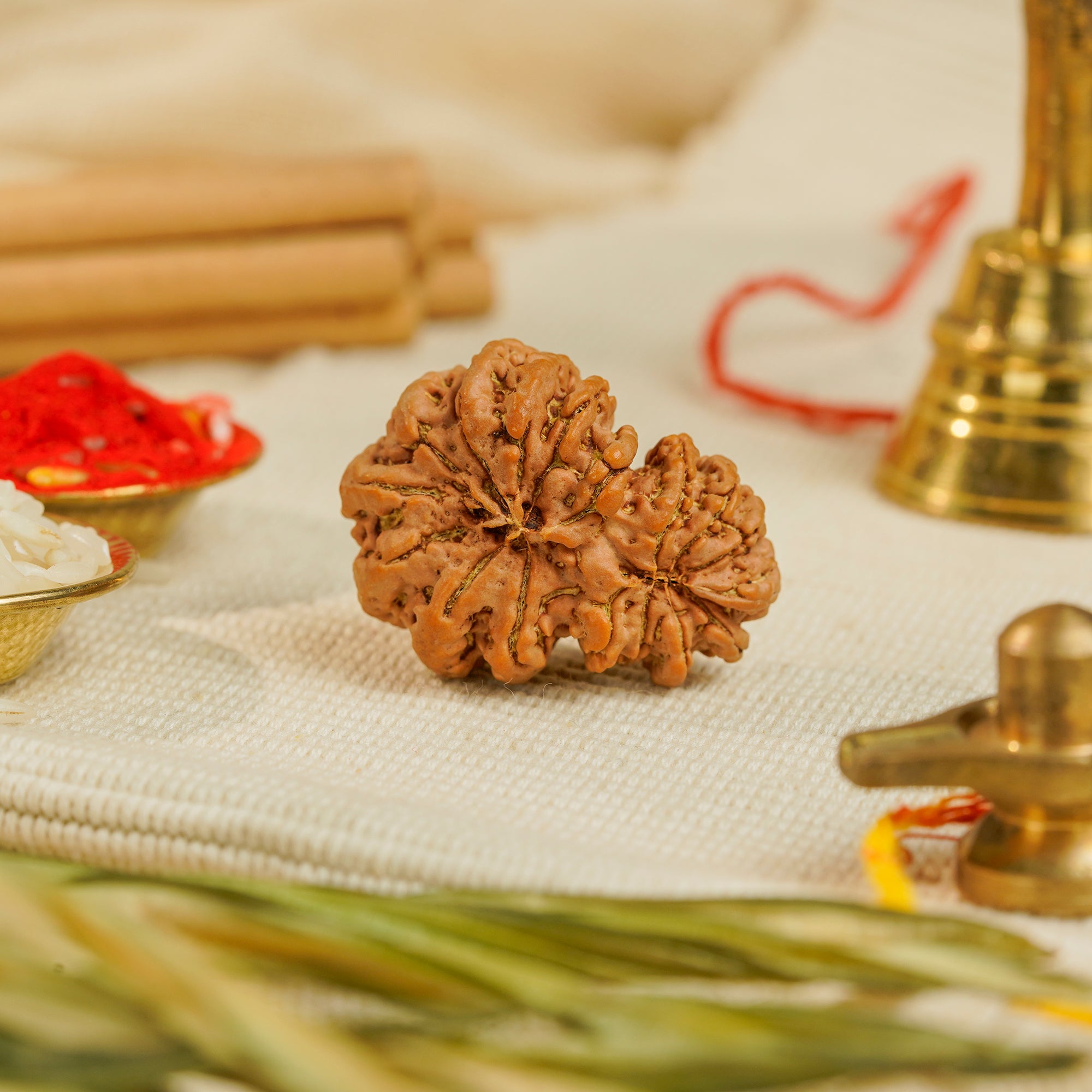
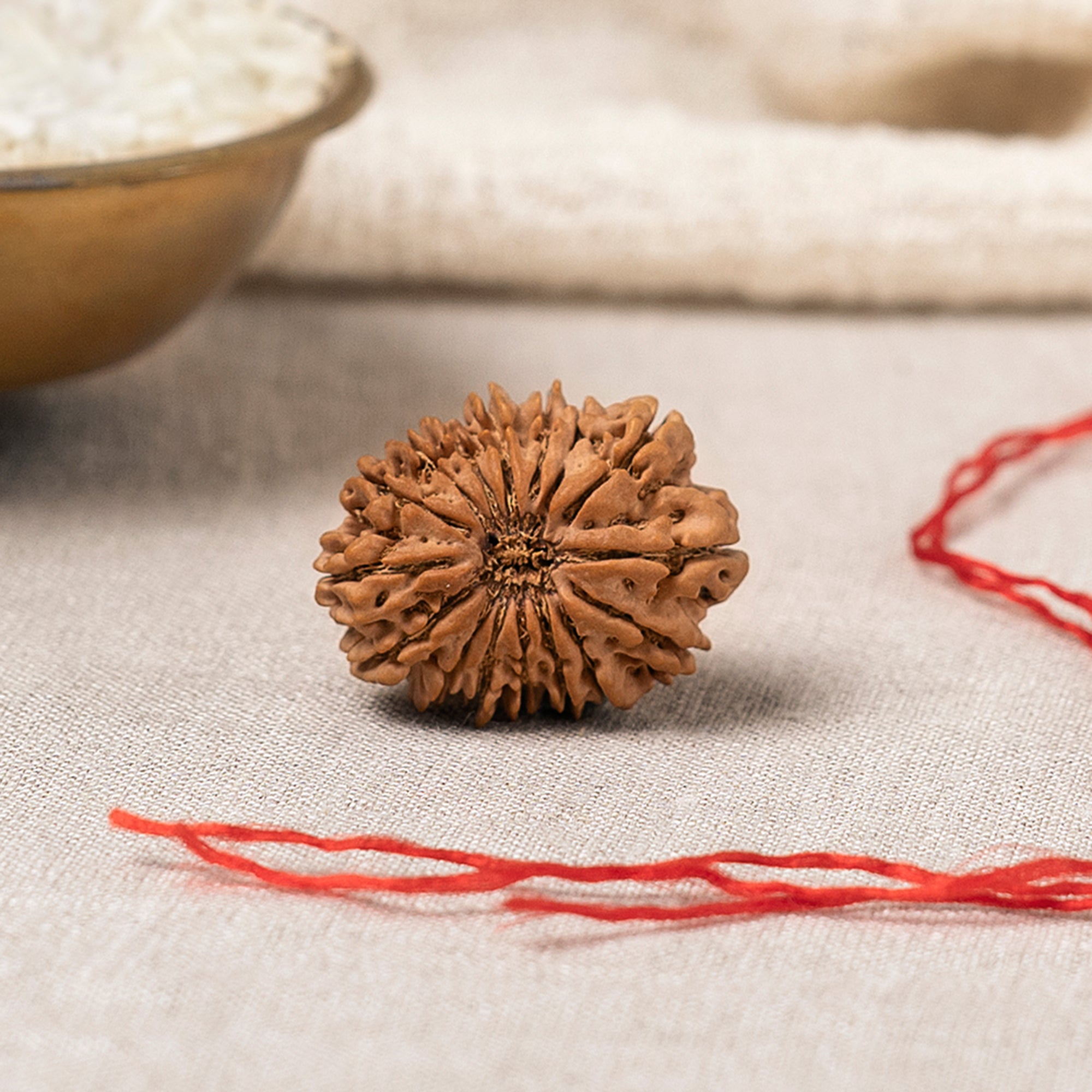
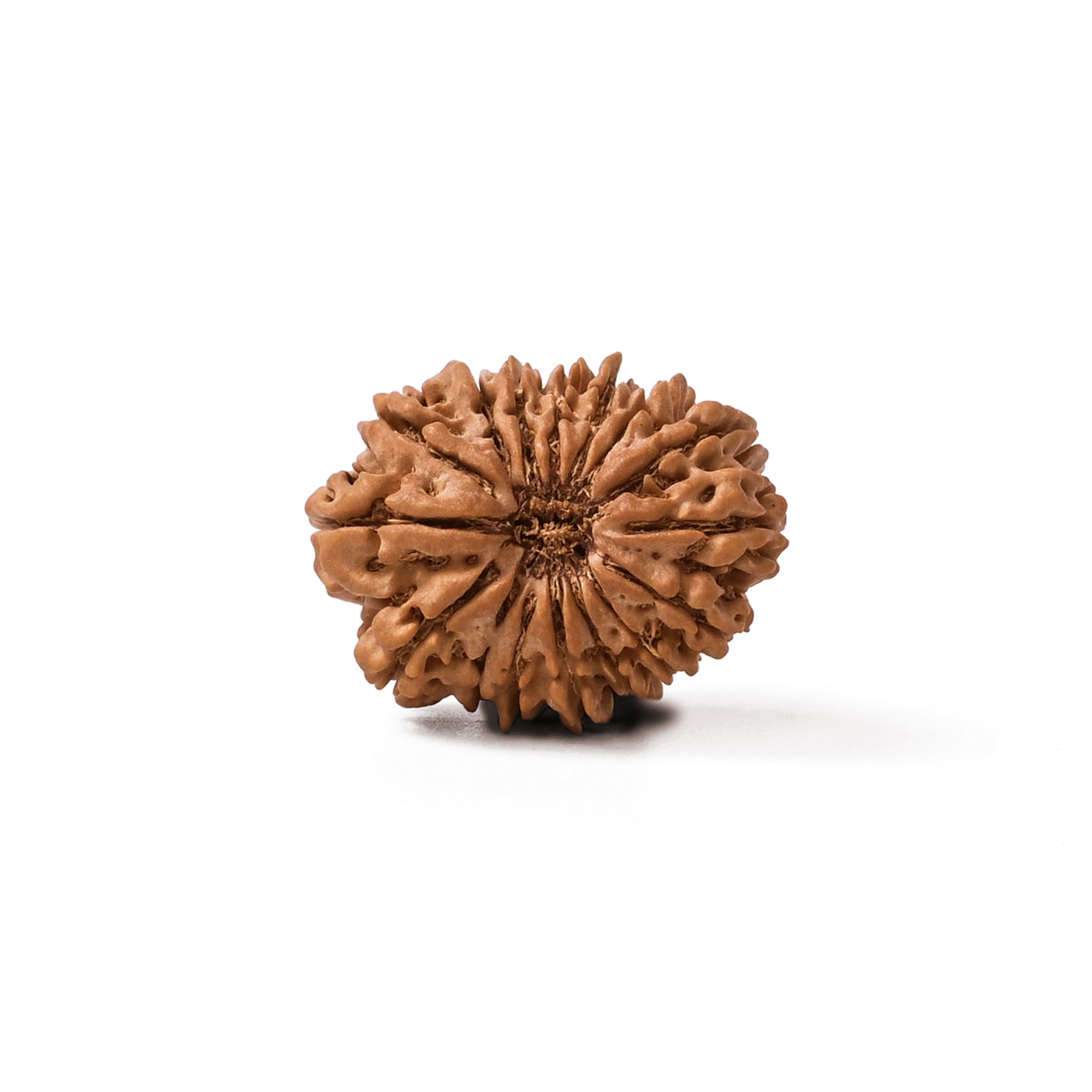
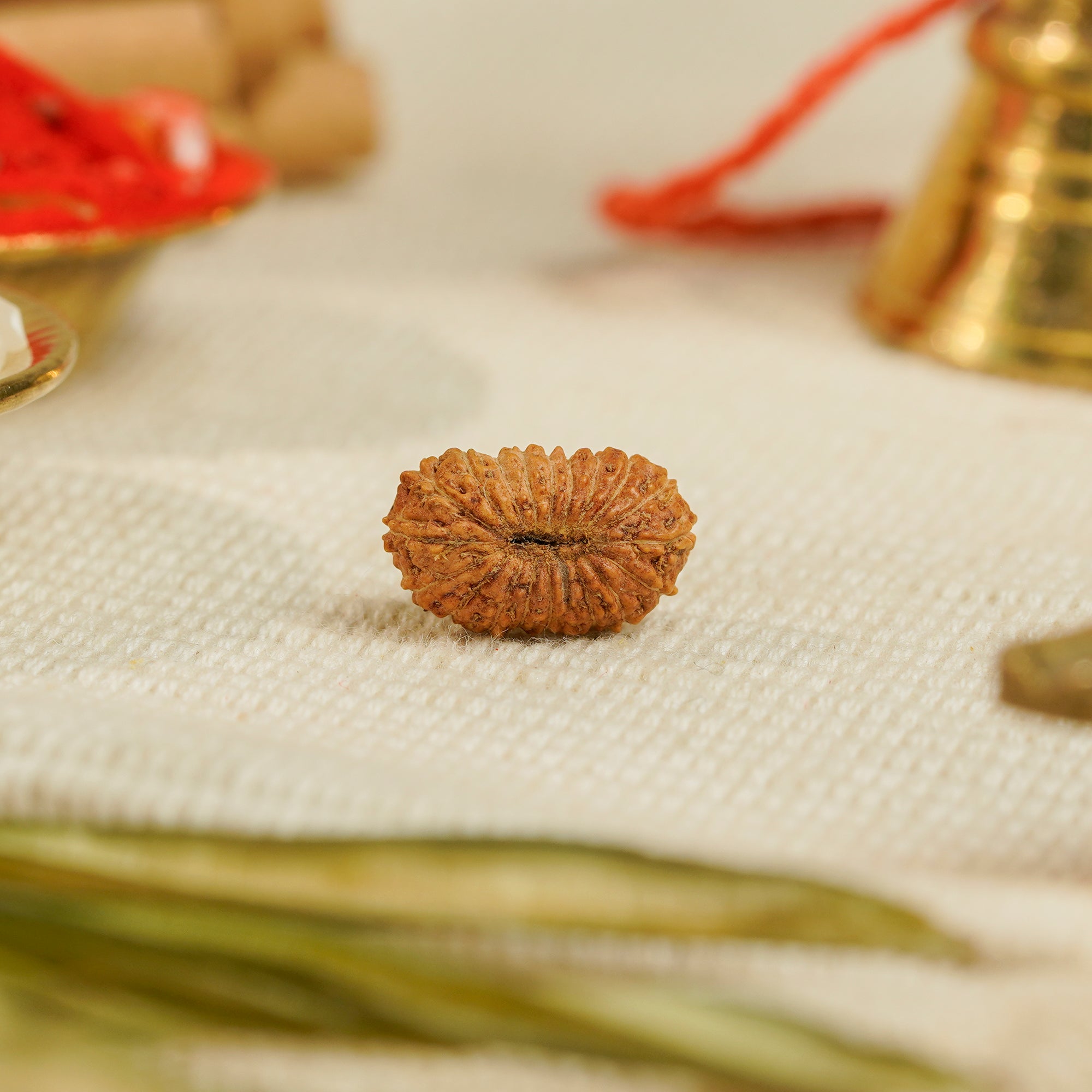
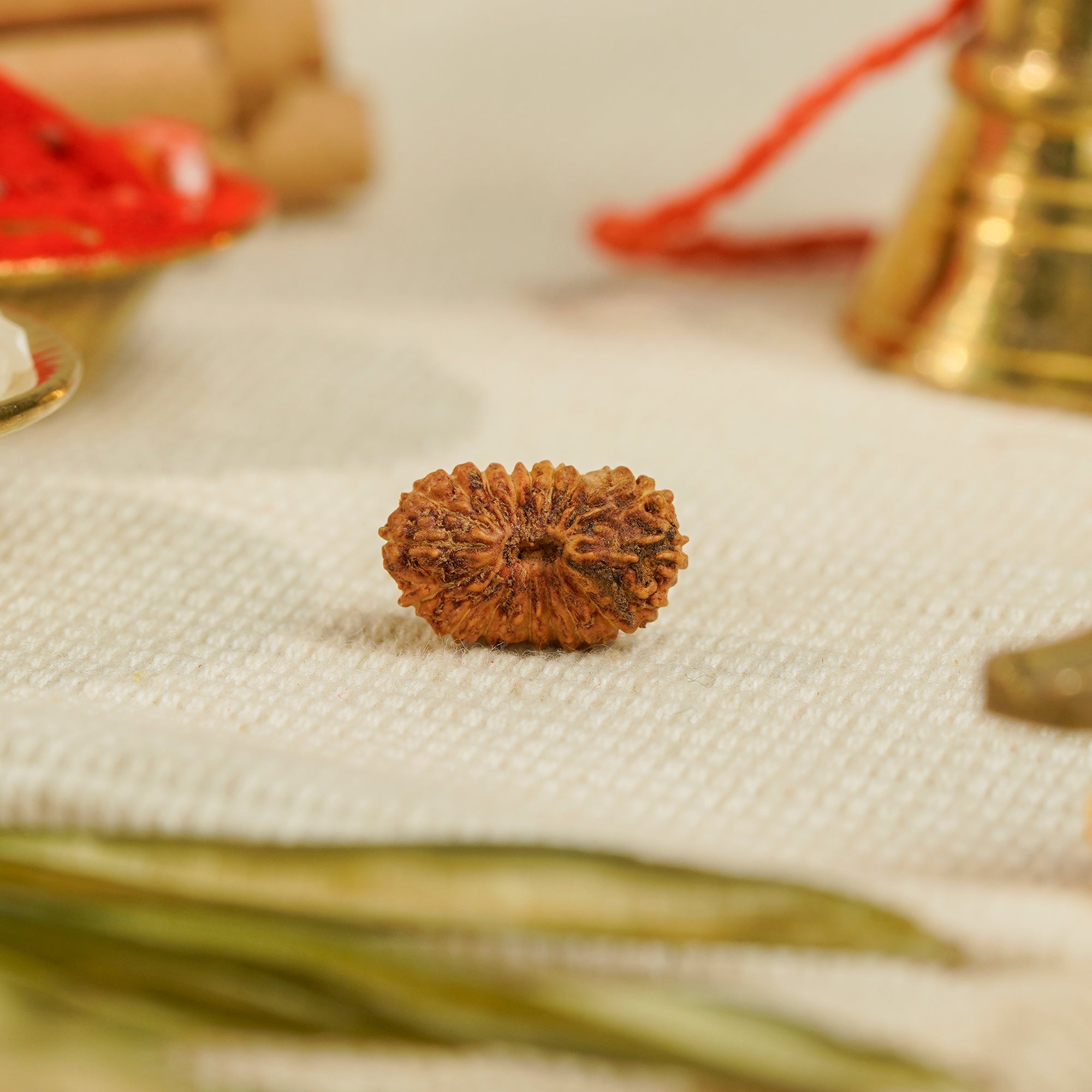
Beyond the common goal-based Mukhis, two rarer beads are traditionally sought out during Sawan. The 1 Mukhi Rudraksha is considered the rarest and most revered, traditionally associated directly with Lord Shiva himself. It is usually chosen by devotees deep into their spiritual practice rather than first-time wearers. The 11 Mukhi Rudraksha, linked to Lord Hanuman and the Ekadash Rudra, is traditionally worn for protection, courage, and steady willpower, making it a common Sawan pick alongside a goal-based Mukhi. Individual results vary.
Why Wear a Mala or Bracelet, Not Just a Single Rudraksha?
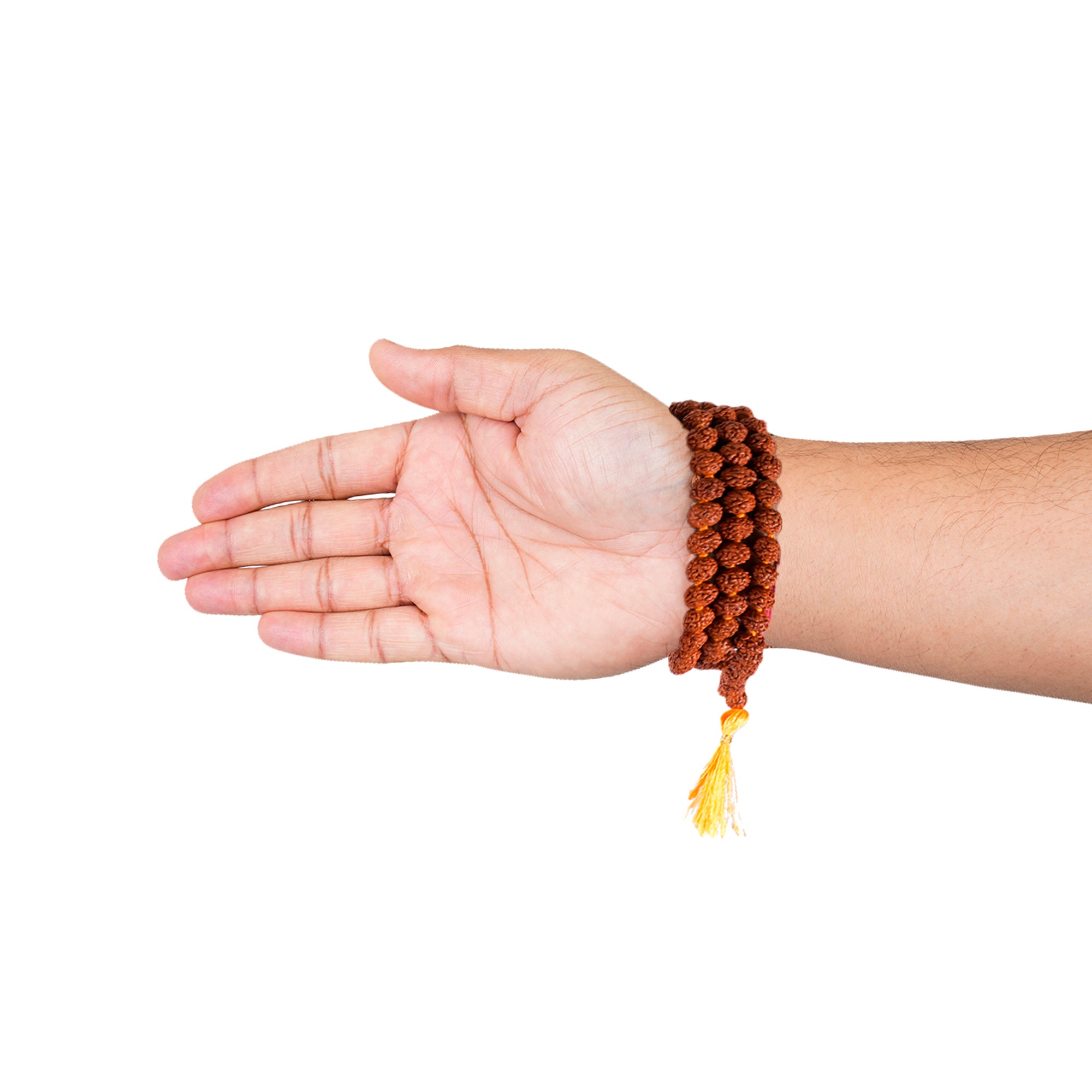
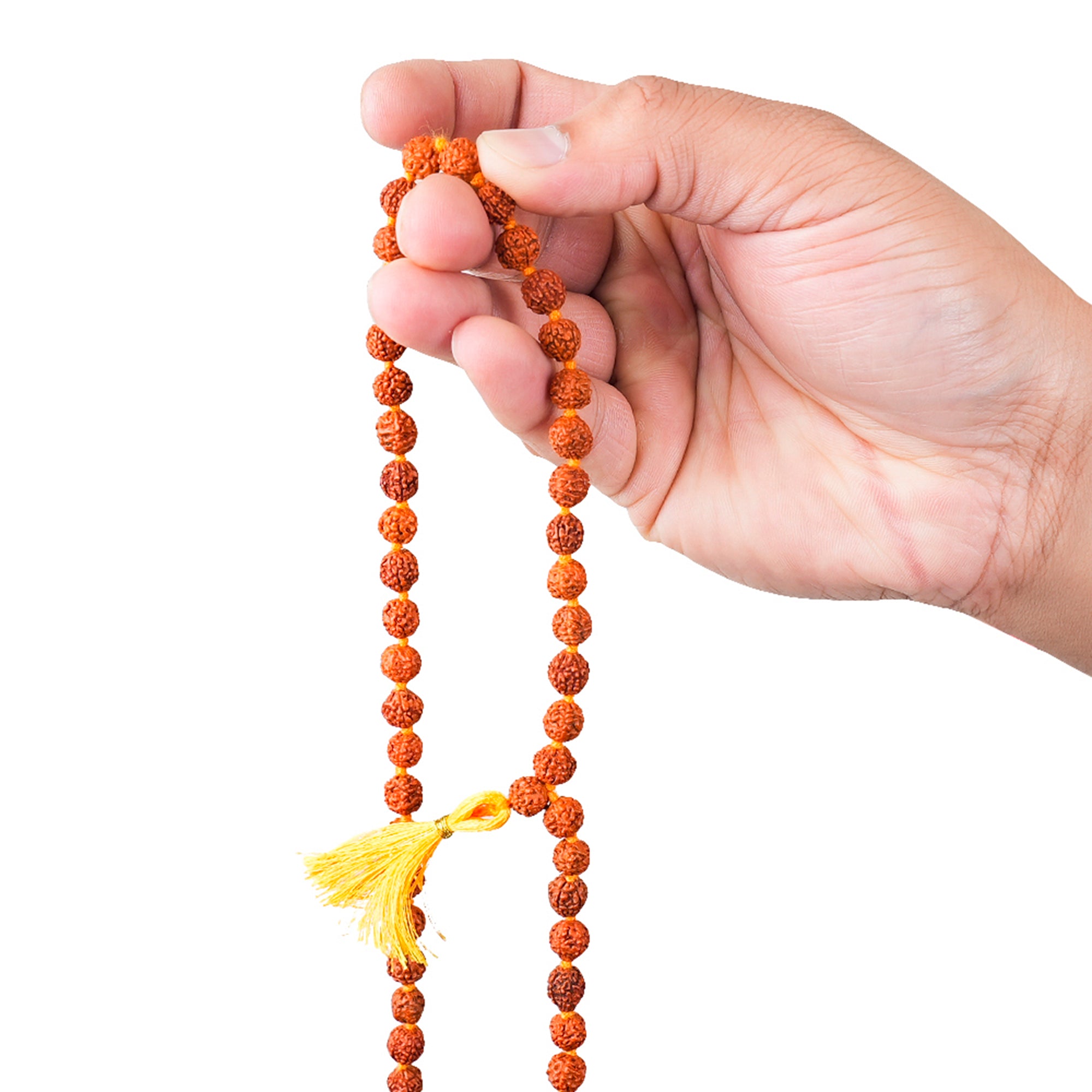
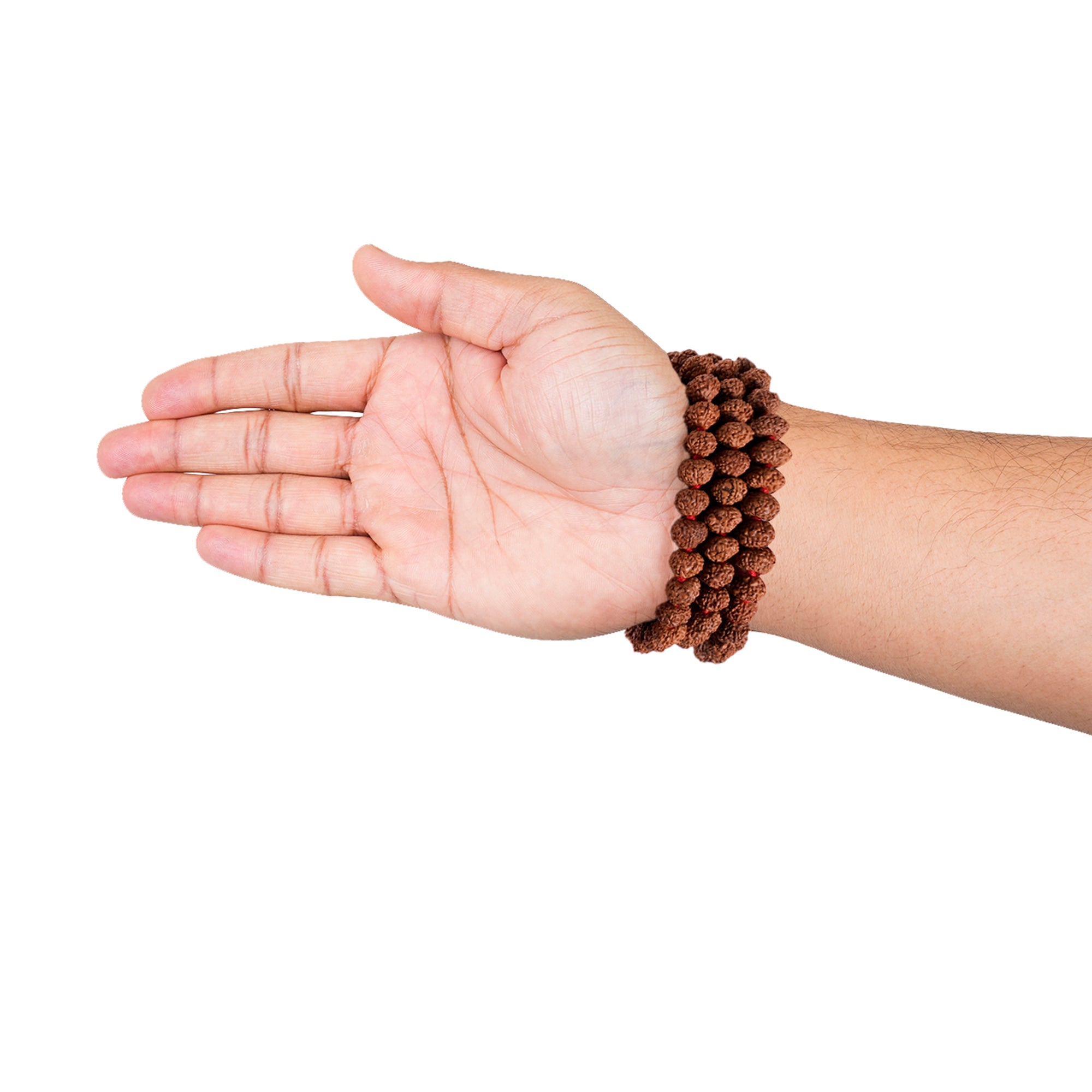
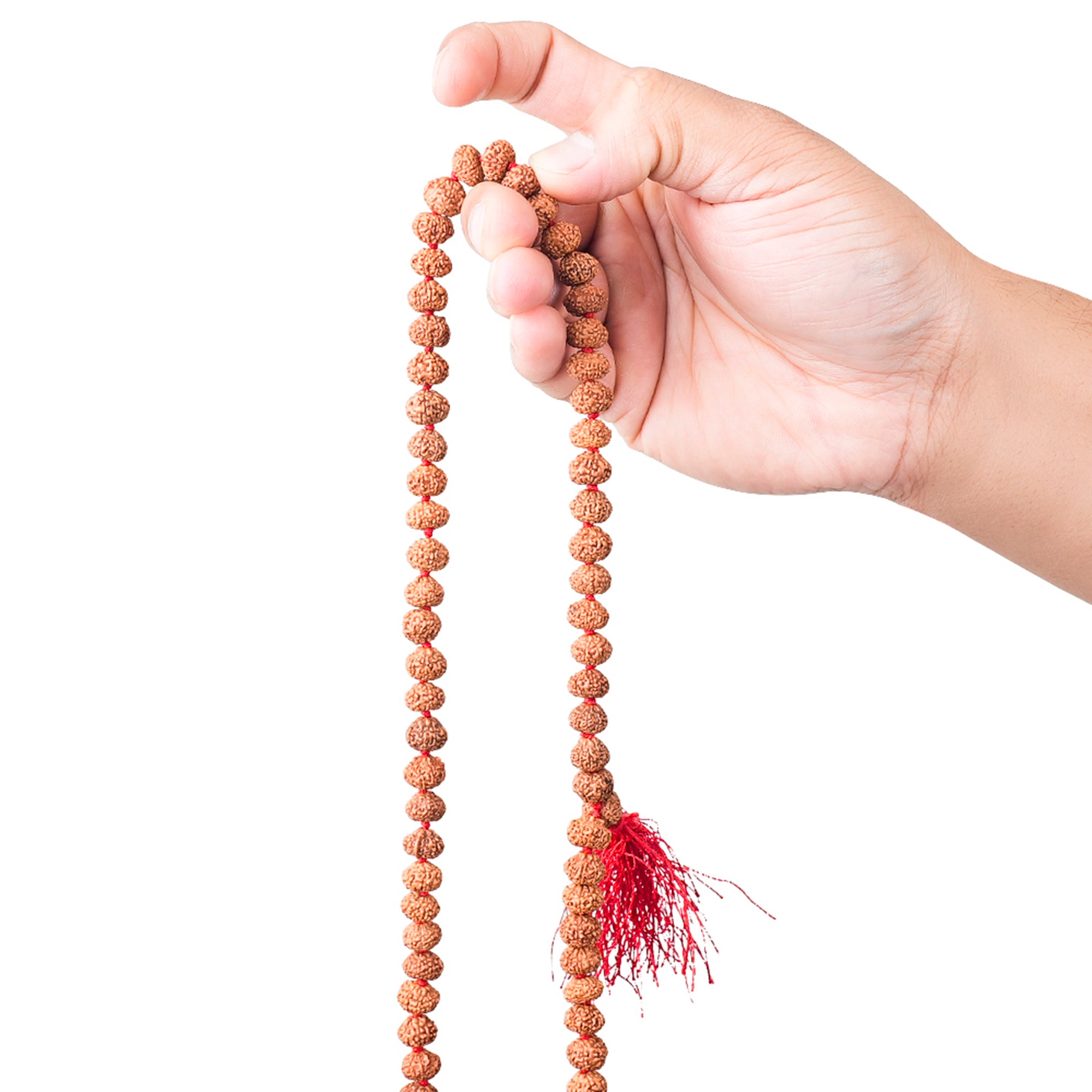
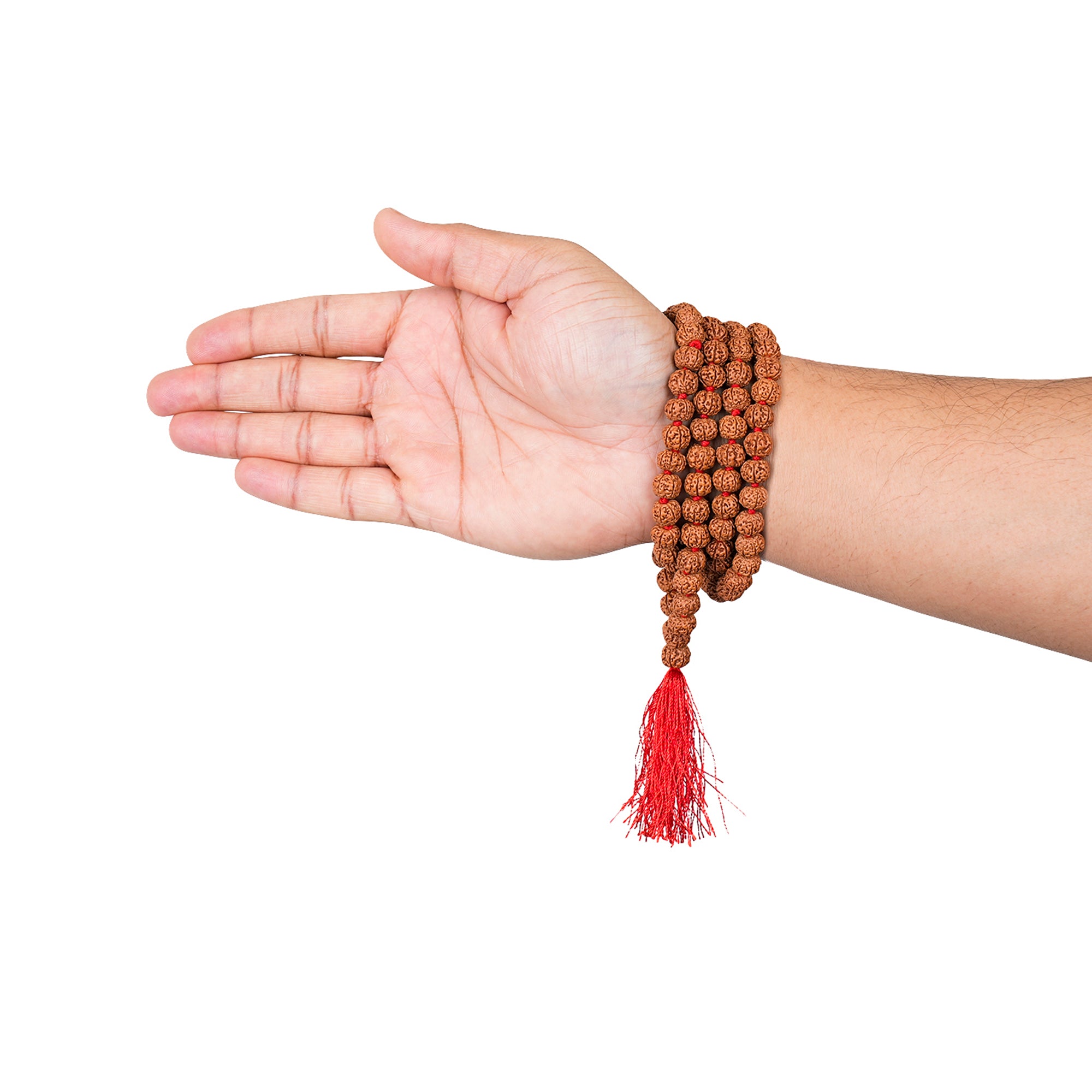
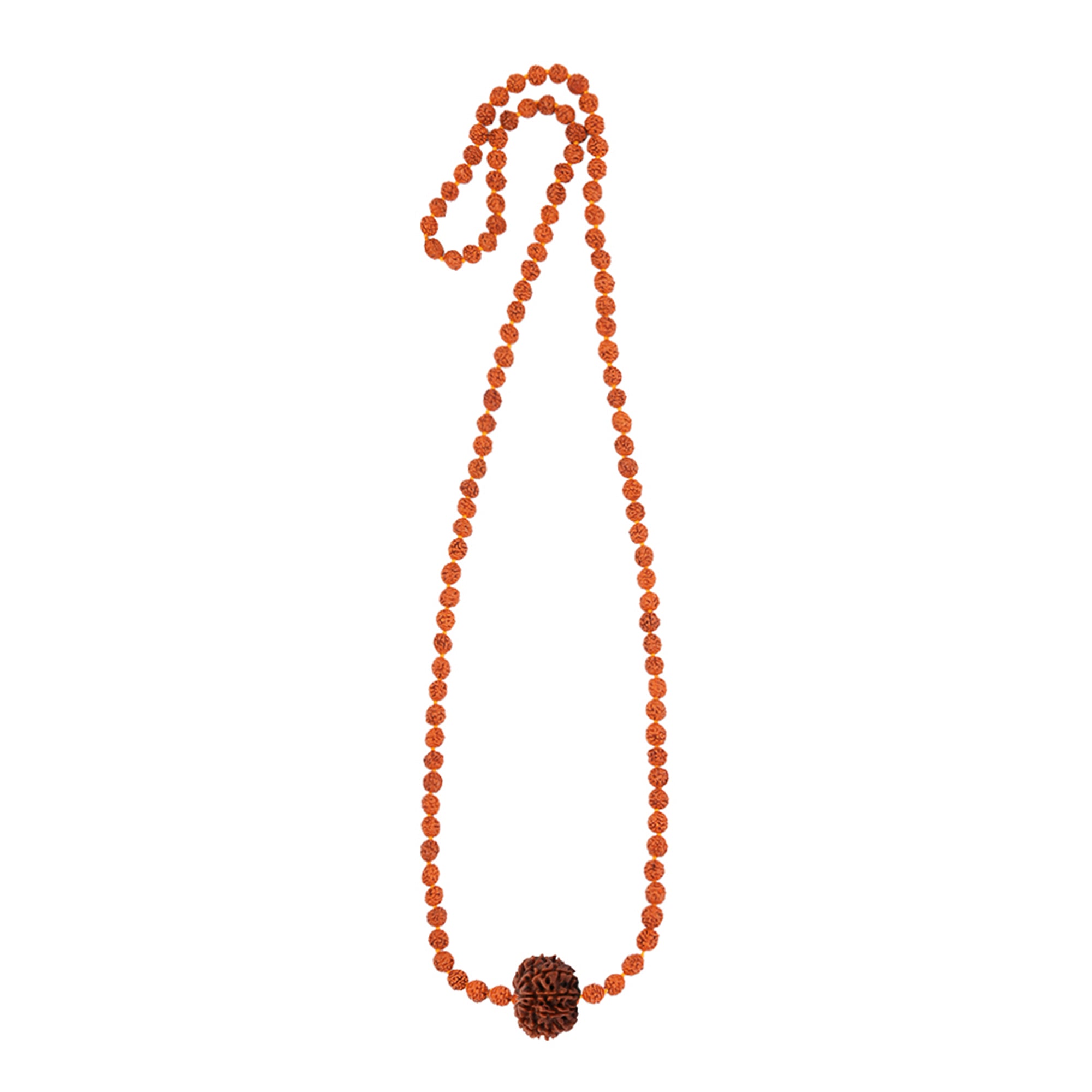
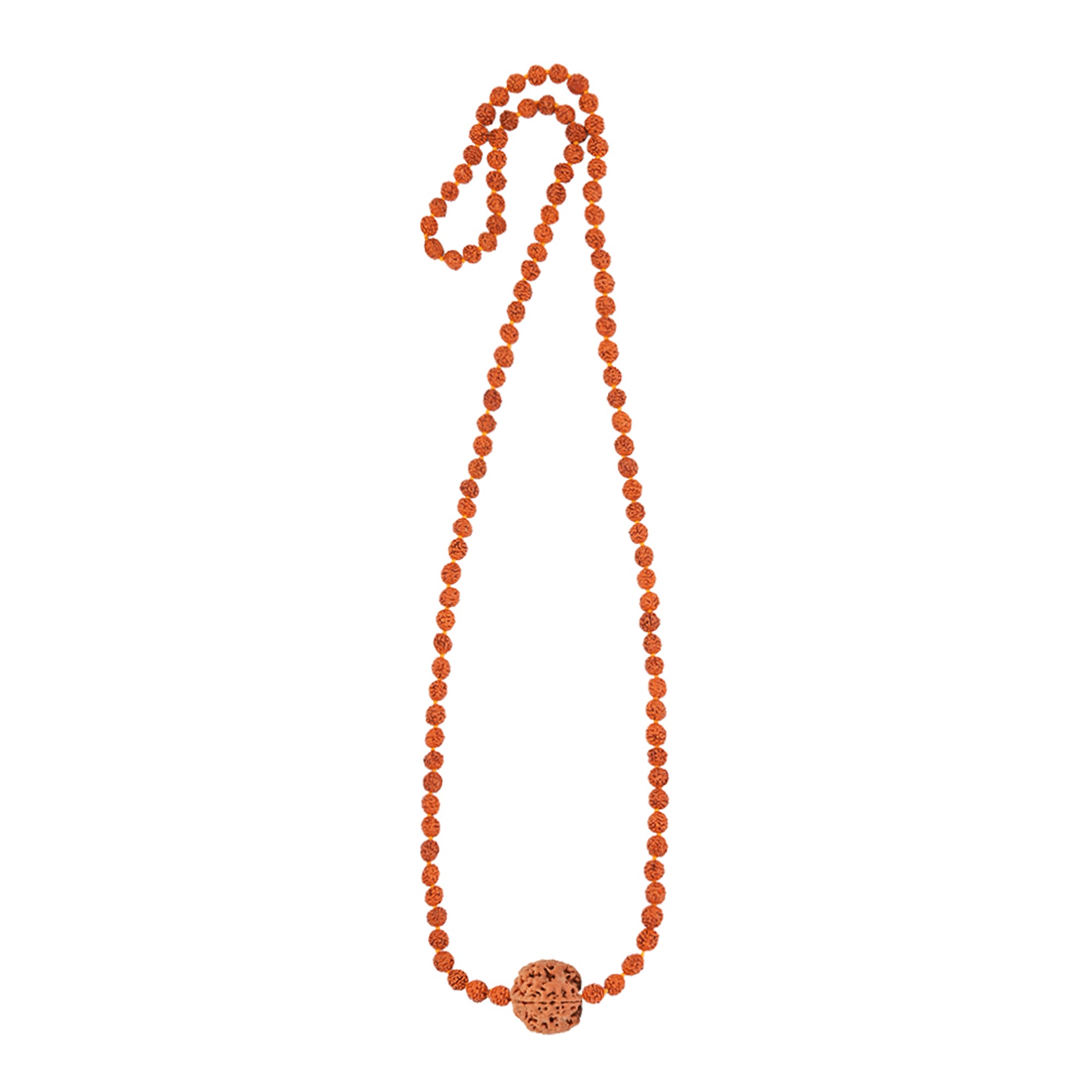
A single Rudraksha is usually worn on a thread around the neck. A mala or bracelet does more: a 108-bead mala supports daily japa, and a bracelet stays on through the day without needing to be tucked under clothing. Many people layer a Rudraksha with a bracelet, or gift a mala or combo set to family during Sawan.
Best Malas for Sawan 2026, Rudraksha, Karungali & Sphatik
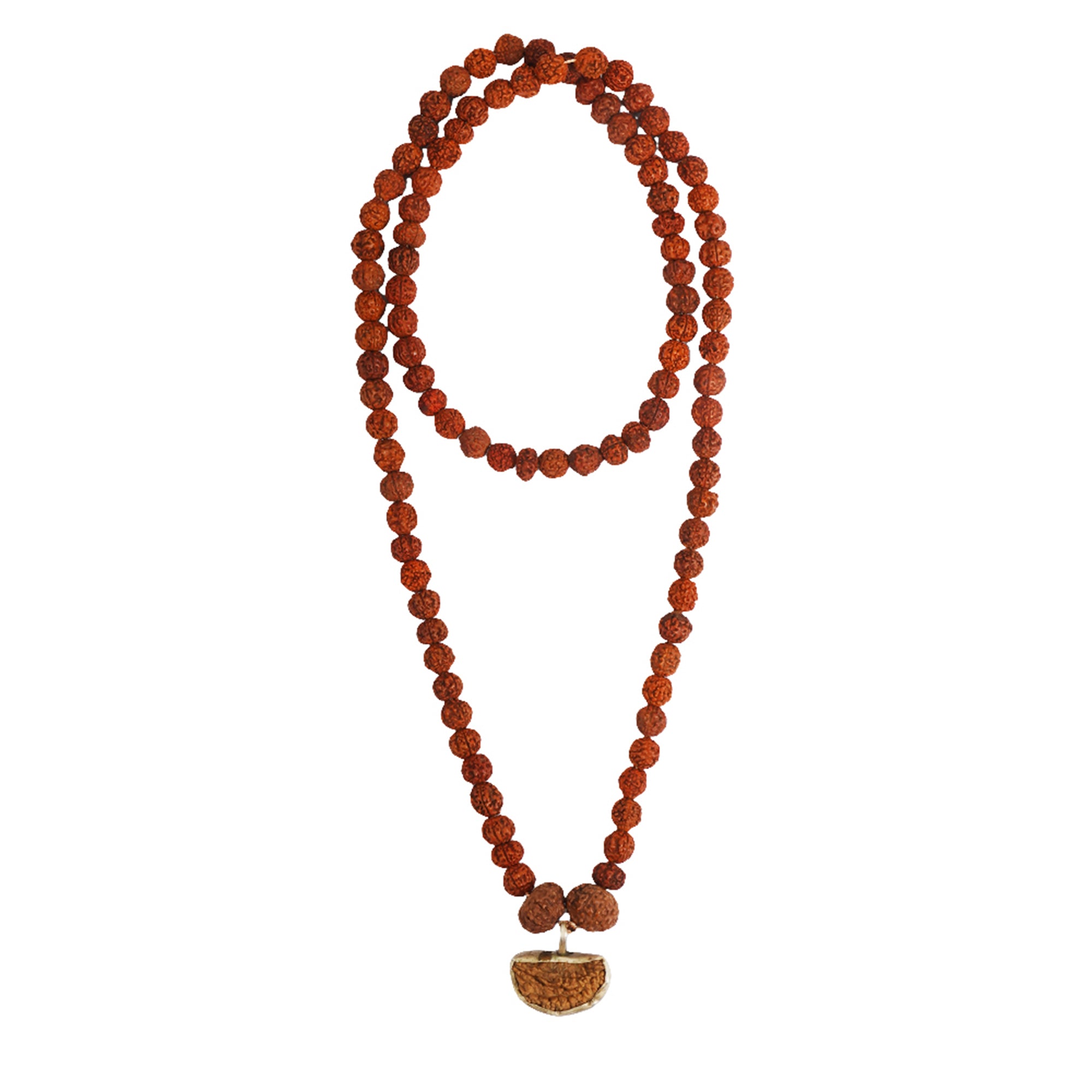
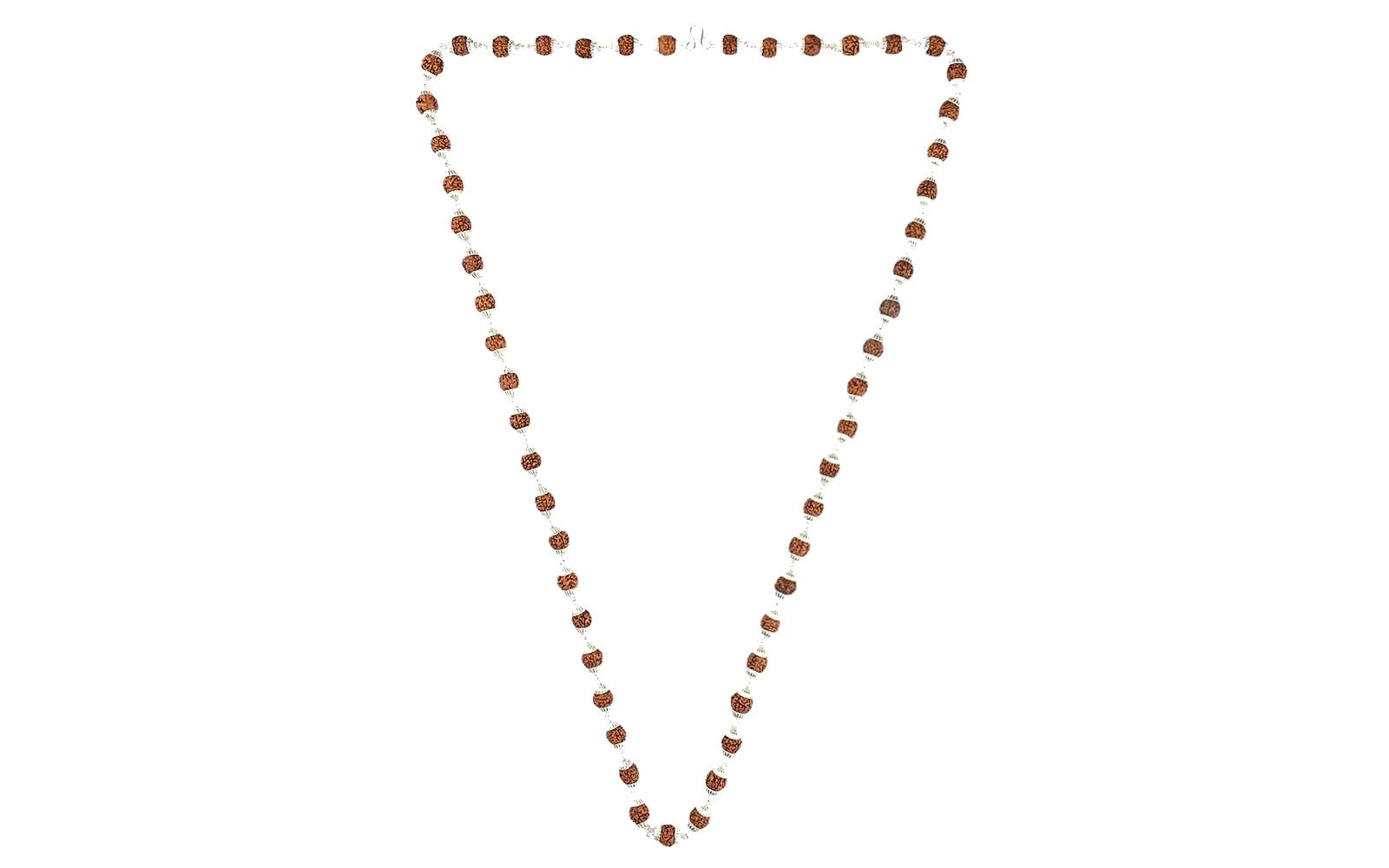
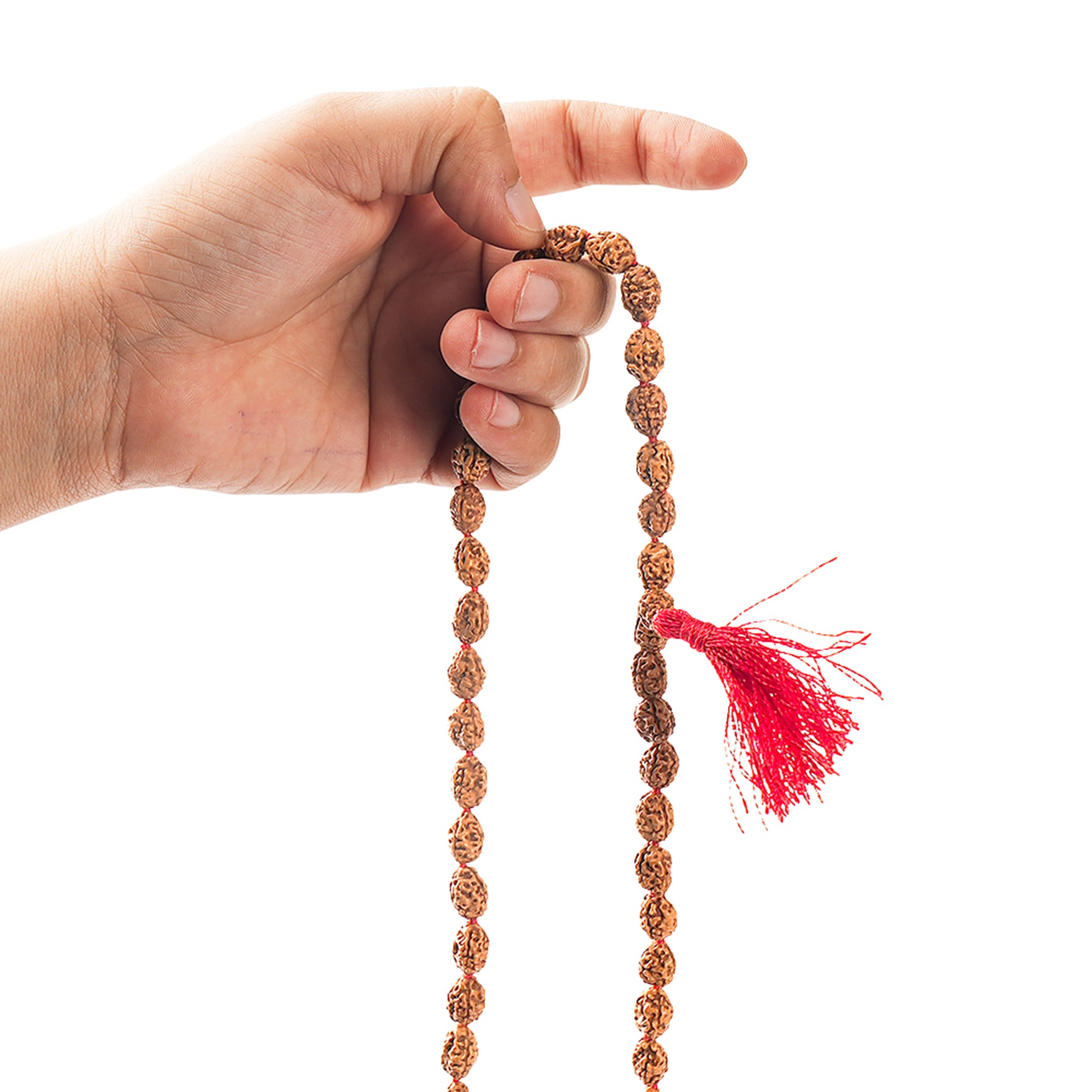
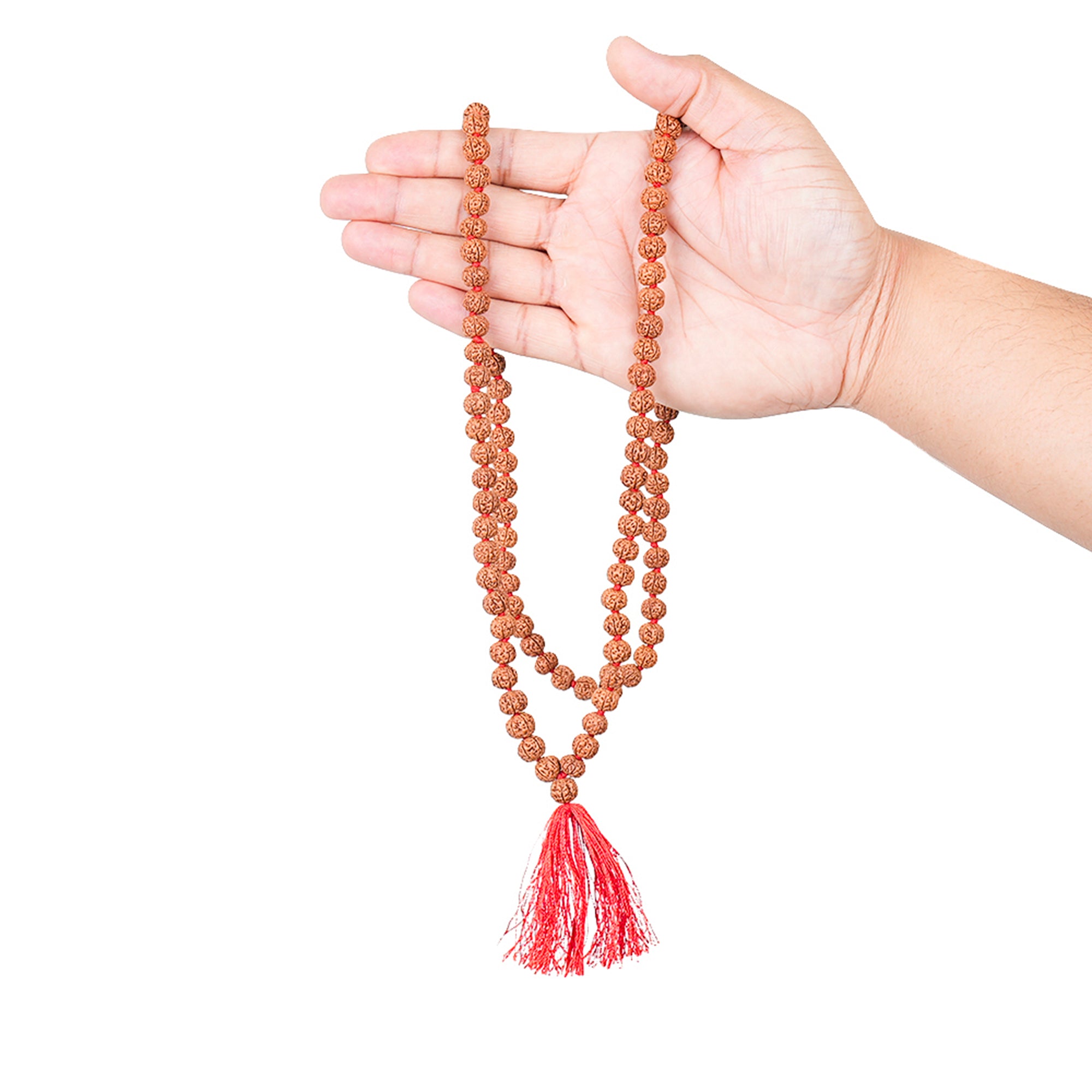
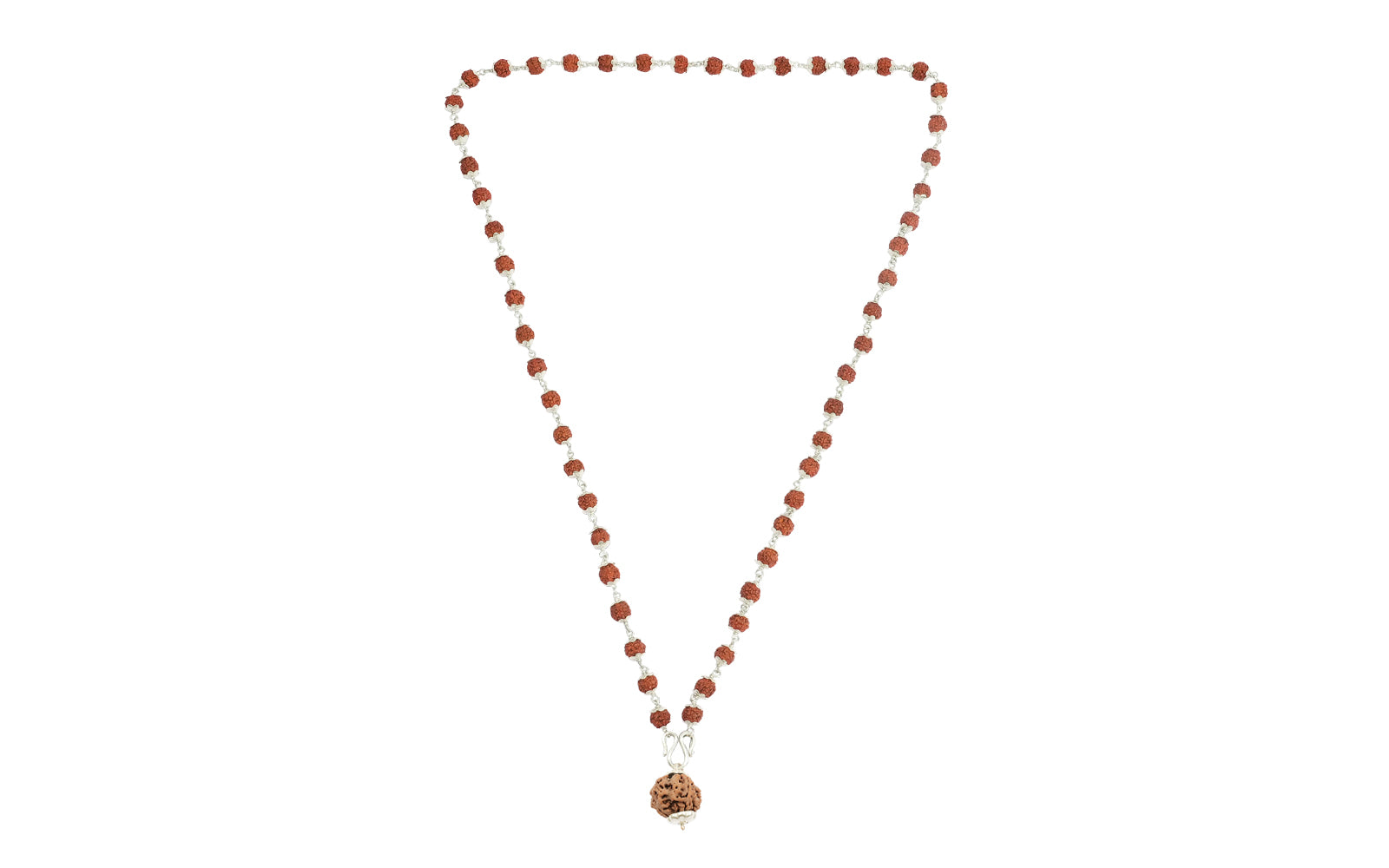
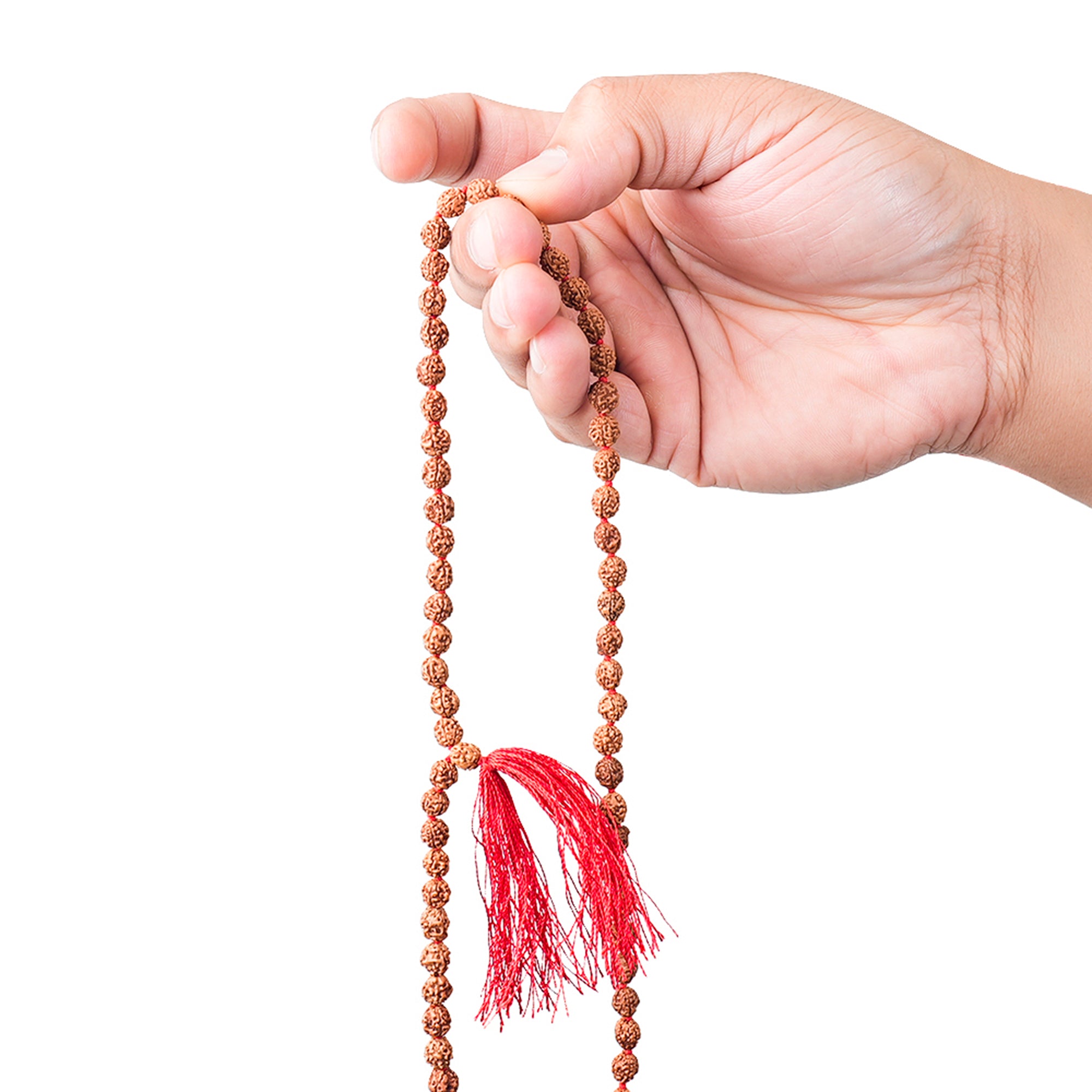
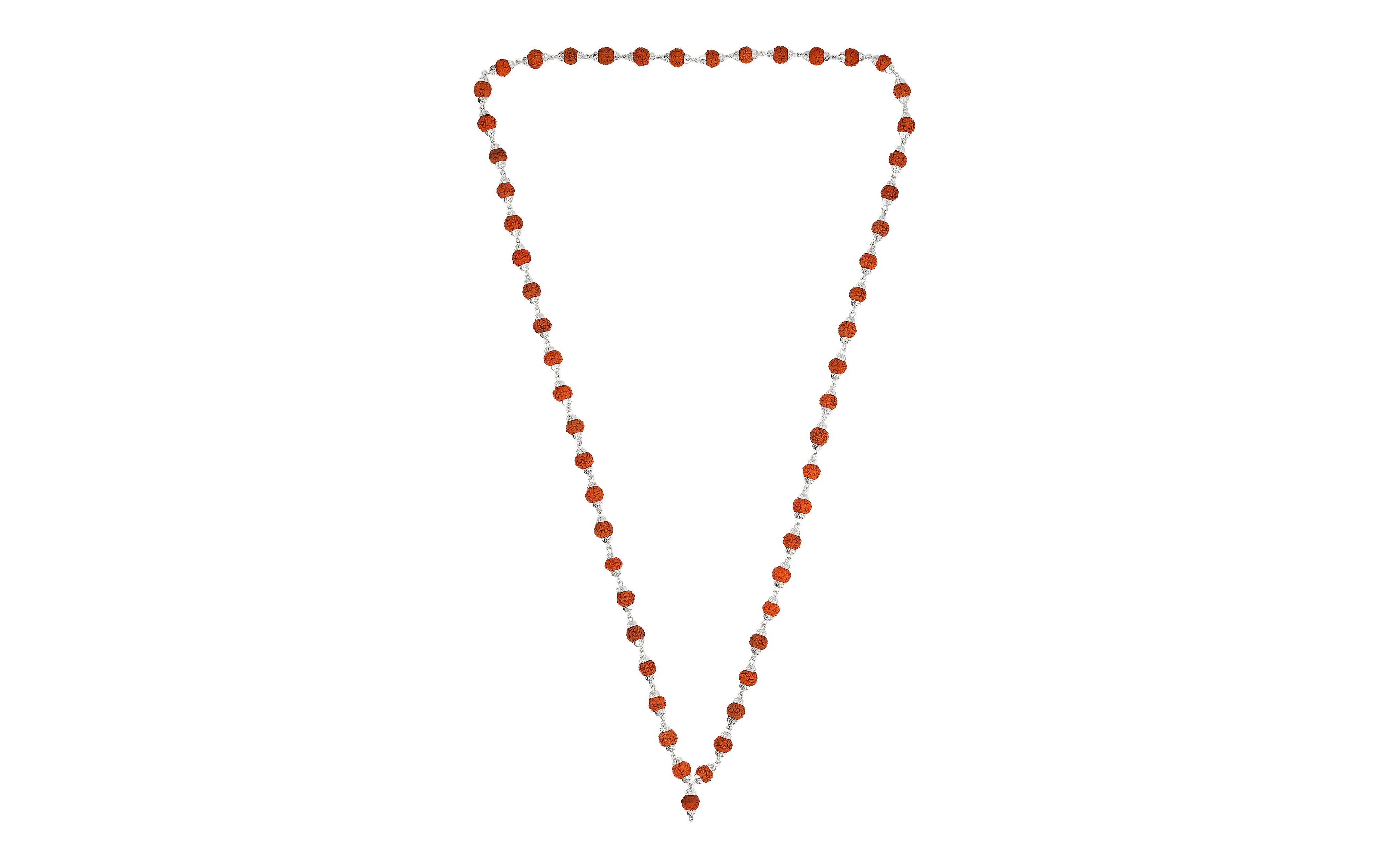
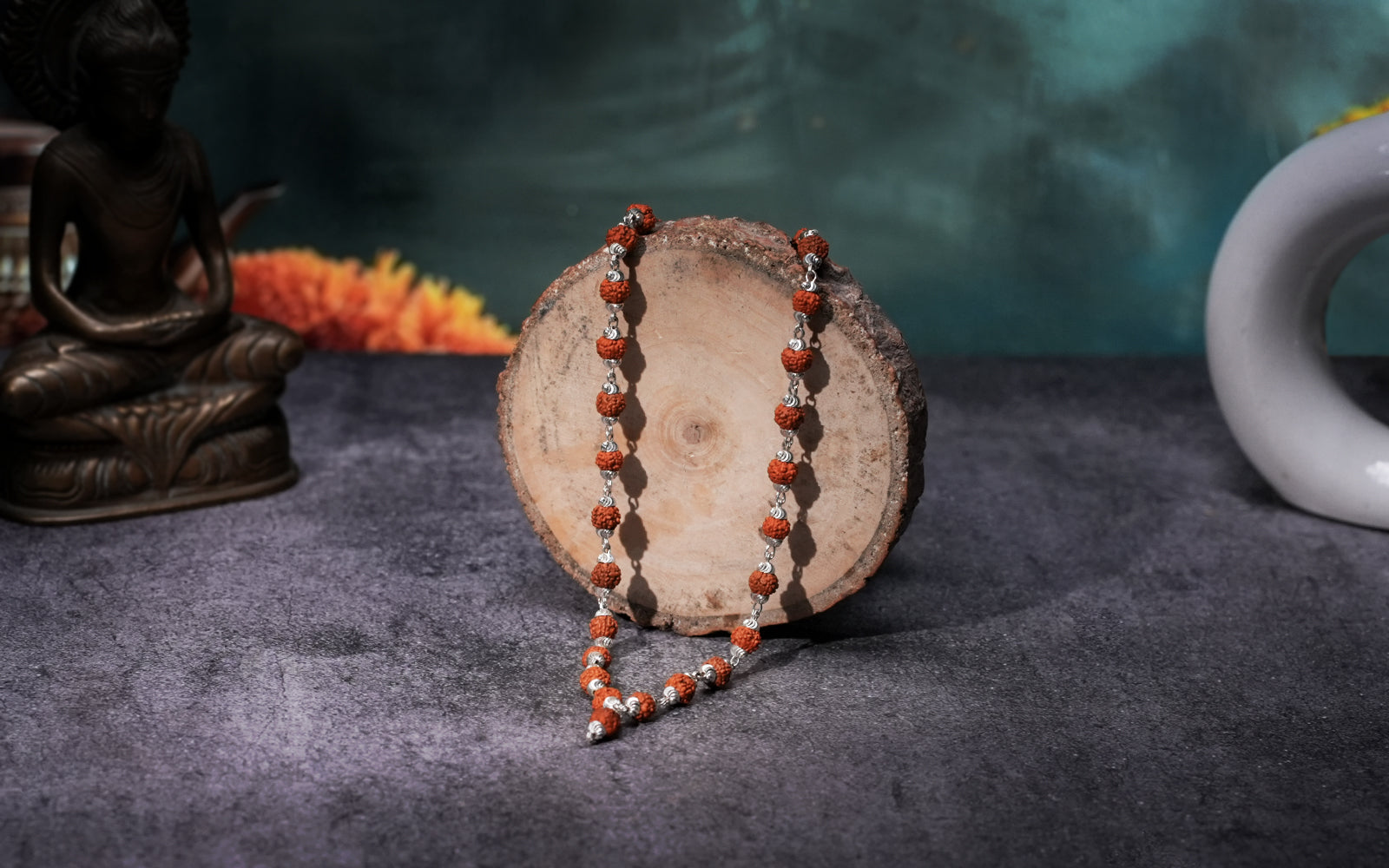
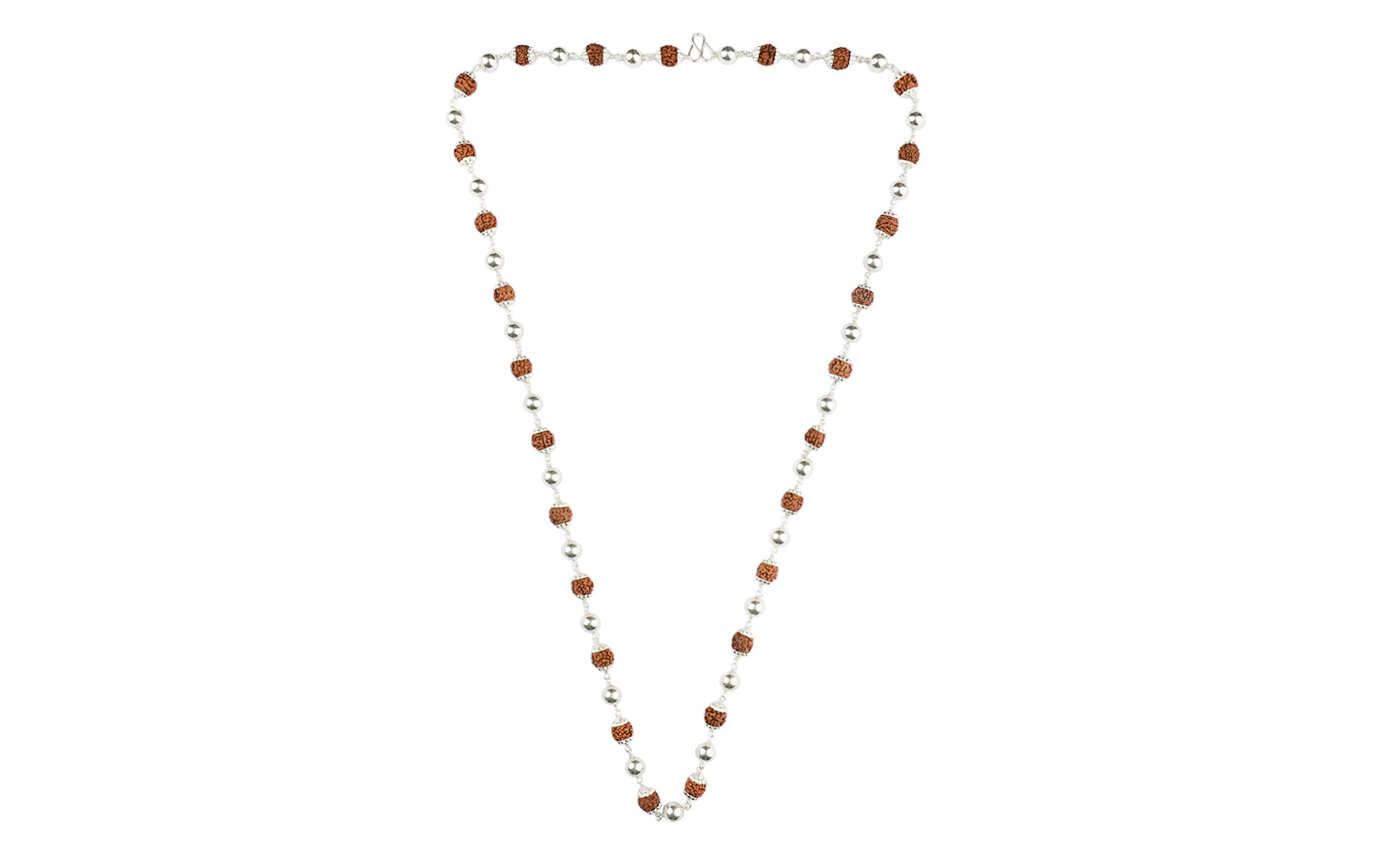
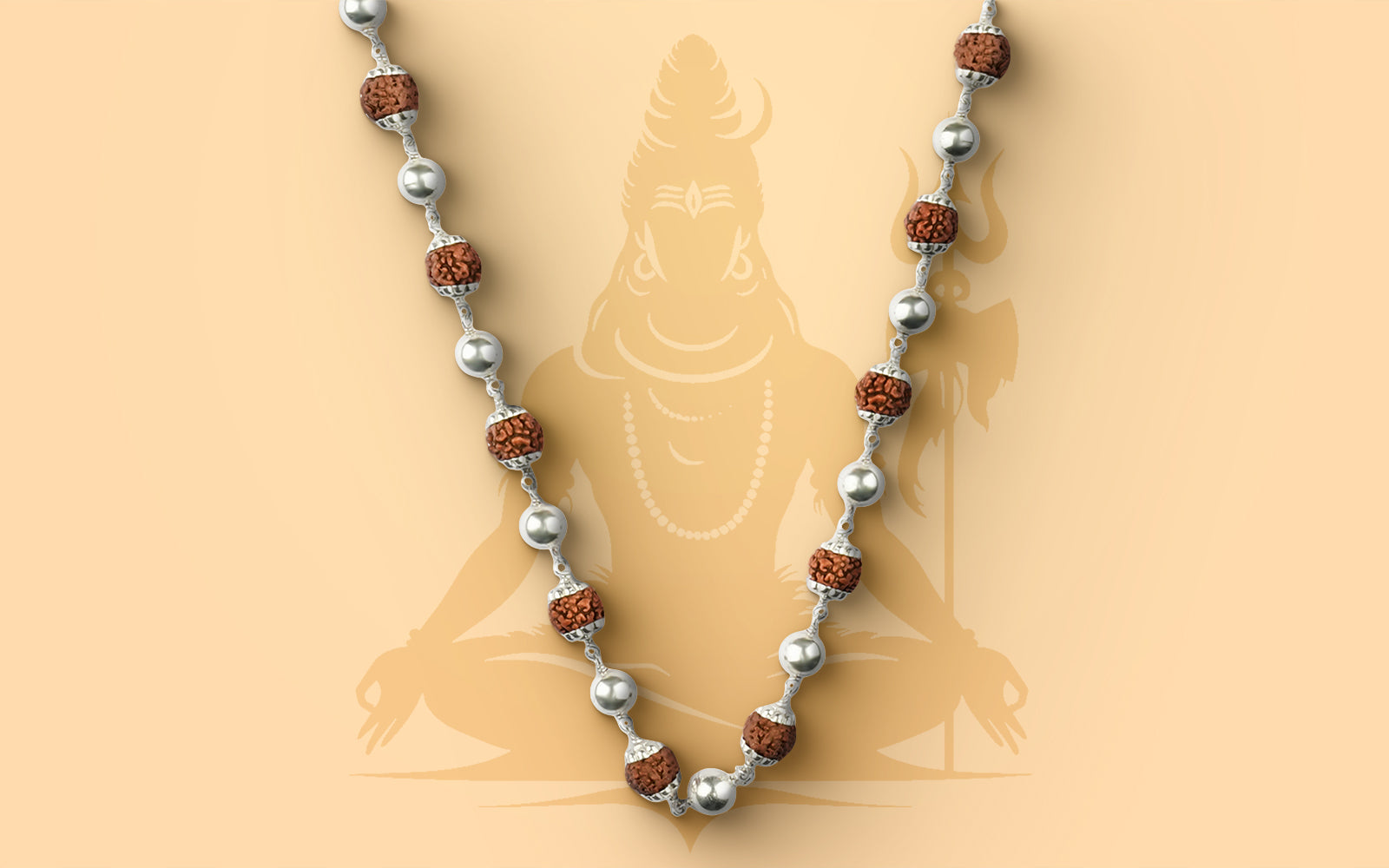
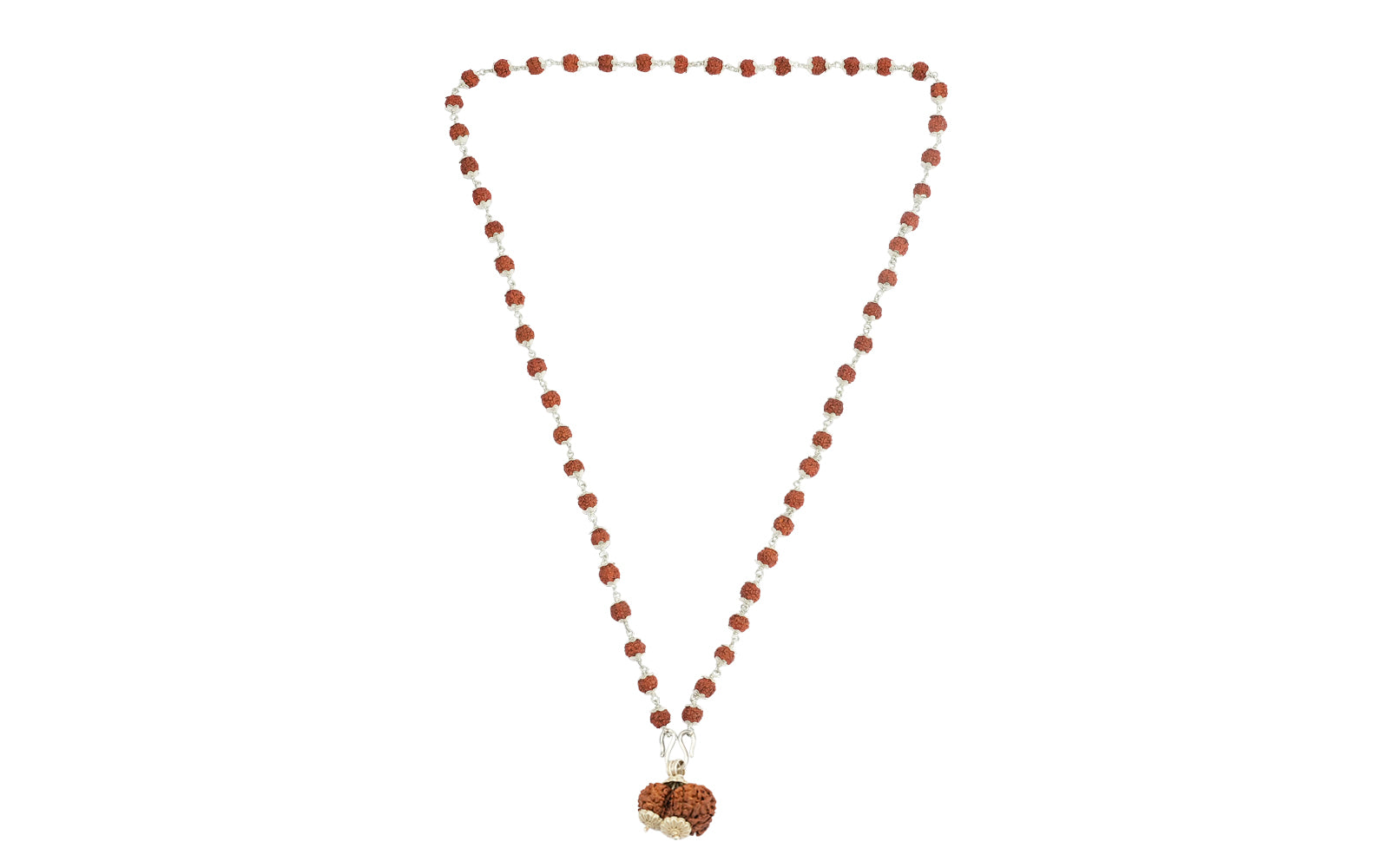
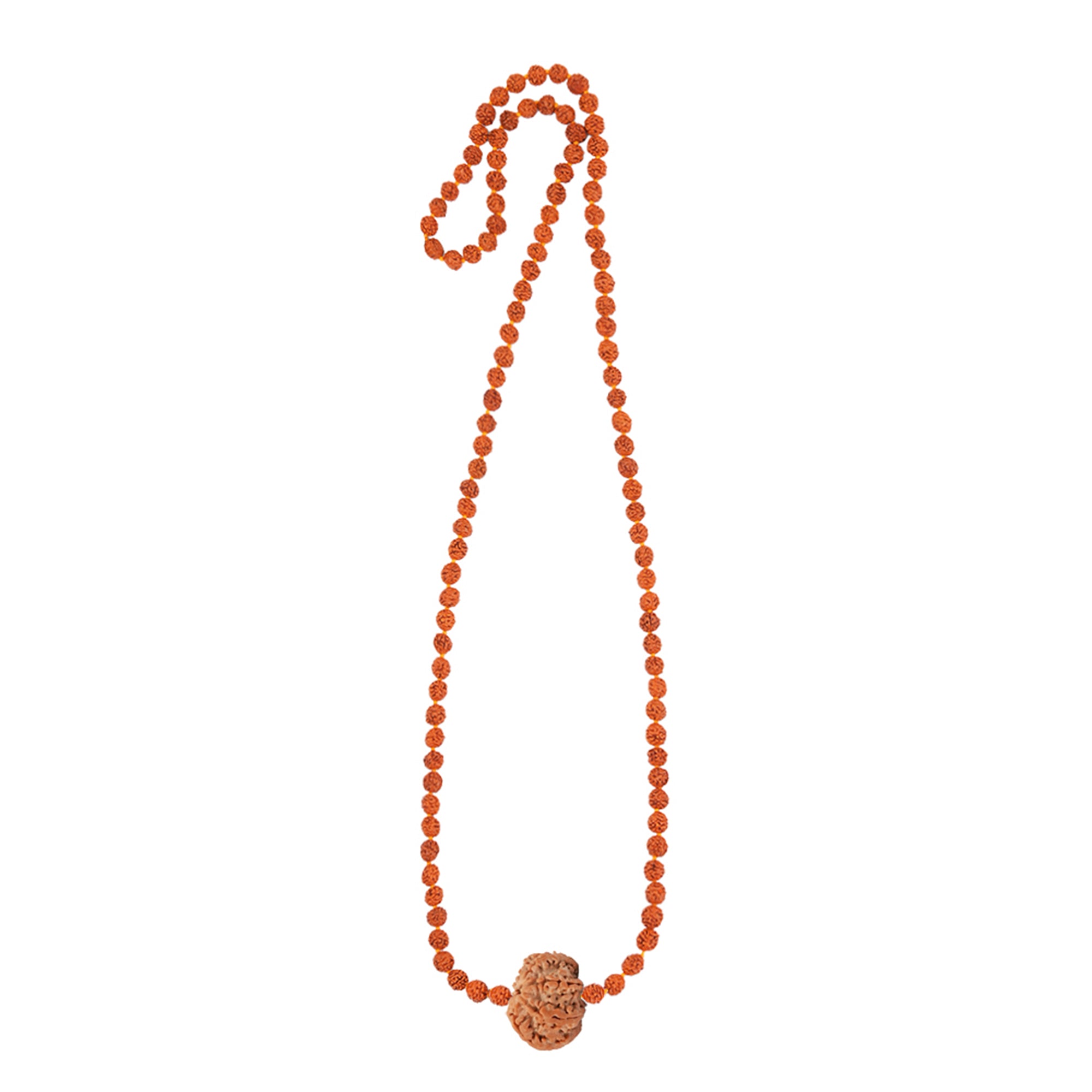
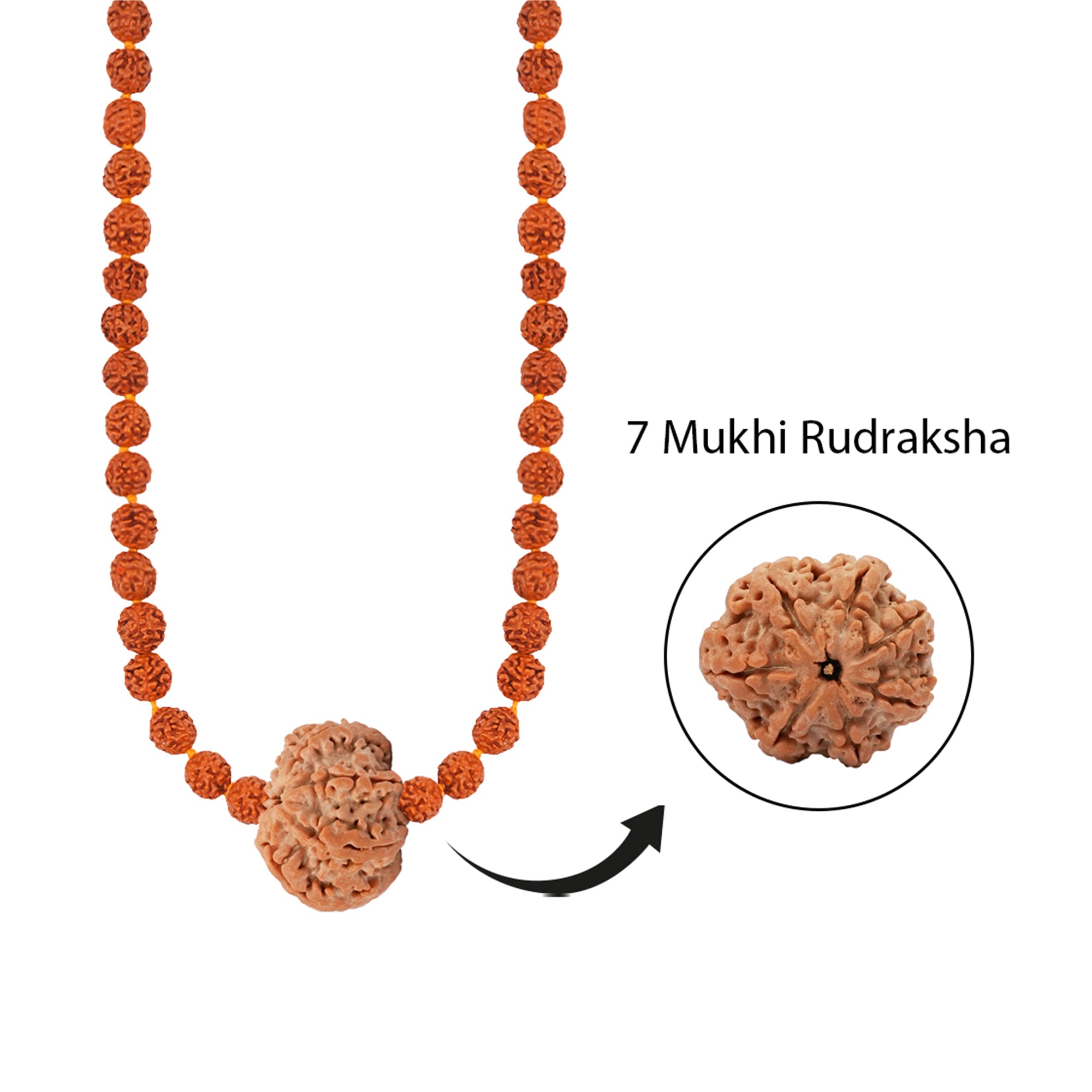
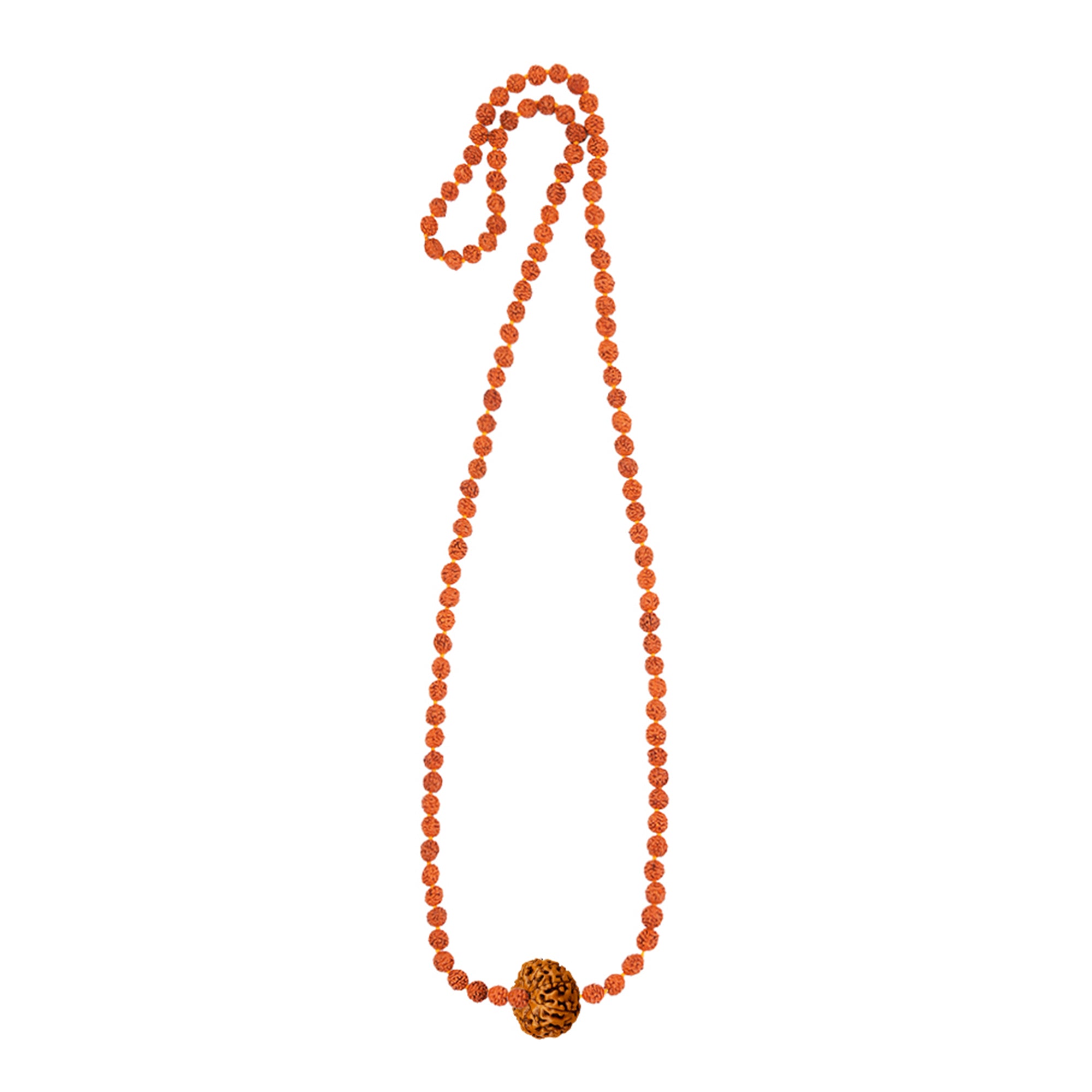
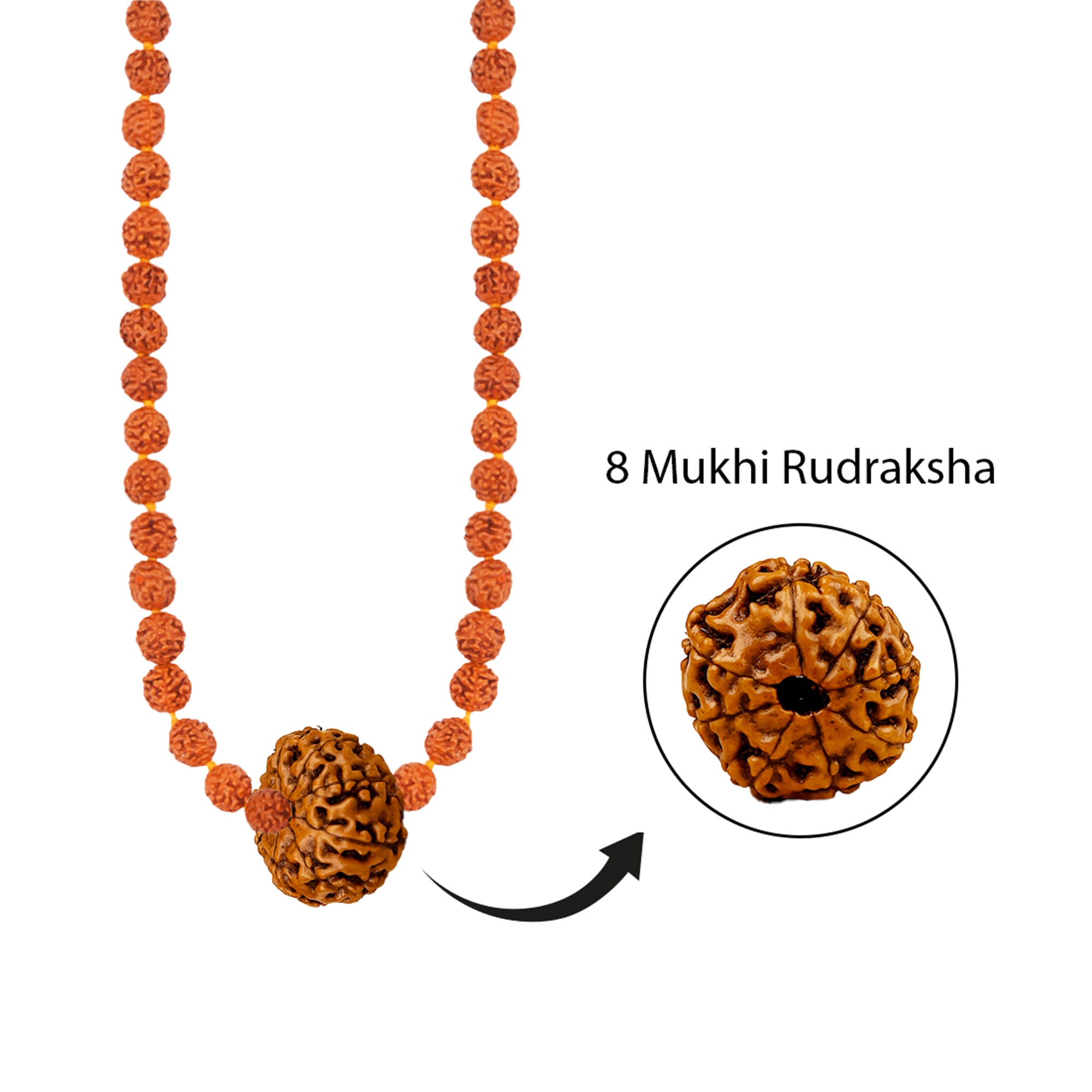
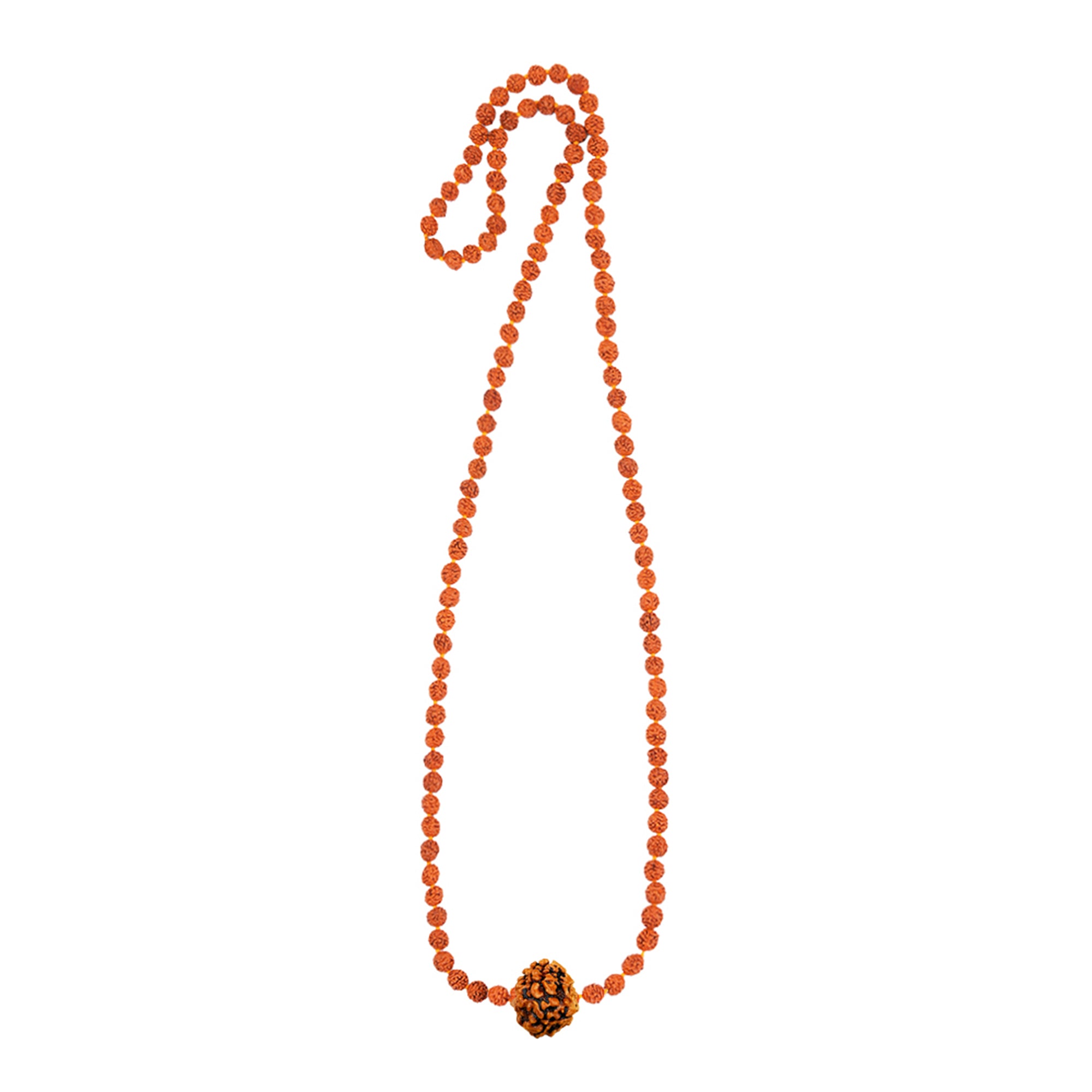
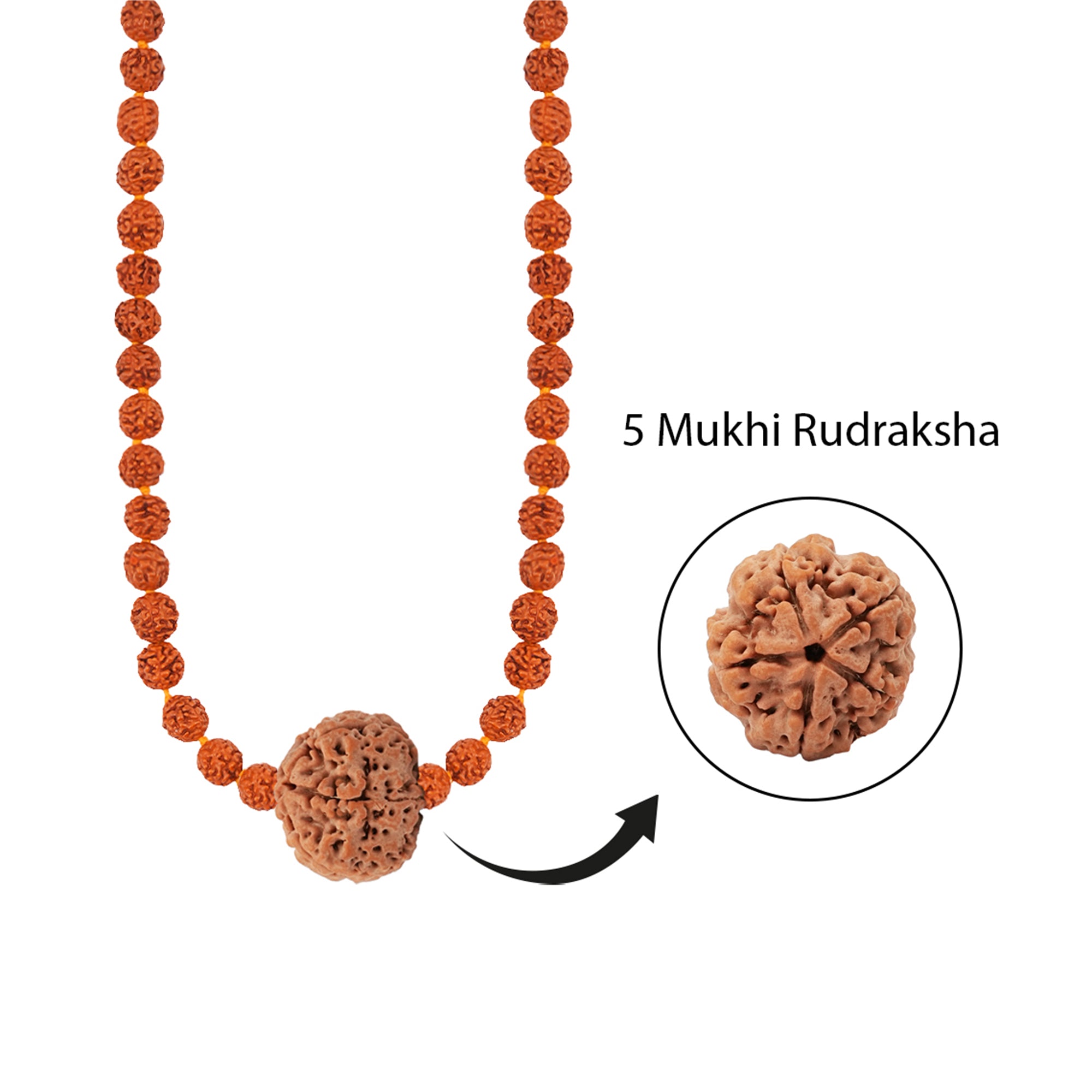
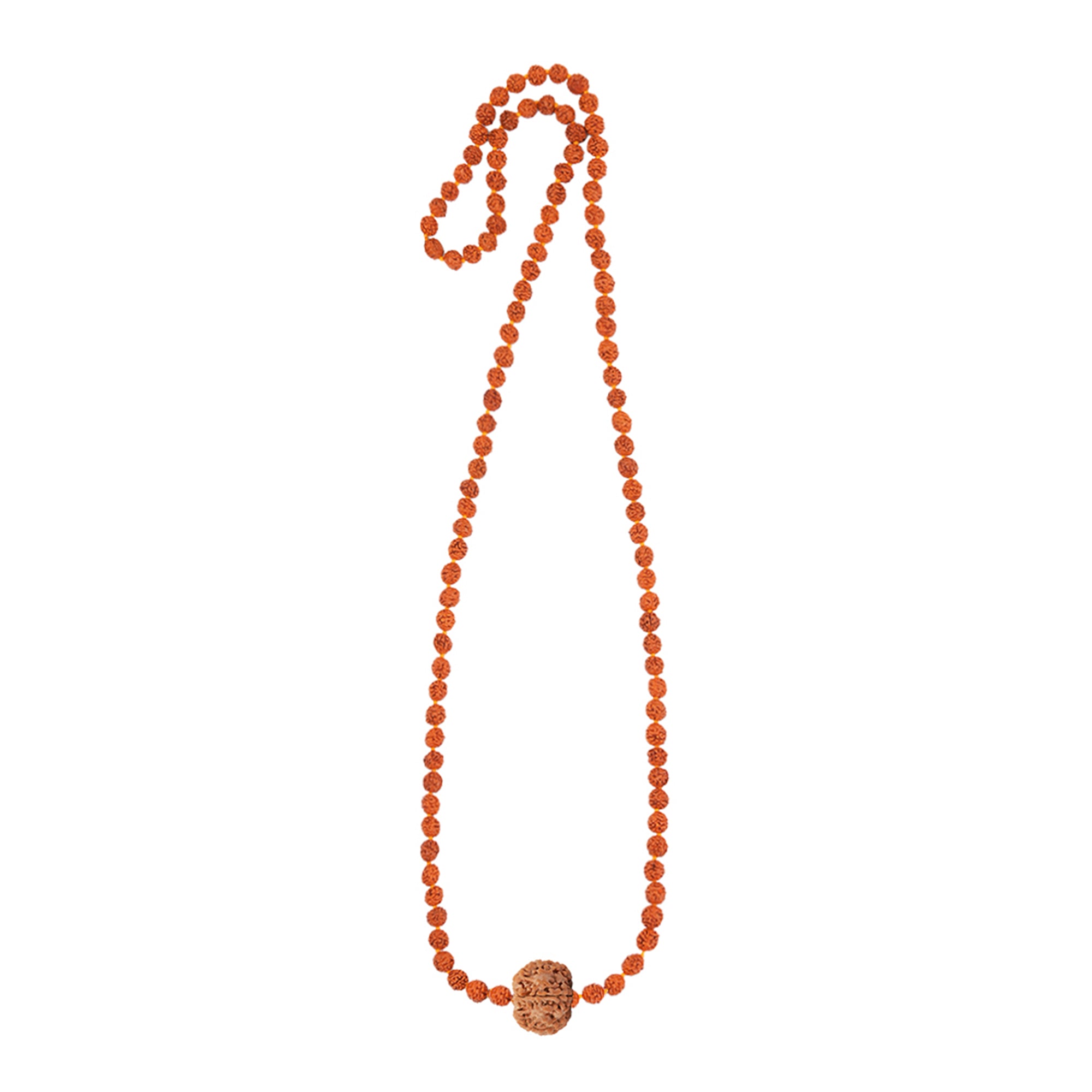
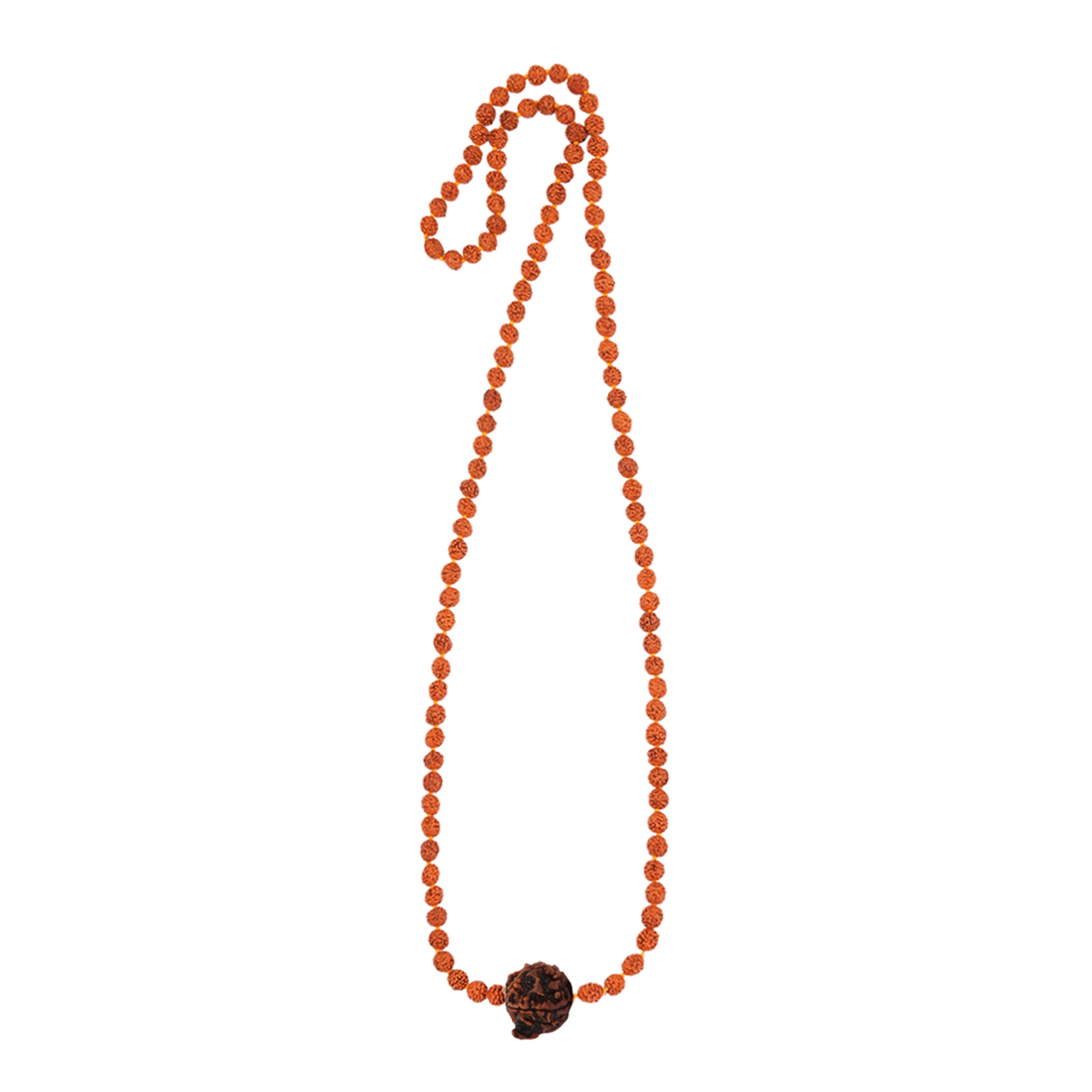
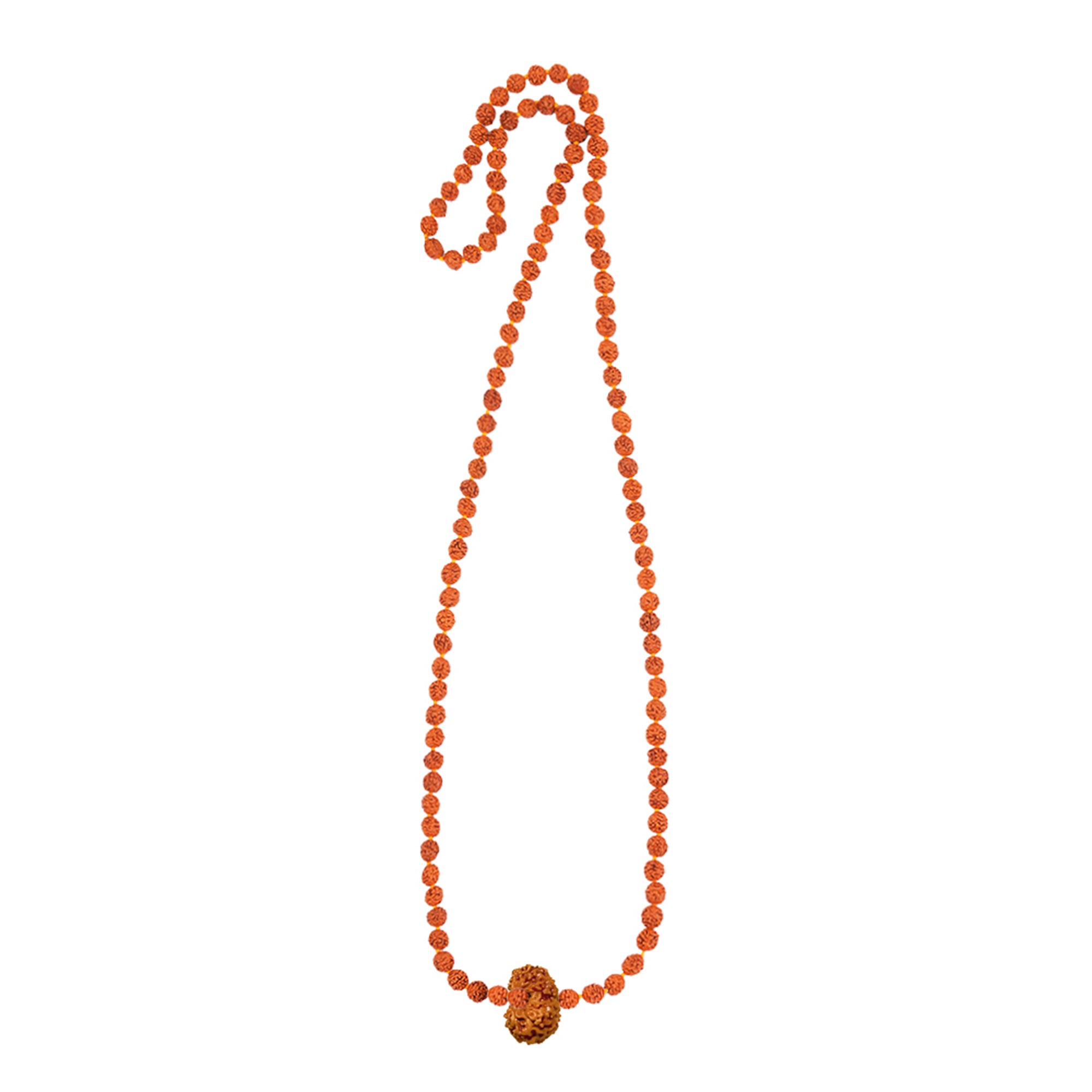
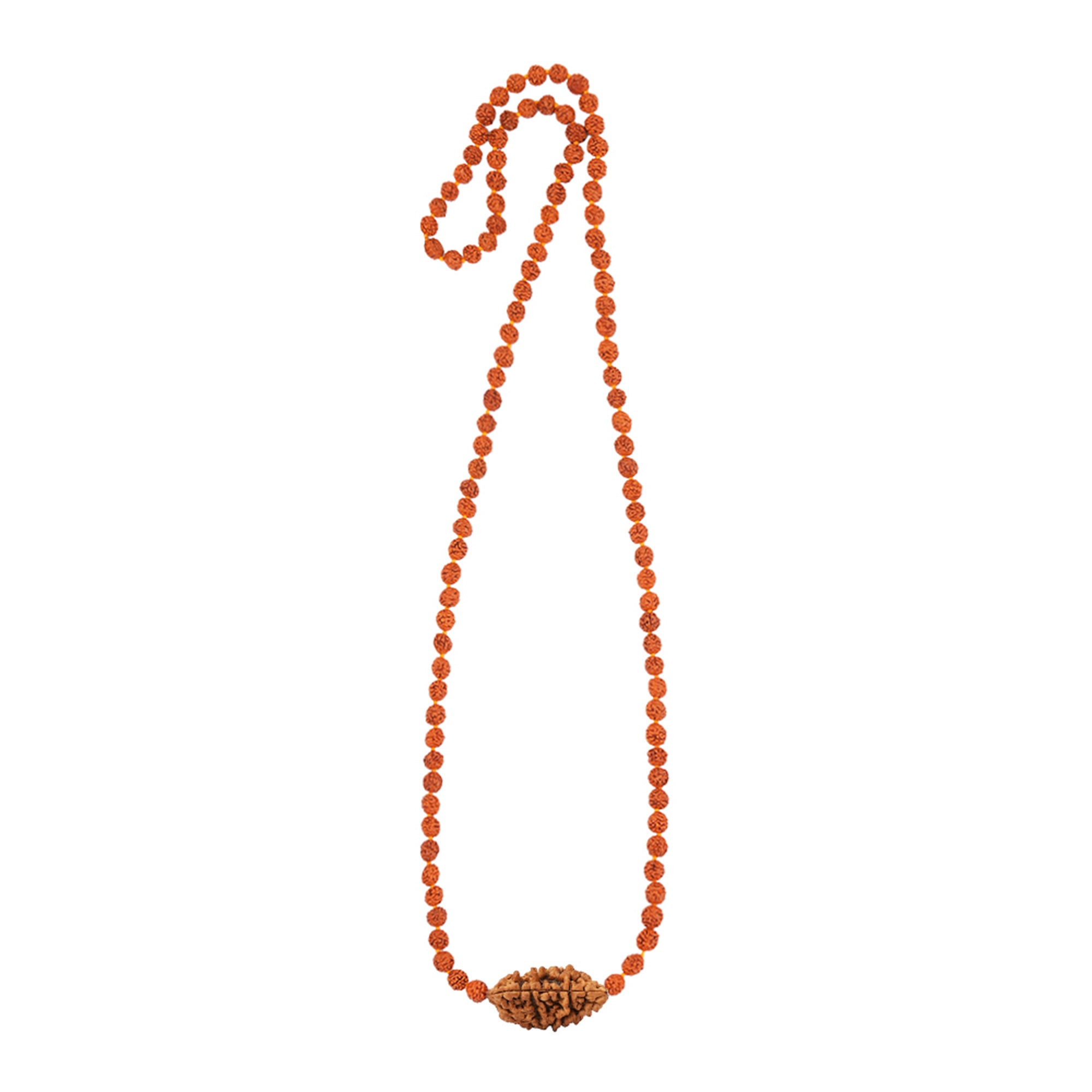
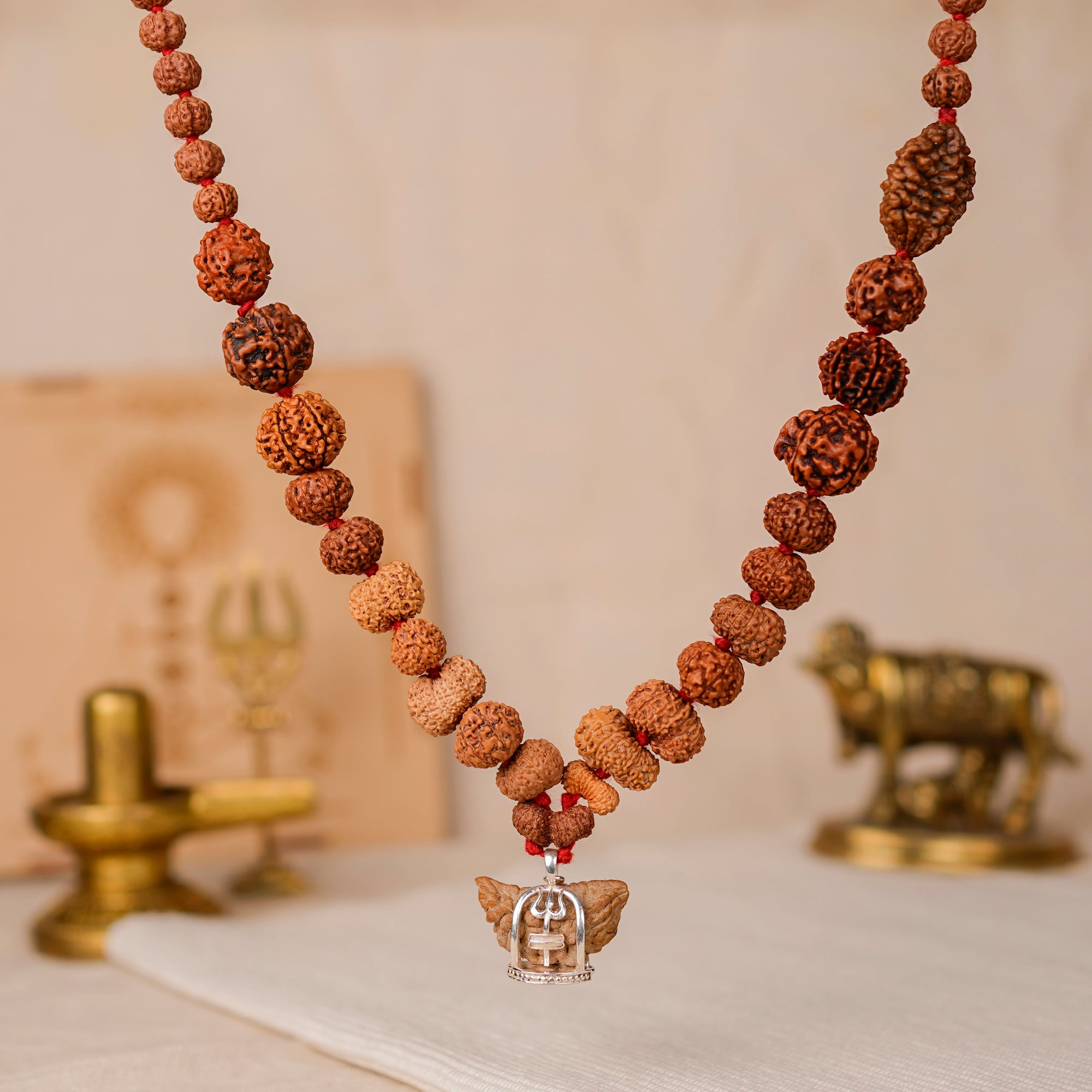
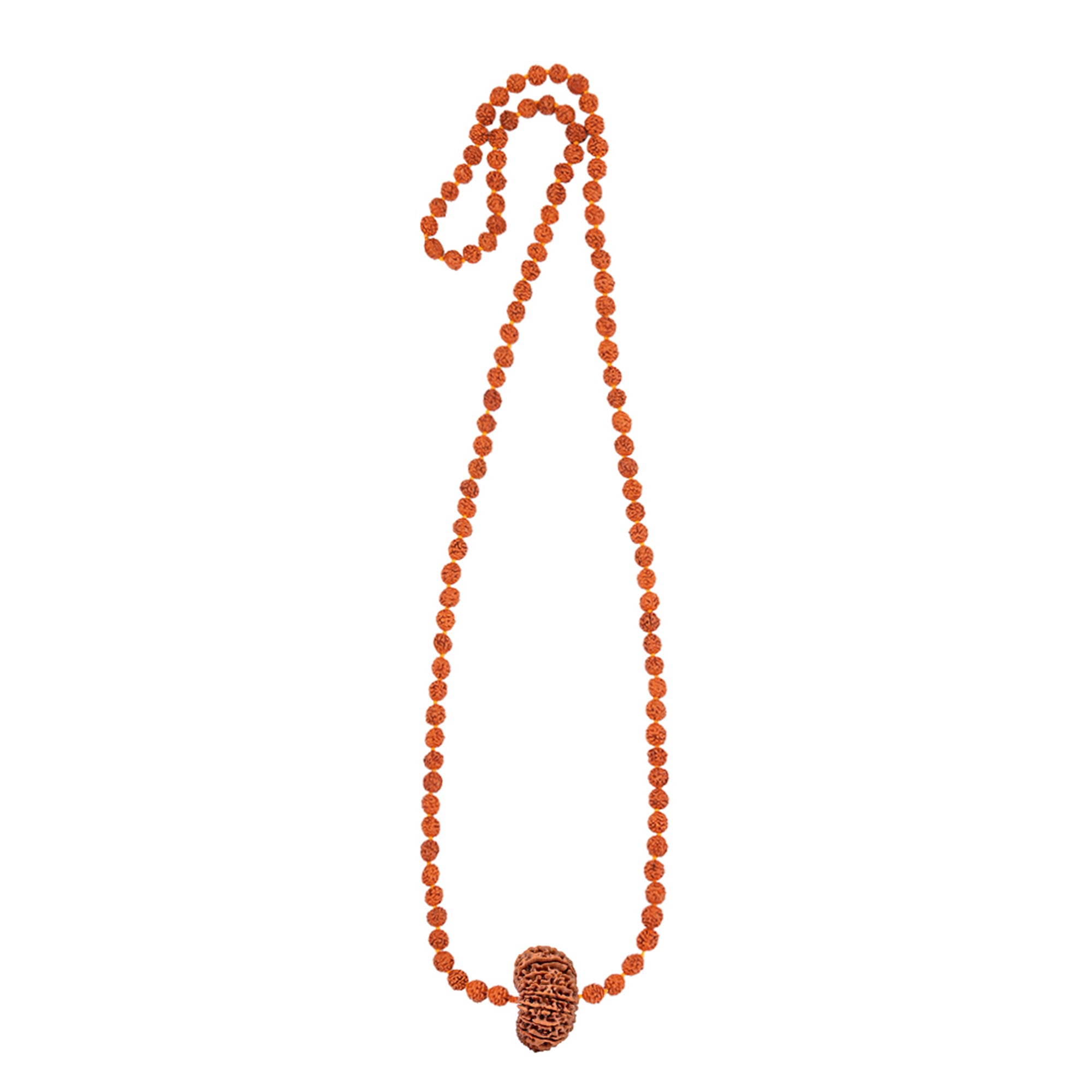
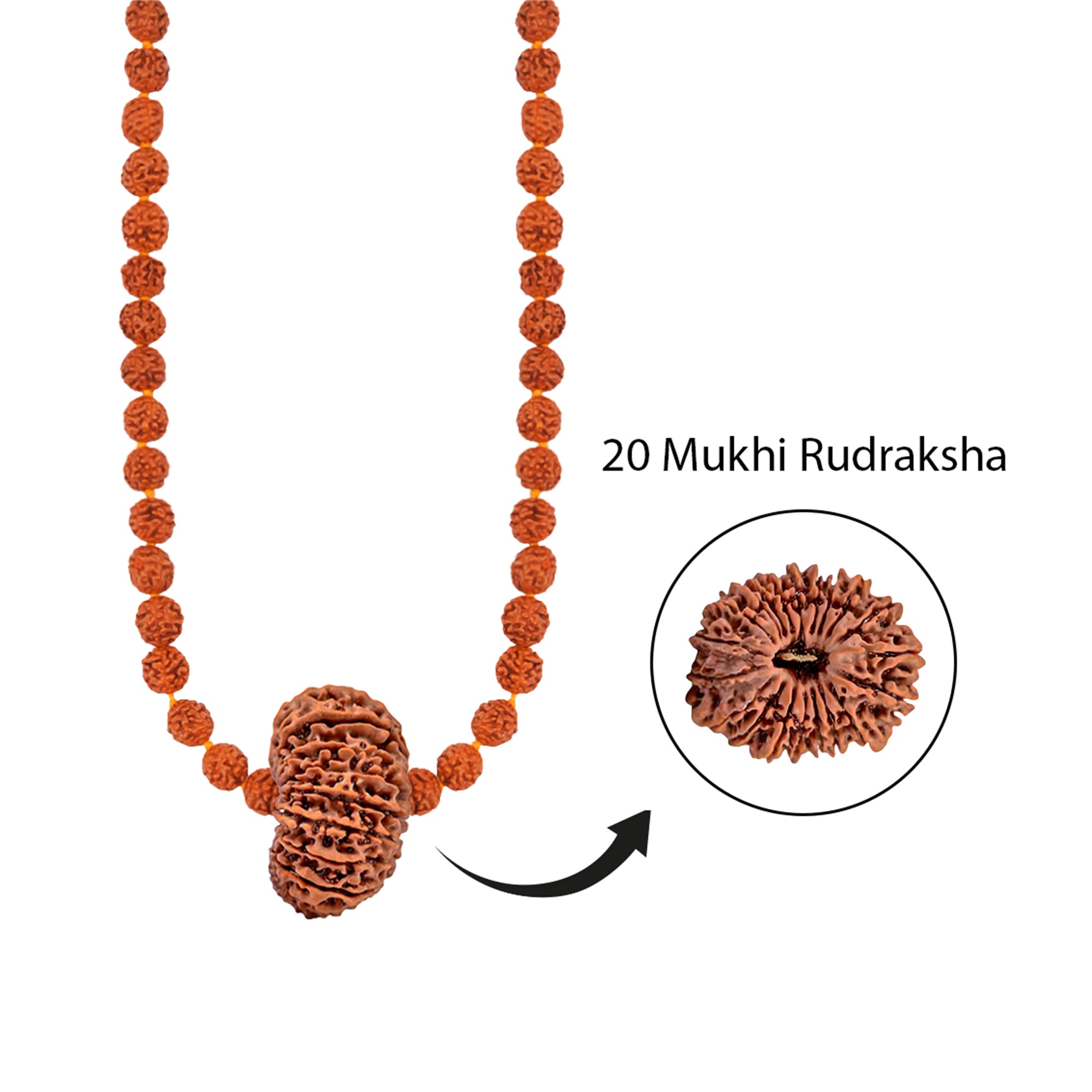
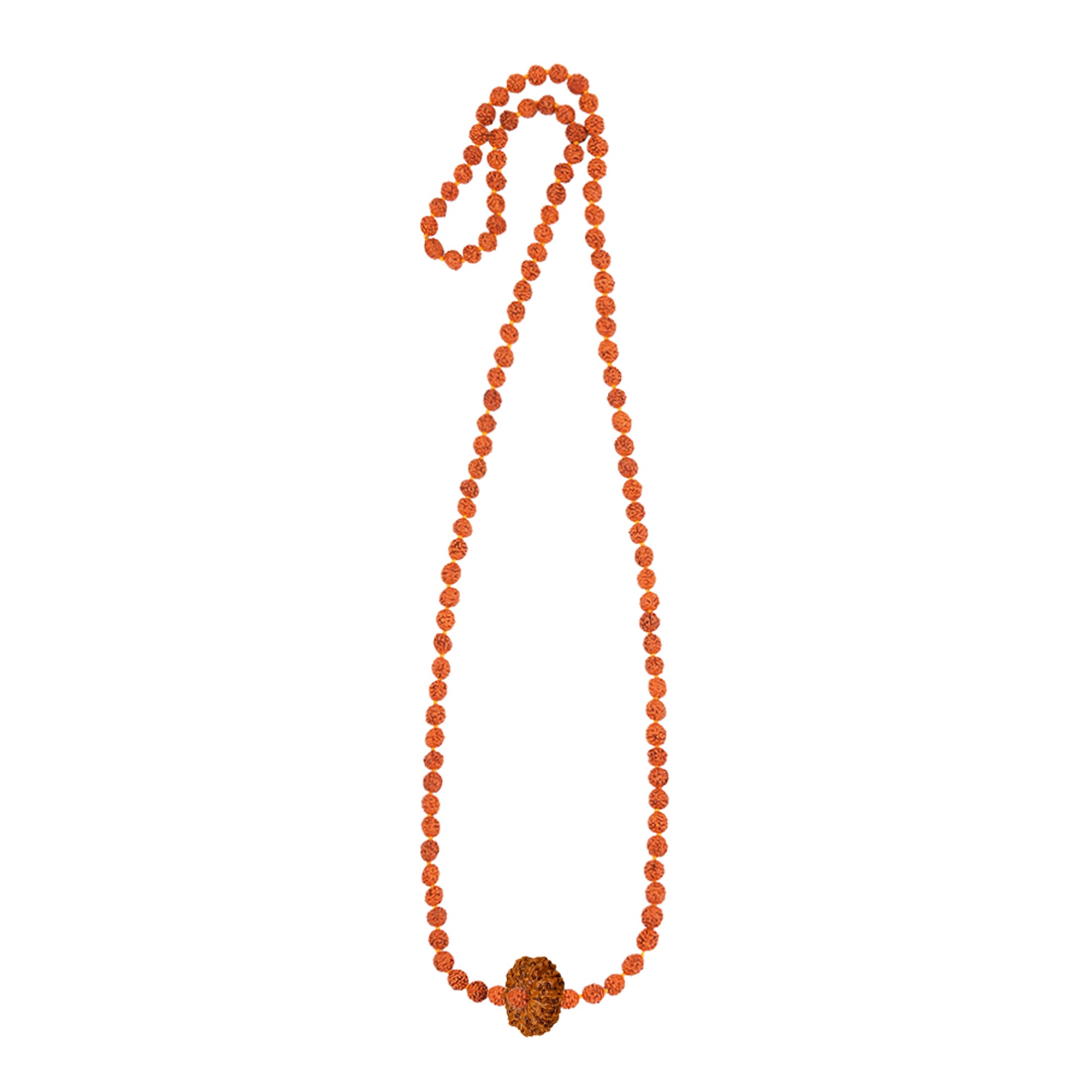
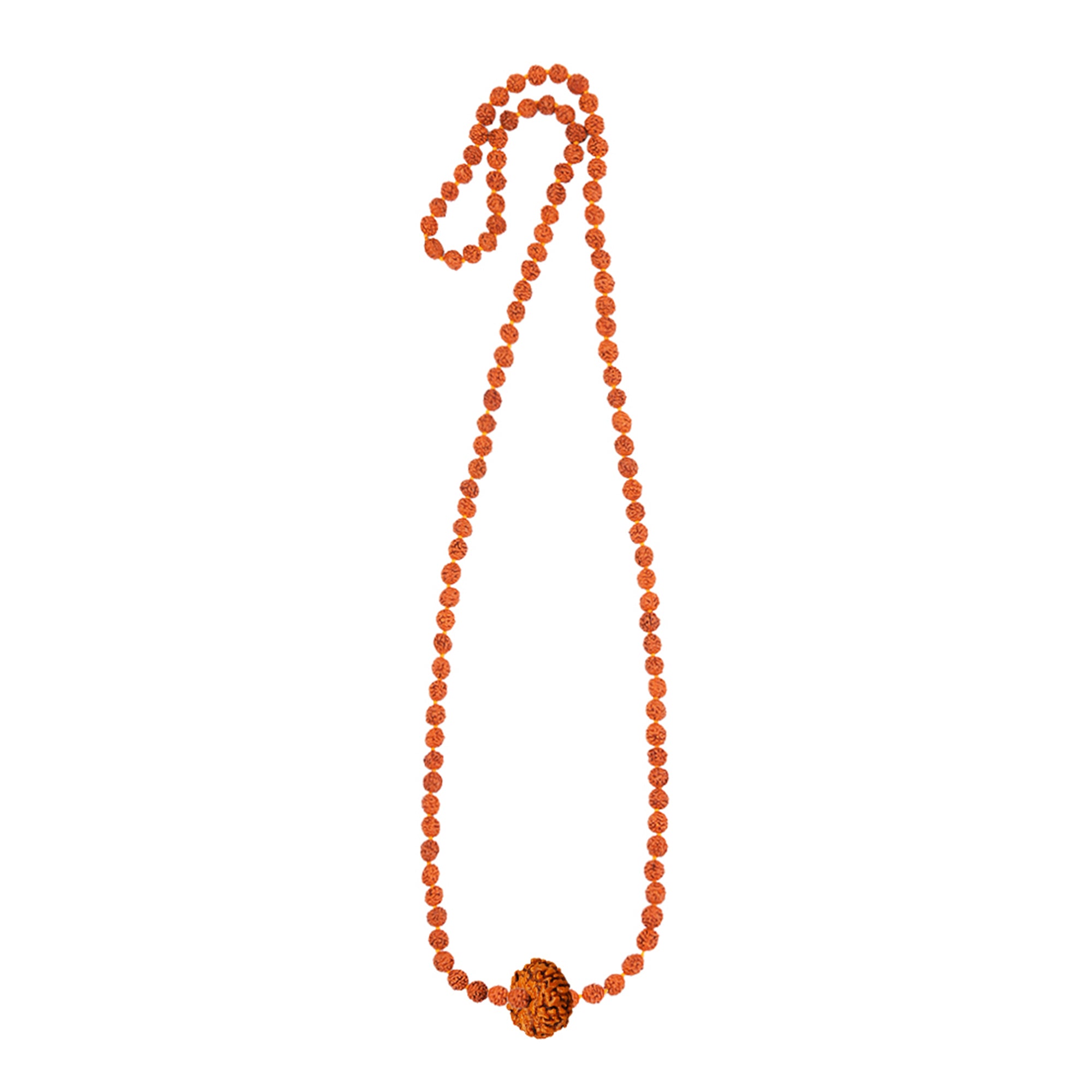
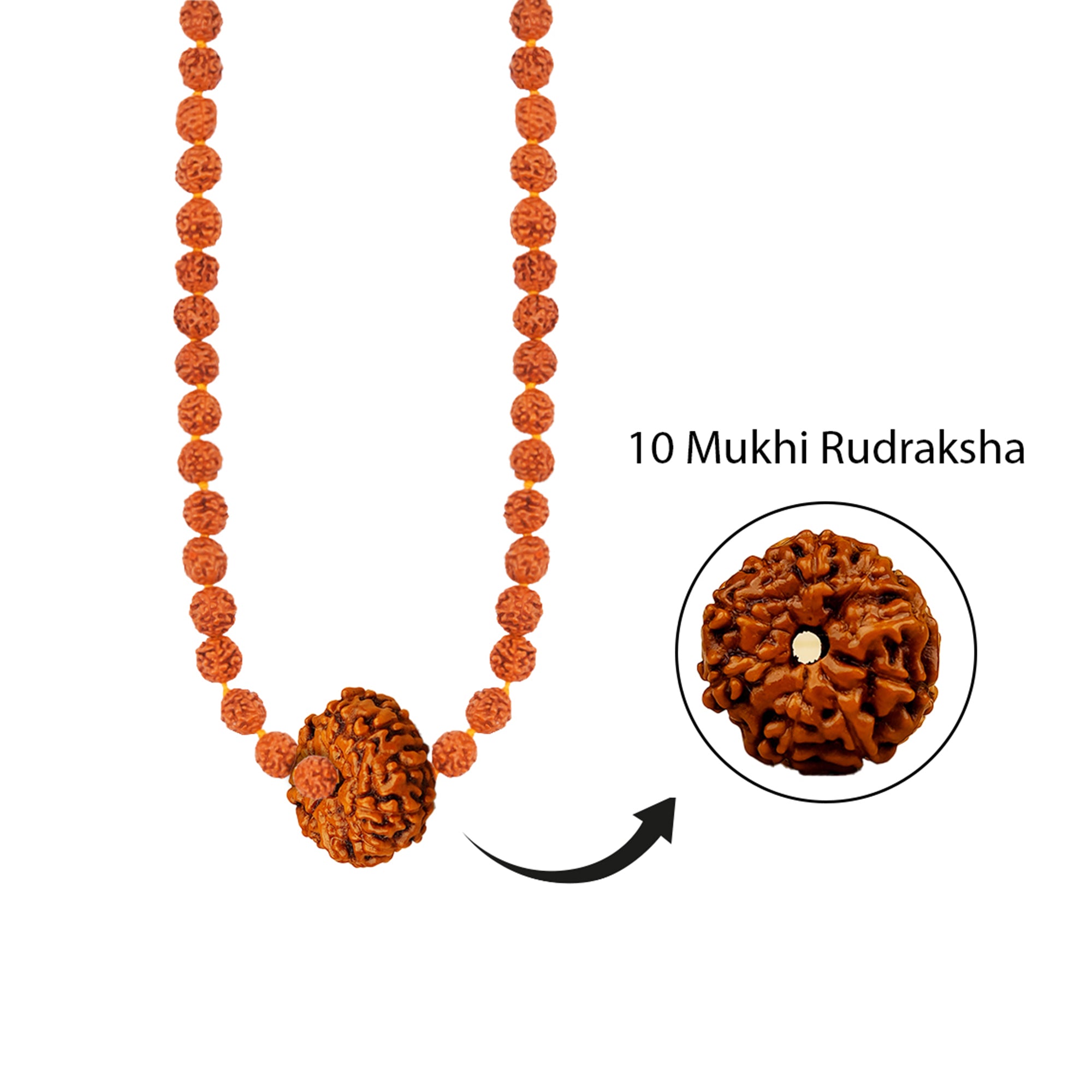
The Rudraksha Mala is the traditional choice, a 108-bead strand for chanting “Om Namah Shivaya” daily through Shravan. A Karungali (ebony) mala is traditionally worn for grounding and is popularly linked to absorbing negative energy during prayer. A Sphatik (crystal) mala is traditionally chosen for a cooling, calming effect, and is a common alternative for those who find Rudraksha too warming to wear daily. All three are backed by an IGL or ISO certificate.
Crystal & Gemstone Bracelets for Sawan
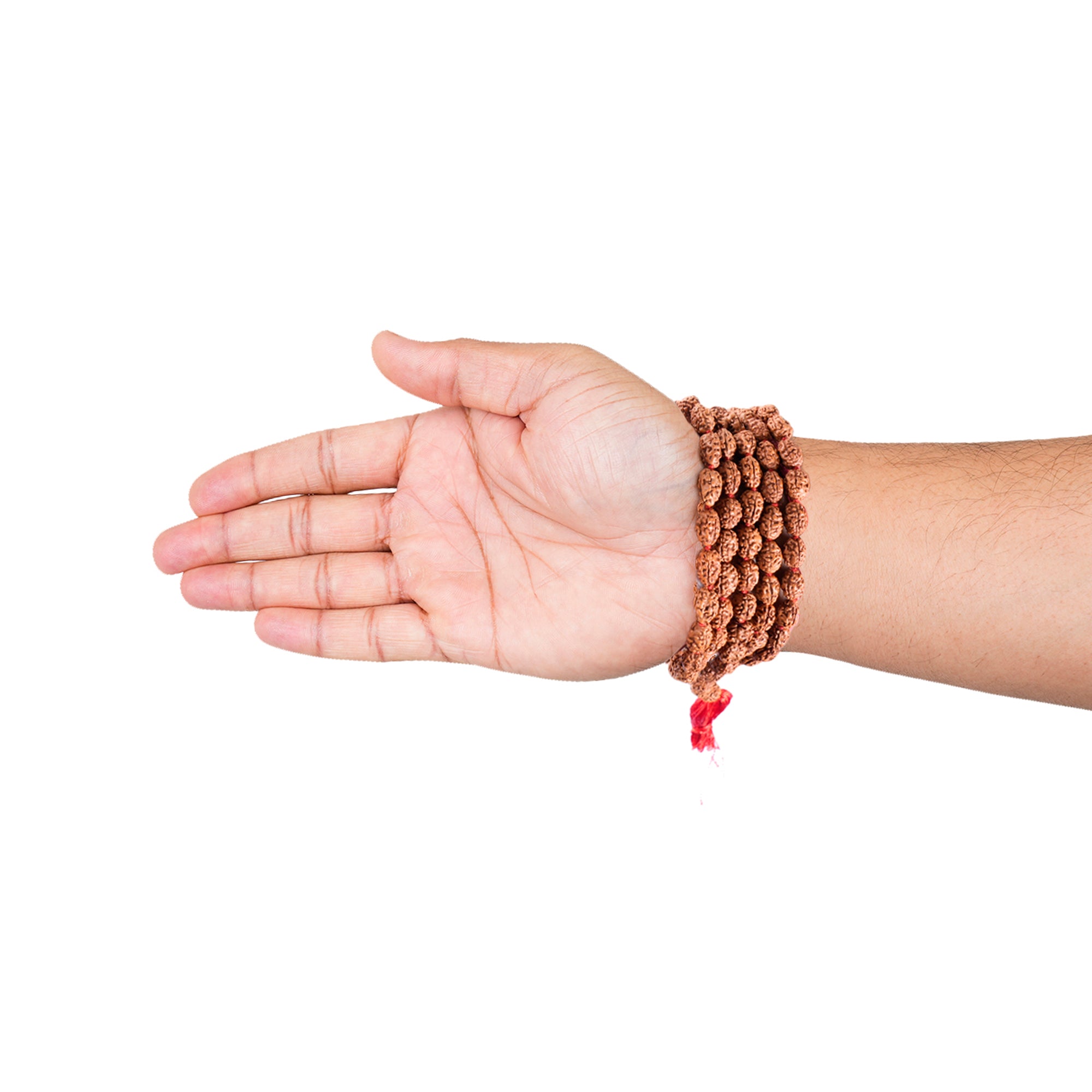
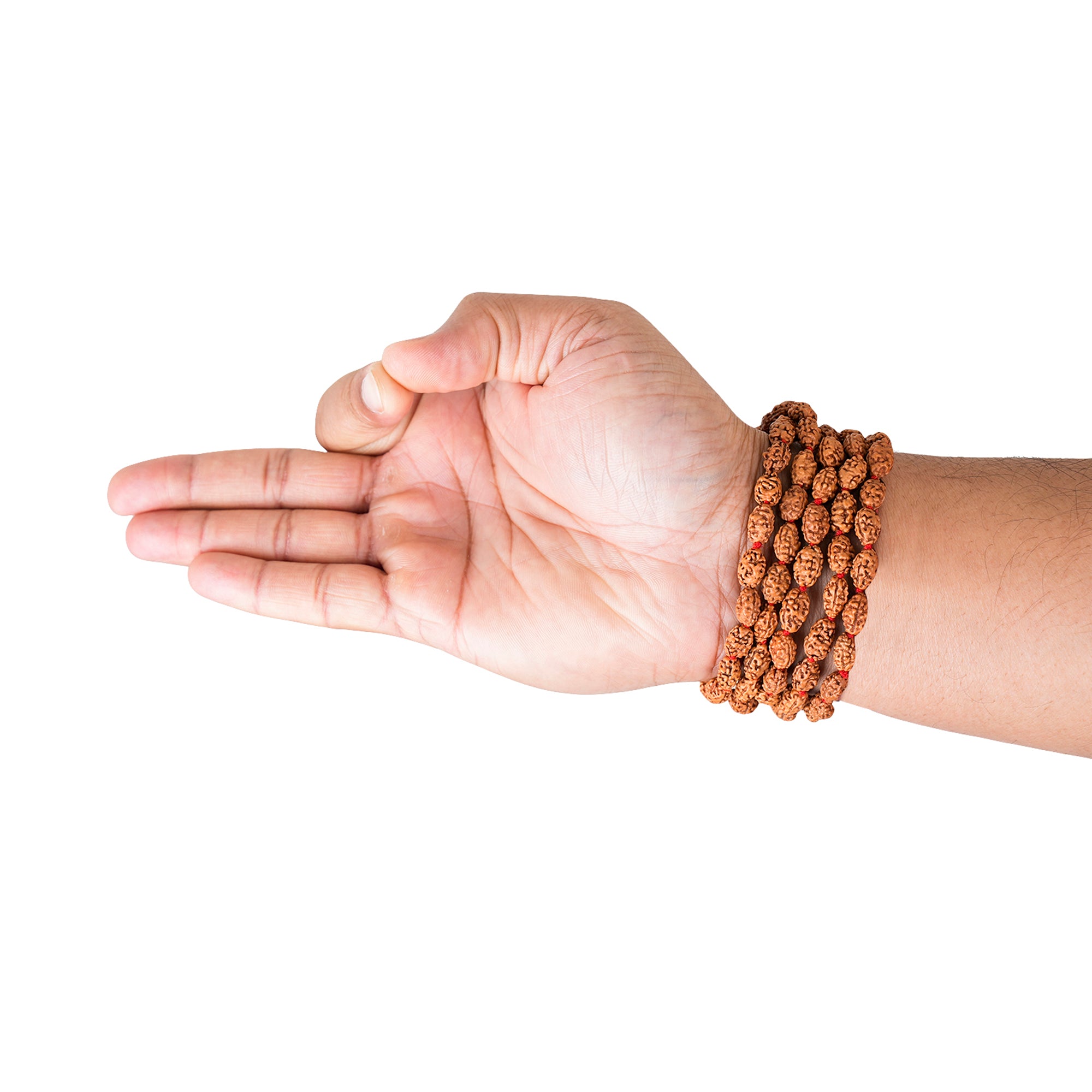
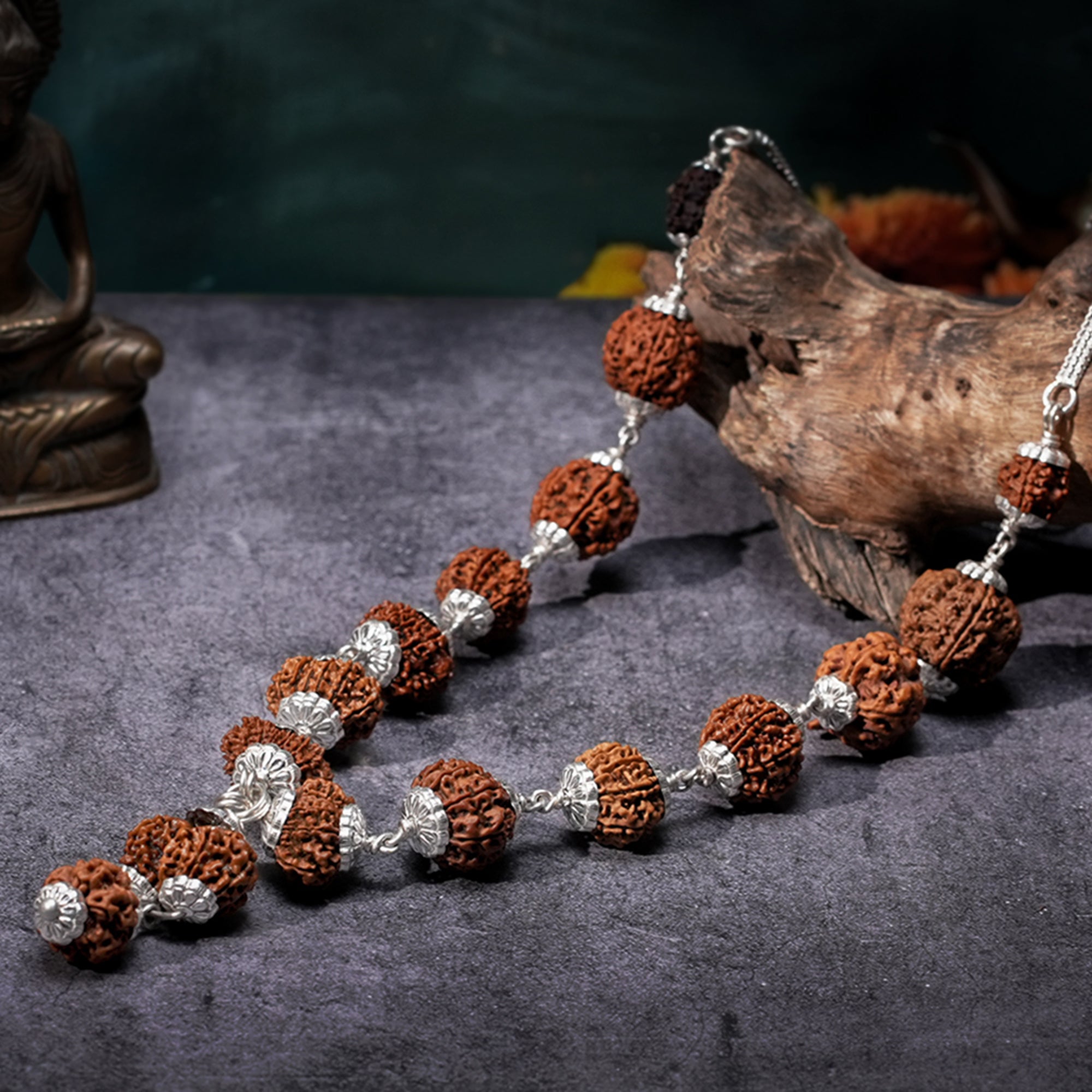
Bracelets are the easiest way to wear spiritual jewellery daily. A Rudraksha bracelet keeps the Mukhi close to your pulse point. A 7 Chakra bracelet is traditionally chosen to support balance across the body's energy centres. Rose Quartz, Pyrite and Green Aventurine bracelets are commonly paired with goals, relationships, wealth, and growth respectively. All are certified and suited for daily wear, including through Sawan Somvar fasts.
Which Piece Fits Your Goal
|
Goal |
Best Format |
Why |
|
Daily peace & routine |
5 Mukhi Rudraksha Mala |
Supports daily japa, suits everyone |
|
Grounding & focus |
Karungali Mala |
Traditionally worn for absorbing negative energy |
|
Calm & clarity |
Sphatik (Crystal) Mala |
Cooling, calming, easier for daily wear |
|
Wealth & career |
7 Mukhi Rudraksha or Pyrite Bracelet |
Linked to Goddess Mahalakshmi & Saturn |
|
Couples & marriage |
Gauri Shankar Rudraksha |
Naturally joined bead, Shiva-Parvati union |
|
Everyday energy balance |
7 Chakra Bracelet |
Traditionally worn to support all chakras |

Not sure which piece fits you? Browse the wider crystal bracelet range in our collections, or use the calculator above for a personalised, goal-based pick.
How to Energise Your Rudraksha or Mala Before Wearing
Every GemsMantra Rudraksha and mala is Vedic energised before dispatch, but many devotees also perform a short activation ritual themselves when they first wear it. Rinse the piece with clean water or Gangajal and pat it dry. Hold it in your right palm and chant “Om Namah Shivaya” 108 times, ideally on a Sawan Somvar morning or on Sawan Shivratri (August 11). This is a traditional practice for personal intention-setting, not a requirement for the piece to be considered certified or authentic, that's already confirmed by the IGL or ISO certificate it ships with.
Pairing Your Rudraksha, Kavach, Mala & Bracelet Together
Many devotees don't stop at one piece during Sawan. A common combination is a goal-based Rudraksha worn with a Rudraksha Kavach for added protection through the month, alongside a mala kept aside for daily japa rather than worn constantly. A bracelet is often added as the everyday layer since it doesn't need to be removed as often as a neck piece. There's no fixed rule here; traditional practice simply holds that combining pieces should follow your goals, not the other way around.

Nepali vs Indonesian Beads, Which Origin for Sawan?
Nepali beads are larger with more clearly defined Mukhi lines and are traditionally preferred for planetary remedies; Indonesian beads are smaller and suit daily-wear malas and bracelets better. Both are backed by an IGL or ISO certificate at GemsMantra; the difference is grade, not authenticity. Browse Nepali Rudraksha sourced directly for Sawan.
For a fully personalised recommendation, book a ₹499 consultation with our astrologer, or use the free Rudraksha Calculator above; both weigh your goal and birth details rather than guesswork.
Frequently Asked Questions
Q1. Which day is best to wear Rudraksha or spiritual jewellery in Sawan 2026?
Any Sawan Somvar morning, August 3, 10, 17 or 24, is traditionally considered ideal, along with Sawan Shivratri on August 11. Cleanse the piece and wear it after a bath, ideally before sunrise.
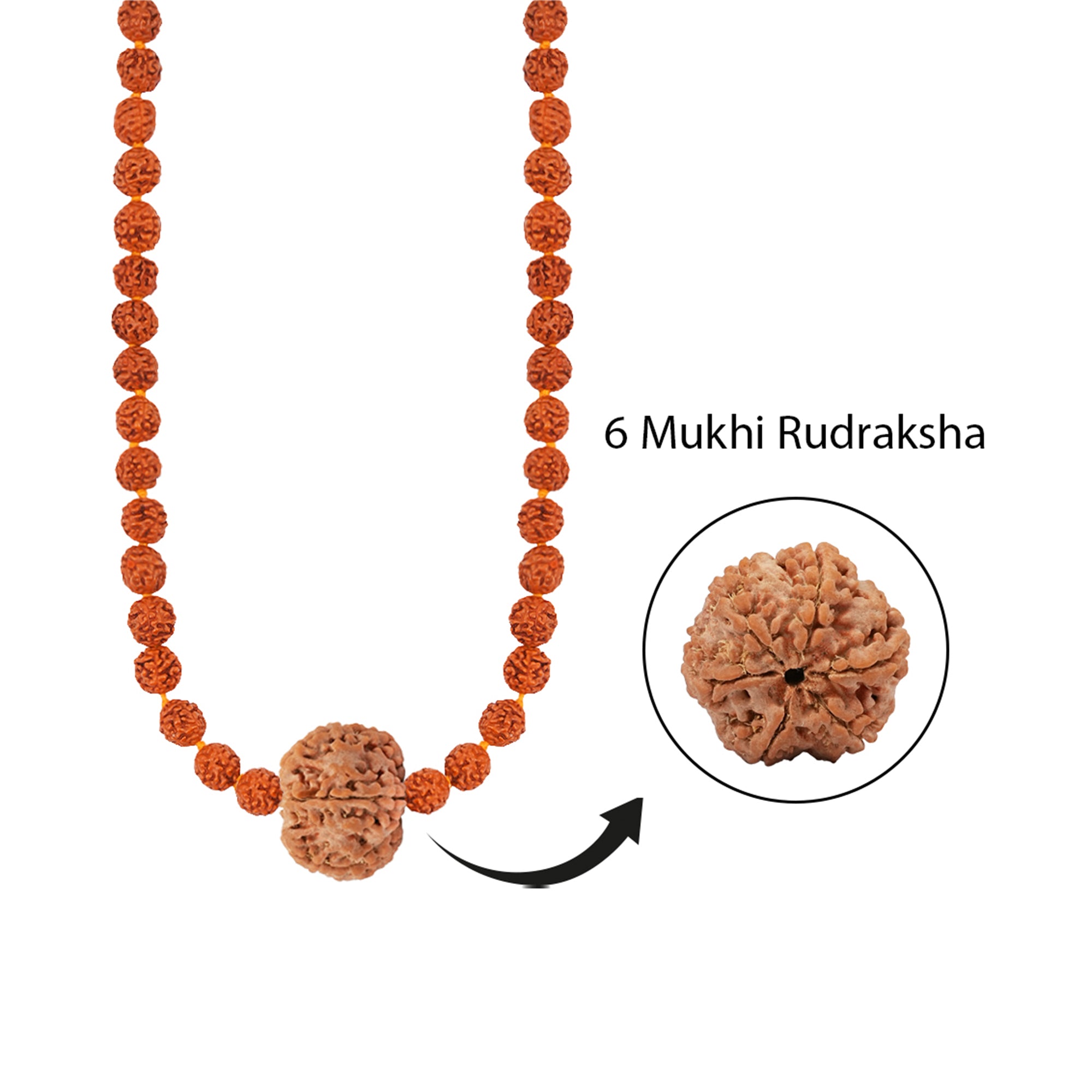
Q2. Which Rashi can wear 6 Mukhi Rudraksha?
6 Mukhi is traditionally associated with Venus, so Vrishabh (Taurus) and Tula (Libra) benefit most. See our full Rashi and Goal guide for every sign's recommended Mukhi.
Q3. Who should not wear Rudraksha?
There's no strict prohibition in Vedic tradition; Rudraksha is considered open to anyone. If you have a specific health condition or are unsure, it's reasonable to check with a doctor or trusted astrologer before starting.
Q4. Which Rudraksha is considered the luckiest?
There's no single “luckiest” bead in Vedic tradition; it depends on your goal. 7 Mukhi is the most sought-after for wealth, while 5 Mukhi is the universal choice for everyday well-being.
Q5. What are the rules to follow after wearing Rudraksha?
Keep it clean, remove it before sleeping and before hot-water baths, and avoid harsh chemicals or perfume contact. Wear it consistently, traditional practice holds that results deepen over 40+ days.
Q6. How do I purify Rudraksha or crystal jewellery before wearing?
Rinse with clean water or Gangajal, then pat dry with a clean cloth. Hold it in your right palm and chant “Om Namah Shivaya” 108 times before wearing it for the first time.
Q7. What are the side effects of wearing Rudraksha?
There are no known side effects in Vedic tradition. It's a natural seed, not a medical product, keep it clean and dry, and remove it before sleeping or bathing as a general care practice.
Q8. How do I choose the right Rudraksha by date of birth?
Your birth details point to your Rashi and ruling planet, which in turn suggest a Mukhi. Use our free Rudraksha Calculator for a personalised recommendation rather than guessing.
Last updated: July 2026
Written by shivani saini


,%20the%20best%20spiritual%20jewellery%20includes%20a%20Rudraksha%20or%20Sphatik%20Mala%20for%20daily%20japa,%20a%20Karungali%20Mala%20for%20grounding,%20and%20crystal%20or%20Rudraksha%20bra...)