



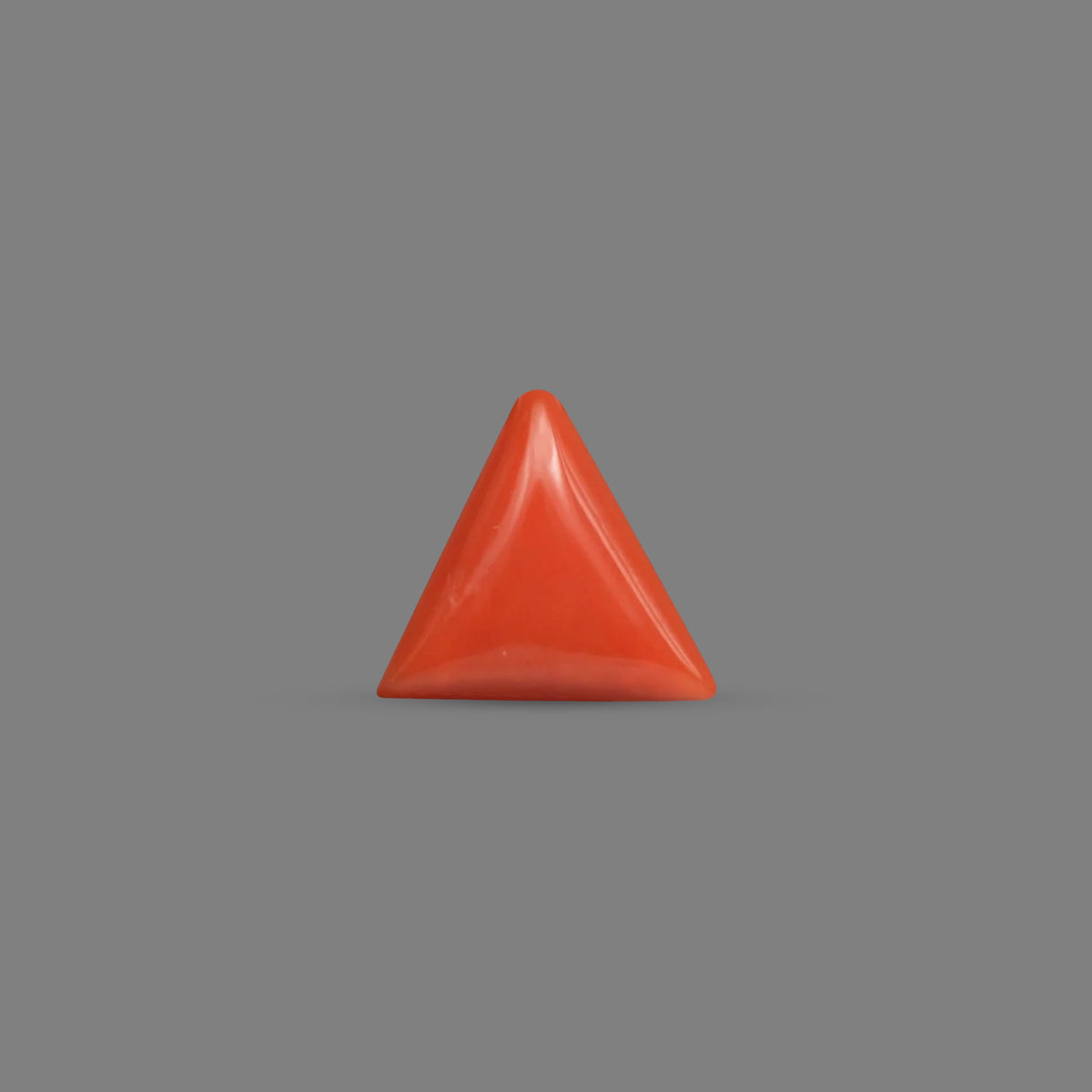
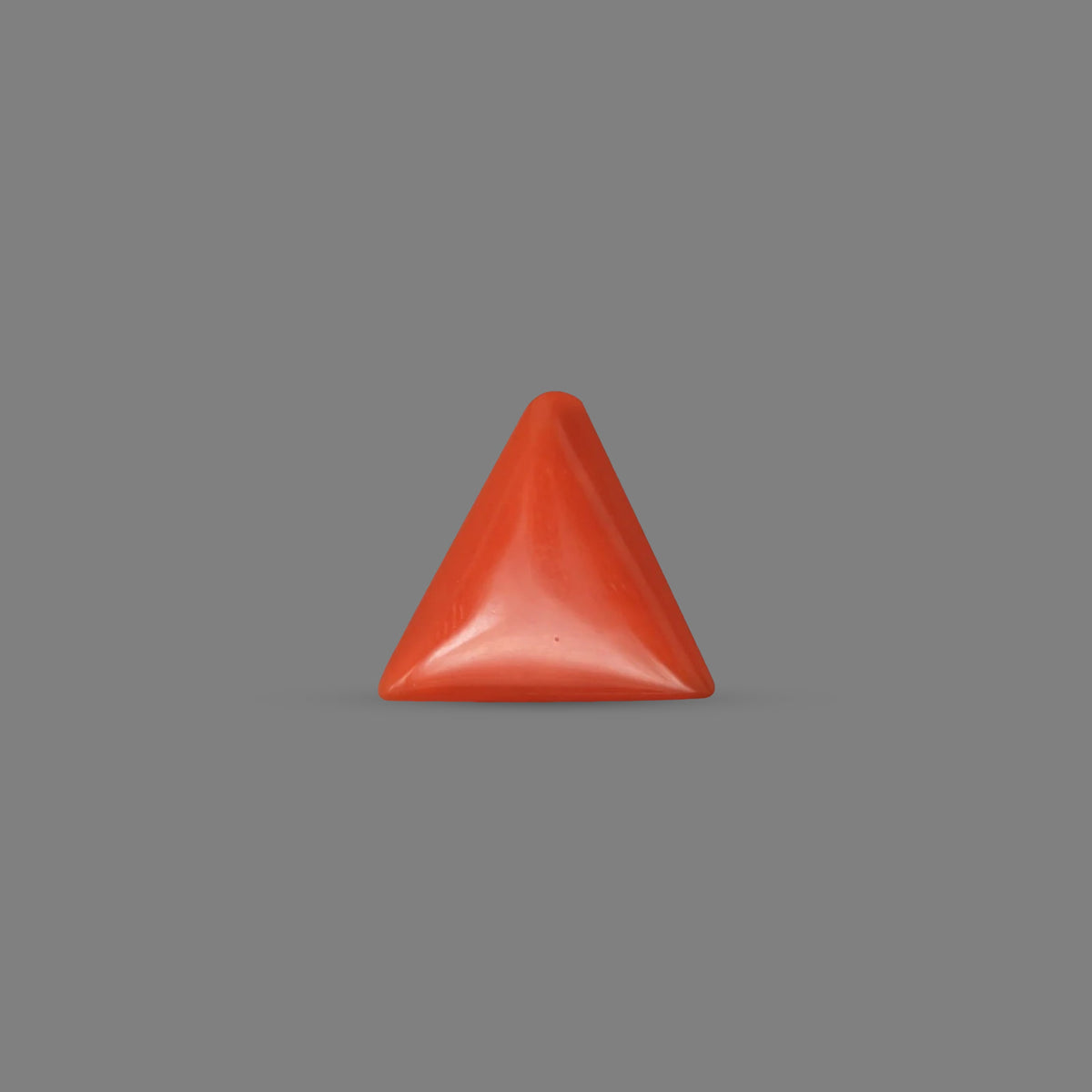


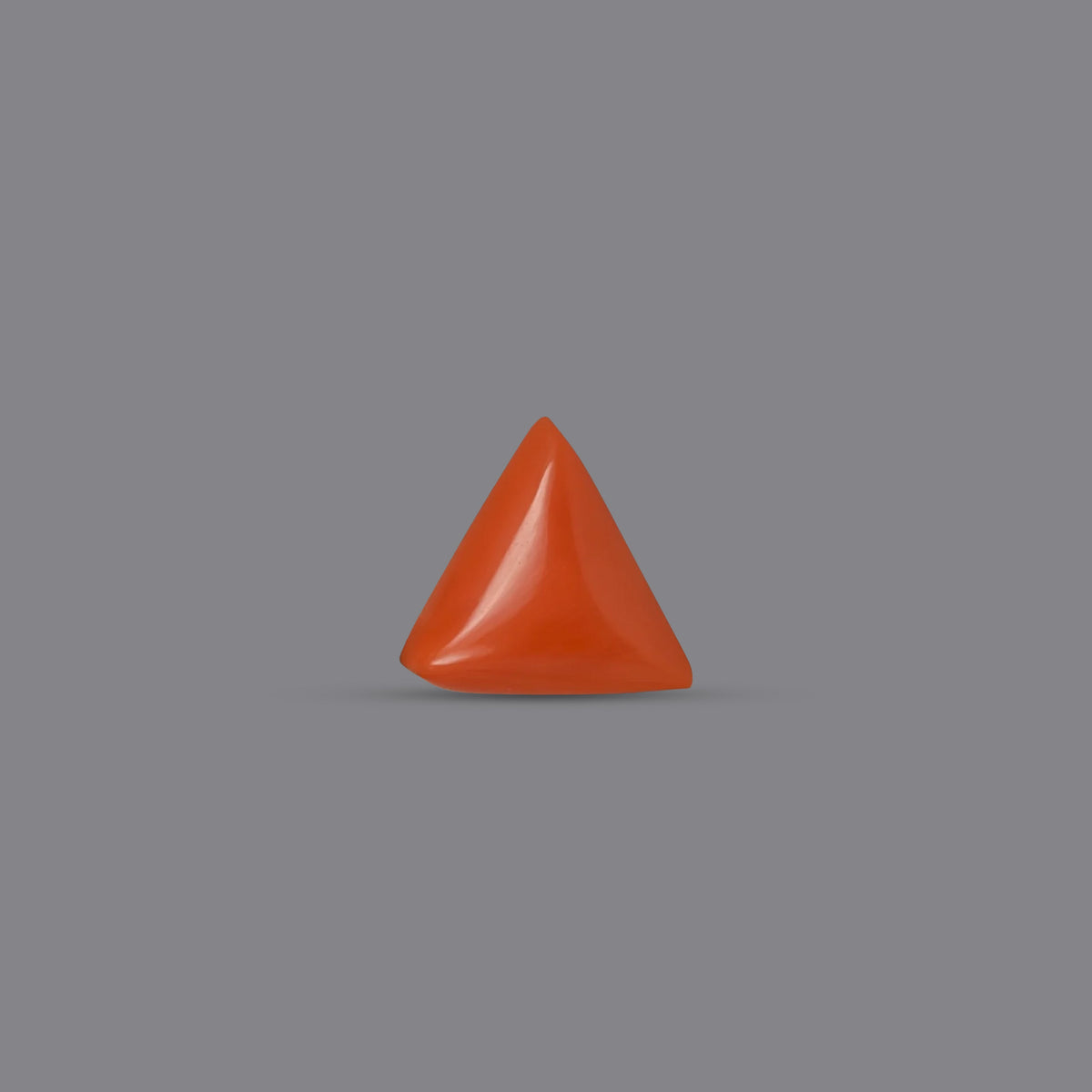
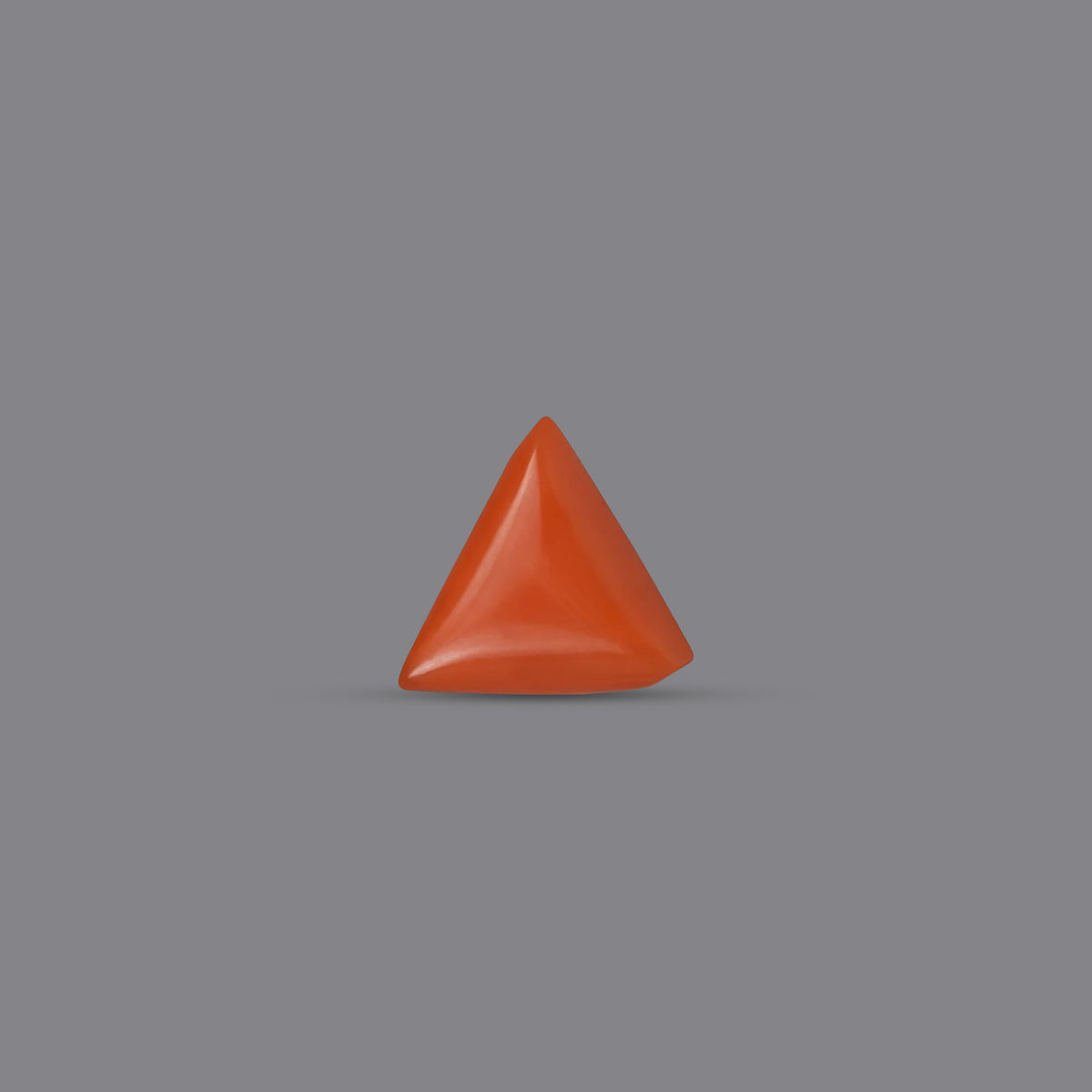
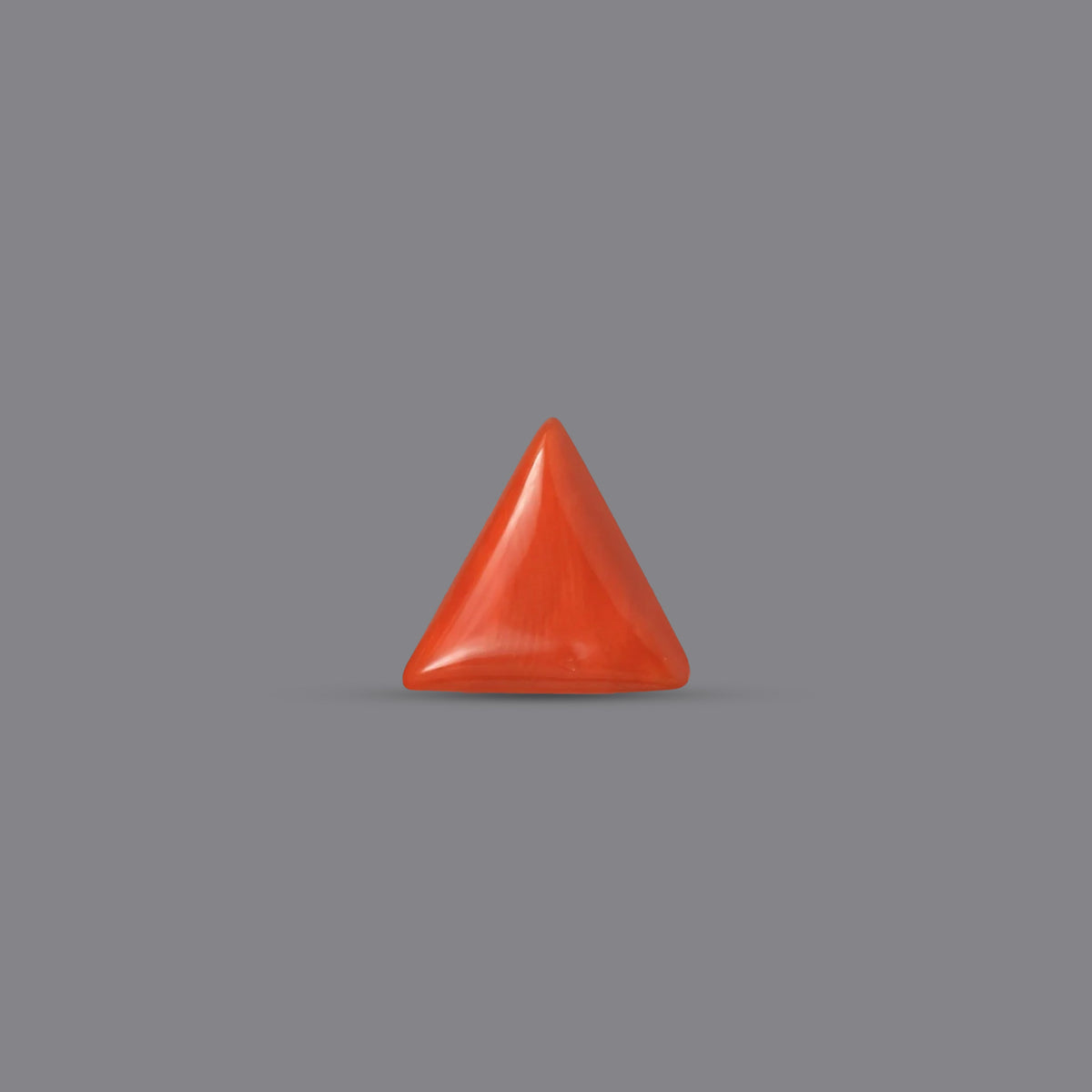
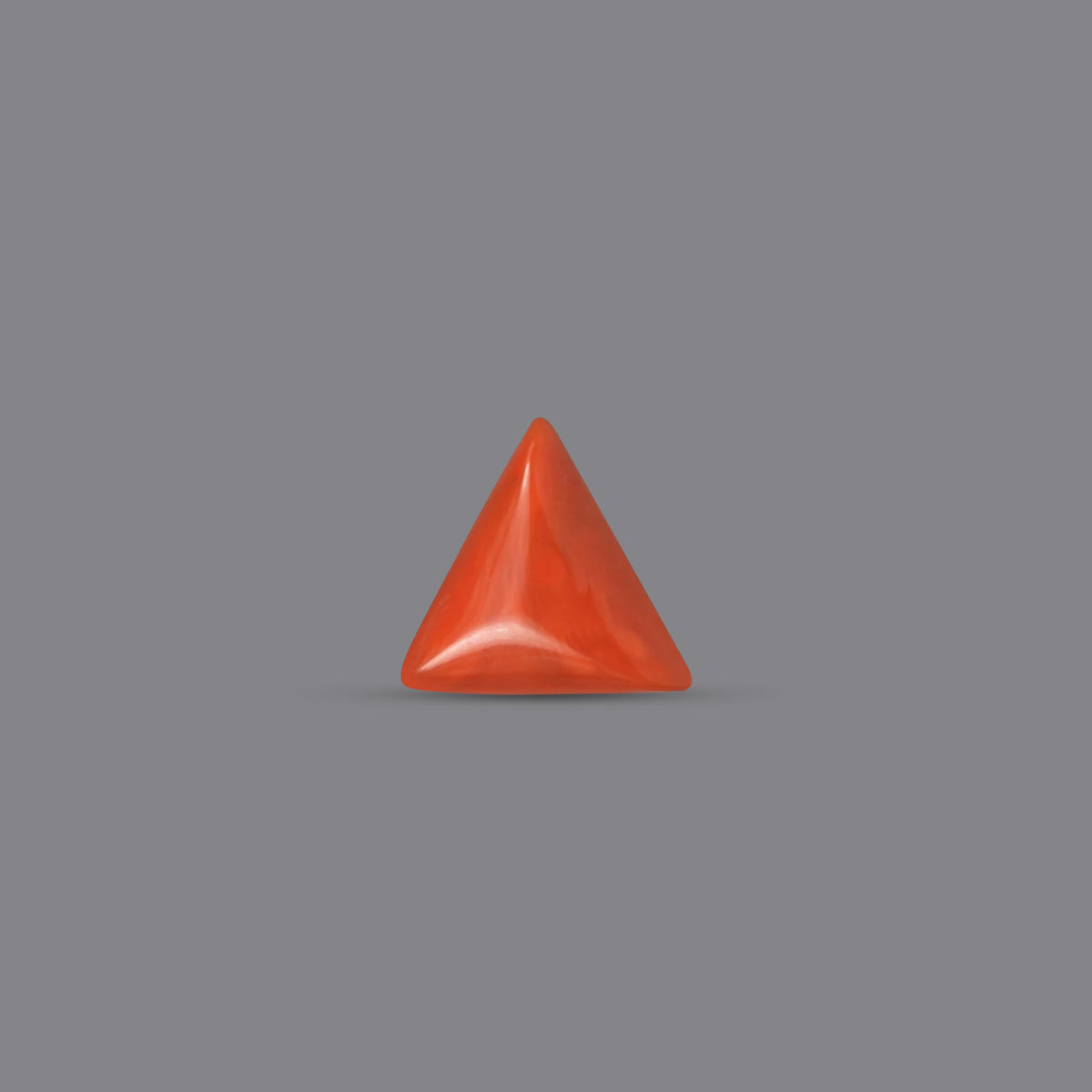


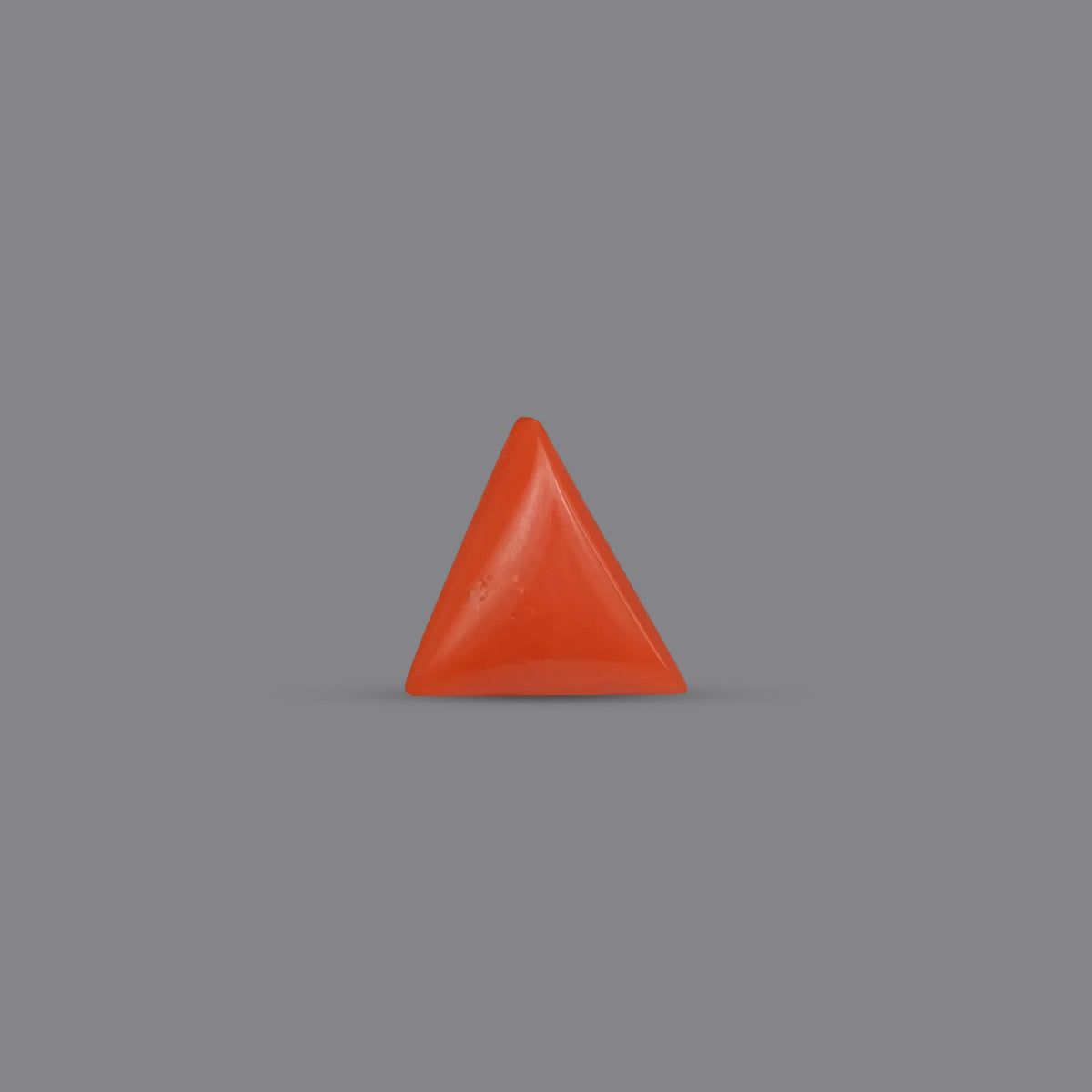
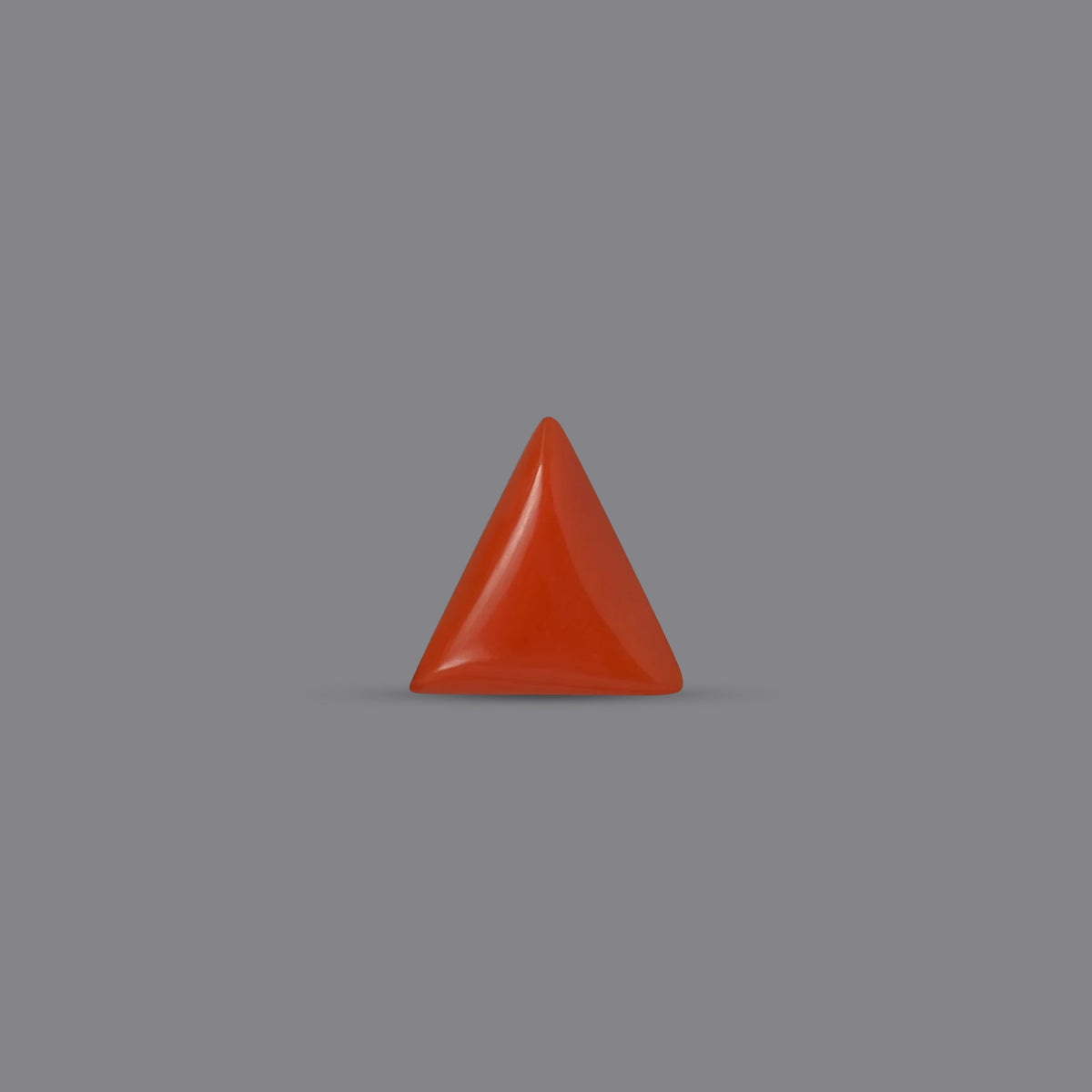
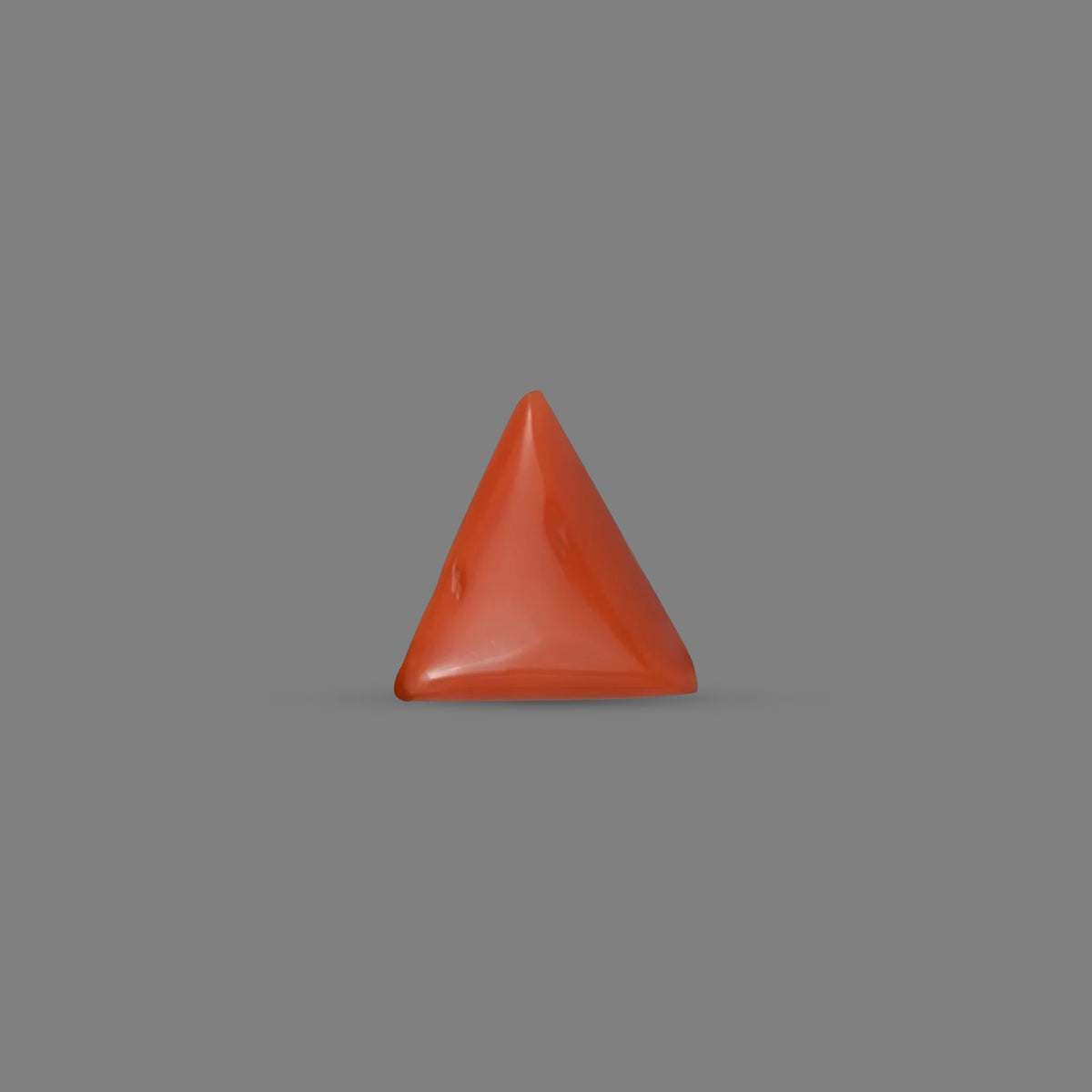
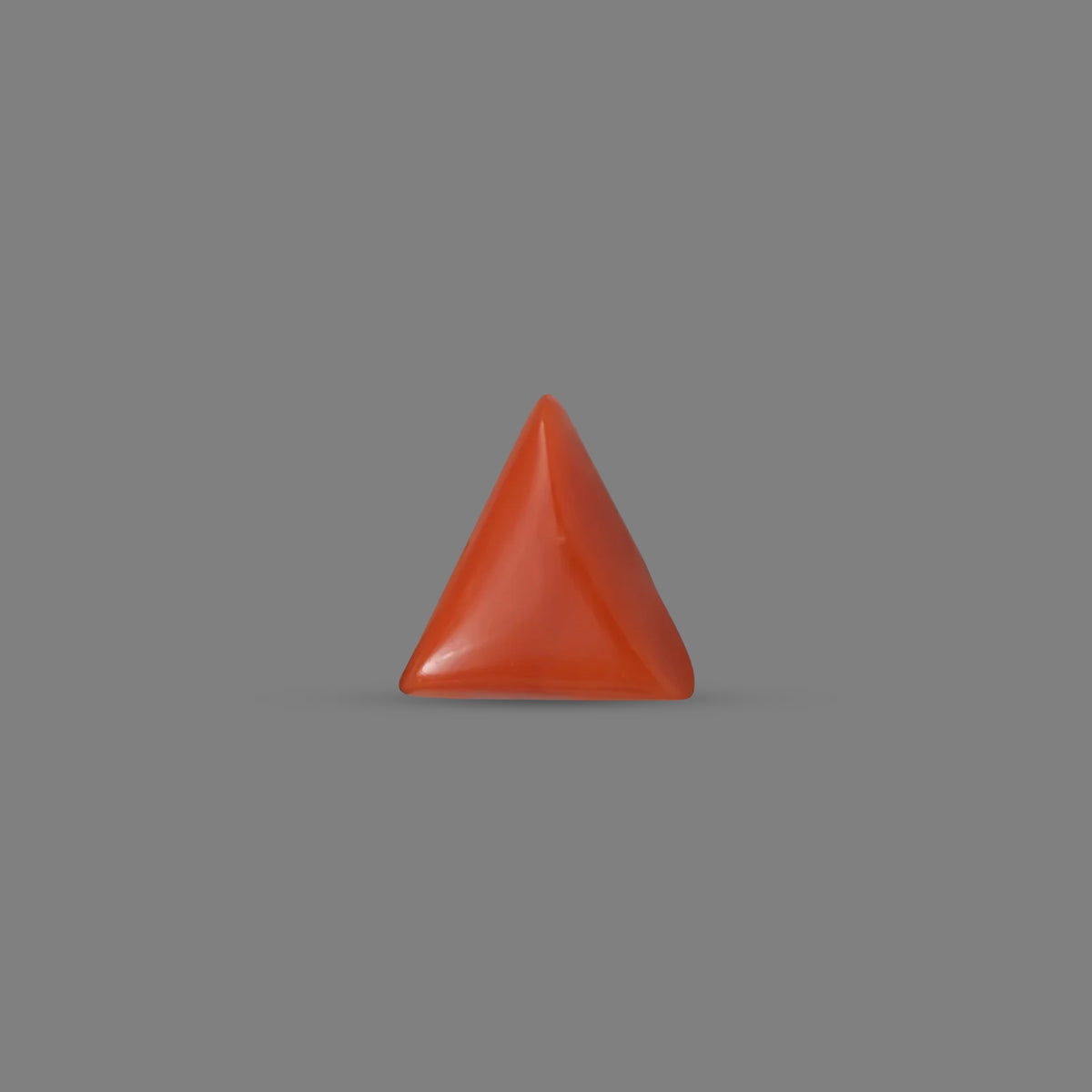
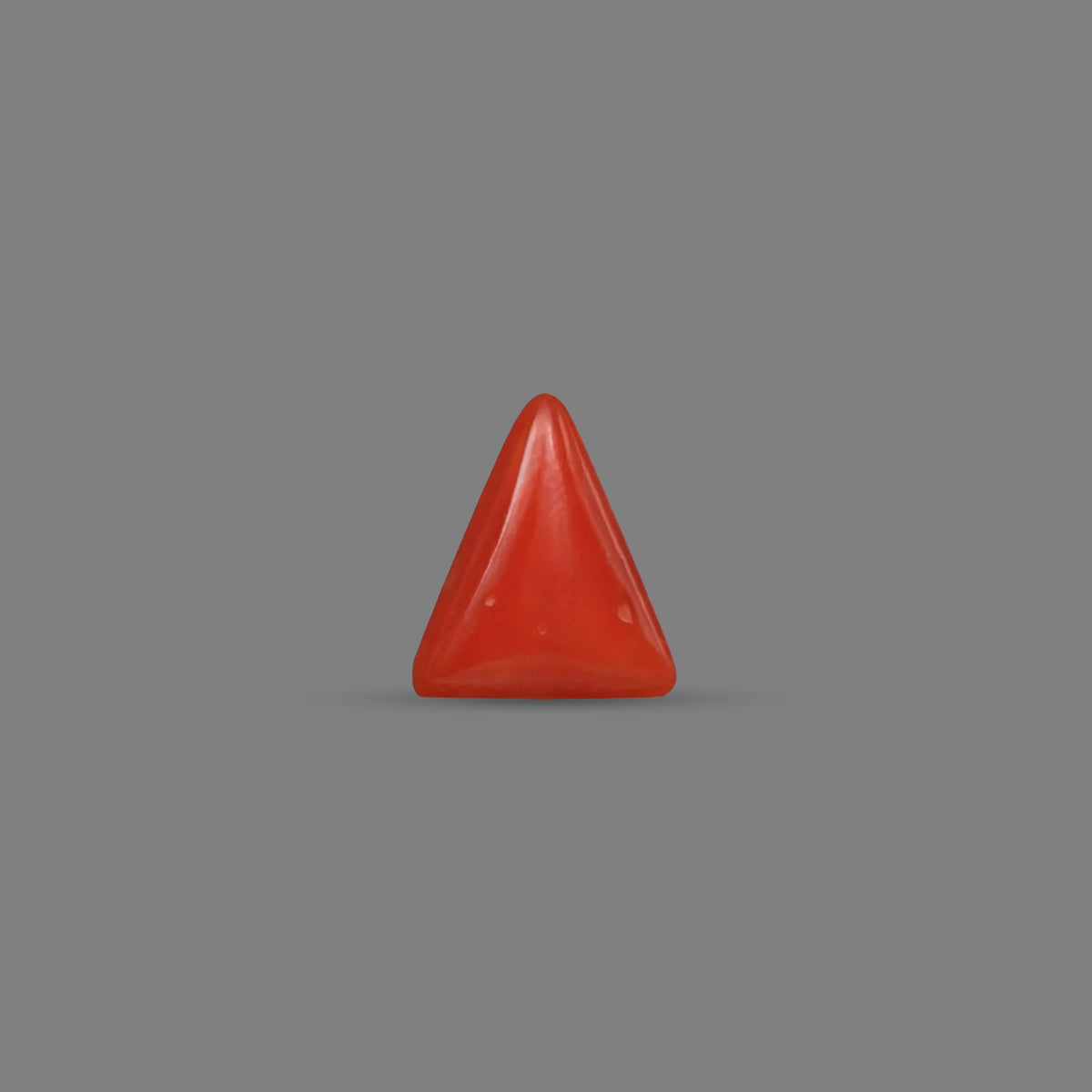

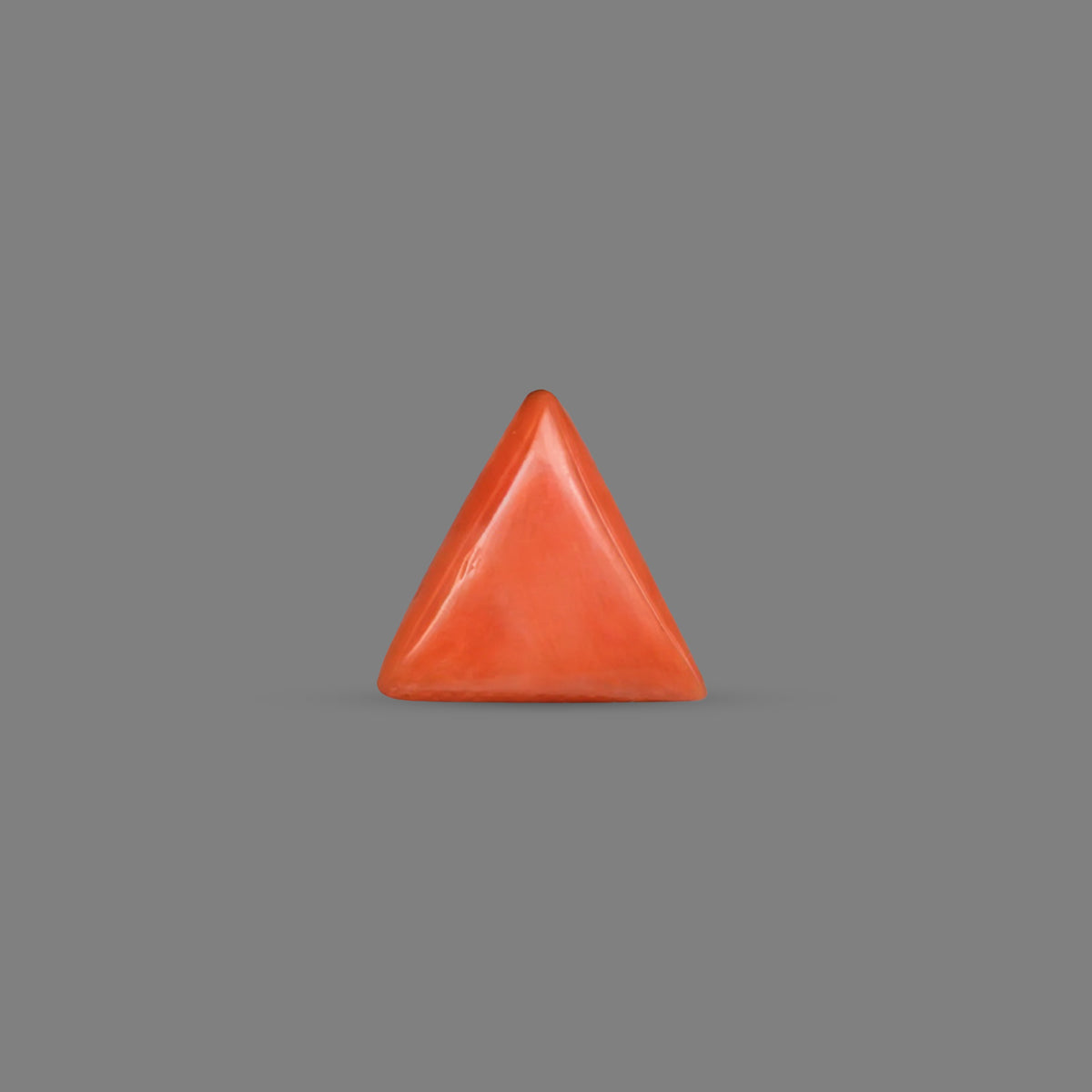


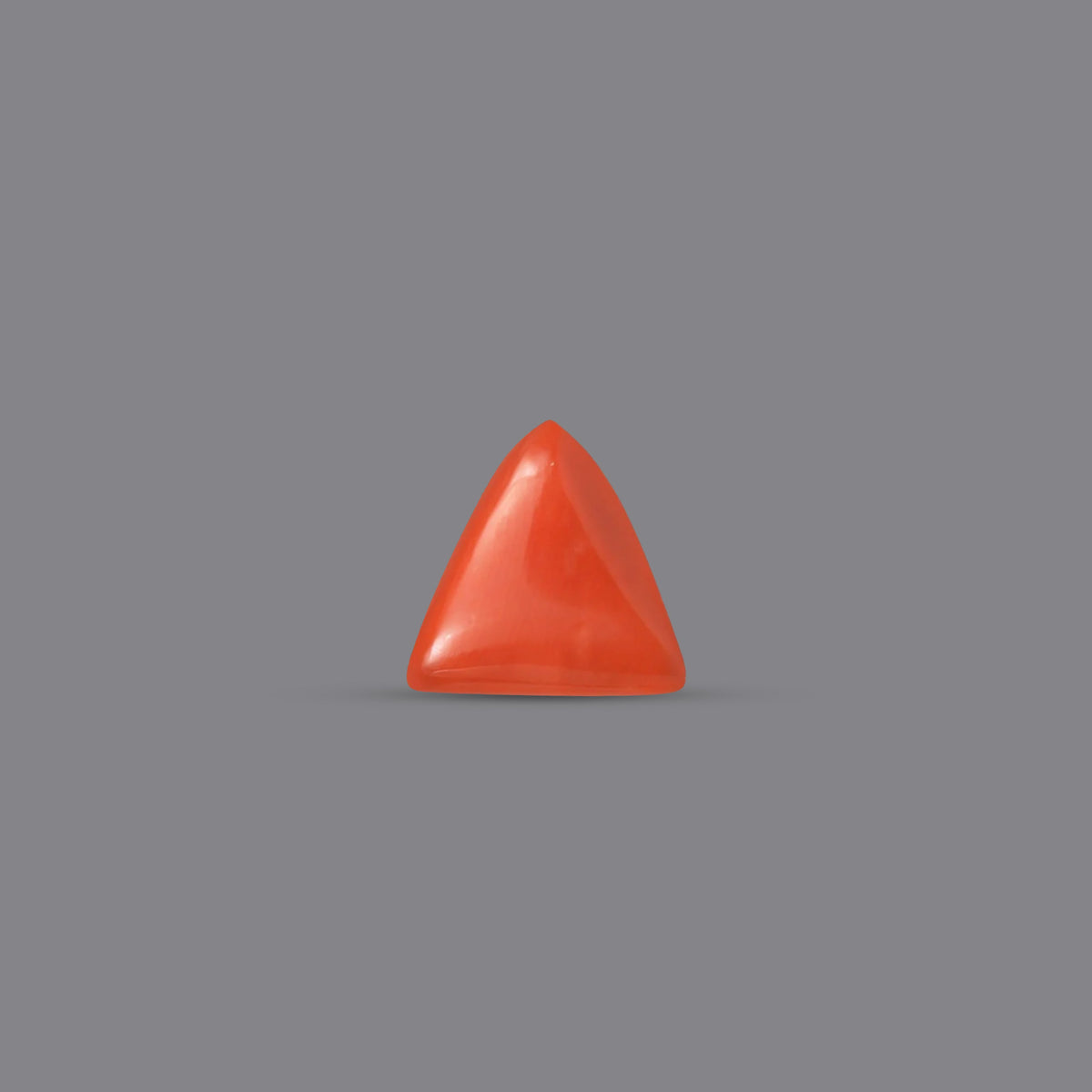
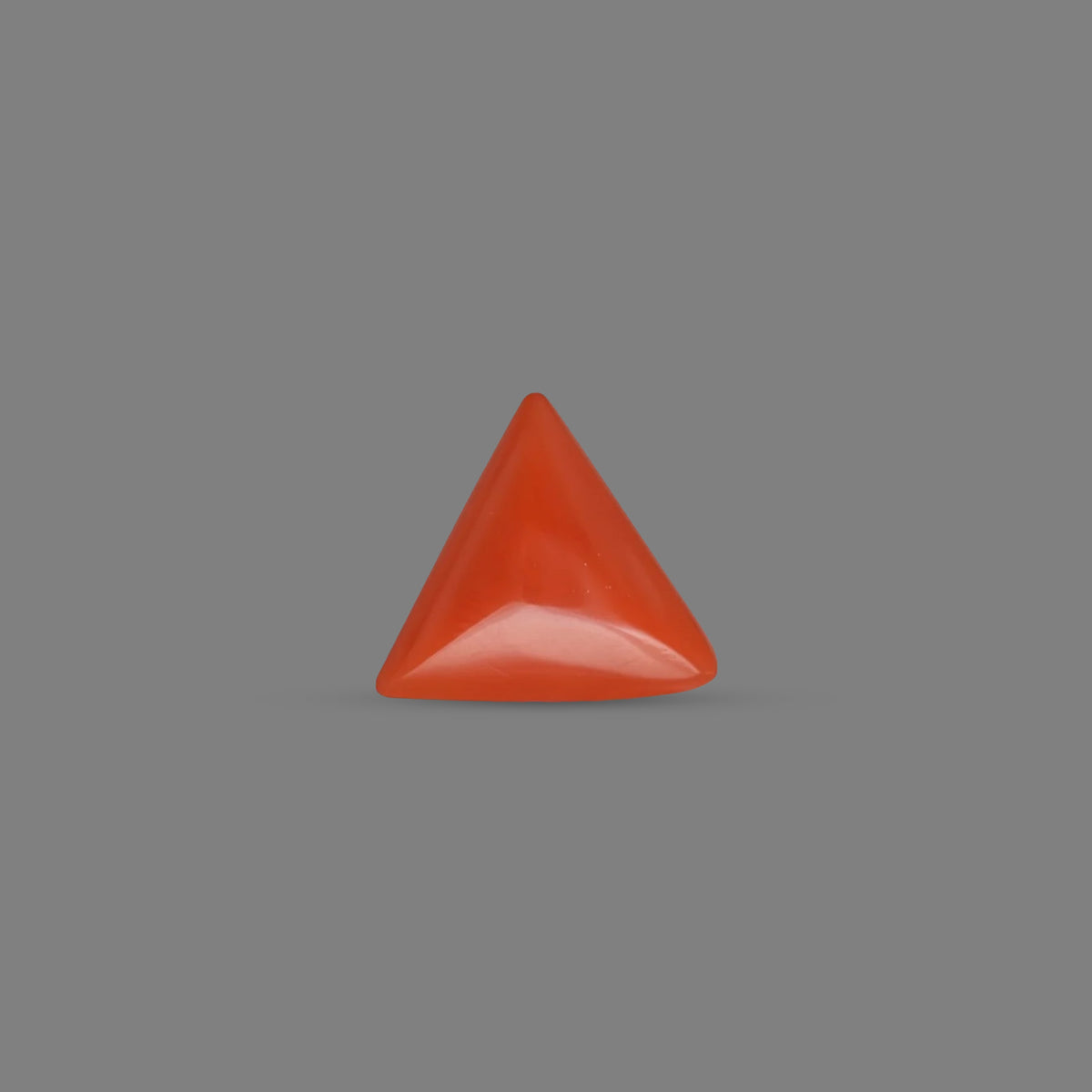
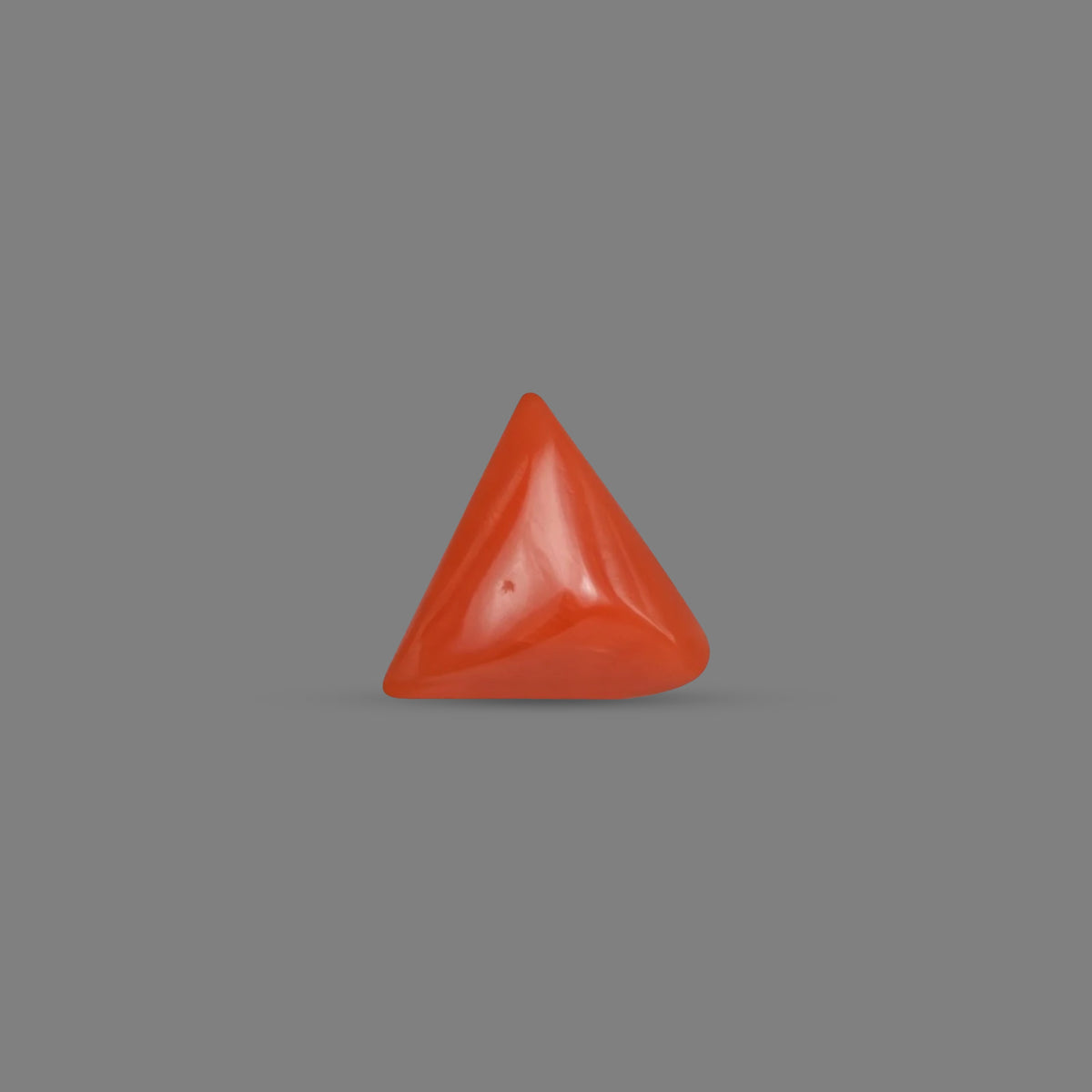
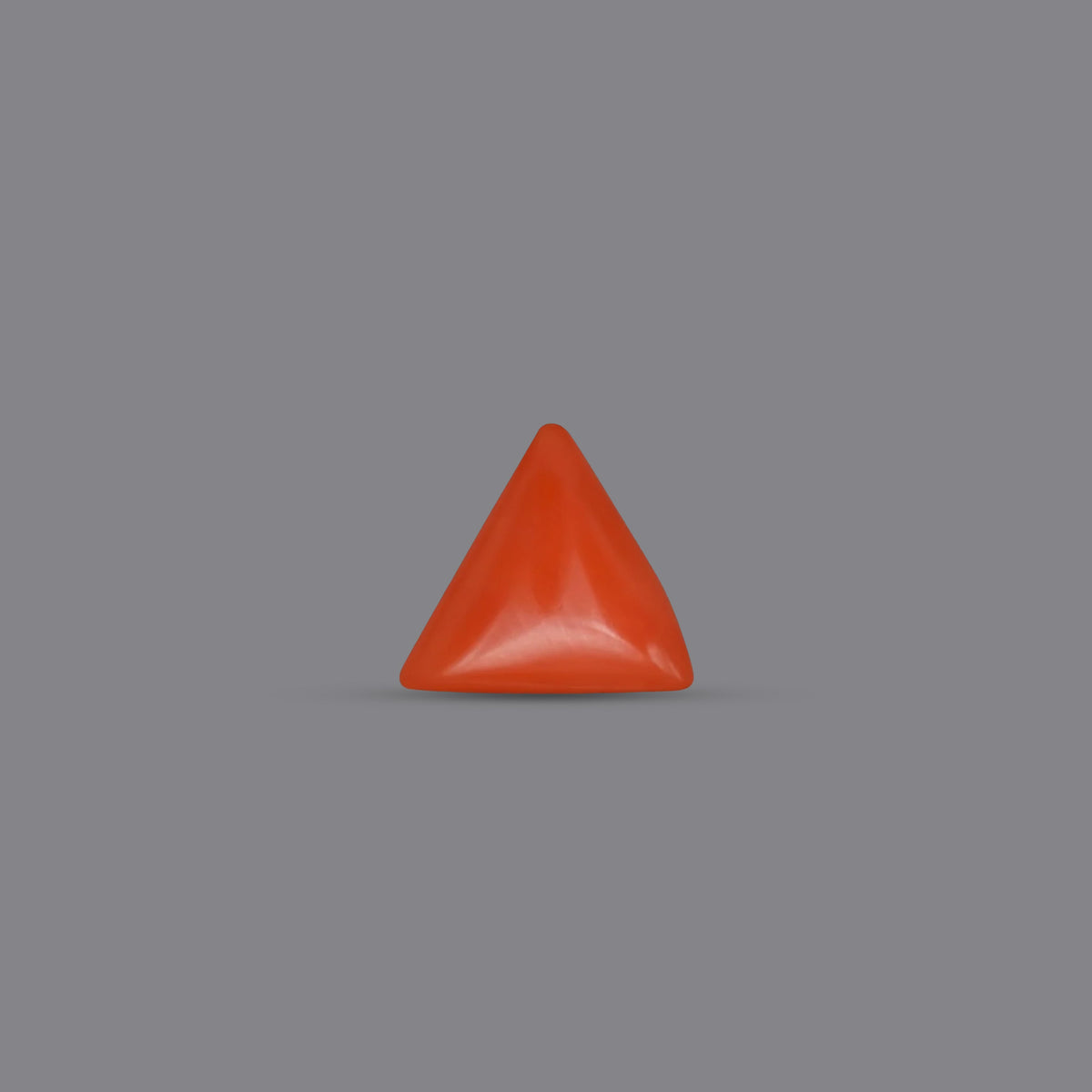
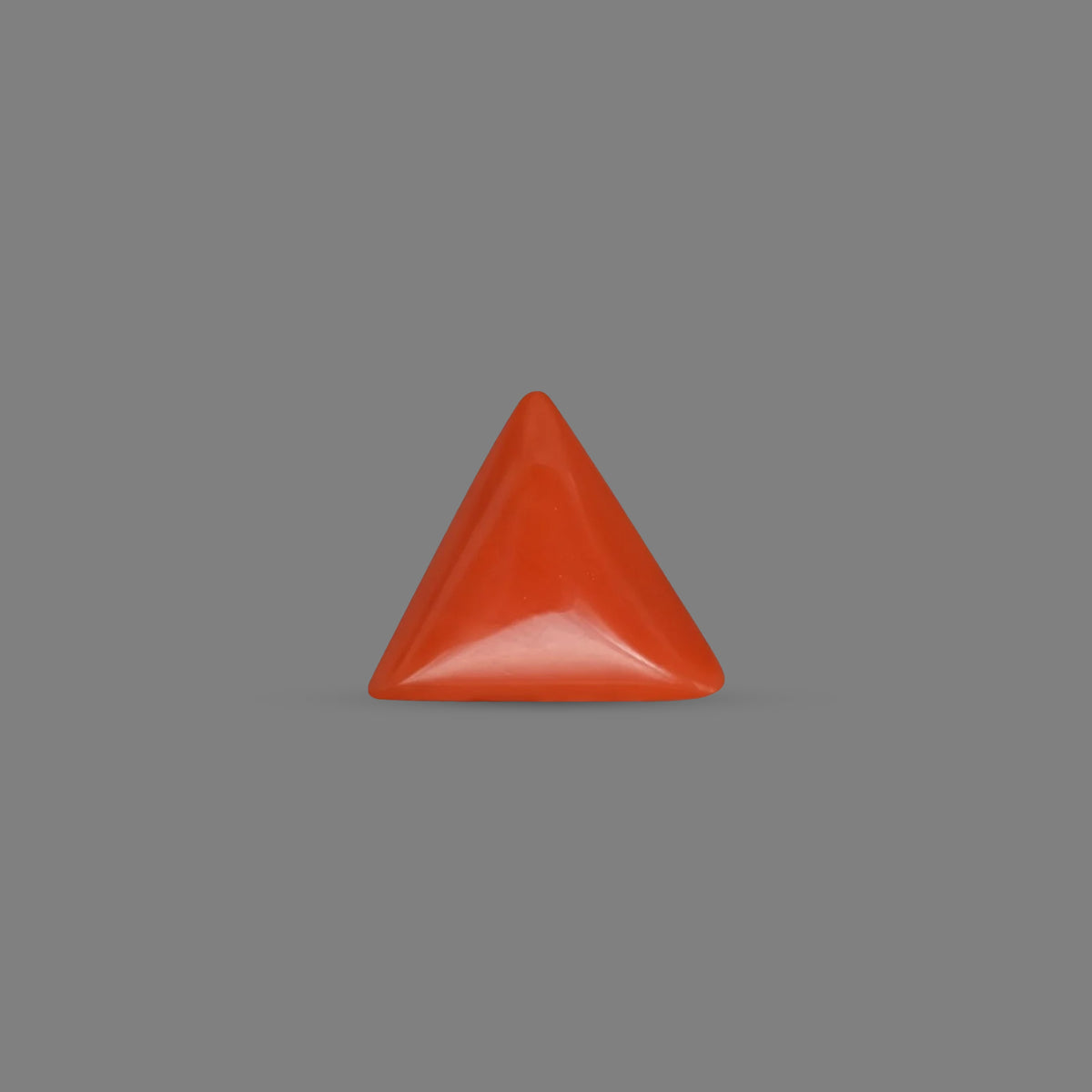


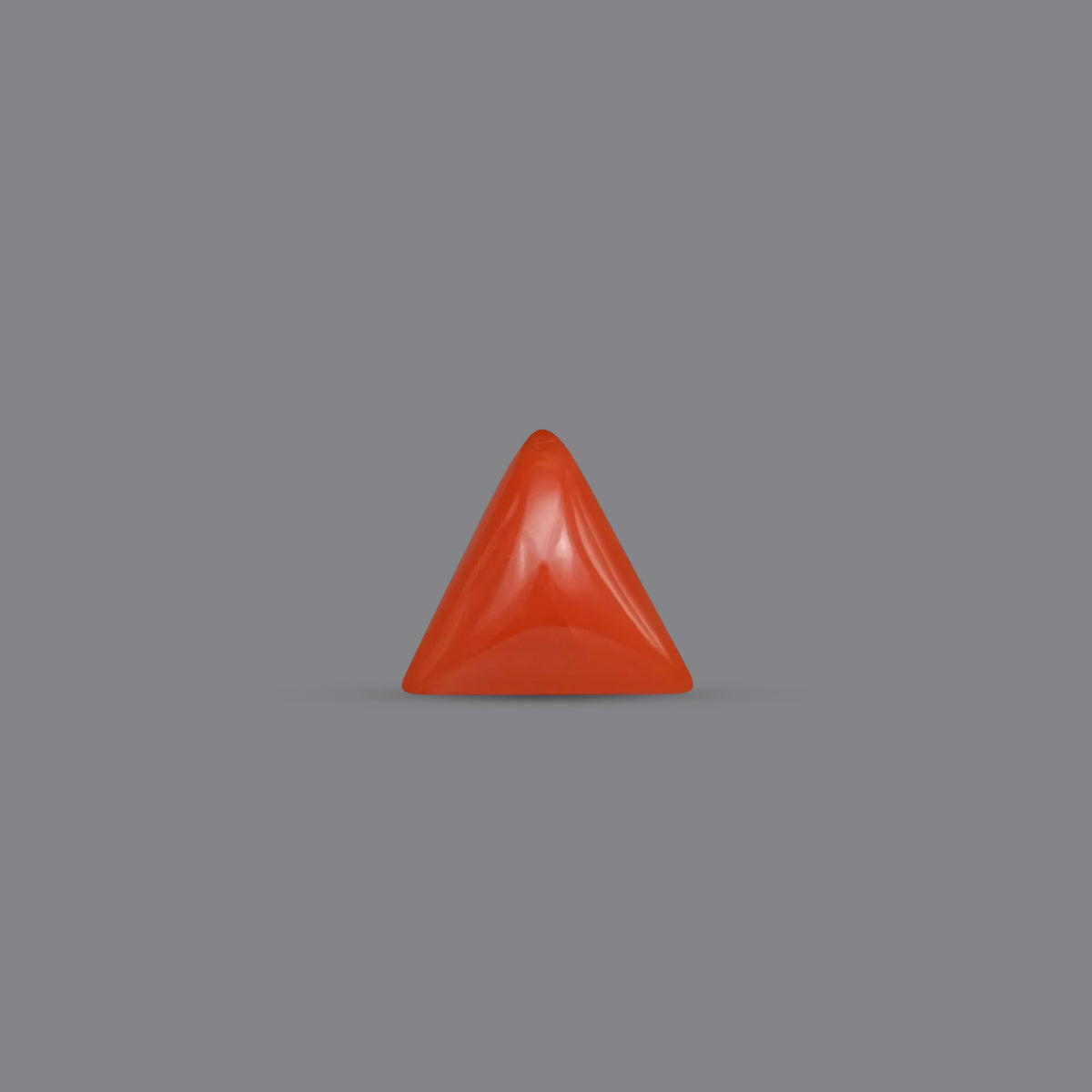


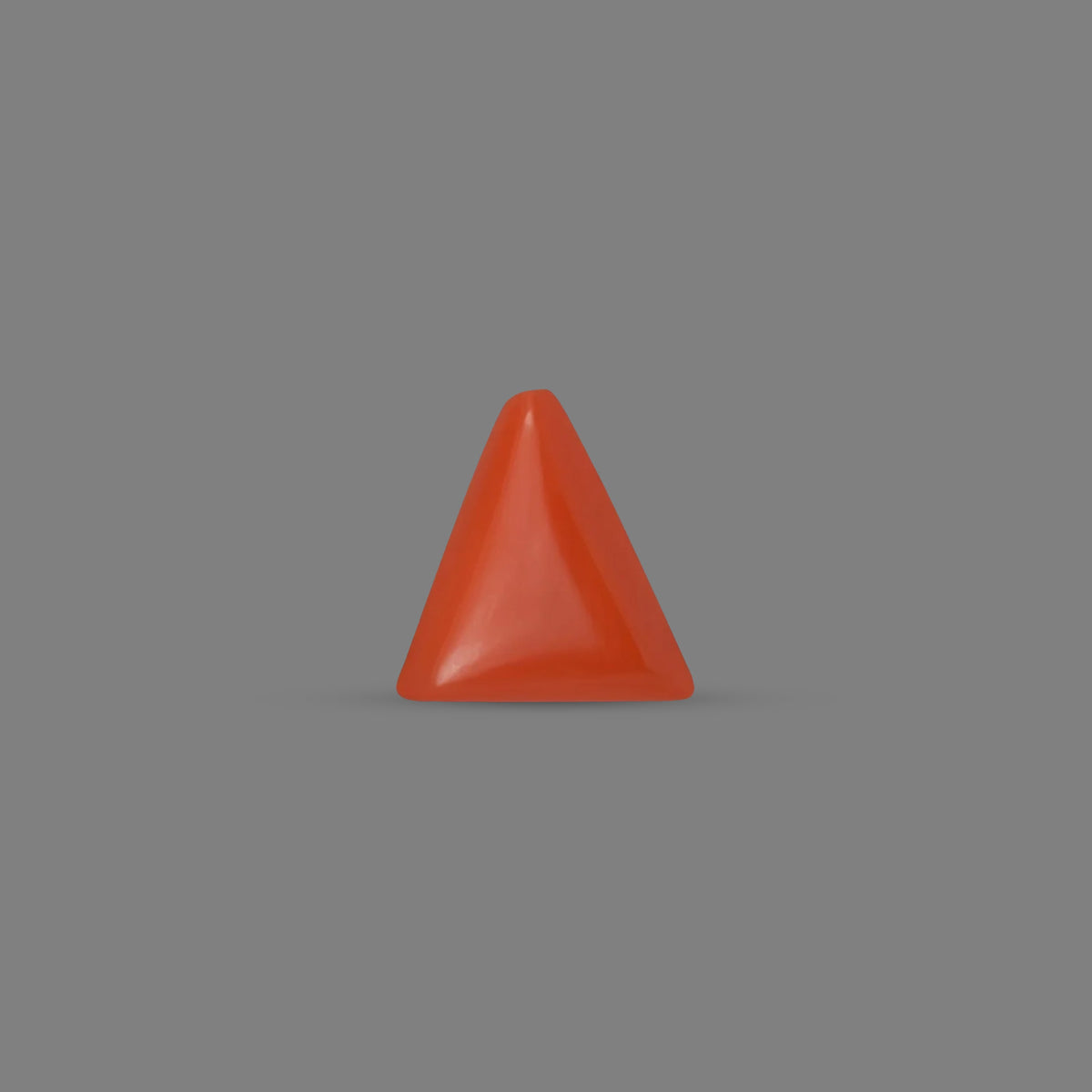
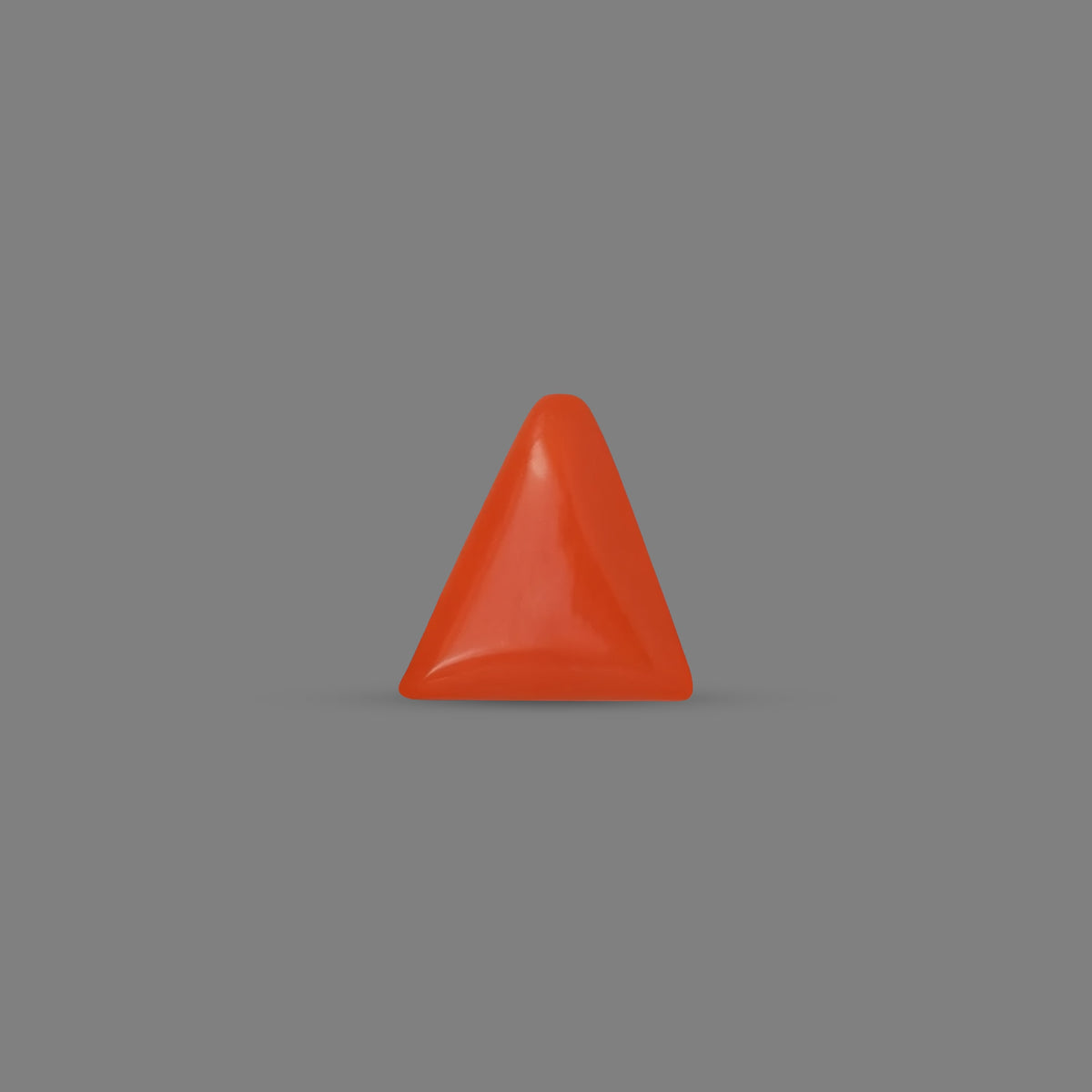
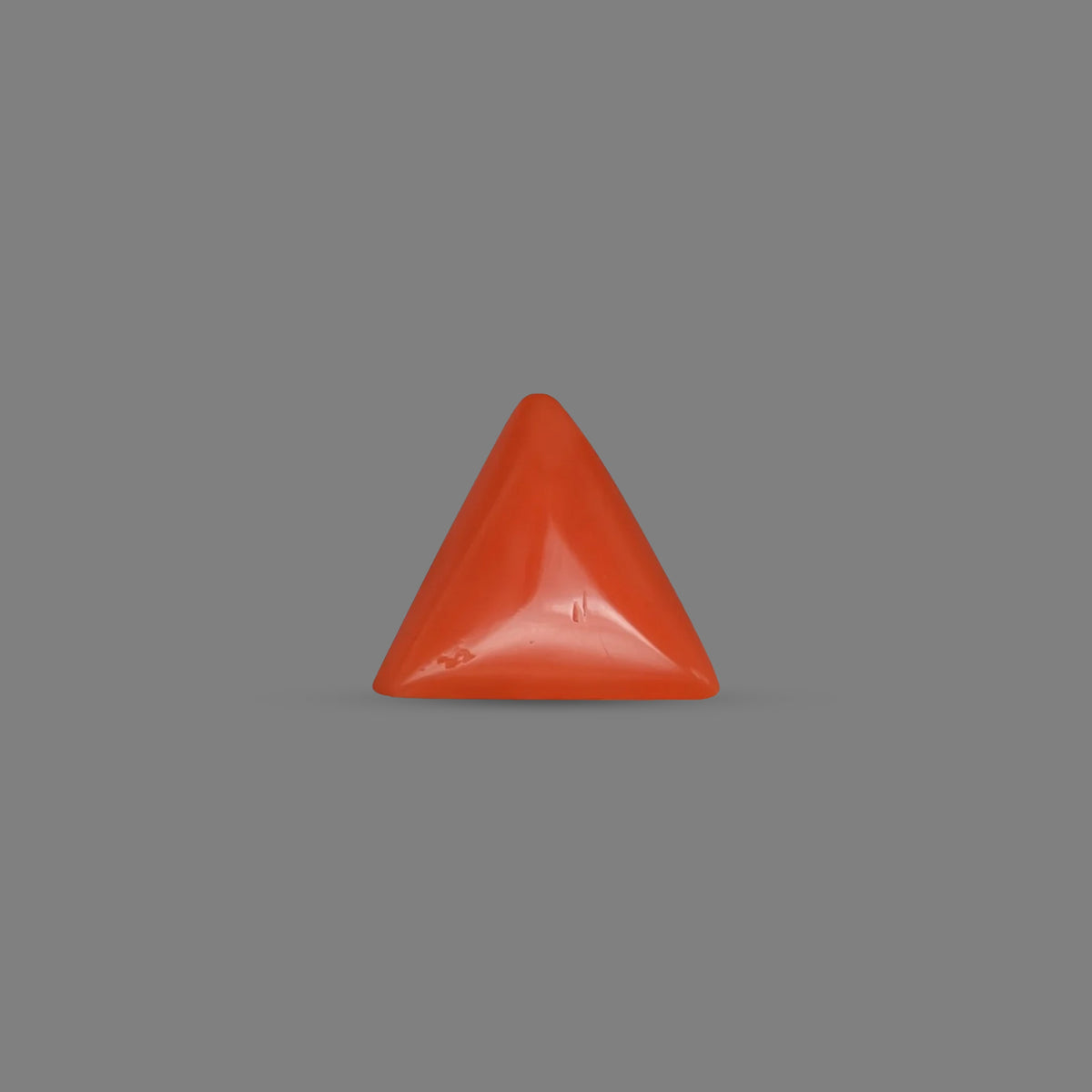
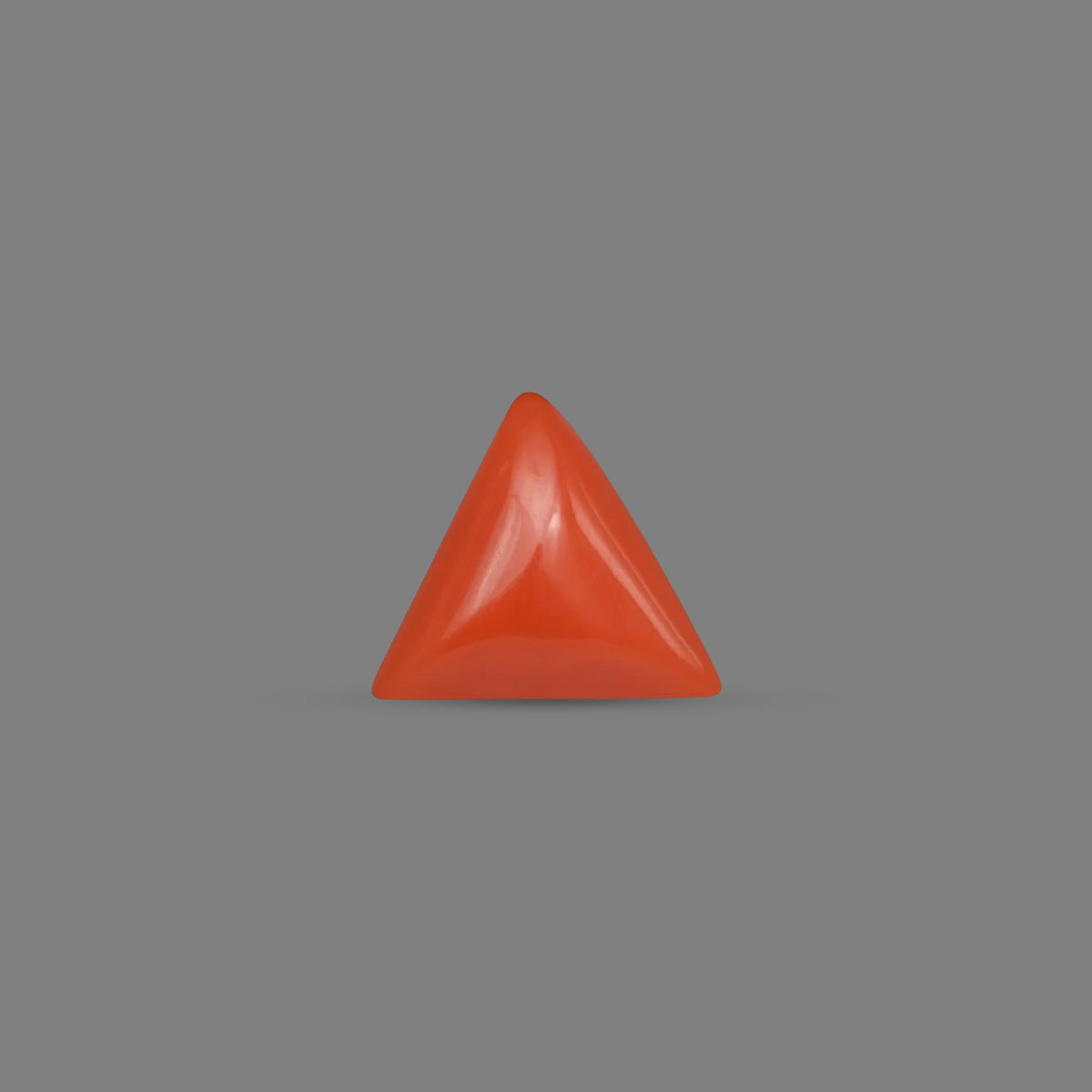


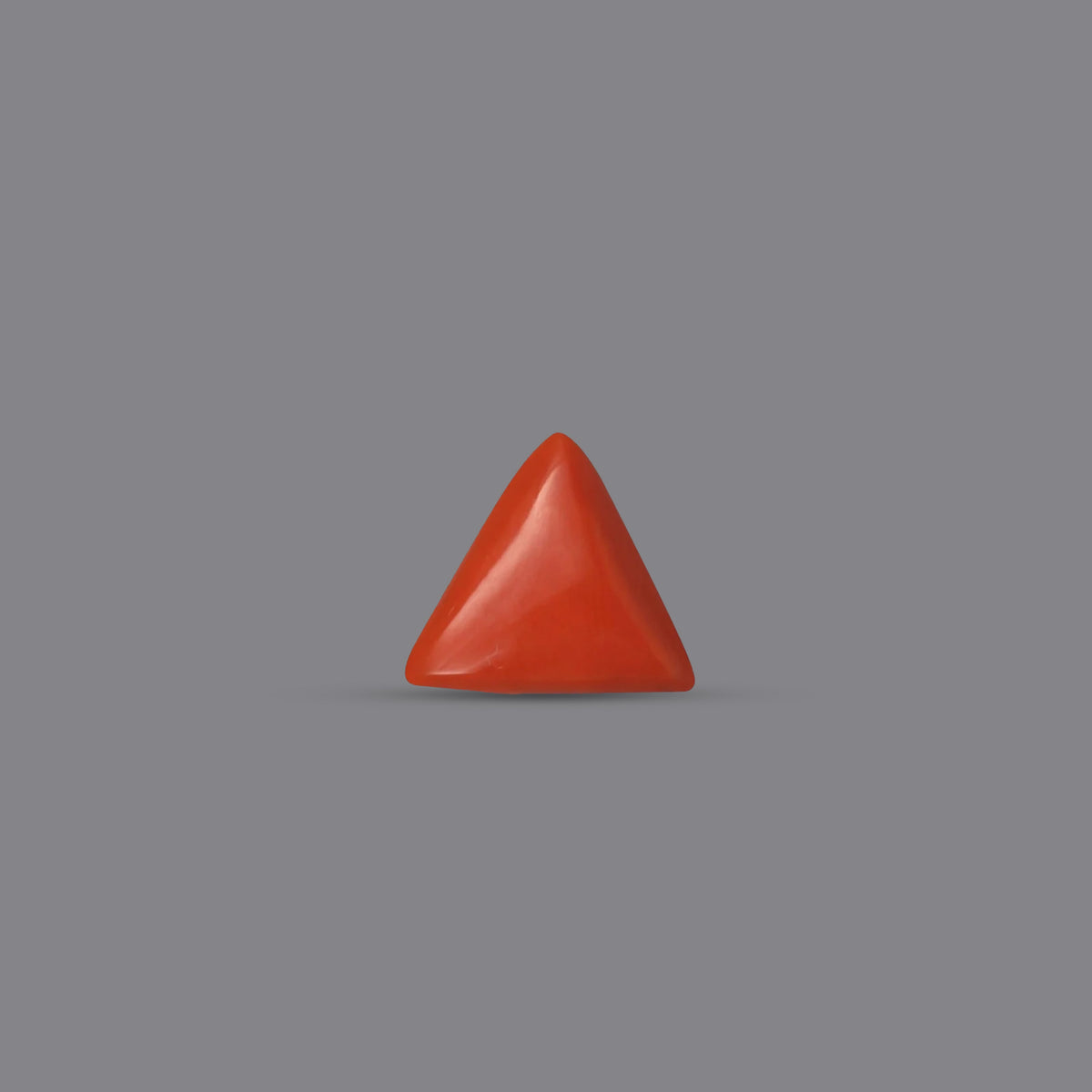
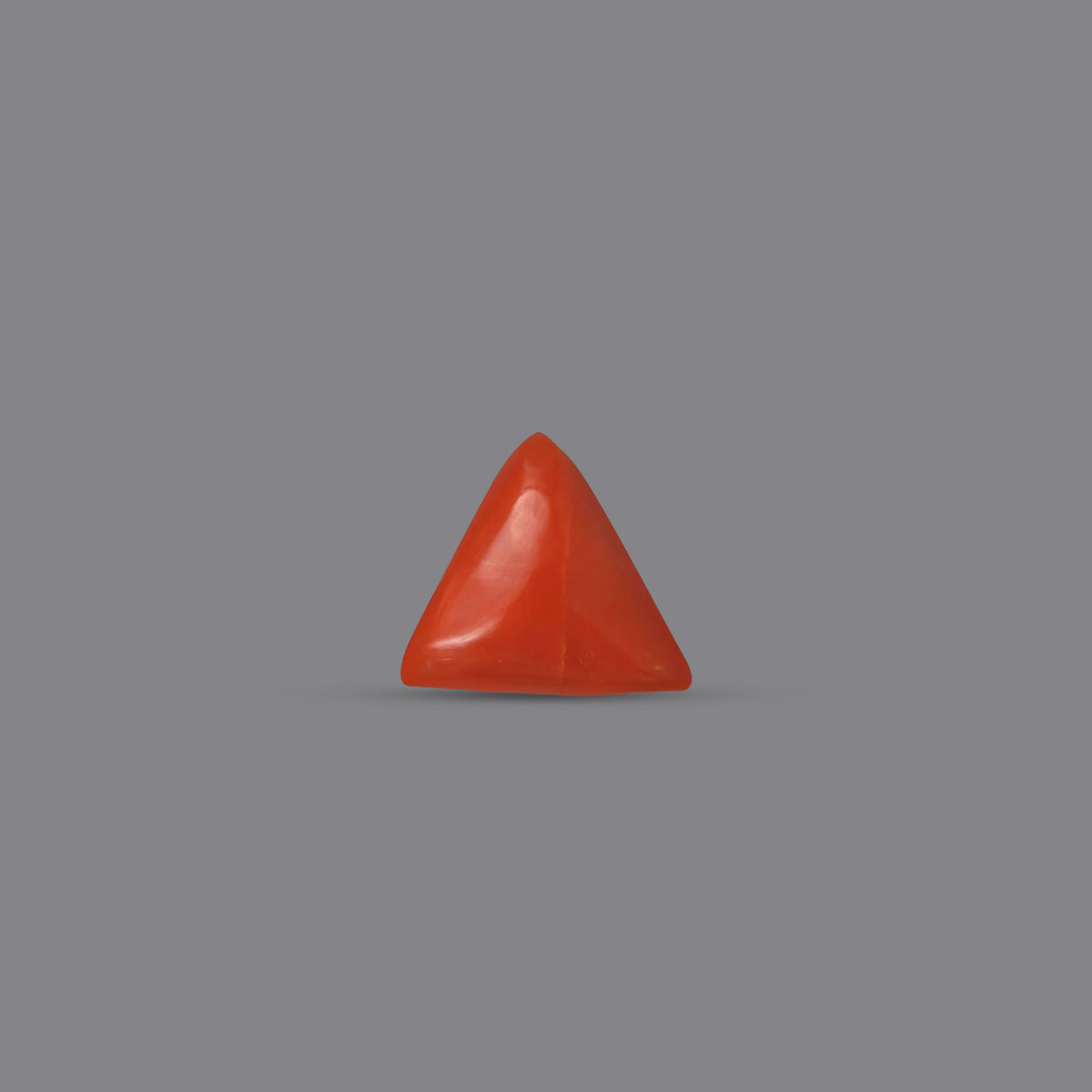


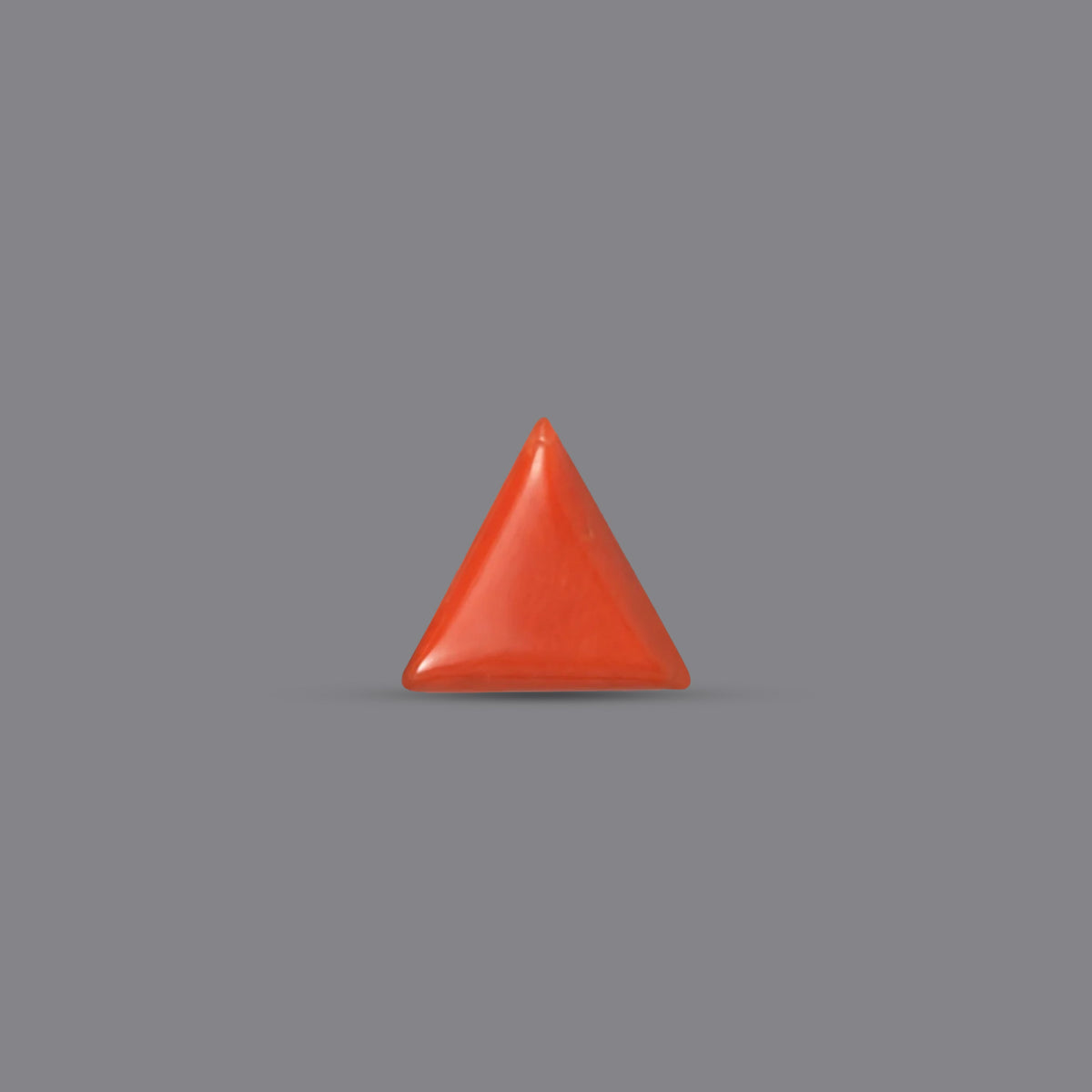
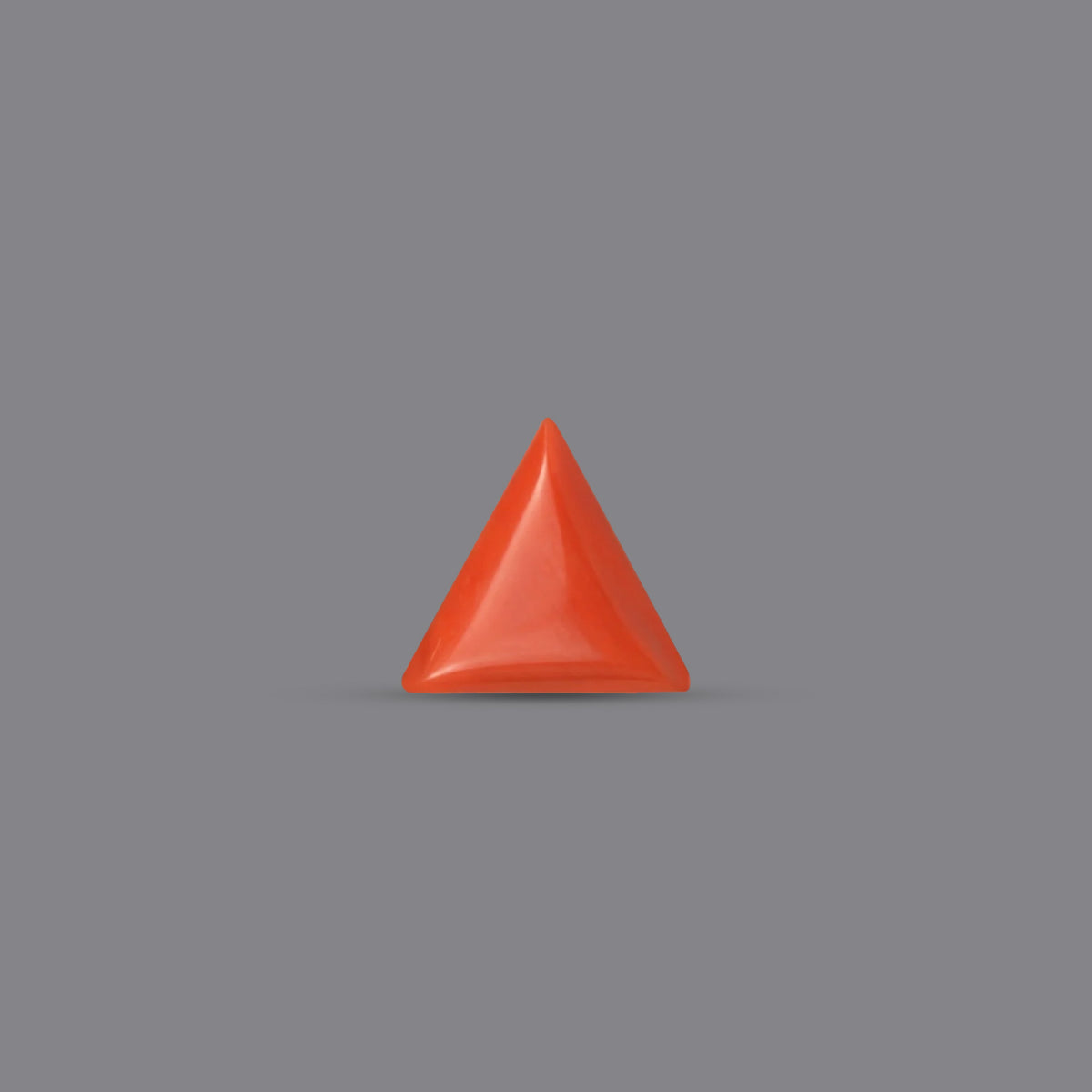


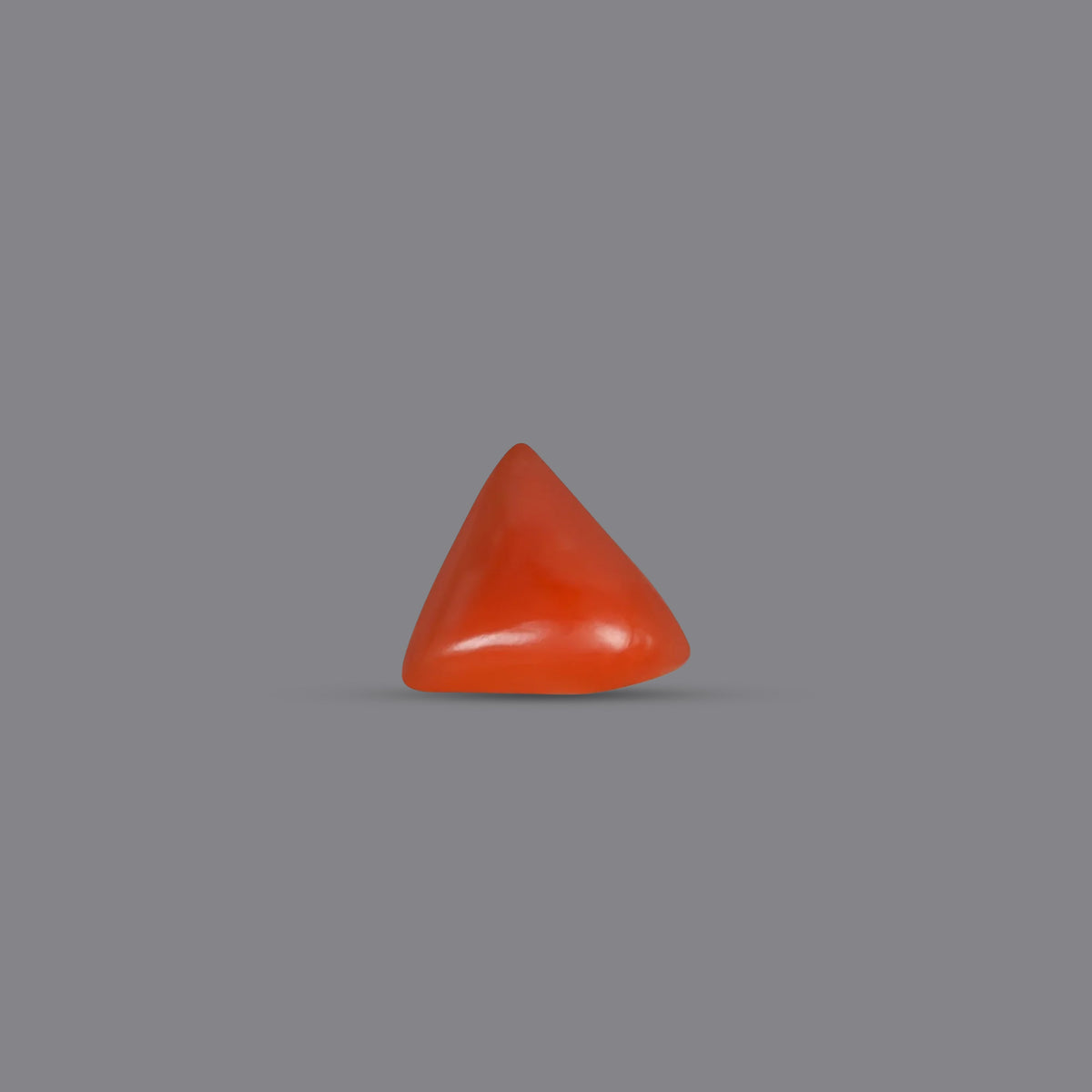
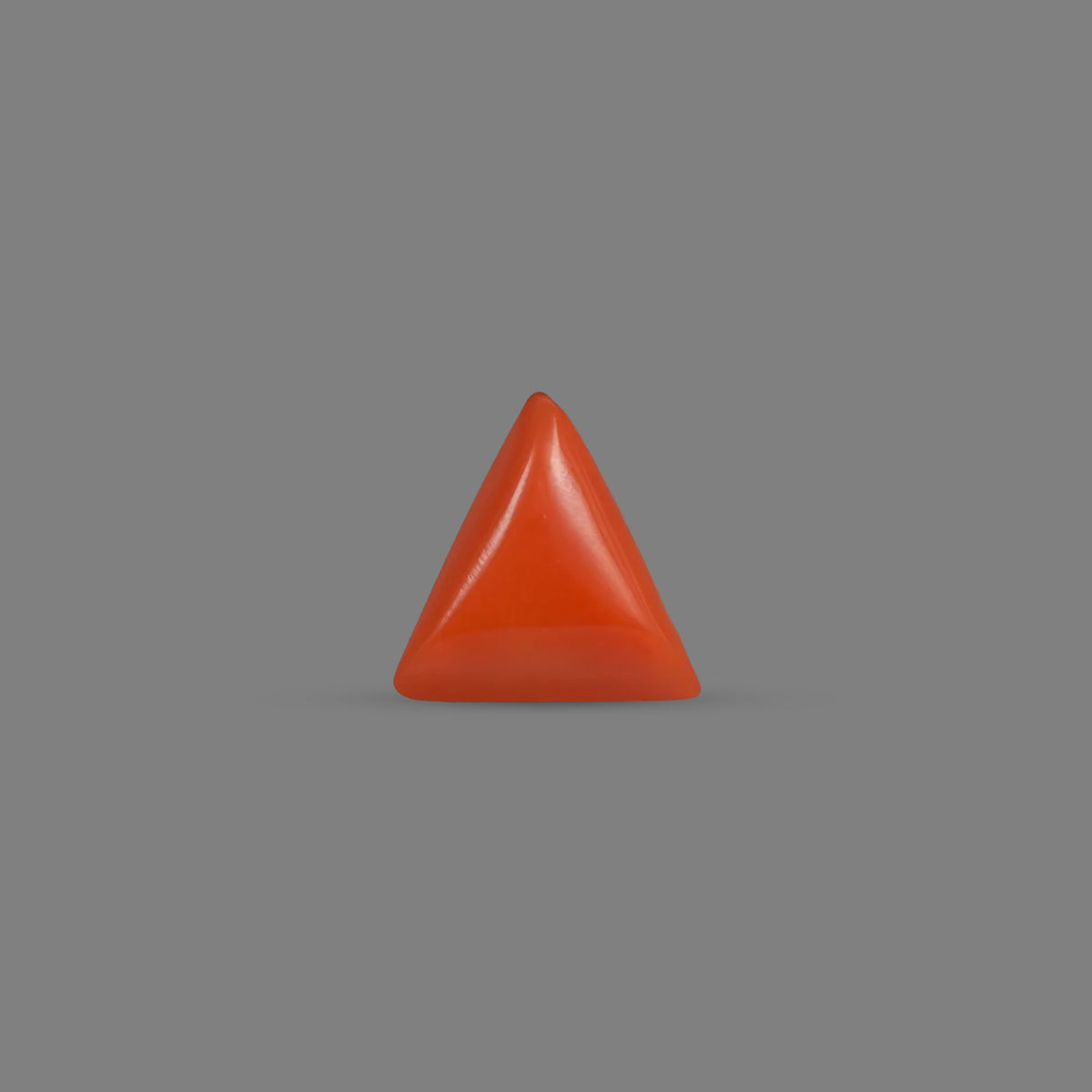






Pavizham and Havala: one Dravidian root
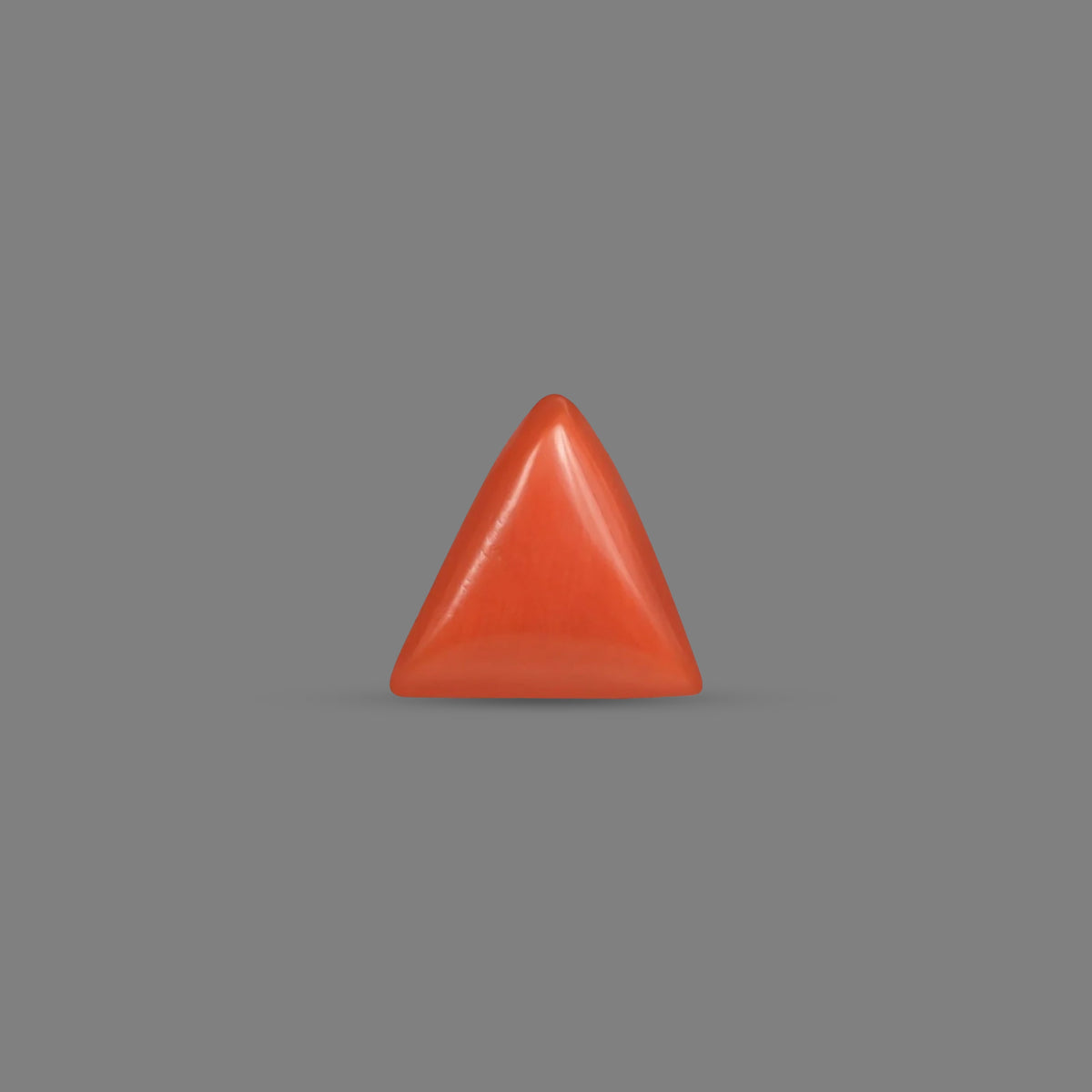
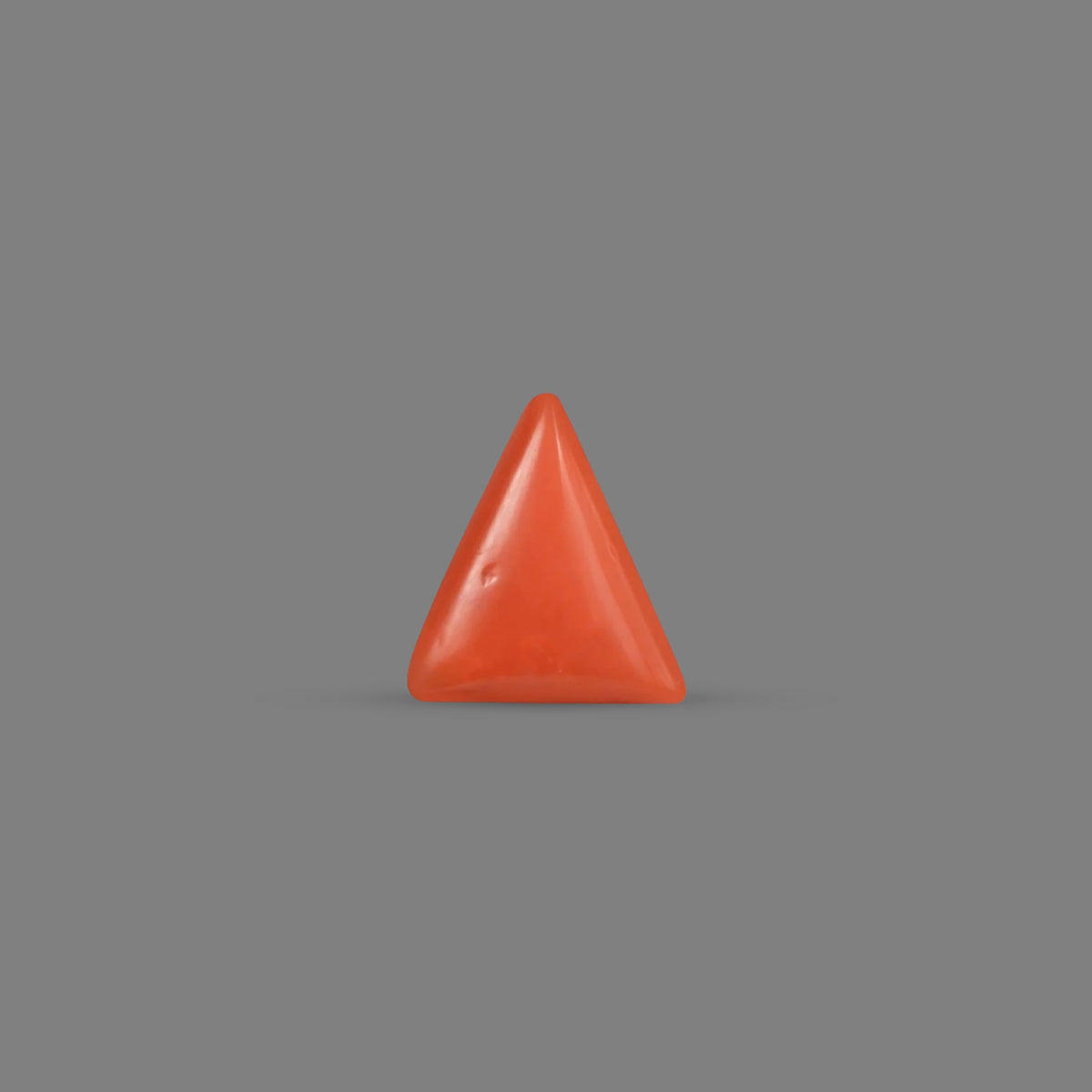
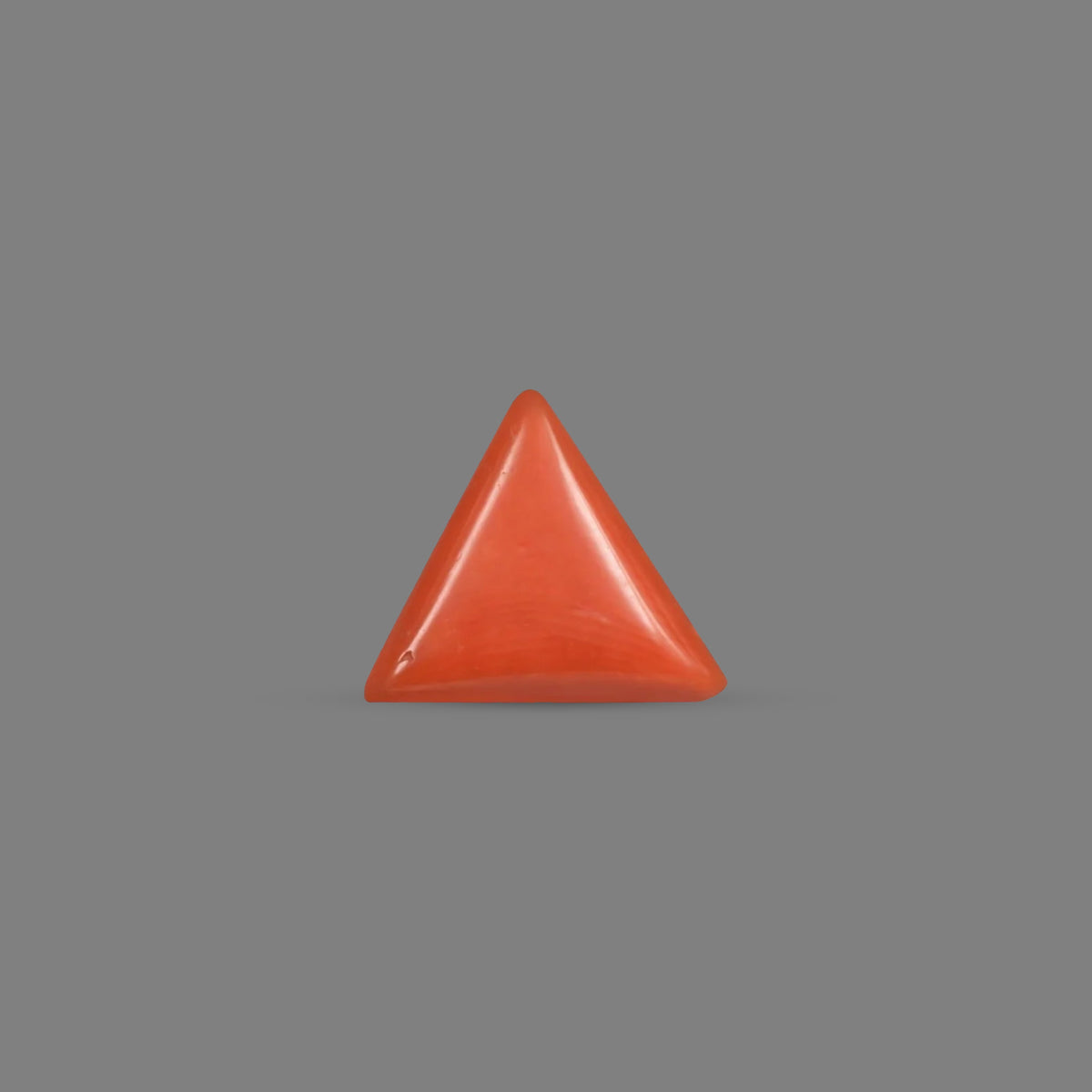
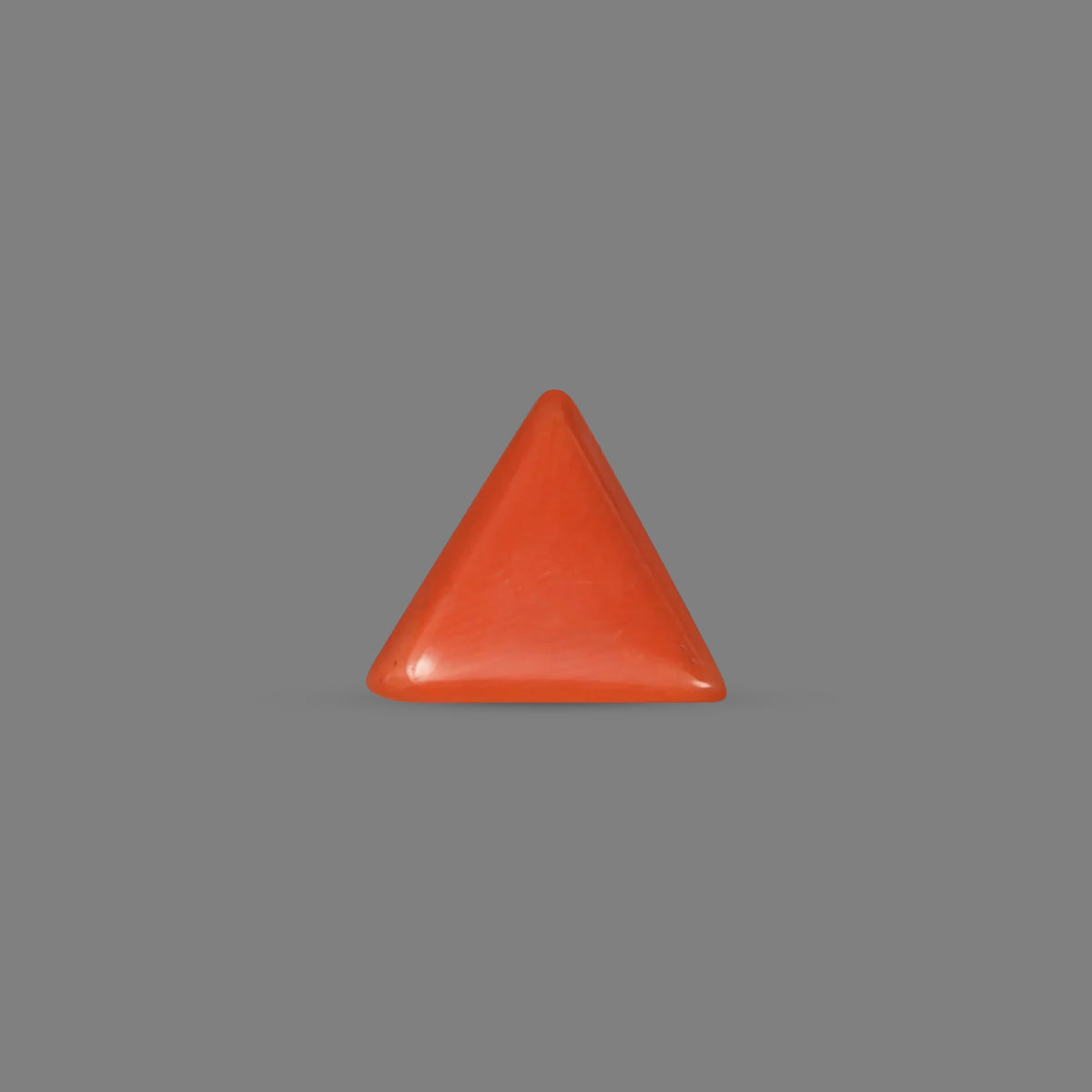
Malayalam പവിഴം (Pavizham) and Kannada ಹವಳ (Havala) come from the same Proto-Dravidian word, which also gives Tamil பவழம் / பவளம் (Pavalam), Telugu పగడం (Pagadam) and Tulu pagala. The Kannada Wiktionary lists ಪ್ರವಾಳ and ವಿದ್ರುಮ as synonyms, from the Sanskrit pravāla and vidruma; the Monier-Williams dictionary gives pravāla both as coral and as "a young shoot", a fitting image for a branching sea growth. Pavizham is used in Kerala and Havala in Karnataka.
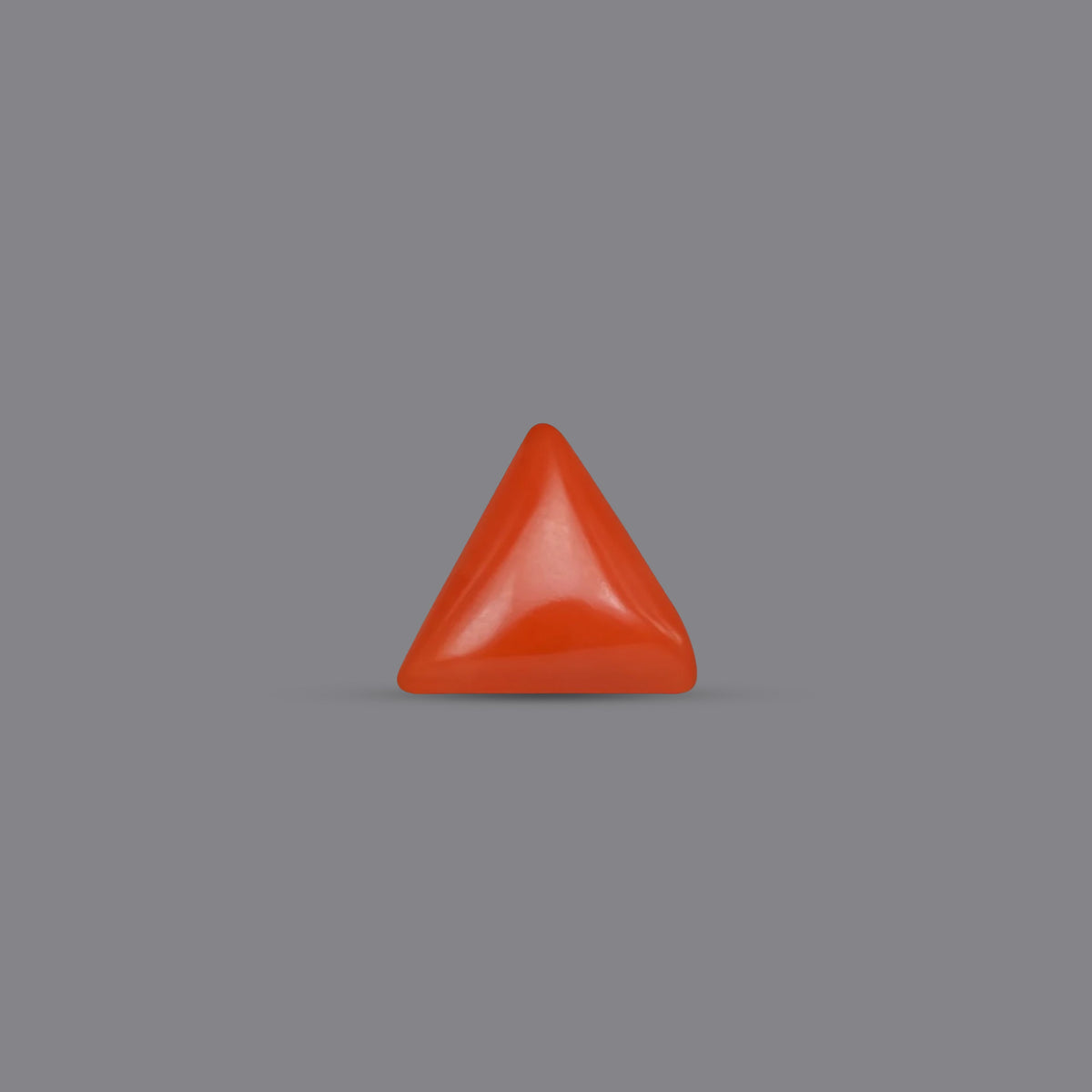
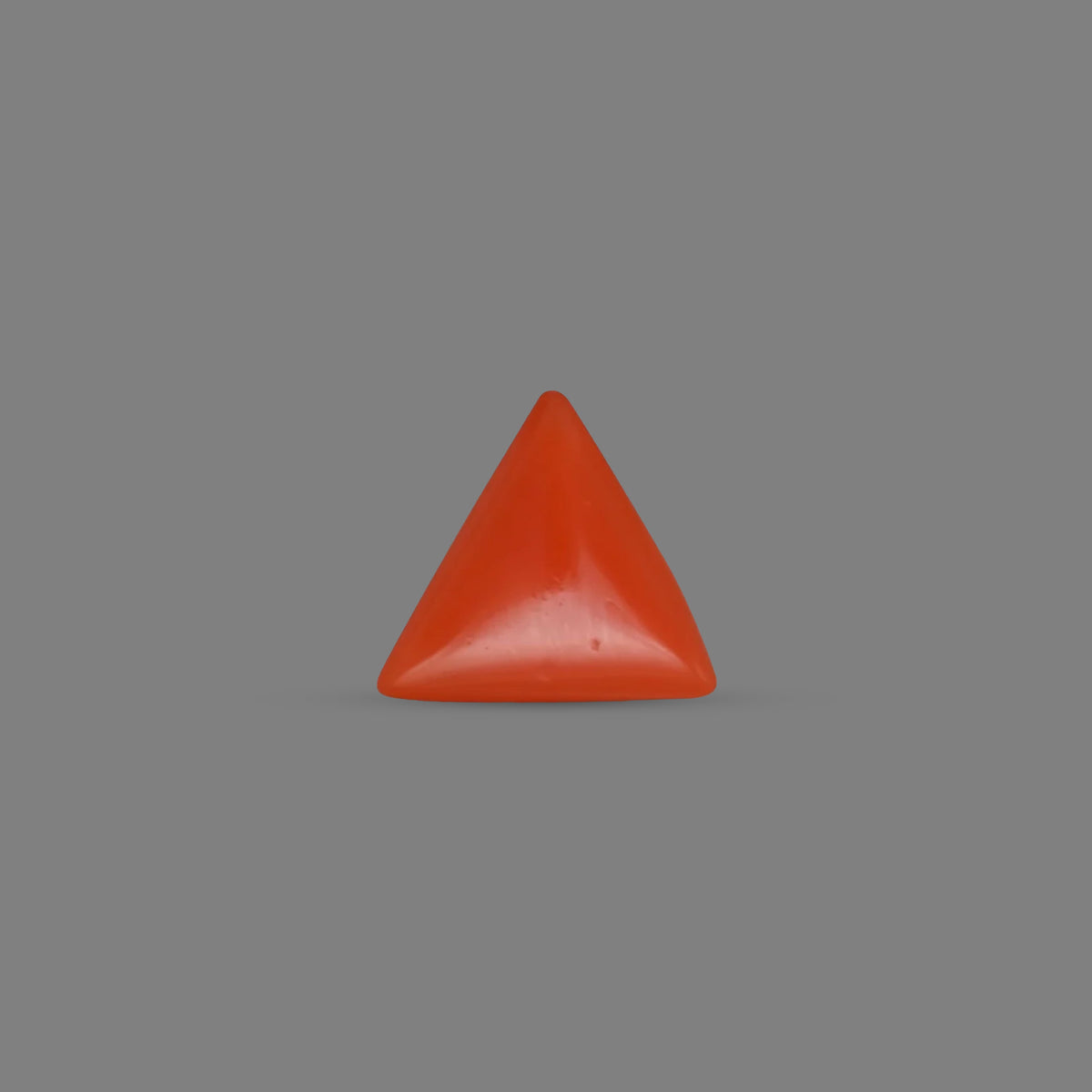
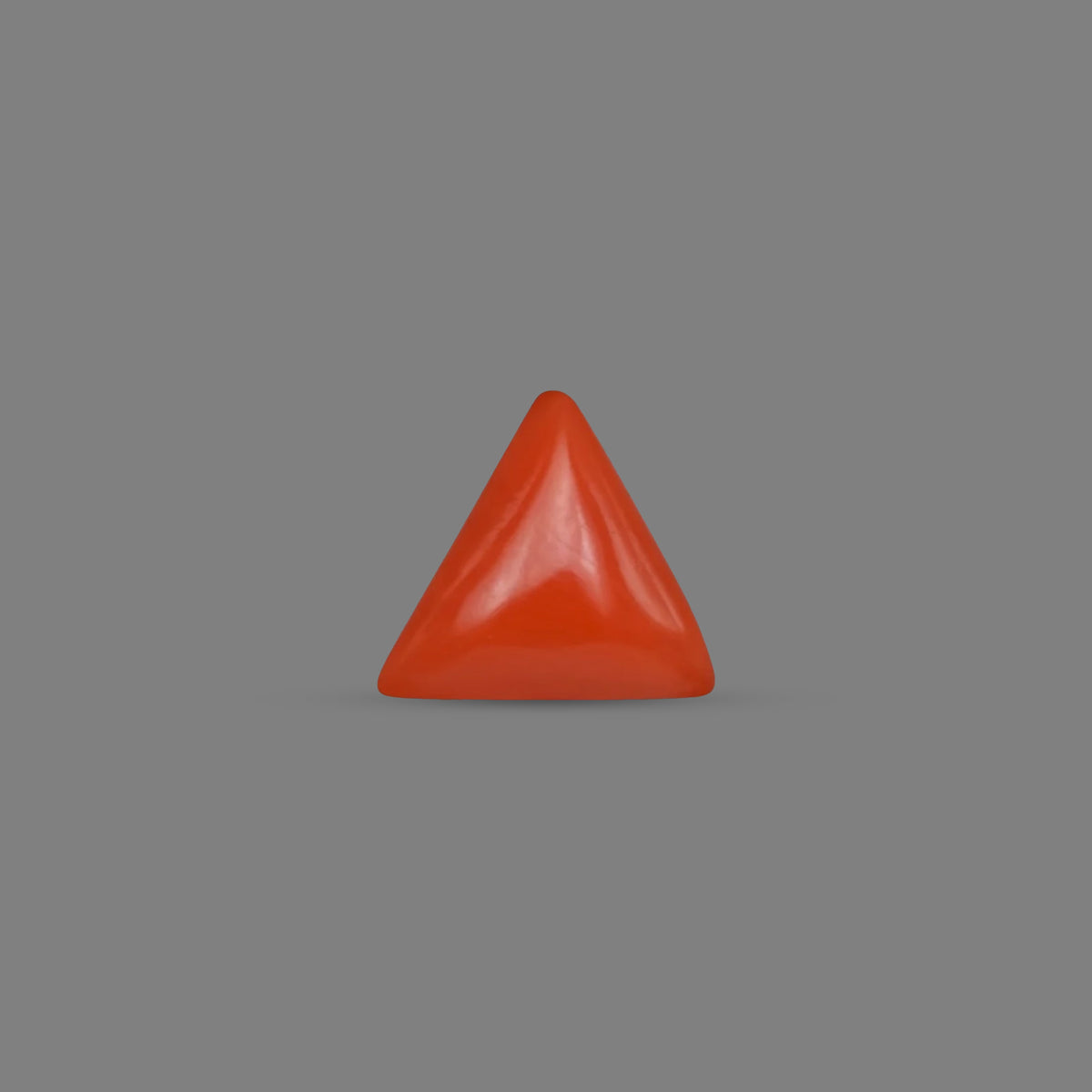
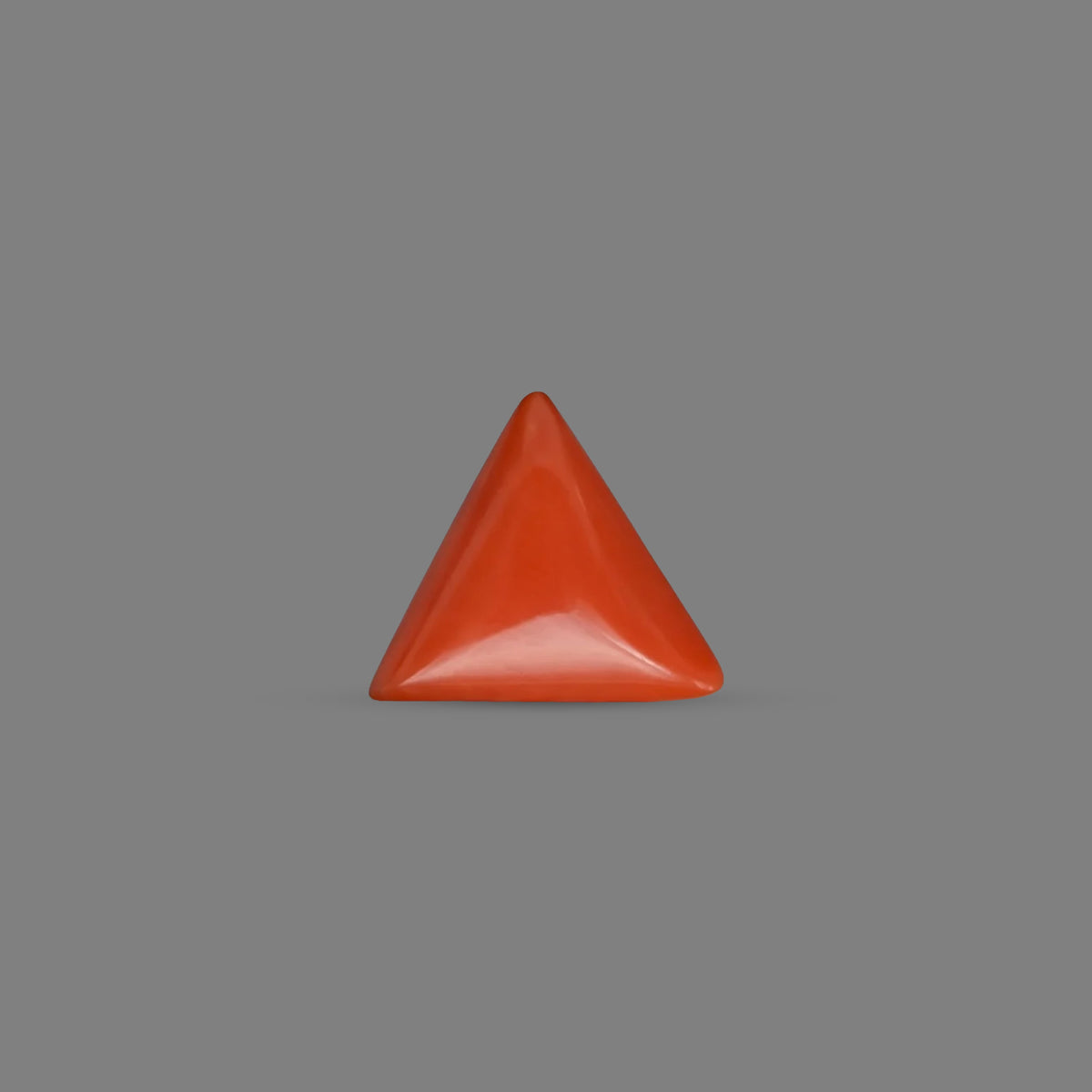
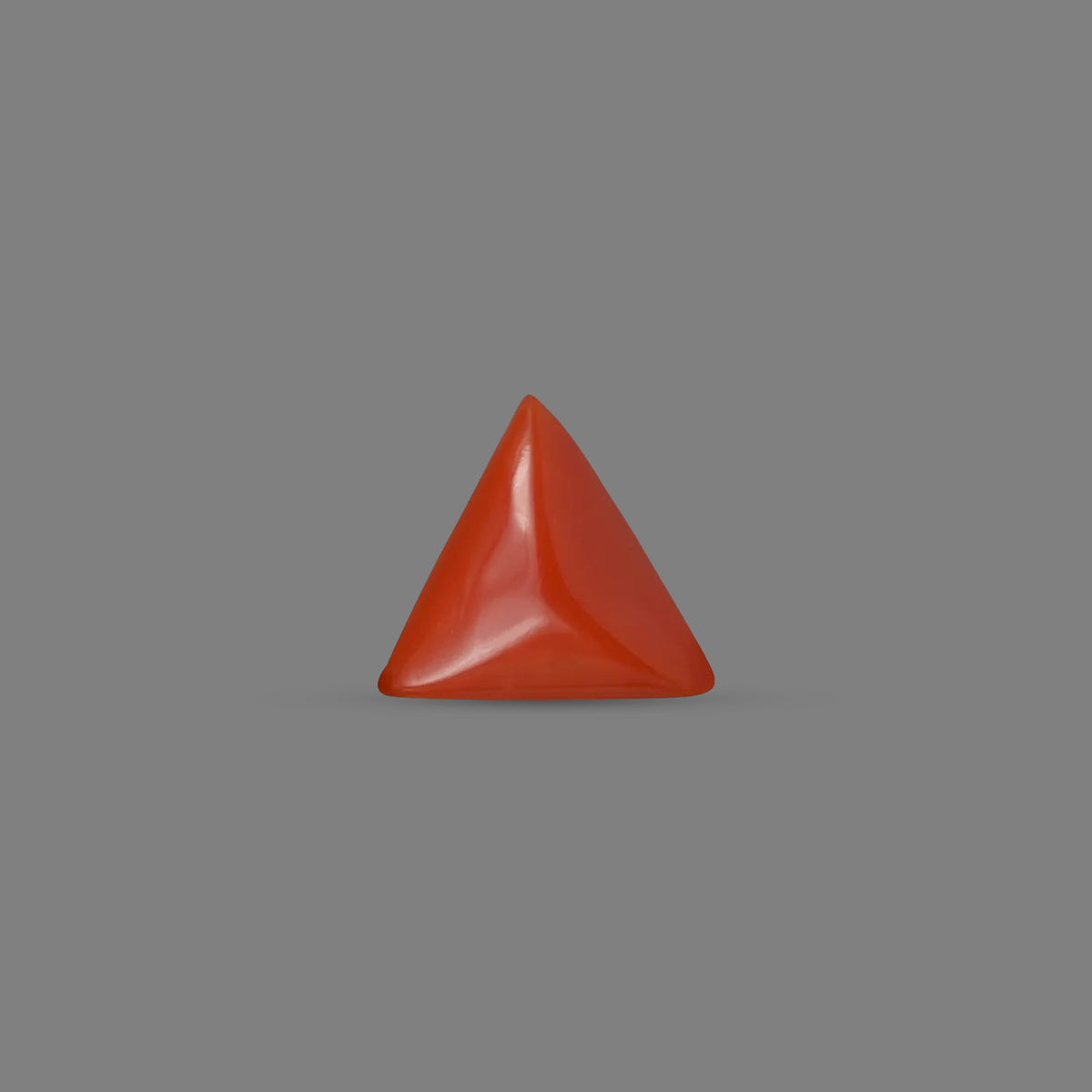
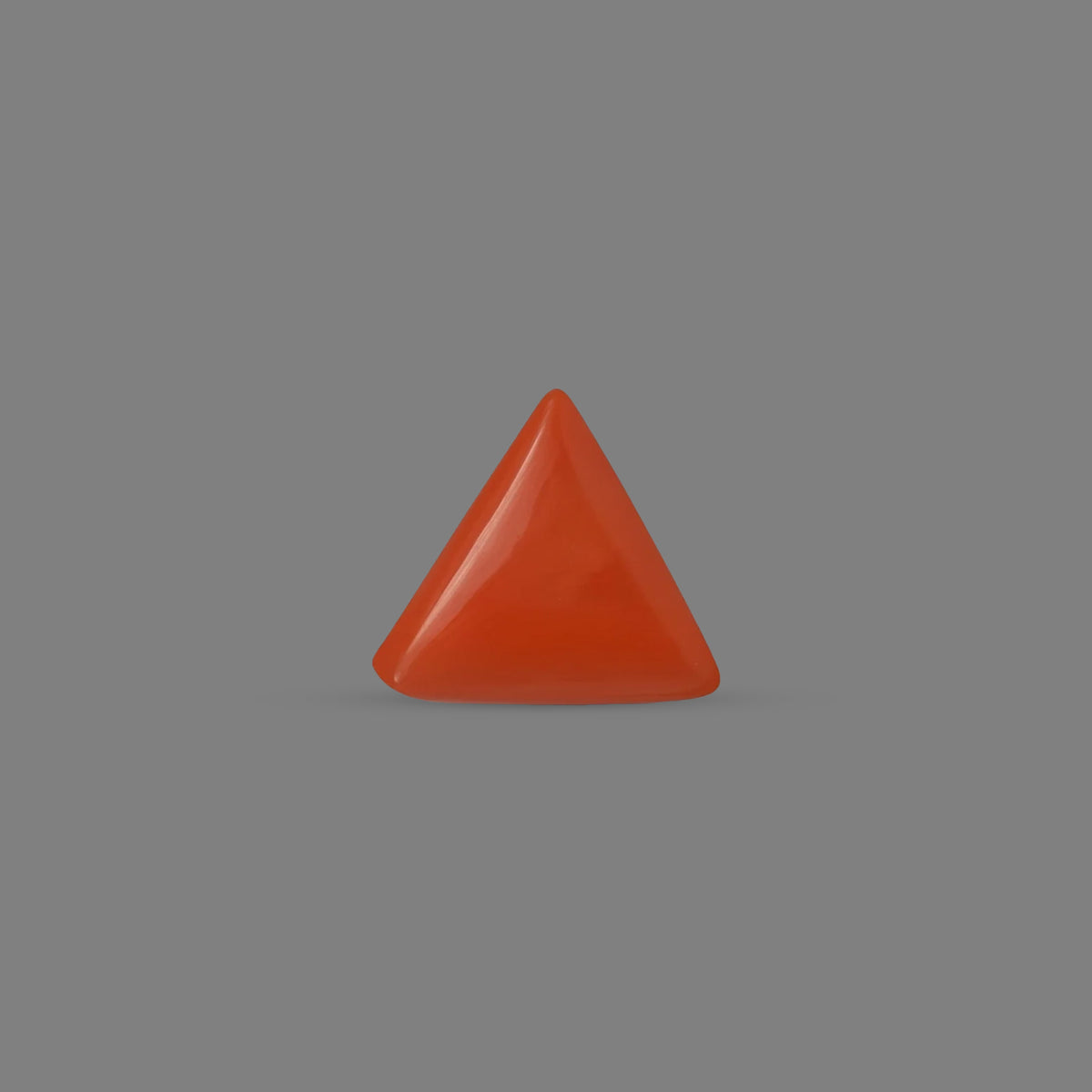
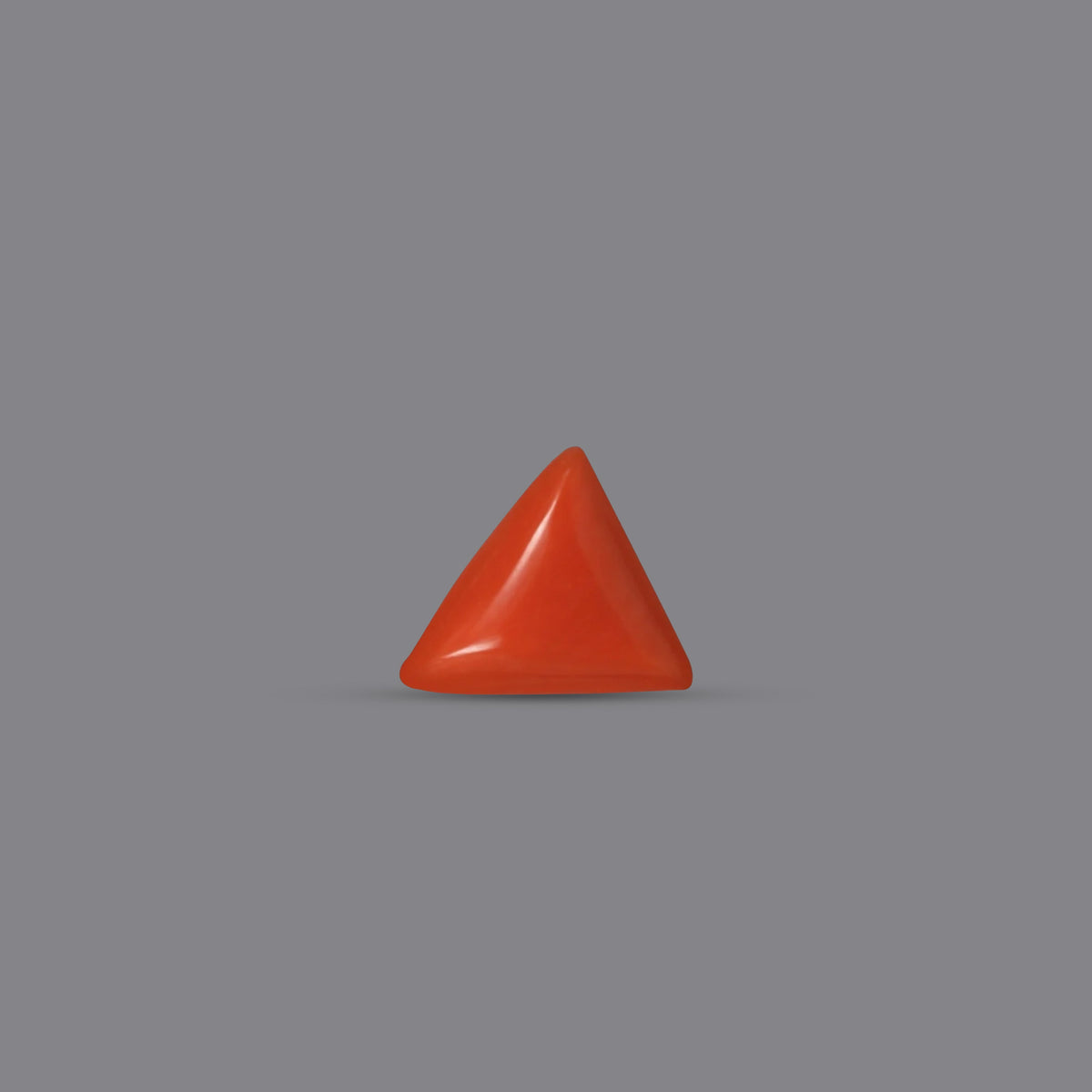
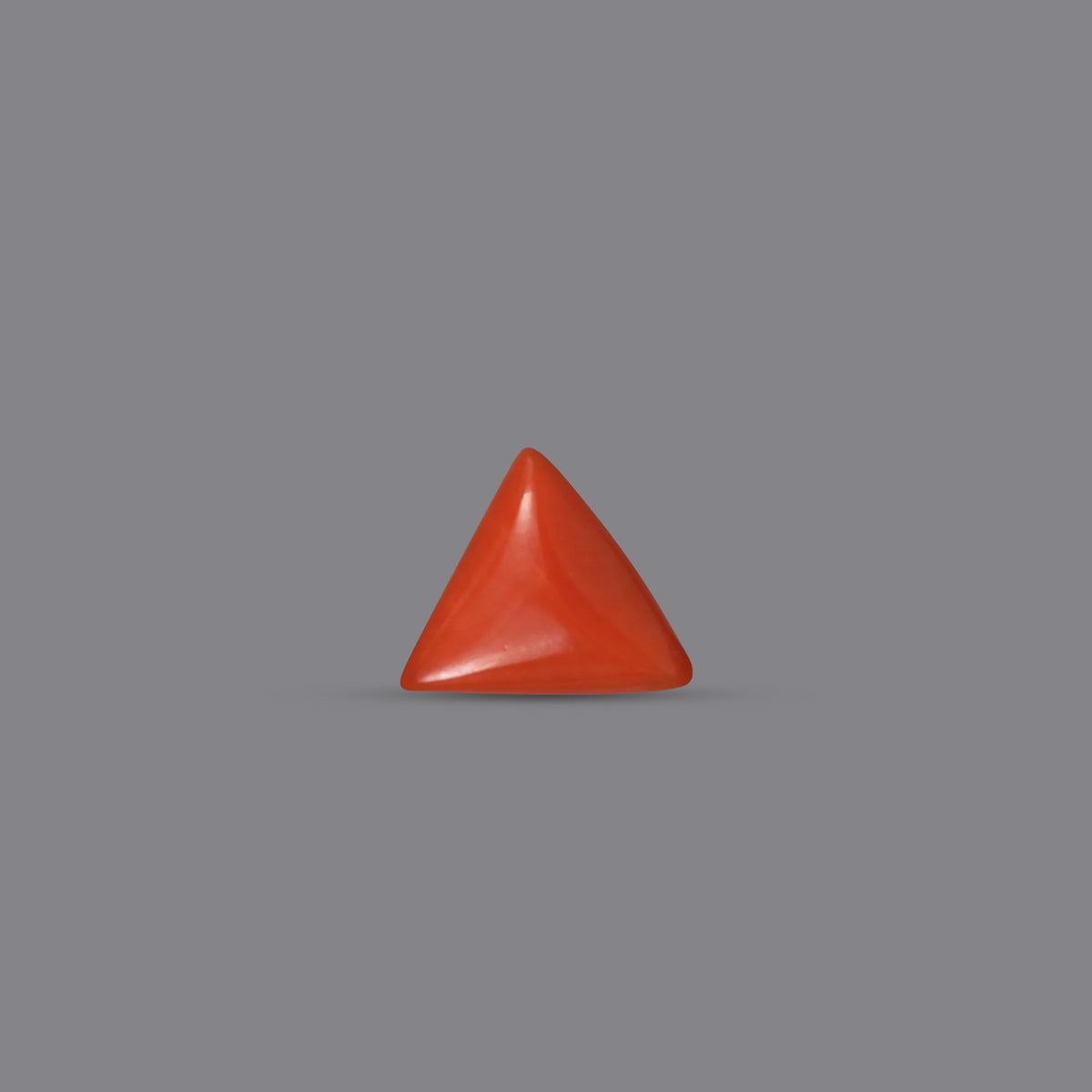
Coral is organic. The Malayalam Wikipedia article explains that the gem comes from precious coral of the genus Corallium, the hard skeleton built by colonies of tiny marine animals.
How to spot dyed or pressed coral
- Natural, not reconstituted. Coral is often dyed, pressed from powder or reconstituted. The report should say natural coral.
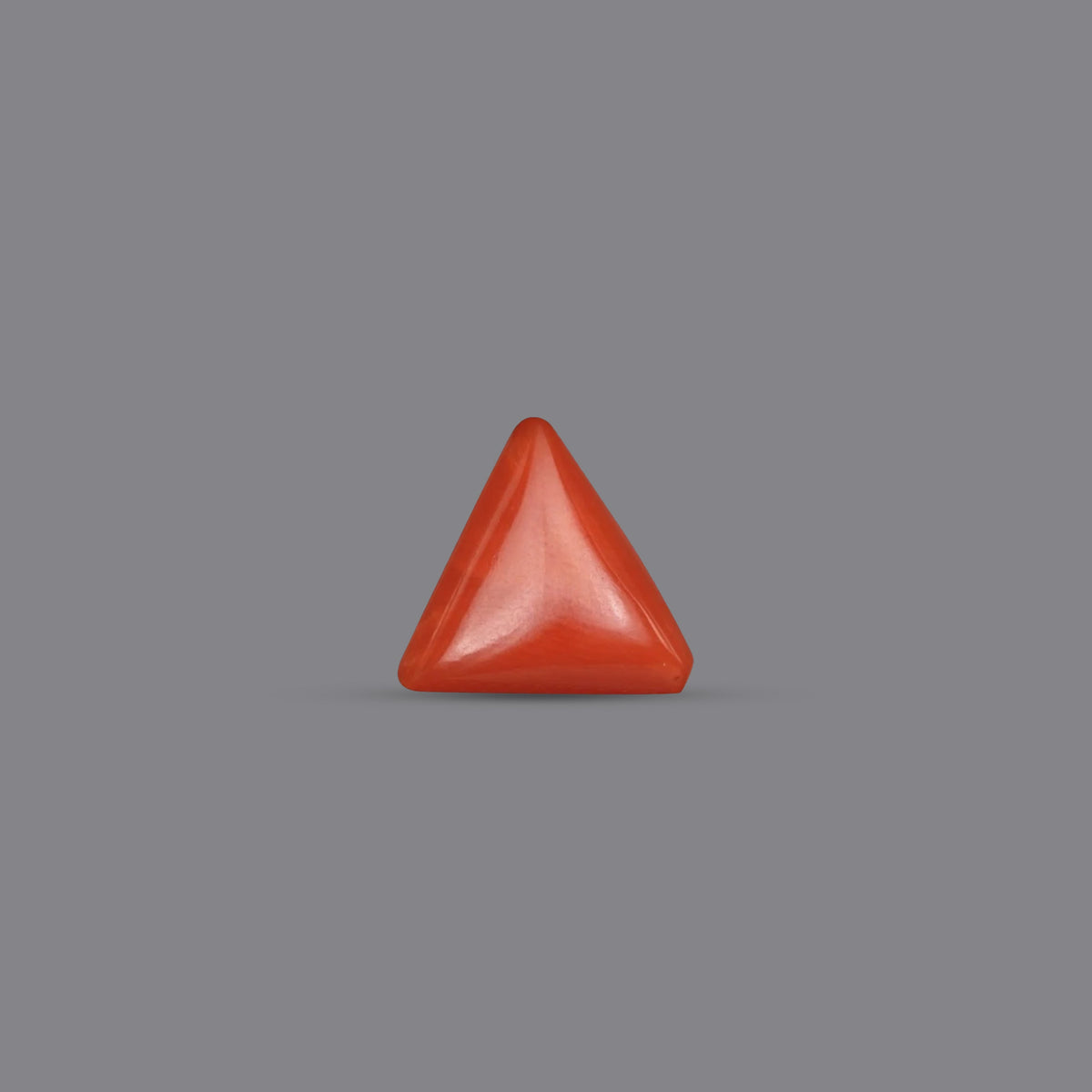
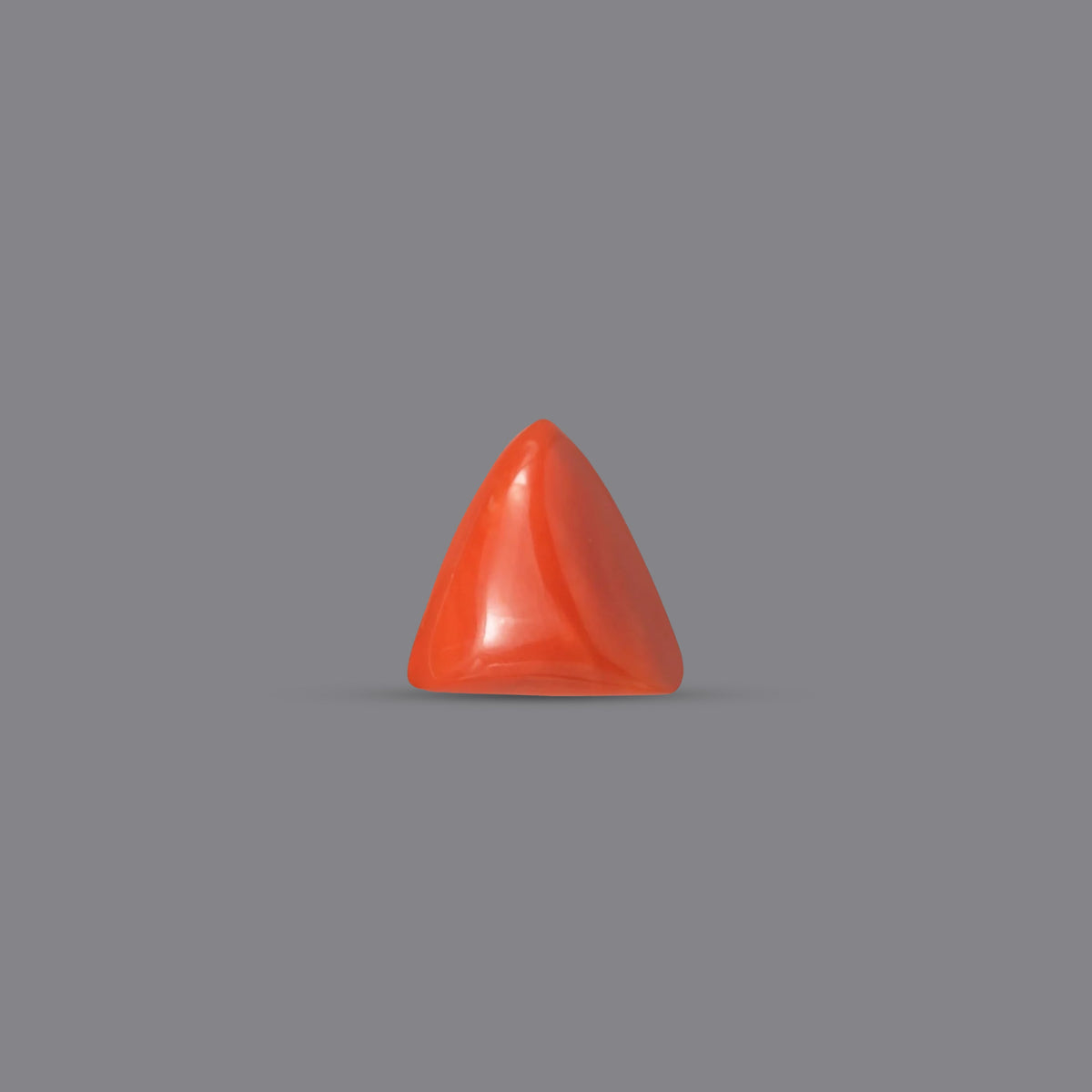
- Even, undyed colour. Dye can collect in pits and cracks. Look for colour that is even right into the small surface marks.
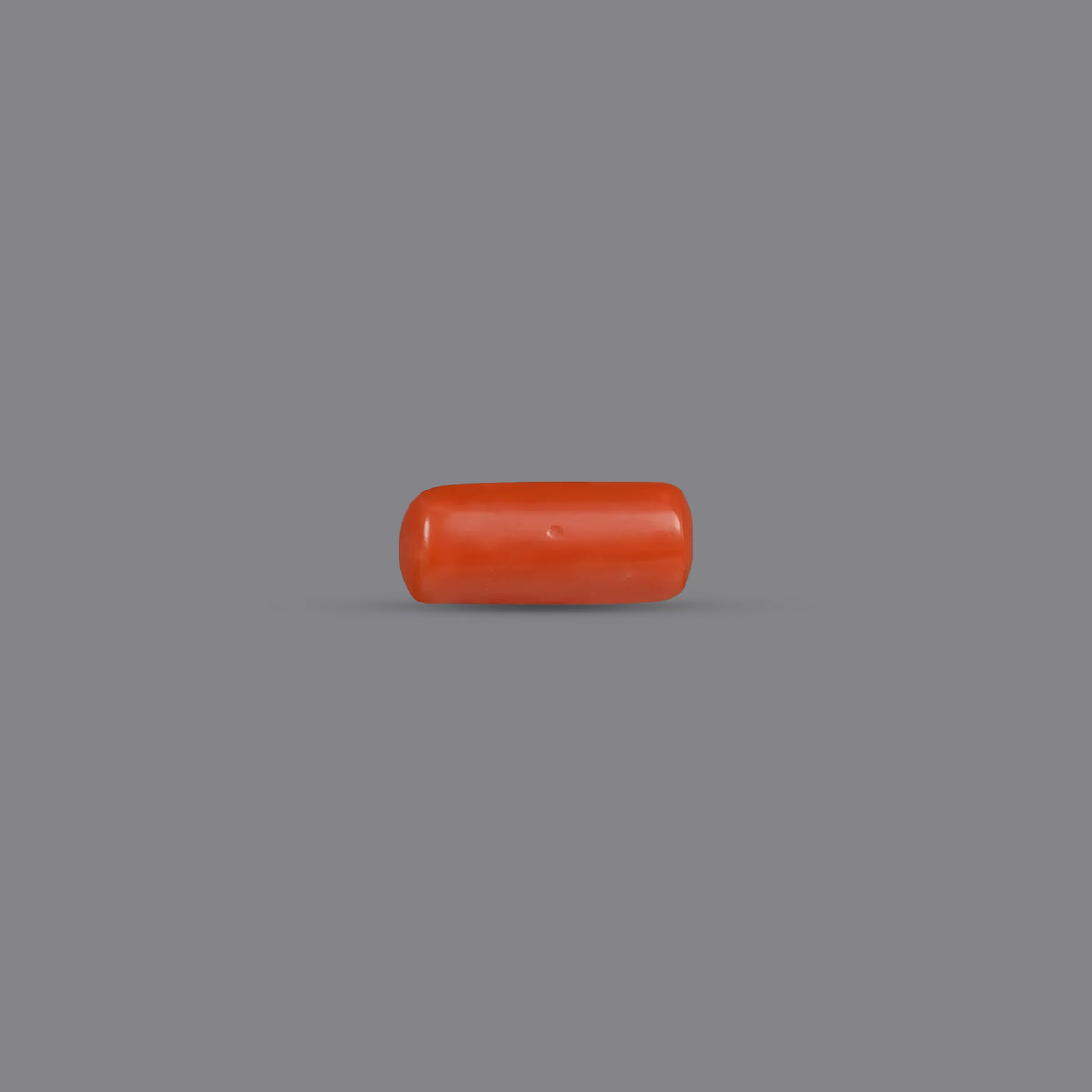
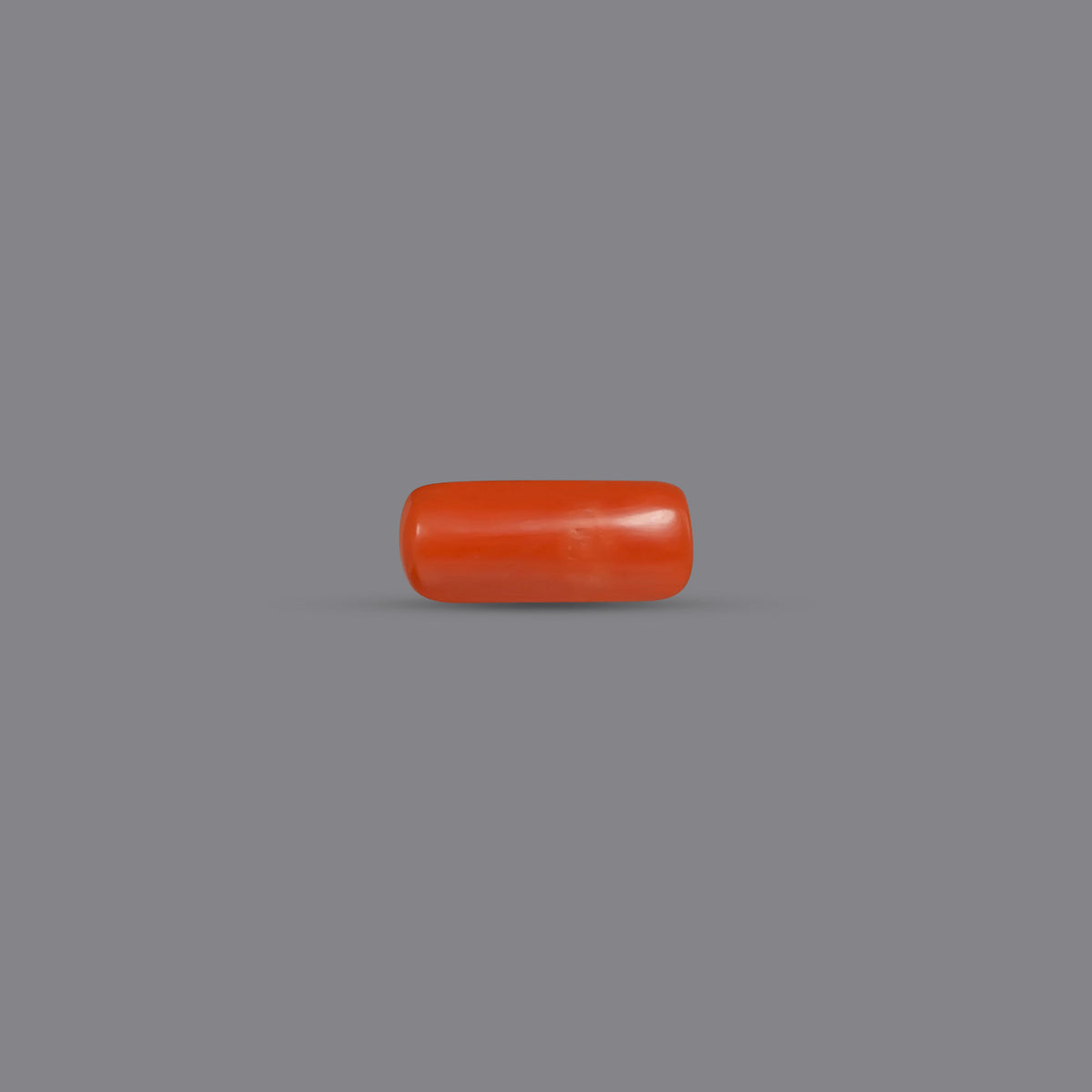
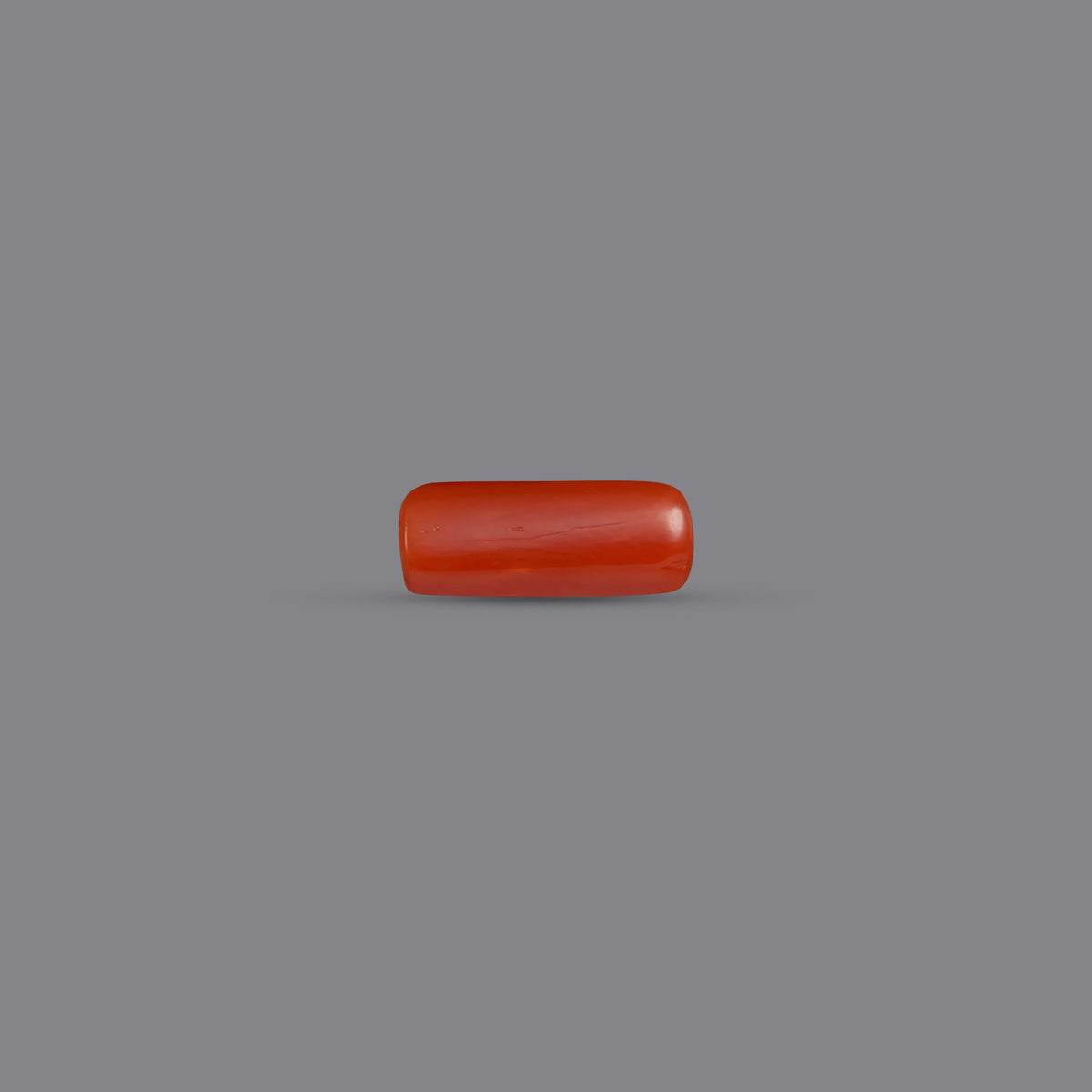
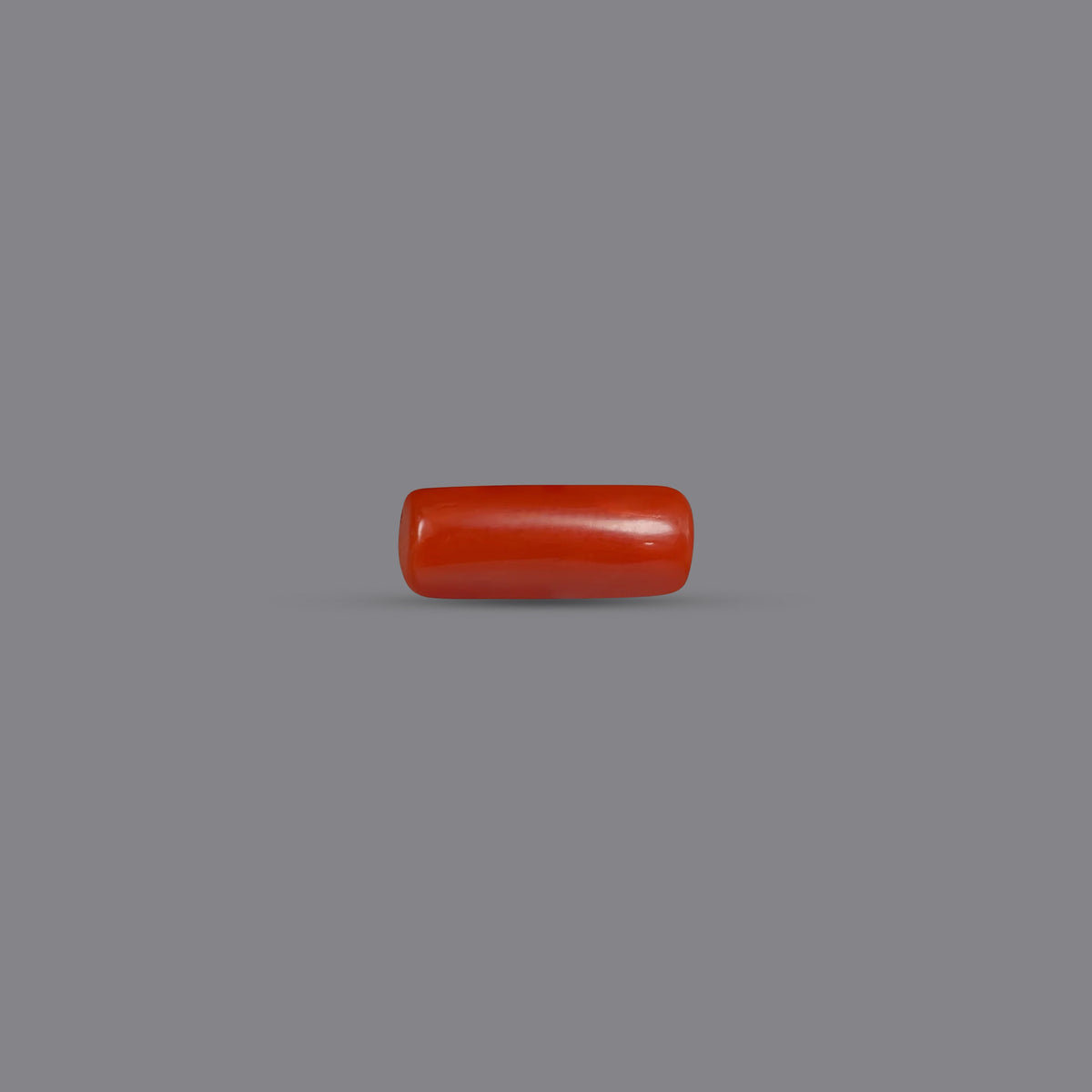
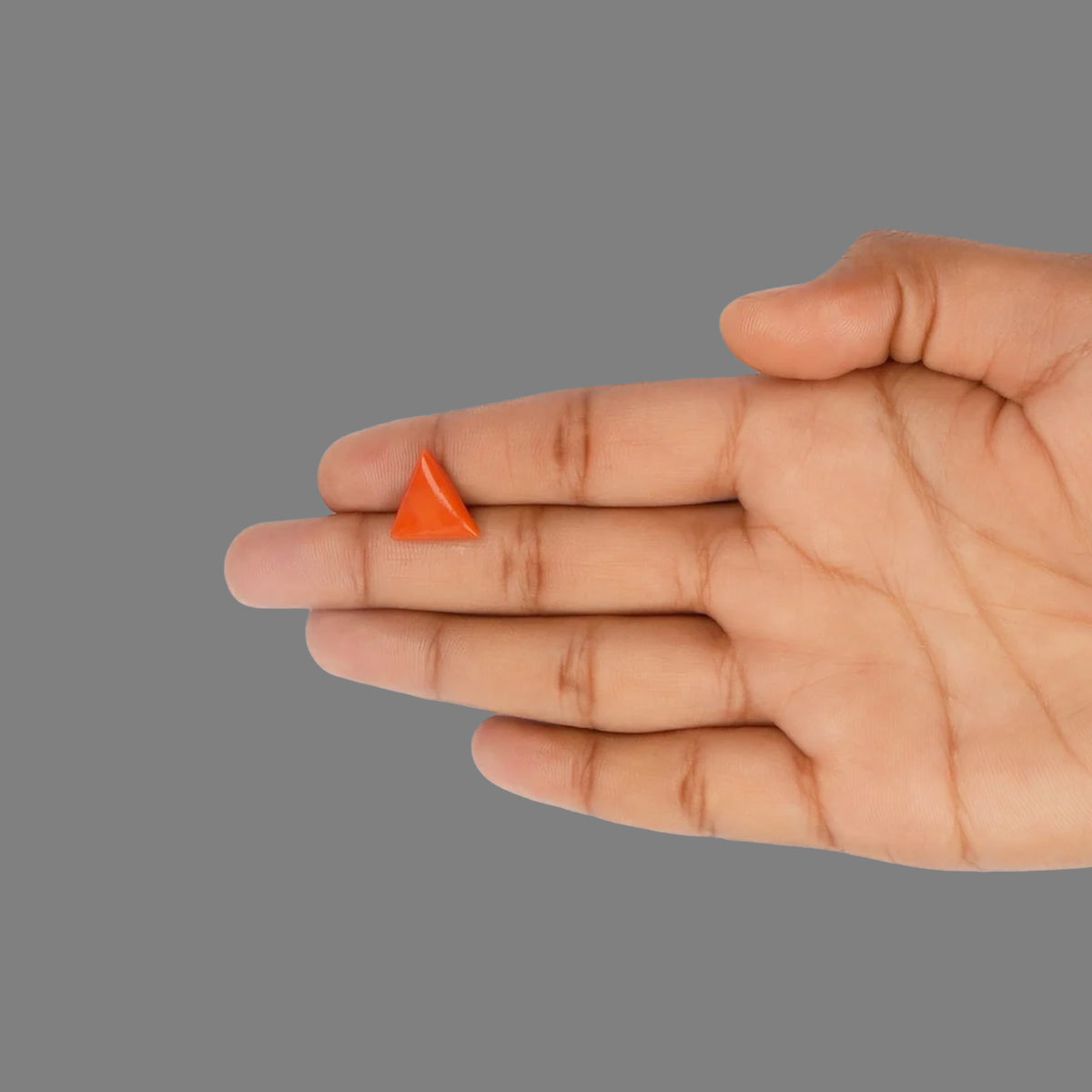
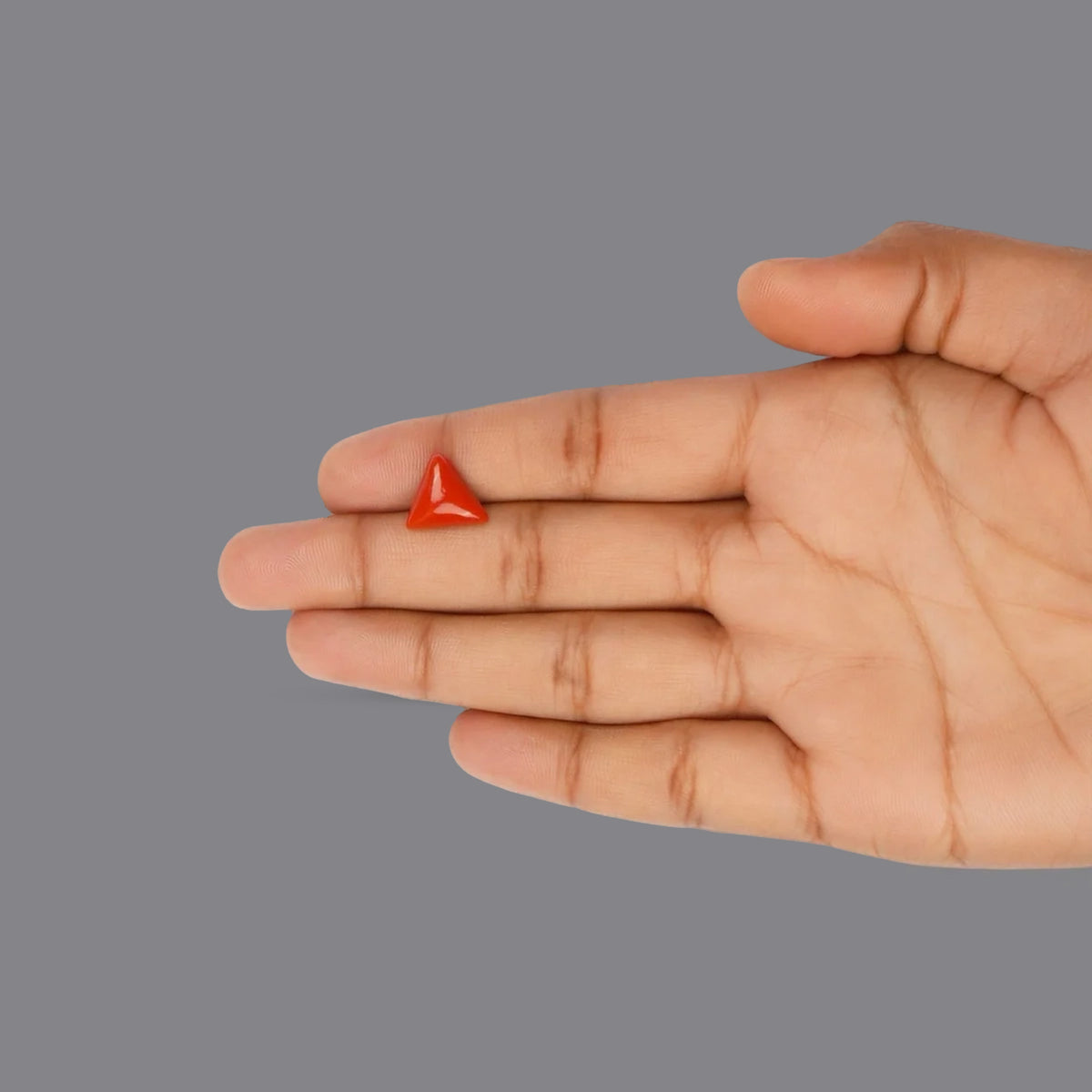
- Shape and polish. Oval and capsule shapes are common for jyotish wear. Fine natural texture lines are normal.
- Care. Coral is soft. Keep it away from acids, perfume and hot water.
- Verify. Every order ships with a GemsMantra Authenticity Report; enter the number on the Check Certificate page. The certification and guarantee page explains the refund if a qualifying lab proves a stone artificial. GemsMantra works with leading labs including GIA, IGI, GRS and GJEPC's IIGJ. Each stone's listing names the lab that issued its report and the report number.
Coral origins and imitations
In the Indian trade, Italian (Mediterranean) coral is usually the most prized for its even red to orange-red colour, followed by Japanese coral. Several materials are sold as coral: dyed bamboo coral, which is a different and cheaper coral, reconstituted coral pressed from powder, and red glass or plastic. Dyed material often shows colour concentrated in cracks and pits. Real precious coral is fairly soft, about 3.5 on the Mohs scale, so it can be scratched by a steel point; that is why it needs a protective setting and gentle care.
Wearing customs, as traditionally stated
Pavizham is traditionally set in gold or copper and worn on the ring finger of the working hand, beginning on a Tuesday morning. Coral is light for its size, so traditional advice usually names a larger weight than for sapphires, often 5 ratti or more; treat this as general guidance. Listings show carat and ratti, and the carat to ratti converter helps you compare. Confirm the stone suits your chart with the free Gemstone Calculator or an astrologer consultation (₹499, adjusted against a purchase).
Price snapshot
On 24-Sep-2026, n = 80 red coral listings in the parent collection were in stock. Prices ran from ₹6,000 to ₹5,44,500, with a median of ₹22,650. This page shows exactly the same products as the Red Coral (Moonga) collection, and prices change as stock sells, so the product grid is the live reference.
Read next
Astrological associations on this page describe traditional Vedic belief. Gemstones are not medicines, and no specific outcome is guaranteed. Regional names are given as recorded in the dictionaries and encyclopaedias cited; spellings vary by region.

