


Red Coral (Moonga): Benefits, Price & Who Should Wear
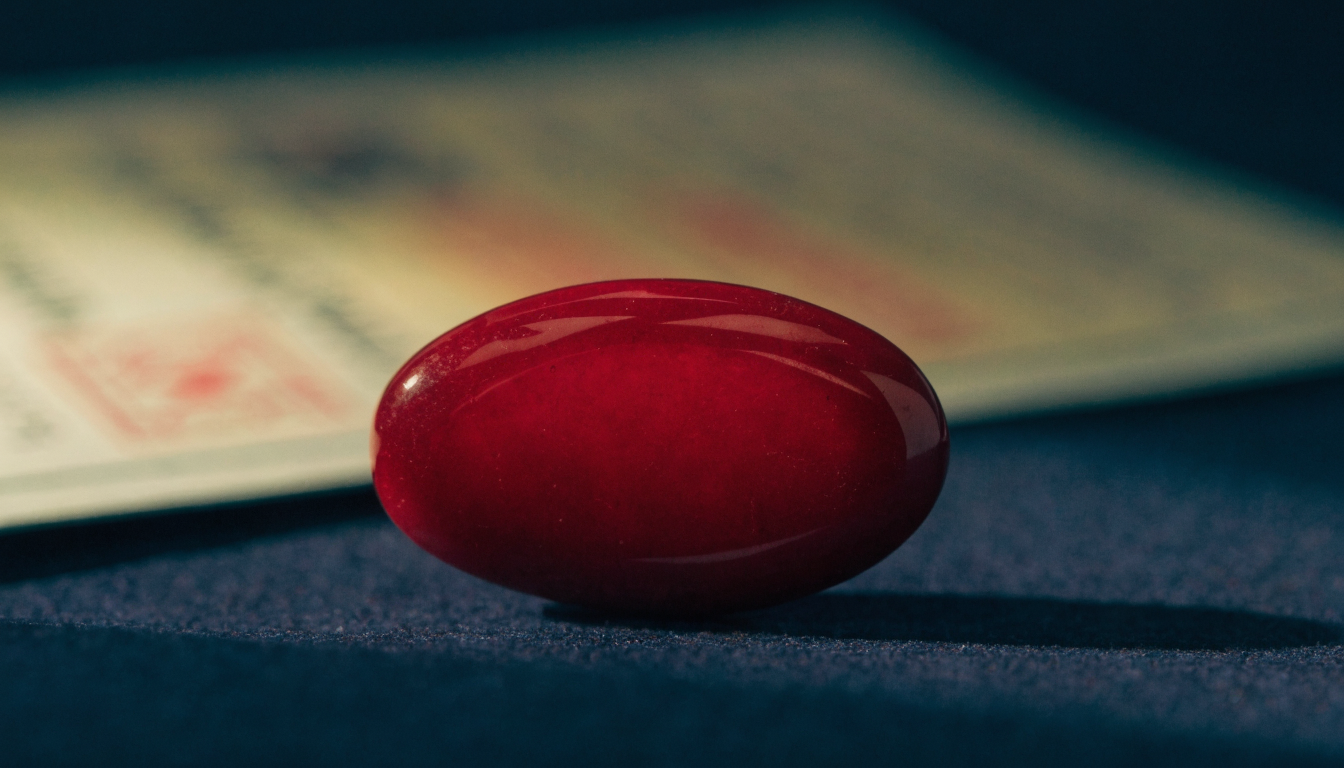
Red Coral — Moonga in Hindi — is the gemstone of Mars (Mangal), and one of the nine Navratna. Unlike most gems it is organic, formed in the sea rather than the earth, which gives it a warm, opaque red unlike any mineral. In Vedic tradition it is worn for courage, energy, drive and confidence, and is one of the stones most commonly recommended for those with Mangal dosha in their chart. This guide covers what Moonga is worn for, who it suits, who should be careful, honest price ranges, and how to confirm a piece is genuine.
Moonga is a warrior's stone — worn for strength and momentum. As with all Mars-linked gems, it is powerful, so it is best worn on advice rather than at random.
What Moonga is traditionally worn for
| Area | Traditional association |
|---|---|
| Courage & confidence | Strengthening Mars — boldness, willpower, drive |
| Energy & vitality | Physical stamina and a sense of momentum |
| Mangal dosha | Commonly recommended to support charts affected by Mangal dosha |
| Focus on goals | Determination and the push to follow through |
Who should wear Moonga — and who should be careful
Red Coral is often recommended for charts where Mars is benefic or needs strengthening — in Vedic tradition this commonly includes Aries and Scorpio ascendants, among others — and is widely suggested for Mangal dosha. Because Mars is a fiery, assertive planet, those who already run hot-tempered or have a strongly malefic Mars are sometimes advised caution. As with every Navratna stone, the right answer depends on your chart, so confirm with an astrologer before wearing it.
Moonga stone price — an honest guide
Coral is generally more affordable than the sapphires, but quality and origin still matter — Italian (Mediterranean) coral is the most prized, followed by Japanese. Use the ranges below as a guide and buy by quality, not just price.
| Quality | Typical range (per carat) | Notes |
|---|---|---|
| Commercial / dyed / reconstituted | ₹200 – ₹700 | Often dyed or pressed; check authenticity |
| Good natural (Japanese) | ₹800 – ₹2,000 | Genuine, even colour, widely worn |
| Fine natural (Italian / triangular) | ₹2,500 – ₹6,000+ | Deep, even ox-blood red, preferred for jyotish |
Much cheap “coral” is dyed or reconstituted powder — with an organic gem, authenticity matters as much as colour.
How to wear Moonga
Red Coral is traditionally set in gold or copper and worn on the ring finger of the working hand. It is usually energised and first worn on a Tuesday (Mars's day) morning, during the waxing period, after a simple cleansing and a Mangal mantra. Your astrologer's specific guidance on weight and metal always takes precedence.
How to know your Moonga is genuine
Because coral is organic and easy to imitate, fakes are common — dyed bone, pressed coral powder, glass and plastic. Protect yourself:
- Ask for a certificate confirming natural coral, with a verifiable report number.
- Watch for dye. Dyed pieces may show colour concentrated in cracks; natural coral colour is even throughout.
- Mind “too perfect.” Flawless, glassy, very cheap red beads are usually glass or plastic.
- Prefer lab-verified stones over a seller's word.
The GemsMantra standard
We come from a 53-year family lineage of Vedic practice, and we treat trust as the product. Every Moonga is individually verified and ships with a certificate carrying a verifiable report number — so you know you are wearing genuine natural coral.
Common questions
What are the benefits of Moonga (Red Coral)?
In Vedic tradition, Moonga is the stone of Mars, worn for courage, energy, confidence and drive, and is commonly recommended for charts with Mangal dosha.
What is the price of a Moonga stone?
Coral is more affordable than sapphires. Good natural Japanese coral typically ranges from ₹800 to ₹2,000 per carat, while fine Italian coral can run ₹2,500 to ₹6,000+ per carat.
Who should wear Red Coral?
It is commonly recommended for charts where Mars is benefic or needs strengthening, often Aries and Scorpio ascendants, and for Mangal dosha — but only on astrological advice.
How is Moonga worn?
Traditionally in gold or copper on the ring finger, energised and first worn on a Tuesday morning after a simple ritual, with weight and metal confirmed by your astrologer.
How can I tell if coral is real?
Ask for a certificate confirming natural coral. Dyed pieces often show colour pooling in cracks, and flawless, very cheap red beads are usually glass or plastic.
Wear a Moonga you can trust
Genuine natural coral, individually verified, with a certificate you can check. Browse the collection, or ask us to help you choose.
Explore certified MoongaSee the Navratna guideRelated guides
Which Gemstone for Which Planet? The Navratna Guide · Neelam (Blue Sapphire): Benefits & Price · Pukhraj (Yellow Sapphire): Benefits & Price
Gemstone and planetary associations described here reflect traditional Vedic beliefs and practices. They are not medical, financial or legal advice and are not presented as guaranteed outcomes. Prices are indicative ranges only and vary by quality and origin. Please consult a qualified astrologer before wearing Red Coral.
Written by GemsMantra


,%20and%20one%20of%20the%20nine%20Navratna.%20Unlike%20most%20gems%20it%20is%20organic,%20formed%20in%20the%20sea%20rather%20than%20the%20earth,%20which%20gives%20it%20a%20warm,%20opaque...)