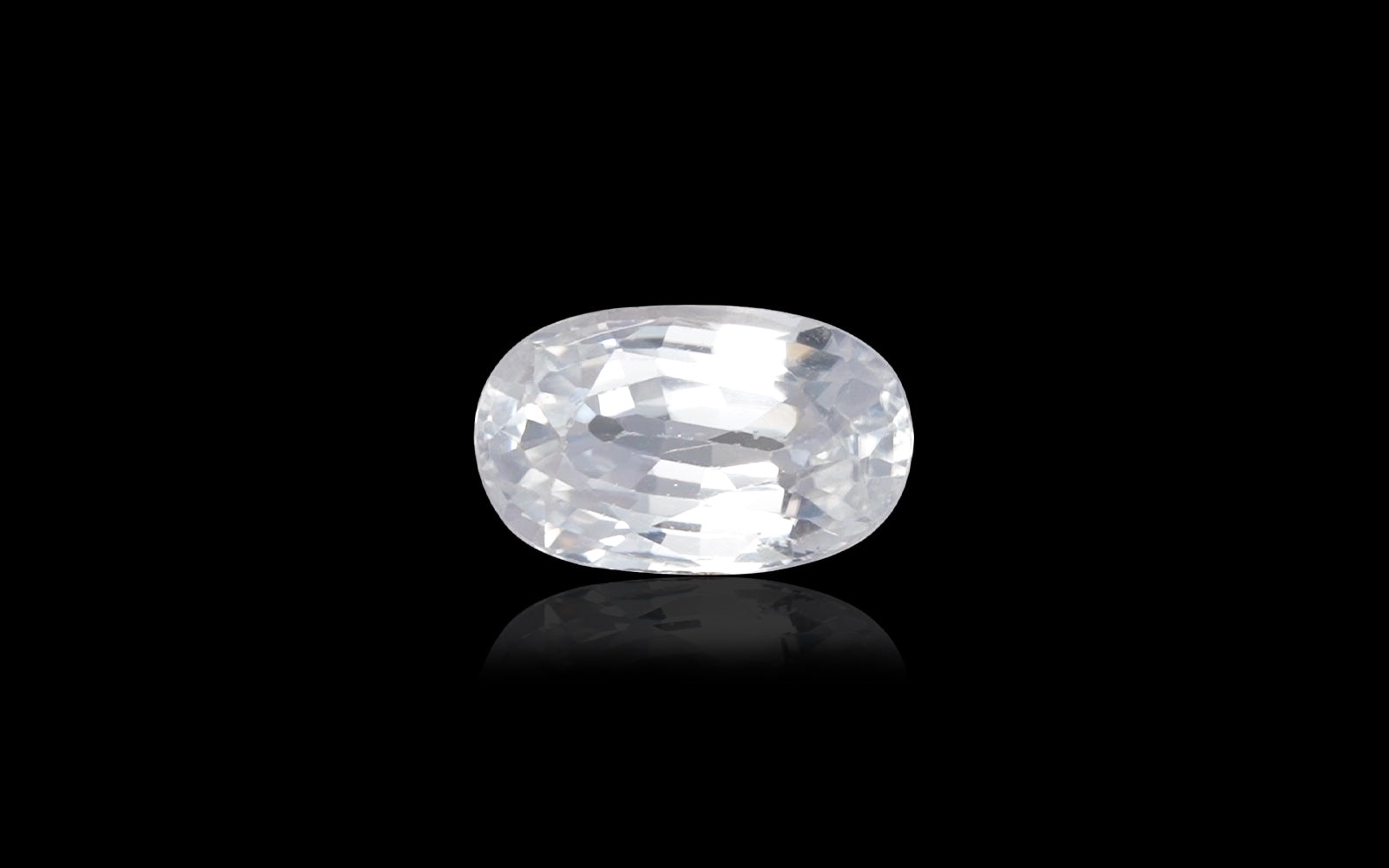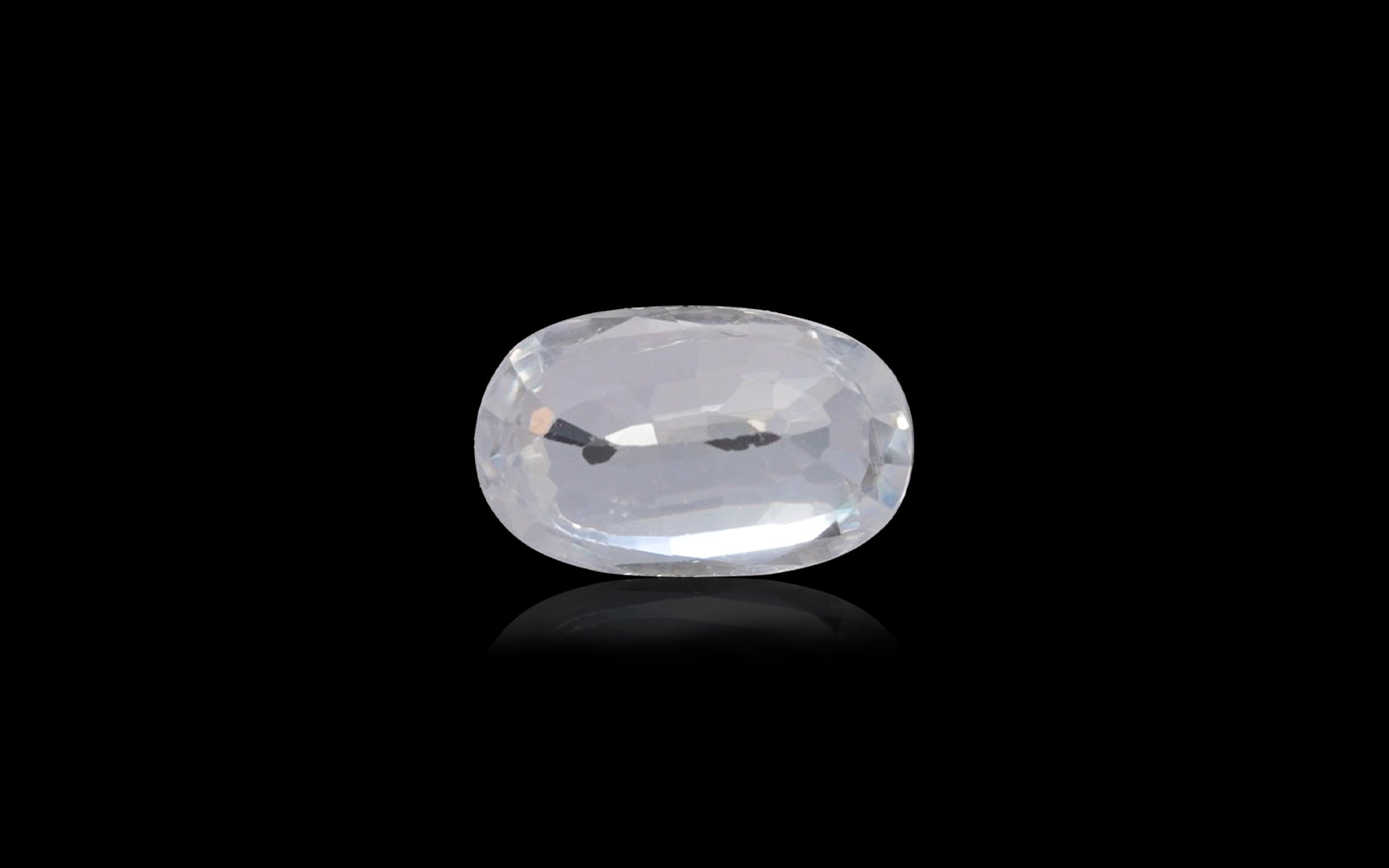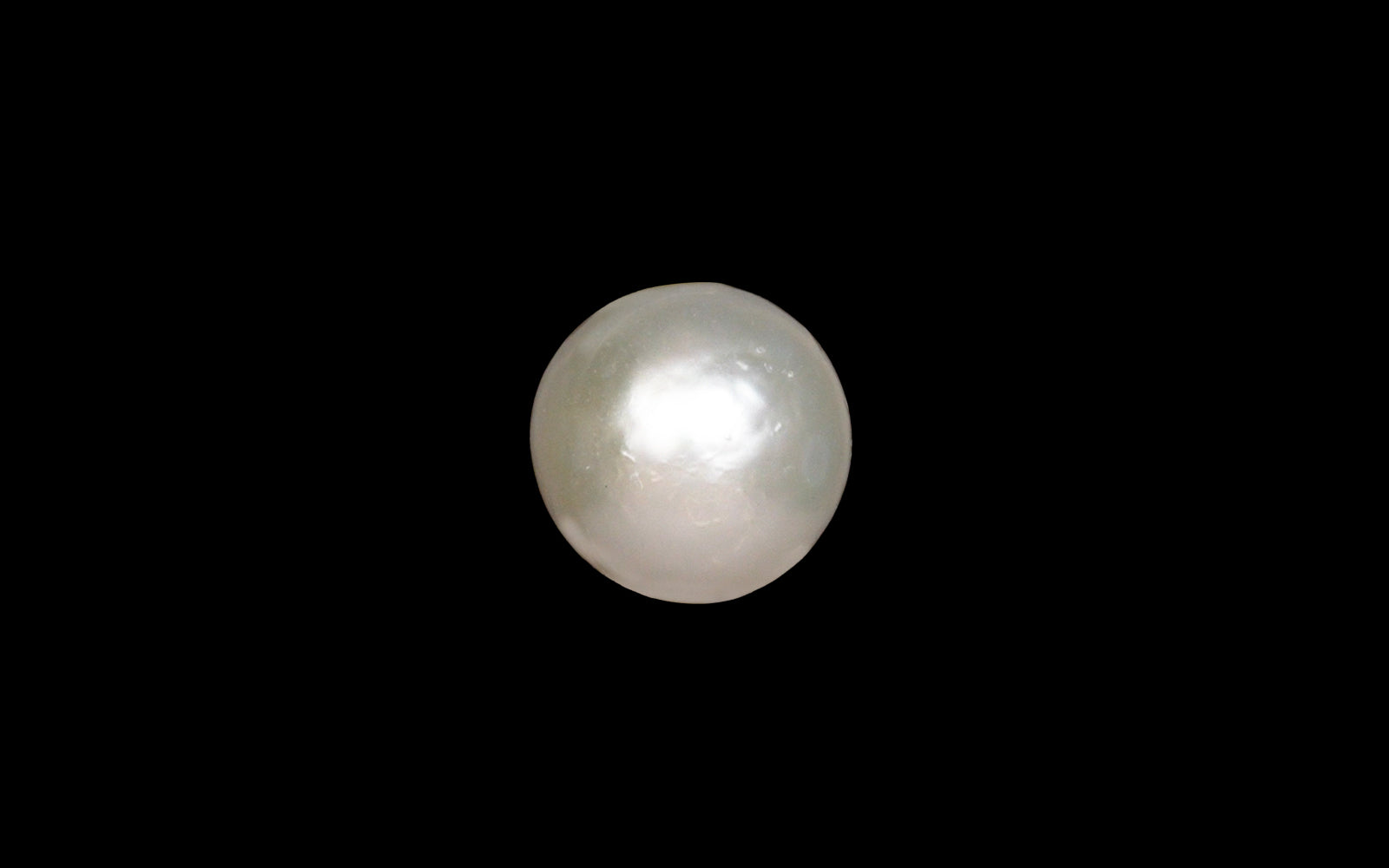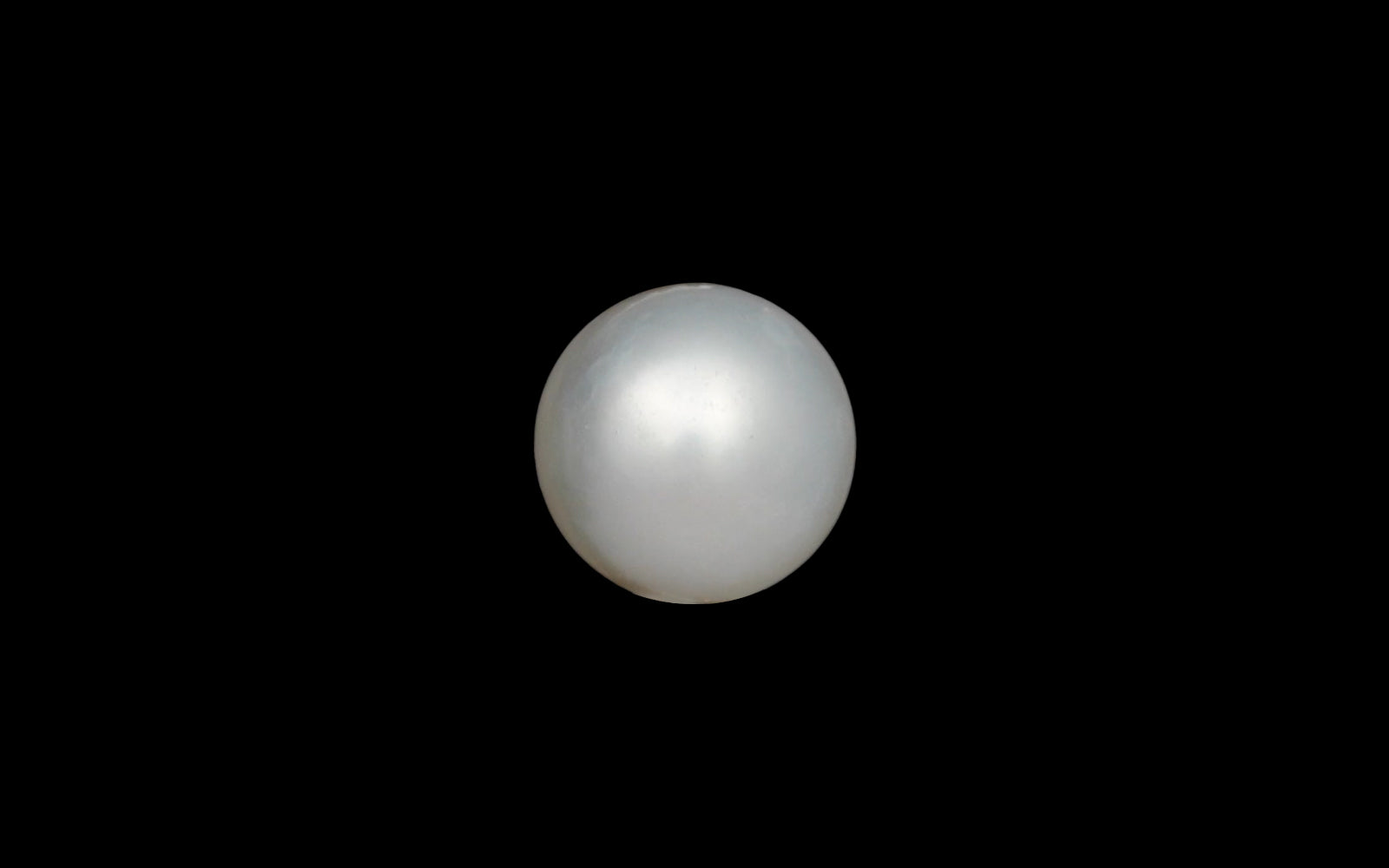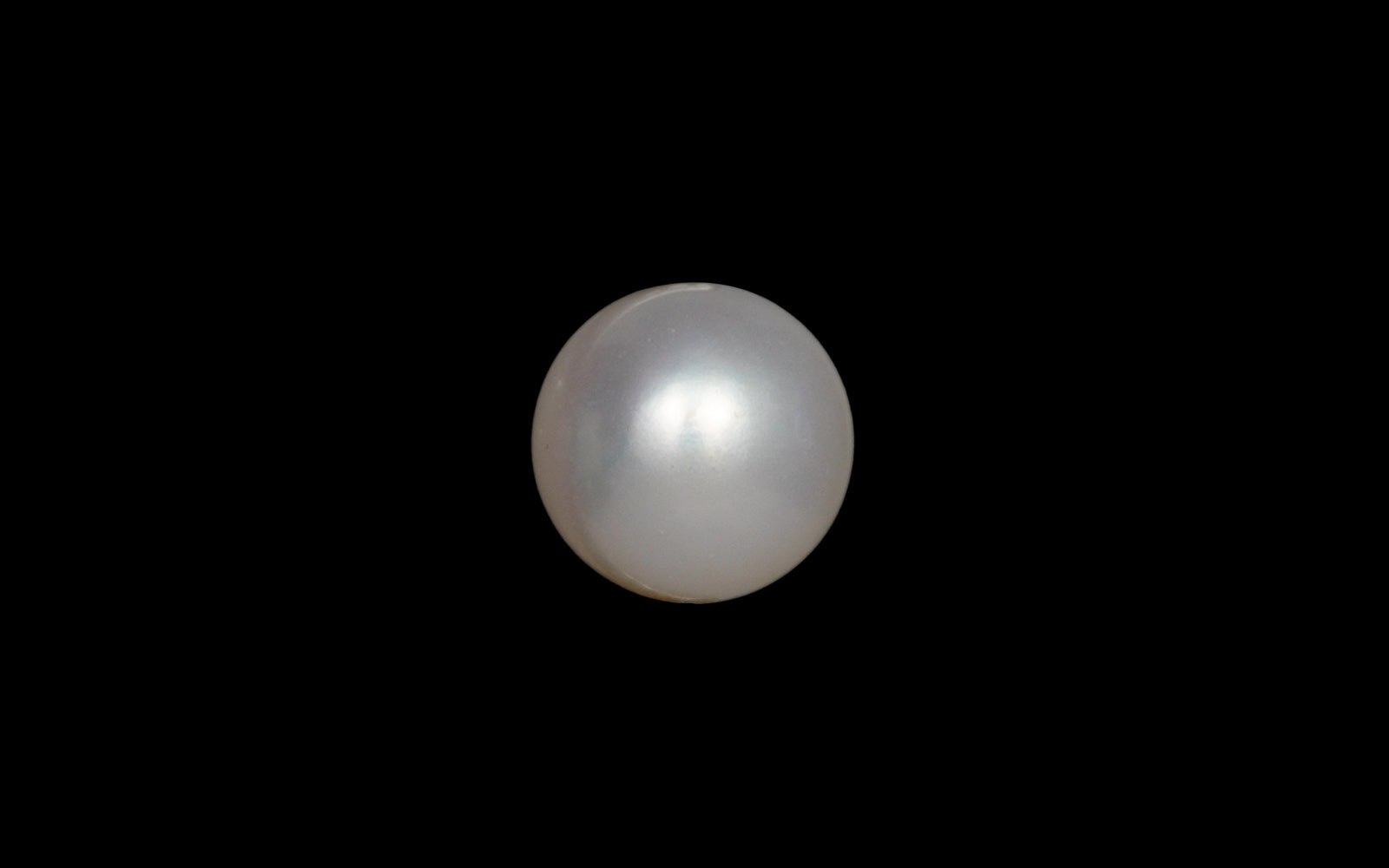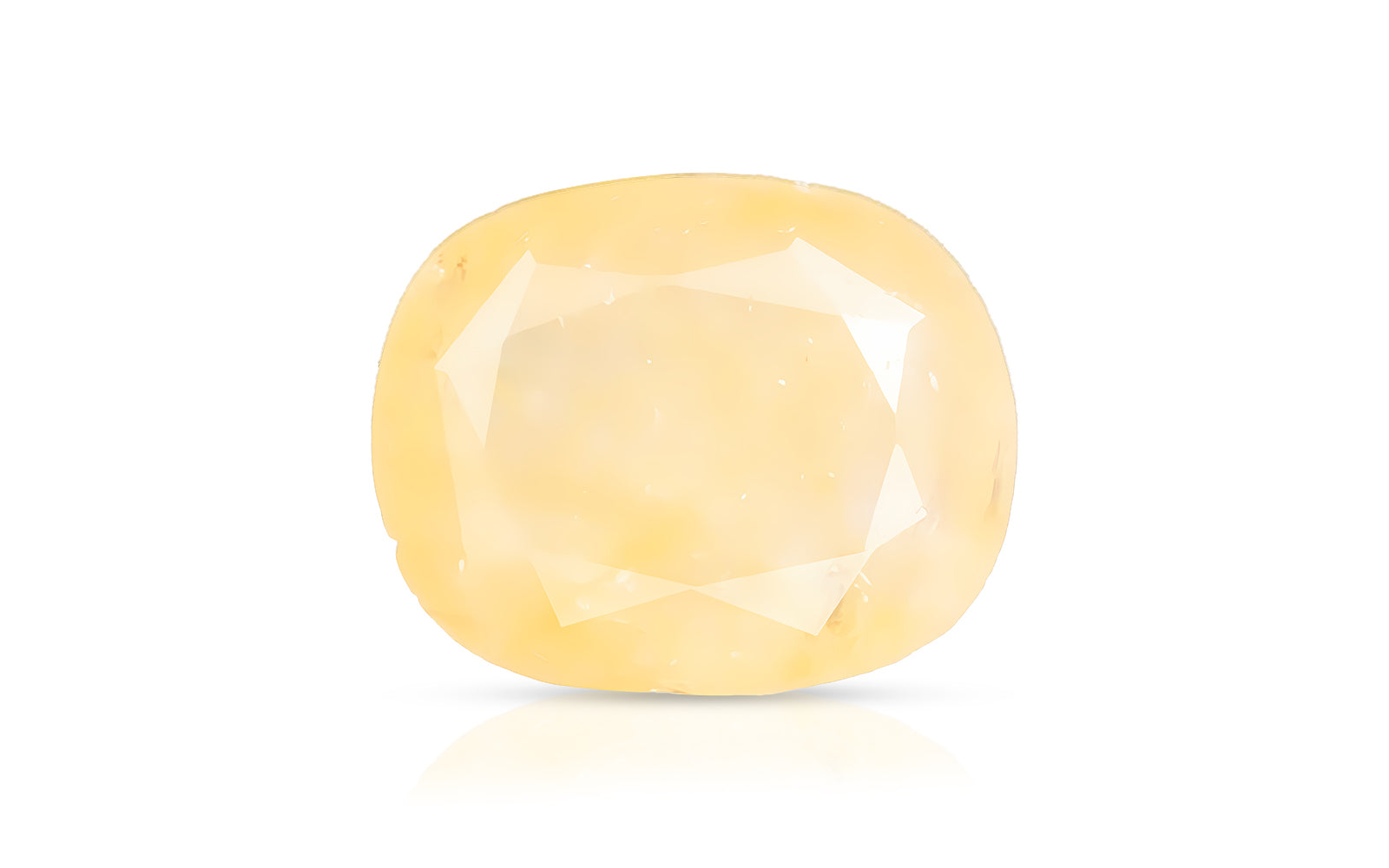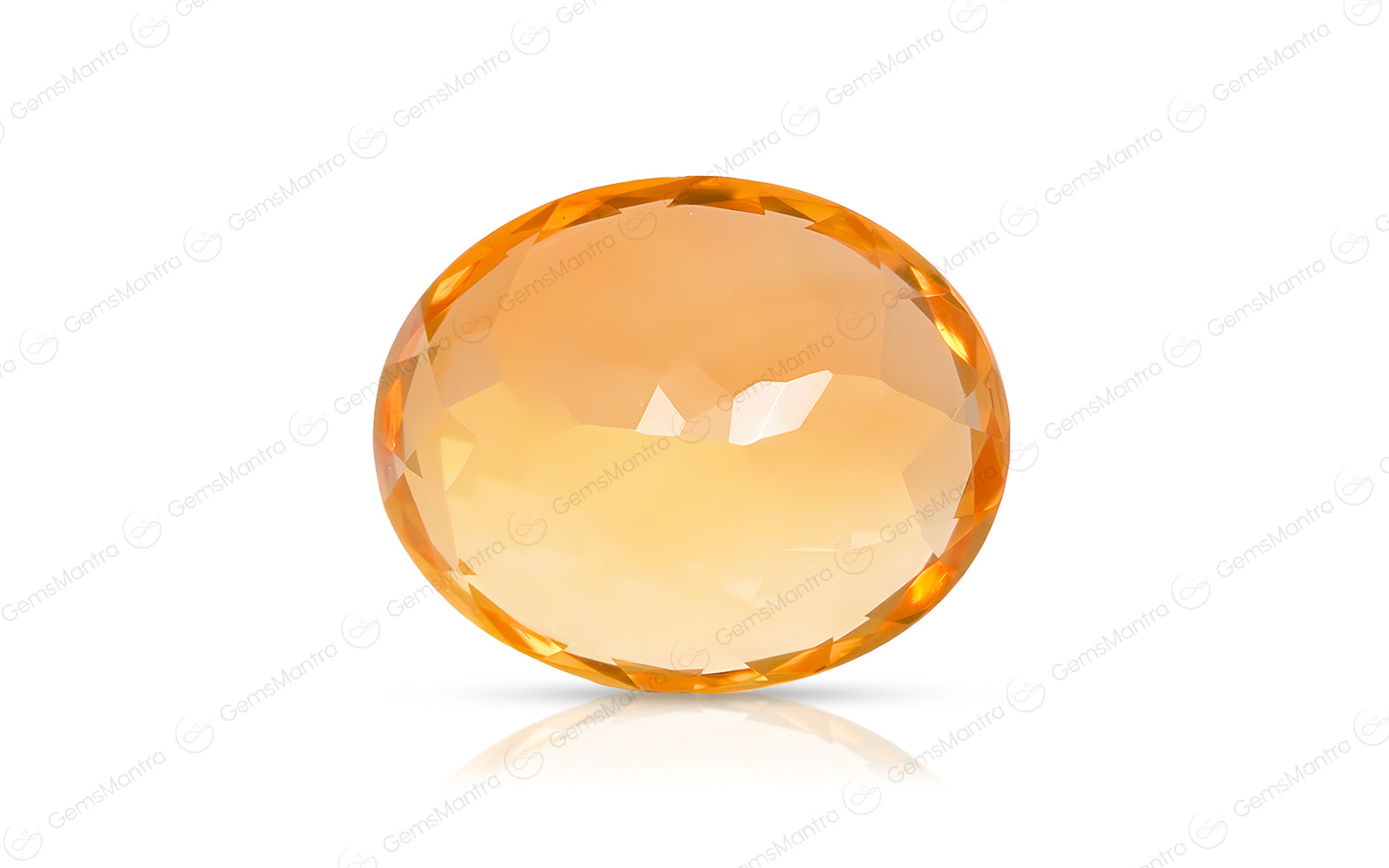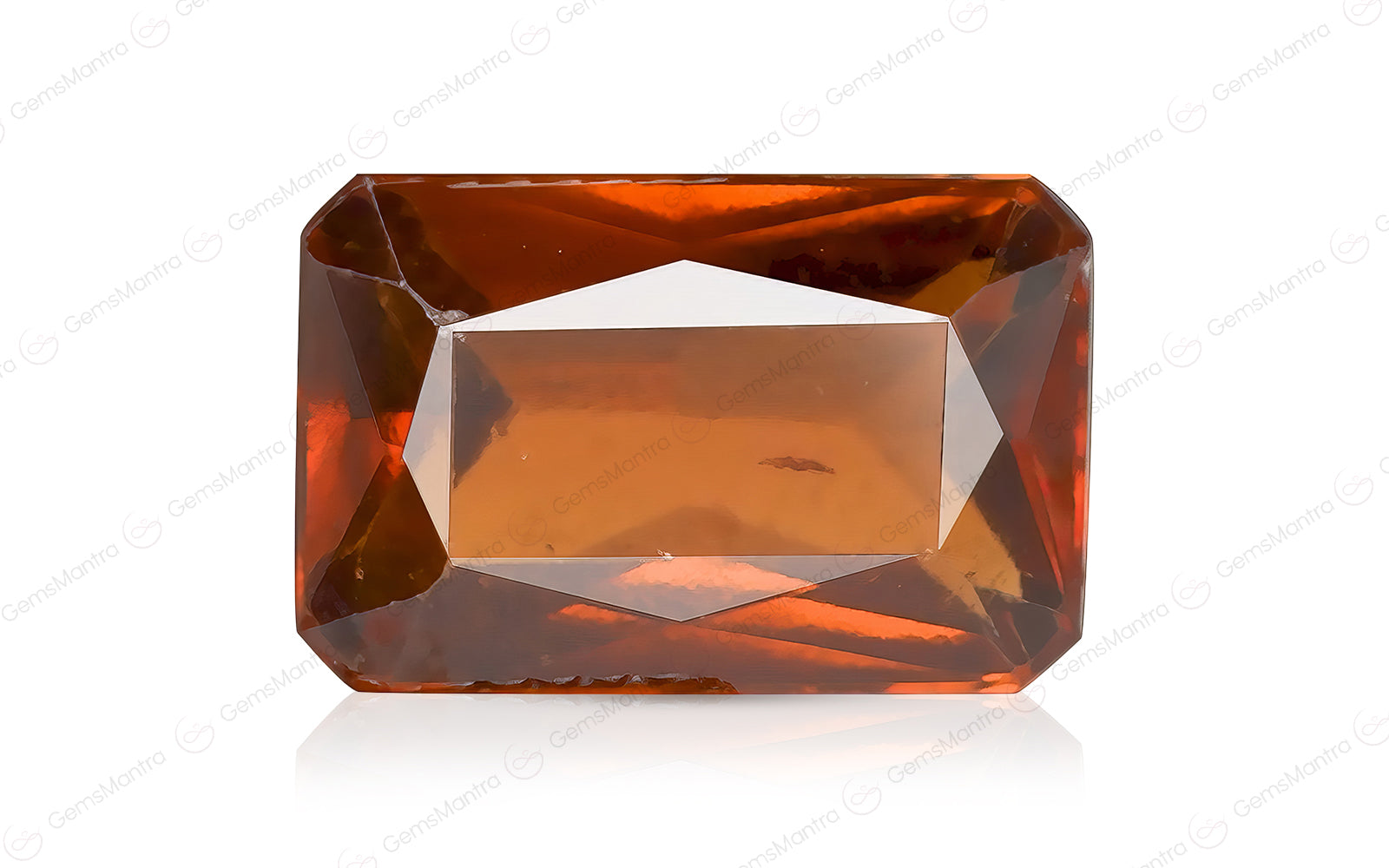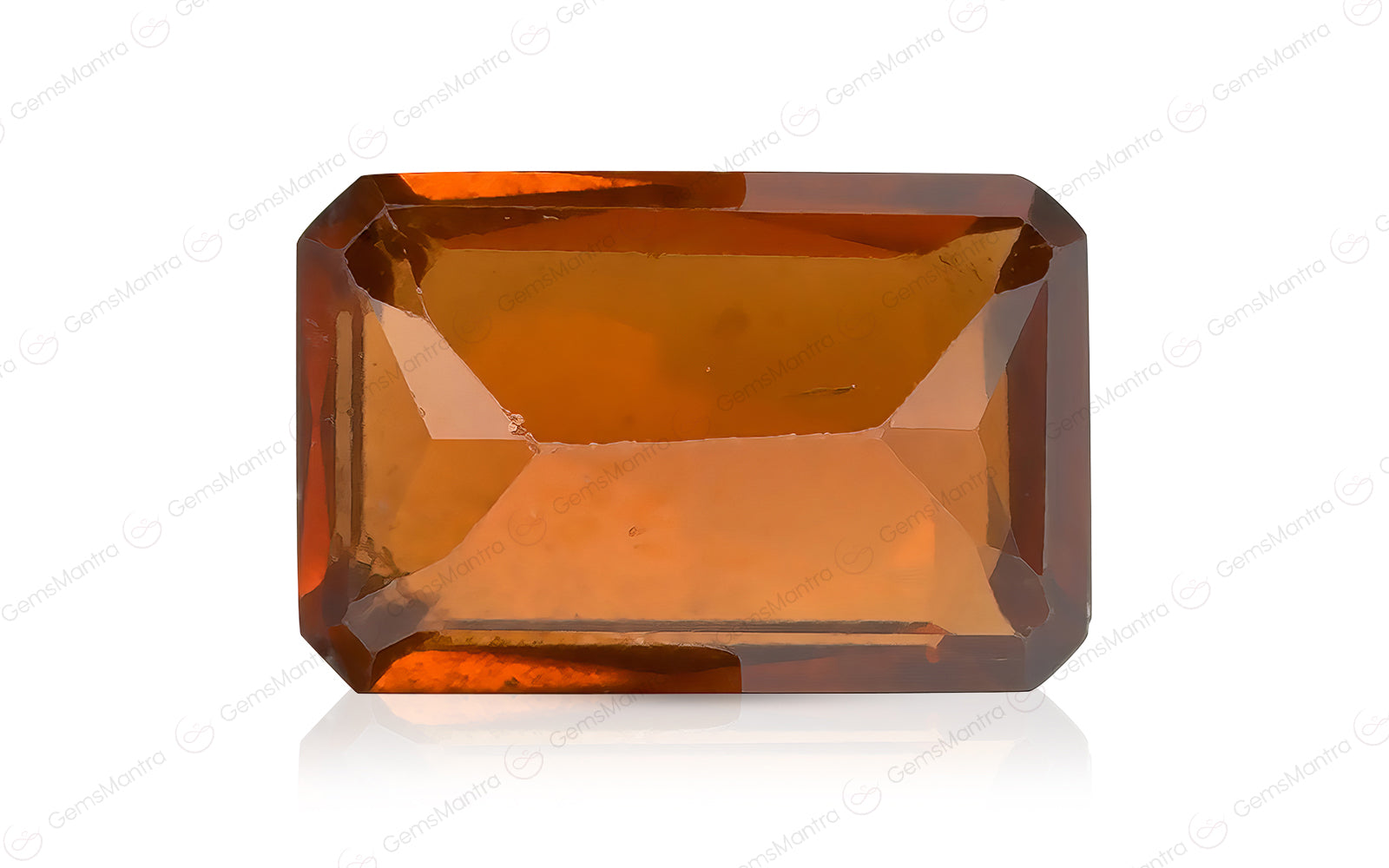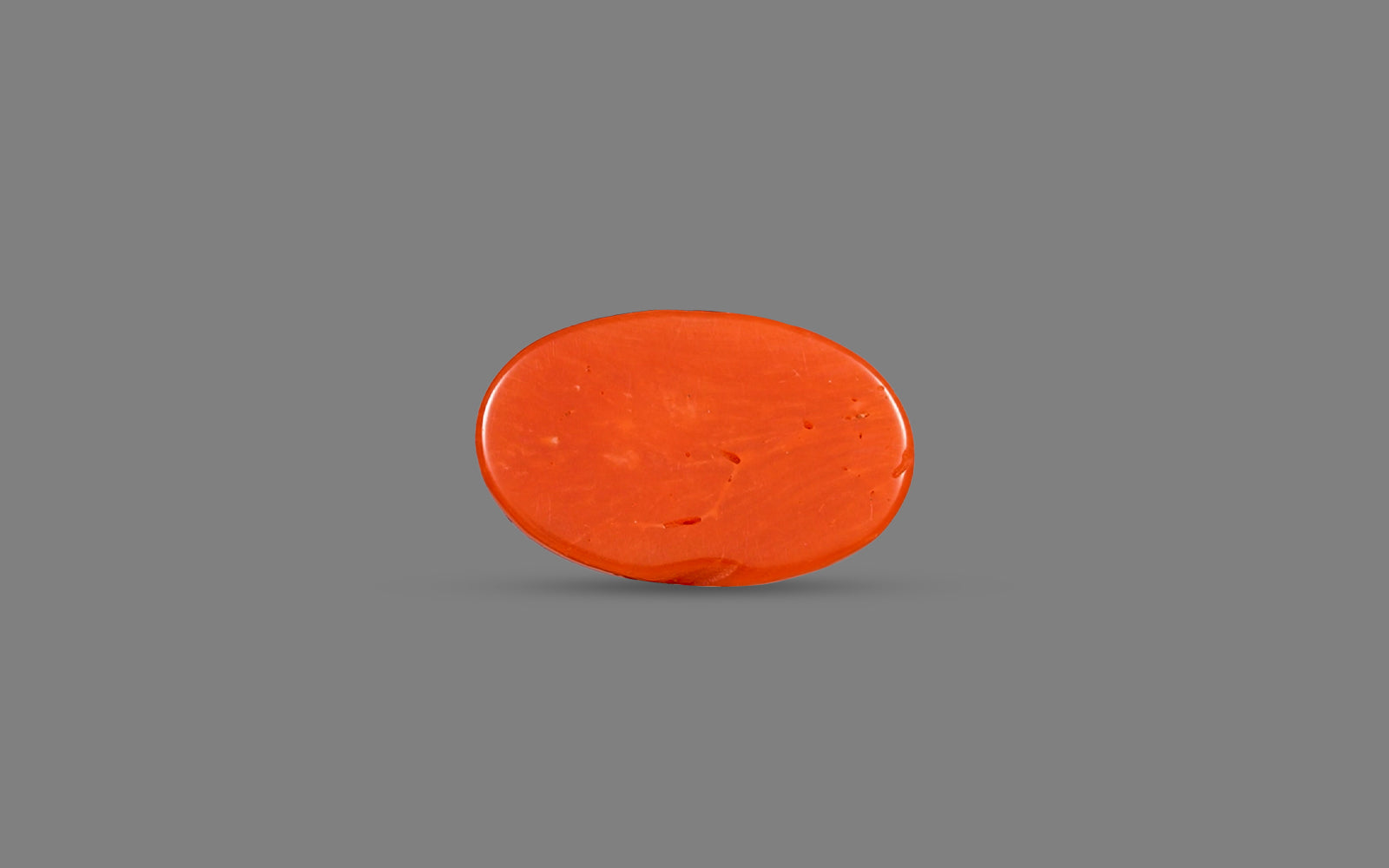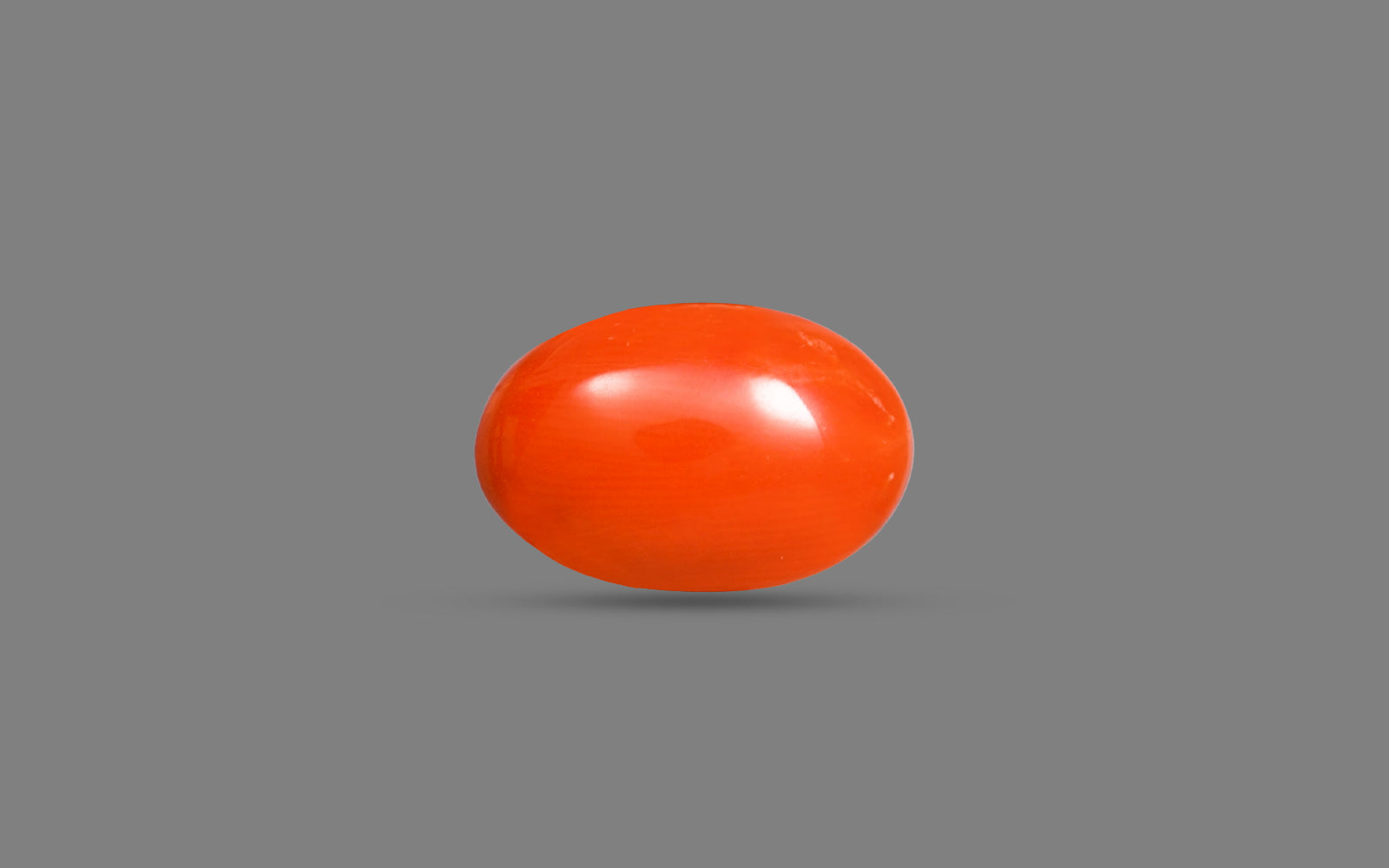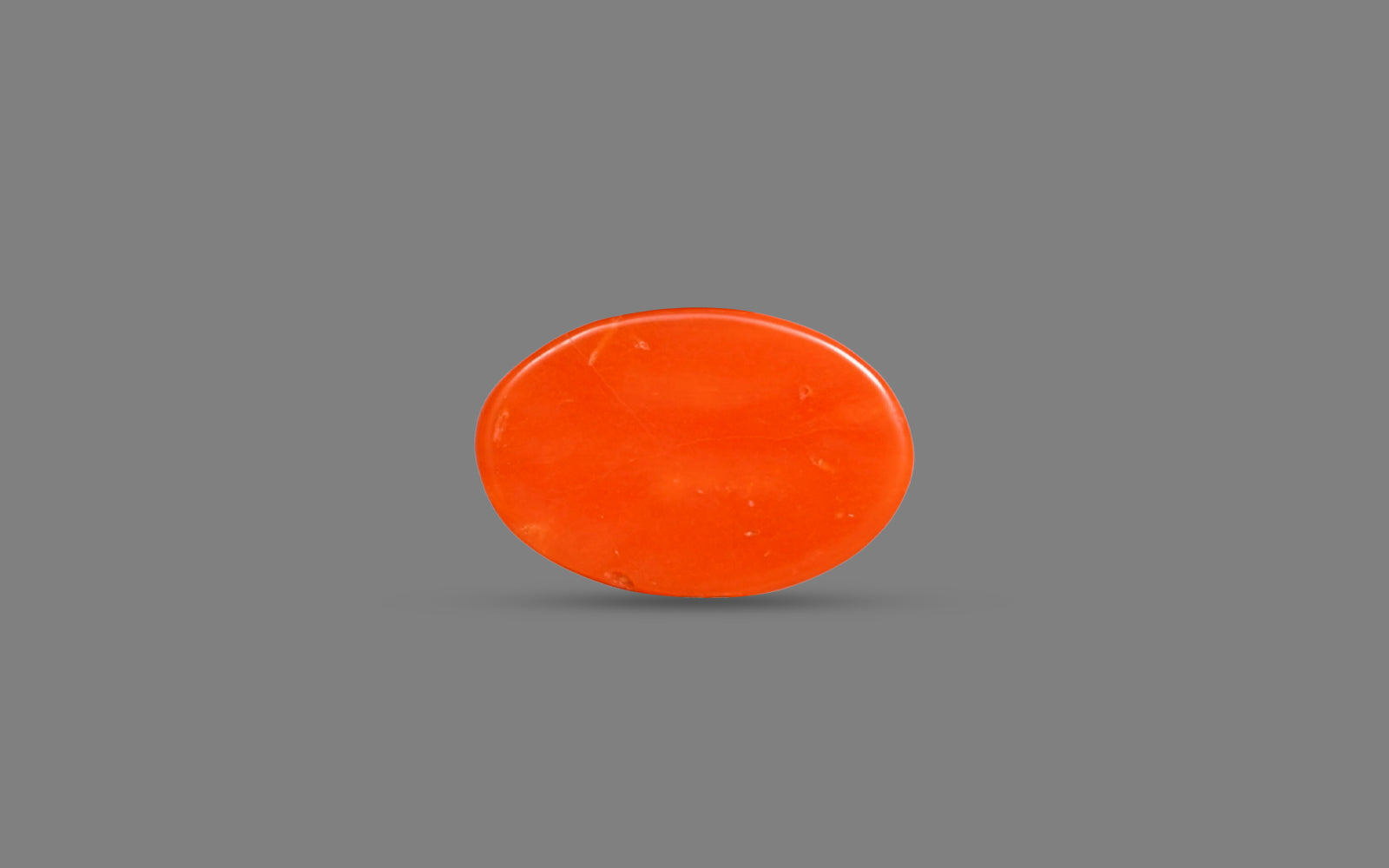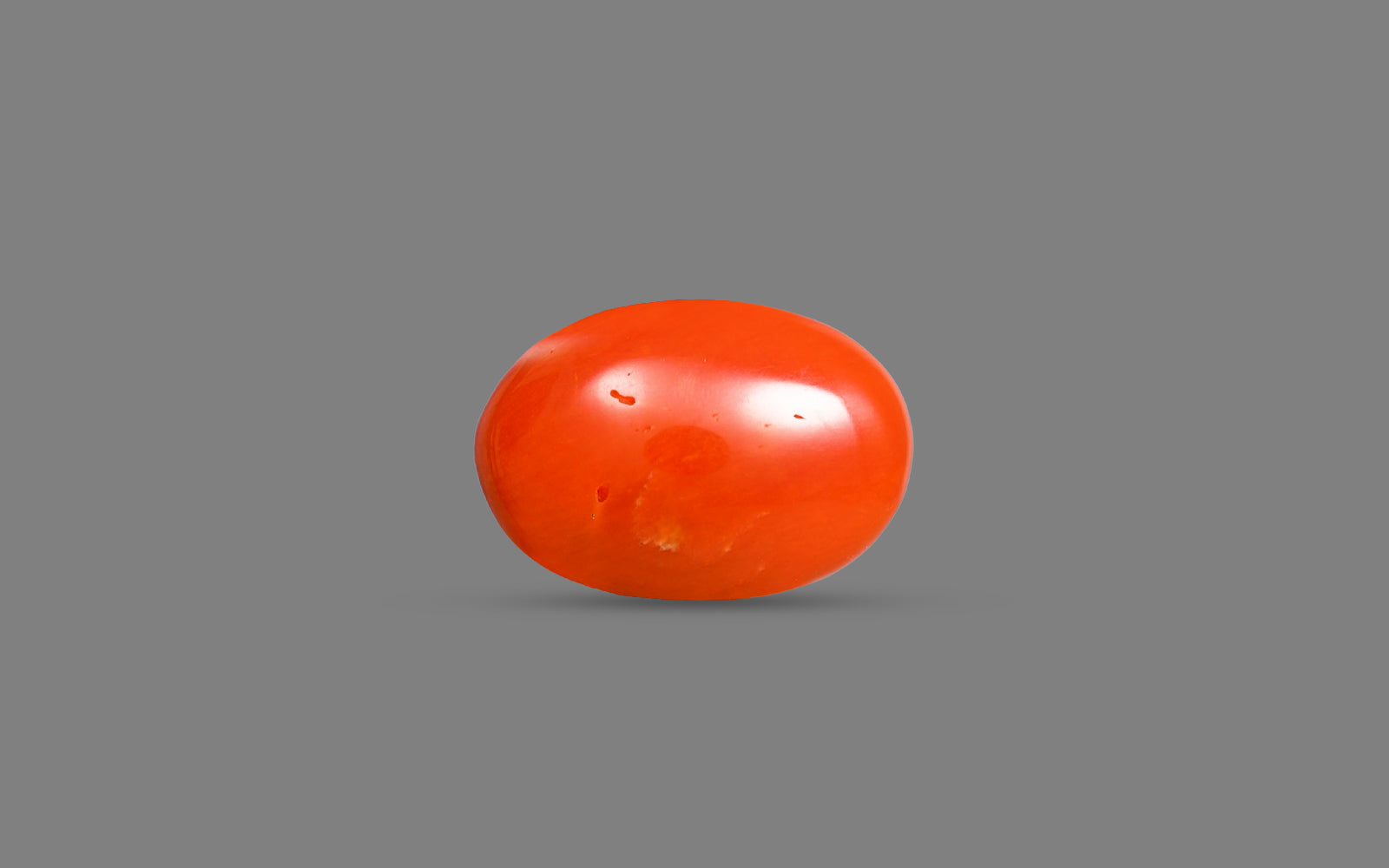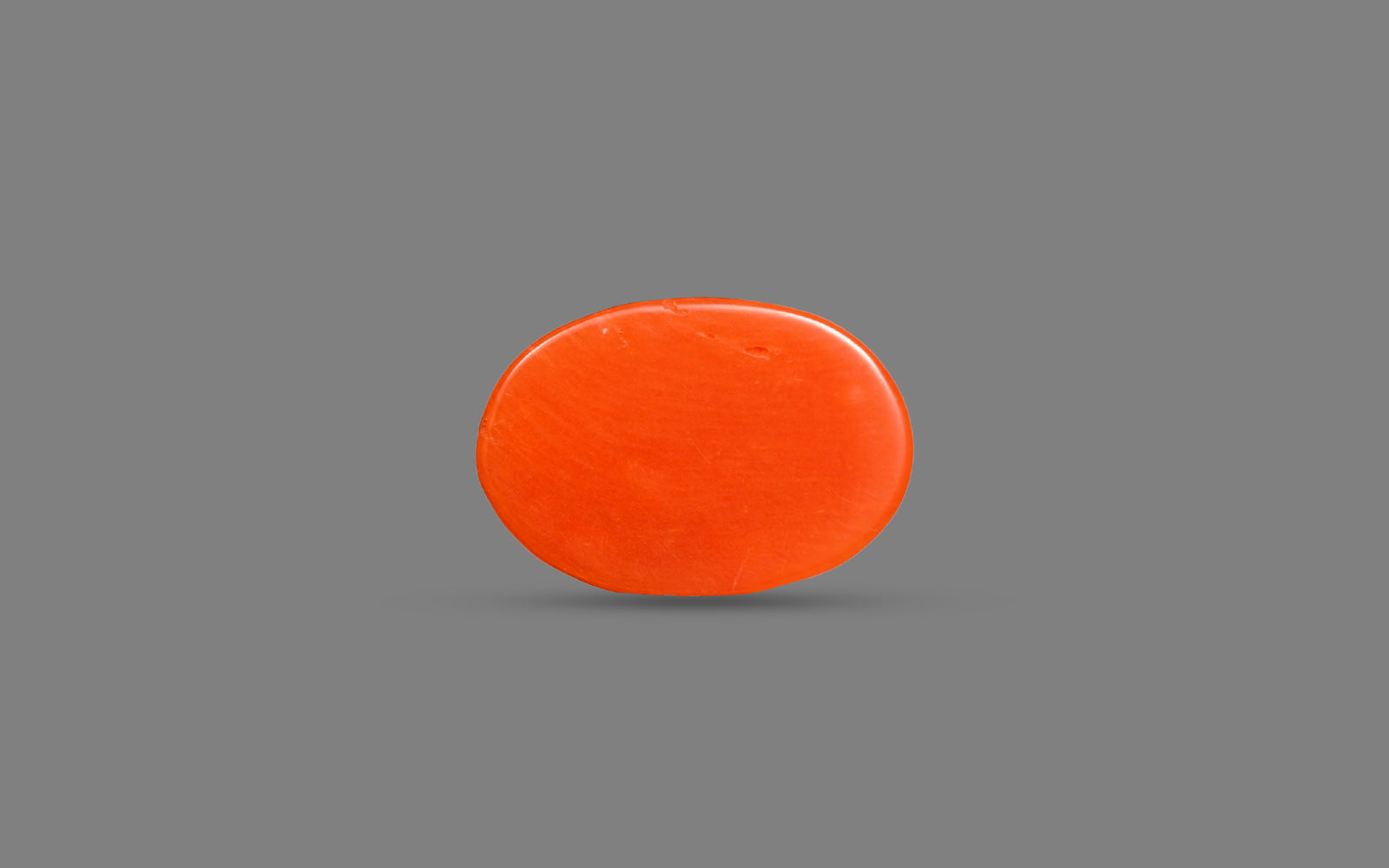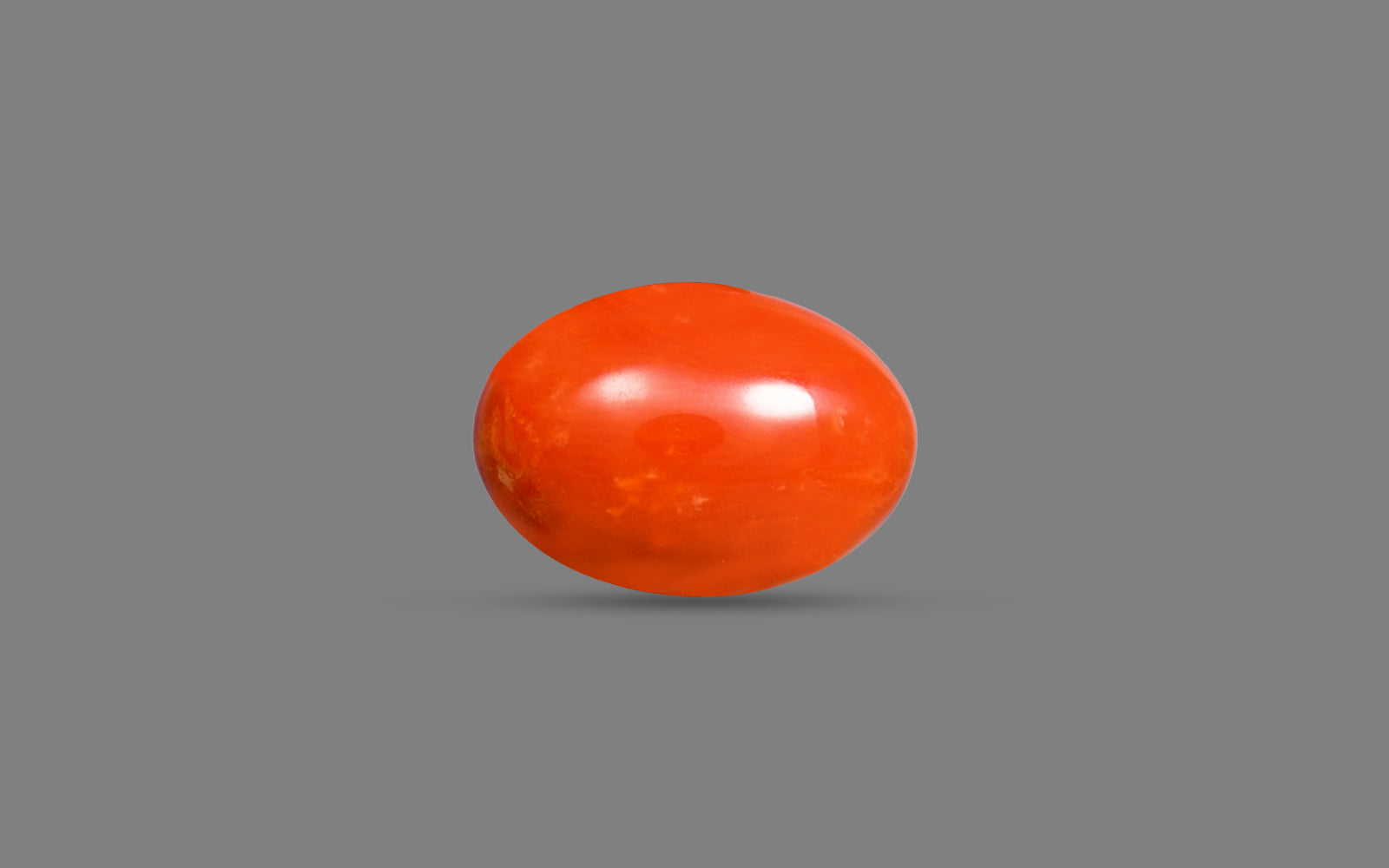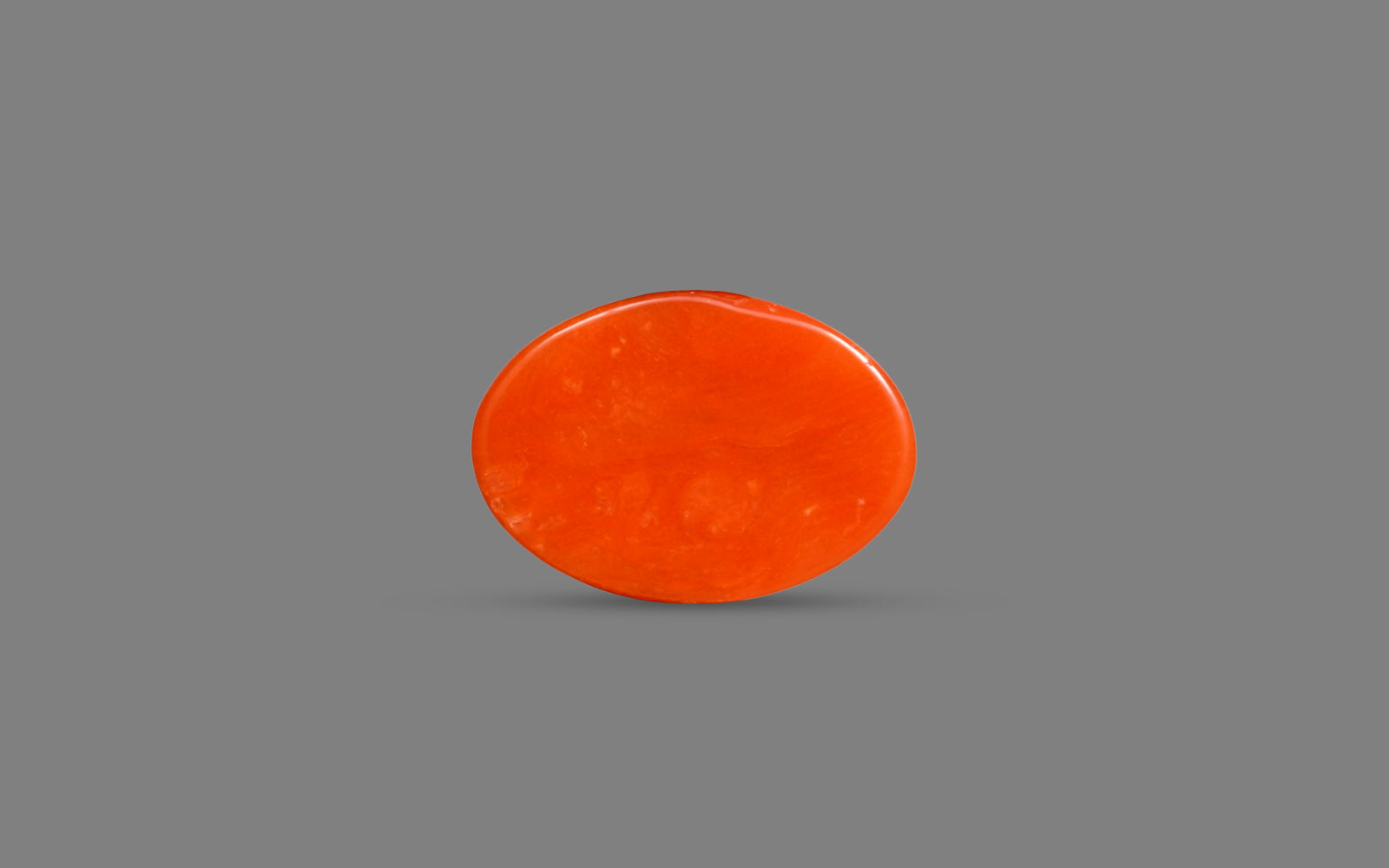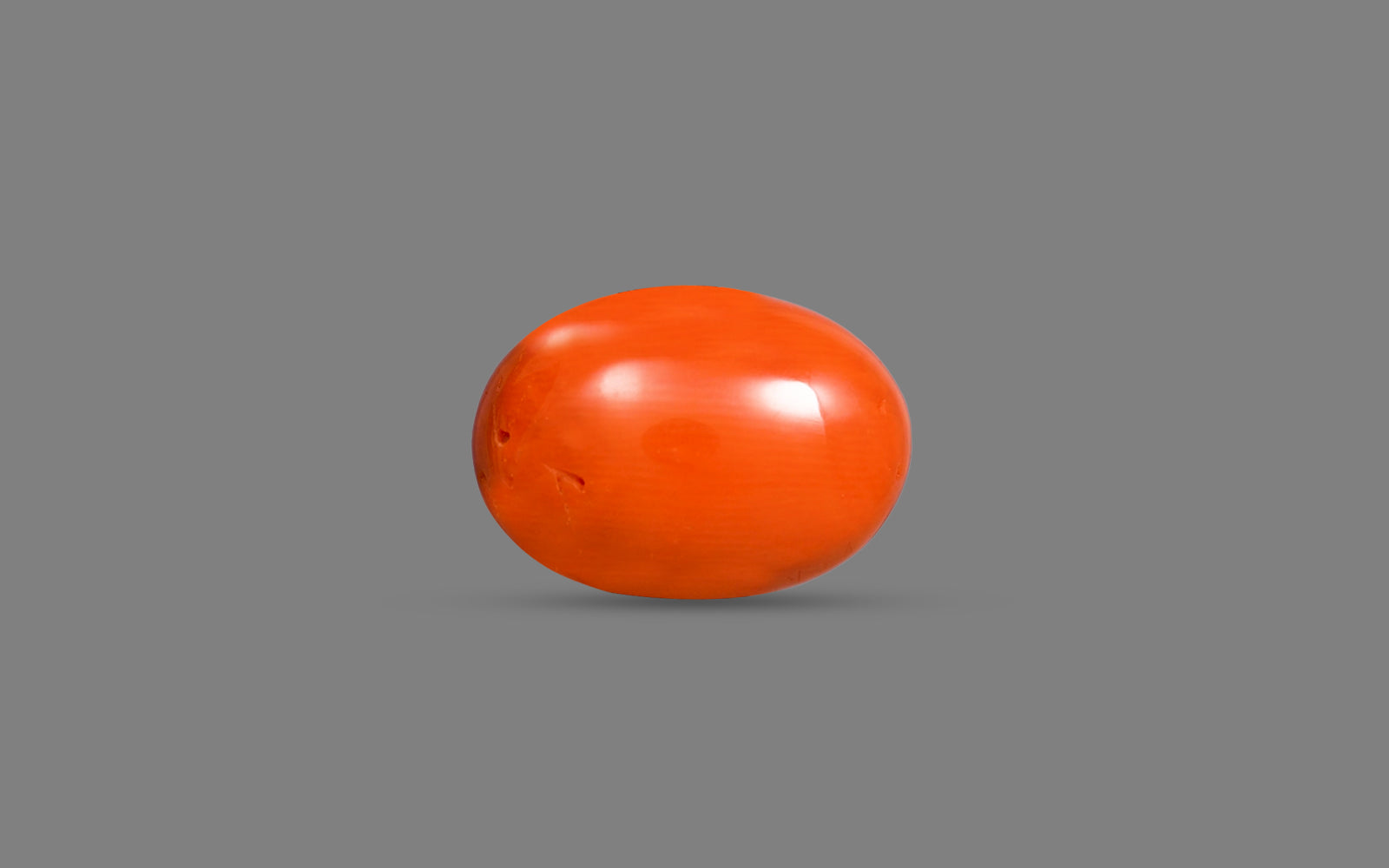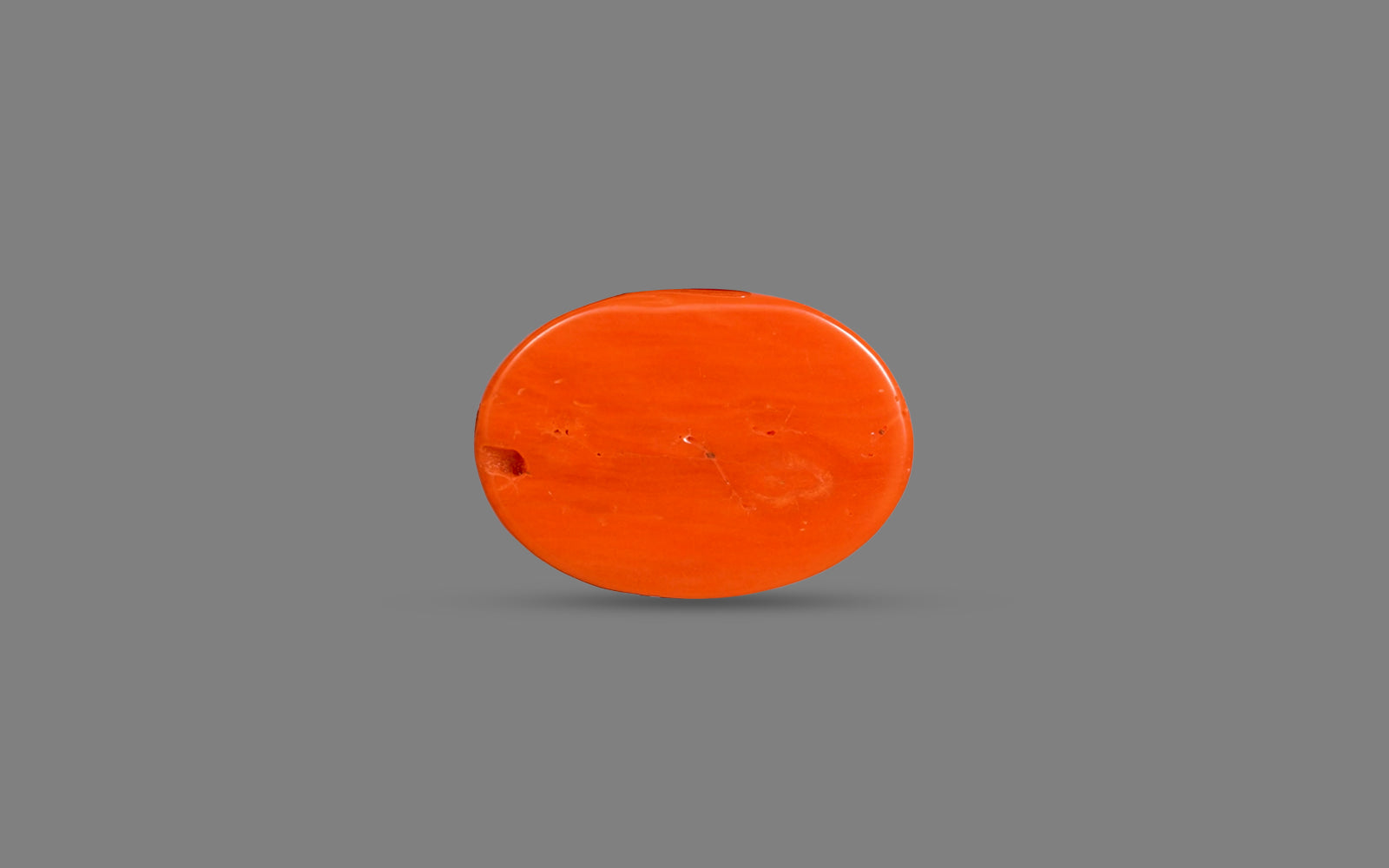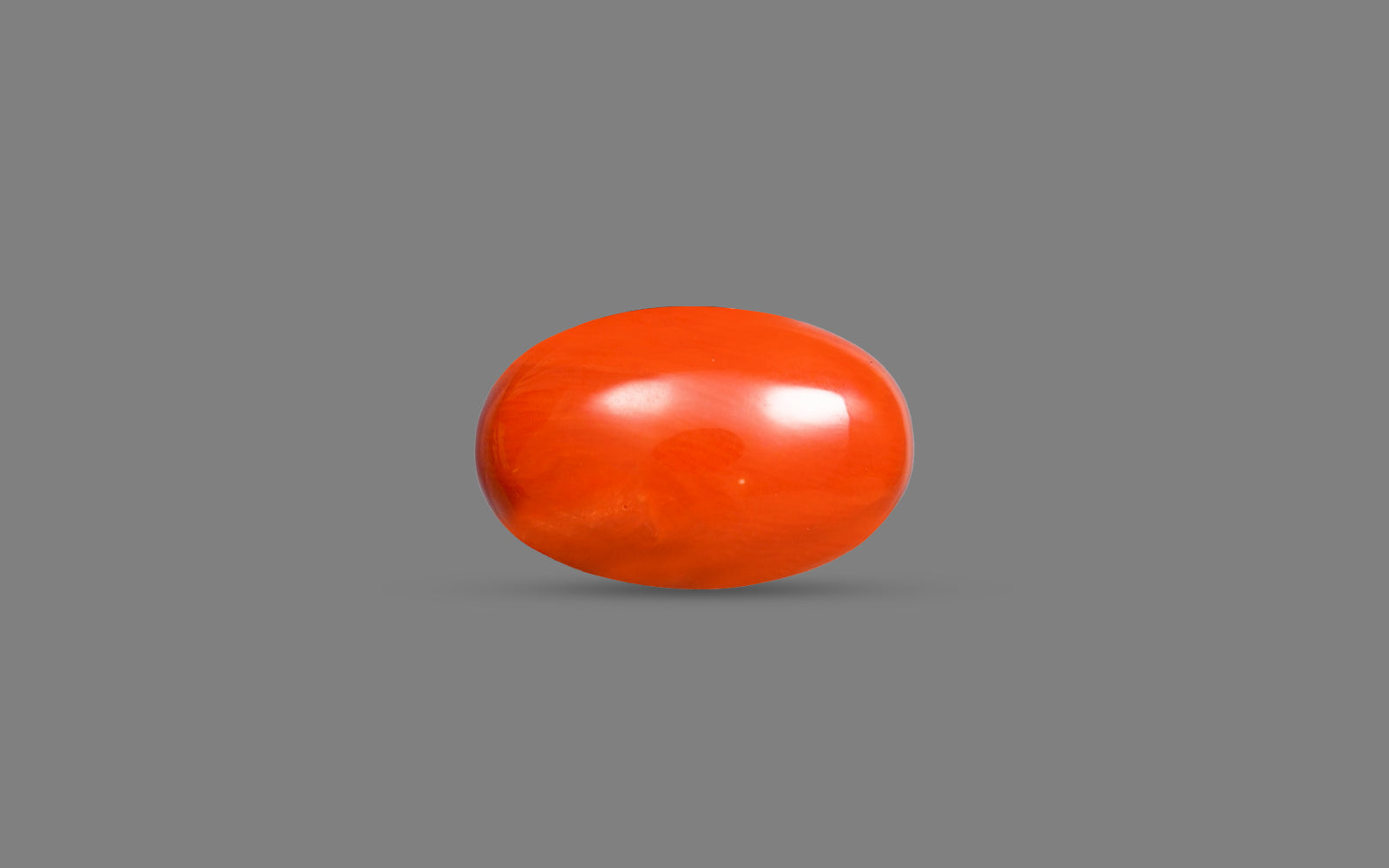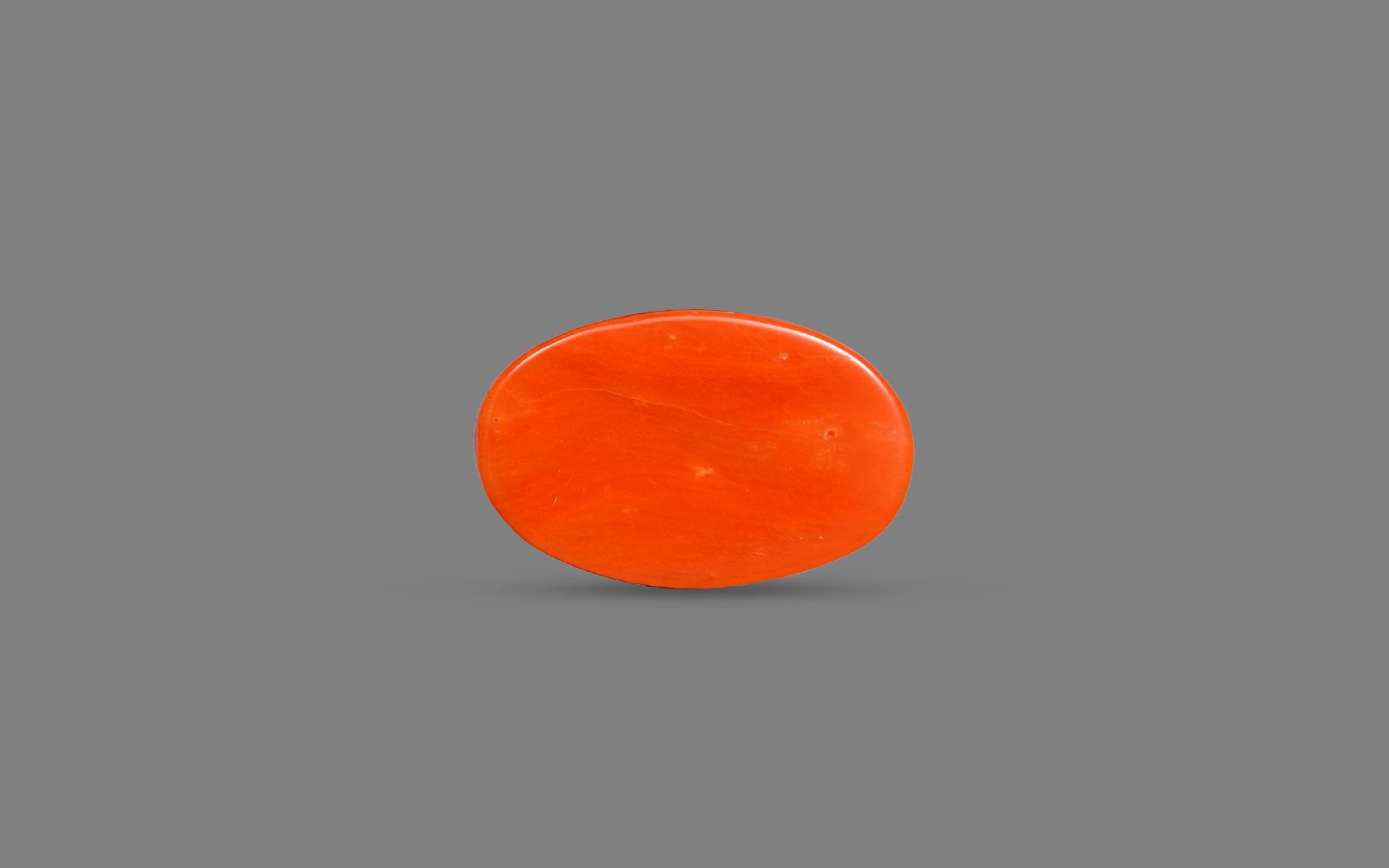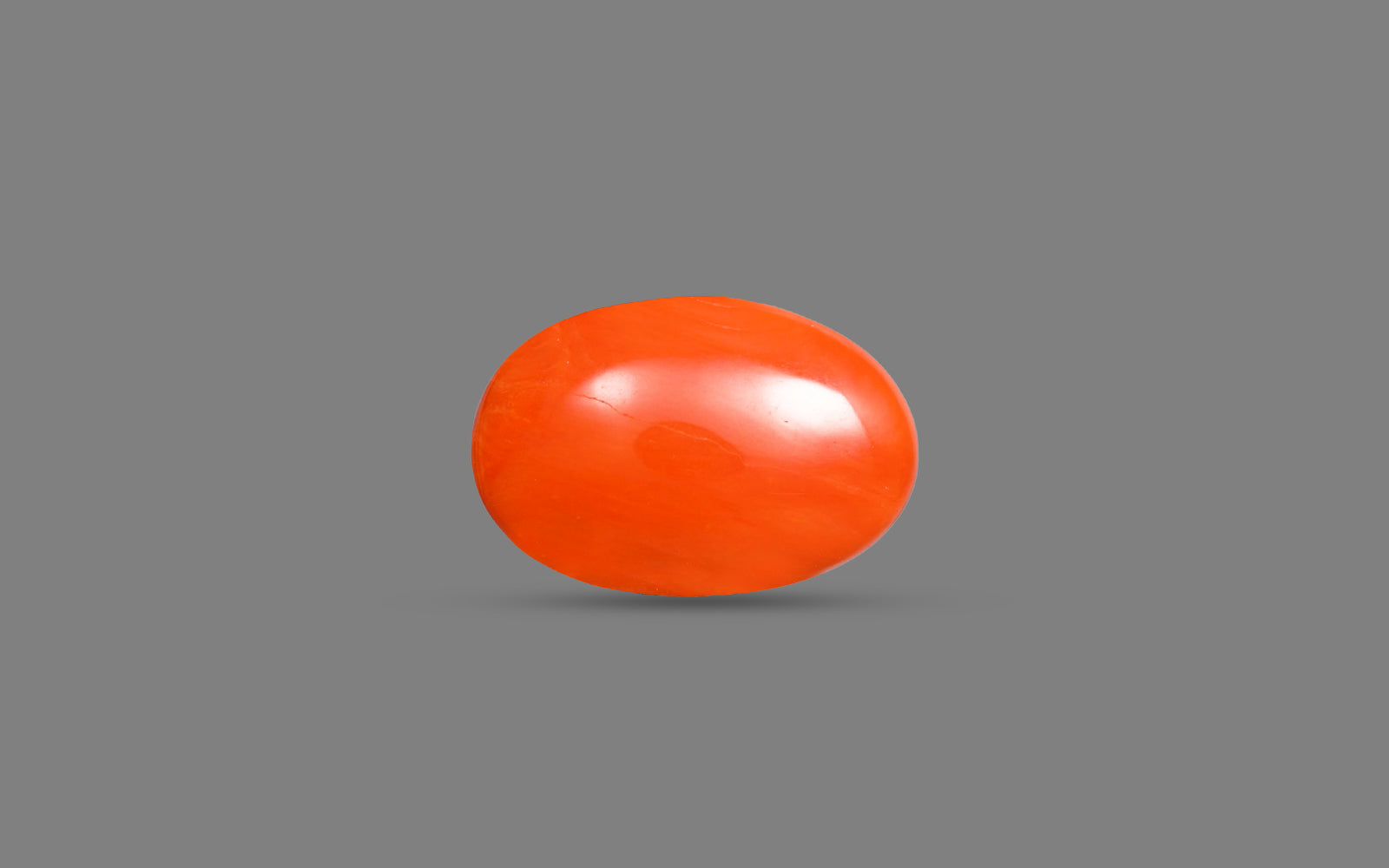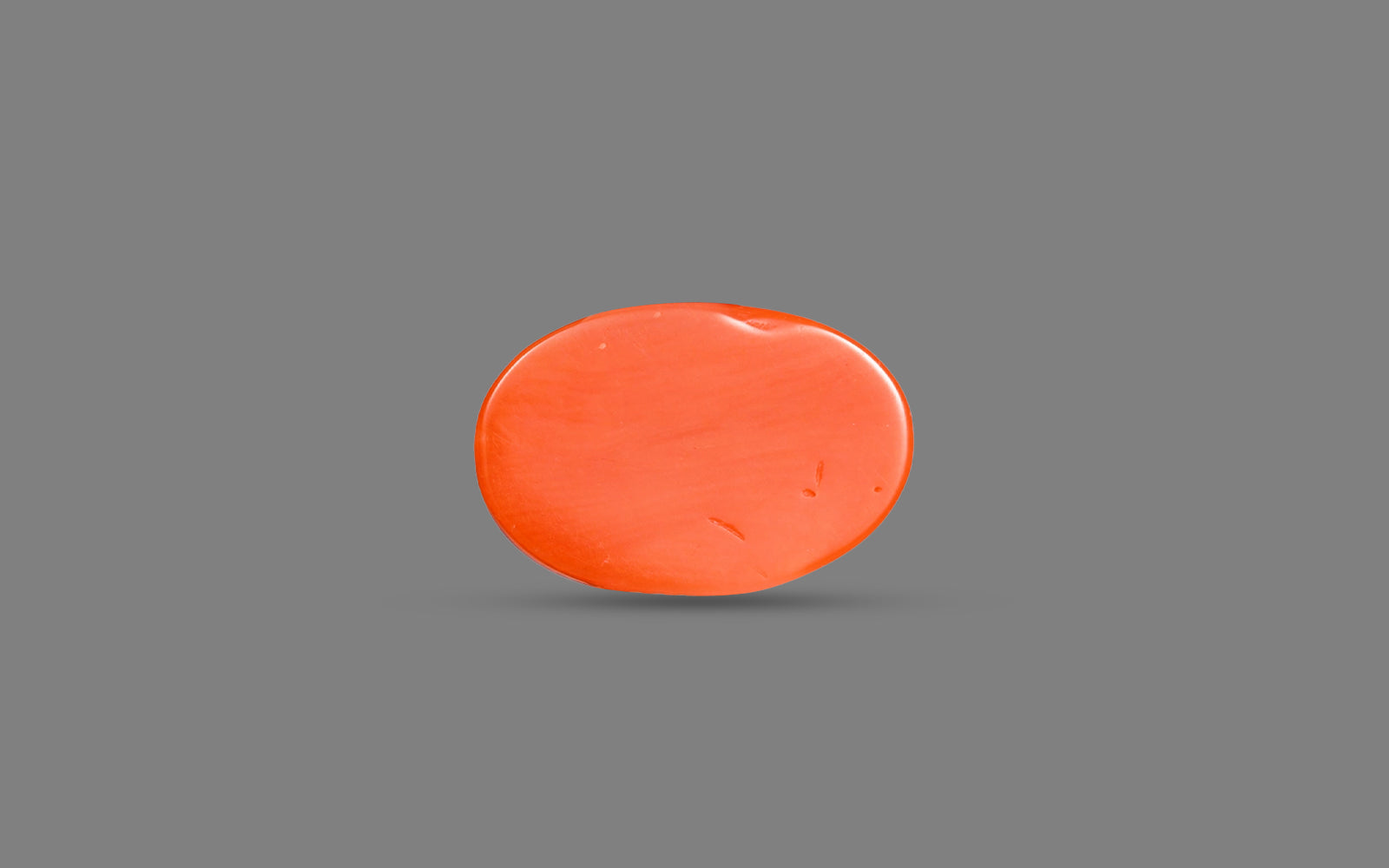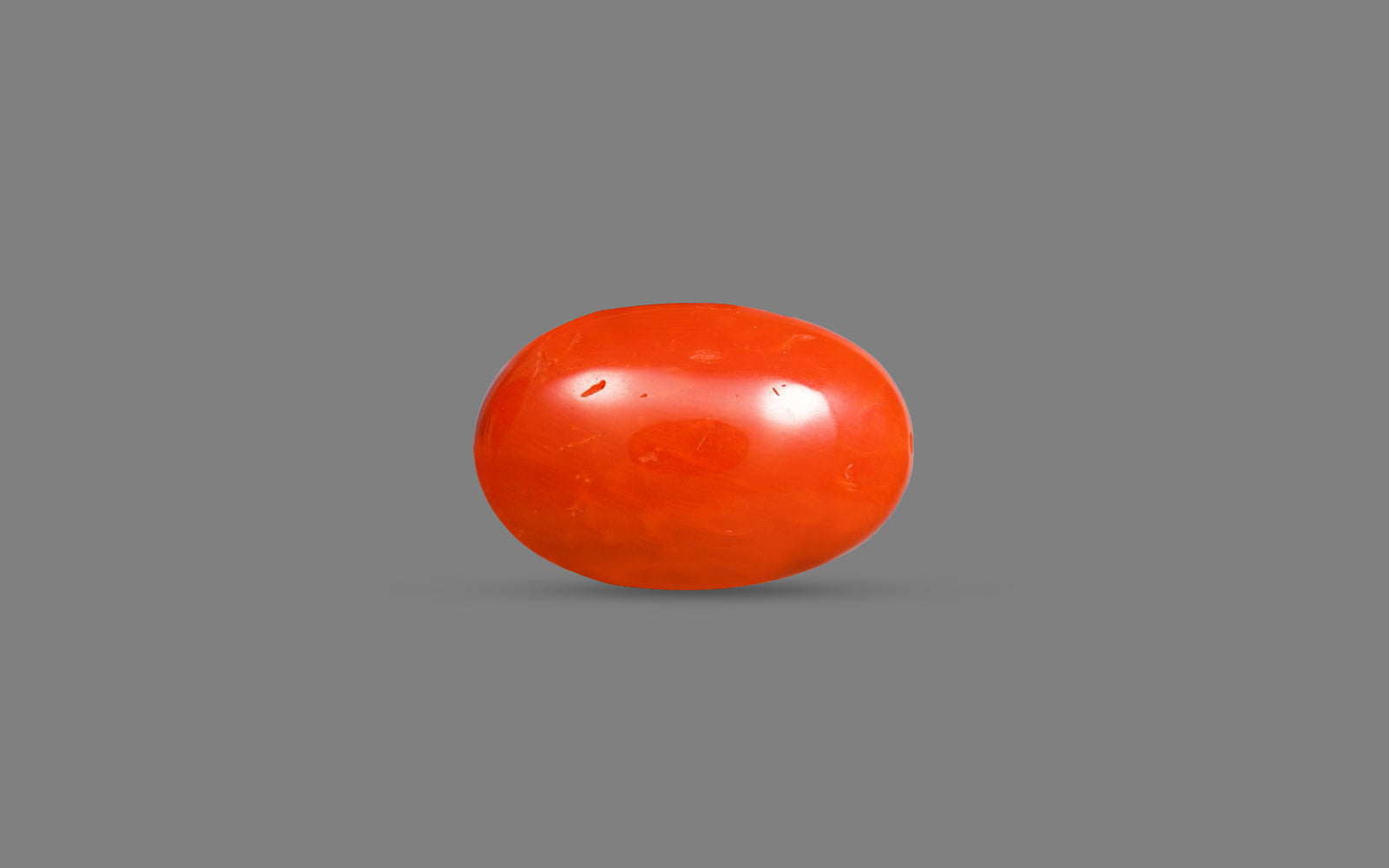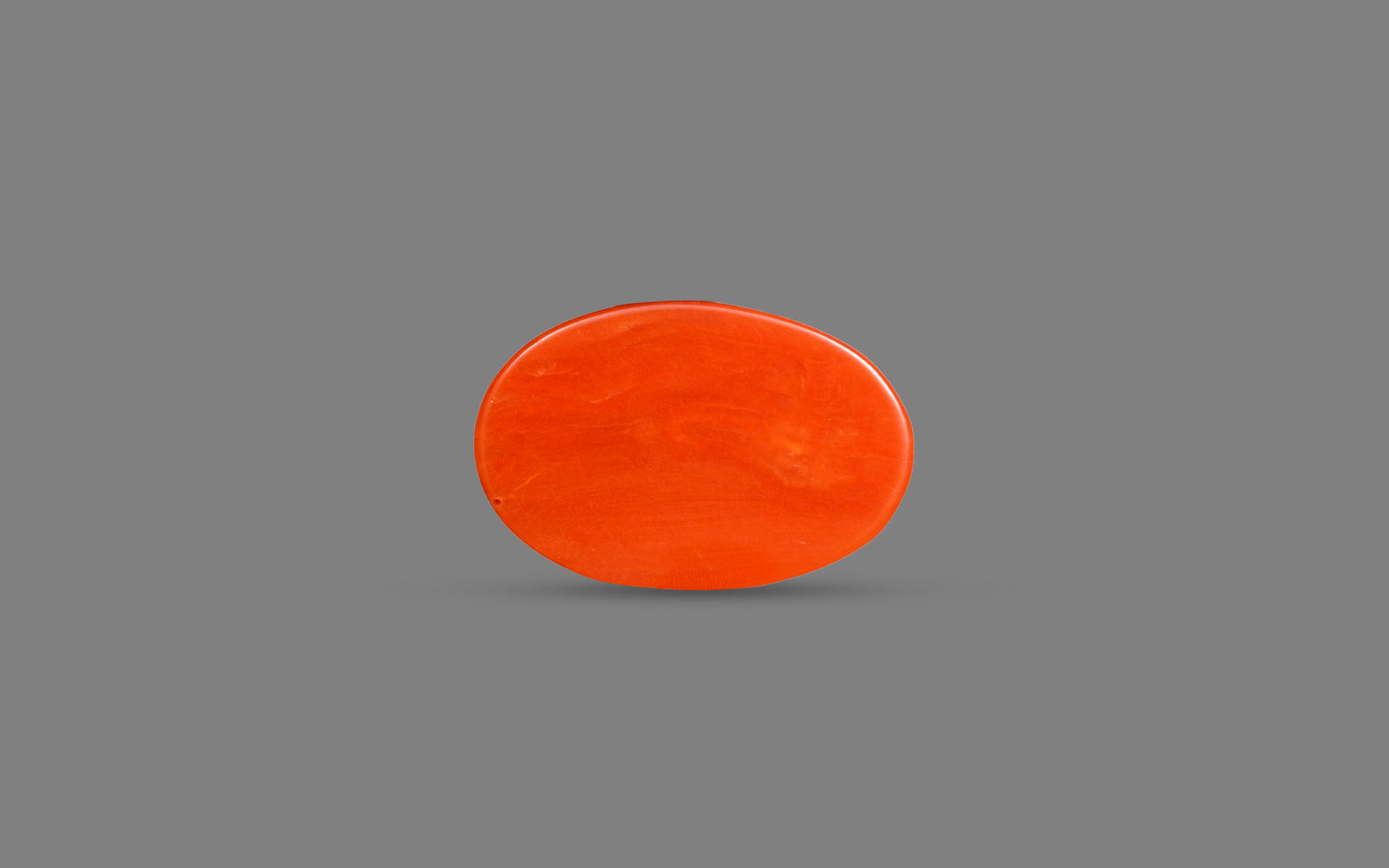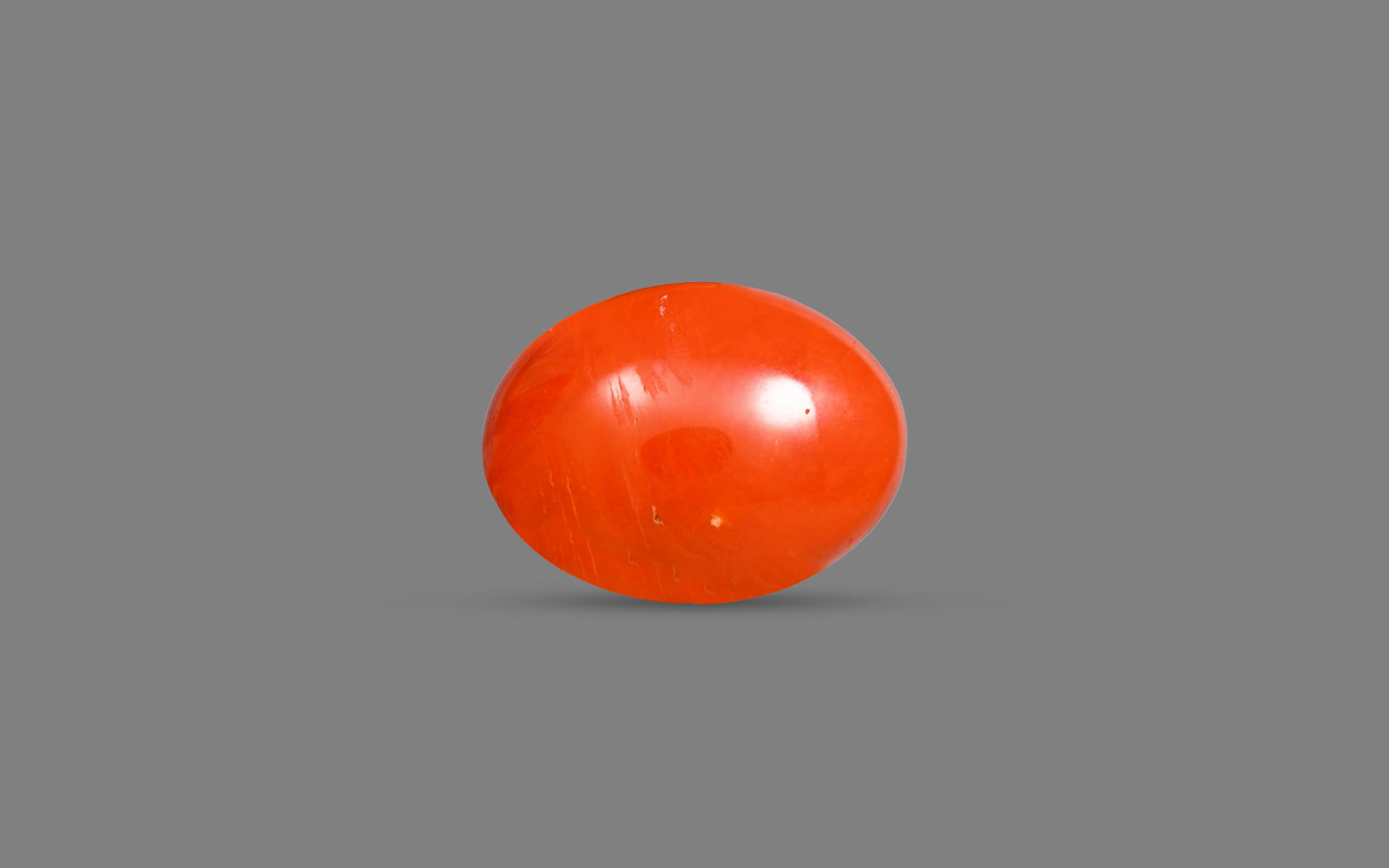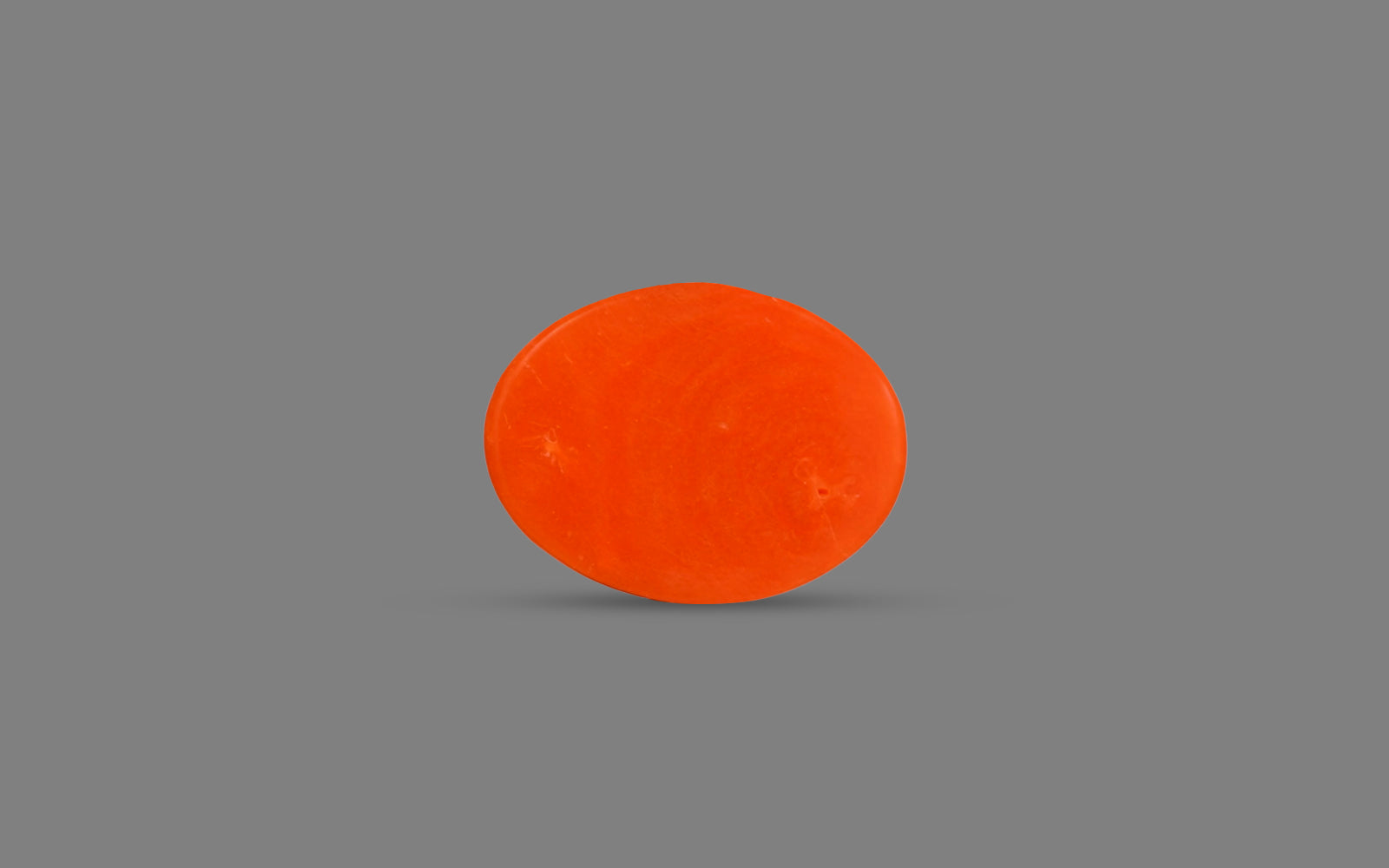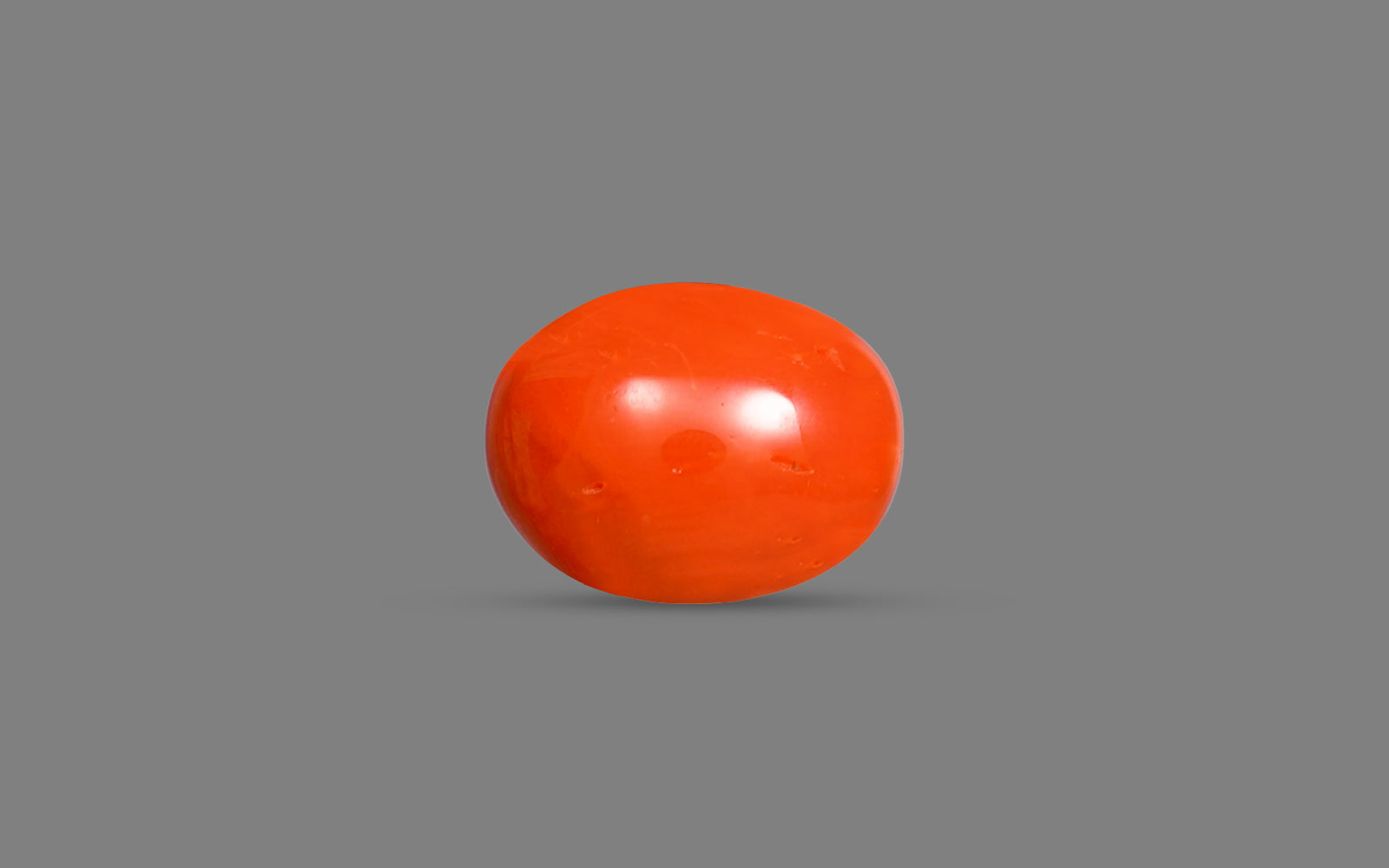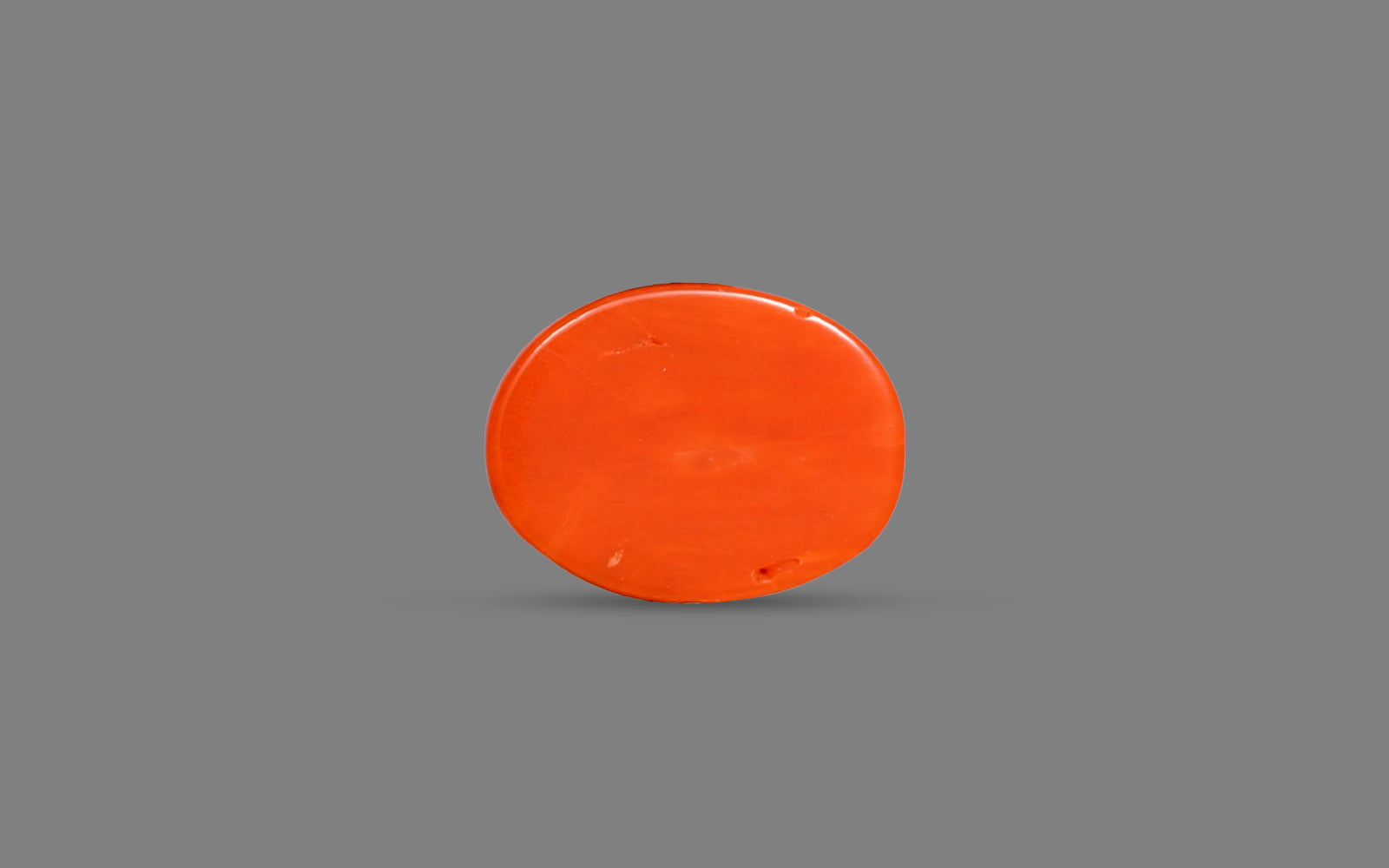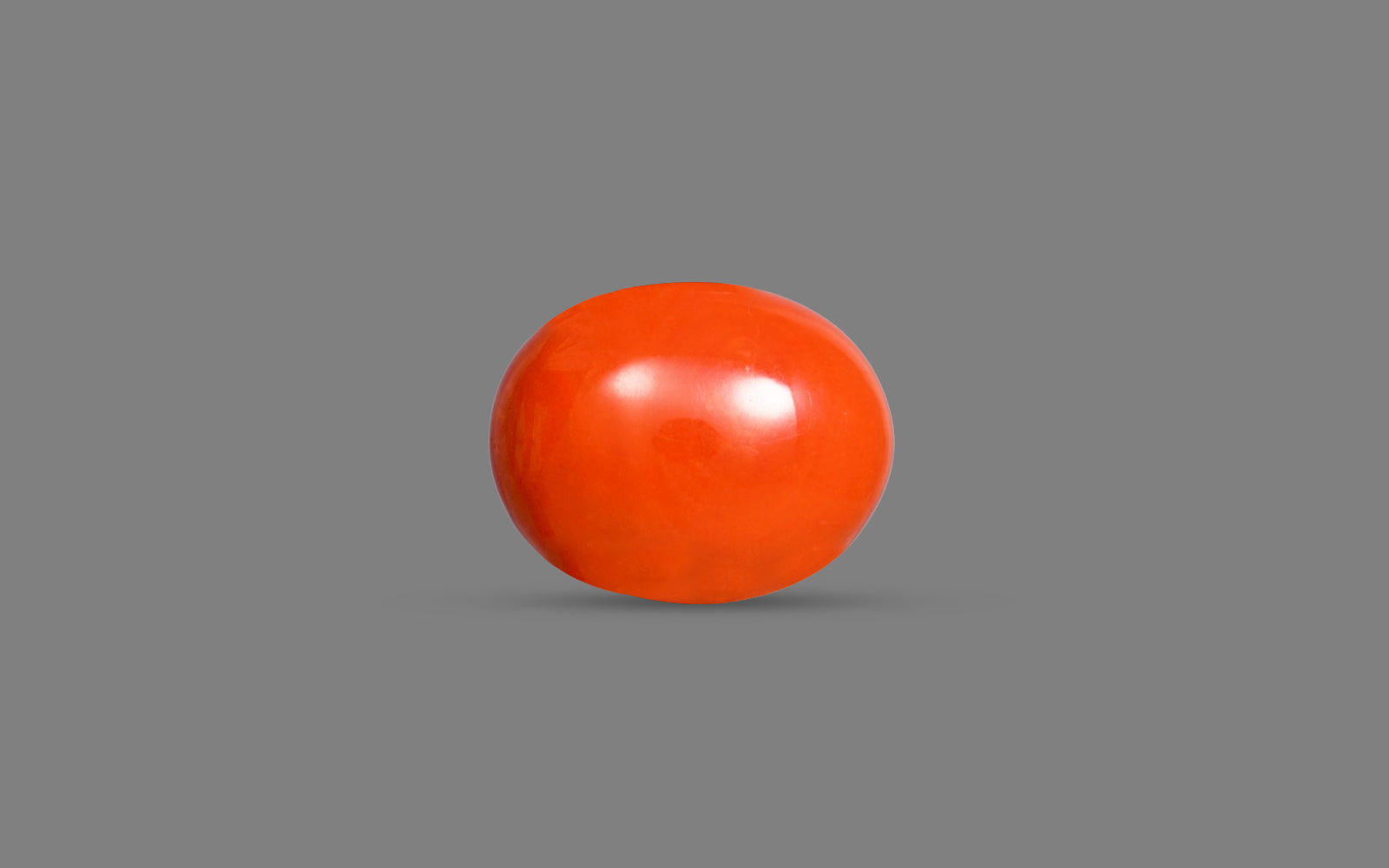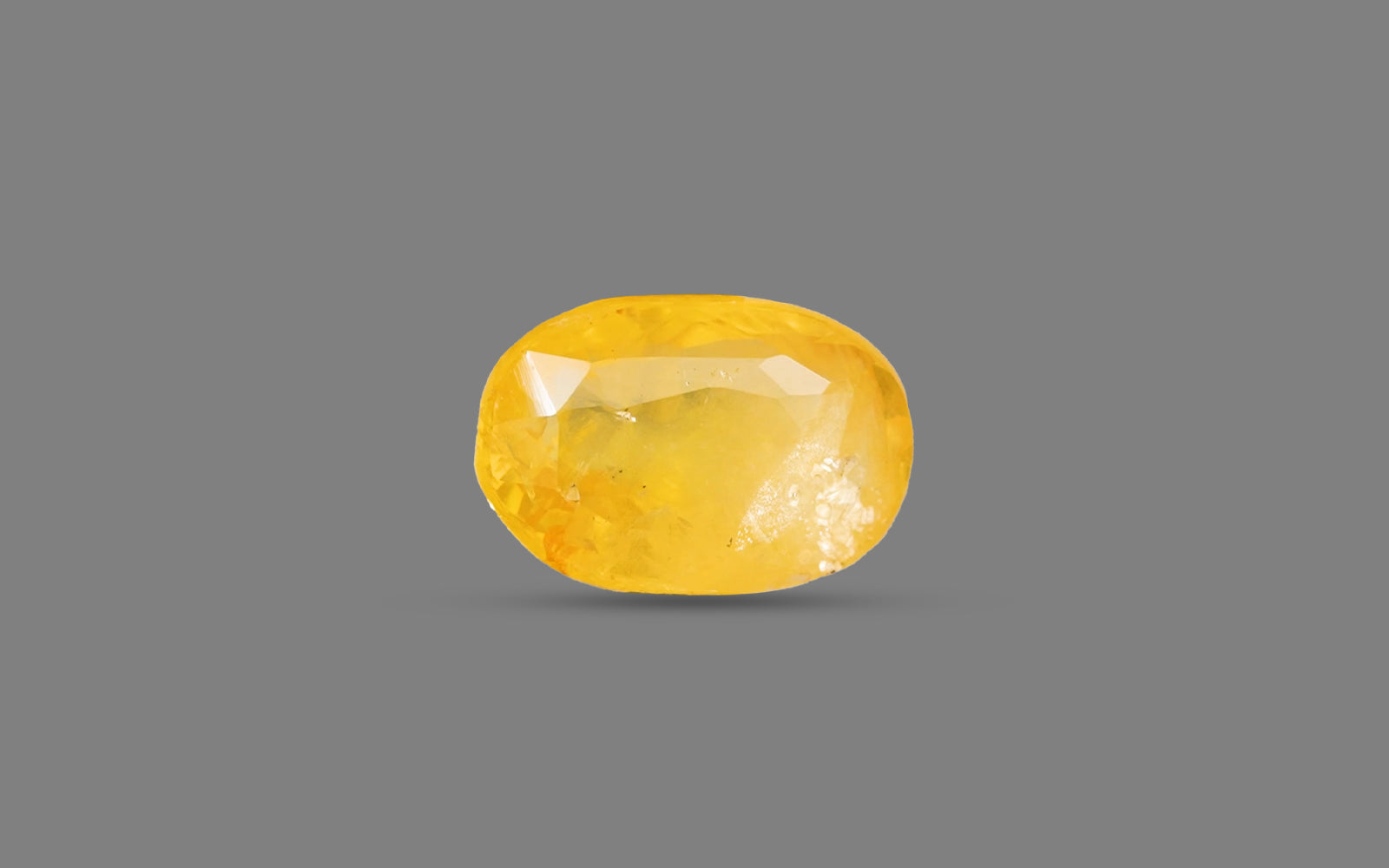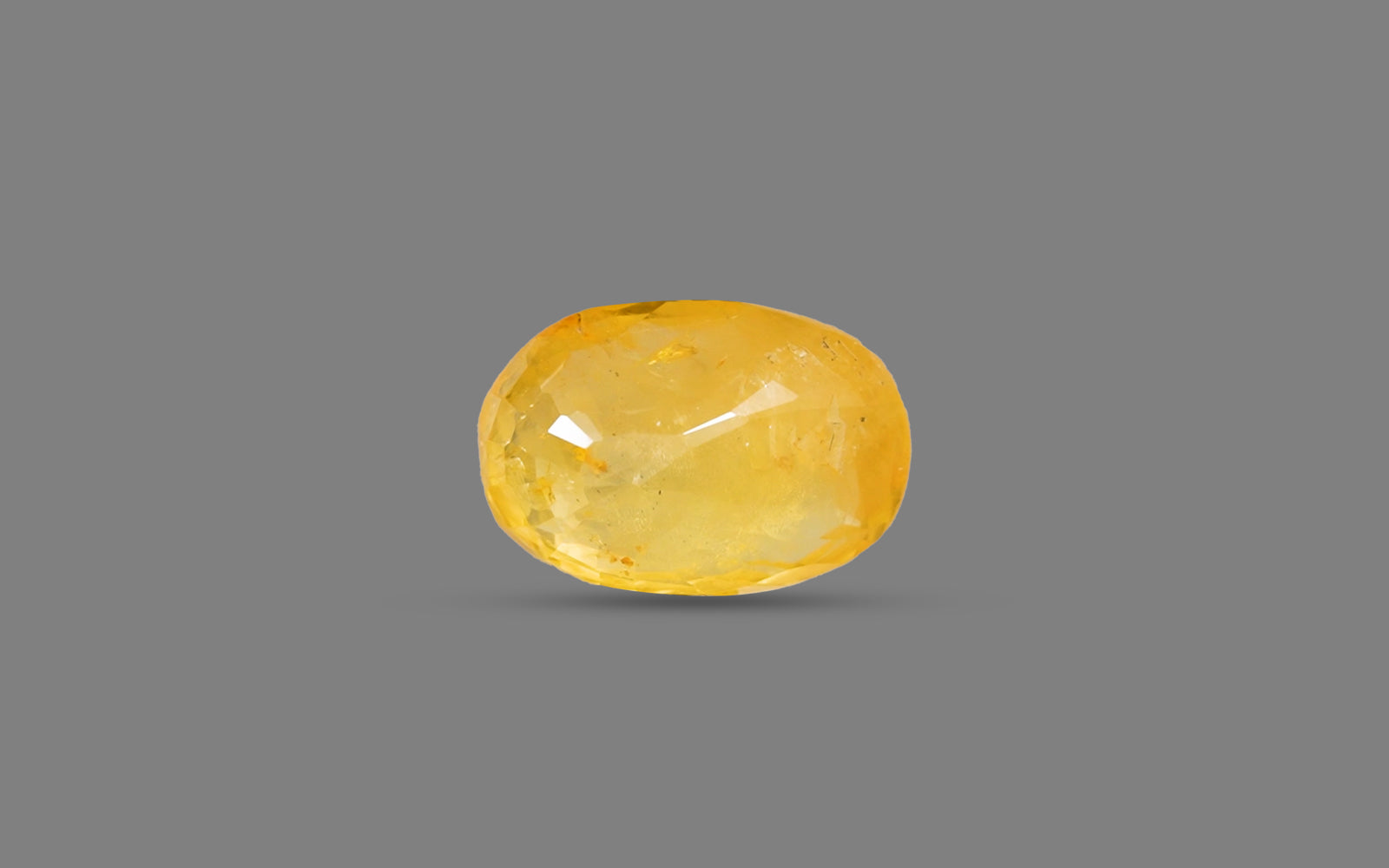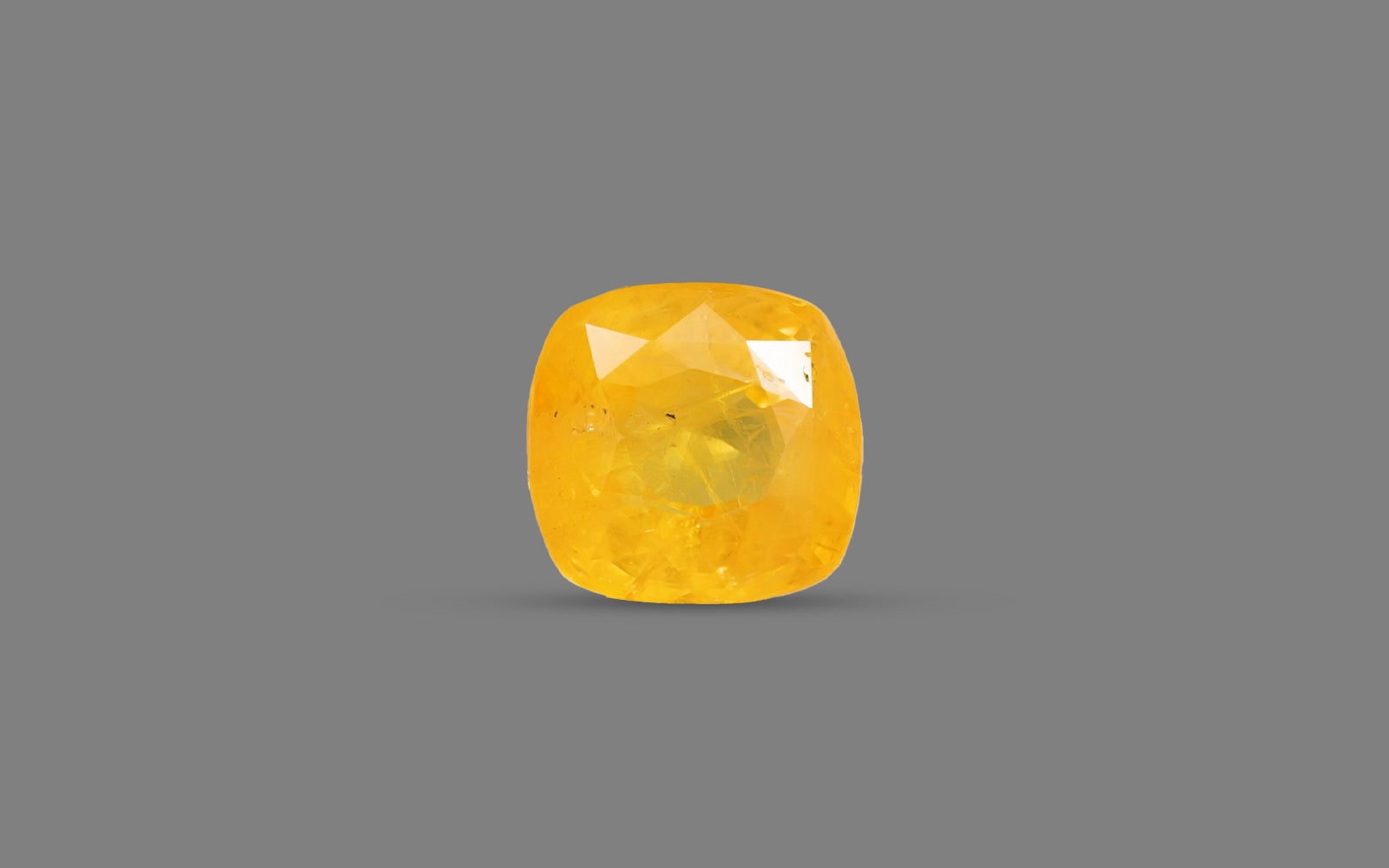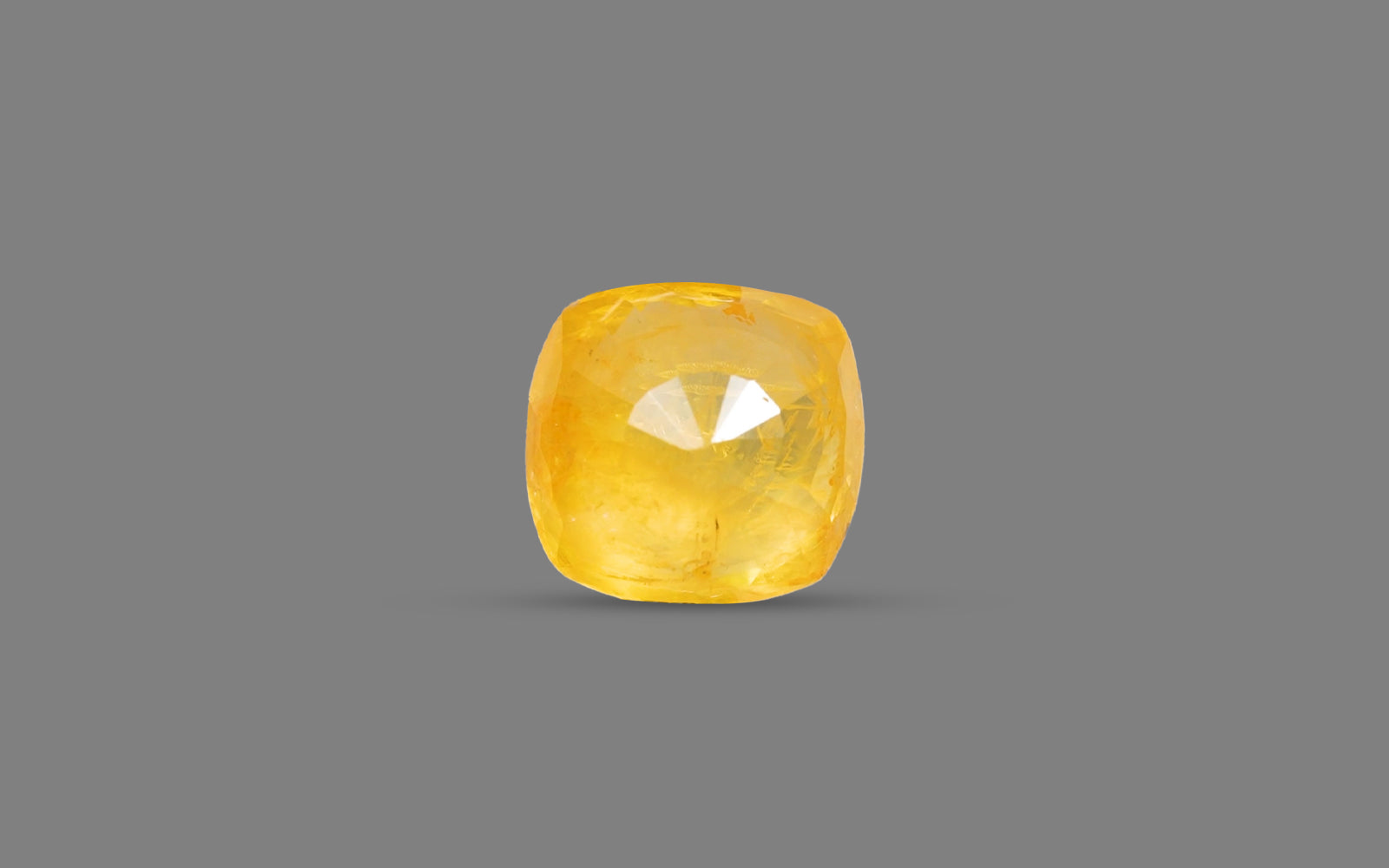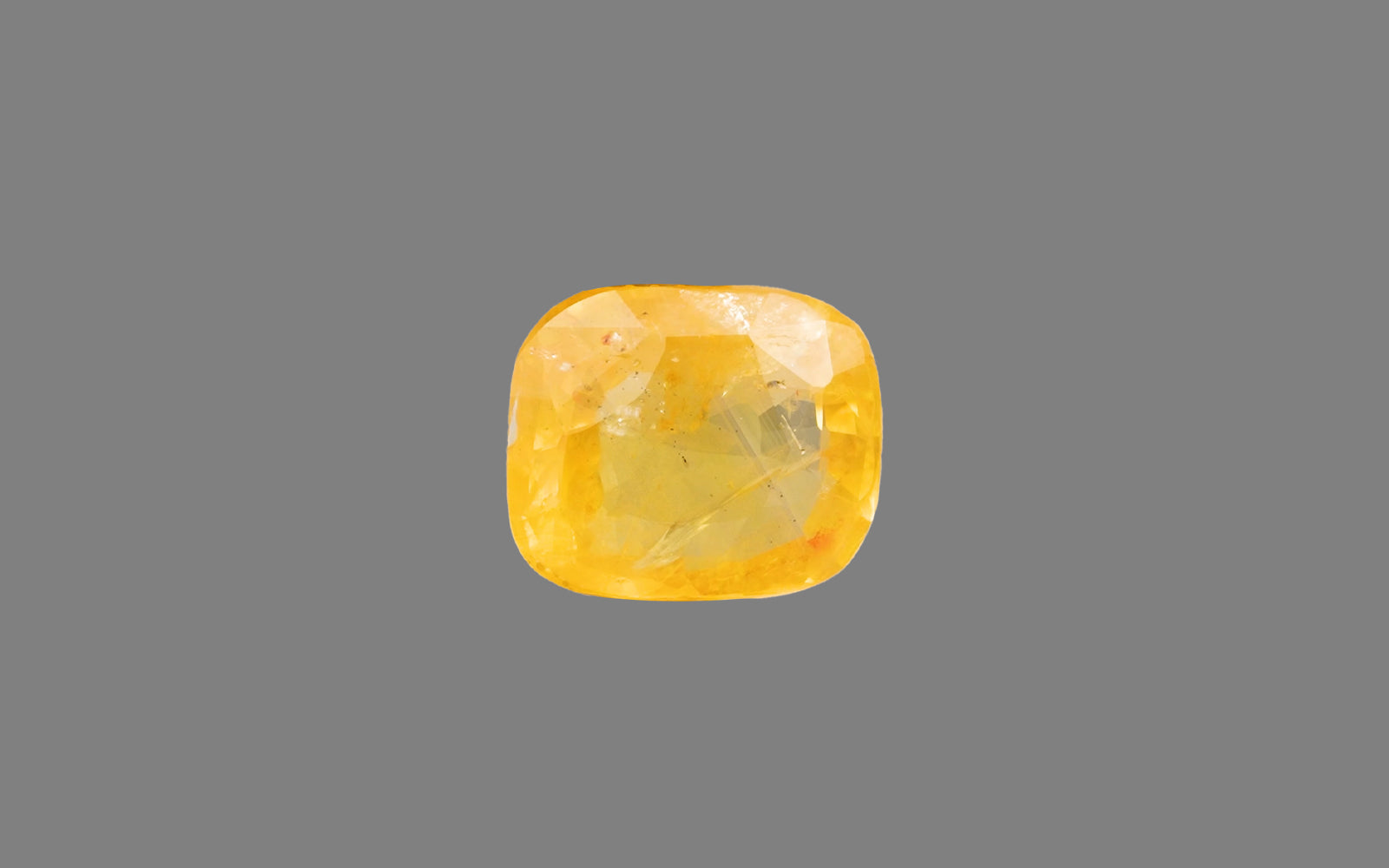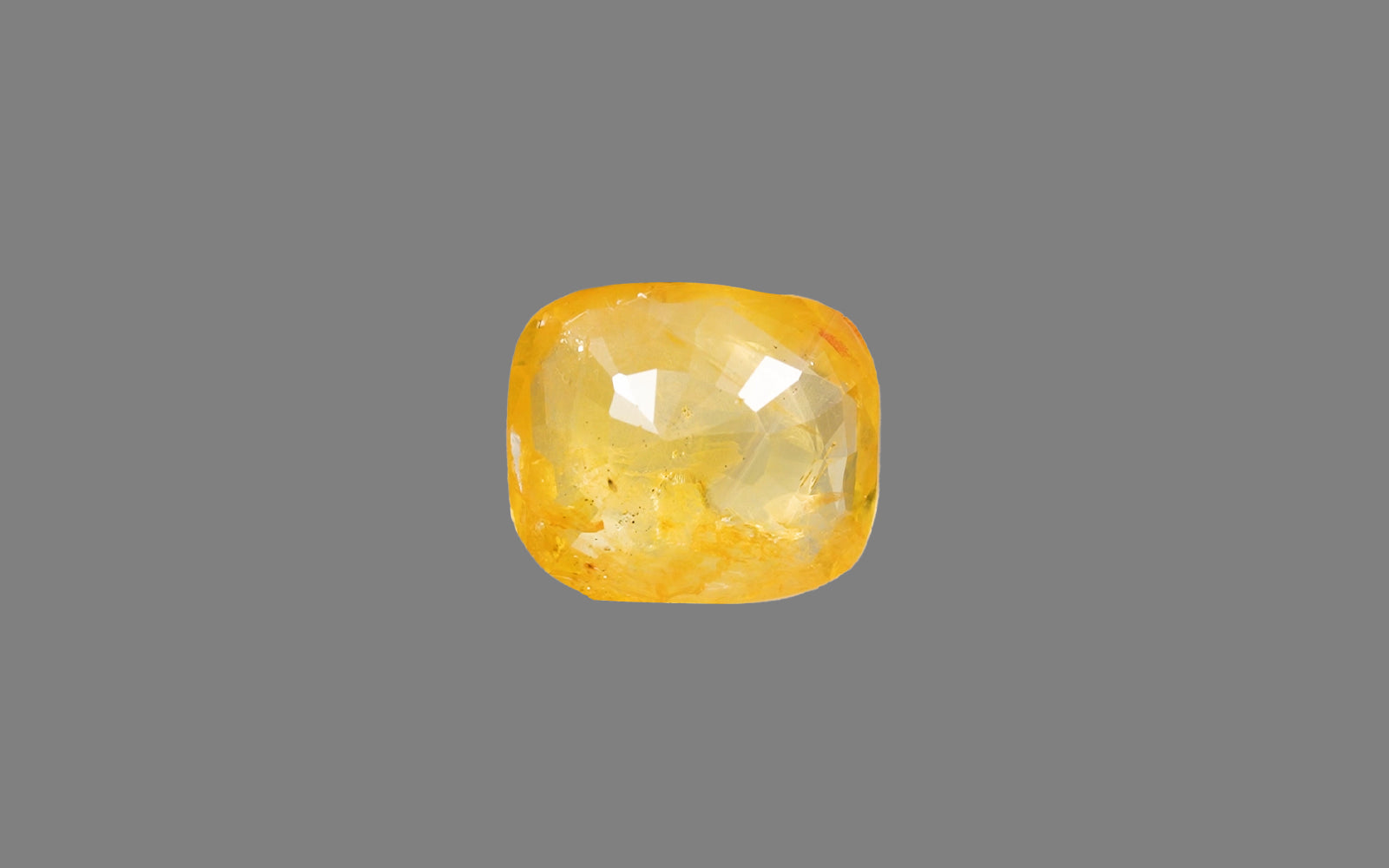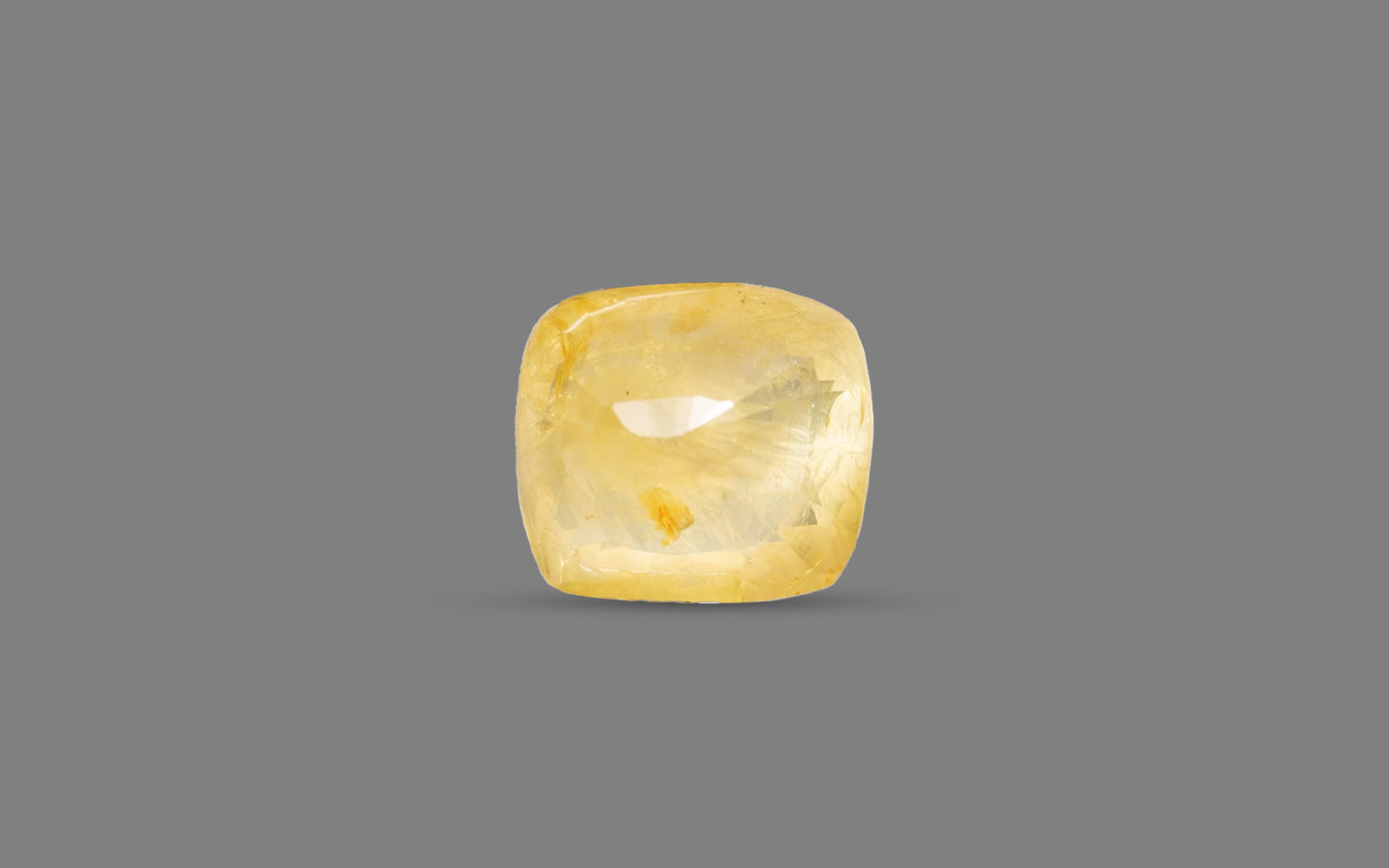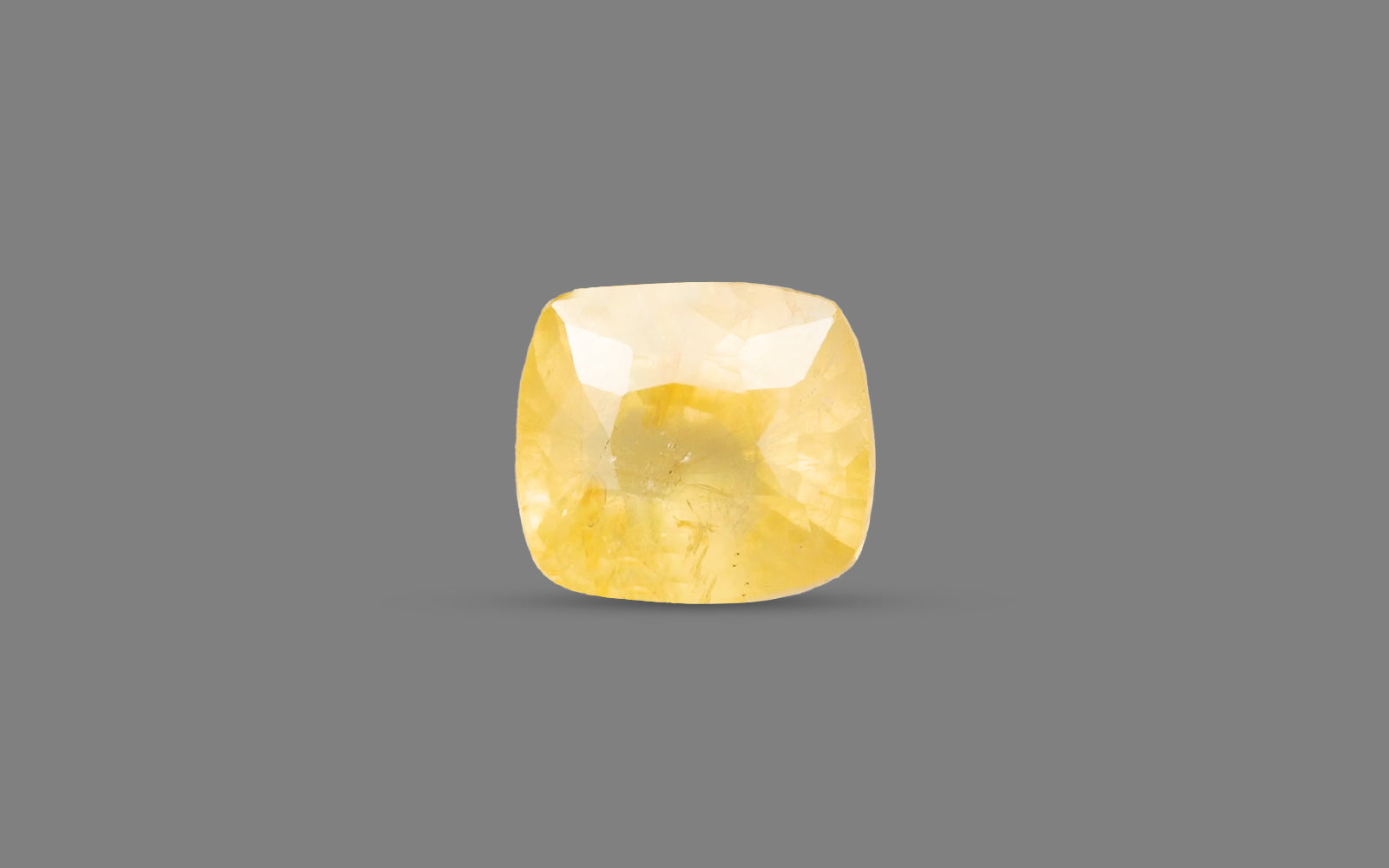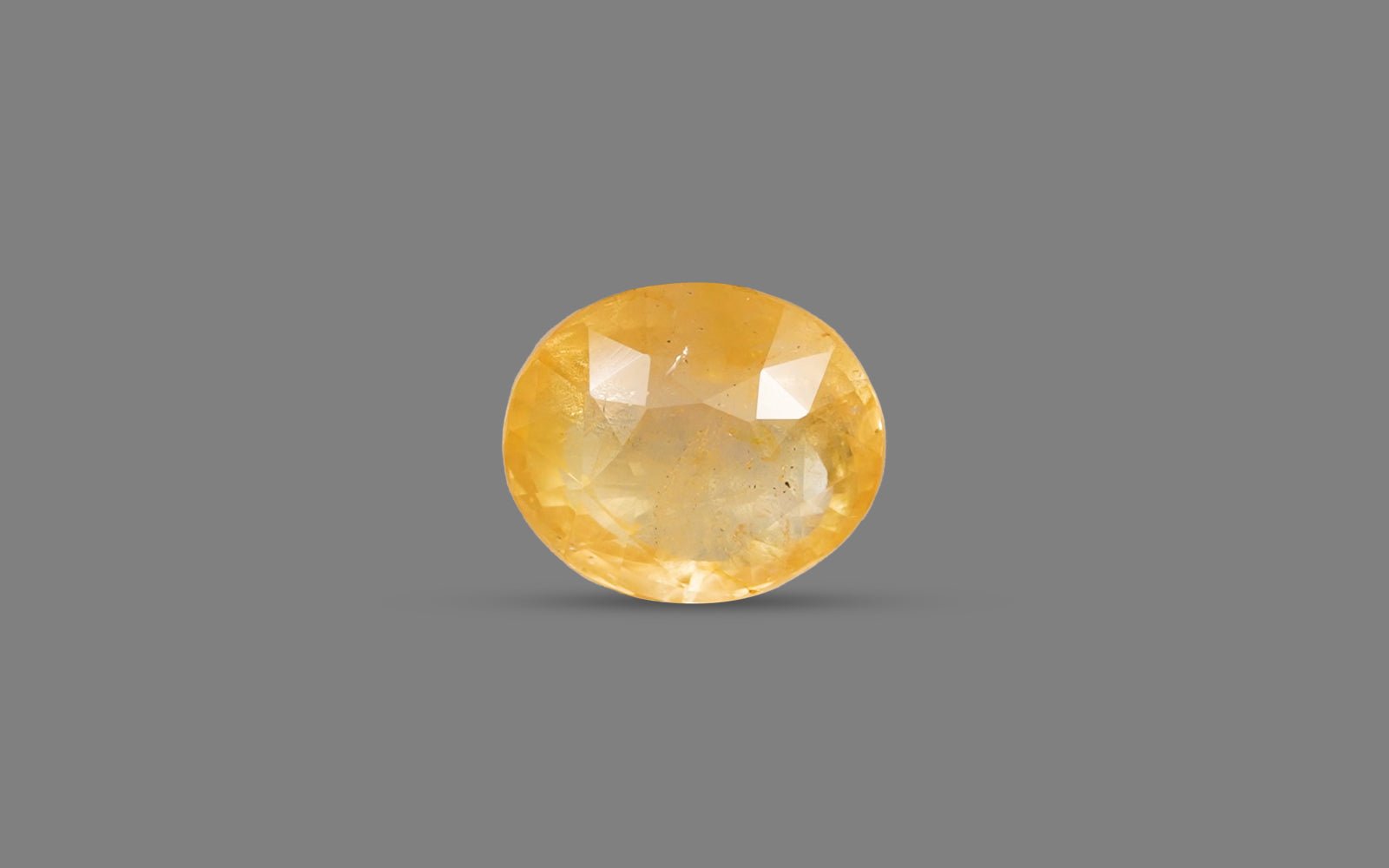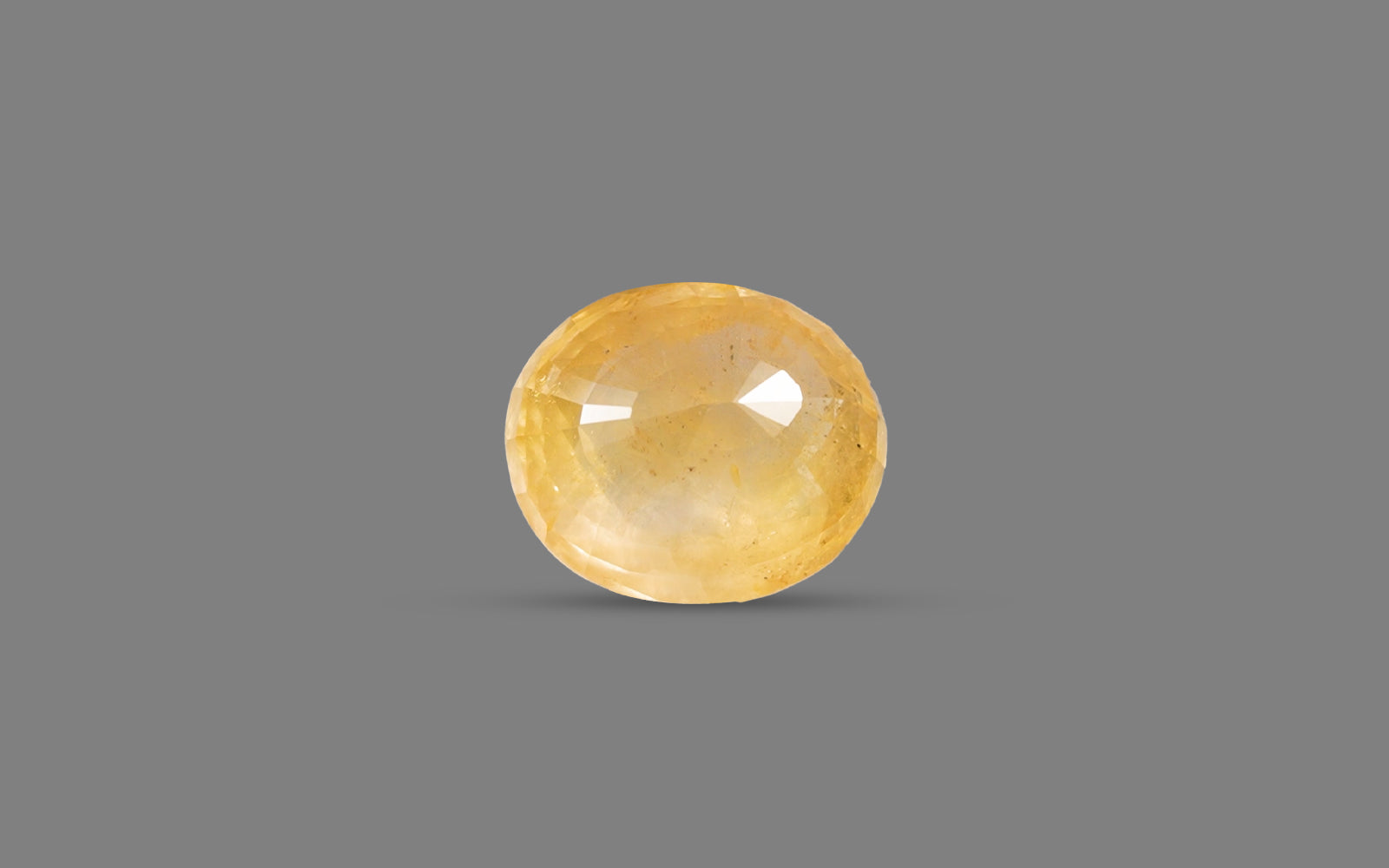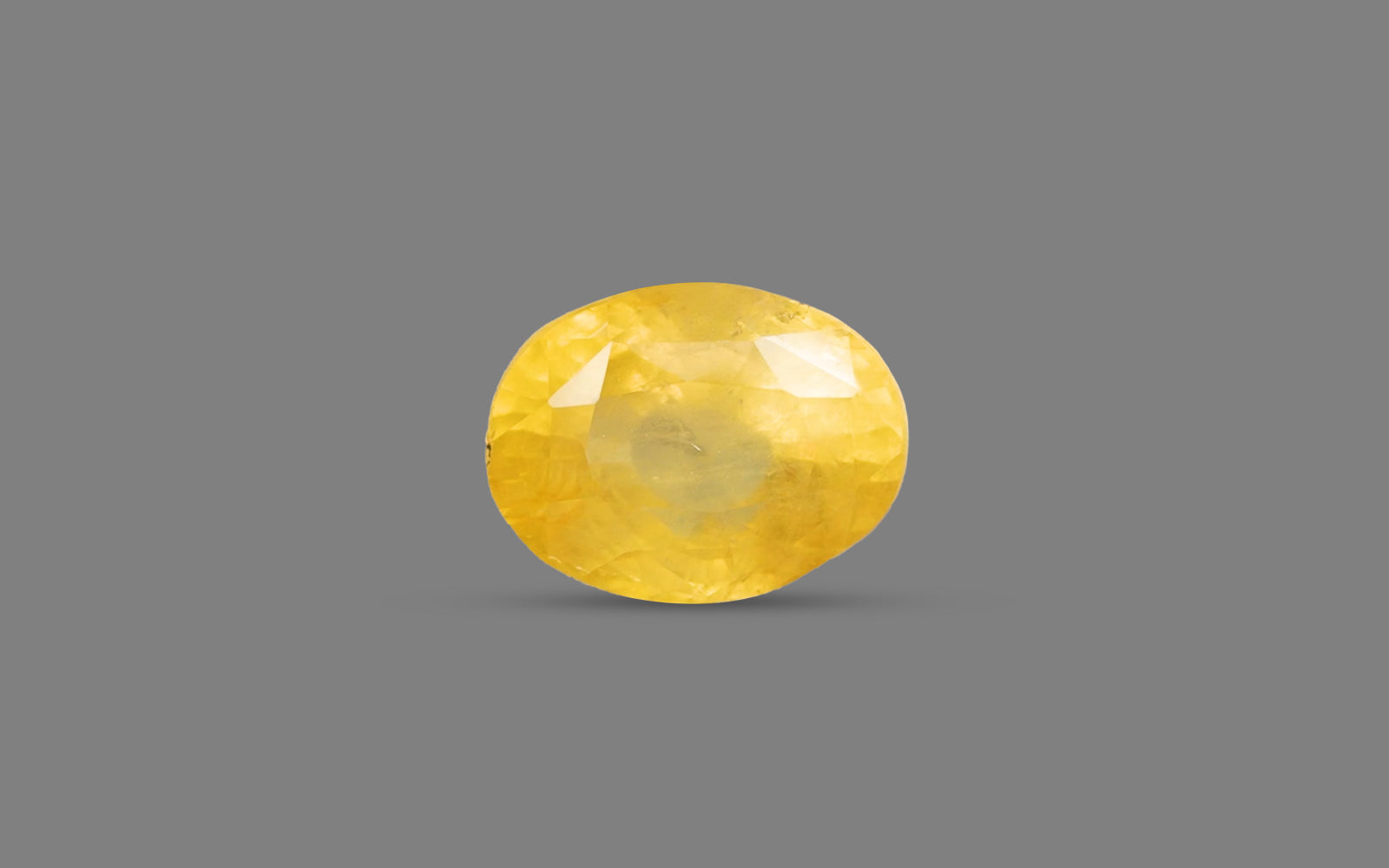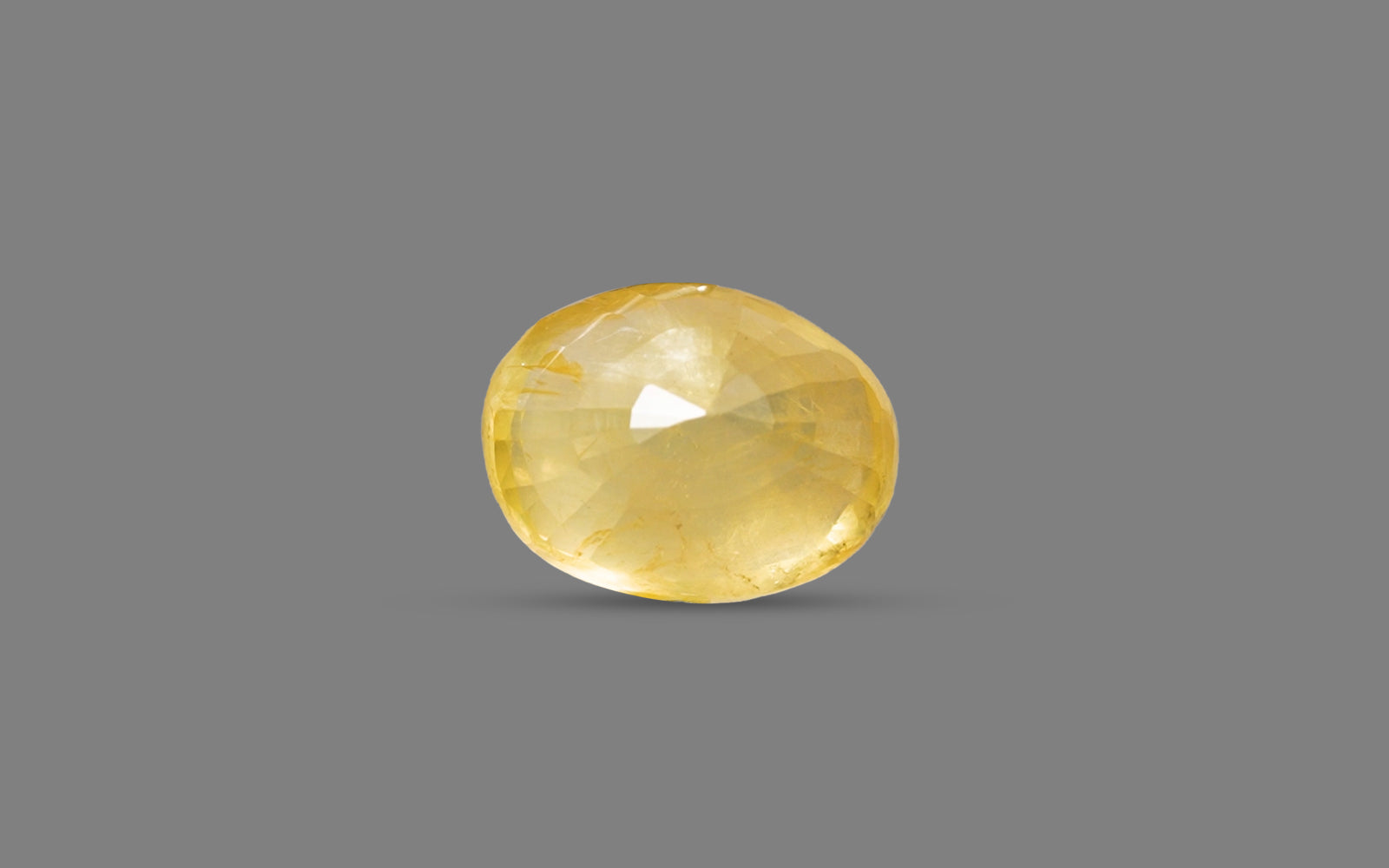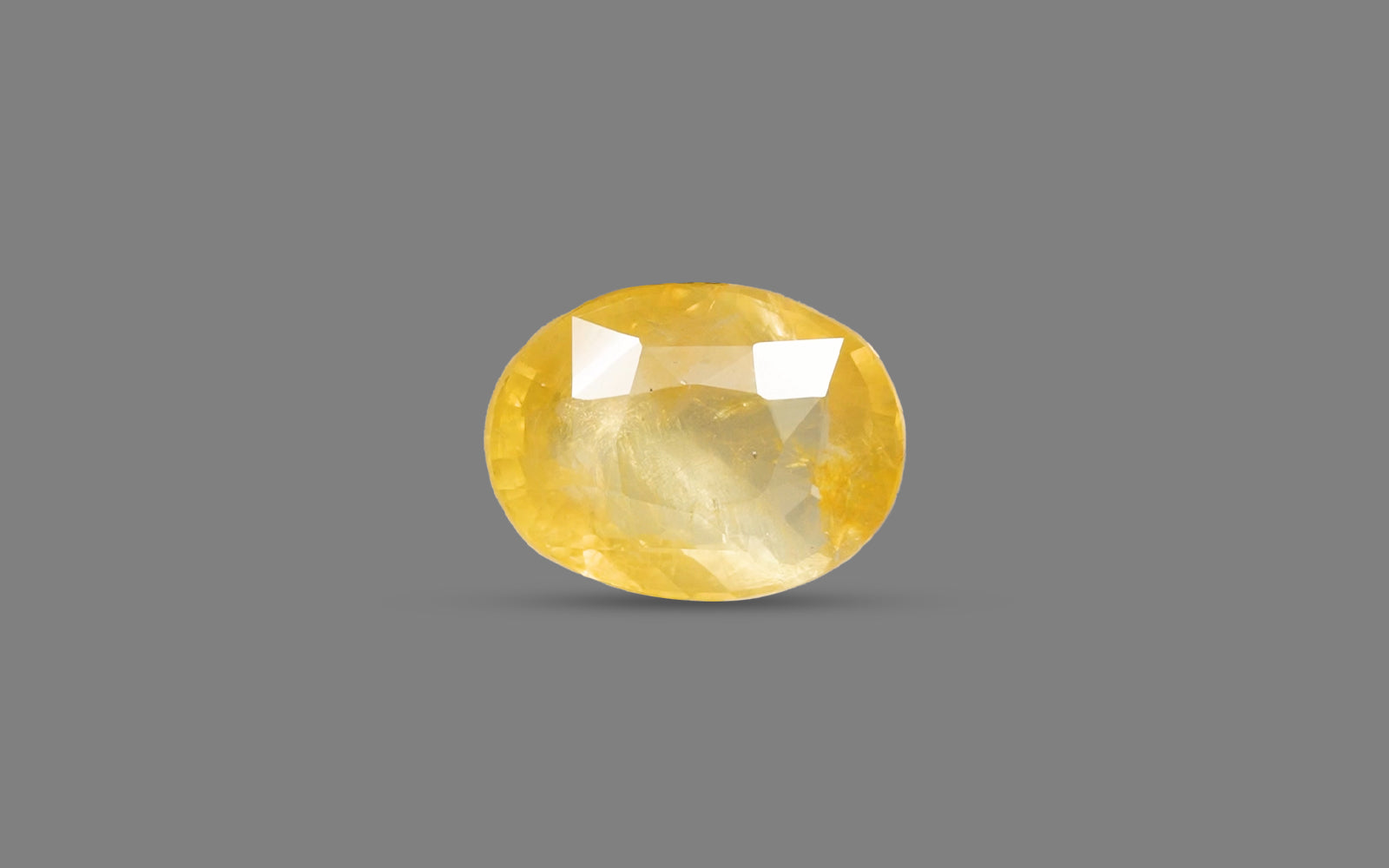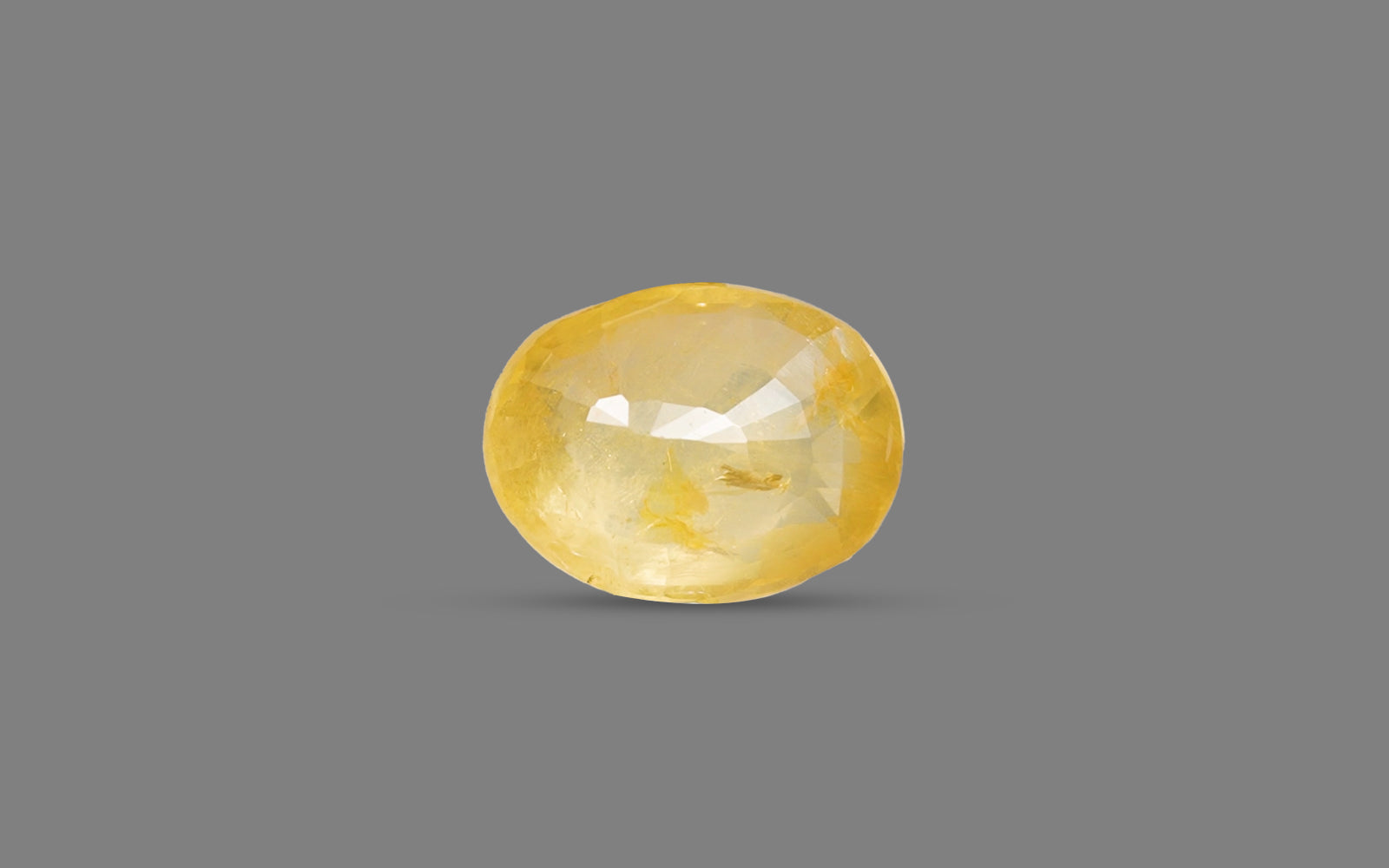


Pukhraj (Yellow Sapphire): Benefits, Price & Who Should Wear
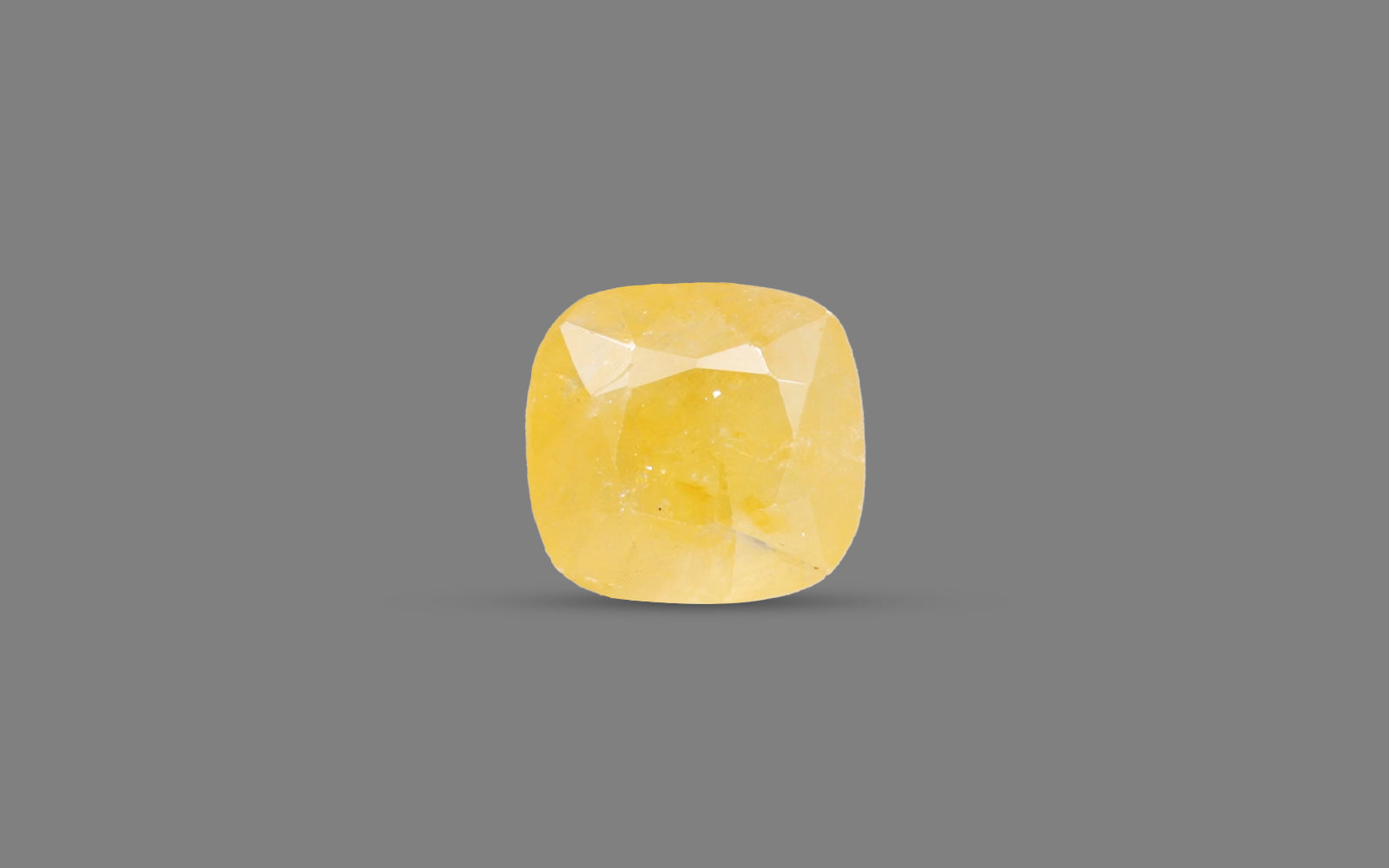
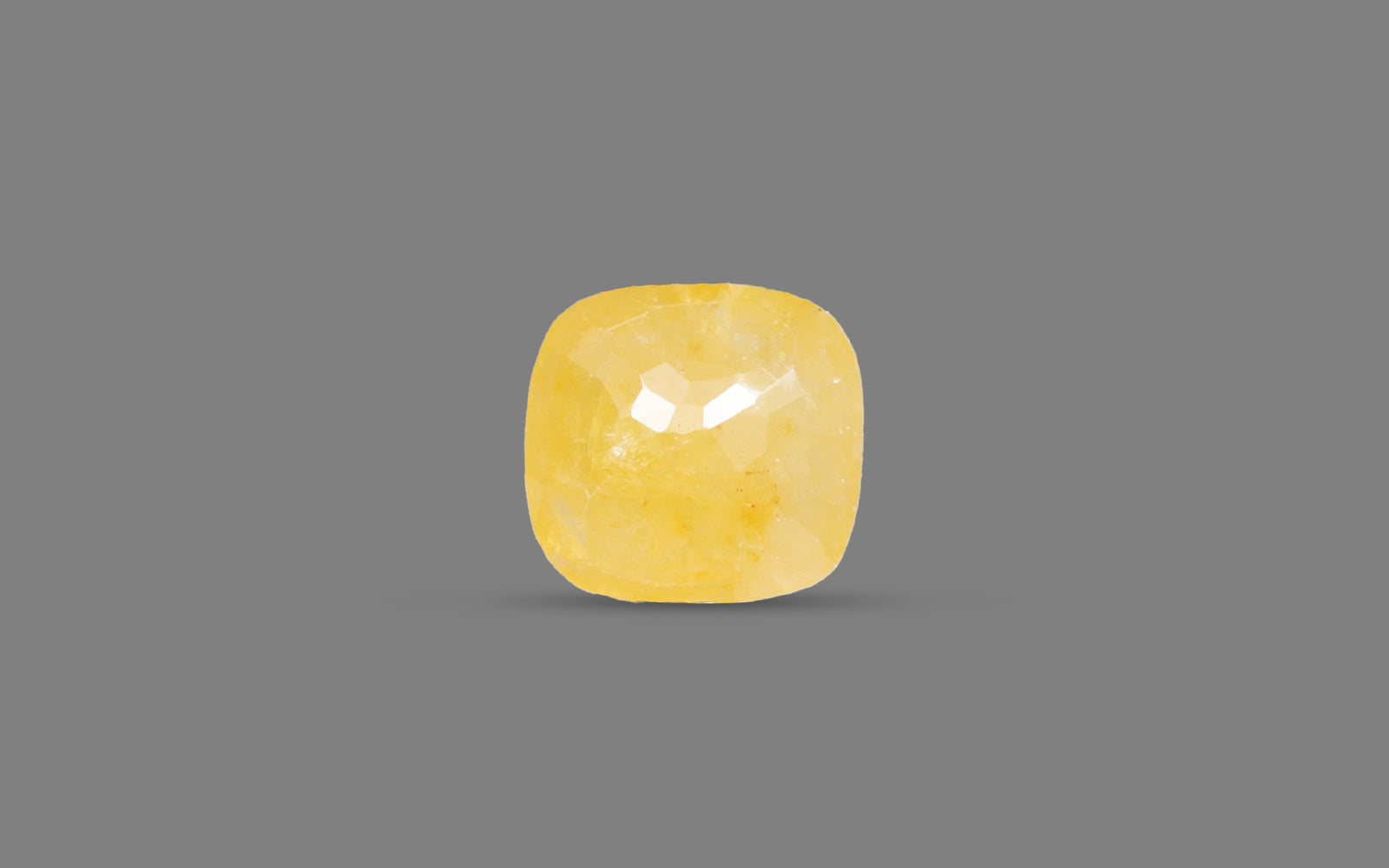
Pukhraj, or Yellow Sapphire, is the gemstone of Jupiter (Guru) — and the stone most often recommended to people new to jyotish gems. The reason is simple: Jupiter is a natural benefic, so Yellow Sapphire is considered one of the gentlest and most universally helpful Navratna stones. It is traditionally associated with wisdom, prosperity, good fortune, marriage and steady growth. This guide explains its benefits, honest price ranges, who it suits, how to wear it, and how to make sure the stone you buy is genuine.
If you have ever wondered why two yellow sapphires can differ in price by ten times, the answer is in the details — origin, treatment and clarity — and that is exactly what this guide will help you read.
What Pukhraj is traditionally worn for
| Area | Traditional association |
|---|---|
| Wisdom & learning | Strengthening Jupiter's qualities of knowledge, judgement and teaching |
| Prosperity | Supporting financial growth and good fortune |
| Marriage | Commonly recommended for timely marriage, especially for women in Vedic custom |
| Confidence & optimism | Encouraging a positive, expansive outlook |
Because Jupiter is benefic for most charts, Pukhraj is the stone an astrologer is most likely to suggest as a safe starting point — though a brief consultation is still the right way to confirm it suits you and to fix the correct weight.
Pukhraj stone price — an honest guide
Yellow Sapphire prices swing widely with origin and treatment. The biggest driver of value is whether a stone is natural and untreated. Use the ranges below as a guide, and always buy by certificate rather than by price.
| Quality | Typical range (per carat) | Notes |
|---|---|---|
| Commercial / treated | ₹1,000 – ₹3,000 | Check treatment; not always ideal for jyotish wear |
| Good natural (Bangkok / Africa) | ₹3,000 – ₹8,000 | Genuine and widely recommended value range |
| Fine natural unheated (Ceylon) | ₹10,000 – ₹30,000 | Preferred for astrological use; clean, even colour |
| Exceptional | ₹50,000+ | Top colour and clarity, rare sizes |
A suspiciously cheap Pukhraj is almost always a treated or synthetic stone. The certificate is what you are really paying for.
Who should wear Pukhraj
Yellow Sapphire is among the most widely worn gemstones because Jupiter benefits the majority of charts — in Vedic tradition it is especially favourable for Sagittarius and Pisces ascendants, and commonly recommended across many others. It is generally considered safe and gentle, which is why it is so often the first jyotish stone people wear. Even so, confirm with an astrologer, who will set the right weight and finger for you.
How to wear Pukhraj
Yellow Sapphire is traditionally set in gold and worn on the index finger of the working hand. It is usually energised and first worn on a Thursday (Jupiter's day) morning, during the waxing period, after a simple cleansing and a Guru mantra. The stone should touch the skin. As always, your astrologer's specific guidance takes precedence over a general rule.
How to know your Pukhraj is genuine
The market is full of heat-treated, beryllium-diffused and synthetic yellow sapphires, plus look-alikes such as citrine and yellow topaz sold under the wrong name. Protect yourself:
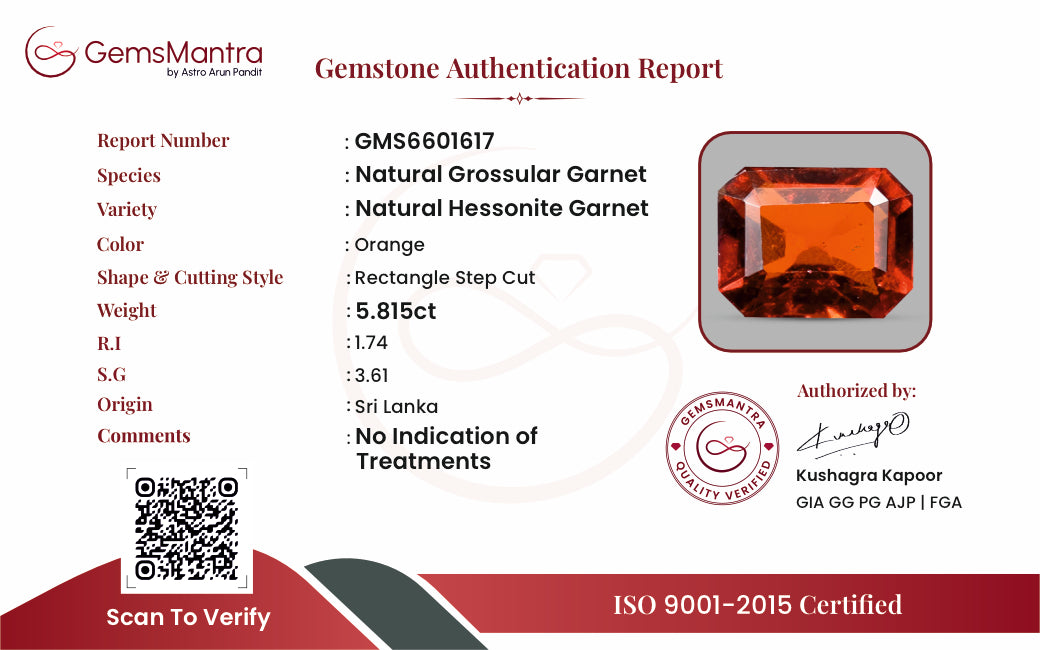
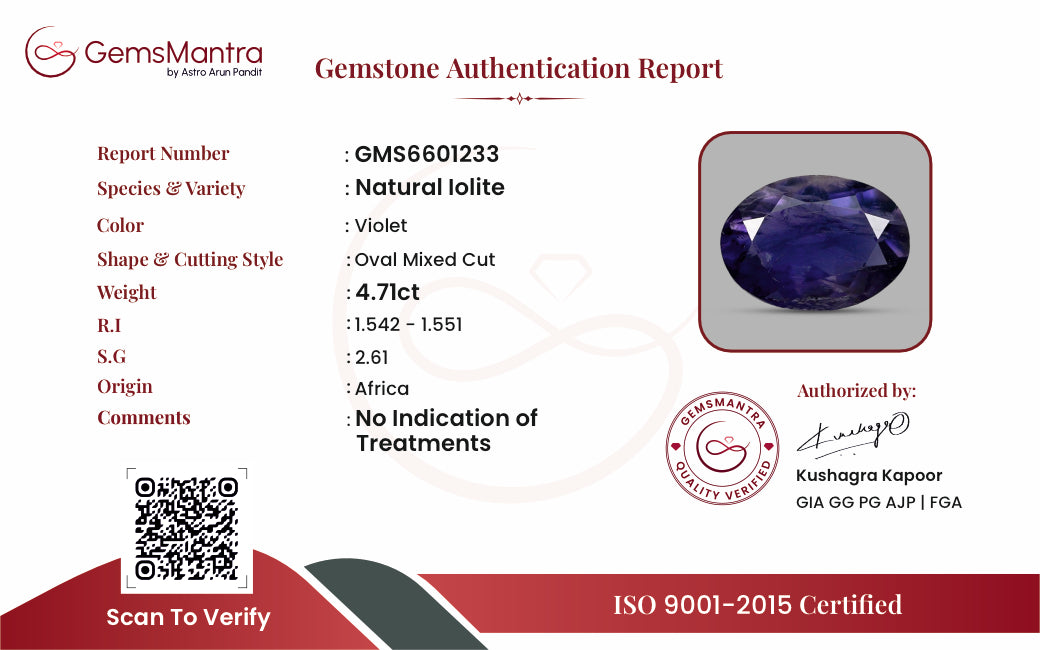
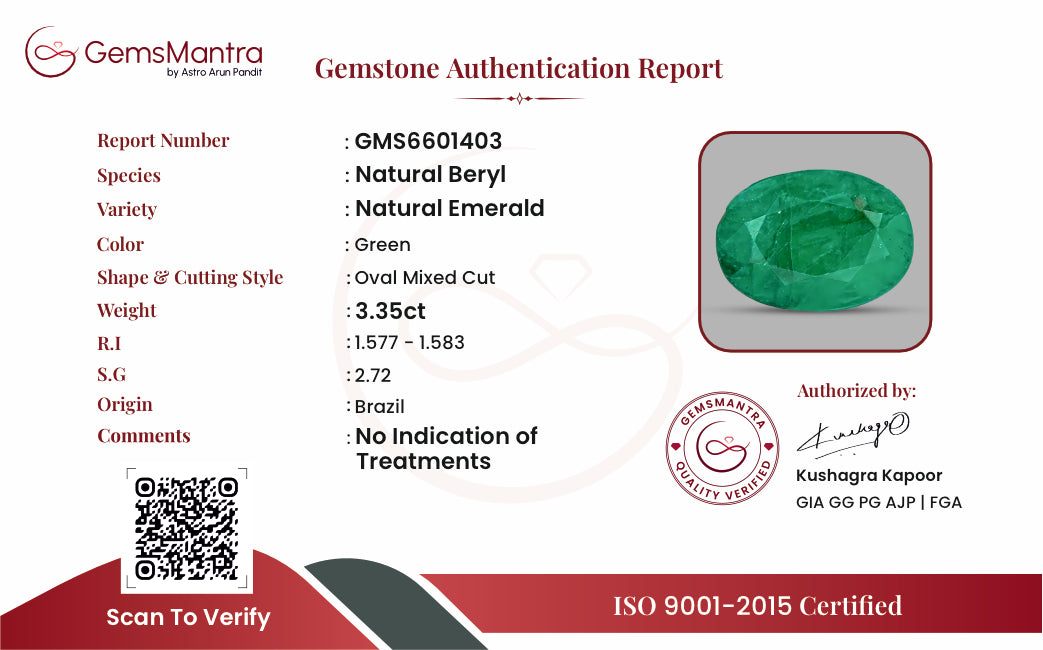
- Insist on a verifiable certificate stating natural vs synthetic, treatment, origin and weight, with a checkable report number.
- Mind the look-alikes. Citrine and yellow topaz are different, softer-value stones — a certificate confirms you are getting true sapphire.
- Prefer X-ray / lab verification over a seller's assurance or a photograph.
The GemsMantra standard
We come from a 53-year family lineage of Vedic practice, and we treat trust as the product. Every Pukhraj is individually X-ray tested and ships with a government-recognised certificate carrying a verifiable report number — so you know exactly what you are wearing, and exactly what you paid for.
Common questions
What are the benefits of Pukhraj (Yellow Sapphire)?
In Vedic tradition, Pukhraj is the stone of Jupiter, worn for wisdom, prosperity, good fortune, timely marriage and confidence. It is considered one of the gentlest and most widely beneficial Navratna stones.
What is the price of a Pukhraj stone?
It varies by quality. Good natural stones typically range from ₹3,000 to ₹8,000 per carat, while fine unheated Ceylon sapphires can run ₹10,000 to ₹30,000+ per carat. Always buy by certificate.
Who should wear Yellow Sapphire?
Because Jupiter benefits most charts, Pukhraj is widely worn and is often the first jyotish stone people choose — especially favourable for Sagittarius and Pisces ascendants. Confirm with an astrologer for the right weight.
Is Pukhraj the same as citrine or yellow topaz?
No. Citrine and yellow topaz are different, softer-value stones sometimes sold as substitutes. A certificate confirms you are getting genuine yellow sapphire.
How should Pukhraj be worn?
Traditionally in gold on the index finger, energised and first worn on a Thursday morning after a simple ritual — with weight and finger confirmed by your astrologer.
Begin with a Pukhraj you can trust
Every Yellow Sapphire individually X-ray tested, with a certificate you can verify. Browse the collection, or ask us to help you choose.
Explore certified PukhrajSee the Yellow SapphireRelated guides
Which Gemstone for Which Planet? The Navratna Guide · Neelam (Blue Sapphire): Benefits, Price & Who Should Wear · How Certification Protects You
Gemstone and planetary associations described here reflect traditional Vedic beliefs and practices. They are not medical, financial or legal advice and are not presented as guaranteed outcomes. Prices are indicative ranges only and vary by quality, origin and treatment. Please consult a qualified astrologer before wearing Yellow Sapphire.
Written by GemsMantra


%20%E2%80%94%20and%20the%20stone%20most%20often%20recommended%20to%20people%20new%20to%20jyotish%20gems.%20The%20reason%20is%20simple:%20Jupiter%20is%20a%20natural%20benefic,%20so%20Yellow%20S...)